30-minute mongolian beef is not just another recipe; it’s a delightful journey into the world of flavors that is both quick to prepare and rich in taste. I still remember the first time I stumbled upon this culinary gem. It was a hectic weeknight, and I was scouring my recipe books for something that could be whipped up in under half an hour while still satisfying my family’s diverse palates. As I flipped through the pages, I found a vibrant photograph of golden-brown meatballs nestled in a glossy, savory sauce. My mouth watered, and I immediately knew I had to try making 30-minute mongolian beef.
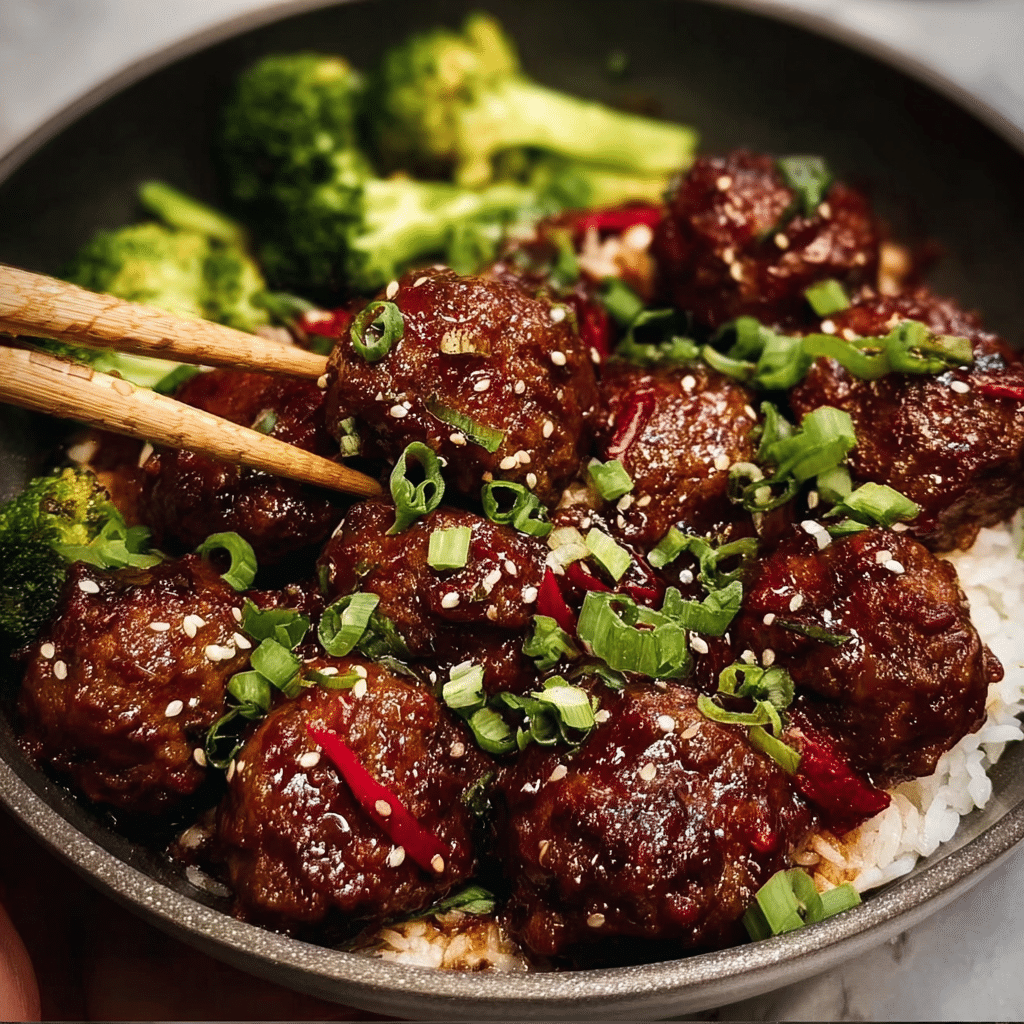
As I gathered my ingredients, I felt a wave of excitement wash over me. The sweet aroma of soy sauce mingled with the fresh ginger and garlic, transporting me to a bustling Asian street market, filled with the enticing scents of sizzling dishes. The first bite of those meatballs was a revelation! The tender beef, combined with the sweet and savory sauce, created a symphony of flavors that danced on my taste buds. Instantly, I felt a connection to this dish, and it quickly became a staple in our household.
The Story Behind This Recipe
The origins of 30-minute mongolian beef can be traced back to Chinese cuisine, where the concept of quick stir-frying became a culinary art. Ironically, the dish doesn’t have direct ties to Mongolia but rather reflects the flavors of Chinese-American cooking that gained immense popularity in the United States. The dish was created to cater to American tastes while incorporating traditional Chinese ingredients and flavors. The use of beef, soy sauce, and a hint of sugar is what makes this recipe so unique and appealing.
What makes 30-minute mongolian beef particularly special is its versatility. It’s not just about the meatballs; it’s about the accompanying sauce that can be adjusted according to personal preferences. Whether you like it spicy or prefer a more subtle sweetness, you have the freedom to customize it. This recipe stands apart from others due to its ability to deliver a restaurant-quality meal in a fraction of the time, making it perfect for busy families in need of quick dinner solutions.
In our fast-paced lives, finding time to prepare a wholesome meal can be challenging. That’s where 30-minute mongolian beef shines. It’s an effortless way to bring everyone together at the dinner table, allowing us to pause amid our busy schedules. Whether it’s a Monday night after a long day at work or a Saturday evening with friends, this dish fits seamlessly into any occasion. I often find myself making it during the cooler months, where the warm, comforting flavors can lift spirits and provide a sense of coziness. However, it’s also a great dish for summer gatherings when served over a bed of fresh greens to create a refreshing salad.
The emotional connection I have with 30-minute mongolian beef extends beyond just its taste. It represents family time, laughter, and shared moments around the dinner table. Each time I prepare it, I’m reminded of the joy it brings to my loved ones and the simple pleasure of creating something delicious in a short amount of time. This recipe has become a canvas for family traditions, where we often modify it, adding our own touch or incorporating seasonal vegetables that we have on hand.
As you embark on the journey of making your own 30-minute mongolian beef, I promise you’ll learn not just how to create these mouthwatering meatballs but also how to adapt the recipe to suit your personal taste and dietary needs. You’ll discover the magic of quick cooking without sacrificing flavor, and I’ll share tips and tricks along the way to ensure your dish turns out perfectly every time.
The Rich History and Cultural Significance of 30-minute mongolian beef
The rich history and cultural significance of 30-minute mongolian beef are as intriguing as the dish itself. Originating from the Chinese culinary landscape, this delightful recipe has evolved over the years, reflecting the fusion of cultures and flavors. The dish we know today is a product of the Chinese-American cuisine that emerged in the late 19th and early 20th centuries, particularly in the United States. It was during this period that Chinese immigrants began to adapt their traditional recipes to cater to American tastes, leading to the creation of dishes that are now ubiquitous in Chinese restaurants across the country.
Origins and History
Contrary to what the name suggests, 30-minute mongolian beef does not have roots in Mongolia. Instead, it showcases the culinary influence of Chinese flavors, particularly from the Sichuan and Cantonese regions. The preparation of beef using soy sauce, garlic, and ginger is a common practice in Chinese cooking, and it quickly became a favorite among American diners. The dish gained popularity due to its simplicity and the quick cooking methods that suit a busy lifestyle.
The meatball version of mongolian beef is a more modern interpretation, allowing for easy preparation and serving. Traditional mongolian beef dishes typically feature sliced beef stir-fried with vegetables, but the meatball variation appeals to families looking for a fun and interactive meal. As this dish spread across America, each region began to add its unique twist, resulting in various adaptations that reflect local tastes and preferences.
Cultural Significance
30-minute mongolian beef has become a hallmark of comfort food in many households. It’s often associated with family gatherings, celebrations, and even casual weeknight dinners. The dish is commonly served during Chinese New Year, symbolizing prosperity and good fortune. The use of beef in the recipe is significant, as it represents wealth and abundance in Chinese culture. Serving this dish during special occasions is a way to honor tradition while bringing family and friends together around the table.
Famous chefs and restaurants have also contributed to the popularity of mongolian beef. Restaurants specializing in Chinese cuisine often feature variations of this dish, and renowned chefs have put their spin on it, elevating it to gourmet status. Their interpretations often include the use of high-quality ingredients and innovative cooking techniques that bring out the dish’s best flavors.
Nutritional Benefits
In addition to its cultural significance, 30-minute mongolian beef also boasts impressive nutritional benefits. Beef is a rich source of protein, essential vitamins, and minerals, making it an excellent choice for a balanced diet. When paired with vegetables like bell peppers, broccoli, or snap peas, you not only enhance the flavor but also increase the nutritional value of the meal. These vegetables add fiber, vitamins, and antioxidants that are vital for maintaining overall health.
Moreover, the use of low-sodium soy sauce can help keep the dish heart-healthy, while fresh ginger and garlic offer anti-inflammatory properties. By making smart ingredient choices, such as opting for ground beef or lean cuts, you can create a healthier version of 30-minute mongolian beef without compromising on taste.
As we delve deeper into the world of 30-minute mongolian beef, we uncover the layers of history, culture, and nutrition that make this dish not just a meal but a celebration of flavors, experiences, and traditions. Join me as we explore the recipe in detail, discovering tips and variations that will make your culinary experience both delightful and memorable.
Essential Ingredients for Perfect 30-minute mongolian beef
When it comes to whipping up a quick yet indulgent meal, my go-to recipe has become the 30-minute Mongolian beef meatballs. This dish is a perfect blend of savory, sweet, and a hint of spice, making it a favorite in my household and among friends. To ensure you achieve the most delicious results, let’s dive into the essential ingredients that will elevate your 30-minute Mongolian beef experience.
Essential Ingredients
Before we get into the nitty-gritty of cooking, let’s look at the complete list of ingredients you’ll need to create this mouthwatering dish:
- 2 pounds ground beef
- 4 green onions (finely chopped, plus more for serving)
- 2-inch fresh ginger (grated, or 2 tablespoons ginger paste)
- 6 cloves garlic (minced or grated)
- 1 head broccoli (cut into florets)
- 1 tablespoon olive oil
- 1 tablespoon vegetable oil
- 1 cup low-sodium soy sauce
- 1 cup brown sugar
- 4 cloves garlic (minced)
- 2 tablespoons ginger (minced)
- ⅔ cup water
- 1 tablespoon rice wine vinegar
- ½ teaspoon red pepper flakes
- 2 tablespoons cornstarch (whisked with ½ cup water)
- Kosher salt and pepper (to taste)
- 3 green onions (thinly sliced)
- Sesame seeds
30-Minute Mongolian Beef Meatballs
Ingredients
- 2 pounds ground beef
- 4 green onions (finely chopped, plus more for serving)
- 2 inch fresh ginger (grated (or 2 Tbsp. ginger paste))
- 6 cloves garlic (minced or grated)
- 1 head broccoli (cut into florets)
- 1 Tablespoon olive oil
- Sauce
- 1 Tablespoon vegetable oil
- 1 cup low-sodium soy sauce
- 1 cup brown sugar
- 4 cloves garlic (minced)
- 2 Tablespoons ginger (minced)
- ⅔ cup water
- 1 Tablespoon rice wine vinegar
- 1/2 teaspoon red pepper flakes
- 2 Tablespoons cornstarch (whisked with 1/2 cup water)
- Kosher salt and pepper (to taste)
To Garnish
- 3 green onions (thinly sliced)
- Sesame seeds
Instructions
- Preheat the oven to 450 degrees F. Line a baking sheet with foil or parchment paper.
- Add the ground beef, green onions, ginger, and garlic to a bowl. Season with salt and pepper. Mix until just combined. Roll into tablespoon-size balls, placing them on one side of the prepared baking sheet. Add the broccoli to the other side of the baking sheet and toss with 1 tablespoon oil, salt, and pepper. Transfer to the oven and bake for 15 minutes or until the meatballs are cooked through.
- Meanwhile, in a large skillet add the oil, soy sauce, brown sugar, garlic, ginger, water, rice wine vinegar and red pepper flakes. Stir and cook over medium-high heat, for about 10 minutes. Whisk together cornstarch with 1/2 cup water and add to your sauce. Continue to cook until the sauce thickens. Remove from the heat.
- Add the cooked meatballs to the skillet of sauce and toss, until the sauce coats the meatballs.
- Serve the meatballs and remaining sauce over bowls of rice topped with additional green onions and sesame seeds. Serve the broccoli on the side.
Each of these ingredients plays a crucial role in the overall flavor and texture of the dish. Let’s explore their significance in more detail.
Ingredient Roles and Importance
The star of the show, the ground beef, is essential for forming the meatballs, offering a rich flavor and satisfying texture. You can choose between different fat contents—80/20 will yield juicier meatballs, while 93/7 is leaner.
Green onions bring a fresh, mild onion flavor that complements the beef, while also adding a pop of color. When finely chopped, they integrate well into the meat mixture and can be used as a garnish.
Fresh ginger and garlic are aromatic powerhouses that add depth and warmth. Grating them ensures they blend seamlessly into the meatballs, while minced forms are perfect for the sauce, intensifying the dish’s flavor profile.
Broccoli is not only nutritious but also provides a lovely crunch that contrasts beautifully with the tender meatballs. It’s visually pleasing and adds a vibrant green hue to the plate.
Olive oil and vegetable oil are used for sautéing, helping to create a golden crust on the meatballs, while ensuring they don’t stick to the pan.
The soy sauce is a cornerstone of the sauce, infusing a salty, umami-rich flavor. Opting for low-sodium varieties allows you to control the saltiness without compromising on taste.
Brown sugar adds a delightful sweetness that balances the saltiness of the soy sauce, creating that signature Mongolian flavor. It caramelizes beautifully when cooked, enhancing the dish’s overall flavor.
Rice wine vinegar introduces a slight acidity that brightens the dish, cutting through the richness of the beef. It’s a key ingredient for achieving that complex flavor profile.
Red pepper flakes provide a subtle heat, which you can adjust based on your spice preference. A little goes a long way in elevating the dish.
Cornstarch is a thickening agent that gives the sauce a luscious texture, making it cling to the meatballs and broccoli perfectly. It’s essential for that rich mouthfeel.
Finally, kosher salt and pepper are necessary for seasoning the meatballs to taste, while sesame seeds offer a nutty flavor and a delightful crunch when sprinkled on top just before serving.
Shopping Tips
When sourcing your ingredients for 30-minute Mongolian beef, quality is key. For ground beef, look for a bright red color with minimal browning, indicating freshness. If possible, purchase from a butcher where you can ask for specific fat content. Fresh ginger should feel firm and not be wrinkled, while garlic should be plump and free of sprouts. As for produce, opt for vibrant green broccoli that feels firm to the touch, and choose green onions that are crisp and free of wilting.
If you’re considering organic versus conventional, many people prefer organic for its absence of pesticides and chemicals. However, if budget is a concern, conventional produce can still be nutritious; just ensure it’s fresh and well-stored.
Substitutions and Alternatives
Dietary restrictions can pose a challenge, but luckily, there are several substitutions you can make without compromising the integrity of the dish. For those who are gluten-free, look for gluten-free soy sauce or tamari. If you prefer turkey or chicken, ground poultry can be used in place of beef, though the flavor will differ slightly. For a vegetarian option, try using plant-based ground meat or tofu, ensuring to adjust cooking times accordingly.
Brown sugar can be swapped with coconut sugar for a lower glycemic index, and if you’re looking to reduce sugar content, try using a sugar alternative like stevia, though the flavor profile will change slightly. Incorporate additional vegetables like bell peppers or snap peas if you want to increase the nutritional value further.
Lastly, if you find yourself unable to use sesame seeds due to allergies, feel free to omit them or replace them with sunflower seeds for a similar crunch.
Storage Tips
For the best flavor, use ingredients as fresh as possible. However, if you have leftovers, store them in an airtight container in the refrigerator for up to three days. Reheat gently on the stove or in the microwave, adding a splash of water or broth to prevent drying out. Ground beef can be frozen for up to three months, while broccoli can also be blanched and frozen for later use. Fresh ginger and garlic can be stored in the fridge, but they do best when used fresh. However, if you have leftover ginger paste, it can be frozen in ice cube trays for easy future use.
With these ingredients and tips, you’re well on your way to creating a delectable 30-minute Mongolian beef dish that will impress your family and friends. Let’s roll up our sleeves and get cooking!
Detailed Step-by-Step 30-minute mongolian beef Cooking Instructions
Now that we have our ingredients lined up, it’s time to dive into the cooking process for the 30-minute Mongolian beef meatballs. This dish not only comes together quickly but is also packed with flavor, making it perfect for a weeknight dinner or a last-minute gathering. Let’s break it down step by step, ensuring you have all the information you need to master this recipe!
Preparation Steps
- Gather Your Ingredients: Start by assembling all your ingredients. This makes the cooking process smoother and ensures you won’t forget anything crucial.
- Chop and Prepare: Finely chop your green onions, grate the ginger, and mince the garlic. For the broccoli, cut it into small florets. The smaller the pieces, the quicker they’ll cook and the better they’ll absorb the flavors.
- Make the Meatball Mixture: In a large mixing bowl, combine the ground beef, 4 chopped green onions, grated ginger, 6 minced garlic cloves, and a generous pinch of kosher salt and pepper. Use your hands to mix everything together until just combined—overmixing can lead to tough meatballs.
- Shape the Meatballs: With your hands, form the meat mixture into small meatballs, about 1 to 1.5 inches in diameter. Try to keep them uniform in size for even cooking.
- Prep the Sauce: In a separate bowl, whisk together the low-sodium soy sauce, brown sugar, ⅔ cup water, rice wine vinegar, and the remaining 2 tablespoons of minced ginger. Set this aside; it will be your flavorful sauce.
- Mix the Cornstarch Slurry: In a small bowl, whisk the cornstarch with ½ cup water until smooth. This will thicken your sauce later on.
Cooking Process
- Heat the Oils: In a large skillet or wok, heat the olive oil and vegetable oil over medium heat. You want the oil hot enough to sear the meatballs but not smoking.
- Cook the Meatballs: Carefully place the meatballs in the pan, ensuring they are not overcrowded. You may need to do this in batches. Cook for about 3-4 minutes on each side or until they are golden brown and cooked through. Use tongs to turn them gently to avoid breaking them apart.
- Remove the Meatballs: Once they are cooked, transfer the meatballs to a plate and set them aside. Don’t clean the pan just yet, as we want those flavorful bits left behind for the sauce.
- Sauté the Broccoli: In the same pan, add the broccoli florets and sauté for about 2-3 minutes, until they are bright green and slightly tender. You might want to add a touch more oil if needed.
- Add the Garlic and Sauce: Add the remaining 4 minced garlic cloves to the pan, sautéing for about 30 seconds until fragrant. Pour in your prepared sauce and bring it to a simmer.
- Add the Cornstarch Slurry: Once the sauce is simmering, stir in the cornstarch slurry. This will thicken the sauce rapidly; stir constantly for about 1-2 minutes until it reaches your desired consistency.
- Return the Meatballs: Gently place the meatballs back into the skillet, coating them in the thickened sauce. Let them simmer in the sauce for an additional 2-3 minutes to absorb all those wonderful flavors.
Final Assembly
- Plate the Dish: Once the meatballs are well-coated and the broccoli is tender, it’s time to serve. You can serve this dish over rice or noodles to soak up the delicious sauce.
- Garnish: Top with additional sliced green onions and a sprinkle of sesame seeds for that final touch of flavor and texture.
- Enjoy!: Take a moment to appreciate your culinary creation before digging in. This dish is best enjoyed fresh, but leftovers can be stored in the fridge for a few days.
Cooking this 30-minute Mongolian beef is not just about following a recipe; it’s about engaging with the ingredients and the process. As you cook, remember to take note of the aromas and colors. They’re just as important as the taste! This dish is all about balance—between the savory and sweet, the tender and crunchy—and the satisfaction of a home-cooked meal. Enjoy your culinary adventure!
Professional Tips and Techniques for 30-minute mongolian beef
When it comes to whipping up a delicious meal in a hurry, few recipes can compete with the 30-minute Mongolian beef. This dish is not only packed with flavor, but it also offers a fascinating combination of sweet and savory that creates a delightful dining experience. To help you master this dish, I’ve compiled a wealth of professional tips and techniques that will elevate your cooking game and ensure your Mongolian beef meatballs are nothing short of spectacular.
Professional Techniques
To start off, let’s talk about the meat. Traditionally, Mongolian beef is made with flank steak, but for our 30-minute Mongolian beef meatballs, we’ll be using ground beef for a more approachable and quicker preparation. However, if you prefer to use steak, make sure to slice it against the grain. This will ensure that your meat is tender and easy to chew.
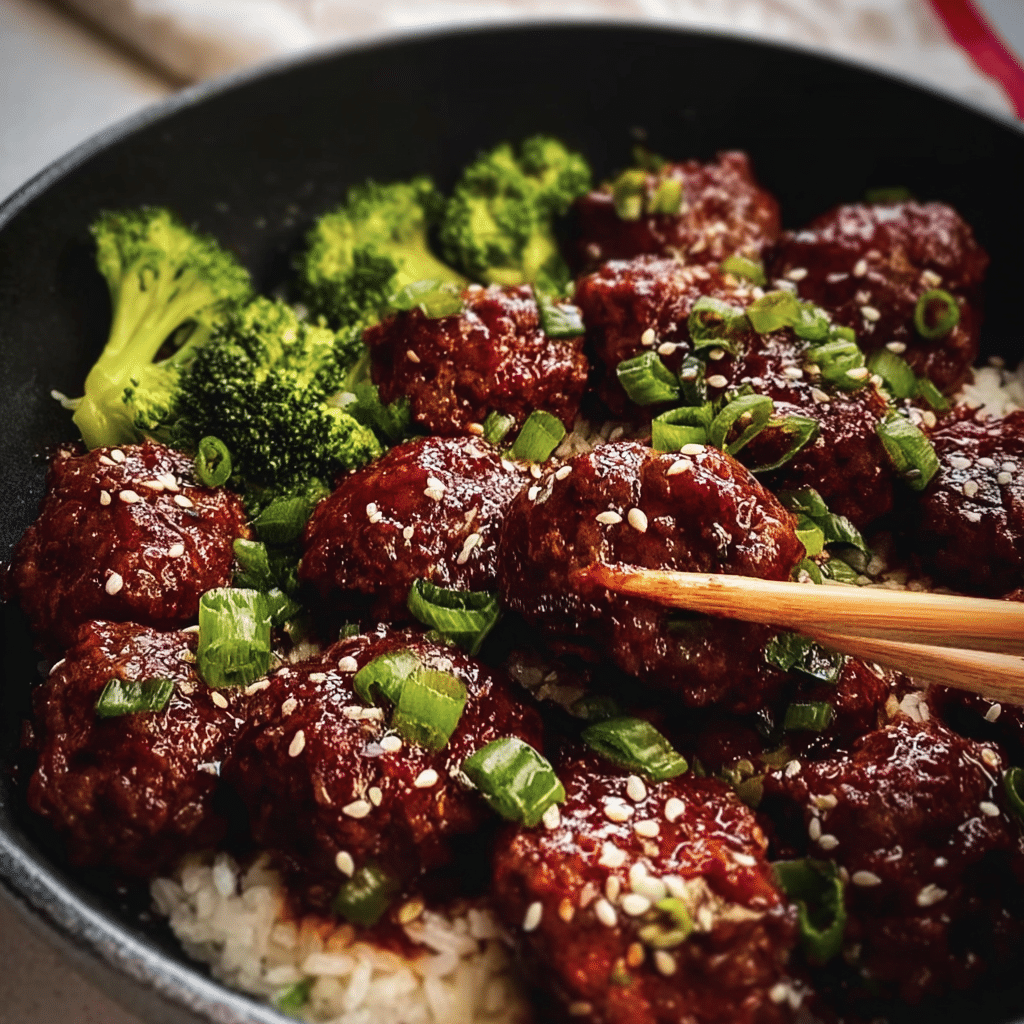
When forming your meatballs, it’s essential to handle the meat as little as possible. Overworking the mixture can make the meatballs dense and chewy. Mix your ingredients just until they’re combined and then roll them gently into balls. A great tip here is to keep your hands wet while rolling; this prevents the meat from sticking and helps maintain a nice round shape.
Cooking techniques also play a vital role in achieving the perfect 30-minute Mongolian beef. For a nice sear, heat your pan until it’s hot before adding the meatballs. This ensures they brown beautifully on the outside while remaining juicy on the inside. If you find your meatballs are sticking to the pan, it might be a sign that the heat is too low or that they aren’t ready to be flipped yet. Patience is key!
Troubleshooting Guide
Even the best cooks can run into problems, so here’s a troubleshooting guide to help you navigate common issues. If your meatballs are falling apart during cooking, it could be due to a lack of binding agents. Adding an egg or some breadcrumbs can help hold everything together. Conversely, if the meatballs are too dry, consider adding a splash of soy sauce or a little sesame oil to the mixture; this will enhance the flavor and moisture content.
Another common issue is undercooked meatballs. If you’re unsure whether they’re fully cooked, use a meat thermometer. The internal temperature should reach 160°F (71°C). If you’re cooking them in a sauce, let them simmer for a few extra minutes to ensure they’re thoroughly cooked and infused with flavor.
Presentation Tips
Presentation is key when serving your 30-minute Mongolian beef meatballs. To make your dish visually appealing, consider serving the meatballs on a bed of steamed rice or quinoa. This not only adds texture but also provides a neutral backdrop that allows the vibrant colors of the sauce to shine. Garnish with sliced green onions, sesame seeds, or even a drizzle of sriracha for a pop of color and flavor.
For beverages, a light-bodied red wine such as Pinot Noir pairs beautifully with the rich flavors of Mongolian beef. If you prefer something non-alcoholic, a sparkling water with a splash of lime can cleanse the palate and enhance the dish’s flavors.
Meal prep strategies can also help streamline your cooking experience. You can make the meat mixture ahead of time and store it in the fridge for up to a day. Additionally, consider making a larger batch of meatballs and freezing them. Simply place them in a single layer on a baking sheet, freeze until solid, and then transfer them to an airtight container. This allows you to have homemade meatballs ready to go whenever you need a quick meal.
Lastly, scaling the recipe up or down is simple. The beauty of this recipe is that you can easily adjust the quantities based on how many people you’re serving. Just keep the ratios consistent, and you’ll have a delicious meal ready in no time!
Creative Variations and Adaptations of 30-minute mongolian beef
While the classic 30-minute Mongolian beef meatballs are already a hit, there’s a world of possibilities when it comes to creative variations and adaptations. Whether you’re in the mood for something a little different or want to cater to specific dietary needs, these tips will help you explore new flavors and ingredients while still keeping the heart of this dish intact.
Seasonal Variations
One of the joys of cooking is adapting recipes to suit the seasons. In the fall, consider incorporating seasonal vegetables like butternut squash or mushrooms into your meatball mix. These ingredients not only add flavor but also provide a hearty texture that complements the meat. In the summer, fresh herbs such as basil or cilantro can brighten up the dish, giving it a refreshing twist. Imagine the delightful combination of basil-infused meatballs simmered in a savory sauce!
For a winter variation, you might want to add some warming spices like ginger or cinnamon to the meat mixture. These spices can enhance the earthiness of the beef and create a comforting dish that’s perfect for chilly evenings.
Dietary Adaptations
As we become more health-conscious, many people are looking for ways to adapt traditional recipes to fit their dietary needs. For those following a keto diet, you can substitute the ground beef with ground turkey or chicken. Additionally, replacing brown sugar with a sugar alternative like erythritol or stevia can help maintain that sweet-savory balance without the carbs.
If you’re catering to vegan or vegetarian friends, consider using textured vegetable protein (TVP) or lentils as the base for your meatballs. These options provide a similar texture and can absorb flavors beautifully. Additionally, make sure to use a plant-based sauce to keep the dish entirely vegan.
Creative Twists
Let’s not forget the fun of fusion cooking! Imagine a Tex-Mex twist on your 30-minute Mongolian beef by adding taco seasoning to the meat mixture and serving the meatballs in soft tortillas topped with avocado and pico de gallo. This mash-up can be a fun way to introduce new flavors and textures to your table.
For those who enjoy a bit of heat, you can amp up the spice level by adding chili flakes or sriracha to the sauce. It’s an easy way to customize the dish according to your heat tolerance and preference. If you want to try different cooking methods, consider slow cooking the meatballs in a sauce to allow the flavors to deepen over time. This method works wonderfully, especially if you want to prepare the dish ahead of time.
Lastly, let’s talk about leftovers. If you find yourself with extra meatballs, consider transforming them into a hearty soup or a sandwich filling. Simply add them to a pot of simmering broth with some vegetables for a quick soup, or slice them and toss them with pasta and your favorite sauce for a delightful and unexpected meal.
With these variations, you can keep your 30-minute Mongolian beef dynamic and fresh. Cooking is all about experimentation, and I encourage you to take these ideas and make them your own. With a little creativity, you’ll not only impress your family and friends but also discover new favorites along the way!
Storage, Reheating, and Meal Prep for 30-minute mongolian beef
When it comes to enjoying your delicious 30-minute Mongolian beef meatballs, knowing how to properly store, reheat, and meal prep is just as important as cooking them to perfection. After all, the joy of cooking doesn’t have to end after the first meal. With the right techniques, you can savor those delightful flavors all week long!
Short-term Storage
Once you’ve whipped up a batch of 30-minute Mongolian beef meatballs, you might find yourself with leftovers (or intentionally making extra for meal prep!). Storing them correctly in the refrigerator is key to maintaining their taste and texture. First, let your meatballs cool down to room temperature, which usually takes about 30 minutes. This prevents condensation from forming, which can lead to soggy meatballs.
Next, transfer them into airtight containers. Glass containers are an excellent choice, as they don’t retain odors and are microwave-safe. If you prefer plastic, ensure it’s BPA-free. A good rule of thumb is to use shallow containers, which allow the meatballs to cool faster and minimize spoilage. When stored properly, your 30-minute Mongolian beef meatballs can last in the refrigerator for up to 3 to 4 days. Always mark the date on your containers to keep track of how long they’ve been in there!
Freezing and Long-term Storage
If you want to extend the life of your 30-minute Mongolian beef meatballs even further, freezing is the way to go. Freezing can preserve their flavor and nutritional value for up to 3 months! To freeze, start by arranging the cooled meatballs on a baking sheet lined with parchment paper, ensuring they’re not touching. This way, you can freeze them individually before transferring them into a freezer-safe bag or container, preventing them from sticking together.
Label the bag with the date and description to avoid any confusion later. When you’re ready to indulge again, simply pull out the desired amount, and place them in the refrigerator to thaw overnight before reheating. Alternatively, you can reheat them straight from the freezer; they may just take a bit longer to warm through.
Reheating Best Practices
To keep your 30-minute Mongolian beef meatballs as delicious as they were on day one, reheating them correctly is crucial. The microwave is the quickest method, but it can sometimes lead to uneven heating. If you do opt for the microwave, place the meatballs on a microwave-safe plate and cover them with a damp paper towel. This helps retain moisture. Heat them in 30-second intervals, flipping them halfway through until they are heated thoroughly.
For the best results, consider reheating in a skillet over medium heat. Add a splash of water or broth to help steam the meatballs and keep them juicy. Stir occasionally until they’re heated through. If you’re in the mood for a crispy bite, you can also pop them in the oven at 350°F for about 15-20 minutes. Just be sure to cover them with foil to prevent them from drying out.
Meal prep is another fantastic way to enjoy your 30-minute Mongolian beef meatballs throughout the week. You can make a big batch on the weekend and store them in individual portions for easy access during busy weekdays. Portion them out into containers with some steamed vegetables or rice for a complete meal, ensuring you have healthy options ready to go.
Food safety is always a priority in the kitchen. Keep in mind that cooked meat should not be left out at room temperature for more than two hours to prevent bacterial growth. If you’re not planning to eat your meatballs within that time frame, it’s best to refrigerate or freeze them right away. When reheating, make sure they reach an internal temperature of 165°F for safe consumption.
In terms of shelf life, remember that stored meatballs are best enjoyed when fresh, but knowing these storage techniques allows you to enjoy them conveniently. By following these guidelines, you can savor your 30-minute Mongolian beef meatballs throughout the week, whether you’re enjoying them as a quick lunch or a cozy dinner.
Nutritional Benefits and Health Information
When it comes to cooking with purpose, understanding the nutritional benefits of what you’re preparing is essential. Today, we’re diving into the healthful aspects of 30-minute Mongolian beef meatballs, exploring their nutritional breakdown, potential health benefits, and how they fit into various dietary plans.
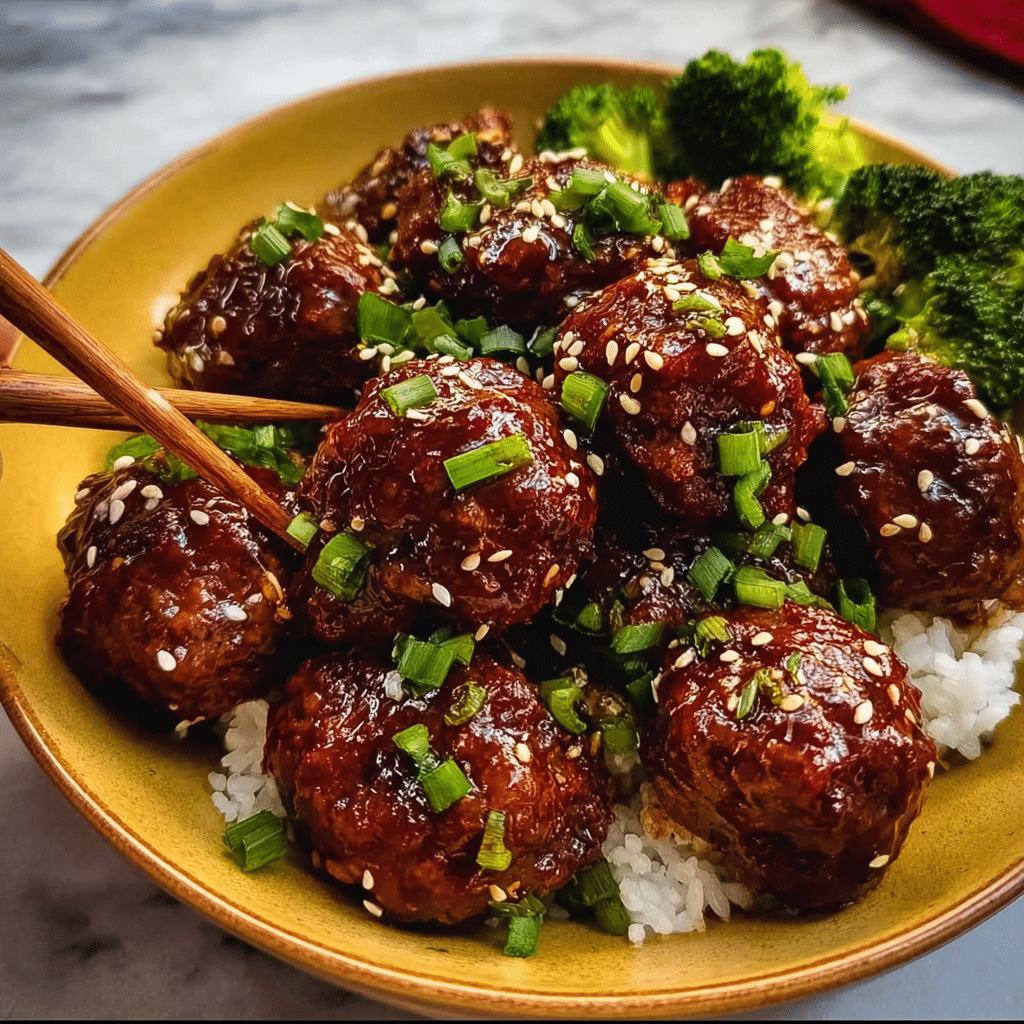
Nutritional Profile
Let’s start with the nutritional profile of our star ingredients. A standard serving of 30-minute Mongolian beef meatballs typically includes ground beef, green onions, soy sauce, garlic, ginger, and sesame oil. Here’s a general breakdown:
- Calories: Approximately 250-300 calories per serving (about 4 meatballs)
- Protein: Roughly 20-25 grams, making it a great source of protein
- Fats: Around 15-20 grams, with a mix of saturated and unsaturated fats
- Carbohydrates: About 10-15 grams, primarily from any added sauces or sweeteners
This hearty meal packs a protein punch, making it perfect for those looking to fuel their bodies with quality nutrients. It’s also relatively low in carbohydrates, particularly if you serve it over a bed of veggies instead of rice.
Health Benefits
Now, let’s delve into the health benefits of the key ingredients in your 30-minute Mongolian beef meatballs:
- Beef: A rich source of iron, zinc, and B vitamins, ground beef can help support muscle repair and immune function.
- Ginger: Known for its anti-inflammatory properties, ginger can aid in digestion and reduce nausea.
- Garlic: This pungent bulb not only adds flavor but also boasts antimicrobial properties and may support heart health.
- Green Onions: These add a punch of flavor and are low in calories while being high in vitamins A and K.
By incorporating these ingredients, you not only create a delicious dish but also a nourishing one that can contribute to your overall wellness.
Dietary Considerations
When it comes to dietary considerations, the beauty of 30-minute Mongolian beef meatballs is their versatility. For those following a low-carb or ketogenic diet, you can easily substitute traditional sauces with low-sugar alternatives and enjoy them over zoodles or cauliflower rice. If you’re gluten-sensitive, opt for gluten-free soy sauce or tamari. Likewise, if you’re looking for a leaner option, switching to ground turkey or chicken can significantly lower the fat content while still providing that delicious flavor.
For those watching their calorie intake, portion control is key. By measuring out a serving size, you can enjoy the rich flavors of Mongolian beef without overindulging. In fact, pairing your meatballs with a generous serving of vegetables can enhance the meal while keeping it filling and nutritious.
In terms of vitamins and minerals, a serving of 30-minute Mongolian beef meatballs can provide a substantial amount of iron, which is essential for red blood cell production, and zinc, which supports a healthy immune system. The combination of vitamins and minerals from the vegetables adds diversity to your nutrient intake, making this dish not only a delight for the palate but also a boon for your health.
In comparison to similar dishes, like Swedish meatballs or Italian meatballs, 30-minute Mongolian beef meatballs stand out due to their unique flavor profile and relatively lower carbohydrate content. They offer a satisfying meal that is full of umami flavors without the heavy cream or pasta often associated with other meatball recipes.
Finally, if you’re looking to make this dish even healthier, consider the following modifications: use leaner cuts of meat, reduce the sugar in the sauce, or add more vegetables into the mix. These small tweaks can make a significant difference without compromising the taste you love.
With all these nutritional benefits in mind, it’s clear that your 30-minute Mongolian beef meatballs can be a tasty and healthful part of your meal rotation. Enjoy them knowing you’re not just satisfying your taste buds, but also nourishing your body!