Lemon capellini salad is a delightful dish that captures the essence of summer with its bright flavors and refreshing ingredients. I remember the first time I stumbled upon this recipe; it was during a family gathering under the warm sun, where laughter filled the air, and the aroma of freshly chopped herbs wafted through the backyard. My aunt, a culinary wizard in her own right, presented her version of lemon capellini salad with a flourish, and I was immediately intrigued by how something so simple could look so appetizing. The delicate strands of capellini, tossed in a zesty lemon dressing, combined with crisp vegetables, created a vibrant and colorful dish that was as pleasing to the eyes as it was to the palate.
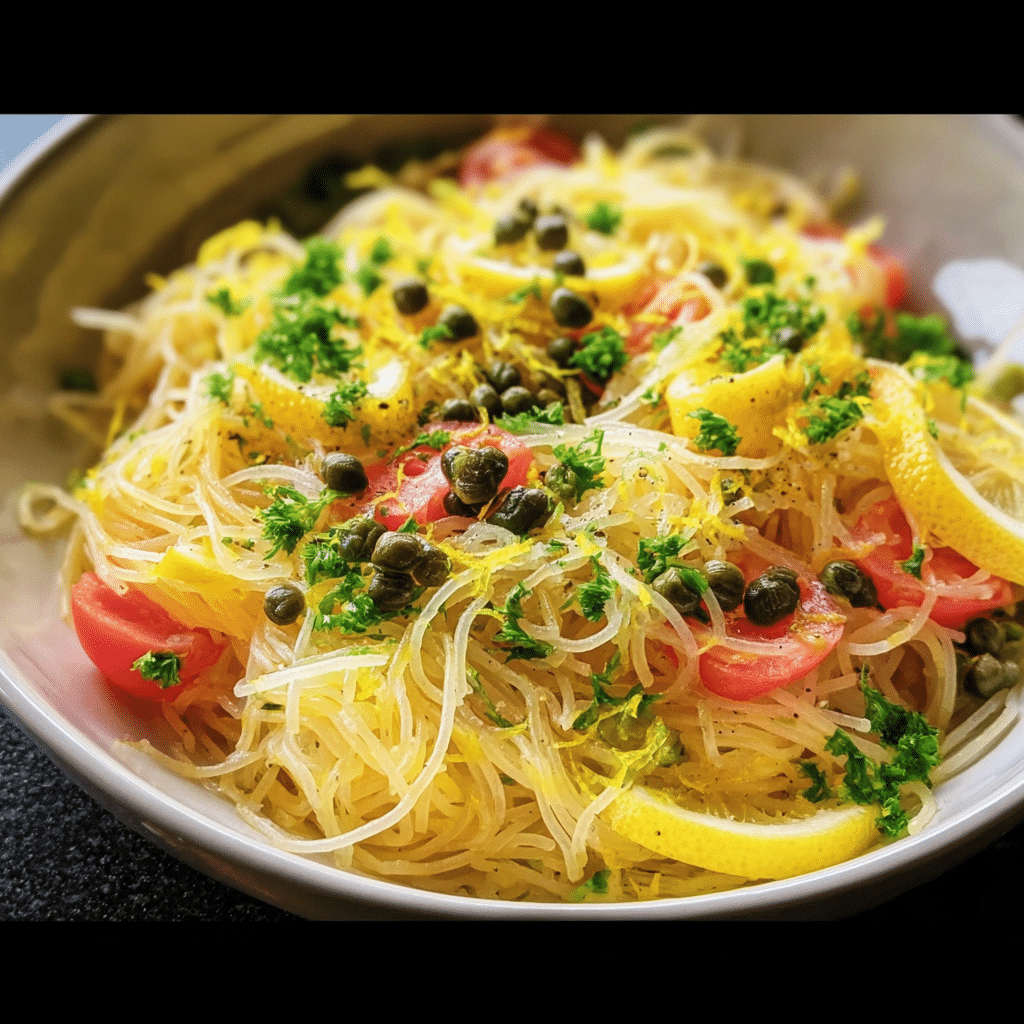
As I took my first bite, the bright citrus flavor danced on my tongue, and I knew I had discovered something special. It was a moment of culinary magic, one that prompted me to ask for the recipe, leading to many iterations in my own kitchen. Over the years, I have prepared this salad for countless gatherings, family dinners, and even quiet evenings at home. Each time, it brings a sense of nostalgia and joy, reminding me of those sunny afternoons filled with family and friends.
The Story Behind This Recipe
The origins of lemon capellini salad are steeped in the traditions of Italian cuisine, which is renowned for its use of fresh ingredients and bold flavors. Capellini, also known as angel hair pasta, is a thin pasta that cooks quickly and pairs beautifully with lighter sauces and dressings. The use of lemon in this dish is particularly significant, as citrus has long been a staple in Mediterranean cooking, adding brightness and acidity that enhances the overall flavor profile.
This recipe stands out from other pasta salads for its lightness and simplicity. Unlike heavier pasta dishes, the lemon capellini salad embraces a minimalist approach, allowing the fresh ingredients to shine. The salad typically features a mix of seasonal vegetables, fresh herbs, and a light dressing made from lemon juice, olive oil, and perhaps a touch of garlic. This combination makes it perfect for busy families looking for quick dinner solutions. It can be prepped in advance, served cold, and is versatile enough to be a side dish or a main course.
Seasonally, lemon capellini salad shines in the warmer months. It’s a fantastic choice for summer barbecues, picnics, or simply a light dinner on a hot day. The bright flavors of lemon and herbs evoke feelings of sunshine and relaxation, making it a go-to dish when you want to embrace the joys of the season. I often find myself preparing this salad during the height of summer when fresh vegetables are abundant, and I want to celebrate the flavors of the season.
Every time I make lemon capellini salad, there’s an emotional connection that ties me back to those family gatherings. It’s not just about the food; it’s about creating memories and sharing moments with loved ones. Whether it’s a festive holiday gathering or a casual weeknight dinner, this dish has a way of bringing people together. It fosters conversations and laughter, reminding us of the simple pleasures in life.
In this ultimate guide to lemon capellini salad, you will learn everything from the history and cultural significance of the dish to how to make it your own with variations that reflect your tastes. I will share tips and tricks that I’ve picked up along the way, ensuring that your experience in preparing this salad is as enjoyable as eating it. So, grab your ingredients, and let’s dive into the refreshing world of lemon capellini salad!
The Rich History and Cultural Significance of lemon capellini salad
The rich history and cultural significance of lemon capellini salad are as vibrant as the dish itself. This refreshing salad has roots in Italy, where pasta is more than just a meal; it’s a way of life. Capellini, the star of this dish, has been a beloved pasta shape for centuries, known for its delicate texture and quick cooking time. Traditionally, it has been used in various Italian recipes, often paired with light sauces that highlight the natural flavors of fresh ingredients.
Origins and History
The origins of lemon capellini salad can be traced back to the coastal regions of Italy, where the Mediterranean climate provides an abundance of citrus fruits and vegetables. The use of lemon in cooking dates back to ancient times, with evidence of lemon cultivation found in southern Italy and across the Mediterranean. Italian cuisine often emphasizes the use of fresh, local produce, and lemon capellini salad embodies this philosophy perfectly.
Over the years, this dish has undergone various transformations. While the core ingredients remain consistent—capellini pasta, fresh vegetables, and a lemony dressing—chefs have put their spin on the recipe, adding elements like grilled shrimp, chicken, or even chickpeas for added protein. This adaptability is what makes lemon capellini salad appealing to a wide range of palates and dietary preferences.
Cultural Significance
Lemon capellini salad is often served during special occasions and family gatherings in Italian households. It’s a dish that embodies the spirit of sharing and community, making it a staple at summer parties, weddings, and festive feasts. The bright flavors and colorful presentation make it an attractive option for celebratory meals, where the emphasis is on enjoying good food and even better company.
Moreover, in recent years, this dish has gained popularity beyond Italian cuisine, finding its way into mainstream dining and appealing to health-conscious eaters looking for lighter meal options. Its simplicity and fresh ingredients resonate with contemporary culinary trends that prioritize wholesome, unprocessed foods.
Nutritional Benefits
From a nutritional standpoint, lemon capellini salad is a fantastic choice for those wanting to embrace healthier eating habits. The dish is typically low in calories, especially when prepared with plenty of fresh vegetables and minimal oil. Capellini pasta, while still a carbohydrate, can be enjoyed in moderation, and pairing it with nutrient-dense vegetables like cherry tomatoes, bell peppers, and spinach adds fiber, vitamins, and minerals to the meal.
The lemon juice not only adds a refreshing flavor but also packs a punch in terms of vitamin C, contributing to overall health and well-being. Furthermore, the olive oil used in the dressing provides healthy fats which are beneficial for heart health. This balance of flavors and nutrients makes lemon capellini salad a guilt-free option for any meal.
In conclusion, the rich history and cultural significance of lemon capellini salad are deeply rooted in Italian tradition, while its adaptability ensures that it remains relevant today. Whether you’re preparing it for a family dinner, a summer potluck, or simply to enjoy on a quiet evening, this dish brings a touch of the Mediterranean to your table. Understanding its background and nutritional benefits not only enhances your appreciation for this delightful salad but also encourages you to make it a regular feature in your culinary repertoire.
Essential Ingredients for Perfect lemon capellini salad
When it comes to creating a refreshing and delightful lemon capellini salad, the choice of ingredients is paramount. Each element plays a crucial role in developing the flavor profile and texture of this dish. Below, I will provide a comprehensive list of the essential ingredients along with their measurements, and I will delve into what makes each of them special.
- 8 oz capellini pasta, or angel hair pasta
- 2 medium lemons, juice of + 1 tsp lemon zest
- 3 tbsp extra virgin olive oil
- 1 ½ tsp garlic salt
- ½ tsp black pepper
- ½ cup diced tomatoes, seeds removed
- 3 tbsp capers, drained
- 1 tbsp curly leaf parsley, finely chopped
Lemon Capellini Salad
Ingredients
- 8 oz capellini pasta, or angel hair pasta
- 2 medium lemons, juice of + 1 tsp lemon zest
- 3 tbsp extra virgin olive oil
- 1 ½ tsp garlic salt
- ½ tsp black pepper
- ½ cup diced tomatoes, seeds removed
- 3 tbsp capers, drained
- 1 tbsp curly leaf parsley, finely chopped
Instructions
- Cook the pasta in a large pot of salted boiling water until tender. It shouldn’t take very long since the pasta is fairly thin. Drain and rinse with cool water to prevent further cooking.
- Meanwhile, combine the juice of 2 lemons, olive oil, garlic salt and black pepper in a large bowl and whisk to combine.
- Add in the cooked pasta, diced tomatoes and capers, then toss to combine. Finally, stir in the freshly chopped parsley and give it one more toss. Serve the pasta salad right away or cover and chill in fridge until ready to serve.
Essential Ingredients
Let’s break down the ingredients that make up this vibrant lemon capellini salad:
Capellini Pasta
Capellini, also known as angel hair pasta, is the star of this salad. Its delicate strands provide a light and airy texture that pairs beautifully with the zesty lemon dressing. When selecting capellini, look for brands that use high-quality durum wheat semolina. This ensures the pasta holds its shape well during cooking. If capellini is unavailable, you can substitute with thin spaghetti, though the cooking time may vary slightly.
Lemon Juice and Zest
The bright, tangy flavor of lemon is what truly elevates the lemon capellini salad. Freshly squeezed lemon juice is a must for acidity, while the zest adds an aromatic punch. When choosing lemons, opt for those that are firm and heavy for their size, as this indicates juiciness. Roll the lemon on the counter before juicing to maximize the yield.
Extra Virgin Olive Oil
Extra virgin olive oil is essential for dressing the salad, providing richness and a fruity flavor that complements the lemon. Look for oils labeled “first cold press” and check for a harvest date on the bottle to ensure freshness. A good olive oil will have a vibrant green color and a peppery finish. For budget-conscious cooks, consider purchasing in bulk or exploring local brands.
Garlic Salt and Black Pepper
Garlic salt adds a savory depth to the salad, while black pepper gives it a gentle kick. When selecting garlic salt, choose brands without additives for the purest flavor. Freshly cracked black pepper is always preferable to pre-ground for its robust aroma. If you want to take it up a notch, consider using a flavored salt or freshly minced garlic instead.
Diced Tomatoes
Fresh diced tomatoes add juiciness and texture to the salad. It’s best to use ripe, in-season tomatoes for the best flavor. When preparing tomatoes, remove the seeds to prevent the salad from becoming watery. Look for tomatoes that are vibrant in color and slightly fragrant. During winter months, canned diced tomatoes can be a convenient alternative.
Capers
Capers are the little bursts of briny flavor that enhance the overall taste of the lemon capellini salad. They are the unopened flower buds of the caper bush and can usually be found in jars packed in salt or vinegar. When choosing capers, look for plump ones that are firm to the touch. If you need a substitute, green olives can provide a similar saltiness.
Curly Leaf Parsley
This herb adds a pop of color and freshness to the dish. Curly leaf parsley is often used for garnish, but it also contributes a mild, slightly peppery flavor. When selecting parsley, pick vibrant green leaves, avoiding any that are limp or yellowed. Fresh herbs can be stored in a glass of water in the fridge for longevity, or you can dry them for later use.
Shopping Tips
When shopping for the ingredients of lemon capellini salad, consider visiting local farmers’ markets for the freshest produce, especially for tomatoes and herbs. If you’re sourcing your ingredients from a grocery store, try to visit during off-peak hours for a greater selection. Organic options for vegetables and herbs can enhance flavor and reduce pesticide exposure, but conventional produce is perfectly acceptable as well.
Substitutions and Alternatives
For those with dietary restrictions or specific preferences, there are plenty of substitutions available. Gluten-free pasta options made from rice or quinoa can replace capellini. For a vegan version, simply swap the extra virgin olive oil with a plant-based dressing. If you’re avoiding garlic, you can increase the amount of lemon zest for flavor. Moreover, if you dislike capers, you might try using pickled jalapeños for a different tangy flavor. Always feel free to adjust the recipe to suit your palate!
Detailed Step-by-Step lemon capellini salad Cooking Instructions
Now that we have gathered all our ingredients, it’s time to bring them together into the delightful lemon capellini salad. This section will provide you with a thorough, step-by-step process to ensure that your dish turns out perfectly every time. Cooking can be a joyous experience, and I believe in sharing every little detail to help you succeed!
Preparation Steps
Before diving into the cooking process, it’s essential to prepare your ingredients. This step is known as mise en place, a French culinary phrase meaning “everything in its place.” It streamlines your cooking and makes the process smoother.
- Start by filling a large pot with water and placing it on the stove over high heat. This will be used to cook the capellini pasta.
- While the water is heating, zest your lemons carefully using a microplane or a fine grater. Be sure to avoid the white pith, as it can be bitter.
- Juice the lemons into a bowl, removing any seeds that may fall in. You should have about ¼ cup of fresh lemon juice.
- Next, dice the tomatoes. Cut them in half, remove the seeds, and then chop them into small cubes.
- Drain the capers and finely chop the curly leaf parsley. Set these aside.
- Once the water is boiling, add a generous amount of salt to the pot. This will season the pasta as it cooks.
Cooking Process
Cooking the capellini is a quick and straightforward process, which is one of the reasons I love this dish. The cooking time is only about 3-5 minutes, so keep an eye on it!
- Carefully add the capellini to the boiling water. Stir gently to prevent it from sticking together.
- As the pasta cooks, prepare the dressing. In a large mixing bowl, combine the lemon juice, lemon zest, extra virgin olive oil, garlic salt, and black pepper. Whisk together until well blended.
- Once the capellini is cooked al dente, reserve about ½ cup of the pasta cooking water, then drain the pasta immediately and rinse it under cold water to stop the cooking process. This is a vital step to prevent mushy pasta!
- Add the drained pasta to the mixing bowl with the dressing. This allows the pasta to absorb the flavors.
- Next, gently fold in the diced tomatoes, capers, and chopped parsley. Mix until everything is well combined, being careful not to break the pasta strands.
- If the salad seems too dry, add a bit of the reserved pasta cooking water until you reach your desired consistency.
Final Assembly
Now that your lemon capellini salad is beautifully mixed, it’s time to serve! The key to a gorgeous presentation is to be mindful of how you plate the salad.
- Transfer the salad to a large serving bowl or individual plates. For a restaurant-quality touch, you can use tongs to twist the pasta into elegant nests on the plate.
- Garnish with additional parsley and a sprinkle of black pepper for visual appeal.
- Feel free to add some fresh lemon slices on the side for an extra pop of color and flavor. This also invites your guests to add more lemon if they desire.
- Serve immediately at room temperature or chilled. The salad can be stored in an airtight container in the fridge for up to two days, though the pasta may soften over time.
Common mistakes to avoid include overcooking the pasta and skimping on the seasoning. Remember, the dressing is what brings the salad to life, so don’t hesitate to adjust the flavors to your liking. Professional chefs often taste as they go, so make sure to do the same!
In terms of equipment, a good quality pot, a strainer for draining the pasta, and a mixing bowl are all you need. A whisk is also handy for the dressing. And don’t forget about food safety! Ensure that everything is clean and that your ingredients are fresh to create the best flavors.
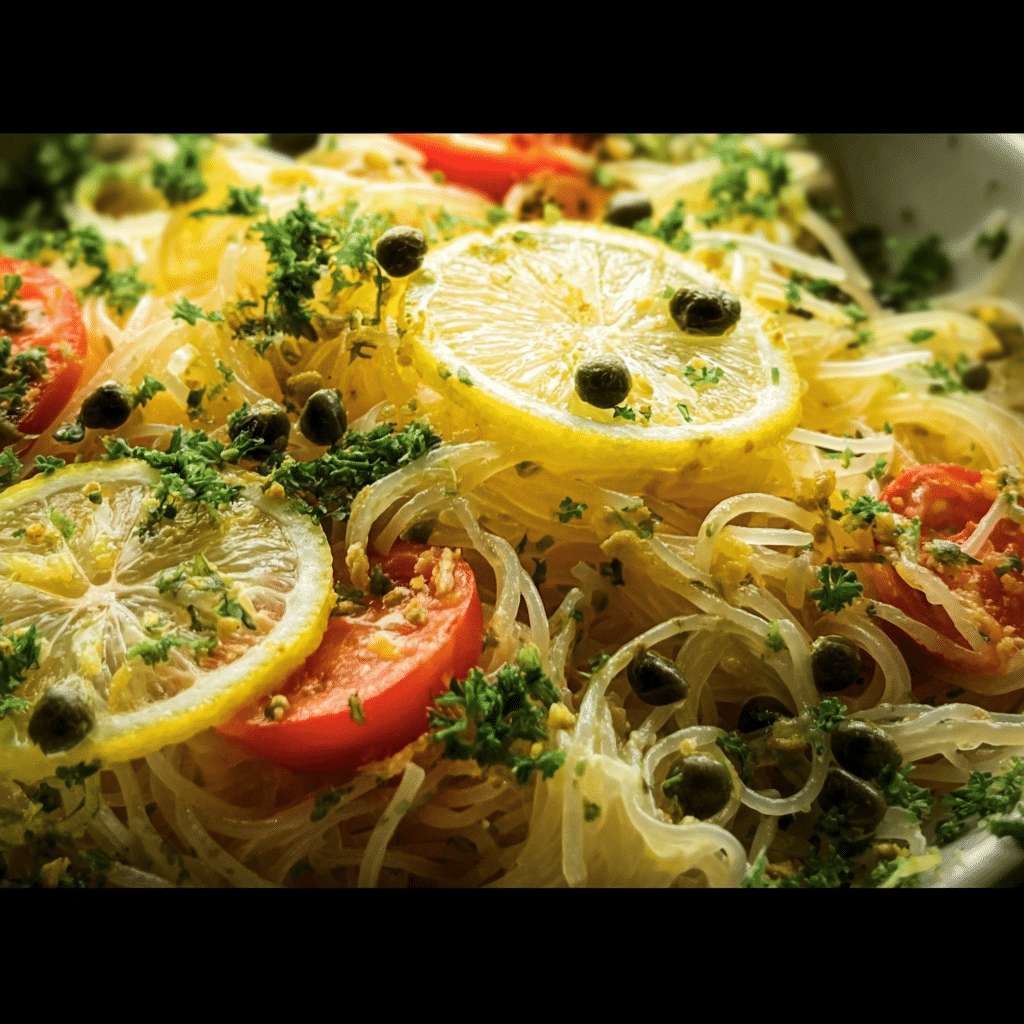
This lemon capellini salad is not only a feast for the eyes but also a celebration of flavors, perfect for summer picnics or as a light dinner. Enjoy the process and, most importantly, enjoy the delicious results!
Professional Tips and Techniques for lemon capellini salad
Creating the perfect lemon capellini salad requires a blend of culinary techniques, fresh ingredients, and a sprinkle of creativity. As a passionate home cook, I’ve experimented with this dish countless times, and I’ve gathered professional tips and insider secrets that can elevate your lemon capellini salad from ordinary to extraordinary. Let’s dive into some of the best practices that will not only enhance the flavor but also ensure that your presentation is on point.
Professional Techniques
One of the first techniques to master when preparing a lemon capellini salad is the cooking of the capellini itself. Capellini, also known as angel hair pasta, is delicate and cooks quickly—usually in just 2-4 minutes. It’s crucial to keep an eye on it to prevent overcooking, which can lead to a mushy texture. I often set a timer and taste a strand just before the suggested cooking time ends. Once it’s al dente, immediately drain the pasta and rinse it under cold water to halt the cooking process. This step not only cools the pasta for the salad but also removes excess starch, preventing it from clumping together.
Incorporating high-quality ingredients is another essential technique. Use fresh, organic lemons for the zest and juice; the brightness of fresh lemon juice is incomparable to bottled varieties. Additionally, pairing your lemon capellini salad with a high-quality extra virgin olive oil can enhance the dish’s richness. A drizzle of a peppery olive oil can create a delightful contrast with the tartness of the lemon.
Troubleshooting Guide
Even the most seasoned cooks encounter challenges. One common issue is an overly acidic salad. If you find that the lemon flavor is too sharp, consider balancing it out with a touch of honey or agave syrup. These natural sweeteners can mellow the acidity without overpowering the lemony brightness.
Another pitfall is the salad becoming soggy. To prevent this, it’s essential to serve the salad immediately after tossing, as the pasta can absorb the dressing over time. If you’re preparing it for a gathering, consider keeping the dressing separate until serving. This way, the capellini maintains its texture, and the flavors remain vibrant.
Presentation Tips
Presentation plays a crucial role in making your lemon capellini salad appealing. The light, airy strands of capellini can be artfully twirled on a fork and placed in a shallow bowl or plate. To add a pop of color, consider garnishing with fresh herbs like basil or parsley, and a sprinkle of lemon zest on top. Additionally, adding cherry tomatoes or thinly sliced radishes not only enhances the visual appeal but also contributes a fresh crunch.
As for wine pairings, a crisp Sauvignon Blanc or a light Pinot Grigio complements the zesty flavors of the salad beautifully. These wines’ acidity mirrors the lemon, creating a harmonious dining experience.
When preparing your lemon capellini salad, it’s essential to have the right tools at hand. A large pot for boiling the pasta, a colander for draining, and a large mixing bowl for tossing the salad are fundamental. A microplane zester can be a game-changer for easily obtaining lemon zest without the risk of digging into the bitter pith.
Meal prep strategies can also make the process smoother. You can cook the capellini ahead of time and store it in the refrigerator, lightly drizzled with olive oil to prevent sticking. The vegetables and herbs can be prepped in advance, allowing you to whip up the salad in a matter of minutes when you’re ready to serve.
Scaling the recipe up or down is straightforward with a lemon capellini salad. For larger gatherings, simply increase the quantity of pasta and the accompanying ingredients proportionally. However, remember to taste as you go; sometimes, the right balance of flavors may require slight adjustments.
Creative Variations and Adaptations of lemon capellini salad
The beauty of lemon capellini salad lies in its versatility. This dish can be adapted in countless ways, allowing you to play with flavors and ingredients based on the season, dietary needs, and your unique taste preferences. Let’s explore some creative variations and adaptations that can take your salad to the next level.
Seasonal Variations
Utilizing seasonal ingredients can significantly enhance your lemon capellini salad. In the summer, consider adding diced cucumbers, sweet corn, or juicy heirloom tomatoes. These ingredients not only boost flavor but also add refreshing textures. In the fall, you might swap in roasted butternut squash or Brussels sprouts, drizzled with a balsamic glaze for a deeper flavor.
Winter offers a chance to incorporate hearty greens like kale or arugula, which can be massaged with lemon juice and olive oil to soften their texture. In spring, fresh asparagus and peas can add vibrant colors and a sweet crunch. The goal is to keep the flavor profile bright and zesty while making the most of what’s available in your local market.
Dietary Adaptations
Whether you’re cooking for someone following a specific dietary regime or just looking to experiment, the lemon capellini salad can easily adapt to various diets. For a vegan version, substitute any cheese with nutritional yeast or a vegan feta. To make the dish gluten-free, simply use gluten-free pasta alternatives available in stores today. These options can include rice noodles or quinoa pasta, which offer a unique texture while maintaining the salad’s essence.
If you’re looking to reduce carbs, a clever twist would be to spiralize zucchini or use spaghetti squash in place of traditional capellini. This lightens the dish while still providing a similar mouthfeel and allows you to enjoy the salad guilt-free.
Creative Twists
For those feeling adventurous, consider adding international flavors to your lemon capellini salad. A Mediterranean twist can be achieved by mixing in olives, artichokes, and feta cheese, all drizzled with a lemon-oregano vinaigrette. Alternatively, a Southeast Asian flair could be introduced with the addition of sesame oil, sliced scallions, and a sprinkle of crushed peanuts or sesame seeds.
When it comes to spice, don’t hesitate to add a kick to your salad. A pinch of red pepper flakes or a drizzle of sriracha can bring an exciting heat that contrasts beautifully with the lemon’s acidity. If you prefer a milder approach, consider adding fresh herbs like cilantro or mint for an aromatic touch without the spice.
Leftover transformations are another way to get creative with your lemon capellini salad. If you have leftovers, consider turning them into a frittata. Simply whisk together some eggs, pour them over the salad, and bake until set. The result is a delightful brunch dish that’s easy to prepare and full of flavor.
In conclusion, the lemon capellini salad is a canvas waiting for your personal touch. From seasonal ingredients to dietary adaptations and international flavors, the possibilities are endless. Don’t be afraid to experiment, and let your creativity shine through every bowl!
Storage, Reheating, and Meal Prep for lemon capellini salad
When it comes to enjoying a delicious lemon capellini salad, understanding how to properly store, reheat, and meal prep this delightful dish can make all the difference in maintaining its vibrant flavors and textures. Whether you’re planning to whip up a fresh batch for a picnic or preparing meals for the week ahead, the way you handle your salad can significantly impact your culinary experience. In this section, we’ll dive deep into the best practices for storing, reheating, and meal prepping your lemon capellini salad, ensuring you savor every bite.
Short-term Storage
The first step in proper salad storage is knowing how to keep it fresh in the refrigerator. After preparing your lemon capellini salad, it’s essential to store it in airtight containers. Glass containers are particularly effective as they don’t retain odors and are easy to clean. If you’re using plastic containers, ensure they are BPA-free and designed for food storage. A good rule of thumb is to fill the container to about three-quarters full to allow for any expansion of the ingredients, especially if you’re using vinaigrettes or other dressings.
When it comes to refrigerator storage, the lemon capellini salad can typically last for about 3 to 5 days, depending on the freshness of your ingredients. However, it’s crucial to keep in mind that the salad’s texture and flavor may begin to diminish after the first couple of days, especially if it includes delicate greens or any seafood components. To extend the shelf life, consider storing the dressing separately and only mixing it in just before serving. This technique helps in maintaining the crispness of the vegetables and the al dente texture of the capellini.
Another tip for short-term storage is to use a vacuum sealer if you have one. Vacuum sealing can significantly prolong the freshness of your lemon capellini salad by removing air that causes spoilage. If you decide to go this route, ensure that the dressing is either mixed in after vacuum sealing or kept in a separate bag to avoid sogginess.
Freezing and Long-term Storage
While most salads are not ideal candidates for freezing, if you’ve made a large batch of lemon capellini salad and want to save some for later, it’s important to know how to do so correctly. Freezing can alter the texture of the delicate capellini and most vegetables, but if you’re determined to freeze, consider these guidelines.
To freeze your salad, first separate the dressing from the salad base. Place the salad in a freezer-safe container or resealable bag, removing as much air as possible. It’s best to freeze the salad without any fresh greens or delicate ingredients, as these components do not freeze well. Instead, focus on the pasta and any firmer vegetables, like bell peppers or cucumbers.
When you want to enjoy your frozen lemon capellini salad, transfer it to the refrigerator to thaw overnight. Once thawed, you can add fresh ingredients like greens, herbs, or dressings right before serving. Keep in mind that frozen salads are best consumed within 2-3 months for optimal flavor and texture.
Reheating Best Practices
Reheating a lemon capellini salad can be a delicate process, especially if you’re working with pasta that can easily become mushy. If your salad has been refrigerated and you prefer it warm, start by gently reheating the capellini in a pot of boiling water for just a minute or two. Alternatively, you can use a microwave: place the salad in a microwave-safe container and heat it in short intervals, stirring in between to ensure even warming.
When reheating, it’s essential to add a splash of fresh lemon juice or a drizzle of olive oil to help revive the flavor and moisture of the salad. This little trick will bring your lemon capellini salad back to life and enhance its refreshing taste.
For meal prep enthusiasts, consider portioning out your salad into individual containers. This not only makes serving easy but also helps with keeping track of your servings and managing your diet. If you’re meal prepping for a busy week, aim to create balanced portions that include a good mix of pasta, veggies, and proteins, if applicable. Label each container with the date it was prepared to keep track of freshness.
In terms of food safety, it’s crucial to adhere to the “two-hour rule.” This guideline suggests that perishable foods should not be left out at room temperature for more than two hours to prevent bacterial growth. Always refrigerate your lemon capellini salad promptly after serving to ensure that it remains safe to eat.
In summary, mastering the art of storing, reheating, and meal prepping your lemon capellini salad can enhance your cooking experience and ensure you enjoy it to the fullest. By following these tips, you’ll be able to retain the quality and freshness of your salad, making it a delightful addition to your meals throughout the week.
Nutritional Benefits and Health Information
Eating a lemon capellini salad isn’t just a treat for your taste buds; it’s also a fantastic way to nourish your body. As we delve into the nutritional benefits and health information surrounding this dish, we’ll uncover the valuable components that make it a smart choice for your dining table. With its combination of fresh ingredients and zesty flavors, this salad offers an array of vitamins, minerals, and health benefits that can easily fit into various dietary plans.
Nutritional Profile
The classic lemon capellini salad typically comprises capellini pasta, fresh vegetables, herbs, and a zesty dressing. Let’s break this down into its core components to understand the nutritional value better. A standard serving of capellini (about one cup cooked) has approximately 200 calories, 7 grams of protein, and 1 gram of fat, making it a relatively low-calorie option. It’s important to note that the calorie count can fluctuate based on the ingredients you choose, particularly when adding proteins like chicken, shrimp, or tofu.
In terms of macronutrients, this salad is predominantly carbohydrate-based due to the capellini pasta. However, you can balance this out by incorporating protein sources, such as chickpeas or grilled chicken, and adding healthy fats through olive oil or avocado. The dressing often includes lemon juice, which is not only refreshing but also adds minimal calories. For those watching their carb intake, you can also substitute traditional pasta with whole grain or gluten-free options, enhancing the fiber content of your lemon capellini salad.
Health Benefits
One of the standout features of a lemon capellini salad is its vibrant array of ingredients that contribute to its health benefits. Fresh vegetables such as cherry tomatoes, bell peppers, and cucumbers are low in calories and high in vitamins and minerals. For example, tomatoes are rich in vitamin C and antioxidants, which are known for their immune-boosting properties. Bell peppers are packed with vitamins A and C, while cucumbers provide hydration and fiber.
The lemon juice in the dressing not only enhances flavor but also offers health benefits. Lemons are an excellent source of vitamin C, which supports skin health and boosts the immune system. Additionally, they contain citric acid, which may help in the absorption of minerals and prevent kidney stones. Moreover, the anti-inflammatory properties of olive oil, if used in your dressing, can also be beneficial for heart health, further enhancing the overall health profile of your lemon capellini salad.
Dietary Considerations
When it comes to dietary considerations, the lemon capellini salad can be quite versatile. For vegans and vegetarians, it’s easy to create a filling meal by adding plant-based proteins like beans or lentils. If you’re gluten-sensitive, substituting capellini with gluten-free pasta made from rice or quinoa allows everyone to enjoy this delicious salad without worry.
For those on a low-carb diet, consider using spiralized vegetables like zucchini or carrots instead of pasta, which keeps the texture and flavor while reducing carbohydrates. Additionally, if you’re watching your caloric intake, portion control is key, as dressings can add hidden calories. Opt for a light drizzle of dressing or try making your own with minimal oil and plenty of lemon juice to keep the calorie count in check.
Comparatively, the lemon capellini salad stands out against similar dishes like traditional pasta salads, which often contain heavier dressings and starchy ingredients, leading to higher calorie counts. By focusing on a fresh, citrus-based dressing and incorporating a variety of vegetables, this salad offers a lighter alternative without sacrificing flavor.
In conclusion, the lemon capellini salad is not just a delicious dish but also a nutritionally advantageous one. With its wealth of vitamins, minerals, and healthy ingredients, it serves as a fantastic option for anyone looking to maintain a balanced diet. Whether you enjoy it as a side dish or a main course, this salad is sure to delight your palate while nourishing your body.
Conclusion: Mastering the Perfect lemon capellini salad
Creating the perfect lemon capellini salad is more than just following a recipe—it’s about understanding the techniques, ingredients, and cultural significance behind this beloved dish. Throughout this comprehensive guide, we’ve explored everything from the historical origins to modern variations, ensuring you have all the knowledge needed to make this recipe your own.
Whether you’re a beginner cook or an experienced chef, the techniques and tips we’ve shared will help you create a lemon capellini salad that’s not only delicious but also meaningful. Remember that cooking is a journey of discovery, and each time you make this dish, you’ll learn something new.
We encourage you to experiment with the variations we’ve discussed, adapt the recipe to your dietary needs, and most importantly, share it with the people you love. Food has the incredible power to bring people together, and Lemon Capellini Salad is the perfect dish to create lasting memories around your dinner table.
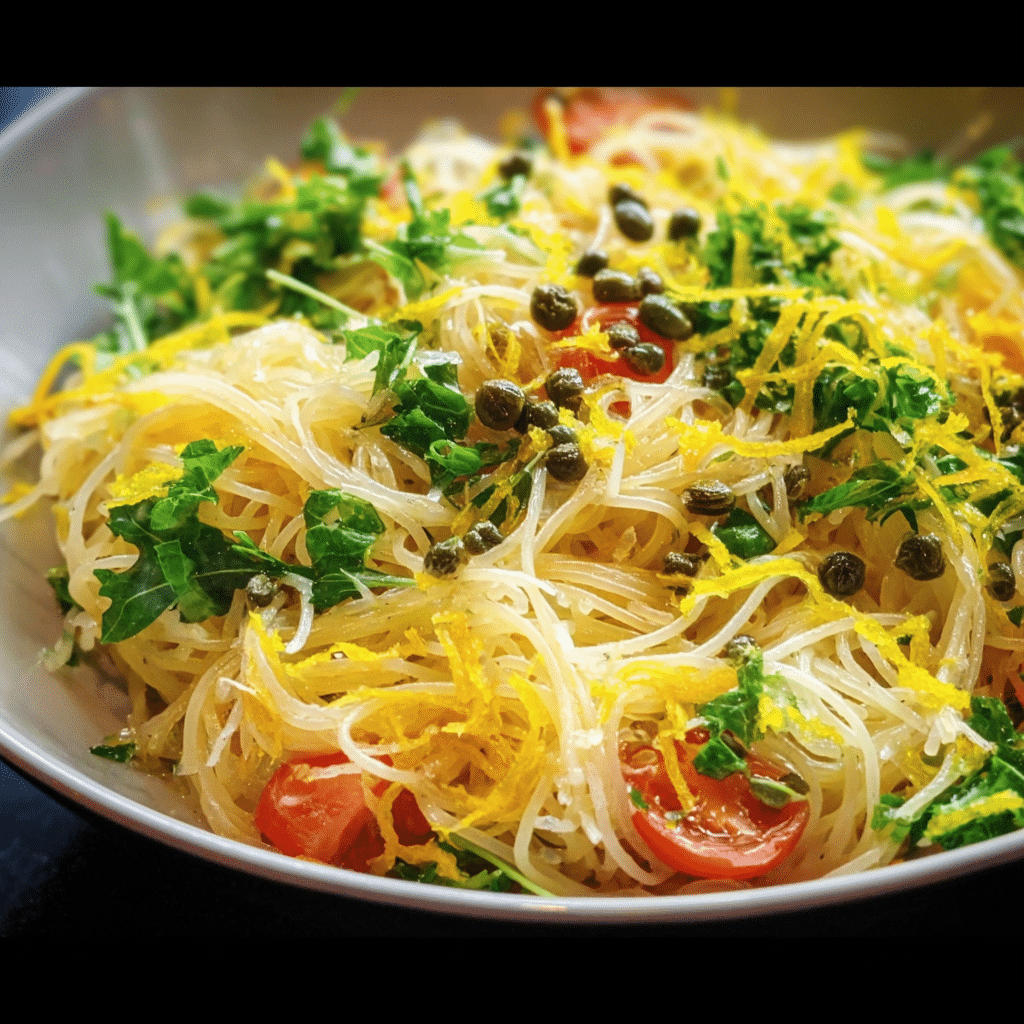
Don’t forget to share your cooking adventures with us on social media, and feel free to ask questions in the comments below. Happy cooking!
Share this recipe and let us know how it turned out! Tag us on social media for a chance to be featured.