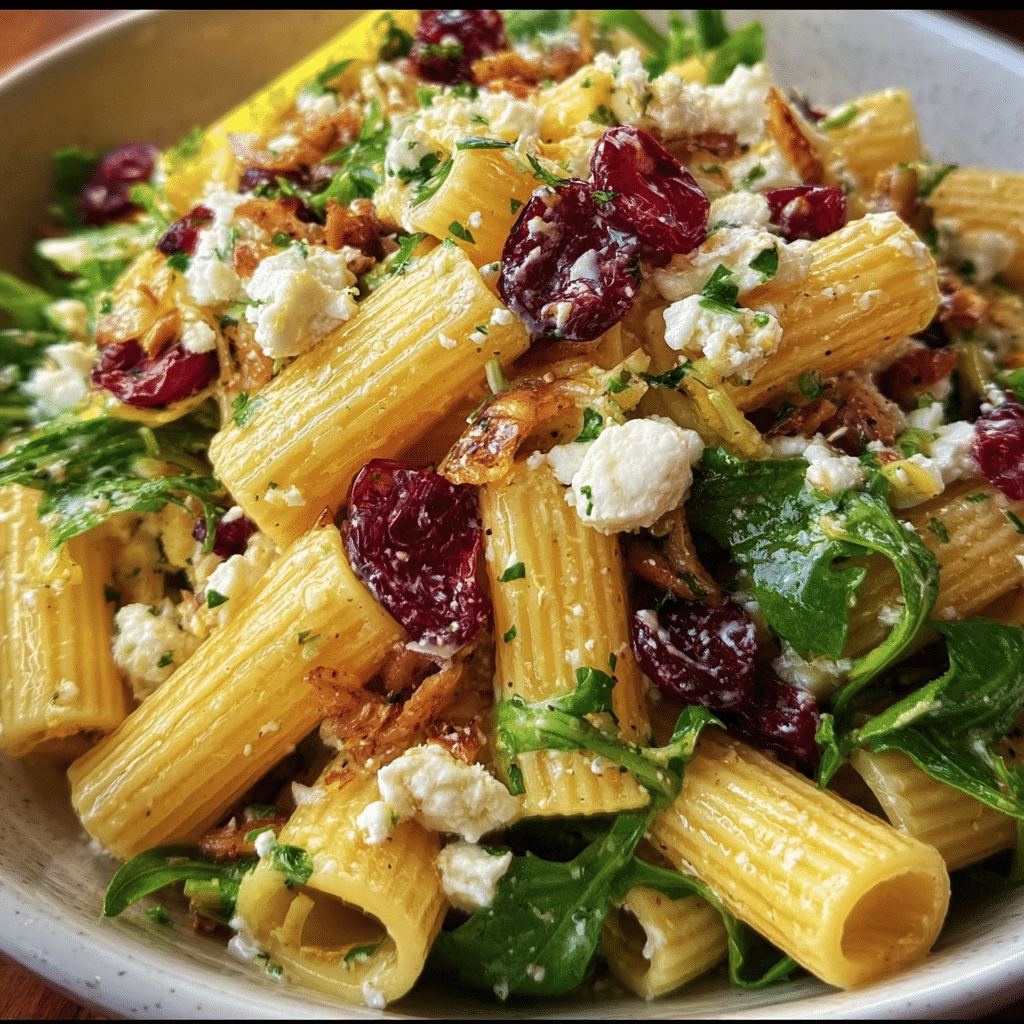
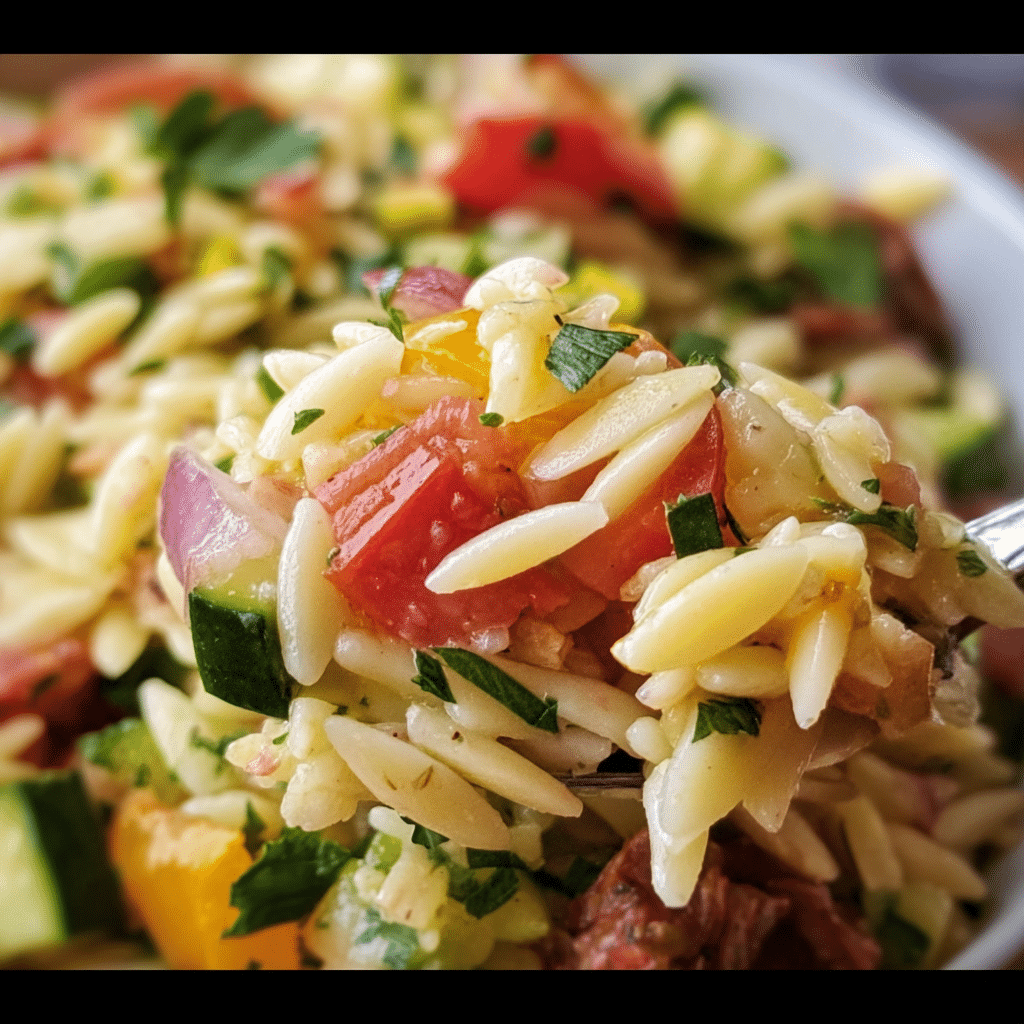
Bruschetta pasta salad is not just a dish; it’s a delightful fusion of flavors that embodies the sun-soaked essence of summer, even when served in the heart of winter. I remember the first time I stumbled upon this recipe during a family gathering where the air was filled with laughter, the clinking of glasses, and the tantalizing aroma of fresh ingredients. My aunt, a culinary wizard in her own right, had whipped up a batch of bruschetta pasta salad that instantly won over the entire crowd, including my notoriously picky cousin, who had previously declared a war on anything green. Watching him devour this vibrant salad was a moment of pure triumph and joy for all of us.
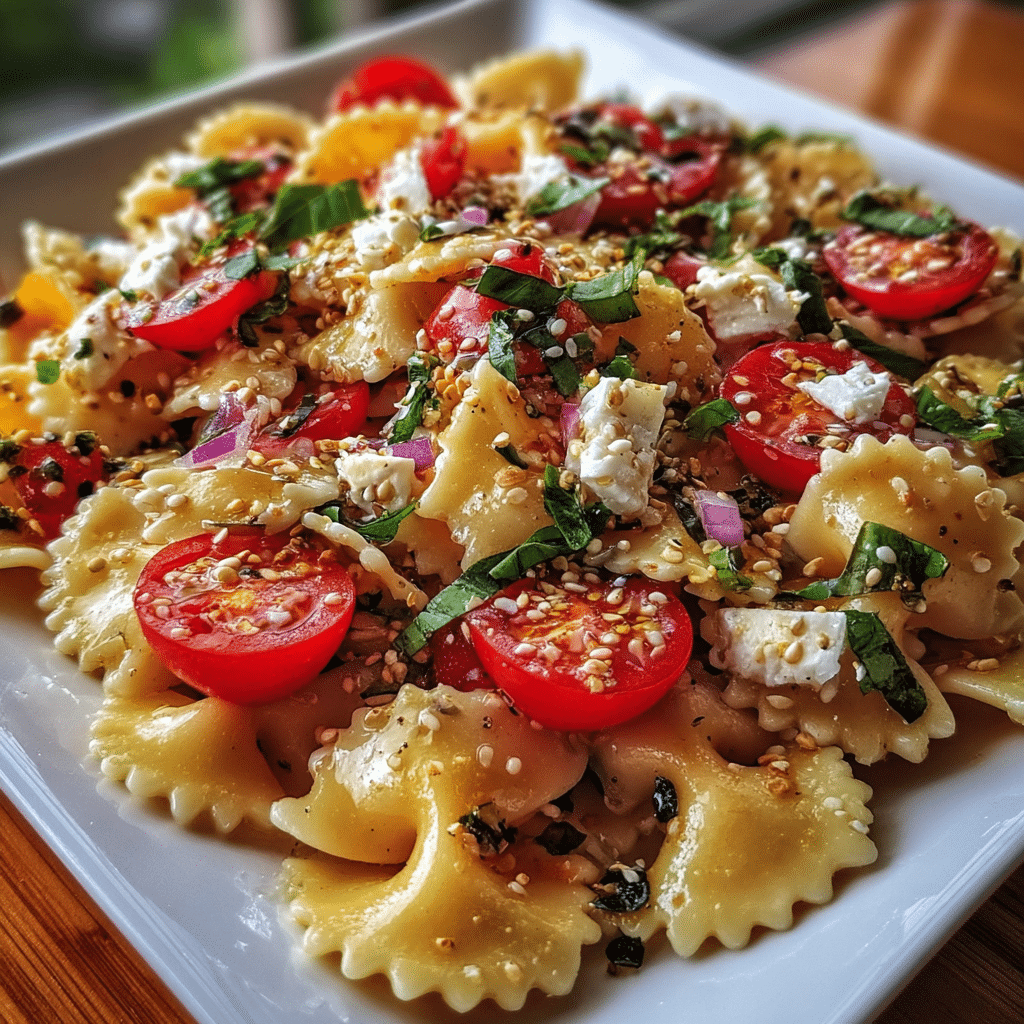
The beauty of bruschetta pasta salad lies in its simplicity yet profound flavor profile. It’s a dish that originated from the rustic kitchens of Italy, where fresh ingredients were the stars. Traditionally, bruschetta refers to grilled bread topped with a mixture of diced tomatoes, garlic, basil, and a drizzle of olive oil. This classic antipasto has now evolved into a pasta salad, bringing with it the same freshness and vibrancy, but with the added heartiness of pasta. It’s a dish that tells a story of culinary evolution, marrying the old with the new, and making it both comforting and exciting.
The Story Behind This Recipe
As I dove deeper into the world of bruschetta pasta salad, I discovered that it’s more than just a meal; it’s a canvas for creativity. My exploration led me to experiment with various ingredients, from roasted bell peppers to creamy feta cheese. Each version I created brought back memories of family picnics, where my grandmother would prepare a simple pasta dish, tossing in whatever fresh produce was available from the garden. Her ethos was clear: use what you have and let the ingredients speak for themselves. This philosophy is what makes bruschetta pasta salad so special, as it allows for endless variations while remaining true to its Italian roots.
What sets this recipe apart from other pasta salads is its vibrant, fresh ingredients, which are reminiscent of a sunny Italian summer. The freshness of tomatoes, the aromatic garlic, and the fragrant basil combine with the pasta to create a dish that tastes like sunshine on a plate. For busy families, this dish is a lifesaver. It can be prepared in advance, stored in the fridge, and served cold, making it perfect for hectic weeknights or potluck gatherings. And let’s not forget the time saved on cooking: a quick boil of pasta, a simple chop of vegetables, and you’ve got yourself a meal that’s both satisfying and nourishing.
Bruschetta pasta salad is also incredibly versatile, making it suitable for all seasons. While it’s perfect for summer barbecues and picnics, it can also be adapted for the colder months by incorporating roasted vegetables or a warm dressing. This adaptability means that the dish can be enjoyed year-round, bringing the family together at the table no matter the season. It is this versatility that has allowed it to retain its charm and popularity in households across the globe.
There’s an emotional connection I have with bruschetta pasta salad that goes beyond just the flavors. It reminds me of the importance of family and tradition. Each bite is a celebration of togetherness and the joy of sharing meals. Cooking this dish becomes a ritual, a way of connecting with loved ones, and a reminder of the laughter and stories exchanged over the dinner table. It’s not just about feeding the body; it’s about nourishing the soul.
In this ultimate guide to bruschetta pasta salad, you will learn everything you need to know to create your own version of this incredible dish. From the essential ingredients to tips for making it your own, you’ll be equipped with the knowledge to impress your family and friends. So grab your apron, and let’s embark on this culinary adventure together!
The Rich History and Cultural Significance of bruschetta pasta salad
The rich history and cultural significance of bruschetta pasta salad are as layered as the flavors in the dish itself. To truly appreciate this vibrant salad, we must journey back to its roots, exploring not only its origins but also the traditions and variations that have shaped it over time. Bruschetta, in its original form, dates back to the 15th century, originating in central Italy. The word “bruschetta” comes from the Roman dialect verb “bruscare,” which means to toast or char. This simple preparation of grilled bread topped with fresh ingredients was a staple among farmers and laborers who needed a quick, nourishing meal that utilized the freshest produce available.
Origins and History
As the years went by, bruschetta evolved, with various regions in Italy adding their unique twist. The classic topping of tomatoes, garlic, and basil became a popular choice, especially in the summer months when tomatoes were at their peak. However, it wasn’t until the late 20th century that bruschetta began to gain international recognition, becoming a beloved appetizer in Italian restaurants worldwide. The concept of combining these beloved bruschetta toppings with pasta is a more modern interpretation, reflecting the evolving culinary landscape that embraces fusion and creativity.
Bruschetta pasta salad emerged as a delightful answer to the age-old question of how to incorporate those vibrant bruschetta flavors into a meal that could stretch further and serve a crowd. The idea is simple: take the beloved flavors of bruschetta and marry them with pasta, creating a dish that is not only filling but also visually stunning. The colorful array of ingredients—bright red tomatoes, crisp green basil, and al dente pasta—creates a feast for both the eyes and the palate.
Cultural Significance
Culturally, bruschetta pasta salad holds a special place in gatherings and celebrations. In Italy, food is more than just sustenance; it’s a way of life, a means of connecting with one another. Sharing a meal, especially one that showcases seasonal ingredients, is a tradition that binds families and friends together. This salad is often featured at summer picnics, family reunions, and festive occasions, where the vibrant flavors mirror the joy of togetherness.
In many ways, the dish has come to symbolize the Italian ethos of “la dolce vita” or “the sweet life,” emphasizing enjoyment, simplicity, and appreciation for fresh, high-quality ingredients. As it has gained popularity outside of Italy, bruschetta pasta salad has adapted to various cultural contexts, incorporating local ingredients and preferences while maintaining its core identity.
Nutritional Benefits
Beyond its cultural significance, bruschetta pasta salad is also packed with nutritional benefits. The primary ingredients—pasta, tomatoes, garlic, basil, and olive oil—are not only delicious but also provide essential vitamins and nutrients. Tomatoes are rich in antioxidants, particularly lycopene, which is known for its heart health benefits. Garlic has been celebrated for its medicinal properties, including its ability to boost the immune system and lower blood pressure. Fresh basil is packed with vitamins A, C, and K, contributing to overall health.
When combined, these ingredients create a dish that is not only satisfying but also nourishing, making it perfect for busy families looking for quick, healthy dinner solutions. Moreover, the versatility of bruschetta pasta salad allows for the inclusion of additional ingredients, such as grilled chicken or chickpeas, to enhance its protein content, making it even more robust as a meal.
In conclusion, the journey of bruschetta pasta salad from its humble beginnings to its status as a cherished dish is a testament to the power of food to connect us. As you delve into the making of your own bruschetta pasta salad, remember that you are not just preparing a meal; you are embracing a rich history and celebrating the joy of sharing food with those you love.
Essential Ingredients for Perfect bruschetta pasta salad
When it comes to creating the perfect bruschetta pasta salad, the ingredients you choose can make or break the dish. Each component plays a vital role in building flavor, texture, and overall enjoyment of the salad. It’s not just about throwing a few items together; it’s about understanding their importance, how they interact, and how to select the best options. Let’s dive into the essential ingredients for crafting this delightful dish.
Essential Ingredients
- 500g/1 lb penne, ziti or other short pasta: The foundation of your bruschetta pasta salad. Short pasta shapes like penne or ziti hold onto the dressing and the toppings beautifully, making each bite a burst of flavor.
- 2 tsp cooking salt / kosher salt: Crucial for seasoning your pasta while it cooks. This helps enhance the pasta’s natural flavor.
- 1 kg / 2 lb tomatoes, chopped into 1.25cm / 1/2” pieces: Fresh, ripe tomatoes are the star of the show. They bring juiciness and sweetness to the salad. Make sure to keep the juices, as they add depth to the dressing.
- 1/2 tsp cooking salt / kosher salt: To season the tomatoes, bringing out their natural sweetness and flavor.
- 3/4 cup tightly packed basil leaves, finely sliced: Basil adds a fragrant, aromatic quality. It’s a classic pairing with tomatoes, evoking the essence of traditional Italian bruschetta.
- 1/2 cup (tightly packed) finely shredded parmesan: This cheese adds creaminess and a nutty flavor. Opt for freshly grated for the best taste.
- 1/2 cup extra virgin olive oil: Using high-quality olive oil elevates the dish. It adds richness and a fruity note that ties everything together.
- 1/4 cup balsamic vinegar: The tangy sweetness of balsamic vinegar complements the acidity of the tomatoes and the richness of the olive oil.
- 2 garlic cloves, minced: Fresh garlic infuses the salad with its robust flavor. It’s essential for that authentic bruschetta taste.
- 3/4 tsp cooking salt / kosher salt: Added to the dressing for balanced seasoning.
- 1/4 tsp black pepper: A pinch of black pepper enhances the overall flavor profile, adding a subtle warmth.
- 1/4 cup pinenuts, toasted: Toasted pinenuts bring a delightful crunch and a buttery flavor that complements the other ingredients.
- Balsamic glaze, for drizzling: This adds a visually appealing finish and extra flavor. It’s thicker and sweeter than balsamic vinegar.
Bruschetta Pasta Salad
Ingredients
- 500g/1 lb penne , ziti or other short pasta
- 2 tsp cooking salt / kosher salt , for cooking pasta
Bruschetta
- 1 kg / 2 lb tomatoes , chopped into 1.25cm / 1/2” pieces, keep all juices
- 1/2 tsp cooking salt / kosher salt
- 3/4 cup tightly packed basil leaves , finely sliced
- 1/2 cup (tightly packed) finely shredded parmesan
Dressing:
- 1/2 cup extra virgin olive oil (good time to break out the good stuff)
- 1/4 cup balsamic vinegar
- 2 garlic cloves , minced using garlic press or very finely minced using knife
- 3/4 tsp cooking salt / kosher salt
- 1/4 tsp black pepper
Optional extra finishes
- 1/4 cup pinenuts , toasted
- Balsamic glaze , for drizzling
Instructions
Short directions
- Cook pasta in salted water until extra soft, toss with 2/3 Dressing, cool. Toss tomato with remaining Dressing, leave 10 min. Pour off juices into pasta, toss. Add 1/2 tsp salt into tomato, toss. Add into pasta with basil, parmesan. Finish with balsamic glaze and pine nuts. Enjoy!
Full directions
- Dressing – Shake the ingredients in a jar (or whisk in a jug).
- Soft cooked pasta – Bring a large pot of water to the boil with the 2 teaspoons of salt. Cook the pasta per the packet time plus 2 minutes, until the pasta is overcooked and soft. (Note 5) Drain in a colander, then return the pasta into the same pot.
- Flavour the pasta – Give the dressing a good shake then pour 2/3 of it over the pasta. Stir (enjoy the smell!). Set aside to cool for 15 minutes and let the pasta absorb the dressing flavour.
- Bruschetta – Put chopped tomato and all watery juices into a bowl. Pour over remaining Dressing, gently toss. Set aside for 10 minutes or until the pasta is cool to let the flavours meld.
- Finishing (the order matters!) – Pour the juices accumulated in the tomato bowl into the pasta then toss to disperse. Add the salt into the tomato, gently toss, then add the tomato into the pasta. Add the basil, parmesan, gently toss.
- Serve – Pour into a big bowl and serve! If using extra finishes, drizzle with a swish of balsamic glaze (not too much, it’s strong!) and sprinkle with pine nuts. Eat!
Shopping Tips
When shopping for your ingredients, quality is key, especially for the tomatoes and olive oil in your bruschetta pasta salad. Look for tomatoes that are firm but slightly give to the touch, indicating ripeness. Heirloom or vine-ripened tomatoes are excellent choices, bursting with flavor. For basil, choose fresh, vibrant green leaves without brown spots or wilting. As for olive oil, a good rule of thumb is to select one that’s labeled “extra virgin” and comes in a dark glass bottle, which helps protect it from light.
Substitutions and Alternatives
If you’re looking to make your bruschetta pasta salad a bit healthier or cater to dietary restrictions, there are plenty of substitutions available. For the pasta, whole wheat or gluten-free pasta can be great alternatives. You can also consider using cherry tomatoes if you prefer a sweeter, bite-sized option. Fresh spinach or arugula can replace basil if you’re looking for a different flavor profile; just remember that they won’t provide the same traditional bruschetta taste. For those avoiding dairy, you could use nutritional yeast or a dairy-free cheese substitute to get a similar flavor without the lactose.
Storing your ingredients properly helps maintain their freshness. Keep tomatoes at room temperature away from direct sunlight, and consume them within a few days for the best flavor. Fresh basil should be stored like a bouquet of flowers—trim the stems and place them in a glass of water, covering the leaves loosely with a plastic bag. This keeps them fresh longer. Olive oil should be kept in a cool, dark place to prevent it from going rancid.
Cost-saving tips include buying in bulk when possible, especially for pantry staples like olive oil, vinegar, and pasta. Farmers’ markets can be a great source for fresh tomatoes and basil—often cheaper and more flavorful than supermarket options. If you find yourself with excess basil, consider making pesto or freezing it for later use. With these ingredients and tips in hand, you’re now ready to create a fantastic bruschetta pasta salad that will impress your family and friends!
Detailed Step-by-Step bruschetta pasta salad Cooking Instructions
Creating a delicious bruschetta pasta salad is not only about the ingredients but also about the process. The cooking method and assembly can transform a simple dish into a culinary masterpiece. This section will guide you through each step, ensuring that you achieve the perfect balance of flavors and textures. So, let’s roll up our sleeves and get to work!
Preparation Steps
- Gather Your Ingredients: Start by assembling all your ingredients on the countertop. This mise en place approach helps in streamlining your cooking process. Having everything within reach minimizes stress and allows you to focus on the task at hand.
- Prep the Tomatoes: Chop your tomatoes into 1.25cm (1/2”) pieces, ensuring to keep all the juices. The juices are crucial as they will enhance the flavor of the salad. Place them in a large mixing bowl and sprinkle with 1/2 tsp of cooking salt. Let them sit for about 15 minutes; this will draw out extra moisture and intensify their flavor.
- Chop the Basil: While the tomatoes are resting, finely slice your basil leaves. The aromatic scent of fresh basil is one of the joys of cooking. Make sure to stack the leaves and roll them tightly before slicing to achieve even cuts.
- Toast the Pinenuts: In a dry skillet over medium heat, add the pinenuts. Toast them for 3-5 minutes, shaking the pan frequently to avoid burning. You’ll know they’re done when they turn golden brown and emit a sweet, nutty aroma. Remove from heat and set aside.
- Minced Garlic: Use a garlic press or finely mince your garlic cloves with a knife. The minced garlic will infuse the dressing with its robust flavor.
Cooking Process
- Cook the Pasta: Bring a large pot of salted water (2 tsp of kosher salt) to a rolling boil. Add your pasta, stirring occasionally to prevent sticking. Follow the package instructions for cooking time, usually around 10-12 minutes for al dente. You’ll know it’s ready when it’s tender but still has a slight bite. Reserve about 1/2 cup of the pasta cooking water before draining.
- Combine Ingredients: In the same bowl with the tomatoes, add the sliced basil, minced garlic, and toasted pinenuts. Add the drained pasta, olive oil, balsamic vinegar, and 3/4 tsp of kosher salt. Toss gently to ensure all ingredients are well combined. If the salad seems dry, add a splash of the reserved pasta cooking water until you reach the desired consistency.
- Season and Taste: Add freshly cracked black pepper to taste. This is your chance to adjust the seasoning, so take a moment to taste the salad. You might find you need a bit more salt or olive oil, depending on your preference.
Final Assembly
- Serve and Garnish: Transfer your bruschetta pasta salad to a large serving bowl or platter. For a beautiful presentation, drizzle balsamic glaze over the top. This not only adds flavor but also a lovely glossy finish.
- Enjoy: This salad can be served immediately, but it’s even better after chilling in the refrigerator for about 30 minutes. This allows the flavors to meld beautifully. It’s perfect for picnics, potlucks, or as a side dish to grilled meats.
Common mistakes to avoid include overcooking the pasta, which can lead to a mushy texture, and not allowing the tomatoes to rest, which can prevent you from getting the fullest flavor. A pro tip is to always taste as you go; this ensures that you’re on the right track and allows you to adjust to your personal taste preferences.
In about 30 minutes, you’ll have a vibrant, flavorful bruschetta pasta salad that not only looks appealing but tastes divine. This dish is a celebration of simple yet high-quality ingredients, combined with care and attention. Enjoy your culinary creation, and don’t forget to share it with loved ones!
Professional Tips and Techniques for bruschetta pasta salad
When it comes to crafting the perfect bruschetta pasta salad, the little details can make all the difference. This delightful dish combines the heartiness of pasta with the fresh, vibrant flavors of classic bruschetta toppings. To ensure your bruschetta pasta salad stands out, let’s dive into some professional tips and techniques that will elevate your salad game.
Professional Techniques
To start off, the choice of pasta is crucial. Opt for shapes that can hold onto the dressing and toppings well, like fusilli or rotini. These spiral shapes allow the vinaigrette to nestle in every nook and cranny, ensuring each bite bursts with flavor. Cook the pasta according to the package instructions, but remember to salt your water generously; it should taste like the sea!
Once your pasta is cooked al dente—firm to the bite—drain it and rinse it under cold water. This stops the cooking process and helps prevent clumping. A drizzle of olive oil right after rinsing can also keep the pasta from sticking together. Speaking of olive oil, don’t skimp on quality. A good extra virgin olive oil can bring your bruschetta pasta salad to life, imparting a rich flavor that complements the fresh ingredients.
Now let’s talk about the tomatoes. Fresh, ripe tomatoes are the star of the show in a bruschetta pasta salad. Heirloom varieties, with their vibrant colors and complex flavors, can add a touch of gourmet flair. Dice them just before you’re ready to mix the salad; this way, they’ll retain their juiciness and won’t make the pasta soggy. Add a pinch of salt to your tomatoes once diced, allowing them to release their natural juices while you prepare the rest of the salad. This simple technique will enhance the overall flavor profile of your dish.
Troubleshooting Guide
Even the most seasoned chefs encounter hiccups in the kitchen. If your bruschetta pasta salad ends up too dry, consider adding more dressing. A simple vinaigrette made from balsamic vinegar, olive oil, minced garlic, and a hint of Dijon mustard can be a game-changer. If you find the salad too tangy, balance it out by adding a touch of honey or maple syrup to sweeten the mix.
On the flip side, if your salad is too wet, give it a good toss with some crumbled feta or mozzarella, which can help absorb excess moisture while adding creaminess. If you’re using leftovers, be mindful that the flavors will intensify as they meld together, so adjust your seasonings accordingly when serving.
Presentation Tips
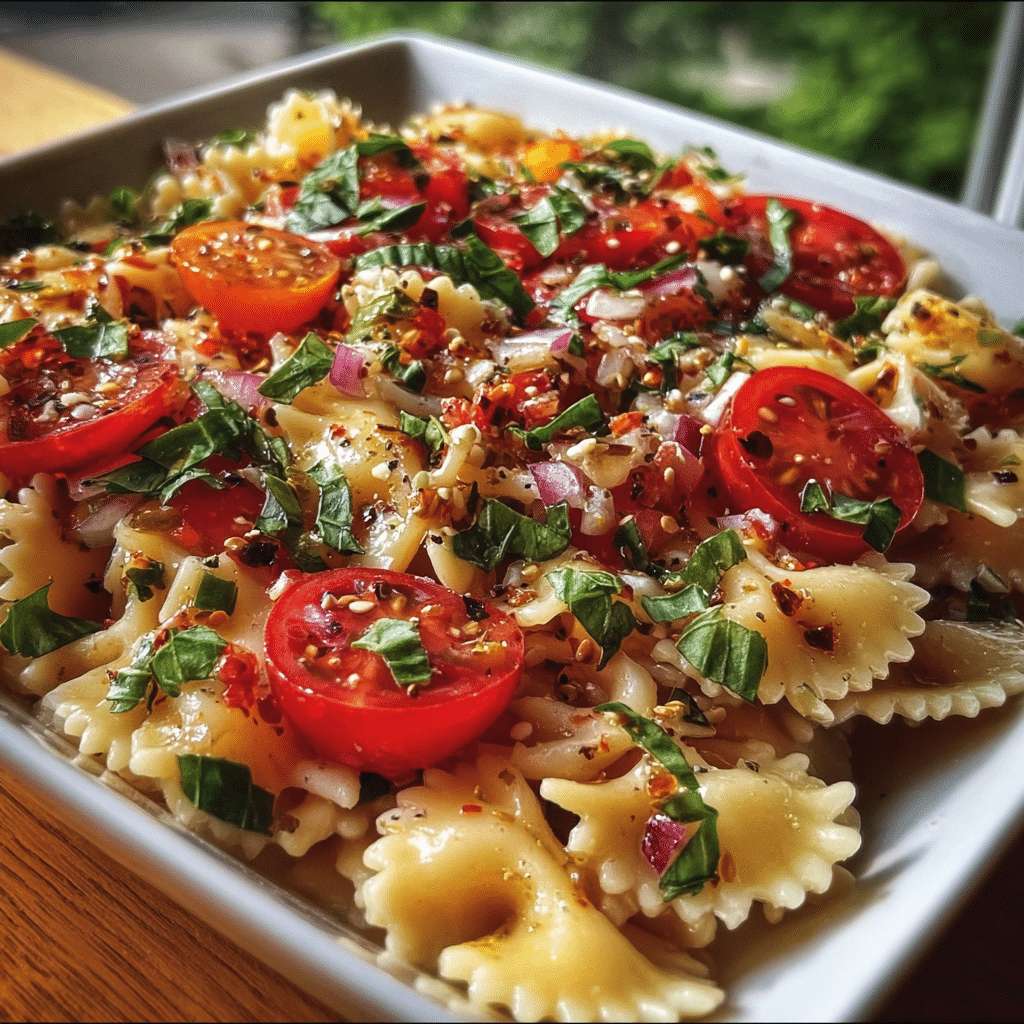
Now that your bruschetta pasta salad is prepped and ready, let’s talk about presentation. A beautiful dish not only tantalizes the taste buds but also pleases the eyes. Serve your salad in a large, shallow dish to allow the vibrant colors of the ingredients to shine. Garnish with fresh basil leaves or edible flowers for an elegant touch.
For a fun twist, consider serving the salad in mason jars. Layer the ingredients starting with the dressing at the bottom, followed by the pasta, tomatoes, herbs, and finally the cheese. This not only looks visually appealing but also makes it easy for guests to grab their own servings!
Pairing your bruschetta pasta salad with the right beverage can enhance the dining experience. A crisp white wine, like Sauvignon Blanc or a light rosé, complements the fresh flavors wonderfully. For a non-alcoholic option, a sparkling water infused with lemon or lime can refresh the palate without overpowering the meal.
With these insider tips and techniques, your bruschetta pasta salad is bound to be a hit, whether you’re serving it for a casual weeknight dinner or a festive gathering with friends and family. Remember, cooking is all about enjoying the process and expressing creativity, so don’t hesitate to make this dish your own!
Creative Variations and Adaptations of bruschetta pasta salad
Bruschetta pasta salad is such a versatile dish that it invites creativity and experimentation. While the traditional version is delicious, there are countless ways to adapt this recipe to suit your taste and dietary requirements. Whether you’re looking to incorporate seasonal ingredients, make it vegan, or add an international twist, this section will explore exciting variations of bruschetta pasta salad that you can try at home.
Seasonal Variations
Embracing the seasons is one of the best ways to keep your bruschetta pasta salad fresh and exciting. In the summer, when tomatoes and basil are at their peak, use heirloom tomatoes and add fresh mozzarella, creating a Caprese-inspired twist. You can even grill the vegetables like zucchini or bell peppers for added depth and smokiness. Fall brings a bounty of squash and root vegetables; consider roasting pumpkin or butternut squash, then tossing them with the pasta and a sage-infused vinaigrette.
Winter salads can benefit from hearty ingredients like roasted Brussels sprouts or kale, which can be massaged with olive oil and lemon juice to soften their texture. In spring, introduce peas or asparagus, which add a delightful crunch and vibrant color to your dish. By adapting your bruschetta pasta salad with seasonal ingredients, you not only enhance the flavors but also create a dish that feels relevant and timely.
Dietary Adaptations
In today’s diverse culinary landscape, it’s essential to consider dietary restrictions when preparing meals. For a keto-friendly bruschetta pasta salad, swap traditional pasta for zucchini noodles or spaghetti squash. These alternatives provide the same satisfying texture without the carbs. If you’re catering to a vegan audience, replace cheese with avocado or a plant-based feta. Nutritional yeast can also lend a cheesy flavor while keeping it completely dairy-free.
For those on a gluten-free diet, there are a variety of gluten-free pasta options available today, from chickpea pasta to whole grain varieties. These alternatives ensure that everyone can enjoy the flavors of bruschetta pasta salad without compromising their dietary needs. Additionally, consider making a quinoa salad instead of a pasta salad for a protein-rich, gluten-free option that’s still hearty and satisfying.
Creative Twists
To jazz up your bruschetta pasta salad, think outside the box! How about a Mediterranean twist? Incorporate olives, artichoke hearts, and roasted red peppers to give your salad a bold Mediterranean flair. You could also introduce international flavors—try adding Thai basil and a peanut dressing for a Southeast Asian-inspired version. The possibilities are endless!
Another fun variation is to play with textures and temperatures. Serve your bruschetta pasta salad warm by tossing the pasta with sautéed garlic shrimp or grilled chicken for a protein-packed meal. Alternatively, you can make it a cold salad by allowing it to chill in the refrigerator for a couple of hours, which allows the flavors to meld beautifully.
Lastly, don’t forget about leftovers! Transform your bruschetta pasta salad into a delicious frittata by whisking eggs and pouring them over the salad in a skillet. Cook until set for a unique brunch dish that’s sure to impress. Or, consider turning it into a savory stuffed bell pepper, filling halved peppers with the salad mixture, and baking them until the peppers are tender.
With these creative variations and adaptations, your bruschetta pasta salad can be a canvas for flavor and creativity. Whether you stick to the classic version or branch out into new territories, the key is to enjoy the process and celebrate the deliciousness of this fantastic dish!
Storage, Reheating, and Meal Prep for bruschetta pasta salad
When it comes to preparing a delightful bruschetta pasta salad, many of us think about the glorious flavors and the colorful presentation. However, once we’ve whipped up this dish, it’s crucial to know how to preserve that deliciousness for later enjoyment. Whether you’re looking to stash some away for a busy week or simply want to store leftovers, understanding the best practices for storage, reheating, and meal prep can elevate your cooking game. So let’s dive into the world of storage techniques for bruschetta pasta salad that will keep your pasta as fresh and vibrant as the day it was made.
Short-term Storage
After you prepare your bruschetta pasta salad, the first thing you’ll want to do is store it properly if you don’t plan to serve it all at once. The ideal scenario is to place the salad in the refrigerator, where it can stay fresh for up to three days. It’s essential to use airtight containers for storage to prevent moisture loss and to keep the flavors intact. I personally love using glass containers with tight-fitting lids, as they not only keep the salad fresh but also allow me to see the vibrant colors of the ingredients.
When storing bruschetta pasta salad, it’s wise to keep the dressing separate if possible. This prevents the pasta from becoming soggy and ensures that each bite retains its delightful crunch and flavor. If you’ve already mixed the dressing in, don’t worry too much; just be sure to consume it within two to three days. When I prepare a big batch, I often separate the components and mix them right before serving. It’s a simple strategy that keeps things fresh and exciting!
For best results, use containers that are just the right size for your portions. If you have large amounts left over, you might want to consider portioning them out into smaller containers. Not only does this make it easier to grab a quick lunch or snack, but it also helps with portion control. Plus, it’s much better to have single servings rather than one large container that might go uneaten.
Freezing and Long-term Storage
Now, let’s talk about freezing bruschetta pasta salad. While traditional pasta salads can be tricky to freeze due to their texture, there are ways to adapt your approach. If you know you won’t finish your pasta salad within a few days, consider freezing the components separately. You can freeze the cooked pasta and the chopped vegetables, and then prepare them fresh with the dressing when you’re ready to eat.
To freeze your pasta, make sure it’s completely cooled, then spread it out on a baking sheet to prevent clumping. Once frozen, transfer the pasta to a resealable freezer bag and remove as much air as possible before sealing. For the vegetables, chop them up, and place them in a freezer-safe container or bag. Keep in mind that some ingredients, like tomatoes and cucumbers, don’t freeze well, as they can become mushy when thawed. Instead, consider adding these fresh when you’re ready to serve.
When it comes to storage duration, you can keep the pasta in the freezer for up to three months without significant loss of quality. Be sure to label your bags with the date so you can keep track of what you have on hand. When you’re ready to enjoy your frozen bruschetta pasta salad, simply thaw the pasta in the refrigerator overnight and mix it with your fresh ingredients and dressing for a quick meal.
Reheating Best Practices
Reheating bruschetta pasta salad can be a bit of an art, especially if you want to maintain the integrity of the ingredients. If you’ve stored your salad in the fridge with the dressing, the best method is to let it sit at room temperature for about 30 minutes before serving. This allows the flavors to meld together again. If you need to reheat the pasta, consider using a microwave on a low setting, stirring frequently to ensure even heating. I find that this technique helps to prevent the pasta from drying out or becoming gummy.
In the case of frozen pasta, after thawing it, you might want to warm it up in a skillet with a splash of olive oil to revive it. This not only warms the pasta but also adds a little richness, enhancing the overall flavor of your bruschetta pasta salad. Always remember to toss in the fresh ingredients right before serving to maintain that fresh crunch, making it feel as good as new!
When it comes to food safety, it’s important to note that bruschetta pasta salad should never be left out at room temperature for more than two hours. If the temperature is higher, such as at a summer picnic, limit that time to just one hour. Always be mindful of the shelf life expectations: if you notice any off smells or changes in color, it’s best to err on the side of caution and discard the dish.
In summary, proper storage, reheating, and meal prep techniques for bruschetta pasta salad are integral to enjoying this delightful dish over multiple days. Whether you’re freezing components for future meals or simply storing leftovers, keeping these tips in mind will ensure your pasta salad remains a vibrant and delicious option for any occasion!
Nutritional Benefits and Health Information
As we indulge in the delicious indulgence of bruschetta pasta salad, it’s essential to take a moment to consider the nutritional benefits that this dish brings to the table. Often, when we think of pasta salads, we think of heavy sauces and empty calories, but this vibrant salad offers a refreshing twist that not only satisfies our taste buds but also nourishes our bodies. Let’s dive into the nutritional aspects, health benefits of key ingredients, and how this dish can fit into various dietary plans.
Nutritional Profile
The typical components of a bruschetta pasta salad include cooked pasta, fresh tomatoes, basil, garlic, olive oil, and sometimes mozzarella or other vegetables. The primary ingredient, pasta, provides carbohydrates that serve as a source of energy. A standard serving of cooked pasta (approximately one cup) contains around 200 calories, but it’s important to note that the type of pasta you choose can alter the nutritional content. Whole grain or legume-based pastas provide additional fiber and protein, enhancing the overall healthiness of your dish.
Tomatoes, a staple in bruschetta, are not just flavorful but also packed with nutrients. They are an excellent source of vitamins C and K, potassium, and folate. The lycopene found in tomatoes is a powerful antioxidant linked to numerous health benefits, including reduced risk of chronic diseases. Meanwhile, basil adds a burst of flavor and is rich in antioxidants, vitamin K, and essential oils. Olive oil, often used in the dressing, is a healthy source of monounsaturated fats, which are beneficial for heart health.
When you combine these ingredients, you create a dish that not only tastes incredible but also provides a well-rounded nutritional profile with a good balance of macronutrients—carbohydrates, proteins, and fats. The addition of protein-rich ingredients like mozzarella can further enhance the dish, making it even more satisfying.
Health Benefits
The health benefits of bruschetta pasta salad extend far beyond basic nutrition. By incorporating fresh vegetables and healthy fats, this dish promotes a range of positive health outcomes. For instance, the combination of tomatoes and olive oil has been associated with improved heart health and lower cholesterol levels. The antioxidants present in these ingredients help fight inflammation and oxidative stress in the body, which are linked to various chronic illnesses.
Additionally, the fiber content from whole grain pasta and vegetables contributes to digestive health. Fiber is essential for maintaining a healthy gut, promoting regularity, and even aiding in weight management by keeping you feeling fuller for longer. Incorporating more fiber-rich ingredients, such as bell peppers or spinach, can amplify these benefits and create a more nutrient-dense meal.
Moreover, the freshness of the ingredients in a bruschetta pasta salad can enhance your overall well-being. Eating a diet rich in fresh fruits and vegetables is consistently linked to improved mood and mental health, and preparing this dish can be a joyful experience that boosts your spirits. Personally, I find that making a colorful salad with fresh ingredients always brightens my day!
Dietary Considerations
Bruschetta pasta salad can be adapted to fit various dietary needs, making it a versatile option for gatherings. For those following a gluten-free diet, substituting regular pasta with gluten-free pasta made from rice or quinoa can maintain the dish’s integrity while accommodating dietary restrictions. If you’re looking to reduce calories or carbohydrates, consider using a spiralizer to create zucchini noodles (often referred to as zoodles) as a base for your salad.
Additionally, for those who are vegan or lactose intolerant, you can easily omit cheese or substitute it with a plant-based alternative. The beauty of bruschetta pasta salad lies in its flexibility; you can adjust ingredients based on what you have on hand or your personal preferences. This adaptability also extends to the dressing—using balsamic vinegar and olive oil instead of cream-based dressings can provide a lighter, healthier option.
In terms of calorie content, a typical serving of bruschetta pasta salad can range from 250 to 400 calories, depending on the ingredients and portion sizes. It’s an excellent choice for a balanced meal or a side dish that won’t weigh you down. For those who are watching their macronutrient distribution, the salad can easily fit into a balanced meal by adding lean protein sources like grilled chicken or chickpeas.
In conclusion, the nutritional benefits and health information surrounding bruschetta pasta salad reveal it to be not only a delicious dish but also a wholesome addition to your diet. With its variety of ingredients and healthful properties, this pasta salad can easily become a staple in your culinary repertoire, providing you with nourishment, satisfaction, and a burst of flavor in every bite!
Conclusion: Mastering the Perfect bruschetta pasta salad
Creating the perfect bruschetta pasta salad is more than just following a recipe—it’s about understanding the techniques, ingredients, and cultural significance behind this beloved dish. Throughout this comprehensive guide, we’ve explored everything from the historical origins to modern variations, ensuring you have all the knowledge needed to make this recipe your own.
Whether you’re a beginner cook or an experienced chef, the techniques and tips we’ve shared will help you create a bruschetta pasta salad that’s not only delicious but also meaningful. Remember that cooking is a journey of discovery, and each time you make this dish, you’ll learn something new.
We encourage you to experiment with the variations we’ve discussed, adapt the recipe to your dietary needs, and most importantly, share it with the people you love. Food has the incredible power to bring people together, and Bruschetta Pasta Salad is the perfect dish to create lasting memories around your dinner table.
Don’t forget to share your cooking adventures with us on social media, and feel free to ask questions in the comments below. Happy cooking!
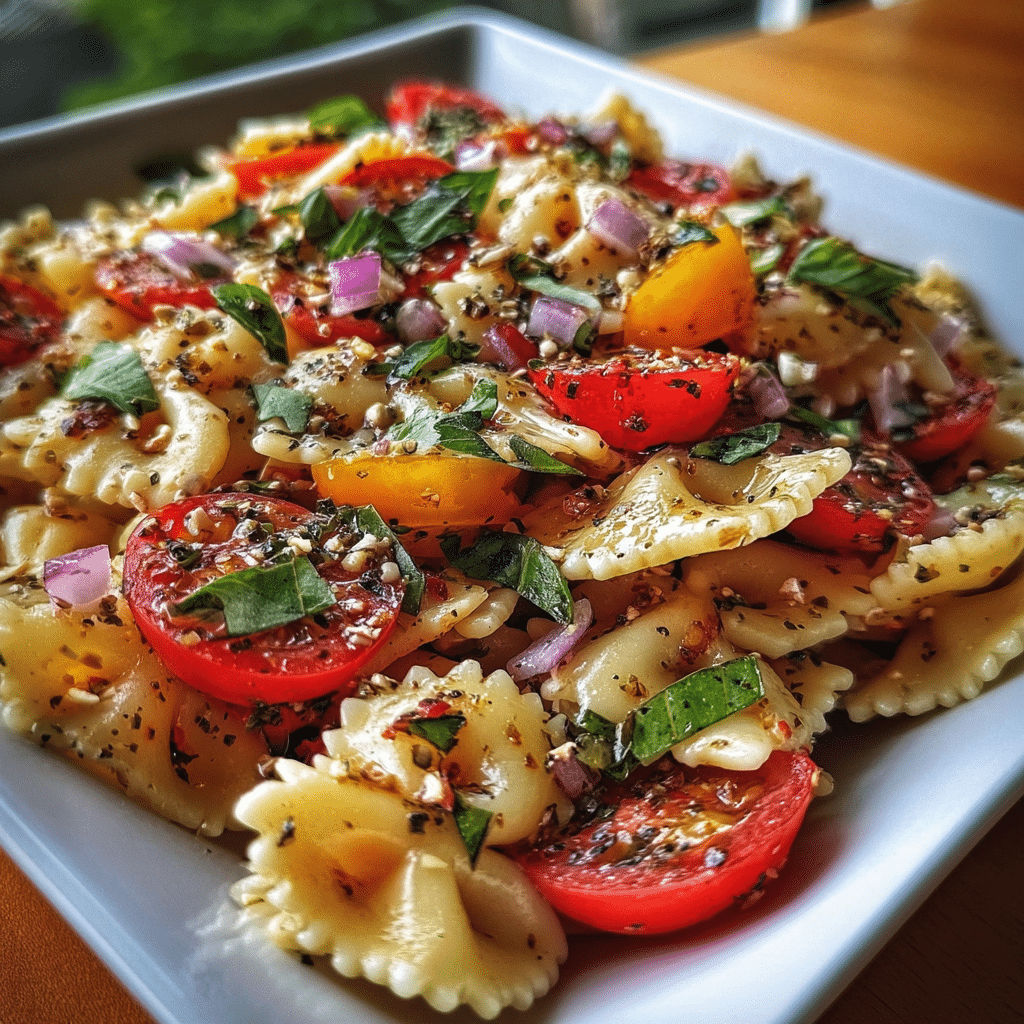
Share this recipe and let us know how it turned out! Tag us on social media for a chance to be featured.