Healthy Mexican food is not just a culinary delight; it’s a vibrant tapestry woven with tradition, culture, and family. I remember the first time I stumbled upon a recipe that epitomized this blend of flavors and healthiness. It was a particularly hectic week, and my usual dinner rotations were feeling stale. One evening, while rummaging through my grandmother’s old recipe box, I discovered her handwritten recipe for a quinoa and black bean enchilada. This wasn’t just any dish; it was a meal steeped in family tradition, yet it also embraced modern health trends. The moment I prepared it, the aroma of spices filled my kitchen, transporting me back to my childhood when my grandmother would whip up her famous enchiladas in the same way.
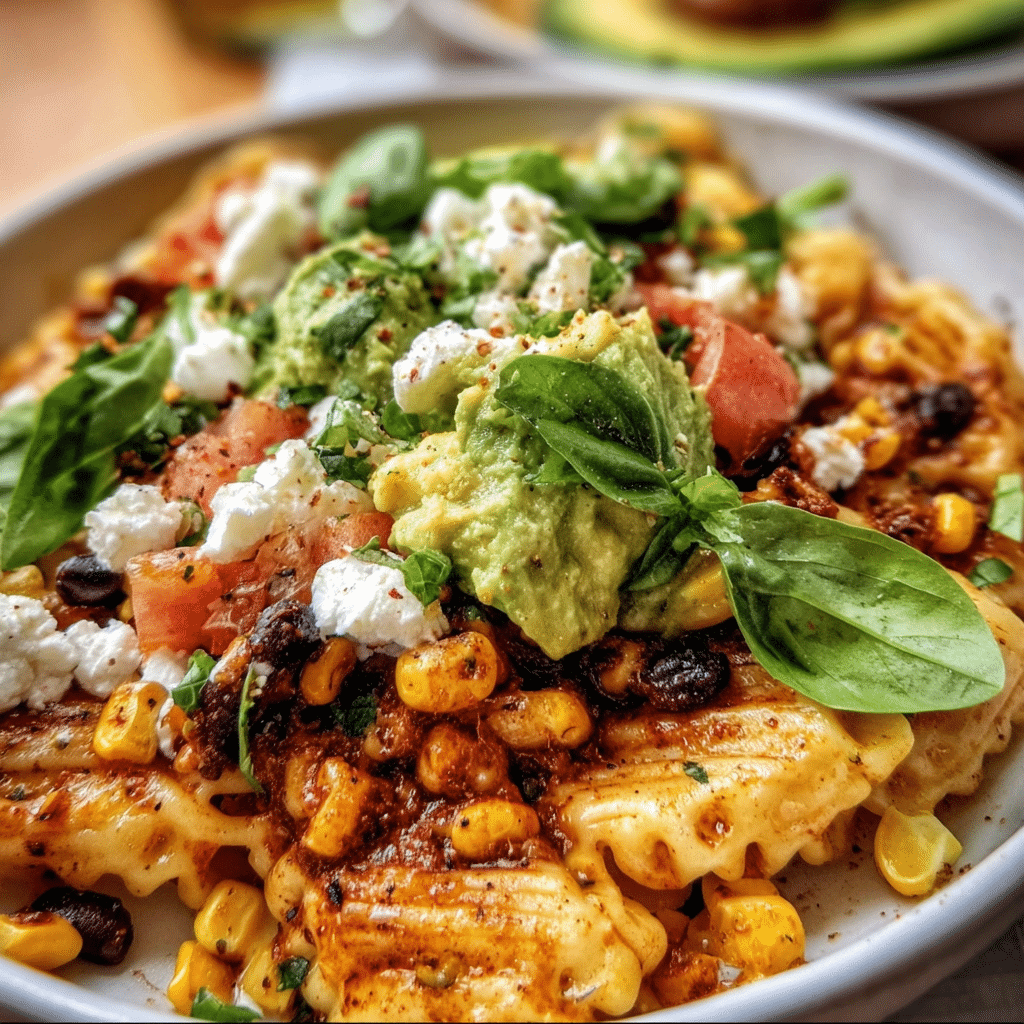
The story of healthy Mexican food is rich and layered. Traditional Mexican cuisine often revolves around wholesome, fresh ingredients like beans, corn, and a variety of vegetables and herbs. Each region boasts its unique twist on dishes, influenced by local produce and cultural practices. For instance, while my grandmother hailed from the heart of Mexico, the refreshing twist of using quinoa in enchiladas reflects a more contemporary approach, marrying tradition with nutritional awareness. This dish stands out because it encapsulates the essence of healthy eating without sacrificing the bold flavors that Mexican cuisine is renowned for. It’s about using wholesome ingredients while still honoring the culinary techniques passed down through generations.
What makes this recipe particularly appealing for busy families is its versatility and ease of preparation. With a little planning, it can be prepped ahead and thrown together in mere minutes. The black beans provide a hearty protein source, while the quinoa offers a complete amino acid profile, making it not just healthy but satisfying. This dish can be easily customized based on what you have in your pantry, making it a perfect solution for those ‘what’s for dinner?’ moments. Additionally, it can be made in bulk and stored, allowing for quick reheating on those rushed weeknights.
As seasons change, so does the bounty of fresh produce available, and this recipe can be adapted to incorporate seasonal vegetables—think fresh zucchini in summer or roasted butternut squash in fall. Each bite carries the nostalgia of family dinners, the warmth of sharing meals, and the excitement of introducing healthy foods to my children. There’s something profoundly emotional about cooking dishes that evoke memories of laughter and love around the dinner table.
In this guide, you’ll learn not just how to make this delicious healthy Mexican food but also how to incorporate it into your family’s weekly meal prep. We’ll explore variations, tips on sourcing ingredients, and even how to make it more nutritious without losing that authentic Mexican flavor. So, roll up your sleeves, and let’s dive into the world of healthy Mexican food together!
The Story Behind This Recipe
My journey into the world of healthy Mexican food began in my grandmother’s kitchen. Watching her prepare meals was like witnessing art in motion. She had an innate understanding of spices and flavors, knowing exactly how to balance heat with sweetness. When I stumbled upon the quinoa and black bean enchilada recipe, it felt as though I had unearthed a hidden gem. The idea of blending traditional Mexican flavors with a healthy twist was revolutionary for me. It wasn’t just about the food; it was about bringing the essence of my heritage into a new light.
As I prepared the dish for the first time, I was flooded with memories—of family gatherings, laughter echoing off the walls, and the love that filled every meal. It was more than just cooking; it was a way to keep my grandmother’s spirit alive in my home. I’ll never forget the smiles on my children’s faces when they tasted the enchiladas for the first time. They were thrilled to see a healthy version of a classic dish they had grown up eating, and they loved the taste. This is what healthy Mexican food is all about—creating memories through meals that nourish both body and soul.
Why You’ll Love This Dish
What makes this dish so special is its adaptability. You can experiment with different fillings, swap out the quinoa for brown rice, or even add in seasonal vegetables like spinach or bell peppers. It’s a canvas for creativity while still paying homage to the roots of Mexican cooking. Plus, it’s a meal that can be enjoyed by everyone, regardless of dietary preferences or restrictions, making it inclusive for family gatherings.
In the end, healthy Mexican food is not just about the ingredients; it’s about sharing love through cooking, maintaining traditions, and making room for modern health practices. Join me as we delve deeper into the rich history and cultural significance of these dishes in the following section.
The Rich History and Cultural Significance of healthy mexican food
The rich history and cultural significance of healthy Mexican food reveal a narrative that stretches back thousands of years, intertwined with the lives of the people who have inhabited the land. The origins of Mexican cuisine can be traced back to the ancient civilizations of the Aztecs and Mayans. These early cultures cultivated staples such as corn, beans, and squash—ingredients that continue to be the backbone of Mexican cooking today. Healthy Mexican food is not just a modern trend; it is a celebration of these ancient practices that emphasized balance, nutrition, and community.
Origins and History
The roots of healthy Mexican food run deep, dating back to the agricultural innovations of the indigenous peoples. They developed a complex system of farming that included the ‘Three Sisters’—corn, beans, and squash. These crops complemented each other in the fields and on the plate, providing a balanced diet rich in essential nutrients. The importance of these ingredients cannot be overstated; they formed the basis of daily sustenance and were often revered in rituals and ceremonies.
With the arrival of Spanish colonizers in the 16th century, Mexican cuisine began to evolve dramatically. The introduction of new ingredients like rice, pork, and various spices added exciting flavors and textures to traditional dishes. However, even amidst these changes, the emphasis on health and nutrition remained. For instance, the use of spices such as chili peppers not only added heat but also contributed significant health benefits, including anti-inflammatory properties.
As time progressed, regional variations emerged, each shaped by local climates and agricultural practices. In the coastal regions, you’ll find an abundance of seafood and tropical fruits, while the mountains are known for heartier dishes featuring meats and root vegetables. Each region tells a story through its food, and these diverse influences have culminated in the vibrant spectrum of healthy Mexican food we enjoy today.
Cultural Significance
Food in Mexico is more than sustenance; it is the heart of social and cultural life. Traditional Mexican meals are often enjoyed in communal settings, bringing families and friends together. Dishes are often prepared during special occasions, such as Día de los Muertos or Christmas, where specific foods hold symbolic meanings. For instance, tamales are a staple during celebrations, representing a labor of love as families come together to prepare them.
Moreover, health-conscious cooking has gained momentum in recent years, with chefs and home cooks alike seeking ways to honor traditional recipes while making them healthier. This evolution reflects a broader awareness of nutrition and the importance of maintaining a balanced diet, especially in a world increasingly aware of health issues. Restaurants are now popping up across the globe that focus on authentic, healthy Mexican food, serving dishes that honor the past while catering to modern tastes and dietary needs.
Nutritional Benefits
The nutritional benefits of healthy Mexican food are as varied as the flavors. Dishes that incorporate beans, for example, are an excellent source of plant-based protein and fiber, aiding in digestion and promoting a feeling of fullness. The use of fresh vegetables not only enhances flavor but also adds essential vitamins and minerals, making meals more wholesome. Ingredients like avocados provide healthy fats, while spices like turmeric and chili add anti-inflammatory benefits.
Moreover, the shift towards healthier cooking methods—such as grilling, steaming, or baking instead of frying—has made traditional Mexican dishes more accessible for those seeking healthier options. Today, you can find healthy versions of classic dishes like enchiladas, tacos, and salsas that maintain their authentic flavors while being mindful of health. These adaptations allow for enjoyment without compromising nutritional value.
In summary, healthy Mexican food is a celebration of history, culture, and nutrition. It represents a bridge between the past and present, allowing us to enjoy delicious meals while honoring the traditions that have shaped them. Through understanding the rich tapestry of flavors and techniques, we can appreciate the depth of healthy Mexican cuisine and why it holds a cherished place in our hearts and on our tables.
Essential Ingredients for Perfect healthy mexican food
When it comes to creating healthy Mexican food, understanding the essential ingredients that form the backbone of your dishes is crucial. The vibrant flavors and textures of Mexican cuisine can be both delicious and nutritious, allowing for a delightful culinary experience. Let’s dive into the essential ingredients that will elevate your healthy Mexican meals!
Essential Ingredients
- 1 Serving Favorite Healthy Mexican Main Dish
- 1 Serving Delicious Side Dish
- 1 Serving Amazing Dessert!
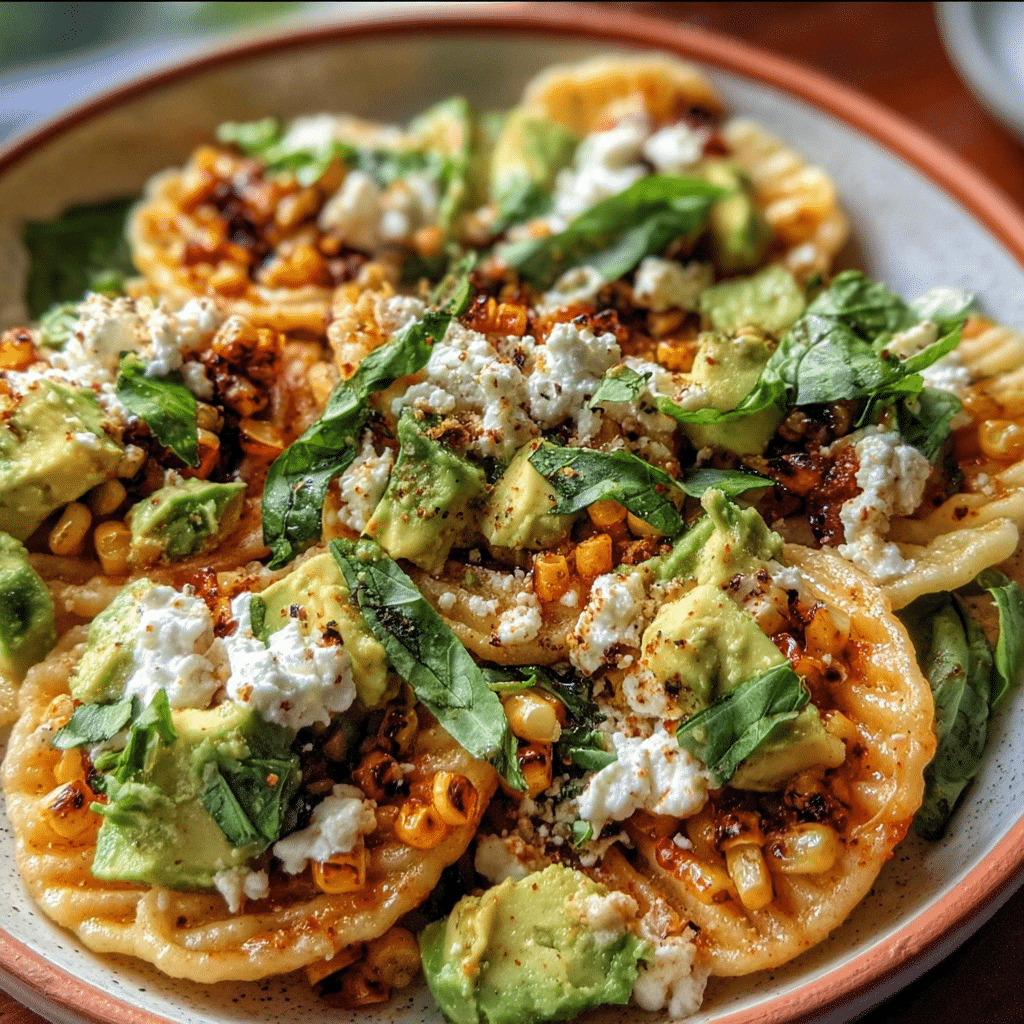
Healthy Mexican Food
Ingredients
- 1 Serving Favorite Healthy Mexican Main Dish
- 1 Serving Delicious Side Dish
- 1 Serving Amazing Dessert!
Instructions
-
Choose your favorite healthy Mexican main dishes, side dishes, salads, bowls, and desserts!
These components can vary widely depending on personal preferences and dietary needs, but let’s explore each one in detail.
The main dish in healthy Mexican food might include grilled chicken or fish, black beans, quinoa, or a medley of colorful vegetables. For example, if you choose grilled chicken, consider marinating it in lime juice and spices like cumin and paprika to infuse flavor while keeping it healthy. Alternatively, a plant-based protein such as black beans is not only a great source of protein but also packed with fiber, which aids digestion and keeps you feeling fuller for longer.
Moving on to the side dish, think about incorporating a fresh salad with ingredients like tomatoes, avocado, and corn, all drizzled with a light lime vinaigrette. Each ingredient here plays a pivotal role: avocados provide healthy fats, tomatoes are rich in antioxidants, and corn adds a sweet crunch. Perhaps a side of brown rice or quinoa can also complement your main dish, adding texture and a wholesome base.
Lastly, no meal is complete without dessert! A popular choice in healthy Mexican food is a fruit salad with tropical fruits such as mango, pineapple, and papaya, sometimes topped with a sprinkle of chili powder for that delightful spicy-sweet combination. Alternatively, consider making a light coconut flan using coconut milk instead of heavy cream, making it a lighter yet indulgent option.
Shopping Tips
When shopping for your ingredients, focus on freshness and quality. For your main dish, look for chicken or fish that is free-range or sustainably sourced. If you’re opting for beans, choose organic varieties when possible, as they are less likely to contain pesticides and are often richer in flavor. Fresh produce should be vibrant in color, firm to the touch, and free of blemishes. Visiting local farmers’ markets is a fantastic way to ensure you get seasonal and fresh ingredients while supporting your local economy.
Also, consider the differences between organic and conventional options. Organic foods may be more expensive, but they often provide better taste and nutritional value. If you’re on a budget, prioritize organic for the Dirty Dozen, a list of fruits and vegetables that tend to have higher pesticide residues, while selecting conventional options for others.
Substitutions and Alternatives
Dietary restrictions should never be a barrier to enjoying healthy Mexican food. If you’re vegan, substitutes like tofu or tempeh can replace meat in your main dish. For those who are gluten-free, ensure that any grains or tortillas you use are certified gluten-free. You can even use lettuce leaves as a wrap instead of tortillas for a fresh twist!
When it comes to the side dish, if you’re watching your carbohydrate intake, consider cauliflower rice as a low-carb alternative to traditional rice. And for dessert, if you’re lactose intolerant, coconut or almond milk can easily replace dairy in many recipes.
Storage is another important consideration. Fresh produce typically lasts longer when stored in the refrigerator, while dry goods like beans and rice should be kept in a cool, dry place. Always check the expiration dates on packaged items, and consider batch cooking to save time and reduce food waste. Leftovers can often be repurposed into new meals, such as turning roasted vegetables into a delicious soup or frittata.
In conclusion, the essence of healthy Mexican food lies not only in the vibrant flavors and colors but also in the quality of the ingredients you choose. With a focus on fresh, wholesome components, you can create meals that are as nutritious as they are delicious. Embrace the journey of sourcing these ingredients and let your culinary creativity shine!
Detailed Step-by-Step healthy mexican food Cooking Instructions
Creating a delicious and nutritious healthy Mexican meal may seem like a daunting task, but with the right instructions, you’ll be whipping up a feast in no time. Let’s break down the step-by-step process to ensure that your cooking journey is as enjoyable as it is rewarding.
Preparation Steps
- Gather Your Ingredients: Start by collecting all your ingredients. This includes your chosen proteins, vegetables, grains, and spices. Having everything in one place makes the cooking process smoother and more enjoyable.
- Prep Your Produce: Wash all fresh produce under cool running water. For vegetables like bell peppers, onions, and tomatoes, chop them into bite-sized pieces. If you’re using herbs like cilantro, finely chop them as well. You’ll want your ingredients to be uniform in size for even cooking.
- Marinate Your Protein: If you’re using chicken, fish, or tofu, marinate them for at least 30 minutes. A simple marinade of lime juice, garlic, cumin, and olive oil works wonders for flavor. This step can be done ahead of time, allowing the flavors to deepen.
- Cook Your Grains: If you’re using quinoa or brown rice, start cooking them according to package instructions. Typically, quinoa takes about 15 minutes to cook; you’ll know it’s ready when the grains become translucent and the germ separates.
Cooking Process
- Heat Your Pan: In a large skillet over medium heat, add a drizzle of olive oil. Once the oil is shimmering but not smoking, it’s time to add your protein. If you’re cooking chicken or fish, aim for a golden-brown crust.
- Sauté Vegetables: After removing the protein, add your chopped vegetables to the same skillet. Sauté for about 5-7 minutes until they are tender but still vibrant in color. This step enhances the natural sweetness of the vegetables.
- Combine Ingredients: Once the vegetables are cooked, add the protein back into the skillet along with cooked grains. Stir everything together, allowing the flavors to meld. If you’re using beans, add them at this stage to warm them through.
- Season: Taste your dish and adjust the seasoning. A pinch of salt, fresh lime juice, and a sprinkle of cilantro can elevate the flavors. Don’t forget to taste as you go!
Final Assembly
- Plate Your Dish: Using a large serving bowl or individual plates, layer your main dish with grains, protein, and vegetables. This not only looks appealing but also allows for everyone to customize their meal.
- Add Your Side Dish: Serve your delicious side salad or any other accompaniment. The contrast of fresh flavors will complement the richness of your main dish beautifully.
- Prepare Dessert: For dessert, if you’re making a fruit salad, simply chop your chosen fruits and toss them together in a bowl. Add a sprinkle of chili powder or a squeeze of lime for an exciting twist.
- Enjoy! Finally, take a moment to appreciate your creation. Healthy Mexican food is not just about the meal; it’s about the experience of cooking and sharing with loved ones. Bon appétit!
Throughout this cooking process, keep an eye on the timing. Cooking can be a juggling act, but with practice, you’ll become more adept at multitasking. If you find that you’re falling behind, don’t hesitate to adjust cooking times slightly. Always ensure that your proteins reach a safe internal temperature: chicken should be cooked to 165°F and fish to 145°F.
In conclusion, cooking healthy Mexican food can be a delightful experience filled with rich flavors and vibrant colors. By following these detailed instructions, you’ll not only create nourishing meals but also develop your skills in the kitchen. Happy cooking!
Professional Tips and Techniques for healthy mexican food
When it comes to creating healthy Mexican food, there’s a treasure trove of professional tips and techniques that can elevate your dishes from ordinary to extraordinary. Whether you’re an aspiring chef or a home cook, understanding the nuances of Mexican cuisine can enhance not only the flavor of your food but also its nutritional value. In this section, we’ll explore a variety of insider secrets, troubleshooting techniques, and advanced culinary skills to help you master the art of healthy Mexican food.
Professional Techniques
One of the secrets to achieving robust flavors in healthy Mexican food lies in mastering a few professional cooking techniques. First and foremost, toasting spices is a game-changer. When you heat spices in a dry skillet, it unlocks their essential oils, intensifying their flavor. For instance, toasting cumin seeds before grinding them transforms the taste of your dishes. I remember my first time toasting spices; it was as if I had unearthed a hidden layer of flavor that I never knew existed.
Another essential technique is the art of sautéing. Using a small amount of healthy oils, such as avocado or olive oil, to sauté onions, garlic, and bell peppers creates a base for many hearty dishes. Ensuring your pan is at the right temperature before adding ingredients can make a world of difference. A well-sautéed base sets the tone for the entire meal!
For those times when you want to elevate your cooking game, consider trying sous-vide cooking. This technique involves vacuum-sealing food in a bag and cooking it to a precise temperature in a water bath. It’s especially useful for proteins, as it retains moisture and flavor while allowing you to infuse your favorite spices. The first time I tried sous-vide chicken for tacos, it was so tender and flavorful that my friends begged for the recipe!
Troubleshooting Guide
Even experienced cooks encounter challenges. When preparing healthy Mexican food, one common issue is overcooked beans. To ensure your beans are tender but not mushy, soak them overnight and cook them in a slow cooker. This method allows for even cooking and retains the beans’ texture. If you find your beans are too dry, adding a splash of broth can revive them.
Another issue is balancing flavors. If your dish turns out too spicy, a dash of honey or a squeeze of lime can help counterbalance the heat. On the flip side, if your dish lacks flavor, a pinch of salt or a splash of vinegar can brighten it up. Experimentation is key; I often find that the best flavors come from spontaneous adjustments.
Presentation Tips
Eating with your eyes is a real phenomenon, and presentation can elevate your healthy Mexican food to new heights. Consider using colorful ingredients like roasted red peppers, fresh cilantro, or slices of avocado to add vibrancy to your plate. Using a large white plate allows the colors of your food to pop, creating an enticing visual experience.
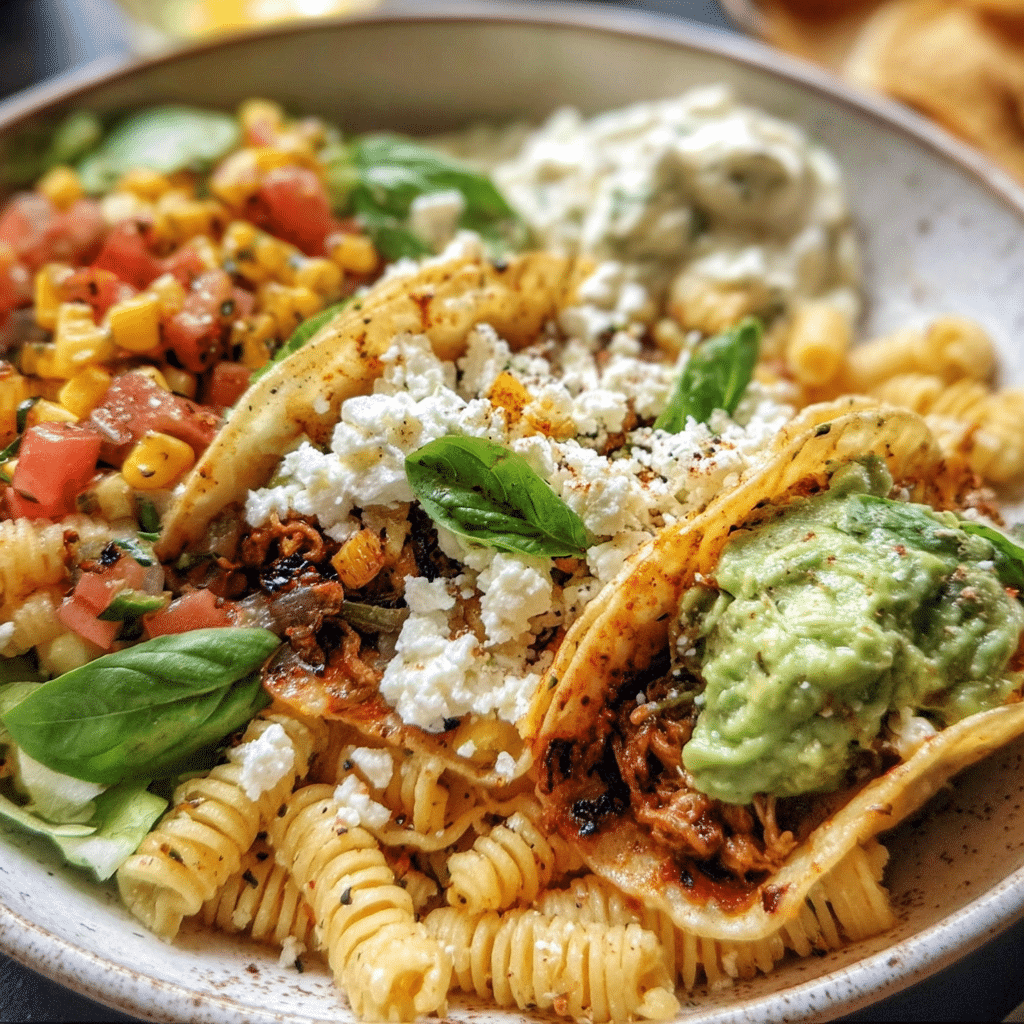
When plating, think about height and layering. For example, stack your tacos or enchiladas to create an inviting look. Drizzle sauces or salsas over the top to add a finishing touch. A sprinkle of queso fresco or a few slices of jalapeño can add that final flair. I’ve often found that my guests appreciate not just the taste but the beauty of the meal, making it memorable.
Pairing your dishes with the right beverages can also enhance the dining experience. A light, crisp white wine like Sauvignon Blanc complements the freshness of many Mexican dishes, while a refreshing agua fresca can be a delightful non-alcoholic option. I love serving my homemade hibiscus tea with spicy tacos; the sweet and tangy flavor pairs beautifully and cools the palate.
Meal prep is an excellent strategy for enjoying healthy Mexican food throughout the week. Prepare batches of beans, grilled vegetables, or salsas in advance to save time on busy nights. When scaling recipes, consider doubling or halving ingredients carefully, especially spices, as they can significantly affect the final flavor. Having a well-organized kitchen with essential tools like a good knife, a cutting board, and quality cookware makes all the difference. Investing in a slow cooker and a blender can also expand your cooking possibilities.
By adopting these professional techniques and tips, you can create delicious and healthy Mexican food that not only satisfies the palate but also nourishes the body.
Creative Variations and Adaptations of healthy mexican food
When it comes to healthy Mexican food, creativity knows no bounds! The beauty of Mexican cuisine lies in its ability to adapt and transform, embracing a myriad of flavors and textures. In this section, we’ll delve into exciting variations, seasonal adaptations, and diet-friendly modifications that will keep your meals fresh and interesting.
Seasonal Variations
One of the best ways to innovate your healthy Mexican food is by utilizing seasonal ingredients. For instance, during the summer months, you can whip up a refreshing corn salad featuring fresh corn, tomatoes, avocados, and lime dressing. This vibrant dish not only bursts with flavor but also captures the essence of summer in every bite.
As the seasons change, so too can your ingredients. In the fall, consider adding roasted butternut squash to your enchiladas or tacos. Squash lends a natural sweetness and creaminess that complements spicier elements beautifully. I recall a dinner party where I served butternut squash tacos topped with a spicy chipotle crema; the flavors blended seamlessly, and my friends couldn’t get enough!
Dietary Adaptations
It’s essential to accommodate various dietary preferences while creating healthy Mexican food. For those following a keto diet, consider cauliflower rice as a substitute for traditional rice in burrito bowls or stuffed peppers. This swap not only reduces carbs but also adds a delightful texture. I’ve had friends who were skeptical about cauliflower rice, but once they tasted it in my burrito bowls with fresh guacamole, they were hooked!
For vegan options, replace cheese and sour cream with avocado, cashew cream, or nutritional yeast. You can make a delicious vegan taco filling using lentils or black beans seasoned with cumin and paprika. I love hosting taco nights where everyone can customize their toppings, making it a fun and inclusive meal.
Creative Twists
Fusion cuisine is another exciting angle to explore when creating healthy Mexican food. Imagine a taco with Korean BBQ beef topped with kimchi or a quesadilla filled with Mediterranean ingredients like feta, olives, and spinach. These unique combinations not only surprise your taste buds but also showcase the versatility of Mexican cuisine.
Another creative twist involves cooking methods. Instead of frying, try grilling or baking your tacos and enchiladas. Grilling adds a smoky flavor that enhances the overall dish. I remember my first attempt at grilled fish tacos; the charred edges and fresh toppings created a delightful contrast, and I never looked back!
Leftovers can also be transformed into new meals. For instance, leftover roasted vegetables can be repurposed into a hearty breakfast burrito or a savory quesadilla. I often find that some of my best meals come from improvising with leftovers, turning yesterday’s dinner into today’s gourmet lunch.
By embracing variations and adaptations in your healthy Mexican food, you can keep your meals exciting, nutritious, and suitable for everyone at the table. Remember, the heart of cooking is creativity and the joy of sharing delicious food with loved ones!
Storage, Reheating, and Meal Prep for healthy mexican food
When it comes to healthy Mexican food, understanding how to store, reheat, and prep meals is just as essential as knowing how to make them. After all, food preparation is not just about the cooking process; it’s also about how we can maximize the freshness and flavor of our dishes while minimizing waste. In this section, I’ll share everything you need to know about the best practices for storage, reheating, and meal prep to ensure your healthy Mexican food remains delicious and safe to eat.
Short-term Storage
Let’s start with short-term storage. If you’ve made a big batch of something delicious, like a vibrant salsa or a zesty black bean salad, proper refrigeration is key. Most healthy Mexican food can be stored in airtight containers in the refrigerator for about 3 to 5 days. I personally love using glass containers because they are not only eco-friendly, but they also help keep the food fresh without absorbing any odors.
When storing your food, it’s essential to let it cool down to room temperature before placing it in the fridge. This prevents condensation from forming inside the container, which can lead to sogginess. For dishes like enchiladas or casseroles, consider portioning them out into single servings. This way, you can easily grab a healthy meal without having to reheat the entire dish each time.
Another great tip is to label your containers with the date they were made. This simple practice can save you from accidentally eating something that might not be safe anymore. Trust me, I’ve learned the hard way! Nothing is worse than finding a forgotten dish at the back of the fridge that’s been there too long.
Freezing and Long-term Storage
If you want to keep your healthy Mexican food for a more extended period, freezing is the way to go. Many dishes, such as soups, stews, and burritos, freeze beautifully. To freeze, make sure the food is completely cooled, and then transfer it into freezer-safe containers or bags. I always lay my bags flat in the freezer to save space, and it also makes defrosting easier later on.
When it comes to freezing, you’ll want to be mindful of how long you keep items in there. Most healthy Mexican food can last in the freezer for about 2 to 3 months. It’s a good idea to label and date everything, just like with short-term storage. I can’t tell you how many times I’ve pulled out a mysterious container from the freezer, trying to guess what’s inside!
Some ingredients, like avocados, don’t freeze well and can alter the texture of your dish. When in doubt, do a quick search or consult a freezing guide to ensure you’re preserving your meals correctly.
Reheating Best Practices
Now, let’s talk about reheating. The goal is to maintain the quality and flavor of your healthy Mexican food. The microwave is convenient but can sometimes lead to uneven heating. Instead, I recommend reheating on the stovetop or in the oven for dishes like casseroles or grilled meats. When reheating, add a little splash of water or broth to help keep things moist and prevent drying out.
For items like tacos or quesadillas, which can get soggy in the microwave, try reheating them in a skillet over medium heat. This method restores their crispiness while warming them through. I often find that a little patience goes a long way in preserving the taste and texture of my meals.
Food safety is also paramount when it comes to storing and reheating your healthy Mexican food. Always ensure that food is reheated to an internal temperature of 165°F (74°C) to kill any potential bacteria. If I’m ever unsure, I use a food thermometer to double-check.
In terms of shelf life, most cooked dishes will start to lose quality after a week in the refrigerator, even if they’re still safe to eat. That’s why I find meal prep so beneficial! By preparing healthy Mexican food in advance and storing it correctly, you can enjoy a week of wholesome meals without the stress of daily cooking.
Lastly, portioning is essential for meal prep. I like to divide my meals into clear containers that make it easy to grab and go. This way, I’m less likely to indulge in unhealthy snacks and can stay on track with my healthy eating goals.
Nutritional Benefits and Health Information
Now that we’ve covered how to store and reheat your healthy Mexican food, let’s dive into the nutritional benefits and health information associated with these vibrant dishes. Healthy Mexican food is rich in flavors and colors, and it also offers a wealth of health advantages that make it a fantastic part of any balanced diet.
Nutritional Profile
At the heart of healthy Mexican food are its core ingredients: fresh vegetables, legumes, lean proteins, and whole grains. A typical plate might include brown rice, black beans, grilled chicken, and a rainbow of veggies. Each component contributes its unique nutritional profile. For instance, black beans are high in protein and fiber, which can help keep you full and satisfied. Meanwhile, brown rice provides complex carbohydrates that offer sustained energy.
Moreover, ingredients like avocados and tomatoes are packed with healthy fats and antioxidants. Avocados, in particular, are rich in monounsaturated fats which can help reduce bad cholesterol levels. Tomatoes offer lycopene, an antioxidant linked to numerous health benefits, including reduced risk of chronic diseases.
When preparing your meals, consider incorporating various ingredients to maximize your nutrient intake. For example, adding a variety of colorful vegetables not only enhances the visual appeal of your dish but also ensures you’re getting a wide range of vitamins and minerals.
Health Benefits
The health benefits of healthy Mexican food extend beyond just the individual ingredients. The traditional Mexican diet, rich in fruits, vegetables, and legumes, has been associated with lower rates of obesity and chronic diseases, including heart disease and diabetes. The high fiber content found in beans and whole grains contributes to better digestion and can help regulate blood sugar levels.
In my own experience, incorporating more healthy Mexican food into my diet has led to increased energy levels and improved overall well-being. I remember the first time I made a colorful quinoa salad with black beans, corn, and fresh salsa. I felt so energized and satisfied, knowing I was nourishing my body with wholesome ingredients.
Dietary Considerations
When it comes to dietary considerations, healthy Mexican food can easily accommodate various dietary needs, including vegetarian, vegan, and gluten-free options. For those avoiding meat, dishes like veggie tacos or bean burritos provide ample protein and nutrients. If you follow a gluten-free diet, simply opt for corn tortillas instead of flour, and you’ll have a delicious, safe meal.
It’s also important to consider portion sizes when enjoying healthy Mexican food. While it’s packed with nutrients, caloric intake can add up quickly, especially with toppings like cheese and sour cream. I always recommend savoring your food and listening to your body’s hunger cues to maintain a balanced approach.
For those monitoring their calorie intake, many healthy Mexican dishes are low in calories but high in nutrients. For instance, a typical serving of black bean soup can clock in at around 200 calories, making it a filling and nutritious option for lunch or dinner. I often find that a hearty bowl of soup paired with a side salad is a satisfying meal that keeps my cravings at bay.
Conclusion: Mastering the Perfect healthy mexican food
Creating the perfect healthy mexican food is more than just following a recipe—it’s about understanding the techniques, ingredients, and cultural significance behind this beloved dish. Throughout this comprehensive guide, we’ve explored everything from the historical origins to modern variations, ensuring you have all the knowledge needed to make this recipe your own.
Whether you’re a beginner cook or an experienced chef, the techniques and tips we’ve shared will help you create a healthy mexican food that’s not only delicious but also meaningful. Remember that cooking is a journey of discovery, and each time you make this dish, you’ll learn something new.
We encourage you to experiment with the variations we’ve discussed, adapt the recipe to your dietary needs, and most importantly, share it with the people you love. Food has the incredible power to bring people together, and Healthy mexican food is the perfect dish to create lasting memories around your dinner table.
Don’t forget to share your cooking adventures with us on social media, and feel free to ask questions in the comments below. Happy cooking!
Share this recipe and let us know how it turned out! Tag us on social media for a chance to be featured.