Pesto tortellini salad is not just a dish; it’s a memory that is tangled in the threads of my family’s kitchen history. I remember the first time I encountered it during a summer family reunion in the small coastal town of Amalfi. My aunt, with her sun-kissed hair and vibrant laughter, had prepared a large bowl of this colorful salad, and I was immediately captivated. The aroma of fresh basil mingling with the rich, nutty scent of pine nuts filled the air, and the vibrant green pesto coated each tortellini like a silky blanket. I could tell this was something special, a dish that spoke of summer, family, and the joy of cooking together.
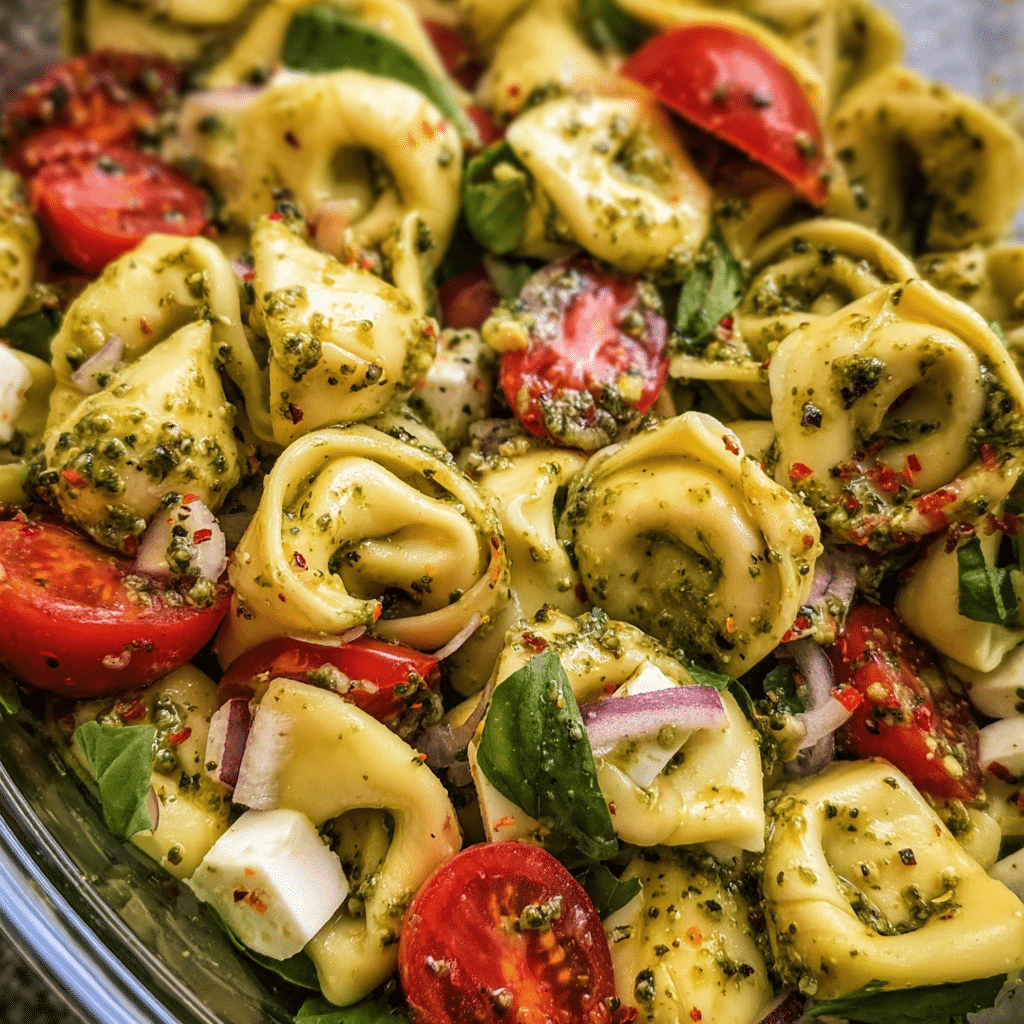
As I sat down at the long wooden table, surrounded by cousins and relatives, I couldn’t help but notice how the dish quickly became the star of the meal. There was something magical about watching everyone scoop the tortellini salad onto their plates, the way they shared stories and laughter over it. It was in that moment I realized that food is much more than sustenance—it’s a vehicle for connection, culture, and shared experiences. From that day forward, pesto tortellini salad became a staple in my own cooking repertoire, representing not just a recipe, but a cherished family tradition.
The Story Behind This Recipe
The roots of pesto tortellini salad trace back to the Italian regions of Liguria and Emilia-Romagna. Pesto itself originates from Genoa, where it was made with fresh basil, garlic, olive oil, pine nuts, and Parmigiano-Reggiano. Traditional tortellini, on the other hand, is a pasta filled with a mixture of meats or cheese, rolled into a small, ring-like shape. Combining these two culinary loves into a single dish creates a vibrant and flavorful salad, perfect for warm weather dining. This fusion of flavors is what sets pesto tortellini salad apart from other pasta salads.
What makes this recipe particularly special is its adaptability. It can be served warm or cold, making it versatile enough for any occasion. Families can enjoy it as a quick weekday dinner, or it can grace the table at summer picnics and family gatherings. The bright flavors of the pesto and the comforting texture of the tortellini create a dish that pleases both kids and adults alike—an ideal solution for busy families looking for quick dinner options.
Seasonally, pesto tortellini salad shines brightest during the warmer months when basil is in peak season. Fresh basil adds a bright, herbaceous note that elevates the entire dish, making it feel light and refreshing. I often find myself preparing this salad during the first warm weekends of spring, feeling inspired by the vibrant colors of fresh produce at the local farmers’ market. The salad can be customized with seasonal vegetables, such as cherry tomatoes, zucchini, or bell peppers, making it a true celebration of the season’s bounty.
On a more personal note, pesto tortellini salad evokes a strong emotional connection for me. It reminds me of family gatherings, laughter, and the joys of sharing meals. Each bite brings back memories of my aunt’s warm smile and the sun setting over the Amalfi coast. It’s a dish that transcends mere ingredients; it represents love, tradition, and the simple joys of life.
In this guide, you will learn not only how to prepare the perfect pesto tortellini salad but also the history and cultural significance behind it. I’ll share tips and tricks to customize it to your family’s taste, making it a dish that you’ll want to pass down through generations. Whether you’re a seasoned chef or a beginner in the kitchen, I promise that this recipe will become a beloved staple in your home.
The Rich History and Cultural Significance of pesto tortellini salad
The rich history and cultural significance of pesto tortellini salad are as layered and intricate as the dish itself. Originating from two iconic Italian regions—Liguria and Emilia-Romagna—this salad is a testament to the culinary prowess and traditions of Italy. To truly appreciate this delightful dish, one must delve into its origins, explore its cultural significance, and understand the nutritional benefits it brings to the table.
Origins and History
Pesto, as we know it today, hails from Genoa in the Liguria region, dating back to the 19th century, although similar sauces can be traced to ancient Roman times. The word “pesto” comes from the Italian word “pestare,” which means to pound or crush, describing the traditional method of preparation using a mortar and pestle. The original recipe was a simple combination of fresh basil, garlic, olive oil, and cheese. Over time, variations emerged, incorporating pine nuts and other nuts to enhance the flavor and texture.
Tortellini, on the other hand, has its roots in the Emilia-Romagna region, specifically in the city of Bologna. This pasta has been a beloved dish since the Middle Ages, with stories circulating about its creation inspired by the shape of Venus’s navel. Traditionally, tortellini is filled with a rich mixture of meats or cheese, making it a hearty addition to any meal. The merging of these two culinary icons into pesto tortellini salad represents a beautiful union of flavors and traditions.
As the dish evolved, it embraced regional variations, with families adding their own twists and ingredients based on availability and personal preferences. The combination of fresh vegetables, proteins, and even different types of pasta has led to countless variations of pesto tortellini salad, making it a truly versatile dish enjoyed in various forms across Italy and beyond.
Cultural Significance
Pesto tortellini salad is more than just a dish; it’s a celebration of Italian culture and tradition. In Italy, pasta salads are often served during summer festivities, family gatherings, and picnics, embodying the Italian spirit of sharing and conviviality. The salad is a staple at outdoor feasts, where families gather to enjoy the warm weather, delicious food, and each other’s company.
In recent years, the dish has gained popularity beyond Italian borders, becoming a favorite in many households around the world. Its ability to bring people together over a shared meal has made it a beloved recipe in many cultures. It’s not uncommon to find pesto tortellini salad served at barbecues, potlucks, and community gatherings, where it continues to foster connections between friends and family.
Nutritional Benefits
Pesto tortellini salad is not only delicious but also packed with nutritional benefits. The primary ingredients—pasta, fresh vegetables, and pesto—each contribute their own healthful properties. Pasta provides a source of carbohydrates for energy, while the vegetables add essential vitamins, minerals, and fiber to the dish. Fresh basil, the star of the pesto, is rich in antioxidants and has anti-inflammatory properties, making it a healthful addition to any meal.
Moreover, this salad can be easily customized to fit various dietary needs. For a lighter version, you can opt for whole grain or gluten-free tortellini, and substitute traditional pesto with a dairy-free version made from avocado or nutritional yeast. Adding protein, such as grilled chicken, shrimp, or chickpeas, can transform it into a complete meal, making it suitable for busy families looking for nutritious options.
In conclusion, pesto tortellini salad is a dish steeped in history, cultural significance, and nutritional value. Its origins from the heart of Italy and the evolution it has undergone over time reflect the beauty of culinary traditions. Whether you’re preparing it for a family gathering or a simple weeknight dinner, this salad is sure to bring joy and connection to the table.
Essential Ingredients for Perfect pesto tortellini salad
Creating a pesto tortellini salad is not only about throwing ingredients together; it’s about understanding each component and selecting the best possible options to elevate your dish. Let’s dive into the essential ingredients that make this salad a star on any table.
Essential Ingredients
- 1 20 ounce bag cheese tortellini: This is the heart of your salad. Cheese tortellini is filled with creamy ricotta and a hint of nutmeg, providing richness and a lovely texture. When shopping for tortellini, look for fresh or frozen varieties. Fresh tortellini can be found in the refrigerated section of your grocery store, while frozen ones are often located in the freezer aisle. Both have their merits; fresh adds a delicate bite, while frozen can be more convenient and budget-friendly.
- 1 cup pesto: Pesto is the flavor powerhouse in this salad. Traditionally made with basil, garlic, pine nuts, Parmesan cheese, and olive oil, it adds vibrant color and an aromatic punch. When selecting pesto, choose one that is made with fresh basil, as this will have the most pronounced flavor. You can also opt for store-bought varieties, but always check the ingredient list for added preservatives. Alternatively, making your own pesto is a fun and rewarding option—plus, it allows you to customize the ingredients!
- 1 and 1/2 cups cherry tomatoes sliced in half: These little gems add a burst of freshness and sweetness to your salad. Cherry tomatoes are typically available year-round, but their flavor peaks in the summer months. Look for tomatoes that are firm and brightly colored. If you want a bit of acidity, try using a mix of yellow and red cherry tomatoes; this not only enhances flavor but also adds a beautiful color contrast to your dish.
- 1 12 ounce container marinated mozzarella balls drained: Also known as bocconcini, these marinated mozzarella balls offer a creamy texture and a slight tang. They’re often packed in olive oil and herbs, which enhance the overall flavor of the salad. When choosing mozzarella, seek out high-quality brands that use whole milk for a richer taste. If you can’t find marinated mozzarella, fresh mozzarella cut into bite-sized pieces can work just as well, especially when tossed with a drizzle of olive oil and a sprinkle of Italian herbs.
- 1/4 cup red onion diced: Red onions contribute a crunchy texture and a mild sweetness that balances the richness of the pesto and cheese. When selecting red onions, look for firm bulbs with no soft spots. If raw onions are too pungent for your taste, consider soaking the diced onions in cold water for a few minutes to mellow their flavor before adding them to the salad.
Pesto Tortellini Salad
Ingredients
- 1 20 ounce bag cheese tortellini
- 1 cup pesto
- 1 and 1/2 cups cherry tomatoes sliced in half
- 1 12 ounce container marinated mozzarella balls drained
- 1/4 cup red onion diced
Instructions
-
Bring a large pot of salted water to boil. Add tortellini and cook for 1 and 1/2 minutes. Do not over cook!
-
Drain and rinse under cold water until cool.
-
Place tortellini in a large serving bowl. Add in pesto, tomatoes, cheese, and onion. Toss well to coat.
-
Serve at once, or cover and place in the fridge for up to 3 days.
Shopping Tips
When crafting your pesto tortellini salad, the quality of your ingredients can make a significant difference. Here are some tips for sourcing the best ingredients:
- Cheese Tortellini: Always check the expiration date, especially on fresh tortellini. If you’re opting for frozen, ensure the packaging is intact and free from frostbite, which can affect texture.
- Pesto: For the freshest flavor, look for refrigerated pesto or brands that prioritize natural ingredients. If available, consider shopping at local farmers’ markets where you can often find homemade pesto.
- Cherry Tomatoes: Choose tomatoes that are plump and free from wrinkles. If possible, buy them from local producers or farmers’ markets for peak flavor.
- Marinated Mozzarella: Check the brine for freshness. If the mozzarella smells off or appears cloudy, it’s best to choose another container. Freshness is key to achieving the best flavor.
- Red Onion: Select onions that feel heavy for their size and have a vibrant, smooth skin. Avoid those with blemishes or soft spots.
Substitutions and Alternatives
Dietary restrictions or personal preferences shouldn’t hinder your enjoyment of a delicious pesto tortellini salad. Here are some substitution options:
- Tortellini: For a gluten-free version, look for gluten-free tortellini made from rice or quinoa flour. Alternatively, you could substitute with rotini or penne pasta for a similar texture.
- Pesto: If you’re avoiding nuts, try making a nut-free pesto using sunflower seeds or simply use a store-bought sun-dried tomato pesto. For a vegan version, look for plant-based pesto options or make your own with nutritional yeast instead of cheese.
- Cherry Tomatoes: If fresh tomatoes are out of season, consider using sun-dried tomatoes for a concentrated flavor or roasted tomatoes for a warm touch.
- Marinated Mozzarella: If you’re lactose intolerant, try using almond or cashew cheese as a substitute. They won’t have the same texture but will still provide a creamy element.
- Red Onion: If red onions are too sharp for your palate, try using green onions or shallots for a milder flavor.
In conclusion, selecting the right ingredients is crucial in crafting a memorable pesto tortellini salad. By choosing high-quality, fresh components and considering alternatives for dietary needs, you can create a dish that is not only delicious but also inclusive for everyone at your table. Now that we’ve covered the essentials, let’s move on to the instructions!
Detailed Step-by-Step pesto tortellini salad Cooking Instructions
Creating a delightful pesto tortellini salad is a straightforward process that results in a vibrant and flavorful dish. With the right preparation and cooking techniques, you can have this refreshing salad ready in just 30 minutes. Let’s break it down step-by-step.
Preparation Steps
- Gather Your Ingredients: Before diving into the cooking, ensure all your ingredients are on hand. This not only saves time but also helps you visualize the final product. Lay out your cheese tortellini, pesto, cherry tomatoes, marinated mozzarella balls, and red onion on your countertop.
- Boil the Water: In a large pot, fill it with water and season generously with salt. The salt helps flavor the pasta as it cooks. Bring the water to a rolling boil over high heat.
- Prepare the Vegetables: While the water heats up, slice your cherry tomatoes in half and dice the red onion. If you find raw onion too pungent, soak the diced onion in a bowl of cold water for about 10 minutes. This will help tone down the sharpness.
- Cook the Tortellini: Once the water is boiling, add the cheese tortellini. Cook according to the package instructions, generally around 3-5 minutes for fresh tortellini and 8-10 minutes for frozen. Stir occasionally to prevent sticking. The tortellini is done when they float to the top and are tender yet firm to the bite.
- Drain and Rinse: Once cooked, drain the tortellini in a colander and rinse them under cold water. This stops the cooking process and prevents them from becoming mushy. Set aside to cool.
Cooking Process
- Combine Ingredients: In a large mixing bowl, add the cooled tortellini, sliced cherry tomatoes, drained marinated mozzarella balls, and diced red onion.
- Add the Pesto: Spoon in the cup of pesto and gently toss the ingredients together until everything is well coated. Be careful not to overmix; you want to keep the mozzarella balls intact.
- Taste and Adjust: At this point, taste your salad. If needed, add a pinch of salt or a squeeze of lemon juice to brighten the flavors. This is where you can make it your own!
Final Assembly
- Plate the Salad: Transfer the salad to a serving bowl or individual plates. If you’re feeling fancy, you can layer it for visual appeal or create a beautiful presentation with a sprinkle of fresh basil on top.
- Garnish: For an added touch, drizzle a bit of extra virgin olive oil over the top or sprinkle some freshly grated Parmesan cheese if you’re not strict on dietary restrictions.
- Serve Immediately: This salad is best served fresh, as the tortellini can become sticky if left too long. However, if you need to prepare it in advance, store it in an airtight container in the refrigerator. It will keep for about 2 days, but the flavors will meld beautifully if given some time to sit.
- Enjoy with Friends: A bowl of pesto tortellini salad is a perfect companion for summer barbecues, picnics, or even a light lunch. Its vibrant colors and fresh flavors are sure to impress your guests.
Now that you have the complete guide to preparing a pesto tortellini salad, you’re ready to enjoy a dish that not only tantalizes your taste buds but also showcases the beauty of fresh ingredients. Remember, cooking is as much about the experience as it is about the food. So gather your loved ones, share some stories, and savor every bite!
Professional Tips and Techniques for pesto tortellini salad
When it comes to crafting the perfect pesto tortellini salad, there are a myriad of techniques and tips that can elevate the dish from simple to sensational. Whether you’re a novice cook or an experienced chef looking to refine your skills, understanding the nuances of this recipe can make all the difference. Let’s dive into some professional tips and techniques that will help you master your pesto tortellini salad.
Professional Techniques
At the heart of any great pesto tortellini salad is the balance of flavors and textures. Start with quality ingredients; fresh, homemade pesto can dramatically enhance your dish. If you’re pressed for time, store-bought pesto can work in a pinch, but I highly recommend making your own. Blend fresh basil leaves, pine nuts, garlic, Parmesan cheese, and olive oil until smooth. This not only gives you control over flavor but also allows you to customize the consistency to your liking.
Cooking the tortellini correctly is crucial. Always follow the package instructions for cooking times, as overcooked pasta can become mushy. For best results, cook the tortellini in a large pot of salted boiling water until just al dente. Remember, they will continue to cook slightly when mixed with the warm ingredients of the salad later. After draining the tortellini, rinse them under cold water to halt the cooking process and to prevent them from sticking together.
Consider adding a splash of lemon juice or a dash of vinegar to your pesto. This addition not only enhances the flavor profile but also helps keep the color vibrant, which is key when presenting your pesto tortellini salad. The acidity brightens the dish and complements the rich flavors of the pesto beautifully.
Troubleshooting Guide
Even the most seasoned chefs can face challenges while preparing a pesto tortellini salad. Common issues include a bland taste or a greasy texture. If your salad lacks flavor, try adding more seasoning or a pinch of salt. A sprinkle of red pepper flakes can also provide a delightful kick.
If your salad turns out too oily, consider reducing the amount of olive oil in the pesto or adding more vegetables to absorb some of the excess oil. Cherry tomatoes, arugula, or spinach can provide a refreshing contrast and balance the richness of the pesto.
For those who may find their tortellini clumping together, a light toss with olive oil immediately after cooking can help keep them separate. Additionally, always serve your salad chilled to retain the freshness of the ingredients.
Presentation Tips
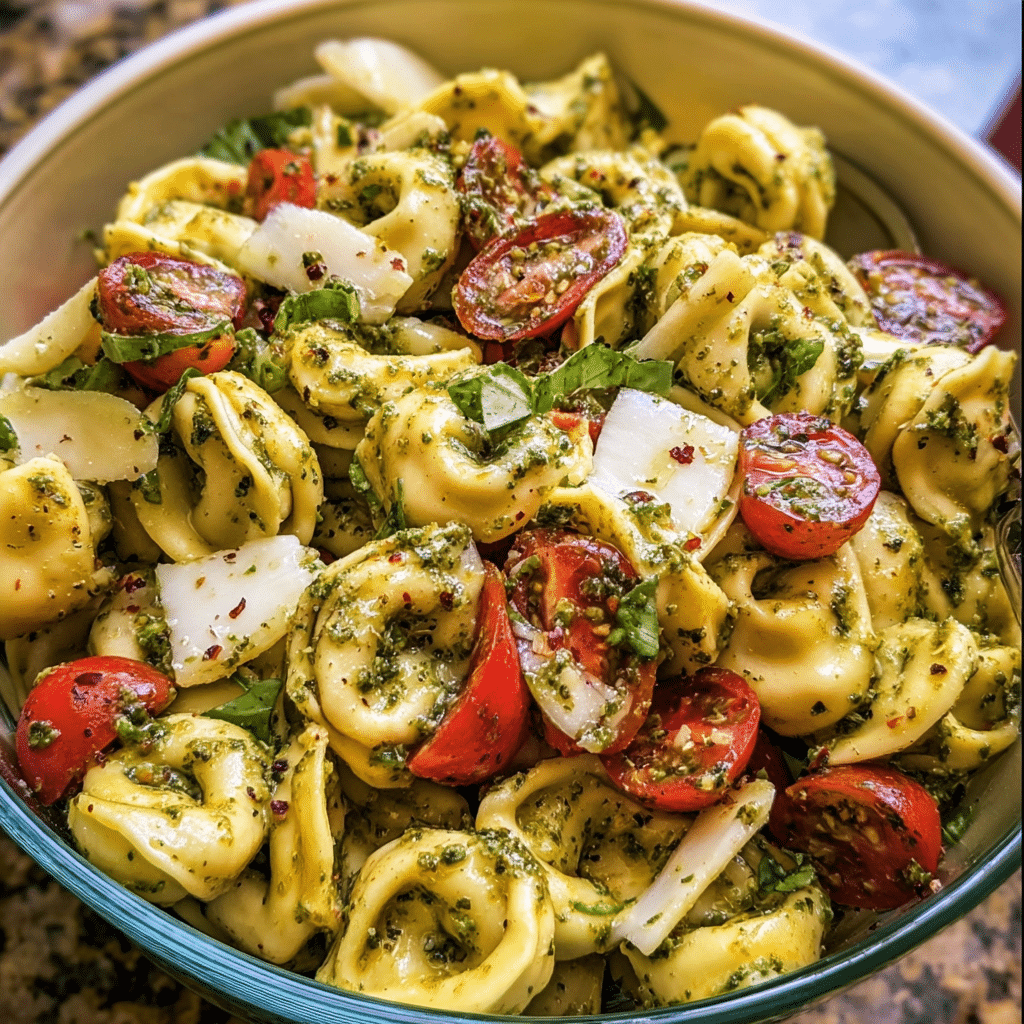
Presentation is crucial when serving a pesto tortellini salad. A colorful salad is not only appetizing but also indicates a variety of flavors and textures. Use a variety of colorful vegetables like bell peppers, cherry tomatoes, and black olives to create a visually stunning dish. Consider serving the salad in a large, shallow bowl to allow the vibrant colors to shine through.
For an elegant touch, garnish with freshly grated Parmesan cheese and sprinkle with pine nuts just before serving. This adds a delightful crunch while also showcasing the key ingredients of your pesto. A few fresh basil leaves scattered on top can provide a pop of green, making the dish look even more inviting.
Pairing wines with your pesto tortellini salad can elevate the dining experience. A crisp white wine, such as Sauvignon Blanc or a light Pinot Grigio, works beautifully to complement the fresh basil and the rich flavors of the pesto. If you prefer red, a light-bodied Chianti can also enhance the meal without overpowering it.
In terms of meal prep, the pesto tortellini salad can be made ahead of time, making it an ideal choice for gatherings or busy weeknights. Just be sure to dress the salad right before serving to keep the ingredients fresh and vibrant. This dish can also be stored in the refrigerator for up to three days, making it a fantastic option for meal prepping.
When scaling your recipe, consider the number of guests you’re serving. This salad is easily adaptable; simply adjust the amount of tortellini and pesto accordingly. For larger gatherings, consider creating a pasta bar where guests can customize their own bowls with various toppings and additions!
Creative Variations and Adaptations of pesto tortellini salad
The beauty of a pesto tortellini salad lies in its versatility. With a few creative twists and adaptations, you can transform this dish to suit any palate or dietary need. Let’s explore some exciting variations that will keep your taste buds tingling and make this salad a staple in your kitchen.
Seasonal Variations
One of the joys of cooking is adapting recipes to reflect the seasons. In the spring, consider incorporating fresh asparagus, peas, or artichoke hearts for a vibrant touch. These vegetables not only enhance the flavor but also add a delightful crunch. In the summer, swap in sun-dried tomatoes or grilled zucchini for a smoky, sweet flavor that pairs beautifully with the pesto.
As the leaves begin to turn in the fall, roasted butternut squash and kale can bring warmth and heartiness to your pesto tortellini salad. In the winter, consider adding roasted Brussels sprouts or even sautéed mushrooms for a more robust dish. The key is to use fresh, seasonal ingredients that reflect the time of year, making your salad feel new and exciting every time you make it.
Dietary Adaptations
Whether you’re accommodating dietary restrictions or exploring new culinary avenues, the pesto tortellini salad is highly adaptable. For a gluten-free option, substitute traditional tortellini with gluten-free pasta. There are many delicious alternatives available today that maintain the texture and flavor of regular pasta.
Vegans can enjoy this dish by using plant-based tortellini and swapping out the cheese in the pesto for nutritional yeast. This not only keeps the flavor profile intact but also adds a cheesy essence that many vegan cheeses lack. If you want to kick it up a notch, add some diced avocado for creaminess and richness.
For those following a keto diet, consider using cauliflower gnocchi or spiralized zucchini instead of tortellini. This will significantly reduce the carb count while still delivering a satisfying and delicious meal. Pair this with a homemade pesto that is low in carbs, and you have a winning combination!
Creative Twists
Don’t be afraid to think outside the box when it comes to your pesto tortellini salad. For an international twist, consider adding ingredients like feta cheese and olives to create a Mediterranean flair. The briny flavors will contrast beautifully with the rich pesto and create a delightful taste experience.
If you’re looking for a spicy kick, try incorporating roasted red peppers or jalapeños into your salad. These additions can give your dish a vibrant flavor that will excite your palate. Additionally, adding a handful of arugula or spicy microgreens can introduce a peppery note that complements the pesto.
For a unique cooking method, consider grilling your tortellini. This technique adds a smoky flavor that can take the ordinary and elevate it to extraordinary. Simply toss your cooked tortellini in a bit of olive oil and grill them for a few minutes until they have char marks. Combine them with your pesto and fresh veggies for a delicious twist on the classic salad.
Leftovers can also be transformed into a new meal. Consider using leftover pesto tortellini salad as a filling for stuffed peppers or as a topping for a frittata. This not only reduces food waste but also creates new and delicious ways to enjoy this versatile dish.
In conclusion, the pesto tortellini salad is an adaptable and exciting dish that can be tailored to fit your preferences and the seasons. By embracing creativity and experimentation, you can make this salad a delightful regular in your kitchen that never feels stale or repetitive!
Storage, Reheating, and Meal Prep for pesto tortellini salad
When it comes to storing a delightful dish like pesto tortellini salad, understanding the nuances of proper storage can significantly enhance your culinary experience. Not only does it help maintain the freshness and flavors of your dish, but it also ensures that you can enjoy your salad at its best for days to come. Let’s dive into the intricacies of storage, reheating, and meal prep for your pesto tortellini salad.
Short-term Storage
After preparing your pesto tortellini salad, the first step is to consider how you’ll store it for short-term use. Ideally, this flavorful salad can last in your refrigerator for up to 4 days when stored properly. The key is to use airtight containers that prevent air from entering, which can lead to premature spoilage. Glass containers with tight-fitting lids are excellent for this purpose, as they not only keep your salad fresh but also reduce the risk of any unwanted odors permeating your dish.
Before placing your pesto tortellini salad in the fridge, ensure it has cooled to room temperature. This is crucial because placing hot food directly in the refrigerator can raise the overall temperature inside and put other stored foods at risk. Once cooled, transfer your salad into the container, making sure to leave a little space at the top to allow for any potential expansion.
Another tip is to layer your ingredients wisely. If your salad contains delicate items like leafy greens or tomatoes, consider storing these separately and adding them just before serving. This technique not only preserves the texture of these ingredients but also keeps your pesto tortellini salad looking vibrant and appealing. When you’re ready to eat, simply combine the layers, toss them gently, and enjoy a fresh meal even days later!
Freezing and Long-term Storage
If you find yourself with an abundance of pesto tortellini salad, or if you’re preparing meals in advance for a busy week, freezing is a fantastic option. However, there are some important considerations to keep in mind. While pasta salads can be frozen, ingredients like fresh vegetables and dressings may not hold up well once thawed. The freezing process can lead to changes in texture, making them mushy or watery.
For long-term storage, it’s best to freeze only the tortellini and the pesto sauce. To do this, cook your tortellini according to package instructions, then cool it completely. Next, toss it with your pesto sauce and portion it into zip-top freezer bags, removing as much air as possible before sealing. Label your bags with the date to keep track of freshness. When properly stored, your pesto tortellini can last in the freezer for up to 3 months.
When you’re ready to enjoy your frozen pesto tortellini salad, thaw it in the refrigerator overnight. Once thawed, you can safely mix in your fresh ingredients, such as vegetables and greens. Remember, never refreeze thawed salads as this can compromise their quality and safety.
Reheating Best Practices
Reheating your pesto tortellini salad can be a delicate process, especially if you want to maintain the quality and flavor of the dish. The best method for reheating is gently warming it on the stovetop. Place the salad in a pan over low heat, stirring occasionally to ensure even heating. If the salad seems dry, add a splash of olive oil or a little extra pesto to revive its creamy texture.
For those who prefer the microwave, it’s equally important to heat your salad carefully. Transfer your pesto tortellini salad to a microwave-safe dish, cover it loosely with a microwave-safe lid or paper towel, and heat in short bursts of 30 seconds. Stir after each interval to prevent hot spots that can overcook your pasta. Always check the temperature before serving to ensure it’s warmed through.
Meal prepping your pesto tortellini salad is a fantastic way to save time and ensure you have healthy options at the ready. You can prepare the tortellini and pesto sauce ahead of time, storing them separately in the refrigerator for up to 3 days. Then, on the day you plan to serve, just mix in your fresh vegetables and enjoy a quick, nutritious meal. This flexibility allows you to enjoy the flavors of your pesto tortellini salad without the stress of last-minute cooking.
Finally, food safety is paramount. Always ensure that your refrigerator is set at or below 40°F (4°C) to keep your salad fresh. Be mindful of the shelf life expectations, and if anything seems off—be it smell, texture, or appearance—it’s better to err on the side of caution and discard the dish. With these tips in mind, you can confidently store, reheat, and enjoy your pesto tortellini salad, ensuring it’s always a delightful addition to your meals.
Nutritional Benefits and Health Information
When it comes to understanding the nutritional benefits of your pesto tortellini salad, it’s essential to take a deep dive into its components. Not only is this dish a flavorful combination of ingredients, but it’s also packed with nutrients that can enhance your overall health. Let’s explore the nutritional profile, health benefits, and dietary considerations of this vibrant salad.
Nutritional Profile
The base of your pesto tortellini salad is the tortellini itself, which is typically made from wheat flour, eggs, and water. Depending on the brand or if you decide to make your own, tortellini can vary in nutritional content. A standard serving (about 1 cup) of cooked cheese tortellini contains approximately 220 calories, 8 grams of protein, 2 grams of fat, and 40 grams of carbohydrates. It also provides essential vitamins and minerals, including B vitamins and iron.
Next, we have the pesto sauce, which is usually a blend of fresh basil, garlic, pine nuts, Parmesan cheese, and olive oil. This vibrant sauce adds not only flavor but also healthy fats and antioxidants. A typical tablespoon of pesto contains about 80 calories, mostly from the healthy fats present in olive oil and nuts. Moreover, the basil in pesto is rich in vitamin K and has anti-inflammatory properties.
When you add fresh vegetables like cherry tomatoes, bell peppers, or spinach to your pesto tortellini salad, you boost its nutritional profile even further. For example, a half-cup serving of cherry tomatoes adds about 15 calories, along with vitamins C and K, and beneficial antioxidants. Incorporating these vegetables not only enhances the taste but also increases the fiber content, making your salad more filling and nutritious.
Health Benefits
The health benefits of your pesto tortellini salad stem largely from its key ingredients. The combination of whole grains from the pasta, healthy fats from the pesto, and a variety of vegetables creates a balanced meal that is both satisfying and nourishing. Whole grains, like those found in tortellini, are known for their ability to improve digestion and reduce the risk of heart disease.
Moreover, the olive oil in pesto is a source of monounsaturated fats, which are heart-healthy and can help lower bad cholesterol levels when used in moderation. The presence of basil, garlic, and nuts also contributes to the anti-inflammatory effects of the salad, promoting overall health and wellness.
Additionally, if you’re looking for a post-workout meal, this salad is an excellent choice. The carbohydrates from the tortellini replenish glycogen stores, while the protein from the cheese and nuts aids in muscle recovery and repair. This makes pesto tortellini salad not just a delightful dish, but a functional one as well.
Dietary Considerations
When considering dietary restrictions or preferences, pesto tortellini salad can be quite versatile. For those who are gluten-sensitive, opting for gluten-free tortellini made from rice or lentils is a great alternative. Additionally, if you want to reduce calories or fat, consider using a lighter version of pesto or replacing the cheese with nutritional yeast, which offers a cheesy flavor without the dairy.
For vegan diets, you can easily adapt your pesto by substituting the Parmesan cheese with a vegan cheese alternative or omitting it entirely. Replacing traditional tortellini with a plant-based version can also cater to those following a vegan lifestyle. Moreover, the beauty of this salad lies in its adaptability—feel free to mix and match vegetables according to what’s in season or available in your pantry.
As for calorie content and macronutrient distribution, a typical serving of pesto tortellini salad (about 2 cups) can range from 400 to 500 calories, depending on the ingredients and portion sizes. It includes a balance of carbohydrates, proteins, and fats, making it a wholesome meal option that supports various dietary plans.
In conclusion, pesto tortellini salad not only brings vibrant flavors to your table but also packs a nutritional punch. By understanding its components and making informed choices about ingredients, you can enjoy a dish that’s not only delicious but also beneficial for your health. With its versatility and ease of preparation, this salad is a fantastic addition to your meal rotation.
Conclusion: Mastering the Perfect pesto tortellini salad
Creating the perfect pesto tortellini salad is more than just following a recipe—it’s about understanding the techniques, ingredients, and cultural significance behind this beloved dish. Throughout this comprehensive guide, we’ve explored everything from the historical origins to modern variations, ensuring you have all the knowledge needed to make this recipe your own.
Whether you’re a beginner cook or an experienced chef, the techniques and tips we’ve shared will help you create a pesto tortellini salad that’s not only delicious but also meaningful. Remember that cooking is a journey of discovery, and each time you make this dish, you’ll learn something new.
We encourage you to experiment with the variations we’ve discussed, adapt the recipe to your dietary needs, and most importantly, share it with the people you love. Food has the incredible power to bring people together, and Pesto Tortellini Salad is the perfect dish to create lasting memories around your dinner table.
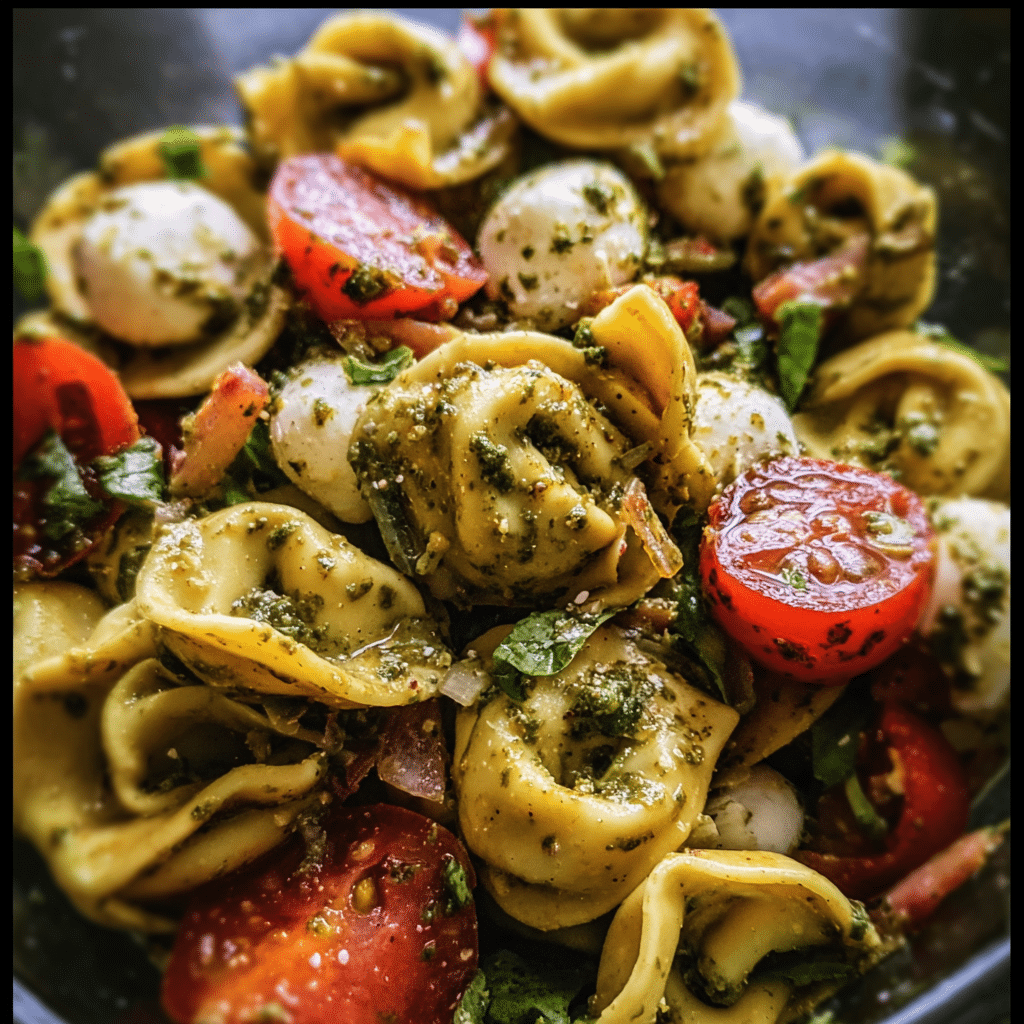
Don’t forget to share your cooking adventures with us on social media, and feel free to ask questions in the comments below. Happy cooking!
Share this recipe and let us know how it turned out! Tag us on social media for a chance to be featured.