Smashed carrots are more than just a side dish; they are an experience, a delightful blend of simplicity and flavor that can elevate any meal. I remember the first time I stumbled upon this recipe. It was during a particularly hectic week when my family was juggling work, school, and a myriad of activities. My evenings were often spent racing against the clock to get dinner on the table. One evening, while rummaging through my pantry, I found some fresh carrots and decided to experiment. The result was a stunningly vibrant dish of smashed carrots that not only delighted my family’s taste buds but also reaffirmed my love for cooking.
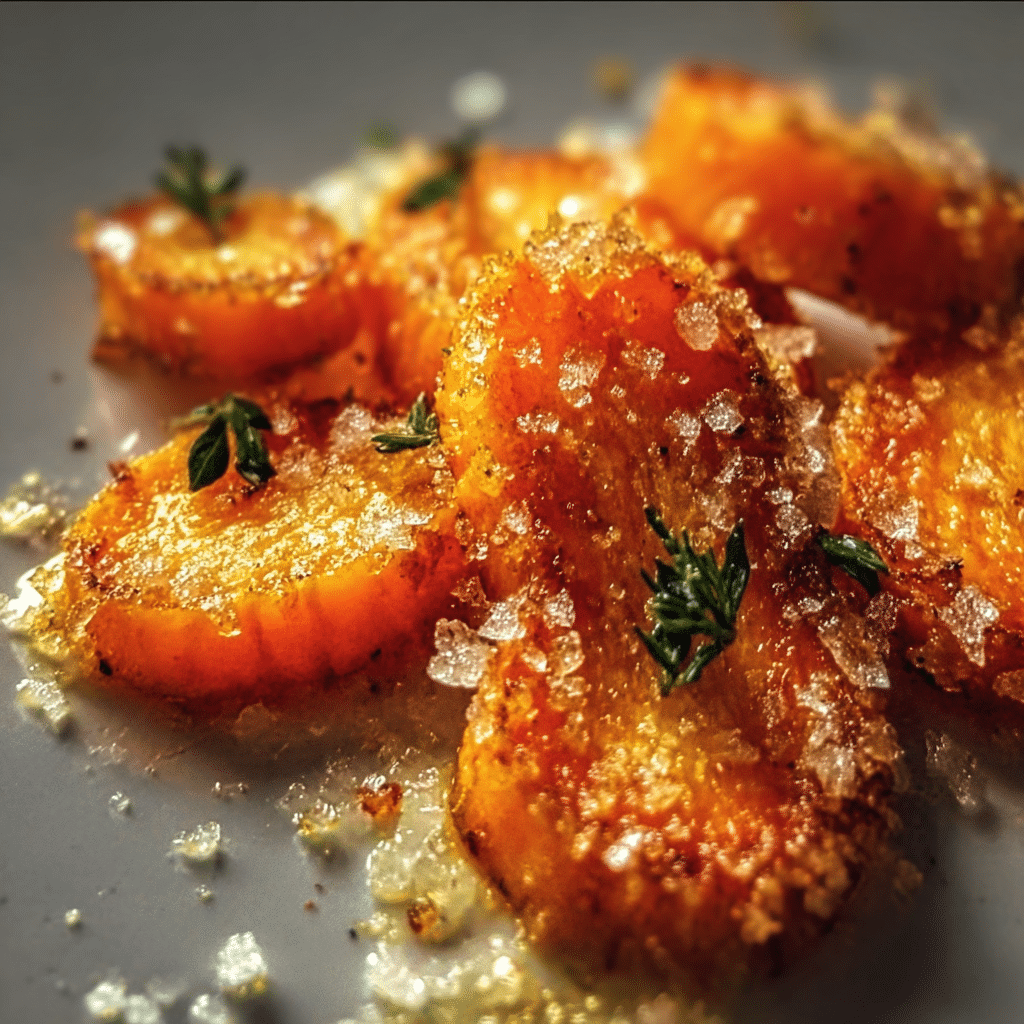
As I prepared the carrots, I remembered my grandmother’s kitchen, where she would often prepare simple, wholesome meals using fresh produce from her garden. She had a knack for transforming humble ingredients into something magical. Smashed carrots, with their sweet, earthy flavors and bright orange hue, reminded me of those cherished moments. I realized that this dish holds a special place in my heart, serving as a bridge between my past and present culinary adventures.
The Story Behind This Recipe
The history of smashed carrots can be traced back to various cultures that have utilized root vegetables in their cooking for centuries. Root vegetables, including carrots, have long been a staple in many cuisines due to their availability and versatility. In many Western kitchens, carrots were often boiled or roasted, but smashing them adds a unique twist that brings out their natural sweetness. This simple yet effective technique has roots in both European and Asian cooking traditions, where the act of mashing vegetables to create a creamy, flavorful side dish became popular.
This recipe is special because it combines the comfort of traditional cooking with the convenience that modern families seek. Smashed carrots are not just another vegetable side; they are a canvas for creativity. You can customize them with various spices, herbs, or even a drizzle of honey or maple syrup for a touch of sweetness. This flexibility makes smashed carrots an ideal dish for busy families looking for quick yet satisfying dinner solutions. You can prepare them in less than 30 minutes, making them a perfect addition to any weekday meal.
Seasonally, smashed carrots shine brightest in the cooler months when root vegetables are at their peak. However, their vibrant color and sweet flavor make them a delightful option year-round. Whether it’s a cold winter evening or a summer barbecue, smashed carrots can adapt to any occasion, making them a versatile dish to add to your culinary repertoire.
There’s an emotional connection to smashed carrots that transcends their taste. They remind us of simpler times, of family dinners around the table where laughter and stories were shared. Each bite of these tender, buttery carrots evokes warmth and comfort, making them more than just a dish; they are a vessel for memories and connections. My hope is that as you explore this recipe, you’ll find your own stories to weave into the fabric of your cooking journey.
In this article, you’ll learn not only how to make smashed carrots in various ways but also discover the cultural significance behind this humble dish. From the basic recipe to creative variations, I promise to equip you with everything you need to make smashed carrots a beloved staple in your kitchen.
The Rich History and Cultural Significance of smashed carrots
The rich history and cultural significance of smashed carrots offer a fascinating glimpse into how cooking has evolved over time. Carrots, one of the oldest cultivated vegetables, have been enjoyed by various cultures for centuries. Originally purple and white, carrots were domesticated in Persia around the 10th century. The orange variety we know today was developed in the Netherlands in the 17th century and became popular across Europe. As carrots made their way into different cuisines, they adapted to local tastes and cooking methods, leading to the creation of dishes like smashed carrots.
Origins and History
The origins of smashed carrots can be linked to the traditional practice of mashing or pureeing vegetables to create comforting side dishes. In many European kitchens, the concept of mashing vegetables can be seen in dishes such as colcannon in Ireland, where potatoes and greens are combined, and in various mashed root vegetable recipes that span across continents. The idea of smashing carrots emerged as a delightful way to showcase their natural sweetness and vibrant color while maintaining a rustic feel.
In Asian cuisines, root vegetables have long been celebrated for their nutritional benefits. Dishes that incorporate mashed or smashed vegetables can be found in various forms, from the Japanese mashed potato dish called “smashed potatoes” to the Korean side dish made with mashed sweet potatoes. This cross-cultural connection demonstrates how smashed carrots embody a global appreciation for root vegetables, creating a beautiful fusion of flavors and techniques.
Cultural Significance
Smashed carrots hold cultural significance in many households around the world. In the United States, they are often served during Thanksgiving or holiday celebrations, symbolizing warmth and togetherness. In other cultures, they might be featured during harvest festivals, celebrating the season’s bounty. The act of gathering around a table to enjoy dishes like smashed carrots fosters connection, making them a cherished part of communal meals.
Famous chefs have also embraced smashed carrots, incorporating them into gourmet menus and elevating them to a new level. Renowned chefs have experimented with flavors, adding spices like cumin or coriander, or finishing them with a drizzle of flavored oils. These innovations highlight the dish’s versatility, proving that smashed carrots can transition from a homey side to an elegant centerpiece.
Nutritional Benefits
Beyond their cultural significance, smashed carrots are also packed with nutritional benefits. Carrots are rich in vitamins A, C, and K, along with essential minerals like potassium and fiber. Their high beta-carotene content, which gives them their vibrant orange color, is known for its antioxidant properties and is beneficial for eye health. When prepared as smashed carrots, the cooking process breaks down the cell walls, making the nutrients more accessible and easier for the body to absorb.
Moreover, smashed carrots can easily fit into various dietary preferences, whether you’re vegan, gluten-free, or simply looking for a healthy side dish. By using minimal ingredients and natural flavors, smashed carrots can be a wholesome addition to any meal. This makes them not only a delicious choice but also a smart one for health-conscious families.
In summary, the journey of smashed carrots from their historical roots to their place in modern cuisine is a testament to their adaptability and enduring appeal. As you explore this dish further, you’ll uncover the rich tapestry of flavors, traditions, and health benefits that make smashed carrots a delightful and meaningful addition to your table.
Essential Ingredients for Perfect smashed carrots
When it comes to creating the perfect dish of smashed carrots, the ingredients you choose can significantly impact the flavor and texture. Each component plays a crucial role in enhancing the overall experience of this delightful side dish. Below, I outline the essential ingredients needed for smashed carrots, along with tips on sourcing them, their role in the recipe, and even some substitutions for dietary restrictions.
Essential Ingredients
- 12 ounces medium carrots (about 4)
- 2 tablespoons water
- 1 tablespoon olive oil
- 1/4 teaspoon kosher salt
- 1/4 teaspoon freshly ground black pepper
- 3 tablespoons grated or shredded Parmesan cheese (about 3/4 ounce)
Smashed Carrots
Ingredients
- 12 ounces
- medium carrots (about 4)
- 2 tablespoons
- water
- 1 tablespoon
- olive oil
- 1/4 teaspoon
- kosher salt
- 1/4 teaspoon
- freshly ground black pepper
- 3 tablespoons
- grated or shredded Parmesan cheese (about 3/4 ounce)
Instructions
-
Place a rimmed baking sheet in the oven, then heat the oven to 425ºF. Meanwhile, peel 12 ounces medium carrots and cut crosswise into 1 1/2- to 2-inch pieces. Cut in half lengthwise if less than 3/4 inch in diameter; otherwise cut in quarters lengthwise.
-
Place the carrots and 2 tablespoons water in a large microwave-safe bowl. Cover tightly with plastic wrap, leaving a portion open to vent. Microwave on HIGH until the carrots are knife-tender, 5 to 6 minutes. Carefully uncover the bowl to release the steam.
-
Drain off any residual liquid. Add 1 tablespoon olive oil, 1/4 teaspoon kosher salt, and 1/4 teaspoon black pepper, and toss to coat.
-
Arrange the carrots in a single layer on the hot baking sheet. Use the bottom of a glass or metal measuring cup to smash the carrots until they crack and flatten. Sprinkle evenly with 3 tablespoons grated Parmesan cheese.
-
Roast until the cheese is melted and browned, and the carrots are crispy, 13 to 15 minutes. Let cool for 5 minutes on the baking sheet to continue to crisp before serving.
Let’s dive deeper into each ingredient to understand their significance and how to select the best options.
Carrots
The star of the show, carrots, are not just any ordinary vegetable; they bring a vibrant color, sweetness, and a satisfying texture to the dish. When selecting carrots, look for medium-sized ones that feel firm and are free of soft spots or blemishes. Fresh carrots should have a bright orange color and green tops, indicating they were recently harvested. During different seasons, you might find heirloom varieties or even baby carrots that offer unique flavors. If you can, opt for organic carrots to avoid pesticide residues, especially since they can absorb chemicals from the soil. If you’re on a budget, conventional carrots are still a nutritious option.
Water
Water is often overlooked but serves an essential function in the cooking process. It helps to steam the carrots, making them tender without losing their vibrant color. You can use filtered water for a cleaner taste. If you want to enhance the flavor further, consider replacing water with vegetable or chicken broth, which adds depth to the dish.
Olive Oil
Olive oil not only adds richness but also helps the flavors to meld together beautifully. When choosing olive oil, look for extra virgin varieties, which are higher in quality and flavor. A good olive oil should have a fruity taste with a hint of peppery finish. Consider local options or those labeled with a specific region, as they often carry unique flavor profiles. If you have dietary restrictions, you can substitute olive oil with avocado oil or melted coconut oil, but the flavor will differ slightly.
Kosher Salt
Kosher salt is preferred for its larger grain size, which allows for even distribution without being overly salty. It is essential for enhancing the natural sweetness of the carrots. If you need a substitute, sea salt or table salt can be used, but make sure to adjust the quantity as they can be saltier than kosher salt.
Freshly Ground Black Pepper
This spice adds a subtle heat and complexity to the dish. Freshly ground black pepper is always better than pre-ground, as it retains more flavor and aroma. You can easily adjust the quantity based on your heat preference. If you’re avoiding black pepper for health reasons, consider using white pepper, which has a milder flavor profile.
Parmesan Cheese
Parmesan cheese brings a nutty flavor and creaminess to the smashed carrots. When selecting Parmesan, look for aged varieties that have a rich flavor and grainy texture. Grate it fresh for the best taste, as pre-grated options often contain anti-caking agents that can alter the flavor. For those with dairy restrictions, nutritional yeast can be an excellent substitute, providing a cheesy flavor without the dairy.
Shopping Tips
When it comes to sourcing these ingredients, local farmers’ markets are an excellent place to find fresh and organic options. Not only will you get the freshest produce, but you will also support local growers. For pantry staples like olive oil and cheese, consider specialty stores or local producers who can offer high-quality products. If you’re on a budget, buying in bulk can save money, especially for items like olive oil and cheese.
Substitutions and Alternatives
In the world of cooking, flexibility is key. If you’re looking for alternatives due to dietary restrictions or personal preferences, there are several options available. For instance, if you want a vegan version of smashed carrots, simply omit the Parmesan and consider adding nutritional yeast or vegan cheese. If you’re avoiding gluten, rest assured that all the ingredients listed here are gluten-free as they stand. Always make sure to read labels when purchasing packaged items to ensure they meet your dietary needs.
In summary, the essential ingredients for smashed carrots are not just components of a recipe; they are the building blocks that define the dish’s character. By choosing quality ingredients, you can elevate your smashed carrots into a flavorful and satisfying side dish that complements any meal.
Detailed Step-by-Step smashed carrots Cooking Instructions
Now that we have gathered all the essential ingredients for our smashed carrots, it’s time to embark on a culinary adventure! Cooking smashed carrots may seem straightforward, but there’s an art to achieving the perfect balance of tenderness and flavor. This section will guide you through each step of the process, ensuring that your dish turns out nothing short of spectacular.
Preparation Steps
- Gather Your Ingredients and Equipment: Before you start cooking, it’s essential to have everything on hand. This includes your ingredients—carrots, water, olive oil, salt, pepper, and Parmesan cheese—as well as tools such as a large pot, a cutting board, a knife, a potato masher or fork, and a serving dish.
- Wash and Peel the Carrots: Begin by thoroughly washing the carrots under cold running water to remove any dirt or debris. Use a vegetable peeler to peel away the outer layer. Peeling not only makes the carrots more visually appealing, but it also allows for a smoother texture when smashed.
- Cut the Carrots: Once peeled, cut the carrots into uniform pieces—about 1-2 inches in length. Uniformity ensures even cooking, so they all become tender at the same time.
- Prepare Your Cooking Space: Set your workstation efficiently. Have your pot filled with about 2 tablespoons of water ready on the stove. This water will help steam the carrots as they cook.
Cooking Process
- Cook the Carrots: Bring the pot of water to a gentle boil over medium heat. Add the cut carrots, and cover the pot with a lid. Allow them to steam for about 15-20 minutes. If you’re unsure whether they are done, you can poke a piece with a fork; it should go through easily but not be mushy. The ideal texture is tender yet slightly firm.
- Add Seasoning: Once the carrots are cooked, drain any excess water and return them to the pot. Drizzle the olive oil over the carrots and sprinkle with kosher salt and freshly ground black pepper. Toss gently to ensure the carrots are evenly coated.
- Mash the Carrots: Using a potato masher or a fork, gently smash the carrots. You want them to break down but not turn into a puree; the goal is a rustic, chunky texture. This step is where you can infuse your personal touch—smash them lightly for a more textured dish or mash them thoroughly for a smoother finish.
- Add the Cheese: Once you achieve your desired texture, fold in the grated Parmesan cheese. The heat from the carrots will help the cheese melt slightly, creating a creamy mixture. Taste and adjust seasoning as needed, adding more salt or pepper if desired.
Final Assembly
- Plate Your Dish: Transfer the smashed carrots to your serving dish. You can use a spatula to create a beautiful presentation, smoothing the top or leaving it rustic, depending on your style.
- Garnish: For the finishing touch, consider garnishing with a sprinkle of additional Parmesan cheese or a drizzle of high-quality olive oil. You can also add fresh herbs like parsley or chives for a pop of color and flavor.
- Serve and Enjoy: Smashed carrots are best enjoyed warm. They make a fantastic side dish for roasted meats, grilled fish, or even as part of a vegetarian platter. Gather your family and friends, share your culinary creation, and savor every bite!
Throughout the cooking process, keep an eye on the texture and flavors. The right timing is crucial; overcooked carrots can become mushy and lose their vibrant color, while undercooked carrots will be crunchy and less enjoyable. Remember, cooking is an art, and with practice, you will develop your chef’s instincts. Enjoy the journey, and let your creativity shine through!
Professional Tips and Techniques for smashed carrots
When it comes to cooking, there are some dishes that can elevate your meal from ordinary to extraordinary. One such dish is smashed carrots. While they may seem simple, mastering the art of smashed carrots can add a delightful twist to your dining experience. In this section, we will explore professional tips and techniques to help you create the perfect smashed carrots, troubleshoot common issues, and enhance your presentation skills. Whether you’re a novice cook or a seasoned chef, these insights will take your smashed carrots to the next level.
Professional Techniques
To truly understand how to make the best smashed carrots, we must first explore the science behind cooking them. The key to successful smashed carrots lies in the cooking method. While boiling is the most common technique, roasting them first can bring out a caramelized sweetness that boiling simply can’t achieve. I remember the first time I roasted carrots—my kitchen filled with a sweet, earthy aroma that had my family eagerly gathering around the table.
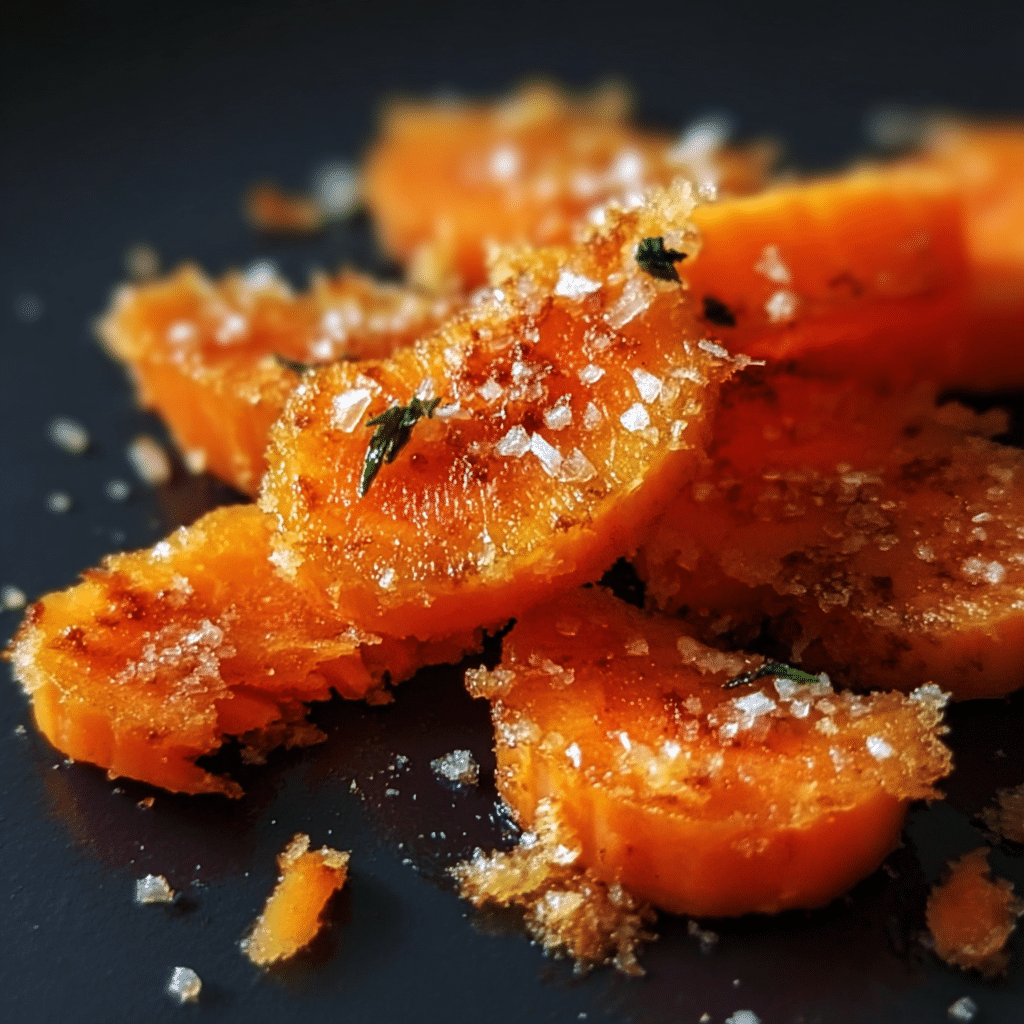
Start by selecting the right carrots. Opt for medium-sized, organic carrots if possible, as they have superior flavor and texture. Wash and peel them, then cut them into uniform pieces to ensure even cooking. A mix of colors—orange, purple, and yellow—can make your dish visually stunning.
Here’s a pro tip: after cutting your carrots, toss them in olive oil, salt, and your favorite herbs before roasting them in a preheated oven at 400°F (200°C). Roast until tender and slightly caramelized, about 25-30 minutes. Once done, let them cool for a few minutes, then use the flat side of a spatula to gently smash them down. This technique not only helps to preserve their shape but also maximizes their surface area for toppings and sauces.
Troubleshooting Guide
Even the most experienced cooks face challenges now and then. Here are some common problems you might encounter when preparing smashed carrots and how to fix them:
- Carrots are too mushy: This can happen if they are overcooked. To avoid this, keep an eye on your carrots while they simmer or roast. They should be tender but still hold their shape.
- Flavor is lacking: If your smashed carrots seem bland, consider adding a splash of lemon juice, a drizzle of honey, or a sprinkle of fresh herbs like parsley or dill. These additions can elevate the flavor profile significantly.
- Carrots stick to the pan: To prevent sticking, make sure to coat your carrots evenly in oil before cooking. If you’re roasting, line your baking sheet with parchment paper for easy removal.
Presentation Tips
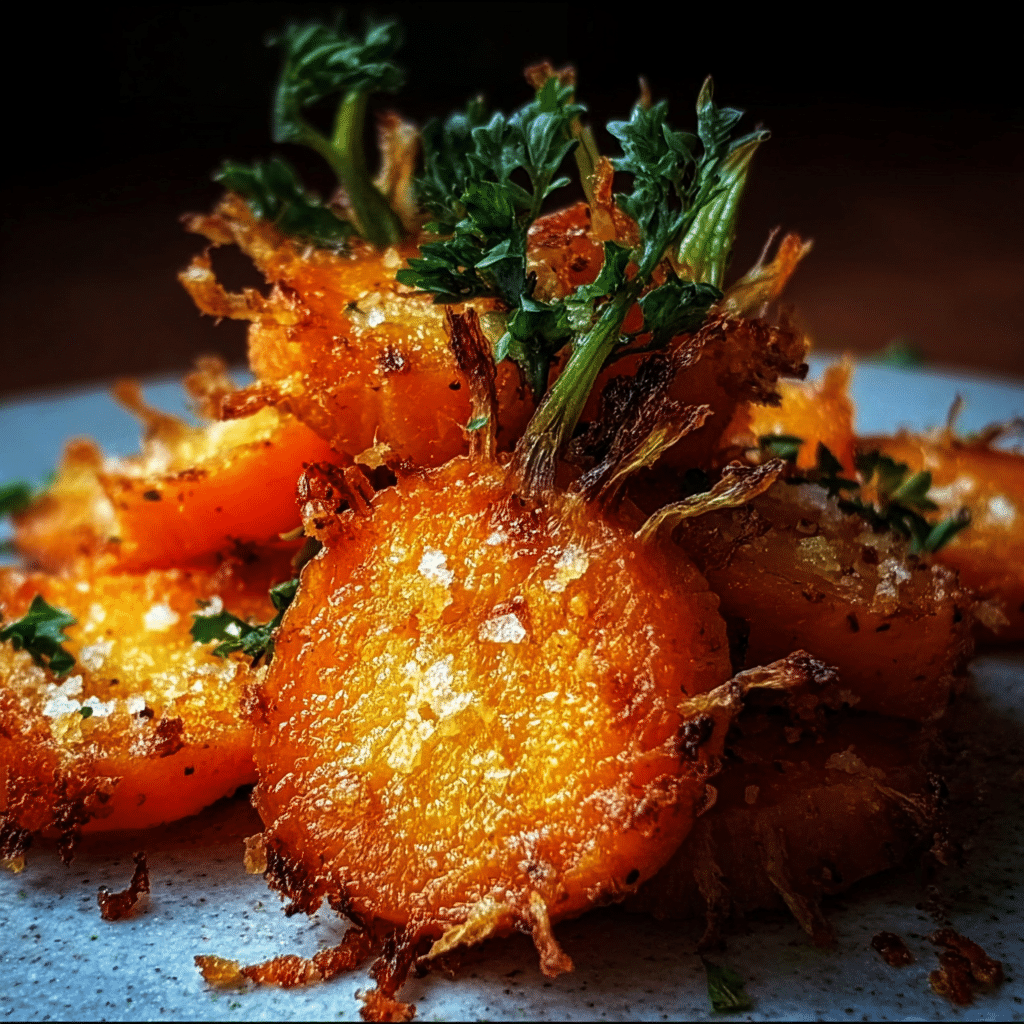
We eat with our eyes first, and the presentation of your smashed carrots can make a significant difference in how they are received. After smashing your carrots, consider adding a few finishing touches. A sprinkle of fresh herbs, a drizzle of balsamic glaze, or even a dollop of Greek yogurt can create a beautiful contrast against the vibrant orange of the carrots.
For an elegant touch, serve your smashed carrots on a large platter with a colorful garnish of microgreens or edible flowers. This not only enhances the visual appeal but also adds a layer of sophistication. Remember, a visually stunning dish can make the meal feel special and memorable.
As for beverage pairings, consider serving your smashed carrots with a light-bodied white wine, such as Sauvignon Blanc, or a crisp rosé. The acidity in these wines complements the sweetness of the carrots beautifully. For non-alcoholic options, a sparkling water with a splash of citrus can be refreshing and elevate the meal.
With these professional tips and techniques, you’ll be well on your way to mastering smashed carrots that not only taste fantastic but are also a feast for the eyes.
Creative Variations and Adaptations of smashed carrots
As versatile as they are delicious, smashed carrots can be adapted in numerous ways to suit different tastes and dietary preferences. In this section, we’ll explore creative variations and adaptations of smashed carrots that can keep your meals exciting and fresh. From seasonal swaps to international fusion dishes, the possibilities are endless!
Seasonal Variations
One of the most delightful aspects of cooking is the ability to adapt recipes to the ingredients available in each season. For instance, during the summer, consider adding fresh herbs like basil or mint to your smashed carrots for a burst of flavor. A drizzle of fresh lemon juice can also brighten their natural sweetness.
In the fall, try incorporating roasted garlic or a sprinkle of nutmeg for a warm, comforting flavor profile. You might even consider blending in other root vegetables, such as parsnips or sweet potatoes, for a heartier mash. These variations not only introduce new flavors but also provide a colorful addition to your meal.
Dietary Adaptations
With the rising popularity of various dietary lifestyles, it’s essential to consider how smashed carrots can be modified to accommodate different needs. For those following a keto diet, you could add a creamy texture by mixing in some cream cheese or sour cream post-smashing. This will give your dish a rich feel without adding unnecessary carbohydrates.
If you’re aiming for a vegan option, substitute olive oil for vegan butter and use vegetable broth instead of water for boiling. This enhances the flavor while keeping it plant-based. And for gluten-free eaters, smashed carrots naturally fit the bill, so feel free to experiment with toppings like gluten-free breadcrumbs or quinoa for added texture.
Creative Twists
For those looking to take their smashed carrots to the next level, think outside the box! How about adding a hint of spice? A dash of cayenne pepper or smoked paprika can add warmth and depth. Alternatively, consider a global twist by mixing in spices from various cuisines. A touch of curry powder can transform your smashed carrots into a delightful Indian-inspired dish, while a sprinkle of za’atar adds a Middle Eastern flair.
Another fun idea is to incorporate leftover smashed carrots into other dishes. For example, you can use them as a filling for wraps or a topping for pizzas. They can even be transformed into a delicious carrot soup when blended with vegetable broth and spices. This not only minimizes waste but also gives you a whole new dish to enjoy!
In conclusion, smashed carrots are a wonderfully adaptable dish that can suit any occasion or dietary need. With a bit of creativity and some seasonal ingredients, you can keep this simple dish exciting and full of flavor. So go ahead, experiment with these variations, and let your culinary imagination run wild!
Storage, Reheating, and Meal Prep for smashed carrots
When it comes to cooking, one of the most rewarding experiences is creating dishes that not only taste good but can also be enjoyed later. Smashed carrots, with their sweet, buttery flavor and delightful texture, are a prime example of a dish that can be prepped ahead of time and stored for future enjoyment. In this section, we will explore the ins and outs of storing, reheating, and meal prepping smashed carrots, ensuring that you can savor their deliciousness long after the initial cooking. Let’s dive into the details!
Short-term Storage
After making a batch of smashed carrots, you might find yourself wondering how to store them for optimal freshness. The first and most important step is to let the smashed carrots cool to room temperature if they are still warm. This not only helps to prevent condensation from forming but also ensures that the texture remains intact. Once cooled, transfer the smashed carrots into an airtight container. Glass containers with tight-sealing lids are a fantastic option, as they are non-toxic and won’t absorb any flavors.
For short-term storage, you can keep your smashed carrots in the refrigerator for up to 3-5 days. Make sure to label the container with the date it was prepared, so you can keep track of their freshness. When you’re ready to enjoy them again, simply take a look at the texture and smell; if they seem off, it’s best to err on the side of caution and discard them. For an extra layer of flavor, consider adding a sprinkle of fresh herbs before storing them, as this can enhance their taste even after a few days.
Freezing and Long-term Storage
If you want to keep your smashed carrots for a longer period, freezing is an excellent option. Freezing not only preserves the flavor and nutrients but also allows for convenient meal prep. To freeze smashed carrots, start by portioning them into single servings. This makes it easy to defrost just what you need later on. Using freezer-safe bags or containers is essential for this process. Remove as much air as possible from bags to prevent freezer burn, which can ruin the taste and texture.
When freezing, it’s also a good idea to flatten the bags before sealing them. This not only saves space in your freezer but also allows for quicker thawing when you’re ready to use them. Smashed carrots can be stored in the freezer for up to 3 months. To use them, simply transfer the desired portions from the freezer to the refrigerator to thaw overnight or use the microwave’s defrost setting for quicker results.
Reheating Best Practices
Reheating smashed carrots properly is essential to maintain their delicious flavor and texture. The last thing you want is soggy or overly dry carrots, which can happen if you don’t follow the right reheating methods. The microwave is the quickest option; however, it’s best to do it with care. Place the smashed carrots in a microwave-safe bowl, cover them with a damp paper towel, and heat in short intervals of 30 seconds, stirring in between until they are heated through.
If you prefer a more traditional approach, reheating smashed carrots on the stovetop can yield excellent results. Simply add a little butter or olive oil to a skillet over medium heat, then add the smashed carrots. Stir occasionally and add a splash of water or broth if they seem dry. This method not only warms them up but also helps to revive their creamy texture.
Lastly, if you’re reheating from frozen, the best method is to let them thaw in the refrigerator overnight, then reheat as mentioned above. Alternatively, you can place the frozen smashed carrots directly in a skillet on low heat, adding a little moisture to help them thaw evenly.
Meal prepping smashed carrots can be a delightful experience, especially when you think about all the meals you can create. Consider making a larger batch and portioning them into single servings, making it easy to pair them with a variety of proteins or grains throughout the week. They work beautifully with roasted chicken, grilled fish, or even as a bed for a vegetarian dish. By embracing meal prep, you not only save time but also ensure that you have nutritious and delicious options at your fingertips.
As with any food storage, food safety is paramount. Always ensure that your containers are clean before use, and when reheating, make sure the smashed carrots reach an internal temperature of at least 165°F (74°C). This helps to kill any potential bacteria that may have developed during storage. Remember, storing and reheating your smashed carrots properly will ensure that they remain a delightful addition to your meals, adding flavor and nutrition to your dining experience.
Nutritional Benefits and Health Information
When we talk about smashed carrots, we often think of their delightful flavor and comforting texture. However, the nutritional benefits of this humble vegetable shouldn’t be overlooked. Carrots are not only delicious but packed full of vitamins, minerals, and other nutrients that can aid in maintaining a healthy lifestyle. In this section, we will delve into the nutritional profile of smashed carrots, their health benefits, and how they can fit into various dietary plans.
Nutritional Profile
To understand the value of smashed carrots, let’s look at their nutritional breakdown. A standard serving of smashed carrots (about one cup) contains approximately 55 calories, 0.3 grams of fat, 13 grams of carbohydrates, and 1.2 grams of protein. They are particularly rich in dietary fiber, which is essential for digestive health. Fiber aids in digestion and helps maintain a feeling of fullness, making smashed carrots a fantastic side dish for weight management.
In terms of micronutrients, carrots are especially high in beta-carotene, which the body converts into vitamin A. This vitamin is crucial for maintaining good vision, skin health, and immune function. One cup of smashed carrots can provide over 400% of the recommended daily intake of vitamin A! Additionally, they contain significant amounts of vitamins C, K, and B6, as well as potassium, which supports heart health and muscle function.
Health Benefits
The health benefits of incorporating smashed carrots into your diet are vast. The high levels of antioxidants found in carrots, primarily due to their vibrant orange color, can help combat oxidative stress in the body. This can lower the risk of chronic diseases, including heart disease and certain cancers. Plus, the fiber content aids in cholesterol management and blood sugar regulation, making smashed carrots a smart choice for those looking to maintain healthy levels.
Moreover, carrots have been linked to improved eye health. The beta-carotene in carrots is known to support eye function and may help prevent age-related macular degeneration, a common condition that affects older adults. Regular consumption of smashed carrots can also support skin health due to their vitamin A content, promoting a glowing complexion and potentially reducing the appearance of wrinkles.
Dietary Considerations
When it comes to dietary considerations, smashed carrots are incredibly versatile. They are naturally gluten-free, making them an excellent side for those with gluten sensitivities. Additionally, they fit well into various dietary plans, including vegetarian and vegan diets, as they provide essential nutrients without the need for animal products. For those following a ketogenic diet, smashed carrots can be enjoyed in moderation, as they are lower in carbohydrates compared to starchy vegetables.
It’s also worth noting that if you have specific dietary needs, such as a low-sodium diet, you can easily modify smashed carrots by controlling the amount of salt added during preparation. Similarly, for those looking to reduce sugar intake, smashed carrots can be seasoned with herbs and spices instead of sugary glazes or sauces.
In comparison to similar dishes, smashed carrots hold their own quite well. For instance, when compared to mashed potatoes, smashed carrots are generally lower in calories and carbohydrates, making them a healthier alternative. They also provide a significant amount of vitamins and minerals that potatoes lack, particularly vitamin A and beta-carotene.
To make smashed carrots even healthier, consider adding some nutritious ingredients. A sprinkle of chia seeds or flaxseeds can boost their fiber and omega-3 content, while incorporating fresh herbs like parsley or dill can enhance the flavor profile without adding calories. You can also experiment with spices such as cumin, coriander, or even a hint of cinnamon for a unique twist!
In conclusion, smashed carrots are not only a delicious side dish that complements various meals, but they also pack a powerful nutritional punch. By understanding their health benefits, nutritional profile, and dietary considerations, you can confidently include smashed carrots in your diet, enjoying their flavor and the myriad of nutrients they provide. Whether you’re preparing a family dinner or meal prepping for the week, smashed carrots are a smart, tasty, and nutritious choice that everyone can enjoy.
Conclusion: Mastering the Perfect smashed carrots
Creating the perfect smashed carrots is more than just following a recipe—it’s about understanding the techniques, ingredients, and cultural significance behind this beloved dish. Throughout this comprehensive guide, we’ve explored everything from the historical origins to modern variations, ensuring you have all the knowledge needed to make this recipe your own.
Whether you’re a beginner cook or an experienced chef, the techniques and tips we’ve shared will help you create a smashed carrots that’s not only delicious but also meaningful. Remember that cooking is a journey of discovery, and each time you make this dish, you’ll learn something new.
We encourage you to experiment with the variations we’ve discussed, adapt the recipe to your dietary needs, and most importantly, share it with the people you love. Food has the incredible power to bring people together, and Smashed Carrots is the perfect dish to create lasting memories around your dinner table.
Don’t forget to share your cooking adventures with us on social media, and feel free to ask questions in the comments below. Happy cooking!
Share this recipe and let us know how it turned out! Tag us on social media for a chance to be featured.