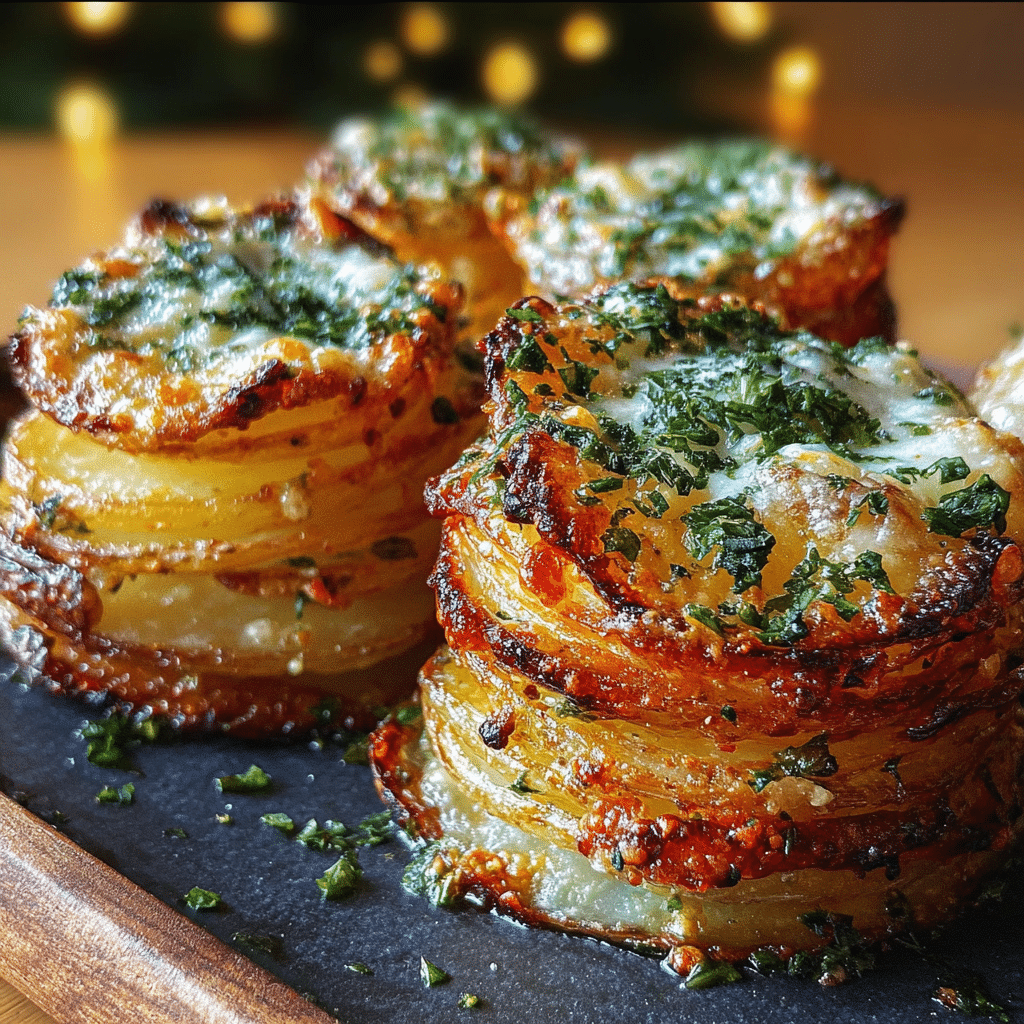
Cheesy scalloped potatoes are a dish that evokes warmth, comfort, and a sense of home. I remember the first time I tasted them; it was at my grandmother’s house during a family reunion. The kitchen was filled with laughter, the tantalizing aroma of cheese wafting through the air, and a bubbling casserole dish sitting proudly on the table. As I took my first bite, the creamy texture combined with the sharpness of the cheese, and the tender potatoes melted in my mouth. It was a moment I would cherish forever, one that ignited my passion for cooking and sharing recipes that bring people together.
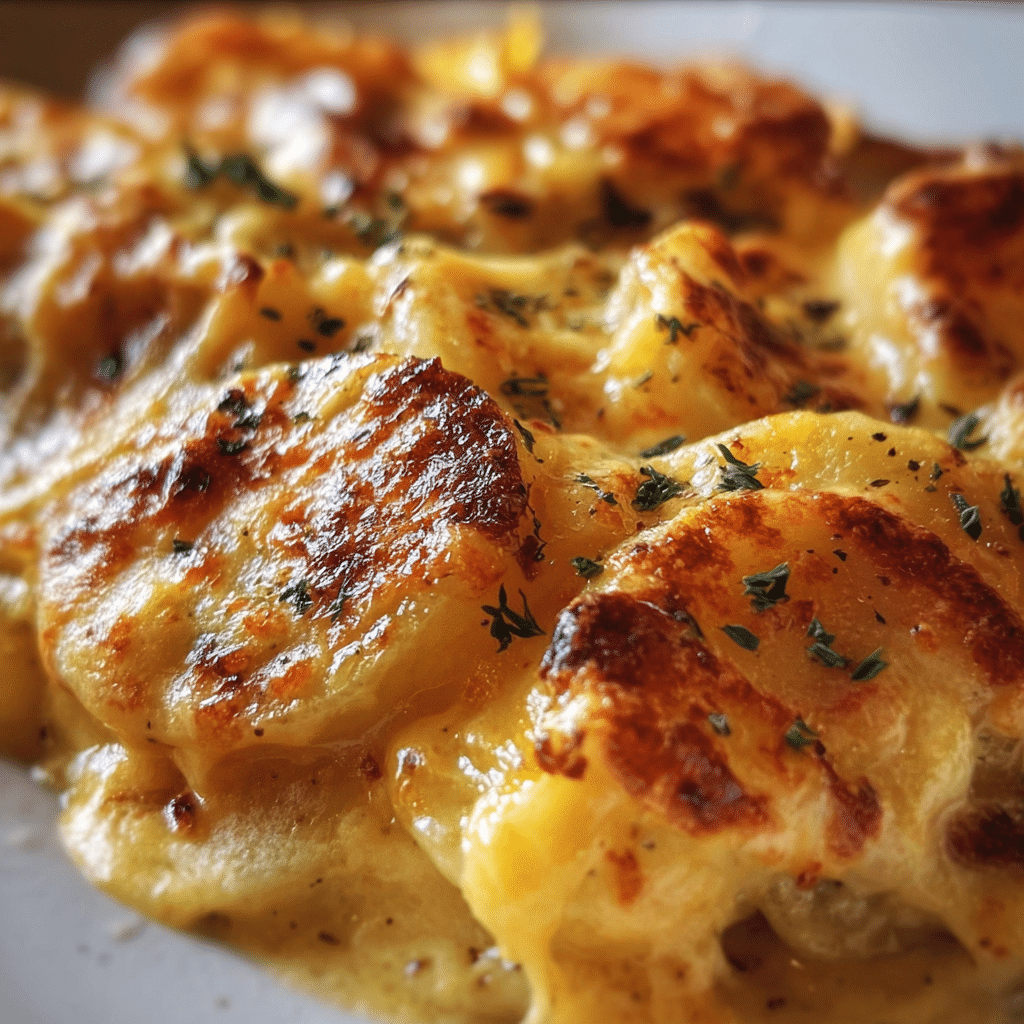
As I grew older, I learned that cheesy scalloped potatoes are more than just a side dish; they are a celebration of family gatherings and a staple in many homes. Originating from the culinary traditions of Europe, particularly France and England, this dish has transcended borders and adapted to various cultures. The layers of thinly sliced potatoes, creamy sauce, and cheese make it a versatile recipe that can be dressed up or down, depending on the occasion. In my own kitchen, I have experimented with different cheeses, herbs, and spices, creating my unique version of cheesy scalloped potatoes that pays homage to my grandmother’s recipe while adding my flair.
The Story Behind This Recipe
What makes cheesy scalloped potatoes particularly special is their adaptability. Busy families searching for quick dinner solutions will find that this recipe is not only easy to prepare but also incredibly satisfying. You can throw it together in a matter of minutes and let it bake while you attend to other chores or spend quality time with your loved ones. The beauty of cheesy scalloped potatoes lies in their ability to be a one-dish meal, paired perfectly with salads or grilled meats, making them a go-to option for weeknight dinners.
Seasonality also plays a role in the appeal of cheesy scalloped potatoes. While they shine during the colder months, providing that cozy comfort we crave, they can also be enjoyed year-round. Whether you’re hosting a holiday gathering or a casual Sunday dinner, this dish fits seamlessly into any menu. I often find myself preparing it during the autumn months when the leaves are changing, and the desire for hearty meals takes over. The rich, creamy layers of cheesy scalloped potatoes evoke a sense of nostalgia, reminding me of family traditions and the love that goes into cooking.
Every time I prepare this dish, I can’t help but think about the memories it has created over the years. From the laughter shared around the dinner table to the smiles on my family’s faces as they savor each bite, cheesy scalloped potatoes have a way of bringing people together. It’s not just about the food; it’s about the connections forged and the love that fills the room. In this ultimate guide, you will learn everything you need to know about making the perfect cheesy scalloped potatoes, from choosing the right ingredients to tips on achieving that ideal creamy texture. Get ready to embark on a culinary journey that will elevate your cooking skills and create new memories around your dinner table!
The Rich History and Cultural Significance of cheesy scalloped potatoes
The rich history and cultural significance of cheesy scalloped potatoes date back centuries, with roots tracing back to Europe, particularly France. The term “scalloped” refers to the technique of layering thinly sliced potatoes, often cooked in a creamy sauce, which has evolved over time. Although the earliest recipes are somewhat obscure, they have been documented since the 18th century, showcasing the dish’s popularity across various regions and cuisines.
Origins and History
Cheesy scalloped potatoes were influenced by the French dish “gratin dauphinois,” which originated in the Dauphiné region of France. This classic preparation involves layering potatoes with cream and cheese, resulting in a decadent dish that has stood the test of time. The technique of “gratin” refers to the browned crust that forms on the top, often achieved by adding breadcrumbs or cheese before baking. As French cuisine made its way across the globe, it inspired similar dishes in other cultures, leading to the beloved cheesy scalloped potatoes we know today.
In the United States, cheesy scalloped potatoes gained popularity in the late 19th and early 20th centuries, often being featured in cookbooks and family gatherings. The dish quickly became a staple in American households, particularly during the Thanksgiving holiday and other festive occasions. The combination of potatoes and cheese resonated with families, providing a filling and flavorful side dish that could complement various main courses.
Cultural Significance
Cheesy scalloped potatoes hold a special place in the hearts of many families. They are often associated with celebrations, holidays, and gatherings where friends and family come together to share a meal. In many cultures, this dish symbolizes comfort and hospitality, making it an ideal choice for potlucks or family dinners. As food trends have evolved, variations of cheesy scalloped potatoes have emerged, incorporating different cheeses, vegetables, and spices that reflect regional tastes and preferences.
In various cultures, you might find adaptations of cheesy scalloped potatoes that celebrate local ingredients. For instance, in the southern United States, you might encounter versions that include sharp cheddar cheese, while in Scandinavian countries, you may find recipes that feature nutmeg and cream. Each variation tells a story of its own, showcasing how a simple dish can be transformed by cultural influences.
Nutritional Benefits
Beyond their comforting taste, cheesy scalloped potatoes also provide nutritional benefits. Potatoes are a good source of vitamins C and B6, potassium, and dietary fiber. They offer a satisfying base that can be paired with various nutrients from other ingredients, such as vegetables or lean proteins. While the dish can be indulgent, especially with rich cheeses and cream, you can also make healthier versions by incorporating lighter dairy options or adding in vegetables like spinach or broccoli for added nutrition.
In conclusion, the journey of cheesy scalloped potatoes from their historical roots to their place in modern cuisine highlights their enduring appeal. Whether enjoyed during festive occasions or as a comforting weeknight meal, this dish continues to evoke feelings of nostalgia, warmth, and togetherness. The next time you prepare cheesy scalloped potatoes, take a moment to appreciate the rich history and cultural significance behind this beloved recipe.
Essential Ingredients for Perfect cheesy scalloped potatoes
When it comes to making the perfect cheesy scalloped potatoes, the foundation lies in selecting the right ingredients. Each component plays a vital role in creating that rich, creamy texture and savory flavor that makes this dish a beloved classic. Below is a comprehensive list of ingredients you will need, along with detailed explanations about their significance, quality indicators, and tips for sourcing them.
Essential Ingredients
- 4 russet potatoes, peeled and sliced into ¼-inch slices (about 2 pounds)
- 1 yellow onion, sliced into rings
- 3 tablespoons unsalted butter
- 3 tablespoons all-purpose flour
- ½ teaspoon kosher salt
- 2 cups whole milk, room temperature
- 1 ½ cups mild cheddar cheese, shredded
- Salt and pepper to taste
Cheesy Scalloped Potatoes
Ingredients
- 4 russet potatoes, peeled and sliced into ¼-inch slices (about 2 pounds)
- 1 yellow onion, sliced into rings
- 3 tablespoons unsalted butter
- 3 tablespoons all-purpose flour
- ½ teaspoon kosher salt
- 2 cups whole milk, room temperature
- 1 ½ cups mild cheddar cheese, shredded
- salt and pepper to taste
Instructions
- Preheat oven to 400°F. Lightly spray an 8×8-inch casserole dish with nonstick cooking spray.
- Arrange the potatoes and onions in the prepared baking dish, staggering potato and then onion.
- In a medium-size saucepan, melt butter over medium heat. Mix in the flour and salt, and stir constantly with a whisk for one minute. Stir in milk. Cook until mixture has thickened.
- Stir in cheese all at once, and continue stirring until melted and smooth, about 30-60 seconds.
- Pour the cheese sauce over the potatoes, and cover the dish with aluminum foil.
- Bake for 85-90 minutes, or until the potatoes are tender.
- For a crisp topping, change the oven setting to broil after the potatoes are baked. Broil until golden brown.
- Season with salt and pepper to taste and serve.
Now, let’s delve deeper into each ingredient.
Russet Potatoes
Russet potatoes are the star of this dish. Their high starch content makes them ideal for achieving that creamy texture as they bake. When selecting russet potatoes, look for ones that are firm without any sprouting or green spots. The skin should be smooth and have a rich brown color. Russets are typically available year-round, but they are at their best in the fall and winter months.
Yellow Onion
The addition of a yellow onion adds a sweet and savory depth to your cheesy scalloped potatoes. When preparing your onion, aim for rings that are about the same thickness as your potato slices for even cooking. Choose onions that feel firm and have dry, papery skins. They can be stored in a cool, dark place and will last for several weeks if kept dry.
Unsalted Butter
Using unsalted butter allows you to control the salt levels in your dish. The butter is essential for creating a roux, which will thicken your cheese sauce. Look for high-quality butter that is rich in cream and free from additives. If you’re on a budget, store-brand options often provide good quality.
All-Purpose Flour
Flour is crucial for thickening the cheese sauce. It’s important to use all-purpose flour for the best results, as it can absorb moisture and create a smooth texture. When selecting flour, check the expiration date for freshness. Store it in an airtight container in a cool, dry place to prolong its shelf life.
Kosher Salt
Kosher salt enhances the flavors of the ingredients without overpowering them. This mineral salt is larger in grain size than table salt, making it perfect for seasoning throughout the cooking process. If you don’t have kosher salt, you can substitute with sea salt, but keep in mind that you may need to adjust the amount due to the difference in grain size.
Whole Milk
Whole milk adds creaminess and richness to your cheese sauce. Using room temperature milk helps in creating a smooth sauce without any lumps. If you’re looking for a lighter alternative, you can use low-fat milk, but the flavor and texture will be less rich. Make sure to store any leftover milk in the refrigerator and use it within a week of its expiration date.
Mild Cheddar Cheese
Mild cheddar cheese is the key player in giving your cheesy scalloped potatoes that gooey, comforting texture. When purchasing cheese, opt for block cheese rather than pre-shredded packages, as the latter often contain anti-caking agents that can affect meltability. Shred the cheese fresh for the best results. You can also experiment with other cheese varieties such as Gruyère or Monterey Jack for a unique flavor twist.
Salt and Pepper
These are the finishing touches that elevate your dish. Always taste and adjust the seasoning as needed. Freshly ground black pepper can add a nice kick, while additional salt can enhance the overall flavor. Be mindful of the salt from the cheese as well when seasoning your dish.
Shopping Tips
When shopping for ingredients, consider visiting local farmers’ markets for fresher produce. Not only will you find high-quality ingredients, but you’ll also support local farmers. If you’re looking for organic options, most grocery stores now carry organic produce, dairy, and cheese. While organic can be a bit pricier, they are often worth the investment for their flavor and lack of pesticides.
Substitutions and Alternatives
For those with dietary restrictions, there are several substitution options available. You can use gluten-free flour in place of all-purpose flour for a gluten-free version of your cheesy scalloped potatoes. If you’re lactose intolerant, consider using lactose-free milk and cheese, which can provide similar flavors without the discomfort.
In terms of cost-saving alternatives, consider using a mix of cheddar and a less expensive cheese, or purchasing cheese in bulk. Potatoes can also be substituted with other varieties, such as Yukon Golds, which will yield a different flavor and texture but are equally delicious.
Finally, when preparing your ingredients, consider the storage tips. Keep potatoes in a cool, dark location to extend their shelf life. Onions should be kept in a cool, dry place, while dairy products should always be refrigerated and used before their expiration dates.
With the right ingredients at hand, you’re well on your way to making delightful cheesy scalloped potatoes that will surely impress at your next family gathering or holiday feast.
Detailed Step-by-Step cheesy scalloped potatoes Cooking Instructions
Cooking up a delicious dish of cheesy scalloped potatoes is not only satisfying but also a wonderful way to bring family and friends together. The process may seem daunting at first, but with a detailed step-by-step guide, you’ll find that preparing this classic dish can be both enjoyable and fulfilling. Below is a comprehensive guide to making cheesy scalloped potatoes from start to finish.
Preparation Steps
- Gather Your Ingredients: Begin by assembling all your ingredients on the counter. This mise en place technique ensures that you have everything within reach and prepared, making the cooking process smoother.
- Preheat Your Oven: Preheat your oven to 375°F (190°C). This is the perfect temperature for baking the potatoes, allowing them to become tender and the cheese to melt beautifully.
- Prepare the Potatoes: Peel the russet potatoes and slice them into ¼-inch rounds. A mandoline slicer can be a great tool if you want uniform slices, but a sharp knife will work just fine. Rinse the potato slices in cold water to remove excess starch, which can help in achieving that creamy texture.
- Slice the Onion: Prepare your yellow onion by slicing it into rings. Aim for even thickness so that they cook uniformly. If you find the onion a bit strong, soaking the rings in cold water for about 10 minutes can help mellow the flavor.
Cooking Process
- Make the Roux: In a medium saucepan, melt the unsalted butter over medium heat. Once melted, add in the all-purpose flour to create a roux. Stir continuously for about 2-3 minutes until the mixture is lightly golden. This step is crucial, as it eliminates the raw flour taste and forms the base for your cheese sauce.
- Add the Milk: Gradually whisk in the room temperature whole milk, ensuring there are no lumps. Continue to stir until the mixture thickens, which should take about 5-7 minutes. You’ll know it’s ready when it coats the back of a spoon.
- Incorporate the Cheese: Remove the saucepan from heat and stir in the shredded mild cheddar cheese. Keep stirring until the cheese is fully melted and the sauce is smooth. This is the moment where the magic happens, and your kitchen will start to smell heavenly!
- Season: Add the kosher salt and freshly ground pepper to the cheese sauce. Taste and adjust the seasoning as necessary. Remember, you can always add more, but you can’t take it away!
Final Assembly
- Layer the Dish: In a greased 9×13-inch baking dish, layer half of the potato slices at the bottom. Add half of the onion rings on top of the potatoes. Pour half of your cheese sauce over this layer, spreading it evenly with a spatula.
- Repeat the Layers: Next, add the remaining potato slices and onion rings, followed by the rest of the cheese sauce. Make sure all the potatoes are well-covered to ensure even cooking.
- Bake: Cover the baking dish with aluminum foil and bake in the preheated oven for 30 minutes. This will help steam the potatoes and ensure they become tender.
- Uncover and Brown: After 30 minutes, remove the foil and bake for an additional 15-20 minutes, or until the top is golden brown and bubbly. You can also broil it for a few minutes at the end for an extra crispy top, but keep an eye on it to avoid burning.
- Rest Before Serving: Once out of the oven, let your cheesy scalloped potatoes rest for about 10 minutes before serving. This allows the dish to set and makes it easier to slice into portions.
Throughout the cooking process, pay attention to visual cues such as the bubbling of the cheese sauce and the browning of the top. These indicators tell you that your cheesy scalloped potatoes are on their way to perfection. One common mistake to avoid is overcooking the potatoes. They should be tender but not mushy, so keeping an eye on the cooking times is essential.
For those who love to multitask, consider prepping your ingredients while the cheese sauce is cooking. This can save you time and keep your kitchen organized. Additionally, using a food thermometer can help ensure food safety, especially when using dairy products. Make sure your cheese sauce reaches a minimum temperature of 165°F (74°C) before serving.
By following these detailed instructions, you’ll be able to create a comforting and delicious dish of cheesy scalloped potatoes that will leave everyone wanting more. Whether it’s a family dinner or a holiday gathering, this dish is sure to be a hit!
Professional Tips and Techniques for cheesy scalloped potatoes
When it comes to making the perfect cheesy scalloped potatoes, the journey from raw ingredients to a bubbling, golden-brown dish is filled with techniques and tips that can transform your cooking experience. I remember the first time I attempted this classic dish; I was drawn in by the creamy textures and rich flavors, but I quickly learned that precision and technique are key to achieving that perfect balance.
Professional Techniques
To start, the selection of potatoes is crucial. While russet potatoes are a popular choice due to their starchy nature, Yukon Golds offer a buttery flavor and creamy texture that can elevate your cheesy scalloped potatoes. I often recommend a mix of both to enjoy the best of both worlds. When slicing the potatoes, aim for even, thin slices—roughly 1/8 inch thick. A mandoline slicer can be a game-changer here, ensuring uniformity and saving time.
Another professional tip is to pre-cook your sauce, which is typically a combination of cream, milk, and cheese. By heating the mixture before adding it to the potatoes, you help the cheese melt smoothly and avoid clumping. A gentle simmer is all you need; just keep stirring until the cheese is fully incorporated. I often find that blending in spices early in the cooking process, such as garlic powder or nutmeg, can add depth to the flavors of the cheesy scalloped potatoes.
Troubleshooting Guide
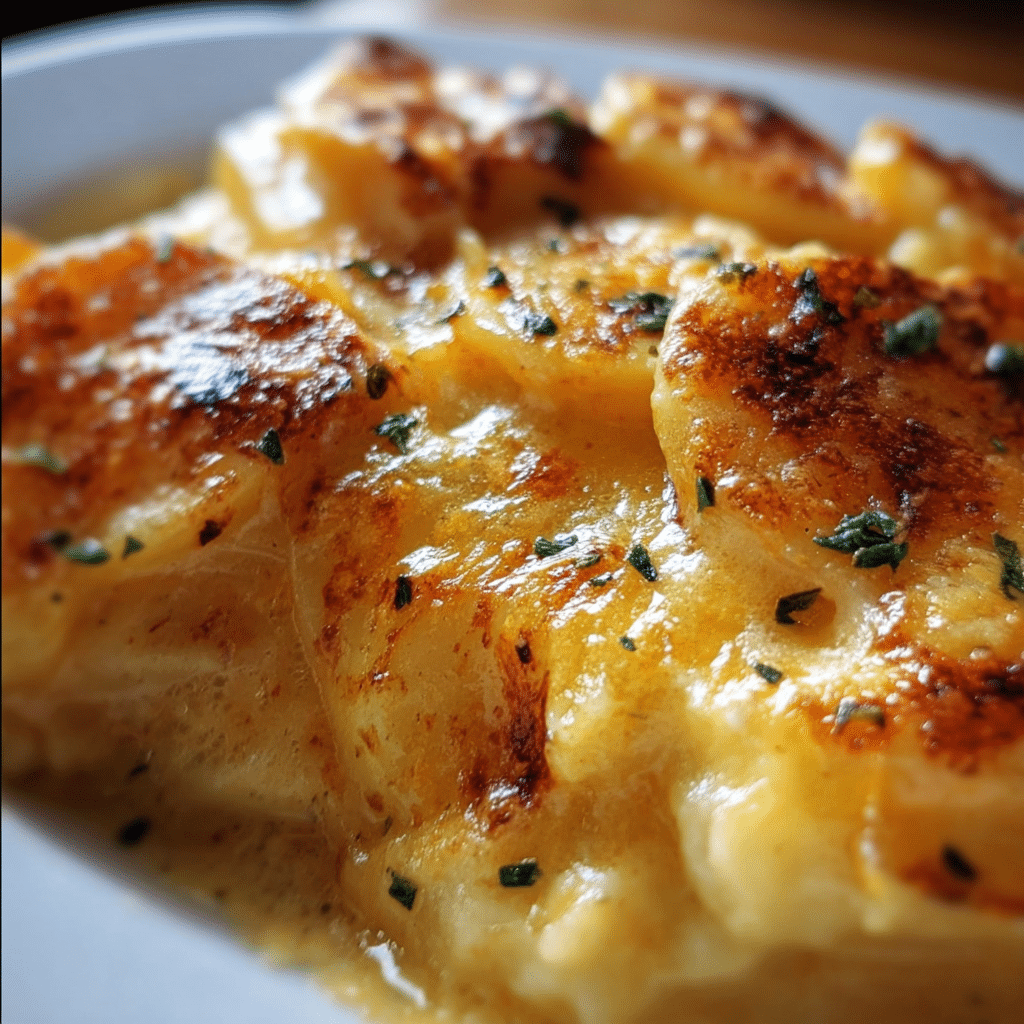
Even seasoned cooks can run into issues when preparing cheesy scalloped potatoes. One common problem is a dish that turns out too watery. This can happen if you don’t adequately drain your sliced potatoes or if you use too much liquid. To combat this, try using a slotted spoon when layering your ingredients to allow excess moisture to escape. Another tip is to bake the dish covered for the first 30 minutes, then uncover to allow for evaporation and browning.
If you find your cheese is clumping instead of melting smoothly, it could be due to the type of cheese or the temperature of the sauce. Always use freshly grated cheese instead of pre-shredded varieties, as the anti-caking agents can hinder melting. If you’re still having trouble, lowering the heat and stirring more frequently can help create a creamy consistency.
Presentation Tips
Presentation matters, especially when serving a dish as comforting as cheesy scalloped potatoes. Once your dish is out of the oven and bubbling, allow it to rest for about 10-15 minutes. This helps the layers set, making it easier to cut into perfect squares. To enhance the visual appeal, consider garnishing with fresh herbs like parsley or chives. Their vibrant color adds a fresh contrast to the creamy dish.
For plating, I love to serve cheesy scalloped potatoes in individual ramekins for a personal touch. Layering them with a sprinkle of paprika or a drizzle of truffle oil can elevate the dish from homey to gourmet. Pairing these potatoes with a crisp green salad can also create a beautiful contrast on the plate.
Equipment Recommendations
To achieve the best results, having the right kitchen tools is essential. A sharp knife or mandoline for slicing, a heavy-bottomed saucepan for making the cheese sauce, and a good-quality baking dish are all key. I often use a cast-iron skillet for both its cooking performance and presentation. The ability to go from stovetop to oven is a huge advantage when preparing cheesy scalloped potatoes.
Additionally, investing in a food processor can streamline the process if you’re making larger batches. It allows you to slice potatoes rapidly and even blend your cheese sauce if you’re looking for a smoother texture.
Make-Ahead and Meal Prep Strategies
If you’re hosting a dinner party or simply want to enjoy cheesy scalloped potatoes throughout the week, make-ahead strategies can save you time and stress. You can slice the potatoes and prepare the cheese sauce a day in advance, storing them separately in the fridge. When you’re ready to bake, simply layer them together and pop them in the oven. This not only saves time but also allows the flavors to meld beautifully.
Scaling the recipe up or down is also straightforward. If you’re feeding a crowd, doubling the recipe is easy; just ensure your baking dish is large enough. Conversely, if you’re cooking for one or two, you can halve the ingredients and bake in a smaller dish—just keep an eye on the cooking time, as it may vary.
Lastly, don’t forget about beverage pairings! A crisp white wine, like a Chardonnay, complements the creaminess of the cheesy scalloped potatoes perfectly. Alternatively, a light beer can balance the richness, making your meal complete.
Creative Variations and Adaptations of cheesy scalloped potatoes
While traditional cheesy scalloped potatoes are a beloved staple, there is an entire world of variations waiting to be explored. As someone who relishes creativity in the kitchen, I often enjoy experimenting with seasonal ingredients, dietary preferences, and international flavors. Each twist brings a new life to this classic dish, making it versatile enough for any occasion.
Seasonal Variations
One of the joys of cooking is adapting recipes to the seasons. In the fall, I love adding layers of roasted butternut squash or even caramelized onions to my cheesy scalloped potatoes. Not only do these ingredients enhance the flavor, but they also bring a lovely autumnal color to the dish. In winter, consider incorporating sautéed kale or chard for a pop of green, adding both nutrition and a contrast to the creamy potatoes.
During the summer months, fresh herbs like basil or dill can be delightful additions. Combining these herbs with a mix of cheeses—perhaps a sharp cheddar with a touch of goat cheese—can create a refreshing twist that embodies the essence of summer. Moreover, using heirloom tomatoes layered with the potatoes can add a burst of flavor and color, truly celebrating the season’s bounty.
Dietary Adaptations
As dietary preferences evolve, adapting cheesy scalloped potatoes to fit various needs becomes essential. For those following a keto diet, consider swapping traditional potatoes with cauliflower. The process remains largely the same; just ensure to pre-cook the cauliflower to achieve the right texture. For a vegan option, substitute dairy with cashew cream or coconut milk and use a plant-based cheese. The flavor may shift slightly, but the comfort remains intact.
Gluten-free eaters can be reassured that this dish can naturally be gluten-free by using cornstarch or a gluten-free flour blend to thicken your sauce. Always read labels to ensure your cheese is gluten-free, as some processed cheeses may contain gluten.
Creative Twists
Looking to add an international flair to your cheesy scalloped potatoes? Think about incorporating flavors from different cuisines. For instance, a Mexican twist can be achieved by adding layers of roasted green chilies, black beans, and a sprinkle of cumin. You can even top the dish with crushed tortilla chips for a delightful crunch.
Asian flavors can also transform this classic. Imagine adding layers of kimchi or miso paste to your cheese sauce for a unique taste experience. This not only adds a tangy element but also introduces probiotics that are beneficial for gut health.
Another fun idea is to take inspiration from classic comfort foods. Try adding crumbled bacon or pancetta for a smoky flavor, or mix in sautéed mushrooms for an earthy depth that pairs beautifully with the creaminess of the dish. Leftover roasted vegetables can also be integrated; they add flavor and help reduce food waste.
Different Cooking Methods
The beauty of cheesy scalloped potatoes lies in its adaptability to various cooking methods. While baking is traditional, stovetop versions are equally delicious. Simply layer the potatoes in a skillet with your cheese sauce, cover, and cook on low heat until the potatoes are tender and the cheese is melted. This method can be a lifesaver on hot days when you want to avoid turning on the oven.
If you have a slow cooker, you can create a “set it and forget it” version. Layer your ingredients as usual, set the slow cooker on low, and let it work its magic for several hours. The result is a comforting dish that can easily be prepared ahead of time.
Transforming leftovers is another joy of cooking. Leftover cheesy scalloped potatoes can be reimagined as a breakfast hash with some sautéed veggies and eggs. Alternatively, they can be blended into a creamy soup by adding broth and pureeing until smooth. The possibilities are endless, and it’s a great way to minimize waste while enjoying the comforting flavors of this beloved dish.
Storage, Reheating, and Meal Prep for cheesy scalloped potatoes
When it comes to enjoying cheesy scalloped potatoes, proper storage is essential to ensure that you savor every last bite without compromising on flavor or texture. These creamy, cheesy layers of thinly sliced potatoes are not just a comforting side dish; they’re also a culinary delight that can be enjoyed over several meals when stored correctly. Let’s delve into the best practices for storing, reheating, and even meal prepping this delicious dish.
Short-term Storage
After you’ve made a glorious batch of cheesy scalloped potatoes, you may wonder what to do with the leftovers. If you plan to eat your scalloped potatoes within a few days, the refrigerator is your best friend. Start by allowing your dish to cool to room temperature; this helps prevent condensation from forming inside your storage container, which can lead to sogginess.
Choose an airtight container that is large enough to hold the cheesy scalloped potatoes without being overly cramped. Glass containers with tight-fitting lids are a fantastic option, as they minimize odors and can easily go from the fridge to the oven. If you’re using plastic, make sure it’s BPA-free and designed for food storage. Portioning out the potatoes into smaller containers can also be beneficial, allowing you to take out just what you need for a quick meal without exposing the entire dish to air and moisture.
In the refrigerator, cheesy scalloped potatoes can last up to 3-5 days. However, it’s always wise to trust your senses; if you notice any off smells or changes in texture, it’s best to err on the side of caution and discard them.
Freezing and Long-term Storage
If you have more cheesy scalloped potatoes than you can consume within a week, freezing is an excellent option! Freezing can help you preserve the creamy goodness for up to three months. However, it’s crucial to follow specific guidelines to maintain quality. Before freezing, cut portions into individual servings. This way, you can thaw only what you need, minimizing waste.
To freeze, first, let the cheesy scalloped potatoes cool completely. Transfer them into freezer-safe containers or heavy-duty freezer bags. If using bags, try to remove as much air as possible before sealing; this step is essential for preventing freezer burn. Label each container or bag with the date, so you can keep track of their shelf life.
When you’re ready to enjoy your frozen cheesy scalloped potatoes, the best method is to transfer them from the freezer to the fridge and let them thaw overnight. While you can also reheat them directly from frozen, this may require additional cooking time and could affect the texture—definitely something to consider if you love that creamy layer of cheese on top!
Reheating Best Practices
Reheating can often be a tricky business, especially when it comes to cheesy scalloped potatoes. You want to ensure that they warm through evenly without drying out or becoming rubbery. The oven is your best bet for reheating these creamy delights. Preheat your oven to 350°F (175°C). Transfer the potatoes to an oven-safe dish if they are not already in one, and cover the dish with aluminum foil. This helps retain moisture while they reheat.
Heat for about 20-30 minutes, checking occasionally to see if they’re warmed through. If you’d like to restore that golden crust on top, remove the foil for the last 5-10 minutes of reheating. Alternatively, if you’re short on time, you can use the microwave, but be cautious. Use a microwave-safe container and reheat in short intervals, stirring in between, until heated through. However, keep in mind that the microwave can sometimes alter the texture, making it less creamy than freshly baked cheesy scalloped potatoes.
Meal prepping cheesy scalloped potatoes can be a game changer for busy weeks. Making a big batch on a Sunday can set you up for quick meals throughout the week. Just remember to store them properly, either in the refrigerator for short-term use or the freezer for long-term enjoyment. Portioning them out in advance can streamline your weeknight dinners, allowing you to enjoy homemade comfort food without the fuss.
Lastly, always keep food safety in mind. Make sure to cool leftovers promptly and store them within two hours of cooking. This reduces the risk of bacterial growth, ensuring that your cheesy scalloped potatoes remain safe to eat. With these tips in mind, you can enjoy your cheesy scalloped potatoes over several meals, maintaining their deliciousness and quality every time!
Nutritional Benefits and Health Information
Cheesy scalloped potatoes are more than just a delightful indulgence; they also come with their own set of nutritional benefits. Understanding the nutritional profile of this dish can help you enjoy it guilt-free and even inspire you to make healthy modifications. Let’s explore the nutritional aspects, health benefits, and dietary considerations for cheesy scalloped potatoes.
Nutritional Profile
At its core, cheesy scalloped potatoes consist of potatoes, cheese, cream, and often some combination of butter, flour, and seasonings. While specific recipes may vary, let’s break down the typical nutritional components. A standard serving of cheesy scalloped potatoes (about 1 cup) can average around 300-400 calories, depending on the amount of cheese and cream used.
The macronutrient distribution generally includes carbohydrates from the potatoes, fats from the cheese and cream, and a small amount of protein. For instance, you might find approximately 30 grams of carbohydrates, 15 grams of fat, and 6 grams of protein in a serving. However, these values can fluctuate based on portion sizes and ingredient choices.
In terms of vitamins and minerals, cheesy scalloped potatoes are primarily a source of Vitamin C (thanks to the potatoes) and calcium (from the cheese). They also contain potassium, which is essential for heart health and muscle function. However, it’s important to balance this with the fact that they can be high in saturated fat and sodium, especially if using processed cheese or excessive salt.
Health Benefits
While cheesy scalloped potatoes may not be the first dish that comes to mind when thinking of health foods, they do provide some benefits when enjoyed in moderation. Potatoes, for instance, are a good source of dietary fiber, especially when the skin is left on. This fiber can aid in digestion and promote a feeling of fullness, which can help with weight management.
The cheese used in cheesy scalloped potatoes contributes to your daily calcium intake, essential for maintaining strong bones and teeth. Additionally, if you choose to use lower-fat cheese options or incorporate more vegetables, you can enhance the nutritional value while keeping the creamy texture intact. Consider adding kale or spinach for extra vitamins, or substitute part of the cream with Greek yogurt for added protein.
Dietary Considerations
When it comes to dietary considerations, there are a few things to keep in mind. For those who are lactose intolerant or have milk allergies, cheesy scalloped potatoes may pose a problem. However, there are several lactose-free cheeses available, and using alternatives like almond milk or coconut cream can offer similar creaminess without the lactose.
For individuals following a gluten-free diet, traditional recipes that use flour for thickening can be modified by opting for gluten-free flour or cornstarch. It’s also essential to check labels on pre-packaged cheeses or cream to ensure there are no hidden gluten ingredients.
For those watching their sodium intake, homemade cheesy scalloped potatoes allow you to control the salt content better than store-bought versions, which can be surprisingly high in sodium levels. Experimenting with herbs and spices can add flavor without the need for added salt.
In comparison to similar dishes, cheesy scalloped potatoes can be considered a richer option than baked or mashed potatoes due to the added cheese and cream. However, when prepared thoughtfully, they can fit into various diet plans, including balanced diets, comfort food nights, or even potluck gatherings.
Ultimately, cheesy scalloped potatoes are a delightful dish that can be enjoyed in moderation. By making simple adjustments and being mindful of the ingredients you choose, you can savor this classic comfort food while reaping some health benefits. So the next time you whip up a batch, consider how you can enhance its nutritional profile while still indulging in that creamy, cheesy goodness!
Conclusion: Mastering the Perfect cheesy scalloped potatoes
Creating the perfect cheesy scalloped potatoes is more than just following a recipe—it’s about understanding the techniques, ingredients, and cultural significance behind this beloved dish. Throughout this comprehensive guide, we’ve explored everything from the historical origins to modern variations, ensuring you have all the knowledge needed to make this recipe your own.
Whether you’re a beginner cook or an experienced chef, the techniques and tips we’ve shared will help you create a cheesy scalloped potatoes that’s not only delicious but also meaningful. Remember that cooking is a journey of discovery, and each time you make this dish, you’ll learn something new.
We encourage you to experiment with the variations we’ve discussed, adapt the recipe to your dietary needs, and most importantly, share it with the people you love. Food has the incredible power to bring people together, and Cheesy Scalloped Potatoes is the perfect dish to create lasting memories around your dinner table.
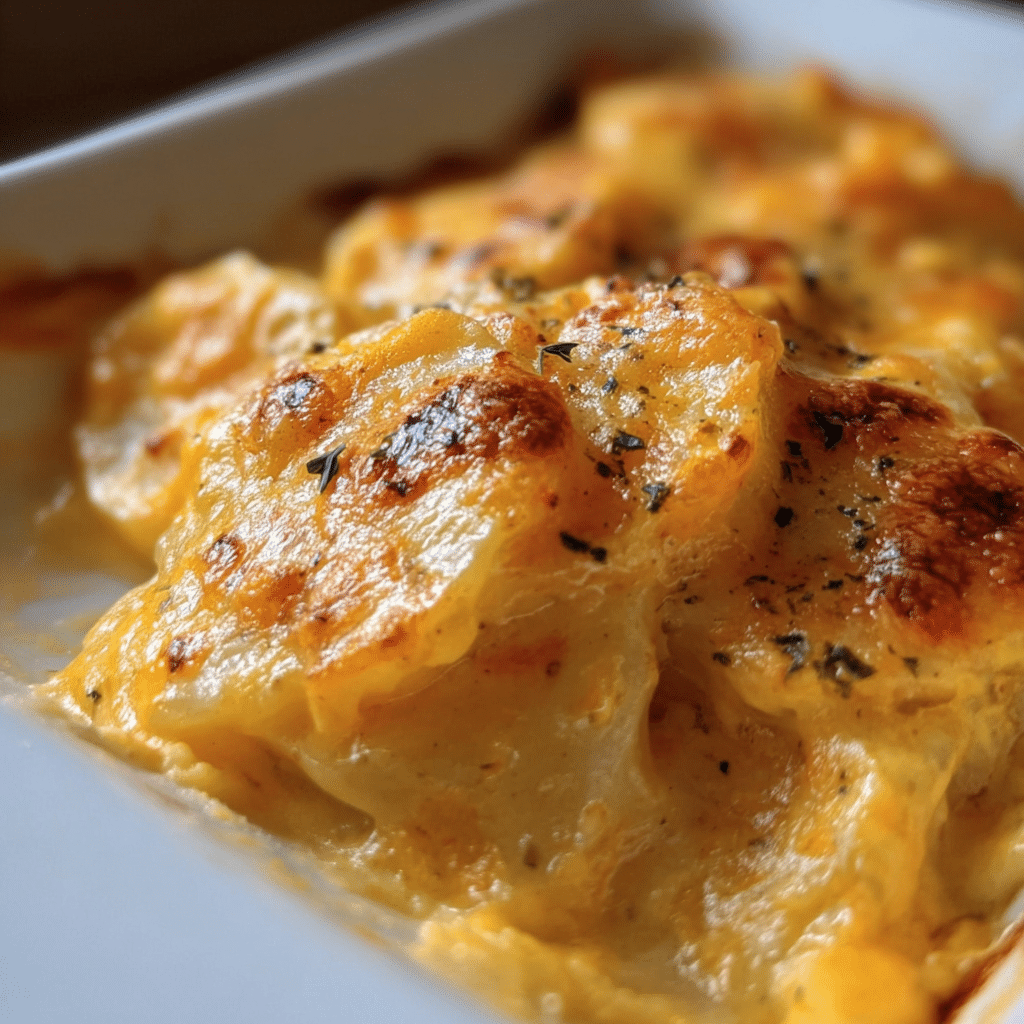
Don’t forget to share your cooking adventures with us on social media, and feel free to ask questions in the comments below. Happy cooking!
Share this recipe and let us know how it turned out! Tag us on social media for a chance to be featured.