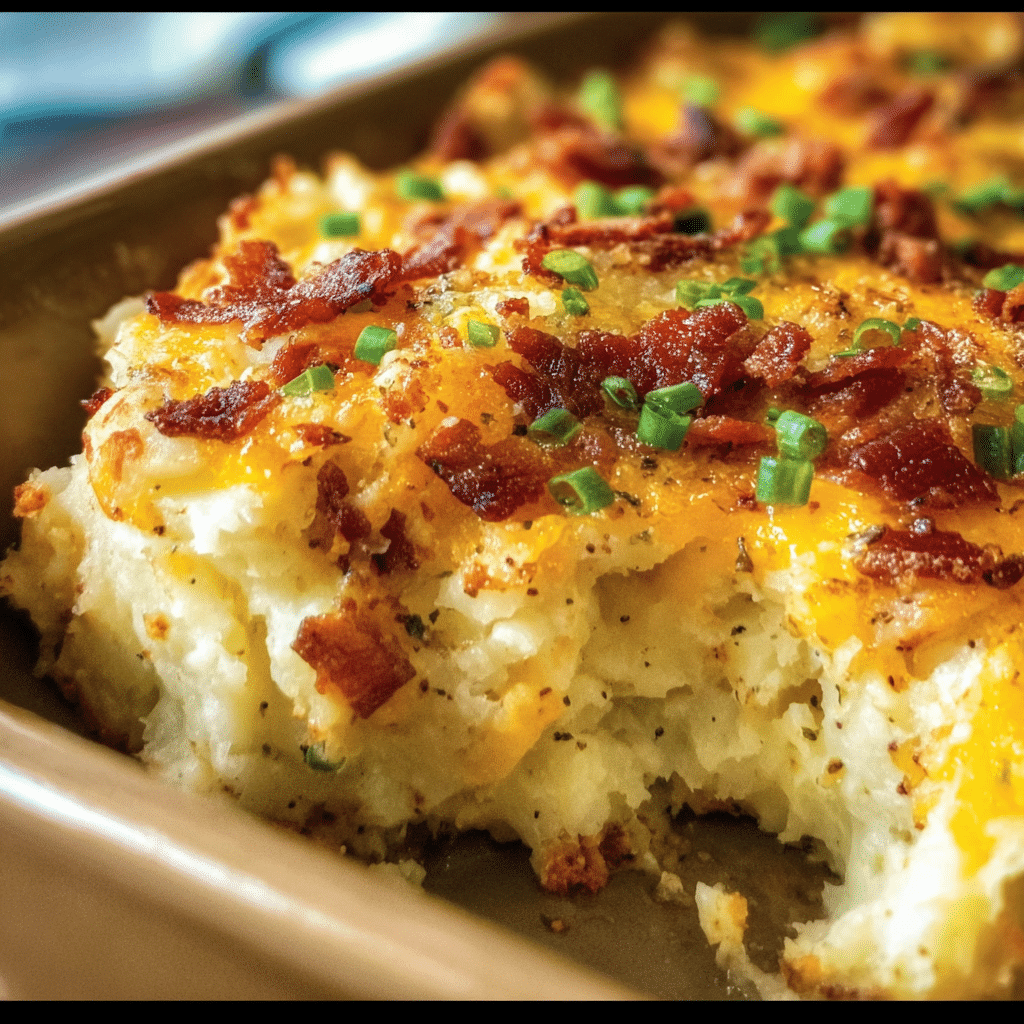
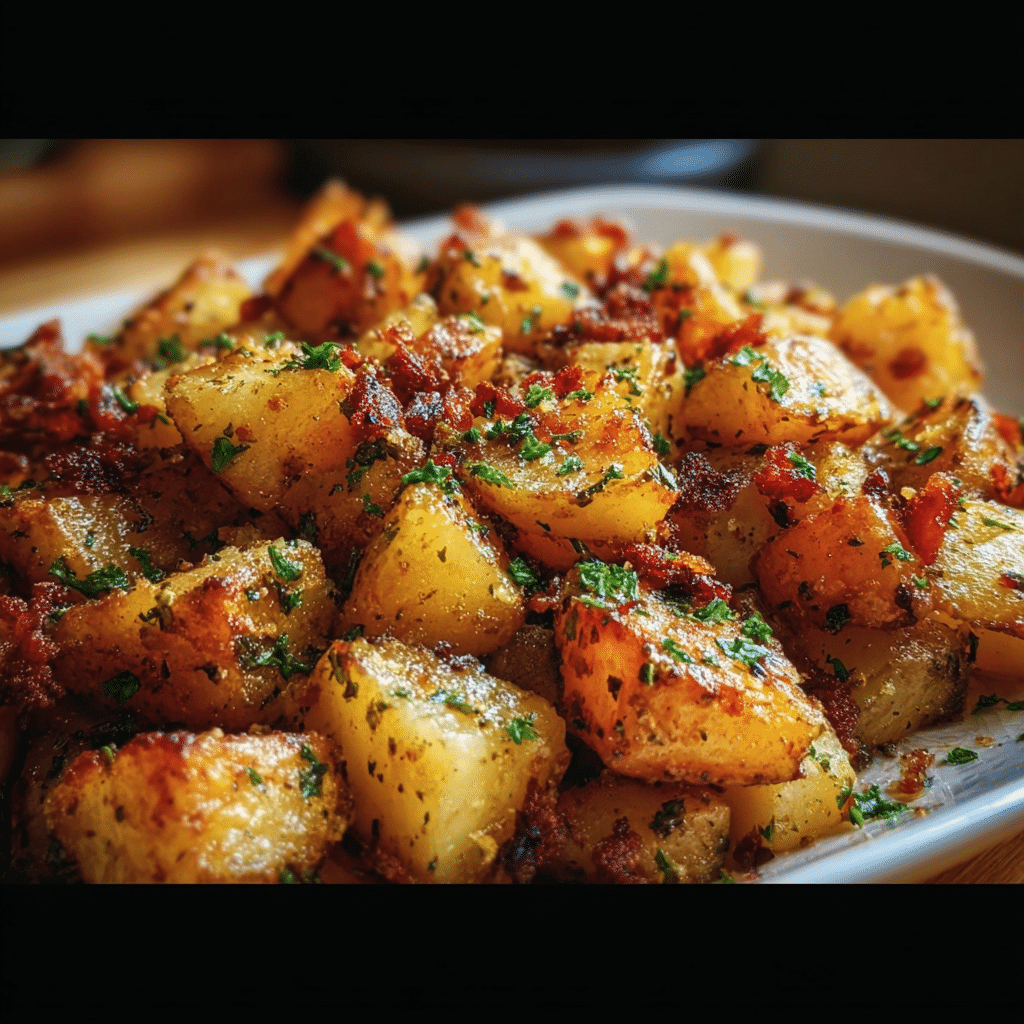
Loaded baked potato salad is a delightful twist on a classic favorite, appealing to both potato lovers and salad enthusiasts alike. My first encounter with this dish was during a family barbecue, where my aunt decided to take her traditional potato salad up a notch. Instead of the usual mayonnaise and mustard concoction, she introduced us to a creamy, dreamy loaded baked potato salad that was bursting with flavors reminiscent of a loaded baked potato. The first bite was a revelation: it was creamy, tangy, and utterly satisfying, with crispy bits of bacon, sharp cheddar, and a sprinkle of green onions that made it sing.
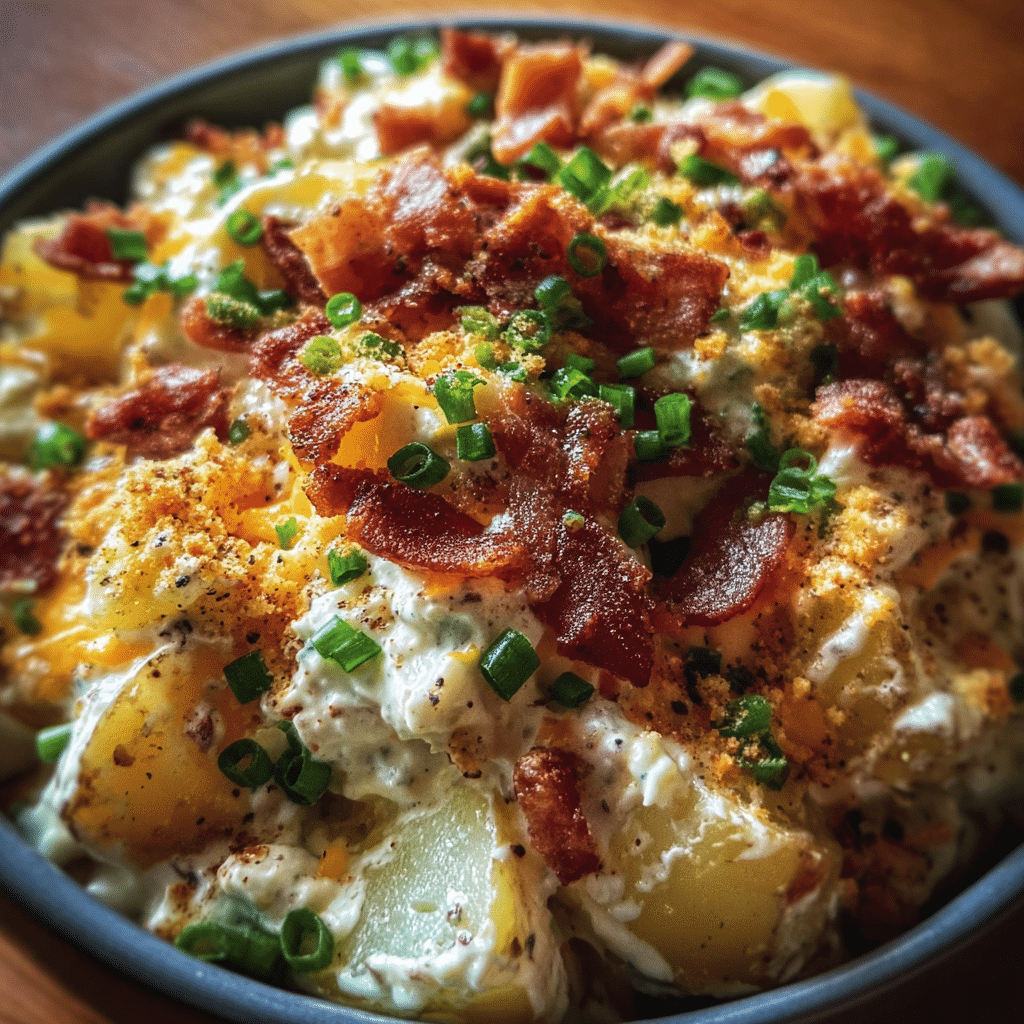
As I stood there in my cousin’s backyard, the sun setting behind the trees, I realized that this was not just a side dish; it was an experience. The laughter, the shared stories, and the delicious food created a warm atmosphere that I wanted to replicate in my own kitchen. I took notes that day, eager to bring a piece of that gathering into my home. The loaded baked potato salad became a staple at family gatherings, potlucks, and even casual weeknight dinners. Its versatility and ease of preparation made it the perfect dish for busy families like mine.
The Story Behind This Recipe
The loaded baked potato salad is an excellent example of how recipes can evolve and take on new forms while still paying homage to their roots. Traditional loaded baked potatoes have long been a comfort food in American cuisine, originating from the humble potato, which has been cultivated for thousands of years. The addition of toppings like cheese, bacon, sour cream, and chives transformed a simple baked potato into a hearty meal. The salad version takes this concept and makes it even more accessible and shareable, perfect for gatherings and parties.
What sets this recipe apart is its adaptability; you can customize the ingredients based on what you have on hand or what your family loves. Want a bit of spice? Toss in some jalapeños. Prefer it vegetarian? Leave out the bacon and add more vegetables. The loaded baked potato salad is a canvas for your culinary creativity, making it suitable for any occasion, from summer barbecues to cozy winter dinners.
For busy families, this dish is a lifesaver. It can be made ahead of time and served chilled, allowing for easy meal prep throughout the week. Whether you’re packing it for lunch or serving it as a side with grilled chicken, this salad brings together comforting flavors without requiring hours in the kitchen. It’s a dish that can be enjoyed year-round, making it a versatile addition to any recipe collection.
My emotional connection to this dish runs deep. It reminds me of love and togetherness—gathering around the table with family, sharing stories and laughter. Food has a magical way of connecting us to our loved ones, and this loaded baked potato salad is a perfect example of that. Each forkful takes me back to those summer evenings, enhancing not just my meal but also my memories.
In this guide, you’ll learn not only how to create your own loaded baked potato salad but also the rich history behind it, tips for customizing it to your taste, and ways to make it a family favorite. Prepare to embark on a culinary journey that will elevate your cooking and bring joy to your dining experiences!
The Rich History and Cultural Significance of loaded baked potato
The Rich History and Cultural Significance of Loaded Baked Potato
The loaded baked potato is more than just a dish; it represents a culture of comfort food that spans generations. Its history is deeply rooted in the agricultural practices of the Americas, where the potato was first cultivated by indigenous peoples thousands of years ago. This versatile vegetable traveled across the globe, eventually becoming a staple food in many countries. Today, the loaded baked potato stands as a testament to American ingenuity, transforming a humble tuber into a beloved dish.
Origins and History
The precise origins of the loaded baked potato are difficult to pinpoint, but the concept of stuffing a potato with various toppings likely dates back to early American settlers. As potatoes became a common crop in the 19th century, creativity flourished. People began experimenting with different toppings, from butter and sour cream to cheese and bacon. The loaded baked potato took off in American diners and restaurants, where it became a popular menu item, often served alongside steaks and other hearty meals.
Over the years, the loaded baked potato evolved further into the realm of side dishes, inspiring variations like the loaded baked potato salad. This transformation allowed for more versatility and creativity in the kitchen, making it easier for home cooks to incorporate their favorite flavors and ingredients. It became not just a side dish but a centerpiece in gatherings and celebrations, symbolizing comfort, satisfaction, and indulgence.
Cultural Significance
In American culture, the loaded baked potato is often associated with warmth and hospitality. It’s a dish that brings people together, whether at family dinners, holiday gatherings, or casual barbecues. The act of sharing food, especially comfort food like a loaded baked potato or its salad counterpart, fosters connections and builds memories. Each region in the United States has its unique take on the dish, reflecting local ingredients and culinary traditions.
From the bustling streets of New York City, where food trucks serve loaded baked potatoes topped with everything from chili to guacamole, to the backyard barbecues of Texas, where bacon and cheese reign supreme, regional variations highlight the adaptability of this dish. It encourages creativity and personal expression in cooking, allowing everyone to make it their own.
Nutritional Benefits
While loaded baked potatoes are often seen as indulgent, they also offer nutritional benefits. Potatoes are a good source of vitamins and minerals, including vitamin C, vitamin B6, potassium, and dietary fiber. When paired with toppings like Greek yogurt instead of sour cream or adding fresh vegetables, you can create a more health-conscious version of this dish.
Furthermore, loaded baked potato salad can be a canvas for incorporating more vegetables, making it not just a side dish but a balanced meal option. By adding ingredients like broccoli, bell peppers, or even spinach, you can enhance the nutritional value while still enjoying the comforting flavors that make this dish so beloved.
In conclusion, the loaded baked potato has a rich history that reflects the evolution of American cuisine. Its cultural significance is felt in homes across the country, making it a dish that not only satisfies hunger but also nourishes relationships. As you explore the world of loaded baked potatoes, both in their traditional and salad forms, you’ll discover the joy of creating a meal that is both delicious and meaningful.
Essential Ingredients for Perfect loaded baked potato
When it comes to creating a truly delightful loaded baked potato salad, the ingredients you choose can make all the difference. Each component not only adds flavor but also contributes to the overall texture and nutritional value of your dish. Let’s dive into the essential ingredients that will elevate your loaded baked potato salad from ordinary to extraordinary.
Essential Ingredients
Here’s a complete list of the ingredients you will need:
- 2 cups cooked and diced chicken
- 1 cup cooked and crumbled beef
- 1 cup cooked and shredded pork
- 1 cup diced seafood (shrimp or crab preferred)
- 2 cups cooked pasta (elbow or rotini)
- 1 cup diced fruits (such as apples or grapes)
- 2 cups diced vegetables (bell peppers, onions, and celery)
Loaded Baked Potato Salad
Ingredients
- 6 cups cubed russet potatoes
- 1 teaspoon salt
- 1 cup sour cream
- 1 cup creamy salad dressing (such as Miracle Whip)
- ½ teaspoon coarse ground black pepper
- 1 cup shredded Cheddar cheese
- ½ cup chopped green onions
- ½ cup real bacon bits
Instructions
-
-
Place potatoes in a pot and cover with cold water. Add salt and bring to a boil. Simmer until potatoes are just tender enough to be pierced with a fork, about 15 minutes. Drain and run under cold water until potatoes are slightly cool.
-
Mix sour cream, creamy salad dressing, and ground black pepper together in a large bowl. Stir in Cheddar cheese, green onion, and bacon bits; add potatoes. Cover and chill in the refrigerator until ready to serve.
Now, let’s explore the role and importance of each ingredient in your loaded baked potato salad.
Ingredient Breakdown
Chicken: Tender, juicy chicken adds protein and a hearty texture to your salad. Opt for grilled or roasted chicken for a smoky flavor that complements the creamy dressing perfectly. Look for free-range or organic chicken when possible; they tend to have a better taste and texture.
Beef: Ground beef or shredded beef adds richness and depth. Using lean ground beef can keep the dish from becoming too greasy. When selecting beef, look for cuts that are bright red and have a bit of marbling for flavor.
Pork: Shredded or diced pork, especially when smoked or roasted, can enhance the flavor profile significantly. If you can, try to use pork shoulder or tenderloin for the best results. Fresh pork should have a pink hue and feel firm to the touch.
Seafood: Diced shrimp or crab can bring a delightful twist to your loaded baked potato salad. Choose fresh seafood with a clean smell and firm texture. If you opt for frozen, ensure it’s been thawed properly for the best taste.
Pasta: Pasta adds bulk and texture. Using a small shape like elbow or rotini helps capture the dressing and other ingredients. Whole grain or gluten-free pasta can be great alternatives if dietary restrictions are a concern.
Fruits: Adding diced fruits like apples or grapes brings a refreshing sweetness that balances the savory elements of the salad. Look for fruits that are in season for the best flavor and value. Crisp apples are ideal, while grapes should be plump and firm.
Vegetables: A variety of diced vegetables like bell peppers, onions, and celery adds crunch and freshness. Choose vibrant, firm vegetables for the best taste. Seasonal vegetables can also elevate your salad; consider adding tomatoes in the summer or roasted squash in the fall.
Shopping Tips
When shopping for ingredients, freshness is key. Always check for quality indicators such as the color, firmness, and smell. For vegetables and fruits, organic options can be healthier and more flavorful, although conventional options are often more affordable. If you’re on a budget, consider shopping at local farmer’s markets for seasonal produce; not only is it often fresher, but it also supports local farmers.
Substitutions and Alternatives
If you have dietary restrictions or preferences, don’t worry! There are plenty of substitutions you can make. For a vegetarian version, you can replace the meat with additional beans or tofu. You can use whole grain pasta or even zoodles (zucchini noodles) for a low-carb option. For a dairy-free dressing, substitute yogurt with a plant-based alternative or use avocado for creaminess. It’s all about customizing the loaded baked potato salad to fit your tastes and needs.
Storage is also essential; keep leftovers in an airtight container in the fridge for up to three days. If you notice any wilting or browning, it’s best to consume those ingredients first or toss them to maintain the salad’s overall freshness. Remember, the key to a great loaded baked potato salad is using high-quality ingredients. The better the ingredients, the more delicious your dish will be!
Detailed Step-by-Step loaded baked potato Cooking Instructions
Creating a delicious loaded baked potato salad is not only about the ingredients, but also about the method. The process involves careful preparation, cooking, and assembling of the ingredients to ensure the best flavor and texture. Here’s a detailed step-by-step guide to help you master this dish.
Preparation Steps
- Start by gathering all your ingredients. This will make the cooking process smoother and more enjoyable.
- Cook your proteins: If you’re using chicken, beef, pork, or seafood, ensure they are cooked through. For chicken, grill or roast it until it reaches an internal temperature of 165°F. For beef and pork, cook them to at least 145°F. Seafood should be opaque and firm.
- Prepare the pasta according to the package instructions. Make sure to cook it al dente so that it holds up well in the salad.
- While your proteins and pasta are cooking, chop your fruits and vegetables. Aim for bite-sized pieces so they blend well with the other ingredients.
- Once everything is cooked and chopped, set it aside to cool slightly. This is crucial as mixing warm ingredients can wilt your vegetables.
Cooking Process
The cooking process is where the magic happens. Here’s how to ensure everything turns out perfectly:
- Once your proteins are cooked, allow them to cool before dicing or shredding. This will help retain their moisture and flavor.
- For the pasta, drain it and rinse it under cold water to stop the cooking process. This will keep it from becoming mushy.
- In a large mixing bowl, combine your diced chicken, beef, pork, and seafood. This is where you can start to see the colors and textures come together!
- Add the cooked pasta to the bowl, followed by your chopped fruits and vegetables. Toss everything gently to combine, being careful not to mash the ingredients.
Final Assembly
Now it’s time for the final touches!
- Prepare your dressing. A classic combination for loaded baked potato salad includes sour cream, mayonnaise, and a touch of Dijon mustard for tang. Whisk these together in a small bowl and season with salt and pepper to taste.
- Drizzle the dressing over the salad mixture and toss gently until everything is well-coated. This is where the rich, creamy flavors start to shine.
- For presentation, consider garnishing with chopped green onions, shredded cheese, or crispy bacon bits if desired.
- Chill the salad in the refrigerator for at least 30 minutes before serving. This allows the flavors to meld beautifully.
- Before serving, give the salad a final toss and adjust seasoning if necessary. A sprinkle of fresh herbs can also elevate the dish.
Common mistakes to avoid include overcooking the proteins and pasta, which can lead to a dry salad. Also, be cautious with the dressing; too much can overwhelm the other flavors. A little goes a long way!
As you embark on this culinary journey to create your loaded baked potato salad, remember that cooking is about enjoying the process. Take your time, savor the aromas, and don’t hesitate to let your creativity shine through. Happy cooking!
Professional Tips and Techniques for loaded baked potato
When it comes to crafting the perfect loaded baked potato salad, having a few professional tips and techniques up your sleeve can make all the difference. This delightful dish is more than just a salad; it embodies comfort food at its finest, combining creamy textures with the rich flavors of toppings reminiscent of a classic loaded baked potato. So, let’s dive into some insider secrets that will elevate your loaded baked potato experience!
Professional Techniques
One of the first steps in creating an exceptional loaded baked potato salad is selecting the right type of potato. While russet potatoes are the traditional choice due to their fluffy texture when baked, Yukon Golds are an excellent alternative. They have a naturally buttery flavor that complements the other ingredients beautifully. When preparing the potatoes, wash them thoroughly to remove any dirt, and poke a few holes with a fork to allow steam to escape during baking.
Baking is the preferred method for cooking your potatoes; wrap them individually in foil to retain moisture, or bake them directly on the oven rack for a crispier skin. The cooking time typically ranges from 45 minutes to an hour at 400°F, depending on the size of your potatoes. To check for doneness, insert a knife into the center; if it glides through effortlessly, your potatoes are ready!
Once baked, let the potatoes cool slightly before handling. This step is crucial, as it helps to avoid burns and makes them easier to chop. For a true loaded baked potato flavor, consider mixing your diced potatoes with a combination of sour cream, mayonnaise, and a touch of mustard for a creamy dressing that ties everything together.
Troubleshooting Guide
Even the best cooks encounter hiccups along the way. Perhaps your potatoes are too dry or your salad is lacking flavor. If your potatoes turn out too dry, it may be due to overbaking. Always keep an eye on them toward the end of the baking time. If you find them lacking flavor, try incorporating additional seasonings like garlic powder, onion powder, or even a sprinkle of smoked paprika for a depth that mimics the taste of bacon.
Another common issue is the salad being too mushy. This can happen if you overmix the ingredients. To remedy this, gently fold the potatoes into the dressing instead of stirring vigorously. This will help maintain some texture.
Presentation Tips
Presentation plays a vital role in elevating your dish from simple to spectacular. When serving your loaded baked potato salad, consider using a large, shallow bowl. This allows the vibrant colors of your ingredients to shine. Garnish with freshly chopped chives or green onions for a pop of color and flavor. If you want to take it a step further, sprinkle some crumbled bacon or shredded cheese on top right before serving to create an inviting look.
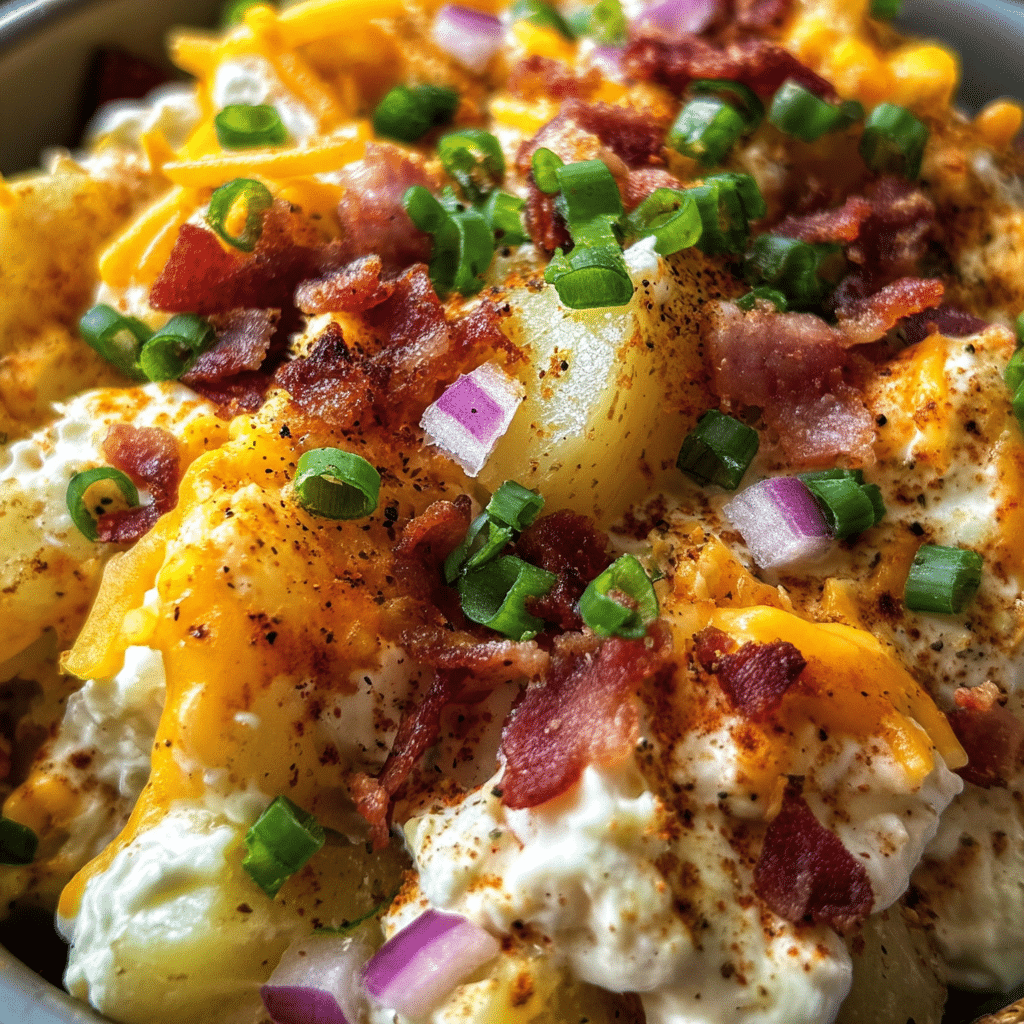
For those hosting a gathering, individual servings can be both practical and visually appealing. Use mason jars or small cups to present individual portions, layering the ingredients for a beautiful display. Don’t forget to include a small sprig of parsley or a slice of radish for an extra touch of elegance!
Meal Prep Strategies
Preparing a loaded baked potato salad in advance can save time and effort, especially for busy weeknights or potlucks. The potatoes can be baked ahead of time and stored in the refrigerator for up to three days before assembling the salad. When ready to serve, simply chop the potatoes and mix in your desired toppings.
Alternatively, you can create a ‘loaded baked potato salad bar’ for a fun gathering. Prepare all the components separately—potatoes, toppings, and dressings—and let guests customize their own salads. This not only caters to various tastes and dietary preferences but also encourages interaction!
Scaling the Recipe
Whether you’re cooking for a crowd or just a few, scaling your loaded baked potato salad recipe is straightforward. For larger gatherings, simply multiply each ingredient by the number of servings needed. If you have leftovers, don’t worry! This salad keeps well in the fridge for a couple of days, although the potatoes may absorb some of the dressing. To revive the flavors, add a splash more sour cream or mayo before serving again.
Wine and Beverage Pairings
Pairing the right beverage with your loaded baked potato salad can enhance the overall dining experience. A crisp, chilled white wine like Sauvignon Blanc complements the creamy texture of the salad perfectly. If you prefer beer, a light lager or a wheat beer can balance the richness of the sour cream and cheese. For a non-alcoholic option, a sparkling water with a squeeze of lemon can cleanse the palate beautifully.
As you embark on your culinary journey to create the ultimate loaded baked potato salad, remember that experimentation is part of the fun. With these professional tips and techniques, you’ll be well on your way to impressing family and friends with a dish that’s not only delicious but also rich in flavor and texture.
Creative Variations and Adaptations of loaded baked potato
Loaded baked potato salad is one of those versatile dishes that can easily be adapted to fit various tastes and dietary preferences. With a little creativity, you can transform this classic comfort food into an array of exciting variations that cater to seasonal ingredients, dietary needs, and even international flavors. Let’s explore the creative possibilities of loaded baked potato salad!
Seasonal Variations
One of the joys of cooking is embracing the ingredients that each season offers. In the spring, consider adding fresh asparagus or peas to your loaded baked potato salad for a burst of color and crunch. These vegetables not only enhance the dish visually but also bring a fresh flavor that pairs wonderfully with the creamy potatoes.
As summer rolls in, think about including diced tomatoes and corn for a sweet, juicy twist. A sprinkle of cilantro can add a refreshing note that evokes the flavors of summer barbecues. Fall is the perfect time to incorporate roasted sweet potatoes or butternut squash, offering a warm, earthy flavor that complements the traditional loaded baked potato components.
In winter, a hearty addition of roasted Brussels sprouts or kale could provide a delightful contrast to the creaminess of the salad. You can also experiment with different types of cheese, such as feta or goat cheese, which can add a tangy dimension to your dish.
Dietary Adaptations
As we become more health-conscious, dietary modifications have become essential in many households. Fortunately, loaded baked potato salad can be easily adapted to meet various dietary needs. For a keto-friendly version, swap out the potatoes for cauliflower. When roasted or steamed, cauliflower can mimic the texture of potatoes without the carbs. Mix in plenty of cheese, sour cream, and bacon for that classic loaded flavor.
If you’re catering to vegan guests, use plant-based sour cream and cheese alternatives. Avocado can also provide a creamy texture while adding healthy fats. For a gluten-free option, ensure that all your ingredients, particularly dressings and toppings, are certified gluten-free to avoid cross-contamination.
Creative Twists
Why not take your loaded baked potato salad on a global adventure? You can infuse international flavors into your dish by incorporating spices and ingredients from different cuisines. For a Mexican twist, add black beans, corn, and a sprinkle of chili powder along with your traditional toppings. Serve with a lime wedge for a zesty finish!
For an Italian-inspired take, consider mixing in sun-dried tomatoes, olives, and a drizzle of balsamic glaze. The tangy notes will take your loaded baked potato salad to a whole new level. If you’re feeling adventurous, try adding kimchi for a Korean spin or curry powder for an Indian flair. The possibilities are endless!
Different Cooking Methods
While baking is the classic way to prepare your potatoes, you can also explore other cooking methods for a different texture and flavor profile. Boiling potatoes will yield a creamier base for your salad, while grilling can impart a smoky flavor that’s simply irresistible. If you’re short on time, the microwave is a quick alternative; just be sure to wrap the potatoes in a damp paper towel to keep them moist.
If you own a slow cooker, you can even prepare your potatoes there. Simply wash and wrap them in foil, then cook on low for 6-8 hours. The result will be perfectly tender potatoes that are easy to mix into your salad.
Leftover Transformation Ideas
One of the best things about loaded baked potato salad is how well it holds up as leftovers, but if you want to mix things up, consider transforming it into another dish. You can use leftover salad as a filling for baked potatoes, topping the potato skins with more cheese and baking until bubbly. Alternatively, consider turning it into a comforting casserole by layering the salad with additional cheese and baking until golden.
Another fun idea is to use leftover salad as a stuffing for omelets or breakfast burritos. The creamy potatoes and toppings create a hearty filling that will start your day off right. And if you’re feeling lazy, simply heat it up and enjoy it as a warm side dish with your next meal.
Loaded baked potato salad is not just a dish; it’s an opportunity for creativity, adaptation, and exploration in the kitchen. With these variations and adaptations, you can suit any occasion or preference, ensuring that this beloved dish continues to delight your taste buds in new and exciting ways!
Storage, Reheating, and Meal Prep for loaded baked potato
When it comes to enjoying a delicious loaded baked potato salad, proper storage is key to preserving its mouthwatering flavors and textures. Whether you’re preparing a big batch for a family gathering or just have some leftovers from a delightful dinner, knowing how to store your loaded baked potato salad can make all the difference. In this section, we’ll dive into the best practices for storage, reheating, meal prep, and food safety considerations, ensuring that each bite remains just as delightful as the first.
Short-term Storage
After whipping up a hearty bowl of loaded baked potato salad, the first step in maintaining its freshness is to store it properly in the refrigerator. Ideally, you should place your loaded baked potato salad in an airtight container. This minimizes exposure to air, which can lead to drying out or the development of unwanted odors. I personally love using glass containers with tight-fitting lids, as they not only keep the salad fresh but also allow me to see what’s inside without opening them.
For short-term storage, your loaded baked potato salad can last about 3 to 5 days in the refrigerator. However, the quality may begin to decline after the first day or two, especially if ingredients like sour cream or mayonnaise are present. To extend the shelf life, consider storing the salad without any dressing and adding it just before serving. This way, you can ensure the creamy texture remains intact until you’re ready to dig in!
Freezing and Long-term Storage
While I find that loaded baked potato salad is best enjoyed fresh, there are times when you might want to prepare a large batch for future meals. Freezing can be a viable option, but there are a few key considerations to keep in mind. First and foremost, it’s important to note that the texture of certain ingredients may change after being frozen. For instance, potatoes can become grainy, and creamy dressings may separate. To combat this, I recommend freezing your loaded baked potato salad in individual portions.
To freeze, use freezer-safe containers or heavy-duty freezer bags, ensuring that you remove as much air as possible before sealing. Label each container with the date to keep track of storage time. Generally, you can expect your loaded baked potato salad to maintain its quality in the freezer for about 2 to 3 months. When you’re ready to enjoy it again, simply move it to the refrigerator to thaw overnight. Keep in mind that while the flavor may still be delicious, the texture might not be quite the same as when it was freshly made.
Reheating Best Practices
Reheating your loaded baked potato salad can be a bit tricky, especially if you’re looking to maintain its original texture and flavor. The best method I’ve found is to gently warm it on the stovetop. Start by placing your salad in a pan over low heat, stirring occasionally to ensure it heats evenly. If you find that it’s a bit dry, adding a touch of sour cream or mayonnaise can help restore its creamy consistency.
If you’re in a hurry, you might opt for the microwave, but be cautious! Heat it in short intervals, stirring in between, to avoid hot spots that can make some parts overly warm while others remain cold. Remember, the goal is to warm the salad gently without cooking it further. Once it’s heated through, give it a taste test—sometimes, a little extra seasoning or fresh herbs can elevate the flavors back to their original glory.
As you prepare your loaded baked potato salad for meal prep, consider portioning it into smaller containers for easy grab-and-go meals during the week. This not only makes it convenient but also helps with portion control. I like to use mason jars, layering the heavier ingredients at the bottom and the greens at the top to keep everything fresh and crisp until I’m ready to enjoy it.
Food Safety Considerations
When it comes to food safety, there are several guidelines to keep in mind to ensure your loaded baked potato salad remains safe to eat. First, always make sure to refrigerate your salad within two hours of preparation to minimize the risk of bacterial growth. If you’ve left it out longer than that, it’s best to err on the side of caution and discard it.
Pay attention to the signs of spoilage as well—if you notice any off smells, discoloration, or an unusual texture, it’s best to throw it away. Always trust your senses; they can be your best defense against foodborne illness. Lastly, when in doubt about the safety of any food item, it’s better to be safe than sorry. Your health is worth it!
In conclusion, knowing how to store, freeze, and reheat your loaded baked potato salad can help you enjoy it at its best, whether it’s for a family gathering or a quick meal on a busy weeknight. By following these guidelines, you can savor the delightful flavors and textures of this comforting dish for days to come.
Nutritional Benefits and Health Information
When you think of loaded baked potato salad, your mind may immediately conjure images of creamy goodness mixed with chunks of tender potatoes, crispy bacon, and vibrant green onions. But beyond the delicious taste, it’s essential to consider the nutritional benefits and health information surrounding this beloved dish. Understanding the nutritional profile can help you make informed decisions about how this dish fits into your overall diet.
Nutritional Profile
A standard serving of loaded baked potato salad typically includes ingredients such as potatoes, sour cream, mayonnaise, cheese, bacon, and green onions. This combination provides a flavorful profile that’s rich in carbohydrates, fats, and proteins. On average, a cup of loaded baked potato salad can contain around 300 to 400 calories, depending on the specific ingredients and their proportions.
In terms of macronutrient distribution, you can expect about 20-30 grams of carbohydrates, 15-25 grams of fat, and 5-10 grams of protein per serving. The potatoes are the primary source of carbohydrates, providing energy and fiber. The fats come from the sour cream, mayonnaise, and cheese, which contribute to the creamy texture. The protein primarily comes from bacon and cheese, adding a savory depth to the dish.
Health Benefits
Despite its indulgent nature, loaded baked potato salad can offer several health benefits. Potatoes, the star ingredient, are an excellent source of vitamins C and B6, potassium, and dietary fiber. Vitamin C is crucial for immune function and skin health, while potassium helps regulate blood pressure. The fiber found in potatoes aids in digestion and can contribute to a feeling of fullness, making it easier to maintain a healthy weight.
Additionally, the presence of toppings like bacon and green onions adds another layer of nutritional value. Green onions, for instance, are low in calories and high in antioxidants, which can help reduce inflammation and promote overall health. However, moderation is key; the richness of the sour cream and mayonnaise can lead to higher fat and calorie counts, so it’s wise to enjoy this dish in moderation or consider lighter alternatives.
Dietary Considerations
When preparing loaded baked potato salad, it’s essential to consider various dietary restrictions and preferences. For those who are watching their calorie intake, there are several easy modifications you can make. Swapping regular mayonnaise for a light or Greek yogurt version can significantly reduce the calorie content while still providing that creamy texture we all love. Additionally, using reduced-fat cheese can decrease fat content without sacrificing too much flavor.
For individuals with dietary restrictions such as lactose intolerance or those following a vegan diet, alternatives are readily available. Plant-based sour cream or yogurt can be used, and bacon can be substituted with crispy tempeh or mushroom bacon to maintain that savory flavor profile while keeping the dish entirely dairy-free.
Moreover, if you’re following a gluten-free diet, rest assured that loaded baked potato salad is naturally gluten-free, as the primary ingredient—potatoes—does not contain gluten. Just be cautious with any additional toppings or dressings, ensuring they are gluten-free as well.
In terms of comparison, loaded baked potato salad is often regarded as a more hearty and filling option compared to traditional potato salad, which may include ingredients like mustard or vinegar for a tangy flavor. The creamy texture of loaded baked potato salad is a comforting choice, especially for gatherings or potlucks, where it often stands out on the table.
In summary, loaded baked potato salad can be a satisfying and nutritious dish when prepared with care and consideration. By understanding the nutritional benefits, health information, and dietary modifications, you can enjoy this delightful dish guilt-free, making it a staple in your meal rotation. So, whether you’re crafting a creamy side dish for a summer BBQ or enjoying it as a comforting dinner, the loaded baked potato salad is a wonderful addition to your culinary repertoire.
Conclusion: Mastering the Perfect loaded baked potato
Creating the perfect loaded baked potato is more than just following a recipe—it’s about understanding the techniques, ingredients, and cultural significance behind this beloved dish. Throughout this comprehensive guide, we’ve explored everything from the historical origins to modern variations, ensuring you have all the knowledge needed to make this recipe your own.
Whether you’re a beginner cook or an experienced chef, the techniques and tips we’ve shared will help you create a loaded baked potato that’s not only delicious but also meaningful. Remember that cooking is a journey of discovery, and each time you make this dish, you’ll learn something new.
We encourage you to experiment with the variations we’ve discussed, adapt the recipe to your dietary needs, and most importantly, share it with the people you love. Food has the incredible power to bring people together, and Loaded Baked Potato Salad is the perfect dish to create lasting memories around your dinner table.
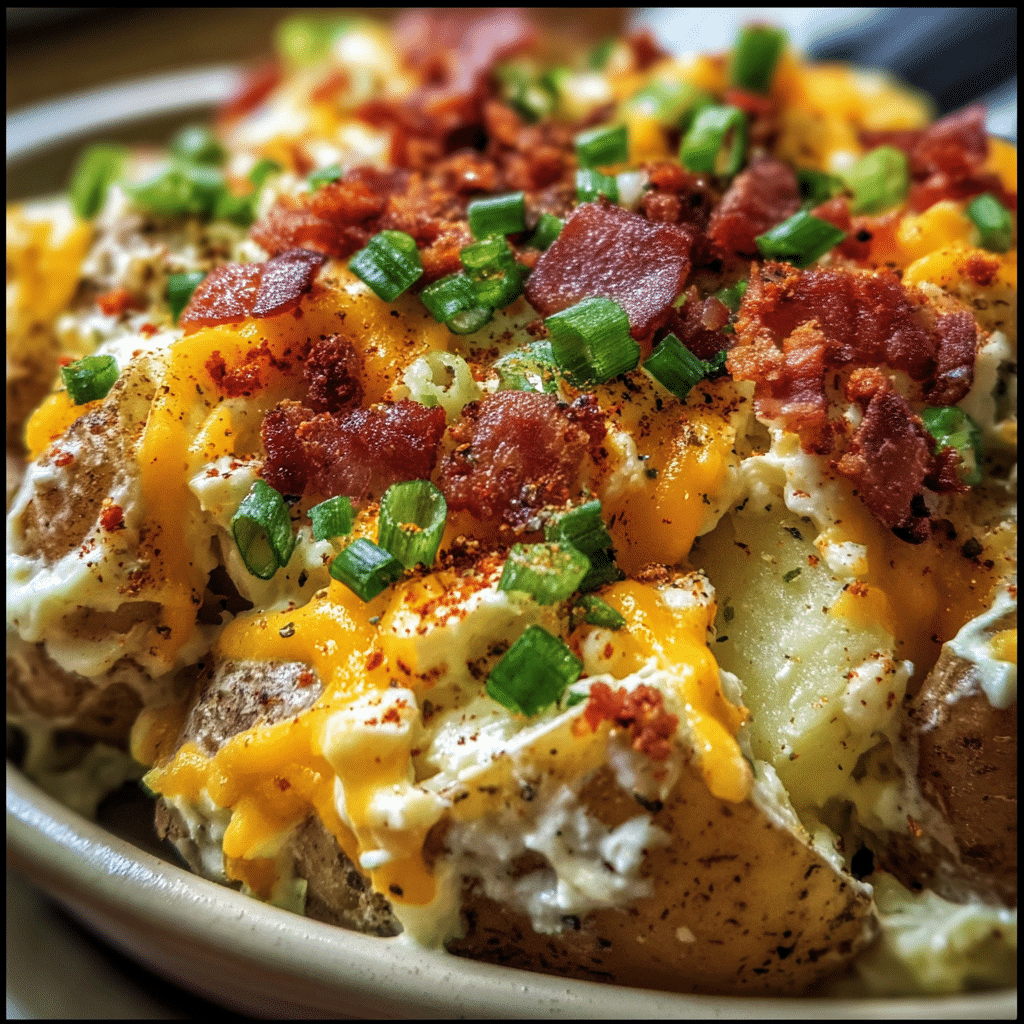
Don’t forget to share your cooking adventures with us on social media, and feel free to ask questions in the comments below. Happy cooking!
Share this recipe and let us know how it turned out! Tag us on social media for a chance to be featured.