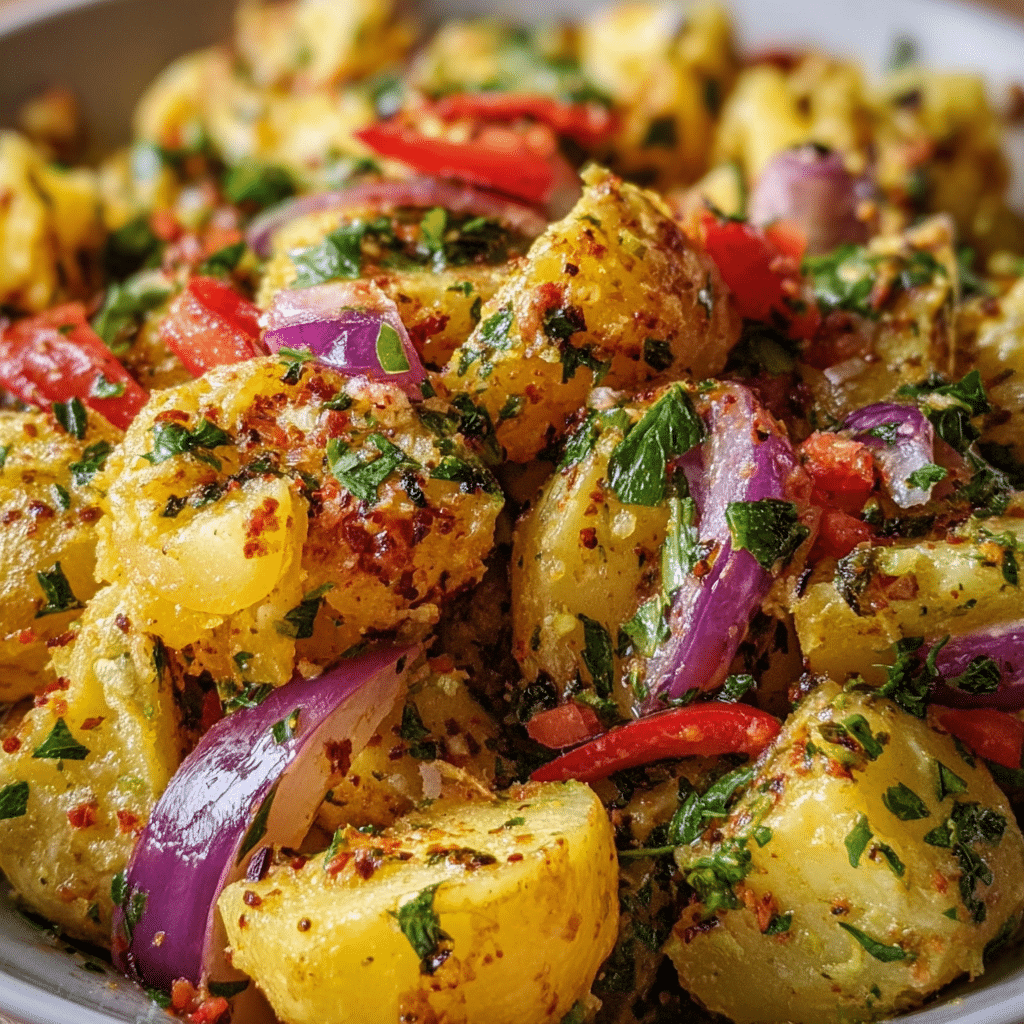
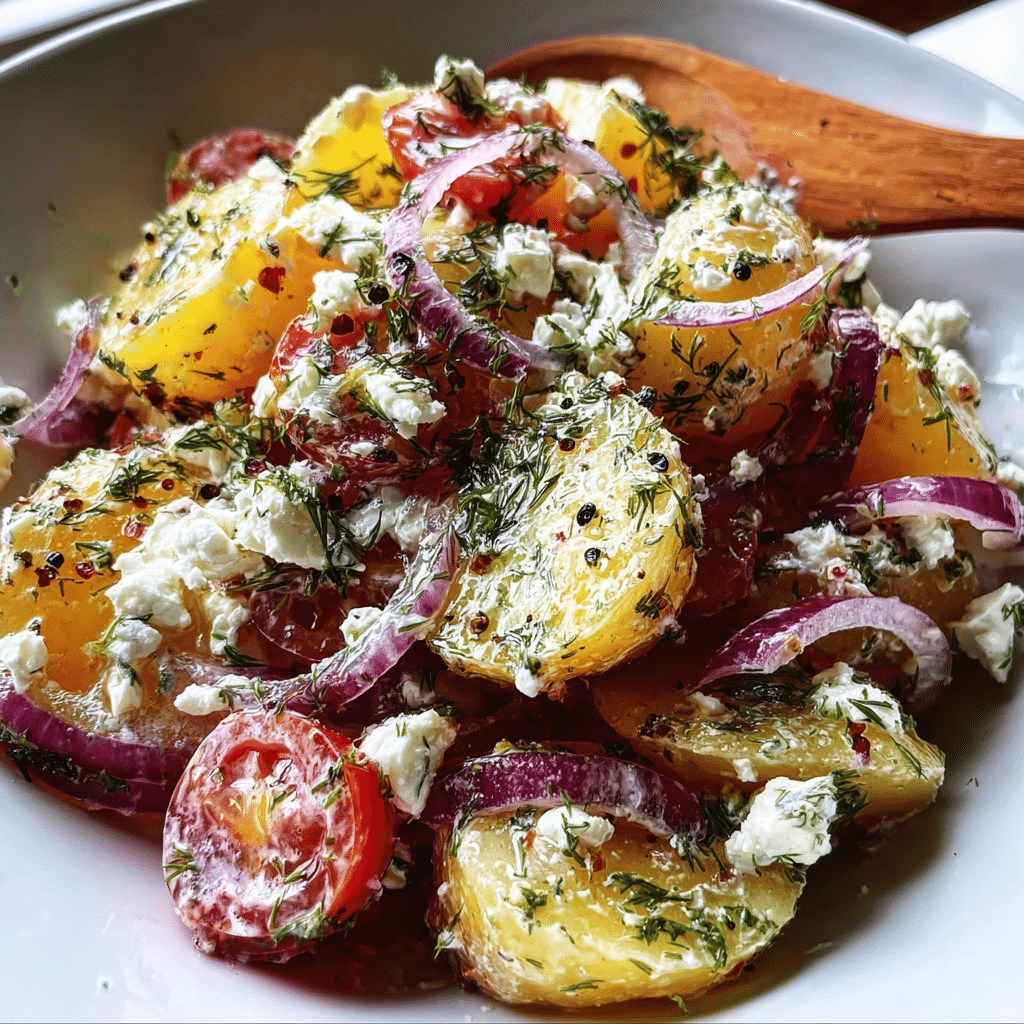
Mediterranean potato salad is a delightful dish that captures the essence of summer gatherings, family dinners, and sunny picnics. My first encounter with this vibrant salad was during a family reunion in a quaint little village on the coast of Italy. My aunt, who possesses a culinary gift that seems almost magical, whipped up a batch of her famous Mediterranean potato salad. As I watched her carefully select fresh herbs from her garden and chop sun-ripened tomatoes, I was fascinated by how such simple ingredients could create something so flavorful and comforting.
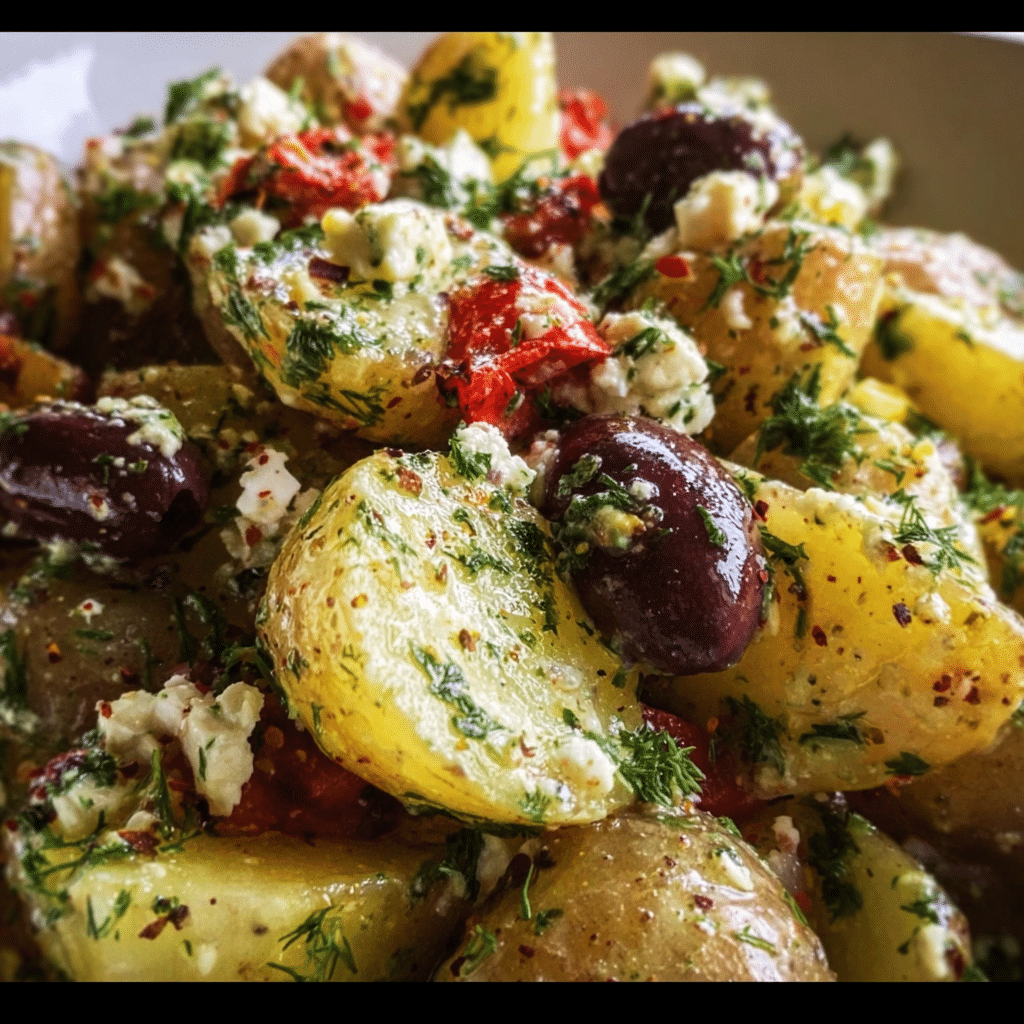
It was a warm afternoon, and the air was filled with laughter and the scent of grilled meats. The moment my aunt placed the bowl of Mediterranean potato salad on the table, it immediately stole the spotlight. The vibrant colors of the fresh vegetables contrasted beautifully with the creamy, tangy dressing. I remember taking my first bite and feeling an explosion of flavors dance across my palate. The combination of tender potatoes, crisp cucumbers, briny olives, and a hint of lemon zest was nothing short of magical. It was then that I knew I had to learn how to make this dish for myself.
The Story Behind This Recipe
As I began my culinary journey, I came to appreciate more than just the flavors of Mediterranean potato salad; I delved into its rich history and cultural significance. This dish has roots that stretch back centuries, deeply intertwined with the Mediterranean lifestyle. Traditionally, it reflects the region’s abundant produce and the emphasis on fresh, seasonal ingredients. Each country bordering the Mediterranean Sea has its unique spin on potato salad, incorporating local flavors and traditions. For instance, Greek versions often include feta cheese and fresh dill, while Italian renditions might feature pesto and sun-dried tomatoes.
What makes Mediterranean potato salad special is not just the ingredients, but the love and care that goes into its preparation. Unlike typical American potato salads that are often heavy on mayonnaise, this Mediterranean take is lighter and brighter. The dressing typically consists of olive oil, vinegar, and a squeeze of fresh lemon juice, allowing the natural flavors of the veggies to shine through. This makes it an excellent choice for busy families looking for quick, nutritious dinner solutions. You can whip it up in no time, and it pairs beautifully with grilled meats or can be enjoyed on its own.
Why You’ll Love This Dish
This Mediterranean potato salad is versatile and perfect for any occasion. Whether you’re hosting a summer barbecue, preparing a picnic, or simply looking for a quick weeknight meal, this salad can fit the bill. It’s a dish that can be made ahead of time, allowing the flavors to meld beautifully, which is a blessing for those hectic nights when cooking feels like a chore. Additionally, it’s a fantastic way to sneak in some extra vegetables into your family’s diet without them even realizing it!
As the seasons change, so does the availability of fresh ingredients, making Mediterranean potato salad a year-round dish. During the warmer months, the salad shines with the addition of ripe tomatoes and crisp cucumbers, while in the fall, you might consider adding roasted red peppers or even some roasted squash to give it a heartier feel. Each season brings a new opportunity to experiment with flavors and create something uniquely yours.
My emotional connection to this dish runs deep; it’s more than just a recipe. It’s a reminder of family gatherings, laughter, and the joys of cooking together. Preparing Mediterranean potato salad often brings back those cherished memories of my aunt’s kitchen, filled with warmth and love. I promise you that by the end of this guide, you will not only learn how to make a mouthwatering Mediterranean potato salad but also understand the cultural significance behind it. You’ll be inspired to create your own memories around this dish, making it a staple in your home.
The Rich History and Cultural Significance of mediterranean potato salad
The Mediterranean potato salad boasts a rich history that reflects the vibrant cultures surrounding the Mediterranean Sea. This area, known for its picturesque landscapes and diverse culinary traditions, has produced a variety of potato salad recipes, each with its unique flair. The origins of this dish can be traced back to ancient times when potatoes were first introduced to Europe from South America in the 16th century. Initially met with skepticism, potatoes gradually gained popularity, becoming a staple ingredient in many Mediterranean diets.
Origins and History
In Southern Europe, the Mediterranean potato salad began to take shape as communities embraced this versatile tuber. Countries like Greece, Italy, and Spain adapted the potato into their culinary repertoire, integrating it with local herbs, vegetables, and spices. For instance, in Greece, the salad often includes ingredients like olives and feta cheese, while in Italy, you might find a version that incorporates artichokes and capers. This adaptability showcases the regional influence on the dish, making it a true representation of Mediterranean cuisine.
Over the years, Mediterranean potato salad has evolved, influenced by globalization and the fusion of culinary traditions. Today, you can find countless variations, including vegan and gluten-free versions, to cater to diverse dietary needs. However, the essence of the dish remains the same—fresh, wholesome ingredients combined in a way that celebrates the flavors of the Mediterranean.
Cultural Significance
Traditionally, Mediterranean potato salad is served during family gatherings, festivals, and celebrations. It embodies the spirit of sharing and community, often being the centerpiece of communal meals. In many Mediterranean cultures, food plays a critical role in bringing people together, and this potato salad is no exception. It’s often enjoyed alongside grilled meats, fresh bread, and a selection of dips, creating a feast that encourages conversation and connection.
Famous chefs across the Mediterranean have put their own spin on this dish, elevating it to new culinary heights. Restaurants known for their authentic Mediterranean cuisine often have their unique takes on potato salad, showcasing seasonal ingredients and regional specialties. This dish not only serves as a delicious side but also tells a story, connecting generations and cultures through the love of food.
Nutritional Benefits
Beyond its delightful taste, Mediterranean potato salad is packed with nutritional benefits. Potatoes are a great source of vitamins C and B6, potassium, and dietary fiber. When prepared with fresh vegetables, olive oil, and herbs, this salad becomes a powerhouse of nutrients. Olive oil, a staple in Mediterranean diets, is known for its heart-healthy properties, rich in monounsaturated fats and antioxidants.
Incorporating fresh vegetables like cucumbers, tomatoes, and bell peppers not only boosts the flavor profile but also enhances the salad’s nutritional value. These vegetables are low in calories and high in essential vitamins and minerals. Additionally, the inclusion of herbs like parsley, basil, or dill adds a burst of flavor while providing various health benefits, including anti-inflammatory properties and improved digestion.
In conclusion, Mediterranean potato salad is much more than just a dish; it’s a celebration of culture, history, and family. Its versatility, nutritional benefits, and rich cultural significance make it a beloved recipe across the Mediterranean region and beyond. So, whether you’re enjoying it at a family gathering or making it for a quick weeknight dinner, this salad will surely bring joy and flavor to your table.
Essential Ingredients for Perfect mediterranean potato salad
When it comes to creating a delightful Mediterranean potato salad, the ingredients play a pivotal role in shaping the dish’s flavor, texture, and overall appeal. This vibrant salad is not just a side dish; it’s a celebration of fresh produce, rich flavors, and cultural heritage. In this section, we’ll dive into the essential ingredients, their significance, and some shopping and substitution tips to ensure your Mediterranean potato salad is as tasty and authentic as possible.
Essential Ingredients
- Potatoes: 2 pounds of baby potatoes or Yukon Gold potatoes, diced.
- Chicken: 1 cup of cooked, shredded chicken breast for added protein.
- Beef: Optional; you can add 1 cup of cooked ground beef for a heartier version.
- Pork: 1 cup of diced cooked pork tenderloin for a savory twist.
- Seafood: 1 cup of cooked shrimp or crab for a delightful seafood variation.
- Pasta: 1 cup of cooked orzo or small pasta shapes to add texture.
- Fruits: 1 cup of diced seasonal fruits like olives, capers, or sun-dried tomatoes to enhance flavor.
- Vegetables: 1 cup of diced cucumbers, bell peppers, red onions, and fresh herbs like parsley and mint.
Mediterranean Potato Salad
Ingredients
- 2 pounds potatoes
- 1 green bell pepper, minced
- 1 cucumber, sliced and quartered
- ½ cup sliced red onion
- 8 ounces crumbled feta cheese
- 1 lemon, juiced
- ½ cup Italian-style salad dressing
- salt and pepper to taste
- 3 pita breads, cut into wedges
Instructions
- Bring a large pot of salted water to a boil. Add potatoes and cook until tender but still firm, about 15 minutes. Drain, cool, and chop.
- In a large bowl, combine potatoes, green peppers, cucumbers, red onion, and cheese.
- Whisk together lemon juice, salad dressing, salt, and pepper. Pour over salad and toss to coat. Serve with pita bread wedges, if desired.
Every ingredient in this Mediterranean potato salad has its own unique contribution. The potatoes serve as the base, providing a soft and creamy texture that harmonizes beautifully with the crunch of vegetables. Chicken, beef, pork, or seafood can elevate the dish, making it suitable for a main course or a robust side. Pasta adds a delightful chewiness, while fruits and vegetables bring freshness and color, making the salad visually appealing.
Shopping Tips
When selecting your ingredients, quality is paramount. For potatoes, look for those that are firm and free of blemishes. Baby potatoes are a great choice because they are tender and cook quickly. If you opt for chicken, ensure that it is freshly cooked or rotisserie for convenience. For meats like beef or pork, choose lean cuts that have been cooked properly to enhance the overall healthiness of the salad.
Seafood should always be sourced from reputable vendors; fresh shrimp should smell like the ocean and have a firm texture. For vegetables, freshness is key. Shop at local farmer’s markets to find vibrant, seasonal produce. The same goes for herbs—fresh herbs can dramatically improve the taste of your salad.
Seasonal Availability and Sourcing Tips
Seasonality plays a role in the availability of ingredients. In the summer, you might find an abundance of fresh tomatoes, cucumbers, and peppers, which are perfect for your salad. Winter may call for root vegetables and heartier greens. Consider visiting your local farmer’s market or joining a community-supported agriculture (CSA) program to access seasonal produce directly from local farms.
Substitutions and Alternatives
If you have dietary restrictions, don’t worry! The Mediterranean potato salad is quite versatile. If you’re vegetarian or vegan, consider omitting the meat and adding more beans, such as chickpeas or black beans, for protein. You can also substitute quinoa for pasta to make it gluten-free. Instead of regular potatoes, you can use sweet potatoes for a unique flavor and additional nutrients.
Storage Tips
After making your Mediterranean potato salad, it’s essential to store it properly. Keep any leftovers in an airtight container in the refrigerator, where they can last for up to three days. If you want to prepare the salad in advance, you can cook the potatoes and proteins ahead of time and assemble the salad just before serving to maintain freshness. For ingredients like herbs and vegetables, store them separately to prevent wilting.
Cost-Saving Tips and Budget Alternatives
If you’re looking to save money, consider buying produce that is in season, as it is often cheaper and tastes better. Additionally, purchasing in bulk can reduce costs, especially for grains like pasta or beans. Canned or frozen vegetables can also be a budget-friendly alternative while still providing essential nutrients and flavors. Finally, don’t shy away from using leftovers creatively in your Mediterranean potato salad—this can save you both time and money!
In conclusion, selecting the right ingredients for your Mediterranean potato salad is crucial for achieving the perfect balance of flavors and textures. With the tips provided, you’ll be well-equipped to create a delicious and satisfying dish that can be enjoyed year-round. Whether you stick to traditional ingredients or explore creative substitutions, your Mediterranean potato salad is sure to impress!
Detailed Step-by-Step mediterranean potato salad Cooking Instructions
Creating a Mediterranean potato salad is not just about combining ingredients; it’s an art that involves careful preparation and cooking techniques. In this section, we’ll guide you through a detailed, step-by-step process to ensure that your Mediterranean potato salad turns out perfect every time. With a cooking time of approximately 30 minutes, you’ll be able to serve a fresh and flavorful salad that captures the essence of Mediterranean cuisine.
Preparation Steps
- Gather Your Ingredients: Before you begin, ensure all ingredients are washed, measured, and prepped. This is known as mise en place, a French culinary term meaning “everything in its place.” It helps streamline the cooking process and minimizes confusion.
- Cook the Potatoes: In a large pot, bring salted water to a boil. Add the diced potatoes and cook until they are tender but firm (approximately 10-15 minutes). You’ll know they’re ready when a fork can pierce them easily but they don’t fall apart. Drain the potatoes and let them cool.
- Prep the Proteins: If you’re adding chicken, beef, pork, or seafood, ensure they are cooked and shredded or diced beforehand. This can be done by grilling, boiling, or sautéing the proteins. Allow them to cool before adding them to the salad.
- Chop the Vegetables: Dice cucumbers, bell peppers, and red onions into uniform sizes to ensure even distribution in the salad. Fresh herbs like parsley and mint should be roughly chopped to release their aromatic oils.
- Prepare the Fruits: If using fruits like olives or sun-dried tomatoes, chop them as needed. Their briny or sweet notes will enhance the overall flavor profile of your Mediterranean potato salad.
Cooking Process
- Mix the Dressing: In a separate bowl, whisk together olive oil, lemon juice, salt, and pepper. The olive oil is a staple in Mediterranean cuisine, adding richness and flavor, while lemon juice brightens the dish. Adjust seasoning to your preference.
- Combine Ingredients: In a large mixing bowl, combine the cooled potatoes, cooked proteins, chopped vegetables, fruits, and herbs. Gently fold the ingredients together to avoid mashing the potatoes.
- Add the Dressing: Drizzle the dressing over the salad and gently toss to ensure everything is evenly coated. Taste and adjust the seasoning as necessary.
- Chill Before Serving: For optimal flavor, cover the bowl with plastic wrap and let the salad chill in the refrigerator for at least 30 minutes. This allows the flavors to meld beautifully.
Final Assembly
- Garnish: Just before serving, consider garnishing your Mediterranean potato salad with additional fresh herbs or a sprinkle of feta cheese if desired. This adds a touch of elegance and highlights the fresh ingredients.
- Serve: Transfer the salad to a serving platter or individual bowls. You can enjoy it as a main dish or as a side. It’s perfect for picnics, barbecues, or family gatherings—its vibrant colors and flavors will surely impress your guests!
Throughout this process, there are a few common mistakes to avoid. Ensure that the potatoes are not overcooked, as they can become mushy and spoil the salad’s texture. Also, be cautious with the amount of dressing—start with a small amount and add more as needed to prevent the salad from becoming too soggy.
As you prepare your Mediterranean potato salad, remember that timing is crucial. Prepare all your ingredients in advance, and multitask as necessary. For instance, while the potatoes are cooking, you can chop vegetables and prepare the dressing. This efficient approach will help you stay organized and make the cooking experience more enjoyable.
In summary, making a Mediterranean potato salad involves attention to detail and a passion for fresh, high-quality ingredients. By following these steps, you will not only create a delicious dish but also experience the joy of Mediterranean cooking. Enjoy the process, and don’t forget to share your culinary creation with family and friends!
Professional Tips and Techniques for mediterranean potato salad
When it comes to creating the perfect mediterranean potato salad, professional tips and techniques can make all the difference. This dish, rich in history and flavor, can be transformed into something truly extraordinary with a few insider secrets. Whether you’re a seasoned chef or a home cook eager to impress, these insights will elevate your culinary game.
Professional Techniques
One of the first steps in making a delicious mediterranean potato salad is choosing the right type of potatoes. Waxy potatoes such as red or fingerling potatoes are ideal because they hold their shape well after boiling. This is crucial for a salad where you want distinct pieces rather than a mushy mix. If you’re feeling adventurous, try using purple potatoes for a stunning visual contrast!
Cooking methods also play a significant role in the outcome of your salad. Instead of boiling the potatoes, consider steaming them. Steaming helps retain more nutrients and flavor. If you do choose to boil, add a generous pinch of salt to the water; this not only flavors the potatoes but also ensures they are seasoned throughout.
After cooking, allow the potatoes to cool slightly before adding your dressing. This helps the potatoes absorb the flavors better. A classic dressing for mediterranean potato salad often includes olive oil, lemon juice, garlic, and fresh herbs. However, the order in which you mix the ingredients can affect the final taste. Whisk together the dressing components first, then pour them over the potatoes, and gently fold in your other ingredients such as olives, capers, or feta cheese.
Troubleshooting Guide
Even the best chefs can run into issues, so here are some common problems with solutions. One common issue is a bland salad. If your mediterranean potato salad tastes flat, it might need more acid, such as lemon juice or vinegar. Start by adding a little at a time, tasting as you go.
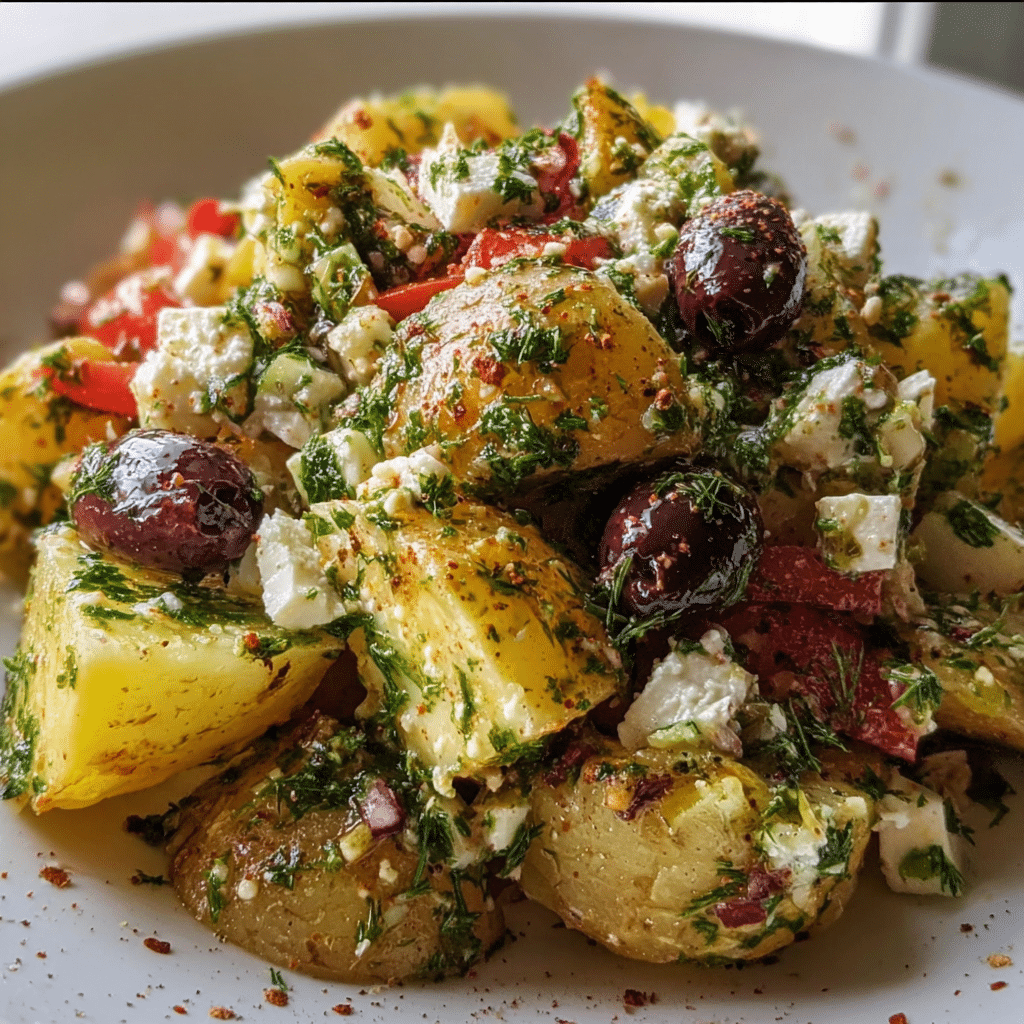
If your potatoes are too mushy, it may be because you overcooked them. In the future, keep an eye on them and test for doneness by piercing with a fork; they should be tender but not falling apart. If you find yourself with a mushy salad, consider transforming it into a creamy potato dip by adding sour cream or yogurt and blending it until smooth.
For those who prefer a bit of a crunch, add toasted nuts or seeds just before serving. Not only does this add texture, but it also enhances the overall flavor profile. If you want to add some spice, try incorporating a pinch of red pepper flakes to the dressing for a subtle heat.
Presentation Tips
Now let’s talk about presentation, because we eat with our eyes first! A beautifully plated mediterranean potato salad can impress your guests before they even take a bite. Consider using a large, shallow bowl to showcase the colorful ingredients. Layer the salad with the potatoes at the bottom and the vibrant vegetables on top. A sprinkle of fresh herbs like parsley or dill not only adds a pop of color but also enhances the aroma.
For a more sophisticated touch, you can use a ring mold to create individual portions. This technique makes it easy to serve and looks professional. Drizzle your dressing around the plate, or add a dollop of tzatziki or hummus on the side for added flavor. Finally, don’t forget to pair your mediterranean potato salad with a refreshing beverage. A crisp white wine or a sparkling water with a twist of lemon can elevate the entire dining experience.
Meal prep strategies can also help you save time. You can make the dressing ahead of time and store it in the refrigerator for up to a week. Cooked and cooled potatoes can be kept in an airtight container for a few days as well. Just remember to combine everything shortly before serving for the freshest taste.
In conclusion, mastering the art of mediterranean potato salad involves understanding the ingredients, perfecting your cooking techniques, and knowing how to troubleshoot common issues. With these professional tips, you’ll be well on your way to creating a dish that’s not only delicious but also visually stunning.
Creative Variations and Adaptations of mediterranean potato salad
When it comes to mediterranean potato salad, the beauty lies in its versatility. Whether you’re looking to switch things up or accommodate different dietary preferences, there are endless creative variations and adaptations you can explore. Each twist on the classic recipe allows you to celebrate the diverse flavors of the Mediterranean region while catering to your taste buds and seasonal ingredients.
Seasonal Variations
One of the joys of cooking is using seasonal ingredients, and the mediterranean potato salad is no exception. In spring, consider incorporating fresh asparagus or peas for a burst of color and flavor. In summer, ripe tomatoes and cucumbers can add a refreshing crunch, while in the fall, roasted butternut squash can bring warmth and sweetness. Winter calls for heartier ingredients; think about adding roasted Brussels sprouts or even beets for a vibrant twist.
You can also experiment with different herbs depending on the season. Fresh basil in the summer adds a wonderful aromatic quality, while rosemary in the fall can provide a cozy, earthy flavor. Do not hesitate to mix and match; the key to a great potato salad is balancing flavors and textures.
Dietary Adaptations
As dietary preferences evolve, it’s essential to make your mediterranean potato salad accommodating for everyone. For those following a vegan diet, simply swap out traditional ingredients like feta cheese for a plant-based option or omit it entirely. You can enhance the umami flavor by adding sun-dried tomatoes or nutritional yeast, which has a cheesy flavor without any dairy.
If you’re looking for a gluten-free option, rest assured that potatoes are naturally gluten-free! Just ensure that any additional ingredients, like dressings or condiments, are certified gluten-free. For those on a keto diet, you can reduce the potato quantity and increase the amount of low-carb vegetables like zucchini or cauliflower in your salad, while still maintaining that Mediterranean flair.
Creative Twists
For those adventurous souls, international fusion variations can take your mediterranean potato salad to new heights. Imagine a spicy Mexican twist with the addition of corn, black beans, and a lime-cilantro dressing. Or try an Asian-inspired version featuring sesame oil, soy sauce, and a sprinkle of sesame seeds, complemented by fresh green onions and bell peppers.
If you have leftover salad, don’t let it go to waste! Transform it into a delicious potato frittata. Simply whisk together some eggs, mix in the salad, and cook it in a hot pan until set. You can also use the salad as a filling for wraps or sandwiches, adding a layer of protein like grilled chicken or chickpeas for a complete meal.
Different cooking methods can also play a role in the outcome of your mediterranean potato salad. While boiling is the classic approach, consider oven-roasting the potatoes tossed in olive oil and herbs for an added depth of flavor. A stovetop method, such as sautéing potatoes in a skillet until crispy, can also provide a delightful texture contrast.
In summary, the mediterranean potato salad is a canvas for creativity, allowing you to play with seasonal ingredients, dietary needs, and cooking techniques. With each variation, you can craft a dish that not only caters to your palate but also reflects the rich culinary traditions of the Mediterranean. So roll up your sleeves and get ready to explore the many possibilities this beloved dish has to offer!
Storage, Reheating, and Meal Prep for mediterranean potato salad
When it comes to preparing a delicious Mediterranean potato salad, one of the most common questions that arises is about storage. This vibrant and flavorful dish not only makes a perfect side for gatherings but also serves as a delightful meal prep option. Understanding how to store, reheat, and prepare this dish in advance can significantly enhance your cooking experience. So, let’s dive into the best practices for storage, reheating, and meal prep for Mediterranean potato salad.
Short-term Storage
After you’ve whipped up a batch of Mediterranean potato salad, you’ll want to store it properly to maintain its freshness. The best practice for short-term storage is to use airtight containers. Glass containers are highly recommended because they don’t absorb odors and are easy to clean. If you’re using plastic, opt for BPA-free containers to avoid any harmful chemicals leaching into your food.
Before sealing your Mediterranean potato salad, ensure it has cooled to room temperature. Storing warm food can create condensation, leading to sogginess. If you’ve added ingredients like feta cheese or olives, consider adding them just before serving to keep their textures intact. This way, you can enjoy that refreshing crunch when it’s time to dig in.
Your Mediterranean potato salad can last in the refrigerator for about 3 to 5 days. However, it’s essential to keep an eye (and nose) on its freshness. If you notice any sign of spoilage, such as an off smell or changes in texture, it’s best to toss it. To extend its freshness, try to minimize exposure to air by pressing a piece of plastic wrap directly onto the surface of the salad before sealing the container.
Freezing and Long-term Storage
While Mediterranean potato salad is best enjoyed fresh, you can freeze it if you need to store it for an extended period. However, be aware that freezing can alter the texture of certain ingredients. Potatoes tend to become grainy after thawing, and ingredients like cucumbers may lose their crunch. To freeze your potato salad, use a freezer-safe container and leave some space at the top, as the salad may expand when frozen.
It’s advisable to freeze Mediterranean potato salad without dressings or delicate ingredients like herbs and cheese, which can change in texture or flavor. Instead, you can prepare a base of potatoes, olives, and vegetables and freeze that. When you’re ready to enjoy it, simply thaw it in the refrigerator overnight and mix in fresh ingredients and dressing before serving. This practice not only preserves the taste but also allows you to customize your salad each time you thaw it.
For long-term storage, aim to consume the salad within 2-3 months for best quality. Always label your containers with the date, as this will help you keep track of how long it has been stored. When it comes time to enjoy your frozen Mediterranean potato salad, place it in the fridge to thaw overnight, or you can use a microwave on the defrost setting for quicker results.
Reheating Best Practices
If you have leftovers of your Mediterranean potato salad that you’d like to enjoy warm, reheating requires a gentle touch to maintain quality. Start by transferring the desired portion to a bowl. Instead of microwaving it directly, which can lead to uneven heating, try reheating it in a saucepan over low heat. Add a splash of olive oil or lemon juice to help bring back some moisture and flavor.
As you gently warm the salad, stir occasionally to ensure even heating. Keep a close watch to prevent it from getting too hot, as certain ingredients like olives and feta cheese can become overly soft. If you prefer a chilled salad, feel free to enjoy it straight from the refrigerator or let it sit at room temperature for about 20 minutes before serving. This allows the flavors to meld beautifully, enhancing the overall taste.
Meal prep is a fantastic way to enjoy Mediterranean potato salad throughout the week. To streamline your cooking, consider preparing a large batch on a Sunday. Portion the salad into individual servings using small containers. This makes it easy to grab and go for lunch or as a side for dinner. You can even pair it with grilled chicken or fish for a wholesome meal. Additionally, keep the dressing separate until you’re ready to eat to ensure everything stays fresh and vibrant.
Don’t forget about food safety! Always ensure that your Mediterranean potato salad is stored at the correct temperature—below 40°F in the refrigerator. If you’re ever in doubt, remember the age-old rule: “When in doubt, throw it out!” Ensuring the freshness of your food not only makes for better meals but also keeps you and your loved ones safe.
In summary, understanding the proper storage, reheating, and meal prep strategies for Mediterranean potato salad can enhance your culinary experience. With thoughtful planning and attention to detail, you can enjoy this delightful dish for days to come.
Nutritional Benefits and Health Information
As we gather around the table to enjoy a vibrant bowl of Mediterranean potato salad, it’s not just the flavors that captivate us but also the nutritious benefits hidden within each bite. This salad is not only a feast for the eyes but also a powerhouse of essential nutrients. Let’s dive into the nutritional breakdown, health benefits, dietary considerations, and how Mediterranean potato salad can fit seamlessly into various meal plans.
Nutritional Profile
A typical Mediterranean potato salad features ingredients like potatoes, olive oil, fresh herbs, olives, and sometimes vegetables like bell peppers and cucumbers. The base of the salad, the potatoes, provides a hearty source of carbohydrates. A medium-sized potato contains about 130 calories, making it a great energy source.
When combined with healthy fats from olive oil, which has about 120 calories per tablespoon, the salad becomes a balanced dish rich in flavor and nutrients. Olive oil is a cornerstone of the Mediterranean diet and is known for its heart-healthy monounsaturated fats. Additionally, incorporating vegetables and herbs can add minimal calories while boosting the overall nutrient profile.
A typical serving of Mediterranean potato salad can contain approximately 200-300 calories, depending on the portion size and the amount of dressing used. The salad also provides dietary fiber, vitamins, and minerals, making it a nutritious choice for any meal.
Health Benefits
The health benefits of Mediterranean potato salad are numerous, thanks to its wholesome ingredients. Potatoes are a great source of potassium, which is essential for maintaining healthy blood pressure levels and proper muscle function. They are also rich in vitamin C, which supports the immune system and promotes skin health.
Olive oil, a key ingredient in Mediterranean cuisine, has been linked to numerous health benefits, including reduced inflammation and lower cholesterol levels. The antioxidants found in olive oil, such as oleocanthal, can help protect against chronic diseases.
Fresh herbs and vegetables like parsley, basil, and bell peppers provide a wealth of vitamins A and C, along with antioxidants that combat free radicals in the body. These nutrients can support overall health and may even lower the risk of chronic conditions such as heart disease and certain cancers.
Dietary Considerations
When it comes to dietary considerations, Mediterranean potato salad can accommodate a variety of dietary needs. For those following a vegan or vegetarian lifestyle, this salad is an excellent option, as it’s naturally plant-based. However, if you’re concerned about allergens, be mindful of added ingredients like feta cheese or specific dressings that may contain dairy or other allergens.
For gluten-free eaters, Mediterranean potato salad is a safe choice since potatoes are naturally gluten-free. If you’re looking to reduce calories or carbohydrates, consider using fewer potatoes and adding more vegetables or greens to bulk up the salad without significantly increasing calorie content.
If you follow a low-carb or ketogenic diet, you might want to limit the portion size of the potatoes and focus more on adding healthy fats from olive oil and veggies. On the other hand, Mediterranean potato salad fits well within a balanced diet, including low-fat, paleo, and Mediterranean diet plans, making it versatile for various eating styles.
In terms of modifications, if you’re seeking a lighter version, consider using Greek yogurt in place of some or all of the mayonnaise in your dressing. This swap not only cuts calories but also boosts protein content. Alternatively, adding more colorful vegetables can enhance both the visual appeal and nutritional value of your Mediterranean potato salad.
Ultimately, Mediterranean potato salad is a delicious and nutritious dish that can be enjoyed in many ways. The key is to focus on balance and moderation, ensuring that you enjoy the flavors while reaping the health benefits. Whether served at a summer picnic, a family gathering, or as part of your weekly meal prep, Mediterranean potato salad is a dish that brings joy to the table.
Conclusion: Mastering the Perfect mediterranean potato salad
Creating the perfect mediterranean potato salad is more than just following a recipe—it’s about understanding the techniques, ingredients, and cultural significance behind this beloved dish. Throughout this comprehensive guide, we’ve explored everything from the historical origins to modern variations, ensuring you have all the knowledge needed to make this recipe your own.
Whether you’re a beginner cook or an experienced chef, the techniques and tips we’ve shared will help you create a mediterranean potato salad that’s not only delicious but also meaningful. Remember that cooking is a journey of discovery, and each time you make this dish, you’ll learn something new.
We encourage you to experiment with the variations we’ve discussed, adapt the recipe to your dietary needs, and most importantly, share it with the people you love. Food has the incredible power to bring people together, and Mediterranean Potato Salad is the perfect dish to create lasting memories around your dinner table.
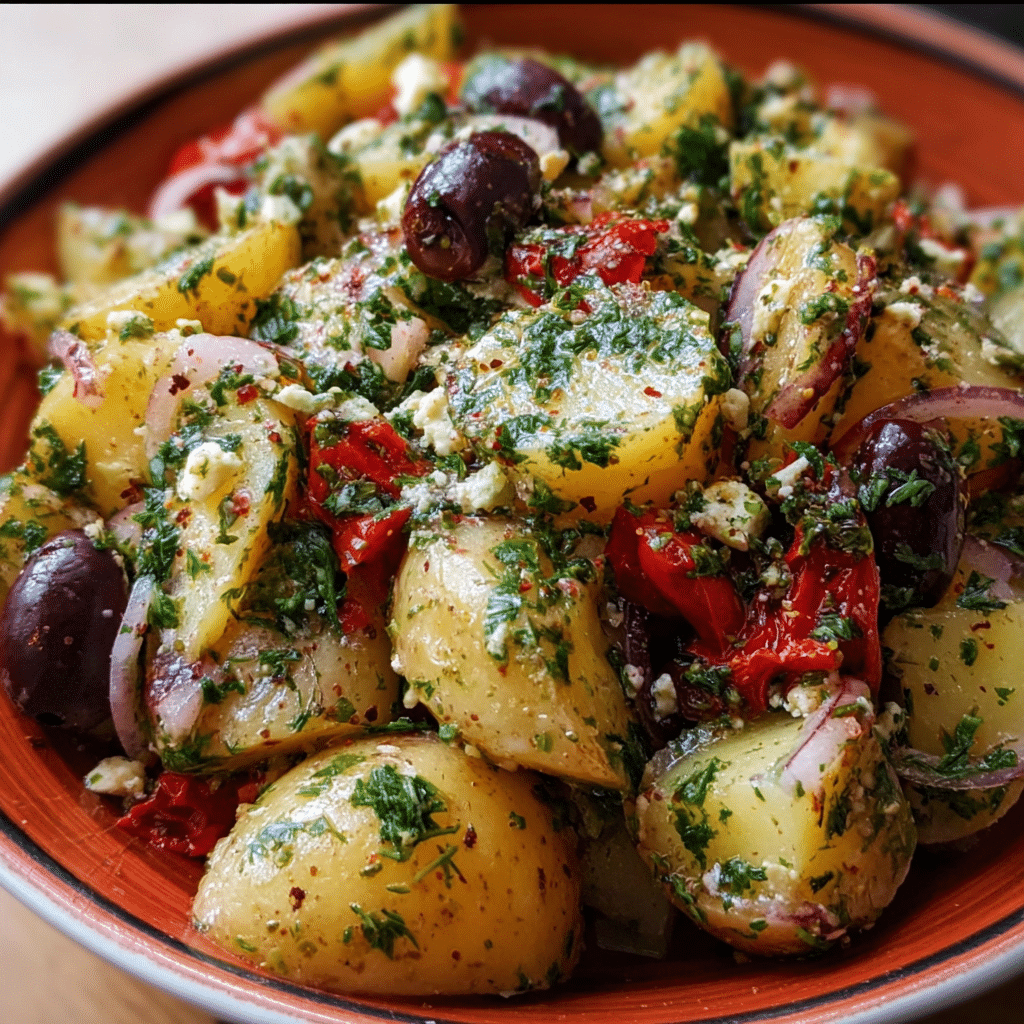
Don’t forget to share your cooking adventures with us on social media, and feel free to ask questions in the comments below. Happy cooking!
Share this recipe and let us know how it turned out! Tag us on social media for a chance to be featured.