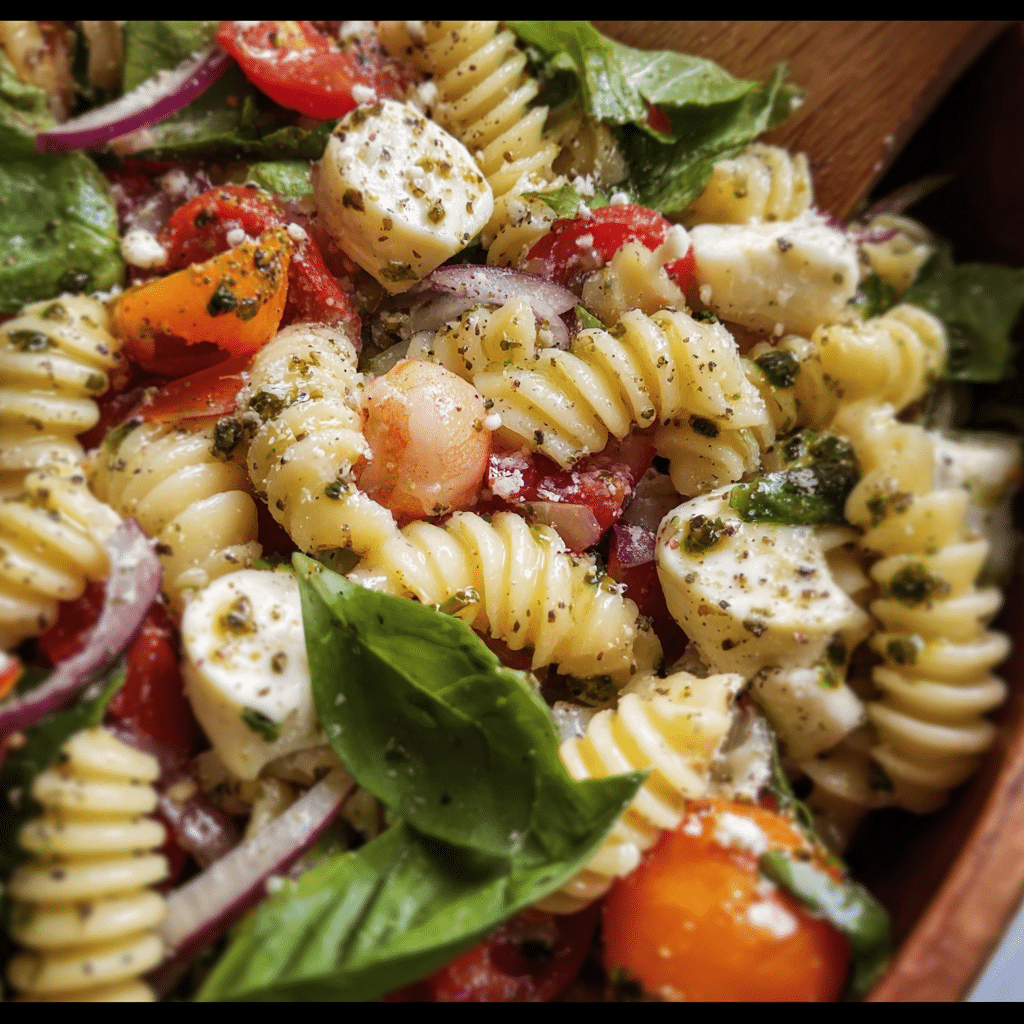
Bruschetta pasta salad is a vibrant and refreshing dish that brings together the heartiness of pasta with the bright, bold flavors of traditional bruschetta. I vividly remember the first time I stumbled upon this delightful recipe—it was a warm summer evening, and my friends and I were gathered for a potluck dinner. As the sun began to set, casting a golden hue over everything, the air was filled with the tantalizing aroma of garlic, tomatoes, and fresh basil. One of my friends unveiled her version of bruschetta pasta salad, and with the first bite, I knew I had found something extraordinary. The combination of al dente pasta, succulent tomatoes, and fragrant herbs created a burst of flavor that transported me straight to the sun-drenched hills of Italy.
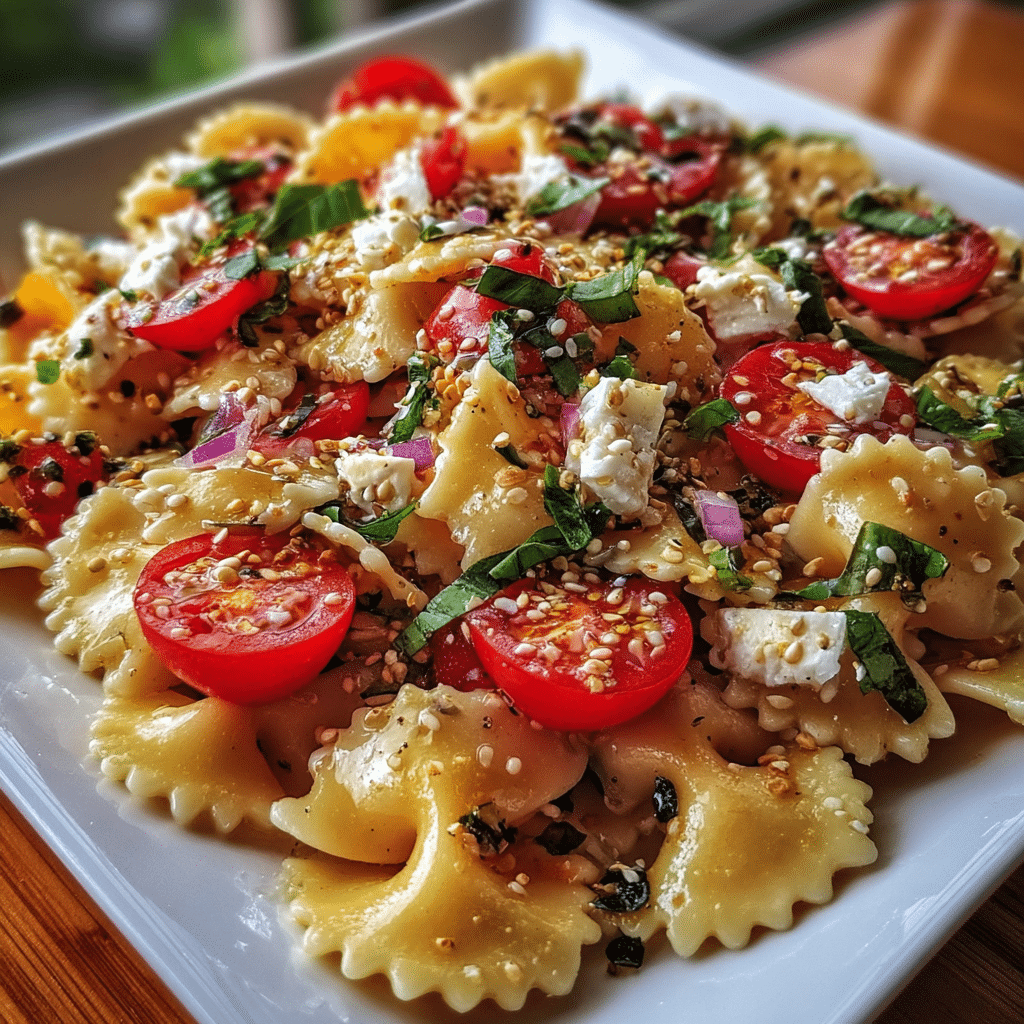
The story of bruschetta pasta salad is as rich and layered as the dish itself. Originating from the rustic kitchens of Italy, bruschetta has long been a beloved appetizer, traditionally made with grilled bread, garlic, olive oil, and fresh tomatoes. Over time, creative cooks began to adapt this classic dish into various forms, one of which was the pasta salad. This evolution reflects the culinary ingenuity that embraces both tradition and innovation. The fusion of these two beloved Italian staples is not just a recipe; it’s a celebration of flavors and textures that echo the warmth of Italian hospitality.
The Story Behind This Recipe
What makes bruschetta pasta salad especially unique is how it embodies the spirit of Italian cooking—simple yet sublime. It is not merely a salad; it is an experience that allows for creativity and personalization. The beauty of this dish lies in its versatility; you can modify it according to seasonality and personal taste. During summer, when tomatoes are at their peak, I find myself making this dish more frequently, tossing in sun-ripened tomatoes and fragrant basil straight from the garden. In the cooler months, I add roasted vegetables for a warm, comforting twist. This adaptability makes bruschetta pasta salad a go-to recipe for busy families looking for quick dinner solutions, as it can easily be prepared ahead of time and served cold.
Moreover, the emotional connection I have with bruschetta pasta salad runs deep. It reminds me of gatherings filled with laughter and the joy of sharing food with loved ones. Every time I prepare this dish, it feels like I am creating a bridge between generations, passing down a recipe that has brought smiles and satisfaction to countless tables. The vibrant colors and fresh ingredients evoke a sense of joy and warmth, making it perfect for any occasion, from summer picnics to festive family dinners.
As you delve into this ultimate guide to bruschetta pasta salad, you will discover not only the essential components that make this dish shine but also tips and tricks for elevating it to new heights. From selecting the best tomatoes to the ideal pasta shape, I promise that by the end of this article, you will be equipped to create your own version of this delightful meal that will impress your family and friends alike.
Why You’ll Love This Dish
Bruschetta pasta salad is not just a dish; it’s a canvas for your culinary creativity. It is a recipe that allows you to express your personality through food, whether you prefer it packed with fresh veggies or adorned with gourmet cheeses. This dish is perfect for busy weeknights when you need a meal that can be prepared in advance and enjoyed at your convenience. It’s also a fantastic option for gatherings, as it can be served in large bowls and allows for easy serving. Plus, it’s a crowd-pleaser that caters to various dietary preferences, making it a versatile addition to your culinary repertoire.
In conclusion, bruschetta pasta salad is more than just a dish; it is a celebration of flavors, a connection to tradition, and a reminder of the joy that comes from sharing meals with loved ones. So grab your ingredients, roll up your sleeves, and prepare to embark on a culinary adventure that will inspire you to create your very own version of this beloved dish.
The Rich History and Cultural Significance of bruschetta pasta salad
The rich history and cultural significance of bruschetta pasta salad is a testament to the evolution of Italian culinary traditions. To truly appreciate this dish, it is essential to explore its origins and the regional variations that have shaped its identity over time. Bruschetta itself dates back to the 15th century in Central Italy, particularly in regions like Tuscany. The term “bruschetta” comes from the Roman dialect verb “bruscare,” which means “to roast over coals.” Traditionally, it consisted of grilled bread topped with garlic, tomatoes, olive oil, and, occasionally, other ingredients such as cured meats or vegetables.
As Italian cuisine spread and adapted to different regions, bruschetta began to take on various forms. In the Southern regions, such as Campania, the focus shifted more towards ripe, juicy tomatoes, fresh basil, and mozzarella, reflecting the abundance of local produce. This emphasis on fresh ingredients laid the groundwork for what would eventually inspire the creation of bruschetta pasta salad. The transformation of bruschetta into a pasta salad can be seen as a natural progression, marrying the flavors of the classic appetizer with the heartiness of pasta. This fusion reflects the Italian philosophy of utilizing what is available, creating a dish that is both satisfying and full of flavor.
Origins and History
Bruschetta pasta salad has roots in the Italian tradition of serving pasta salads, particularly in the summertime. As families gathered around tables filled with seasonal produce, the idea of incorporating bruschetta flavors into a pasta dish emerged. The result is a dish that captures the essence of summer—light, fresh, and bursting with flavor. While there are many interpretations of this dish across different families and cooking styles, the core remains the same: a celebration of freshness and simplicity.
Over the years, bruschetta pasta salad has gained popularity not only in Italy but also around the world. It has become a staple at potlucks, barbecues, and family gatherings, embodying the essence of communal dining. The dish’s ability to be prepared in advance and served cold makes it an easy choice for busy families seeking to enjoy quality time together without the stress of last-minute cooking. Restaurants and chefs have also embraced this dish, often adding their unique twists, from grilled chicken to gourmet cheeses, showcasing the dish’s versatility and widespread appeal.
Cultural Significance
In Italy, food is more than just sustenance; it is a means of connection and celebration. Bruschetta pasta salad, with its origins in the communal spirit of Italian dining, is perfect for sharing. It is often served during festive occasions, such as summer feasts, family reunions, and outdoor barbecues, where the warmth of the sun and the joy of companionship come together. This dish encourages conversation and laughter, as friends and family gather around the table, savoring each bite and creating lasting memories.
Additionally, the dish’s cultural significance extends to its ability to showcase regional ingredients and culinary practices. Each preparation reflects the local produce and flavors of the region, allowing cooks to celebrate the seasonal bounty. This connection to the land and community is a hallmark of Italian cuisine, reminding us that food is deeply intertwined with culture and identity.
Nutritional Benefits
Beyond its cultural significance, bruschetta pasta salad offers numerous nutritional benefits. The key ingredients—pasta, tomatoes, and fresh herbs—contribute to a balanced meal that is both satisfying and wholesome. Whole-grain pasta provides essential carbohydrates, while ripe tomatoes are rich in vitamins A and C, potassium, and antioxidants like lycopene. Fresh herbs, such as basil and parsley, offer additional vitamins and minerals, enhancing the dish’s flavor while promoting overall health.
Moreover, the versatility of this salad means you can easily incorporate other nutritious ingredients, such as grilled vegetables, lean proteins, or legumes, making it a well-rounded meal. The emphasis on fresh, seasonal produce not only enhances the flavor but also supports a healthy lifestyle, making bruschetta pasta salad an excellent choice for those seeking to nourish their bodies while enjoying delightful flavors.
In conclusion, the rich history and cultural significance of bruschetta pasta salad reveal a dish that is deeply rooted in tradition yet evolves with the times. It is a celebration of flavors, community, and the joy of sharing food with loved ones. As you explore the various ways to prepare this dish, you’ll find that each version offers a unique taste of Italy, reminding us of the beauty of connecting through food.
Essential Ingredients for Perfect bruschetta pasta salad
Creating a delectable bruschetta pasta salad is not just about following a recipe; it’s about understanding the role each ingredient plays in crafting the dish’s flavor and texture. This vibrant salad celebrates the flavors of Italy, combining the warmth of freshly cooked pasta with the brightness of garden-fresh ingredients. Let’s explore each ingredient in this recipe and uncover the secrets behind selecting the best quality produce and pantry staples.
Essential Ingredients
- 1 pound short-cut pasta (I used mafaldini from Trader Joe’s)
- 1 ½ cups of halved cherry or grape tomatoes
- ½ white onion diced
- ½ cup of chiffonade fresh basil
- ⅓ cup shaved parmesan cheese
- 4 cloves garlic, minced
- 2 tablespoons balsamic vinegar
- 1 ½ tablespoons dijon mustard
- 1 tablespoon of sugar
- 1 teaspoon dried oregano
- Kosher salt and pepper
- ½ cup extra virgin olive oil
Bruschetta Pasta Salad
Ingredients
- 500g/1 lb penne , ziti or other short pasta
- 2 tsp cooking salt / kosher salt , for cooking pasta
Bruschetta
- 1 kg / 2 lb tomatoes , chopped into 1.25cm / 1/2” pieces, keep all juices
- 1/2 tsp cooking salt / kosher salt
- 3/4 cup tightly packed basil leaves , finely sliced
- 1/2 cup (tightly packed) finely shredded parmesan
Dressing:
- 1/2 cup extra virgin olive oil (good time to break out the good stuff)
- 1/4 cup balsamic vinegar
- 2 garlic cloves , minced using garlic press or very finely minced using knife
- 3/4 tsp cooking salt / kosher salt
- 1/4 tsp black pepper
Optional extra finishes
- 1/4 cup pinenuts , toasted
- Balsamic glaze , for drizzling
Instructions
Short directions
- Cook pasta in salted water until extra soft, toss with 2/3 Dressing, cool. Toss tomato with remaining Dressing, leave 10 min. Pour off juices into pasta, toss. Add 1/2 tsp salt into tomato, toss. Add into pasta with basil, parmesan. Finish with balsamic glaze and pine nuts. Enjoy!
Full directions
- Dressing – Shake the ingredients in a jar (or whisk in a jug).
- Soft cooked pasta – Bring a large pot of water to the boil with the 2 teaspoons of salt. Cook the pasta per the packet time plus 2 minutes, until the pasta is overcooked and soft. (Note 5) Drain in a colander, then return the pasta into the same pot.
- Flavour the pasta – Give the dressing a good shake then pour 2/3 of it over the pasta. Stir (enjoy the smell!). Set aside to cool for 15 minutes and let the pasta absorb the dressing flavour.
- Bruschetta – Put chopped tomato and all watery juices into a bowl. Pour over remaining Dressing, gently toss. Set aside for 10 minutes or until the pasta is cool to let the flavours meld.
- Finishing (the order matters!) – Pour the juices accumulated in the tomato bowl into the pasta then toss to disperse. Add the salt into the tomato, gently toss, then add the tomato into the pasta. Add the basil, parmesan, gently toss.
- Serve – Pour into a big bowl and serve! If using extra finishes, drizzle with a swish of balsamic glaze (not too much, it’s strong!) and sprinkle with pine nuts. Eat!
Let’s dive deeper into each ingredient to understand why they matter in your bruschetta pasta salad.
Short-Cut Pasta: The foundation of this salad, pasta serves as the base that holds all the other flavors together. I recommend using short-cut pasta like mafaldini, which is not only visually appealing but also excellent for holding onto the dressing and other ingredients. When selecting pasta, look for brands that use durum wheat semolina, as it yields a firmer texture that cooks beautifully.
Cherry or Grape Tomatoes: These little gems add a burst of freshness and sweetness to the salad. When shopping, choose tomatoes that are plump, firm, and have a deep color. They should smell fragrant and have a slight give when gently squeezed. In season from late spring through summer, tomatoes can be sourced from local farmers’ markets for the best flavor.
White Onion: Diced white onion contributes a sharpness that balances the sweetness of the tomatoes. For a milder flavor, you can soak the diced onion in cold water for about 10 minutes before adding it to the salad. This process softens the bite of the onion and makes it more palatable.
Fresh Basil: The aromatic quality of fresh basil is essential to the dish. When choosing basil, look for vibrant green leaves free from browning or wilting. Basil is typically available in the summer; however, you can find it in stores year-round. To store, place the stems in a glass of water at room temperature or wrap the leaves in a damp paper towel and store them in the fridge.
Parmesan Cheese: Shaved parmesan adds a nutty and salty flavor that elevates the entire salad. Opt for high-quality Parmigiano-Reggiano for the best taste. Look for cheese that is hard and granular, and avoid pre-shredded varieties, as they may contain anti-caking agents that affect melting and flavor.
Garlic: Minced garlic provides a pungent kick that enhances the overall flavor profile. When choosing garlic, look for firm bulbs without any soft spots or green shoots, which indicate bitterness. Fresh garlic can be stored for several weeks in a cool, dark place.
Balsamic Vinegar: This ingredient adds a tangy sweetness that ties all the flavors together. Opt for high-quality balsamic vinegar from Modena, Italy, for the best results. Always taste before using, as the flavor can vary significantly between brands.
Dijon Mustard: The mustard adds a layer of complexity and creaminess to the dressing. Choose a smooth, high-quality Dijon for an authentic taste that will enhance your bruschetta pasta salad.
Sugar: Just a touch of sugar balances the acidity of the tomatoes and vinegar, creating a harmonious flavor. You can substitute with honey or maple syrup if you prefer a natural sweetener.
Dried Oregano: This herb brings an earthy, aromatic quality to the salad, reminiscent of classic Italian dishes. Look for bright green oregano, as it indicates freshness. Dried herbs are a great way to add flavor without the need for fresh counterparts.
Kosher Salt and Pepper: Essential for seasoning, using kosher salt allows you to control the salinity without overpowering the dish. Freshly cracked black pepper adds depth and warmth to the flavors.
Extra Virgin Olive Oil: The crowning glory of the dressing, high-quality extra virgin olive oil adds richness and depth. Look for oil with a robust flavor and a greenish hue. Choosing organic olive oil ensures that you’re getting a product free from pesticides and chemicals, making it a healthier option.
Shopping Tips
When shopping for ingredients for your bruschetta pasta salad, consider purchasing produce from local farmers’ markets to ensure the freshest and most flavorful options. Additionally, always check for organic labels, especially for tomatoes and herbs, as these can often be treated with pesticides. For pantry staples like pasta, olive oil, and vinegar, buying in bulk can save money in the long run.
Substitutions and Alternatives
Cooking is all about flexibility. If you have dietary restrictions or preferences, here are some alternatives:
- Pasta: For a gluten-free option, use gluten-free pasta or even spiralized vegetables like zucchini.
- Tomatoes: If fresh tomatoes are out of season, you can use canned diced tomatoes, though be mindful of the liquid content they bring.
- Onion: Green onions or shallots can be used in place of white onion for a milder flavor.
- Basil: If fresh basil is unavailable, dried basil can be used, but reduce the quantity as dried herbs are more potent.
- Parmesan: Nutritional yeast can be used for a dairy-free option, providing a cheesy flavor without the cheese.
Understanding the ingredients and their roles in your bruschetta pasta salad is essential in creating a vibrant and tasty dish. From selecting the freshest tomatoes to using high-quality olive oil, each choice you make enhances the flavor and experience of this delightful salad.
Detailed Step-by-Step bruschetta pasta salad Cooking Instructions
Detailed Step-by-Step Bruschetta Pasta Salad Cooking Instructions
Now that we’ve gathered our vibrant ingredients, it’s time to weave them together into a stunning bruschetta pasta salad. This dish is perfect for summer gatherings, picnics, or even a cozy dinner at home. The beauty of this salad lies not only in its fresh flavors but also in the straightforward preparation process. Let’s break down the cooking instructions step-by-step to ensure your salad turns out perfectly every time.
Preparation Steps
- Gather Your Ingredients: Before diving into cooking, make sure all your ingredients are within reach. This is known as mise en place and it makes the cooking process smoother and more enjoyable.
- Cook the Pasta: Bring a large pot of salted water to a boil. Add the pound of short-cut pasta and cook according to package instructions until al dente, usually around 8-10 minutes. Stir occasionally to prevent sticking.
- Drain and Rinse: Once the pasta is cooked, drain it in a colander and immediately rinse it under cold water to stop the cooking process. This also helps to cool the pasta down, making it ready for the salad.
- Chop the Vegetables: While the pasta is cooking, take this time to prepare your vegetables. Dice the white onion, halve the cherry or grape tomatoes, and chiffonade the fresh basil. For chiffonade, stack the leaves, roll them tightly, and slice into thin ribbons.
- Minced Garlic: Mince the garlic cloves finely. Fresh garlic adds a pungent flavor to your dressing, and the finer you chop it, the more intense the flavor will be.
Cooking Process
- Prepare the Dressing: In a separate bowl, combine the balsamic vinegar, Dijon mustard, sugar, dried oregano, minced garlic, olive oil, and a generous pinch of kosher salt and pepper. Whisk until well combined. This will serve as the dressing for your bruschetta pasta salad, bringing all the flavors together.
- Taste and Adjust: Always taste your dressing before adding it to the salad. You may want to adjust the seasoning by adding more salt, pepper, or even a dash more vinegar depending on your preference.
- Combine Ingredients: In a large mixing bowl, combine the cooled pasta, halved tomatoes, diced onion, chiffonade basil, and shaved parmesan cheese. Pour the dressing over the salad and gently toss everything together until well coated.
- Let It Marinate: For the best flavors, allow the salad to sit for about 15-30 minutes at room temperature. This resting period helps the pasta absorb the dressing and the flavors meld together beautifully.
Final Assembly
- Taste Again: Before serving, taste the salad one last time. This is your opportunity to adjust the seasoning if necessary. A sprinkle of fresh cracked black pepper or additional cheese can elevate the dish.
- Serve Fresh: Serve the bruschetta pasta salad at room temperature or chilled. It makes for a delightful dish at summer barbecues, potlucks, or as a light lunch. Garnish with additional fresh basil or a drizzle of olive oil for an elegant touch.
- Store Properly: If you have leftovers, store them in an airtight container in the refrigerator. The salad will keep well for 2-3 days, but be aware that the pasta may absorb some of the dressing over time. You can add a splash of olive oil or vinegar before serving leftovers to refresh the flavors.
Throughout this process, the most important aspect is to enjoy the journey of cooking. Cooking is an art, and every step allows for creativity and expression. Whether you’re preparing this salad for a family dinner or a gathering with friends, your bruschetta pasta salad will surely impress with its vibrant colors and fresh flavors. Embrace the essence of Italian cuisine and relish each bite of this delightful dish!
Professional Tips and Techniques for bruschetta pasta salad
When it comes to making a delectable bruschetta pasta salad, there’s a world of professional tips and techniques that can elevate this dish from something ordinary to extraordinary. As someone who has spent countless hours in the kitchen experimenting with flavors and textures, I’ve gathered a wealth of knowledge that I’m excited to share with you. This section will cover various aspects, from essential techniques to troubleshooting common issues, while also providing insights on presentation and beverage pairings.
Professional Techniques
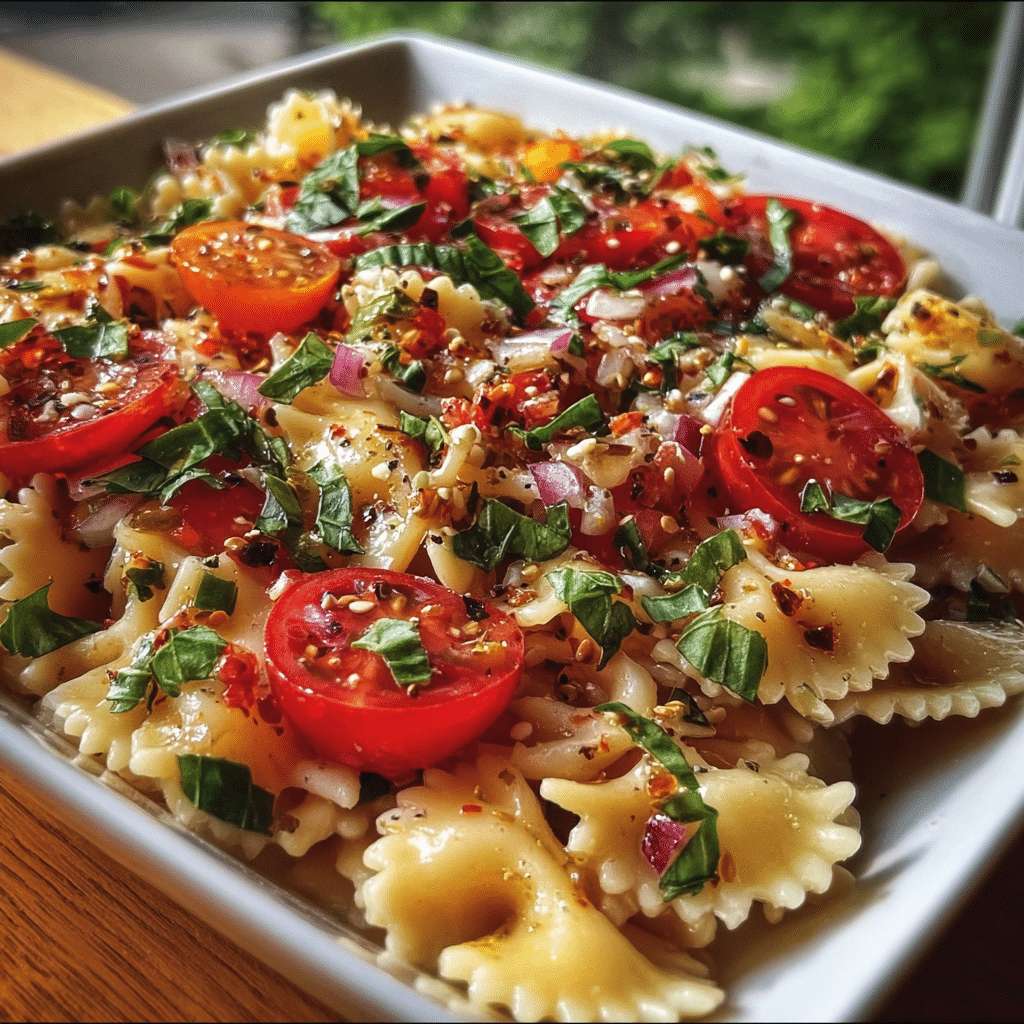
The foundation of a great bruschetta pasta salad lies in the quality of its ingredients and the techniques used to prepare them. Start with your pasta; al dente is key! Cook your pasta according to package instructions, but stop just before it’s fully cooked. This way, it will continue to absorb flavors while mixing with the other ingredients. A common mistake is overcooking the pasta, which can lead to a mushy salad that lacks texture.
When it comes to tomatoes, use fresh, ripe ones for the best flavor. I often opt for heirloom tomatoes for their rich taste and beautiful colors. To enhance their sweetness, consider roasting them briefly in the oven. This method caramelizes the sugars and adds depth to your bruschetta pasta salad.
Don’t forget about the seasoning! A drizzle of high-quality extra virgin olive oil and a splash of balsamic vinegar can transform your dish. Let your ingredients marinate for a while before serving; this allows the pasta to soak up all those delicious flavors. Remember, a pinch of salt goes a long way in elevating the taste of your salad.
Troubleshooting Guide
Even the most seasoned cooks encounter issues. One common problem is a salad that’s too dry. If this happens, you can add more dressing, but be cautious not to overpower the flavors. A simple solution is to toss in a bit more olive oil or a splash of lemon juice to brighten everything up.
Another issue might be the salad becoming soggy if made too far in advance. To combat this, store the dressing separately and only combine it with the pasta and vegetables shortly before serving. This helps maintain the integrity of the ingredients.
For those who find their salad lacking in flavor, consider adding more herbs. Fresh basil, parsley, or even a hint of mint can add a refreshing note to your bruschetta pasta salad. Additionally, don’t shy away from experimenting with spices such as red pepper flakes for a touch of heat or garlic for that wonderful aromatic quality.
Presentation Tips
Presentation can make or break a dish, and your bruschetta pasta salad deserves to shine. Start with a large, shallow bowl to allow the colors to pop. Layer the pasta, tomatoes, and other ingredients artfully, rather than just tossing everything together. Drizzle some olive oil and balsamic reduction on top before serving for a stunning visual effect.
Consider garnishing with fresh herbs or crumbled cheese, like feta or goat cheese, to add texture and flavor. If you’re feeling adventurous, serve your salad in individual mason jars for a trendy twist that’s perfect for picnics or gatherings.
Wine pairing can elevate your dining experience. A crisp white wine like Sauvignon Blanc pairs beautifully, balancing the acidity of the tomatoes. For red wine lovers, a light-bodied Pinot Noir can complement the flavors without overwhelming them.
In summary, mastering a bruschetta pasta salad involves understanding the importance of technique, troubleshooting common problems, and presenting your dish in a way that is as delightful to the eyes as it is to the palate. Embrace these tips, and you’ll find that your dish will not only taste amazing but will also impress your family and friends.
Creative Variations and Adaptations of bruschetta pasta salad
The beauty of a bruschetta pasta salad lies in its versatility. This dish can be adapted to suit various tastes, dietary needs, and seasonal ingredients. It’s one of those recipes that invites creativity, allowing you to explore different flavors while still enjoying the classic essence of bruschetta. Let’s dive into some exciting variations and adaptations that can take your salad to the next level.
Seasonal Variations
One of the best parts about making a bruschetta pasta salad is the opportunity to utilize seasonal produce. In the summer, when tomatoes are at their peak, you might want to stick with the classic version, using fresh basil and mozzarella. However, as autumn approaches, consider adding roasted vegetables like zucchini, bell peppers, or even butternut squash. These ingredients not only add a hearty texture but also bring a wealth of flavor to your dish.
In winter, you can swap out the tomatoes for sun-dried tomatoes and incorporate ingredients like kale or arugula, which thrive in colder months. The robust flavors of these greens can hold their own against the pasta and create a satisfying salad that feels warm and inviting even on the coldest days.
Dietary Adaptations
Dietary restrictions are common in today’s world, but that doesn’t mean you have to sacrifice flavor. For those following a keto diet, you can easily modify the bruschetta pasta salad by replacing regular pasta with spiralized zucchini or shirataki noodles. These low-carb alternatives will give you the same satisfying texture without the carbs.
For vegans, simply omit any cheese and ensure your dressing is free of animal products. You can enhance the flavors with nutritional yeast, which adds a cheesy flavor without the dairy. Gluten-free pasta options are widely available now, making it easier than ever for those with gluten sensitivities to enjoy this delicious salad.
Creative Twists
Let your imagination run wild with creative adaptations! How about an Italian-Mexican fusion? Try adding black beans, corn, and avocado to your bruschetta pasta salad, along with a zesty lime dressing. This combination not only satisfies your taste buds but also makes for a colorful dish that’s perfect for summer gatherings.
If you’re feeling adventurous, experiment with different cooking methods. For instance, you could grill your vegetables instead of roasting them, adding a smoky flavor to your salad. Alternatively, a slow cooker can be used to prepare a warm version of bruschetta pasta salad, perfect for chilly evenings.
Leftovers? Don’t let them go to waste! Transform your bruschetta pasta salad into a hearty frittata. Simply beat some eggs, mix in your leftover salad, pour it into a skillet, and cook until set. This way, you can enjoy the flavors in a completely new way.
In summary, the variations and adaptations of bruschetta pasta salad are limited only by your creativity. With the right seasonal ingredients, dietary modifications, and a sprinkle of imagination, you can create a dish that is uniquely yours while still paying homage to the classic flavors that make this salad so beloved.
Storage, Reheating, and Meal Prep for bruschetta pasta salad
When it comes to enjoying a delicious bruschetta pasta salad, knowing how to store, reheat, and meal prep this delightful dish can make all the difference in your culinary experience. Whether you’re preparing it for a gathering, a picnic, or just for yourself during the week, understanding the best practices for storage will ensure that every bite remains as flavorful and fresh as the day it was made.
Short-term Storage
After making your bruschetta pasta salad, you’ll want to store it properly to maintain its vibrant flavors and textures. The best option for short-term storage is to use airtight containers. Glass containers are ideal because they do not retain odors and are easy to clean, but high-quality plastic containers work just as well. Make sure the container is sealed tightly to prevent any air from getting in, which can lead to spoilage.
For optimal freshness, it’s best to store the salad in the refrigerator. The flavors of the salad will continue to meld and improve for up to 3 days. However, it’s important to consider that the tomatoes in the salad may release moisture over time, which can make the pasta soggy. To combat this, consider storing the tomatoes separately if you plan to keep the salad for longer than a day. You can add them just before serving to maintain that fresh, juicy burst of flavor.
Another tip for short-term storage is to portion the salad into single-serving containers. This not only makes it easier to grab and go but also helps prevent the entire batch from being exposed to air repeatedly, thereby prolonging its freshness.
Freezing and Long-term Storage
While freezing a bruschetta pasta salad isn’t typically recommended due to the potential change in texture, if you want to prepare a large batch for later enjoyment, there are ways to do it. The key is to freeze components separately. Cooked pasta can be frozen in an airtight container or freezer bag, and the dressing can also be stored in a separate container. Fresh ingredients like tomatoes and basil do not freeze well, as they tend to become mushy and lose their vibrant flavor.
To freeze pasta, make sure it is completely cooled before placing it in the freezer. It’s best to use it within 1-2 months for optimal taste. When you’re ready to enjoy your salad, simply thaw the pasta in the refrigerator overnight and toss it with the fresh ingredients and dressing the following day. This method maintains the integrity of the flavors and the freshness of the ingredients.
Reheating Best Practices
If you find yourself with leftover bruschetta pasta salad that you’d like to enjoy warm, reheating it properly is essential. The best method is to gently heat it in a skillet over low heat. Add a splash of olive oil or a little bit of water to prevent sticking and to keep it moist. Stir frequently to ensure even heating without cooking the fresh ingredients.
Microwaving is another option, but it can lead to uneven heating and soggy textures. If you choose this method, do so in short intervals and stir in between to achieve a more even temperature. Remember that fresh ingredients, especially tomatoes and basil, will lose their appeal when heated, so it’s best to add them fresh after the pasta is warmed.
For meal prep enthusiasts, consider making a large batch of bruschetta pasta salad at the beginning of the week. Portion it out into containers for lunch or dinner throughout the week. This not only saves time but also ensures you have a healthy, delicious meal ready to go at a moment’s notice. Just be mindful of adding ingredients that may spoil quickly, such as cheese or avocado, just before serving to keep them fresh.
Food safety is paramount when storing any dish. Always label your containers with the date they were made to keep track of freshness. The general rule of thumb is that most salads, including bruschetta pasta salad, can be kept in the refrigerator for about 3 to 5 days. If you see any signs of spoilage, such as an off smell or discoloration, it’s best to err on the side of caution and discard it.
In conclusion, understanding how to store, freeze, and reheat your bruschetta pasta salad can greatly enhance your cooking experience. By following these guidelines, you can enjoy this delightful dish for days to come without sacrificing quality or flavor.
Nutritional Benefits and Health Information
When you think of a bruschetta pasta salad, you might envision a simple yet delightful combination of tomatoes, basil, and pasta. But beyond its vibrant flavors and colorful presentation, this salad packs a nutritional punch that is often overlooked. In this section, we’ll delve into the nutritional benefits and health information of this dish, exploring its ingredients, calorie content, and how it fits into various dietary lifestyles.
Nutritional Profile
The base of any bruschetta pasta salad is, of course, the pasta. Typically, traditional pasta is used, which provides carbohydrates essential for energy. A standard serving (about 2 ounces dry) contains approximately 200 calories and 42 grams of carbohydrates. However, whole grain or alternative pastas can significantly increase the fiber content, making this a more filling option. Fiber is crucial for digestive health and can help in maintaining a healthy weight.
Next, we have the star ingredients: tomatoes and basil. Fresh tomatoes are low in calories—around 18 calories per medium tomato—while being rich in vitamins A and C, potassium, and antioxidants like lycopene, which have been linked to reduced risk of chronic diseases. Basil, often underestimated, contains essential oils and is known for its anti-inflammatory properties and high levels of vitamin K.
Olive oil is typically used in the dressing for bruschetta pasta salad, and while it does add calories (about 120 calories per tablespoon), it is a source of healthy fats that can improve heart health. Olive oil is rich in monounsaturated fats, which can help reduce bad cholesterol levels and lower the risk of heart disease.
Health Benefits
One of the most appealing aspects of a bruschetta pasta salad is its ability to combine flavor with health benefits. The primary ingredients work synergistically to provide a variety of nutrients. The high fiber content from both the pasta (especially if using whole grain) and tomatoes can aid in digestion and keep you feeling full longer, making it an excellent choice for those looking to manage their weight.
The antioxidants found in tomatoes (lycopene) and the anti-inflammatory properties of basil work together to promote overall health. Lycopene has been studied for its potential role in reducing the risk of certain cancers, particularly prostate cancer, while also contributing to skin health.
Moreover, olive oil is beneficial for those following a Mediterranean diet, which emphasizes heart-healthy fats, whole grains, and plenty of fruits and vegetables. Studies have shown that this style of eating can reduce the risk of heart disease, promote longevity, and improve overall well-being.
Dietary Considerations
While bruschetta pasta salad is generally a healthy option, there are some dietary considerations to keep in mind. For those with gluten sensitivities or celiac disease, substituting traditional pasta with gluten-free options made from rice, quinoa, or chickpeas can make this dish accessible without sacrificing taste. Additionally, those following a vegan diet can easily modify the recipe by omitting cheese or using a plant-based alternative.
In terms of calorie content, a serving of bruschetta pasta salad can vary significantly based on the ingredients and portion size. On average, a serving can range from 250 to 400 calories, depending on the amount of pasta, dressing, and if cheese is added. For those monitoring their caloric intake, consider measuring portions and balancing the salad with a protein source, such as grilled chicken or chickpeas, to enhance satiety and nutritional value.
As for modifications, consider adding roasted vegetables or a handful of spinach to increase the nutrient density. You can also experiment with different herbs or spices to change the flavor profile while keeping the health benefits intact.
In conclusion, the bruschetta pasta salad is not just a delightful dish bursting with flavors, but it also provides numerous nutritional benefits that make it a worthy addition to your meal rotation. By understanding its components, health benefits, and dietary considerations, you can enjoy this salad with a clear conscience, knowing you are nourishing your body while delighting your taste buds.
Conclusion: Mastering the Perfect bruschetta pasta salad
Creating the perfect bruschetta pasta salad is more than just following a recipe—it’s about understanding the techniques, ingredients, and cultural significance behind this beloved dish. Throughout this comprehensive guide, we’ve explored everything from the historical origins to modern variations, ensuring you have all the knowledge needed to make this recipe your own.
Whether you’re a beginner cook or an experienced chef, the techniques and tips we’ve shared will help you create a bruschetta pasta salad that’s not only delicious but also meaningful. Remember that cooking is a journey of discovery, and each time you make this dish, you’ll learn something new.
We encourage you to experiment with the variations we’ve discussed, adapt the recipe to your dietary needs, and most importantly, share it with the people you love. Food has the incredible power to bring people together, and Bruschetta Pasta Salad is the perfect dish to create lasting memories around your dinner table.
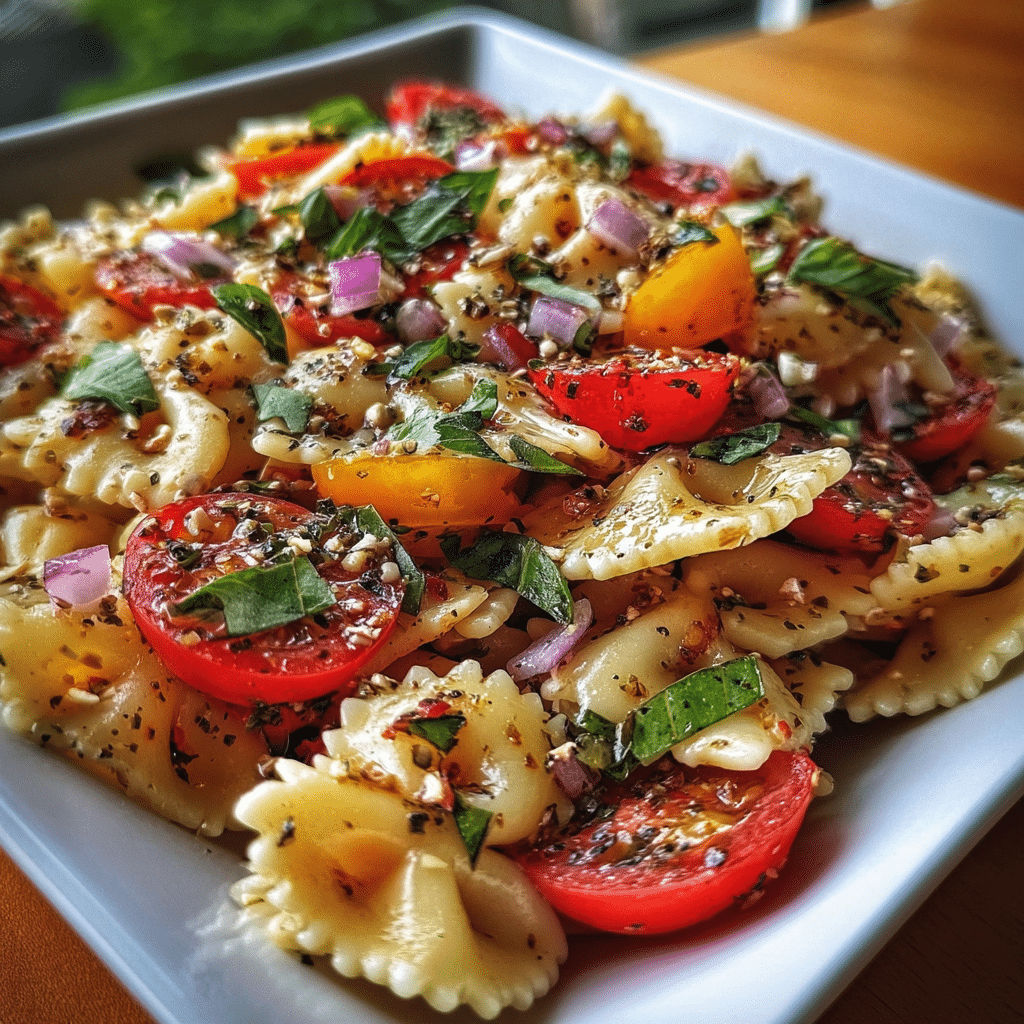
Don’t forget to share your cooking adventures with us on social media, and feel free to ask questions in the comments below. Happy cooking!
Share this recipe and let us know how it turned out! Tag us on social media for a chance to be featured.