Cilantro lime pasta has a way of making its presence known, with vibrant bursts of flavor that dance on the palate and a freshness that can transform an ordinary meal into something extraordinary. I still remember the first time I stumbled upon this delightful dish during a summer potluck at a friend’s house. As I walked into the backyard, the aroma of roasted vegetables mingled with zesty lime and fragrant cilantro hit me like a warm hug. I was immediately drawn to a colorful bowl of pasta salad that glistened under the sun. One bite, and I was hooked. The combination of ingredients was not only refreshing but also so simple, yet it left a lasting impression on my taste buds. I had never thought pasta could be so versatile, and from that day forward, cilantro lime pasta became a staple in my culinary repertoire.
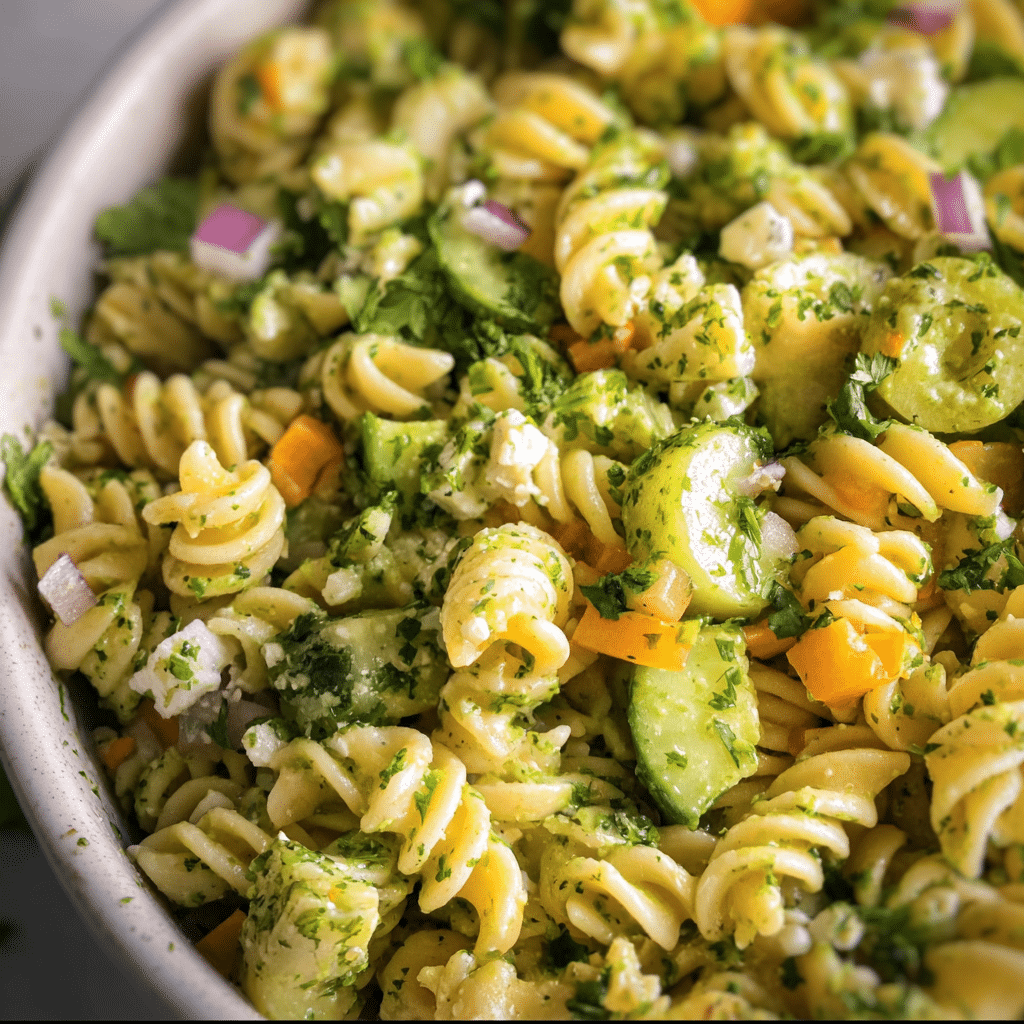
As I began experimenting with my version of this dish, I learned that cilantro and lime are integral to many Latin American cuisines, where they lend bright flavors to various dishes. The combination of these two ingredients is commonly found in salsas, marinades, and dressings, and it’s no wonder they work so well in a pasta salad. This dish can be seen as a beautiful fusion of Italian and Latin American flavors, showcasing how culinary traditions can blend to create something entirely new and exciting.
The Story Behind This Recipe
The beauty of cilantro lime pasta lies not just in its taste but in its adaptability. As I perfected my version, I discovered countless ways to customize the dish based on what I had on hand. Maybe it was the leftover vegetables from last night’s stir-fry or the black beans I needed to use before they expired. Each variation brought a new dimension to the pasta, reflecting the creative spirit of home cooking. For busy families, this is the perfect recipe—quick to prepare, easy to customize, and full of flavor. It’s a lifesaver on hectic weeknights when you need a meal that can be whipped up in under thirty minutes without sacrificing taste or nutrition.
Seasonally, cilantro lime pasta shines during the warmer months when the produce is fresh, and the days are long. It’s a dish that can celebrate summer barbecues or picnics in the park, but it’s also comforting enough to enjoy during the cooler months when you can add roasted vegetables and a touch of warmth. The emotional connection I have with this dish runs deep—it evokes memories of laughter-filled gatherings, sun-soaked afternoons, and the joy of sharing food with loved ones. It’s a reminder that meals can be more than just sustenance; they can be a source of connection and community.
In this ultimate guide to cilantro lime pasta, you’ll learn everything you need to know about making this vibrant dish, from the essential ingredients to techniques for perfecting your pasta salad. I’ll share my favorite tips for making it ahead of time, ways to elevate the flavors, and how to incorporate seasonal ingredients. Get ready to dive into the world of cilantro lime pasta and discover why it deserves a special place in your kitchen.
Why You’ll Love This Dish
What truly makes cilantro lime pasta stand out is its ability to cater to various dietary preferences. Whether you’re looking for a vegetarian option, a gluten-free alternative, or a protein-packed meal, this pasta salad can easily adapt to meet your needs. The possibilities are endless, and that’s the beauty of it. With just a handful of fresh ingredients, you can create a dish that’s not only visually appealing but also packed with nutrients.
As you embark on this culinary adventure, I invite you to explore the versatility of cilantro lime pasta. Whether you’re making it for a family dinner, a picnic with friends, or a meal prep for the week, it’s a dish that’s sure to impress and satisfy. So grab your ingredients, put on your favorite music, and let’s dive into the joy of cooking with cilantro lime pasta!
The Rich History and Cultural Significance of cilantro lime pasta
The history of cilantro lime pasta is a fascinating tale of culinary evolution, where the vibrant flavors of cilantro and lime meet the comfort of pasta, resulting in a dish that appeals to diverse palates. While the exact origins of this dish may be hard to pinpoint, the ingredients used tell a story that traces back to Latin American cuisines, where cilantro and lime are staple flavor enhancers, and pasta, with its Italian roots, represents a staple food beloved worldwide.
Origins and History
Cilantro, also known as coriander, has been used in cooking for thousands of years, with its origins traced back to the Mediterranean and parts of Asia. It was cultivated in ancient Egypt and has appeared in various historical texts, including those by the Greeks and Romans. Lime, on the other hand, has its roots in Southeast Asia and made its way to the Americas with Spanish and Portuguese explorers in the 16th century. The fusion of these ingredients in a pasta dish is a relatively modern innovation, reflecting the increasing popularity of blending culinary traditions from different cultures.
Pasta itself has an interesting history, believed to have been brought to Italy by Arab traders in the 8th century. Over the centuries, pasta has evolved into various forms and styles, becoming a beloved staple across the globe. The notion of incorporating bold, fresh flavors, such as those found in cilantro and lime, into pasta dishes became popular in the late 20th century, particularly as global cuisine began to gain traction in home kitchens.
Cultural Significance
Cilantro lime pasta represents more than just a meal; it’s a celebration of cultural exchange and adaptability. As food lovers have embraced the idea of fusion cuisine, dishes like cilantro lime pasta have emerged as symbols of creativity and innovation in the kitchen. This dish is often served at gatherings, barbecues, and potlucks, making it a social food that brings people together. It embodies the spirit of sharing and community, where flavors from different culinary traditions unite to create something uniquely satisfying.
In many Latin American cultures, cilantro and lime are foundational flavor profiles that enhance everything from tacos to ceviche. The introduction of pasta into this mix highlights how diverse culinary practices can intersect, offering a new way to enjoy familiar flavors. As you explore the history of cilantro lime pasta, you’ll discover the cultural significance of ingredients that have traveled across continents and centuries to find their way onto your plate.
Nutritional Benefits
The nutritional profile of cilantro lime pasta is another reason to love it! Cilantro is rich in vitamins A, C, and K, providing a boost of antioxidants and aiding in digestion. Lime, with its high vitamin C content, not only adds a zesty flavor but also contributes to immune health. When combined with whole grain pasta and a variety of fresh vegetables, this dish becomes a balanced meal that is both satisfying and nutritious.
The versatility of cilantro lime pasta allows for endless variations, whether you choose to add grilled chicken for protein, beans for fiber, or an array of colorful vegetables for added nutrients. This adaptability makes it an excellent choice for families looking to create healthy, quick meals that please even the pickiest of eaters.
In conclusion, the rich history and cultural significance of cilantro lime pasta highlight the beauty of culinary exploration. As you prepare this dish, you’re not just making a meal; you’re participating in a tradition that values flavor, creativity, and connection. Whether you’re serving it at a festive gathering or enjoying it as a quick weeknight dinner, cilantro lime pasta is sure to become a beloved favorite in your home.
Essential Ingredients for Perfect cilantro lime pasta
When it comes to crafting a delightful cilantro lime pasta dish, the foundation lies in selecting the right ingredients. Each component not only contributes to the flavor profile but also plays a vital role in the overall texture and presentation of the salad. Let’s dive into the essential ingredients that will elevate your cilantro lime pasta experience.
Essential Ingredients
- 16 oz. bow tie pasta (or your favorite pasta): The choice of pasta can significantly influence the dish. Bow tie pasta, with its playful shape, holds onto the dressing beautifully, making each bite a burst of flavor. You can also use fusilli, rotini, or even gluten-free pasta if desired.
- 1½ cups corn kernels (about 2 ears of corn): Fresh corn adds a sweet crunch to the salad. Look for plump kernels that are bright yellow, indicating freshness. If corn isn’t in season, frozen corn works well too—just ensure it’s thawed before adding.
- 1½ cups cherry tomatoes, halved: These juicy little gems provide acidity and sweetness. Opt for vibrant red or yellow varieties for color contrast. When selecting tomatoes, choose ones that feel firm and smell fragrant.
- ½ of a small red onion, chopped or thinly sliced: Red onion adds a sharpness that balances the creamy dressing. For a milder flavor, soak the slices in cold water for 10 minutes before using to tame the bite.
- 2 Tbsp cilantro, finely chopped: Cilantro is the star herb in this dish, bringing a fresh, citrusy flavor. Always select fresh, bright green leaves and avoid any wilting or yellowing.
- 1-2 avocados, diced: Avocados contribute creaminess and richness to the salad. Choose avocados that yield slightly to pressure but aren’t overly soft. If they’re hard, leave them at room temperature for a few days to ripen.
- Cotija cheese, crumbled (optional): This crumbly cheese adds a salty, tangy element. If you can’t find Cotija, feta cheese is a great alternative. Look for cheese that is fresh and not overly dry.
- ½ cup plain Greek yogurt: This acts as a creamy base for the dressing. Greek yogurt is thicker and provides protein, making it a healthier option than sour cream. Choose unsweetened versions for the best flavor.
- ¼ cup fresh lime juice: Lime juice brightens the dish and enhances the cilantro flavor. Freshly squeezed is always better than bottled lime juice for a more vibrant taste.
- ¼ cup cilantro, roughly chopped: Adding more cilantro enhances the herbaceous flavor. The stems are perfectly fine to include, as they pack a lot of flavor.
- 2 garlic cloves: Minced garlic infuses the dressing with a robust flavor. Fresh garlic is essential; avoid pre-minced varieties that can lack taste.
- ½ tsp salt: Salt is crucial for enhancing all the flavors in the dish. Adjust according to your taste preference.
- ⅛ tsp cayenne: A pinch of cayenne adds a subtle warmth to the salad. If you’re sensitive to spice, feel free to omit this ingredient.
Cilantro Lime Pasta Salad
Ingredients
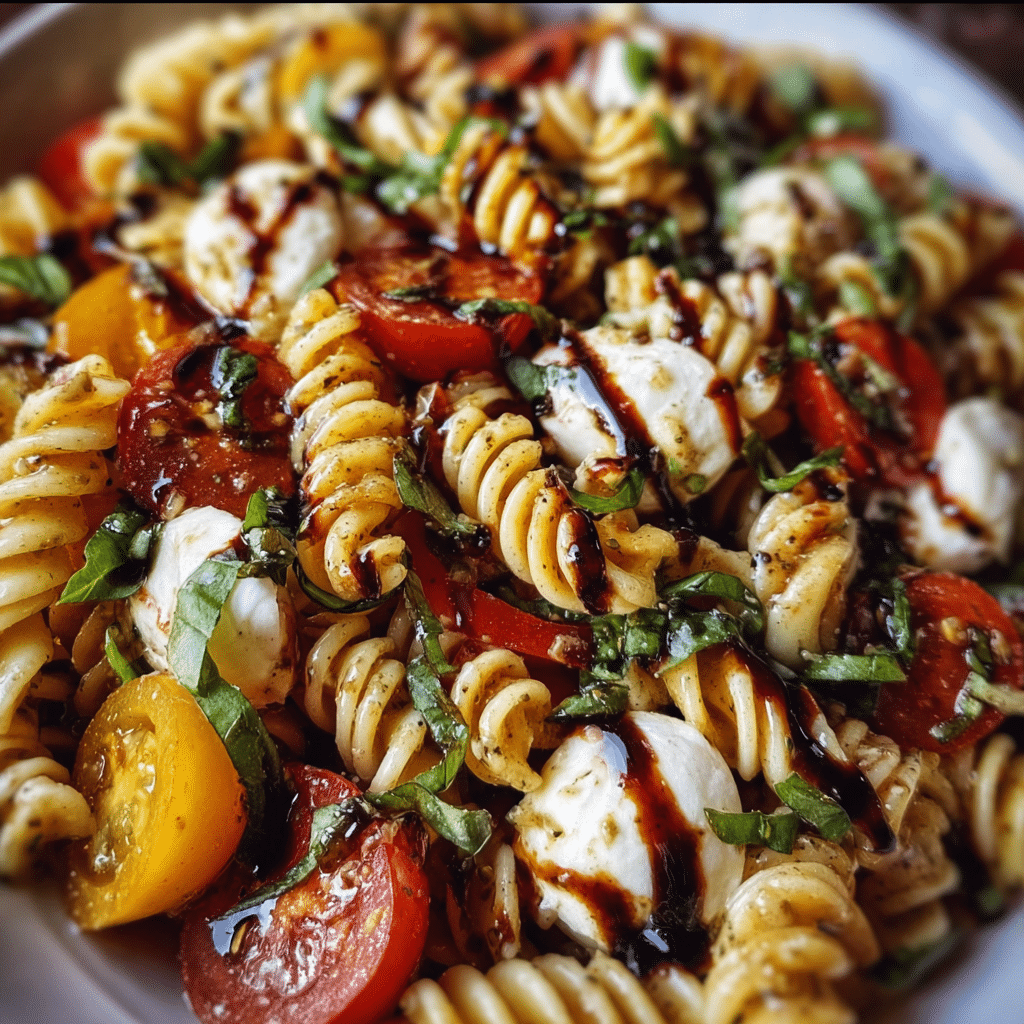
- 8 oz mini penne pasta cooked, drained and cooled
- 16 oz teardrop tomatoes sliced lengthwise
- 16 oz mozzarella balls
- 1/2 cup fresh basil leaves torn
- 1 cup black olives drained
- 1/4 cup parmesan cheese
- 1/4 cup olive oil
- balsamic reduction
- salt and pepper to taste
Instructions
- Cook pasta per package directions. Drain and place in a large salad bowl to cool.
- Add tomatoes, mozzarella cheese, olives, cheese, olive oil, and season with salt and pepper. Toss to coat.
- Spoon salad onto a platter and scatter with torn basil leaves and balsamic reduction on top. Cover and refrigerate or serve immediately.
Shopping Tips
When shopping for these ingredients, freshness is key. Visit local farmers’ markets for the best produce, particularly for the corn, tomatoes, and herbs, as they often taste better than store-bought. For the pasta, consider exploring different brands; artisanal pasta can provide a more robust flavor and texture. If you’re opting for organic ingredients, look for certification labels, especially on herbs and avocados, which can retain pesticide residues.
Substitutions and Alternatives
Dietary restrictions should never hinder your culinary creativity. If you’re gluten-intolerant, swap out traditional pasta for a gluten-free variant made from rice or quinoa. For a vegan version, replace Greek yogurt with cashew cream or a vegan yogurt alternative. If you’re allergic to avocados, consider adding diced cucumber for crunch instead. And if you don’t have access to Cotija, nutritional yeast can provide a cheesy flavor without dairy.
Storage is another important consideration. Keep your fresh produce in the refrigerator, and avocados can be stored at room temperature until ripe. Once cut, store them in an airtight container with lime juice to prevent browning. Cooked pasta can be refrigerated, but it’s best to mix it with the dressing just before serving to maintain its texture.
In conclusion, the cilantro lime pasta salad is not just a dish; it’s a celebration of fresh ingredients. By selecting high-quality components and understanding their roles in the recipe, you’re setting yourself up for a culinary triumph. Whether it’s a casual lunch or a festive gathering, this salad will surely impress!
Detailed Step-by-Step cilantro lime pasta Cooking Instructions
Creating a mouthwatering cilantro lime pasta salad is a delightful journey that is both simple and rewarding. With the right preparation and attention to detail, you can whip up this vibrant dish in just about 30 minutes. Let’s break down the cooking process step-by-step to ensure that your culinary adventure is both enjoyable and successful!
Preparation Steps
- Gather Your Ingredients: Start by assembling all your ingredients. This includes measuring out your pasta, corn, tomatoes, onion, cilantro, avocados, cheese, Greek yogurt, lime juice, garlic, salt, and cayenne. Having everything in one place will streamline the process and make cooking more enjoyable.
- Cook the Pasta: In a large pot, bring salted water to a rolling boil. Add the bow tie pasta and cook according to package instructions until al dente. Stir occasionally to prevent sticking. Once cooked, drain the pasta and rinse it under cold water to halt the cooking process. This will keep your pasta from becoming mushy. Spread it out on a baking sheet to cool completely.
- Prepare the Vegetables: While the pasta is cooking, take this time to prep your vegetables. Remove the kernels from the corn cobs using a sharp knife, slice the cherry tomatoes in half, and chop the red onion finely. Remember, the key to a beautiful dish is uniformity in size, so take your time with this step.
- Chop the Herbs: Finely chop the cilantro and set aside. For an extra burst of flavor, consider mincing the stems as well, as they carry a lot of the herb’s essence.
- Dice the Avocados: Cut the avocados in half, remove the pit, and scoop the flesh out with a spoon. Slice and then dice the avocado into bite-sized pieces. To keep them from browning, have your lime juice ready for the next step.
- Make the Dressing: In a mixing bowl, combine the Greek yogurt, lime juice, minced garlic, salt, and cayenne. Whisk until smooth and creamy. Taste the dressing—this is your chance to adjust the seasoning, adding more salt or lime juice as desired.
Cooking Process
- Combine the Pasta and Vegetables: In a large mixing bowl, combine the cooled pasta, corn, cherry tomatoes, red onion, and chopped cilantro. Gently toss to mix, being careful not to break the pasta or vegetables.
- Add the Dressing: Pour the prepared dressing over the pasta mixture. Use a spatula to gently fold the dressing in, ensuring that every piece of pasta and vegetable is coated without mashing any ingredients.
- Incorporate the Avocado: Lastly, add the diced avocado to the salad. Carefully fold it in, as avocados can be delicate and mush easily. If you’re using Cotija cheese, sprinkle it on top for added flavor and texture.
Final Assembly
- Adjust Seasoning: Give the salad one final taste test. This is the moment to adjust the seasoning; a touch more salt or lime juice can make a world of difference.
- Chill and Serve: For the best flavor, cover the salad and let it chill in the refrigerator for at least 10 minutes. This allows the flavors to meld beautifully. Serve it cold or at room temperature, garnished with additional cilantro or cheese if desired.
- Enjoy Your Culinary Creation: As you dig into your cilantro lime pasta salad, take a moment to appreciate the vibrant colors, aromatic herbs, and the delightful balance of flavors. This dish is perfect for summer barbecues, potlucks, or a refreshing weekday meal.
Throughout this process, here are a few tips to keep in mind: Avoid overcooking your pasta, as it can become mushy and less appealing. When making the dressing, feel free to experiment with additional spices like cumin or chili powder for a different twist. And remember, cooking is as much about enjoying the process as it is about the final dish—so have fun!
With these detailed instructions, you’re well on your way to mastering the art of making a delicious cilantro lime pasta salad. It’s a dish that celebrates freshness and flavor, embodying the essence of summer dining. Happy cooking!
Professional Tips and Techniques for cilantro lime pasta
When it comes to crafting a delicious cilantro lime pasta, understanding a few professional tips and techniques can elevate your dish from ordinary to extraordinary. Whether you’re a seasoned chef or a passionate home cook, these insights can enhance the flavors and textures of this vibrant dish. Let’s explore some essential strategies for mastering cilantro lime pasta.
Professional Techniques
First and foremost, the key to a flavorful cilantro lime pasta lies in the quality of your ingredients. Fresh cilantro is non-negotiable; its bright flavor is the backbone of the dish. When selecting cilantro, look for vibrant green leaves without any wilting or yellowing. Additionally, opt for fresh limes rather than bottled lime juice—this small choice makes a significant impact on the overall taste.
Another technique is to toast your spices. If you’re adding any chili flakes or cumin to your cilantro lime pasta, consider toasting them in a dry skillet for a few minutes until fragrant before mixing them in. This process releases essential oils and enhances the flavors, making your dish even more aromatic and inviting.
Cooking the pasta al dente is crucial. This means boiling your pasta until it’s just firm to the bite. Not only does this ensure a perfect texture that holds up against the dressing, but it also prevents the pasta from becoming mushy as it absorbs the dressing later on. Once your pasta is cooked, immediately transfer it to a colander and rinse it under cold water. This stops the cooking process and helps to cool it down quickly, making it perfect for a refreshing salad.
Assembling your cilantro lime pasta is where the magic happens. Start by mixing your dressing—typically a blend of lime juice, olive oil, garlic, and perhaps a hint of honey or agave for sweetness. Drizzle this over your pasta while it’s still warm; this allows the pasta to absorb some of the dressing, infusing it with flavor. Toss in the cilantro, and any other ingredients like tomatoes, corn, or avocado, at the end to keep them fresh and vibrant.
Troubleshooting Guide
Even the best cooks encounter hurdles. If your cilantro lime pasta ends up too dry, consider adding a splash of reserved pasta cooking water or a bit more olive oil to loosen it up. Conversely, if you find it too oily, a squeeze of fresh lime can balance it out and brighten the flavors.
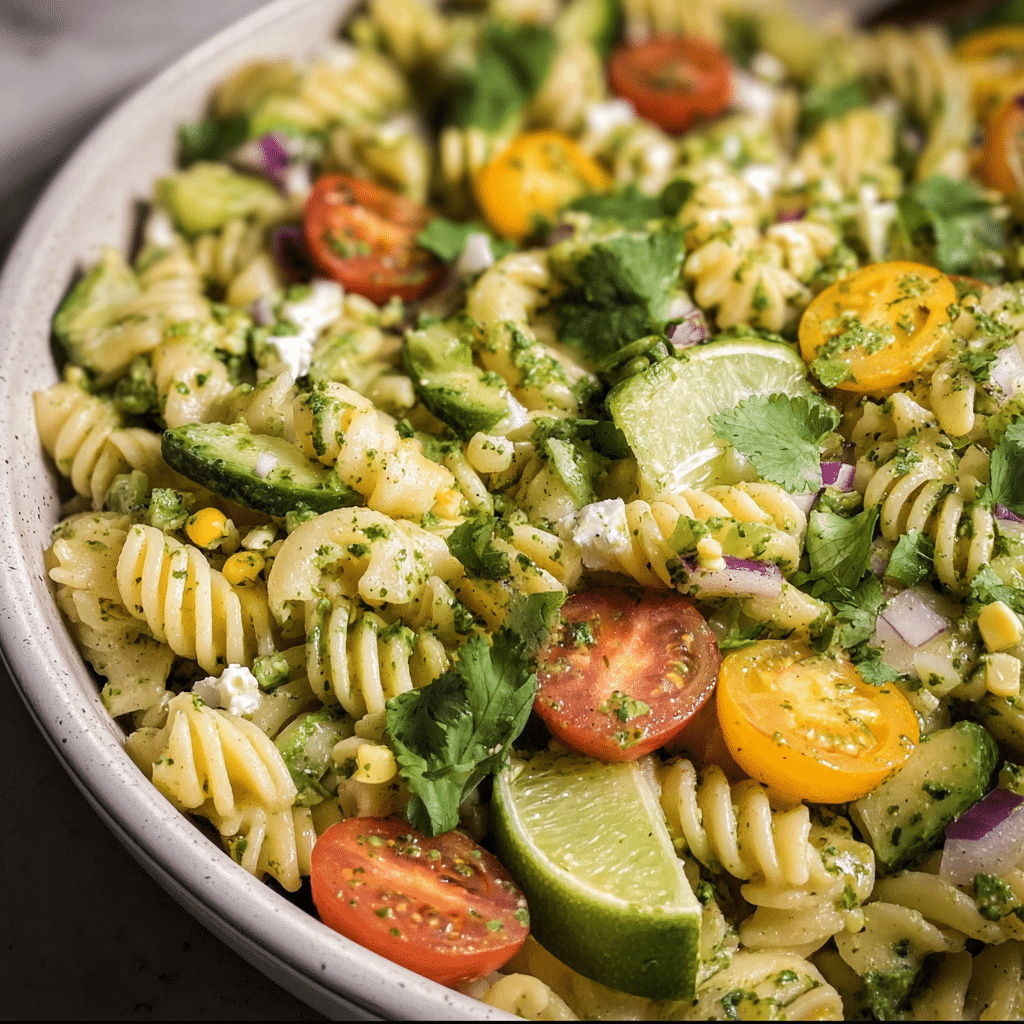
Another common issue is overcooked pasta. If you accidentally cook it too long, don’t despair. Toss the overcooked pasta with a bit of olive oil and a fresh squeeze of lime juice; this can help mask the mushiness somewhat. For future preparations, always taste your pasta a minute before the package instructions say it should be done to ensure perfect al dente results.
Presentation Tips
Presentation is an often-overlooked aspect of cooking, but it can make a significant difference in how your cilantro lime pasta is perceived. Consider serving your pasta in a large, shallow bowl to showcase the colors of the ingredients. A sprinkle of fresh cilantro and a few lime wedges on the side can add a pop of color and invite guests to personalize their servings. For a more elegant touch, you can use a ring mold to shape the pasta neatly on the plate, creating a visually appealing tower of flavors.
When it comes to wine pairings, a crisp white wine like Sauvignon Blanc or a light-bodied red such as Pinot Noir complements the zesty notes of cilantro lime pasta beautifully. The acidity in the wine matches the brightness of the lime and enhances the overall dining experience. If you’re looking for a non-alcoholic option, consider serving the dish with a refreshing sparkling water infused with lime and mint.
Cooking this cilantro lime pasta can be an incredibly rewarding experience. With these professional tips and techniques, you’re well-equipped to create a dish that bursts with flavor and impresses your family and friends. So grab your apron, and let’s get cooking!
Creative Variations and Adaptations of cilantro lime pasta
Cilantro lime pasta is a versatile dish that can be adapted in countless ways to suit different tastes and dietary preferences. Whether you’re looking to spice things up, accommodate seasonal ingredients, or make modifications for dietary needs, there are endless possibilities. Let’s dive into some creative variations and adaptations of this delightful dish.
Seasonal Variations
One of the joys of cooking is how easy it is to adapt recipes to take advantage of seasonal produce. In the summer, consider adding fresh corn, tomatoes, and bell peppers to your cilantro lime pasta for a burst of color and sweetness. Grilled zucchini or asparagus can bring a smoky flavor that pairs beautifully with the bright notes of lime and cilantro. In the fall, you might swap in roasted butternut squash or sweet potatoes, which add a hearty texture and a touch of sweetness, balancing the acidity of the lime.
Winter calls for heartier ingredients—think roasted Brussels sprouts or kale. Toss these in with your pasta for a nutritious twist. During spring, fresh peas and asparagus are in abundance; their bright colors and delicate flavors perfectly complement the cilantro lime base. The beauty of cilantro lime pasta is that it can change with the seasons, always bringing something new to the table.
Dietary Adaptations
For those following specific dietary lifestyles, cilantro lime pasta can easily be adapted. If you’re looking for a keto-friendly option, substitute traditional pasta with spiralized zucchini or spaghetti squash. This not only reduces the carb count but also adds a refreshing crunch that pairs wonderfully with the zesty dressing.
If you’re catering to vegan diets, simply replace any cheese or creamy elements with nutritional yeast or a homemade cashew cream, which provides a rich, creamy texture without any animal products. For gluten-free variations, there are numerous gluten-free pasta options available today, made from chickpeas, lentils, or brown rice, which can work beautifully in this dish.
Creative Twists
Taking inspiration from international cuisines can lead to some exciting twists on the classic cilantro lime pasta. For a Mexican flair, consider adding black beans, diced avocado, and a sprinkle of cotija cheese for a creamy, savory bite. You can also incorporate jalapeños or chipotle peppers for a spicy kick that contrasts wonderfully with the freshness of the cilantro and lime.
If you want to explore Asian flavors, try incorporating sesame oil and soy sauce into the dressing, along with edamame and bell peppers for a colorful and crunchy version of cilantro lime pasta. The fusion of flavors will create an entirely new experience while still honoring the original essence of the dish.
Leftovers can also be transformed creatively. If you find yourself with extra cilantro lime pasta, consider using it as a filling for tacos, or mix it into a frittata for a hearty breakfast. You could even blend it into a creamy soup base for a unique take on a classic dish.
Ultimately, the beauty of cilantro lime pasta lies in its versatility. With these creative variations and adaptations, you can tailor the dish to fit any occasion or dietary need. So let your imagination run wild in the kitchen, and enjoy the vibrant flavors that cilantro lime pasta has to offer!
Storage, Reheating, and Meal Prep for cilantro lime pasta
When it comes to preparing a delightful cilantro lime pasta salad, one of the aspects that often gets overlooked is how to properly store it. Trust me; I’ve been there—after making a big batch, I found myself scrambling to figure out the best way to keep it fresh for those glorious leftovers. In this section, I’m excited to share not just my hard-earned tips but also some handy tricks to ensure your cilantro lime pasta stays delicious, whether you’re enjoying it right away or saving it for later.
Short-term Storage
First and foremost, let’s talk about short-term storage. If you’re planning to eat your cilantro lime pasta salad within a few days, the refrigerator is your best friend. I recommend using airtight containers to keep the flavors intact and prevent any unwanted odors from mingling with your pasta salad. Glass containers are a personal favorite of mine, as they not only preserve the freshness but also allow you to see the vibrant colors of your dish.
Before you store your salad, it’s essential to give it a good mix to make sure the dressing is evenly distributed. After all, you don’t want to pull out a container only to find that all the zesty cilantro lime goodness has settled at the bottom! Once mixed, transfer your cilantro lime pasta salad into the container, pressing down gently to minimize air exposure. This technique helps keep the ingredients crisp and flavorful. Aim to consume your salad within 3 to 5 days for the best taste and texture.
Freezing and Long-term Storage
Now, if you’re like me and occasionally find yourself with an overabundance of cilantro lime pasta, let’s discuss freezing options. While it’s not the most common practice given the ingredients’ freshness, you can freeze your pasta salad if you follow a few guidelines. Start by portioning your salad into freezer-safe containers or bags. I like to use resealable freezer bags because they take up less space and make it easier to defrost individual servings.
Before sealing, make sure to remove as much air as possible to prevent freezer burn. I usually flatten the bags before sealing them, which helps eliminate excess air. You can freeze cilantro lime pasta salad for up to two months. However, keep in mind that the texture of the pasta may change once thawed. To maintain the best quality, consider freezing the components separately: pasta, vegetables, and cilantro lime dressing. This way, when you’re ready to enjoy it again, you can mix everything fresh!
Reheating Best Practices
When it comes time to reheat your cilantro lime pasta salad, I highly suggest a gentle approach to maintain the integrity of the ingredients. If you’ve stored your salad in the refrigerator, simply take it out and let it come to room temperature before serving. If you’ve frozen it, allow it to thaw overnight in the refrigerator before enjoying it. You can then give it a quick toss in a warm pan over low heat, just to bring back a bit of warmth without cooking the ingredients further.
However, if you’re dealing with the original salad straight out of the fridge, a quick spin in the microwave on low power can work wonders. Just remember to cover it with a damp paper towel to retain moisture. Aim for short intervals, checking to ensure you don’t overheat it. You want the pasta just warm enough to enjoy, without losing the beautiful freshness of the cilantro and lime that make this dish sing.
As you embark on your meal prep journey, consider making cilantro lime pasta salad a staple for your week. It’s perfect for batch cooking, as the vibrant flavors only get better after sitting for a while. Try prepping a big batch over the weekend—this is a great way to ensure you have quick, healthy meals ready to go during the busy weekdays. Portion it out into single servings that are easy to grab for lunch or dinner.
Food safety is paramount, so always remember to check the salad for any signs of spoilage before consuming leftovers. If it starts to smell off or has an unusual texture, it’s best to err on the side of caution and discard it. Generally, you can expect cilantro lime pasta salad to last 3 to 5 days in the refrigerator and up to two months in the freezer, ensuring you have plenty of time to enjoy this refreshing dish.
Lastly, when it comes to portioning and packaging tips, I recommend labeling your containers with the date you made the salad. This simple practice can help you keep track of freshness and avoid any confusion later on. So, the next time you whip up a tantalizing batch of cilantro lime pasta salad, rest assured you’ll be equipped with all the storage know-how to keep it as delicious as the day you made it!
Nutritional Benefits and Health Information
As I sit down to enjoy a bowl of cilantro lime pasta salad, I can’t help but marvel at how not only delicious it is but how nutritious too! This vibrant dish is packed with flavors and nutrients, making it an excellent choice for a healthy meal or side. In this section, I’ll guide you through the nutritional benefits of cilantro lime pasta and its key ingredients, offering insights into how it can fit into various dietary plans.
Nutritional Profile
Let’s break down the nutritional components of cilantro lime pasta salad. A standard serving typically contains cooked pasta, fresh cilantro, lime juice, and a medley of vegetables like bell peppers, corn, and red onion. On average, a serving of this salad can contain about 300-400 calories, depending on the portion size and additional ingredients like cheese or protein.
In terms of macronutrients, this dish offers a good balance. You can expect around 10-15 grams of protein if you add chicken or beans, about 45-60 grams of carbohydrates from the pasta, and 10-15 grams of healthy fats if you include avocado or olive oil in your dressing. The fiber content is another highlight, with fresh vegetables contributing to about 5-7 grams per serving, promoting digestive health and keeping you full longer.
Health Benefits
One of the standout ingredients in cilantro lime pasta is, of course, cilantro itself. This herb is not just a pretty garnish; it’s packed with antioxidants and has been shown to have anti-inflammatory properties. Cilantro is also known for its potential to help detoxify heavy metals from the body, which is a fantastic bonus! Lime juice, another key player in this dish, is rich in vitamin C, which boosts your immune system and promotes healthy skin.
The vegetables you choose to include can offer various vitamins and minerals as well. For example, bell peppers are high in vitamin A and C, while corn adds a touch of sweetness along with fiber and B vitamins. If you’re looking to amp up the health benefits, consider adding extra veggies or even swapping out regular pasta for whole-grain or legume-based options. This can further increase your fiber content and provide additional nutrients.
Dietary Considerations
Cilantro lime pasta salad is a versatile dish that can cater to many dietary needs. It can easily be made gluten-free by substituting traditional pasta with gluten-free alternatives like quinoa, rice noodles, or chickpea pasta. For vegetarian or vegan eaters, consider adding chickpeas or black beans for protein, along with a plant-based dressing. If you’re watching your carb intake, this salad can be enjoyed as a light meal or side, especially if you load up on the veggies and use a smaller portion of pasta.
When it comes to allergens, be mindful of any ingredients that may not suit everyone’s palate or dietary restrictions. For instance, if you’re serving it to guests, consider offering the dressing on the side, so everyone can customize their experience. This flexibility allows your cilantro lime pasta salad to be a crowd-pleaser at potlucks or family dinners.
As I reflect on my culinary journey, I can’t help but appreciate how this dish fits seamlessly into various popular diet plans. Whether you’re following a Mediterranean, vegetarian, or even a low-calorie diet, cilantro lime pasta salad can be adapted to meet your needs. The vibrant colors and fresh flavors make it not just a meal but a delightful experience that nourishes both the body and soul.
In conclusion, cilantro lime pasta salad is so much more than just a delicious dish; it’s a treasure trove of nutrients and health benefits. With its unique blend of flavors, it can easily become a staple in your meal rotation. Whether enjoyed fresh or prepped ahead, this salad is a brilliant way to embrace healthy eating while satisfying your taste buds!
Conclusion: Mastering the Perfect cilantro lime pasta
Creating the perfect cilantro lime pasta is more than just following a recipe—it’s about understanding the techniques, ingredients, and cultural significance behind this beloved dish. Throughout this comprehensive guide, we’ve explored everything from the historical origins to modern variations, ensuring you have all the knowledge needed to make this recipe your own.
Whether you’re a beginner cook or an experienced chef, the techniques and tips we’ve shared will help you create a cilantro lime pasta that’s not only delicious but also meaningful. Remember that cooking is a journey of discovery, and each time you make this dish, you’ll learn something new.
We encourage you to experiment with the variations we’ve discussed, adapt the recipe to your dietary needs, and most importantly, share it with the people you love. Food has the incredible power to bring people together, and Cilantro Lime Pasta Salad is the perfect dish to create lasting memories around your dinner table.
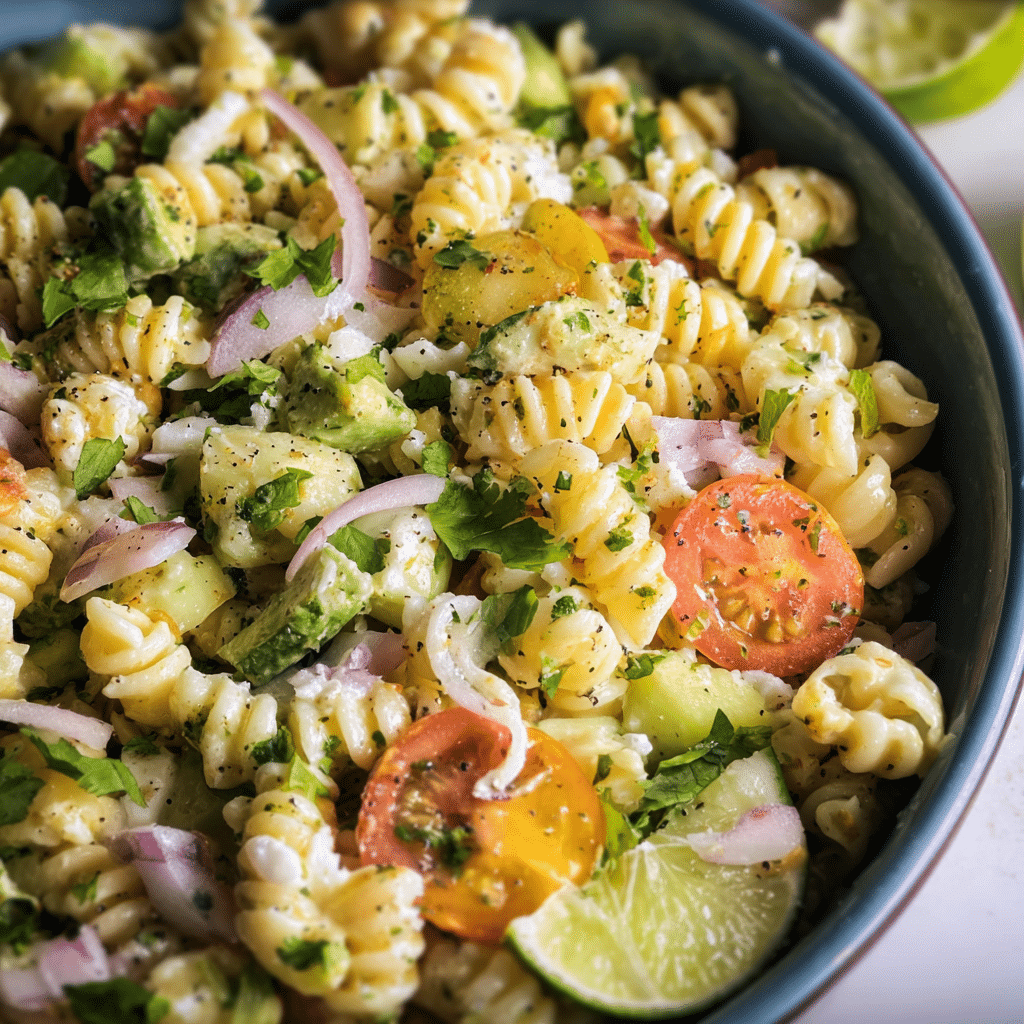
Don’t forget to share your cooking adventures with us on social media, and feel free to ask questions in the comments below. Happy cooking!
Share this recipe and let us know how it turned out! Tag us on social media for a chance to be featured.