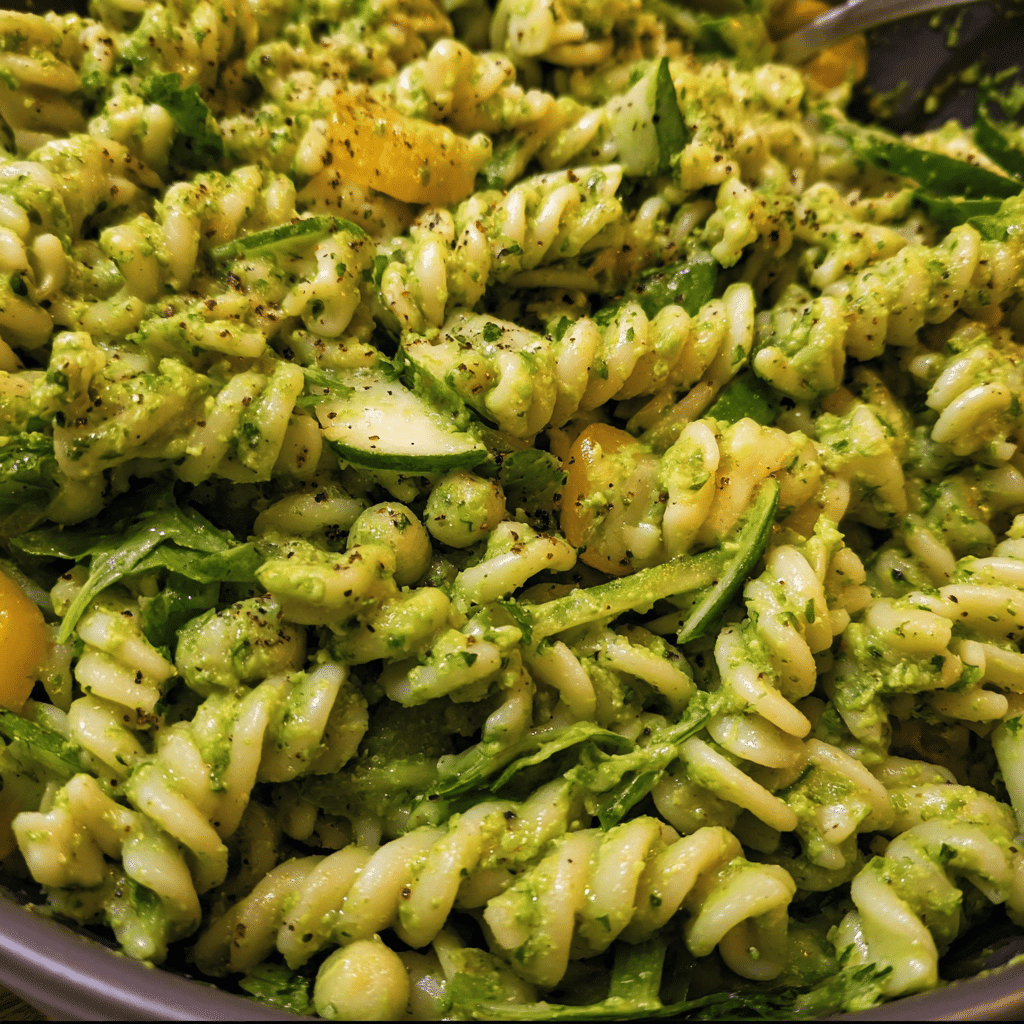
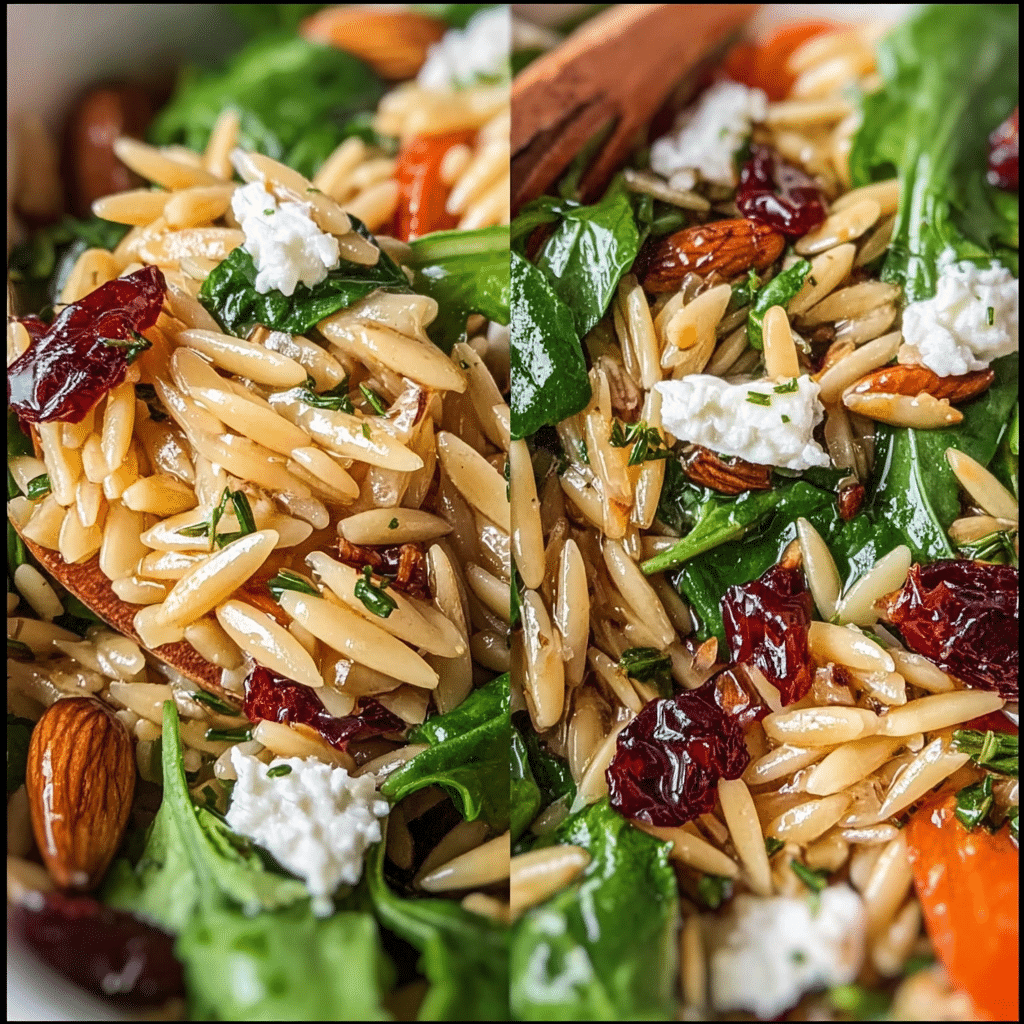
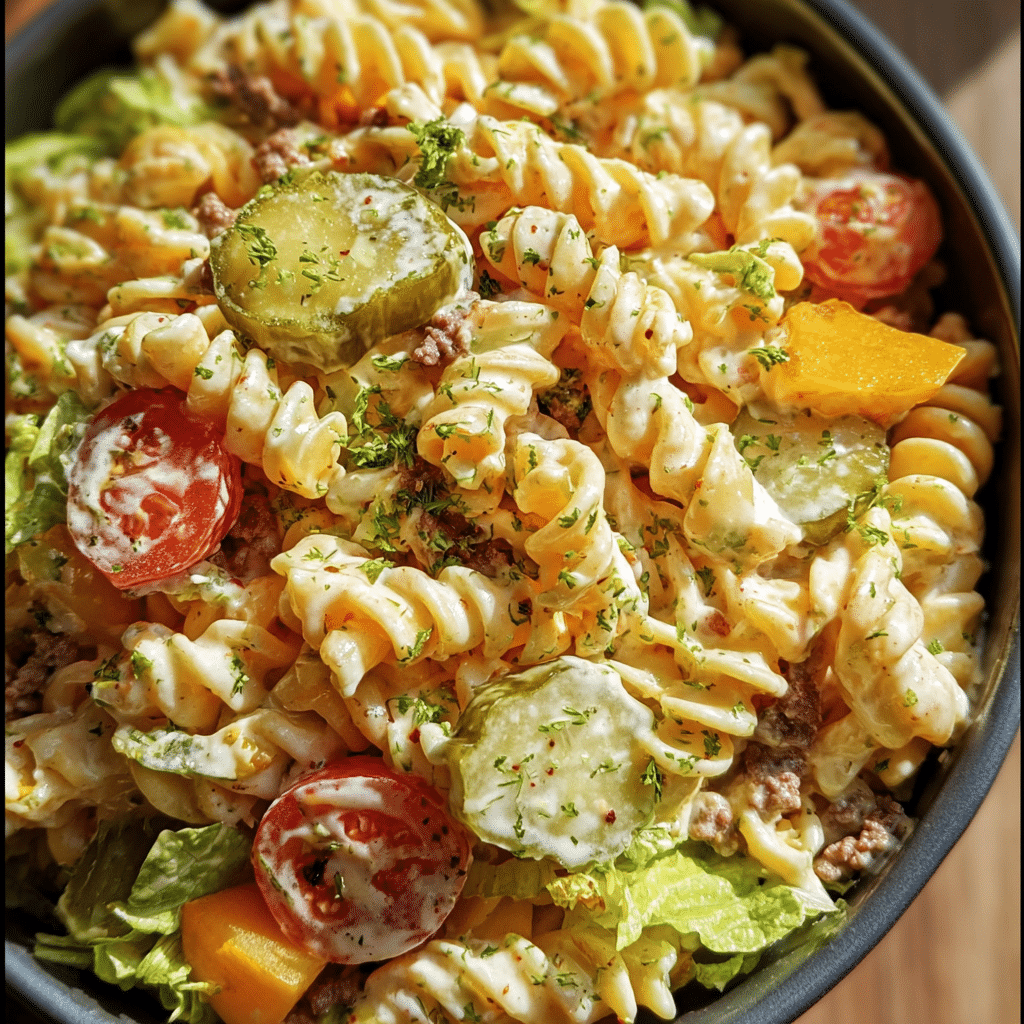
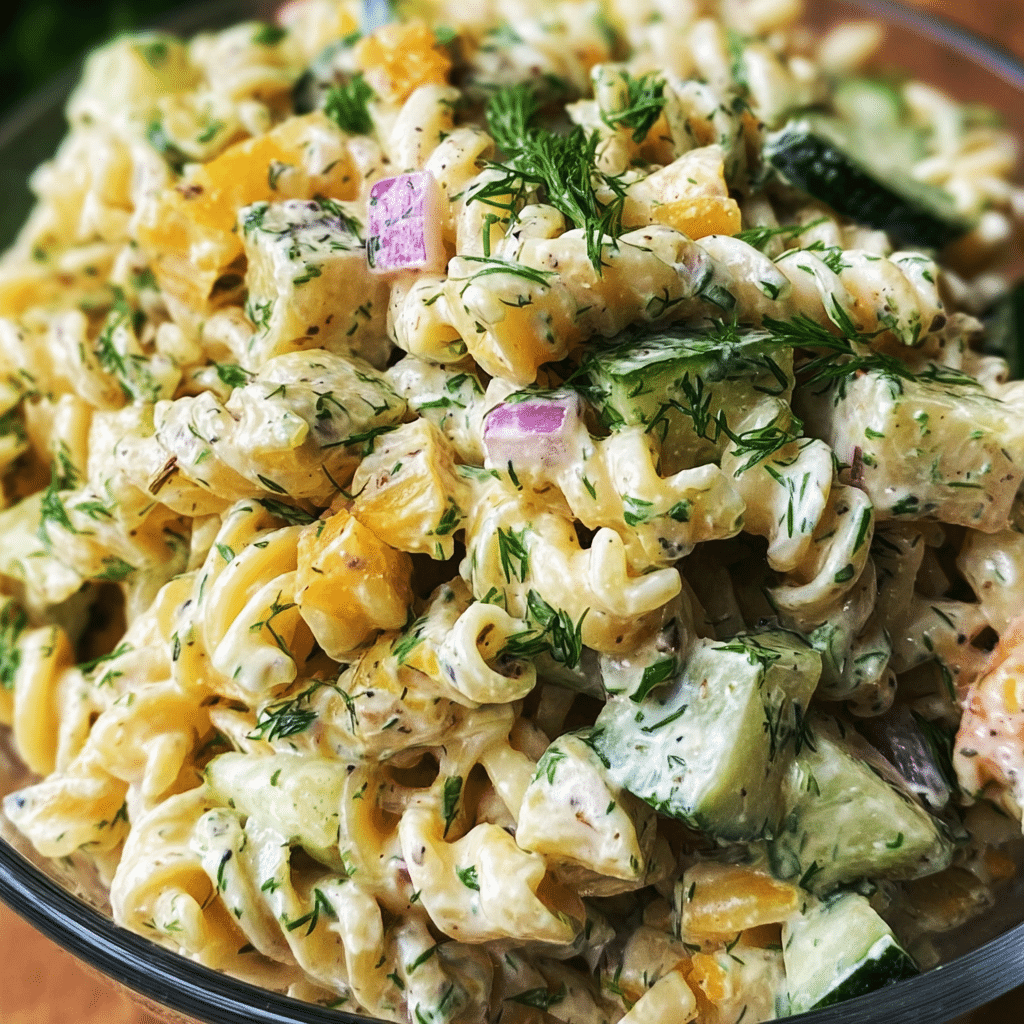
Caprese pasta salad is a delightful dish that marries the vibrant flavors of fresh ingredients with the comforting heartiness of pasta. This dish took me by surprise during a summer gathering a few years ago, where the host served a beautiful bowl of caprese pasta salad. As I took my first bite, the combination of ripe tomatoes, fragrant basil, creamy mozzarella, and a drizzle of balsamic glaze opened my eyes to a whole new way of enjoying pasta. I was instantly captivated by how simple, fresh ingredients could come together to create something so delicious and satisfying. Ever since that day, caprese pasta salad has become a staple in my kitchen, often making an appearance at family dinners and potlucks.
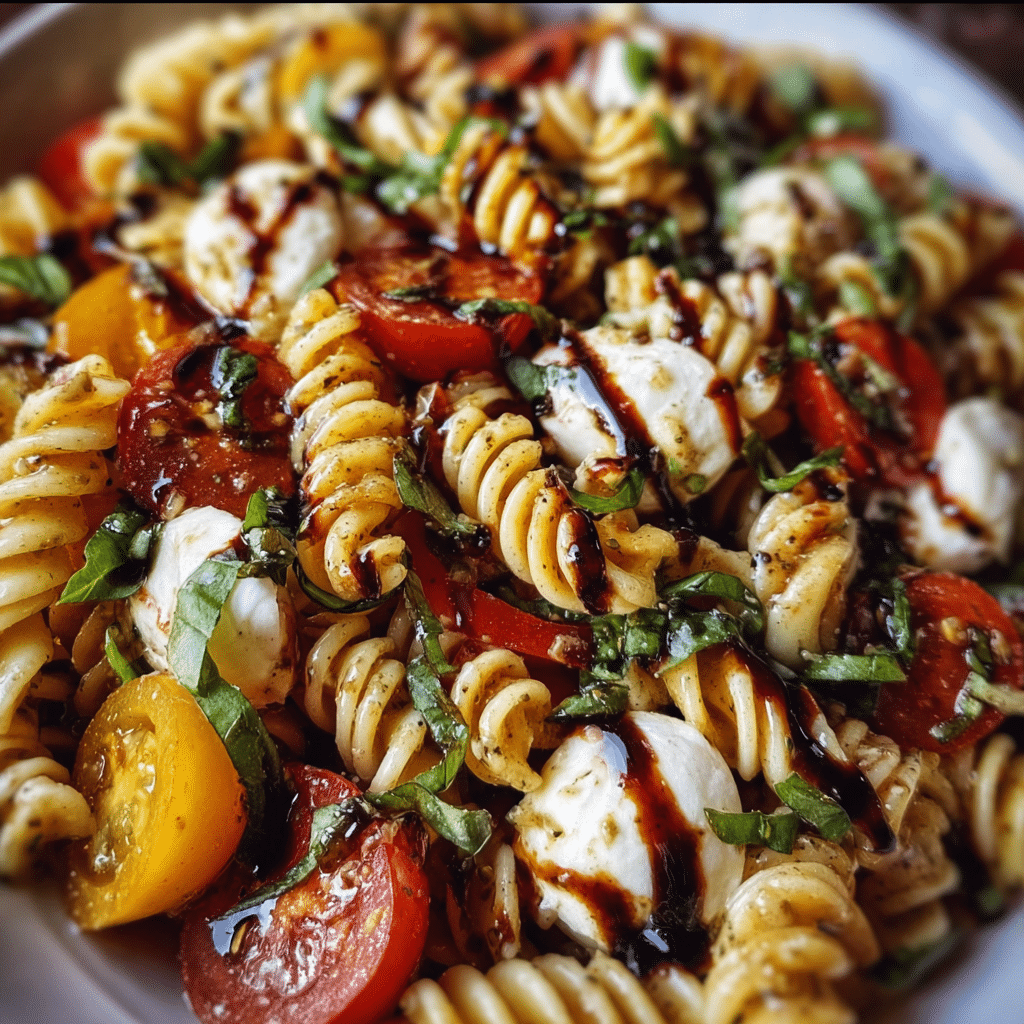
The Story Behind This Recipe
My journey with caprese pasta salad didn’t just start at that gathering; it has roots deeply embedded in my family’s culinary culture. Growing up, we often celebrated summer evenings with simple meals that showcased seasonal produce. My grandmother had a way of bringing a garden’s worth of flavors to the table, often creating dishes that were as colorful as they were delicious. I remember her teaching me how to pick the ripest tomatoes and the importance of using fresh basil, which she would often grow in a little pot by the kitchen window. It was during one of our cooking sessions that she introduced me to the concept of a caprese salad. The idea of transforming that salad into a pasta dish was a natural evolution, and thus, my love for caprese pasta salad was born.
The cultural significance of caprese pasta salad is not just in its ingredients but also in its essence of bringing people together. Originating from the beautiful Amalfi Coast of Italy, the traditional caprese salad features fresh mozzarella, ripe tomatoes, and basil, dressed simply with olive oil and salt. The dish reflects the Italian philosophy of using high-quality, seasonal ingredients to create meals that are both satisfying and nourishing. By incorporating pasta into this classic dish, I’ve found a way to make it more filling while still maintaining the fresh, vibrant flavors that make caprese salads so appealing.
Why You’ll Love This Dish
What makes the caprese pasta salad special is its versatility and ease of preparation. For busy families looking for quick dinner solutions, this dish shines. It can be prepared in under 30 minutes, making it perfect for a weeknight meal or a last-minute gathering. You can customize it to suit your tastes or use whatever vegetables you have on hand. Whether you prefer a minimalist approach with just tomatoes, mozzarella, and basil or want to add in some grilled chicken and a variety of colorful vegetables, the possibilities are endless.
Seasonal relevance is another compelling reason to embrace caprese pasta salad. During summer, when tomatoes are at their peak, the dish bursts with flavor and brightness. But it isn’t limited to just summer; with a few tweaks, you can enjoy it year-round. In the fall, consider adding roasted butternut squash for a cozy twist, or in the winter, toss in some sun-dried tomatoes to keep that fresh flavor alive. The emotional connection to this dish runs deep for me; it represents simplicity, family gatherings, and the joy of sharing food with loved ones.
In this guide, readers will learn everything they need to know about making the perfect caprese pasta salad, from selecting the best ingredients to creative variations that keep the dish exciting. I’ll share tips on how to elevate your salad with homemade balsamic glaze and explore ways to make it a balanced meal. Whether you’re preparing for a picnic or a dinner party, the caprese pasta salad will impress your guests and leave you feeling accomplished and satisfied.
The Rich History and Cultural Significance of caprese pasta salad
The rich history and cultural significance of caprese pasta salad can be traced back to the traditional caprese salad, which originated from the island of Capri, Italy. The island is known for its stunning views, vibrant flowers, and, of course, its culinary delights. The original caprese salad, consisting of fresh mozzarella, tomatoes, and basil, symbolizes the colors of the Italian flag and embodies the simplicity and freshness that Italian cuisine is renowned for. As Italian immigrants spread across the globe, they brought their culinary traditions with them, and the caprese salad naturally evolved into various forms, including the delicious caprese pasta salad we enjoy today.
Origins and History
The roots of caprese pasta salad stem from the classic caprese salad that has been enjoyed in Italian households for centuries. The simplicity of the ingredients—fresh mozzarella, ripe tomatoes, and fragrant basil—reflects the Italian philosophy of using high-quality, seasonal produce. As this dish made its way to different regions and cultures, variations emerged, adapting to local ingredients and tastes. In the United States, pasta became a popular addition, transforming the dish into a hearty salad that could stand on its own as a meal.
Over the years, caprese pasta salad has gained popularity not just for its flavor but also for its adaptability. It can be served as a side dish, a main course, or even a potluck favorite, making it a versatile option for any occasion. With each new twist and turn in its preparation, it remains rooted in the original caprese flavors, allowing it to maintain its cultural significance while also embracing innovation.
Cultural Significance
Caprese pasta salad is not just a dish but a celebration of Italian culture. Traditionally, it is served during summer months when tomatoes and basil are at their peak, often at family gatherings, picnics, and festive occasions. The dish serves as a reminder of Italian culinary traditions that emphasize the importance of family, sharing, and enjoying food together. In Italian culture, meals are a time to connect with loved ones, and what better way to do that than with a dish that is both beautiful and delicious?
Famous chefs have embraced the caprese pasta salad, elevating it to restaurant menus and food festivals across the globe. The dish has become a staple in Italian restaurants, showcasing the ability to combine traditional flavors with contemporary presentation. Chefs often experiment with different types of pasta, dressings, and additional ingredients to create unique interpretations while still honoring the essence of the original recipe.
Nutritional Benefits
Beyond its delicious taste and visual appeal, caprese pasta salad is also packed with nutritional benefits. The fresh ingredients provide a wealth of vitamins and minerals. Tomatoes are rich in antioxidants, particularly lycopene, which is known for its potential health benefits, including heart health and cancer prevention. Fresh mozzarella provides a good source of calcium and protein, while basil offers anti-inflammatory properties and essential oils that can boost your immune system.
When prepared with whole grain or vegetable-based pasta, caprese pasta salad can be a wholesome meal that is both filling and nutritious. Adding a variety of vegetables, such as bell peppers, zucchini, or even leafy greens, can further enhance the nutritional profile, making it a well-rounded option for families looking to incorporate more healthy ingredients into their diet.
As you can see, the caprese pasta salad is more than just a dish; it is a reflection of history, culture, and health. By understanding its origins and significance, we can better appreciate the flavors and joy it brings to our tables today. Whether you’re serving it at a family gathering or enjoying it as a simple weeknight dinner, this dish is sure to create lasting memories.
Essential Ingredients for Perfect caprese pasta salad
When it comes to creating a delightful caprese pasta salad, the ingredients you choose play a pivotal role in elevating the dish from ordinary to extraordinary. Each component contributes not just flavor, but texture, color, and nutritional benefits. Here, we will dissect the essential ingredients, delve into their significance, and equip you with tips to ensure you select the best of the best.
Essential Ingredients
- 8 oz mini penne pasta, cooked, drained, and cooled
- 16 oz teardrop tomatoes, sliced lengthwise
- 16 oz mozzarella balls
- 1/2 cup fresh basil leaves, torn
- 1 cup black olives, drained
- 1/4 cup parmesan cheese
- 1/4 cup olive oil
- balsamic reduction
- Salt and pepper to taste
Caprese Pasta Salad With Balsamic Glaze
Ingredients
- 3.5 oz arugula
- 8 oz pasta, such as farfalle or orzo, cooked and rinsed
- ½ cup walnuts, finely chopped
- ⅓ cup finely grated parmesan or pecorino cheese
- 1 lemon (juice and zest)
- 8 Tb olive oil
- 1 tsp salt
- ½ tsp black pepper
- 1 Tb capers plus 1 teaspoon of their brine
- 1 Tb white balsamic vinegar
- 6 basil leaves, cut chiffonade-style (optional)
- 2 tsp dijon mustard
Instructions
- Cook pasta per package instructions, slightly softer than al dente. When the pasta is finished, drain and rinse it well.
- Make the dressing in a large mixing bowl by whisking together lemon juice and zest, white balsamic vinegar, dijon mustard, walnuts, capers, salt, pepper, and olive oil. Then stir in the parmesan cheese.
- Add the rinsed pasta and toss to combine.
- Add the arugula and basil, if using, and toss to combine.
Let’s explore each of these ingredients in detail:
- Mini Penne Pasta: The foundation of any good caprese pasta salad is, of course, the pasta. Mini penne is a great choice because its ridges and hollow structure hold onto the dressing beautifully, ensuring every bite is packed with flavor. Look for high-quality pasta made from durum wheat for the best texture. When cooking, aim for al dente; this will give your salad a pleasant bite.
- Teardrop Tomatoes: These vibrant, sweet tomatoes are not only visually appealing but also add a burst of freshness to your salad. Their shape is perfect for slicing and they have fewer seeds compared to other varieties, making them a wonderful addition. When selecting tomatoes, opt for those that are firm but slightly yielding, indicating ripeness. Seasonal tomatoes, especially in summer, will enhance the overall flavor.
- Mozzarella Balls: Also known as bocconcini, these bite-sized mozzarella pieces add creaminess to your caprese pasta salad. They should be fresh, ideally stored in a brine or whey to maintain moisture. Look for mozzarella that is made from buffalo milk for a richer taste, or choose cow’s milk for a milder flavor.
- Fresh Basil Leaves: The aromatic quality of fresh basil is what gives this salad its quintessential caprese flavor. When using basil, tear the leaves rather than cutting them to release their natural oils and enhance the fragrance. Always choose vibrant, green leaves without brown spots for the best quality.
- Black Olives: These add a savory, briny flavor that balances the sweetness of the tomatoes and the creaminess of the mozzarella. Look for pitted olives for convenience, and consider using Kalamata or Castelvetrano olives for a more robust flavor profile. If olives aren’t your favorite, consider using artichoke hearts for a similar briny quality.
- Parmesan Cheese: Freshly grated Parmesan adds a salty, nutty depth to the salad. When selecting Parmesan, look for a block of cheese rather than pre-grated options, as the latter often contain preservatives that can affect flavor. Freshly grated cheese will melt beautifully into the salad, coating each ingredient.
- Olive Oil: A good quality extra virgin olive oil is essential for dressing your salad. It not only enhances flavor but also provides healthy fats. Look for oils that are cold-pressed and from a single estate for the best quality. When drizzling, aim for a balance; too much can make the salad greasy, while too little can leave it dry.
- Balsamic Reduction: This sweet and tangy drizzle is the finishing touch that pulls all the flavors together. You can purchase pre-made balsamic reduction or make your own by simmering balsamic vinegar until it thickens. The key is to find a balance that enhances the dish without overpowering it.
- Salt and Pepper: Simple but crucial, seasoning enhances all the flavors in your caprese pasta salad. Use sea salt for a more complex flavor and freshly ground black pepper for a hint of spice. Always taste as you go to ensure the perfect seasoning balance.
Shopping Tips
When it comes to sourcing ingredients for your caprese pasta salad, quality is paramount. Freshness can transform your dish from good to phenomenal. Visit local farmers’ markets or specialty grocery stores for the freshest produce, especially during peak growing seasons. For pasta and cheese, consider local artisanal shops where you can ask for recommendations. If you’re opting for organic ingredients, look for certifications on the packaging and consider the cost-benefit ratio for your budget.
Substitutions and Alternatives
Don’t hesitate to customize your caprese pasta salad to fit dietary restrictions or personal preferences. For a gluten-free option, substitute the mini penne with gluten-free pasta made from rice or quinoa. If you’re vegan, you can replace mozzarella with cashew cheese or omit it entirely, adding more vegetables to compensate. For those watching their sodium intake, consider rinsing canned olives or using fresh herbs in place of the salty components. The beauty of this salad lies in its versatility!
Storing your ingredients properly is just as important as selecting them. Pasta can be stored in an airtight container in a cool, dry place. Fresh vegetables and herbs should be kept in the refrigerator, ideally in their original packaging or in breathable bags. Cheese should be wrapped in wax paper or cheese paper to maintain moisture without becoming moldy. Following these tips will ensure that your ingredients remain fresh and flavorful, ready for your next caprese pasta salad creation.
Detailed Step-by-Step caprese pasta salad Cooking Instructions
Now that you have gathered all the essential ingredients for your caprese pasta salad, it’s time to embark on the cooking journey. In this section, we’ll walk through a detailed step-by-step process that will help you create a beautiful and delicious salad with ease. You’ll find that with proper preparation and attention to detail, even novice cooks can excel in the kitchen!
Preparation Steps
- Cook the Pasta: Start by bringing a large pot of salted water to a boil. Add your 8 oz of mini penne pasta and cook according to package instructions until al dente, usually about 8-10 minutes. Remember to stir occasionally to prevent sticking. Once cooked, drain the pasta in a colander and let it cool. Rinsing it under cold water can stop the cooking process and help it cool faster.
- Slice the Tomatoes: While the pasta is cooling, it’s time to prep the teardrop tomatoes. Take 16 oz of these sweet gems and slice them lengthwise. This not only makes for a beautiful presentation but also allows the juices to mingle with the pasta. Place the sliced tomatoes in a large mixing bowl.
- Add Mozzarella: Next, add your 16 oz of mozzarella balls to the mixing bowl with the tomatoes. If you’re using larger mozzarella balls, consider cutting them in half for a more manageable bite size. The creaminess of the mozzarella provides a lovely contrast to the acidity of the tomatoes.
- Tear the Basil: Now, take your 1/2 cup of fresh basil leaves and tear them into smaller pieces. This will help release the aromatic oils, enhancing the overall flavor of your caprese pasta salad. Add the torn basil to the mixing bowl.
- Prepare the Olives: Drain 1 cup of black olives if they are canned. If you prefer, you can slice them for a more uniform texture throughout your salad. Add them to the bowl, allowing their briny flavor to infuse the other ingredients.
Cooking Process
- Grate the Parmesan: Using a microplane or a box grater, grate 1/4 cup of Parmesan cheese. Freshly grated cheese will melt into your salad, offering a richer flavor than pre-packaged varieties. Sprinkle this over the salad components in the bowl.
- Drizzle Olive Oil: Measure out 1/4 cup of extra virgin olive oil and drizzle it over the assembled ingredients. This adds moisture and richness to the salad. Make sure to use high-quality olive oil for the best flavor.
- Add Balsamic Reduction: Finish your salad with a generous drizzle of balsamic reduction. This step is crucial as it ties all the flavors together with its sweet and tangy profile. You can adjust the amount based on your taste preferences.
- Season to Taste: Finally, season your caprese pasta salad with salt and pepper. Remember, it’s best to start with a little and taste as you go. This ensures you achieve the perfect balance of flavors.
Final Assembly
- Toss Gently: Using a large spoon or spatula, gently toss all the ingredients together. Be careful not to crush the tomatoes or mozzarella. You want everything to be well-coated with olive oil and balsamic reduction but still retain its integrity.
- Chill the Salad: If you have time, cover the bowl with plastic wrap and let your caprese pasta salad chill in the refrigerator for at least 30 minutes. This allows the flavors to meld beautifully. It’s a great make-ahead dish for parties or picnics!
- Serve and Enjoy: When ready to serve, give the salad a final gentle toss. Present it in a large bowl or individual serving plates. Add a little extra drizzle of balsamic reduction on top for a decorative touch. The vibrant colors and fresh aromas will surely impress your guests!
- Store Leftovers: If you have any leftovers, store them in an airtight container in the refrigerator. The salad is best enjoyed within 2-3 days, although the pasta may absorb some of the dressing over time. You can refresh it with a little more olive oil and balsamic before serving again.
As you can see, preparing a caprese pasta salad is not only straightforward but also a joyful process filled with vibrant colors and fresh flavors. With this detailed guide, you’ll be able to impress your family and friends with a dish that’s not only beautiful but delicious. Happy cooking!
Professional Tips and Techniques for caprese pasta salad
Creating the perfect caprese pasta salad is not just about tossing ingredients together; it requires understanding the principles of flavor, texture, and presentation. As someone who has spent years perfecting this dish, I want to share with you some professional tips and techniques that will elevate your salad from ordinary to extraordinary.
Professional Techniques
One of the key elements in making a delightful caprese pasta salad is selecting high-quality ingredients. When it comes to tomatoes, heirloom varieties are my personal favorite. Their rich flavor and vibrant colors not only enhance the visual appeal but also provide depth to the dish. Always aim for the ripest tomatoes you can find, as they will give the salad the fresh taste we associate with traditional Caprese.
Next, let’s talk about the pasta. While you can use any pasta shape, I recommend using a short, sturdy pasta like fusilli or farfalle. These shapes hold onto the dressing and ingredients, ensuring every bite is packed with flavor. Make sure to cook the pasta al dente; this not only gives the salad a pleasant chew but also prevents the pasta from becoming mushy when mixed with the other components.
Incorporating fresh basil is essential, but don’t just chop it haphazardly. Instead, stack the leaves, roll them tightly, and slice them into ribbons (a technique known as chiffonade). This method ensures that the basil is evenly distributed throughout the salad, giving each forkful a burst of aromatic flavor.
Lastly, let’s not forget about the balsamic glaze. Making your own offers the best flavor. Simply reduce balsamic vinegar over medium heat until it thickens into a syrupy consistency. This not only intensifies the sweetness but also adds a beautiful sheen to your caprese pasta salad.
Troubleshooting Guide
Even with the best intentions, sometimes things can go awry. If your caprese pasta salad ends up too watery, consider using smaller tomatoes or removing the seeds before mixing. This will keep the salad from becoming a soggy mess. Additionally, if you find the flavors are a bit bland, a pinch of salt or a squeeze of fresh lemon juice can brighten things up.
Another common issue is the salad becoming too oily. This typically happens when too much olive oil is used. Start with a small amount, and you can always add more if needed. Remember, the goal is to lightly coat the ingredients, not drown them.
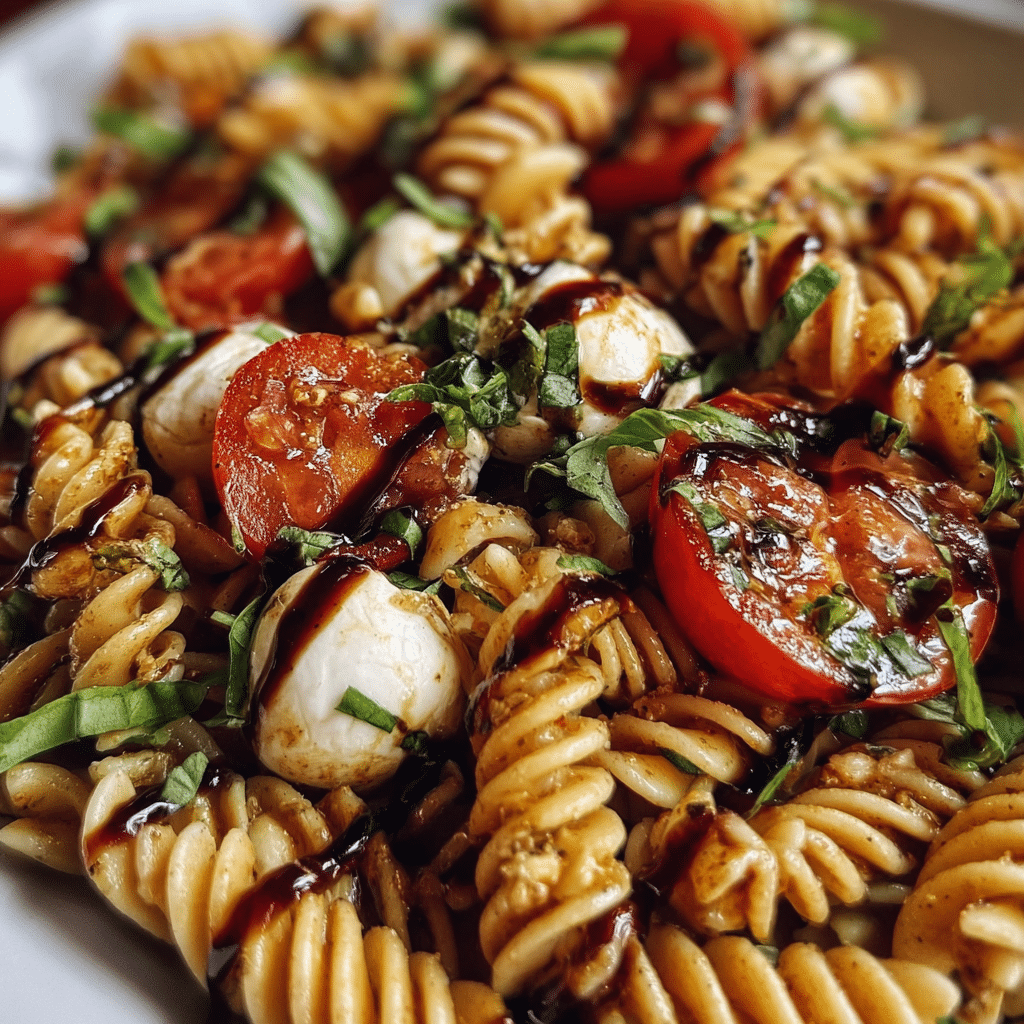
If you’re prepping ahead of time, be cautious with the salad’s components. Keep the pasta, tomatoes, and mozzarella separate until you’re ready to serve to prevent the salad from becoming soggy. Store the dressing in a jar and shake it up just before serving for a fresh taste.
Presentation Tips
When it comes to serving your caprese pasta salad, presentation is key. Use a large, shallow bowl to allow all the beautiful colors to shine. Layer the salad ingredients rather than mixing them all together. Start with a base of pasta, add your tomatoes, then mozzarella, and finish with a sprinkling of fresh basil and a drizzle of balsamic glaze. This creates an appealing visual effect that is sure to impress your guests.
For an added touch of elegance, consider garnishing with edible flowers or microgreens. Not only do they add a pop of color, but they also elevate the dish’s overall presentation.
Pairing wines with your caprese pasta salad can also enhance the dining experience. A crisp Sauvignon Blanc or a light Pinot Grigio complements the fresh flavors beautifully. If you prefer red wine, a light-bodied Chianti could work well, echoing the Italian roots of the salad.
In conclusion, mastering the caprese pasta salad involves attention to detail, quality ingredients, and a little creativity. With these tips and techniques, you’ll be well on your way to impressing your family and friends with a dish that is not only delicious but also visually stunning.
Creative Variations and Adaptations of caprese pasta salad
The beauty of caprese pasta salad lies in its versatility. While the traditional recipe offers a delightful combination of flavors and textures, there’s a whole world of creative variations waiting to be explored. Let’s dive into some exciting adaptations that can make your salad unique and cater to different tastes and dietary preferences.
Seasonal Variations
One of the most enjoyable aspects of cooking is adapting recipes to the seasons. In the summer, when tomatoes are at their peak, you can experiment with different varieties. Try incorporating cherry or grape tomatoes for their sweetness, or even roasted tomatoes for a deeper flavor profile. In the fall, consider adding roasted butternut squash or sweet potatoes, which provide a hearty addition and pair beautifully with the other ingredients.
During the winter months, when fresh basil is less available, you might opt for spinach or arugula as a base. These greens can provide a similar peppery flavor while maintaining the freshness of your caprese pasta salad. Additionally, consider using sundried tomatoes to bring a concentrated flavor that captures the essence of summer.
Dietary Adaptations
In today’s culinary landscape, accommodating various dietary needs is essential. If you’re making a caprese pasta salad for a vegan crowd, simply swap out the mozzarella for a plant-based alternative or use avocado for creaminess. You can also explore nut-based cheeses, which can add a delightful richness without dairy.
For those following a gluten-free diet, using gluten-free pasta made from rice or chickpeas is a fantastic option. The texture may differ slightly, but the flavor profile remains intact. To make the salad keto-friendly, reduce the quantity of pasta and increase the amount of fresh vegetables, such as bell peppers or zucchini, to maintain the volume and nutrition without the carbs.
Creative Twists
Looking to take your caprese pasta salad on a culinary journey? Consider international fusion variations. For instance, add some diced avocados and a squeeze of lime for a Mexican twist, or toss in some roasted red peppers and feta cheese for a Mediterranean flair. Each of these adaptations can introduce new flavors while still keeping the essence of the original dish.
If you have leftover pasta salad, don’t let it go to waste! Transform it into a hearty baked dish by mixing it with a few eggs and cheese, then baking until golden and bubbly. This can serve as a delightful brunch option or a quick weeknight dinner.
In conclusion, the possibilities are endless when it comes to variations of caprese pasta salad. Whether you’re adapting for the seasons, accommodating dietary restrictions, or simply looking to experiment, there’s something for everyone to enjoy. Embrace your creativity in the kitchen and make this dish your own!
Storage, Reheating, and Meal Prep for caprese pasta salad
When it comes to preparing a delightful caprese pasta salad, understanding how to store and reheat it properly is just as important as the initial preparation. Whether you’re making this dish for a picnic, a potluck, or simply to enjoy throughout the week, effective storage ensures that you maintain the flavors and textures that make this salad so irresistible. Let’s dive into the best practices for storing, reheating, and meal prepping your caprese pasta salad.
Short-term Storage
After you’ve whipped up your caprese pasta salad, proper short-term storage is crucial for keeping it fresh. The first thing to consider is the container you use. Glass containers with airtight lids are excellent for this purpose, as they prevent moisture loss and keep the salad crisp. If you’re using plastic containers, ensure they are BPA-free and designed for food storage.
Before placing your salad in the fridge, let it cool for a few minutes at room temperature. This step is essential because introducing warm food into a cold environment can create condensation, leading to soggy ingredients. Once cooled, transfer the salad into your chosen container. If you’ve used dressing, consider storing it separately to prevent the pasta from becoming mushy. A good rule of thumb is to consume the salad within 3 to 5 days to ensure optimal freshness.
It’s also worth noting that if you’re storing leftovers, portioning them out into smaller containers can make it easier to grab a quick meal or side dish. This way, you can enjoy your caprese pasta salad without having to open the entire batch and expose the rest to air and temperature changes.
Freezing and Long-term Storage
While caprese pasta salad is best enjoyed fresh, you may wonder if freezing is an option for long-term storage. The short answer is that it’s not recommended. The ingredients in a caprese salad, particularly the fresh tomatoes and mozzarella, do not freeze well. Freezing can alter their texture, making them mushy and unappetizing upon thawing.
If you do find yourself with an excess of salad and are determined to preserve it, consider freezing only the pasta. Cooked pasta can be frozen, though it’s best to do so before it is mixed with the other ingredients. Allow the pasta to cool completely, then spread it out on a baking sheet lined with parchment paper. Once frozen, transfer it into a freezer-safe bag or container. When you’re ready to enjoy your salad again, simply thaw the pasta in the refrigerator overnight and mix it with fresh ingredients and dressing.
Reheating Best Practices
If your caprese pasta salad has been stored in the refrigerator and you wish to enjoy it warmed, there are a few methods to consider. It’s important to note that caprese pasta salad is typically served cold, but if you prefer a warm version, gently reheating can be done. The best method is to use the stovetop. Place your salad in a non-stick skillet over low heat, stirring frequently until warmed through. This technique helps to maintain the integrity of the ingredients without overcooking them.
Alternatively, you can use a microwave. Place the salad in a microwave-safe bowl and cover it loosely with a microwave-safe lid or plate. Heat in short intervals (about 30 seconds), stirring in between, until the desired warmth is achieved. Be cautious, as overheating can lead to rubbery mozzarella and wilted basil, which detracts from the overall experience of your caprese pasta salad.
Food safety is also an important factor to consider. Always check for signs of spoilage before consuming stored salad. Look for off odors, discoloration, or an unusual texture. When in doubt, toss it out!
In summary, the key to enjoying your caprese pasta salad lies in how you store and reheat it. By following these guidelines, you can savor this delicious dish at its best, whether it’s fresh or reheated. Remember, the joy of a well-prepared salad is not just in its flavors but also in the memories it creates with every bite.
Nutritional Benefits and Health Information
As we dive into the world of food, understanding the nutritional benefits of what we eat is essential, especially when it comes to a dish as delightful as caprese pasta salad. This vibrant salad, rich in fresh ingredients, offers a myriad of health benefits, making it a fantastic choice for anyone looking to enjoy a delicious yet nutritious meal. Let’s explore the nutritional profile, health benefits, and dietary considerations of this Italian classic.
Nutritional Profile
A typical serving of caprese pasta salad consists of pasta, fresh tomatoes, mozzarella cheese, basil, olive oil, and balsamic vinegar. When broken down, this combination provides a balanced mix of macronutrients and micronutrients. On average, a serving contains around 300-400 calories, depending on the portion size and added ingredients. The macronutrient distribution typically includes:
- Carbohydrates: 40-50 grams – primarily from the pasta and tomatoes.
- Protein: 10-15 grams – mainly from mozzarella and any added proteins like chicken.
- Fats: 15-25 grams – sourced from olive oil and cheese.
In addition to these macronutrients, caprese pasta salad is a good source of vitamins A and C, calcium, and iron, contributing to a well-rounded diet. The fresh basil and tomatoes are particularly rich in antioxidants, which help combat oxidative stress in the body.
Health Benefits
The ingredients in caprese pasta salad come together to create not just a tasty dish but also a healthful one. Fresh tomatoes are high in lycopene, an antioxidant linked to reduced risks of chronic diseases such as heart disease and cancer. The mozzarella cheese provides calcium and protein, which are essential for bone health and muscle maintenance.
Olive oil, a cornerstone of the Mediterranean diet, is known for its heart-healthy monounsaturated fats. These fats can help lower bad cholesterol levels while increasing good cholesterol, promoting overall cardiovascular health. Furthermore, the basil adds a unique flavor but also various health benefits, including anti-inflammatory properties and potential antimicrobial effects.
Dietary Considerations
When it comes to dietary considerations, caprese pasta salad can be quite versatile. For those following a gluten-free diet, consider using gluten-free pasta or spiralized vegetables like zucchini as a substitute. Vegans can replace mozzarella with plant-based cheese or simply omit it altogether, allowing the freshness of the tomatoes and basil to shine.
If you’re watching your calorie intake, portion control is key. This salad can easily be enjoyed as a side dish rather than a main course, allowing you to savor its flavors without overindulging. On the other hand, if you’re aiming for a more filling meal, adding grilled chicken, chickpeas, or even tofu can enhance the protein content while keeping the dish vibrant and satisfying.
In comparing caprese pasta salad to other pasta salads, it often comes out ahead in terms of freshness and health benefits, largely due to the abundance of fresh ingredients. Other creamy pasta salads may rely on heavy dressings that can add unnecessary calories and fats, while the caprese pasta salad relies on a simple dressing of olive oil and vinegar, allowing the natural flavors to take center stage.
In conclusion, a caprese pasta salad is not just a delicious option for lunch or dinner; it’s a nutrient-packed meal that fits seamlessly into a variety of dietary lifestyles. By embracing the fresh ingredients and mindful preparation, you can enjoy a dish that nourishes both body and soul. So whether you’re preparing it for a family gathering or a quiet dinner at home, rest assured that you’re making a choice that celebrates health and flavor.
Conclusion: Mastering the Perfect caprese pasta salad
Creating the perfect caprese pasta salad is more than just following a recipe—it’s about understanding the techniques, ingredients, and cultural significance behind this beloved dish. Throughout this comprehensive guide, we’ve explored everything from the historical origins to modern variations, ensuring you have all the knowledge needed to make this recipe your own.
Whether you’re a beginner cook or an experienced chef, the techniques and tips we’ve shared will help you create a caprese pasta salad that’s not only delicious but also meaningful. Remember that cooking is a journey of discovery, and each time you make this dish, you’ll learn something new.
We encourage you to experiment with the variations we’ve discussed, adapt the recipe to your dietary needs, and most importantly, share it with the people you love. Food has the incredible power to bring people together, and Caprese Pasta Salad with Balsamic Glaze is the perfect dish to create lasting memories around your dinner table.
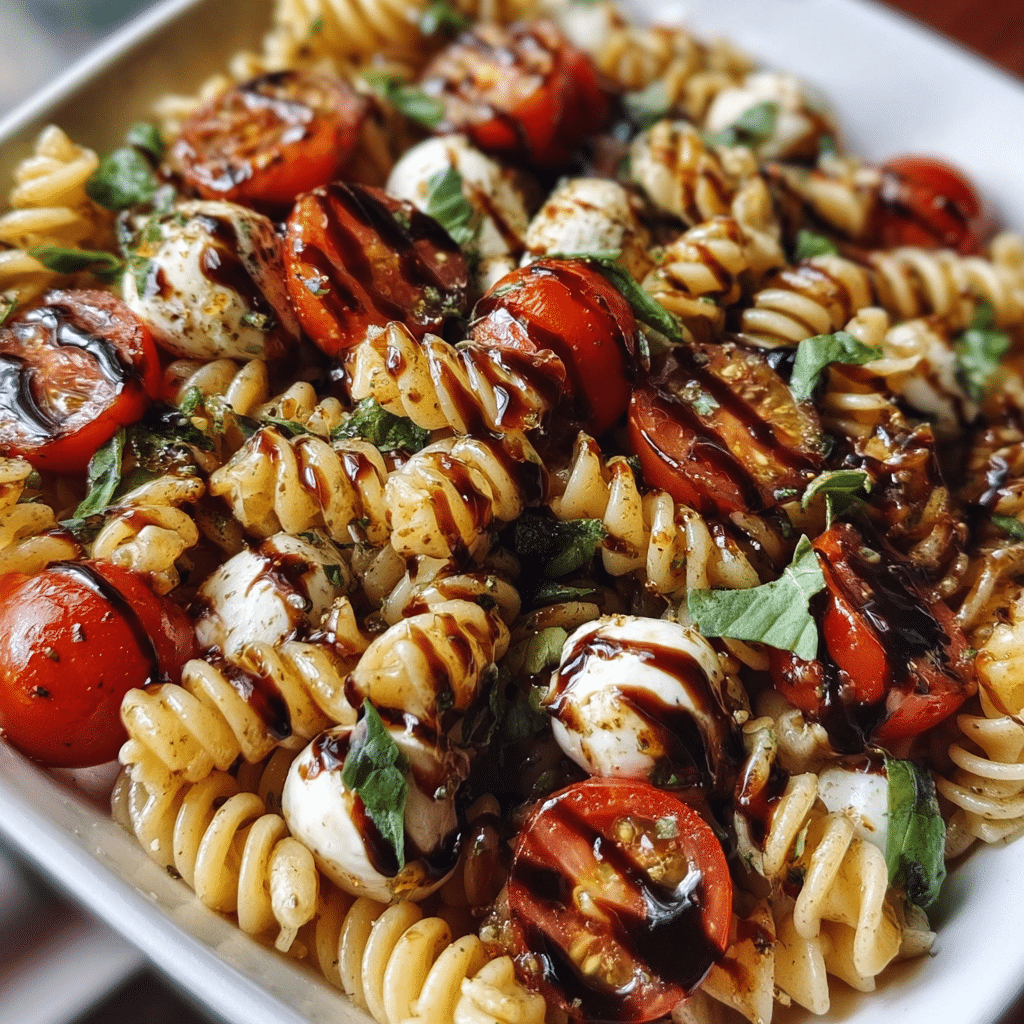
Don’t forget to share your cooking adventures with us on social media, and feel free to ask questions in the comments below. Happy cooking!
Share this recipe and let us know how it turned out! Tag us on social media for a chance to be featured.