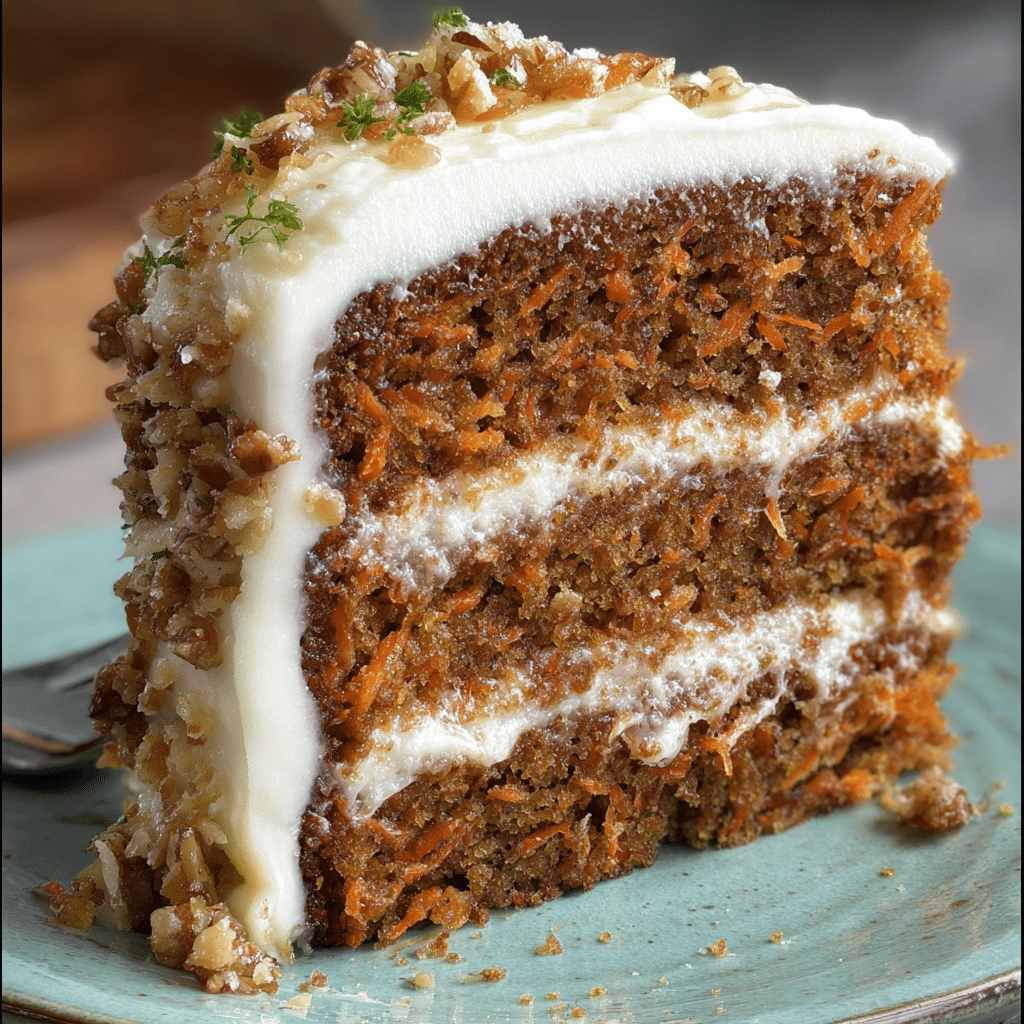
Moist carrot cake holds a special place in the hearts of many, including mine. I remember the first time I baked a moist carrot cake; it was a chilly autumn afternoon, and the scent of cinnamon and nutmeg wafted through my kitchen, enveloping me in a warm embrace that felt like home. I was following my grandmother’s handwritten recipe, a treasure passed down through generations, and as I grated the carrots, I could hear her voice guiding me, reminding me to add a pinch of love to every step. The resulting cake was moist, fluffy, and bursting with flavor, topped with a creamy cream cheese frosting that seemed to melt in my mouth. It was a moment of culinary triumph that sparked my love for baking.
The Story Behind This Recipe
What makes this moist carrot cake recipe so special is the personal connection I have with it. My grandmother always made it for family gatherings, and it became a staple at birthdays, holidays, and even just a random Tuesday dinner. The combination of sweet carrots, warm spices, and a hint of walnuts created a symphony of flavors that brought smiles to our faces. As I grew older, I realized that this recipe transcended mere dessert; it was a vessel for memories, laughter, and love shared around the dining table.
This recipe stands out from others because it embraces simplicity while delivering a rich taste. Unlike some cakes that require intricate techniques or obscure ingredients, this moist carrot cake allows for flexibility. You can easily swap ingredients based on what you have at home, making it perfect for busy families looking for quick dinner solutions. Whether you’re using fresh carrots from the farmer’s market or a bag of pre-grated carrots from the grocery store, the cake’s moistness remains intact, ensuring that every slice is delectable.
Why You’ll Love This Dish
Seasonally, moist carrot cake is perfect for spring celebrations like Easter or even fall gatherings, as carrots are often harvested in cooler months, making this cake a natural fit for seasonal baking. The vibrant orange color also adds a cheerful touch to any table setting, making it a visually appealing centerpiece. But beyond the seasonal aspect, the emotional connection to this dish is profound. It reminds us of family, of the warmth of home, and of the joy that comes from sharing a meal with loved ones.
In this ultimate guide to moist carrot cake, you’ll learn not only the ins and outs of creating this delightful dessert but also the secrets to achieving that perfect texture and flavor balance. You’ll discover tips for customizing the recipe to suit your taste, the best techniques for frosting and decorating, and even ideas for pairing this cake with beverages to elevate your dessert experience. Whether you’re a seasoned baker or a novice in the kitchen, you’ll find this guide invaluable in your quest to create the most delicious moist carrot cake possible.
The Rich History and Cultural Significance of moist carrot cake
The rich history and cultural significance of moist carrot cake is a fascinating journey through time and tradition. Carrot cake, as we know it today, has roots that can be traced back to medieval Europe. During this period, sweeteners like sugar were scarce and expensive, leading bakers to find alternative ways to sweeten their desserts. Carrots, being naturally sweet and available year-round, became a popular ingredient in cakes and puddings. The earliest known recipe resembling our modern moist carrot cake appeared in a 1796 cookbook by Amelia Simmons, titled “American Cookery.” This recipe called for grated carrots, flour, sugar, and spices, laying the foundation for what would evolve into the moist carrot cake we cherish today.
Origins and History
As time went on, moist carrot cake spread across various cultures, each adding its own twist to the traditional recipe. In England, it became a favorite among the upper class, often served at tea time with cream cheese frosting. The addition of nuts, such as walnuts or pecans, became a common practice, enhancing the cake’s texture and flavor. In the United States, the 1970s saw a surge in popularity for carrot cake, largely due to the health food movement that embraced the use of vegetables in desserts. This paved the way for the moist carrot cake to gain a reputation as a healthier alternative to other sugary treats.
Regional variations of moist carrot cake have emerged, reflecting local ingredients and preferences. In the Southern United States, for example, you may find cakes incorporating coconut or pineapple, adding a tropical flair to the dish. Meanwhile, in some Asian countries, spices like cardamom or ginger are often included, giving the cake an exotic twist that resonates with local palates. These adaptations showcase how versatile and beloved moist carrot cake has become, transcending geographical boundaries.
Cultural Significance
Moist carrot cake has become a staple at various celebrations and gatherings, symbolizing not only indulgence but also the joy of sharing good food with family and friends. It graces birthday parties, weddings, and festive occasions, serving as a sweet reminder of the moments that matter. In many cultures, baking a cake from scratch is a labor of love, and moist carrot cake epitomizes this sentiment. The act of gathering ingredients, measuring them with care, and mixing them together creates an emotional bond that is often shared among family members, passing down traditions from one generation to the next.
Famous chefs and bakeries have also contributed to the popularity of moist carrot cake, elevating it to gourmet status. Renowned pastry chefs have experimented with different flavor combinations, incorporating elements like citrus zest or using unique frostings, while still honoring the classic recipe. This evolution continues to inspire home bakers to explore their creativity and make the moist carrot cake their own.
Nutritional Benefits
Beyond its delightful taste and cultural significance, moist carrot cake also boasts several nutritional benefits. Carrots are rich in vitamins A, C, and K, as well as dietary fiber, promoting good vision and supporting overall health. Incorporating this root vegetable into a cake allows for a sneaky way to enjoy a dessert that offers more than just sugar and fat. Additionally, using whole grains or substituting some of the flour with nut flours can further enhance the nutritional profile, making it a more wholesome choice for families.
In conclusion, the moist carrot cake is more than just a dessert; it is a celebration of history, culture, and family. Its journey from medieval Europe to modern kitchens around the world highlights its adaptability and enduring appeal. As you explore the rich tapestry of this beloved cake, you’ll not only learn to bake a moist carrot cake but also appreciate the stories and traditions that accompany each slice.
Essential Ingredients for Perfect moist carrot cake
When it comes to baking the perfect moist carrot cake, the ingredients you choose can make all the difference. Each component plays a pivotal role in ensuring that your cake turns out fluffy, flavorful, and moist. Here’s a deep dive into the essential ingredients that you’ll need for this delightful dessert.
Essential Ingredients
Here’s a complete list of the ingredients you’ll need for your moist carrot cake:
- 2 cups all-purpose flour
- 2 cups granulated sugar
- 1 cup vegetable oil
- 4 large eggs
- 2 teaspoons baking powder
- 1 teaspoon baking soda
- 1 teaspoon ground cinnamon
- ½ teaspoon ground nutmeg
- ½ teaspoon salt
- 3 cups finely grated carrots (about 5-6 medium carrots)
- 1 cup crushed pineapple, drained
- 1 cup chopped walnuts or pecans (optional)
- 1 teaspoon vanilla extract
- 1 cup raisins (optional)
Moist Carrot Cake
Ingredients
- 6 cups grated carrots
- 1 cup brown sugar
- 1 cup raisins
- 4 large eggs
- 1 ½ cups white sugar
- 1 cup vegetable oil
- 2 teaspoons vanilla extract
- 1 cup crushed pineapple, drained
- 3 cups all-purpose flour
- 4 teaspoons ground cinnamon
- 1 ½ teaspoons baking soda
- 1 teaspoon salt
- 1 cup chopped walnuts
Instructions
- Gather all ingredients.
- Combine grated carrots and brown sugar in a medium bowl. Let sit for 1 hour, then stir in raisins.
- Preheat the oven to 350 degrees F (175 degrees C). Grease and flour two 10-inch round cake pans. Beat eggs in a large bowl until lighter in color.
- Gradually beat in white sugar, oil, and vanilla. Stir in pineapple.
- Combine flour, cinnamon, baking soda, and salt in a separate bowl, then stir into egg mixture until absorbed.
- Stir in carrot mixture and walnuts. Pour evenly into the prepared cake pans.
- Bake in the preheated oven until a toothpick inserted into the center of the cake comes out clean, 45 to 50 minutes.
- Cool for 10 minutes before removing cake from the pans; let cool completely.
Each ingredient in this list contributes uniquely to the overall flavor and texture of the cake. Let’s break down their importance:
- All-Purpose Flour: The backbone of the cake, flour provides structure. Choose a high-quality, unbleached flour for the best results.
- Granulated Sugar: This sweetener not only adds sweetness but also helps in achieving that coveted moist texture.
- Vegetable Oil: Unlike butter, oil keeps the cake tender and moist. It’s essential for that rich mouthfeel.
- Eggs: They act as a binding agent and also add moisture. Fresh eggs are a must for the best flavor.
- Baking Powder & Baking Soda: These leavening agents are crucial for the cake to rise properly.
- Spices (Cinnamon & Nutmeg): These add warmth and depth to the flavor profile of your moist carrot cake.
- Salt: A little salt enhances all the sweetness and flavors in the cake.
- Carrots: The star of the show! Fresh, vibrant carrots not only add natural sweetness but also moisture.
- Crushed Pineapple: This ingredient adds extra moisture and a subtle fruity sweetness.
- Nuts: Walnuts or pecans add a delightful crunch. Choose them based on your personal preference.
- Vanilla Extract: A splash of vanilla rounds out the flavors beautifully.
- Raisins: Optional but recommended for added sweetness and texture.
Shopping Tips
When shopping for your ingredients, it’s vital to choose the best quality for optimal results. Here are some tips:
- Flour: Look for a brand that specifies “unbleached” or “organic” on the packaging. This ensures a more natural flavor.
- Sugar: Granulated sugar is most common; however, you can opt for organic sugar which may have a richer flavor.
- Vegetable Oil: Choose a neutral oil, such as canola or sunflower. Avoid oils with strong flavors.
- Fresh Eggs: Always choose free-range or organic eggs for the best taste.
- Carrots: Opt for firm, vibrant carrots – they should feel heavy and have a smooth skin. Organic carrots are often sweeter.
Substitutions and Alternatives
If you have dietary restrictions or preferences, there are plenty of substitutions available:
- Gluten-Free Flour: You can use a gluten-free blend instead of all-purpose flour for a gluten-free moist carrot cake.
- Vegetable Oil Alternatives: For a healthier option, consider using unsweetened applesauce in place of oil.
- Sugar Alternatives: Coconut sugar or honey can be used, although this may alter the moisture level slightly.
- Nut-Free Options: Simply exclude nuts or substitute with seeds like sunflower seeds for a similar crunch.
Storage is also crucial. Keep your flour in a cool, dry place, and store your nuts in the refrigerator to maintain freshness. Carrots can last for a couple of weeks in the fridge, while eggs should be kept in their original carton for optimal shelf life.
By carefully selecting and preparing your ingredients, you set the stage for a delicious, moist carrot cake that will impress family and friends alike!
Detailed Step-by-Step moist carrot cake Cooking Instructions
Now that you have gathered all the essential ingredients for your moist carrot cake, it’s time to dive into the detailed step-by-step cooking instructions. This process will guide you through making a cake that is not only flavorful but also beautifully moist.
Preparation Steps
- Preheat Your Oven: Start by preheating your oven to 350°F (175°C). Proper temperature is key to achieving a perfectly baked cake.
- Prepare Your Pans: Grease and flour two 9-inch round cake pans. Alternatively, you can line the bottoms with parchment paper for easier release.
- Gather Your Ingredients: Have all your ingredients measured and ready to go. This is called mise en place and is essential for an efficient baking experience.
- Grate the Carrots: Use a box grater or food processor to finely grate your fresh carrots. Aim for 3 cups of tightly packed grated carrots. Set aside.
- Crush the Pineapple: If using canned pineapple, drain it thoroughly and consider chopping it finely for better distribution in the cake.
Cooking Process
- Mix Dry Ingredients: In a large mixing bowl, whisk together the flour, sugar, baking powder, baking soda, cinnamon, nutmeg, and salt until well combined. This step is crucial for even distribution of the leavening agents.
- Mix Wet Ingredients: In another bowl, beat the eggs, then add the vegetable oil and vanilla extract. Mix until fully combined. The oil should be evenly incorporated into the egg mixture.
- Combine Mixtures: Add the wet ingredients to the dry ingredients and mix gently. Be careful not to overmix; it’s okay if there are a few lumps. This helps maintain the cake’s moisture.
- Fold in the Carrots, Pineapple, and Nuts: Gently fold in the grated carrots, crushed pineapple, and any nuts or raisins you’re using. This should be done carefully to avoid deflating the batter.
- Pour Batter into Pans: Divide the batter evenly between the prepared pans. Use a spatula to smooth the tops if necessary.
- Bake: Place the pans in the preheated oven and bake for 25-30 minutes. To check for doneness, insert a toothpick into the center; it should come out clean or with a few moist crumbs.
Final Assembly
- Cool the Cakes: Once baked, remove the cakes from the oven and allow them to cool in the pans for about 10 minutes. Then, turn them out onto wire racks to cool completely.
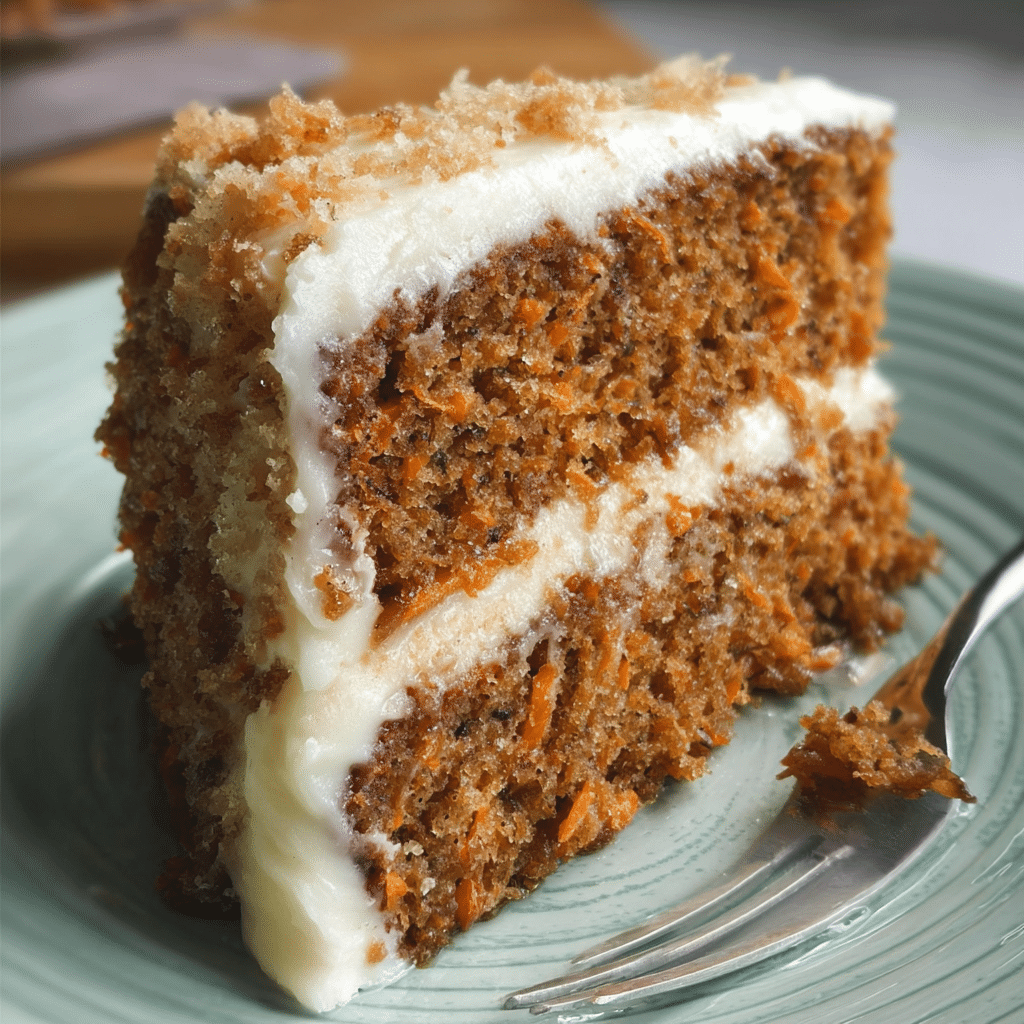
- Prepare Frosting: While the cakes are cooling, prepare your frosting. A classic cream cheese frosting pairs wonderfully with moist carrot cake. Beat together cream cheese, butter, powdered sugar, and a touch of vanilla until smooth and creamy.
- Assemble the Cake: Once the cakes are completely cool, place one layer on a serving plate. Spread a generous layer of frosting on top, then place the second layer on top and frost the top and sides of the cake.
- Decorate: You can garnish with additional nuts, shredded coconut, or even edible flowers for a beautiful presentation.
- Serve and Enjoy: Slice into your delicious moist carrot cake and enjoy the fruits of your labor! It’s perfect for celebrations or just a sweet treat any day of the week.
By following these detailed instructions, you’ll create a moist carrot cake that is sure to become a favorite in your home. Remember, baking is as much an art as it is a science, so don’t hesitate to make this recipe your own!
Professional Tips and Techniques for moist carrot cake
When it comes to baking the perfect moist carrot cake, a few professional tips and techniques can make all the difference. Having experimented with countless recipes, I’ve learned that the right combination of ingredients, techniques, and a pinch of love can elevate your carrot cake from good to absolutely unforgettable. So, let’s dive into some secrets that will help you create a truly luscious and moist carrot cake.
Professional Techniques
To achieve that coveted moistness, start with the right ingredients. Freshly grated carrots are a must; they retain moisture better than pre-packaged shredded carrots. When grating, opt for the medium holes on your box grater for the best texture. I always find grating carrots to be a bit therapeutic, and the vibrant color they add to the cake is simply beautiful.
Another key ingredient is oil. I often use a combination of vegetable oil and melted coconut oil for added flavor and moisture. The oil keeps the cake tender, while the sugars in the carrots caramelize beautifully as they bake, creating that deliciously sweet flavor profile. Remember, oil-based cakes tend to have a longer shelf life than butter-based cakes, ensuring that your moist carrot cake stays fresh for days.
Don’t forget to add a good pinch of salt. It’s often overlooked, but salt enhances the sweetness and overall flavor of your cake. It balances the sweetness of the sugar and the earthiness of the carrots. And speaking of sweetness, I like to use a mix of brown and granulated sugar. Brown sugar contributes moisture and a rich flavor, while granulated sugar adds a lovely texture.
Troubleshooting Guide
Even with the best intentions, baking can sometimes go awry. Have you ever pulled your moist carrot cake out of the oven only to find it dense or dry? Fear not! This is where the troubleshooting guide comes in. If your cake is too dense, it might be due to overmixing. Flour develops gluten, which can make your cake tough if mixed too much. Mix until just combined for the best results.
If your cake turns out dry, check your oven temperature. An oven that runs hot can lead to overbaking, resulting in a dry texture. I recommend investing in an oven thermometer to ensure accuracy. Also, always check for doneness a few minutes before the timer goes off; every oven is different.
In case your cake sinks in the middle, it could be due to too much leavening agent. Be sure to measure your baking soda and baking powder accurately. Remember, a little goes a long way!
Presentation Tips
Once you’ve mastered baking your moist carrot cake, the next step is presentation. A beautifully decorated cake not only looks appealing but also tantalizes the taste buds. I love to frost my cake with a classic cream cheese frosting, which complements the spices and sweetness of the cake perfectly. To make it even more appealing, pipe decorative swirls or use a spatula to create textured peaks.
Don’t forget about garnishing! A sprinkle of chopped walnuts or pecans on top adds a delightful crunch and enhances the visual appeal. Fresh herbs like mint can also be a striking contrast against the orange hue of the cake. And if you want to take it a step further, consider adding edible flowers for a touch of elegance.
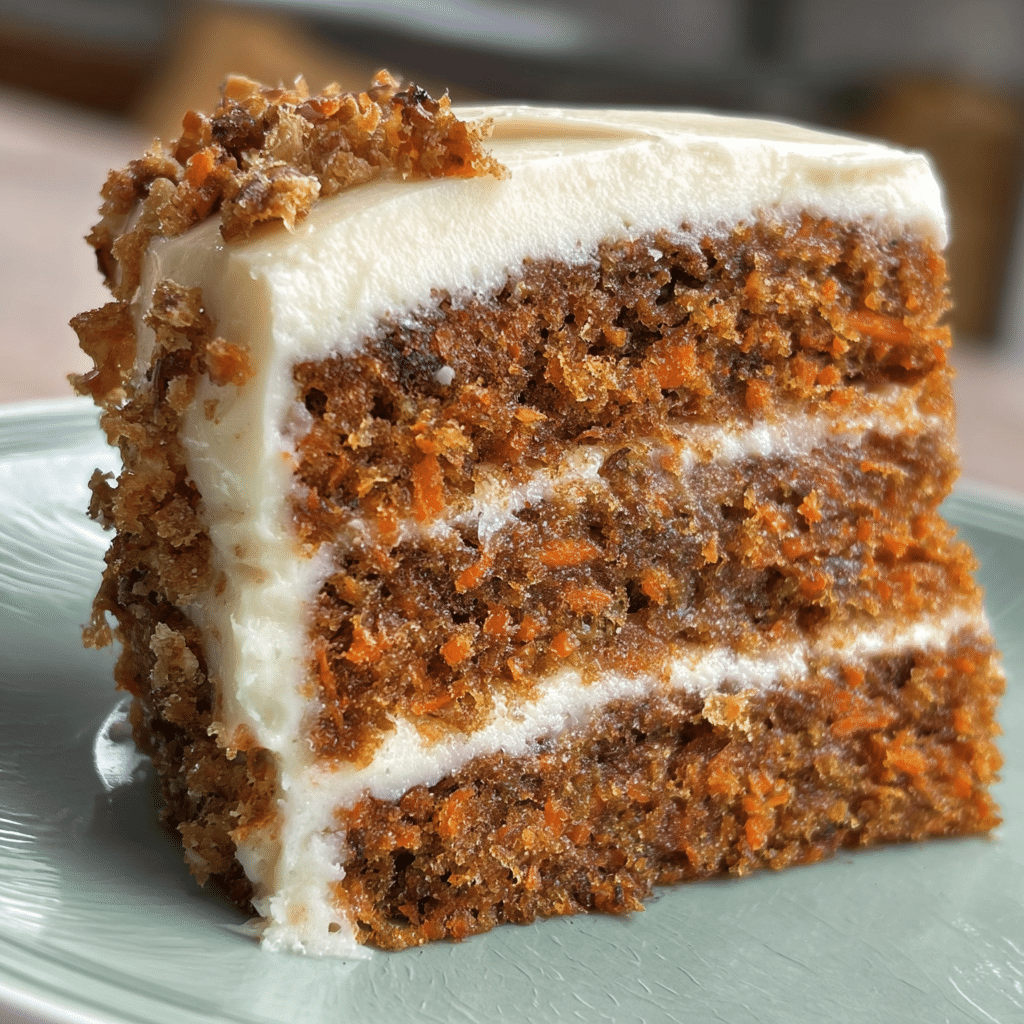
Finally, pairing your moist carrot cake with the right beverage can elevate the entire experience. A cup of spiced chai or a sweet Riesling wine can complement the flavors beautifully. For a non-alcoholic option, consider serving it with a refreshing carrot and ginger juice that echoes the cake’s ingredients.
In summary, creating the perfect moist carrot cake requires attention to detail and a few insider secrets. With the right ingredients, techniques, and presentation tips, you can impress your friends and family with a cake that is not only delicious but also visually stunning. Happy baking!
Creative Variations and Adaptations of moist carrot cake
The beauty of moist carrot cake lies in its versatility. This delightful dessert can be transformed and adapted in a myriad of ways, allowing you to experiment with flavors and presentations. Let’s explore some creative variations and adaptations that can bring new life to this beloved classic.
Seasonal Variations
Seasonality can play a crucial role in how we approach our ingredients. For a spring twist on the traditional moist carrot cake, consider incorporating seasonal fruits like pineapple or even diced apples. These fruits not only add moisture but also bring a delightful sweetness that complements the carrots beautifully. You can swap out a portion of the carrots for finely chopped apples, or even add crushed pineapple for a tropical flair.
In the fall, why not amplify the spices? Adding pumpkin pie spice or cinnamon can give your cake a warm, cozy flavor that is perfect for the season. I often find myself reaching for my spice rack during autumn, and the smell of cinnamon mixed with freshly grated carrots is simply intoxicating. You could even create a spiced cream cheese frosting by adding a hint of nutmeg or clove to the mix.
Dietary Adaptations
For those with dietary restrictions, the moist carrot cake can easily be modified. If you’re looking to make a gluten-free version, substitute regular flour with a gluten-free blend. Make sure to add a bit of xanthan gum if your blend doesn’t already contain it. For a vegan option, replace the eggs with flax eggs (1 tablespoon of ground flaxseed mixed with 2.5 tablespoons of water per egg) and use plant-based milk and oil. I’ve made this version for my vegan friends, and they were amazed at how moist and delicious it turned out!
Additionally, if you’re following a low-carb diet, consider using almond flour instead of all-purpose flour and a sugar substitute like erythritol or stevia. This will yield a denser cake, but it still retains the rich flavors of the traditional recipe. I once brought a keto version to a dinner party, and it disappeared in no time!
Creative Twists
Let’s talk about some creative twists that can add excitement to your moist carrot cake. One of my favorite experiments involves adding a hint of citrus. A tablespoon of orange or lemon zest can brighten the flavors and add a refreshing note. You can also incorporate spices like cardamom or ginger for an unexpected kick. The combination of flavors can be a delightful surprise for your guests!
Another fun twist is to make carrot cake cupcakes instead of a traditional layer cake. Frost them with cream cheese frosting and top with a candied carrot slice for a whimsical touch. They’re perfect for parties or as a sweet treat for any occasion. You can even fill them with a surprise center—think cream cheese filling or a dollop of lemon curd for an exciting burst of flavor!
For those who enjoy experimenting with different cooking methods, consider trying a slow cooker option. A slow-cooked moist carrot cake can turn out incredibly tender and flavorful. Just be sure to grease your slow cooker well and monitor the cooking time closely, as it may vary depending on your model.
Finally, if you find yourself with leftover cake, fear not! Transforming leftover carrot cake into cake pops or trifle is a fantastic way to enjoy it anew. Crumble the cake and mix it with frosting to form cake balls, then dip them in chocolate for a sweet treat. Alternatively, layer crumbled cake with whipped cream and fruit in a glass for an impressive dessert that looks as good as it tastes.
In conclusion, the moist carrot cake is not just a one-note dessert; it’s a canvas for creativity. Whether you’re adapting it for dietary needs, experimenting with seasonal ingredients, or putting your own unique twist on it, the possibilities are endless. Embrace your inner baker and have fun with this versatile cake!
Storage, Reheating, and Meal Prep for moist carrot cake
When it comes to enjoying a delicious, moist carrot cake, knowing how to store it properly is just as important as the baking process itself. I remember the first time I made a moist carrot cake; I was so excited about the texture and flavor that I couldn’t wait to share it with my family. But once the cake was baked and cooled, I faced the dilemma of how to keep it fresh for days to come. Let’s embark on a journey through the world of storage, reheating, and meal prep for moist carrot cake, ensuring that each slice remains as delightful as the first!
Short-term Storage
For short-term storage, the refrigerator is your best friend. Once your moist carrot cake has cooled completely, it’s essential to store it in a way that maintains its moisture and flavor. Here’s how to do it:
Firstly, consider portioning your cake. I often slice my cake into individual servings, which makes it much easier to grab a piece whenever the craving strikes. Each slice can be wrapped tightly in plastic wrap or placed in an airtight container. If you opt for the latter, make sure to layer parchment paper between the slices to prevent them from sticking together.
Place the wrapped slices or the entire cake in a refrigerator-safe container. I usually recommend using a glass or plastic container with a tight-fitting lid, as this helps keep the moisture intact. A cake dome also works well if you have one, allowing for some airflow while still protecting the cake from drying out.
In the refrigerator, your moist carrot cake can last up to a week. However, I must admit that it rarely lasts that long in my house! The flavor tends to deepen over time, and the spices become even more pronounced, making it a real treat to enjoy a slice on the third or fourth day. Just be sure to check for any signs of spoilage, such as an off smell or mold, before indulging.
Freezing and Long-term Storage
For those times when you want to save your moist carrot cake for later, freezing is a fantastic option that preserves its deliciousness. The key to freezing is ensuring that the cake is properly wrapped to prevent freezer burn. Here’s a step-by-step guide:
Allow the cake to cool completely, as placing a warm cake in the freezer can cause condensation, leading to ice crystals. Once cooled, wrap the entire cake in plastic wrap tightly, ensuring there are no exposed areas. For extra protection, I like to wrap the cake in aluminum foil as well. This double-layering helps shield the cake from the cold air in the freezer.
If you’ve already sliced the cake, wrap individual pieces in plastic wrap and then place them in a freezer-safe bag or container. Make sure to label the bags with the date so you can keep track of how long they’ve been in there. Properly stored, a moist carrot cake can last in the freezer for up to three months without losing its quality.
When you’re ready to enjoy your frozen cake, simply transfer it to the refrigerator and allow it to thaw overnight. In a pinch, you can speed up the process by leaving it at room temperature for a couple of hours. Just remember to avoid using the microwave to thaw your cake, as this can alter its texture and make it gummy.
Reheating Best Practices
Reheating your moist carrot cake can be a delightful way to experience it all over again, especially if you enjoy it warm. If you’ve stored your cake in the refrigerator, here’s how to reheat it without sacrificing its moistness:
For whole cakes, the best method is to preheat your oven to 350°F (175°C). Place the cake on a baking sheet and cover it loosely with aluminum foil to keep it from browning too much. Heat for about 10-15 minutes, checking periodically to ensure it doesn’t dry out. The goal is to warm it through while keeping that lovely moisture intact.
If you are reheating individual slices, the microwave is a quick option, but it’s essential to be cautious. Place the slice on a microwave-safe plate and cover it with a damp paper towel. Heat in short bursts of 10-15 seconds, checking to see if it’s warmed to your liking. The damp paper towel will help retain moisture and prevent the cake from becoming dry and rubbery.
As with any baked good, food safety considerations are paramount. Always ensure your cake was stored correctly and has no signs of spoilage before eating. When serving, be mindful of how long the cake has been out of refrigeration, as it should not sit at room temperature for more than two hours.
In terms of meal prep and batch cooking, moist carrot cake can be made ahead of time for gatherings or special occasions. I often bake two cakes at once—one for immediate enjoyment and one for the freezer. This strategy allows me to have a delicious treat on hand for unexpected visitors or a sweet surprise for my family.
To sum it up, proper storage, reheating, and meal prep techniques can greatly enhance your experience with moist carrot cake. Whether you’re enjoying it fresh out of the oven or savoring a slice that’s been lovingly stored, knowing these tips will ensure that every bite remains just as delightful as the first.
Nutritional Benefits and Health Information
As much as our taste buds delight in the rich flavors of moist carrot cake, it’s also essential to consider its nutritional profile. As a home baker, I’ve often wondered how I can indulge in my love for baking while still being mindful of what I eat. Let’s dive deep into the nutritional benefits and health information surrounding this delectable treat, ensuring that our enjoyment is well-rounded and informed.
Nutritional Profile
The nutritional breakdown of moist carrot cake varies depending on the recipe and specific ingredients used, but let’s take a standard serving size to explore its content. Typically, one slice of moist carrot cake (about 1/12th of a 9-inch round cake) contains approximately:
- Calories: 350-450
- Total Fat: 20-25g
- Saturated Fat: 3-5g
- Cholesterol: 50-70mg
- Sodium: 250-400mg
- Total Carbohydrates: 40-60g
- Dietary Fiber: 1-3g
- Sugars: 25-35g
- Protein: 3-5g
This breakdown highlights that while moist carrot cake can be indulgent, it’s also rich in flavor thanks to its wholesome ingredients. The presence of carrots adds a touch of nutrition, contributing vitamins and minerals to the cake.
Health Benefits
One of the standout ingredients in moist carrot cake is, of course, the carrot itself. Carrots are well-known for being an excellent source of beta-carotene, which our bodies convert into vitamin A—a nutrient essential for good vision and skin health. Carrots also provide dietary fiber, which aids in digestion and promotes a feeling of fullness.
In addition to carrots, many recipes include nuts, such as walnuts or pecans, which add healthy fats, protein, and additional fiber. Nuts are packed with nutrients, including vitamin E, magnesium, and antioxidants, all of which contribute positively to heart health and reduce inflammation in the body.
Spices commonly found in moist carrot cake, such as cinnamon and ginger, also have health benefits. Cinnamon has been shown to help regulate blood sugar levels and has anti-inflammatory properties, while ginger can aid in digestion and may help reduce nausea. The combination of these ingredients makes moist carrot cake not just a delightful dessert, but one with potential health benefits as well.
Dietary Considerations
When it comes to dietary considerations, moist carrot cake can cater to various dietary needs with a few adjustments. For those looking to reduce sugar, consider using natural sweeteners like honey or maple syrup, which not only provide sweetness but also bring additional health benefits. Gluten-free flours can be used to make the cake suitable for those with gluten sensitivities, and using almond or coconut flour can add a unique twist to the flavor profile.
For individuals who are vegan, substituting eggs with flaxseed meal or applesauce can work wonders in maintaining the cake’s moisture while adhering to a plant-based diet. Additionally, using plant-based oils instead of butter can keep the cake moist without compromising on taste.
In terms of calorie content, while moist carrot cake can be a treat, it’s essential to enjoy it in moderation. The cake fits well into various diet plans, including the Mediterranean diet and even occasional splurging in a balanced diet approach. Pairing a slice with a serving of fruit or a dollop of yogurt can create a well-rounded snack or dessert option.
In comparison to other desserts, moist carrot cake often contains less processed sugar than some cakes and pastries, especially those loaded with frosting. The presence of whole ingredients like fruits and nuts can elevate its nutritional status, making it a smarter choice when cravings strike.
In conclusion, while moist carrot cake is indeed a delightful indulgence, it also brings a host of nutritional benefits that can be enjoyed guilt-free. With thoughtful modifications, it can fit various dietary needs and still tantalize the taste buds, proving that you can have your cake and eat it too—without sacrificing your health!
Conclusion: Mastering the Perfect moist carrot cake
Creating the perfect moist carrot cake is more than just following a recipe—it’s about understanding the techniques, ingredients, and cultural significance behind this beloved dish. Throughout this comprehensive guide, we’ve explored everything from the historical origins to modern variations, ensuring you have all the knowledge needed to make this recipe your own.
Whether you’re a beginner cook or an experienced chef, the techniques and tips we’ve shared will help you create a moist carrot cake that’s not only delicious but also meaningful. Remember that cooking is a journey of discovery, and each time you make this dish, you’ll learn something new.
We encourage you to experiment with the variations we’ve discussed, adapt the recipe to your dietary needs, and most importantly, share it with the people you love. Food has the incredible power to bring people together, and Moist Carrot Cake is the perfect dish to create lasting memories around your dinner table.
Don’t forget to share your cooking adventures with us on social media, and feel free to ask questions in the comments below. Happy cooking!
Share this recipe and let us know how it turned out! Tag us on social media for a chance to be featured.