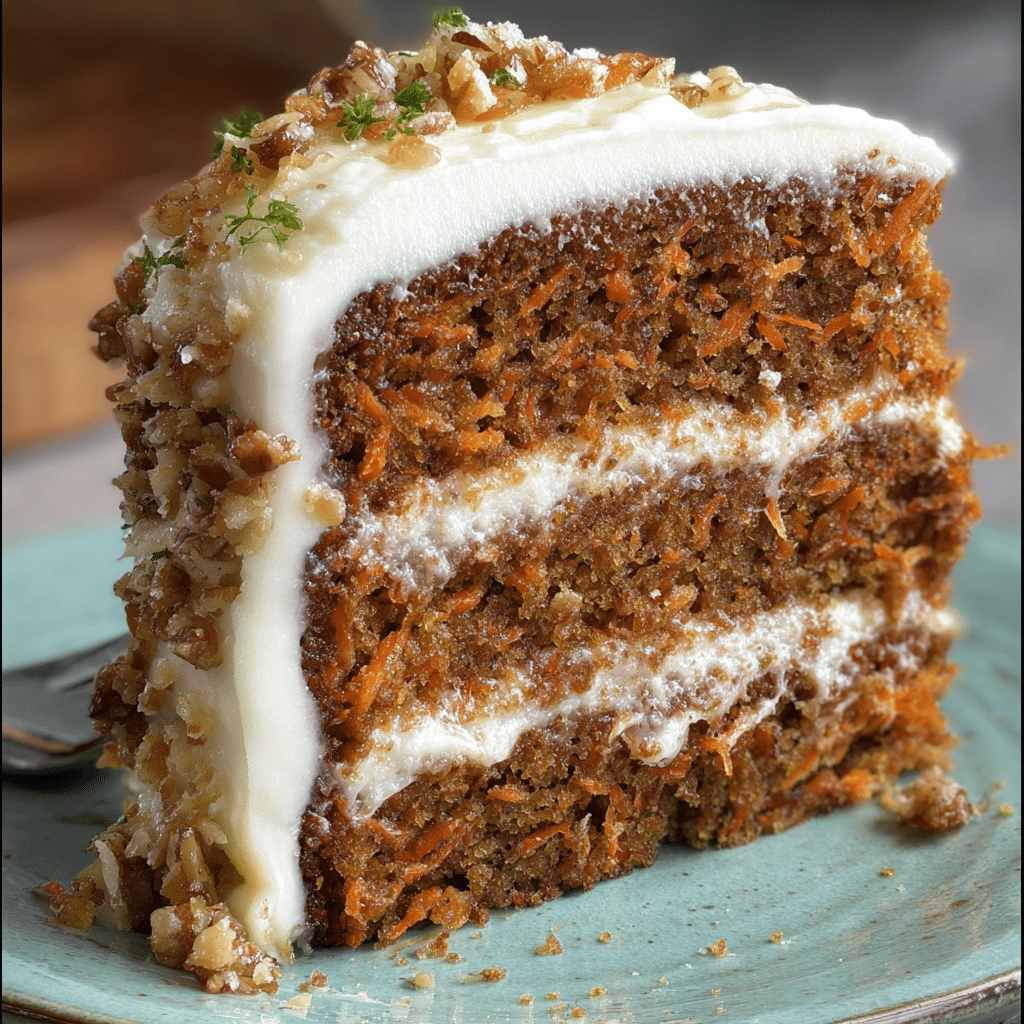
Carrot cake cheesecake is a delightful culinary fusion that marries the rich, moist flavors of traditional carrot cake with the creamy, luscious texture of cheesecake. It’s a dish that not only satisfies your sweet tooth but also brings comfort and joy to any gathering. My love affair with this dessert began on a rainy afternoon when I stumbled upon a recipe in a dusty old cookbook I inherited from my grandmother. As I flipped through the pages, the vibrant photo of carrot cake cheesecake caught my eye, and I was immediately transported back to my childhood, where the smell of freshly baked carrot cake filled my grandmother’s kitchen.
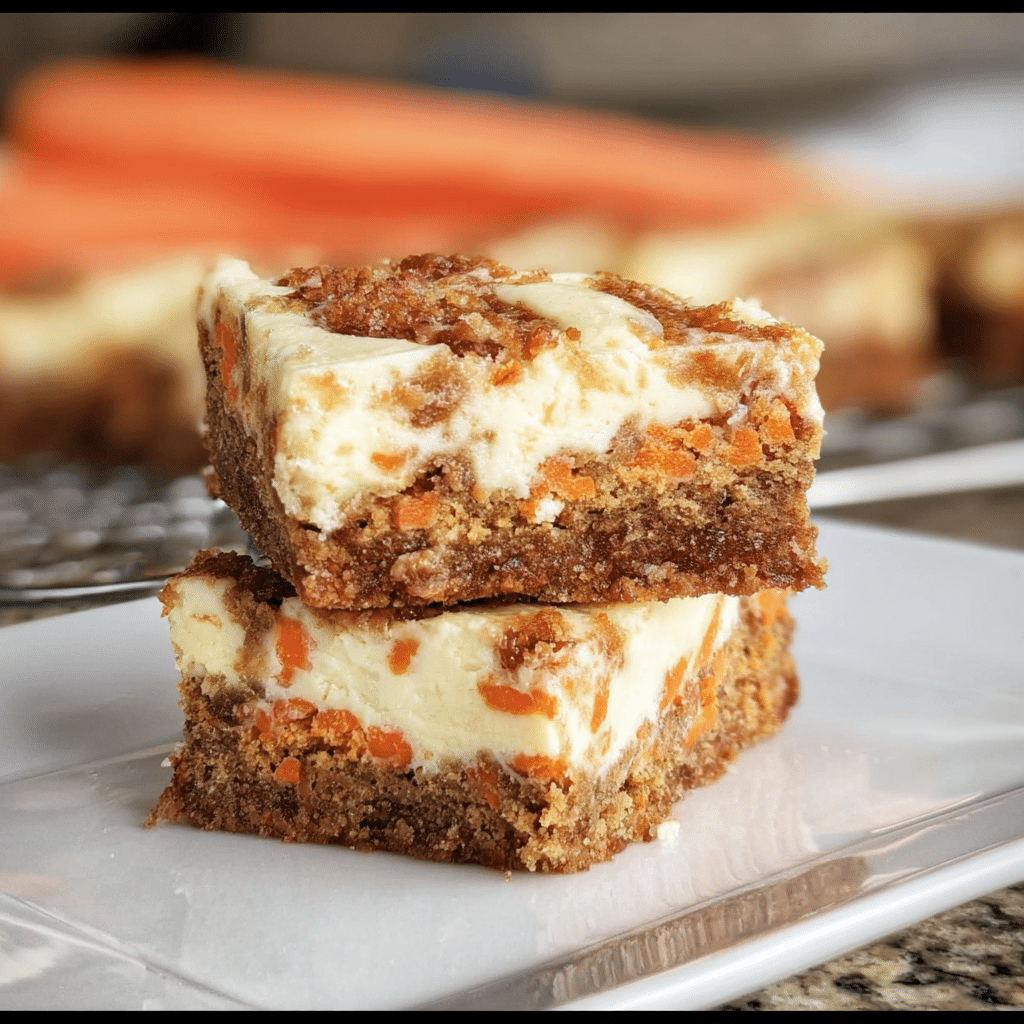
That day, I decided to give this dreamy dessert a try. I gathered all my ingredients, from finely grated carrots to creamy cream cheese, and mixed them together with excitement and anticipation. As the bars baked in the oven, the aroma wafted through my home, evoking memories of family gatherings and celebrations. When I finally cut into the bars, I was greeted with a heavenly combination of flavors that was even better than I had imagined. The creamy cheesecake layer balanced perfectly with the spiced carrot cake, and I knew I had discovered something truly special.
The Story Behind This Recipe
The origins of carrot cake can be traced back to medieval times when carrots were often used as a sweetener in recipes due to the scarcity of sugar. Over the years, this humble vegetable transformed into a beloved dessert across many cultures. The incorporation of cream cheese frosting is a more modern addition that emerged in the United States in the 20th century, elevating carrot cake to a new level of indulgence.
Carrot cake cheesecake combines these two beloved desserts into one, offering a unique twist that appeals to cake lovers and cheesecake enthusiasts alike. It’s a recipe that stands out in a sea of traditional desserts, making it perfect for gatherings, celebrations, or even just a cozy night at home with family. What makes this dish even more special is its adaptability; it can be made ahead of time, allowing busy families to enjoy a delicious dessert without the stress of last-minute preparations.
Why You’ll Love This Dish
Carrot cake cheesecake is not just a treat for the taste buds; it’s a dish that resonates emotionally with many. The combination of warm spices, sweet carrots, and the creaminess of cheesecake creates a nostalgic feeling reminiscent of family gatherings and festive celebrations. It’s a dessert that brings people together, making it perfect for birthdays, holidays, or simply a weekday dinner that needs a touch of sweetness.
Seasonally, this dessert shines in the spring when fresh carrots are plentiful, but it’s also a fantastic option for fall gatherings, thanks to the warm spices like cinnamon and nutmeg. As the leaves change and the air turns crisp, the flavors of carrot cake cheesecake provide the comfort and warmth we all crave.
In this guide, you’ll learn how to create your very own carrot cake cheesecake bars, from selecting the freshest ingredients to mastering the baking technique that ensures a perfect, creamy texture every time. I promise that by the end of our journey together, you’ll not only have a delicious recipe in your repertoire but also a deeper appreciation for this unique and heartwarming dessert.
The Rich History and Cultural Significance of carrot cake cheesecake
The rich history and cultural significance of carrot cake cheesecake are as layered and complex as the dessert itself. While the combination of carrot cake and cheesecake may seem like a modern innovation, both components have deep roots in culinary history. Carrot cake, in particular, has a fascinating backstory that dates back to medieval Europe, where carrots were often used as a natural sweetener in cakes due to the high cost and rarity of sugar. These early recipes were quite different from the decadent versions we enjoy today, often incorporating dried fruits and nuts.
Origins and History
As the centuries passed, carrot cake evolved, gaining popularity in various cultures. In the United States, the cake took on a life of its own, particularly during the 1960s and 1970s when health food trends began to rise. People started to view carrot cake as a healthier alternative to traditional desserts, thanks to the presence of carrots, which are packed with vitamins and minerals. This perception helped solidify carrot cake’s place in American dessert culture.
The addition of cheesecakes into the mix is a more modern development. Cream cheese frosting became a staple for carrot cakes, and it wasn’t long before bakers began experimenting with the idea of layering cheesecake into the cake itself. The result? Carrot cake cheesecake—a harmonious blend of flavors and textures that appeals to a wide audience.
Cultural Significance
Carrot cake cheesecake has become a beloved dessert in many households, often served at celebrations such as birthdays, holidays, and family gatherings. Its unique flavor profile allows it to stand out while still feeling familiar. Many people have fond memories associated with this dessert; perhaps it was served at a wedding or made for a special birthday celebration. Its cultural significance lies in its ability to bring people together around the table, creating connections and memories that last a lifetime.
Regional variations of carrot cake cheesecake also exist, with some bakers adding unique twists such as pineapple, coconut, or even nuts, depending on local traditions and preferences. This adaptability has helped the dish to resonate across different cultures, making it a versatile dessert option.
Nutritional Benefits
In addition to its rich history, carrot cake cheesecake offers several nutritional benefits that contribute to its popularity. Carrots are a fantastic source of beta-carotene, which converts to vitamin A in the body and is essential for eye health. The inclusion of cream cheese provides a dose of calcium and protein, making this dessert not only a treat but also a somewhat more nutritious option compared to other sweets. While it’s still a rich dessert, the presence of vegetables like carrots adds an element of wholesomeness that many people appreciate.
In conclusion, carrot cake cheesecake is more than just a dessert; it’s a sweet symbol of creativity, culture, and togetherness. With its rich history, cultural significance, and nutritional benefits, it’s no wonder that this dish has earned a special place in our hearts and homes. As you embark on your journey to create this delicious dessert, remember that you’re not just baking; you’re continuing a culinary tradition that has delighted taste buds for centuries.
Essential Ingredients for Perfect carrot cake cheesecake
When it comes to baking, especially something as delightful as carrot cake cheesecake, having the right ingredients is crucial for achieving that perfect balance of flavors and textures. The combination of moist carrot cake and rich cheesecake creates a heavenly dessert that is both comforting and indulgent. In this section, we’ll delve into the essential ingredients that make up this delicious treat, their roles, and some tips for sourcing the best options.
Essential Ingredients
- 1 1/3 cup all-purpose flour, spooned and leveled – This is the backbone of our carrot cake cheesecake. Flour provides structure, and spooning and leveling ensures you’re not packing it too densely, which can lead to a dry texture.
- 1 tsp. baking soda – This leavening agent gives our cake the lift it needs to rise beautifully. It reacts with acidic ingredients, creating carbon dioxide bubbles that help the cake become light and fluffy.
- 1/2 tsp. sea salt – Salt enhances the flavors in our dessert. It balances the sweetness and brings out the natural flavors of the carrots and spices.
- 1 tsp. ground cinnamon – Cinnamon is a classic spice in carrot cake, providing warmth and depth. It pairs wonderfully with the sweetness of the carrots.
- 1/4 tsp. ground nutmeg – Nutmeg adds a subtle warmth and complexity to the flavor profile, making each bite feel cozy and inviting.
- 1/4 tsp. ground ginger – Ginger adds a lovely zing, enhancing the overall flavor and making the dessert feel a bit more exotic.
- 3/4 cup oil (canola or vegetable) – Oil keeps the cake moist. Unlike butter, it doesn’t solidify when cooled, which helps maintain that tender crumb.
- 2/3 cup granulated sugar – This sweetens the cake and contributes to its overall texture.
- 2/3 cup brown sugar, packed (light or dark) – Brown sugar adds moisture and a hint of caramel flavor, complementing the spices beautifully.
- 1/4 cup unsweetened applesauce – This acts as a natural sweetener and moisture booster, while also reducing the amount of oil needed.
- 1 tsp. pure vanilla extract – Vanilla enhances the overall flavor of the cake, adding a subtle sweetness and aroma.
- 2 large eggs, room temperature – Eggs provide structure and stability. Using room temperature eggs ensures they mix more easily into the batter.
- 1 1/2 cups peeled and grated carrots – The star of our carrot cake cheesecake! Freshly grated carrots provide natural sweetness, moisture, and texture.
- 2 (8 oz.) packages full-fat cream cheese, softened to room temperature – Cream cheese is essential for the cheesecake layer, providing richness and a creamy texture.
- 2 Tbsp. sour cream, room temperature – Sour cream adds tanginess and moisture to the cheesecake, balancing the sweetness.
- 2/3 cup granulated sugar – This sweetens the cheesecake layer, ensuring it’s deliciously sweet.
- 2 large eggs, room temperature – As before, eggs help bind the cheesecake ingredients together.
- 2 tsp. vanilla bean paste (or 2 tsp. vanilla extract) – This adds a more intense vanilla flavor and those lovely little specks that make the cheesecake visually appealing.
Carrot Cake Cheesecake Bars
Ingredients
For the carrot cake
- 1 1/3 cup all purpose flour, spooned and leveled
- 1 tsp. baking soda
- 1/2 tsp. sea salt
- 1 tsp. ground cinnamon
- 1/4 tsp. ground nutmeg
- 1/4 tsp. ground ginger
- 3/4 cup oil (canola, vegetable)
- 2/3 cup granulated sugar
- 2/3 cup brown sugar, packed (light or dark)
- 1/4 cup unsweetened applesauce
- 1 tsp. pure vanilla extract
- 2 large eggs, room temperature
- 1 1/2 cups peeled and grated carrots (grated on small holes on box grater)
For the cheesecake
- 2 (8 oz.) packages full-fat cream cheese, softened to room temperature
- 2 Tbsp. sour cream, room temperature
- 2/3 cup granulated sugar
- 2 large eggs, room temperature
- 2 tsp. vanilla bean paste (or 2 tsp. vanilla extract if you don’t have paste)
Instructions
- Preheat the oven to 350°F. Line a 9×13 pan with parchment paper. Set aside.
- Make the carrot cake batter: In a mixing bowl, whisk together the flour, baking soda, salt, cinnamon, nutmeg, and ginger.
- In another bowl, whisk together the oil, white sugar, brown sugar, applesauce, vanilla and eggs.
- Add the wet into dry, fold until almost all combined.
- Stir in the carrots. Do not over mix. Set aside.
- Make the cheesecake: beat the cream cheese and sour cream for 1-2 min, using a hand held mixer or stand mixer with the paddle attachment. Then add sugar and vanilla, mix again.
- Then add eggs 1 at a time on medium low speed.
- Pour half of the carrot cake batter into the prepared pan and spread evenly. It will seem like a thin layer, it’s OK.
- Dollop all of the cheesecake over the carrot cake.
- Then spoon dollops of the remaining carrot cake batter over the cheesecake.
- Swirl with a butter knife to get those big gorgeous swirls. Don’t over do it though. Less is more!
- Bake for 35-40 minutes.
- *Note: when recipe testing, I noticed after baking and cooling, the top of the bars sunk and looked a little wonky because of the carrot cake swirl. Please be aware this might happen to yours too. Once cut into bars, it’s not really noticeable and the swirls look so pretty, so I chose to keep the recipe like that. See recipe notes below if you want to layer the bars differently to get a more smooth top (but with no swirls on top).
- Allow to cool completely at room temperature. Chill in the fridge for at least 3 hours or overnight.
- Cut into squares, cleaning knife in between cuts (or you can run knife under warm water or even spray with non stick spray to get prettier slices) and enjoy!
Shopping Tips
When shopping for your ingredients, quality matters. For the flour, look for unbleached all-purpose flour, which has a higher protein content and provides better structure. Always check the expiration date on your baking soda for optimal leavening power. For spices like cinnamon and nutmeg, freshness is key; purchasing whole spices and grinding them yourself can enhance the flavor significantly.
For the oils, I personally prefer canola oil for its neutral flavor, but if you’d like a hint of nuttiness, try using light olive oil instead. When selecting carrots, opt for organic if possible. They tend to be sweeter and more flavorful. You want firm, vibrant orange carrots for the best results.
Substitutions and Alternatives
For those with dietary restrictions, there are plenty of substitutions available. If you need a gluten-free version, consider using a gluten-free all-purpose flour blend. For a lower-fat option, you can substitute half of the oil with unsweetened applesauce. If you want a dairy-free cheesecake, there are excellent cream cheese alternatives made from cashews or soy that work beautifully.
Storage is another consideration. Most ingredients can be stored in a cool, dry place. Keep your spices in airtight containers to maintain their freshness. For the cream cheese, make sure to refrigerate it and use it by the expiration date. If you have leftover carrots, they can be stored in the refrigerator in a sealed bag for about a week.
Budget-conscious bakers can find great deals on ingredients by buying in bulk, especially for staples like flour and sugar. Also, consider purchasing store brands, which are often just as good as name brands but at a lower price.
In conclusion, understanding each ingredient’s role in your carrot cake cheesecake not only helps in crafting a delightful dessert but also enhances your baking skills overall. Each component plays a vital part in achieving that perfect balance of flavors and textures, ensuring every bite is as delicious as the last.
Detailed Step-by-Step carrot cake cheesecake Cooking Instructions
Now that we have our ingredients prepared, let’s dive into the step-by-step process of creating these delicious carrot cake cheesecake bars. This method combines the rich flavors of traditional carrot cake with the smooth creaminess of cheesecake, resulting in a treat that’s nothing short of spectacular. I remember the first time I made these bars; the aroma of cinnamon and nutmeg wafting through my kitchen was enough to draw everyone in, and the taste? Well, let’s just say they didn’t last long!
Preparation Steps
- Gather your Ingredients: Before starting, make sure you have all your ingredients measured and ready to go. This is known as mise en place, and it makes the entire process smoother. Set your cream cheese out to soften if you haven’t done so already.
- Preheat your Oven: Preheat your oven to 350°F (175°C). This is crucial because you want your cheesecake bars to bake evenly. A hot oven ensures the batter rises properly and creates that lovely texture we’re aiming for.
- Prepare your Baking Pan: Line a 9×13 inch baking dish with parchment paper, leaving some overhang on the sides. This makes it easier to lift out the bars once they’re baked. Grease the parchment with a bit of non-stick spray or butter to prevent sticking.
- Combine Dry Ingredients: In a medium mixing bowl, whisk together the flour, baking soda, sea salt, cinnamon, nutmeg, and ginger. This step ensures that your leavening agent is evenly distributed throughout the flour.
- Mix Wet Ingredients: In a large mixing bowl, combine the oil, granulated sugar, brown sugar, applesauce, and vanilla extract. Whisk until well blended. Then, add the eggs, mixing until fully incorporated. The mixture should be smooth and slightly thick.
- Incorporate the Carrots: Gently fold in the grated carrots into the wet mixture. This is where the magic happens; the carrots will add moisture and sweetness to your cake.
- Combine Dry and Wet Ingredients: Gradually add the dry ingredients to the wet mixture, folding gently until just combined. Be careful not to overmix; you want a tender cake, not a dense one.
- Prepare the Cheesecake Layer: In a separate bowl, beat the softened cream cheese until smooth. Add the sour cream, sugar, eggs, and vanilla bean paste. Mix until creamy and well combined; this may take a couple of minutes. Make sure there are no lumps for a smooth cheesecake layer.
Cooking Process
- Pour the Carrot Cake Batter: Pour half of the carrot cake batter into the prepared baking dish. Spread it evenly across the bottom of the pan. This will be the base of your bars.
- Add the Cheesecake Layer: Carefully pour the cheesecake mixture over the carrot cake layer. Use a spatula to spread it evenly. The cheesecake layer should be smooth and creamy.
- Top with Remaining Carrot Cake Batter: Finally, dollop the remaining carrot cake batter over the cheesecake layer. Use a knife or a toothpick to swirl the batter slightly, creating a marbled effect. This not only looks beautiful but also mixes the flavors.
- Bake: Place the baking dish in the preheated oven and bake for about 30 minutes or until the edges are set and the center has a slight jiggle. You can also perform the toothpick test; if it comes out clean from the cheesecake layer, it’s done.
- Cool: Once baked, remove the pan from the oven and allow it to cool in the pan for about 10 minutes. Then, carefully lift the bars out using the parchment paper and place on a wire rack to cool completely. This cooling step is essential for the cheesecake to set properly.
- Chill: For the best texture and flavor, refrigerate the bars for at least 2 hours, or ideally overnight. This will allow the flavors to meld and the cheesecake to firm up beautifully.
- Slice and Serve: Once chilled, slice into squares. I love to serve these with a dollop of whipped cream or a sprinkle of chopped nuts on top for added texture. Enjoy the delightful combination of flavors!
Final Assembly
When ready to serve, you can garnish your carrot cake cheesecake bars with a dusting of powdered sugar or even a drizzle of cream cheese frosting for an extra special touch. Each slice showcases the beautiful layers of soft carrot cake and creamy cheesecake, making it a showstopper at any gathering.
As you navigate through this baking journey, remember that practice makes perfect. Don’t be discouraged by any minor setbacks; even the best bakers have their off days. With a little patience and love, you’ll master the art of creating these delightful carrot cake cheesecake bars that are sure to impress your family and friends. Happy baking!
Professional Tips and Techniques for carrot cake cheesecake
When it comes to creating the perfect carrot cake cheesecake, there’s a certain artistry involved that can elevate a simple dessert into a stunning centerpiece for any occasion. Whether you’re a seasoned baker or just starting your culinary journey, understanding some professional tips and techniques can make all the difference. This guide will equip you with insider secrets, troubleshooting tips, and essential tools to create a carrot cake cheesecake that will leave your friends and family in awe.
Professional Techniques
To make an exceptional carrot cake cheesecake, begin with quality ingredients. The foundation of a delicious dessert often lies in the freshness of the components. Use fresh, organic carrots, as their natural sweetness and moisture will enhance the cake. Grating the carrots finely is essential; this allows them to blend seamlessly into the batter, providing a moist texture without overwhelming the cheesecake aspect.
Next, let’s talk about the cream cheese. It’s essential to use full-fat cream cheese for a rich, creamy texture. Allow it to come to room temperature before mixing; this step is vital to avoid lumps in your cheesecake filling. When mixing the cheesecake batter, start with the cream cheese, beating it until smooth before adding sugar and eggs. This order helps to create a silky batter. Incorporating the eggs one at a time and mixing just until combined ensures a light and fluffy cheesecake.
Another insider tip is to bake your carrot cake cheesecake in a water bath. This technique, known as a bain-marie, helps regulate the temperature, preventing the cheesecake from cracking. To create a water bath, wrap the bottom of your springform pan in aluminum foil to keep water from seeping in, then place it in a larger baking dish filled with hot water before placing it in the oven. This method creates a more even baking environment, resulting in a smooth, creamy cheesecake.
Troubleshooting Guide
Even the best bakers encounter challenges when crafting a carrot cake cheesecake. One common issue is cracking on the surface of the cheesecake. This can often be attributed to an over-beaten batter or sudden temperature changes during baking. To combat this, avoid over-mixing your ingredients and ensure your oven temperature is accurate. An oven thermometer can be a worthwhile investment for consistent baking results.
If your cheesecake seems too dense, it may be due to overbaking. Remember, the cheesecake should still have a slight jiggle in the center when you take it out of the oven. It will firm up as it cools. If you find your carrot cake cheesecake is too sweet, consider incorporating a tangy element, such as a cream cheese frosting that balances the sweetness with a bit of tartness.
Presentation Tips
Presentation can turn a delicious dessert into a showstopper. To enhance your carrot cake cheesecake visually, consider garnishing it with crushed walnuts or pecans, which add texture and a rustic appeal. A drizzle of caramel or a dollop of whipped cream on top can give it a gourmet finish. Fresh herbs like mint or edible flowers can also add a pop of color and freshness.
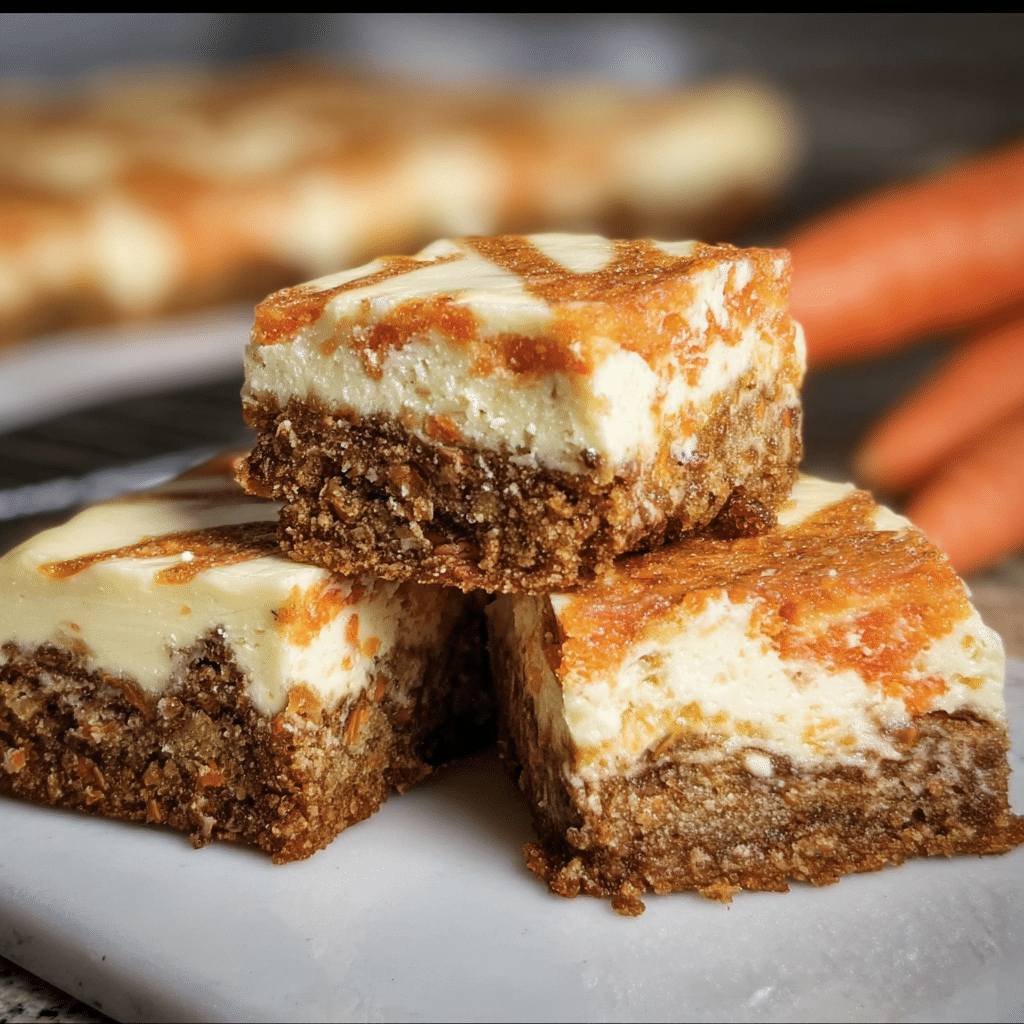
When serving, slice your cheesecake with a hot knife for clean cuts. Run the knife under hot water, wipe it dry, and slice through the cheesecake. This technique prevents the crust from crumbling and ensures beautiful, clean slices that showcase the layers of your carrot cake cheesecake.
If you’re planning to serve this dessert at a gathering, consider pairing it with a complementary beverage. A sweet dessert wine, like a late-harvest Riesling, can enhance the flavors of the cheesecake. Alternatively, a spiced chai tea or a rich coffee can provide a delightful contrast to the creaminess of the dessert.
For those looking to prepare ahead, carrot cake cheesecake can be made a day in advance and stored in the refrigerator. This not only allows the flavors to meld beautifully but also takes the pressure off when entertaining guests. Just remember to cover it well to prevent any absorption of odors from other foods in the fridge.
Finally, if you’re considering scaling the recipe, keep in mind that baking times may vary. If you double the recipe, a larger pan may require a longer baking time, so keep an eye on it and adjust as needed. Likewise, if you reduce the recipe, be sure to use a smaller pan to ensure even baking.
Creative Variations and Adaptations of carrot cake cheesecake
The beauty of the carrot cake cheesecake lies in its versatility, inviting a variety of creative adaptations and variations that can suit different tastes and dietary preferences. Whether you’re looking to shake things up seasonally, cater to specific diets, or simply explore new flavor profiles, there’s an exciting path ahead for your carrot cake cheesecake adventures.
Seasonal Variations
As the seasons change, so too can the ingredients in your carrot cake cheesecake. In the spring, consider incorporating fresh pineapple for a tropical twist, or swap in zucchini for a more refreshing take. In the fall, you can enhance the flavors with pumpkin puree, creating a delightful pumpkin-carrot cheesecake that captures the essence of autumn.
During the winter months, add warming spices such as cardamom or nutmeg to your batter, invoking the comforting flavors of the holiday season. You might also consider a cranberry swirl to add a tart contrast to the sweetness of the cake. The flexibility of the carrot cake cheesecake allows you to explore seasonal ingredients while retaining the core essence of this beloved dessert.
Dietary Adaptations
With the growing demand for dietary modifications, carrot cake cheesecake can easily be adapted to meet various needs. For those on a keto diet, you can substitute the sugar with a low-carb alternative such as erythritol or monk fruit sweetener. Use almond flour in place of regular flour to keep the crust keto-friendly. With these swaps, you can enjoy a rich and satisfying dessert without the carbs.
If you’re looking to create a vegan version of this dessert, there are fantastic alternatives available. Use cashew cream or silken tofu blended with a bit of lemon juice and sugar as a substitute for cream cheese. For the crust, crushed oats, nuts, and coconut oil can create a delightful base. Don’t forget to incorporate flaxseed meal mixed with water as a binding agent in place of eggs. This creative adaptation will ensure everyone can enjoy a slice of carrot cake cheesecake, regardless of their dietary preferences.
Creative Twists
Let your creativity shine with some unique twists on the classic carrot cake cheesecake. Consider a spiced chai carrot cake cheesecake that incorporates chai spices into the batter, or a chocolate swirl version that adds richness and depth. You could even add layers of caramel or a tangy lemon curd to surprise your taste buds with contrasting flavors.
Different cooking methods can also yield exciting results. If you’re looking for a quicker alternative, consider making carrot cake cheesecake bars instead of the traditional round cheesecake. Simply pour the batter into a lined baking dish and bake until set. You can then cut them into squares for easy serving, which is perfect for gatherings or potlucks.
What about leftover carrot cake cheesecake? If you find yourself with extra slices, consider transforming them into a delectable trifle. Layer pieces of cheesecake with whipped cream and crumbled cookies or graham crackers for a delightful dessert that’s sure to impress.
In conclusion, the carrot cake cheesecake is a canvas for culinary creativity. With a little exploration and experimentation, you can adapt this dessert to fit any occasion or dietary need. Whether you’re serving it at a holiday gathering, a birthday party, or simply enjoying a slice at home, these variations will make your carrot cake cheesecake a beloved favorite for years to come.
Storage, Reheating, and Meal Prep for carrot cake cheesecake
When it comes to enjoying the delightful combination of flavors in carrot cake cheesecake bars, knowing how to properly store them is essential for maintaining their freshness and taste. Whether you have leftovers from a festive gathering or you’re planning to make a batch for a week of indulgent desserts, understanding the best storage practices will help ensure that your carrot cake cheesecake remains delicious for days to come.
Short-term Storage
For short-term storage, the best approach is to keep your carrot cake cheesecake bars in the refrigerator. After they have completely cooled, make sure to cut them into individual bars. This not only makes it easier to grab a piece whenever you have a craving, but it also helps them cool down faster, preserving their texture and flavor. Place the bars in an airtight container. If you don’t have a container that’s just the right size, you can also use plastic wrap or aluminum foil to cover the bars securely.
It’s important to ensure that the cheesecake bars are well wrapped to prevent them from absorbing other odors in the fridge, which can compromise their taste. A good rule of thumb is to consume refrigerated carrot cake cheesecake bars within 5 to 7 days. If you find yourself with a significant amount left after a week, consider freezing them for later enjoyment.
Freezing and Long-term Storage
If you want to extend the life of your carrot cake cheesecake bars beyond the week, freezing is an excellent option. Begin by allowing the bars to cool completely in the refrigerator. Once they are cool, cut them into individual portions, as this will make it easier to thaw only what you need later on.
Next, wrap each bar tightly in plastic wrap, ensuring no part of the cheesecake is exposed to air, as this can lead to freezer burn. For extra protection, consider placing the wrapped bars in a freezer-safe bag or container. Be sure to label the package with the date so you can keep track of how long they’ve been stored.
Your carrot cake cheesecake bars can be stored in the freezer for up to 3 months. While they may still be safe to eat after this period, their quality might begin to decline. When you’re ready to indulge, simply remove the desired number of bars from the freezer and transfer them to the refrigerator to thaw overnight. This gradual thawing process helps maintain the texture of the cheesecake.
Reheating Best Practices
While many people enjoy their carrot cake cheesecake bars chilled, there’s something wonderfully comforting about a warm slice fresh out of the oven. If you prefer to enjoy them warm, reheating is simple. Preheat your oven to 350°F (175°C). Place the cheesecake bars on a baking sheet, and cover them loosely with aluminum foil to prevent over-browning. Heat for about 10 to 15 minutes, or until they are warmed through.
Alternatively, you can reheat them in the microwave. Place a bar on a microwave-safe plate and heat for about 20-30 seconds. Be cautious not to overheat, as this can lead to a rubbery texture. A warm slice of carrot cake cheesecake pairs wonderfully with a scoop of vanilla ice cream or a dollop of whipped cream, making for a decadent treat.
Food safety is crucial when it comes to storing and reheating your desserts. Always make sure your bars are stored in the refrigerator or freezer promptly after they’ve cooled. Do not leave them out at room temperature for more than two hours, as this can promote the growth of bacteria.
The shelf life of your carrot cake cheesecake bars can be influenced by several factors, including the freshness of ingredients used and how well they are stored. If you notice any off smells or discoloration, it’s best to err on the side of caution and discard them.
When it comes to portioning and packaging, consider using parchment paper to separate individual bars before wrapping them. This prevents them from sticking together and makes it easy to grab one at a time. If you’re planning to serve them at a later date, a decorative box or container can also make for an appealing presentation.
In conclusion, storing, freezing, and reheating your carrot cake cheesecake bars is straightforward with the right techniques. By following these guidelines, you can ensure that your delicious dessert remains fresh and enjoyable, ready to satisfy your sweet cravings at any moment!
Nutritional Benefits and Health Information
As we dive into the delightful world of carrot cake cheesecake, it’s essential to explore not just the flavors but also the nutritional benefits that come along with this delectable treat. Combining the rich flavors of carrot cake with the creamy goodness of cheesecake, these bars are not only a dessert to savor but can also offer some surprising health benefits when made thoughtfully.
Nutritional Profile
To fully appreciate the nutritional aspects of carrot cake cheesecake bars, let’s break down the key ingredients. A typical serving of these bars (about 2 inches) contains around 250-300 calories. This caloric content can vary depending on the specific recipe and portion sizes. Here’s a general breakdown of the macronutrients you might find in a serving:
- Carbohydrates: Approximately 35-40 grams, primarily from the carrots and sugar.
- Fat: About 14-20 grams, which comes from cream cheese and butter.
- Protein: Roughly 4-6 grams, mainly sourced from the cream cheese and eggs used in the batter.
Additionally, these bars contain fiber from the carrots, which can help support digestive health. Carrots themselves are a great source of beta-carotene, which our bodies convert into vitamin A, promoting good vision and immune function.
Health Benefits
Incorporating carrots into your carrot cake cheesecake bars not only enhances the flavor but also adds nutritional value. Carrots are renowned for their rich antioxidant content, including carotenoids, which can help reduce inflammation and lower the risk of chronic diseases. They are also packed with vitamins and minerals, such as vitamin K, potassium, and vitamin B6.
Moreover, the inclusion of nuts, such as walnuts or pecans, often found in carrot cake recipes, adds healthy fats and protein. Nuts are also a good source of antioxidants, contributing further to the health benefits of your dessert. However, it’s important to note that while these bars can provide nutritional benefits, they should still be enjoyed in moderation, especially if you’re watching your sugar intake.
Dietary Considerations
When it comes to dietary considerations, carrot cake cheesecake bars can be tailored to fit various eating plans. For those following a gluten-free diet, swapping regular flour for almond or coconut flour can be a great alternative. Vegan modifications can also be made by using plant-based cream cheese and eggs or flaxseed meal as a binding agent.
For individuals who may have nut allergies, it’s essential to omit nuts or use seeds instead to maintain the crunchiness. Additionally, for those watching their sugar intake, consider substituting traditional sugar with natural sweeteners like maple syrup or agave nectar. These alternatives can provide sweetness without the spike in blood sugar levels that refined sugars can cause.
As we consider how carrot cake cheesecake fits into various diet plans, it’s essential to remember that balance is key. While these bars can be a delicious indulgence, they can also fit into a balanced diet if portioned appropriately and paired with healthier meals throughout the day. For example, enjoying a bar after a wholesome meal can satisfy your sweet tooth while still keeping your overall diet in check.
In conclusion, the nutritional profile of carrot cake cheesecake bars reveals that they can be a delightful treat with several health benefits when made with wholesome ingredients. By being mindful of the components and considering dietary needs, you can enjoy these bars as a part of a balanced lifestyle. So, the next time you bite into a moist, creamy piece of this dessert, you can feel good knowing that you’re indulging in something that not only tastes amazing but also offers some nutritional perks!
Conclusion: Mastering the Perfect carrot cake cheesecake
Creating the perfect carrot cake cheesecake is more than just following a recipe—it’s about understanding the techniques, ingredients, and cultural significance behind this beloved dish. Throughout this comprehensive guide, we’ve explored everything from the historical origins to modern variations, ensuring you have all the knowledge needed to make this recipe your own.
Whether you’re a beginner cook or an experienced chef, the techniques and tips we’ve shared will help you create a carrot cake cheesecake that’s not only delicious but also meaningful. Remember that cooking is a journey of discovery, and each time you make this dish, you’ll learn something new.
We encourage you to experiment with the variations we’ve discussed, adapt the recipe to your dietary needs, and most importantly, share it with the people you love. Food has the incredible power to bring people together, and Carrot Cake Cheesecake Bars is the perfect dish to create lasting memories around your dinner table.
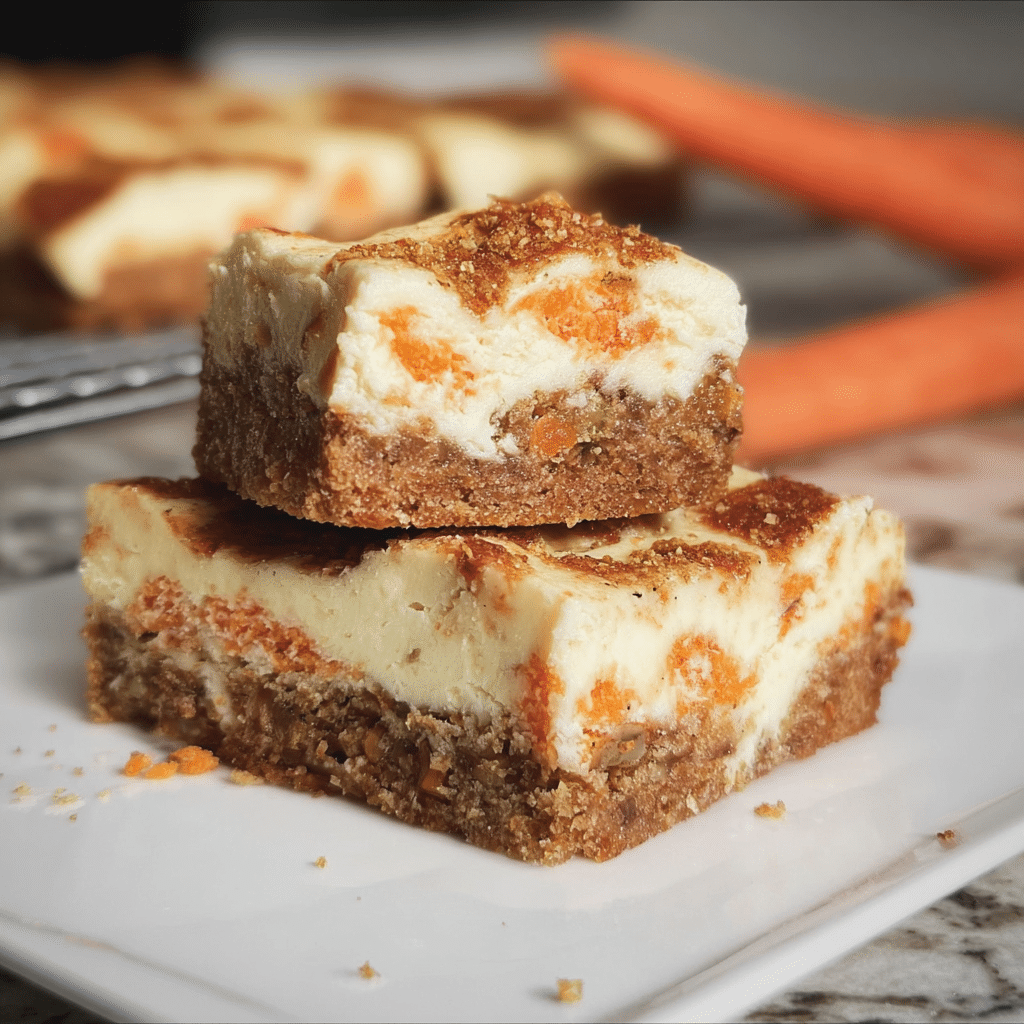
Don’t forget to share your cooking adventures with us on social media, and feel free to ask questions in the comments below. Happy cooking!
Share this recipe and let us know how it turned out! Tag us on social media for a chance to be featured.