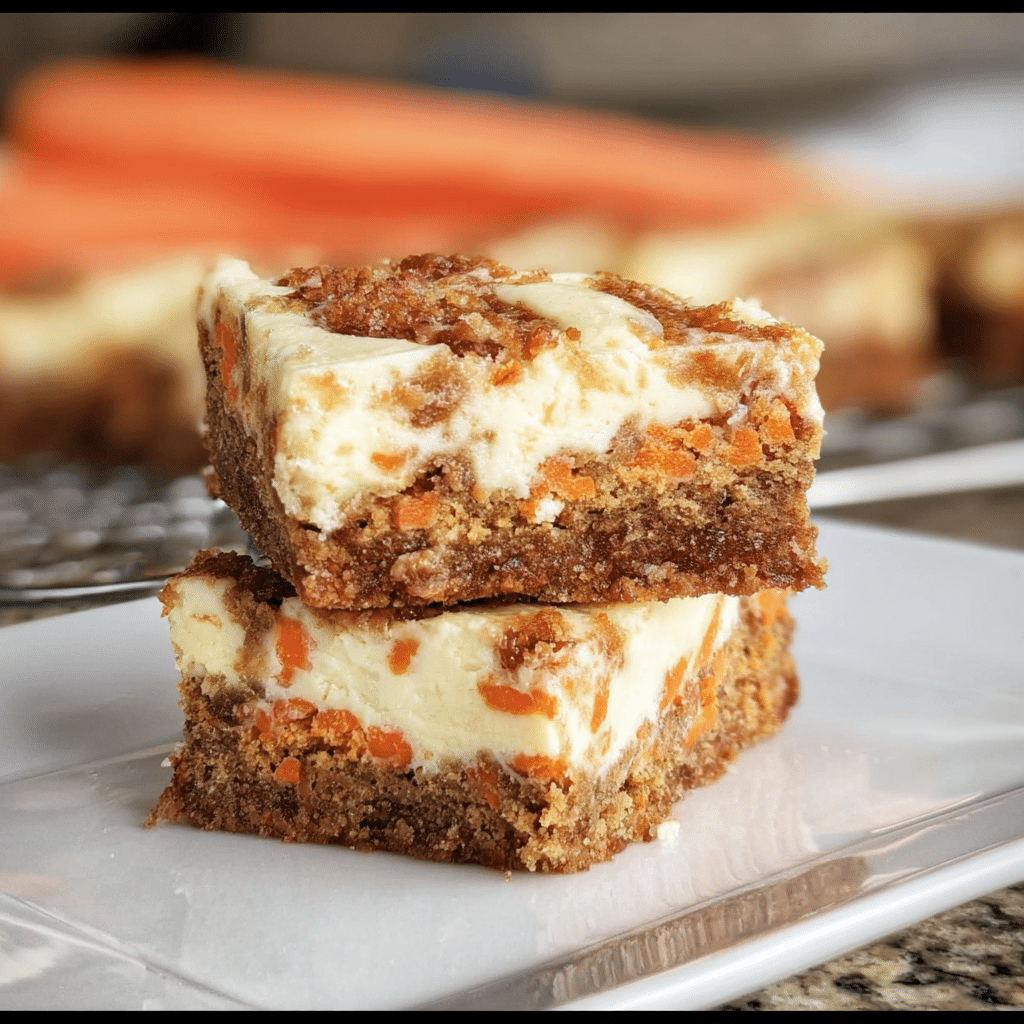
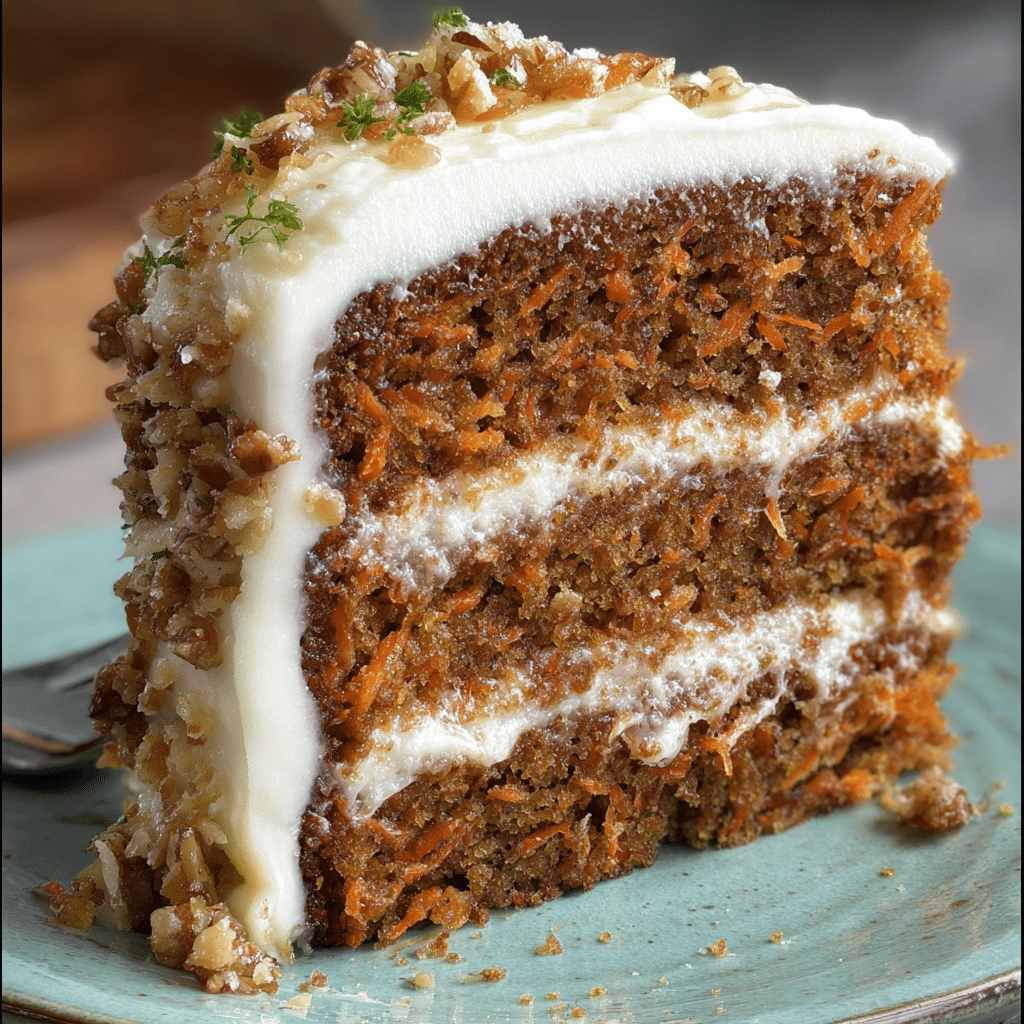
Brown butter carrot cake is unlike any other dessert you’ve ever tasted. The moment I first experienced its rich, nutty flavor paired with the natural sweetness of fresh carrots, I was hooked. It was a lazy Sunday afternoon, and I had just returned from the local farmers’ market, my arms laden with vibrant produce. As I rummaged through my bags, the idea of a traditional carrot cake popped into my mind, but I wanted to elevate it to something extraordinary. That’s when I decided to try browning the butter—a technique I had recently learned from a cooking class. Little did I know, this simple twist would transform a classic recipe into a culinary masterpiece that my family would cherish forever.
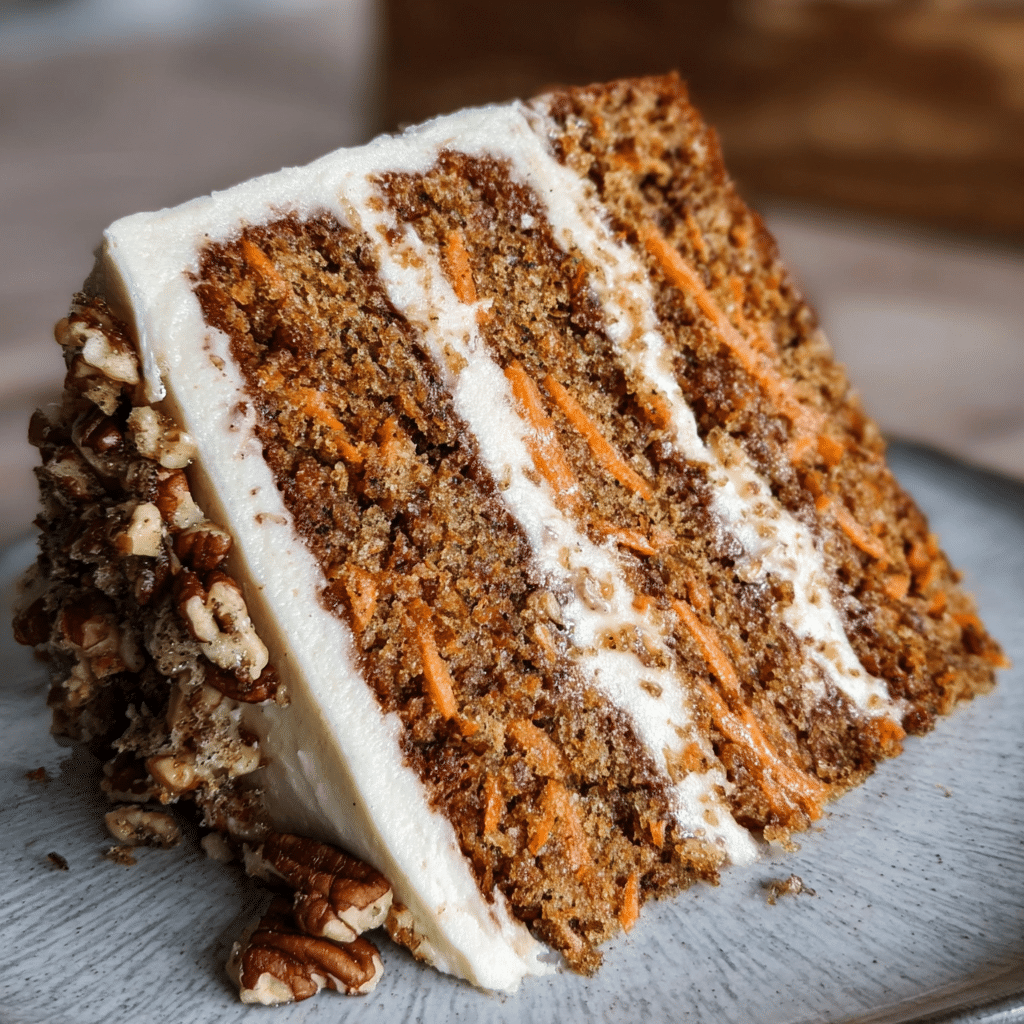
As I melted the butter in a saucepan, the intoxicating aroma filled my kitchen. I watched as the golden liquid danced and bubbled, slowly turning a deep amber color. The nutty scent wafting through the air was a promise of the flavor explosion to come. Mixing it with the grated carrots, warm spices, and a touch of brown sugar created a batter that felt both comforting and exciting. Baking that brown butter carrot cake was not just about making dessert; it was about creating memories, sharing stories, and fostering connections around the dinner table.
The Story Behind This Recipe
Carrot cake itself has an interesting history, believed to have originated in medieval Europe when sugar was scarce, and carrots were used as a sweetener. The cake gained popularity during the Great Depression when people sought affordable and accessible ingredients. Fast forward to today, the addition of brown butter takes this humble cake and elevates it to new heights of flavor. The beauty of this recipe lies in its ability to bridge generations; it’s a dessert that connects the past with the present, making it a perfect treat for family gatherings. In my household, brown butter carrot cake has become a staple at birthdays, holidays, and even casual weeknight dinners.
What makes this recipe truly special compared to traditional carrot cakes is the depth of flavor introduced by the brown butter. The nutty undertones complement the sweet and earthy notes of the carrots, while the spices add warmth and complexity. This cake has an extraordinary moistness that is often hard to achieve with standard recipes, making it a crowd-pleaser among both kids and adults. For busy families looking for quick dinner solutions, this cake is perfect—it can be made in advance, stored, and even served as a delightful breakfast option the following morning.
The seasonal relevance of this dish cannot be overstated. Carrots are available year-round, but their peak season in spring and fall makes this cake a versatile option for any occasion. Whether celebrating a birthday in the summer or enjoying a cozy autumn dinner, brown butter carrot cake fits right in, bringing a sense of warmth and nostalgia.
There’s an emotional connection to this cake that goes beyond its taste. Every bite evokes memories of laughter, lighthearted conversations, and the joy of sharing food with loved ones. As I serve this cake on special occasions or even just as an after-dinner treat, it reminds me of how food has a unique way of bringing people together. It’s more than just a dessert; it’s a symbol of love, comfort, and togetherness.
In this article, you will learn everything you need to know about making the perfect brown butter carrot cake, from selecting the freshest ingredients to mastering the art of browning butter. I’ll share tips, tricks, and personal anecdotes to help you create a cake that not only tastes amazing but also becomes a cherished part of your family’s culinary tradition.
The Rich History and Cultural Significance of brown butter carrot
The brown butter carrot cake has a rich and fascinating history that intertwines with various culinary traditions around the world. Its roots can be traced back to medieval Europe, where carrots were commonly used as a natural sweetener in desserts. At a time when sugar was hard to come by, especially for the common folk, carrots provided a sweet alternative that was not only economical but also nutritious. The concept of incorporating carrots into baked goods continued to evolve, leading to the development of what we now know as carrot cake.
Origins and History
In the 19th century, carrot cake began to gain traction in the United States, especially during the economic struggles of the Great Depression. Home bakers turned to this cake not only for its affordability but also for its deliciousness. Recipes began to pop up in cookbooks and magazines, highlighting the versatility of carrots in desserts. The introduction of cream cheese frosting in the 1960s further solidified carrot cake’s place in American culinary culture, making it a beloved staple at bakeries and family gatherings alike.
The transition to brown butter carrot cake is a more modern twist that has gained popularity among food enthusiasts and chefs alike. The technique of browning butter dates back centuries, utilized in French cuisine to enhance the flavors of sauces and pastries. By incorporating this method into carrot cake, bakers are able to introduce a new layer of flavor that elevates the dish to gourmet status. This evolution reflects a broader trend in cooking, where traditional recipes are being reimagined using contemporary techniques and flavors.
Cultural Significance
The brown butter carrot cake is not just a dessert; it holds cultural significance in various contexts. In many households, it is a celebratory cake, served during birthdays, weddings, and holidays. Its popularity across different demographics showcases its ability to resonate with various cultures. For instance, in some Southern U.S. traditions, carrot cake is a must-have at family reunions, symbolizing togetherness and shared memories. The act of baking this cake often becomes a family affair, with children helping to mix the batter or grate the carrots, thus passing down culinary traditions through generations.
Moreover, as food culture continues to evolve, the brown butter carrot cake has found its way into restaurants and cafes, often featured on dessert menus as a seasonal offering. Esteemed chefs have embraced this cake, adding unique touches such as candied nuts, fresh herbs, or even exotic spices to create signature versions that pay homage to the traditional recipe while adding a modern flair.
Nutritional Benefits
Beyond its delectable flavor, the brown butter carrot cake also comes with nutritional benefits. Carrots are a powerhouse of vitamins and nutrients, particularly beta-carotene, which is converted into vitamin A in the body, supporting vision and immune function. They are also rich in antioxidants, which can help combat oxidative stress and inflammation. When baked into a cake, carrots maintain much of their nutritional value, making this dessert a more health-conscious choice compared to other indulgent sweets.
Additionally, the use of brown butter not only enhances flavor but also provides healthy fats that can be beneficial in moderation. The cake can be made even healthier by substituting some of the sugar with natural sweeteners like honey or maple syrup, or by using whole wheat flour instead of all-purpose flour. These adjustments can transform the brown butter carrot cake into a dessert that allows you to indulge without the guilt, making it suitable for various dietary preferences.
As we continue to explore the rich history and cultural significance of the brown butter carrot cake, you’ll discover how this dessert has evolved from a humble treat to a symbol of celebration, connection, and culinary creativity. Join me as we delve deeper into the art of making this exquisite cake and explore the nuances that make it a favorite in kitchens around the world.
Essential Ingredients for Perfect brown butter carrot
When it comes to baking a mouth-watering brown butter carrot cake, understanding the essential ingredients is key to achieving that perfect flavor and texture. Each component plays a crucial role, and knowing how to select and work with them can elevate your cake from good to absolutely divine. Let’s dive into the ingredients you’ll need for this delightful treat!
Essential Ingredients
- 10 tablespoons (142 grams) unsalted butter
- 2 1/2 cups (318 grams) all-purpose flour
- 2 teaspoons baking soda
- 1/2 teaspoon fine sea salt
- 1 teaspoon ground cinnamon
- 1/2 teaspoon ground nutmeg
- 1/2 teaspoon ground ginger
- 2 cups (400 grams) firmly packed light brown sugar
- 3 large eggs, at room temperature
- 1 cup (250 grams) unsweetened applesauce
- 1 teaspoon vanilla
- 3 cups (296 grams) finely shredded carrots (about 4 medium carrots)
- 3/4 cup (84 grams) finely chopped walnuts or pecans
- 24 ounces (680 grams) cream cheese, completely softened to room temperature
- 2 sticks (227 grams) unsalted butter, completely softened to room temperature
- 1 tablespoon vanilla paste or extract
- 1 teaspoon ground cinnamon
- 1/4 teaspoon fine sea salt
- 5 cups (625 grams) powdered sugar, sifted
Brown Butter Carrot Cake
Ingredients
For the cake:
- 10 tablespoons (142 grams) unsalted butter
- 2 1/2 cups (318 grams) all-purpose flour
- 2 teaspoons baking soda
- 1/2 teaspoon fine sea salt
- 1 teaspoon ground cinnamon
- 1/2 teaspoon ground nutmeg
- 1/2 teaspoon ground ginger
- 2 cups (400 grams) firmly packed light brown sugar
- 3 large eggs, at room temperature
- 1 cup (250 grams) unsweetened applesauce
- 1 teaspoon vanilla
- 3 cups (296 grams) finely shredded carrots* (about 4 medium carrots)
- 3/4 cup (84 grams) finely chopped walnuts or pecans
For the cream cheese frosting:
- 24 ounces (680 grams) cream cheese, completely softened to room temperature
- 2 sticks (227 grams) unsalted butter, completely softened to room temperature
- 1 tablespoon vanilla paste or extract
- 1 teaspoon ground cinnamon
- 1/4 teaspoon fine sea salt
- 5 cups (625 grams) powdered sugar, sifted
Instructions
Make the cake:
- Preheat the oven to 350°F. Thoroughly grease two 8-inch round cake pans and line the bottom with parchment paper.
- In a medium skillet set over medium heat, melt the butter. Swirling the pan occasionally, continue to cook the butter. It should become foamy with audible cracking and popping noises. Once the crackling stops, continue to swirl the pan until the butter develops a nutty aroma and brown bits start to form at the bottom. Once the bits are amber in color, about 2 to 3 minutes after the popping stops, remove from heat and pour into a mixing bowl. Let cool completely.
- In a medium bowl, whisk together the flour, baking soda, salt, cinnamon, nutmeg, and ginger. Set aside.
- To the browned butter, whisk in the brown sugar, then the eggs. Stir in the applesauce, vanilla, and carrots. Add the dry ingredients and mix until just combined. Stir in the nuts.
- Divide the batter evenly among the prepared cake pans. Bake until a cake tester inserted comes out clean, about 30 minutes. Let cool completely before transferring to wire racks.
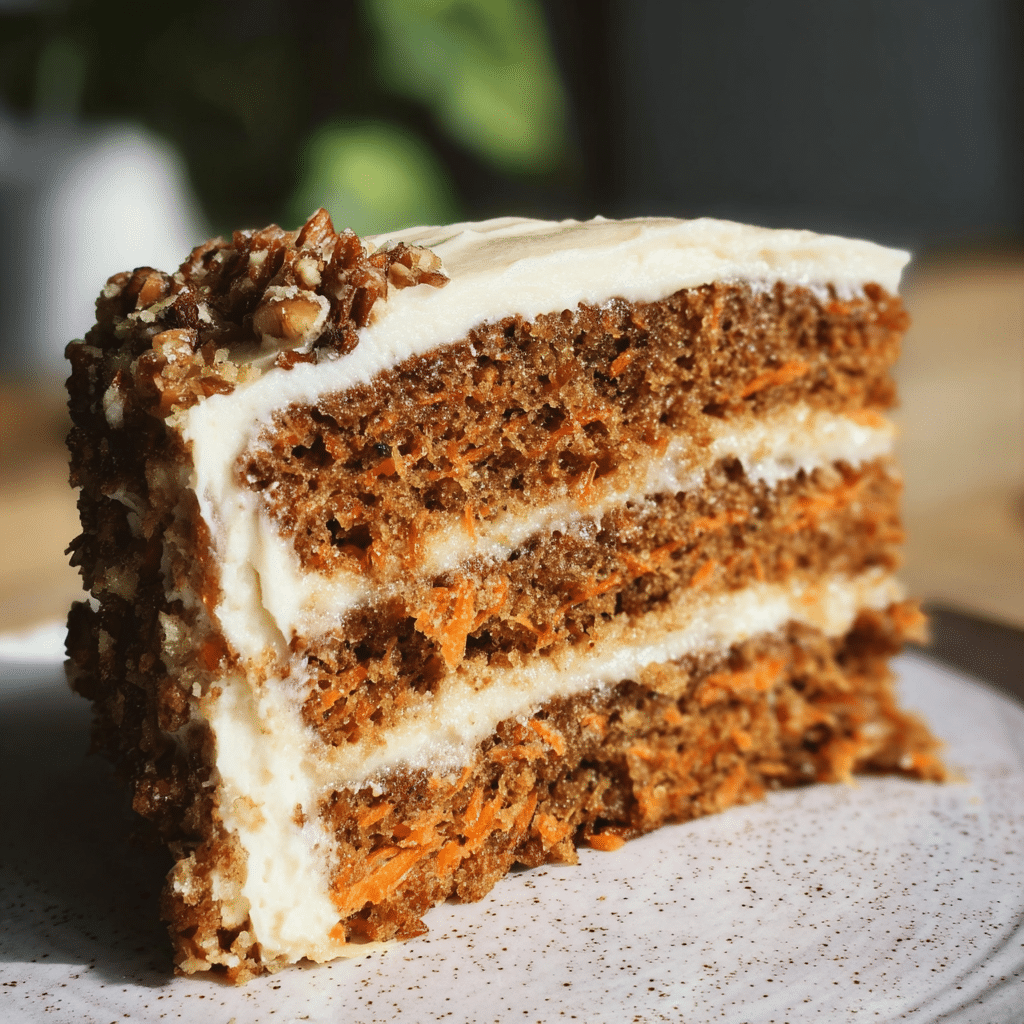
- Slice each cake layer in half for four layers using a cake leveler or serrated knife. Place layers in the fridge while you make the frosting.
Make the frosting:
- In the bowl of a stand mixer fitted with the paddle attachment, beat the cream cheese, butter, vanilla, cinnamon, and salt on medium-high speed until very light, creamy, and smooth. Scrape down the sides and bottom of the bowl as needed. On low speed, gradually add in the sugar and beat until creamy.
Assemble the cake:
- Place one cake layer cut side up on a cake stand or platter. Spread about 1/4 of the frosting all over the cake layer, pushing it out over the edge just slightly. Repeat with the remaining layers. With an offset spatula, spread the remaining frosting evenly all over the cake, smoothing the edges.
- Serve or store in an airtight container in the fridge for up to 3 days.
Let’s delve deeper into each ingredient and explore its role in the brown butter carrot cake.
Unsalted Butter: The unsalted butter is essential for creating that rich, nutty flavor that defines brown butter. Browning the butter adds a depth of flavor that is unmatched. When selecting butter, look for high-fat content and freshness. Grass-fed butter often offers superior flavor.
All-Purpose Flour: This versatile ingredient provides the structure needed for your cake. When measuring, be sure to spoon the flour into your measuring cup and level it off to avoid a dense cake. For a lighter texture, you can use cake flour instead.
Baking Soda: This is your leavening agent, helping the cake rise and achieve that fluffy texture. Always check the expiration date on your baking soda to ensure it’s still active.
Fine Sea Salt: Salt enhances the flavors of your cake, balancing the sweetness of the brown sugar and spices.
Ground Spices (Cinnamon, Nutmeg, Ginger): These spices bring warmth and depth to your cake. Freshly ground spices are preferable as they offer more intense flavors. Store your spices in a cool, dark place to maintain their potency.
Brown Sugar: Light brown sugar adds moisture and a subtle caramel flavor to the cake. Make sure to pack it firmly when measuring for accuracy.
Eggs: Eggs provide moisture and richness, binding the ingredients together. Using eggs at room temperature helps them incorporate more easily into the batter.
Unsweetened Applesauce: This ingredient acts as a natural sweetener and moisture enhancer, making the cake tender. You can substitute it with mashed bananas or yogurt if desired.
Vanilla: Vanilla extract or paste adds a lovely aromatic quality to your cake. Always opt for pure vanilla for the best flavor.
Carrots: Fresh, finely shredded carrots provide moisture and sweetness. Look for vibrant, firm carrots, and be sure to give them a good wash before shredding.
Walnuts or Pecans: These nuts add a delightful crunch and enhance the flavor profile. Toasting them slightly before adding can bring out their nuttiness.
Cream Cheese: This is the star of your frosting. It adds a tangy flavor that complements the sweetness of the cake. Ensure it’s fully softened to mix smoothly.
Powdered Sugar: This sweetener is used to create the frosting. Sifting removes any lumps, ensuring a smooth consistency.
Shopping Tips
When you’re out shopping for your brown butter carrot cake ingredients, consider visiting local farmer’s markets for fresh produce. Seasonal carrots are often sweeter and more flavorful. Look for organic options when possible, especially for the spices, as they tend to be fresher and more robust in flavor. For nuts, bulk bins can often provide fresher options at a better price compared to pre-packaged varieties.
Substitutions and Alternatives
If you have dietary restrictions, there are plenty of substitutions you can make. For a dairy-free option, use coconut oil or a dairy-free butter for both the cake and frosting. You can replace the eggs with flax eggs (1 tablespoon ground flaxseed mixed with 2.5 tablespoons of water equals one egg) for a vegan alternative. If you’re gluten-free, consider using a 1:1 gluten-free flour blend in place of all-purpose flour.
In conclusion, each ingredient in the brown butter carrot cake serves a specific purpose, contributing to the overall flavor, texture, and experience of the cake. By selecting high-quality ingredients and understanding their roles, you can create a cake that not only tastes incredible but also holds a special place in your culinary repertoire. Happy baking!
Detailed Step-by-Step brown butter carrot Cooking Instructions
Now that you have your ingredients ready, it’s time to dive into the detailed step-by-step instructions for crafting your delicious brown butter carrot cake. This cake is not only a delight to the palate but also a joy to create. Let’s embark on this baking journey together!
Preparation Steps
- Preheat the Oven: Start by preheating your oven to 350°F (175°C). This ensures that your cake bakes evenly. A good tip is to place your oven rack in the center of the oven to allow for optimal heat circulation.
- Prepare Your Pans: Grease and flour two 9-inch round cake pans. You can also line the bottoms with parchment paper for easy removal. This step is crucial; nobody likes the heart-wrenching moment when their cake sticks to the pan!
- Brown the Butter: In a medium saucepan, melt the 10 tablespoons of unsalted butter over medium heat. Stir frequently until it turns a golden brown and smells nutty. This process usually takes about 5-7 minutes. Watch closely, as it can burn quickly! Once browned, remove it from heat and let it cool slightly.
- Mix Dry Ingredients: In a large bowl, sift together the flour, baking soda, salt, cinnamon, nutmeg, and ginger. This helps to aerate the flour and ensures that the leavening agent is evenly distributed.
- Combine Wet Ingredients: In another bowl, whisk together the brown sugar, eggs, applesauce, and vanilla. Slowly add the browned butter while whisking to combine. You want to ensure that the mixture is smooth without any lumps.
- Combine Dry and Wet Ingredients: Gradually add the dry ingredients to the wet mixture, stirring gently until just combined. Overmixing can lead to a dense cake, so be careful!
- Add Carrots and Nuts: Fold in the finely shredded carrots and chopped walnuts or pecans. This is where the batter starts to look colorful and inviting!
- Pour Batter into Pans: Divide the batter evenly between the prepared cake pans. Use a spatula to smooth the tops for an even bake.
Cooking Process
- Bake the Cakes: Place the pans in the preheated oven and bake for about 25-30 minutes. The cakes are done when a toothpick inserted in the center comes out clean or with just a few crumbs attached. The edges should pull away slightly from the sides of the pans.
- Cool the Cakes: Once baked, remove the cakes from the oven and let them cool in the pans for about 10 minutes. Then, carefully invert them onto wire racks to cool completely. This prevents sogginess from steam.
- Prepare the Cream Cheese Frosting: In a large mixing bowl, combine the softened cream cheese, softened butter, and vanilla paste or extract. Beat with an electric mixer on medium speed until light and fluffy. Gradually add the sifted powdered sugar and ground cinnamon, mixing until smooth.
- Frost the Cake: Once the cakes are completely cool, place one layer on a serving plate. Spread a generous amount of frosting on top, then place the second layer on top and frost the top and sides of the entire cake. Don’t worry about perfection; a rustic look adds charm!
- Decorate (Optional): You can sprinkle additional chopped nuts on top for a beautiful presentation or even add a few edible flowers to make it festive.
- Slice and Serve: Allow the cake to set for about 30 minutes before slicing. This time lets the frosting firm up slightly, making for cleaner cuts. Serve your brown butter carrot cake with a cup of coffee or tea, and enjoy the smiles it brings!
Final Assembly
As you assemble and frost your brown butter carrot cake, take a moment to savor the aromas wafting through your kitchen—the warm spices melding with the sweet, nutty scent of brown butter. This cake isn’t just a dessert; it’s an experience filled with memories. Remember, the key is to enjoy the process. Don’t rush it; let each layer of frosting settle, and don’t be afraid to get your hands a little messy. After all, that’s what baking is all about.
In conclusion, baking a brown butter carrot cake is a journey that combines essential techniques with the joy of creating something delicious from scratch. The time spent in the kitchen will be rewarded with a cake that is not only beautiful but also incredibly tasty. With these detailed instructions, you’re well on your way to impressing family and friends with your baking prowess. Happy baking!
Professional Tips and Techniques for brown butter carrot
When it comes to baking, the small details can make a world of difference, especially in a delightful dessert like brown butter carrot cake. This treat combines the warm, nutty flavor of brown butter with the natural sweetness of carrots, creating a cake that’s not only delicious but also visually appealing. Below, I’ll share professional tips and techniques to elevate your brown butter carrot cake to a level that would impress even the most discerning palates.
Professional Techniques
One of the most essential techniques for making a stellar brown butter carrot cake is the preparation of the brown butter itself. To achieve that perfect nutty flavor, you need to watch your butter closely as it melts. Start by placing unsalted butter in a saucepan over medium heat. As it melts, it will go through several stages: foamy, then bubbling, then browning. The key is to stir it constantly, allowing the milk solids to settle at the bottom and brown slightly. This process can take around 5-7 minutes. Once it turns a golden brown and emits a pleasant nutty aroma, promptly remove it from heat to prevent burning.
Another professional tip is to incorporate the carrots in a way that maximizes their moisture content. Grating them finely allows for a more uniform distribution throughout the batter and helps to keep the cake moist. For an added layer of flavor, consider toasting your walnuts or pecans before folding them into the batter. This simple step enhances their flavor and adds a delightful crunch to each bite.
For those who want to take their brown butter carrot cake to the next level, consider using a combination of different spices. Traditionally, cinnamon is the go-to spice for carrot cakes, but adding a pinch of nutmeg, ginger, or even cardamom can create a more complex flavor profile that elevates your cake from ordinary to extraordinary.
Troubleshooting Guide
Even seasoned bakers can run into issues when making a brown butter carrot cake. One common problem is a cake that comes out too dense. This can often be attributed to over-mixing the batter. The key to a light and fluffy cake is to mix just until the ingredients are combined. If you prefer a lighter texture, you can separate the eggs and whip the egg whites until soft peaks form before folding them into the batter. This aerates the cake and gives it a lovely rise.
Another issue you might encounter is uneven baking. To avoid this, always preheat your oven and use an oven thermometer to ensure the temperature is accurate. Place your cake in the center of the oven and rotate it halfway through the baking time. This will help achieve an even bake and ensure that the edges don’t cook faster than the center.
Presentation Tips
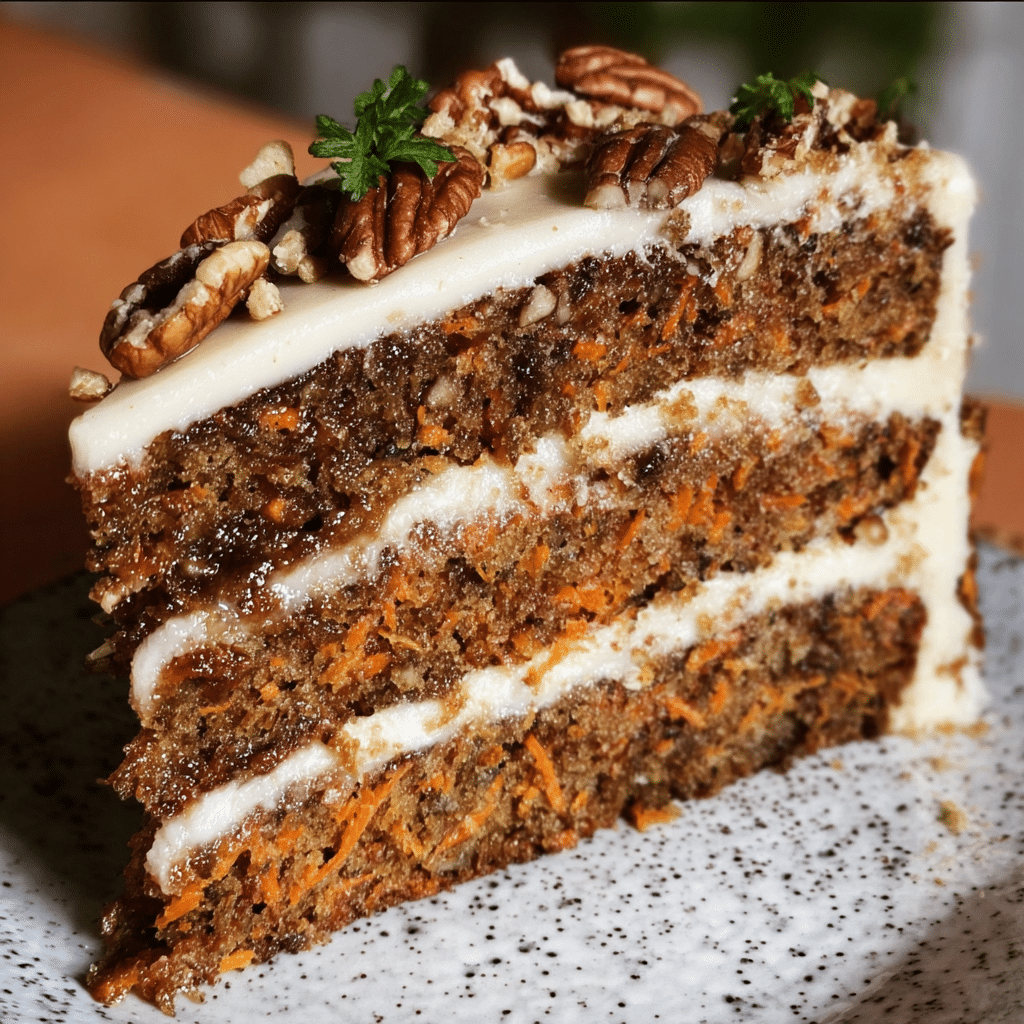
After you’ve mastered the baking process, the final step is presentation. A beautifully presented brown butter carrot cake can make a lasting impression. Consider using a cream cheese frosting, which complements the flavors of the cake perfectly. To make it even more visually appealing, pipe the frosting in a decorative pattern on top. Add a sprinkle of toasted nuts or shreds of coconut for texture and flavor. You could also garnish with fresh herbs like mint or edible flowers for a pop of color.
If you’re serving this cake for a special occasion, consider layering it. A two or three-layer cake can be stunning, and each layer can be filled with a delightful cream cheese filling or even a hint of citrus zest for brightness. And don’t forget to serve it with a glass of milk or a warm cup of chai tea to round out the experience. Pairing the cake with a dessert wine, like a late-harvest Riesling, can also enhance the flavors beautifully.
Lastly, if you want to make your brown butter carrot cake ahead of time, you can bake it a day in advance. Just wrap it tightly in plastic wrap and store it at room temperature. Frost it right before serving to keep that fresh, creamy texture. With these tips and techniques, your brown butter carrot cake will surely be a showstopper, delighting everyone who has the pleasure of tasting it.
Creative Variations and Adaptations of brown butter carrot
While the classic brown butter carrot cake is a delightful treat on its own, the beauty of baking lies in its versatility. Whether you want to switch things up or cater to dietary preferences, you can easily adapt this recipe to create a variety of delicious versions. Let’s explore some creative variations and adaptations that will keep your brown butter carrot cake fresh and exciting!
Seasonal Variations
The changing seasons offer a wealth of inspiration for seasonal ingredient swaps in your brown butter carrot cake. In the spring, consider adding fresh pineapple or crushed strawberries to the batter for a fruity twist. The natural sugars in these fruits can enhance the cake’s sweetness while adding a unique flavor. Alternatively, in the autumn, you might incorporate grated apples or even pumpkin puree, embracing the flavors of the season. These substitutions will not only alter the taste but also add interesting textures to your cake.
In the winter, a hint of citrus can brighten up the heavy spices often associated with this cake. A tablespoon of orange or lemon zest can add a refreshing burst of flavor, bringing an invigorating touch to the cozy notes of brown butter and spices. You could also experiment with using different types of nuts, such as hazelnuts or pecans, depending on what’s in season or your personal preference.
Dietary Adaptations
For those who follow a specific dietary regimen, adapting a brown butter carrot cake to meet your needs is easier than you might think. If you’re looking to make a gluten-free version, simply substitute the all-purpose flour with a gluten-free blend. Be sure to check that your baking powder is gluten-free as well. You can also try almond flour for a unique texture and flavor, which complements the nuttiness of the brown butter beautifully.
If vegan adaptations are necessary, replacing the eggs with flaxseed meal or applesauce can work wonders. For each egg, combine one tablespoon of flaxseed meal with three tablespoons of water and let it sit until it thickens. Additionally, you can substitute the butter with coconut oil or a vegan butter alternative. Just remember to brown the coconut oil carefully to achieve that nutty flavor, as it behaves differently than regular butter.
Creative Twists
For those adventurous bakers out there, why not try some international fusion variations of the classic brown butter carrot cake? For instance, you could incorporate spices commonly found in Indian cuisine, such as cardamom and saffron, to create a cake that’s rich with cultural flavor. Or consider adding a touch of matcha powder for a vibrant green hue and an earthy taste that pairs surprisingly well with the sweetness of the cake.
Additionally, you might consider different cooking methods. Instead of baking your brown butter carrot cake in the oven, try a slow cooker! This method will yield a moist, dense cake that has a different texture than the traditional baked version. Just be sure to adjust the cooking time accordingly, as slow cookers can vary significantly.
Lastly, if you’re left with any cake, think about transforming it into a delightful trifle. Layer pieces of the brown butter carrot cake with whipped cream and a sprinkle of crushed walnuts or pecans for a stunning dessert that looks as good as it tastes. You can also repurpose the leftovers into cake pops by crumbling the cake and mixing it with frosting, rolling it into balls, and dipping them in chocolate. The possibilities are endless!
With these creative variations and adaptations, your brown butter carrot cake can be a canvas for experimentation. Whether you’re in the mood for something familiar or something entirely new, these ideas will ensure that your cake remains an exciting option for any gathering or occasion.
Storage, Reheating, and Meal Prep for brown butter carrot
When it comes to baking a delightful brown butter carrot cake, one of the most rewarding aspects is not just indulging in its warm, spiced flavors but also savoring it over the days that follow. Proper storage is paramount to maintaining its moistness and flavor profile, ensuring that each slice tastes as fresh as the first. In this section, we’ll explore how to store, reheat, and even prepare brown butter carrot cake in advance, so you can enjoy it anytime you desire.
Short-term Storage
After baking your brown butter carrot cake, the initial step is to allow it to cool completely. Once it has cooled, it’s important to store it correctly. For short-term storage, which typically spans 3 to 5 days, the refrigerator is your best option. Place the cake in an airtight container or cover it tightly with plastic wrap. This will prevent the cake from drying out and will help maintain its luscious texture.
If you have leftover slices, consider layering them in an airtight container with parchment paper between each slice. This not only ensures that they don’t stick together but also makes it easier to grab a slice whenever your sweet tooth calls. Remember, the key to maintaining the quality of your brown butter carrot cake during this short-term storage is minimizing exposure to air, which can lead to staleness.
Freezing and Long-term Storage
If you find yourself with more cake than you can consume within a week, freezing is an excellent option. To freeze your brown butter carrot cake, it’s best to slice it first. Wrap each slice individually in plastic wrap, ensuring it’s snug enough to keep air out but not so tight that it squishes the cake. After wrapping, place the slices in a labeled zip-top freezer bag or a freezer-safe container. This way, you can enjoy a slice of your precious brown butter carrot cake even months later.
For whole cakes, you can freeze them before frosting or after. Wrap the entire cake in plastic wrap, then in aluminum foil for added protection against freezer burn. Just be sure to label it with the date to keep track of its freshness. Generally, a well-wrapped brown butter carrot cake can last up to 3 months in the freezer without losing its quality.
When you’re ready to enjoy your frozen cake, simply transfer it to the refrigerator and let it thaw overnight. For a quicker method, you can leave it on the counter for a few hours. Avoid microwaving your cake to thaw it, as this can lead to uneven texture and dryness.
Reheating Best Practices
There’s something comforting about a warm slice of cake, and reheating your brown butter carrot cake can bring back that freshly-baked taste. The best way to reheat individual slices is in the oven. Preheat your oven to 350°F (175°C), place the slice on a piece of aluminum foil, and heat for about 10-15 minutes. This method warms the cake evenly and preserves its moisture.
If you’re in a hurry, you can use the microwave, but be cautious. Heat the slice in 10-second intervals to avoid overheating, which can dry it out. A small splash of water on the plate can also help maintain moisture during microwaving.
Meal Prep and Batch Cooking Strategies
Meal prepping a brown butter carrot cake can be a delightful strategy for those who love to have sweet treats on hand. You can bake a full cake and portion it into individual slices, then store them in the refrigerator or freezer as previously described. Alternatively, consider baking mini cakes or cupcakes for easy grab-and-go options. These smaller portions can be baked in muffin tins and are perfect for lunchboxes or as quick snacks.
Another fun twist is to prepare the cake batter ahead of time and store it in the fridge for up to 24 hours before baking. This not only saves time but allows the flavors to meld together even more, creating a richer taste. Just be sure to give it a good stir before pouring it into the cake pan.
Food Safety Considerations and Guidelines
When it comes to food safety, always ensure your brown butter carrot cake is stored at the appropriate temperature. Cakes should not be left at room temperature for more than 2 hours, especially if they contain cream cheese or any perishable frosting. Always check for signs of spoilage such as an off smell or mold before consuming.
Pay attention to expiration dates on any ingredients used, particularly if you are storing the cake for an extended period. While cakes can generally last a while in the fridge or freezer, using quality ingredients will help ensure that your brown butter carrot cake remains delicious and safe to eat.
Shelf Life Expectations
In terms of shelf life, your brown butter carrot cake will typically remain delicious for about 3 to 5 days in the refrigerator and up to 3 months in the freezer. If you notice any changes in texture or flavor, it’s best to err on the side of caution and discard it. Enjoying your cake within these time frames will ensure you experience it at its best!
Portioning and Packaging Tips
Lastly, when it comes to portioning your brown butter carrot cake for storage, think about how you plan to consume it. If you know you’ll only want a slice here and there, then slicing and wrapping individual pieces is the way to go. For those who are hosting or planning to share, consider wrapping the entire cake or multiple slices in festive packaging, which also makes for a lovely gift. A little creativity goes a long way in making your brown butter carrot cake not just a treat but a treasured delight.
Nutritional Benefits and Health Information
When it comes to indulging in a slice of brown butter carrot cake, it’s easy to overlook its nutritional profile amidst the rich flavors and comforting spices. However, understanding its health benefits and nutritional content can transform your perception of this beloved dessert. This section will delve deep into the nutritional aspects of brown butter carrot cake, highlighting its key ingredients and their respective health benefits, dietary considerations, and how it can fit into various diet plans.
Nutritional Profile
A typical slice of brown butter carrot cake contains essential nutrients that can contribute to your overall well-being. While the exact nutritional content can vary based on the recipe and portion size, a standard slice (about 1/12 of a 9-inch cake) provides approximately:
- Calories: 350-450
- Protein: 3-5 grams
- Carbohydrates: 50-60 grams
- Dietary Fiber: 1-3 grams
- Sugars: 20-30 grams
- Fat: 15-25 grams
- Saturated Fat: 5-10 grams
- Vitamins and Minerals: Varies based on additional ingredients such as nuts or raisins.
These values can shift significantly based on the specific ingredients used and any modifications made. For example, incorporating whole wheat flour instead of all-purpose flour can increase the fiber content, while adding nuts can provide healthy fats and protein.
Health Benefits
The primary ingredients in brown butter carrot cake, particularly the carrots, offer a wealth of health benefits. Carrots are rich in beta-carotene, which the body converts into vitamin A, essential for maintaining healthy vision and immune function. Additionally, they provide antioxidants that can help combat oxidative stress in the body.
Brown butter, while decadent, also carries some advantages. The process of browning the butter intensifies its flavor and can create a nutty aroma while also enhancing the absorption of fat-soluble vitamins from the other ingredients. It’s worth noting that while brown butter does contain saturated fats, in moderation, it can certainly fit into a balanced diet.
Moreover, adding spices such as cinnamon and nutmeg can offer additional health perks. Cinnamon has been linked to improved blood sugar levels and has anti-inflammatory properties, while nutmeg can aid in digestion. Thus, indulging in a slice of brown butter carrot cake becomes more than just a sweet treat—it’s also a source of beneficial nutrients.
Dietary Considerations
When it comes to dietary considerations, brown butter carrot cake can be inclusive for various dietary requirements with some modifications. For those who are gluten-free, substituting regular flour with almond flour or a gluten-free blend can keep the cake enjoyable without compromising flavor. Vegan adaptations are also possible by replacing eggs with flaxseed meal or applesauce and using dairy-free butter alternatives.
For those watching their sugar intake, consider using natural sweeteners such as honey or maple syrup, or even sugar substitutes that align with your dietary needs. Similarly, reducing the amount of sugar in the recipe can still yield a delicious cake, especially when balanced with the natural sweetness from the carrots.
It’s essential to be mindful of portion sizes, especially for those monitoring caloric intake. Serving smaller slices can allow for enjoyment without overindulgence. Pairing your brown butter carrot cake with a side of fresh fruit can also add more nutritional value while enhancing the overall experience.
Comparison with Similar Dishes
When comparing brown butter carrot cake to other desserts, it holds its ground quite well. For instance, traditional carrot cake is often laden with cream cheese frosting, which adds to the calorie count and fat content. In contrast, brown butter carrot cake’s unique flavor profile can stand alone or be complimented with a lighter frosting, such as whipped cream or a simple glaze, making it a potentially lighter option.
Additionally, when compared to chocolate cakes or dense cheesecakes, the carrot cake often incorporates more fruits and vegetables, which can tilt the scales in favor of a healthier dessert choice. It’s a delightful balance of indulgence and nourishment, allowing you to savor the sweet moments with a touch of mindfulness.
In conclusion, brown butter carrot cake can be much more than a simple dessert. With its rich flavors and hidden health benefits, it serves as a delicious bridge between indulgence and nutrition. By understanding its nutritional aspects, you can enjoy this cake with a clearer conscience, making it a staple treat in your baking repertoire.
Conclusion: Mastering the Perfect brown butter carrot
Creating the perfect brown butter carrot is more than just following a recipe—it’s about understanding the techniques, ingredients, and cultural significance behind this beloved dish. Throughout this comprehensive guide, we’ve explored everything from the historical origins to modern variations, ensuring you have all the knowledge needed to make this recipe your own.
Whether you’re a beginner cook or an experienced chef, the techniques and tips we’ve shared will help you create a brown butter carrot that’s not only delicious but also meaningful. Remember that cooking is a journey of discovery, and each time you make this dish, you’ll learn something new.
We encourage you to experiment with the variations we’ve discussed, adapt the recipe to your dietary needs, and most importantly, share it with the people you love. Food has the incredible power to bring people together, and Brown Butter Carrot Cake is the perfect dish to create lasting memories around your dinner table.
Don’t forget to share your cooking adventures with us on social media, and feel free to ask questions in the comments below. Happy cooking!
Share this recipe and let us know how it turned out! Tag us on social media for a chance to be featured.