Substitutions and Alternatives
If you have dietary restrictions or simply wish to alter the recipe, there are plenty of substitutions available. For those avoiding beef, ground turkey or chicken can be an excellent alternative. Just be aware that they may require slight adjustments in cooking time.

For a gluten-free option, swap out regular breadcrumbs for gluten-free breadcrumbs or crushed gluten-free crackers. If you’re vegan, consider using mashed beans or lentils in place of meat, along with a flaxseed egg (1 tablespoon flaxseed meal mixed with 2.5 tablespoons of water) to bind the ingredients together.
For those watching their sodium intake, you can substitute Worcestershire sauce with a low-sodium variant or use coconut aminos, which provide a similar flavor profile with less salt.
Overall, the ingredients for your mini muffin tin meatloaf should be fresh and high quality to achieve the best results. With a thoughtful approach to selecting each component, you’re well on your way to creating a delicious dish that will delight your family and friends.
Detailed Step-by-Step mini muffin tin Cooking Instructions
Now that you’ve gathered all the essential ingredients for your mini muffin tin meatloaf, it’s time to dive into the detailed step-by-step cooking instructions. This process will guide you from preheating your oven to the moment you pull those delectable mini meatloafs from the oven, filling your kitchen with mouthwatering aromas.
Print
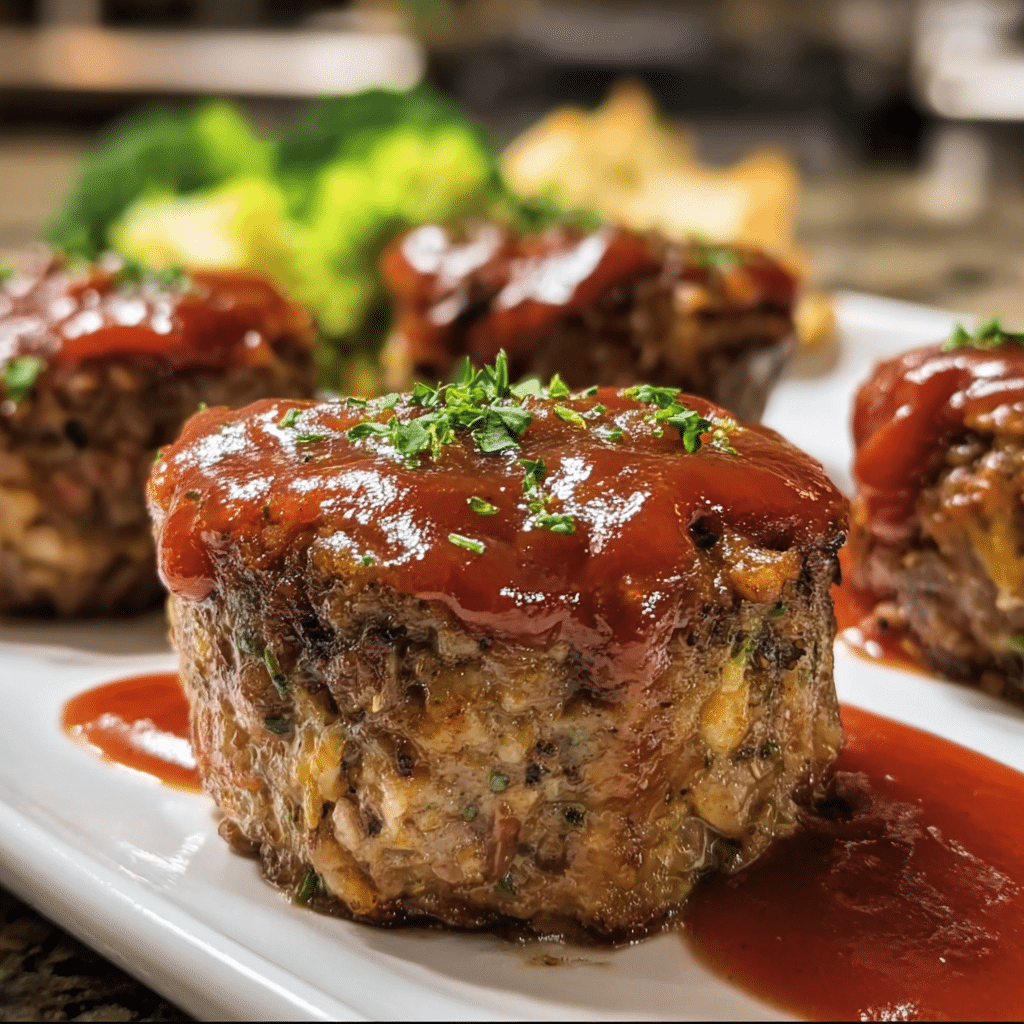
Mini Muffin Tin Meatloaf
Ingredients
For the meatloaf
Nonstick cooking spray or softened butter
1/2 white onion, coarsely chopped
1 medium carrot, peeled and coarsely chopped
1 stalk celery, coarsely chopped
2 tablespoons fresh parsley leaves
3 cloves garlic
1 pound 90% lean ground beef
1/2 cup breadcrumbs
1 large egg
2 tablespoons Worcestershire sauce
1/2 teaspoon kosher salt
1/2 teaspoon freshly ground black pepper
For the glaze
1/4 cup barbecue sauce or ketchup
1/4 cup brown sugar
1 tablespoon Dijon mustard
1/2 teaspoon ground cumin
Instructions
-
Preheat the oven to 400°F.
Grease 8 of the cups in a muffin tin with nonstick cooking spray or softened butter.
-
Mince the vegetables:
To make the meatloaf, in a food processor, combine the onion, carrot, celery, parsley, and garlic. Pulse until the vegetables are very finely chopped. (You can chop the vegetables by hand instead; just really take your time so the vegetables are finely minced.)
-
Make and shape the meatloaf mix:
In a medium bowl, combine the minced vegetables, ground beef, breadcrumbs, egg, Worcestershire sauce, salt, and pepper. Mix together well with your hands, but try not to compress the mixture too much.
Divide the meatloaf mixture evenly among the 8 greased cups of the muffin tin. Be careful not to press the mixture too firmly into the tin—leave it loosely packed.
-
Bake:
Bake the meatloaf muffins until just set, about 20 minutes. Meanwhile, to make the glaze, in a small bowl, whisk together the barbecue sauce or ketchup, brown sugar, mustard, and cumin.
-
Glaze:
Remove the muffin tin from the oven and brush a generous layer of glaze onto the top of each meatloaf muffin (use all of the glaze). Return the muffin tin to the oven and continue to bake until the muffins are well browned and reach at least 165°F in the center of each muffin, 10 to 15 minutes.
-
Cool and serve:
Remove the meatloaf muffins from the oven and let cool briefly before removing from the tin. Serve with a grain, pasta, and/or veggie side.
Leftover meatloaf muffins will keep in the fridge for 3 to 4 days, or you can freeze them in an airtight container for up to 3 months.
Preparation Steps
- Preheat the Oven: Start by preheating your oven to 350°F (175°C). This ensures that your mini muffin tin meatloaf will cook evenly and thoroughly. Preheating is a crucial step that many beginner cooks overlook!
- Prepare the Mini Muffin Tin: Generously coat each cup of your mini muffin tin with nonstick cooking spray or softened butter. This step is vital to prevent the meatloaf from sticking and make cleanup a breeze.
- Mise en Place: Gather all your ingredients and tools. Having everything ready to go will make the cooking process smoother. This includes chopping vegetables (onions, carrots, celery, and parsley) and mincing the garlic. Take a moment to enjoy the vibrant colors and aromas of your fresh ingredients!
Cooking Process
- Sauté the Vegetables: In a medium skillet over medium heat, add a splash of oil and sauté the chopped onion, carrot, and celery until they are tender, about 5-7 minutes. This step enhances their flavors and softens them, ensuring they blend seamlessly into the meatloaf. You know they’re ready when the onion is translucent and fragrant!
- Mix the Ingredients: In a large mixing bowl, combine the sautéed vegetables with the ground beef, breadcrumbs, egg, Worcestershire sauce, salt, pepper, barbecue sauce (or ketchup), brown sugar, Dijon mustard, and cumin. Use your hands or a spatula to mix everything until just combined. Be careful not to overmix, as this can lead to a dense meatloaf.
- Portion the Mixture: Using a cookie scoop or your hands, portion the meat mixture into the prepared mini muffin tin, filling each cup to about three-quarters full. This allows space for the meatloaf to rise and cook evenly.
Final Assembly
- Top with Glaze: In a small bowl, combine any remaining barbecue sauce or ketchup with additional brown sugar. Spoon a small amount over each mini meatloaf for a sweet and tangy glaze that caramelizes beautifully during baking.
- Bake: Place the mini muffin tin in the preheated oven and bake for about 20-25 minutes, or until the internal temperature reaches 160°F (71°C). Keep an eye on them during the last few minutes, as you want them to be perfectly cooked but not dried out.
- Cool and Serve: Once the mini meatloafs are done, remove them from the oven and let them cool for a few minutes in the tin. Then, carefully use a spoon or fork to lift them out. Serve warm with your favorite sides or enjoy them cold as leftovers!
Throughout this process, it’s essential to pay attention to visual cues and sensory indicators. The aroma of sautéing vegetables, the texture of the meat mixture, and the golden-brown color of the meatloaf as it bakes will guide you to the perfect final product.
Common mistakes to avoid include overcrowding the mini muffin tin, which can lead to uneven cooking, and neglecting to preheat the oven, which is critical for proper cooking times. If you’re multitasking, set timers for each step to keep everything on track.
As you become more comfortable with this recipe, feel free to experiment by adding your favorite spices or vegetables. The mini muffin tin is a fantastic tool for creating bite-sized portions that are perfect for meal prep or entertaining. Enjoy the process, and happy cooking!
Professional Tips and Techniques for mini muffin tin
When it comes to cooking, especially with tools like a mini muffin tin, having a few professional tips and techniques up your sleeve can make all the difference. Whether you’re a novice in the kitchen or an experienced cook, understanding the nuances of your equipment and the ingredients can elevate your dishes to new heights. Let’s dive deep into some insider secrets and techniques that will help you master the art of mini muffin tin meatloaf.
Professional Techniques
Using a mini muffin tin for making meatloaf is a game-changer. The smaller portion sizes not only cut down on cooking time but also allow for a delightful crispy edge that traditional meatloaf often lacks. One of the first techniques to consider is the mixing method. When blending your ingredients, whether it’s ground meat, breadcrumbs, or spices, aim for a gentle hand. Overmixing can lead to a dense texture, which is not what you want. Instead, mix just until combined.
Additionally, consider the fat content in your ground meat. A blend of beef and pork is traditional, but using a leaner meat like turkey can yield fantastic results. Just be sure to add moisture — perhaps an egg or some finely chopped vegetables — to keep things juicy. The use of a mini muffin tin also allows for individual servings, making it easier to customize each one. You can add different toppings or sauces depending on personal preferences.
Troubleshooting Guide
Even the most seasoned chefs encounter hiccups in the kitchen. If you find your meatloaf coming out too dry, it could be a matter of cooking time or a lack of moisture in your mixture. A great tip is to insert a meat thermometer into the center of one of the mini loaves; it should read 160°F when fully cooked. If it’s overcooked, consider adding more liquid ingredients next time or covering the top with foil during the first part of cooking to trap moisture.
Another common issue is sticking. To prevent your mini meatloaves from clinging to the tin, make sure to thoroughly grease the tin or use silicone muffin cups. This will not only allow for easy removal but also help maintain the shape of your meatloaf. If you’re finding that some of your mini loaves are burnt on the bottom, check the heat distribution in your oven. Sometimes, uneven heating can cause certain areas to cook faster than others.
Presentation Tips
Once your mini meatloaves are perfectly cooked, presentation is key. Simple garnishes like fresh herbs can elevate the dish. Try sprinkling chopped parsley or chives on top right before serving for a pop of color. Since the mini muffin tin produces individual servings, you can serve them on a rustic wooden board or a colorful platter for an inviting look.
For a more refined presentation, consider pairing the meatloaves with a complementary sauce, such as a tangy barbecue glaze or a savory mushroom gravy. Drizzling the sauce over the meatloaves just before serving can make them look even more appetizing. If you want to get creative, consider adding a side of roasted vegetables or a simple salad to round out the meal. The vibrant colors of the veggies will create a feast for the eyes, making your dish even more appealing.
For those who enjoy pairing their meals with beverages, think about what complements the flavors of your mini meatloaf. A glass of red wine, such as Merlot or Cabernet Sauvignon, can enhance the savory depth of the dish. If you prefer non-alcoholic options, a sparkling apple cider can add a refreshing contrast to the richness of the meatloaf.
Lastly, if you’re preparing these mini meatloaves for a gathering, consider making them a day ahead. They can be stored in the fridge and reheated just before serving, allowing you to enjoy the festivities without being glued to the kitchen. Overall, mastering the mini muffin tin meatloaf will be rewarding, providing you not just with delicious food but also with a wealth of knowledge and skills that you can apply to other recipes.
Creative Variations and Adaptations of mini muffin tin
The beauty of using a mini muffin tin for meatloaf is the endless possibilities for creative variations and adaptations. The versatility of this dish allows you to explore various flavors, ingredients, and dietary preferences while still delivering a comforting, satisfying meal. Let’s delve into some inspiring ideas that will help you think outside the box when it comes to mini muffin tin meatloaf.
Seasonal Variations
One of the best things about cooking is the ability to adapt dishes based on the seasons. In spring, consider incorporating fresh herbs like basil or parsley into your meatloaf mixture, along with seasonal vegetables such as zucchini or asparagus. These ingredients not only add flavor but also bring a freshness that brightens up the dish.
In the summer, you might want to experiment with adding sweet corn or diced bell peppers for a pop of color and sweetness. Fall is perfect for incorporating spices like sage and thyme, and even some finely chopped apples for a hint of sweetness that pairs beautifully with the savory meat. Winter can be a great time to use heartier ingredients like roasted root vegetables or even a hint of cinnamon for a warm, cozy finish. The adaptability of the mini muffin tin makes it easy to enjoy these seasonal flavors throughout the year.
Dietary Adaptations
As more people are becoming conscious of their dietary choices, offering variations that cater to different needs is essential. For those following a keto diet, using ground turkey or chicken with almond flour instead of breadcrumbs can maintain the texture while keeping the carb count low. You can also include finely grated cauliflower as a filler, which adds moisture without the carbs.
If you have vegan or vegetarian guests, consider making a lentil or chickpea-based meatloaf. Mixing in breadcrumbs made from gluten-free bread can ensure that those with gluten sensitivities can enjoy the dish too. You can also swap out traditional eggs for flaxseed meal mixed with water as a binding agent. Experimenting with spices and sauces will allow you to create a delicious and satisfying meatloaf that meets various dietary needs.
Creative Twists
For those who love to experiment, think about adding international flavors to your mini muffin tin meatloaf. You could create a Mexican-inspired version by incorporating taco seasoning, black beans, and corn, then topping them with salsa and avocado. Alternatively, an Asian twist can be achieved by using ground pork flavored with ginger, garlic, and soy sauce, served with a sweet chili glaze.
Another fun idea is to transform leftover mini meatloaf into something entirely new. For example, chop up the leftover meatloaf and mix it with pasta and tomato sauce for a hearty baked pasta dish. You could also use them as filling for sliders, pairing them with a tangy slaw and barbecue sauce for a fun twist on a classic dish.
And let’s not forget about the cooking methods! While the oven is the traditional route, you can also try making these mini meatloaves on the stovetop using a skillet or even a slow cooker for a hands-off option. Simply form the meat into patties and sear them in a hot skillet for a delicious crust, or layer them in the slow cooker with some sauce for a tender, flavorful dish.
In conclusion, the mini muffin tin is an incredibly versatile tool that opens up a world of culinary possibilities. From seasonal adaptations to dietary modifications and creative twists, the potential for variation is almost limitless. Whether you’re cooking for yourself, your family, or hosting a gathering, embracing these variations can bring joy and excitement to your table, making your mini muffin tin meatloaf a highlight of any meal.
Storage, Reheating, and Meal Prep for mini muffin tin
When it comes to enjoying the deliciousness of mini muffin tin meatloaf, proper storage and reheating techniques are essential to maintaining the flavor and texture that makes these little bites of joy so appealing. Whether you’re a meal prep enthusiast or someone who enjoys leftovers, understanding how to store, freeze, and reheat your mini muffin tin meatloaves will ensure that you can savor their goodness long after they come out of the oven.
Short-term Storage
After preparing your mini muffin tin meatloaf, it’s crucial to store them properly to keep them fresh. If you plan to consume your meatloaf within the next few days, the refrigerator is your best friend. Allow the mini meatloaves to cool completely at room temperature for about 30 minutes after baking. This step is vital, as placing hot food directly into the refrigerator can raise the internal temperature of your fridge, potentially leading to food safety issues.
Once cooled, transfer the mini meatloaves into airtight containers. Glass containers with tight-fitting lids are ideal, as they don’t absorb odors and can be easily cleaned. If you’re using plastic containers, ensure they are BPA-free and designed for food storage. You can also wrap each meatloaf individually in plastic wrap or aluminum foil, which helps to prevent them from drying out.
Label your containers with the date they were prepared, as this will help you keep track of freshness. Generally, mini meatloaf can be stored in the refrigerator for up to 3 to 4 days. However, for the best quality, it’s advisable to consume them within the first two days.
Freezing and Long-term Storage
If you’ve made a large batch of mini muffin tin meatloaf or simply want to save some for later, freezing is a fantastic option. Freezing not only preserves the meatloaf but also allows you to have a convenient meal ready to go. To freeze mini meatloaves, follow the same cooling instructions as for short-term storage. Once cooled, you can freeze them in two ways: individually or in batches.
For individual portions, wrap each meatloaf tightly in plastic wrap, making sure there are no air pockets. After wrapping, place them in a resealable freezer bag or a freezer-safe container. This double layer of protection helps prevent freezer burn, which can affect the taste and texture. If you prefer to freeze them in batches, place multiple mini meatloaves in a single container, ensuring they are separated by parchment paper to avoid sticking.
When it comes to labeling, include the date and any relevant details, like the flavor or any modifications, to make it easier when you’re ready to eat. Mini muffin tin meatloaf can be frozen for up to 3 months without significant loss of quality. However, for the best taste and texture, aim to consume them within 1 to 2 months.
Reheating Best Practices
Reheating your mini muffin tin meatloaf is a breeze, but it’s important to do it correctly to maintain their deliciousness. The best method for reheating is using the oven. Preheat your oven to 350°F (175°C). Place the meatloaves on a baking sheet lined with parchment paper or aluminum foil. If they were frozen, there’s no need to thaw them first; just add a few extra minutes to the reheating time. Covering them with foil will help keep them moist during reheating.
Heat for about 15 to 20 minutes if thawed, and about 25 to 30 minutes if frozen, or until they reach an internal temperature of 165°F (74°C). If you’re in a hurry, you can also reheat them in the microwave. Place the meatloaves on a microwave-safe plate, cover with a damp paper towel, and heat on medium power for 1-2 minutes per meatloaf. Check for doneness, and add more time as needed.
Regardless of your reheating method, taking care to preserve moisture is key. Adding a splash of broth or water in the microwave can also help to keep them from drying out. With these methods, you can enjoy your mini muffin tin meatloaf just as much as when they first came out of the oven.
Lastly, always keep food safety in mind. If your mini muffin tin meatloaf has been sitting out at room temperature for more than two hours, it’s best to discard any leftovers. Foodborne illnesses are serious, and it’s always better to be safe than sorry. By following these storage, freezing, and reheating guidelines, you can ensure that each bite of your mini muffin tin meatloaf is just as delightful as the first.
Nutritional Benefits and Health Information
Mini muffin tin meatloaf is not just a tasty meal; it can also be a nutritious option packed with essential vitamins and minerals. Understanding the nutritional benefits of the ingredients used in this dish can help you appreciate it even more and make informed choices about your diet. Let’s dive deep into the nutritional profile of mini muffin tin meatloaf and explore how it fits into various dietary considerations.
Nutritional Profile
The nutritional content of mini muffin tin meatloaf can vary depending on the ingredients used, but a basic recipe typically includes ground meat, breadcrumbs, eggs, and various seasonings and vegetables. On average, one mini meatloaf might contain approximately 150-200 calories, with a balance of protein, carbohydrates, and fats.
For example, using lean ground turkey or chicken instead of beef can significantly reduce the fat content while boosting the protein level. A single serving may provide around 15-20 grams of protein, which is essential for muscle repair and overall health. The breadcrumbs can contribute around 20-25 grams of carbohydrates, offering a source of energy.
Don’t forget about the vegetables! Adding finely chopped onions, bell peppers, or carrots not only enhances flavor but also increases the fiber content, which is vital for digestive health. A serving of mini meatloaf can provide around 1-2 grams of fiber, helping you feel full and satisfied.
Health Benefits
Each ingredient in your mini muffin tin meatloaf brings its own health benefits. For instance, ground turkey is a fantastic source of lean protein, which is essential for muscle growth and repair. It’s also lower in saturated fats compared to beef, making it a healthier choice for those watching their cholesterol levels.
Eggs, often used as a binder in the meatloaf, are packed with vitamins and minerals, including vitamin D, B12, and selenium. They provide a complete protein, meaning they contain all the essential amino acids your body needs. Additionally, the vegetables you include can add antioxidants and essential nutrients. For example, bell peppers are high in vitamin C, which supports your immune system and helps in the absorption of iron from other foods.
Dietary Considerations
When it comes to dietary restrictions, mini muffin tin meatloaf can be easily adapted to fit various needs. For those following a gluten-free diet, simply substitute traditional breadcrumbs with gluten-free alternatives like crushed rice or gluten-free oats. Vegetarians can opt for plant-based proteins, such as lentils or mushrooms, to create a hearty and satisfying meatloaf without meat.
If you’re conscious of sodium intake, consider using low-sodium sauces and condiments. Many traditional meatloaf recipes call for ketchup, which can be high in sugar and sodium; opting for homemade sauce or even a spicy salsa can elevate the flavor profile while being more heart-healthy.
In terms of calorie content, a mini muffin tin meatloaf is versatile enough to fit into various diet plans, whether you’re following a low-carb, high-protein, or balanced diet. You can easily modify the recipe to align with your specific health goals, making it a flexible option for meal prep or family dinners.
In conclusion, mini muffin tin meatloaf not only satisfies your taste buds but also provides numerous nutritional benefits that can support a healthy lifestyle. With its adaptable nature, it’s easy to customize this dish to meet your dietary needs, ensuring you enjoy a delicious and wholesome meal every time.
Conclusion: Mastering the Perfect mini muffin tin
Creating the perfect mini muffin tin is more than just following a recipe—it’s about understanding the techniques, ingredients, and cultural significance behind this beloved dish. Throughout this comprehensive guide, we’ve explored everything from the historical origins to modern variations, ensuring you have all the knowledge needed to make this recipe your own.
Whether you’re a beginner cook or an experienced chef, the techniques and tips we’ve shared will help you create a mini muffin tin that’s not only delicious but also meaningful. Remember that cooking is a journey of discovery, and each time you make this dish, you’ll learn something new.
We encourage you to experiment with the variations we’ve discussed, adapt the recipe to your dietary needs, and most importantly, share it with the people you love. Food has the incredible power to bring people together, and Mini Muffin Tin Meatloaf is the perfect dish to create lasting memories around your dinner table.

Don’t forget to share your cooking adventures with us on social media, and feel free to ask questions in the comments below. Happy cooking!
Share this recipe and let us know how it turned out! Tag us on social media for a chance to be featured.