Veggie pasta baked has become a staple in my kitchen, a delightful dish that marries the earthy flavors of vegetables with the comforting warmth of baked pasta. I remember the first time I stumbled upon this recipe—it was during a particularly hectic week in the fall when my kids were swamped with school activities and I was juggling work commitments. With a fridge full of fresh vegetables that were on the verge of spoiling, I desperately needed a solution that would satisfy the family and be quick to prepare. That’s when I decided to try my hand at veggie pasta baked, a dish that turned out to be not only a lifesaver but also a family favorite.
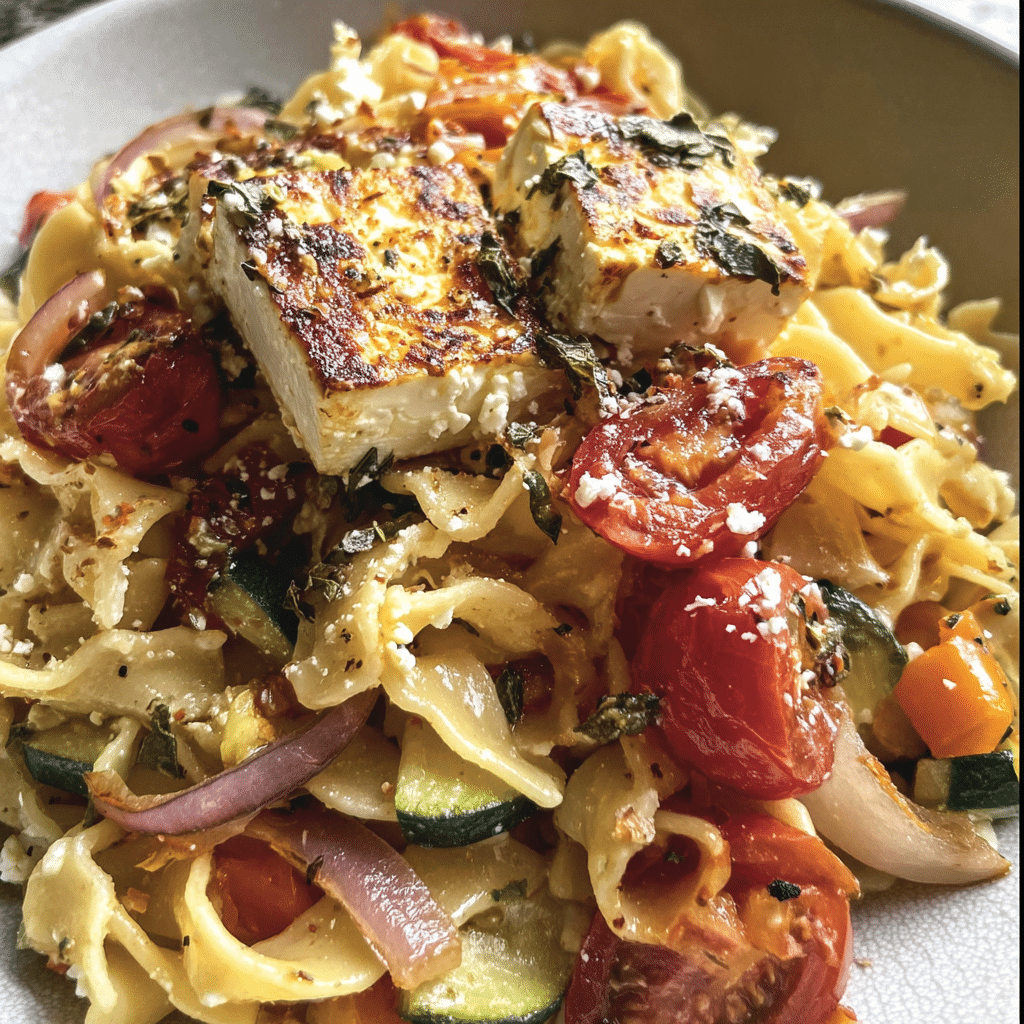
This recipe is special because it allows for endless variations. Whether you have zucchini, bell peppers, spinach, or cherry tomatoes, you can throw them into the mix, and they all meld beautifully with the pasta and sauce. The baked feta on top adds a creamy, tangy richness that elevates the entire dish. It’s a wonderful way to sneak in those servings of vegetables, making it perfect for families trying to maintain a balanced diet without compromising on flavor.
The Story Behind This Recipe
The origins of veggie pasta baked are rooted in the broader tradition of pasta dishes that celebrate seasonal produce. In Italy, where pasta is a way of life, it’s common to utilize whatever is fresh and available, leading to regional specialties that vary from one household to another. My discovery of this dish is deeply intertwined with my family’s love for Italian cuisine, as we often spend Sunday afternoons preparing traditional meals together. Watching my grandmother whip up her famous pasta dishes, I learned the importance of using fresh ingredients and the joy of sharing food with loved ones.
Over the years, as I started experimenting in my own kitchen, veggie pasta baked became a canvas for my creativity. The dish reflects not just the flavors of my childhood but also the modern need for quick, nutritious meals. It’s a reminder that cooking can be both simple and rewarding, bringing families together around the dinner table even during the busiest of times.
Why You’ll Love This Dish
What makes veggie pasta baked a standout dish for busy families is its versatility and ease of preparation. Not only can it be assembled in under 30 minutes, but it also bakes beautifully in one dish, allowing for minimal cleanup—a blessing on those hectic weeknights! The blend of roasted vegetables and creamy feta creates a symphony of flavors that appeals to both kids and adults alike, making it a win-win for dinner time.
Another reason to love this dish is its seasonal relevance. It shines in the fall when the produce is at its peak, but it can be adapted year-round. In the summer, consider using fresh basil and ripe tomatoes; in the winter, root vegetables like carrots and butternut squash add a hearty touch.
More than just a meal, veggie pasta baked carries an emotional connection. It evokes memories of laughter-filled dinners, where we would share stories of our day, and the aroma of baked feta would fill the house, signaling that something delicious was on the way. Each bite is a reminder of the comfort food that connects us, reinforcing the bonds of family and friendship.
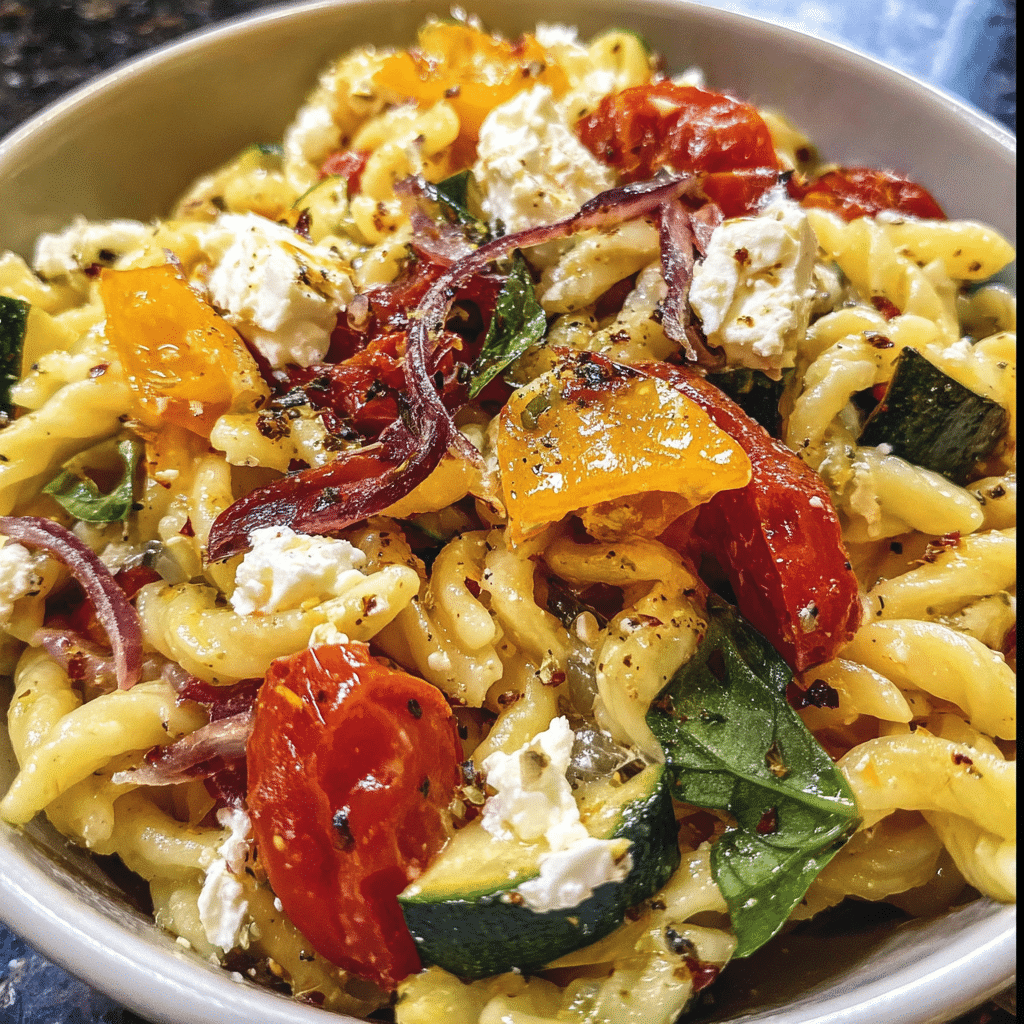
In this guide, I promise to share not only my favorite recipe for veggie pasta baked but also tips on selecting the best vegetables, tricks for perfecting the bake, and ideas for customizing the dish to suit your family’s tastes. Get ready to embrace a dish that is not only nourishing but also brings joy and simplicity to your kitchen!
The Rich History and Cultural Significance of veggie pasta baked
The rich history and cultural significance of veggie pasta baked are a testament to the adaptability and creativity inherent in Italian cuisine. While pasta itself has ancient roots dating back to the Etruscans and Romans, the concept of baking pasta with vegetables is a more modern innovation, reflecting a growing awareness of health and nutrition in cooking.
Origins and History
Pasta has been a staple food for centuries, with various forms appearing in different regions across the globe. The earliest known records of pasta date back to the 4th century B.C. in Greece, where it was made from wheat flour and water. Over time, it spread to Italy, where it became an integral part of the culinary landscape. The idea of combining pasta with vegetables likely arose from the Italian philosophy of “cucina povera,” or “poor kitchen,” which emphasizes the use of simple, locally available ingredients to create nourishing meals.
As families began to embrace more sustainable cooking practices, veggie pasta baked emerged as a delicious way to utilize leftover vegetables, making it an ideal dish for those looking to reduce food waste. This shift occurred during the 20th century, particularly in the post-war era when families were searching for economical ways to feed their loved ones without sacrificing taste.
Cultural Significance
In Italy, pasta dishes are often served during family gatherings and celebrations, a tradition that has been passed down through generations. Veggie pasta baked, while not a traditional recipe in itself, embodies this spirit of sharing and community. It is commonly prepared for potlucks, holiday dinners, and even casual weeknight meals, showcasing its versatility as a dish that can be dressed up or down depending on the occasion.
In contemporary culinary culture, chefs have begun to put their own spins on this dish, introducing gourmet elements such as artisanal cheeses and exotic spices. Restaurants across the globe have embraced veggie pasta baked, offering their unique interpretations that often reflect local produce and flavors. This evolution of the dish highlights the beauty of food as a living art form that adapts and grows with society.
Nutritional Benefits
One of the most appealing aspects of veggie pasta baked is its nutritional profile. By incorporating a variety of vegetables, this dish becomes a powerhouse of vitamins, minerals, and antioxidants. Vegetables like spinach and broccoli offer essential nutrients such as iron and calcium, while tomatoes provide lycopene, a powerful antioxidant linked to numerous health benefits.
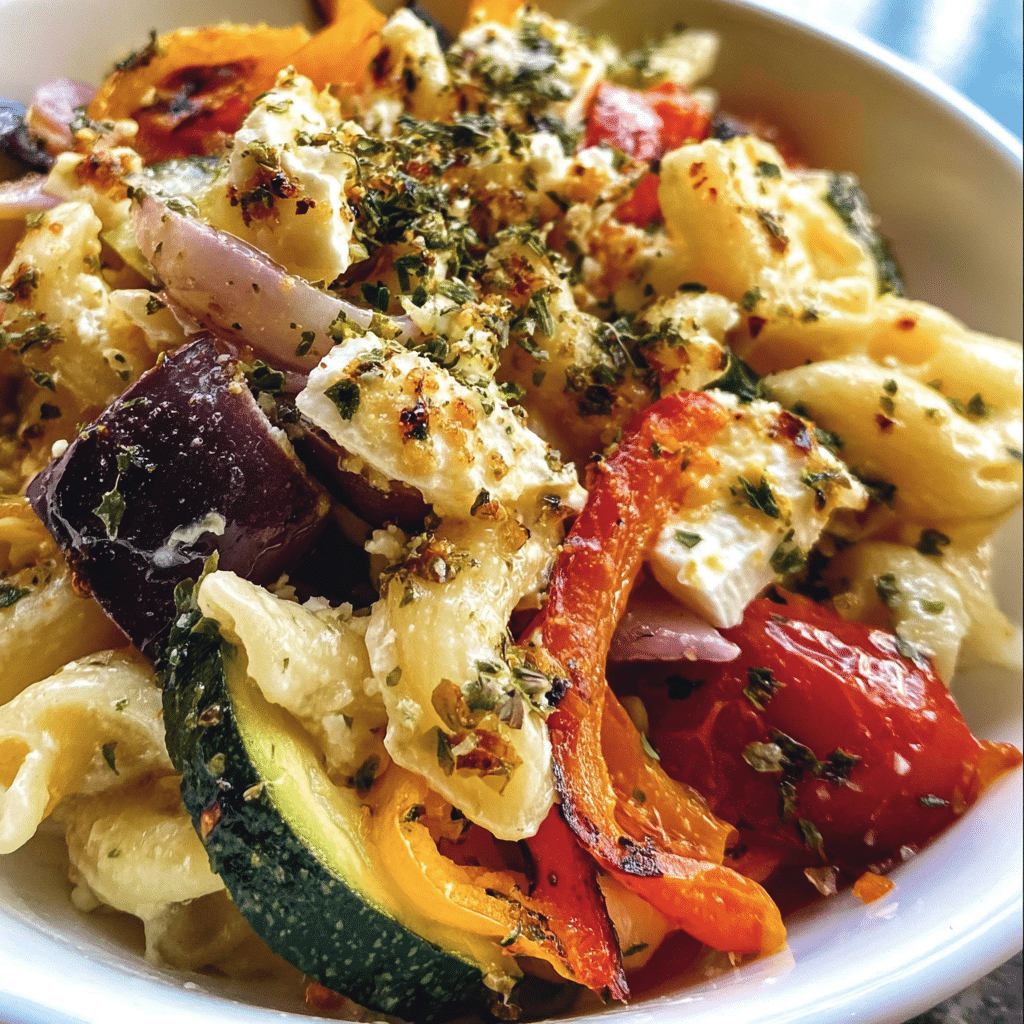
The addition of whole grain or legume-based pasta further enhances the healthiness of the dish, providing fiber and protein that help to keep you feeling full and satisfied. Plus, the baked feta adds a source of healthy fats and protein, making this dish a balanced meal that appeals to a wide range of dietary preferences.
In conclusion, understanding the rich history and cultural significance of veggie pasta baked not only enhances our appreciation of the dish but also encourages us to embrace its adaptability in our own kitchens. As we continue to experiment with flavors and techniques, we can honor the traditions of the past while creating a meal that resonates with our modern lives. Get ready to dive deeper into this culinary journey and discover the many ways to prepare and enjoy veggie pasta baked!
Essential Ingredients for Perfect veggie pasta baked
Creating a delightful veggie pasta baked dish is not just about following a recipe; it’s about understanding each ingredient’s role and how they work together to create a harmonious meal. Whether you’re a seasoned chef or a kitchen newbie, knowing your ingredients can elevate your cooking experience. Let’s dive into the essential ingredients that will transform your veggie pasta baked into a comforting masterpiece.
Essential Ingredients
- Chicken: Tender, juicy chicken adds a hearty protein element to your veggie pasta baked. Choose boneless, skinless chicken breasts or thighs for ease of preparation. The flavor of chicken complements the vegetables and pasta beautifully.
- Beef: Ground beef can be a great addition if you’re looking for a richer flavor profile. It pairs well with robust sauces and can be seasoned to enhance the overall taste of the dish.
- Pork: For a unique twist, consider adding ground pork. It has a slightly sweeter flavor compared to beef and can provide a nice contrast to the acidity of the tomatoes.
- Seafood: Adding shrimp or scallops can elevate the dish to a gourmet level. Seafood cooks quickly and adds a delightful briny flavor that pairs exceptionally well with pasta.
- Pasta: The star of the show! Choose your favorite type of pasta—whether it be penne, fusilli, or spaghetti. Whole grain and gluten-free options are also available for those with dietary preferences.
- Fruits: While fruits may seem unconventional in a pasta dish, consider adding ingredients like sun-dried tomatoes or olives for a burst of flavor. Fruits like apples can be subtly added for a hint of sweetness.
- Vegetables: This is where you can get creative! Use a mix of seasonal vegetables like zucchini, bell peppers, spinach, and cherry tomatoes. They not only add color but also nutrition to your veggie pasta baked.
- View All: This isn’t a strict list; feel free to explore and add your favorite ingredients to personalize your dish.
Veggie Pasta With Baked Feta
Ingredients
- 1 pint grape tomatoes
- 1 bunch asparagus, trimmed and chopped
- 1 medium zucchini, halved lengthwise and cut in 1/4 inch slices
- 1 medium yellow onion, chopped
- 1 medium red bell pepper, chopped
- 1 ear fresh sweet corn, kernels cut from the cob
- 4 tablespoons extra-virgin olive oil, or as needed
- 1 teaspoon red pepper flakes, plus more as needed
- sea salt and freshly cracked black pepper to taste
- 1 (16 ounce) package block feta cheese
- 4 sprigs fresh thyme
- 1 (16 ounce) package rigatoni pasta
- ½ medium lemon
- ¼ bunch fresh parsley, chopped
- 1 tablespoon grated Pecorino Romano cheese, or more to taste
Instructions
-
Preheat the oven to 400 degrees F (200 degrees C).
-
Combine grape tomatoes, asparagus, zucchini, onion, bell pepper, and corn kernels in a large baking dish. Drizzle generously with olive oil and sprinkle with pepper flakes, sea salt, and pepper. Toss to coat and make a well in the center of the dish. Place feta blocks in the well. Drizzle feta with more olive oil and season with sea salt, pepper, and a pinch of pepper flakes. Nestle thyme sprigs into vegetables around the dish.
-
Bake uncovered in the preheated oven until vegetables are soft and feta is lightly browned, about 40 minutes.
-
When vegetables and feta have cooked for 25 minutes, bring a large pot of lightly salted water to a boil. Cook rigatoni in boiling water, stirring occasionally, until tender yet firm to the bite, about 12 minutes. Drain, reserving 1 cup pasta water. Set aside.
-
When vegetables and feta are finished cooking, turn the broiler to 500 degrees F (260 degrees C) and broil vegetables for 1 minute for some final browning.
-
Squeeze lemon over vegetables and feta; stir in parsley until incorporated. Stir in rigatoni and reserved pasta water to help feta coat pasta evenly. Season with salt and pepper as needed and sprinkle with Pecorino Romano cheese.
Shopping Tips
When shopping for ingredients, especially for a veggie pasta baked, quality matters. Fresh ingredients will greatly enhance the flavor and texture of your dish. Here are some shopping tips:
- Meat: Look for meat that is bright in color without any off smells. If possible, buy from local butcher shops where you can ask about the source.
- Pasta: Opt for high-quality dried pasta. Check the label for durum wheat semolina as the primary ingredient for the best texture.
- Vegetables: Choose vegetables that are firm and vibrant in color. Seasonal vegetables will not only taste better but are often more affordable.
- Fruits: If using fruits, select those that are ripe but not overly soft to maintain their texture in the dish.
Substitutions and Alternatives
Dietary restrictions shouldn’t hold you back from enjoying a delicious veggie pasta baked. Here are some substitutions you can consider:
- Meat Alternatives: For a vegetarian or vegan option, substitute meat with plant-based proteins like lentils, chickpeas, or tofu. They can absorb the flavors of the dish beautifully.
- Pasta Choices: For gluten-free options, there are excellent alternatives made from rice, quinoa, or legumes. These can provide a similar texture while accommodating dietary needs.
- Dairy Alternatives: If you’re avoiding dairy, consider using nutritional yeast for a cheesy flavor without the milk. There are also many plant-based cheese options available.
Understanding the role of each ingredient in your veggie pasta baked not only helps in creating a balanced dish but also enhances your cooking confidence. Remember to select high-quality ingredients, embrace seasonal produce, and don’t hesitate to experiment with substitutions to cater to your taste and dietary needs. Cooking is all about enjoyment, so have fun with it!
Detailed Step-by-Step veggie pasta baked Cooking Instructions
Detailed Step-by-Step veggie pasta baked Cooking Instructions
Cooking a delicious veggie pasta baked dish doesn’t have to be daunting. With a clear step-by-step guide, you’ll find that the process can be enjoyable and rewarding. Let’s walk through the preparation and cooking process together, ensuring you have a mouthwatering dish in just about 30 minutes!
Preparation Steps
Before you even think about turning on the oven, having everything prepped and ready to go (a technique known as mise en place) is crucial. Here’s how to prepare your ingredients:
- Gather Ingredients: Start by gathering all your ingredients. This includes your choice of meat, pasta, vegetables, and any sauces or seasonings you plan to use.
- Preheat Oven: Preheat your oven to 400°F (200°C). This ensures that your veggie pasta baked will cook evenly once everything is assembled.
- Prepare Pasta: Cook the pasta according to package instructions, but reduce the cooking time by 1-2 minutes since it will finish cooking in the oven. Drain and set aside.
- Chop Vegetables: Dice or slice your chosen vegetables. Aim for uniform sizes for even cooking. Common choices include bell peppers, zucchini, and spinach.
- Cook Meat: In a large skillet over medium heat, add a splash of olive oil and begin cooking your meat. Season with salt, pepper, and any herbs you prefer. Cook until browned and fully cooked through, usually about 7-10 minutes.
- Combine Ingredients: In a large mixing bowl, combine the cooked pasta, sautéed meat, and chopped vegetables. Add any sauces you’re using and mix thoroughly.
Cooking Process
Now that we have our ingredients prepped, it’s time to bring everything together. Follow these steps carefully:
- Transfer to Baking Dish: Pour the pasta mixture into a greased baking dish. Make sure it’s spread evenly to ensure even baking.
- Add Cheese: If you’re using cheese, sprinkle it generously on top of the pasta mixture. This will create a delicious, bubbly crust once baked.
- Bake: Place the baking dish in the preheated oven and bake for about 20-25 minutes. You’ll know it’s done when the cheese is melted and golden brown, and the edges are bubbling.
- Check for Doneness: To ensure your veggie pasta baked is fully cooked, insert a fork into the center. It should be hot throughout, and the pasta should be tender.
- Rest Before Serving: Once out of the oven, allow your dish to rest for about 5 minutes. This helps the flavors meld and makes serving easier.
Final Assembly
Presentation can elevate your dish, so let’s make it look as good as it tastes:
- Garnish: Consider garnishing your veggie pasta baked with fresh herbs like basil or parsley for a pop of color and flavor.
- Serve: Serve your dish warm, either straight from the baking dish or plated individually. A side salad and some crusty bread can be great accompaniments.
- Enjoy: Take a moment to savor the aroma of your freshly baked meal. Enjoy the company of family or friends as you share this comforting dish!
Cooking doesn’t have to be intimidating! With these detailed steps, you’ll learn to navigate through the process with ease. Remember, the key to a successful veggie pasta baked lies in preparation and attention to detail. So, whether it’s a busy weeknight or a gathering with friends, this dish is sure to impress!
Professional Tips and Techniques for veggie pasta baked
When it comes to creating a delicious and satisfying dish like veggie pasta baked, having a solid understanding of professional tips and techniques can elevate your culinary experience. As someone who has spent countless evenings experimenting in the kitchen, I can assure you that these insights will not only enhance the flavor of your dish but also make the cooking process more enjoyable. Let’s dive into the world of veggie pasta baked with some insider secrets that will help you master this recipe.
Professional Techniques
One of the first things you should consider when preparing veggie pasta baked is the type of pasta you choose. I’ve found that whole wheat or gluten-free pasta works beautifully, adding a nutty flavor and hearty texture. Cooking the pasta until it’s al dente is crucial. This means boiling it for about two minutes less than the package instructions recommend. The reason? You want the pasta to hold its shape during baking, absorbing the flavors of the sauce and vegetables without becoming mushy.
Speaking of sauce, a homemade sauce can make a world of difference. Sautéing garlic and onion in olive oil until fragrant, then adding chopped tomatoes and seasonings allows the flavors to meld beautifully. If you have fresh herbs like basil and oregano, toss them in for an extra burst of flavor. Remember, when making veggie pasta baked, it’s all about layering flavors.
Another pro tip is to roast your vegetables before adding them to the pasta. Roasting caramelizes the natural sugars in the veggies, which enhances their flavor and adds depth to the dish. I often use a mix of bell peppers, zucchini, and cherry tomatoes. Toss them in olive oil, salt, and pepper, and roast them at 400°F (200°C) for about 20 minutes. The aroma will fill your kitchen, making it hard to resist diving in before the dish is even baked!
Troubleshooting Guide
Even the most seasoned cooks encounter problems from time to time. If your veggie pasta baked comes out dry, it may be due to insufficient sauce. Ensure you have enough liquid, whether from a tomato-based sauce or a creamy béchamel. If you’re using a store-bought sauce, consider enriching it with additional spices or a splash of wine for a more complex flavor.
On the flip side, if your dish is too watery, it could be that you didn’t drain the cooked pasta or veggies well enough. A good rule of thumb is to let your roasted vegetables cool slightly before adding them. This helps prevent excess moisture from making your bake soggy.
For those looking to impress guests, consider adding a crunchy topping to your veggie pasta baked. Combine breadcrumbs with herbs and a bit of grated cheese or nutritional yeast for a delightful crunch that contrasts with the creamy pasta underneath.
Presentation Tips
Presentation can elevate your veggie pasta baked from a simple meal to a feast for the eyes. I always recommend serving it in a large, rustic baking dish that showcases the vibrant colors of your ingredients. Before serving, sprinkle fresh herbs on top for a pop of color and freshness. You can also drizzle a little balsamic glaze or olive oil for an elegant touch.
Pairing your veggie pasta baked with a well-chosen beverage can enhance the dining experience. A crisp white wine, such as Sauvignon Blanc, complements the freshness of the vegetables beautifully. If you prefer non-alcoholic options, consider serving sparkling water with a slice of lemon or a refreshing herbal iced tea.
Lastly, when it comes to meal prep, veggie pasta baked is a fantastic option for make-ahead meals. You can prepare the dish a day in advance, cover it tightly, and store it in the fridge. Just pop it in the oven when you’re ready to serve, adding an extra five to ten minutes to the baking time. This makes it a perfect choice for busy weeknights or entertaining guests.
In conclusion, mastering veggie pasta baked is all about understanding the techniques behind it. From the right pasta choice to perfecting your sauce and presentation, each step contributes to a delightful dish that will impress your family and friends. With these professional tips, you’ll be well on your way to creating a veggie pasta baked that not only tastes incredible but also showcases your culinary skills.
Creative Variations and Adaptations of veggie pasta baked
As a food lover, one of the most exciting aspects of cooking is the ability to adapt and experiment with recipes. Veggie pasta baked is a versatile dish that can cater to various tastes and dietary preferences. Let’s explore some creative variations and adaptations that can breathe new life into this already delightful dish.
Seasonal Variations
The beauty of veggie pasta baked lies in its adaptability to seasonal ingredients. In spring, consider adding asparagus and peas for a light, fresh flavor. Toss in some fresh spinach or arugula just before serving for added nutrition and a vibrant green color. In summer, zucchini, eggplant, and sweet corn can transform your bake into a hearty, sun-kissed dish. As the leaves change in autumn, pumpkin or butternut squash can lend a creamy texture and sweetness to your pasta. Finally, during winter, root vegetables like carrots and parsnips, along with hearty greens like kale, can create a warming and satisfying meal.
Dietary Adaptations
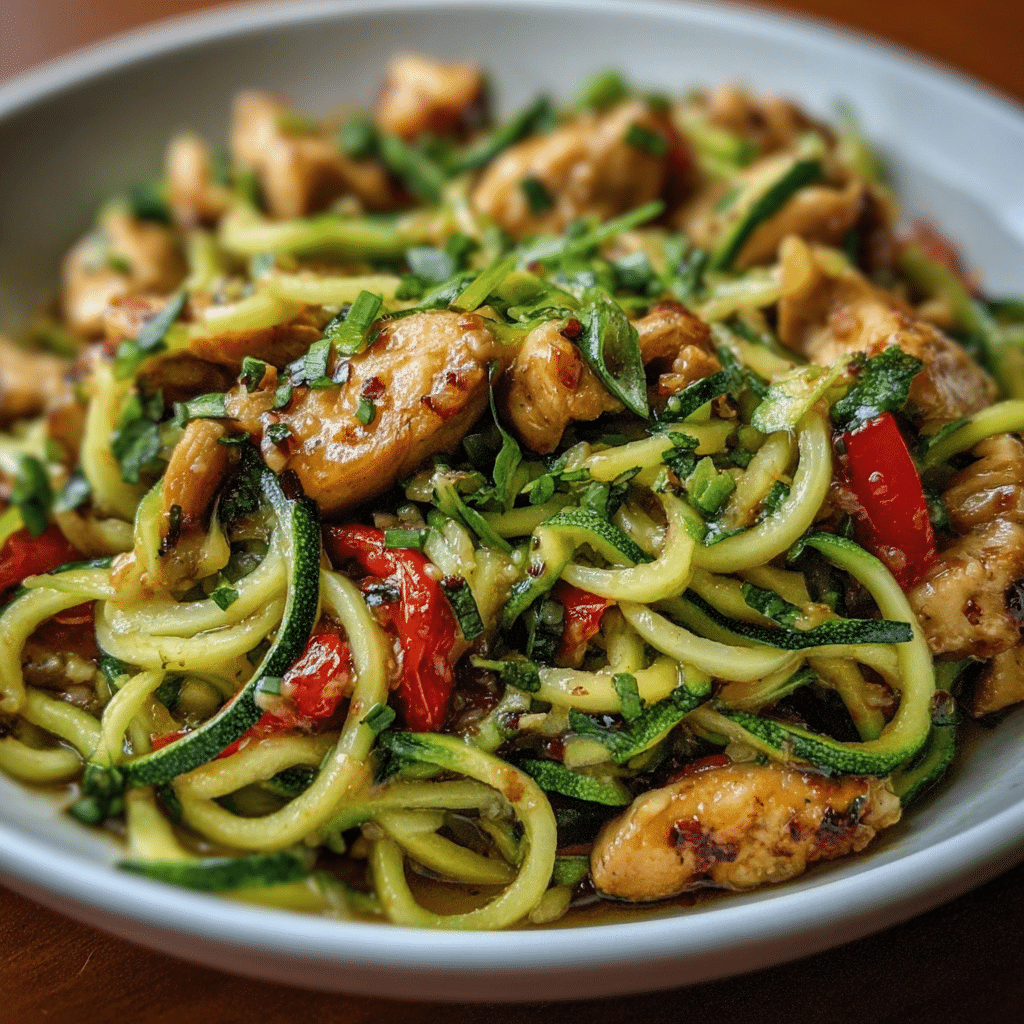
For those following specific dietary guidelines, veggie pasta baked can easily be modified. If you’re looking for a keto-friendly version, swap out traditional pasta for spiralized zucchini or spaghetti squash. These alternatives are not only low in carbs but also add a unique texture to your dish. Vegan eaters can substitute traditional cheese with cashew-based cheese or nutritional yeast, which provides a cheesy flavor without any animal products.
If you have gluten sensitivities, using gluten-free pasta is a straightforward modification. There are plenty of excellent options available on the market today, from chickpea pasta to brown rice pasta, that hold up beautifully in the baking process. This way, everyone at your table can enjoy a comforting serving of veggie pasta baked without worry.
Creative Twists
For those feeling adventurous, consider international fusion variations of veggie pasta baked. For instance, you can infuse an Italian classic with a Mexican twist by adding black beans, corn, and taco seasoning to the mix. Top it off with jalapeños and a sprinkle of cilantro for a fun and spicy take on the dish.
If you’re a fan of Asian flavors, think about incorporating stir-fried vegetables like bok choy, shiitake mushrooms, and bell peppers, seasoned with soy sauce and sesame oil. This will create a unique flavor profile that still delivers the comfort of pasta. You could even sprinkle some toasted sesame seeds on top for added crunch.
Adjusting the spice level is another fun way to customize your veggie pasta baked. If you enjoy heat, toss in some red pepper flakes or diced jalapeños. Conversely, if you prefer milder flavors, stick to sweet bell peppers and creamy cheeses to balance the dish’s richness.
One of my favorite aspects of cooking is repurposing leftovers. If you have any veggie pasta baked remaining, don’t let it go to waste! Transform it into a delicious frittata by mixing it with beaten eggs and baking it until set. This creates a completely new dish that’s perfect for breakfast or brunch.
In summary, veggie pasta baked is an incredibly versatile dish that can be adapted to suit any palate or dietary need. With the ability to incorporate seasonal ingredients, dietary modifications, and creative twists, you can enjoy this comforting meal in countless ways. So next time you whip up a batch, let your imagination run wild and see where your culinary creativity takes you!
Storage, Reheating, and Meal Prep for veggie pasta baked
When it comes to enjoying a delicious dish like veggie pasta baked, knowing how to store, reheat, and meal prep can make all the difference. Whether you’re preparing for a busy week ahead or simply want to savor leftovers, understanding the best practices for storage ensures that your veggie pasta retains its flavors and textures. Let’s dive into the nitty-gritty of storing and reheating this delightful dish.
Short-term Storage
After you’ve whipped up a tantalizing batch of veggie pasta baked, the first thing you might wonder is how to store it properly. If you plan to enjoy your pasta within a few days, the refrigerator is your best bet. To store your veggie pasta baked, allow it to cool completely before transferring it to an airtight container. This step is crucial as it helps to prevent moisture buildup, which can lead to soggy pasta and diminished flavors.
Choose a container that fits the amount of pasta you have. Glass containers with airtight lids are perfect for this purpose as they help maintain freshness and allow you to see the contents easily. If you’re using plastic containers, make sure they are labeled as BPA-free to avoid any harmful chemicals leaching into your food.
For optimal flavor and texture, consume your stored veggie pasta baked within 3 to 5 days. Always check for signs of spoilage, such as an off smell or unusual texture, before reheating. It’s also a good practice to label your containers with the date you prepared them, so you can keep track of their freshness.
Freezing and Long-term Storage
If you find yourself with a larger batch of veggie pasta baked or want to prepare meals ahead of time, freezing is an excellent option. To freeze your dish, portion the pasta into meal-sized servings using freezer-safe containers or resealable freezer bags. If using bags, try to remove as much air as possible to prevent freezer burn, which can affect the quality of your meal.
Before freezing, consider whether you want to freeze your veggie pasta baked before or after baking. Freezing it before baking allows you to enjoy the dish fresh from the oven whenever you desire. If you opt for this method, make sure to wrap the dish tightly in plastic wrap and then in aluminum foil for added protection. When you’re ready to enjoy it, simply bake it straight from the freezer, adding a few extra minutes to the cooking time.
On the other hand, if you prefer to freeze your veggie pasta baked after it’s been cooked, let it cool down completely first. Once it’s in the freezer, it can last up to 2 to 3 months. Just remember to label each container clearly with the date and contents, ensuring you know what you have on hand.
Reheating Best Practices
When it’s time to enjoy your stored veggie pasta baked, reheating it correctly is key to maintaining its deliciousness. The microwave is a quick option, but it can sometimes lead to uneven heating. If you go this route, place your pasta in a microwave-safe dish and add a splash of water or olive oil to help maintain moisture. Cover the dish with a microwave-safe lid or wrap to trap steam and heat evenly. Start with 1-minute intervals, stirring in between, until heated through.
For a more evenly heated result with a bit of a crispy topping, consider reheating your veggie pasta baked in the oven. Preheat your oven to 350°F (175°C) and transfer your pasta to an oven-safe dish. Cover it with aluminum foil to prevent it from drying out during reheating. Bake for about 20-30 minutes, or until it’s heated thoroughly, checking occasionally to ensure it doesn’t overcook.
When it comes to meal prep, consider making your veggie pasta baked a weekly staple. You can prepare larger batches on the weekends, portion them out, and store them for easy lunches or dinners throughout the week. This approach not only saves time but also allows you to customize each portion with different veggies or sauces, keeping every meal exciting.
Finally, always keep food safety in mind. Make sure to store your veggie pasta baked in the refrigerator or freezer within two hours of cooking to prevent bacterial growth. And remember, if in doubt, throw it out—it’s better to be safe than sorry when it comes to food safety. By following these guidelines, you can enjoy your delicious veggie pasta baked without worry, savoring each bite as if it were freshly made.
Nutritional Benefits and Health Information
Veggie pasta baked is not only a comforting and delicious dish but also boasts a variety of nutritional benefits that can align with many dietary preferences. The key ingredients in this dish—pasta, vegetables, and often cheese—come together to create a meal that is colorful, flavorful, and, most importantly, wholesome. Let’s take a closer look at the nutritional profile of veggie pasta baked and explore its health benefits, dietary considerations, and healthy modification tips.
Nutritional Profile
The typical serving of veggie pasta baked can vary based on the recipe and ingredients used, but generally, it contains a mix of carbohydrates, proteins, and fats. A standard serving (about one cup) might contain approximately:
- Calories: 350-450
- Carbohydrates: 50-60g
- Protein: 12-20g
- Fat: 10-20g
- Fiber: 5-7g
These numbers can vary significantly based on the type of pasta (whole wheat, gluten-free, etc.), the amount and type of cheese used, and the variety of vegetables included. Whole grain pasta, for instance, provides more fiber and nutrients compared to regular pasta, helping to keep you full longer.
Health Benefits
One of the standout features of veggie pasta baked is the incorporation of a plethora of vegetables, which contribute essential vitamins and minerals to your meal. For example, spinach, bell peppers, and zucchini are frequently used in this dish, each bringing its own unique set of health benefits:
- Spinach: Rich in iron, calcium, and vitamins A, C, and K, spinach is a powerhouse of nutrients that supports bone health, skin health, and overall immune function.
- Bell Peppers: These colorful veggies are loaded with antioxidants, particularly vitamin C, which is vital for skin health and immune support.
- Zucchini: Low in calories and high in hydration, zucchini provides a good source of potassium and vitamin A, promoting heart health and healthy vision.
In addition, the incorporation of herbs and spices—like garlic and oregano—adds not only flavor but also additional health benefits, such as anti-inflammatory properties and improved digestion.
Dietary Considerations
When preparing veggie pasta baked, it’s essential to consider dietary restrictions and allergies. The dish is naturally vegetarian and can be made vegan by substituting traditional cheese with plant-based alternatives, making it a great option for those following a vegan diet. For those with gluten sensitivities, gluten-free pasta can easily replace regular pasta without sacrificing flavor.
For individuals monitoring their calorie intake, veggie pasta baked can be adjusted to fit a variety of diet plans. Using whole grain or legume-based pasta increases fiber content, which can promote satiety and curb cravings. Additionally, reducing the amount of cheese or using low-fat cheese options can significantly decrease the calorie count, making it a lighter meal.
By experimenting with different vegetables and sauces, you can further customize the nutritional content of your veggie pasta baked. Consider adding legumes like chickpeas or lentils for an extra protein boost, or incorporate a variety of colorful veggies to enhance both nutrition and presentation.
In comparison to similar dishes, veggie pasta baked stands out as a more nutrient-dense option compared to heavier casseroles or creamy pasta bakes that often rely on high-fat ingredients. By focusing on wholesome ingredients, you can create a dish that not only satisfies your cravings but also nourishes your body.
In conclusion, veggie pasta baked is a versatile and nutritious meal that can fit into various dietary lifestyles. With its rich array of vegetables, healthy modifications, and the ability to cater to different dietary needs, it’s no wonder this dish has become a favorite among health-conscious food lovers. So go ahead, indulge in a serving of veggie pasta baked, and relish not just the flavors but also the health benefits it offers!
Conclusion: Mastering the Perfect veggie pasta baked
Creating the perfect veggie pasta baked is more than just following a recipe—it’s about understanding the techniques, ingredients, and cultural significance behind this beloved dish. Throughout this comprehensive guide, we’ve explored everything from the historical origins to modern variations, ensuring you have all the knowledge needed to make this recipe your own.
Whether you’re a beginner cook or an experienced chef, the techniques and tips we’ve shared will help you create a veggie pasta baked that’s not only delicious but also meaningful. Remember that cooking is a journey of discovery, and each time you make this dish, you’ll learn something new.
We encourage you to experiment with the variations we’ve discussed, adapt the recipe to your dietary needs, and most importantly, share it with the people you love. Food has the incredible power to bring people together, and Veggie Pasta with Baked Feta is the perfect dish to create lasting memories around your dinner table.
Don’t forget to share your cooking adventures with us on social media, and feel free to ask questions in the comments below. Happy cooking!
Share this recipe and let us know how it turned out! Tag us on social media for a chance to be featured.