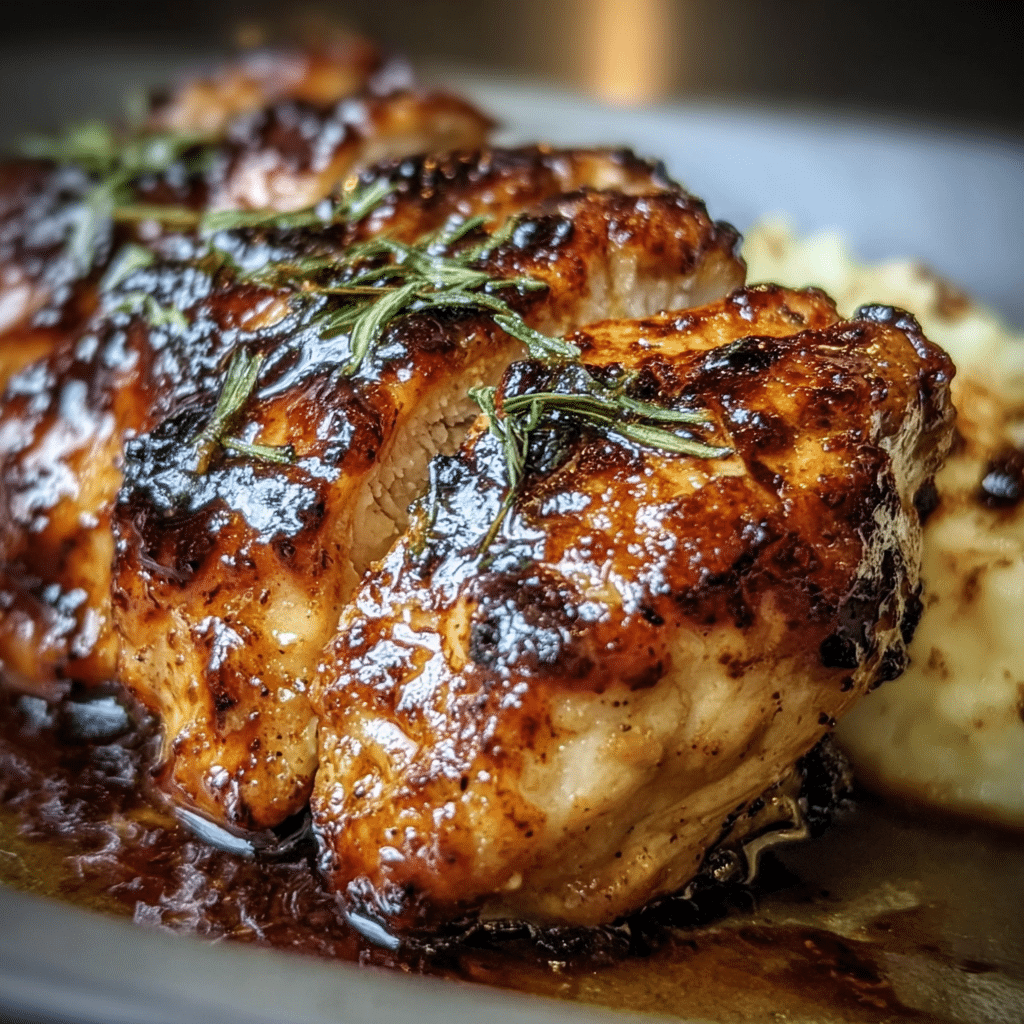
Lemon chicken romano is not just a dish; it’s a culinary experience that encapsulates the essence of comfort food. My first encounter with this delightful recipe was at a quaint Italian trattoria tucked away in a bustling corner of my hometown. The aroma wafting from the kitchen was irresistible, and as I took my first bite, I was instantly transported to a sun-kissed Italian garden. The vibrant flavors of lemon and the savory notes of Romano cheese danced on my palate, leaving an indelible mark on my culinary journey.

That evening, I found myself chatting with the chef, an elderly gentleman named Giuseppe, who shared not only his recipe but also stories of his childhood in Italy. He explained how his mother used to make lemon chicken romano for special family gatherings, celebrating life’s little moments with food that brought everyone together. This dish, rich in flavor and history, quickly became a staple in my home, a bridge to my own memories of family and connection.
The Story Behind This Recipe
Lemon chicken romano has roots that intertwine with the culinary traditions of Southern Italy, particularly in regions like Campania. The dish beautifully showcases the use of fresh ingredients, including vibrant lemons, succulent chicken, and the unmistakable tang of Romano cheese, which adds a unique depth of flavor. Traditionally, it was a dish reserved for festive occasions, embodying the spirit of Italian hospitality. However, as Italian cuisine spread across the globe, lemon chicken romano evolved into a beloved weeknight dinner option for busy families, combining ease of preparation with gourmet flavors.
What makes this recipe stand out is its simplicity and versatility. Unlike many other chicken dishes that can be heavy or overly complicated, lemon chicken romano is light yet satisfying. The balance of zesty lemon and creamy cheese creates a dish that feels gourmet without the fuss. It’s perfect for those evenings when you want to impress your family or guests without spending hours in the kitchen.
Why You’ll Love This Dish
As a busy parent, I always find myself searching for recipes that can deliver on taste while also being quick and straightforward. Lemon chicken romano checks all those boxes and more. The entire dish can be prepared in under 30 minutes, making it ideal for weeknights when time is of the essence. Plus, the ingredients are typically pantry staples, which means you can whip it up without a last-minute grocery run.
Seasonally, lemon chicken romano shines especially during spring and summer when lemons are at their peak. The dish’s fresh, citrusy notes are invigorating and pair beautifully with a side of seasonal vegetables or a crisp salad, making it the perfect choice for a light dinner. I often find myself gravitating towards this recipe during those warmer months, when the hustle and bustle of life seems to ease just a bit, and family dinners become the highlight of the day.
The emotional connection I have to lemon chicken romano runs deep. It’s not merely a meal; it’s a reminder of the warmth of family gatherings, laughter around the dinner table, and the love that can be poured into a simple dish. Each time I make it, I reflect on those early days at Giuseppe’s trattoria, and I am reminded that food is not just about sustenance but about creating memories.
In this guide, you’ll learn not only how to prepare lemon chicken romano with ease but also the stories and cultural significance behind this cherished dish. We’ll explore the ingredients that make it unique, tips for perfecting the recipe, and variations that can suit any palate. Whether you’re a seasoned cook or a beginner, this dish is one you’ll want to add to your weekly rotation.
The Rich History and Cultural Significance of lemon chicken romano
The rich history and cultural significance of lemon chicken romano are as vibrant as the dish itself. This delightful recipe hails from the Italian culinary tradition, where food is not merely a means of nourishment but a celebration of life, family, and community. Understanding the background of lemon chicken romano provides a deeper appreciation for its flavors and the stories it carries along with it.
Origins and History
Lemon chicken romano can trace its origins back to Southern Italy, particularly the Campania region, which is renowned for its agriculture and culinary richness. The use of lemons in cooking is a hallmark of this area, where the climate is perfect for growing citrus fruits. Historically, dishes featuring fresh lemons were common in Italian homes, adding both flavor and brightness to meals.
The dish itself likely developed as a way to utilize locally sourced ingredients. Chicken, a staple protein in many Italian households, would be paired with the region’s famous lemons and Romano cheese. The cheese, known for its sharp and nutty flavor, adds a unique element to the dish that distinguishes it from other chicken recipes. Over time, lemon chicken romano made its way into the repertoire of Italian-American cuisine, gaining popularity in the United States as families sought to recreate the flavors of their ancestral homeland.
Cultural Significance
Lemon chicken romano is often served during family gatherings, holidays, and celebrations, symbolizing warmth and hospitality. In Italian culture, food plays a central role in bringing people together. The act of sharing a meal is an integral part of socializing and creating bonds among family and friends. This dish, with its vibrant flavors and inviting presentation, embodies that spirit of togetherness.
In Italian-American communities, lemon chicken romano has found a special place on restaurant menus, often featured as a house specialty due to its popularity. Renowned chefs have put their own spins on the dish, making it a staple in many Italian eateries across the country. Its evolution reflects the adaptability of Italian cuisine, which embraces both tradition and innovation.
Nutritional Benefits
Another aspect that contributes to the allure of lemon chicken romano is its nutritional profile. Chicken is an excellent source of lean protein, essential for maintaining a healthy diet. The addition of lemons brings a burst of vitamin C, known for its immune-boosting properties and antioxidant benefits. Romano cheese, while rich in flavor, also provides calcium and protein, making the dish not only delicious but also nourishing.
Moreover, lemon chicken romano can be easily adapted to suit various dietary preferences. For those seeking a lighter option, the recipe can be modified to use skinless chicken breasts or even made with vegetables for a vegetarian twist. This versatility ensures that it can cater to both traditionalists and those looking for healthier alternatives.
In summary, the rich history and cultural significance of lemon chicken romano add layers of meaning to this delightful dish. From its humble beginnings in Southern Italy to its status as a beloved favorite in Italian-American cuisine, lemon chicken romano is a testament to the power of food to connect us to our roots, our families, and our shared experiences. Understanding its background only enhances the joy of preparing and sharing this recipe, making it a cherished addition to any dinner table.
Essential Ingredients for Perfect lemon chicken romano
When it comes to creating a delectable plate of lemon chicken romano, the quality and selection of ingredients play a pivotal role. The beauty of this dish lies not just in its zesty flavors, but in the careful selection of each component that brings it to life. Let’s explore the essential ingredients that make up this culinary delight, along with helpful tips on sourcing, storing, and substituting them.
Essential Ingredients
- Chicken: 4 boneless, skinless chicken breasts
- Beef: 1 cup of beef stock (for enhanced flavor in sauces)
- Pork: Optional pancetta or prosciutto for added depth
- Seafood: Optional shrimp or scallops for a seafood twist
- Pasta: 8 ounces of fettuccine or your choice of pasta
- Fruits: 2 lemons (zested and juiced)
- Vegetables: 1 cup of fresh spinach or arugula

Lemon Chicken Romano
Ingredients
- 4 packed cups shredded chicken (1 pound)
- 1 cup diced red bell pepper (140 grams)
- 1/2 cup diced red onion (60 grams)
- 1/3 cup chipotle mayo
- 2 tablespoons lime juice
- 1 1/2 tablespoons honey
- 1/4 cup fresh cilantro, roughly chopped
- salt and pepper, to taste
Instructions
- Make the chicken salad. Add all ingredients to a large bowl. Stir well to combine. Adjust according to taste. Let it chill for a few hours if you have time to allow the flavors to come together.
- Enjoy! Serve in a sandwich, salad, or however you like!
Each of these ingredients contributes to the overall deliciousness of lemon chicken romano. The chicken, usually the star of the show, should be fresh and of high quality. Look for chicken breasts that are plump and have a slight sheen to them. Organic options can enhance flavor and are often sourced from local farms, providing peace of mind regarding animal welfare.
Beef stock adds a rich layer of flavor to the sauce, giving it a depth that elevates the dish. Opt for low-sodium beef stock to control the saltiness of the final dish. When selecting your beef stock, check the ingredient list; you want to see real ingredients, not just artificial flavorings.
While traditionally lemon chicken romano is centered around chicken, the addition of pork, such as pancetta or prosciutto, can introduce a nice salty crunch. This is an optional ingredient, but if you choose to include it, look for high-quality, thinly sliced options from your local deli.
For those who want to venture beyond chicken, seafood like shrimp or scallops can be fantastic substitutes, adding a sweet and savory element to your dish. Fresh is always best, but frozen can also work—just ensure they are properly thawed before cooking.
Pasta is another essential element of this dish. Fettuccine is a popular choice due to its wide surface area that holds onto the sauce beautifully. However, feel free to experiment with other pasta types such as linguine or even gluten-free options if needed.
Fruits, particularly lemons, are what give this dish its name and signature flavor. When selecting lemons, look for ones that are heavy for their size with a vibrant yellow color. Organic lemons are preferable, as they are often free from pesticides, and their zest is a key component for flavoring.
Lastly, the addition of fresh vegetables like spinach or arugula not only adds color but also nutrition. Look for vibrant, fresh greens that are crisp to the touch. Seasonal availability can dictate what’s best; for instance, spring might yield fresher arugula, while spinach is often available year-round.
Shopping Tips
When shopping for the ingredients needed for lemon chicken romano, consider visiting local farmers’ markets or specialty stores where you can find fresh, high-quality produce. These venues often have seasonal items that can enhance your dish. If you’re unsure about a specific ingredient’s freshness, don’t hesitate to ask the vendor—they’ll usually be more than happy to help you select the best options.
For proteins like chicken, beef, and pork, try to buy from sources that focus on ethical farming. Many stores now offer organic and antibiotic-free options that not only taste better but are often healthier for you and the environment. For seafood, check for sustainability certification, indicating that the fish was caught responsibly. Additionally, always look for a bright, clear appearance and a mild scent, which are indicators of freshness.
Substitutions and Alternatives
Dietary restrictions or preferences might necessitate some substitutions when preparing lemon chicken romano. For instance, if you’re avoiding chicken, consider using tofu or tempeh as a plant-based alternative. A similar preparation technique can yield a satisfying result for vegetarian dishes. If you need to avoid beef stock, vegetable stock can work as a lighter substitute, though it may alter the flavor profile slightly.
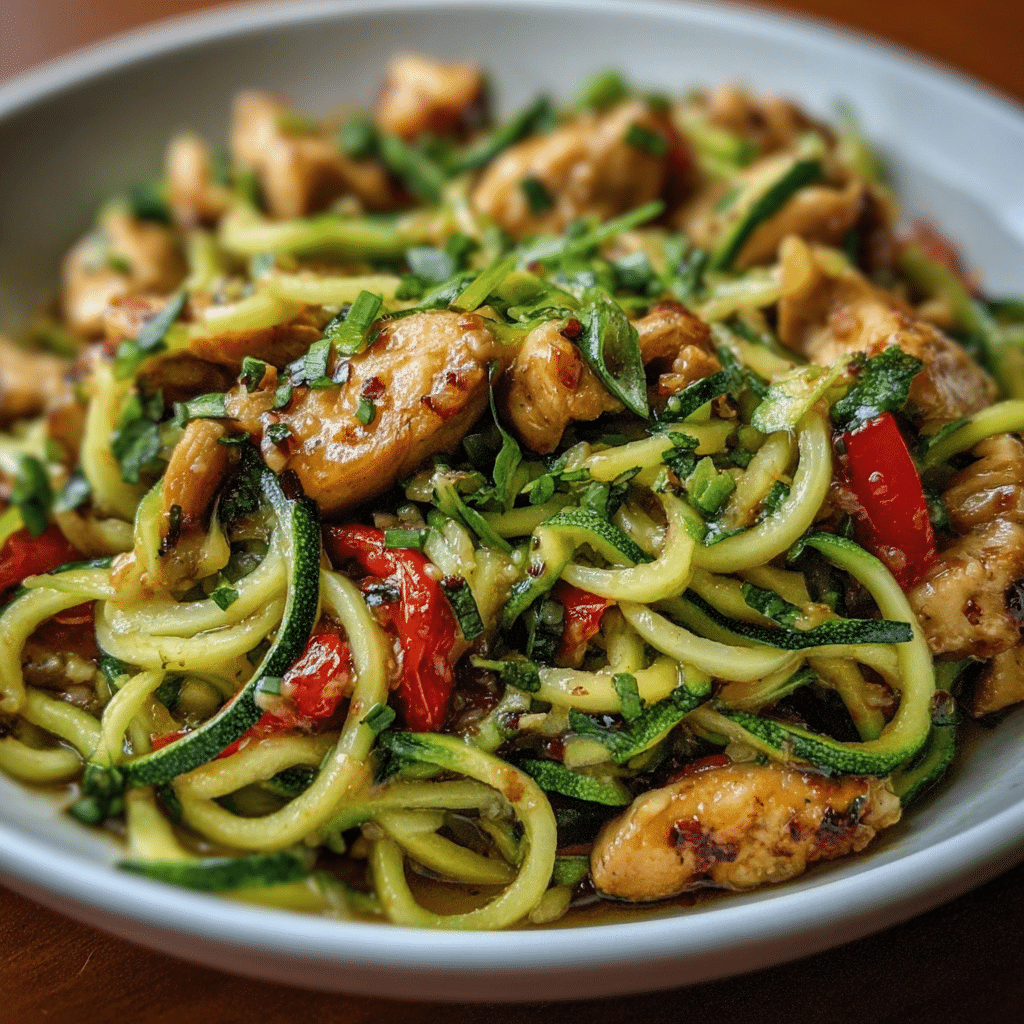
Those with gluten sensitivities should opt for gluten-free pasta options which are widely available now. And if you’re looking to cut back on carbs, spiralized vegetables can serve as an excellent alternative to pasta.
Lastly, storage is crucial for maintaining the quality of your ingredients. Chicken should be stored in the coldest part of your refrigerator and used within 1-2 days of purchase. Fresh vegetables should also be kept in the crisper drawer and can often last longer if washed and dried thoroughly before storage. For produce like lemons, a cool, dark place can extend their shelf life. Always label any leftovers and aim to consume them within a few days to ensure freshness.
By understanding the essential ingredients for lemon chicken romano and how to choose, store, and substitute them, you’re setting yourself up for a delicious and successful cooking experience.
Detailed Step-by-Step lemon chicken romano Cooking Instructions
Cooking lemon chicken romano is a delightful experience that combines the art of sautéing with the joy of creating a flavorful sauce. With a bit of preparation and attention to detail, you can create a dish that impresses guests or simply satisfies your own cravings. This section will guide you through the detailed step-by-step instructions to ensure your culinary adventure is a resounding success.
Preparation Steps
- Gather Your Ingredients: Before diving into cooking, it’s essential to have all your ingredients ready. This process, known as mise en place, allows for a smoother cooking experience. Lay out your chicken, pasta, lemons, and any optional ingredients like pancetta or seafood.
- Prep the Chicken: Pat the chicken breasts dry with paper towels. This step is crucial for getting a nice sear. Season both sides generously with salt and pepper. If you like, you can also marinate the chicken for about 30 minutes in lemon juice, olive oil, and garlic for added flavor.
- Zest and Juice the Lemons: Grate the yellow part of the lemon peel using a microplane to avoid the bitter white pith, then juice the lemons. Set both the zest and juice aside, as they will be used later in the sauce.
- Cook the Pasta: Bring a large pot of salted water to a boil and cook the pasta according to package instructions until al dente. Reserve about a cup of the pasta water before draining, as this starchy water can help emulsify your sauce.
Cooking Process
- Heat the Pan: In a large skillet, heat a couple of tablespoons of olive oil over medium-high heat. Ensure the oil is hot before adding the chicken; this helps create a crispy exterior.
- Sear the Chicken: Place the seasoned chicken breasts in the skillet without overcrowding. Cook for about 5-7 minutes on each side until golden brown and cooked through—an internal temperature of 165°F is ideal. Remove the chicken from the pan and let it rest on a plate, tented with foil.
- Deglaze the Pan: Add a splash of beef stock or white wine to the hot skillet, scraping up any browned bits from the bottom—these bits are packed with flavor!
- Add Optional Ingredients: If using pancetta or seafood, add them to the deglazing liquid, cooking until the pancetta is crispy or the seafood is opaque.
- Create the Sauce: Lower the heat and add the lemon juice and zest to the pan, stirring to combine. Let it simmer for a few minutes. If the sauce seems too thick, add a splash of the reserved pasta water to reach your desired consistency.
Final Assembly
- Combine with Pasta: Add the cooked pasta to the sauce along with the fresh spinach or arugula, tossing to coat everything evenly. The heat from the pasta will wilt the greens beautifully.
- Slice the Chicken: While the pasta is absorbing the flavors, slice the chicken into strips. This not only makes for a beautiful presentation, but it also helps the chicken soak up the sauce.
- Plate the Dish: Serve the pasta in a generous heap on plates, topped with the sliced chicken. You can also sprinkle more lemon zest and some freshly grated Romano cheese for that authentic touch.
- Garnish and Serve: A sprinkle of freshly cracked black pepper, a few extra greens, and perhaps a lemon wedge on the side elevate the presentation. Enjoy your lemon chicken romano hot, while the flavors are at their peak!
Cooking lemon chicken romano should not feel intimidating. By following these detailed instructions and keeping an eye on the cooking process, you’ll learn how to balance flavors and textures effectively. Timing is crucial; multitasking during cooking can streamline your preparation. Remember to trust your instincts—if it looks and smells good, you’re probably on the right path!
As with any recipe, there might be a few common pitfalls. Avoid overcooking the chicken to ensure it remains juicy, and don’t forget to taste your sauce as you go; this will help you adjust flavors to your liking. With practice, you’ll turn this dish into your own masterpiece!
Professional Tips and Techniques for lemon chicken romano
When it comes to preparing a dish as delightful as lemon chicken romano, there’s an art to the process that can elevate the experience from simple meal prep to a culinary celebration. Let’s delve into some professional tips and techniques that can make your lemon chicken romano not just good, but extraordinary.
Professional Techniques
First off, let’s talk about the chicken itself. The choice of chicken breast versus thigh can significantly affect the texture and flavor of your dish. While chicken breasts are lean and can dry out if overcooked, chicken thighs are more forgiving due to their higher fat content. If you’re aiming for juiciness, consider using thighs or brining your chicken breasts beforehand. A simple brine of water, salt, and sugar for about 30 minutes can work wonders.

Once you have your chicken prepared, the next step is to marinate it in a mixture of lemon juice, olive oil, garlic, and herbs. This not only infuses incredible flavor but also tenderizes the meat. For an authentic touch, let it marinate for at least two hours, but if time allows, overnight is ideal. The longer the chicken soaks up those flavors, the more pronounced they will be in the final dish.
Cooking methods also play a vital role in achieving that perfect lemon chicken romano. Searing the chicken in a hot skillet before finishing it in the oven is a technique known as the “sear and bake.” This method ensures a beautiful golden crust while keeping the inside juicy and tender. Aim for a skillet that can go from the stovetop to the oven, such as cast iron or oven-safe stainless steel.
Troubleshooting Guide
No dish is without its challenges, and lemon chicken romano is no exception. One common issue is the chicken becoming dry. To prevent this, use a meat thermometer to check for doneness. Chicken should reach an internal temperature of 165°F (74°C). If you find that your chicken is overcooked, consider making a sauce with the pan drippings, adding a splash of chicken broth or white wine, and a pat of butter to bring moisture back into the dish.
Another potential pitfall is the sauce being too tangy or sour. If that happens, balance it out by adding a touch of honey or sugar. This will round out the flavors and make the dish more palatable. Remember, cooking is about balance, and each element should complement the others.
Presentation Tips
Let’s not forget the importance of presentation when serving lemon chicken romano. A well-plated dish enhances the dining experience. Start with a base of creamy mashed potatoes or a bed of sautéed spinach. Arrange the chicken on top and drizzle with a generous amount of the lemon sauce. For a pop of color, add a sprinkle of freshly chopped parsley or lemon zest on top.
Consider the dishware you use as well. A white plate provides a beautiful contrast to the vibrant colors of your dish. Layering the elements in a visually appealing manner can turn a simple meal into an elegant feast.
Wine and Beverage Pairings
The right beverage can elevate your meal even further. For lemon chicken romano, a crisp white wine like Pinot Grigio or Sauvignon Blanc complements the dish beautifully. The acidity in these wines mirrors the zesty lemon, creating a harmonious balance. If you prefer non-alcoholic options, consider sparkling water with a slice of lemon or a refreshing herbal iced tea to cleanse the palate between bites.
As you gather these professional techniques and tips, remember that cooking is as much about creativity and personal touch as it is about following the rules. Allow your own experiences and tastes to guide you as you prepare your lemon chicken romano, and soon you’ll find that it becomes a beloved recipe in your culinary repertoire.
Creative Variations and Adaptations of lemon chicken romano
Exploring the world of lemon chicken romano can lead to delightful surprises. This dish, while delicious in its classic form, is incredibly versatile and can be adapted to suit a variety of tastes, dietary needs, and seasonal ingredients. Let’s dive into some creative variations and adaptations that can keep your meals fresh and exciting.
Seasonal Variations
One of the joys of cooking is adapting recipes to the seasons. In spring, consider incorporating asparagus or peas into your lemon chicken romano. These vegetables not only add vibrant color but also enhance the dish with their fresh flavors. Simply sauté them alongside the chicken or toss them into the sauce at the end. In summer, you can swap out the traditional sides for a light cucumber salad dressed in lemon vinaigrette, allowing the chicken to shine even more.
As fall approaches, think about adding roasted root vegetables such as carrots and parsnips, which can provide a sweet contrast to the acidity of the lemon. Winter is the perfect time to introduce hearty greens like kale or Swiss chard, which can be sautéed in olive oil with garlic and served alongside the chicken for a comforting meal.
Dietary Adaptations
For those following specific dietary restrictions, lemon chicken romano can easily be modified. For a keto-friendly version, replace any flour used in the breading with almond flour or omit it entirely. The dish will still be flavorful, thanks to the zest and juice of the lemon. If you’re looking for a vegan option, consider using marinated tofu or tempeh. The marinade works wonders on plant-based proteins, and you can use the same cooking techniques to achieve a delicious result.
If gluten is a concern, simply use gluten-free breadcrumbs or coat your chicken in finely crushed nuts for a delightful crunch. The beauty of lemon chicken romano lies in its adaptability, allowing you to cater to various dietary preferences without sacrificing flavor.
Creative Twists
Let’s talk about some fun, international twists on this classic dish. How about a Mediterranean flair? Incorporate olives, sun-dried tomatoes, and feta cheese into your sauce for a distinctly Greek version of lemon chicken romano. These ingredients can add depth and complexity, transforming the dish into a regional masterpiece.
If you’re feeling adventurous, consider a Thai-inspired lemon chicken romano. Utilize coconut milk in your sauce, and add a touch of lemongrass and ginger for an exciting twist. Serve it over jasmine rice to round out the meal. The fusion of flavors will transport your taste buds to another part of the world while still retaining the essence of the original dish.
Another great idea is to adapt your cooking methods. While oven-baking is traditional, you can also prepare lemon chicken romano on the grill for a smoky flavor that pairs beautifully with the lemon zest. If you’re short on time, a slow cooker can make the process even easier—simply toss your marinated chicken into the pot and let it cook slowly, allowing the flavors to meld beautifully.
Lastly, don’t forget about leftovers! Transform any remaining lemon chicken romano into a zesty pasta dish. Just shred the chicken and toss it with your favorite noodles, a splash of cream, and some extra lemon juice for a quick and satisfying meal.
As you experiment with these variations, remember that the heart of cooking is exploration. Each twist on lemon chicken romano opens up new doors to flavor and creativity, turning a beloved dish into an ever-evolving experience. So, roll up your sleeves, gather your ingredients, and start creating your own version of this delightful dish!
Storage, Reheating, and Meal Prep for lemon chicken romano
When it comes to enjoying a delicious meal like lemon chicken romano, the experience doesn’t have to end when the last bite is taken. Properly storing your leftovers can extend the life of this flavorful dish, allowing you to savor it again later. Whether you have a busy schedule, are planning for a family gathering, or simply want to enjoy your culinary creation throughout the week, understanding the best storage practices is essential.
Short-term Storage
After you’ve cooked your lemon chicken romano, it’s crucial to let it cool down to room temperature before storing it. This helps prevent condensation, which can lead to sogginess when the chicken is reheated later. To store your dish in the refrigerator, consider using airtight containers. Glass containers are particularly great as they do not retain odors and are microwave safe, making reheating a breeze.
For optimal storage, divide your lemon chicken romano into smaller portions. This not only makes it easier to reheat just what you need but also allows for better cooling and storage. Use containers that are appropriately sized for your portions—think single serving or family-sized, depending on your needs. When stored properly in the refrigerator, your lemon chicken romano can last for about 3 to 4 days. Always remember to label your containers with the date you made the dish, so you can keep track of freshness.
Freezing and Long-term Storage
If you’ve made a large batch of lemon chicken romano and want to save some for later, freezing is a fantastic option. To freeze, first, allow the dish to cool completely. Place the chicken in freezer-safe bags or containers, ensuring the air is squeezed out to prevent freezer burn. For best results, try to freeze your lemon chicken romano within two hours of cooking.
When stored in the freezer, your lemon chicken romano can last for up to 2 to 3 months. However, for the best flavor and texture, it’s recommended to consume it within the first month. If you plan to freeze the dish, you might want to store the sauce separately to maintain the chicken’s texture when reheating. Moreover, when you’re ready to eat, simply thaw the chicken in the refrigerator overnight for a gentle thaw. Avoid thawing it at room temperature, as this can encourage bacterial growth.
Reheating Best Practices
Reheating your lemon chicken romano properly is key to enjoying it just as much as when it was first cooked. If you’ve stored your dish in the refrigerator, you can reheat it in the oven at 350°F (175°C) for about 15-20 minutes, covered with foil to retain moisture. This ensures that the chicken stays juicy while the sauce warms up nicely.
If you prefer a quicker method, using the microwave is also an option. Place your lemon chicken romano in a microwave-safe dish, cover it with a microwave-safe lid or wrap, and heat in short intervals of 1-2 minutes, stirring in between, until heated through. Be cautious not to overheat, as this can dry out the chicken.
For those who enjoy meal prep, consider preparing your lemon chicken romano in advance. Cook a large batch during the weekend, portion it out into individual meal containers, and store them in the fridge or freezer. This way, you’ll have a delicious, homemade meal ready to go during your busy weekdays. Meal prepping not only saves time but also ensures you have control over what you’re eating.
Lastly, it’s important to keep food safety in mind. Always ensure your leftovers are stored within two hours of cooking to prevent bacterial growth. Use a food thermometer to check that reheated chicken reaches an internal temperature of 165°F (74°C) before consuming. With these storage tips, you can enjoy your lemon chicken romano over several days or weeks without sacrificing taste or safety.
Nutritional Benefits and Health Information
When we think of comfort food, lemon chicken romano often comes to mind as a delightful dish that not only satisfies our taste buds but also provides a wealth of nutritional benefits. Understanding the nutritional profile of this dish can help us appreciate its role in our diets while also making informed choices for our health.
Nutritional Profile
At its core, lemon chicken romano showcases the star ingredient, chicken breast, which is a lean source of protein. A standard serving (about 4 ounces) contains approximately 35 grams of protein, making it a fantastic option for those looking to build muscle or maintain a healthy weight. Additionally, chicken breast is low in fat, with around 3-5 grams per serving, depending on the cooking method and any added ingredients.
The dish is often complemented by a sauce made with fresh lemon juice, Romano cheese, and herbs. Lemons are packed with vitamin C, an essential nutrient that plays a significant role in boosting the immune system, promoting skin health, and aiding in iron absorption. Romano cheese, while adding a rich flavor, also contributes calcium and protein to the dish, further enhancing its nutritional value.
Health Benefits
One of the standout features of lemon chicken romano is its potential health benefits due to its wholesome ingredients. The combination of lean protein from chicken and the bright, zesty flavors of lemon creates a dish that not only tastes good but also supports a balanced diet. The high protein content aids in muscle repair and growth, making it an excellent post-workout meal.
Lemons, as mentioned previously, are a treasure trove of vitamin C. This antioxidant helps combat free radicals in the body, reducing inflammation and the risk of chronic diseases. Additionally, the acidity of lemon juice can aid digestion, making it a great complement to rich dishes. The Romano cheese adds a dose of calcium, which is vital for bone health, and it can be a good source of phosphorus, necessary for energy and cell function.
Dietary Considerations
When diving into the dietary considerations for lemon chicken romano, it’s essential to note that this dish can fit into various eating plans. Those following a low-carb or ketogenic diet can enjoy this meal while substituting certain ingredients; for instance, using almond flour instead of breadcrumbs for a gluten-free option. Its high protein content aligns well with high-protein diets, such as the paleo or Atkins diets.
However, it’s worth noting that individuals with lactose intolerance should be cautious with the Romano cheese or consider using a dairy-free alternative to maintain the flavor while accommodating their dietary needs. Additionally, those watching their sodium intake should be mindful of the amount of salt added to the dish, especially if using pre-packaged ingredients that may contain hidden sodium.
In terms of calorie content, a serving of lemon chicken romano typically ranges from 300 to 400 calories, depending on the specific recipe and portion size. This makes it a versatile option for those looking to maintain or lose weight while still indulging in a flavorful meal. When paired with a side of steamed vegetables or a fresh salad, it can create a complete meal that is both satisfying and nutritious.
In conclusion, lemon chicken romano is not just a tasty dish; it’s a nutritious powerhouse that can fit seamlessly into various dietary lifestyles. Whether you’re a fitness enthusiast seeking high protein meals, someone looking for a comforting yet healthy dinner option, or simply a lover of delicious food, this dish has something to offer. With its rich flavors and wholesome ingredients, lemon chicken romano stands as a delightful choice any day of the week.
Conclusion: Mastering the Perfect lemon chicken romano
Creating the perfect lemon chicken romano is more than just following a recipe—it’s about understanding the techniques, ingredients, and cultural significance behind this beloved dish. Throughout this comprehensive guide, we’ve explored everything from the historical origins to modern variations, ensuring you have all the knowledge needed to make this recipe your own.
Whether you’re a beginner cook or an experienced chef, the techniques and tips we’ve shared will help you create a lemon chicken romano that’s not only delicious but also meaningful. Remember that cooking is a journey of discovery, and each time you make this dish, you’ll learn something new.
We encourage you to experiment with the variations we’ve discussed, adapt the recipe to your dietary needs, and most importantly, share it with the people you love. Food has the incredible power to bring people together, and Lemon Chicken Romano is the perfect dish to create lasting memories around your dinner table.

Don’t forget to share your cooking adventures with us on social media, and feel free to ask questions in the comments below. Happy cooking!
Share this recipe and let us know how it turned out! Tag us on social media for a chance to be featured.