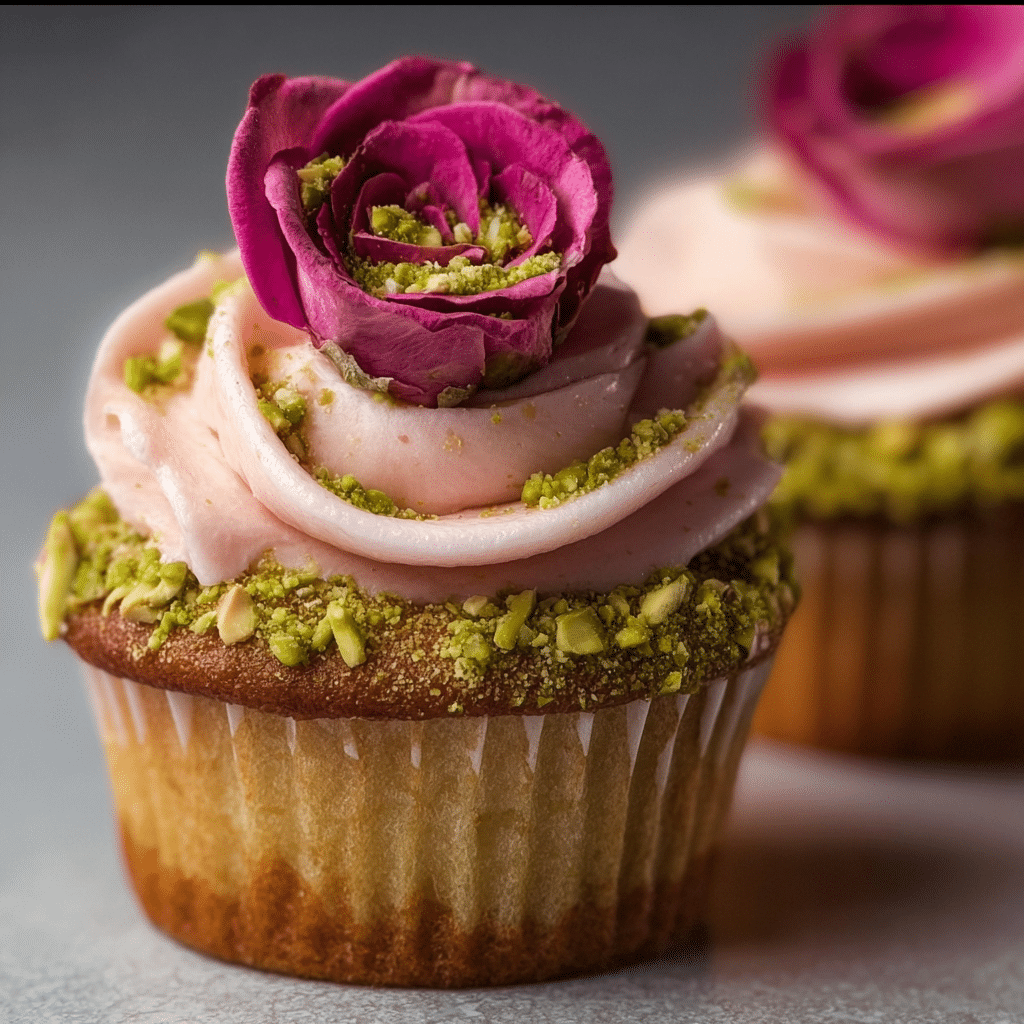
Vegan mini rose cupcakes are not just a delightful treat; they represent a beautiful blend of flavors and aromas that evoke feelings of warmth and celebration. My journey into the world of vegan mini rose cupcakes began on a warm spring afternoon when I attended a friend’s wedding celebration. The dessert table was adorned with an array of colorful treats, but what caught my attention was a tray of these petite beauties, each topped with a delicate swirl of rose-infused frosting. I was immediately drawn in by their charming appearance and enchanting scent.
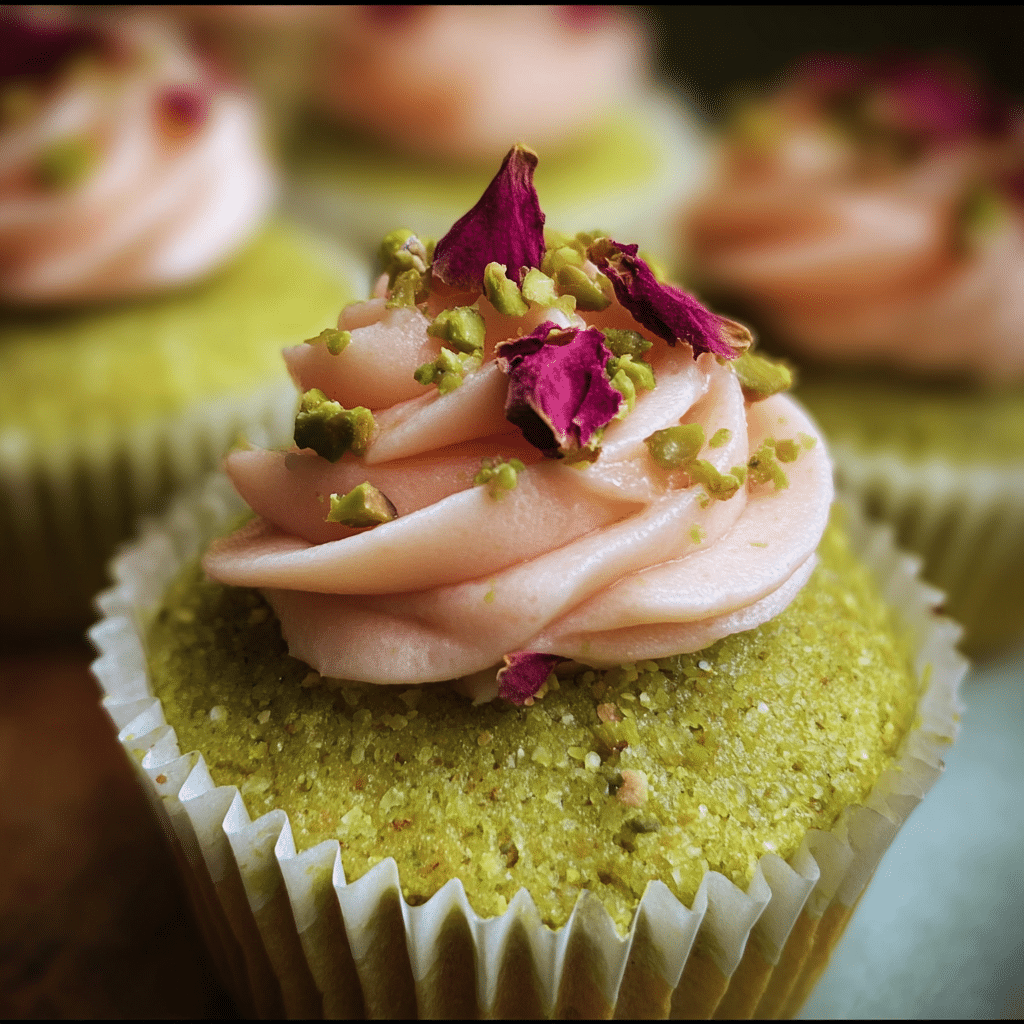
After a few bites, I was hooked! The lightness of the cupcake paired with the fragrant sweetness of the rose was something I had never experienced before. It was not just about satisfying my sweet tooth; it was about indulging in a sensory experience that transported me to a garden in full bloom. As I savored each bite, I knew I had to recreate this experience in my own kitchen. This became my mission, and thus, my quest for the perfect vegan mini rose recipe began.
The Story Behind This Recipe
When I first attempted to make vegan mini rose cupcakes, the process was both exciting and daunting. I scoured various cookbooks, online forums, and even reached out to fellow bakers for tips. The beauty of this recipe lies not only in its simplicity but also in its ability to impress. Unlike traditional cupcakes that can be dense and heavy, these vegan mini rose cupcakes are light, airy, and infused with the delicate flavor of rosewater, which adds a unique twist that makes them stand out.
What sets vegan mini rose cupcakes apart from other dessert recipes is their versatility. They can be enjoyed at any occasion—from birthday parties and bridal showers to a simple family gathering. Their charm lies in their ability to cater to both the eye and the palate, making them perfect for busy families looking for quick yet impressive treats. Not only are they quick to whip up, but they also provide a delightful way to introduce children to baking, allowing them to be creative with the frosting and decorations.
Seasonally, these cupcakes shine brightest during spring and summer when roses are in full bloom, making them a perfect fit for garden parties and outdoor celebrations. The vibrant colors and floral notes reflect the essence of the season, encouraging us to slow down and appreciate the beauty around us. My emotional connection to these cupcakes deepens as I recall the laughter and joy shared with friends and family over a plate of these sweet treats, each bite carrying a memory of love and togetherness.
In this article, I promise to guide you through everything you need to know about making vegan mini rose cupcakes, from selecting the right ingredients to mastering the art of frosting. Whether you are a seasoned baker or a novice in the kitchen, this recipe is approachable and forgiving, allowing you to enjoy the process of creating something beautiful and delicious.
The Rich History and Cultural Significance of vegan mini rose
The rich history and cultural significance of vegan mini rose cupcakes can be traced back to various culinary traditions that have embraced the use of rose as a flavoring agent. Originating in regions like the Middle East and South Asia, rosewater has been used for centuries to enhance desserts, beverages, and even savory dishes. The infusion of rose petals in cooking symbolizes love, beauty, and joy, making it an essential ingredient in celebrations.
Origins and History
The concept of using rose in cooking can be traced back thousands of years. Ancient Egyptians were known to incorporate rose petals into their culinary delights, using them not only for flavor but also for their aromatic properties. In Persian cuisine, rosewater is a staple ingredient, particularly in sweets like baklava and various rice dishes. It is believed that the tradition of adding rose to desserts migrated to India, where it blended with local flavors and ingredients, leading to the creation of a wide variety of sweets infused with rose essence.
As the world became more interconnected, these culinary practices found their way into Western baking traditions. The introduction of veganism over recent decades has inspired a new wave of bakers to reinterpret traditional recipes using plant-based ingredients, leading to the creation of modern vegan desserts such as vegan mini rose cupcakes. This evolution reflects a growing awareness of dietary preferences, including the demand for vegan options that do not compromise on taste or aesthetics.
Cultural Significance
Vegan mini rose cupcakes have carved out a special place in various cultural celebrations. In many Middle Eastern countries, rose-flavored sweets are often served during weddings, holidays, and religious festivities. In India, rose-flavored treats are a staple during festivals such as Eid and Diwali, symbolizing purity and joy. The presence of these cupcakes on dessert tables at such gatherings signifies love and hospitality, making them an ideal offering for guests.
In recent times, the fusion of cultures has led to the popularity of rose-infused desserts across the globe. Vegan mini rose cupcakes can now be found at trendy cafes and bakeries around the world, showcasing the versatility and appeal of this flavor combination. They serve as a reminder that food transcends borders, bringing people together through shared experiences and flavors.
Nutritional Benefits
Beyond their aesthetic appeal, vegan mini rose cupcakes also boast a range of nutritional benefits. By using plant-based ingredients, these cupcakes typically contain lower levels of saturated fats and cholesterol compared to traditional cupcakes made with eggs and dairy. Ingredients such as almond flour, coconut oil, and natural sweeteners not only enhance flavor but also provide essential nutrients, including healthy fats, fiber, and vitamins.
Rosewater itself is known for its myriad health benefits, which include anti-inflammatory properties, digestive support, and even mood enhancement. The aromatic quality of rose can uplift one’s spirits, making these cupcakes not just a treat for the taste buds but also a treat for the soul. Additionally, incorporating nuts such as pistachios into the recipe not only adds texture but also increases the protein content, making them a more balanced dessert option.
In conclusion, vegan mini rose cupcakes are a delightful fusion of history, culture, and modern baking practices. This recipe invites bakers of all levels to explore the enchanting world of rose flavors while enjoying the numerous health benefits that come with a plant-based diet. As you embark on your baking journey, remember that every bite carries a story—a connection to the past, a celebration of the present, and a promise of joy for the future.
Essential Ingredients for Perfect vegan mini rose
When it comes to baking, especially something as delightful as vegan mini rose pistachio cupcakes, the ingredients you choose play a critical role in the outcome. Today, we’re diving deep into the essential ingredients that make up these charming little treats. Understanding each component will not only help you appreciate the recipe but also empower you to make informed decisions while shopping and cooking. So, let’s explore the lovely world of vegan mini rose and the magic that each ingredient brings to the table!
Essential Ingredients
- 3/4 cup soy milk – unsweetened: Soy milk is an excellent dairy alternative that provides a creamy texture to our cupcakes. The unsweetened version ensures that our mini rose cupcakes don’t become overly sweet. For best results, look for brands that have a rich, creamy consistency, as this will help achieve a moist cupcake.
- 1 tbsp lemon juice: This is the juice of about 1/2 small lemon. The acidity of the lemon juice not only adds a refreshing flavor but also interacts with the baking soda to create a fluffy texture. When selecting lemons, choose ones that are heavy for their size and have a vibrant yellow color.
- 3/4 cup extra virgin olive oil: A heart-healthy fat, olive oil adds moisture and richness to the cupcakes. Opt for high-quality extra virgin olive oil with a fruity flavor profile. It’s perfect for baking, and its health benefits are an added bonus.
- 1 tbsp vanilla extract: Vanilla extract is a must for any baked good, providing a warm, sweet aroma that complements the other flavors. Always look for pure vanilla extract rather than imitation for the best flavor.
- 1 cup granulated white sugar: This ingredient not only sweetens but also contributes to the structure of the cupcake. If you’re looking to cut back on sugar, you can experiment with coconut sugar or maple syrup, keeping in mind that this will alter the texture slightly.
- 1/2 tsp sea salt: A pinch of salt enhances the sweetness of the sugar and balances the flavors. Sea salt is preferable for its mineral content and subtle flavor.
- 2 cups all-purpose flour: The backbone of our cupcakes, all-purpose flour provides structure. For gluten-free options, you can substitute with a gluten-free all-purpose blend, but be sure to check that it contains xanthan gum for proper binding.
- 1 tsp baking powder: This leavening agent is crucial for achieving that light and fluffy texture we love in cupcakes. Always check the expiration date, as old baking powder loses its effectiveness.
- 1/2 tsp baking soda: Along with the baking powder, baking soda helps the cupcakes rise. It’s important to use both for the best results.
- 10 drops vegan green food dye: This is optional, but it adds a beautiful, vibrant hue to the cupcakes, making them visually appealing. Choose a vegan dye (many brands are available) to keep the recipe plant-based.
- 1/2 cup Setton Farms Raw Pistachio Kernels – chopped: These nuts add a delightful crunch and nutty flavor, complementing the floral notes of the rose. When selecting pistachios, look for ones that are bright green and have a fresh scent.
- 2 cups vegan butter: The creamy base for our frosting, vegan butter is essential for that rich texture. Brands vary in taste and consistency, so experimenting with a few may help you find your favorite.
- 6 cups powdered sugar: Essential for sweetness and to achieve the right consistency for frosting. Sift it before using to avoid clumps.
- 2 tsp lemon juice: This addition to the frosting brightens the flavors and adds a nice tang that cuts through the sweetness.
- 2 tsp food grade rose water: This ingredient is what sets our vegan mini rose cupcakes apart. It imparts a delicate rose flavor that’s both aromatic and subtle. Look for organic rose water for the best quality.
- 10 drops vegan red food dye: Like the green dye, this is optional but adds a lovely blush to our frosting. Again, ensure it’s vegan-friendly.
- 1/2 cup Setton Farms Raw Pistachio Kernels – chopped: Used again here as a garnish, these nuts not only enhance the flavor but provide a beautiful contrast to the pink frosting.
- 48 mini dried rose buds – optional: These can be used for decoration, bringing an elegant touch to your cupcakes. When using edible flowers, make sure they are pesticide-free.
Vegan Mini Rose Pistachio Cupcakes
Ingredients
Pistachio Cupcakes
- 3/4 cup soy milk – unsweetened
- 1 tbsp lemon juice – the juice of about 1/2 small lemon
- 3/4 cup extra virgin olive oil
- 1 tbsp vanilla extract
- 1 cup granulated white sugar
- 1/2 tsp sea salt
- 2 cups all-purpose flour – (spooned into the cup, not packed)
- 1 tsp baking powder
- 1/2 tsp baking soda
- 10 drops vegan green food dye – or more, to taste
- 1/2 cup Setton Farms Raw Pistachio Kernels – chopped
Buttercream Frosting
- 2 cups vegan butter
- 6 cups powdered sugar
- 2 tsp lemon juice
- 2 tsp food grade rose water
- 10 drops vegan red food dye – or more, to taste
Garnishes/Cupcake Decoration
- 1/2 cup Setton Farms Raw Pistachio Kernels – chopped
- 48 mini dried rose buds – optional
Instructions
Make the Mini Cupcakes
- Preheat the oven to 340ºF/170ºC and line two mini 24-cupcake baking forms with mini cupcake liners (alternatively, you can grease the baking form, use parchment paper, or use a silicone baking form.)
- Next, add the soy milk and lemon juice to a medium mixing bowl and mix the two using a whisk (this will form a vegan substitute for butter milk.) Add the olive oil, vanilla extract, sugar, and salt, and mix again. Now, add the flour, baking powder, and baking soda. Mix again until you get a smooth batter.
- Start by adding a few green food coloring drops and mix again. You can now add more food coloring to your liking, depending on the shade of green you prefer (using about 5 drops will give you a light pastel green.)
- Lastly, fold the chopped pistachio kernels into the batter using a whisk or spatula and fill your mini cupcake form(s) about halfway.
- Once the oven is preheated to the desired temperature, place the cupcake forms on the lower middle rack (use the middle rack if using silicone baking forms.) Bake at 340ºF/170ºC for 12 1/2 minutes, then lower the temperature to 320ºF/160ºC and bake for another 12 1/2 minutes. This will help prevent the cupcakes from rising too much, while still being fluffy.
Make the Buttercream Frosting
- While the cupcakes are in the oven, prepare the buttercream: cut the vegan butter into small cubes (see notes), then use an electric whisk to cream the butter while adding the powdered sugar a little at a time. Once it’s crumbly, add the lemon juice and rose water and mix again until you get a smooth buttercream consistency.
- Tip: resist the urge to add more liquid than needed. The cream will get smooth after about a minute, even if it doesn’t seem like it at first. Lastly, mix in the red food coloring. Start with just a few drops and then add more to your liking, depending on the desired color intensity (using the amount indicated will result in a light pastel pink.)
Decorate the Mini Cupcakes
- Once the cupcakes are fully baked, remove them from the oven and (if you used cupcake remove them from the baking form to allow them to cool down faster. Let them cool on a cooling rack for at least 30 minutes (otherwise, the buttercream will melt.)
- Add your nozzle to the piping bag and fill it with the buttercream. To decorate each cupcake, place the tip of the nozzle in the middle of the cupcake and then pipe the buttercream onto the cupcake in a circular motion (as detailed in the recipe video included in the article above.)
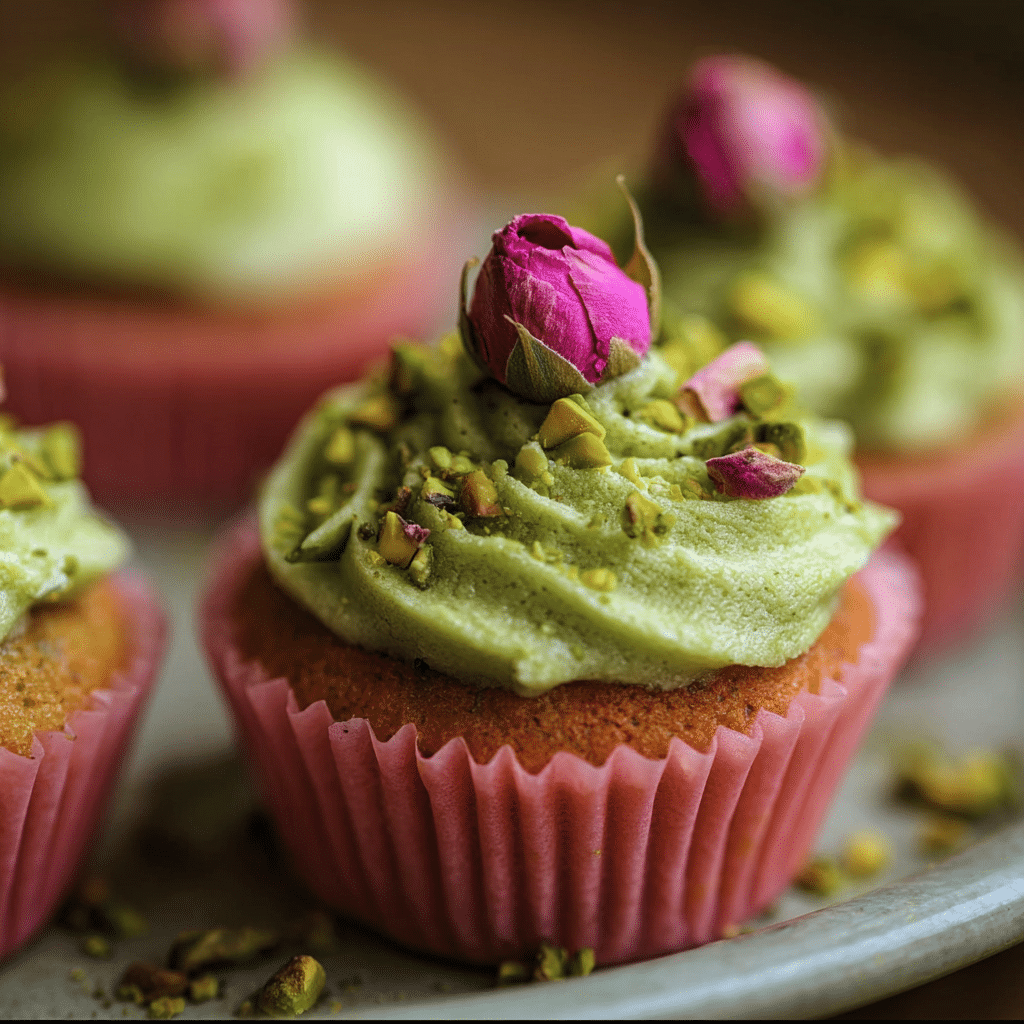
- Finally, sprinkle each cupcake with chopped pistachios and, optionally, add a dried rose bud
Shopping Tips
When it comes to sourcing our ingredients for the vegan mini rose cupcakes, quality matters immensely. For instance, when picking up soy milk, check the label to ensure it’s free from additives and preservatives. If you prefer a nut milk, almond or oat milk can serve as excellent alternatives, though they will slightly alter the flavor and texture.
Additionally, for oils, choosing cold-pressed extra virgin olive oil will not only enhance the flavor but also provide health benefits. Make sure to store your oils in a cool, dark place to prolong their freshness.
As for flour, you might want to purchase from bulk bins, where you can get fresh flour at a lower price. This is especially great for those who bake frequently!
Substitutions and Alternatives
Dietary restrictions shouldn’t prevent anyone from enjoying these delightful vegan mini rose cupcakes. If someone is allergic to nuts, you can easily substitute the pistachios with sunflower seeds for a similar crunch. For those avoiding gluten, a gluten-free flour blend can replace all-purpose flour, making sure to check for xanthan gum in the mix.
If you’re looking to reduce sugar, consider using natural sweeteners like agave or maple syrup. Keep in mind that this will affect the moisture level, so you may need to adjust the liquid ingredients accordingly.
For those who are sensitive to soy, oat milk or coconut milk can serve as great alternatives. The same goes for the vegan butter; there are numerous brands available, but you can also make your own using coconut oil and a neutral oil.
Lastly, if you can’t find rose water, you might want to try lavender extract for a different but equally aromatic twist! Just remember to adjust the quantity since lavender can be more potent.
With all these options and considerations, you’re well on your way to creating the perfect vegan mini rose cupcakes that not only taste divine but also cater to various dietary needs. Happy baking!
Detailed Step-by-Step vegan mini rose Cooking Instructions
Now that we’ve gathered all the essential ingredients for our vegan mini rose cupcakes, it’s time to roll up our sleeves and get baking! This process is not just about following steps; it’s an opportunity to immerse yourself in the joy of creating something beautiful and delicious. Join me as we navigate through this delightful culinary adventure, step by step.
Preparation Steps
- Preheat your oven: Start by preheating your oven to 350°F (175°C). This is an essential step because it ensures that your cupcakes bake evenly. While the oven is warming up, you can prepare your cupcake pans.
- Prepare the cupcake pans: Line a mini cupcake pan with paper liners. This will not only make for easy removal but also add a lovely visual element to your vegan mini rose cupcakes. If you don’t have liners, you can lightly grease the pan with a bit of vegan butter or oil.
- Mix the soy milk and lemon juice: In a medium bowl, combine the unsweetened soy milk and lemon juice. Give it a quick stir and let it sit for 5–10 minutes. This will create a vegan buttermilk, which is crucial for achieving a soft and fluffy texture.
- Combine dry ingredients: In a large mixing bowl, whisk together the all-purpose flour, baking powder, baking soda, sea salt, and granulated sugar. Make sure there are no lumps in the mixture. This step is vital as it ensures even distribution of the leavening agents, which helps your cupcakes rise beautifully.
- Add wet ingredients: Create a well in the center of your dry ingredients. Pour in the olive oil, vanilla extract, and the prepared soy milk mixture. Gently mix until just combined. Be careful not to over-mix, as this can lead to dense cupcakes.
- Incorporate the food dye: If you’re using vegan green food dye, add it now. Start with 10 drops and mix until you reach your desired color. This step is all about personal preference, so feel free to adjust based on your aesthetic vision!
- Fold in the pistachios: Gently fold in the chopped Setton Farms raw pistachio kernels. This will add texture and a nutty flavor to your cupcakes. Make sure they are evenly distributed throughout the batter.
Cooking Process
- Fill the cupcake liners: Using a small cookie scoop or a spoon, fill each cupcake liner about 2/3 full with the batter. This allows space for the cupcakes to rise without overflowing. You can also use a piping bag for a cleaner fill!
- Bake: Place the cupcake pan in the preheated oven and bake for about 15-18 minutes. You’ll know they’re done when a toothpick inserted into the center comes out clean or with a few crumbs attached. Keep an eye on them to avoid over-baking, as mini cupcakes can cook quickly!
- Cool the cupcakes: Once baked, remove the pan from the oven and allow the cupcakes to cool in the pan for about 5 minutes. Then, transfer them to a wire rack to cool completely. This step ensures they don’t become soggy from steam.
- Prepare the frosting: While the cupcakes are cooling, it’s time to make the frosting. In a large mixing bowl, beat the vegan butter until creamy and smooth. Gradually add the powdered sugar, mixing on low speed to prevent a sugar cloud!
- Incorporate lemon juice and rose water: Once the sugar is fully incorporated, add the lemon juice and rose water. Mix until well combined. If you want a softer frosting, you can add a splash of soy milk until you reach your desired consistency.
- Add red food dye: If you want to tint your frosting, now is the time to add the vegan red food dye. Start with a few drops and increase until you achieve the desired color. Mix well, scraping down the sides of the bowl as needed.
- Frost the cupcakes: Using a piping bag or a spatula, frost the cooled cupcakes generously with the rose-flavored frosting. This is where you can get creative – swirls, peaks, or even a simple spread will add your personal touch.
Final Assembly
- Garnish: To make your vegan mini rose cupcakes truly special, sprinkle some chopped pistachios on top of the frosting. If you’re using dried rose buds, gently press them into the frosting for an elegant finish.
- Serve and Enjoy: Once everything is assembled, it’s time for the best part – tasting your creation! These vegan mini rose cupcakes are perfect for parties, celebrations, or just a sweet treat for yourself. Don’t forget to snap a photo for your social media; they’re as beautiful as they are delicious!
- Storage Tips: If you have any leftovers (which is rare), store them in an airtight container at room temperature for a couple of days. For longer storage, you can refrigerate them for up to a week or freeze them for up to three months. Just make sure they are well-wrapped to avoid freezer burn.
Baking these vegan mini rose cupcakes is not just about following a recipe; it’s an invitation to enjoy the process and savor the delightful aromas wafting through your kitchen. Each step brings you closer to a delectable treat that’s not only visually stunning but also bursting with flavor. Happy baking, and may your kitchen be filled with the sweet scent of success!
Professional Tips and Techniques for vegan mini rose
When it comes to baking, especially when creating delicate and beautifully flavored vegan mini rose cupcakes, having the right techniques and insider knowledge can elevate your baking game. Let’s dive into some professional tips and techniques that will ensure your vegan mini rose cupcakes turn out not only delicious but also visually stunning.
Professional Techniques
To begin with, understanding the texture and flavor balance in your vegan mini rose cupcakes is crucial. One of the best techniques to achieve an exquisite flavor profile is to infuse your liquids with rosewater. Start by warming up your non-dairy milk, adding a few tablespoons of rosewater, and letting it steep for about 15 minutes. This will help the flavors meld beautifully.
Another important technique is to use aquafaba, the liquid from canned chickpeas, as an egg substitute. Whipping aquafaba until it forms stiff peaks mimics the fluffiness of traditional cupcake batter. This allows your vegan mini rose cupcakes to rise perfectly while remaining light and airy.
Don’t forget about the importance of sifting your dry ingredients. This simple step can prevent clumping and ensure even distribution of baking powder, baking soda, and flour. The last thing you want is a bitter bite of baking powder in your otherwise fragrant cupcakes!
Troubleshooting Guide
Even the most experienced bakers encounter challenges, but don’t worry; I’ve got you covered with some common problems and solutions. If your vegan mini rose cupcakes are coming out too dense, it might be due to over-mixing the batter. Once the flour is added, mix just until combined. This helps retain that light, fluffy texture.
Another common issue is dryness. Vegan cupcakes can sometimes lack moisture. To counteract this, consider adding a bit of applesauce or extra non-dairy yogurt to your batter. Not only does this enhance moisture, but it also adds a subtle sweetness that pairs beautifully with the rose flavor.
If your cupcakes sink in the middle after baking, it could be a result of overmixing or not allowing them to cool in the pan for long enough. Allow them to cool for a few minutes before transferring them to a wire rack. This helps maintain their structure.
Presentation Tips
When it comes to vegan mini rose cupcakes, presentation is key. After all, we eat with our eyes first! Consider using a piping bag to frost your cupcakes. This not only allows for more decorative designs but also ensures even distribution of frosting. A simple swirl can make your cupcakes look bakery-fresh.
For an added touch of elegance, consider garnishing with edible rose petals or chopped pistachios. These toppings not only enhance the visual appeal but also provide a delightful crunch and contrast to the soft cupcake. You can even create a simple syrup with rosewater to drizzle on top for an extra flavor kick!
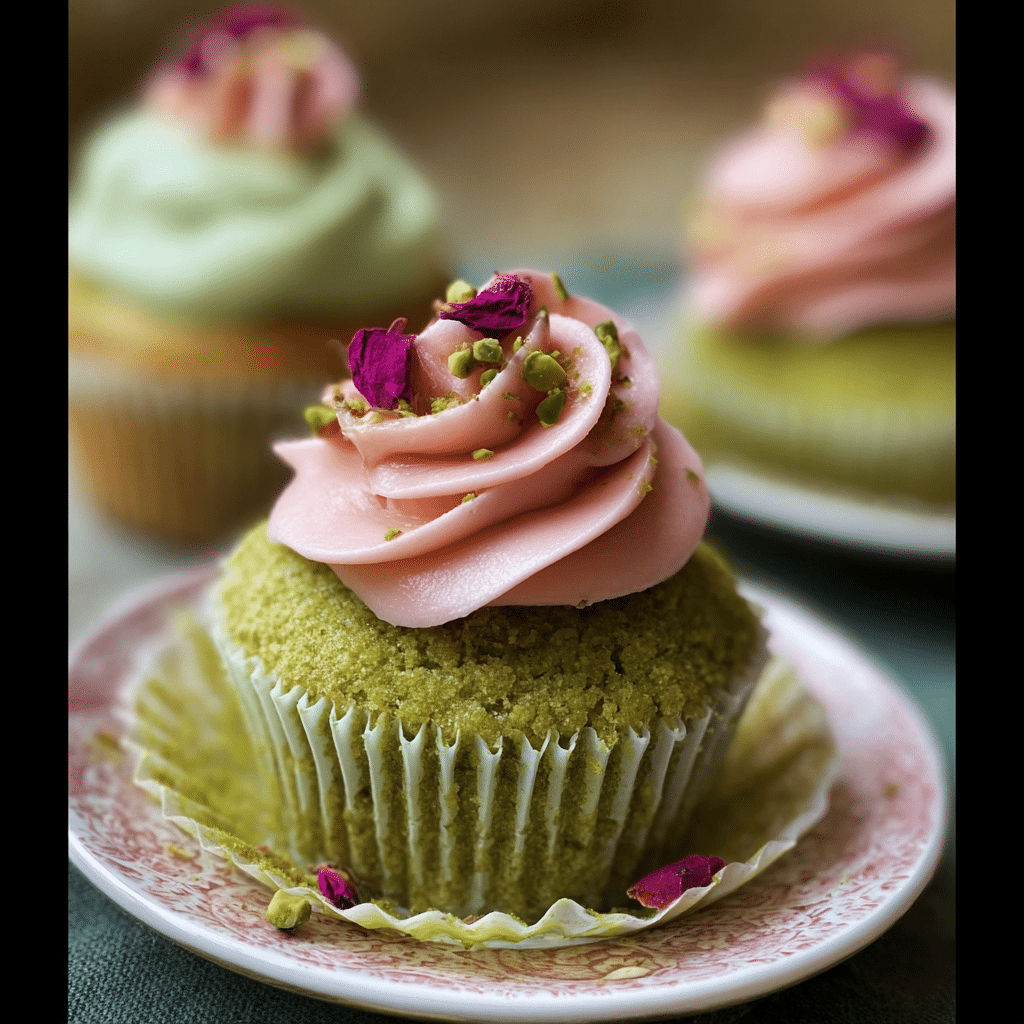
When it comes to plating, use a beautiful cake stand or a decorative plate. Arrange your vegan mini rose cupcakes in a circular pattern, or create a tiered display for a stunning centerpiece at your next gathering. Don’t forget to play with color; a contrasting backdrop, like a vibrant tablecloth or a rustic wooden platter, can make your cupcakes pop!
Wine and Beverage Pairings
Pairing drinks with your vegan mini rose cupcakes can enhance the overall experience. A light sparkling wine, such as Prosecco, complements the floral notes of rosewater beautifully. Alternatively, a fruity herbal tea, like hibiscus or chamomile, can bring out the flavors without overpowering them.
If you want to go non-alcoholic, consider a refreshing rose lemonade. The tartness of the lemonade balances the sweetness of the cupcakes while echoing the rose flavor. For a cozy option, a lightly spiced chai tea can add warmth and depth, making your treat feel even more special.
In summary, baking vegan mini rose cupcakes can be a delightful journey filled with creativity and flavor. By utilizing these professional tips, troubleshooting common problems, and enhancing your presentation skills, you’ll be well on your way to impressing friends and family with your baking prowess. Happy baking!
Creative Variations and Adaptations of vegan mini rose
Once you’ve mastered the art of baking vegan mini rose cupcakes, you may find yourself wanting to explore different flavors and styles. The beauty of cupcakes is their versatility, allowing for endless creative variations and adaptations. Let’s delve into some exciting ideas that can breathe new life into your baking routine!
Seasonal Variations
Seasonality plays a crucial role in cooking and baking. When crafting your vegan mini rose cupcakes, consider incorporating seasonal ingredients that can elevate your flavors. For spring and summer, fresh strawberries or raspberries can add a delightful tartness that beautifully complements the floral notes of rosewater. You could fold in some finely chopped berries into your batter, or use them as a garnish on top of your frosting!
As autumn rolls around, think about incorporating spices like cardamom or cinnamon to create a warm, fragrant twist on your classic recipe. You might even consider a chai-infused cupcake, where you steep the spices in your non-dairy milk before mixing them into the batter.
During the winter months, citrus flavors like orange or lemon can brighten up the heaviness of holiday desserts. A zesty lemon frosting paired with your vegan mini rose cupcakes will create a refreshing contrast that’s perfect for holiday gatherings.
Dietary Adaptations
With dietary needs becoming more diverse, adapting your vegan mini rose cupcakes for various preferences can make your baking more inclusive. If you need to cater to gluten-free friends, consider using almond flour or a gluten-free baking mix. Many gluten-free flour blends work remarkably well in cupcake recipes, providing a similar texture to traditional flour.
If you’re looking to lower the sugar content, consider using natural sweeteners like maple syrup or coconut sugar. These alternatives not only provide sweetness but also add unique flavors that can enhance the overall taste of your cupcakes.
For those interested in keto options, using almond flour and erythritol can create a low-carb version of your vegan mini rose cupcakes. Just remember to adjust the liquid content, as almond flour tends to absorb more moisture than all-purpose flour.
Creative Twists
Now, let’s get creative! Why not experiment with different frostings? A simple rose-flavored frosting can be made with vegan butter, powdered sugar, and rosewater. For a unique twist, try a pistachio buttercream! The nutty flavor pairs beautifully with the rose, creating a luxurious treat that’s perfect for special occasions.
Another fun idea is to incorporate a surprise filling in the center of your cupcakes. A dollop of raspberry jam or a creamy coconut filling can create a delightful burst of flavor when you take a bite. Just use a cupcake corer or a knife to remove the center of the cupcake, fill it with your chosen filling, and then replace the top before frosting.
Lastly, don’t forget about the power of garnishes! Edible flowers, crushed pistachios, or a sprinkle of gold dust can take your vegan mini rose cupcakes from ordinary to extraordinary. The presentation is just as important as the flavor, and these little touches can make a lasting impression.
In conclusion, the world of vegan mini rose cupcakes is vast and filled with opportunities for creativity. Whether you’re adapting your recipe for dietary needs, experimenting with seasonal flavors, or adding unexpected twists, the possibilities are endless. So go ahead, let your imagination run wild in the kitchen, and most importantly, enjoy the delicious journey!
Storage, Reheating, and Meal Prep for vegan mini rose
When it comes to baking, especially something as delightful and intricate as vegan mini rose pistachio cupcakes, understanding how to store, reheat, and meal prep is crucial for maintaining their unique flavors and textures. These little cupcakes are not just a treat; they are an experience, and preserving that experience requires some knowledge about proper storage techniques.
Short-term Storage
After whipping up a batch of vegan mini rose cupcakes, it’s essential to store them correctly to keep them fresh. If you’re planning to enjoy them within a few days, refrigeration is the way to go. Place your cupcakes in an airtight container; this will prevent them from drying out and absorbing any unwanted odors from the fridge. I often use glass containers with snap-on lids, which seal tightly and keep the cupcakes moist.
Before placing them in the container, make sure they have cooled completely. It’s tempting to cover them while they’re still warm, but this can create condensation, leading to soggy cupcakes. If you’re feeling fancy, you can also separate layers of cupcakes with parchment paper to avoid sticking. They should last about 3 to 5 days in the fridge.
Freezing and Long-term Storage
If you’re planning to enjoy your vegan mini rose cupcakes later, freezing is an excellent option. I remember the first time I froze a batch; I was skeptical. Could these delicate cupcakes withstand the freeze? To my surprise, they did wonderfully! Start by ensuring that the cupcakes are completely cool, then wrap them individually in plastic wrap. This step is crucial to prevent freezer burn, which can ruin the flavor and texture.
After wrapping, place the cupcakes in a freezer-safe bag or container, labeling them with the date. They can last in the freezer for up to three months. When you’re ready to enjoy them, simply remove the desired number of cupcakes from the freezer and let them thaw in the fridge overnight. For a quick thaw, you can also leave them at room temperature for about an hour. Just be cautious with the thawing; you don’t want to rush it in the microwave as this can alter their soft texture.
Reheating Best Practices
Sometimes, you might want to enjoy your vegan mini rose cupcakes warm, and reheating is definitely an option. The best method is to use the oven. Preheat your oven to 350°F (175°C). Place the cupcakes on a baking sheet and cover them loosely with aluminum foil to prevent over-browning. Heat for about 5-7 minutes. This method helps maintain their moisture and gives them a freshly baked feel. Avoid using the microwave, as it tends to make the cupcakes rubbery and less enjoyable.
If you’re in a pinch and need to use the microwave, place the cupcake on a microwave-safe plate, and heat it for about 10-15 seconds. Keep a close eye on it; you just want it warm and not hot. Pairing your reheated cupcake with a dollop of vegan whipped cream or a sprinkle of crushed pistachios can elevate the experience further!
Meal prepping vegan mini rose cupcakes can be a smart strategy for those busy weeks when you crave a sweet treat but don’t want to spend time baking every day. You can make a large batch, store them in the fridge or freezer, and pull them out when a craving strikes. I love to bake on Sundays and freeze half of the batch, so I have delicious treats ready for the week. This not only saves time but also helps manage portion sizes and reduces food waste.
It’s also important to consider food safety when storing your vegan mini rose cupcakes. Always ensure that your storage containers are clean and dry before use. If you notice any signs of spoilage, such as mold or an off smell, it’s best to err on the side of caution and discard the cupcakes. In terms of shelf life, while they may last several days in the refrigerator, the sooner you eat them, the better the taste and texture!
When it comes to portioning and packaging for freezing, I recommend using muffin liners. You can prepare the batter and bake directly in the liners, which makes for an easy grab-and-go option. You can also place the liners inside a larger container for added protection against freezer odors. This way, when you’re ready to enjoy a cupcake, you can just grab one or two without having to defrost the entire batch.
In conclusion, mastering the art of storing, reheating, and meal prepping your vegan mini rose pistachio cupcakes will not only enhance your baking experience but also ensure that you can enjoy these delightful treats at your leisure. With a little care and attention, these tiny cakes can remain delicious and satisfying no matter when you choose to indulge!
Nutritional Benefits and Health Information
Vegan mini rose pistachio cupcakes are not only a feast for the eyes but also pack a nutritional punch that can make dessert somewhat guilt-free. As a food enthusiast, I take great pleasure in exploring the health benefits of the ingredients I use. In this section, we’ll delve deep into the nutritional aspects of these delightful cupcakes, from their calorie content to their vitamin and mineral profiles, ensuring you know exactly what you’re indulging in.
Nutritional Profile
Let’s begin by breaking down the basic nutritional information for a single vegan mini rose cupcake. Typically, each cupcake contains around 150-200 calories, depending on the size and the specific ingredients used. In terms of macronutrients, you can expect about 5-7 grams of protein, 20-25 grams of carbohydrates, and 6-8 grams of fat. Since we’re using natural sweeteners like maple syrup or agave, the sugar content can range from 10-15 grams per cupcake.
The key ingredients that contribute to these numbers include almond flour, which is protein-rich and gluten-free, and pistachios, known for their healthy fats and fiber. Including rose water not only adds a unique flavor but also contributes minimal calories, allowing you to enjoy a fragrant experience without the extra guilt.
Health Benefits
One of the most compelling reasons to enjoy vegan mini rose pistachio cupcakes is the health benefits associated with their main ingredients. Almond flour, for example, is high in vitamin E, an antioxidant that helps protect your cells from oxidative stress. It’s also rich in magnesium, which supports muscle and nerve function, and is beneficial for heart health.
Pistachios are another superstar ingredient in this recipe. Not only do they provide a delightful crunch, but they are also packed with protein and fiber, which can help keep you feeling full longer. Additionally, they contain essential vitamins such as B6, which is crucial for protein metabolism and cognitive function.
Furthermore, rose water is renowned for its anti-inflammatory properties and has been used in traditional medicine for centuries. It can help soothe digestion and has a calming effect, making these cupcakes not just a dessert but also a little wellness treat.
Dietary Considerations
When it comes to dietary considerations, these vegan mini rose cupcakes are a fantastic option for a variety of dietary preferences. They are dairy-free and egg-free, making them suitable for vegans and those with lactose intolerance. They can also easily be made gluten-free by using a gluten-free all-purpose flour blend, making them accessible for those with gluten sensitivities.
However, it’s important to note the presence of nuts in these cupcakes due to almond flour and pistachios. If you have nut allergies, you’ll want to substitute with alternative flours like oat flour or coconut flour and choose seeds instead of nuts for a similar texture without the allergens. Additionally, always check labels on any packaged ingredients to ensure they are free from cross-contamination if allergies are a concern.
In terms of calorie content, these cupcakes are a lighter alternative to traditional cupcakes that are laden with butter and sugar. The use of natural sweeteners and the absence of animal products means you can enjoy a small indulgence without derailing your health goals. This makes them a great fit for various diet plans, whether you’re following a vegan lifestyle, looking for low-sugar options, or simply trying to incorporate more plant-based foods into your diet.
For those who are health-conscious but still want to indulge, consider modifying the recipe to reduce sugar further or incorporating more wholesome ingredients. You could substitute some of the fat content with applesauce or mashed bananas for a moist texture while reducing calories. Experimenting with spices like cinnamon or cardamom can also enhance the flavor profile without adding calories.
In conclusion, vegan mini rose pistachio cupcakes aren’t just a beautiful dessert; they are a delightful blend of taste and nutrition. Understanding their nutritional benefits can enhance your appreciation for these miniature cakes, making each bite not only pleasurable but also beneficial for your health. So the next time you treat yourself to these cupcakes, you can do so with the joy of knowing you’re indulging in something both delicious and nutritious!
Conclusion: Mastering the Perfect vegan mini rose
Creating the perfect vegan mini rose is more than just following a recipe—it’s about understanding the techniques, ingredients, and cultural significance behind this beloved dish. Throughout this comprehensive guide, we’ve explored everything from the historical origins to modern variations, ensuring you have all the knowledge needed to make this recipe your own.
Whether you’re a beginner cook or an experienced chef, the techniques and tips we’ve shared will help you create a vegan mini rose that’s not only delicious but also meaningful. Remember that cooking is a journey of discovery, and each time you make this dish, you’ll learn something new.
We encourage you to experiment with the variations we’ve discussed, adapt the recipe to your dietary needs, and most importantly, share it with the people you love. Food has the incredible power to bring people together, and Vegan Mini Rose Pistachio Cupcakes is the perfect dish to create lasting memories around your dinner table.
Don’t forget to share your cooking adventures with us on social media, and feel free to ask questions in the comments below. Happy cooking!
Share this recipe and let us know how it turned out! Tag us on social media for a chance to be featured.