Tuscan white bean soup is a delightful dish that embodies the heart and soul of Italian cuisine. I remember the first time I stumbled upon this recipe while flipping through a dusty old cookbook that belonged to my grandmother. As a child, I often spent weekends in her cozy kitchen, the air thick with the aroma of simmering garlic and herbs. One chilly autumn afternoon, I discovered the comforting warmth of Tuscan white bean soup while helping her prepare Sunday dinner. It was a revelation—a simple yet hearty dish that spoke volumes about the flavors of Tuscany and the importance of family gatherings around the table.
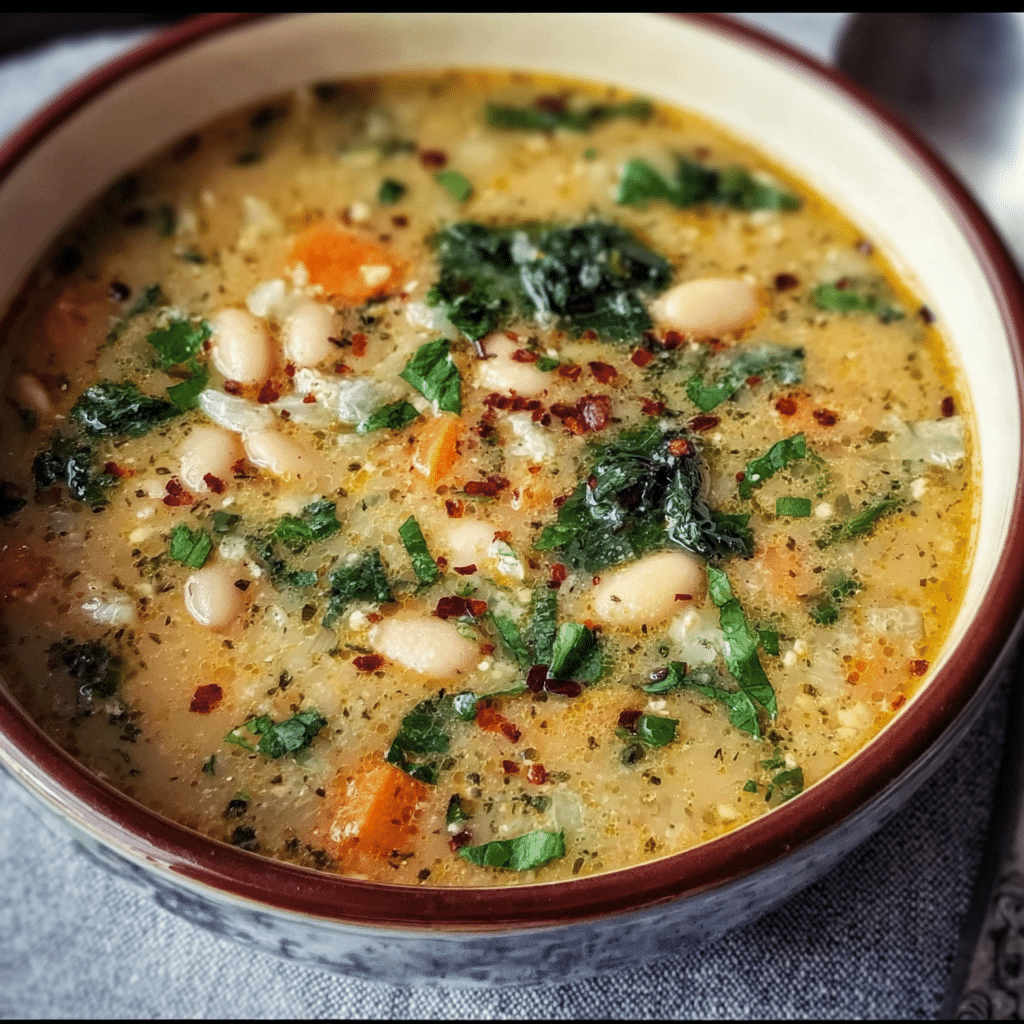
As I poured over the pages, I was captivated by not just the ingredients but the story behind this iconic dish. Tuscan white bean soup is a celebration of simple, wholesome ingredients that reflect the rustic nature of Tuscan cooking. Originating from the rolling hills and sun-drenched landscapes of Tuscany, this soup has roots steeped in the region’s agricultural traditions. The use of white beans, particularly the cannellini variety, highlights the importance of legumes in the Italian diet, which have been a staple for centuries. This dish is not just a recipe; it’s a testament to the resourcefulness of Italian cooks who, using what they had on hand, created a nourishing meal that warmed both the body and spirit.
The Story Behind This Recipe
What makes Tuscan white bean soup particularly special is its ability to adapt. Growing up, my grandmother would often change the ingredients based on what was available in our pantry or what was in season. She would toss in some kale for a burst of color and nutrition or add a sprinkle of Parmesan cheese before serving to elevate the flavors. This flexibility is what sets the dish apart from other bean soups; it invites creativity and personal touches, making it a canvas for chefs of all levels. It’s a quick-fix meal for busy families, as you can whip it up in under an hour, yet it tastes like you’ve been slaving away in the kitchen all day.
As the days grow shorter and the air turns crisp, there’s nothing more inviting than a steaming bowl of Tuscan white bean soup. It’s perfect for those busy weeknights when time is of the essence, yet you want to serve something that feels comforting and satisfying. This soup can be made in large batches and stored for later, making it a go-to recipe for meal prepping or unexpected guests. The simplicity of the preparation combined with the depth of flavor is truly what makes this dish shine.
Every time I make this soup, it evokes fond memories of my grandmother, reminding me of the power of food to connect generations. The act of cooking together, sharing stories, and enjoying each other’s company over a hearty meal is what this dish represents. It’s more than just a recipe; it’s a way to honor my heritage and keep the traditions alive.
In this guide, you’ll learn not only how to make the perfect Tuscan white bean soup but also the rich history and cultural significance that surround it. From the best ingredients to use to tips on how to customize the recipe to suit your family’s taste, you’ll find everything you need to recreate this comforting dish in your own kitchen. So roll up your sleeves, grab your apron, and let’s dive into the world of Tuscan white bean soup!
The Rich History and Cultural Significance of tuscan white bean
The history of Tuscan white bean soup is as rich and layered as the flavors within the dish itself. To truly appreciate this comforting meal, one must delve into its origins and the cultural backdrop against which it has evolved. Tuscany, known for its picturesque landscapes, has a culinary tradition that emphasizes the use of high-quality, local ingredients. The region’s farmers have cultivated white beans for centuries, and these legumes have become a cornerstone of Tuscan cooking.
Origins and History
White beans, particularly cannellini beans, are native to Central and South America, but they were brought to Italy by explorers in the early 16th century. Over time, they became a staple in Tuscan cuisine, celebrated not just for their nutritional value but also for their versatility. The earliest versions of Tuscan white bean soup were likely rustic stews made with whatever vegetables were in season and flavored with herbs from the garden. The soup reflects the principles of cucina povera, or “poor cooking,” where frugality and resourcefulness are paramount. It’s about making the most of what you have, which is a philosophy that resonates deeply in Italian culture.
As time passed, the dish began to take shape, with families adding their own personal touches. Some might include a splash of tomato for acidity, while others may opt for a drizzle of quality olive oil to finish. Each variation tells a story, a snapshot of a family’s history and traditions, showing how the same basic recipe can adapt and evolve through generations.
Cultural Significance
Tuscan white bean soup is often served during family gatherings and special occasions. It is a dish that brings people together, whether it’s enjoyed on a chilly winter evening or as part of a Sunday feast. In Tuscany, it’s common to find this soup on the table during the colder months, as it provides warmth and sustenance after a long day. It embodies the essence of Italian hospitality, where food is not just about nourishment but also about connection and community.
Additionally, famous chefs and restaurants have brought their own flair to this traditional dish, elevating it to new heights. Renowned establishments in Florence and beyond have showcased Tuscan white bean soup on their menus, often pairing it with artisan bread and local wines, allowing diners to experience the true taste of Tuscany. These culinary pioneers have also introduced modern twists, such as adding smoked meats or gourmet truffle oil, which have opened new avenues for exploring this classic recipe.
Nutritional Benefits
Beyond its delicious flavor, Tuscan white bean soup boasts a wealth of nutritional benefits. White beans are rich in protein, fiber, and essential nutrients, making them an excellent choice for a healthy diet. They help promote digestive health and can assist in regulating blood sugar levels, making this soup a heart-healthy option. When paired with leafy greens like kale or spinach, the dish becomes even more nutrient-dense, offering a balanced meal that is both satisfying and nourishing.
In today’s fast-paced world, where health and convenience often clash, Tuscan white bean soup stands as a beacon of hope. It’s a dish that allows you to nourish your family with wholesome ingredients while also providing comfort on those hectic days. As you embrace this recipe, you’re not just cooking; you’re partaking in a rich tradition that celebrates the beauty of simple, nourishing food. So grab your ingredients and prepare to create a bowl of Tuscan white bean soup that will warm your heart and soul.
Essential Ingredients for Perfect tuscan white bean
Tuscan white bean soup is a delightful dish that embodies the rustic charm of Tuscany, showcasing the simplicity and harmony of its ingredients. To create a truly authentic and flavorful Tuscan white bean soup, it’s crucial to gather the right components. Below is a comprehensive list of the essential ingredients you will need, along with insights into their importance, quality indicators, and tips for sourcing.
Essential Ingredients
- 3 15-ounce cans cannellini beans, drained and rinsed
- 1 yellow onion, finely chopped
- 4 cloves garlic, minced
- 2 tablespoons olive oil
- 2 large carrots, peeled and chopped
- 1 stalk celery, diced
- ⅓ cup white wine (I used pinot grigio)
- 2 cups chopped kale, stems removed, finely chopped
- 2 ½ – 4 cups vegetable or chicken broth (see notes)
- 1 tablespoon tomato paste
- 1 teaspoon salt, or to taste
- ¼ teaspoon black pepper, or to taste
- ¼ teaspoon red pepper flakes (omit if you don’t like spice)
- ¼ teaspoon Italian seasoning
- 2 bay leaves
- 1 teaspoon dried thyme
- ½ teaspoon dried oregano
Tuscan White Bean Soup
Ingredients
- 3 15 ounce cans cannellini beans drained and rinsed
- 1 yellow onion finely chopped
- 4 cloves garlic minced
- 2 tablespoons olive oil
- 2 large carrots peeled and chopped
- 1 stalk celery diced
- ⅓ cup white wine I used pinot grigio
- 2 cups chopped kale stems removed, finely chopped
- 2 ½ – 4 cups vegetable or chicken broth see notes
- 1 tablespoon tomato paste
- 1 teaspoon salt or to taste
- ¼ teaspoon black pepper or to taste
- ¼ teaspoon red pepper flakes omit if you don’t like spice
- ¼ teaspoon Italian seasoning
- 2 bay leaves
- 1 teaspoon dried thyme
- ½ teaspoon dried oregano
Instructions
- Saute the finely chopped onion in a large pot or dutch oven with the oil.
- Once it starts to brown slightly, add in the garlic, celery and carrot. Saute an additional 10 or so minutes to let the veggies soften and brown slightly. The browning helps add lots of flavor!
- Add in the white wine and saute until most of the liquid has evaporated, about 5 minutes.
- Add in all remaining ingredients except for the kale (see notes about the amount of broth since there is a range, but I recommend starting with 2 1/2 cups), and stir well.
- Bring to a boil, then cover and reduce heat to low. Let simmer for 15 minutes.
- Discard the bay leaves, then transfer about 2 1/2 – 3 cups worth of the soup to a blender. Blend until smooth.
- Transfer back to the pot and stir well to combine. If it’s too thick, add in more broth until it reaches your desired consistency.
- Add in the chopped kale and let simmer for a few minutes to allow the kale to wilt. Taste and adjust flavors as desired. I usually add a bit more salt and pepper and a squeeze of lemon juice.
- Serve warm as is or with a hearty bread on the side. Enjoy!
Each of these ingredients plays a vital role in creating the rich, comforting flavors of Tuscan white bean soup. Let’s delve into the significance of each component:
Ingredient Breakdown
Cannellini Beans: These creamy Italian white beans serve as the foundation of the soup. Their mild flavor and hearty texture contribute to the soup’s body and richness. When selecting canned beans, look for those that are labeled as organic and free from preservatives for the best flavor. Rinsing them helps remove excess sodium.
Yellow Onion: The base of many soups, onions add sweetness and depth. Finely chopping the onion releases its juices, enhancing the overall flavor of the soup. Choose firm onions with papery skins for optimal freshness.
Garlic: Minced garlic imparts a pungent, aromatic quality that elevates the dish. Fresh garlic is always best, and you’ll want to avoid any that appears sprouted or dried out.
Olive Oil: A good quality extra virgin olive oil not only aids in sautéing the vegetables but also adds a fruity, peppery flavor to the soup. Opt for a cold-pressed variety for the best taste and health benefits.
Carrots and Celery: These aromatic vegetables provide a sweet and savory base to the soup. Freshness is key; look for bright, firm vegetables. They should be crisp and free from blemishes.
White Wine: A splash of white wine, like pinot grigio, enhances the overall flavor profile. Use a wine that you would enjoy drinking, as its quality will directly impact the soup. If you prefer to omit wine, you can replace it with additional broth or a splash of vinegar for acidity.
Kale: This leafy green adds color, nutrition, and texture. When selecting kale, look for vibrant green leaves without yellowing or wilting. If kale isn’t available, spinach or Swiss chard can be suitable substitutes.
Broth: The choice between vegetable or chicken broth depends on your dietary preferences. A homemade broth will yield the best flavor, but quality store-bought options can work in a pinch. Ensure that the broth is low-sodium to control the salt content in your soup.
Tomato Paste: This concentrated form of tomato adds a rich umami flavor to the soup. Opt for organic brands when possible, as they often have a more robust flavor. Store any leftover paste in the fridge for future use.
Seasonings: The combination of salt, black pepper, red pepper flakes, Italian seasoning, bay leaves, thyme, and oregano creates a lovely aromatic blend. Use fresh herbs if available for a more vibrant taste.
Shopping Tips
When shopping for these ingredients, consider visiting local farmers’ markets for the freshest produce, especially if you want to support local agriculture. If you’re short on time, grocery stores often carry organic options for most of these ingredients. Remember to check the expiration dates on canned goods and broths, as freshness can significantly affect the taste and quality of your soup.
Substitutions and Alternatives
For those with dietary restrictions, there are several substitutions you can make without compromising the essence of the Tuscan white bean soup:
- Beans: If you can’t find cannellini beans, great northern beans or navy beans can work as an alternative.
- Wine: For a non-alcoholic version, skip the wine or use a splash of apple cider vinegar or lemon juice for acidity.
- Broth: Use low-sodium vegetable broth for a vegetarian version, or homemade broth for enhanced flavor.
- Greens: Spinach or Swiss chard can be substituted for kale if preferred.
By understanding the roles and sourcing options for each ingredient, you can feel confident in preparing a delicious Tuscan white bean soup that not only satisfies your taste buds but also nourishes your body. Whether you’re cooking for a cozy dinner or a gathering with friends, this soup is sure to impress with its depth of flavor and heartwarming qualities.
Detailed Step-by-Step tuscan white bean Cooking Instructions
Detailed Step-by-Step Tuscan White Bean Cooking Instructions
Now that you have all your ingredients ready, it’s time to dive into the cooking process. This Tuscan white bean soup is not only flavorful but also straightforward to prepare. The key is in the technique and timing, ensuring that each step builds on the last to create a harmonious dish. Let’s get started!
Preparation Steps
- Mise en Place: Begin by gathering all your ingredients and measuring them out. This not only streamlines the cooking process but also ensures you don’t forget anything. Chop the yellow onion, mince the garlic, peel and chop the carrots, and dice the celery. Lastly, rinse and drain the cannellini beans.
- Prep the Kale: Remove the stems from the kale and chop the leaves finely. This will help them cook evenly and blend well into the soup. Set aside.
- Wine Selection: Choose your white wine carefully. A good pinot grigio is a great choice for this soup. Pour yourself a glass to enjoy while cooking, as it adds to the experience!
Cooking Process
- Heat the Oil: In a large pot or Dutch oven, heat the olive oil over medium heat. Once hot, add the chopped onions. Sauté them for about 5 minutes, or until they become translucent, stirring occasionally. This step is crucial as it builds the foundation of flavor for your Tuscan white bean soup.
- Add Garlic: When the onions are just about ready, add the minced garlic and sauté for another minute until fragrant. Be cautious not to burn the garlic, as it can turn bitter.
- Incorporate Vegetables: Toss in the chopped carrots and diced celery. Stir well and let them cook for about 5-7 minutes, allowing them to soften. The aroma at this stage will be heavenly!
- Deglaze with Wine: Pour in the white wine, scraping any brown bits stuck to the bottom of the pot. This adds depth to the flavor. Let the wine simmer for about 3 minutes to reduce slightly.
- Add Beans and Broth: Stir in the drained cannellini beans, followed by the broth. Start with 2 ½ cups and adjust as needed for your preferred consistency. Bring the mixture to a gentle boil.
- Season: Add the tomato paste, salt, black pepper, red pepper flakes, Italian seasoning, bay leaves, thyme, and oregano. Stir well to combine all the flavors.
- Simmer: Reduce heat to low and let the soup simmer for about 20-30 minutes. This allows the flavors to meld beautifully. Keep an eye on the soup, stirring occasionally.
- Add Kale: About 5 minutes before serving, stir in the chopped kale. It should wilt and become tender without losing its vibrant color.
Final Assembly
- Adjust Seasoning: Before serving, taste the soup and adjust the seasoning if necessary. You might want to add a pinch more salt or pepper based on your preference.
- Serve Hot: Ladle the soup into bowls and garnish with a drizzle of olive oil and a sprinkle of fresh herbs if desired. This adds an extra touch of flavor and presentation.
- Enjoy! Pair your Tuscan white bean soup with crusty bread or a simple green salad for a complete meal. The warmth and depth of this soup make it perfect for sharing with family and friends.
In the world of cooking, timing is everything. The beauty of this Tuscan white bean soup lies in its ability to come together quickly while allowing for the flavors to develop. Remember, the key to a successful soup lies in the patience of simmering and the love you put into each step. Whether you’re making it for a family dinner or a cozy night in, this soup is sure to become a cherished recipe in your home.
Professional Tips and Techniques for tuscan white bean
If you’ve ever sipped a warm bowl of Tuscan white bean soup, you know it’s more than just a meal; it’s an experience. This soup, rich in history and flavor, embodies the essence of rustic Tuscan cuisine. As you embark on the journey of creating this beloved dish, I’d like to share some professional tips and techniques that will elevate your culinary game and ensure your Tuscan white bean soup is nothing short of perfection.
Professional Techniques
To make an authentic Tuscan white bean soup, start with high-quality ingredients. The beans are the stars of this dish, so opt for dried cannellini beans if you can find them. Soaking them overnight not only softens the beans but also enhances their flavor. If you’re short on time, you can use canned beans, but make sure to rinse them thoroughly to remove excess sodium.
When it comes to cooking the soup, layering flavors is key. Begin by sautéing aromatics such as onion, garlic, and celery in olive oil. This technique, known as the “sofrito,” creates a flavorful base for your soup. Don’t rush this step; allow the vegetables to soften and caramelize slightly, as this will enhance the overall flavor of your Tuscan white bean soup.
For added depth, consider incorporating fresh herbs like rosemary or thyme. These herbs not only complement the beans beautifully but also evoke the essence of the Tuscan countryside. Add the herbs early in the cooking process to allow their flavors to infuse the broth. Remember, fresh herbs are always preferable, but if dried herbs are all you have, use them sparingly since they are more concentrated in flavor.
Troubleshooting Guide
Even seasoned cooks encounter challenges when preparing a dish. Here are some common problems you might face and how to solve them:
- Beans are too hard: If your beans don’t soften during cooking, it’s likely they were old or improperly stored. Always check the packaging for a “best by” date. If you’re using dried beans, consider adding a pinch of baking soda to the cooking water, as it can help soften them.
- Soup is too salty: If you’ve accidentally added too much salt, try adding a diced potato to the soup. It will absorb some of the saltiness. Remove the potato before serving.
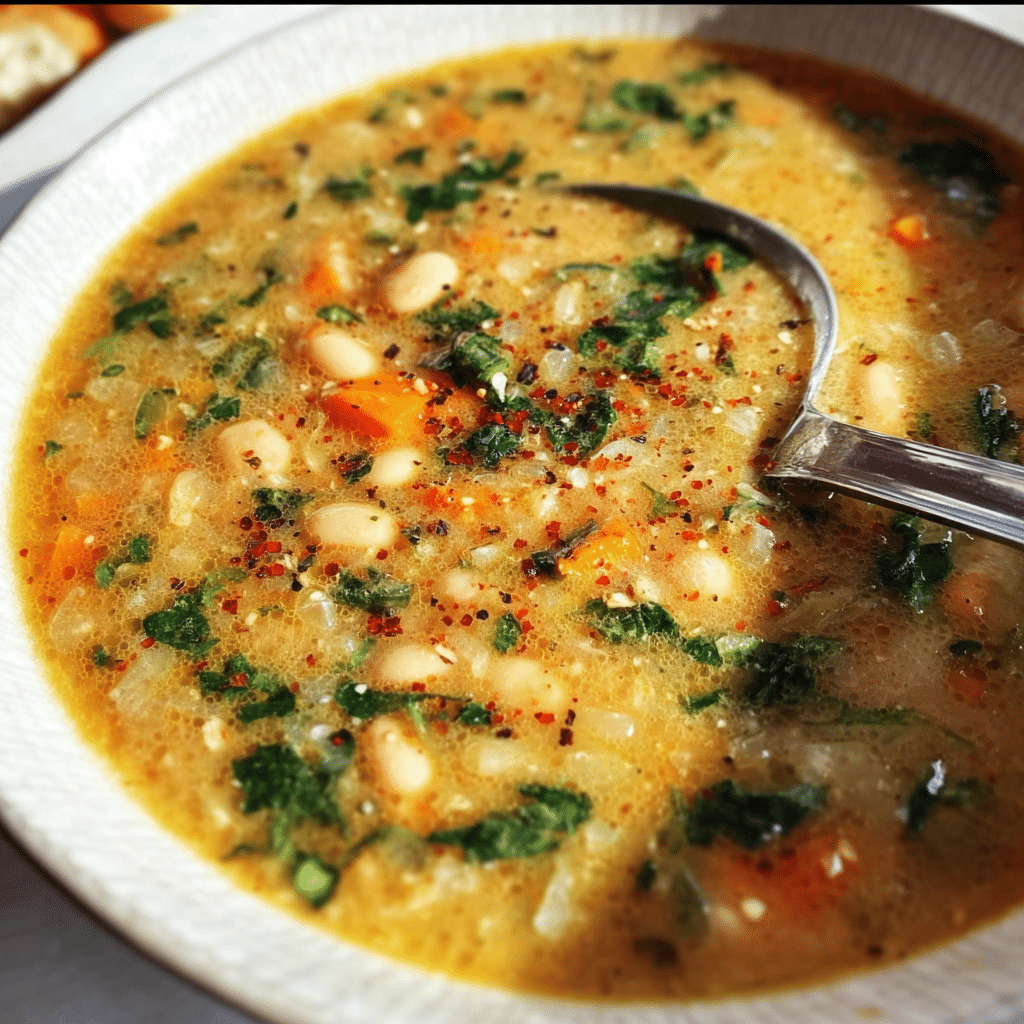
- Soup is too thick: A Tuscan white bean soup should have a hearty but not overly thick consistency. If it’s too thick, simply add more broth or water to adjust the texture to your liking.
Presentation Tips
Presentation can transform a humble bowl of soup into a stunning centerpiece for any table. Start by choosing the right bowl; rustic ceramic bowls capture the essence of Tuscan cuisine beautifully. Just before serving, drizzle a little extra virgin olive oil on top. This not only adds a layer of flavor but also a lovely sheen that invites the eyes.
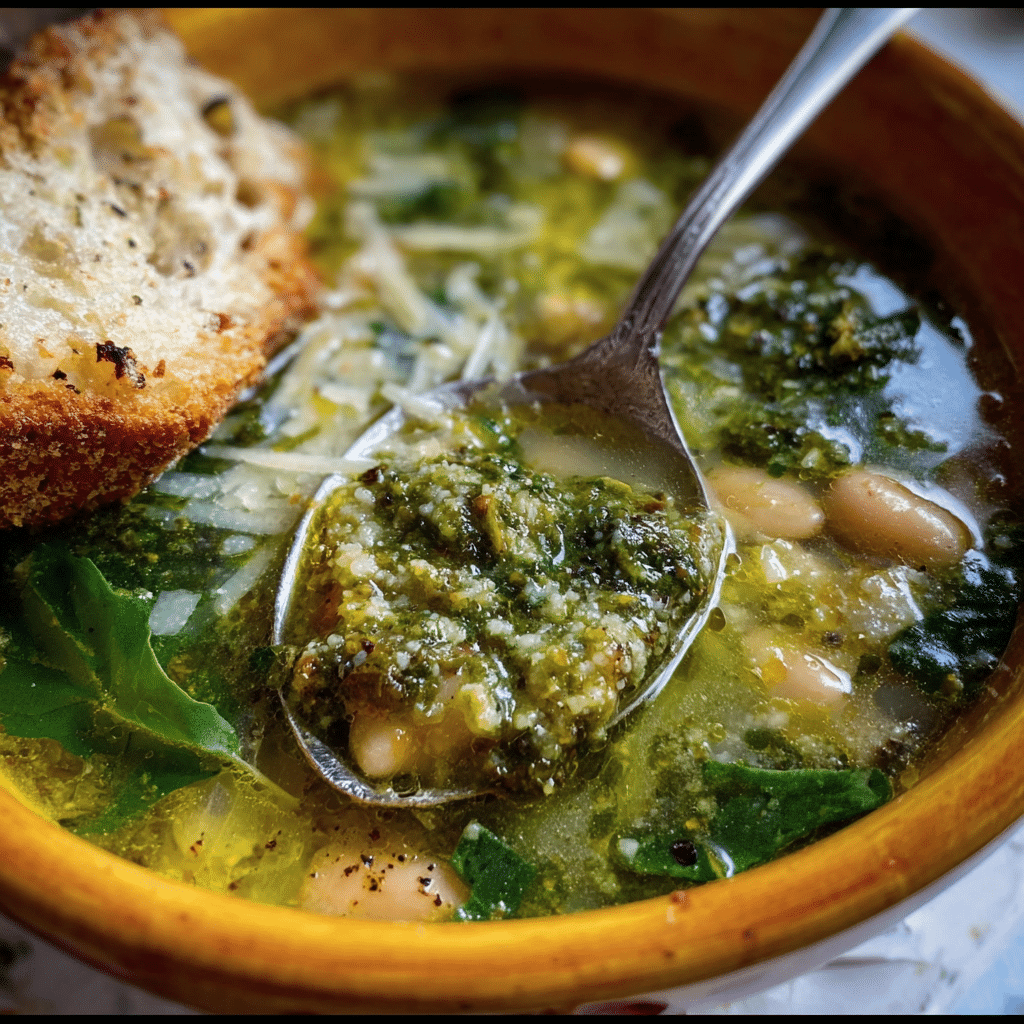
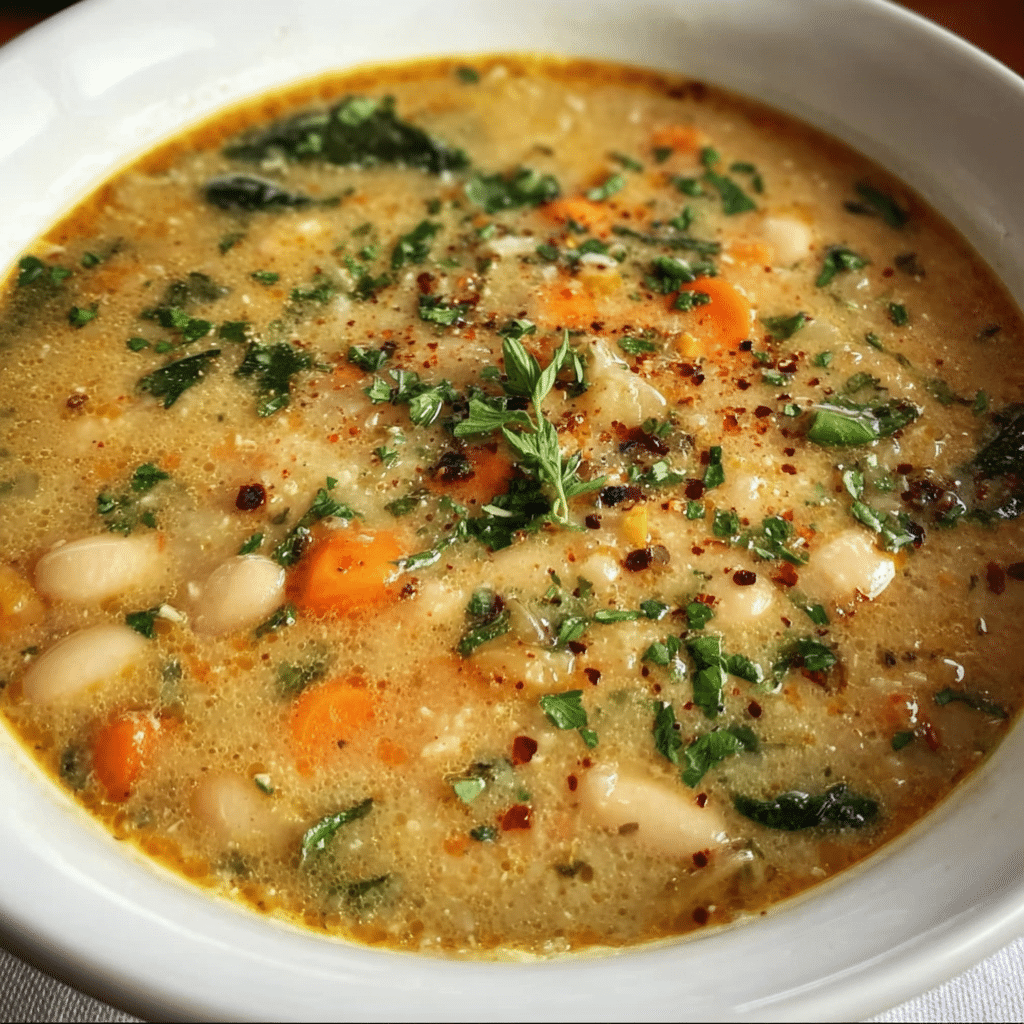
For a pop of color, garnish your Tuscan white bean soup with fresh herbs or a sprinkle of crushed red pepper flakes. A dollop of pesto can also be a delightful addition, bringing a burst of flavor and color to the dish. Serve with a crusty loaf of bread for dipping, and you’ll create a cozy, inviting atmosphere that’s perfect for sharing with loved ones.
Wine and Beverage Pairings
No meal is complete without the perfect beverage pairing. For Tuscan white bean soup, a light white wine, such as a Pinot Grigio or a Vermentino, complements the dish beautifully. The crisp acidity of these wines cuts through the richness of the soup, enhancing the flavors. Alternatively, if you prefer red wine, a light-bodied Chianti can also be a wonderful match.
For a non-alcoholic option, consider serving sparkling water with a slice of lemon or a refreshing herbal iced tea. These choices will cleanse the palate and keep the meal light and enjoyable.
In conclusion, creating an unforgettable Tuscan white bean soup requires attention to detail and a passion for flavor. By employing these professional tips and techniques, troubleshooting common issues, and focusing on presentation and pairings, you can craft a dish that not only nourishes the body but also warms the soul. So roll up your sleeves, gather your ingredients, and let the fragrant aroma of Tuscan cuisine fill your kitchen!
Creative Variations and Adaptations of tuscan white bean
While the classic recipe for Tuscan white bean soup is a beloved dish that has stood the test of time, there’s always room for creativity in the kitchen. As a passionate home cook, I love experimenting with flavors and ingredients, and I’m excited to share some creative variations and adaptations of this timeless soup that will inspire you to make it your own.
Seasonal Variations
One of the joys of cooking is adapting recipes to the seasons, and Tuscan white bean soup is no exception. In the fall, you might consider adding roasted butternut squash or sweet potatoes for a touch of sweetness and vibrant color. The natural sugars in these vegetables caramelize beautifully when roasted, creating a delightful contrast to the creamy beans.
In the winter months, feel free to enhance your soup with hearty greens like kale or Swiss chard. These greens not only add nutrition but also a beautiful green hue that brightens the dish. Simply add them towards the end of cooking to retain their vibrant color and nutritional value.
As spring approaches, consider incorporating fresh asparagus or peas for a burst of freshness. These tender vegetables cook quickly, so add them just a few minutes before you finish simmering the soup. A squeeze of lemon juice just before serving can also brighten the flavors, making it a perfect springtime dish.
Dietary Adaptations
Whether you’re catering to specific dietary needs or simply looking to shake things up, there are plenty of adaptations you can make to your Tuscan white bean soup. For those following a vegan or vegetarian diet, the traditional recipe is already a great fit. Just be sure to use vegetable broth instead of chicken broth for a fully plant-based option.
If you’re following a keto diet, you can still enjoy this delicious soup by reducing the amount of beans and increasing the quantity of low-carb vegetables like zucchini and cauliflower. These substitutes will maintain the hearty texture and flavor while keeping the carb count low.
For gluten-free diners, ensure that any stock or broth you use is certified gluten-free. Additionally, you can thicken the soup with puréed beans instead of flour, preserving the integrity of the dish.
Creative Twists
Don’t be afraid to get adventurous! One of my favorite twists on the classic Tuscan white bean soup is to add a spicy chorizo or Italian sausage. Brown the meat before adding the aromatics, and let the flavors meld together; the result is a heartier, flavor-packed soup that’s perfect for chilly nights.
If you’re in the mood for an international flair, consider blending this soup with traditional Mediterranean ingredients. Adding sun-dried tomatoes, artichokes, or even olives can create a unique and delightful fusion that pays homage to various cuisines.
Another fun twist is to transform your leftovers into a delicious pasta dish. Simply cook your favorite pasta, and mix it into the leftover soup. The pasta will absorb the flavors, creating a hearty meal that feels entirely new.
Finally, consider experimenting with different cooking methods. While stovetop cooking is traditional, you can also make your Tuscan white bean soup in a slow cooker or an Instant Pot. For slow cooking, combine all ingredients in the pot and cook on low for 6-8 hours. If using an Instant Pot, sauté the aromatics first, add the rest of the ingredients, and cook on high pressure for about 30 minutes.
In conclusion, the beauty of Tuscan white bean soup lies in its versatility. By experimenting with seasonal ingredients, dietary modifications, and creative twists, you can craft a unique version of this classic dish that reflects your culinary style. Embrace the process, have fun, and most importantly, enjoy every delicious spoonful!
Storage, Reheating, and Meal Prep for tuscan white bean
When it comes to enjoying a comforting bowl of Tuscan white bean soup, knowing how to store, reheat, and meal prep this delicious dish can elevate your cooking experience. Not only does proper storage ensure that your soup maintains its flavor and quality, but it also allows for easy meal preparation and reduces food waste. Let’s dive into the world of Tuscan white bean soup storage, so you can enjoy this delightful dish whenever you want.
Short-term Storage
After you’ve whipped up a hearty batch of Tuscan white bean soup, the first thing to consider is short-term storage. If you plan on enjoying the soup within the next few days, the refrigerator is your best friend. Make sure to let the soup cool to room temperature before transferring it to an airtight container. This is a crucial step; allowing hot soup to cool prevents condensation inside the container, which can lead to unwanted sogginess.
For optimal freshness, use glass storage containers with tight-fitting lids. Not only do they keep your soup fresh, but they also allow you to see what’s inside without opening the container. If you’re using plastic containers, ensure they are BPA-free and microwave safe. Labeling your containers with the date you made the soup is a great practice, helping you keep track of its freshness.
In the refrigerator, your Tuscan white bean soup will typically last for about 3 to 5 days. If you notice any off smells or changes in color, it’s best to err on the side of caution and discard the soup. Also, be aware that the flavors may intensify over time, making it even more delicious after a day or two!
Freezing and Long-term Storage
If you’ve made a larger batch of Tuscan white bean soup or simply want to ensure you have a comforting meal on hand for later, freezing is an excellent option. To freeze your soup, let it cool completely before portioning it into freezer-safe bags or containers. When using bags, try to squeeze out as much air as possible before sealing to prevent freezer burn.
It’s a good idea to portion the soup into single-serving sizes, especially if you live alone or like to have quick meals ready for busy nights. This way, you can thaw only what you need. Don’t forget to label each bag or container with the date and contents; this helps you keep track of what’s in your freezer and when it was made.
When properly stored, Tuscan white bean soup can last in the freezer for up to 3 months. Beyond this timeframe, it may still be safe to eat, but the quality may decline. When you’re ready to enjoy your frozen soup, simply transfer it to the refrigerator the night before to thaw, or you can use the defrost setting on your microwave for quicker results.
Reheating Best Practices
Reheating your Tuscan white bean soup is where the culinary magic really happens. If you’ve frozen your soup, make sure it’s completely thawed before reheating for the best results. You can reheat it on the stovetop over medium heat, stirring occasionally to ensure it heats evenly. If the soup looks a bit thick after thawing, feel free to add a splash of vegetable broth or water to achieve your desired consistency.
Alternatively, if you’re in a hurry, you can reheat your Tuscan white bean soup in the microwave. Place your soup in a microwave-safe bowl, cover it loosely with a microwave-safe lid or plate (to prevent splatters), and heat in one-minute intervals, stirring in between until it’s heated through. Just be cautious, as microwaves can heat unevenly, and you don’t want to end up with hot spots that may scorch your soup.
Always check the temperature of your soup before serving. It should reach an internal temperature of 165°F (74°C) to be considered safe for consumption. If you have leftovers after reheating, you can store them in the fridge again, but remember, this should only be done once for food safety.
In summary, effectively storing, freezing, and reheating your Tuscan white bean soup can enhance your culinary experiences while maintaining the soup’s delightful flavors. With these strategies, you can savor the comfort of this dish anytime you crave it, whether it’s a chilly evening or a casual weekend gathering with friends and family. With a bit of planning and care, the perfect bowl of Tuscan white bean soup is always within reach!
Nutritional Benefits and Health Information
As a self-proclaimed soup enthusiast, I’m always on the lookout for dishes that not only warm the heart but also nourish the body. The Tuscan white bean soup is one such dish that excels in both flavor and nutrition. Packed with wholesome ingredients, this comforting soup is a powerhouse of health benefits. Let’s explore the nutritional profile of this delightful dish and how it can fit into your healthy eating plan.
Nutritional Profile
The primary ingredients of Tuscan white bean soup include white beans (such as cannellini or navy beans), fresh vegetables like carrots, celery, and onions, along with rich herbs and spices. A standard serving of this soup (approximately one cup) typically contains:
- Calories: 250-300
- Protein: 12-15g
- Carbohydrates: 40-45g
- Fiber: 10-12g
- Fat: 5-7g
White beans are the star ingredient, providing a substantial amount of protein and dietary fiber. Just one cup of cooked white beans contains around 15 grams of protein and 13 grams of fiber, making it an excellent choice for anyone looking to boost their nutrient intake.
Health Benefits
Aside from their delicious taste, the health benefits of the ingredients in Tuscan white bean soup are impressive. The high fiber content found in white beans promotes digestive health and helps regulate blood sugar levels. This makes the soup a great option for individuals looking to manage their weight or improve their overall digestive function.
Moreover, white beans are a good source of essential vitamins and minerals, including folate, iron, potassium, and magnesium. Folate is vital for cell growth and repair, while iron is crucial for oxygen transport in the blood. Potassium helps maintain healthy blood pressure levels, and magnesium plays a role in muscle function and energy production.
The vegetables in the soup, such as carrots, celery, and onions, further enhance its nutritional value. These ingredients are rich in antioxidants and vitamins that support immune function and overall health. For instance, carrots are high in beta-carotene, which is converted to vitamin A in the body, promoting eye health.
Dietary Considerations
The versatility of Tuscan white bean soup makes it suitable for a variety of dietary preferences. It is naturally vegetarian and can be made vegan by omitting any animal-based broths or toppings. Additionally, the soup can easily be tailored to fit gluten-free diets by ensuring that all ingredients, including broth and seasonings, are gluten-free.
If you’re watching your sodium intake, consider making your soup from scratch using low-sodium broth or water. This allows you to control the amount of salt you add, making it a heart-healthy option. For those on a low-carb diet, you can reduce the portion size of the beans and increase the vegetable content to lower the overall carbohydrate count while still enjoying the flavors of the soup.
When comparing Tuscan white bean soup to similar dishes, such as traditional minestrone or other bean-based soups, the nutritional benefits are often similar. However, the unique combination of flavors and ingredients in Tuscan white bean soup sets it apart, offering a comforting bowl that warms both the body and soul.
In conclusion, Tuscan white bean soup is not just a delicious meal; it is a nourishing option packed with essential nutrients and health benefits. Whether you’re enjoying it on a chilly evening or preparing it as part of your meal prep for the week, you can feel good about indulging in this wholesome dish. So grab your ingredients, and let’s make a pot of Tuscan white bean soup that’s as healthy as it is delicious!
Conclusion: Mastering the Perfect tuscan white bean
Creating the perfect tuscan white bean is more than just following a recipe—it’s about understanding the techniques, ingredients, and cultural significance behind this beloved dish. Throughout this comprehensive guide, we’ve explored everything from the historical origins to modern variations, ensuring you have all the knowledge needed to make this recipe your own.
Whether you’re a beginner cook or an experienced chef, the techniques and tips we’ve shared will help you create a tuscan white bean that’s not only delicious but also meaningful. Remember that cooking is a journey of discovery, and each time you make this dish, you’ll learn something new.
We encourage you to experiment with the variations we’ve discussed, adapt the recipe to your dietary needs, and most importantly, share it with the people you love. Food has the incredible power to bring people together, and Tuscan White Bean Soup is the perfect dish to create lasting memories around your dinner table.
Don’t forget to share your cooking adventures with us on social media, and feel free to ask questions in the comments below. Happy cooking!
Share this recipe and let us know how it turned out! Tag us on social media for a chance to be featured.