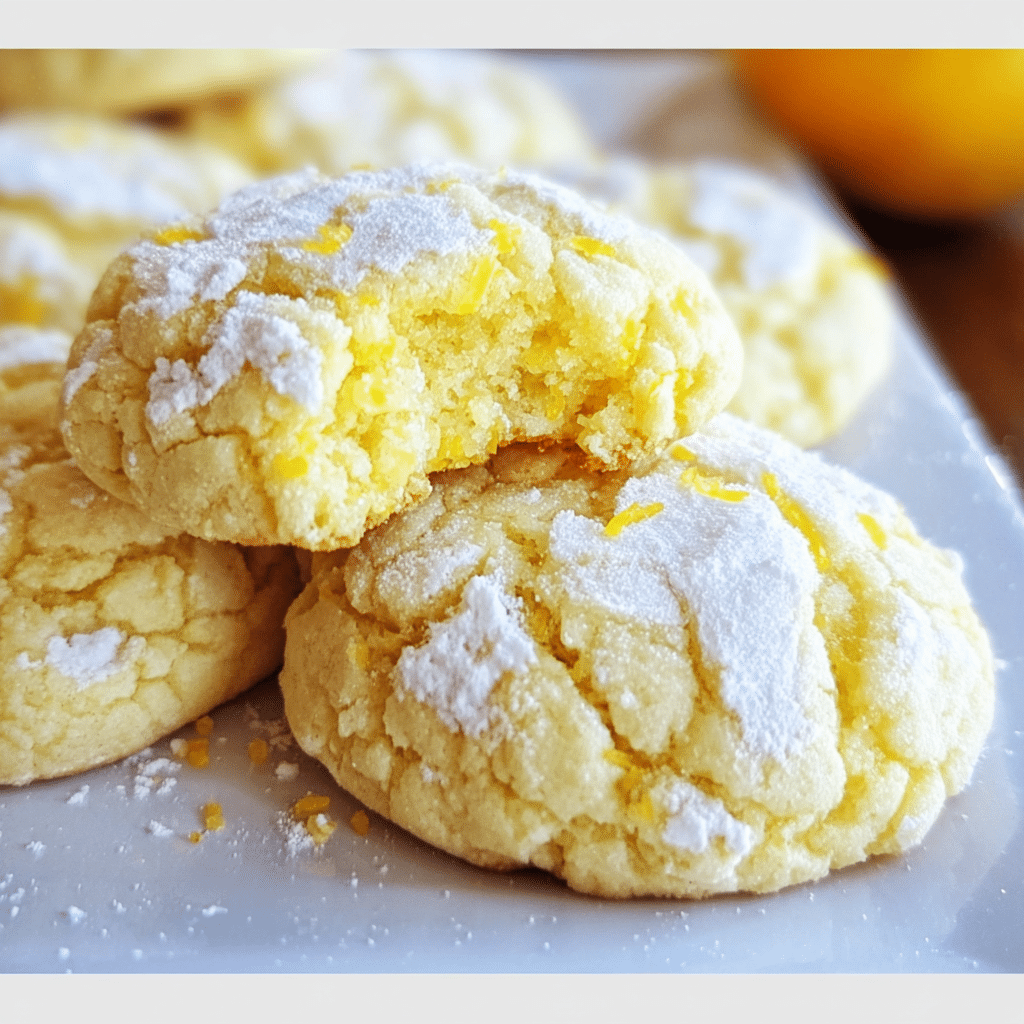
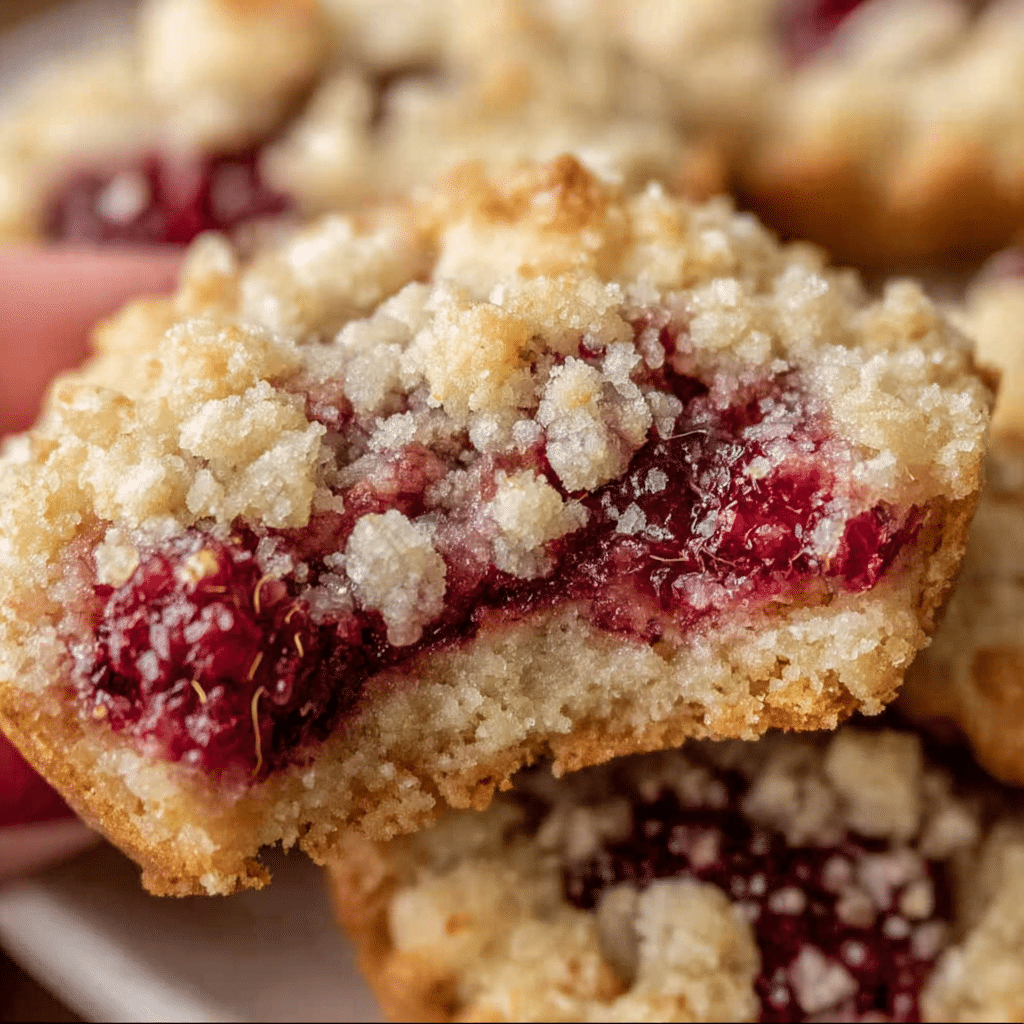
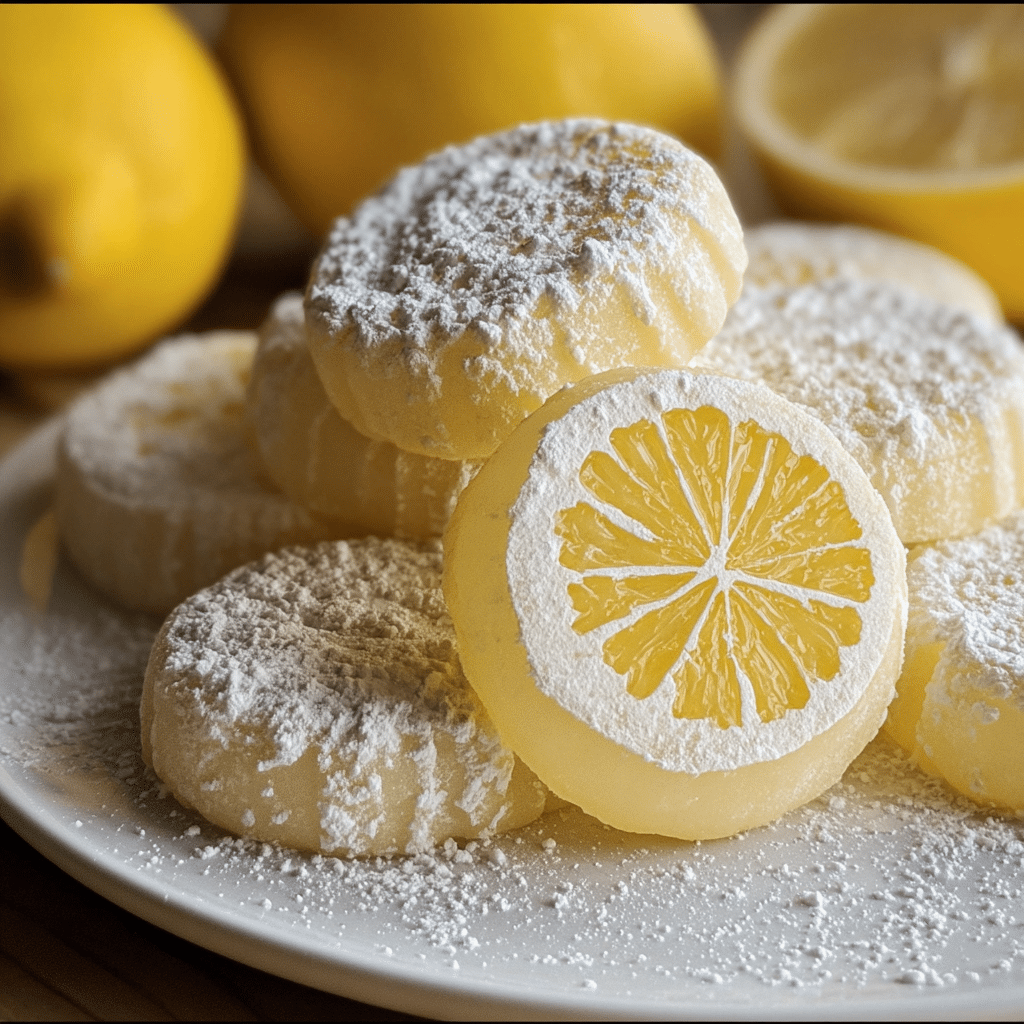
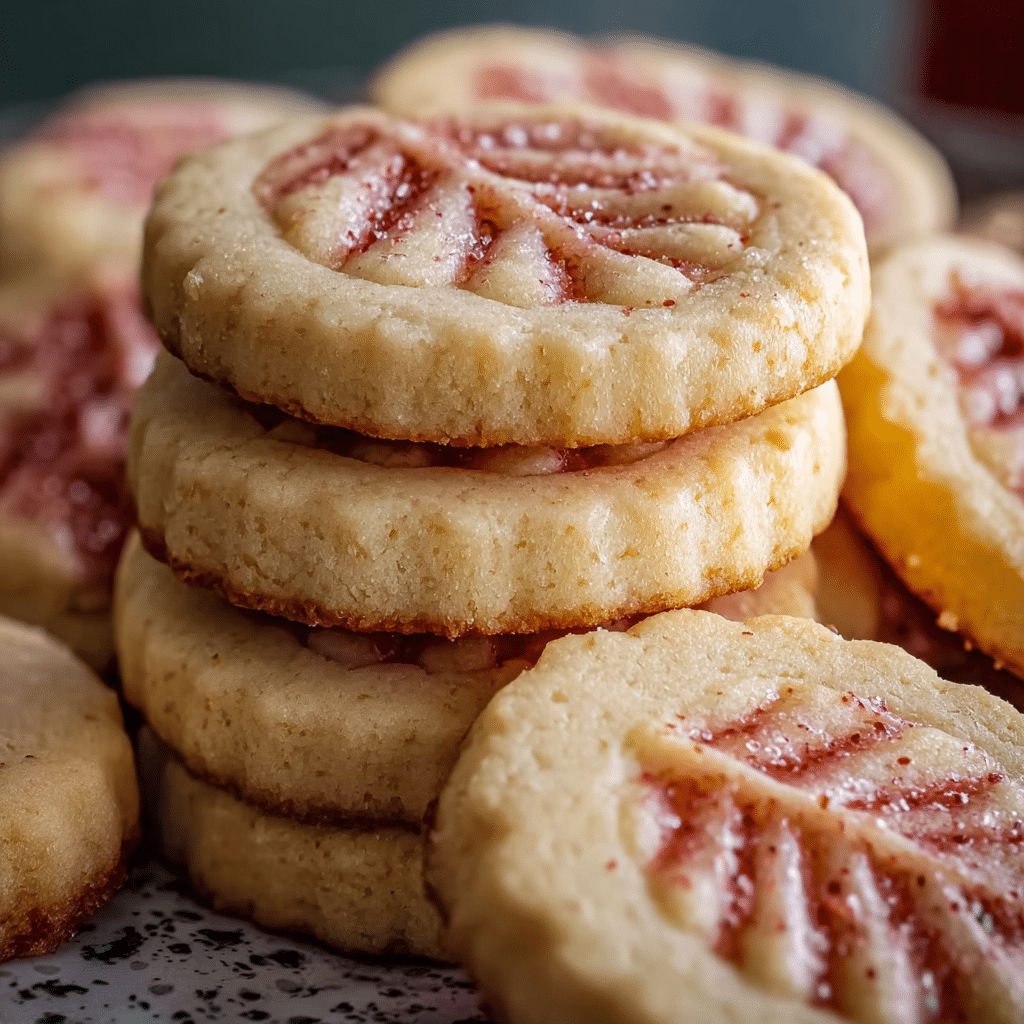
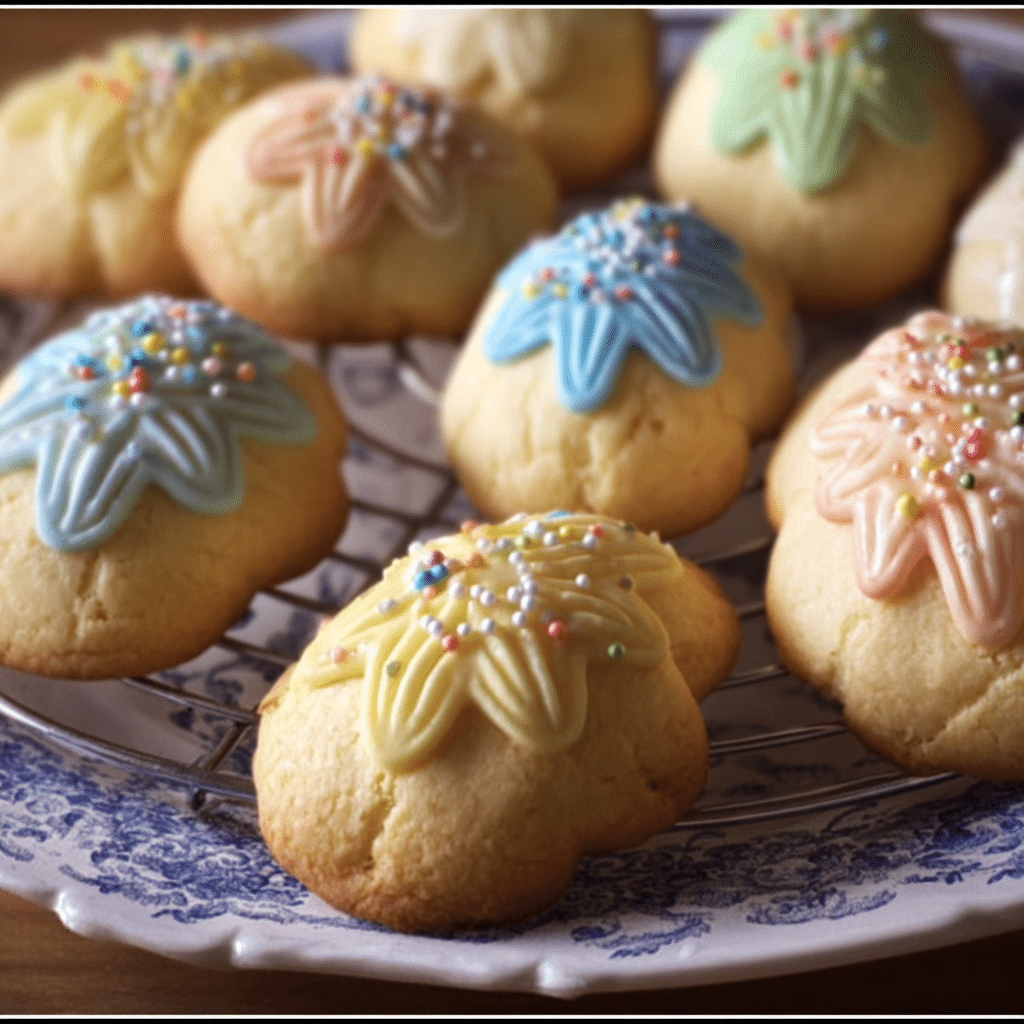
Italian Easter cookies are more than just sweet treats; they are a cherished tradition that brings families together during one of the most significant times of the year. My first experience with these delightful cookies was at my grandmother’s kitchen table, surrounded by the warm aroma of baking and the lively chatter of family. Every Easter, she would enlist my help in rolling out dough, cutting it into intricate shapes, and decorating them with vibrant icing and sprinkles. It was a rite of passage, a way to connect with my heritage, and a memory I hold dear to my heart.
The Story Behind This Recipe
As a child, I was mesmerized by the artistry that came with making Italian Easter cookies. My grandmother would share stories of her own childhood in Italy, where these cookies were a symbol of renewal and celebration. The vibrant colors of the icing represented the rebirth of spring, and the shapes—often resembling crosses, bunnies, or eggs—were reminders of the Easter story. Each cookie was decorated with love and intent, and those moments spent in the kitchen not only taught me how to bake but also instilled in me a deep appreciation for my Italian roots.
Italian Easter cookies are also known as “Biscotti di Pasqua.” The tradition varies across different regions in Italy, with each area bringing its unique twist to the recipe. In some regions, they are soft and chewy, while in others, they may be crisp and crunchy. Despite these variations, what remains constant is the love and family connection associated with making and sharing these cookies during Easter celebrations.
Why You’ll Love This Dish
This recipe is special for several reasons. Firstly, it is incredibly versatile, allowing busy families to customize it to suit their tastes and schedules. With a basic dough that can be prepared in advance, these Italian Easter cookies can be baked and decorated whenever time allows. This makes it a fantastic option for families looking for quick dinner solutions during the Easter season, where time can often feel like it’s slipping away in the hustle and bustle of holiday preparations.
Seasonally, Italian Easter cookies are made in the weeks leading up to Easter Sunday. The colors and designs mirror the vibrancy of spring, with pastel hues and floral decorations that brighten any table setting. They are often enjoyed not only as a dessert but also as a part of Easter brunch or as a delightful treat to share with friends and neighbors. The emotional connection to these cookies is profound; they are a celebration of life, family, and the joy that comes with shared traditions. Each bite transcends generations, carrying with it the love of those who came before us.
In this article, you will learn everything you need to know about Italian Easter cookies—from their rich history and cultural significance to the step-by-step process of making them yourself. Whether you’re looking to revive an old family tradition or create new memories in the kitchen, this guide promises to equip you with knowledge and inspiration. So, let’s dive into the world of Italian Easter cookies and discover the magic they hold!
The Rich History and Cultural Significance of italian easter cookies
The rich history and cultural significance of Italian Easter cookies are as diverse as Italy itself. Originating from various regions of Italy, these cookies embody the spirit of Easter and the arrival of spring. Their history is intertwined with the agricultural calendar, as Easter often coincides with the end of winter and the beginning of new growth. This connection to the seasons is reflected in the vibrant colors and shapes of the cookies, which symbolize rebirth and renewal.
Origins and History
The roots of Italian Easter cookies can be traced back to ancient times when the custom of baking sweet treats for festive occasions was common. In Italy, Easter has always been a time for celebration, and the preparations often included baking special foods. The techniques used in making these cookies evolved over centuries, influenced by local ingredients and traditions. For example, in Southern Italy, you might find cookies flavored with citrus zest or anise, while Northern regions may incorporate nuts and richer flavors. Each family has its own cherished recipe, passed down through generations, ensuring that the tradition remains alive.
Interestingly, different regions have their variations of Italian Easter cookies. In Sicily, the “Cuddura cu l’ova” is a popular version, featuring hard-boiled eggs baked into the dough, symbolizing fertility and new life. In contrast, the “Tarallucci” from Naples are known for their rich flavor and slightly crunchy texture, often enjoyed with a glass of wine. This regional diversity not only enriches the culinary landscape of Italy but also reflects the unique cultural significance of Easter across the country.
Cultural Significance
These cookies are more than just a delicious treat; they hold deep cultural significance within Italian communities. Traditionally, they are baked in the days leading up to Easter Sunday, bringing families together to share stories and create lasting memories. It is common for families to gather in the kitchen, just as I did with my grandmother, to prepare these cookies as a form of bonding and celebration. They are often given as gifts to neighbors and friends, symbolizing goodwill and community spirit during the festive season.
Italian Easter cookies can also be found at local bakeries and restaurants, where chefs take pride in crafting their versions of this classic treat. Renowned chefs often add modern twists to traditional recipes, experimenting with flavors and designs to appeal to contemporary palates while preserving the essence of the original dish. This evolution of Italian Easter cookies showcases the adaptability of the recipe and its ability to connect generations through shared culinary experiences.
Nutritional Benefits
While Italian Easter cookies are undoubtedly a sweet indulgence, they can also offer some nutritional benefits, depending on the ingredients used. Many recipes incorporate whole grains, nuts, and dried fruits, which can add fiber, vitamins, and minerals to the cookies. Additionally, by controlling the amount of sugar and fat in the recipe, home bakers can create a healthier version that still delights the taste buds.
Furthermore, the act of baking itself can be therapeutic. Engaging in the kitchen allows families to bond, share stories, and create memories—all while enjoying the sweet rewards of their labor. The joy of creating Italian Easter cookies is not just in the final product but in the process itself, fostering connections that last a lifetime.
In conclusion, Italian Easter cookies are a beautiful reflection of Italy’s rich culinary heritage and cultural significance. They bring families together, celebrate the joy of Easter, and offer a delicious way to connect with our roots. As you embark on this journey of making your own Italian Easter cookies, remember that you are not just baking; you are participating in a tradition that has stood the test of time, creating connections across generations.
Essential Ingredients for Perfect italian easter cookies
When it comes to baking the perfect italian easter cookies, the ingredients you choose will make all the difference. Each component plays a vital role in not just the flavor but also the texture and overall success of the cookies. In this section, we will explore the essential ingredients needed to create these delightful treats, along with tips on how to choose the best quality ingredients, substitutions for dietary restrictions, and even some cost-saving advice. Let’s dive into the world of italian easter cookies and unravel the magic behind each ingredient.
Essential Ingredients
Here’s a complete list of the ingredients you’ll need to make your very own batch of italian easter cookies:
- 1 cup sugar
- ¾ cup unsalted butter, softened (one and half sticks)
- 3 large eggs
- 1 teaspoon vanilla extract
- 1 teaspoon almond extract
- 1 tablespoon baking powder
- 3 ½ cups all-purpose flour
- ¼ cup milk
- 2 tablespoons butter, melted
- ½ teaspoon vanilla extract
- ½ teaspoon almond extract
- 2 ½ cups powdered sugar
- Food coloring and sprinkles (optional)

Italian Easter Cookies
Ingredients
- 1 cup sugar
- ¾ cup unsalted butter, softened (one and half sticks)
- 3 large eggs
- 1 teaspoon vanilla
- 1 teaspoon almond extract
- 1 tablespoon baking powder
- 3 ½ cups all purpose flour
Frosting
- ¼ cup milk
- 2 tablespoons butter, melted
- ½ teaspoon vanilla
- ½ teaspoon almond extract
- 2 ½ cups powdered sugar
- food coloring and sprinkles (optional)
Instructions
- Preheat oven to 350 degrees. Line a cookie sheet pan with parchment or baking mat; set aside.
- In a large bowl or stand up mixer, beat together the sugar, butter, and eggs until well combined, about 2 minutes. Mix in the extracts and baking powder. Add in the flour and mix until well combined and a dough forms.
- Use a cookie scoop to measure out one inch balls of dough. Roll in your hands to form a ball. Place on the cookie sheet pan about two inches apart from each other. Bake in preheated oven for 10-12 minutes. Cookies will not change much in color. Cool on cooling rack completely before frosting.
Frosting
- In a large bowl, whisk together the milk, butter, and extracts. Add in the powdered sugar and mix until well combined and without lumps. Divide frosting into small bowls and stir in food coloring (if using).
- Flip over the cooled cookies and dip the top of the cookies in the frosting. Return to cooling rack and top with sprinkles. Let the frosting dry completely before serving or stacking.
Ingredient Breakdown
Let’s take a closer look at each ingredient and understand its importance:
- Sugar: Sugar is essential for sweetness but also helps with the cookie’s texture and browning. When selecting sugar, opt for granulated sugar that is free from clumps for easy mixing.
- Unsalted Butter: Butter adds richness and moisture. Using unsalted butter allows you to control the salt content in your cookies. Make sure it is softened to room temperature for easy creaming with sugar.
- Eggs: Eggs act as a binding agent, providing structure and moisture. Fresh eggs are always a better choice as they will enhance the flavor and texture of your cookies.
- Vanilla and Almond Extracts: These extracts add depth and complexity to the flavor. Always choose pure extracts over imitation for the best taste.
- Baking Powder: This leavening agent is crucial for giving the cookies a light and fluffy texture. Ensure your baking powder is fresh for optimal results.
- All-Purpose Flour: Flour provides the necessary structure. For the best results, use a high-quality all-purpose flour, ideally with a protein content of around 10-12%.
- Milk: Milk adds moisture and helps to combine the ingredients. Whole milk will yield richer cookies, but you can use any type of milk based on your dietary preferences.
- Melted Butter: This is used for the icing. It enhances the flavor and gives a nice sheen to the finished cookies.
- Powdered Sugar: Essential for making the icing, powdered sugar dissolves easily and creates a smooth glaze.
- Food Coloring and Sprinkles: While optional, these add a festive touch to your italian easter cookies and make them visually appealing for Easter celebrations.
Shopping Tips
When shopping for these ingredients, consider visiting local farmers’ markets or specialty stores for the freshest options. Butter and eggs should ideally be organic or free-range for superior taste. Look for brands that specialize in high-quality baking products, as they tend to offer better flavors and textures.
Substitutions and Alternatives
If you have dietary restrictions or preferences, here are some substitutions you can consider:
- Butter: Use coconut oil or a vegan butter substitute for a dairy-free option.
- Eggs: For a vegan alternative, you can use flaxseed meal mixed with water (1 tablespoon flaxseed meal + 2.5 tablespoons water = 1 egg) or commercial egg replacers.
- Flour: For gluten-free cookies, substitute with a gluten-free all-purpose blend. Make sure it contains xanthan gum for best results.
Each ingredient in your italian easter cookies contributes to the cookies’ unique flavor, texture, and appearance, making it essential to choose wisely. Understanding the role of each component and how to source quality ingredients will elevate your cookie-baking experience and create delightful treats that are sure to impress your family and friends.
Detailed Step-by-Step italian easter cookies Cooking Instructions
Creating perfect italian easter cookies is an art that involves precise techniques and a dash of love. In this section, we will walk through the step-by-step process to help you craft these delightful cookies. From preparation to the final assembly, I’ll share tips, tricks, and personal stories that will guide you through each stage of this joyous baking adventure.
Preparation Steps
Before we dive into the cooking process, it’s crucial to prepare your workspace and gather all your ingredients. This technique, known as mise en place, will streamline your baking experience.
- Start by preheating your oven to 350°F (175°C). This step is vital as it ensures that your cookies bake evenly and achieve that perfect golden-brown color.
- Line two baking sheets with parchment paper. This will prevent the cookies from sticking and make for easy cleanup.
- Gather all your ingredients and measuring tools. It’s important to measure everything accurately to ensure the best results. I like to use a digital scale for precision.
- In a large mixing bowl, cream together the softened butter and sugar. Use a hand mixer or stand mixer on medium speed until the mixture becomes light and fluffy, typically around 3-5 minutes. This step incorporates air into the dough, giving your cookies a lovely texture.
Cooking Process
- Add the eggs, one at a time, mixing well after each addition. This helps incorporate them fully into the batter, ensuring a smooth consistency.
- Next, add the vanilla and almond extracts. The aroma that fills your kitchen at this point is heavenly! These extracts are what give italian easter cookies their signature flavor.
- In a separate bowl, whisk together the flour and baking powder. Gradually add this dry mixture to the wet ingredients, mixing on a low speed to prevent flour from flying everywhere.
- Once the dough starts to come together, pour in the milk. Mix until the dough is well combined but be careful not to overmix; you want a soft, pliable dough.
- Now, using a spatula, scrape down the sides of the bowl to ensure everything is evenly mixed. This is a good time to taste the dough—just a tiny bit, of course!
- Cover the bowl with plastic wrap and let the dough rest for about 15-20 minutes. This resting period allows the flour to hydrate fully, making your cookies softer and more tender.
Final Assembly
- After resting, it’s time to shape your cookies. Using a small ice cream scoop or tablespoon, portion out the dough onto the prepared baking sheets, leaving about two inches between each cookie as they will spread while baking.
- For an added touch, you can gently flatten each cookie with the palm of your hand or the bottom of a glass.
- Bake your cookies in the preheated oven for about 10-12 minutes, or until the edges are lightly golden. Keep an eye on them; ovens can vary! You want them to look slightly underbaked in the center, as they will continue to cook on the baking sheet after being removed from the oven.
- Once baked, remove the cookies from the oven and let them cool on the baking sheets for about five minutes. Then, transfer them to a wire rack to cool completely.
- While the cookies are cooling, prepare the icing. In a bowl, mix the powdered sugar with melted butter, milk, and an additional splash of vanilla and almond extracts until smooth. Add food coloring if desired for a festive touch.
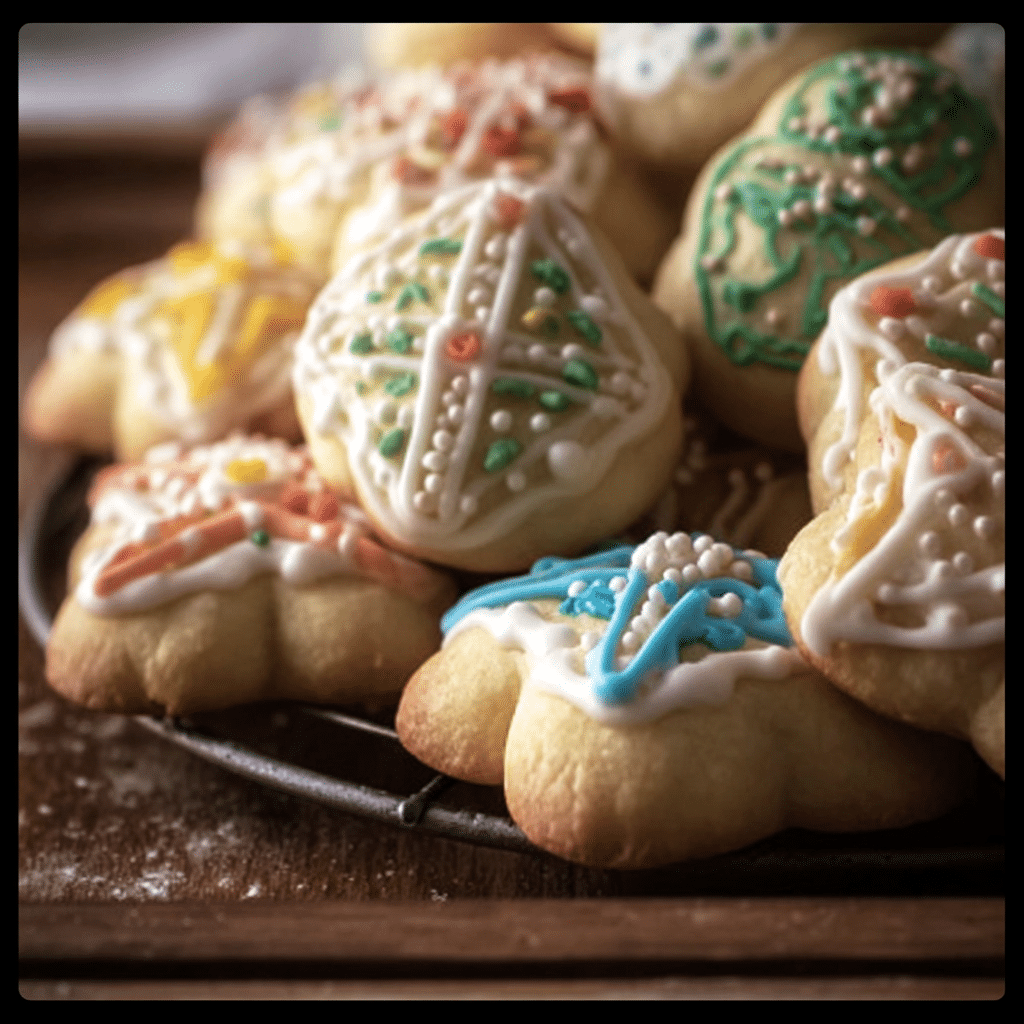
- Once the cookies are cool, dip the tops in the icing and sprinkle with colorful sprinkles to make them truly festive. Allow the icing to set before serving or storing.
As you can see, making italian easter cookies is a delightful process filled with aromatic scents and the joy of creating something special. The key is to enjoy each step, share the experience with loved ones, and savor the delicious results. Baking is not just about following a recipe; it’s about making memories and celebrating the spirit of the season.
Professional Tips and Techniques for italian easter cookies
When it comes to baking italian easter cookies, there is a certain joy that fills the kitchen as the aroma of sweet dough mingles with the anticipation of a family gathering. These cookies are not just a treat; they are a tradition steeped in history and culture. To help you perfect your batch of italian easter cookies, I’m excited to share some professional tips and techniques that will elevate your baking game to new heights.
Professional Techniques
Let’s dive into some professional techniques that will ensure your italian easter cookies turn out perfectly every time. One of the first things you’ll want to master is the dough itself. Traditional recipes often call for a simple mixture of flour, sugar, eggs, and butter, but the key lies in the ratios. For a softer cookie, you might want to increase the fat content slightly by adding more butter or even incorporating a bit of cream cheese.
Chilling your dough is also a crucial step that many novice bakers overlook. By allowing the dough to rest in the refrigerator for at least an hour, you give the gluten time to relax, which results in a more tender cookie. Plus, it makes the dough easier to roll out and shape. When rolling the dough, try to use a light hand and avoid incorporating too much flour, which can lead to tough cookies.
Another professional secret is the use of flavored extracts and zests. While vanilla is a classic addition, don’t shy away from experimenting with almond extract or citrus zests. These ingredients can add a delightful complexity to your italian easter cookies that will have your friends and family asking for the recipe.
Troubleshooting Guide
Even the best bakers encounter challenges from time to time. Let’s address some common issues that might arise when making italian easter cookies. If your cookies are spreading too much, the culprit is often too much butter or not enough flour. A quick fix is to chill the dough longer before baking, or even try adding a tablespoon of flour at a time until the consistency feels right.
On the other hand, if your cookies are coming out too dry, check your oven temperature; an oven that runs hot can quickly dry out your cookies. You may also want to try adding a bit of milk or an extra egg yolk to the dough to add moisture.
Presentation Tips
Now that you’ve mastered the techniques, it’s time to think about how to present your italian easter cookies. Presentation can elevate even the simplest cookie into a festive treat. Consider using colorful icing or sprinkles, which are traditional during Easter celebrations. You might also want to experiment with piping techniques to create beautiful designs on the cookies.
When it comes to plating, think about using decorative platters or baskets lined with colorful parchment paper. A sprinkle of powdered sugar on top right before serving can add an elegant touch. Pairing your cookies with a glass of sweet dessert wine or even a robust espresso can enhance the overall experience. Imagine serving your friends a plate of these lovely cookies alongside a rich glass of Vin Santo. It’s a match made in heaven!
Make-Ahead and Meal Prep Strategies
One of the beauties of italian easter cookies is that they can be made ahead of time. You can prepare the dough up to a week in advance and keep it wrapped tightly in the refrigerator. If you want to go a step further, you can also freeze the dough. Just remember to thaw it in the fridge overnight before rolling and baking.
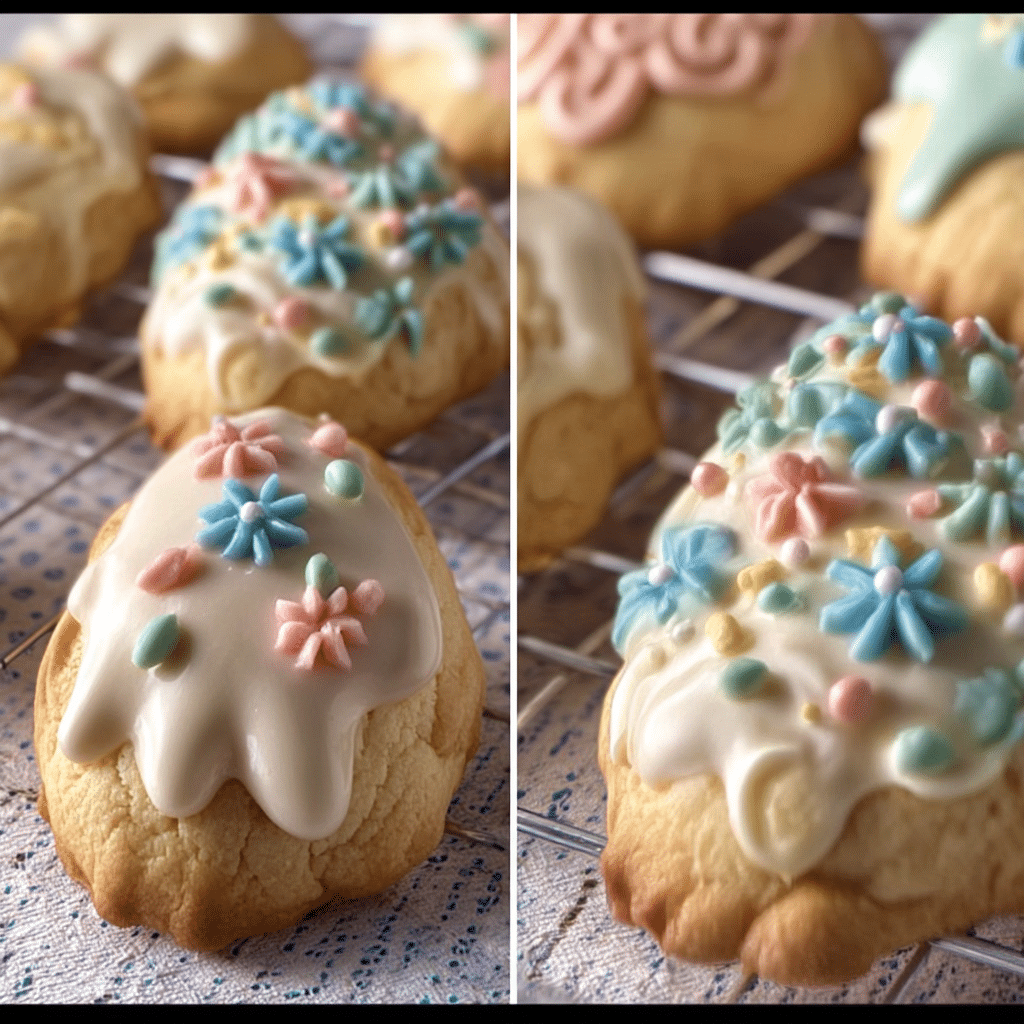
If you plan to serve these cookies at a gathering, consider baking them a day or two in advance. They actually taste better after they’ve had a day to rest, as the flavors meld beautifully. Just be sure to store them in an airtight container to keep them fresh.
Scaling the Recipe Up or Down
Cooking for a crowd? No problem! Scaling the recipe up for larger gatherings is straightforward. Just double or triple the ingredients proportionally, and you’ll have enough italian easter cookies to go around. However, keep in mind that baking times may vary slightly, so it’s wise to check for doneness a little earlier than the recipe suggests.
Conversely, if you’re looking to make a smaller batch, you can easily halve the recipe. Just be cautious with the egg; if a recipe calls for one egg, you can use a small egg or beat an egg and use half of it for your dough.
With these professional tips and techniques, your italian easter cookies will not only taste amazing but also look beautiful on any Easter table. Remember, baking is as much about the process as it is about the final product; enjoy every moment spent in the kitchen!
Creative Variations and Adaptations of italian easter cookies
As we dive deeper into the world of italian easter cookies, it’s time to explore the creative variations and adaptations that can take your traditional cookie recipe to new heights. These cookies are incredibly versatile, allowing for endless experimentation and personalization. Whether you’re looking to incorporate seasonal ingredients or cater to dietary needs, let’s explore how you can transform this beloved treat.
Seasonal Variations
One of the joys of cooking is using what’s in season, and italian easter cookies are no exception. During the spring, you can incorporate fresh flavors like lemon or orange zest, which not only brighten the cookies but also add a refreshing twist. Instead of traditional vanilla, consider using a splash of fresh citrus juice in your dough for an extra zing.
Another seasonal variation might involve adding nuts such as pistachios or walnuts for a delightful crunch that complements the softness of the cookie. Dried fruits like cherries or figs can also be a lovely addition, bringing a chewy texture and a burst of flavor with each bite. These ingredients not only enhance the taste but also reflect the bounty of the season.
Dietary Adaptations
In today’s diverse culinary landscape, it’s essential to cater to different dietary needs. Fortunately, adapting your italian easter cookies for various diets is both doable and delicious! If you’re looking for a gluten-free version, you can easily substitute all-purpose flour with a gluten-free blend or almond flour. Just be cautious about the flour’s absorption properties, as gluten-free flours can behave differently than wheat flour.
For those following a vegan diet, replacing eggs and dairy is simple. You can use flaxseed meal mixed with water as an egg substitute or try applesauce for moisture. Coconut oil or vegan butter can replace the traditional butter, ensuring your cookies remain rich and flavorful.
Even if you’re looking for a lower-carb option, there are ways to make italian easter cookies suitable for a keto lifestyle. Almond flour can again be your best friend here, and you can sweeten your batch with erythritol or monk fruit sweetener instead of sugar. These substitutes allow you to enjoy the festive spirit without compromising your dietary goals.
Creative Twists
Why stop at traditional when you can have fun with creative twists? Consider an international fusion approach by combining italian easter cookies with flavors from other cultures. For instance, infuse your dough with chai spices like cinnamon, cardamom, and cloves for an exotic twist that’s perfect for spring. Or, why not try adding a matcha powder for a beautiful green hue and earthy flavor that screams springtime?
If you’re feeling adventurous, try different cooking methods. While baking is the traditional route, you could explore frying your cookies for a different texture. This method can yield a delightful, crispy exterior while keeping the interior soft and chewy. Just make sure to adjust your cooking times accordingly!
Leftover Transformation Ideas
Let’s be honest, sometimes we end up with more cookies than we can consume in one sitting. But don’t fret! There are plenty of ways to transform leftover italian easter cookies. Crumble them up and use them as a topping for ice cream or yogurt. This not only adds a delightful crunch but also infuses your dessert with the festive flavors of the cookies.
You could also create a delicious trifle by layering crumbled cookies with whipped cream and fresh berries. This not only transforms your leftovers into a stunning dessert but also adds an element of elegance that’s perfect for any spring gathering.
With these creative variations and adaptations in mind, your italian easter cookies will become a canvas for your culinary creativity. Whether you stick to tradition or venture into new territories, the joy of baking and sharing these cookies remains timeless. Embrace the spirit of Easter by experimenting with flavors, presentations, and dietary adaptations, ensuring that everyone can enjoy a taste of this festive treat!
Storage, Reheating, and Meal Prep for italian easter cookies
When it comes to enjoying italian easter cookies, understanding how to properly store and reheat them is essential for maintaining their delightful flavor and texture. These cookies, often made with rich ingredients like butter, eggs, and almond extract, can be a wonderful treat during Easter celebrations. However, knowing how to store them correctly ensures that they remain fresh and delicious long after the holiday has passed. Let’s dive into the intricacies of storage, reheating, and meal prep for these delectable cookies.
Short-term Storage
For short-term storage of italian easter cookies, the refrigerator is your best friend. Once these cookies have cooled completely after baking, it’s important to store them in an airtight container to prevent them from drying out. I recommend using a plastic or glass container with a tight-sealing lid. If you’re using a plastic container, be sure it’s food-grade to avoid any unwanted chemical leaching.
To maximize freshness, consider placing a piece of parchment paper between layers of cookies. This helps to absorb any moisture and keeps them from sticking together. When stored properly in the refrigerator, italian easter cookies can last for about one week. However, I find they’re best enjoyed within the first few days for optimal taste and texture.
Freezing and Long-term Storage
If you want to enjoy italian easter cookies beyond the immediate week, freezing is a fantastic option. Freezing not only extends their shelf life but also allows you to have these delightful treats on hand whenever the craving strikes! Start by letting the cookies cool completely, just as you would for short-term storage.
Once fully cooled, place the cookies in a single layer on a baking sheet lined with parchment paper. Freeze them for about an hour until they are firm. This step is crucial as it prevents the cookies from sticking together. After they are frozen solid, transfer them to a freezer-safe bag or container. Be sure to remove as much air as possible to prevent freezer burn. When stored properly, frozen italian easter cookies can last for up to three months.
When you’re ready to enjoy them, simply take out the desired amount and let them thaw at room temperature. Patience is key here; allow them to thaw for a few hours for the best texture. If you’re in a hurry, you can warm them slightly in the microwave but be cautious not to overheat them, as this can make them tough.
Reheating Best Practices
Reheating italian easter cookies can be tricky, as you want to maintain their original quality. If you’ve frozen them, the best method is to let them thaw, as mentioned earlier. However, if you’re reheating cookies that were stored in the refrigerator, you have a couple of options. The oven is my preferred method as it evenly distributes heat, preserving the cookie’s texture. Preheat your oven to 350°F (175°C), place the cookies on a baking sheet, and heat for about 5-10 minutes until they’re warmed through.
Alternatively, if you’re short on time, you can use the microwave. Place a cookie on a microwave-safe plate and heat for about 10-15 seconds. This method is quick but can lead to a softer texture, so I recommend using it sparingly.
Consider meal prepping your italian easter cookies by making a batch ahead of time. This allows you to enjoy homemade cookies without the pressure of last-minute baking. When meal prepping, be sure to follow the freezing guidelines outlined above, and label your containers with dates to keep track of freshness.
Food safety is paramount when storing baked goods. Always ensure your cookies are cooled completely before storing to prevent condensation that can lead to mold. Additionally, keep an eye on their shelf life. If your cookies start showing signs of spoilage—such as an off smell or visible mold—it’s best to err on the side of caution and discard them.
In terms of portioning and packaging, if you plan to share your italian easter cookies or give them as gifts, consider using colorful cellophane bags tied with a ribbon. Not only does this make for a beautiful presentation, but it also allows the recipient to enjoy them at their leisure. Just be sure to include a note on the best storage practices for maintaining freshness.
In summary, storing and reheating italian easter cookies doesn’t have to be a daunting task. With the right methods, you can enjoy these delightful treats well beyond the Easter holiday, keeping their flavors intact and their textures as inviting as the day they were baked.
Nutritional Benefits and Health Information
When we think of italian easter cookies, it’s easy to focus solely on their delightful flavors and the joy they bring to our holiday celebrations. However, understanding their nutritional profile can enhance your appreciation and help you make informed decisions about incorporating these treats into your diet. Let’s explore the nutritional benefits and health information surrounding these beloved cookies.
Nutritional Profile
The typical ingredients found in italian easter cookies include flour, sugar, butter, eggs, and various flavorings such as almond extract or anise. A standard cookie (about 25g) can contain approximately 100-150 calories, depending on the specific recipe and portion size. Generally, these cookies are composed primarily of carbohydrates, with a smaller amount of fat and protein.
Here’s a rough breakdown of the macronutrient distribution for a single cookie:
- Calories: 100-150
- Carbohydrates: 15-20g
- Fat: 4-7g
- Protein: 1-2g
While these numbers can vary, they provide a general idea of what to expect when indulging in these festive treats. The exact nutritional content will depend on the specific ingredients used and any modifications made to the recipe.
Health Benefits
Despite being a sweet treat, italian easter cookies can offer some health benefits due to their ingredients. For instance, almond extract, commonly used in many recipes, contains antioxidants that can help combat oxidative stress in the body. Additionally, almonds are known to provide healthy fats, vitamin E, and magnesium.
Furthermore, eggs, another common ingredient, are a great source of high-quality protein and essential nutrients, including B vitamins, selenium, and choline. These nutrients can contribute to overall health, including supporting brain function and enhancing metabolic processes.
Dietary Considerations
When it comes to dietary considerations, it’s essential to be aware of potential allergens present in italian easter cookies. Common allergens include gluten (from wheat flour), dairy (from butter), and eggs. For individuals with gluten sensitivities or celiac disease, there are gluten-free flour alternatives available, such as almond flour or coconut flour, which can be used in place of traditional wheat flour.
Moreover, for those who are vegan or have egg allergies, you can replace eggs with flaxseed meal or applesauce in many cookie recipes. These substitutions not only cater to dietary restrictions but can also create unique flavors and textures.
When considering caloric intake, moderation is key. While indulging in italian easter cookies during the holiday season is part of the joy, being mindful of portion sizes can help maintain a balanced diet. Enjoying one or two cookies with a cup of tea or coffee can satisfy your sweet tooth without overindulging.
For those seeking healthier modifications, consider reducing the sugar content by using natural sweeteners like honey or maple syrup, or incorporating whole grain flours to enhance the fiber content. Some bakers even experiment with adding dried fruits or nuts for added nutrition and flavor.
In comparison to other festive treats, italian easter cookies can be a lighter option, especially when made with more wholesome ingredients. For example, traditional cakes and pastries often have higher fat and sugar content, making cookies an appealing alternative for those looking for a sweet yet relatively lighter indulgence.
In conclusion, while italian easter cookies are a delicious way to celebrate the Easter holiday, they also carry some nutritional benefits that can be enjoyed in moderation. Understanding their nutritional profile, health benefits, and dietary considerations allows you to appreciate these cookies even more, making them a delightful addition to any festive table.
Conclusion: Mastering the Perfect italian easter cookies
Creating the perfect italian easter cookies is more than just following a recipe—it’s about understanding the techniques, ingredients, and cultural significance behind this beloved dish. Throughout this comprehensive guide, we’ve explored everything from the historical origins to modern variations, ensuring you have all the knowledge needed to make this recipe your own.
Whether you’re a beginner cook or an experienced chef, the techniques and tips we’ve shared will help you create a italian easter cookies that’s not only delicious but also meaningful. Remember that cooking is a journey of discovery, and each time you make this dish, you’ll learn something new.
We encourage you to experiment with the variations we’ve discussed, adapt the recipe to your dietary needs, and most importantly, share it with the people you love. Food has the incredible power to bring people together, and Italian Easter Cookies is the perfect dish to create lasting memories around your dinner table.
Don’t forget to share your cooking adventures with us on social media, and feel free to ask questions in the comments below. Happy cooking!
Share this recipe and let us know how it turned out! Tag us on social media for a chance to be featured.