Vegetable spring rolls are not just a dish; they are a culinary journey that brings joy and satisfaction to anyone who enjoys them. My love affair with vegetable spring rolls began on a warm summer evening at a bustling street market in Vietnam. The air was thick with the tantalizing aromas of fried food, fresh herbs, and sweet sauces. I remember standing in line at a small stall, mesmerized by the skillful hands of the vendor as she deftly rolled rice paper around vibrant vegetables and herbs. My heart raced with excitement as I finally took a bite; the crunch of the fresh ingredients paired with the richness of the peanut sauce was a revelation. From that moment on, I was hooked, and I knew I had to recreate this experience at home.
As I delved into the world of making vegetable spring rolls, I discovered that they are more than just a tasty snack; they are steeped in culture and history. Traditionally, spring rolls are a staple in many Asian cuisines, particularly in Chinese and Vietnamese culinary practices. The origins of these delightful rolls can be traced back to ancient China, where they were originally enjoyed during the spring festival, symbolizing the abundance of spring and the hope for a prosperous harvest. Over the years, as these rolls made their way to different regions, they adapted to local ingredients and tastes, leading to the diverse variations we see today.
The Story Behind This Recipe
What makes my version of vegetable spring rolls special is the vibrant blend of fresh, seasonal vegetables and the creamy peanut sauce that adds a unique twist to a classic recipe. I often find myself experimenting with different fillings based on what I have on hand or what is currently in season. Whether it’s crisp carrots, vibrant bell peppers, or fragrant cilantro, each bite is a testament to the beauty of fresh ingredients and the simplicity of this dish. The best part is that these rolls are incredibly versatile, making them perfect for busy families looking for quick dinner solutions. With just a bit of prep, you can have a healthy meal ready in no time.
Seasonal relevance plays a big role in why I love making vegetable spring rolls. During the spring and summer months, the farmer’s market is bursting with colorful produce that begs to be used. I always make it a point to create these rolls during barbecues or gatherings because they are not only a crowd-pleaser but also a fun activity for everyone to get involved in. I love setting up a spring roll-making station where family and friends can create their own rolls, choosing their fillings and dipping sauces. It’s a wonderful way to bond over food and share stories while enjoying something delicious together.
Emotionally, vegetable spring rolls hold a special place in my heart. They remind me of family gatherings, where laughter and good food come together. I recall making these rolls with my grandmother, who taught me the importance of balance in flavors and the beauty of presenting food. Each roll we made was a labor of love, filled with stories and memories. Now, as I make these rolls with my children, I am passing down that tradition, creating new memories while honoring the old.
In this article, I promise to take you on a deep dive into the world of vegetable spring rolls—sharing tips, techniques, and tricks to make the perfect roll at home. From selecting the freshest ingredients to crafting the ultimate peanut sauce, you’ll learn everything you need to know to impress your family and friends. So, let’s roll up our sleeves and get started on this delicious journey together!
The Rich History and Cultural Significance of vegetable spring rolls
The rich history and cultural significance of vegetable spring rolls reveal a tapestry of culinary traditions that span centuries. These delightful snacks, known for their delicate wrappers and vibrant fillings, have become a beloved dish in many cultures, particularly in Asia. Understanding their origins adds depth to our appreciation of this flavorful treat, transforming a simple meal into a cultural experience.
Origins and History
Vegetable spring rolls can trace their roots back to ancient China, where they were originally known as “spring pancakes.” The earliest references to spring rolls date back to the 4th century during the Tang Dynasty, where they were filled with seasonal vegetables and often enjoyed during the spring festival. These early versions were made with a simple dough and fried until golden brown, embodying the essence of spring with their fresh ingredients.
As trade routes expanded and cultural exchanges flourished, spring rolls made their way to various parts of Asia, including Vietnam, where they evolved into the fresh, un-fried versions we know today. In Vietnam, spring rolls, or “gỏi cuốn,” are often served with a variety of fresh herbs and meats, along with a dipping sauce, typically made from peanut or hoisin sauce. This adaptation highlights the importance of freshness and balance in Vietnamese cooking, where the interplay of textures and flavors is celebrated.
Over the years, the recipe for vegetable spring rolls has continued to evolve. In modern times, they’ve found popularity beyond Asia, becoming a staple in vegetarian and vegan diets worldwide. With a growing emphasis on healthy eating, these rolls are often made with whole grains and packed with nutrient-dense vegetables, making them a go-to option for health-conscious diners.
Cultural Significance
In addition to their delicious taste, vegetable spring rolls carry cultural significance in many traditions. In Chinese culture, for example, spring rolls are often served during the Lunar New Year as a symbol of wealth and prosperity. The golden color of the crispy rolls is thought to resemble gold bars, and eating them is believed to bring good fortune for the year ahead. Similarly, in Vietnamese culture, gỏi cuốn is commonly enjoyed during celebrations and gatherings, emphasizing the importance of community and sharing food.
Additionally, notable chefs and restaurants across the globe have embraced vegetable spring rolls, each adding their unique flair to the dish. From upscale dining establishments to street food vendors, the versatility of spring rolls has allowed them to transcend cultural boundaries, making them a beloved snack for people of all backgrounds.
Nutritional Benefits
Beyond their cultural significance and delightful flavors, vegetable spring rolls are also packed with nutritional benefits. Made primarily with fresh vegetables, they are low in calories and high in vitamins, minerals, and fiber, making them an excellent choice for those looking to maintain a healthy lifestyle. Ingredients like carrots, cucumbers, and bell peppers are rich in antioxidants, which help combat oxidative stress and promote overall health.
Furthermore, when paired with peanut sauce, spring rolls offer a good source of protein and healthy fats, thanks to the peanuts. This combination not only enhances the flavor but also provides a satisfying and balanced meal. The beauty of vegetable spring rolls lies in their ability to be customized based on dietary preferences—whether you’re vegan, gluten-free, or simply looking to eat more plant-based foods, these rolls can be adapted to suit any lifestyle.
In conclusion, vegetable spring rolls are more than just a delightful dish; they are a representation of culinary history, cultural significance, and nutritional value. By savoring every bite, we honor the traditions that have shaped this beloved recipe while also enjoying the fresh flavors that make it a modern favorite. With their rich history and versatility, it’s no wonder vegetable spring rolls have found a permanent place on tables around the world.
Essential Ingredients for Perfect vegetable spring rolls
When it comes to creating the perfect vegetable spring rolls, the ingredients you choose can make all the difference. Not only do they contribute to the flavor and texture of the rolls, but they also provide a vibrant visual appeal that is sure to impress your family and friends. In this section, we’ll dive deep into the essential ingredients you’ll need, their roles in the recipe, shopping tips, and even ways to substitute if you have dietary restrictions.
Essential Ingredients
- 2 ounces rice vermicelli or maifun brown rice noodles*
- 1 teaspoon toasted sesame oil
- ¼ teaspoon fine sea salt
- 1 cup torn butter lettuce, ribs removed
- 1 cup very thinly sliced red cabbage
- 2 medium carrots, peeled and cut into matchsticks or sliced into strips with a julienne peeler
- 2 Persian (mini) cucumbers or 1 small cucumber, thinly sliced or sliced into strips with a julienne peeler
- 2 medium jalapeños, ribs and seeds removed, thinly sliced
- ¼ cup thinly sliced green onions
- ¼ cup roughly chopped fresh cilantro
- ¼ cup roughly chopped fresh mint
- 8 sheets rice paper (spring roll wrappers)
- ⅓ cup creamy peanut butter
- 2 tablespoons rice vinegar
- 2 tablespoons reduced-sodium tamari or soy sauce
- 2 tablespoons honey or maple syrup
- 1 tablespoon toasted sesame oil
- 2 cloves garlic, pressed or minced
- 2 to 3 tablespoons water, as needed
Now, let’s explore each ingredient in detail:
- Rice vermicelli or maifun brown rice noodles: These noodles provide a delicate base for your vegetable spring rolls. They are light yet filling, making them a staple in many Asian dishes. When shopping, look for brands that use minimal ingredients and opt for organic when possible.
- Toasted sesame oil: This ingredient adds a nutty flavor that enhances the overall taste of the rolls. It’s crucial to use toasted sesame oil instead of regular sesame oil, as the toasted variety has a more robust flavor.
- Fine sea salt: Salt is essential for bringing out the flavors of the vegetables and other ingredients. Look for a fine sea salt that dissolves easily and enhances the taste without being overpowering.
- Butter lettuce: With its soft and tender leaves, butter lettuce adds a refreshing crunch and a mild flavor to the vegetable spring rolls. Choose vibrant green leaves without any browning or wilting.
- Red cabbage: This ingredient not only adds color but also a slight crunch and a healthy dose of antioxidants. When selecting, look for firm, dense heads with vibrant color.
- Carrots: Carrots provide sweetness and crunch. Use fresh, firm carrots, and don’t be shy about getting creative with your slicing technique!
- Cucumbers: Persian cucumbers are ideal because of their thin skin and minimal seeds, but any cucumber will do. They add a refreshing crunch that balances the other flavors.
- Jalapeños: For those who enjoy a touch of heat, jalapeños can provide just that! Removing the ribs and seeds will help control the spice level.
- Green onions: These bring a mild onion flavor that complements the other ingredients beautifully.
- Cilantro and mint: Fresh herbs elevate the flavor profile and add brightness. Always opt for fresh herbs for the best taste.
- Rice paper: The heart of the vegetable spring rolls, rice paper should be pliable and translucent. It’s best to buy from an Asian grocery store for high-quality wrappers.
- Creamy peanut butter: This is the base of your peanut sauce, providing richness and creaminess. Look for natural peanut butter without added sugars or oils.
- Rice vinegar: This adds a tangy flavor that cuts through the richness of the peanut sauce.
- Reduced-sodium tamari or soy sauce: This provides umami depth to your sauce. Opt for reduced-sodium varieties to keep it healthier.
- Honey or maple syrup: A touch of sweetness balances the flavors. Maple syrup serves as a great vegan alternative.
- Garlic: Fresh garlic gives a pungent kick that enhances the flavor of your peanut sauce.
- Water: Used to adjust the consistency of your peanut sauce, it’s essential for achieving the perfect texture.
Vegetable Spring Rolls With Peanut Sauce
Ingredients
Spring Rolls
- 2 ounces rice vermicelli or maifun brown rice noodles
- 1 teaspoon toasted sesame oil
- ¼ teaspoon fine sea salt
- 1 cup torn butter lettuce, ribs removed
- 1 cup very thinly sliced red cabbage
- 2 medium carrots, peeled and cut into matchsticks or sliced into strips with a julienne peeler
- 2 Persian (mini) cucumbers or 1 small cucumber, thinly sliced or sliced into strips with a julienne peeler
- 2 medium jalapeños, ribs and seeds removed, thinly sliced
- ¼ cup thinly sliced green onions
- ¼ cup roughly chopped fresh cilantro
- ¼ cup roughly chopped fresh mint
- 8 sheets rice paper (spring roll wrappers)
Peanut Sauce
- ⅓ cup creamy peanut butter
- 2 tablespoons rice vinegar
- 2 tablespoons reduced-sodium tamari or soy sauce
- 2 tablespoons honey or maple syrup
- 1 tablespoons toasted sesame oil
- 2 cloves garlic, pressed or minced
- 2 to 3 tablespoons water, as needed
Instructions
- To make the spring rolls: Bring a pot of water to boil and cook the noodles just until al dente, according to package directions. Drain, rinse them under cool water, and return them to the pot. Off the heat, toss the noodles with the sesame oil and salt, and set aside.
- Fill a shallow pan (a pie pan or 9″ round cake pan works great) with an inch of water. Fold a lint-free tea towel in half and place it next to the dish. Make sure your prepared fillings are within reach. Combine the green onion, cilantro and mint in a small bowl, and stir.
- Place one rice paper in the water and let it rest for about 20 seconds, give or take. You’ll learn to go by feel here—wait until the sheet is pliable but not super floppy. Carefully lay it flat on the towel.
- Leaving about 1 inch of open rice paper around the edges, cover the lower third of the paper with a few pieces of butter lettuce, followed by a small handful of rice noodles, some cabbage, and a few strips of carrot, cucumber and jalapeño. Sprinkle generously with the herb mix.
- Fold the lower edge up over the fillings, rolling upward just until the filling is compactly enclosed. Fold over the short sides like you would to make a burrito. Lastly, roll it up. Repeat with the remaining ingredients.
- To make the peanut sauce: In a small bowl, whisk together the peanut butter, rice vinegar, tamari, honey, sesame oil, and garlic. Whisk in 2 to 3 tablespoons water, as needed to make a super creamy but dip-able sauce.
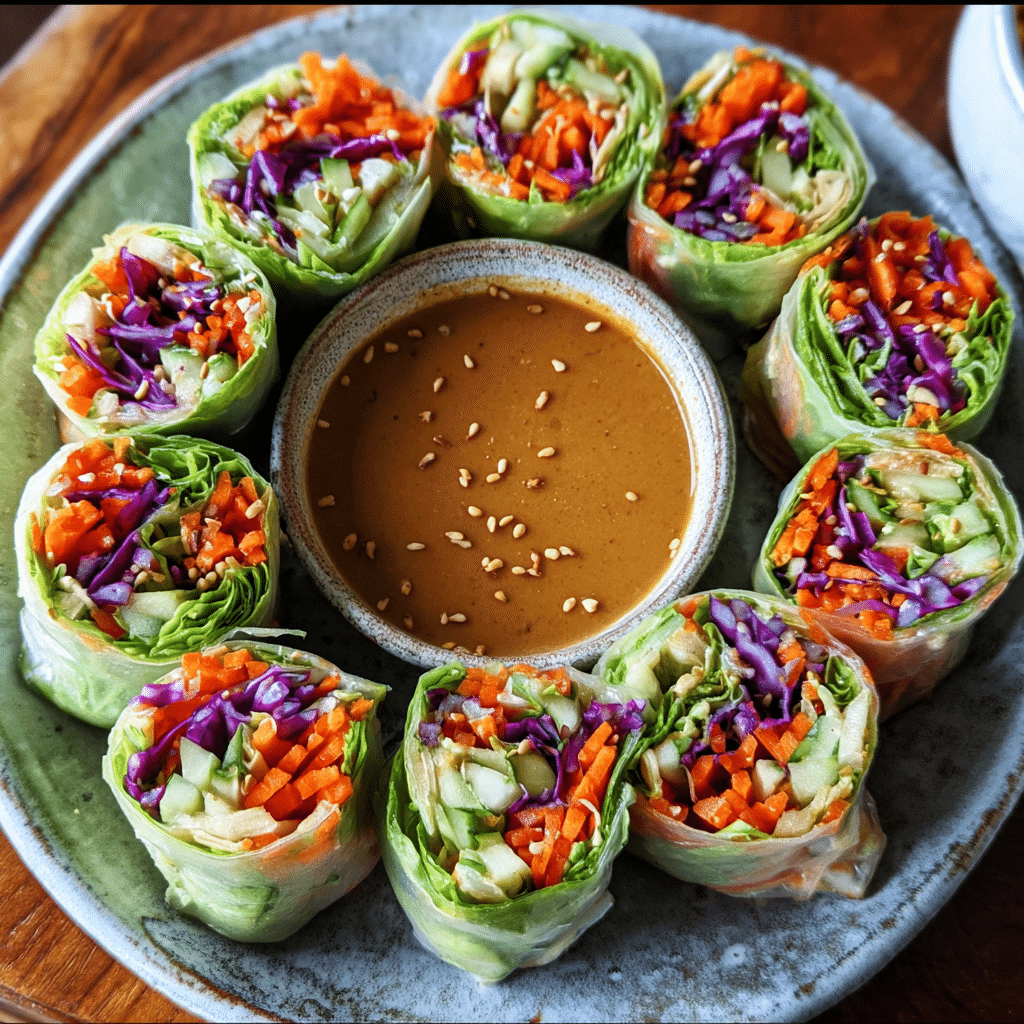
- Serve the spring rolls with peanut sauce on the side. You can serve them whole, or sliced in half on the diagonal with a sharp chef’s knife.
Shopping Tips
When shopping for your ingredients, visit local farmers’ markets for the freshest produce, especially for herbs and vegetables. Organic options are preferred for those who are health-conscious, as they often have fewer pesticides and chemicals. For specialty items like rice paper, check Asian grocery stores, and don’t hesitate to ask for assistance if you’re unsure where to find them.
Substitutions and Alternatives
If you have dietary restrictions, there are numerous substitutions you can make. For a gluten-free option, ensure your soy sauce is gluten-free or use coconut aminos. If you’re nut-free, consider tahini as a substitute for peanut butter. Additionally, you can switch up the vegetables based on what’s in season or what you have on hand; bell peppers, zucchini, or even cooked tofu can make excellent alternatives. Remember, the beauty of vegetable spring rolls is in their versatility!
By understanding the role of each ingredient in your vegetable spring rolls, you can create a dish that is not only delicious but also visually appealing and nutritious. Enjoy the process of selecting your ingredients, and don’t hesitate to get creative!
Detailed Step-by-Step vegetable spring rolls Cooking Instructions
Making vegetable spring rolls might seem daunting at first, but with the right instructions, you’ll find that it can be an enjoyable and rewarding experience. The key is to take it step by step, ensuring all your ingredients are prepped and ready to go before you start the assembly. Let’s dive into the detailed cooking process!
Preparation Steps
- Gather your ingredients: Start by assembling all the ingredients listed in the previous section. Ensure you have everything washed, chopped, and ready to go. This is known as mise en place, a French culinary term meaning “everything in its place.” It makes the cooking process smoother and more enjoyable.
- Cook the noodles: Bring a pot of water to a boil and add the rice vermicelli or maifun brown rice noodles. Cook them according to the package instructions, usually around 3-5 minutes, until they are tender but not mushy. Drain the noodles and rinse them under cold water to stop the cooking process. Toss them with a teaspoon of toasted sesame oil to prevent sticking.
- Prepare the vegetables: While your noodles are cooking, prepare your vegetables. Julienne the carrots and cucumbers using a julienne peeler or a knife for matchstick-like strips. Slice the red cabbage as thinly as possible. This will help create a beautiful crunch and texture in your vegetable spring rolls.
- Chop the herbs: Roughly chop the fresh cilantro and mint, ensuring you remove any thick stems. These herbs will add a burst of freshness to each bite of your spring rolls, so don’t skimp on them!
- Slice the jalapeños and green onions: For the jalapeños, remember to remove the seeds and ribs for a milder flavor. Thinly slice them so they distribute evenly throughout the rolls. For the green onions, slice them into thin rounds.
- Set up your rolling station: Find a clean, flat surface to work on. Set out a large bowl of warm water to soften the rice paper wrappers, a cutting board, and all your prepped ingredients. This way, you’ll have everything within reach as you start assembling your rolls.
Cooking Process
- Soften the rice paper: Dip one rice paper wrapper into the warm water for about 10-20 seconds, until it becomes pliable. Be careful not to oversoak; you want it soft but not falling apart. Place the wrapper on your cutting board.
- Add your fillings: Start with a small handful of the butter lettuce leaves, followed by a portion of the noodles, a few matchsticks of carrots, cucumber strips, a couple of slices of jalapeño, green onions, and a sprinkle of chopped cilantro and mint. Be mindful not to overfill, as you’ll need room to roll.
- Roll it up: Fold the sides of the rice paper over the filling, then roll from the bottom up, keeping it tight as you go. Think of it like tucking in your shirt – you want everything to be snug without forcing it. Repeat this process with the remaining ingredients.
- Make the peanut sauce: In a small bowl, combine the creamy peanut butter, rice vinegar, tamari or soy sauce, honey or maple syrup, garlic, and 2 tablespoons of water. Whisk everything together until smooth, adjusting the consistency with additional water if necessary. Taste and adjust flavors according to your preference.
Final Assembly
- Serve the rolls: Arrange your finished vegetable spring rolls on a platter. You can serve them whole or cut them in half to showcase the beautiful colors inside. Don’t forget to drizzle or serve the peanut sauce on the side for dipping!
- Storage tips: If you have leftover rolls, store them in an airtight container in the refrigerator for up to two days. Keep the peanut sauce separate to avoid sogginess. You may need to rehydrate the rolls slightly with a damp cloth before serving again.
- Enjoy your creation! Take a moment to appreciate your hard work and creativity. Serving vegetable spring rolls is not just about the food; it’s about sharing a delightful experience with loved ones. Pair them with a refreshing beverage and enjoy!
Making vegetable spring rolls is a culinary experience that combines fresh ingredients, creativity, and a bit of patience. With this step-by-step guide, you’ll be well on your way to mastering this delicious dish. Enjoy the process and the flavors that come together in each bite!
Professional Tips and Techniques for vegetable spring rolls
Vegetable spring rolls are a delightful and versatile dish that can be enjoyed in many ways. Whether served as an appetizer or a light meal, mastering the art of creating the perfect vegetable spring rolls can elevate your culinary skills. In this section, we will delve into professional tips and techniques that will transform your spring roll-making experience from mundane to extraordinary.
Professional Techniques
Getting the right texture and flavor in your vegetable spring rolls begins with the proper techniques. First and foremost, the choice of wrapping is crucial. Rice paper wrappers are a popular choice, but they require a delicate touch. To soften them properly, dip each wrapper briefly in warm water; this makes them pliable without becoming too soggy. I remember the first time I attempted to make spring rolls, I submerged the wrappers for too long, leading to a sticky mess that was impossible to work with. Learning to master this technique took practice, but the result was worth it!
When it comes to filling your vegetable spring rolls, think about balance and texture. A combination of crunchy vegetables like carrots, cucumbers, and bell peppers alongside softer ingredients like avocado or cooked mushrooms creates a delightful mouthfeel. Additionally, consider marinating your vegetables beforehand in a light soy sauce or sesame oil for an extra layer of flavor. This step is an insider secret that chefs often use to enhance the overall taste of the rolls.
Another professional tip is to ensure that your vegetable spring rolls are filled properly. Aim for a filling-to-wrapper ratio that allows for easy rolling without overstuffing. A common mistake is to pack too many ingredients, which can lead to tearing or difficulty in rolling. A good rule of thumb is to use about a quarter cup of filling for each wrapper.
Troubleshooting Guide
Even seasoned cooks can encounter issues when making vegetable spring rolls. One common problem is tearing the rice paper wrappers. If this happens, don’t despair! Simply patch the tear with another small piece of wrapper, or use some of the filling to help hold it together. If your rolls are coming apart during frying, make sure the oil is hot enough before adding them; this helps to seal the wrappers quickly.
Another challenge is ensuring the filling remains fresh and crisp. If you’re making your vegetable spring rolls ahead of time, keep the filling cool and avoid adding any wet ingredients until you are ready to serve. This will prevent sogginess and keep your rolls looking vibrant. When storing them, layer parchment paper between rolls to prevent sticking.
Presentation Tips
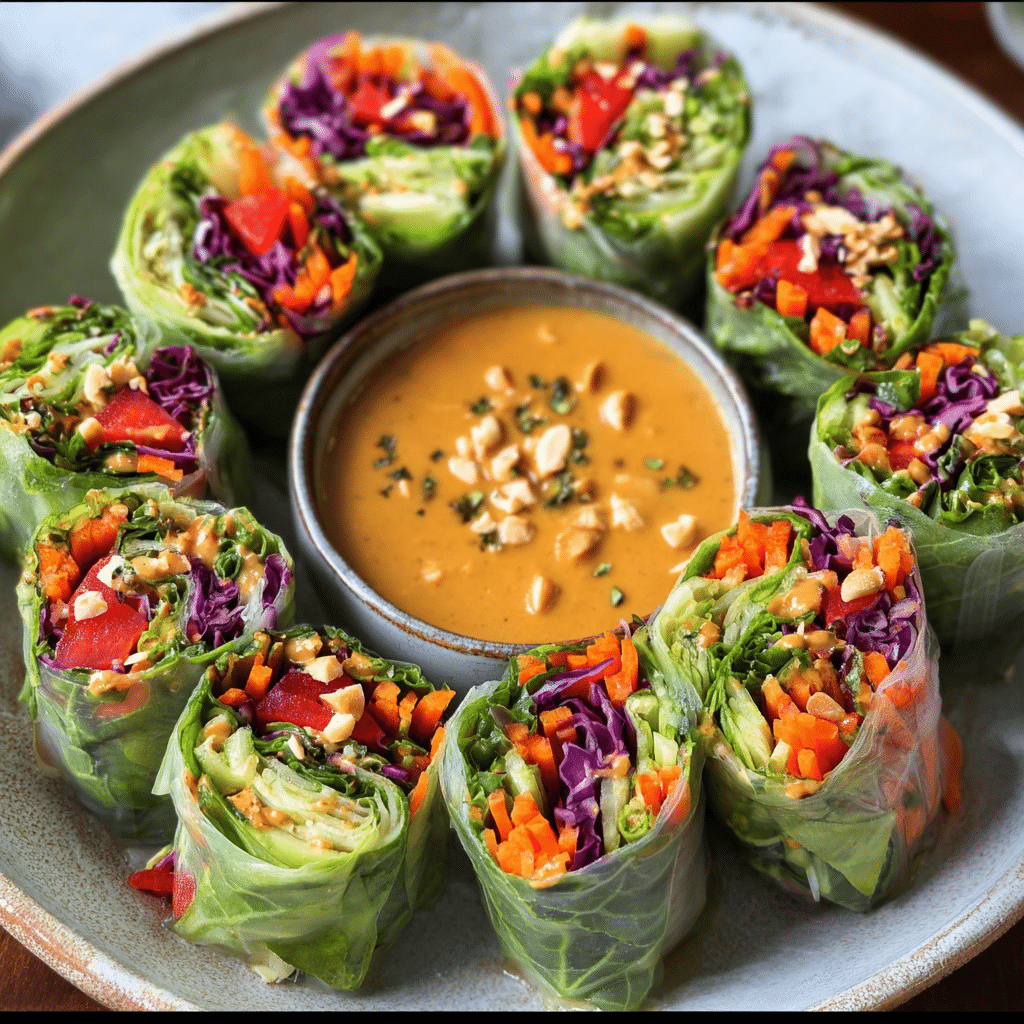
Presentation is key when it comes to serving vegetable spring rolls. The vibrant colors of the vegetables can create a stunning visual appeal. Arrange your rolls on a large platter, garnished with fresh herbs like cilantro or mint for an added pop of color. Additionally, consider serving them with a small bowl of homemade peanut sauce or a sweet chili sauce for dipping. The contrast of colors not only makes it more appealing but enhances the overall dining experience.
For a fun twist, you can also slice the vegetable spring rolls in half to showcase the colorful filling. This is particularly effective when serving as an appetizer at a party or gathering. Pair the rolls with a beverage that complements the flavors; a chilled Riesling or a sparkling water infused with lime can be refreshing choices.
Make-Ahead and Meal Prep Strategies
If you’re planning a gathering or meal prep for the week, vegetable spring rolls are a fantastic option. They can be made ahead of time and stored in the refrigerator for a couple of days. Just make sure to cover them with a damp paper towel and then wrap them in plastic wrap to keep them moist. This simple step can save you time and stress, especially if you have a busy schedule.
When scaling the recipe up or down, consider the number of guests you’re serving. A good estimate is to plan for two to three rolls per person, depending on whether they’re served as an appetizer or main dish. This way, you’ll ensure that everyone leaves satisfied.
In conclusion, mastering vegetable spring rolls requires practice, patience, and a few professional touches. By focusing on the techniques for wrapping, filling, and troubleshooting, along with presentation and preparation strategies, you’ll be well on your way to creating beautiful and delicious spring rolls that impress your family and friends.
Creative Variations and Adaptations of vegetable spring rolls
Vegetable spring rolls are not only delicious but also incredibly adaptable. With a bit of creativity, you can transform this classic dish into countless variations that cater to different tastes, dietary preferences, and seasonal ingredients. In this section, we’ll explore exciting adaptations and variations that you can try at home.
Seasonal Variations
One of the joys of making vegetable spring rolls is the ability to use seasonal ingredients. In the spring, consider filling your rolls with fresh sprouts, asparagus, and radishes, which add a delightful crunch and vibrant color. Summer is perfect for incorporating juicy tomatoes, sweet corn, and fresh herbs like basil and mint. As the fall months roll in, swap in roasted butternut squash, kale, and apples for a unique twist that celebrates autumn’s bounty. Winter can bring hearty root vegetables like carrots, parsnips, and even shredded Brussels sprouts mixed with tangy citrus for a refreshing bite.
During my culinary adventures, I experimented with a fall-themed vegetable spring roll that included roasted sweet potatoes and a hint of cinnamon in the filling. The result was a surprisingly delightful combination that left my guests amazed at how versatile this dish could be. The key is to think outside the box and let the seasons guide your ingredients.
Dietary Adaptations
Vegetable spring rolls are naturally a great option for various dietary needs. For those following a vegan diet, simply ensure that your dipping sauce is free of animal products. You can even create a spicy peanut sauce by blending peanut butter, soy sauce, lime juice, and a bit of sriracha for a kick!
If you’re looking to make them keto-friendly, consider using lettuce leaves instead of rice paper wrappers, or opt for thinly sliced cucumber to wrap your fillings. This not only reduces carbs but adds a refreshing crunch. Gluten-free eaters can enjoy rice paper wrappers, which are typically gluten-free, but always double-check the packaging to be sure.
Creative Twists
For those who love to experiment, why not try some international fusion variations? For example, you could create a Mediterranean-inspired spring roll filled with roasted red peppers, feta cheese, olives, and a drizzle of tzatziki sauce. Alternatively, a Mexican twist could include black beans, avocado, corn, and a spicy chipotle sauce for dipping.
Additionally, consider different cooking methods for your vegetable spring rolls. While frying is the traditional method, you can bake them for a healthier option. Brush the rolls with a bit of oil and place them in the oven at 400°F (200°C) for about 15-20 minutes, turning halfway through for even crispiness. An air fryer is also a fantastic option for achieving that crunchy exterior without the need for deep frying.
Leftover vegetable spring rolls can also be transformed into new meals. If you have some rolls that didn’t get eaten, try chopping them up and tossing them into a salad or stir-fry. They can add a delightful texture and flavor that elevates your dishes.
In summary, the world of vegetable spring rolls is vast and varied. With seasonal swaps, dietary modifications, and creative twists, you can keep this dish fresh and exciting every time you make it. So gather your ingredients, unleash your creativity, and enjoy the journey of making delicious vegetable spring rolls that cater to your taste buds and those of your loved ones.
Storage, Reheating, and Meal Prep for vegetable spring rolls
Vegetable spring rolls are not just a delightful, crunchy treat; they are also incredibly versatile in terms of storage, reheating, and meal prep. After spending countless weekends experimenting with various vegetable combinations and dipping sauces, I’ve learned a thing or two about storing these delicious rolls to keep them fresh and flavorful.
Short-term Storage
When you make a batch of vegetable spring rolls, it’s essential to store them properly to maintain their texture and taste. If you’re planning to eat them within a couple of days, the refrigerator is your best friend. To store your freshly made vegetable spring rolls, start by placing them in an airtight container. This will prevent them from drying out and absorbing any odors from the fridge.
Before placing them in the container, I recommend lining the bottom with a clean, dry paper towel. This will help absorb any moisture that may accumulate, keeping the rolls crisp. Layer your vegetable spring rolls in the container with parchment paper between each layer to prevent them from sticking together. If you have a large batch, it’s a good idea to portion them out into smaller containers, making it easier to grab a quick snack or a light meal without having to dig through a large stack.
In general, properly stored vegetable spring rolls can last in the refrigerator for about 3 to 5 days. Of course, always use your senses—if they smell off or look questionable, it’s better to err on the side of caution and toss them.
Freezing and Long-term Storage
If you want to keep your vegetable spring rolls for an extended period, freezing is a fantastic option. I often make a large batch of these rolls on a Sunday, enjoy them fresh for a few days, and then freeze the leftovers for future meals. To freeze your vegetable spring rolls, start by laying them out on a baking sheet in a single layer, ensuring they do not touch each other. This prevents them from sticking together and makes it easier to grab just what you need later on.
Once the rolls are frozen solid (usually a few hours), transfer them to a freezer-safe bag or container, removing as much air as possible to prevent freezer burn. It’s always a good idea to label the bags with the date and contents, so you know what you have on hand. Properly stored, vegetable spring rolls can last in the freezer for up to 3 months without losing their taste or quality.
When you’re ready to enjoy your frozen vegetable spring rolls, simply take them out of the freezer and allow them to thaw in the refrigerator for several hours or overnight. This gentle thawing method helps maintain the integrity of the rolls. Alternatively, you can cook them from frozen—just adjust your cooking time accordingly, keeping in mind that they may need a few extra minutes to heat through.
Reheating Best Practices
Reheating vegetable spring rolls can be a delicate process. You want to ensure they are heated through while retaining their crispiness. One of my favorite methods is to use the oven. Preheat your oven to 375°F (190°C), place the spring rolls on a baking sheet lined with parchment paper, and bake for about 10-15 minutes. This method ensures the rolls get crispy again while warming up nicely.
Another option is to reheat them in an air fryer, which can be even quicker. Set the air fryer to 350°F (175°C) and heat the rolls for about 5-7 minutes, checking them halfway through. This method is fantastic for restoring that delightful crunch that makes vegetable spring rolls so appealing.
If you’re in a hurry, you can also use the microwave, but be warned: this method can leave the rolls a bit soggy. If you must use the microwave, place the rolls on a microwave-safe plate and cover them with a damp paper towel to prevent them from drying out. Heat them on medium power for no more than 30 seconds at a time, checking frequently.
Meal prepping vegetable spring rolls can be a game-changer for busy weeks. I often take a few hours on the weekend to prepare a variety of fillings, then roll them up and store them as mentioned above. This strategy not only saves time during the week but also allows you to enjoy a healthy, homemade snack or meal at a moment’s notice.
When prepping for a week, consider making a few different types of vegetable spring rolls to keep things exciting. You can fill them with a mix of vegetables, tofu, or even quinoa for added protein. Having a variety on hand makes meal times more enjoyable, and you can pair different rolls with various sauces to keep your palate entertained.
Lastly, always remember food safety considerations. Keep your vegetable spring rolls refrigerated at 40°F (4°C) or lower, and ensure they are consumed within the recommended time frames. When reheating, always ensure they reach an internal temperature of 165°F (74°C) to ensure any potential bacteria are eliminated.
In summary, storing, freezing, and reheating vegetable spring rolls can be straightforward with the right techniques. Whether you’re enjoying them fresh or saving them for later, proper storage ensures you get the most out of your delightful, crunchy creations.
Nutritional Benefits and Health Information
When we think about vegetable spring rolls, many of us envision a light and refreshing dish that’s not only delicious but also packed with nutrients. The truth is, these rolls are not just a tasty snack; they can also be a powerhouse of health benefits depending on the ingredients you choose. In my culinary journey, I’ve come to appreciate the nutritional profile of vegetable spring rolls, and I’m excited to share my insights with you.
Nutritional Profile
The nutritional content of vegetable spring rolls can vary widely based on the ingredients. Traditional rolls often feature a mix of vegetables such as carrots, cabbage, bell peppers, and cucumbers wrapped in rice paper. On average, a single vegetable spring roll contains about 70-100 calories, depending on the size and filling. Here’s a general breakdown:
- Calories: 70-100 per roll
- Carbohydrates: 12-15 grams
- Protein: 1-3 grams
- Fat: 1-3 grams
- Fiber: 1-2 grams
- Sodium: 20-200 mg (depending on dipping sauce)
These rolls offer a good balance of carbohydrates and fiber, making them a satisfying choice that can help keep hunger at bay. The rice paper used for wrapping is gluten-free, making it suitable for those with gluten sensitivities.
Health Benefits
The health benefits of vegetable spring rolls are vast, primarily due to their vegetable-rich fillings. For example, carrots provide beta-carotene, which the body converts to vitamin A, essential for eye health. Cabbage is a cruciferous vegetable that offers anti-inflammatory properties and is known to support digestive health.
Bell peppers, which are often included in these rolls, are rich in vitamin C, which boosts the immune system and acts as an antioxidant. Adding greens like spinach or lettuce increases the nutrient content even further by providing essential vitamins and minerals.
Moreover, the use of fresh herbs like mint or cilantro not only enhances flavor but also adds additional health benefits, including antioxidant properties and digestive support. And let’s not forget about the delicious peanut sauce that often accompanies these rolls. Peanuts are a good source of healthy fats, protein, and fiber, which can help keep your heart healthy.
Dietary Considerations
When it comes to dietary considerations, vegetable spring rolls can easily accommodate various diets. They are naturally vegan and vegetarian-friendly, making them an excellent option for plant-based eaters. For those following a gluten-free diet, using rice paper is a wise choice as it contains no wheat. However, be cautious with the dipping sauces, as some may contain soy sauce (which is not gluten-free unless labeled as such).
Those watching their calorie intake might appreciate that vegetable spring rolls can be made lighter by adding more veggies and less sauce. You can also use baked tofu or chickpeas for protein, enhancing the nutritional profile without significantly increasing the calorie count.
For those who are health-conscious, you can easily modify the recipe for an even healthier option. Consider using less peanut sauce or swapping it for a lighter dipping sauce made from lime juice, sesame oil, and a splash of soy sauce. This will not only cut down on calories but also offer a zesty twist to your rolls.
When comparing vegetable spring rolls to other similar dishes, they often win in the health department. For instance, traditional fried spring rolls are typically higher in fat and calories due to the frying process. In contrast, vegetable spring rolls are often served fresh or lightly cooked, making them a lighter choice.
In conclusion, vegetable spring rolls are not only a culinary delight but also a nutritional powerhouse. Their versatility allows for endless variations, providing a unique opportunity to incorporate a wide range of vegetables, herbs, and proteins. Whether you enjoy them as a snack, appetizer, or main dish, you can feel good about indulging in these fresh, flavorful rolls that bring both taste and health benefits to your table.
Conclusion: Mastering the Perfect vegetable spring rolls
Creating the perfect vegetable spring rolls is more than just following a recipe—it’s about understanding the techniques, ingredients, and cultural significance behind this beloved dish. Throughout this comprehensive guide, we’ve explored everything from the historical origins to modern variations, ensuring you have all the knowledge needed to make this recipe your own.
Whether you’re a beginner cook or an experienced chef, the techniques and tips we’ve shared will help you create a vegetable spring rolls that’s not only delicious but also meaningful. Remember that cooking is a journey of discovery, and each time you make this dish, you’ll learn something new.
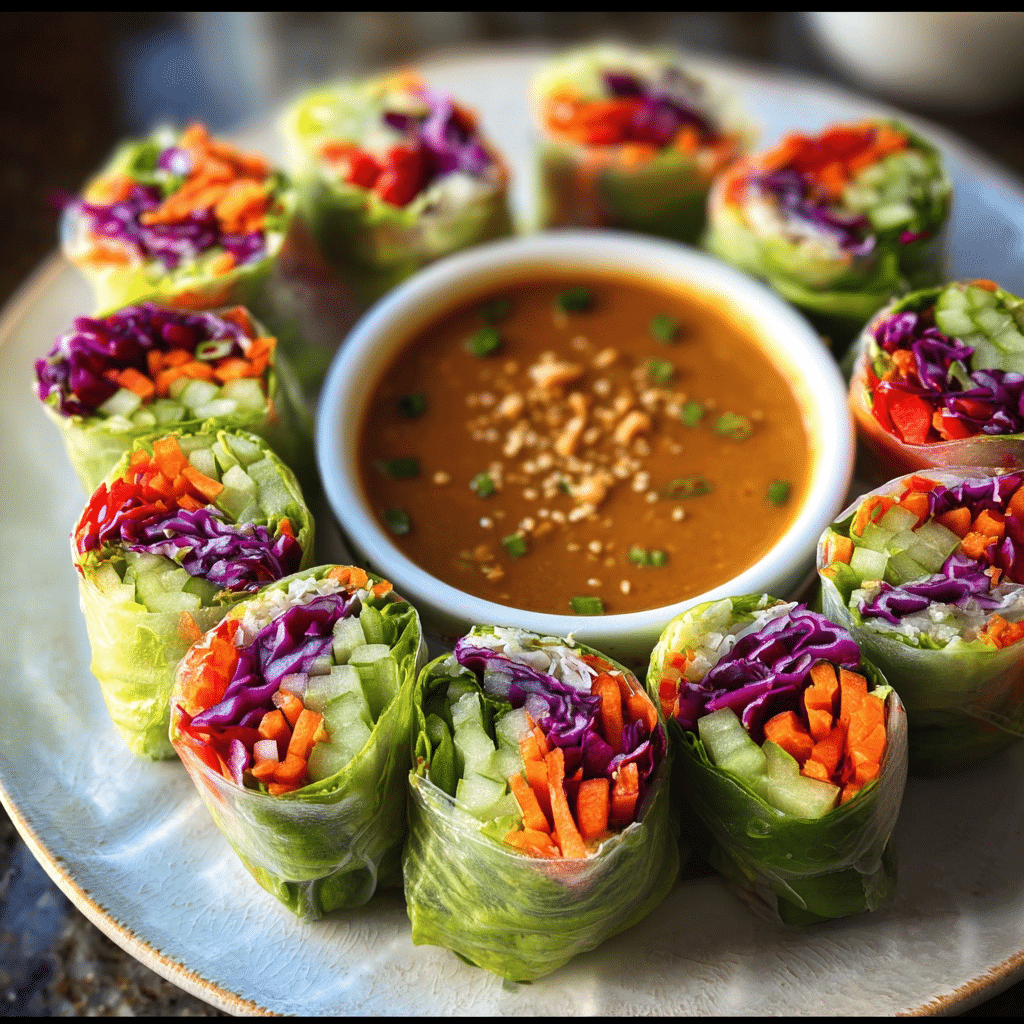
We encourage you to experiment with the variations we’ve discussed, adapt the recipe to your dietary needs, and most importantly, share it with the people you love. Food has the incredible power to bring people together, and Vegetable Spring Rolls with Peanut Sauce is the perfect dish to create lasting memories around your dinner table.
Don’t forget to share your cooking adventures with us on social media, and feel free to ask questions in the comments below. Happy cooking!
Share this recipe and let us know how it turned out! Tag us on social media for a chance to be featured.