Sheet pan chicken is a culinary revelation, a dish that has transformed weeknight dinners in my home. I stumbled upon this recipe during a particularly busy week, one that left little room for elaborate meal prep or lengthy cooking sessions. As a parent, I often find myself juggling work, family commitments, and the age-old question of “What’s for dinner?” It was during one of these hectic evenings that I discovered the simplicity and magic of sheet pan chicken. The ease of throwing everything onto a single sheet pan and letting the oven do the work changed my approach to cooking forever.

As I prepped the ingredients, I felt a sense of liberation wash over me. No more multiple pots and pans, no more hours spent in the kitchen. Just a beautiful array of colorful vegetables, tender chicken, and fragrant herbs, all coming together to create a wholesome meal. The first time I served sheet pan chicken to my family, I was met with gasps of delight. The crispy skin of the chicken, the roasted vegetables bursting with flavor, and the fresh herb ranch slaw that accompanied it were a hit. It was a moment that solidified my love for this dish, and I knew it was something I would make again and again.
The Story Behind This Recipe
Sheet pan chicken isn’t just a recipe; it’s a story of convenience meeting flavor. Traditionally, the concept of cooking on a single sheet pan dates back to various cuisines that embraced the idea of roasting meats and vegetables together. While the specific origins of this dish are hard to pin down, similar methods can be found in Mediterranean and Middle Eastern cooking, where the art of roasting meats with seasonal vegetables is a time-honored tradition.
The beauty of this dish lies in its adaptability. You can use whatever vegetables are in season or whatever flavor profile you crave. From Mediterranean spices to classic Italian herbs, sheet pan chicken allows for creativity while still being straightforward. This versatility makes it special; it can easily become a signature dish in your household, tailored to your family’s preferences and dietary needs.
Why You’ll Love This Dish
This sheet pan chicken recipe is particularly special for busy families. It eliminates the chaos of meal preparation and clean-up by allowing you to cook everything at once. With just one pan to clean, it’s a game-changer for anyone who dreads the post-dinner clean-up. Plus, the cooking time is minimal compared to more elaborate meals, making it a perfect solution on those evenings when you feel like you’ve run a marathon.
Seasonally, this dish shines year-round. In the spring and summer, you can use vibrant, fresh vegetables like zucchini, bell peppers, and tomatoes. Come fall, root vegetables like carrots and potatoes can take center stage. The changing seasons mean that your sheet pan chicken can evolve as well, keeping mealtime exciting and fresh. This adaptability resonates deeply with me; it feels like a celebration of the bounty of each season, connecting us to the earth and its cycles.
On an emotional level, this dish holds a special place in my heart. It’s more than just food; it’s a way to bring my family together after a long day. The aroma wafting through the house as it bakes creates an inviting atmosphere, drawing everyone to the kitchen. It’s a reminder that even in our busiest moments, we can pause to enjoy a nourishing meal together. This sense of connection is what I hope to share with you through this guide.
In this ultimate guide to sheet pan chicken, you will learn not just how to prepare the dish, but also how to make it your own. You’ll discover various flavor combinations, tips for perfecting your chicken and vegetables, and ideas for accompanying sides that elevate the meal. Whether you’re a seasoned cook or just starting, this recipe will empower you to create a delicious, wholesome dinner without the stress. So let’s dive in and explore the world of sheet pan chicken together!
The Rich History and Cultural Significance of sheet pan chicken
The rich history and cultural significance of sheet pan chicken reveal much about our culinary practices and preferences. While the specific dish may not have ancient origins, the technique of roasting meats alongside vegetables is a time-honored practice that spans cultures and generations. Over time, the practice has evolved, leading to the modern interpretation we enjoy today.
Origins and History
Sheet pan cooking can be traced back to ancient roasting methods used in various cultures, where whole animals were cooked alongside seasonal vegetables. In Mediterranean regions, for instance, cooks would utilize clay or metal sheets to roast their meats over open flames, combining ingredients that complemented each other’s flavors. This cooking method highlights the communal aspect of food preparation, where families would gather around the hearth to enjoy a meal cooked with love.
Print
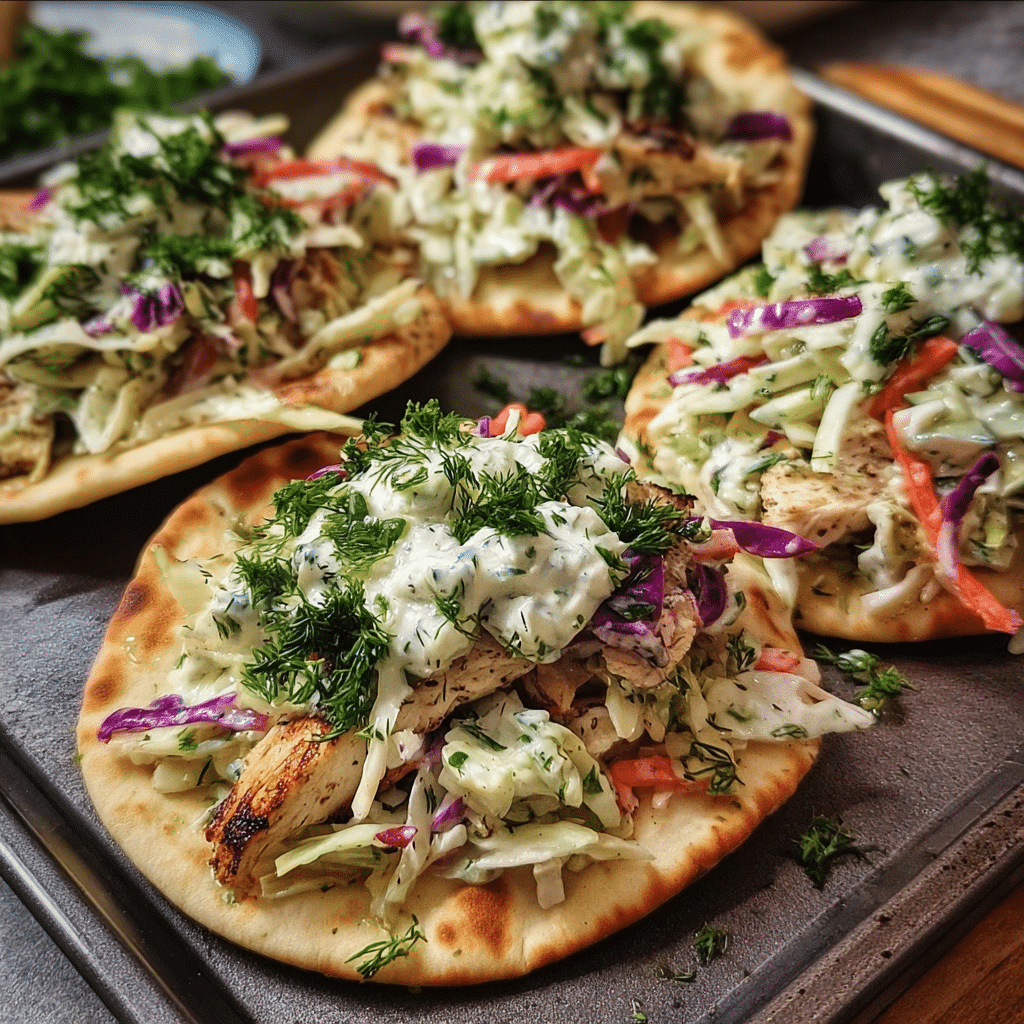
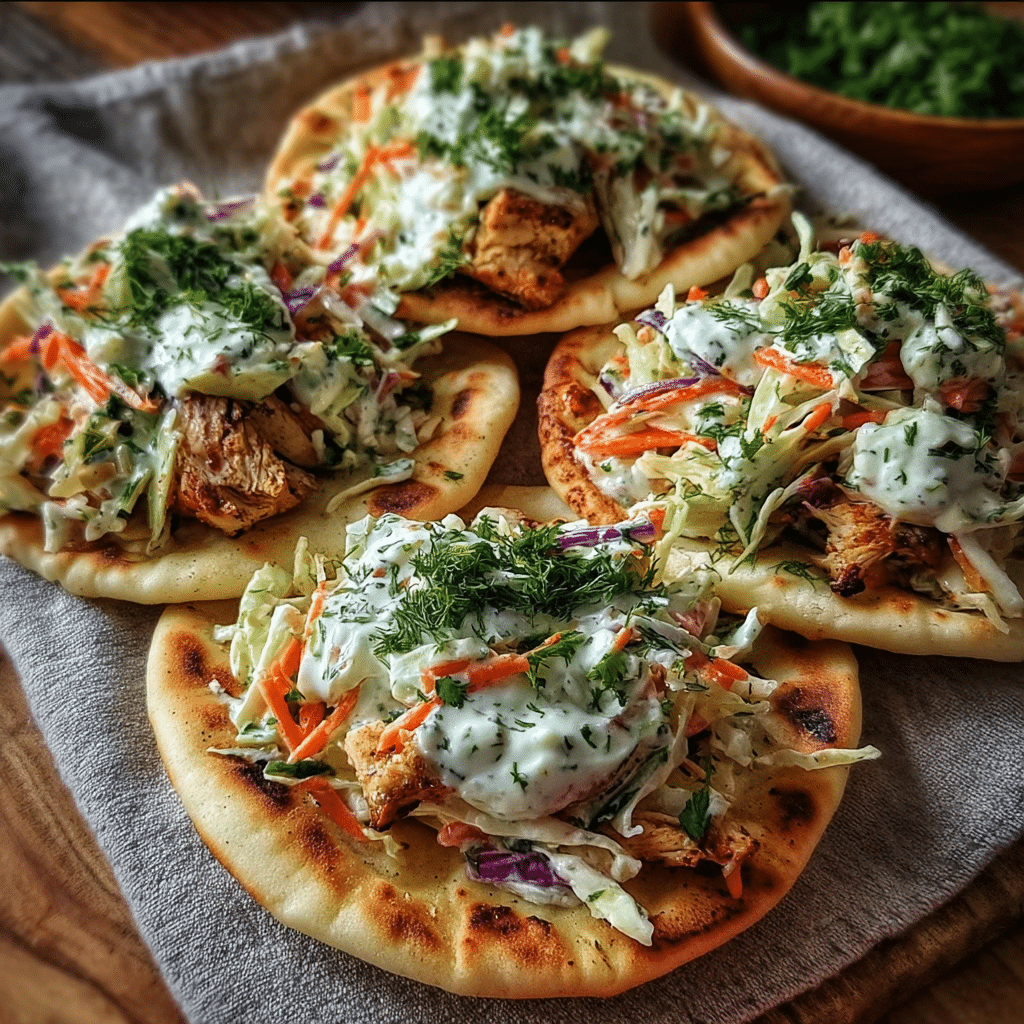
Sheet Pan Chicken Pitas With Fresh Herb Ranch Slaw
Ingredients
- 1 lb boneless, skinless chicken breasts, cut into 1-inch pieces
- 2 tbsp brown sugar
- 1 1/2 tsp smoked paprika
- 1/2 tsp garlic powder
- 1/2 tsp onion powder
- 1/2 tsp cayenne
- 1/2 tsp kosher salt
- 1 tbsp olive oil
- 1/2 lemon, sliced
Herby Ranch Slaw
- 1/2 cup plain yogurt, or non-dairy alternative
- 1/4 cup dill, finely chopped
- 1/4 cup parsley, finely chopped
- 2 tbsp chives, minced
- Juice from 1/2 lemon
- 2 tbsp olive oil
- Kosher salt to taste
- 1/2 small head green cabbage, shredded
- 2–3 pitas
- 1 ripe avocado, cubed
Instructions
- Preheat the oven to 425º F, preferably set to convection mode.
- In a large bowl, toss the chicken with the brown sugar, spices, salt and olive oil. Add the lemon slices and toss once more to coat. Spread the chicken onto a sheet pan, being careful not to overcrowd.
- Bake for 15 minutes, toss, and bake for another 4-7 minutes until crisp and caramelized.
- For the slaw, mix the yogurt, herbs, lemon juice, olive oil and salt in a large bowl. Add the shredded cabbage and toss to combine. Let sit for 10-15 minutes before serving.
- To serve, warm the pitas in the microwave and stuff each one with slaw, chicken and avocado.
Cultural Significance
Sheet pan chicken, in particular, has become a staple for many families due to its versatility and ease. It is often associated with comfort food, a meal that brings warmth and satisfaction without the fuss. The dish transcends cultural boundaries; while recipes may differ from region to region, the core concept remains the same: a hearty, wholesome meal that nourishes both body and soul.
In many households, sheet pan chicken becomes a centerpiece for gatherings, whether it’s a cozy family dinner or a casual get-together with friends. It fosters a sense of togetherness as everyone shares in the anticipation of a delicious meal. The communal aspect of cooking and sharing food is deeply rooted in our cultures, making this dish not just a meal but an experience to cherish.
Nutritional Benefits
Beyond its cultural significance, sheet pan chicken also offers numerous nutritional benefits. Chicken is an excellent source of lean protein, essential for building and repairing tissues, and supporting muscle health. Pairing it with a variety of colorful vegetables increases the meal’s nutritional density, providing a wide array of vitamins and minerals. Roasting vegetables not only enhances their flavors but also preserves their nutrients, making them more beneficial for our health.
Moreover, this dish is easily customizable for various dietary preferences. Whether you prefer a low-carb option, a gluten-free meal, or a vegetarian version, the sheet pan technique can adapt to suit your needs. By incorporating seasonal vegetables and fresh herbs, you can create a dish that is not only satisfying but also packed with nutrients, supporting a balanced diet.
In conclusion, sheet pan chicken represents more than just a quick dinner solution; it embodies a rich history and cultural significance that spans generations. Its evolution from traditional roasting methods to modern one-pan meals showcases the adaptability of cooking, making it an enduring favorite in kitchens around the world. So whether you’re cooking for your family or entertaining friends, sheet pan chicken is a dish that promises to deliver both flavor and connection.
Essential Ingredients for Perfect sheet pan chicken
When it comes to creating a delicious and satisfying meal, the ingredients you choose are paramount. In this recipe for sheet pan chicken with fresh herb ranch slaw, each ingredient plays a vital role in building layers of flavor and texture. Let’s delve into the essential ingredients for this dish.
Essential Ingredients
- 1 lb boneless, skinless chicken breasts, cut into 1-inch pieces
- 2 tbsp brown sugar
- 1 1/2 tsp smoked paprika
- 1/2 tsp garlic powder
- 1/2 tsp onion powder
- 1/2 tsp cayenne
- 1/2 tsp kosher salt
- 1 tbsp olive oil
- 1/2 lemon, sliced
- 1/2 cup plain yogurt, or non-dairy alternative
- 1/4 cup dill, finely chopped
- 1/4 cup parsley, finely chopped
- 2 tbsp chives, minced
- Juice from 1/2 lemon
- 2 tbsp olive oil
- Kosher salt to taste
- 1/2 small head green cabbage, shredded
- 2-3 pitas
- 1 ripe avocado, cubed
Now, let’s explore the role and significance of each ingredient in our sheet pan chicken dish. The chicken breasts serve as the heart of this meal, providing lean protein that cooks beautifully on a sheet pan. Choosing boneless and skinless cuts not only simplifies preparation but also ensures a tender bite. When selecting chicken, look for a pinkish hue and avoid any that appear discolored or have an unpleasant smell.
Next, we have brown sugar, which might seem like an unusual addition to a savory dish. However, it plays a crucial role in balancing the spices. The caramelization that occurs when the sugar meets the heat enhances the overall flavor profile of the chicken. Opt for organic brown sugar if possible, as it is less processed and often has a richer flavor.
The spices in our recipe—smoked paprika, garlic powder, onion powder, cayenne, and kosher salt—create a flavorful rub that coats the chicken. Smoked paprika is particularly noteworthy, imparting a warm, smoky flavor that elevates the dish. When selecting spices, opt for whole spices where possible and grind them fresh for maximum potency. Store unused spices in a cool, dark place to prolong their shelf life.
Olive oil is essential for moisture and helps the spices adhere to the chicken. Extra virgin olive oil is my go-to choice, as its robust flavor complements the other ingredients beautifully. Additionally, the lemon slices not only provide a fresh, zesty note but also help to keep the chicken juicy during cooking. Fresh lemons are best; look for ones that are firm and heavy for their size, indicating juiciness.
For our herb ranch slaw, we use plain yogurt (or a non-dairy alternative for those with dietary restrictions), which adds creaminess and tang. Make sure to choose a yogurt that is free from added sugars or artificial flavors for the best results. Fresh herbs—dill, parsley, and chives—are vital for bringing brightness to the slaw. When selecting herbs, look for vibrant colors and avoid any wilting or browning.
Shredded green cabbage provides crunch, while the avocado adds a creamy richness that balances the dish perfectly. Choose avocados that yield slightly to pressure when gently squeezed, indicating ripeness. The pitas serve as a delightful vessel for the chicken and slaw, making each bite a flavorful experience.
Shopping Tips
When shopping for ingredients for your sheet pan chicken, consider the seasonality of fresh produce. For instance, avocados are typically best in late winter through early spring, while cabbage is available year-round. Local farmers’ markets can be a great source for fresh herbs and seasonal vegetables, often at competitive prices compared to supermarket chains. Always try to select organic produce when possible to avoid pesticides and support sustainable farming practices.
Substitutions and Alternatives
Flexibility in cooking is essential, especially when dietary restrictions come into play. If you prefer a different protein, consider substituting chicken with tofu or chickpeas for a vegetarian option. For those allergic to dairy, a vegan yogurt made from almond or coconut can serve as an excellent alternative. If you can’t find smoked paprika, regular paprika will work, but consider adding a dash of liquid smoke to capture that essence. Lastly, if you’re avoiding gluten, opt for gluten-free pitas or serve the chicken and slaw in lettuce wraps instead.
In conclusion, the ingredients for this sheet pan chicken recipe are thoughtfully selected to create a harmonious balance of flavors. The careful selection of quality ingredients not only enhances the taste but also contributes to a nutritious meal that you can feel good about. So gather your ingredients, and let’s get ready to dive into the cooking process!
Detailed Step-by-Step sheet pan chicken Cooking Instructions
Now that we’ve gathered all the essential ingredients for our sheet pan chicken with fresh herb ranch slaw, it’s time to dive into the cooking process! This dish is not only flavorful but also incredibly easy to prepare, making it perfect for weeknight dinners or entertaining guests. Follow these detailed step-by-step instructions to ensure your meal turns out perfectly every time.
Preparation Steps
- Preheat Your Oven: Begin by preheating your oven to 425°F (220°C). A hot oven is crucial for achieving that beautiful caramelization on the chicken and vegetables, so don’t skip this step!
- Prepare the Chicken: In a large mixing bowl, combine the cut chicken with brown sugar, smoked paprika, garlic powder, onion powder, cayenne, and kosher salt. Make sure to mix well until the chicken is evenly coated with the spice mixture. This step not only adds flavor but also ensures that every bite is seasoned perfectly.
- Drizzle with Olive Oil: Add 1 tablespoon of olive oil to the chicken mixture. This will help the spices adhere to the chicken while also promoting browning during roasting.
- Arrange on Sheet Pan: Line a baking sheet with parchment paper or aluminum foil for easy cleanup. Spread the seasoned chicken pieces in a single layer on the sheet pan. Make sure there’s enough space between each piece to allow for even cooking and browning.
- Add Lemon Slices: Layer the lemon slices on top of the chicken. The lemon not only adds flavor but also helps keep the chicken moist during cooking.
- Prep the Cabbage: While the chicken is in the oven, prepare the slaw. In a separate bowl, combine the shredded cabbage, plain yogurt (or non-dairy alternative), chopped dill, parsley, chives, juice from 1/2 lemon, and 2 tablespoons of olive oil. Season with kosher salt to taste. This slaw is a fresh contrast to the warm chicken and adds a delightful crunch.
Cooking Process
- Roasting the Chicken: Place the sheet pan in the preheated oven and roast the chicken for about 20-25 minutes, or until it reaches an internal temperature of 165°F (75°C). Keep an eye on it to avoid overcooking; the chicken should be golden brown and slightly caramelized.
- While the Chicken Cooks: Take this time to clean up your workspace and prepare your pitas. You can warm them in the oven for a few minutes or toast them in a skillet for added texture.
- Visual Cues: Look for a nice golden color on the chicken and a slight char on the lemon slices. The chicken should no longer be pink in the center, and juices should run clear.
- Prepare the Avocado: As the chicken finishes cooking, cube your ripe avocado. This creamy addition will enhance the overall texture of your sheet pan chicken meal.
Final Assembly
- Toss the Slaw: Once the chicken is done, give your herb ranch slaw a good mix. Taste it and adjust the seasoning if needed. A pinch of salt can make all the difference!
- Assemble the Pitas: Start by placing a generous scoop of the slaw inside each pita. Follow this with a portion of the roasted chicken and top with freshly cubed avocado. The combination of flavors and textures is sure to impress.
- Serving Suggestions: Serve your sheet pan chicken pitas with extra lemon wedges and a sprinkle of fresh herbs on top for an added burst of freshness. This dish is best enjoyed immediately while the chicken is warm and the pita is soft.
Cooking this sheet pan chicken dish is a delightful experience, and with these detailed steps, you’ll be able to navigate the process with ease. Common mistakes include overcrowding the pan or under-seasoning the chicken, so take your time and make sure everything is spaced out and well-seasoned. With a little practice, you’ll master this recipe and impress family and friends with your culinary skills!
Professional Tips and Techniques for sheet pan chicken
When it comes to making sheet pan chicken, there’s something incredibly satisfying about the combination of simplicity and flavor. This dish not only delivers a hearty meal but also offers a world of possibilities in terms of flavor profiles and presentation. To help you master the art of sheet pan chicken, I’ve gathered some professional tips and techniques that can elevate your cooking game.
Professional Techniques
First and foremost, let’s talk about the importance of even cooking, which is crucial when working with sheet pan chicken. You want to ensure that every piece of chicken is cooked to perfection, and one way to achieve that is by choosing uniform-sized pieces. For example, if you’re using chicken breasts, try to select those that are similar in weight, usually around 6-8 ounces each. This ensures that they cook at the same rate, preventing some from drying out while others remain undercooked.
Marinating the chicken is another professional technique that can take your sheet pan chicken from ordinary to extraordinary. A good marinade not only adds flavor but also helps to tenderize the meat. You can create a simple marinade using olive oil, lemon juice, garlic, and your favorite herbs. Letting the chicken marinate for at least 30 minutes, or even overnight, can significantly enhance its flavor profile.
Now, let’s discuss the vegetables. Pairing the right vegetables with your sheet pan chicken is essential. Consider using hearty vegetables like carrots, potatoes, and bell peppers that can stand up to the heat without turning mushy. Always cut your vegetables into uniform pieces to ensure they cook evenly alongside the chicken. A sprinkle of salt, pepper, and a drizzle of olive oil can help to bring out their natural sweetness as they roast.
Troubleshooting Guide
Even the most experienced cooks encounter issues from time to time. One common problem with sheet pan chicken is uneven cooking. If you notice that one side of your chicken is browning faster than the other, it might be because of the placement within the oven. Always rotate your sheet pan halfway through the cooking time to promote even heating. Additionally, you can use an instant-read thermometer to check the internal temperature of the chicken, ensuring it reaches the safe minimum of 165°F.
Another frequent issue arises when the chicken skin doesn’t crisp up as expected. This could be due to excess moisture on the skin. To combat this, pat the chicken dry with paper towels before seasoning. Additionally, make sure you’re not overcrowding the pan, as this can trap steam and prevent the chicken from achieving that desirable crispiness.
Presentation Tips
Presentation is key when serving sheet pan chicken, especially if you’re hosting a dinner party or just want to impress your family. After removing the sheet pan from the oven, allow the chicken to rest for about five minutes before serving. This resting period helps to lock in the juices, resulting in a more succulent piece of chicken.
For an eye-catching presentation, consider arranging the chicken and vegetables in an aesthetically pleasing manner. Use a large platter to transfer the contents of the sheet pan, and garnish with fresh herbs like parsley or thyme for a pop of color. Drizzling a homemade sauce, such as a yogurt-based dressing or a balsamic reduction, can elevate the visual appeal and flavor of your dish.
Make-Ahead and Meal Prep Strategies
Sheet pan chicken is fantastic for meal prep, as it can be made ahead of time and stored for later use. You can marinate the chicken and chop the vegetables the night before, making it easy to toss everything onto the sheet pan after a long day at work. Moreover, leftovers can be stored in airtight containers in the refrigerator for up to four days, making it a convenient option for busy weeknights.
When it comes to scaling the recipe, it’s quite straightforward. If you’re feeding a crowd, simply double the amount of chicken and vegetables, and use two sheet pans if necessary. Just remember to rotate them in the oven, as they may need different cooking times depending on your oven’s hot spots.
Wine and Beverage Pairings
Finally, let’s not forget about the beverages! Pairing the right wine or beverage can elevate your sheet pan chicken experience. A crisp, chilled white wine such as Sauvignon Blanc or Pinot Grigio complements the flavors beautifully, especially if you’re using lemon and herbs in your marinade. For a red wine option, consider a light-bodied Pinot Noir, which won’t overpower the dish. If you prefer non-alcoholic options, a refreshing herbal iced tea or sparkling water with a splash of citrus can be delightful.
With these professional tips and techniques, you’re well on your way to mastering the art of sheet pan chicken. The beauty of this dish lies in its versatility and the ease of preparation, allowing you to get creative in the kitchen while enjoying a delicious meal.
Creative Variations and Adaptations of sheet pan chicken
One of the most exciting aspects of sheet pan chicken is how easily it can be transformed and adapted to fit various tastes, dietary preferences, and seasonal ingredients. This dish is not just a one-size-fits-all meal; it offers a canvas for creativity that can be exciting to explore. In this section, we will delve into some creative variations and adaptations of sheet pan chicken, ensuring that you never get bored with this delightful dish.
Seasonal Variations
Embracing seasonal ingredients is a fantastic way to keep your sheet pan chicken recipes fresh and exciting. In the spring, consider incorporating vibrant asparagus, peas, and radishes. These tender vegetables not only add color but also a sweet, crisp flavor that pairs beautifully with chicken. In the summer, swap in zucchini, cherry tomatoes, and bell peppers, which can be roasted to perfection, adding a medley of flavors to your dish.
As the leaves change in the fall, think about adding root vegetables like butternut squash, sweet potatoes, and parsnips. These hearty options bring warmth and earthiness to your sheet pan chicken, perfect for cozy nights. In the winter, when greens are limited, consider using sturdy vegetables like Brussels sprouts and carrots, which can withstand roasting and retain their texture and flavor.
Dietary Adaptations
Whether you’re cooking for a specific dietary need or just looking to mix things up, sheet pan chicken is wonderfully adaptable. For those following a keto diet, you can replace starchy vegetables with low-carb options like cauliflower and broccoli. Replace traditional potatoes with roasted radishes, which mimic the texture of potatoes when cooked.
If you’re catering to a vegan or vegetarian diet, you can easily swap out the chicken for hearty plant-based proteins like chickpeas or tofu. Marinate the tofu just as you would the chicken, and roast it alongside your favorite vegetables for a satisfying meal. For gluten-free variations, ensure that your marinades and sauces are gluten-free, and opt for fresh herbs and spices to flavor the dish without any gluten-containing ingredients.
Creative Twists
Let’s explore some international fusion variations of sheet pan chicken that can bring new life to this classic dish. For a Mediterranean twist, consider marinating your chicken in olive oil, lemon, garlic, and oregano, and serving it with roasted Mediterranean vegetables like eggplant, zucchini, and bell peppers. Add a sprinkle of feta cheese as a finishing touch for an extra burst of flavor.
If you’re in the mood for something spicy, you can infuse your chicken with Mexican flavors by using a marinade of lime juice, chili powder, cumin, and garlic. Roast it with corn, black beans, and diced bell peppers for a vibrant fiesta on your sheet pan. Top with fresh cilantro and avocado for a refreshing finish.
For a taste of Asia, consider marinating your chicken in soy sauce, ginger, and sesame oil, and pairing it with snap peas, bok choy, and carrots. A sprinkle of sesame seeds and green onions adds a delightful crunch and flavor.
Don’t forget about the versatility of cooking methods! While the oven is the traditional way to prepare sheet pan chicken, you can also achieve delicious results using a slow cooker or even an air fryer. For a slow-cooked version, sear the chicken in a skillet first for added flavor, then transfer it to the slow cooker with your vegetables and cook on low for 4-6 hours. In an air fryer, you can achieve a crispy texture without excess oil, making your sheet pan chicken healthier without sacrificing flavor.
Lastly, let’s not overlook the potential of leftovers! If you find yourself with extra sheet pan chicken, consider transforming it into a delicious chicken salad for lunch the next day. Chop the leftovers and mix with Greek yogurt, mustard, and your favorite herbs for a protein-packed meal. Alternatively, you can use the chicken as a filling for tacos or wraps, ensuring nothing goes to waste.
With these creative variations and adaptations, your sheet pan chicken will never feel monotonous. The possibilities are endless, allowing you to explore flavors from around the world while keeping mealtime exciting and fresh. Get ready to make this dish your own!
Storage, Reheating, and Meal Prep for sheet pan chicken
When it comes to preparing delicious meals like sheet pan chicken, one of the most appealing aspects is the ability to store and reheat leftovers effectively. This not only saves time during busy weeks but also ensures that you can enjoy the flavorful blend of spices and herbs long after the initial cooking. In this section, we’ll dive deep into the best practices for storage, reheating, and meal prep strategies for your sheet pan chicken.
Short-term Storage
After enjoying your freshly made sheet pan chicken, proper short-term storage is crucial for maintaining its flavor and texture. Ideally, you should refrigerate any leftovers within two hours of cooking. To achieve this, allow the chicken to cool slightly, then transfer it to airtight containers. Glass containers with snap-on lids are excellent for this purpose as they do not absorb odors and allow you to easily see what’s inside. If you’re using plastic containers, make sure they are BPA-free and designed for food storage.
For effective refrigeration, portion out the sheet pan chicken into single servings. This not only facilitates easier reheating but also helps prevent waste, as you can take out only what you need. When stored properly in the refrigerator, your sheet pan chicken should be safe to eat for up to 3-4 days. Remember to label the containers with the date, so you can keep track of freshness.
Freezing and Long-term Storage
If you want to extend the life of your sheet pan chicken even further, freezing is a fantastic option. However, freezing can alter the texture of certain ingredients, particularly vegetables. To freeze your sheet pan chicken, let it cool completely before transferring it to freezer-safe containers or heavy-duty freezer bags. Squeeze out as much air as possible to prevent freezer burn, which can ruin both the taste and texture of your meal.
When freezing, it’s best to separate the chicken from the slaw or any accompanying sides as they may not freeze well. You can also freeze the slaw separately, but consider adding the dressing after thawing to maintain its crunch. When stored properly, your sheet pan chicken can last in the freezer for up to 3 months. Always label your containers with the date and contents. To thaw, place the container in the refrigerator overnight before reheating.
Reheating Best Practices
Reheating your sheet pan chicken can be done in a few different ways, each offering a unique experience. The key is to maintain the original flavor and moisture of the chicken. For the best results, consider reheating in the oven. Preheat your oven to 350°F (175°C), place the chicken on a baking sheet, and cover it with aluminum foil to prevent drying out. Heat for about 20-25 minutes, or until the internal temperature reaches 165°F (74°C).
If you’re short on time, using a microwave is a quick alternative. Place the chicken in a microwave-safe dish, cover it with a damp paper towel to retain moisture, and heat in short intervals, checking for doneness frequently. This method is faster but may result in a less crispy texture.
For those who love a bit of a crunch, consider reheating on a stovetop in a skillet. A splash of olive oil can help revive the crispy edges while adding flavor. Just be sure to keep the heat low to prevent the chicken from drying out.
Before diving into your reheated sheet pan chicken, always check that the chicken is heated thoroughly. This not only ensures the best taste but also adheres to food safety guidelines. The USDA advises that any reheated food should reach an internal temperature of 165°F (74°C) to be safe for consumption.
In conclusion, the ability to store and reheat sheet pan chicken effectively is one of the many reasons this dish is such a favorite among home cooks. By following these guidelines for short-term storage, freezing, and reheating, you can ensure that every bite is just as delicious as when it was first made. Whether you’re meal prepping for a busy week or simply enjoying leftovers, these tips will make your experience a flavorful and enjoyable one.
Nutritional Benefits and Health Information
When it comes to delicious meals, few can rival the taste and satisfaction of sheet pan chicken. But beyond its mouthwatering flavor, this dish is packed with nutritional benefits that can enhance your overall health. In this section, we will delve into the nutritional profile of sheet pan chicken, explore the health benefits of its key ingredients, and discuss dietary considerations that will help you incorporate this meal into various diet plans.
Nutritional Profile
At its core, sheet pan chicken is a balanced meal featuring protein-rich chicken, fresh vegetables, and a delightful dressing. A standard serving of sheet pan chicken typically includes around 250-300 calories, depending on the amount of chicken and vegetables used. Here’s a basic breakdown of the nutritional components:
- Protein: Chicken is an excellent source of lean protein, providing about 25-30 grams per serving, which is essential for muscle repair and growth.
- Carbohydrates: The vegetables add healthy carbohydrates to the dish, contributing fiber and essential nutrients without excessive calories.
- Fats: Healthy fats from olive oil and any dressings help with the absorption of fat-soluble vitamins and enhance flavor.
This combination of macronutrients makes sheet pan chicken a satisfying option that can keep you full for longer, making it an excellent choice for lunch or dinner.
Health Benefits
The health benefits of sheet pan chicken extend beyond its macro makeup. The individual ingredients bring a wealth of vitamins and minerals to the table:
- Chicken: Aside from being a great protein source, chicken is rich in B vitamins, particularly niacin and B6, which are important for energy metabolism and brain health.
- Vegetables: Depending on what you choose to include—think bell peppers, zucchini, or broccoli—you’ll gain a variety of vitamins like vitamin C, potassium, and dietary fiber that support digestion and immune function.
- Herbs and Spices: Fresh herbs, such as parsley or basil, not only add flavor but also provide antioxidants that can help reduce inflammation in the body.
By incorporating these wholesome ingredients, sheet pan chicken stands out as a nutritious meal choice.
Dietary Considerations
When it comes to dietary needs, sheet pan chicken can be easily adapted to fit various lifestyles. For those following a low-carb or ketogenic diet, simply adjust the vegetable portions and focus on non-starchy options like leafy greens or cauliflower. For gluten-free diets, ensure that any dressings or marinade used are certified gluten-free. Additionally, if you’re vegetarian or vegan, consider substituting chicken with hearty vegetables or plant-based proteins like tofu or tempeh.
It’s also important to consider allergens. While chicken is a staple protein for many, those with poultry allergies should steer clear of this dish entirely. Instead, they might explore alternatives like fish or legumes to maintain a protein-rich meal.
In terms of calorie content, sheet pan chicken is a flexible dish. By adjusting the portion sizes or the types of vegetables used, you can easily tailor it to fit your caloric needs, whether you’re looking to lose weight, maintain your current weight, or bulk up.
In comparison to similar dishes, such as chicken stir-fries or casseroles, sheet pan chicken stands out due to its simplicity and versatility. The cooking method allows for a hands-off approach, requiring minimal active cooking time while still delivering rich flavors and nutrients.
In summary, sheet pan chicken is not just a convenient meal option; it is also a powerhouse of nutrition. With its balanced composition of proteins, carbs, and fats, along with a wealth of vitamins and minerals from its ingredients, this dish can support a healthy lifestyle. Whether you’re meal prepping for the week or simply looking to enjoy a wholesome dinner, sheet pan chicken fits the bill perfectly.
Conclusion: Mastering the Perfect sheet pan chicken
Creating the perfect sheet pan chicken is more than just following a recipe—it’s about understanding the techniques, ingredients, and cultural significance behind this beloved dish. Throughout this comprehensive guide, we’ve explored everything from the historical origins to modern variations, ensuring you have all the knowledge needed to make this recipe your own.
Whether you’re a beginner cook or an experienced chef, the techniques and tips we’ve shared will help you create a sheet pan chicken that’s not only delicious but also meaningful. Remember that cooking is a journey of discovery, and each time you make this dish, you’ll learn something new.
We encourage you to experiment with the variations we’ve discussed, adapt the recipe to your dietary needs, and most importantly, share it with the people you love. Food has the incredible power to bring people together, and Sheet Pan Chicken Pitas with Fresh Herb Ranch Slaw is the perfect dish to create lasting memories around your dinner table.
Don’t forget to share your cooking adventures with us on social media, and feel free to ask questions in the comments below. Happy cooking!
Share this recipe and let us know how it turned out! Tag us on social media for a chance to be featured.