Teriyaki pineapple chicken is not just a dish; it’s a delightful culinary experience that captures the vibrant flavors of the Pacific. I vividly remember the first time I stumbled upon this recipe. It was a busy weekday evening, and I was in desperate need of something quick yet satisfying to feed my family. As I rummaged through my pantry, I found a can of pineapple chunks and some soy sauce. Inspired by the idea of blending sweet and savory, I decided to try my hand at creating a teriyaki sauce from scratch, and the result was nothing short of magical. The aroma that filled my kitchen as the chicken marinated in the homemade sauce was enough to entice even my picky eaters to the dinner table.
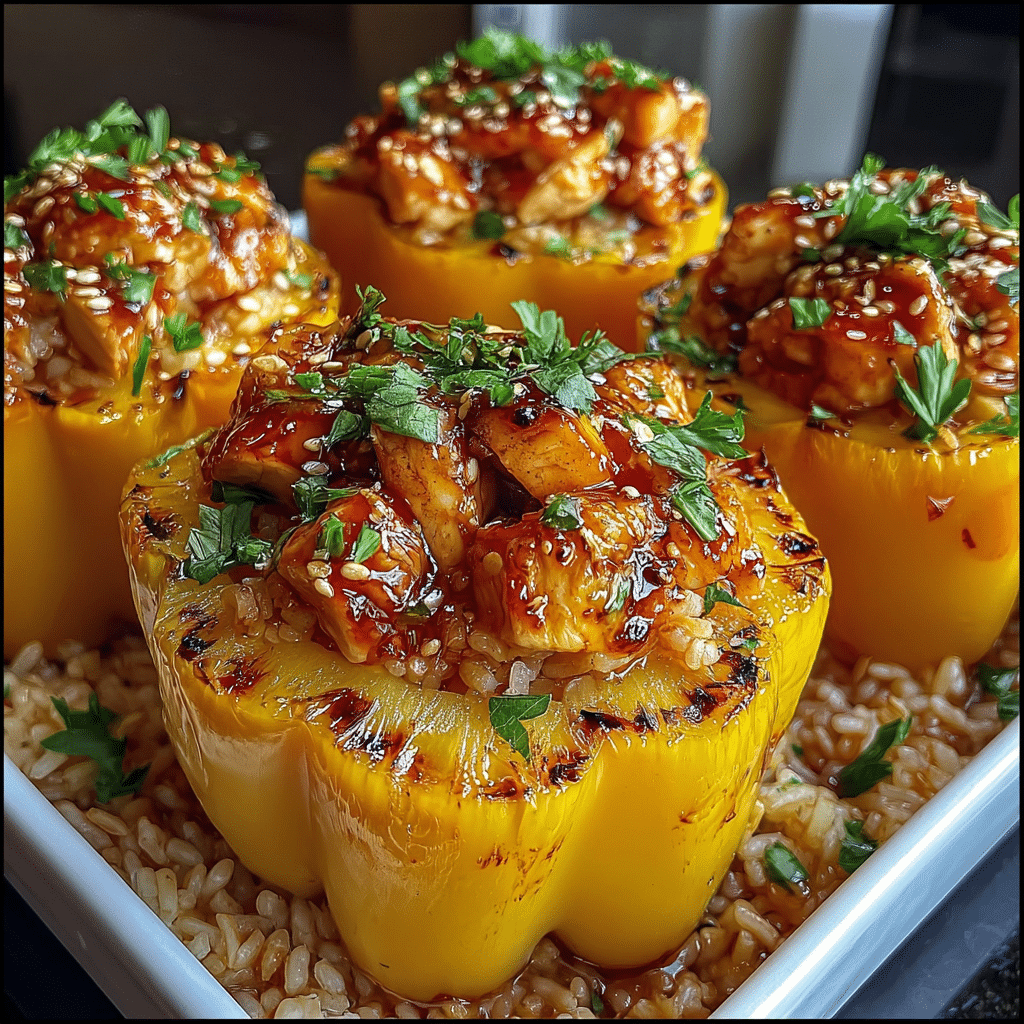
As I plated the dish, I couldn’t help but feel a sense of pride. The vibrant colors of the bell peppers stuffed with the teriyaki pineapple chicken and rice were a feast for the eyes. That night, we dined together, sharing stories and laughter, and I realized that this recipe was more than just a meal; it was a way to connect with my loved ones over something delicious. This experience ignited my passion for experimenting with flavors and ingredients, leading me to explore various culinary traditions.
The Story Behind This Recipe
The origins of teriyaki sauce can be traced back to Japan, where the word “teriyaki” refers to a cooking technique that involves grilling or broiling food while being basted in a sweet soy sauce mixture. Traditionally, this sauce is made from soy sauce, mirin (a sweet rice wine), and sugar, creating a glossy and flavorful glaze. The introduction of pineapple into the mix adds a tropical twist that modernizes the classic recipe, making it a favorite among many families looking for a fresh take on dinner.
What makes this teriyaki pineapple chicken recipe truly special is its adaptability. It caters to those busy evenings when you need to whip up something quickly without sacrificing flavor. The dish is perfect for families looking to incorporate a variety of food groups into one meal. The protein from the chicken, the vitamins from the bell peppers, and the sweetness of the pineapple create a well-rounded dinner option. Plus, the fact that it can be made in under 30 minutes is a game-changer for anyone juggling work and family life.
Why You’ll Love This Dish
Seasonally, teriyaki pineapple chicken shines during summer when fresh pineapples are in abundance. However, it is versatile enough to be enjoyed year-round. The bright flavors evoke memories of summer barbecues and beach trips, making it a delightful choice for gatherings. The emotional connection I have with this dish stems not only from its delicious taste but also from the cherished moments it has fostered around the dining table.
In this guide, you will learn how to make the perfect teriyaki pineapple chicken from scratch, discover tips for meal prep that can save you time, and explore variations that cater to different dietary needs. Whether you are a seasoned cook or a beginner looking to impress your family, this recipe has something to offer. Get ready to embark on a culinary adventure that celebrates the fusion of flavors and the joy of cooking!
The Rich History and Cultural Significance of teriyaki pineapple chicken
The rich history and cultural significance of teriyaki pineapple chicken are fascinating and reflect the broader context of Asian cuisine’s evolution in the West. Teriyaki itself has its roots deeply embedded in Japanese culinary traditions. The cooking method, which involves grilling or broiling, dates back centuries and has been a staple technique in Japanese households. But how did this traditional Japanese dish transform into the delightful teriyaki pineapple chicken we enjoy today?
Origins and History
As mentioned earlier, teriyaki is derived from the Japanese words “teri,” meaning glaze, and “yaki,” meaning to grill. Historically, this method was used to prepare various meats, with fish being the most common. The sauce typically includes soy sauce, sake, and sugar, which combine to create a sweet and savory flavor profile. Over time, as Japanese cuisine began to spread globally, particularly in the United States during the post-World War II era, chefs began to experiment with the flavors of teriyaki, incorporating local ingredients like pineapple.
The addition of pineapple to the teriyaki sauce is a relatively recent innovation that reflects the broader trend of fusion cuisine. As American tastes evolved, the combination of sweet, tangy pineapple with the umami-rich soy sauce became a hit. This transformation can be attributed to the growing popularity of tropical fruits in American cooking, particularly in the 1980s and 90s, when dishes that featured a mix of sweet and savory flavors became trendy.
Cultural Significance
Teriyaki pineapple chicken has become a beloved staple in many households, especially in the United States, where it is often associated with quick and easy weeknight meals. Its cultural significance lies in its ability to bridge culinary traditions—combining Japanese techniques with Western flavors. This dish is often served at family gatherings, potlucks, and casual barbecues, symbolizing unity and the joy of sharing meals with loved ones. It embodies the essence of home-cooking: easy to prepare, delicious, and capable of bringing people together.
In many Asian cultures, food is more than just sustenance; it’s a way of expressing love and care. Preparing a meal like teriyaki pineapple chicken allows families to bond over cooking and eating together, creating lasting memories. This dish has also made its way into many restaurants, where chefs continue to put their twist on it, showcasing how versatile and beloved it has become.
Nutritional Benefits
From a health perspective, teriyaki pineapple chicken offers several nutritional benefits. Chicken is a great source of lean protein, essential for muscle building and repair. The addition of pineapple not only enhances the flavor but also provides vitamins such as vitamin C and manganese, which are important for immune function and energy production. Bell peppers, often used for stuffing in this recipe, are rich in antioxidants and vitamins A and C, contributing to overall health.
Moreover, this dish can be easily modified to accommodate various dietary preferences. For those looking for a lighter option, substituting chicken with tofu or tempeh creates a delicious vegetarian version. Using brown rice or quinoa instead of white rice can increase the fiber content, making it a wholesome choice. The flexibility of the recipe ensures that everyone can enjoy teriyaki pineapple chicken while adhering to their dietary needs.
In conclusion, the journey of teriyaki pineapple chicken from traditional Japanese roots to its current status as a family favorite is a testament to the beauty of culinary evolution. This dish not only tantalizes the taste buds but also brings people together, making it a cherished part of many dining tables. So, whether it’s a special occasion or just a regular weeknight, teriyaki pineapple chicken is a dish that promises to deliver flavor, nutrition, and love.
Essential Ingredients for Perfect teriyaki pineapple chicken
When it comes to creating a dish that is both delicious and visually stunning, teriyaki pineapple chicken stuffed peppers rank high on the list. This dish not only tantalizes the taste buds but also allows for creativity in flavors and presentation. In this section, we’ll dive deep into the essential ingredients for preparing the perfect teriyaki pineapple chicken, ensuring you understand the role each component plays in this delightful recipe.
Essential Ingredients
Here’s the complete list of ingredients you will need to create this mouthwatering dish:
- 4-6 large bell peppers
- 2 tablespoons olive oil
- 3/4 cup red onion, diced
- 1 1/2 cups ham steak, cubed
- 2 cloves garlic, minced
- 2 cups cooked white rice
- 1/2 cup teriyaki sauce
- 1 cup pineapple, chopped (canned or fresh)
- 1/2 cup green onions, sliced
- Kosher salt and freshly ground black pepper, to taste
- 1 cup mozzarella cheese, grated
Teriyaki Pineapple Chicken And Rice Stuffed Peppers
Ingredients
- 4–6 large bell peppers
- 2 tablespoons olive oil
- 3/4 cup red onion, diced
- 1 1/2 cups ham steak, cubed
- 2 cloves garlic, minced
- 2 cups cooked white rice
- 1/2 cup teriyaki sauce
- 1 cup pineapple, chopped (canned or fresh)
- 1/2 cup green onions, sliced
- Kosher salt and freshly ground black pepper, to taste
- 1 cup mozzarella cheese, grated
Instructions
- Preheat oven to 350°F and set aside a 9×13-inch baking dish.
- Cut the tops off of the peppers and remove the seeds.
- In a large skillet, heat the olive oil over medium-high heat. Add the red onion and cook until starting to soften, about 3 minutes. Add ham and cook until edges brown, about 2 minutes. Add garlic and cook 1 minute more.
- Add rice and teriyaki sauce and stir to combine. Season to taste with salt and pepper.
- Remove from heat, and stir in pineapple and green onion. (Drain pineapple if using canned.)
- Spoon mixture into bell peppers, top with cheese, and arrange in baking dish.
- Pour 1/2 cup water into the bottom of the baking dish, cover tightly with foil and bake until peppers are tender and filling is heated through, 30 minutes. Remove foil and bake until cheese is lightly browned, 5 minutes more. Enjoy!
Each ingredient plays a pivotal role in crafting the flavors that define teriyaki pineapple chicken. For instance, the bell peppers serve not just as a vessel but also contribute a sweet and slightly tangy flavor that complements the teriyaki sauce beautifully. When selecting bell peppers, look for ones that are firm and have vibrant colors. I often choose a mix of red, yellow, and green peppers for a stunning visual appeal.
Olive oil is essential for sautéing the vegetables and ham steak, bringing a rich depth of flavor to the dish. When purchasing olive oil, opt for extra virgin for the best quality. A good olive oil should have a fruity aroma and a slightly peppery taste, indicating its freshness.
The red onion adds a mild sweetness and a hint of color. Make sure to select onions that are firm and free from soft spots. Fresh garlic is a must for its robust flavor; it’s best to use whole cloves rather than pre-minced garlic from a jar for optimal freshness.
Ham steak is a unique choice for this dish, providing a savory contrast to the sweetness of the pineapple. When choosing ham, look for quality cuts that are minimally processed. You can alternatively use chicken breast or tofu for a different protein option, depending on dietary preferences.
Cooked white rice acts as the base and helps bind all the flavors together. You can prepare it ahead of time or use leftover rice from previous meals. For a healthier twist, consider using brown rice or quinoa instead.
Teriyaki sauce, the star of the show, adds a sweet and salty flavor profile. There are many varieties available, so choose one with natural ingredients for the best taste. If you are feeling adventurous, you could even try making your own teriyaki sauce at home!
Fresh pineapple adds a burst of sweetness and a tropical flair to the dish. If using canned pineapple, opt for those packed in juice rather than syrup for a healthier option. Either choice creates a delightful contrast to the savory ham and rice.
Green onions not only enhance the flavor but also add a pop of color. Look for fresh green onions with bright green tops and firm white bulbs. They can also double as a garnish!
Finally, the mozzarella cheese brings everything together with its creamy texture when melted. Choose a good quality cheese that is fresh and has a pleasant aroma.
Shopping Tips
When shopping for ingredients, consider visiting local farmers’ markets for fresh produce. Seasonal ingredients often taste better and can be more affordable than out-of-season options. For example, bell peppers are usually at their peak during the summer months, while pineapple is best in the spring and summer.
In terms of cost-saving tips, consider buying ingredients in bulk or looking for sales on perishable items. Frozen vegetables can also be a budget-friendly alternative without compromising quality. They are often frozen shortly after harvest, retaining more nutrients than fresh produce that has traveled long distances.
Substitutions and Alternatives
If you have dietary restrictions or preferences, there are plenty of substitutions you can make. For a vegetarian or vegan option, replace the ham with cubed tofu or tempeh and use a plant-based cheese. If you’re gluten-sensitive, look for a gluten-free teriyaki sauce. You can also use cauliflower rice instead of traditional rice for a low-carb alternative.
Additionally, if you prefer different kinds of cheese, feel free to experiment with cheddar or pepper jack for a spicier kick. The versatility of this dish is one of its greatest strengths, allowing you to cater to your own tastes and dietary needs.
In conclusion, every ingredient in the teriyaki pineapple chicken stuffed peppers has a purpose, contributing to the overall flavor and texture of the dish. By understanding the role of each component, sourcing high-quality ingredients, and exploring substitutions, you can create a delicious meal that is tailored to your preferences. Let’s get ready to dive into the cooking process!
Detailed Step-by-Step teriyaki pineapple chicken Cooking Instructions
Now that we’ve covered the essential ingredients for our teriyaki pineapple chicken stuffed peppers, let’s move on to the fun part: cooking! In this section, I will walk you through the detailed step-by-step instructions to prepare this vibrant dish. Cooking time for this recipe is approximately 30 minutes, and with careful preparation, you’ll have a delicious meal ready to serve in no time!
Preparation Steps
Before we begin cooking, it’s essential to gather all your ingredients and tools. This process, known as mise en place, is a fundamental cooking technique that ensures everything is in its right place, making the cooking process smoother and more enjoyable.
- Preheat the Oven: Start by preheating your oven to 375°F (190°C). This will ensure your peppers cook evenly and thoroughly.
- Prepare the Bell Peppers: Rinse the bell peppers under cold water and dry them with a paper towel. Cut the tops off each pepper, removing the seeds and membranes. This will create a beautiful vessel for your filling.
- Dice the Vegetables: Dice the red onion and mince the garlic. Set them aside in separate bowls for easy access during cooking.
- Cube the Ham Steak: Cut the ham steak into small cubes, making sure they are uniform in size for even cooking.
- Chop the Pineapple: If using fresh pineapple, cut it into small chunks that will blend well with the other ingredients. If using canned pineapple, drain any excess juice before chopping.
- Cook the Rice: If you haven’t done so already, cook your white rice according to package instructions. For a quicker option, you can use leftover rice from previous meals.
- Slice the Green Onions: Chop the green onions, reserving some for garnish. Place them in a bowl alongside the other prepared ingredients.
Cooking Process
With all your ingredients prepped, it’s time to start cooking. Follow these steps carefully to achieve the best results:
- Heat the Olive Oil: In a large skillet, heat the olive oil over medium heat. You’ll know it’s ready when a drop of water sizzles upon contact.
- Sauté the Onions and Garlic: Add the diced red onion to the skillet and sauté for about 3-4 minutes until they are translucent. Then add the minced garlic and sauté for an additional minute, being careful not to burn it.
- Add the Ham: Toss in the cubed ham steak and cook for about 5 minutes, stirring occasionally until the ham is heated through and slightly browned.
- Incorporate the Rice and Pineapple: Add the cooked white rice and chopped pineapple to the skillet, mixing well to combine. Pour in the teriyaki sauce, stirring to coat all the ingredients evenly.
- Season to Taste: Add kosher salt and freshly ground black pepper to taste. Remember, the teriyaki sauce is already quite flavorful, so season with care.
- Remove from Heat: Once everything is well combined and heated through, remove the skillet from the heat. This is a good time to taste the mixture and adjust any seasonings if necessary.
Final Assembly
Now that our filling is ready, let’s assemble the stuffed peppers:
- Stuff the Peppers: Using a spoon, fill each bell pepper generously with the teriyaki pineapple chicken mixture. Pack it in tightly to ensure they hold their shape during cooking.
- Top with Cheese: Sprinkle a generous amount of grated mozzarella cheese on top of each filled pepper. This will create a deliciously gooey topping as it melts in the oven.
- Arrange in a Baking Dish: Place the stuffed peppers upright in a baking dish. If they wobble, you can slice a small amount off the bottom to create a flat base, ensuring they stand securely.
- Bake: Place the baking dish in the preheated oven and bake for about 25-30 minutes, or until the peppers are tender and the cheese is bubbly and golden brown.
- Garnish and Serve: Once cooked, remove the peppers from the oven and let them cool for a few minutes. Garnish with the reserved green onions for a fresh touch, and serve warm.
Throughout this cooking process, pay attention to visual cues like the color of the onions and the melting cheese, which indicate that your dish is coming together beautifully. Common mistakes include overcooking the peppers or under-seasoning the filling; taste as you go to avoid these pitfalls. As a little chef secret, adding a dash of sesame oil to the teriyaki sauce can elevate the flavors even further!
In conclusion, by following these detailed instructions, you can create a plate of teriyaki pineapple chicken stuffed peppers that not only looks impressive but also tastes fantastic. Enjoy the process, and don’t forget to share your creation with family and friends!
Professional Tips and Techniques for teriyaki pineapple chicken
When it comes to preparing a delicious dish like teriyaki pineapple chicken, mastering the art of cooking is essential. This dish not only brings together the sweetness of pineapple and the savory notes of teriyaki sauce but also offers a fantastic canvas for showcasing your culinary skills. Whether you’re a novice chef or an experienced cook, there are professional tips and techniques that can elevate your cooking game.
Professional Techniques
First and foremost, let’s talk about marinating your chicken. The key to a juicy and flavorful teriyaki pineapple chicken is in the marinade. Ideally, you should let the chicken sit in the marinade for at least one hour, but overnight is even better. This allows the flavors to penetrate deeply. A simple marinade can be made from soy sauce, ginger, garlic, and a splash of pineapple juice. If you want to step it up a notch, add a bit of sesame oil or rice vinegar for added depth.
Cooking the chicken correctly is also crucial. For a beautifully seared exterior while keeping the inside juicy, consider using a cast-iron skillet or a grill. Preheat your skillet until it’s hot enough that a drop of water sizzles upon contact. This technique ensures that you get those lovely caramelized edges on your chicken. If you’re using a grill, make sure to oil the grates to prevent sticking.
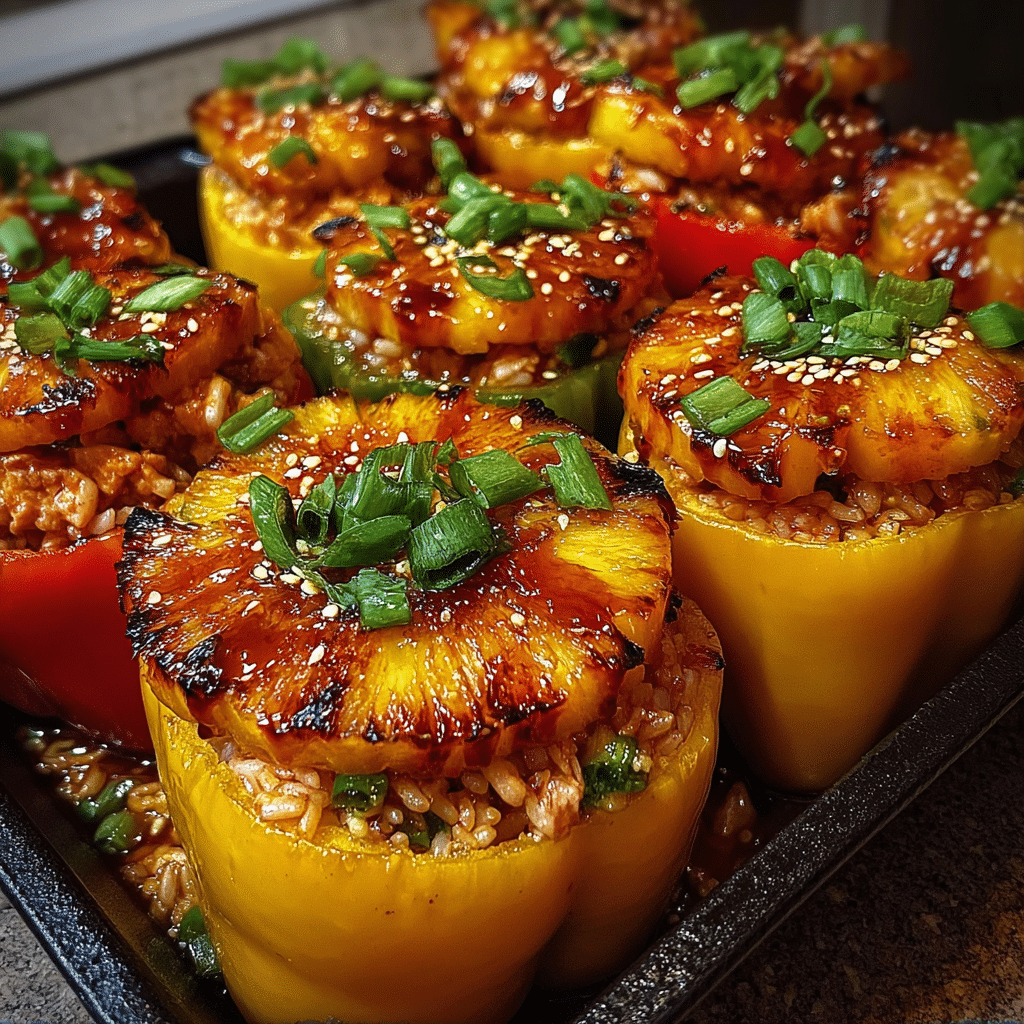
Another insider secret for achieving the perfect teriyaki pineapple chicken is to use fresh, ripe pineapple. Not only does it add sweetness, but it also contributes to the overall texture of the dish. When you grill or sauté the pineapple, it caramelizes beautifully and enhances the dish further. Cut the pineapple into chunks or rings, depending on your presentation preference.
Troubleshooting Guide
Even the best chefs encounter challenges in the kitchen. Here are some common problems you might face while preparing teriyaki pineapple chicken and how to overcome them:
- Chicken is Dry: If your chicken turns out dry, it might be due to overcooking. Always use a meat thermometer to check for doneness; chicken should reach an internal temperature of 165°F. Alternatively, brining the chicken beforehand can help retain moisture.
- Too Much Salt: If your dish ends up too salty due to the soy sauce, adding a bit of sugar or honey can help balance the flavors. Additionally, use low-sodium soy sauce to control the saltiness.
- Pineapple is Too Tart: If the pineapple is too tart for your liking, consider grilling it until it caramelizes. The heat will enhance its sweetness and reduce acidity.
Presentation Tips
As much as taste matters, presentation plays a significant role in the overall dining experience. For your teriyaki pineapple chicken, consider serving it in a half pineapple for a tropical touch. This not only looks impressive but also allows you to incorporate the natural sweetness of the pineapple into the dish. Garnish with sesame seeds and finely chopped green onions for a pop of color and texture.
When plating, use a wide, shallow bowl to showcase the vibrant colors of your dish. Arrange the chicken on a bed of fluffy rice, and drizzle extra teriyaki sauce over the top. Don’t forget to include a few grilled pineapple slices on the side. The contrast of colors with bright greens and golden browns will make your dish visually appealing.
Wine and Beverage Pairings
Lastly, let’s talk about what to sip alongside your teriyaki pineapple chicken. A fruity white wine, such as a Riesling or a Sauvignon Blanc, pairs beautifully with the sweet and savory notes of the dish. If you’re looking for something non-alcoholic, a sparkling water with a hint of lime or a tropical mocktail made with pineapple juice and coconut water will complement the flavors perfectly.
In conclusion, whether you’re preparing teriyaki pineapple chicken for a casual family dinner or an elegant gathering, these professional tips and techniques will undoubtedly enhance your culinary journey. Remember, cooking is not just about following a recipe; it’s about exploring flavors, learning from mistakes, and enjoying the process. Happy cooking!
Creative Variations and Adaptations of teriyaki pineapple chicken
The beauty of teriyaki pineapple chicken lies not only in its delicious flavor but also in its versatility. This dish can be transformed and adapted to fit various tastes and dietary needs. Let’s explore some creative variations and adaptations that will keep your culinary experience fresh and exciting.
Seasonal Variations
Seasonal ingredients can significantly elevate your teriyaki pineapple chicken. For instance, in the summer, you can incorporate fresh bell peppers, zucchini, and corn into the dish. These veggies can be grilled or sautéed alongside the chicken and pineapple, creating a colorful and nutritious meal. In the fall, consider adding roasted root vegetables like sweet potatoes or butternut squash to the mix. Their natural sweetness complements the teriyaki sauce beautifully.
During the winter months, think about incorporating hearty greens like kale or Brussels sprouts. Sauté them with garlic and a splash of soy sauce, then serve them alongside your chicken for a warming and nutritious dish. In spring, fresh herbs like cilantro or basil can add a burst of flavor when sprinkled on top right before serving.
Dietary Adaptations
With the rise of various dietary preferences, adapting your teriyaki pineapple chicken to fit these needs is easier than ever. For those following a keto diet, substitute the rice with cauliflower rice, which will keep the dish low in carbs while still providing a satisfying base. If you’re looking for a vegan option, replace the chicken with tofu or tempeh, marinating it in the same teriyaki sauce for that classic flavor.
Gluten-free diners can easily enjoy this dish by opting for tamari instead of traditional soy sauce. This simple swap allows everyone to partake in the deliciousness of teriyaki pineapple chicken without compromising on flavor. Additionally, for a spice-loving audience, consider adding sriracha or red pepper flakes to the marinade for a zesty kick.
Creative Twists
Taking inspiration from global cuisines can lead to exciting adaptations of teriyaki pineapple chicken. For example, you could create a Hawaiian-inspired poke bowl by serving the marinated chicken raw over sushi rice, topped with avocado and seaweed. Alternatively, a Mexican twist could involve adding black beans, corn, and a sprinkle of cheese, served in a tortilla for a fusion taco night.
Another fun idea is to make skewers for a barbecue. Cut the chicken and pineapple into chunks, thread them onto skewers with bell peppers and red onions, and grill for a fun and interactive dinner experience. Not only is this great for outdoor gatherings, but it also allows for a beautiful display of colors and flavors on the plate.
Lastly, consider how you can transform leftovers from your teriyaki pineapple chicken into new meals. Shred leftover chicken and mix it with a bit of mayonnaise and your favorite spices for a tasty sandwich filling. Alternatively, toss the chicken over a bed of mixed greens with a sesame vinaigrette for a refreshing salad that keeps on giving.
As you can see, teriyaki pineapple chicken is a dish that adapts beautifully to various tastes, seasons, and dietary needs. By exploring these variations and adaptations, you can keep your meals exciting and satisfying, ensuring that you and your loved ones never tire of this delightful dish. Get creative in the kitchen, and let your flavors shine!
Storage, Reheating, and Meal Prep for teriyaki pineapple chicken
When it comes to creating delicious meals, one of the most rewarding aspects is knowing how to store, reheat, and meal prep your culinary creations effectively. Today, we’ll delve into the ins and outs of storing teriyaki pineapple chicken, a dish that combines juicy chicken, sweet pineapple, and savory teriyaki sauce, served in vibrant bell peppers over rice. This dish not only tantalizes your taste buds but also lends itself beautifully to meal prep, allowing you to enjoy it throughout the week or even longer!
Short-term Storage
After preparing your teriyaki pineapple chicken and rice stuffed peppers, you might find yourself with leftovers or simply want to prepare them ahead of time. The first step in short-term storage is to ensure that your dish cools down to room temperature. This is crucial; placing hot food directly into the refrigerator can raise the overall temperature of your fridge, potentially compromising the safety of other stored foods.
For short-term storage, I recommend using airtight containers. Glass containers are a fantastic option as they don’t retain smells and can be reheated directly in the oven or microwave. For our stuffed peppers, consider breaking them down into individual servings. This not only makes it easier to grab a quick meal but also helps the food cool faster when you store it. Label your containers with the date, so you can keep track of how long they’ve been in the fridge.
In general, teriyaki pineapple chicken can be stored in the refrigerator for about 3-4 days. However, it’s essential to check for any signs of spoilage, such as an off smell or discoloration, before consuming leftovers.
Freezing and Long-term Storage
If you want to store your teriyaki pineapple chicken for a longer period, freezing is an excellent option. Freezing can extend the shelf life of your dish for 2-3 months without sacrificing too much flavor or texture. When freezing stuffed peppers, it’s best to prepare them without cooking first. Simply stuff the raw peppers with the teriyaki pineapple chicken mixture and then wrap each pepper tightly in plastic wrap before placing them in a freezer-safe bag or container.
If you have cooked peppers that you want to freeze, allow them to cool completely and then follow the same wrapping technique. It’s a good idea to place a piece of parchment paper between layers if you’re stacking them to prevent sticking. Just like with refrigerator storage, be sure to label your containers with the date and contents for easy identification later.
When you’re ready to enjoy your frozen teriyaki pineapple chicken stuffed peppers, the best way to thaw them is in the refrigerator overnight. This slow thawing method helps maintain the integrity of the ingredients. If you’re in a rush, you can also use the defrost setting on your microwave, but be cautious to avoid partially cooking the peppers.
Reheating Best Practices
Reheating is where many people can go wrong, leading to dry or overcooked meals. To keep your teriyaki pineapple chicken stuffed peppers moist and flavorful, I recommend reheating them in the oven. Preheat your oven to 350°F (175°C), place the stuffed peppers in an oven-safe dish, and cover them with aluminum foil to trap moisture. Heat for about 20-25 minutes or until they are warmed throughout.
If you prefer a quicker option, the microwave can also work well. Place your stuffed pepper on a microwave-safe plate and cover it with a damp paper towel. This will help create steam, ensuring that the pepper remains juicy. Heat in 1-minute intervals, checking frequently to avoid overheating.
Regardless of your reheating method, always check the internal temperature of the chicken to ensure it reaches 165°F (74°C) for safe consumption.
Meal prep enthusiasts will appreciate the versatility of this dish. You can prep a batch of teriyaki pineapple chicken on a Sunday afternoon and portion it into containers for easy grab-and-go meals during the week. Consider pairing the stuffed peppers with a simple side salad or steamed vegetables to round out your meals.
Lastly, let’s talk about food safety. Always remember to follow the “two-hour rule.” If your teriyaki pineapple chicken has been out at room temperature for more than two hours, it should not be consumed. Keeping your food safety practices in mind will ensure that your meals are not only delicious but also safe for you and your family.
Nutritional Benefits and Health Information
As we dig into the nutritional benefits of teriyaki pineapple chicken, it’s essential to appreciate the vibrant ingredients that come together in this dish. Each component contributes to a well-rounded meal that is not only delicious but also packed with nutritional value. Let’s explore the nutritional breakdown and health benefits of this delightful dish, ensuring you can enjoy it guilt-free!
Nutritional Profile
The primary ingredients in teriyaki pineapple chicken include chicken breast, fresh pineapple, bell peppers, rice, and teriyaki sauce. A typical serving of this dish is approximately 300-400 calories, depending on the ingredients and portion sizes. Here’s a rough breakdown of the macronutrients per serving:
- Protein: Around 25-30g, primarily from the chicken, which is excellent for muscle repair and overall health.
- Carbohydrates: Approximately 40-50g, mainly from the rice and the natural sugars in the pineapple.
- Fats: Roughly 5-10g, depending on any added oils or fats used in cooking.
This balance of macronutrients makes teriyaki pineapple chicken a great option for those looking to maintain a healthy diet while enjoying flavorful meals.
Health Benefits
The health benefits of teriyaki pineapple chicken are largely attributed to its wholesome ingredients. Chicken breast is a lean source of protein that provides essential amino acids necessary for muscle growth and repair. It’s also rich in B vitamins, particularly niacin (B3) and pyridoxine (B6), which play a vital role in energy metabolism.
Pineapple, on the other hand, is a nutritional powerhouse. It contains bromelain, an enzyme known for its anti-inflammatory properties, which can help reduce swelling and aid digestion. Additionally, pineapple is high in vitamin C, an antioxidant that supports the immune system and promotes healthy skin.
Bell peppers, often the colorful vessels for our teriyaki pineapple chicken, are loaded with vitamins A and C, as well as various antioxidants. They contribute to heart health and can improve eye health due to their high carotenoid content.
Dietary Considerations
When considering dietary restrictions, teriyaki pineapple chicken can be quite accommodating. For those following a low-carb or ketogenic diet, you can easily swap out the rice for cauliflower rice or skip the rice altogether. This alteration not only reduces the carbohydrate content but also adds extra vegetables to your meal.
If you have gluten sensitivities, it’s crucial to select a gluten-free teriyaki sauce or make your own at home. Many store-bought teriyaki sauces contain soy sauce, which typically contains gluten. Alternatively, tamari is a gluten-free soy sauce option that works beautifully in this dish.
For those watching their sodium intake, consider using low-sodium teriyaki sauce and limiting any additional salt in your preparations. By making these small adjustments, you can still enjoy the delightful flavors of teriyaki pineapple chicken while adhering to your dietary needs.
In summary, teriyaki pineapple chicken is not only a flavorful and satisfying dish but also a nutritious one that fits into a variety of dietary plans. With its rich protein content, vibrant vegetables, and sweet pineapple, it provides a balanced meal that can fuel your day. Whether you’re preparing it for a family dinner or meal prepping for the week, this dish is a winner in both taste and nutrition!
Conclusion: Mastering the Perfect teriyaki pineapple chicken
Creating the perfect teriyaki pineapple chicken is more than just following a recipe—it’s about understanding the techniques, ingredients, and cultural significance behind this beloved dish. Throughout this comprehensive guide, we’ve explored everything from the historical origins to modern variations, ensuring you have all the knowledge needed to make this recipe your own.
Whether you’re a beginner cook or an experienced chef, the techniques and tips we’ve shared will help you create a teriyaki pineapple chicken that’s not only delicious but also meaningful. Remember that cooking is a journey of discovery, and each time you make this dish, you’ll learn something new.
We encourage you to experiment with the variations we’ve discussed, adapt the recipe to your dietary needs, and most importantly, share it with the people you love. Food has the incredible power to bring people together, and Teriyaki Pineapple Chicken and Rice Stuffed Peppers is the perfect dish to create lasting memories around your dinner table.
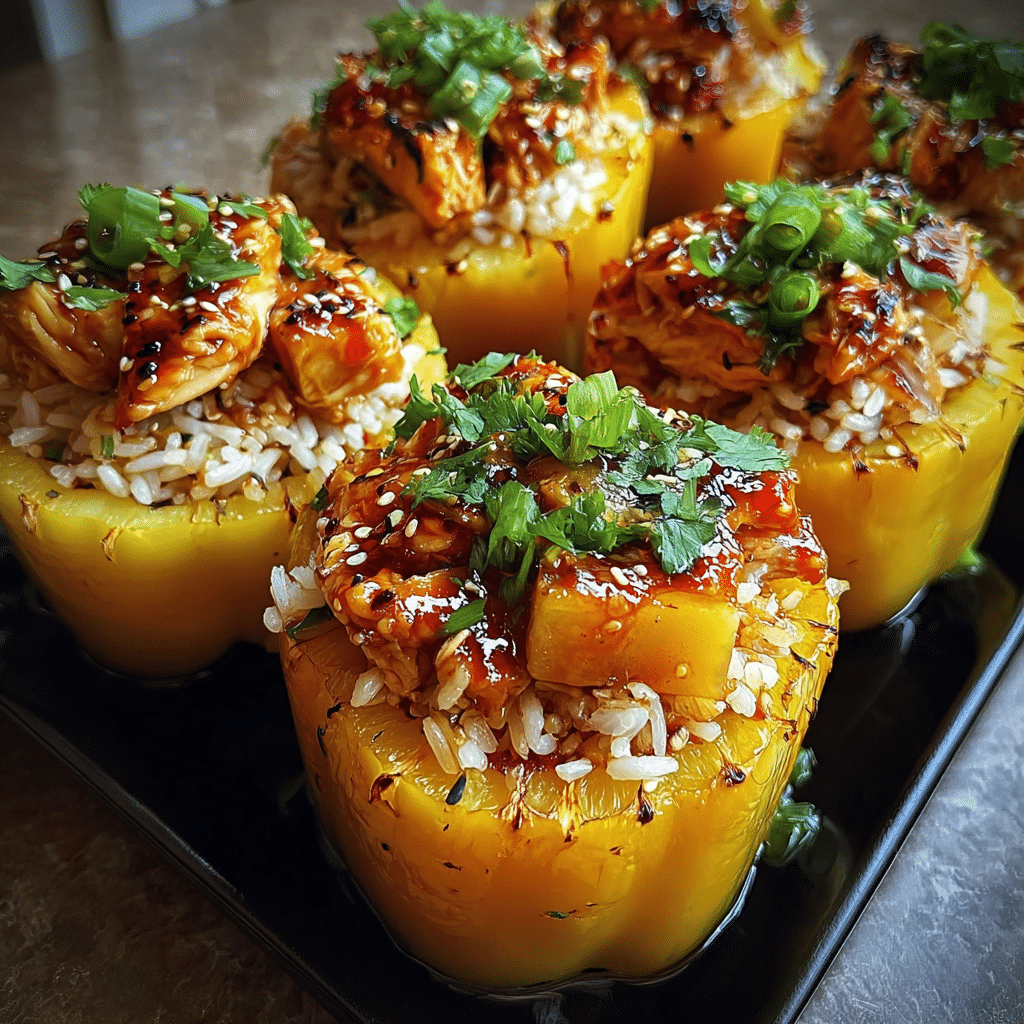
Don’t forget to share your cooking adventures with us on social media, and feel free to ask questions in the comments below. Happy cooking!
Share this recipe and let us know how it turned out! Tag us on social media for a chance to be featured.