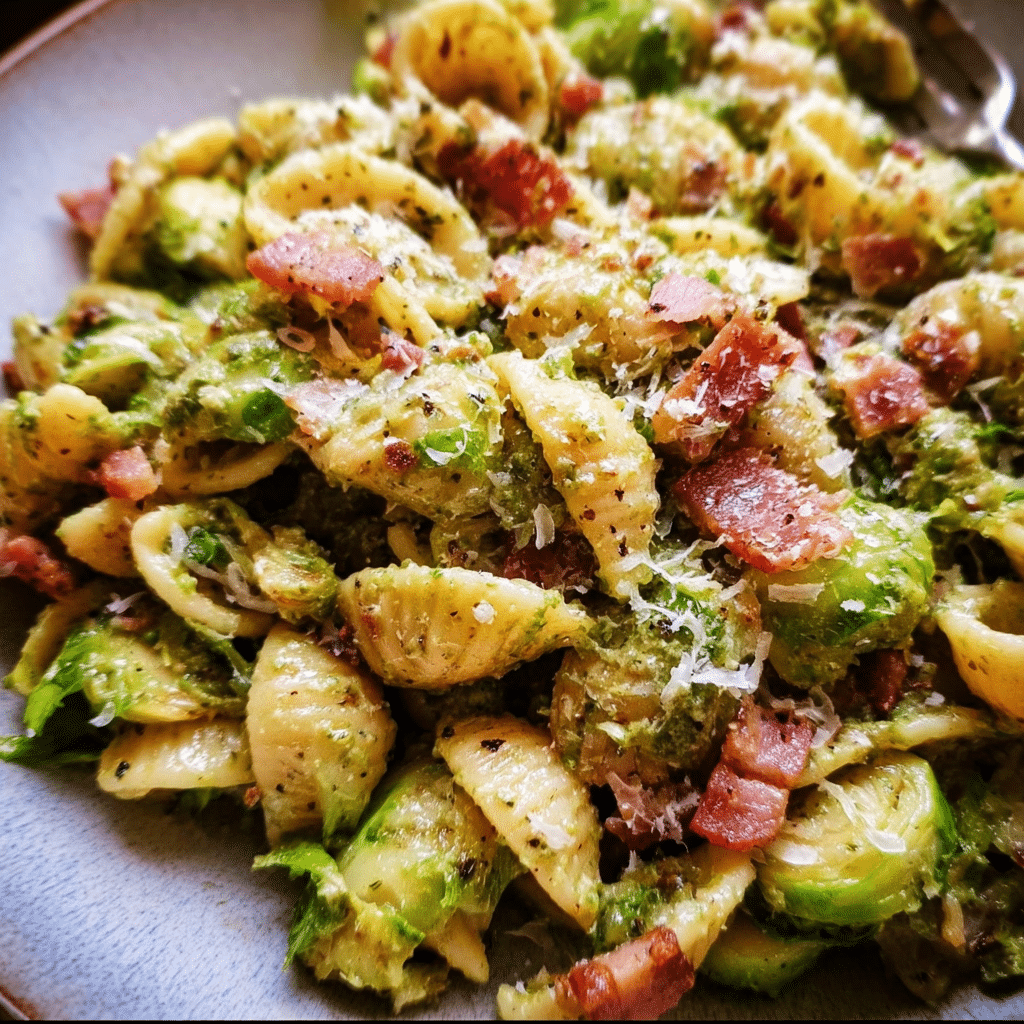
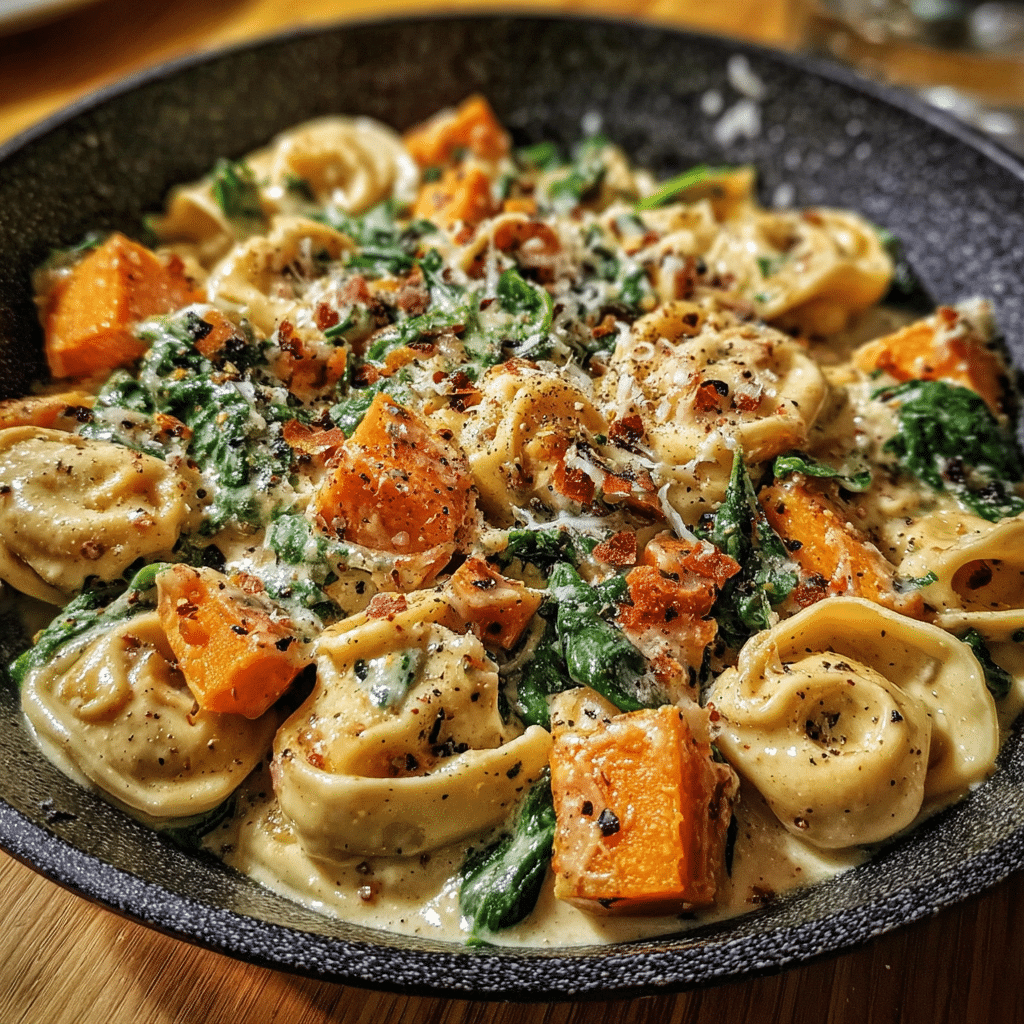
Veggie pasta baked is not just a dish; it’s a warm embrace on a plate, a symphony of flavors that come together beautifully, and an easy solution for busy weeknights. I vividly remember the first time I stumbled upon this recipe. It was a chilly autumn evening, and I was rummaging through my pantry, trying to conjure something wholesome yet quick for dinner. I had a block of feta cheese, a variety of colorful vegetables, and a box of whole wheat pasta. With a bit of creativity and a sprinkle of love, I transformed these humble ingredients into a delightful veggie pasta baked dish that my family devoured in minutes.
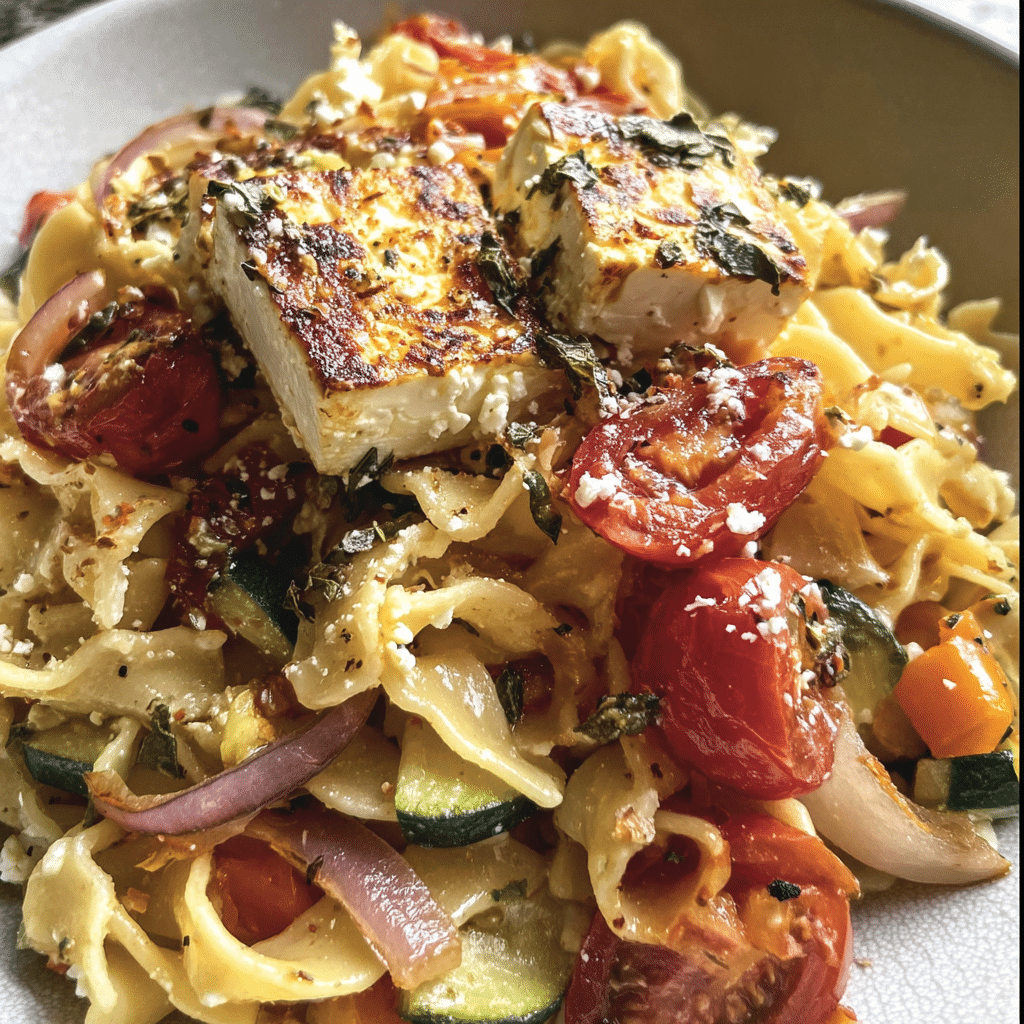
As I watched my kids relish every bite, I felt a surge of joy. This wasn’t just a meal; it was a moment of togetherness, a chance to connect after a long day. The warm, cheesy aroma filled the kitchen, wrapping us in a comforting hug. From that day forward, veggie pasta baked became a staple in our household. It’s a dish that not only satisfies the hunger of a busy family but also nourishes our souls.
The Story Behind This Recipe
The origins of veggie pasta baked can be traced back to the Mediterranean, where pasta dishes often celebrate the bounty of seasonal vegetables. This dish embodies the essence of Italian cuisine—simple, fresh, and bursting with flavor. Traditionally, baked pasta dishes like lasagna or pasta al forno were crafted to utilize leftover ingredients, making them economical and practical for families. Over time, as culinary traditions blended and evolved, the veggie pasta baked emerged as a vibrant and colorful alternative that showcases the versatility of vegetables.
Unlike traditional baked pasta recipes that may rely heavily on meat or creamy sauces, veggie pasta baked focuses on the rich flavors of fresh produce. This recipe encourages creativity; you can use whatever vegetables are in season or whatever you have on hand. Whether it’s zucchini, bell peppers, cherry tomatoes, or spinach, each bite tells a story of seasonal abundance.
Why You’ll Love This Dish
What makes veggie pasta baked particularly special is its adaptability. For busy families, it’s a lifesaver—ready in under an hour and packed with nutrients. You can prep it ahead of time, pop it in the oven, and have a delicious meal waiting for you when you return from after-school activities or work. Plus, it’s an excellent way to sneak in those vital servings of vegetables, especially for picky eaters. With melted feta on top, it becomes an irresistible treat that even the fussiest of eaters can’t resist.
Seasonal relevance adds another layer of charm to this dish. Picture it in the summer when tomatoes are at their peak, bursting with flavor, or in the fall when you can incorporate roasted butternut squash and kale. Each season brings a new opportunity to experiment with flavors, making it a dish you’ll want to revisit time and time again.
For me, veggie pasta baked is more than just food; it represents family. It’s the laughter around the dinner table, the stories shared over meals, and the memories created. I promise that by the end of this article, you’ll learn not only how to prepare this delightful dish but also how to adapt it to suit your taste and how to create your own family traditions around it.
The Rich History and Cultural Significance of veggie pasta baked
The rich history and cultural significance of veggie pasta baked is a tapestry woven through generations of culinary innovation and tradition. This dish, while seemingly simple, carries with it a profound legacy that speaks to the heart of home cooking across many cultures. Its roots can be traced back to ancient civilizations that celebrated the harvest, using the fruits of their labor to create nourishing meals.
Origins and History
Pasta itself has a storied history that dates back to ancient China, evolving as it made its way through the Silk Road and eventually into Italian kitchens. The concept of combining pasta with vegetables is not a new one; in fact, it can be found in various forms across different cultures. The Italian tradition of baked pasta is particularly well-known, with dishes like lasagna and pasta al forno highlighting the use of seasonal vegetables and cheeses.
As culinary practices evolved, so did the notion of veggie pasta baked. With the rise of vegetarianism and health consciousness in recent decades, the dish has undergone a renaissance, becoming a go-to for those seeking lighter yet satisfying meals. The incorporation of roasted vegetables and the simple act of baking have transformed this dish into a canvas for creativity, allowing cooks to express their individual tastes while honoring the tradition of wholesome, home-cooked meals.
Cultural Significance
Veggie pasta baked is often associated with family gatherings, potlucks, and celebrations. In many Italian households, it is common to prepare a large tray of baked pasta to serve during special occasions or Sunday dinners. This communal aspect of sharing food creates a bond that extends beyond the meal itself. The act of gathering around the table to enjoy a hearty dish fosters connections and strengthens relationships, making it a crucial part of cultural heritage.
In addition to its role in family gatherings, veggie pasta baked has become a popular choice in modern restaurants and cafes that emphasize fresh, seasonal ingredients. Chefs have embraced this dish, experimenting with global flavors and techniques to create unique interpretations. From Mediterranean-inspired versions with olives and capers to Asian-infused takes with sesame and ginger, the versatility of veggie pasta baked knows no bounds.
Nutritional Benefits
The health benefits of veggie pasta baked are abundant, making it a smart choice for anyone looking to maintain a balanced diet. Packed with nutrients, fiber, and antioxidants, the combination of whole grain pasta and a medley of vegetables offers a powerhouse of vitamins and minerals. Whole grain pasta provides a hearty base, promoting sustained energy levels, while the vegetables contribute essential nutrients that support overall health.
Furthermore, this dish is a fantastic opportunity to explore plant-based eating, as it can easily be adapted to accommodate various dietary preferences. Whether you’re vegan, gluten-free, or simply looking to incorporate more vegetables into your diet, veggie pasta baked can be tailored to fit your needs. The addition of feta cheese not only enhances flavor but also provides a source of protein and calcium, ensuring that this dish is as nutritious as it is delightful.
In conclusion, veggie pasta baked is not just a meal; it’s a celebration of culture, history, and family. Whether you’re preparing it for a weeknight dinner or a festive gathering, this dish will undoubtedly bring people together, offering warmth and comfort with every bite. As we delve deeper into the art of preparing veggie pasta baked, you’ll discover the endless possibilities that await in your kitchen.
Essential Ingredients for Perfect veggie pasta baked
When it comes to creating a delectable dish of veggie pasta baked, the ingredients you select play a pivotal role in the overall flavor, texture, and nutritional value. This dish is not just about throwing together some pasta and vegetables; it’s a celebration of fresh, quality ingredients that come together to create a symphony of flavors. Let’s delve into the essential ingredients that will elevate your veggie pasta baked experience.
Essential Ingredients
- Chicken: 1 lb, diced
- Beef: 1 lb, ground
- Pork: 1 lb, diced or ground
- Seafood: 1 lb, shrimp or fish, cleaned and cut
- Pasta: 16 oz, any variety (penne, fusilli, etc.)
- Fruits: 1 cup, cherry tomatoes or diced bell peppers
- Vegetables: 2 cups, such as zucchini, spinach, or broccoli
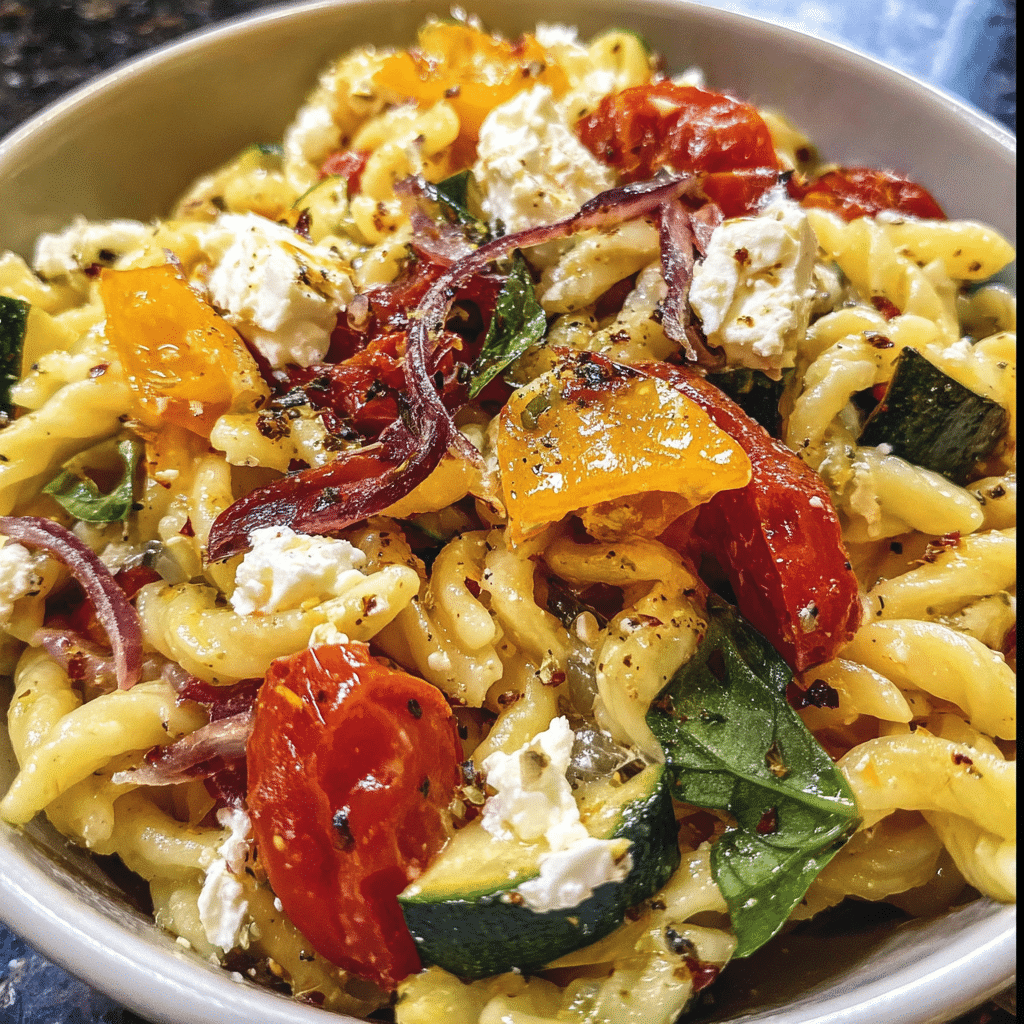
Veggie Pasta With Baked Feta
Ingredients
- 1 pint grape tomatoes
- 1 bunch asparagus, trimmed and chopped
- 1 medium zucchini, halved lengthwise and cut in 1/4 inch slices
- 1 medium yellow onion, chopped
- 1 medium red bell pepper, chopped
- 1 ear fresh sweet corn, kernels cut from the cob
- 4 tablespoons extra-virgin olive oil, or as needed
- 1 teaspoon red pepper flakes, plus more as needed
- sea salt and freshly cracked black pepper to taste
- 1 (16 ounce) package block feta cheese
- 4 sprigs fresh thyme
- 1 (16 ounce) package rigatoni pasta
- ½ medium lemon
- ¼ bunch fresh parsley, chopped
- 1 tablespoon grated Pecorino Romano cheese, or more to taste
Instructions
-
-
Preheat the oven to 400 degrees F (200 degrees C).
-
Combine grape tomatoes, asparagus, zucchini, onion, bell pepper, and corn kernels in a large baking dish. Drizzle generously with olive oil and sprinkle with pepper flakes, sea salt, and pepper. Toss to coat and make a well in the center of the dish. Place feta blocks in the well. Drizzle feta with more olive oil and season with sea salt, pepper, and a pinch of pepper flakes. Nestle thyme sprigs into vegetables around the dish.
-
Bake uncovered in the preheated oven until vegetables are soft and feta is lightly browned, about 40 minutes.
-
When vegetables and feta have cooked for 25 minutes, bring a large pot of lightly salted water to a boil. Cook rigatoni in boiling water, stirring occasionally, until tender yet firm to the bite, about 12 minutes. Drain, reserving 1 cup pasta water. Set aside.
-
When vegetables and feta are finished cooking, turn the broiler to 500 degrees F (260 degrees C) and broil vegetables for 1 minute for some final browning.
-
Squeeze lemon over vegetables and feta; stir in parsley until incorporated. Stir in rigatoni and reserved pasta water to help feta coat pasta evenly. Season with salt and pepper as needed and sprinkle with Pecorino Romano cheese.
Each of these ingredients brings something unique to the table. For instance, chicken, beef, and pork provide protein, making the dish hearty and satisfying. Seafood can add a delightful, ocean-fresh twist. Meanwhile, pasta serves as the comforting base, soaking up all the delicious flavors of the other ingredients.
Fruits and vegetables not only enhance the taste but also contribute to the nutritional profile of your veggie pasta baked. They introduce vibrant colors, a variety of textures, and essential vitamins and minerals. For example, cherry tomatoes add sweetness and acidity, while spinach offers a boost of iron and fiber.
Shopping Tips
When shopping for these ingredients, quality is paramount. For meat, look for cuts that are bright in color with a firm texture. If possible, opt for organic or grass-fed options, as these tend to be more flavorful and sustainable. Fresh seafood should smell like the ocean—not fishy—and have a firm texture. Buy it from a trusted fishmonger or grocery store that has high turnover to ensure freshness.
For pasta, choose a variety that you enjoy—whole wheat, gluten-free, or traditional semolina. The thickness and shape of the pasta can also affect the dish; for example, penne holds sauce well, while spaghetti twirls beautifully on a fork. When it comes to vegetables, seasonal produce is always a wise choice. Not only is it often cheaper, but it’s also at its peak flavor. Local farmer’s markets can be a treasure trove for finding fresh, in-season produce.
Substitutions and Alternatives
Dietary restrictions should never hinder your culinary creativity. If you’re looking for alternatives to meat, consider using plant-based proteins like tofu, tempeh, or lentils. They can easily replace chicken, beef, or pork while still offering a hearty texture. For seafood lovers, swapping shrimp for scallops or using canned tuna can provide a different taste profile.
When it comes to pasta, there are numerous gluten-free options available now, including chickpea or lentil pasta. For a lower-carb option, spiralized zucchini or spaghetti squash can serve as a fantastic substitute. As for fruits and vegetables, feel free to get creative. If cherry tomatoes are out of season, use sun-dried tomatoes or roasted red peppers for a similar tangy flavor. The versatility of this dish allows you to adapt based on what you have on hand.
Storage tips are also crucial. Fresh meat should be used within a few days or can be frozen for longer shelf life. Seafood is best consumed the day of purchase, but if you need to store it, keep it in the coldest part of your fridge and use it within a day or two. Pasta can be kept in a cool, dry place, while fruits and vegetables should be stored according to their specific needs—most vegetables thrive in the crisper drawer of your fridge. Planning your meals ahead can help reduce waste and save money.
In conclusion, understanding the role and selection of each ingredient is key to creating a successful veggie pasta baked. By opting for high-quality, seasonal ingredients and being flexible with substitutions, you can craft a dish that is not only delicious but also aligns with your dietary preferences and budget.
Detailed Step-by-Step veggie pasta baked Cooking Instructions
Creating a delicious veggie pasta baked dish is not just about following a recipe; it’s an experience filled with aromas, colors, and the joy of cooking. With a well-thought-out process, you can whip up this dish in about 30 minutes, making it perfect for a weeknight dinner or a delightful gathering with friends. Let’s break down the step-by-step cooking instructions to ensure your veggie pasta baked turns out perfectly every time.
Preparation Steps
- Gather Your Ingredients: Before you begin, make sure all your ingredients are prepped and ready to go. This is called mise en place in the culinary world. Dice the chicken, beef, or pork into small, bite-sized pieces, and set them aside. If you’re using seafood, ensure it’s cleaned and ready to be added.
- Preheat the Oven: Preheat your oven to 375°F (190°C). This ensures that the oven is hot enough to bake your dish evenly and thoroughly.
- Cook the Pasta: Boil a large pot of salted water, add your pasta, and cook it until it’s al dente, usually about 8-10 minutes. Remember, it will continue to cook in the oven, so it’s better to undercook it slightly.
- Prepare the Vegetables: While the pasta is cooking, wash and chop your vegetables. If you’re using harder vegetables like zucchini or broccoli, cut them into smaller pieces to ensure even cooking.
Cooking Process
- Cook the Meat: In a large skillet over medium-high heat, add a splash of olive oil. Once the oil is shimmering, add your diced meat (chicken, beef, pork, or seafood) and season with salt and pepper. Cook until browned and cooked through, about 5-7 minutes, stirring occasionally. If using seafood, be cautious not to overcook it, as it can become tough.
- Add Vegetables: Once the meat is cooked, add your chopped vegetables to the skillet. Stir them in and cook for another 3-5 minutes until they start to soften. This is where the magic happens; the colors and aromas will fill your kitchen!
- Combine Ingredients: Drain the pasta and add it directly to the skillet with the meat and vegetables. Gently toss everything together, ensuring the pasta is well-coated with the juices from the meat and vegetables.
- Add Sauce: At this point, you can introduce your favorite sauce—be it marinara, pesto, or a creamy alfredo. Stir until everything is well mixed and heated through. If you prefer a cheesy touch, sprinkle some grated cheese on top right before transferring it to the baking dish.
Final Assembly
- Transfer to Baking Dish: Pour the combined mixture into a greased baking dish, spreading it out evenly. This ensures that every bite of your veggie pasta baked is delicious and evenly cooked.
- Add Toppings: If you love cheese (and who doesn’t?), sprinkle a generous amount of shredded mozzarella or parmesan on top. This will create a beautiful golden crust as it bakes.
- Bake: Place the baking dish in the preheated oven and bake for about 20 minutes, or until the cheese is bubbly and golden. This is the moment where the scents will waft through your home, making everyone eager for dinner!
- Cool and Serve: Once baked, let your veggie pasta baked cool for a few minutes before serving. This allows the flavors to meld and makes it easier to serve. Garnish with fresh herbs if desired, and enjoy!
Cooking can sometimes come with its challenges. Common mistakes include overcooking the pasta or under-seasoning the meat. Always taste your dish as you go, adjusting seasonings as needed. Also, remember to multitask wisely—while the pasta is boiling, focus on cooking the meat and preparing the vegetables.
In terms of equipment, a good quality skillet, a large pot for boiling pasta, and a baking dish are all you need. If you don’t have a baking dish, a cast-iron skillet can be a great alternative. Just ensure it’s oven-safe!
In conclusion, making veggie pasta baked is a rewarding culinary journey that can be completed in about 30 minutes. With these detailed instructions, you’ll be well on your way to creating a dish that not only satisfies your taste buds but also brings joy to your dining table.
Professional Tips and Techniques for veggie pasta baked
Cooking is not just about following a recipe; it’s an art form that combines passion, technique, and a bit of intuition. When it comes to veggie pasta baked, there are countless ways to elevate your dish from simple to spectacular. Here, I’ll share some professional tips and techniques that can help you master this delightful dish, ensuring that every bite is bursting with flavor and texture.
Professional Techniques
To create a truly exceptional veggie pasta baked, mastering a few professional cooking techniques is key. First and foremost, choosing the right pasta is crucial. Opt for whole grain or chickpea pasta for added fiber and protein. They hold up well during baking and offer great nutritional benefits.
Another technique to consider is roasting your vegetables before incorporating them into the pasta. Roasting caramelizes the natural sugars in the veggies, intensifying their flavors. Simply toss your chosen vegetables—like bell peppers, zucchini, and cherry tomatoes—with olive oil, salt, and pepper, then roast them at 425°F (220°C) for about 20-25 minutes until they are tender and slightly charred.
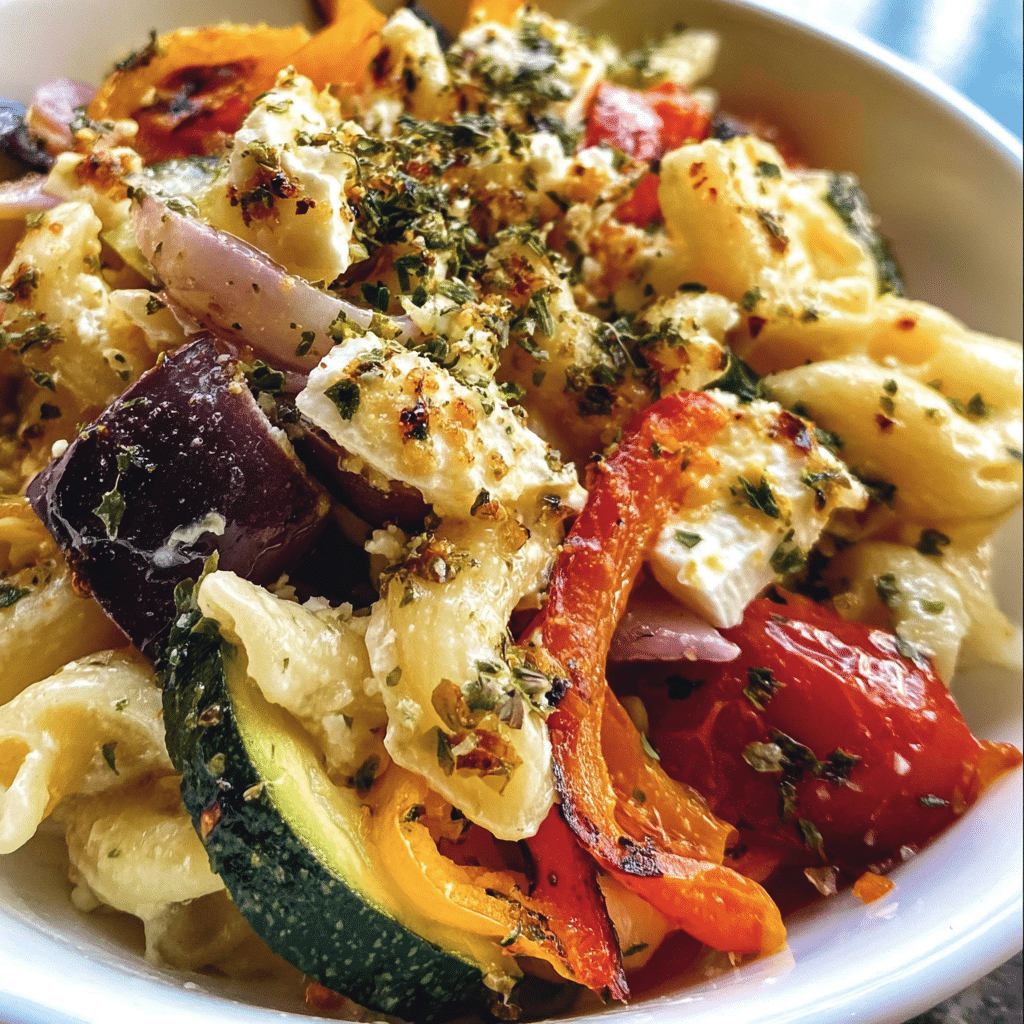
When it comes to the cheese component, baked feta has become a trending ingredient that adds a creamy, tangy element to your dish. To achieve that perfect melted texture, try marinating your feta in olive oil with herbs and garlic for a few hours before baking. This step infuses the cheese with flavor and keeps it wonderfully moist during the baking process.
Troubleshooting Guide
Even experienced cooks sometimes run into problems. One common issue when making veggie pasta baked is having a dry dish. This can usually be corrected by ensuring you have enough sauce. A simple tomato sauce or a creamy béchamel can work wonders. If your pasta seems overcooked or mushy, try undercooking it slightly before baking, as the pasta will continue to cook in the oven.
If you find your cheese isn’t melting well, check the type of cheese you’re using. Some cheeses, like mozzarella or fontina, have better melting properties than others. If you’re looking for a vegan option, consider using vegan cheese that’s designed for melting, or alternatively, a cashew cream can provide a luscious texture.
Presentation Tips
Presentation is everything when it comes to impressing family and friends with your veggie pasta baked. Consider using a colorful assortment of vegetables to create visual appeal. Layer your dish in a clear baking dish to showcase the vibrant colors of the veggies and cheese. Once it comes out of the oven, let it rest for a few minutes before serving. This allows the flavors to meld together beautifully.
For that restaurant-style finish, sprinkle fresh herbs like basil or parsley on top just before serving. Drizzle with a little extra virgin olive oil for sheen and flavor. You can also serve your pasta baked alongside a fresh garden salad or rustic bread to complete the meal.
Wine and Beverage Pairings
Pairing the right beverage with your veggie pasta baked can elevate the dining experience. A light, crisp white wine like Sauvignon Blanc or a fruity Pinot Grigio pairs beautifully with the tangy flavors of baked feta and roasted vegetables. If you prefer red wine, a light-bodied option like a Pinot Noir can complement the dish nicely, balancing the richness of the cheese.
If you’re looking for a non-alcoholic option, a sparkling water with a twist of lemon can cleanse the palate perfectly between bites. Additionally, herbal teas or fresh juices made from seasonal fruits can also be delightful accompaniments.
In conclusion, the world of veggie pasta baked is rich with possibilities. With the right techniques, a bit of creativity, and some careful planning, you can create a dish that not only nourishes but also delights the senses. So don your apron, gather your favorite ingredients, and get ready to impress with your culinary skills!
Creative Variations and Adaptations of veggie pasta baked
One of the most exciting aspects of cooking is the ability to adapt and create. Veggie pasta baked is no exception, as you can easily infuse creativity and personal flair into this delicious dish. Whether you’re looking to switch up the ingredients based on the season or cater to specific dietary needs, the possibilities are endless!
Seasonal Variations
When it comes to veggie pasta baked, seasonal ingredients can make a world of difference. In the fall, consider using butternut squash, spinach, and sage to create a warm, comforting dish. Simply roast the squash until it’s tender and mix it with your pasta, adding sautéed spinach and a sprinkle of nutmeg for warmth.
In the summer, fresh zucchini, eggplant, and tomatoes shine. Use a mix of these summer vegetables, perhaps grilling them for added flavor. You could also incorporate fresh basil and a light olive oil drizzle to enhance their natural taste. This not only keeps your dish vibrant but also supports local farmers and reduces your carbon footprint.
Dietary Adaptations
Dietary restrictions shouldn’t limit your enjoyment of veggie pasta baked. If you’re following a keto diet, opt for zucchini noodles or spaghetti squash instead of traditional pasta. For a gluten-free option, chickpea or lentil pasta can be a perfect substitute—both are nutritious and satisfying.
If you’re aiming for a vegan version, simply replace the feta with a homemade cashew cheese or a store-bought vegan cheese that melts well. You can create a creamy sauce by blending soaked cashews with nutritional yeast, garlic, and lemon juice for a tangy kick that mimics the creaminess of cheese.
Creative Twists
The beauty of veggie pasta baked lies in its versatility. For a fun twist, consider incorporating international flavors. A Mediterranean-inspired version might include artichokes, olives, and sun-dried tomatoes, topped with crumbled feta to give it that authentic taste. Alternatively, for an Asian flair, use soba noodles and a mixture of stir-fried vegetables like bok choy and shiitake mushrooms, drizzled with a sesame-soy sauce before baking.
If you have leftovers, don’t fret! Transform them into a whole new meal by turning the baked pasta into a frittata. Simply beat some eggs, mix in your leftover pasta, pour it into a skillet, and cook until set. This not only reduces food waste but also allows you to enjoy your creation in a new light.
In conclusion, the adaptability of veggie pasta baked is a testament to its popularity and comfort. With the right seasonal ingredients, dietary modifications, and creative twists, you can make this dish your own. So get adventurous in the kitchen and let your taste buds lead the way!
Storage, Reheating, and Meal Prep for veggie pasta baked
When it comes to cooking, especially with dishes like veggie pasta baked, understanding how to store, reheat, and prepare meals is essential for ensuring that your culinary creations remain delicious and safe to eat. With a bit of planning, you can enjoy this delightful dish on multiple occasions without sacrificing flavor or quality. Let’s dive into the best practices for storage, meal prep, and reheating to get the most out of your veggie pasta baked.
Short-term Storage
Once you’ve prepared your veggie pasta baked, the first thing you might wonder is how to store it properly for short-term use. If you plan to enjoy the dish within a few days, the refrigerator is your best option. Allow the veggie pasta baked to cool down to room temperature before transferring it to an airtight container. This is crucial because placing hot food directly into the refrigerator can raise the temperature inside, potentially leading to bacterial growth.
For optimal freshness, it’s advisable to use glass or BPA-free plastic containers that seal tightly. Not only do they keep your food protected from moisture, but they also prevent odors from other foods in the fridge from seeping in. If you have leftovers, consider portioning them into individual servings, which makes it easier to grab a quick lunch or dinner without the need to reheat the entire dish each time.
Generally, veggie pasta baked can be stored in the refrigerator for up to 3-5 days. Be sure to label your containers with the date they were prepared; this simple step can help you keep track of freshness and avoid any food safety issues. If you’re ever in doubt, trust your senses — if it smells off or looks questionable, it’s best to err on the side of caution and discard it.
Freezing and Long-term Storage
If you want to save your veggie pasta baked for a longer period, freezing is an excellent option. This dish freezes remarkably well, but there are some tips to ensure it retains its flavor and texture. Start by allowing the dish to cool completely. Once cooled, you can transfer it to freezer-safe containers or heavy-duty freezer bags. If using bags, try to remove as much air as possible to prevent freezer burn.
One of my favorite tricks is to freeze individual portions of veggie pasta baked. This not only allows for quick meal options but also helps prevent waste. When properly packaged, veggie pasta baked can last for up to 3 months in the freezer. Remember to label each container with the date and contents so that you can easily identify what’s inside when you’re ready to enjoy it.
For the best quality, avoid freezing the dish with any toppings that may not freeze well, such as fresh herbs or creamy sauces. These can always be added fresh when you reheat the pasta. When you’re ready to enjoy your frozen veggie pasta baked, simply transfer it to the refrigerator to thaw overnight or use the defrost setting on your microwave.
Reheating Best Practices
The final step in ensuring your veggie pasta baked remains delicious is reheating it properly. The goal is to bring the dish back to temperature without overcooking it, which can lead to a dry texture. There are several methods for reheating, each with its own advantages.
If you have the time, reheating in the oven is the best option. Preheat your oven to 350°F (175°C), then place your veggie pasta baked in an oven-safe dish. Cover it with foil to keep moisture in and prevent it from drying out. Heat for about 20-25 minutes, or until it’s warmed through. If you want to add a little bit of freshness, consider sprinkling some extra cheese or herbs on top before reheating.
If you’re in a rush, the microwave is a quick alternative. Place your portion in a microwave-safe dish and cover it with a microwave-safe lid or damp paper towel to trap steam. Heat in short intervals, about 1-2 minutes at a time, stirring in between to ensure even heating. Just be careful not to overdo it, as microwaving can sometimes lead to rubbery pasta.
Finally, it’s important to remember food safety guidelines when reheating. Avoid reheating multiple times, as this can lead to foodborne illnesses. Instead, try to reheat only the amount you plan to eat at one time.
In summary, whether you’re storing, freezing, or reheating your veggie pasta baked, a little knowledge goes a long way in preserving its deliciousness. With these tips, you can enjoy this comforting dish multiple times without losing its wonderful flavors. Happy cooking and enjoy your veggie pasta baked!
Nutritional Benefits and Health Information
As we embark on our culinary journey with veggie pasta baked, it’s essential to understand not only how to prepare this delightful dish but also the nutritional benefits it brings to the table. This dish is not just a feast for the eyes and palate, but it also packs a punch when it comes to health benefits. Let’s break down the nutritional aspects of veggie pasta baked and explore why it deserves a spot in your meal rotation.
Nutritional Profile
The beauty of veggie pasta baked lies in its versatility and the array of ingredients that can be used, each contributing to its overall nutritional profile. Typically, this dish includes whole grain pasta, a medley of colorful vegetables, and a creamy or cheesy sauce. Whole grain pasta is a fantastic source of complex carbohydrates, providing sustained energy and dietary fiber. Fiber is essential for digestive health and can help maintain a feeling of fullness, making it an excellent choice for those looking to manage their weight.
The vegetables you choose to incorporate can significantly impact the nutritional content. For example, spinach adds iron and calcium, bell peppers are rich in vitamin C, and zucchini provides hydration and potassium. Depending on your choice of sauce, you can also introduce healthy fats and proteins into the dish. A light olive oil drizzle or a sprinkle of feta cheese not only enhances flavor but also brings in beneficial nutrients. Overall, a serving of veggie pasta baked can contain a balanced mix of carbohydrates, protein, and healthy fats, making it a wholesome meal option.
Health Benefits
Veggie pasta baked goes beyond mere sustenance; it offers numerous health benefits. The variety of vegetables present helps to ensure a diverse intake of vitamins and minerals, which are crucial for maintaining overall health. For instance, the antioxidants found in vegetables like tomatoes and bell peppers have been linked to reduced inflammation and improved heart health. Additionally, incorporating more plant-based foods into your diet can lower the risk of chronic diseases such as diabetes and certain types of cancer.
Moreover, whole grains have been shown to improve gut health and lower cholesterol levels. The fiber present in whole grain pasta aids in digestion and helps regulate blood sugar levels. This is particularly beneficial for individuals looking to stabilize their energy levels throughout the day. By combining various vegetables with whole grains, you’re creating a nutrient-dense dish that supports sustained energy and overall well-being.
Dietary Considerations
When it comes to dietary restrictions, veggie pasta baked is inherently quite accommodating. It can easily be made gluten-free by using gluten-free pasta alternatives, such as chickpea or lentil pasta. For those following a vegan diet, simply swap out dairy ingredients for plant-based options, such as nutritional yeast or vegan cheese, while maintaining the richness and flavor of the dish.
Another consideration is allergens. If you’re preparing veggie pasta baked for a gathering, it’s essential to inquire about any food allergies your guests may have. Common allergens that could be present include dairy (from cheese), gluten (from pasta), and nuts (if you choose to include pesto or nut-based sauces). By being mindful of these dietary needs, you can create a dish that everyone can enjoy.
In terms of calorie content, a standard serving of veggie pasta baked can range from 300 to 500 calories, depending on the ingredients used and portion size. This makes it a suitable option for various diet plans, whether you’re aiming for weight loss, maintenance, or muscle gain. The key is to balance your portions and include plenty of vegetables to keep the calorie count in check while maximizing nutritional density.
In conclusion, veggie pasta baked is not only a comforting and satisfying dish but also a nutritious choice for anyone looking to incorporate healthier meals into their diet. With its rich array of ingredients, it supports overall health while being adaptable to various dietary needs. The next time you whip up this delightful dish, remember the wealth of benefits it brings, and enjoy every delicious bite!
Conclusion: Mastering the Perfect veggie pasta baked
Creating the perfect veggie pasta baked is more than just following a recipe—it’s about understanding the techniques, ingredients, and cultural significance behind this beloved dish. Throughout this comprehensive guide, we’ve explored everything from the historical origins to modern variations, ensuring you have all the knowledge needed to make this recipe your own.
Whether you’re a beginner cook or an experienced chef, the techniques and tips we’ve shared will help you create a veggie pasta baked that’s not only delicious but also meaningful. Remember that cooking is a journey of discovery, and each time you make this dish, you’ll learn something new.
We encourage you to experiment with the variations we’ve discussed, adapt the recipe to your dietary needs, and most importantly, share it with the people you love. Food has the incredible power to bring people together, and Veggie Pasta with Baked Feta is the perfect dish to create lasting memories around your dinner table.
Don’t forget to share your cooking adventures with us on social media, and feel free to ask questions in the comments below. Happy cooking!
Share this recipe and let us know how it turned out! Tag us on social media for a chance to be featured.