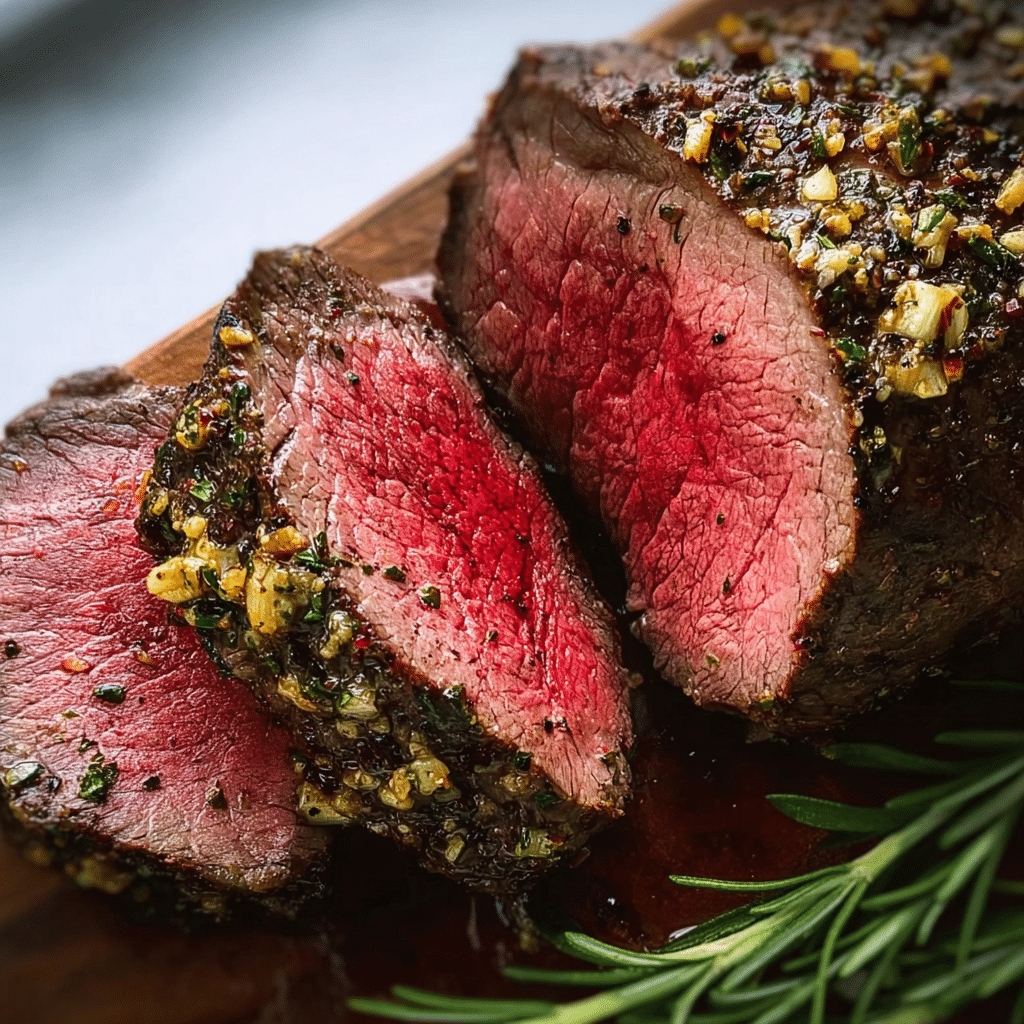
Amazing beef tenderloin has a way of making any meal feel special. I still remember the first time I encountered this magnificent cut of meat. It was a chilly winter evening, and I was at my best friend’s house for a holiday dinner. As I walked in, the aroma of something savory and rich wafted through the air, wrapping around me like a warm hug. I was greeted by the sight of a perfectly roasted beef tenderloin, glistening under the soft glow of candlelight. I couldn’t help but feel a surge of excitement and a hint of envy at the same time. Little did I know that this dinner would spark a passion for cooking that has only grown over the years.
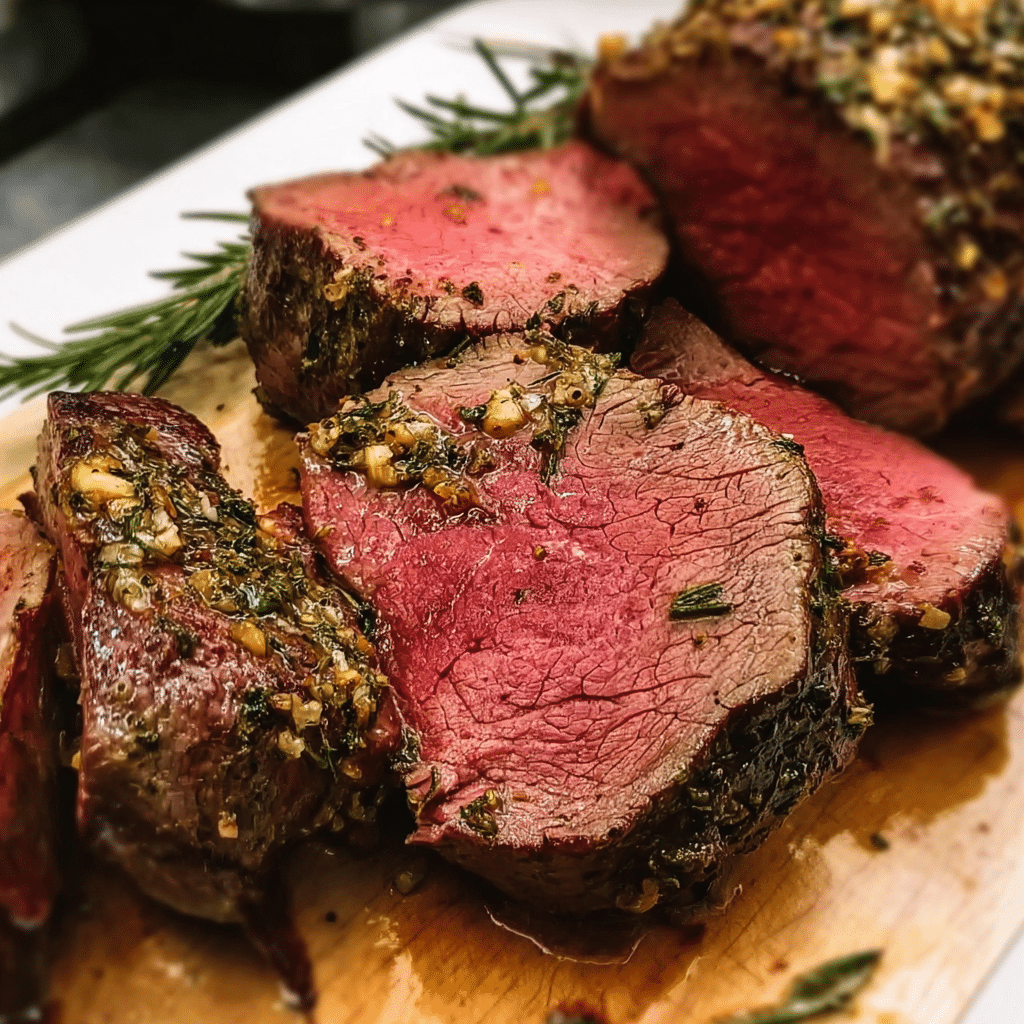
As we gathered around the table, my friend’s family shared stories and laughter, and I learned that this dish was a tradition passed down through generations. They spoke of how beef tenderloin was often reserved for special occasions, a centerpiece that brought everyone together. That evening, I not only tasted the most delectable beef tenderloin but also felt the warmth of family and friendship. It was a moment that etched itself into my heart, prompting me to recreate this dish at home.
The Story Behind This Recipe
Over the years, I’ve experimented with various recipes, each time trying to capture the magic I experienced that night. The amazing beef tenderloin is not just about the cooking; it’s a celebration of flavors and memories. The tenderloin itself is one of the most prized cuts of beef, known for its buttery texture and rich flavor, making it a favorite among chefs and home cooks alike. It’s often considered a luxury cut, perfect for gatherings and festive occasions.
What makes my version special is a blend of herbs and spices that I’ve honed through trial and error, incorporating elements from different culinary traditions. For instance, I love to marinate my beef tenderloin with a mixture of garlic, rosemary, and balsamic vinegar, allowing the flavors to meld beautifully. This not only enhances the natural taste of the meat but also makes the preparation process incredibly simple for busy families.
Why You’ll Love This Dish
One of the reasons I adore amazing beef tenderloin is its versatility. Whether it’s a weeknight dinner or a festive gathering, this dish fits right in. It can be prepared relatively quickly, making it a perfect option for those of us juggling work, family, and the demands of daily life. A quick sear in the pan, followed by a gentle roast in the oven, and you’re left with a dish that looks and tastes like you’ve spent hours in the kitchen.
Seasonally, this dish shines during the colder months, particularly around the holidays. The warmth of the roasted beef tenderloin, paired with seasonal vegetables like Brussels sprouts or root vegetables, creates a comforting meal that invites everyone to the table. However, it is also delightful in the spring when served with fresh herbs and lighter sides. It reminds me that good food can be enjoyed at any time of the year, adding a touch of elegance to everyday meals.
Every time I prepare this dish, I am transported back to that evening at my friend’s house, feeling the emotional connection to the meal and the people it brings together. It’s more than just a recipe; it’s a way to create lasting memories with loved ones. In this guide, you’ll learn not only how to make the amazing beef tenderloin but also the stories and techniques that will help you create your own cherished moments around the dinner table.
The Rich History and Cultural Significance of amazing beef tenderloin
The history of amazing beef tenderloin is rich and steeped in tradition, reflecting the culinary evolution of cultures across the globe. This cut of meat has been prized since ancient times, revered for its tenderness and flavor. The tenderloin comes from the loin section of the cow, a muscle that does very little work, resulting in its tender texture. In medieval Europe, beef was a symbol of wealth, and the nobility often enjoyed lavish feasts where beef tenderloin was a star attraction.
Origins and History
In the context of American cuisine, the beef tenderloin gained popularity in the 19th century, particularly in the Midwest, where cattle ranching was prominent. American chefs began to embrace this cut, creating dishes that showcased its exquisite flavor and texture. The classic preparation often includes a simple seasoning of salt and pepper, allowing the natural taste of the beef to shine. However, various regional interpretations have emerged, each adding unique flavors and techniques.
One notable variation comes from the French culinary tradition, where beef tenderloin is often prepared as “filet mignon.” This preparation involves wrapping the tenderloin in bacon or larding it with fat to enhance its flavor and juiciness. This French influence has permeated through many kitchens, inspiring home cooks to elevate their beef tenderloin dishes with gourmet touches.
Cultural Significance
Across cultures, amazing beef tenderloin is often reserved for special occasions. In many families, it is the centerpiece of holiday celebrations, birthday dinners, and significant milestones. The act of gathering around a beautifully roasted beef tenderloin is a tradition that fosters connection and celebration. In some cultures, it’s also a symbol of hospitality, a way to show love and care for guests by providing a sumptuous meal.
Famous chefs such as Thomas Keller and Wolfgang Puck have elevated this dish, bringing it to the forefront of fine dining. Their interpretations often involve innovative techniques and flavor pairings that inspire home cooks. The way they treat the beef tenderloin reflects a deep respect for the ingredients and the traditions of the past, making it an enduring choice on restaurant menus worldwide.
Nutritional Benefits
From a nutritional standpoint, amazing beef tenderloin is a lean source of protein, packed with essential vitamins and minerals. A serving provides significant amounts of iron, which is crucial for maintaining energy levels, and B vitamins, which support metabolism and overall health. While red meat is often viewed with caution, when consumed in moderation, beef tenderloin can be part of a balanced diet. Pairing it with a variety of colorful vegetables can enhance the meal’s nutritional profile, making it not only delicious but also wholesome.
In summary, the amazing beef tenderloin is much more than just a cut of meat; it embodies a rich history, cultural significance, and a deep-rooted connection to family and community. Whether you’re enjoying it during a festive occasion or a simple family dinner, this dish has the power to bring people together, creating memories that last a lifetime.
Essential Ingredients for Perfect amazing beef tenderloin
When it comes to preparing an amazing beef tenderloin, the quality and selection of ingredients can make all the difference. This luxurious cut of meat deserves only the best, and understanding each ingredient’s role will help elevate your dish to perfection. Below, I’ve compiled an essential ingredients list, along with detailed explanations of what each component brings to the table.
Essential Ingredients
- 1 – 1.25kg/ 2 – 2.5lb centre cut beef tenderloin (eye fillet), tied – The star of the show! When selecting your tenderloin, look for a bright red color and a fine grain. The tenderness of this cut is what makes it so sought after, and the marbling of fat will ensure juiciness and flavor. A well-tied tenderloin will maintain its shape during cooking, resulting in an even roast.
- 1 1/2 tsp cooking / kosher salt – Salt is essential for enhancing the natural flavors of the beef. Kosher salt is preferred for its larger grains, which help to season the meat more evenly.
- 1/2 tsp black pepper – Freshly cracked black pepper adds a subtle heat and depth to the dish. Always opt for whole peppercorns that you can grind yourself for the best flavor.
- 1 tbsp vegetable oil – A high smoke point oil is necessary for searing the tenderloin before roasting. This step is crucial for developing that beautiful crust.
- 75g/ 5 tbsp unsalted butter, softened – Butter adds richness and flavor. Using unsalted butter allows you to control the saltiness of the dish.
- 1 tsp garlic, finely grated or very finely minced – Garlic brings an aromatic flavor that pairs wonderfully with beef, enhancing its savory notes.
- 1 tsp fresh thyme leaves, finely chopped – Thyme adds an earthy, herbaceous quality that complements the richness of the beef.
- 1/4 tsp cooking/kosher salt – Additional salt for the garlic-thyme-butter slather ensures even seasoning throughout the roast.
- 1/4 tsp black pepper – This will add a touch of spiciness to the butter mixture, enhancing its flavor profile.
- 150g/5 oz white mushrooms, sliced 3mm thick – Mushrooms provide an umami depth to the creamy sauce, balancing out the richness of the beef.
- 1/2 tsp garlic, finely minced – More garlic for the sauce brings consistency in flavor throughout the dish.
- 1 thyme sprig – Used for infusing flavor into the creamy mushroom sauce.
- 3/4 cup marsala, Italian fortified wine – Marsala adds sweetness and complexity to the sauce, enhancing the dish’s overall flavor.
- 1/2 cup chicken stock, low sodium – Chicken stock serves as a flavorful base for the sauce, adding moisture without overpowering the dish.
- 3/4 cup thickened cream (heavy cream) – Cream adds a luxurious texture and richness to the mushroom sauce, making it decadent.
- 1/4 tsp black pepper – This rounds out the sauce’s flavors, providing a bit of warmth and spice.
Amazing Beef Tenderloin Roast
Ingredients
Beef:
- 1 – 1.25kg/ 2 – 2.5lb centre cut beef tenderloin (eye fillet), tied (Note 1)
- 1 1/2 tsp cooking / kosher salt
- 1/2 tsp black pepper
- 1 tbsp vegetable oil
Garlic-Thyme-Butter-Slather:
- 75g/ 5 tbsp unsalted butter , softened
- 1 tsp garlic , finely grated or very finely minced with a knife
- 1 tsp fresh thyme leaves , finely chopped (Note 2)
- 1/4 tsp cooking/kosher salt
- 1/4 tsp black pepper
Creamy mushroom sauce:
- 150g/5 oz white mushrooms , sliced 3mm thick
- 1/2 tsp garlic , finely minced
- 1 thyme sprig
- 3/4 cup marsala , Italian fortified wine (Note 3)
- 1/2 cup chicken stock , low sodium
- 3/4 cup thickened cream (heavy cream)
- 1/4 tsp black pepper
Instructions
- Prep beef – Pat beef dry with paper towels, sprinkle with salt and pepper all over. Place the beef on a rack on a tray then refrigerate uncovered 12 to 24 hours. (Can skip, Note 5)
- Butter Slather – Mix Butter Slather ingredients in a bowl.
- De-chill – Remove the beef from the fridge 2 hours prior to cooking. This helps the beef cook evenly.
- Sear – Heat oil in an ovenproof heavy based pan over high heat until smoking. (Note 6) Brown the surface of the beef all over, aggressively and quickly. Then put the beef back on the rack to cool for 15 minutes (so the butter doesn’t instantly melt when you put it on).
- Preheat oven to 120°C/250°F (both fan and standard ovens) (Note 7).
- Butter – Put beef back in cooled skillet. Slather 3/4 of the butter onto the beef – top and sides (not underside).
- Roast 40 – 50 minutes – Roast for 15 minutes. Remove, slather remaining butter onto the top and sides. Roast for a further 25 – 35 minutes or until the internal temperature is 53°C/127°F for medium rare (Note 8 for other levels of doneness).
- Rest & serve – Remove beef from the skillet onto a cutting board and rest for 10 minutes. The internal temperature will rise 56-58°C / 133-136°F (this is medium rare). Slice thickly and serve with Creamy Mushroom Sauce!
Creamy mushroom sauce
- Roasting juices – Pour all juices in skillet into a bowl or jug. The fat will rise to the surface. Pour off 1/4 cup (60ml) of the fat back into the skillet (reserve the rest for later).
- Cook mushrooms – Turn the stove onto high. Once the butter is hot, add mushrooms and cook until they start to sweat. Then add thyme and garlic, and cook for a further 2 minutes until the mushrooms are softened.
- Sauce – Add chicken stock/broth and reduce by half. Add marsala, cream, pepper and remaining reserved roasting juices. Simmer on medium / medium high for 5 minutes until it reduces by half and the sauce is thickened. Taste – it should be slightly on the salty side (which will seem just right with each mouthful of beef). Add more salt if needed. Serve with beef.
Shopping Tips
When shopping for the ingredients for your amazing beef tenderloin, consider visiting a local butcher for the beef. They can guide you in choosing the freshest cut and may even offer to tie it for you. Look for beef that has been aged for tenderness and flavor; often, a slight marbling of fat throughout the tenderloin is a good indicator of quality.
For the herbs and garlic, purchasing fresh is essential as dried herbs can often lack the vibrant flavors needed in this dish. If you’re shopping for mushrooms, ensure they are firm and have a pleasant earthy aroma. Fresh mushrooms should not be slimy or discolored. For the marsala wine, don’t hesitate to ask for recommendations at your local wine shop; they can help you find a good quality option that won’t break the bank.
Substitutions and Alternatives
Not everyone may have access to all these ingredients, or there might be dietary restrictions to consider. If you’re looking for a healthier option, you can replace the heavy cream with a lighter alternative, such as evaporated milk or a plant-based cream. For those avoiding dairy altogether, consider using coconut cream or almond milk thickened with a cornstarch slurry.
If you can’t find marsala wine, a dry sherry or even a sweet red wine can work in its place, although the flavor profile will shift slightly. For the thyme, if fresh isn’t available, you can use dried thyme, though it’s best to reduce the quantity to about one-third, as dried herbs are more concentrated in flavor.
Storage tips are also critical in ensuring your ingredients remain fresh. Beef should be stored in the coldest part of your fridge and used within a few days of purchase. If you need to keep it longer, consider freezing it. Mushrooms should be kept in a paper bag in the fridge to allow them to breathe, while herbs should be used fresh for the best flavor but can also be frozen for later use.
With these essential ingredients and tips, you’re now well-prepared to create an amazing beef tenderloin roast that will impress anyone lucky enough to sit at your table. The journey to a perfect roast begins with the right choices!
Detailed Step-by-Step amazing beef tenderloin Cooking Instructions
Cooking an amazing beef tenderloin is as much about the preparation as it is about the cooking. With the right techniques and steps, you will achieve a roast that is tender, flavorful, and beautifully presented. Here’s a detailed guide to help you navigate through the process seamlessly.
Preparation Steps
- Gather Your Ingredients: Before you begin cooking, ensure you have all your ingredients ready. This will make the process smoother and less stressful. Take a moment to organize them on your countertop.
- Prep the Beef Tenderloin: Unwrap the tenderloin and pat it dry with paper towels. This helps in getting a good sear later on. If not already tied, you may want to tie it with kitchen twine to ensure even cooking.
- Season Generously: Sprinkle the cooking/kosher salt and black pepper evenly over the entire surface of the beef. This not only seasons the meat but also enhances its natural flavors as it cooks.
- Prepare the Garlic-Thyme-Butter Slather: In a bowl, combine the softened butter, grated garlic, chopped thyme, additional salt, and black pepper. Mix until well combined. This slather will impart richness and flavor directly into the meat.
- Prepare the Mushroom Sauce Ingredients: Slice the mushrooms thinly, mince the garlic, and set aside the thyme sprig. Having everything ready will allow you to multitask effectively while the beef cooks.
Cooking Process
- Preheat Your Oven: Set your oven to 220°C (428°F). A high temperature is essential for roasting the beef to create a nice crust while keeping the inside tender.
- Sear the Beef Tenderloin: Heat a large oven-safe skillet over medium-high heat. Add the vegetable oil, and once hot, carefully place the tenderloin in the skillet. Sear for about 3-4 minutes on each side until browned. This step is vital as it locks in the juices.
- Apply the Butter Slather: Once seared, remove the skillet from heat. Generously slather the garlic-thyme-butter mixture all over the beef tenderloin, ensuring it’s coated well.
- Roast the Beef: Transfer the skillet to the preheated oven. Roast for about 20-25 minutes for medium-rare, or until it reaches an internal temperature of 57°C (135°F). Use a meat thermometer to check for accuracy.
- Rest the Meat: Once cooked, remove the tenderloin from the oven and transfer it to a cutting board. Cover it loosely with aluminum foil and let it rest for at least 10-15 minutes. This resting time is crucial as it allows the juices to redistribute throughout the meat.
Final Assembly
- Make the Creamy Mushroom Sauce: While the tenderloin rests, return the skillet to medium heat. Add the sliced mushrooms and sauté until they are browned, which should take about 5 minutes. Stir in the minced garlic and cook for an additional minute.
- Deglaze the Pan: Pour in the marsala wine, scraping up any brown bits from the bottom of the pan. This adds incredible flavor to your sauce. Let it simmer for 2-3 minutes until it reduces slightly.
- Add Chicken Stock and Cream: Stir in the chicken stock and bring it to a gentle simmer. Then, add the thickened cream and thyme sprig. Allow the sauce to reduce for about 5 minutes until it thickens, and season with a pinch of salt and black pepper to taste.
- Slice and Serve: Once the tenderloin has rested, slice it into thick pieces. Arrange the slices on a platter and generously pour the creamy mushroom sauce over the top. Garnish with additional thyme leaves if desired.
- Enjoy: Take a moment to admire your amazing beef tenderloin before serving. Pair it with your favorite sides, such as roasted vegetables or mashed potatoes, and enjoy the fruits of your labor!
With these detailed instructions and a little patience, you’ll create an amazing beef tenderloin that’s not only a feast for the eyes but a delight for the palate. Remember, cooking is an art, and with practice, you will only get better!
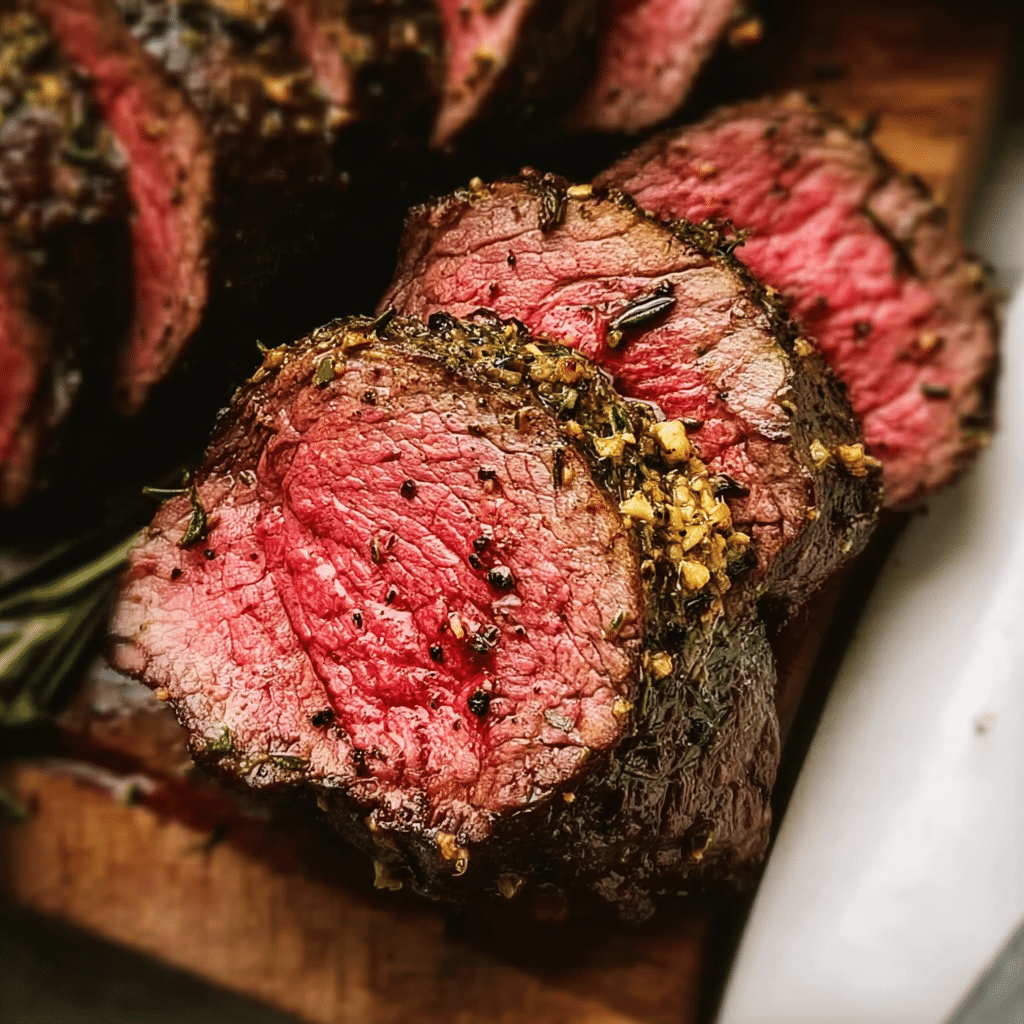
Professional Tips and Techniques for amazing beef tenderloin
Cooking the perfect amazing beef tenderloin is an art form that requires skill, patience, and a little bit of insider knowledge. Whether you’re a seasoned chef or a home cook looking to impress, mastering this dish can elevate your culinary repertoire. In this section, we will explore professional techniques, troubleshooting tips, and presentation ideas that will help you create an amazing beef tenderloin that leaves your guests raving.
Professional Techniques
Let’s dive into some professional cooking techniques that can transform your beef tenderloin from good to amazing. One of the first things to understand is the importance of seasoning. A simple mixture of salt and freshly cracked black pepper can suffice, but consider adding garlic powder or fresh herbs like rosemary and thyme to enhance the flavor. Remember, seasoning the meat generously and allowing it to sit for about 30 minutes before cooking helps create a beautiful crust.
Next, let’s talk about searing. Searing the beef tenderloin at a high temperature creates a caramelized crust that locks in the juices. Use a heavy skillet, preferably cast iron, and heat it until it’s almost smoking. Adding a bit of oil with a high smoke point, like vegetable or canola oil, will help achieve that perfect sear. Don’t overcrowd the pan; sear the meat in batches if necessary to maintain high heat.
Once your tenderloin is beautifully seared, consider finishing it in the oven. Preheat your oven to around 425°F (220°C) and roast the tenderloin until it reaches your desired level of doneness. A meat thermometer is your best friend here. For medium-rare, aim for an internal temperature of 130-135°F (54-57°C). Remember to let the meat rest for at least 10-15 minutes after cooking to allow the juices to redistribute for a more succulent bite.
Troubleshooting Guide
Even the most experienced cooks encounter hiccups in the kitchen, so let’s troubleshoot some common problems associated with preparing an amazing beef tenderloin. One common issue is overcooking. If your tenderloin ends up dry, it’s likely that it was cooked too long. Always rely on your meat thermometer and err on the side of caution. You can always put it back in the oven if it’s undercooked, but once it’s overcooked, there’s no going back.
Another issue could be an unevenly cooked piece of meat. This can often happen if your tenderloin is not at room temperature before cooking. Planning ahead allows you to take the beef out of the fridge an hour prior to cooking, ensuring it cooks evenly. Also, be sure to rotate the tenderloin during cooking if you’re using a grill or uneven heat sources in your oven.
Lastly, if you find your tenderloin lacking in flavor, consider marinating it overnight. A marinade can enhance the taste significantly, especially if it contains acid (like vinegar or lemon juice), which helps to tenderize the meat. Just remember to pat the tenderloin dry before searing to get that perfect crust!
Presentation Tips
Now that your amazing beef tenderloin is cooked to perfection, let’s talk about how to present it. A well-plated dish is just as important as the taste. Start by slicing the tenderloin into medallions. The way you slice matters; cutting against the grain will ensure that each bite is tender. Aim for ½-inch thick slices for an elegant presentation.
Consider serving your tenderloin with a rich sauce, such as a red wine reduction or a creamy horseradish sauce. Drizzle the sauce on the plate before adding the meat for a professional touch. You can also garnish with fresh herbs like parsley or thyme for a pop of color.
For wine pairings, a full-bodied red wine like Cabernet Sauvignon or Merlot complements the richness of the beef beautifully. If you prefer something lighter, a Pinot Noir can also work. Offer guests a choice of beverage to enhance their dining experience, taking your amazing beef tenderloin dinner to the next level.
With these professional tips and techniques, you’ll be well on your way to preparing an unforgettable amazing beef tenderloin that will impress your family and friends. Happy cooking!
Creative Variations and Adaptations of amazing beef tenderloin
When it comes to creating an amazing beef tenderloin, the possibilities are endless. This versatile cut of meat can be adapted to suit various tastes, dietary needs, and culinary styles. In this section, we will explore creative variations and adaptations that will inspire you to put your own spin on this classic dish.
Seasonal Variations
Using seasonal ingredients is a great way to keep your amazing beef tenderloin fresh and exciting. In spring, consider pairing the beef with asparagus and a light lemon sauce. The bright flavors of the asparagus complement the richness of the beef beautifully. In summer, a fresh tomato and basil salad can be a refreshing side, adding vibrant colors and flavors to your plate.
As fall approaches, think about incorporating root vegetables into your dish. Roasted carrots, parsnips, and sweet potatoes not only add a sweet contrast to the savory beef but also create a beautiful autumn-inspired presentation. Winter calls for heartier sides, such as creamy mashed potatoes or Brussels sprouts sautéed with bacon, which can stand up to the robust flavor of the tenderloin.
Dietary Adaptations
Whether you’re accommodating a gluten-free guest or trying to stick to a keto diet, there are plenty of ways to adapt your amazing beef tenderloin recipe. For a gluten-free option, simply ensure that any sauces or marinades are made without soy sauce or other gluten-containing ingredients. You can create a flavorful marinade using olive oil, garlic, and fresh herbs instead.
For those following a keto diet, focus on low-carb sides like sautéed spinach or a cauliflower mash instead of traditional carb-heavy sides. The natural richness of the beef tenderloin makes it an excellent fit for a keto meal, especially when complemented by high-fat sauces like a creamy mushroom sauce.
If you have vegetarian friends, consider preparing a mushroom-based dish as a main course. Portobello mushrooms can be grilled or roasted, mimicking the flavors of beef. For a vegan option, you can create a hearty lentil loaf that takes on a similar texture and flavor profile. While these options differ from the traditional tenderloin, they can still bring the same celebratory feel to the dinner table.
Creative Twists
For those who love to experiment in the kitchen, consider some international fusion variations to make your amazing beef tenderloin stand out. A Korean BBQ-inspired tenderloin could be marinated in a mixture of soy sauce, ginger, and sesame oil, then grilled to perfection and served with kimchi. This exciting twist brings a new dimension to the traditional beef tenderloin and introduces bold flavors that will surprise and delight your guests.
Another creative adaptation is to prepare a Mediterranean-style beef tenderloin, marinated in olive oil, garlic, and rosemary, and served with a side of roasted vegetables drizzled with tahini sauce. This not only adds a vibrant flavor profile but also gives a colorful presentation that is sure to impress.
Don’t forget about the cooking methods! While roasting is the traditional way to prepare beef tenderloin, consider exploring other methods like sous vide for perfectly cooked results every time or slow cooking for a tender, fall-apart experience. If you’re in a hurry, a quick stovetop sear followed by finishing in the oven is a great way to get that beautiful crust while keeping the meat juicy.
Finally, let’s talk leftovers. If you find yourself with extra beef tenderloin, don’t let it go to waste! Thinly slice it for sandwiches or salads, or chop it up for a delicious beef stir-fry. The possibilities are endless with a little creativity and imagination!
With these creative variations and adaptations, you can turn your amazing beef tenderloin into an exciting culinary adventure that caters to every palate. Enjoy the exploration!
Storage, Reheating, and Meal Prep for amazing beef tenderloin
When it comes to preparing an amazing beef tenderloin, understanding how to properly store, reheat, and meal prep this exquisite cut of meat is essential. Beef tenderloin is not just a dish; it’s an experience, and ensuring its quality from the moment it arrives in your kitchen to the time it graces your dinner table is paramount. In this section, we will delve into detailed storage instructions, effective meal prep strategies, and reheating methods that will help you preserve the luxurious flavors and textures of your amazing beef tenderloin.
Short-term Storage
After purchasing your amazing beef tenderloin, it is crucial to store it correctly if you don’t plan to cook it right away. Fresh beef tenderloin should be kept in the refrigerator. Ideally, you want to use it within 3 to 5 days. Here’s how to store it properly:
First, remove the tenderloin from its packaging. Most store-bought beef comes wrapped in plastic, which can trap moisture and lead to spoilage. Instead, wrap the beef tenderloin in butcher paper or parchment paper. This allows the meat to breathe while also protecting it from exposure to air and bacteria. After wrapping, place it in a shallow dish to catch any juices that may leak out and then cover it with plastic wrap or foil to seal in freshness.
For a little extra precaution, you can also use a vacuum sealer. Vacuum sealing not only extends the shelf life of your amazing beef tenderloin but also prevents freezer burn if you choose to freeze it later. Make sure your refrigerator is set to a temperature of 34°F to 38°F (1°C to 3°C) for optimal meat storage.
Freezing and Long-term Storage
If you find yourself with more beef tenderloin than you can use in a short time, freezing is a great option for long-term storage. Freezing preserves the quality of your meat, but there are specific guidelines to follow to ensure it remains as delicious as when it was freshly cooked.
Before freezing, it’s best to divide the tenderloin into portions. This way, you can defrost only what you need for a meal rather than the entire cut. Wrap each portion tightly in plastic wrap, then place it in a freezer-safe bag or container. Squeeze out as much air as possible before sealing to prevent freezer burn. Label each package with the date and type of meat for easy identification when you’re ready to cook.
When stored properly, an amazing beef tenderloin can last in the freezer for up to 6 months without a significant loss of quality. However, it’s best to use it within three months for optimal taste and texture. When you’re ready to cook, move the tenderloin from the freezer to the refrigerator to thaw overnight. Avoid defrosting at room temperature, as this can promote the growth of harmful bacteria.
Reheating Best Practices
After preparing and enjoying an amazing beef tenderloin, you might find yourself with some leftovers. Reheating can be tricky, as you want to maintain the tenderness and flavor of the meat. Here are some effective methods to reheat your beef without compromising its quality:
The best way to reheat beef tenderloin is in the oven. Preheat your oven to 250°F (120°C). Place the slices of tenderloin on a baking sheet and cover them loosely with aluminum foil to prevent them from drying out. Heat for about 20-30 minutes, or until the internal temperature reaches 130°F (54°C) for medium-rare. This gentle reheating method helps preserve the juiciness of the meat.
If you’re short on time, you can also use a microwave, but it’s essential to do it carefully. Place the sliced tenderloin in a microwave-safe dish, sprinkle a little beef broth or water over the meat, and cover it with a microwave-safe lid or wrap. Heat on low power for short intervals, checking frequently to avoid overcooking.
Food safety is a crucial consideration when reheating any meat. Always ensure that leftovers are stored in the refrigerator within two hours of cooking and are consumed within three to four days. If you have any doubts about the meat’s safety, it’s best to err on the side of caution and discard it.
In summary, taking the time to understand storage and reheating techniques for your amazing beef tenderloin will ensure that every bite remains succulent and flavorful. Whether you’re cooking for a special occasion or enjoying a regular weeknight dinner, these practices will help you make the most of this incredible cut of meat.
Nutritional Benefits and Health Information
As we dive into the nutritional benefits and health information surrounding an amazing beef tenderloin, it’s essential to appreciate not just the flavor but also the nutritional value this wonderful cut of meat brings to the table. Beef tenderloin is often celebrated for its tenderness and rich flavor, but it also packs a punch in the nutrition department. Understanding its nutritional profile can help you make informed choices as you incorporate this delicious dish into your meals.
Nutritional Profile
Beef tenderloin is a lean cut of meat, which means it has lower fat content compared to other cuts. A typical 3-ounce serving of cooked beef tenderloin contains approximately 180-200 calories, depending on the cooking method and any added ingredients. Here’s a breakdown of the macronutrient distribution:
- Protein: About 26 grams
- Fat: Approximately 8 grams, of which only 3 grams are saturated fat
- Carbohydrates: 0 grams (beef is a protein source with no carbs)
This high-quality protein is essential for muscle growth and repair, making beef tenderloin an excellent choice for those looking to maintain or build muscle mass. Additionally, it contains significant amounts of vitamins and minerals, including iron, zinc, and B vitamins, all of which are crucial for various bodily functions.
Health Benefits
The health benefits of consuming beef tenderloin extend beyond just its protein content. Iron, a key component found in red meat, is vital for the production of hemoglobin, which transports oxygen in the blood. This is particularly important for those who are active or have higher iron needs, such as pregnant women. The zinc present in beef aids in immune function, wound healing, and supports healthy growth and development.
B vitamins, particularly B12, play a role in energy metabolism and neurological function. They help convert food into energy and are essential for maintaining healthy nerve cells. For those following a low-carb or ketogenic diet, beef tenderloin is a fantastic option that fits well thanks to its high protein and low carb content.
Dietary Considerations
While beef tenderloin is a nutritious choice, it’s important to consider dietary restrictions. For individuals with diabetes, moderation is key. Though it’s low in carbohydrates, the fat content can vary, so opting for lean cuts and trimming visible fat is advisable. Additionally, if you have high cholesterol or heart-related concerns, balancing beef tenderloin with plenty of vegetables and whole grains can help maintain a healthy diet.
As with any food, the key is balance. Incorporating an amazing beef tenderloin into a diet rich in fruits, vegetables, and whole grains can provide a well-rounded nutritional profile that supports overall health. If you’re looking for healthy modification suggestions, consider marinating the beef in herbs and spices instead of heavy sauces, which can add flavor without adding unnecessary calories.
Comparing beef tenderloin to similar dishes, such as ribeye or sirloin, shows that tenderloin is generally lower in fat while still providing a robust flavor. This makes it an excellent choice for those who want the richness of beef without the extra calories associated with fattier cuts.
In conclusion, the amazing beef tenderloin is not only a culinary delight but also a nutritional powerhouse. By understanding its health benefits and nutritional profile, you can make informed decisions about how and when to enjoy this exquisite cut of meat while reaping its many advantages.
Frequently Asked Questions About Amazing Beef Tenderloin
Amazing beef tenderloin roast recipe
For an amazing beef tenderloin roast, start by selecting a high-quality cut, ideally USDA Prime or Choice. Begin by seasoning the roast generously with salt and freshly cracked black pepper, and let it sit at room temperature for about 30 minutes before cooking to enhance flavor and tenderness. Sear the roast in a hot skillet with some olive oil for about 3-4 minutes on each side to develop a beautiful crust. After searing, transfer it to a preheated oven at 425°F (220°C) and roast until it reaches your desired doneness, typically about 25-30 minutes for medium-rare. Let it rest for 10-15 minutes before slicing to allow the juices to redistribute, ensuring a moist and flavorful roast.
Amazing beef tenderloin roast cooking time
The cooking time for an amazing beef tenderloin roast largely depends on its size and desired doneness. As a general rule, roast a 2-3 pound tenderloin for about 25-30 minutes at 425°F (220°C) for medium-rare, or until it reaches an internal temperature of 130-135°F (54-57°C). For medium, aim for an internal temperature of 140-145°F (60-63°C), which may require an additional 5-10 minutes of cooking time. Always use a meat thermometer for accuracy, as oven temperatures can vary. Remember to let the roast rest for 10-15 minutes after cooking to ensure the juices stay locked in.
Beef tenderloin roast recipe
A classic beef tenderloin roast recipe begins with a well-trimmed tenderloin, seasoned simply with salt, pepper, and a touch of garlic powder for added depth. Preheat your oven to 425°F (220°C) and sear the roast in a hot skillet with olive oil for a few minutes on each side until a crust forms. Transfer the skillet to the oven and roast until the desired doneness is reached, approximately 25-30 minutes for medium-rare. For an extra layer of flavor, consider adding fresh herbs like rosemary or thyme to the skillet during roasting. Serve the roast sliced with a red wine reduction or a creamy horseradish sauce for a delicious accompaniment.
Simple beef tenderloin recipe
A simple beef tenderloin recipe involves minimal ingredients to highlight the meat’s natural flavor. Start by seasoning the tenderloin liberally with salt and black pepper, allowing it to sit at room temperature for about 30 minutes. Sear it in a hot skillet with butter or oil for about 4-5 minutes on each side until a golden-brown crust forms, then transfer it to a preheated oven at 400°F (204°C) for about 20-25 minutes for medium-rare doneness. Let the tenderloin rest for 10 minutes before slicing to maintain juiciness. For added simplicity, serve with a side of roasted vegetables or a simple salad.
Which cooking method is best for beef tenderloin
The best cooking method for beef tenderloin is a combination of searing and roasting, often referred to as the “reverse sear” technique. Start by seasoning your tenderloin and letting it come to room temperature, then sear it in a very hot pan to create a flavorful crust. After searing, transfer it to a preheated oven at a lower temperature (around 225°F or 107°C) to cook evenly until it reaches your desired doneness. This method helps maintain the tenderloin’s juiciness and ensures a perfect medium-rare throughout. Additionally, using a meat thermometer can help you achieve precise results.
Best beef tenderloin recipe
The best beef tenderloin recipe often includes a blend of simple ingredients that enhance the meat’s natural flavors. A popular approach is to create a herb crust with fresh rosemary, thyme, and garlic mixed with Dijon mustard as a binder. After seasoning the tenderloin, apply the herb mixture and let it marinate for at least an hour. Sear the tenderloin in a hot skillet until browned, then roast it in a preheated oven at 400°F (204°C) until it reaches your preferred doneness. Finish with a red wine reduction sauce for a gourmet touch that elevates the dish.
Unique beef tenderloin recipes
For a unique twist on traditional beef tenderloin, consider marinating it in a mixture of soy sauce, honey, and ginger for an Asian-inspired flavor profile. Another creative option is to wrap the tenderloin in prosciutto and top it with a fig and balsamic glaze for a sweet and savory combination. You can also try a spice rub using coffee, brown sugar, and smoked paprika for a bold, smoky flavor. Finally, serve with a side of roasted root vegetables or a tangy chimichurri sauce to complement the rich taste of the tenderloin, making it a standout dish.
Beef tenderloin steak recipe
A beef tenderloin steak recipe is simple yet elegant, perfect for a special occasion. Start by slicing the tenderloin into 1.5-inch thick steaks and seasoning them with salt, pepper, and a sprinkle of garlic powder. Heat a skillet or grill over high heat and add a bit of oil. Sear the steaks for 4-5 minutes on each side for medium-rare, or until they reach an internal temperature of 130-135°F (54-57°C). Allow the steaks to rest for a few minutes before serving, and consider topping them with a pat of herb butter or a drizzle of balsamic reduction for added flavor.