Apple cider cheesecake has a unique way of bringing together the warmth of autumn and the comforting essence of cheesecake, creating a dessert that is not only delicious but also filled with memories and stories. I still remember the first time I had a slice of this enchanting dessert. It was during a crisp October afternoon at a local harvest festival, where the air was filled with the scent of freshly baked goods and warm spices. I wandered into a small booth, and the moment I took a bite of that creamy, tangy cheesecake with hints of apple cider, I was transported to a cozy kitchen filled with laughter and the aroma of cinnamon and nutmeg. That experience sparked my passion for baking and introduced me to a dessert that I would later make a staple in my own kitchen.
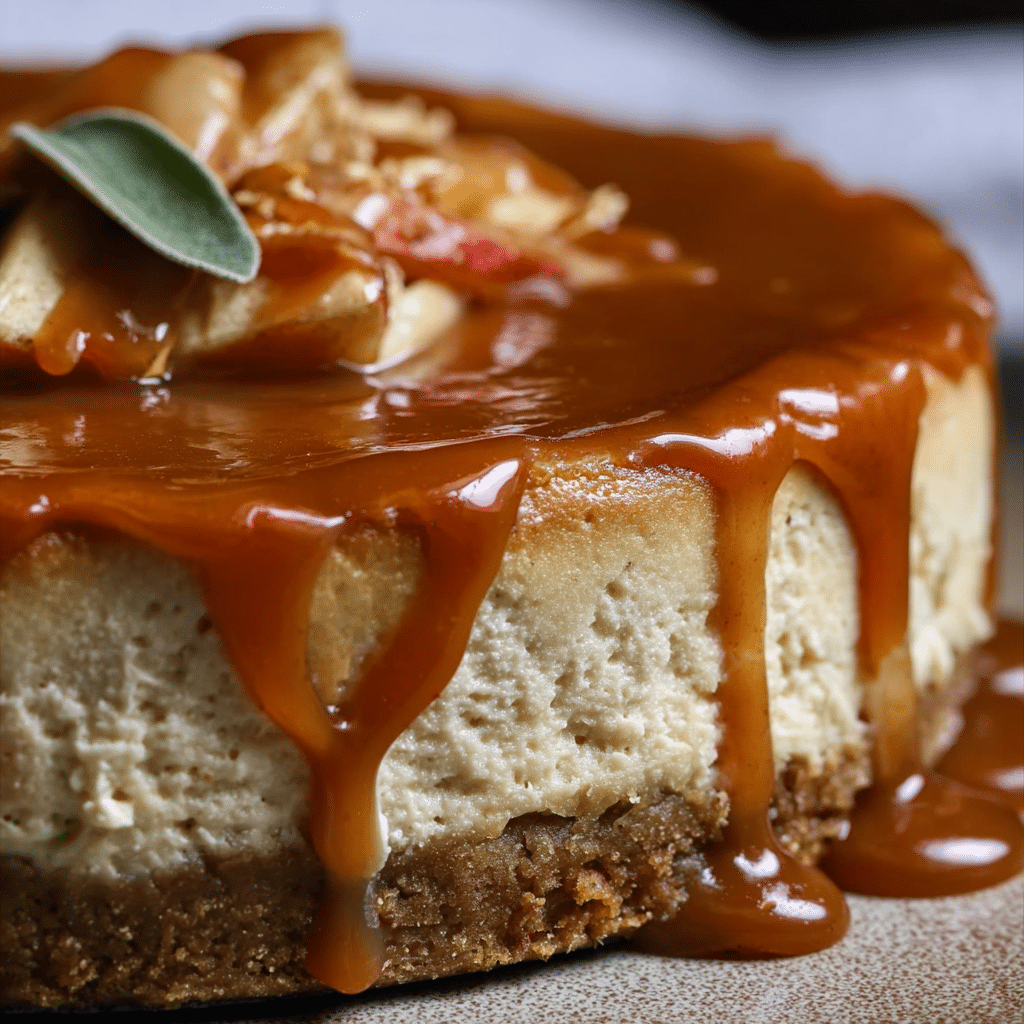
The apple cider cheesecake is not just a dessert; it is a celebration of the fall harvest, combining the sweetness of apples with the richness of cream cheese. The origins of this delightful treat can be traced back to the traditional cheesecake recipes of early American settlers, who would often incorporate local ingredients into their dishes. The inclusion of apple cider reflects the agricultural bounty of the region, especially in areas known for their apple orchards. Over the years, this recipe has evolved, integrating various spices and flavors that enhance its character while preserving its core essence.
The Story Behind This Recipe
What sets my version of apple cider cheesecake apart from others is not just the ingredients, but the memories attached to it. I always find myself reminiscing about the times spent with my family during fall—picking apples, sipping warm cider, and gathering around the table for hearty meals. This cheesecake encapsulates those moments perfectly. It’s a dish that I love to prepare during the harvest season, especially when the leaves start turning golden and the days grow shorter. It’s the kind of dessert that warms you from the inside, much like those cherished family gatherings.
For busy families, the apple cider cheesecake offers a quick and delightful solution. Unlike traditional cheesecakes that require hours of preparation and chilling, this recipe streamlines the process while still delivering on taste and presentation. With a few simple ingredients, you can whip up this crowd-pleaser that not only satisfies your sweet tooth but also elevates any dinner gathering. It’s a favorite for potlucks, holiday dinners, and even just a cozy family night in.
As we dive deeper into this guide, you will learn not only how to prepare this delectable dessert but also tips and tricks to make it your own. From choosing the best apples for your cheesecake to perfecting the crust, you’ll discover the secrets that will make your apple cider cheesecake the talk of the table. Whether you’re an inexperienced baker or a seasoned chef, there’s something here for everyone.
Why You’ll Love This Dish
This dish is not just about satisfying your palate; it’s about creating connections, sharing stories, and making memories. The apple cider cheesecake is perfect for celebrating the beautiful season of fall, making it a staple in my home. I find that baking this cheesecake fills my kitchen with warmth and laughter, as family members gather around, eagerly awaiting the first slice. It’s a dessert that evokes feelings of nostalgia and comfort, making it the perfect choice for both festive occasions and simple family dinners.
In this ultimate guide to apple cider cheesecake, I invite you to join me on a journey through flavors, traditions, and personal anecdotes. Together, we’ll explore not just the recipe, but the heart and soul behind this enchanting dessert. So grab your apron, and let’s get started on creating a delicious experience that you and your family will cherish for years to come.
The Rich History and Cultural Significance of apple cider cheesecake
The apple cider cheesecake is more than just a dessert; it is a rich tapestry of history, culture, and culinary evolution. The combination of creamy cheesecake and the tangy sweetness of apple cider reflects the agricultural heritage of many regions, especially in the United States, where apples are a significant crop. To understand the cultural significance of this dish, we must first delve into its origins.
Origins and History
The origins of cheesecake date back to ancient Greece, where it was made using simple ingredients like cheese, honey, and wheat. However, the unique twist of incorporating apple cider into the cheesecake is a more recent American innovation, likely emerging in the late 19th to early 20th century, coinciding with the rise of apple farming in the United States. As settlers began to utilize local produce in their cooking, apple cider became a staple ingredient, particularly in regions like New England, where apple orchards flourished.
By the 1980s, the popularity of cheesecakes surged, and bakers began to experiment with various flavors, leading to the delightful creation of the apple cider cheesecake. This dish quickly became a fall favorite, not only for its delicious taste but also for its ability to evoke feelings of warmth and nostalgia. The recipe has undergone various adaptations over the years, with each baker adding their unique touch, whether it be additional spices, a different crust, or unique toppings.
Cultural Significance
The apple cider cheesecake holds a special place in American culinary traditions, particularly in autumn. It is often served at harvest festivals, Thanksgiving gatherings, and family reunions. The dessert embodies the spirit of the season, celebrating the bounty of apples and the warmth of family togetherness. In many households, making this cheesecake becomes a cherished tradition, passed down through generations as a way to connect with one’s roots and celebrate the changing seasons.
Famous chefs and restaurants have also embraced this dish, elevating it to new heights with gourmet twists and innovative presentations. Whether it’s a high-end restaurant featuring a deconstructed version or a local bakery serving up classic slices, the apple cider cheesecake has made its mark in the culinary world. Each iteration tells a story of creativity, tradition, and the love of good food.
Nutritional Benefits
While desserts are often viewed as indulgences, the apple cider cheesecake can offer some nutritional benefits as well. Apples, a key ingredient in this recipe, are rich in dietary fiber, vitamins, and antioxidants. They can support heart health, boost immunity, and aid in digestion. Additionally, using cream cheese in moderation can provide a source of calcium and protein. By incorporating this cheesecake into a balanced diet, one can enjoy a delicious treat while still being mindful of health.
In conclusion, the apple cider cheesecake is a delightful fusion of history, culture, and contemporary culinary practices. It serves as a reminder of the importance of tradition and the joy of sharing food with loved ones. As we continue through this guide, you’ll not only learn how to make this delectable dessert but also appreciate the rich history and cultural significance that it carries. So, let’s embrace the flavors of autumn and celebrate with a slice of apple cider cheesecake that honors the past while delighting our taste buds today.
Essential Ingredients for Perfect apple cider cheesecake
When it comes to creating the perfect apple cider cheesecake, the ingredients you choose are crucial. Each component not only contributes to the flavor and texture but also plays a significant role in the overall success of this delectable dessert. Below, I’ve compiled a list of essential ingredients along with detailed explanations of their importance, quality indicators, and tips for sourcing. So, let’s dive into the heart of this recipe!
Essential Ingredients
- 3 cups (717 g) apple cider: The star of the show! Fresh, unfiltered apple cider adds a rich, fruity flavor to your cheesecake. Look for cider that is free of preservatives and artificial flavors for the best taste.
- 1 teaspoon cinnamon: This warm spice complements the apple cider beautifully, enhancing its flavor. Use ground cinnamon for convenience, but consider using fresh cinnamon sticks ground at home for a more aromatic experience.
- 1 cup (84 g) graham cracker crumbs: These crumbs form the buttery crust of your cheesecake. Opt for whole graham crackers and crush them yourself for better texture and flavor. About 7 crushed sheets will do the trick.
- 1 tablespoon granulated sugar: A touch of sweetness in the crust helps balance the flavors. You can substitute this with brown sugar for a more caramel-like flavor.
- 3 tablespoons unsalted butter, melted: This binds the graham cracker crumbs together and adds richness. Always use unsalted butter for baking to control the salt levels in your dessert.
- 2 packages (8 ounces each) cream cheese, softened: Cream cheese is essential for creating that creamy, smooth texture. Make sure to allow it to soften at room temperature to avoid lumps.
- ¾ cup (167 g) superfine granulated sugar: This helps in sweetening the filling without leaving graininess. If you can’t find superfine sugar, you can blend regular granulated sugar in a food processor until it’s finer.
- ¼ cup (57.5 g) sour cream, room temperature: Sour cream adds a subtle tang and creaminess that elevates the cheesecake. Full-fat sour cream is recommended for the best texture.
- 1 teaspoon vanilla extract: A key flavor enhancer, vanilla extract rounds out the sweetness and adds depth. Use pure vanilla extract for the richest flavor.
- 3 large eggs, room temperature: Eggs provide structure and stability to the cheesecake. Room temperature eggs blend more easily, ensuring a smooth filling.
- 2 tablespoons apple cider reduction, from above: A concentrated version of apple cider, this reduction intensifies the flavor of the cheesecake. Making your own is easy and adds a personal touch.
- 1 cup (200 g) granulated sugar: This is for the caramel sauce that will drizzle over your cheesecake, adding an extra layer of flavor. You can adjust the sweetness according to your preference.
- 6 tablespoons unsalted butter: This is also for the caramel sauce, providing a rich base. As always, opt for unsalted butter to maintain control over the flavor.
- ⅓ cup (79 g) heavy cream, warmed slightly: Heavy cream adds creaminess to the caramel sauce. Warm it slightly to prevent it from seizing when added to the hot mixture.
- ¼ cup reduced apple cider, from above: This will enhance the flavor of the caramel sauce, tying everything back to the apple cider theme.
- ½ teaspoon vanilla extract: Just like in the cheesecake, this enhances the flavor of the caramel sauce.
- 1 pinch kosher salt: A little salt enhances the sweetness and balances the flavors in both the cheesecake and the caramel sauce.
- Apples, sliced for topping (optional): Fresh apple slices can add a decorative touch and additional flavor. Use varieties like Granny Smith or Honeycrisp for a nice contrast to the sweetness of the cheesecake.
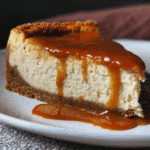
Apple Cider Cheesecake
Ingredients
- Apple Cider Reduction
- 3 cups (717 g) apple cider
- 1 teaspoon cinnamon
Crust
- 1 cup (84 g) graham cracker crumbs, about 7 crushed sheets of graham crackers
- 1 tablespoon granulated sugar
- 3 tablespoons unsalted butter melted
Filling
- 2 packages (8 ounces each) cream cheese, softened
- ¾ cup (167 g) superfine granulated sugar, or granulated sugar
- ¼ cup (57.5 g) sour cream, room temperature
- 1 teaspoon vanilla extract
- 3 large eggs, room temperature
- 2 tablespoons apple cider reduction, from above
Apple Cider Caramel
- 1 cup (200 g) granulated sugar
- 6 tablespoons unsalted butter
- ⅓ cup (79 g) heavy cream, warmed slightly
- ¼ cup reduced apple cider, from above
- ½ teaspoon vanilla extract
- 1 pinch kosher salt
Garnish
- apples, sliced for topping (optional)
Instructions
Apple Cider Reduction
- To a small saucepan over medium heat, add the apple cider and cinnamon. Cook for 20-22 minutes, or until it is reduced to about ⅓ cup. Set aside to cool completely.
- Preheat oven to 350°F. Line the bottom of a 7-inch springform pan with parchment paper.
Crust
- Mix graham cracker crumbs, sugar, and butter. Make sure all graham crackers are coated in butter and that it is a coarse sand consistency.
- Press crust into the bottom of the springform pan. Wrap two pieces of aluminum foil around the base of the springform pan. This is to prevent water from getting into the pan during the water bath step. Set aside.
Filling
- To the bowl of a stand mixer with a paddle attachment, add cream cheese and sugar. Mix until combined, stopping to scrape the sides of the bowl as needed.
- Add in 2 tablespoons of the reduced apple cider. (Reserve the rest for the caramel.)
- Add the sour cream and vanilla. Blend until smooth and creamy, scraping down the sides of the bowl as needed. With the mixer on low, add in eggs, one by one until fully incorporated.
- Pour the filling onto the crust.
- Place the springform pan into a deep roasting pan. Pour hot water into the roasting pan, about halfway up the side of the springform pan. (Using a teapot with hot water works very well, as it is easy to pour and the water is already hot.)
- Bake until the top of the cheesecake turns golden, about 60-70 minutes. Remove from oven. Let the cheesecake cool on a wire rack.
- Cover and refrigerate at least 4 hours, up to overnight.
Apple Cider Caramel
-
- While the cheesecake is still cooling, prepare your apple cider caramel topping.
- To a medium heavy-bottomed saucepan, add the granulated sugar. Spread it out evenly over the bottom of the pan. Set the saucepan over medium-low heat. Do not stir the sugar at this point. Allow the sugar to begin melting on its own.
- As the sugar starts to melt around the edges, gently tilt the pan to help the sugar melt evenly. Once you see a significant amount of melted sugar, you can start gently stirring with a wooden spoon or heatproof silicone spatula to ensure all the sugar melts evenly. (Be patient. It may seem slow at first, but the sugar will eventually melt completely and begin to turn golden.)
- Continue to cook the sugar, stirring gently, until it reaches a deep amber color (about 5-10 minutes). Be careful not to let it burn.
- Once the sugar is a deep amber color, reduce the heat to low. Carefully add the butter, stirring constantly until melted.
- Gradually add the warm heavy cream while stirring. The mixture will bubble up, so be cautious.
- Stir in the reduced apple cider and vanilla until well combined. Add a pinch of kosher salt and stir to incorporate. Continue cooking on low until smooth, about 5-10 minutes.
- Remove from heat. Let the topping cool to room temperature.
- Once the topping has cooled, drizzle it evenly over your chilled cheesecake.
Shopping Tips
When shopping for ingredients for your apple cider cheesecake, freshness is key. For apple cider, visit local farmers’ markets or orchards if possible; the taste of fresh, local cider is unparalleled. Check for organic options when it comes to dairy products, as they tend to have richer flavors and fewer additives. Always inspect your cream cheese and sour cream for freshness—look for expiration dates and choose brands that you trust for their quality.
Substitutions and Alternatives
Cooking is all about creativity, and if you have dietary restrictions or preferences, there are plenty of substitutions available. For a gluten-free crust, consider using crushed gluten-free cookies or oats instead of graham crackers. If you’re vegan, try using cashew cream in place of cream cheese and a flax egg substitute for the eggs. For a lower-sugar option, you can use natural sweeteners like stevia or erythritol, keeping in mind that they may affect the texture slightly. Always experiment and adjust to find what works best for you!
In conclusion, selecting the right ingredients for your apple cider cheesecake is vital to achieving that luscious, creamy, and flavorful dessert. Whether you’re preparing it for a special occasion or just indulging in a cozy night at home, the quality and selection of your ingredients will shine through in every bite.
Detailed Step-by-Step apple cider cheesecake Cooking Instructions
Creating a delicious apple cider cheesecake is not just about the ingredients; it’s also about the process. Making this dessert is a delightful experience, and with a little patience and attention to detail, you’ll end up with a stunning cheesecake that’s perfect for any occasion. In this section, I’ll guide you through the step-by-step cooking instructions, ensuring you know exactly what to do at each stage.
Preparation Steps
- Gather Your Ingredients: Before you start, ensure you have all your ingredients measured out and ready to go. This is often referred to as “mise en place,” a French term that means “everything in its place.” This preparation will make the cooking process smoother and more enjoyable.
- Prepare the Apple Cider Reduction: Start by pouring 3 cups of apple cider into a saucepan and bring it to a boil over medium heat. Reduce the heat to low and let it simmer until it reduces to about ½ cup. This should take around 20-30 minutes. Stir occasionally to prevent burning. The reduced cider will be thick and syrupy, which will intensify the flavor of your cheesecake.
- Make the Crust: While your cider is reducing, preheat your oven to 350°F (175°C). In a mixing bowl, combine the graham cracker crumbs, sugar, and melted butter. Mix until the crumbs are evenly coated and resemble wet sand. Press this mixture firmly into the bottom of a 9-inch springform pan, creating an even layer. You can use the bottom of a measuring cup to help press it down evenly.
- Bake the Crust: Place the crust in the preheated oven and bake for about 8-10 minutes or until lightly golden. This step helps to set the crust and prevents it from becoming soggy later. Once done, remove it from the oven and let it cool while you prepare the filling.
Cooking Process
- Prepare the Filling: In a large mixing bowl, beat the softened cream cheese with an electric mixer on medium speed until smooth and creamy. Add the superfine sugar and beat until well combined. This step is essential for ensuring a lump-free filling.
- Add the Sour Cream and Vanilla: Mix in the room temperature sour cream and vanilla extract, beating until the mixture is smooth. The sour cream adds a nice tanginess that balances the sweetness.
- Incorporate the Eggs: Add the eggs one at a time, mixing on low speed just until incorporated after each addition. Be careful not to overmix at this point, as overmixing can incorporate too much air, which may lead to cracks in your cheesecake.
- Add the Apple Cider Reduction: Once the eggs are fully incorporated, add the apple cider reduction and mix until fully combined. This is where the apple flavor truly shines!
- Pour the Filling into the Crust: Carefully pour the cheesecake filling over the cooled crust, smoothing the top with a spatula. Tap the pan gently on the counter to release any air bubbles.
Final Assembly
- Bake the Cheesecake: Place the springform pan on a baking sheet (to catch any drips) and bake in the preheated oven for about 30 minutes. You’ll know it’s done when the edges are set but the center still has a slight jiggle. This jiggle is crucial as it will continue to set as it cools.
- Cool and Chill: Turn off the oven and crack the door open slightly. Let the cheesecake cool in the oven for an hour. This gradual cooling helps prevent cracks. Once cooled, transfer it to the refrigerator and chill for at least 4 hours, preferably overnight.
- Prepare the Caramel Sauce: To make the caramel, combine granulated sugar and butter in a saucepan over medium heat. Stir constantly until the sugar melts and the mixture turns a deep amber color. Carefully add the warmed heavy cream and apple cider reduction, stirring until combined. Be cautious, as the mixture will bubble vigorously.
- Serve: Once the cheesecake is fully chilled, remove it from the springform pan. Drizzle the warm caramel sauce over the top and garnish with sliced apples if desired. Serve chilled and enjoy the delightful flavors of the apple cider cheesecake.
Throughout this entire process, be attentive to your ingredients and the cues they give you. The creamy texture of the filling, the golden crust, and the rich aroma of apple cider will guide you as you create this delicious dessert. Remember, practice makes perfect, and even if the first attempt isn’t flawless, the journey of making your own apple cider cheesecake is rewarding in itself!
Professional Tips and Techniques for apple cider cheesecake
When it comes to crafting the perfect apple cider cheesecake, having a few professional tips and techniques up your sleeve can make all the difference. Whether you’re a seasoned baker or a novice in the kitchen, these insights will help you elevate your apple cider cheesecake game and impress your family and friends. So, roll up your sleeves and let’s dive into the art of making this delicious dessert.
Professional Techniques
First things first, let’s talk about the essential techniques that will give your apple cider cheesecake that dreamy, creamy texture we all crave. One crucial technique is the incorporation of room temperature ingredients. Before you start mixing, ensure your cream cheese, eggs, and even your apple cider are at room temperature. This will help create a smooth batter without lumps. Trust me, a lumpy cheesecake is never a good look!
Another insider secret is the water bath method, also known as a bain-marie. It might sound fancy, but it’s quite simple. By placing your cheesecake pan into a larger pan filled with hot water before baking, you ensure a gentle, even cooking process. This not only prevents the top from cracking but also helps maintain that silky texture. A cracked cheesecake is like a broken heart—it’s hard to fix and even harder to look at!
Lastly, don’t forget to add a touch of flour to your cheesecake batter. This little addition helps stabilize the mixture and gives it a firmer texture, making it easier to slice once it’s done. Just a couple of tablespoons will do the trick without altering the flavor.
Troubleshooting Guide
Even with the best techniques, things can sometimes go awry in the kitchen. Are you worried about your cheesecake cracking? Don’t fret! This is a common concern. If you find your cheesecake has developed cracks, it’s often due to overmixing or baking at too high of a temperature. Always bake at a low temperature and avoid over-mixing your batter. Another tip? Once it’s out of the oven, let it cool gradually in the oven with the door slightly ajar. This helps it to set without rapid temperature changes that can cause cracks.
If your cheesecake is too dense, it might be because you overbaked it or used cold ingredients. To remedy a dense cheesecake, ensure you’re mixing just until combined and removing it from the oven when it’s still slightly jiggly in the center. It will continue to cook as it cools.
Presentation Tips
Now that you’ve mastered the baking process, let’s talk about how to present your apple cider cheesecake. Presentation can elevate your dessert from simple to stunning! Start by carefully removing the cheesecake from the springform pan. A hot knife dipped in warm water can help you achieve clean slices. Once plated, consider garnishing with a drizzle of caramel sauce and a sprinkle of cinnamon for that extra flair.
Don’t forget about the power of color! Fresh apple slices or a dollop of whipped cream can bring your dessert to life. A sprig of mint on top adds a pop of color and a fresh aroma, making it visually appealing and inviting. Pair your cheesecake with a glass of sweet dessert wine or a crisp apple cider for the ultimate experience.
Lastly, consider the season when presenting your cheesecake. In the fall, you might want to surround it with mini pumpkins or autumn leaves, while in the winter, a dusting of powdered sugar can resemble fresh snowfall. The key is to let your creativity shine while keeping it aligned with the flavors of your apple cider cheesecake.
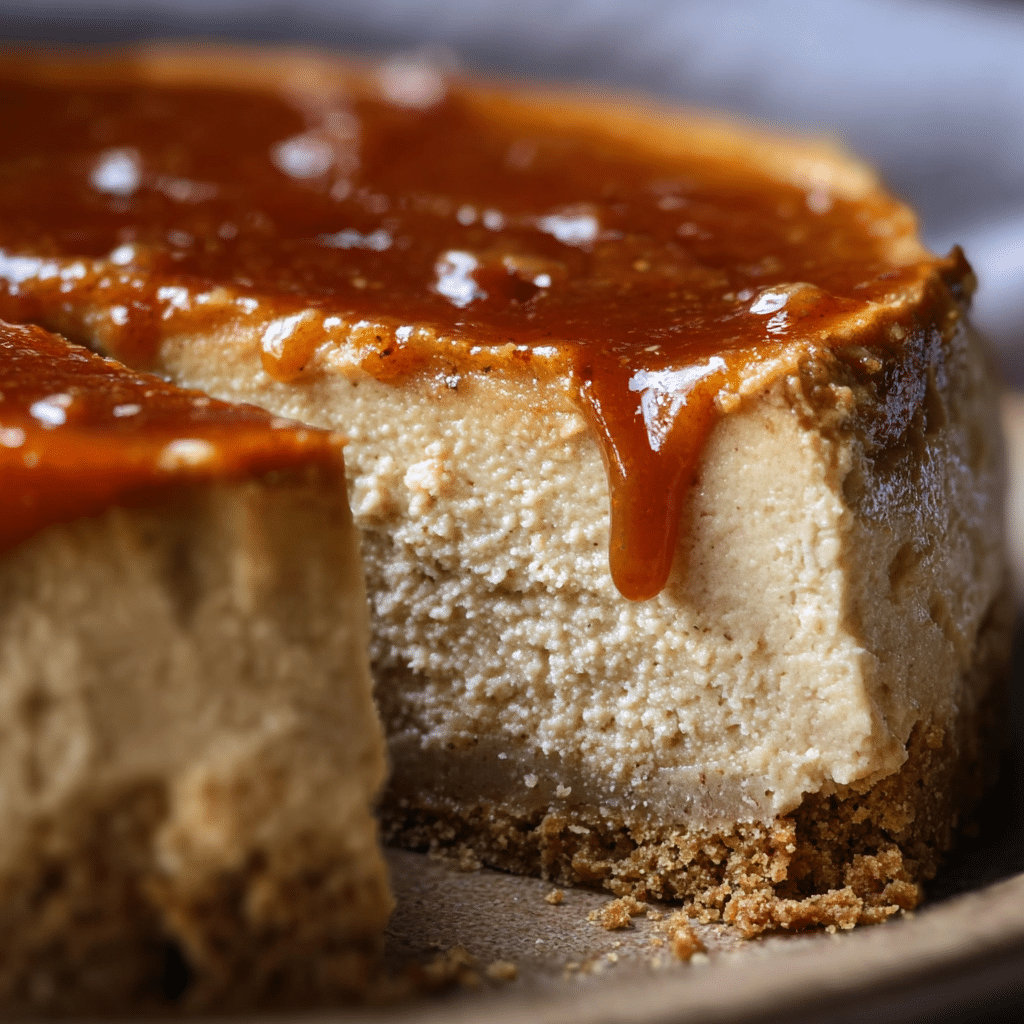
Make-Ahead Strategies
One of the best things about apple cider cheesecake is that it can be made ahead of time, making it perfect for gatherings and celebrations. In fact, cheesecakes often taste better after they sit for a day or two, allowing the flavors to meld beautifully. Prepare your cheesecake a day or two in advance, then store it in the refrigerator until you’re ready to serve.
If you’re planning to scale your recipe, simply double the ingredients and use a larger pan. Just remember to adjust your baking time as necessary, since a larger cheesecake will take longer to set. Conversely, if you’re making a smaller version, reduce the ingredients proportionally and keep an eye on the baking time to avoid over-baking.
With these professional tips and techniques, you’re well on your way to creating an apple cider cheesecake that not only tastes delicious but looks like it came straight from a bakery. With a bit of practice and creativity, your apple cider cheesecake will become a cherished recipe in your home!
Creative Variations and Adaptations of apple cider cheesecake
When it comes to apple cider cheesecake, the possibilities are as vast as the autumn leaves falling from the trees! While the classic recipe is undeniably delicious, exploring creative variations and adaptations can bring new life to this beloved dessert. Let’s dive into some exciting twists and alternatives that will keep your taste buds dancing.
Seasonal Variations
Apple cider cheesecake is inherently a seasonal treat, often associated with the joys of fall. However, you can extend its appeal by incorporating seasonal ingredients. During the fall months, consider adding caramelized apples or even pear slices to the top of your cheesecake. The warmth of cinnamon and nutmeg in the filling can evoke the cozy feeling of a brisk autumn day.
As the seasons change, so can your cheesecake! In the winter, why not try infusing your cheesecake with flavors like gingerbread or chai spice? You can create a spiced crust using crushed gingersnaps or add a touch of molasses to the filling for a deeper flavor profile. In the spring, fresh fruit toppings like strawberries or raspberries can lighten the dessert, while a layer of lemon curd can add a zesty brightness that contrasts beautifully with the creamy base.
Dietary Adaptations
In today’s world, dietary preferences and restrictions are more common than ever. Fortunately, apple cider cheesecake is quite adaptable! For those following a keto diet, you can swap out traditional sugar for a keto-friendly sweetener like erythritol or monk fruit. Additionally, using almond flour in place of graham cracker crumbs for the crust can help keep the carb count low.
If you’re catering to vegan guests, there’s no need to miss out! You can make a vegan apple cider cheesecake by substituting cream cheese with a cashew-based cream or silken tofu blended until smooth. Just be sure to adjust the sweetness accordingly. For a gluten-free option, simply use gluten-free graham crackers or make a nut-based crust with ground almonds or walnuts.
Creative Twists
The fun doesn’t stop with just dietary adaptations; let’s get a little creative! One exciting way to change up your apple cider cheesecake is by incorporating different flavor profiles. Imagine a caramel apple cider cheesecake where you mix in a swirl of homemade caramel sauce right before baking—pure bliss! Or, consider a spiced apple cider cheesecake with a hint of bourbon for an adult twist that brings depth and warmth to every bite.
If you’re feeling adventurous, why not try an international fusion? A Japanese-inspired apple cider cheesecake could incorporate matcha into the filling for a stunning green hue and an earthy flavor. Alternatively, a Mexican twist with a hint of chili powder or cayenne can add an unexpected kick that pairs surprisingly well with the sweetness of the apples.
Leftover Transformation Ideas
Now, let’s talk about what to do if you find yourself with leftovers. While it may be hard to imagine any apple cider cheesecake going uneaten, sometimes life gets in the way. Fear not! Leftover cheesecake can be transformed into delectable treats. Consider crumbling it over a bowl of vanilla ice cream for an indulgent sundae or blending it into a milkshake for a creamy, dreamy dessert drink. You can also use it as a filling for crepes or pancakes, bringing a touch of sophistication to your breakfast table.
With these creative variations and adaptations, your apple cider cheesecake can become a versatile dessert that suits any occasion or dietary need. Embrace the seasonality, explore different flavor profiles, and let your creativity soar as you make this delightful dessert your own!
Storage, Reheating, and Meal Prep for apple cider cheesecake
When it comes to baking a delightful apple cider cheesecake, one of the most important aspects to consider is how to store it properly. After all, you want to ensure that this delicious dessert remains fresh and retains its wonderful flavors, whether you’re enjoying it right away or saving it for later. In this guide, I’ll walk you through everything you need to know about storing your apple cider cheesecake, including short-term storage solutions, long-term freezing methods, reheating best practices, and even meal prep strategies. So grab a cup of cider, and let’s dive in!
Short-term Storage
Once your apple cider cheesecake has cooled completely, it’s essential to store it correctly to maintain its creamy texture and flavorful profile. The best way to store your cheesecake in the refrigerator is by using an airtight container. If you don’t have one, you can also use plastic wrap or aluminum foil. Just make sure to wrap it tightly to prevent air from getting in, which can lead to unwanted moisture and spoilage.
When placing your cheesecake in the refrigerator, it’s best to keep it on a flat surface, like a cake stand or a plate. This will help prevent any accidental damage to its delicate layers. Ideally, the cheesecake should be consumed within 3 to 5 days after baking. If you notice any off smells or changes in texture, it’s better to err on the side of caution and discard it.
Freezing and Long-term Storage
If you find yourself with leftover apple cider cheesecake or if you want to prepare it well in advance for a special occasion, freezing is an excellent option. Freezing can extend the shelf life of your cheesecake for up to 3 months, allowing you to enjoy this autumnal delight at your leisure.
To freeze your cheesecake, start by slicing it into individual portions. This not only makes it easier to thaw just what you need but also allows for better preservation of texture. Wrap each slice with plastic wrap tightly, ensuring there are no air pockets. After wrapping, place the slices into a freezer-safe container or a heavy-duty freezer bag. Label the container or bag with the date to keep track of how long it’s been stored.
For a whole cheesecake, you can freeze it uncut. Follow the same wrapping technique mentioned above, and then place it in a sturdy container that can withstand cold temperatures. Remember, the key to successful freezing is to minimize exposure to air, which can lead to freezer burn.
Reheating Best Practices
When you’re ready to enjoy your frozen apple cider cheesecake, it’s crucial to thaw it correctly to maintain its rich and creamy texture. The best method for thawing is to move it from the freezer to the refrigerator and let it sit overnight. This gradual thawing process helps prevent any condensation from forming on the cheesecake, which can lead to a soggy texture.
If you’re in a hurry, you can also thaw individual slices at room temperature for about 30 to 60 minutes. However, be cautious with this method, as exposing the cheesecake to warm air for too long may alter its texture. Once thawed, if you want to warm it up a bit for that fresh-baked taste, you can gently heat each slice in the microwave for about 10-15 seconds. Just be careful not to overdo it, as too much heat can lead to a runny filling.
Meal Prep and Batch Cooking Strategies
Apple cider cheesecake is not just a dessert; it can also be a fantastic addition to your meal prep routine! If you’re planning a gathering or holiday celebration, making this cheesecake in advance can save you time and stress. Preparing it a day or two ahead allows the flavors to meld beautifully, enhancing the overall taste.
One great strategy is to make mini apple cider cheesecakes in muffin tins. Not only do they look adorable, but they also allow for perfect portion control. Simply line the tins with paper liners, pour in the cheesecake batter, and bake as directed. Once cooled, you can store them in an airtight container in the fridge or freeze them for later. This way, you can easily grab a mini cheesecake whenever the craving strikes!
Food Safety Considerations and Guidelines
Food safety is paramount when storing apple cider cheesecake. Always ensure that your cheesecake is cooled completely before placing it in the fridge or freezer. If you leave it out at room temperature for more than two hours, it’s best to discard it to avoid any risk of foodborne illness.
Additionally, when thawing your cheesecake, never leave it out at room temperature for extended periods. This can create a breeding ground for bacteria. Always prioritize safety and adhere to proper storage guidelines to keep your cheesecake delicious and safe to eat.
In conclusion, knowing how to properly store, freeze, and reheat your apple cider cheesecake will allow you to enjoy this delightful dessert over an extended period. Whether you’re preparing for a festive occasion or simply indulging in a slice after dinner, these storage techniques will ensure your cheesecake remains as delectable as the day you made it.
Nutritional Benefits and Health Information
As someone who loves to indulge in desserts, I often find myself wondering about the nutritional aspect of my favorite treats. Apple cider cheesecake, with its rich flavors and creamy texture, is no exception. While it’s tempting to just enjoy it without a second thought, understanding the nutritional benefits and health information can help us make informed decisions about our dessert choices. So let’s explore the nutritional profile of apple cider cheesecake together!
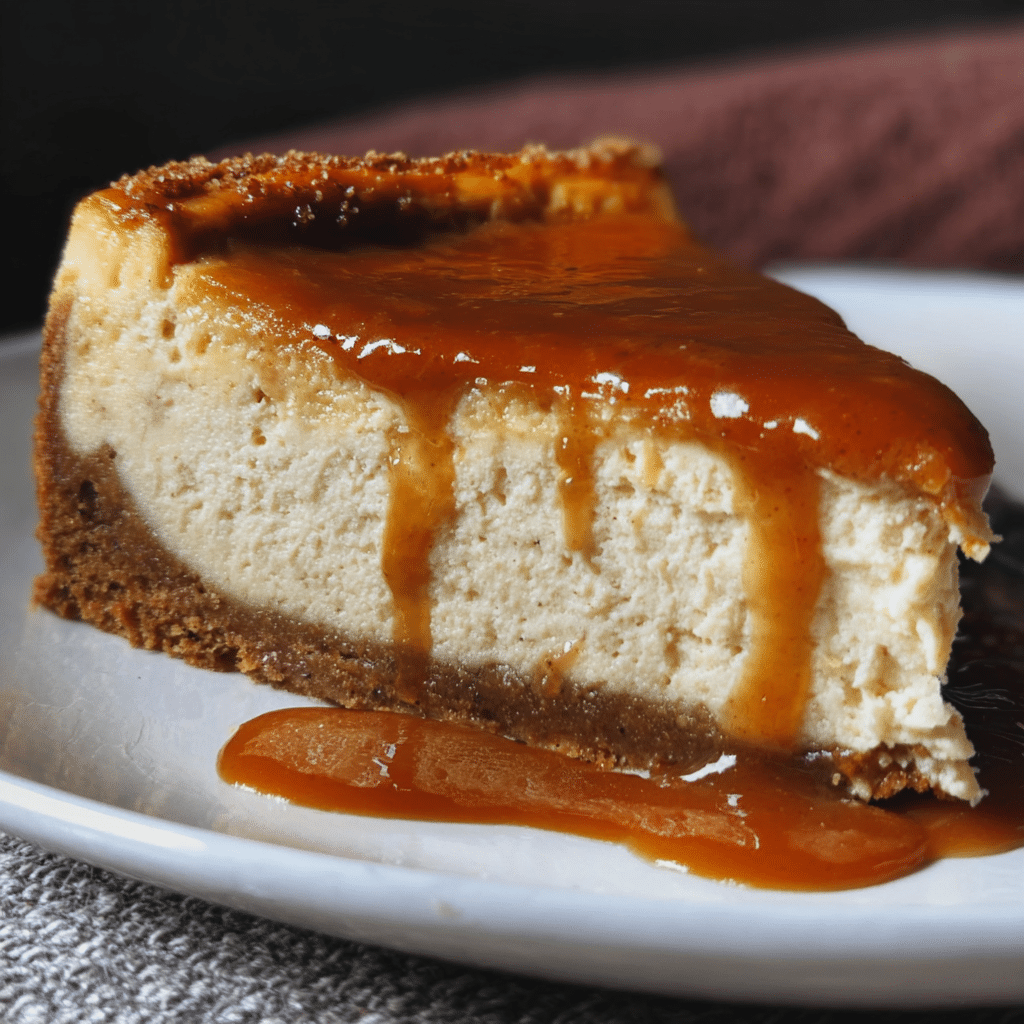
Nutritional Profile
Apple cider cheesecake combines the flavors of sweet, spiced apples with a creamy cheesecake base, resulting in a dish that’s both indulgent and comforting. The main ingredients typically include cream cheese, sugar, eggs, apple cider, and a buttery crust made from crushed graham crackers or cookies. Here’s a closer look at the nutritional breakdown of a standard slice of apple cider cheesecake:
- Calories: Approximately 350-450 calories per slice, depending on portion size and specific ingredients used.
- Carbohydrates: Around 30-40 grams, mainly from the crust and sugar.
- Protein: About 5-7 grams, primarily from the cream cheese and eggs.
- Fat: Roughly 20-25 grams, with a significant portion coming from the cream cheese and butter.
Keep in mind that these values can vary based on the specific recipe and serving size. When enjoyed in moderation, apple cider cheesecake can be a delightful treat that satisfies your sweet tooth while providing a dose of carbohydrates and fats necessary for energy.
Health Benefits
While apple cider cheesecake is definitely a dessert, it can also come with some health benefits, especially when made with wholesome ingredients. For instance, apple cider is known for its potential health properties. It contains antioxidants and can aid in digestion. The apples used in the cheesecake can provide dietary fiber, which is essential for maintaining a healthy digestive system.
Moreover, cream cheese, while rich, does provide some calcium, which is crucial for bone health. Using low-fat cream cheese can help reduce the overall fat content while still delivering a creamy texture. If you opt for a crust made from whole-grain crackers, you can also increase the fiber content, making your dessert a bit more nutritious.
Dietary Considerations
When it comes to dietary considerations, apple cider cheesecake can be adapted to fit various diets. For those following a gluten-free diet, you can substitute the graham cracker crust with gluten-free cookies or almond flour. For a lower-calorie version, consider using a sugar substitute or reducing the amount of sugar in the recipe.
For individuals with dairy allergies, there are dairy-free cream cheese options available that can work as a substitute. Additionally, if you want to make the cheesecake vegan, you can substitute eggs with flaxseed meal or applesauce, and use a dairy-free cream cheese alternative. These adjustments can make apple cider cheesecake accessible to a broader audience, allowing everyone to enjoy this delicious dessert.
In terms of calorie content, while a slice of apple cider cheesecake may seem indulgent, it can be part of a balanced diet when consumed mindfully. Pairing it with fresh fruit, like slices of apple or a berry compote, can enhance the nutritional value and provide a refreshing contrast to the rich cheesecake.
In conclusion, apple cider cheesecake is not just a delightful dessert; it also has some nutritional benefits that can be enjoyed within a balanced lifestyle. By understanding its nutritional profile, health benefits, and dietary considerations, you can feel good about enjoying this comforting treat. Whether you’re serving it at a holiday gathering or indulging in a slice after a long day, apple cider cheesecake can be both a delicious and satisfying choice!
Frequently Asked Questions About Apple Cider Cheesecake
Apple cider cheesecake no bake
Making a no-bake apple cider cheesecake is a great way to enjoy a creamy dessert without using the oven. Start by preparing a crust with crushed graham crackers and melted butter, pressing it firmly into the bottom of a springform pan. For the filling, beat together cream cheese, powdered sugar, and apple cider until smooth. To ensure the cheesecake sets well, fold in whipped cream for a light texture, and let it chill in the refrigerator for at least 4 hours or overnight. You can also top it with caramel sauce or apple slices for added flavor and presentation.
Apple cider cheesecake recipe
This apple cider cheesecake recipe combines the rich flavors of cream cheese and the seasonal taste of apple cider for a delightful dessert. Begin by making a crust using crushed graham crackers and melted butter, pressing it into a springform pan. For the filling, mix softened cream cheese with granulated sugar, apple cider, and spices like cinnamon and nutmeg. Bake in a water bath for a creamy texture, and let it cool before serving. Consider garnishing with whipped cream and a sprinkle of cinnamon to enhance the presentation.
Apple cider cheesecake recipe no bake
For a no-bake version of apple cider cheesecake, you’ll want to create a deliciously simple filling that doesn’t require baking. Start by mixing softened cream cheese and powdered sugar until smooth, then gradually add in apple cider and a dash of vanilla extract. To give the filling a light and airy texture, fold in whipped heavy cream. Pour the mixture into a prepared graham cracker crust and refrigerate for at least 4 hours to allow it to set properly. Top with caramel sauce or diced apples for a beautiful finish!
Apple cider cheesecake philadelphia
If you’re looking to make an apple cider cheesecake with Philadelphia cream cheese, you’re in for a treat! Start by using their full-fat cream cheese for a rich and creamy filling. Combine the cream cheese with sugar, apple cider, and spices like cinnamon to capture that fall flavor. To ensure a smooth texture, beat the mixture until it’s completely free of lumps. You can choose to bake it or make it no-bake, and don’t forget to chill it adequately before serving to allow the flavors to meld beautifully.
Apple cider cheesecake bars
Apple cider cheesecake bars are a portable and easy way to enjoy the flavors of cheesecake in a bite-sized format. Begin by preparing a crust using crushed graham crackers and melted butter, then press it into a lined baking dish. For the filling, whisk together cream cheese, sugar, apple cider, and your choice of spices until smooth. Bake until set, then cool completely before slicing into bars. These can be served plain or drizzled with caramel sauce for a decadent touch!
Apple cider cheesecake cookies recipe
To make apple cider cheesecake cookies, start with a basic sugar cookie dough and add in spices like cinnamon and nutmeg to give it that warm flavor. For the cheesecake filling, beat together cream cheese, powdered sugar, and a splash of apple cider. Roll the dough into balls, then flatten each ball and place a dollop of the cheesecake filling in the center before folding the dough around it. Bake until golden, and allow them to cool on a wire rack. These cookies combine the best of both worlds and are perfect for fall gatherings!
Apple cider cheesecake muffins
Apple cider cheesecake muffins are a delightful way to incorporate cheesecake flavors into a breakfast treat. Start by making a muffin batter with flour, sugar, baking powder, and spices, then fill the cups halfway. For the cheesecake filling, mix cream cheese, sugar, and apple cider until smooth, and add a dollop on top of the batter in each muffin cup. Bake until golden, and allow them to cool before enjoying. These muffins are perfect for brunch or as a quick snack throughout the day!
Spiced apple cider cheesecake
A spiced apple cider cheesecake is a festive dessert that captures the essence of autumn. Use a combination of cream cheese, sugar, and apple cider, and add spices like cinnamon, nutmeg, and allspice to enhance the flavors. Baking it in a water bath will help maintain a creamy texture, preventing cracks on the surface. After it cools, consider topping the cheesecake with a spiced apple compote or whipped cream for an extra layer of flavor. Serve chilled, and watch it disappear at your next gathering!