Authentic stuffed cabbage is more than just a dish; it’s a warm embrace from the past, a nostalgic reminder of family gatherings, and a testament to the culinary heritage that binds us across generations. I remember the first time I tasted these delightful rolls. It was a chilly Sunday afternoon, and the comforting aroma of cabbage simmering with spices wafted through my grandmother’s kitchen. She had a way of making the simplest ingredients feel luxurious, and her authentic stuffed cabbage was the crown jewel of her repertoire. As I watched her deftly wrap the seasoned meat and rice mixture in tender cabbage leaves, I realized that this dish was a labor of love, one that brought our family together around the dinner table, sharing not only food but stories and laughter.
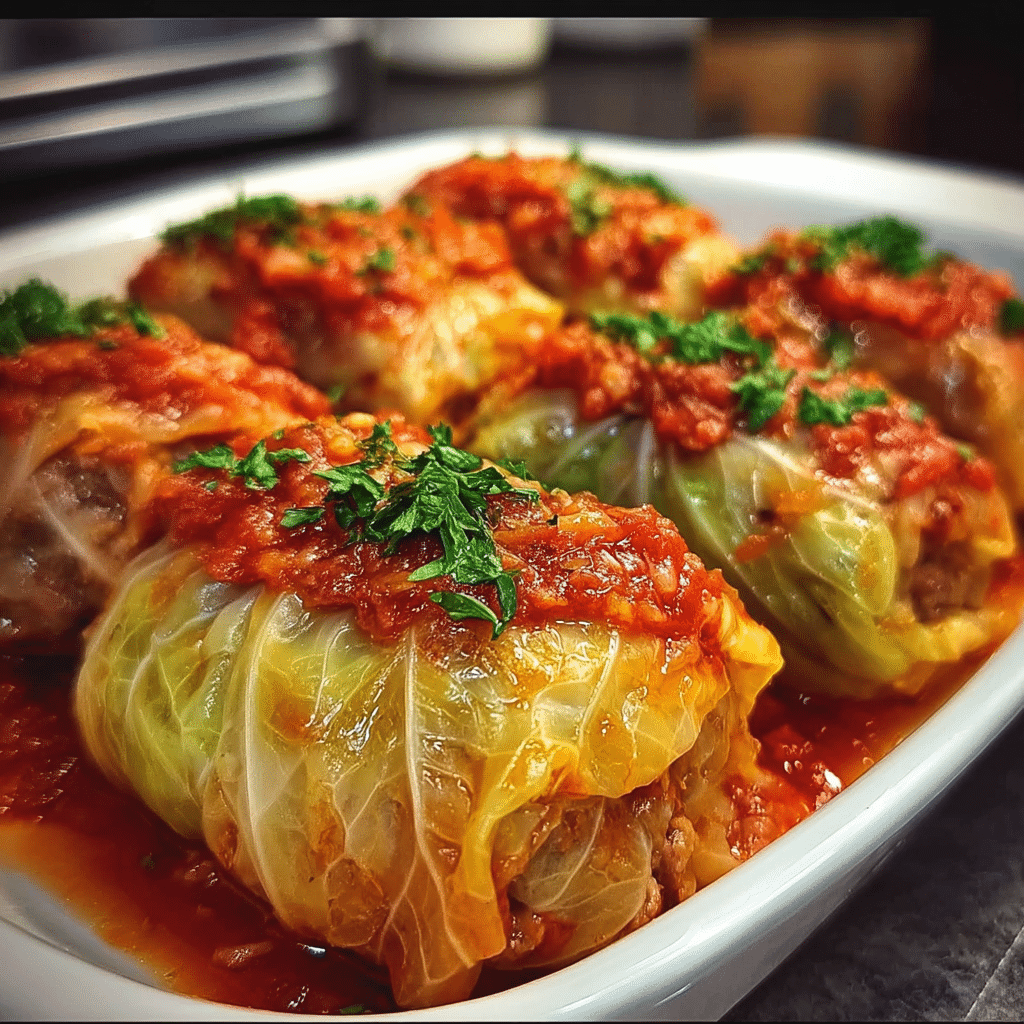
Cabbage rolls have a rich history that transcends borders. They are found in various forms in many cultures, each adding its unique spin to the dish. The origins of authentic stuffed cabbage can be traced back to Eastern European countries, particularly in Jewish and Slavic communities. In Poland, they are known as ‘gołąbki,’ in Hungary, they are called ‘töltött káposzta,’ and in Romania, they are known as ‘sarmale.’ The concept of wrapping food in leaves is ancient, likely stemming from a time when leaves were used as cooking vessels. This practicality, combined with the ability to preserve meat and grains, made stuffed cabbage a staple in many households.
The Story Behind This Recipe
My grandmother always emphasized the importance of using fresh ingredients, which is why her version of authentic stuffed cabbage stands out in my memory. She would make her own tomato sauce, simmering ripe tomatoes with herbs from her garden, creating a rich, tangy base that perfectly complemented the savory filling. As I grew older, I tried to replicate her recipe, but it took me years to perfect the delicate balance of flavors that she achieved so effortlessly. Each time I made it, I felt a connection to her, a sense of continuity that made the cooking process deeply emotional.
What makes this recipe particularly special is its versatility. It’s the kind of dish you can prepare on a lazy Sunday or for a busy weeknight. Once you’ve wrapped the cabbage rolls, they can be stored in the fridge or freezer, making them an excellent option for families looking for quick dinner solutions. Simply pop them in the oven or on the stovetop, and you have a nourishing meal ready in no time. This adaptability is what I love most about authentic stuffed cabbage; it fits seamlessly into any schedule, providing warmth and comfort no matter how hectic life gets.
Seasonal relevance also plays a role in why this dish is perfect for many occasions. While you can enjoy it year-round, the heartiness of cabbage makes it a staple during the colder months. There’s something particularly satisfying about curling up with a warm plate of stuffed cabbage on a crisp autumn evening, the leaves turning outside echoing the layers of flavors within the rolls. It’s a dish that invites you to slow down, to savor each bite, and to remember the stories that accompany it.
Moreover, the emotional connection to authentic stuffed cabbage goes beyond just personal anecdotes. For many, it symbolizes family, tradition, and the warmth of home. Each bite tells a story, whether it’s the laughter shared around the table or the memories of loved ones long gone. This dish has a way of bringing people together, fostering connections, and creating new memories, which is why I am excited to share this recipe with you.
In this ultimate guide, you will learn not just how to prepare authentic stuffed cabbage, but also the history behind it, the variations you can explore, and tips for making it your own. Whether you’re a seasoned cook or a novice in the kitchen, I promise this journey into the world of stuffed cabbage will inspire you to create your own culinary traditions and make your family gatherings even more special.
The Rich History and Cultural Significance of authentic stuffed cabbage
The rich tapestry of the authentic stuffed cabbage story weaves together history, culture, and culinary evolution. To truly appreciate this dish, we must delve into its origins and the myriad cultural influences that have shaped it over time. The earliest records of stuffed cabbage can be traced back to ancient civilizations, where leaves were used to wrap food, creating a portable and practical meal. The Greeks and Romans are credited with some of the first versions of cabbage rolls, using them as a way to preserve meats and grains, highlighting the resourcefulness of ancient cooks.
Origins and History
As we explore the history of authentic stuffed cabbage, we find that it emerged prominently in Eastern Europe, especially among Jewish and Slavic communities. Each culture brought its unique flavor profiles and techniques to the dish, creating regional variations that are still celebrated today. In Poland, for example, the traditional ‘gołąbki’ are often filled with a mixture of rice, meat, and spices, then bathed in a savory tomato sauce. Meanwhile, in Hungary, ‘töltött káposzta’ may feature paprika and sauerkraut, enhancing the dish’s flavor with a zesty twist.
Over time, the recipe for authentic stuffed cabbage evolved, adapting to the local ingredients and tastes. In Romania, ‘sarmale’ often includes smoked meats or sausages, adding a depth of flavor that is both hearty and appealing. This evolution reflects not just culinary creativity but also the social and economic changes that influenced food preparation and consumption. As families migrated and cultures blended, so too did the recipes, resulting in a rich diversity that we can enjoy today.
Cultural Significance
Beyond its deliciousness, authentic stuffed cabbage holds significant cultural importance. It is often served during holidays and special occasions, symbolizing prosperity and celebration. In Jewish tradition, stuffed cabbage is a staple during Jewish holidays, particularly during Rosh Hashanah and Passover, where it symbolizes the sweetness of the new year and the importance of family. In Slavic cultures, it is common to find cabbage rolls at weddings, birthdays, and family gatherings, serving as a reminder of home and togetherness.
The dish has also made its way into the culinary spotlight, with chefs around the world putting their spin on this time-honored classic. In recent years, restaurants specializing in Eastern European cuisine have gained popularity, often featuring authentic stuffed cabbage as a highlight on their menus. Renowned chefs have experimented with flavors, incorporating modern techniques while honoring the traditional roots of the dish, showcasing its versatility and timeless appeal.
Nutritional Benefits
From a health perspective, authentic stuffed cabbage is a nutritious meal option. Cabbage is low in calories yet high in fiber, making it an excellent choice for those looking to maintain a balanced diet. The filling, which typically includes lean meats and grains, provides a good source of protein, essential vitamins, and minerals. Moreover, the dish can be easily tailored to fit various dietary needs—vegetarians can substitute meat with lentils or mushrooms, while gluten-free options can be made by using rice or quinoa as a base.
In conclusion, authentic stuffed cabbage is a dish steeped in history and cultural significance. It represents more than just a meal; it symbolizes family, tradition, and the rich tapestry of culinary practices that have shaped our food landscape. As you embark on your journey to create this dish, remember that you’re not just cooking; you’re participating in a time-honored tradition that connects us to our ancestors and to each other. This guide will serve as a resource to help you explore the depths of this beloved dish, from its origins to its modern interpretations, ensuring that you not only create a delicious meal but also honor the history and culture behind it.
Essential Ingredients for Perfect authentic stuffed cabbage
When it comes to making authentic stuffed cabbage, choosing the right ingredients is paramount to crafting a dish that resonates with tradition and flavor. Each component plays a crucial role in the overall taste and texture of the rolls, and understanding their significance can elevate your cooking experience. Below, I have compiled a detailed list of ingredients, their importance, and tips for shopping, substitutions, and storage.
Essential Ingredients
- 1 large size head cabbage (about 3-5 pounds)
- 1 lb ground beef (or 1 1/2 lbs if not using pork)
- 1/2 pound ground pork (omit if using all beef)
- 1 medium onion, chopped small
- 3 teaspoons minced garlic
- 1 teaspoon kosher salt
- 3/4 teaspoon ground black pepper
- 1 teaspoon parsley flakes
- 2 eggs
- 1/4 cup ketchup
- 2 tablespoons tomato paste
- 1 1/2 cups cooked cooled white rice
- 3 (10.75 ounce) cans tomato soup (if using a deep dish pan with a 3-inch side, use 4 cans)
Let’s delve into each ingredient:
- Cabbage: The star of the dish, the cabbage leaves must be large and flexible enough to wrap the filling without tearing. Look for heads that are firm and heavy, with tightly packed leaves. Fresh, vibrant green leaves indicate a tender texture that will cook nicely.
- Ground Beef and Pork: These meats are the heart of your filling, providing flavor and moisture. Beef adds a rich taste, while the pork enhances juiciness. If you prefer a leaner option, you could substitute turkey or chicken, but the flavor profile will differ. Opt for freshly ground meat rather than packaged for the best results.
- Onion: Chopped finely, onions add sweetness and depth. They should be fresh and firm, with no sprouting or soft spots. Consider using yellow onions for a more balanced flavor.
- Garlic: Minced garlic infuses the filling with aromatic flavor. Fresh garlic is always preferable; if you only have garlic powder, use 1 teaspoon in place of fresh.
- Kosher Salt: Essential for enhancing flavors, kosher salt is preferred due to its larger grain size which makes it easier to control seasoning.
- Black Pepper: Freshly ground pepper will have the most punch. It adds warmth and a hint of spice to the filling.
- Parsley Flakes: These dried herbs provide a subtle freshness that brightens the dish. Fresh parsley can be substituted if you have it on hand.
- Eggs: Eggs act as a binder for the filling, helping to hold everything together. Use large eggs for the best results.
- Ketchup and Tomato Paste: These ingredients contribute sweetness and acidity, balancing the richness of the meat. Opt for organic varieties without added sugars for a healthier option.
- White Rice: Cooked and cooled rice adds bulk and texture. You can use jasmine or basmati for extra flavor, but avoid using sticky rice as it could make the filling too gooey.
- Tomato Soup: This is the sauce that will envelop your cabbage rolls. Choose a brand that doesn’t include unnecessary additives for a cleaner taste. If you prefer, homemade tomato sauce can also be used.
Authentic Stuffed Cabbage Rolls
Ingredients
- 1 large size head cabbage (about 3–5 pounds)
- 1 lb ground beef (or 1 1/2 lbs if not using pork)
- 1/2 pound ground pork (omit if using all beef)
- 1 medium onion, chopped small
- 3 teaspoon minced garlic
- 1 teaspoon kosher salt
- 3/4 teaspoon ground black pepper
- 1 teaspoon parsley flakes
- 2 eggs
- 1/4 cup ketchup
- 2 tablespoon tomato paste
- 1 1/2 cups cooked, cooled white rice
- 3 10.75 ounce cans tomato soup (if using a deep dish pan with a 3” side use 4 cans)
Instructions
Prepare the cabbage
- Remove core from cabbage. Place whole head in a large pot filled with boiling, salted water. Cover and cook 3 minutes, or until softened enough to pull off individual leaves. If the leaves do not pull off easily, return the cabbage to the pot to boil a minute or two more. When the leaves are cool enough, use a paring knife to shave away the thick center stem from each leaf, without cutting all the way through.
Make the meat mixture
- In a large bowl, add the ground beef, pork, rice, onion, garlic, salt, pepper, eggs, ketchup, tomato paste, and parsley. Mix gently to combine. Add in 2/3rd of a can of tomato soup (almost 3/4 of a cup) and mix.
Assemble the cabbage rolls
- To stuff the leaves lay down a single large leaf with the cut edge facing you (where the stem was) and place about a 1/2 cup of the meat mixture in the lower third of the leave. If the leaf is huge add more, if smaller add less meat. Fold the sides of the leaf over the meat and roll the cabbage up (like rolling a burrito). Repeat until all of the leaves are stuffed. If you have extra meat just roll it up as meatballs and place it in the baking pan with the stuffed cabbage.
Prepare to bake
- Preheat oven to 350F, rack in the center.
- In a large deep dish (4” at least) baking pan (or two 9×13” glass pans), spread out the remaining soup from the open can on the bottom of the pan. Open up a 2nd can pour out 1/2 of it and spread it out until the bottom of the pan is covered in a light coating.
- Place a single layer of stuffed cabbages on the bottom of your pan. Add the remaining half of the 2nd can of tomato soup. If you have leaves that are too small to stuff or are badly torn, add them on top of the soup.
- Add the 2nd layer of stuffed cabbage (you must make sure you have a 1/2” gap at the top of your pan and stuffed cabbage. It cannot go over the top of the pan. Top with the remaining can of tomato soup and spread out evenly.
- Spray the underneath of a large piece of foil. Place foil side down on the pan (0vertop of the cabbages) and close tightly around the dish. Place the pan on a larger cookie sheet to catch any spillovers.
- Bake for 3 – 4 hours or until the cabbage is tender when pierced with a knife. (I start to check mine after 2 hours 45 minutes).
- Remove from the oven, uncover, and allow to cool for 15 minutes before serving.
Shopping Tips
When shopping for ingredients for your authentic stuffed cabbage, prioritize freshness and quality. Here are some tips:
- Visit local farmers’ markets for fresh cabbage and herbs; they often have the best seasonal produce.
- For meats, try to buy from a butcher or a reputable grocery store with high-quality standards.
- Check expiration dates on canned products like tomato soup and paste to ensure they are fresh.
Substitutions and Alternatives
If you have dietary restrictions or preferences, there are various substitutions you can consider:
- Meat Alternatives: For a vegetarian version, consider using lentils or a combination of mushrooms and walnuts for a hearty filling.
- Rice Alternatives: Quinoa or cauliflower rice can be used for a low-carb option.
- Gluten-Free Options: Ensure that the ketchup and tomato soup are gluten-free, and use gluten-free breadcrumbs if you choose to add them for texture.
Storage Tips
Proper storage of your ingredients is key to maintaining their quality:
- Store cabbage in the refrigerator, wrapped in a damp paper towel and then in a plastic bag to keep it crisp.
- Ground meats should be used within a day or two of purchase or frozen for longer storage.
- Onions and garlic can be stored in a cool, dark place, while eggs should remain in their carton in the fridge.
Incorporating these ingredients with care and attention to detail will not only enhance the flavor of your authentic stuffed cabbage but also connect you to the rich culinary traditions behind this beloved dish. Happy cooking!
Detailed Step-by-Step authentic stuffed cabbage Cooking Instructions
Now that you have gathered all the necessary ingredients for your authentic stuffed cabbage, it’s time to dive into the cooking process. Making these rolls is not just about following a recipe; it’s about creating a warm and hearty meal that carries with it a story of tradition, family, and love. Let’s embark on this culinary journey together!
Preparation Steps
- Prepare the Cabbage: Start by carefully removing the core of the cabbage. This step is crucial as it allows the leaves to be easily separated. Boil a large pot of salted water and place the whole head of cabbage into the water for about 2-3 minutes, or until the outer leaves become tender. Use tongs to pull off the softened leaves, and return the cabbage to the pot to soften more leaves as needed.
- Make the Filling: In a large mixing bowl, combine the ground beef and pork (if using), chopped onion, minced garlic, kosher salt, black pepper, parsley flakes, eggs, ketchup, tomato paste, and cooked rice. Mix thoroughly using your hands or a wooden spoon until well blended. The mixture should be moist but not overly wet; if it feels too loose, add a bit more rice to help bind it.
- Set Up Your Workspace: Before you start rolling, make sure your work area is organized. Have a clean surface, a cutting board, and a baking dish ready. Lay out the cabbage leaves on the surface, and keep a bowl of water nearby to wet your hands while rolling; this will prevent the filling from sticking.
Cooking Process
- Roll the Cabbage: Take a cabbage leaf and place about 2-3 tablespoons of the filling at the base of the leaf. Fold the sides over the filling and then roll upwards to encase the mixture securely. It’s crucial to roll them tightly but not so tight that they split. Place the rolled cabbage seam-side down in your baking dish. Repeat until you have filled all the leaves.
- Prepare the Sauce: In a bowl, combine the tomato soup with a little water to thin it out, if necessary (this will depend on how thick you want your sauce). Pour half of this mixture into the bottom of your baking dish to create a flavorful base for the rolls.
- Arrange the Rolls: Layer the cabbage rolls in the baking dish, packing them closely together. This not only helps them hold their shape but also allows them to steam properly. Once all the rolls are in, pour the remaining tomato soup mixture over the top, ensuring they are generously covered.
- Cover and Bake: Preheat your oven to 350°F (175°C). Cover the baking dish tightly with aluminum foil. This is important to retain moisture, as cabbage rolls need to steam to become tender. Bake for about 30 minutes, and then remove the foil to allow the tops to brown slightly for an additional 10-15 minutes.
Final Assembly
- Check for Tenderness: After baking, check that the cabbage is tender and the filling is cooked through. A simple way to test is to pierce a roll with a fork; it should feel soft, and juices should run clear.
- Serve with Love: Let the rolls sit for a few minutes before serving. This resting period allows the flavors to meld beautifully. Serve hot, garnished with fresh parsley or a dollop of sour cream if desired. You can also pair them with crusty bread or a simple salad to balance the meal.
- Storage Tips: If you have leftovers, allow them to cool completely before transferring them to an airtight container. They can be stored in the refrigerator for up to 3 days or frozen for up to 3 months. Reheat gently in the oven or microwave, adding a splash of water to maintain moisture.
As you serve your authentic stuffed cabbage, take a moment to savor the aroma and the warmth it brings to your home. This dish is more than just a meal; it’s a connection to heritage, a celebration of family gatherings, and a reminder of the love that goes into cooking. Enjoy every bite!
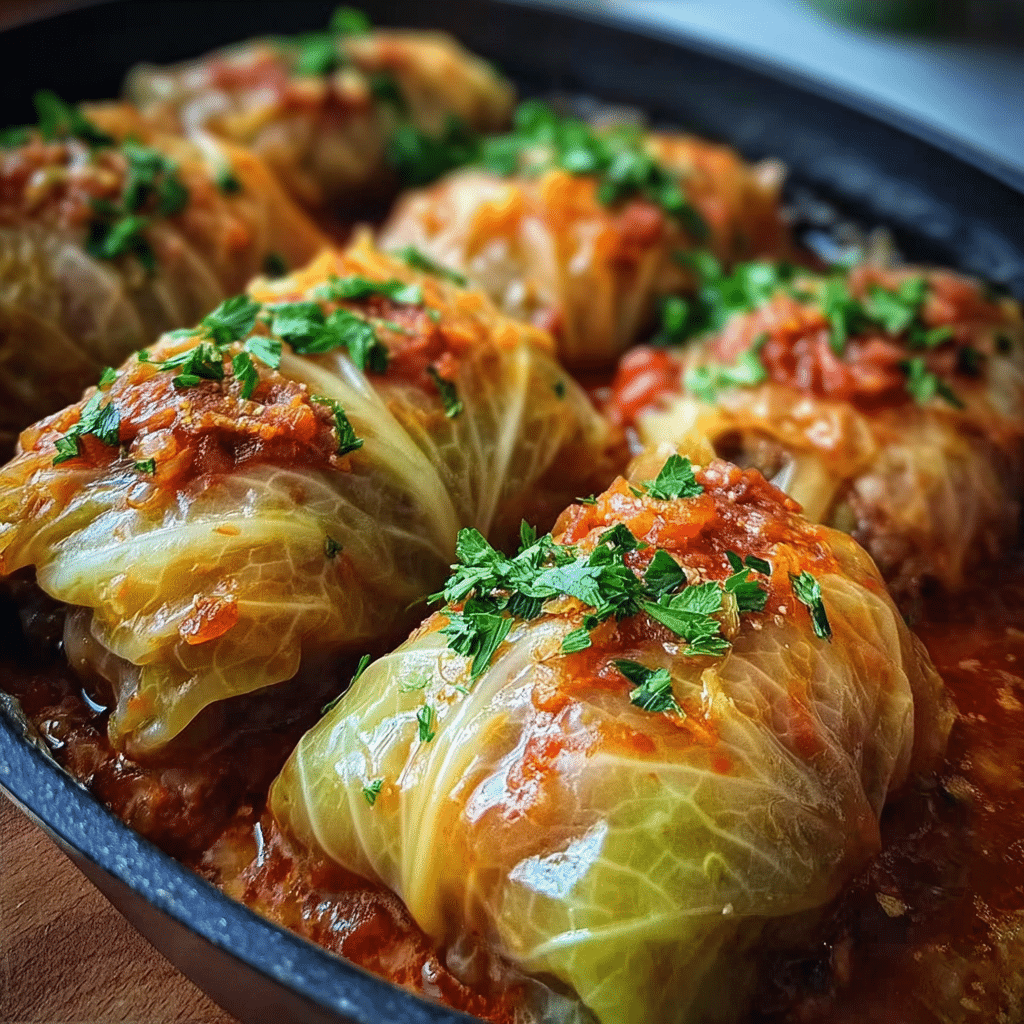
Professional Tips and Techniques for authentic stuffed cabbage
When it comes to making authentic stuffed cabbage, there’s a certain magic that transforms simple ingredients into a dish that warms the heart and fills the belly. As someone who has spent years perfecting this recipe, I am excited to share some professional tips and techniques that will elevate your cooking experience. Let’s dive into the world of authentic stuffed cabbage and explore how to achieve the best results.
Professional Techniques
To craft the most delicious authentic stuffed cabbage, the first step is selecting the right cabbage. Look for heads that are firm and heavy for their size, with tightly packed leaves. Savoy cabbage is my personal favorite as it has a tender texture and a slightly sweet flavor that complements the filling beautifully. Before you start wrapping, it’s essential to prepare the cabbage properly. Boil the whole head in salted water for about 5-10 minutes, or until the leaves are pliable. This will prevent tearing and ensure that each roll comes out looking as good as it tastes.
Next, let’s talk about the filling. A classic filling for authentic stuffed cabbage includes ground meat, rice, onions, and spices. For a truly authentic flavor, consider using a combination of beef and pork. The fat content in pork adds richness to the dish. When mixing the filling, be cautious not to overwork the meat; this can lead to dense rolls. Instead, gently combine the ingredients until just mixed. A little trick I learned from my grandmother is to sauté the onions before adding them to the filling. This not only softens their texture but also enhances their sweetness, resulting in a more flavorful roll.
Once you’ve prepared your filling and cabbage, it’s time to roll! Lay a leaf flat, place a generous spoonful of filling near the base, fold in the sides, and then roll from the base to the top. Make sure to roll tightly but not too tight, as the rice will expand during cooking. Seam side down, arrange the rolls in a pot or baking dish, layering them as needed.
Troubleshooting Guide
Even the most seasoned cooks encounter hiccups when making authentic stuffed cabbage. Here are some common problems and solutions:
- Leaves Tear: If your cabbage leaves are tearing, it may be because they weren’t blanched long enough. Return the head to boiling water for a few more minutes, or consider using a knife to gently remove the leaves from the core.
- Filling Falls Out: If your rolls are opening during cooking, ensure you’re rolling tightly and tucking in the sides securely. You can also use toothpicks to hold them together if needed.
- Overcooked Cabbage: To avoid mushy cabbage, monitor your cooking time closely. Authentic stuffed cabbage should be tender but not falling apart.
Presentation Tips
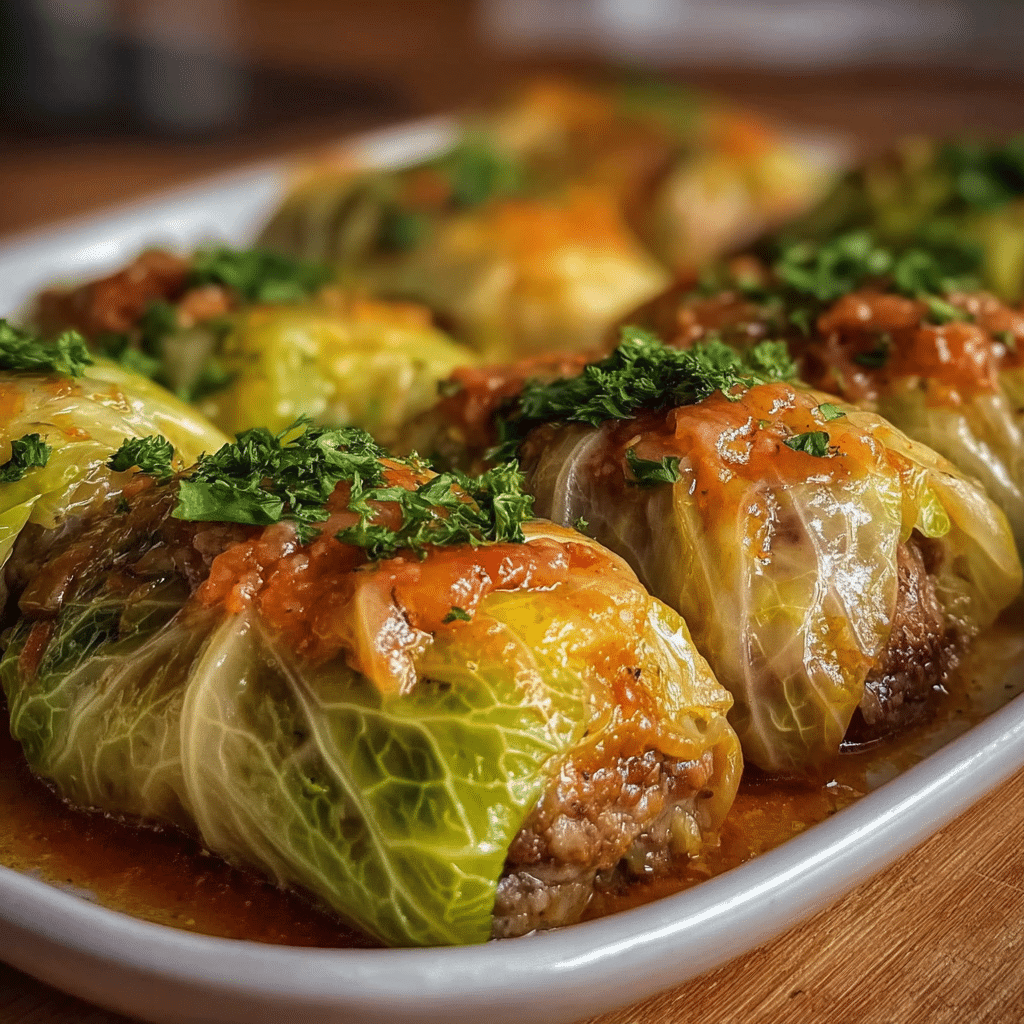
Presentation can elevate your authentic stuffed cabbage from a home-cooked meal to a gourmet dish. Consider serving your rolls on a large platter, garnished with fresh herbs like dill or parsley. A drizzle of sour cream or a sprinkle of smoked paprika adds a pop of color and flavor. For a rustic touch, serve them in the pot they were cooked in, allowing guests to help themselves.
Pairing your authentic stuffed cabbage with the right beverage can enhance the dining experience. A light-bodied red wine, such as Pinot Noir or a fruity Riesling, complements the savory flavors of the dish. If you prefer non-alcoholic options, consider serving a sparkling water with a slice of lemon or a refreshing iced tea.
Finally, if you’re making a large batch of authentic stuffed cabbage, you can easily scale the recipe up or down. Simply adjust the quantities of the filling and cabbage accordingly. This dish freezes beautifully, making it perfect for meal prep. Just remember to separate the rolls with parchment paper before freezing to prevent them from sticking together.
With these professional tips and techniques, you’ll be well on your way to making authentic stuffed cabbage that will impress your family and friends. Happy cooking!
Creative Variations and Adaptations of authentic stuffed cabbage
While authentic stuffed cabbage holds a special place in my heart, there’s so much room for creativity in this dish. Over the years, I’ve found that experimenting with different ingredients and cooking methods can lead to delightful variations that are just as comforting and delicious. Let’s explore some creative variations and adaptations of authentic stuffed cabbage that you can try in your own kitchen.
Seasonal Variations
One of the joys of cooking is adapting recipes to the seasons, and authentic stuffed cabbage is no exception. In the fall, consider swapping out traditional rice for quinoa or farro, which adds a nutty flavor and extra texture. You can also incorporate seasonal vegetables like shredded carrots or finely chopped kale into the filling for added nutrition and color.
In the summer, try using a lighter filling of ground turkey or chicken combined with fresh herbs like basil or parsley. This not only lightens the dish but also brings a refreshing flavor profile that’s perfect for warmer weather. Additionally, top your rolls with a homemade tomato sauce infused with fresh tomatoes, garlic, and basil for a vibrant summer twist.
Dietary Adaptations
For those with dietary restrictions, there are plenty of options to enjoy authentic stuffed cabbage without compromising on taste. For a gluten-free version, simply replace regular rice with gluten-free grains like brown rice or even cauliflower rice. If you’re looking for a vegan option, consider using lentils or mushrooms as a base for the filling. Combining lentils with diced vegetables and spices creates a hearty and satisfying alternative.
For those following a keto diet, using cabbage leaves as a wrap is already a step in the right direction. You can make the filling with ground meat, cheese, and spices, omitting rice altogether. This not only keeps the dish low in carbs but also packs a flavorful punch.
Creative Twists
If you’re feeling adventurous, why not experiment with international fusion variations? Inspired by Asian cuisine, you can create an authentic stuffed cabbage with flavors of ginger, garlic, and soy sauce. Use ground pork mixed with rice, scallions, and sesame oil for an exciting twist. Serve with a drizzle of spicy chili sauce for an added kick!
Another fun idea is to transform the cooking method. Instead of boiling, try grilling your cabbage rolls for a smoky flavor. Just wrap them in foil and place them on the grill for about 20 minutes, turning occasionally. The charred edges add a wonderful depth of flavor that’s hard to resist.
Leftovers can also be transformed into new meals. Chop up leftover stuffed cabbage and mix it into a hearty soup or a savory casserole. This not only reduces food waste but also allows you to enjoy the flavors in a completely new way.
As you can see, there are countless ways to adapt and enjoy authentic stuffed cabbage beyond the traditional recipe. Whether you’re looking to embrace seasonal ingredients, accommodate dietary needs, or simply get creative in the kitchen, the possibilities are endless. So, gather your ingredients and let your imagination run wild!
Storage, Reheating, and Meal Prep for authentic stuffed cabbage
When it comes to preparing authentic stuffed cabbage, one of the most common questions is how to properly store these delicious rolls for later enjoyment. Whether you’ve made a big batch for a family gathering or just preparing a weeknight meal, knowing the best storage techniques can help maintain the flavor and texture of your dish. In this section, we’ll explore everything you need to know about storage, reheating, and meal prep for authentic stuffed cabbage.
Short-term Storage
Once you’ve prepared your authentic stuffed cabbage rolls, it’s essential to store them correctly if you plan to enjoy them soon. If you plan to eat your cabbage rolls within a few days, refrigerating them is the best option. Allow your rolls to cool down to room temperature before storing them, as placing hot food directly in the refrigerator can raise the temperature inside and compromise the safety of other items.
Use airtight containers to store your cabbage rolls. Glass containers work wonderfully because they don’t retain odors and are easy to clean. Alternatively, you can use plastic containers with a secure lid. Layer the rolls carefully to avoid crushing, and consider placing parchment paper between layers if you’ve made a large batch. Store them in the refrigerator for up to four days, ensuring that you label your containers with the date to keep track of freshness.
Freezing and Long-term Storage
If you have a surplus of authentic stuffed cabbage, freezing is an excellent way to preserve them for later use. Proper freezing techniques can extend the shelf life of your rolls for up to three months. To freeze, first, cool the cabbage rolls completely. This step is crucial because freezing hot food can lead to ice crystals forming, which affects the texture upon reheating.
Wrap each roll individually in plastic wrap or aluminum foil to prevent freezer burn. After wrapping, place them in a freezer-safe bag or container. Make sure to remove as much air as possible from the bag before sealing it. You can also label the bag with the date and contents, so you’ll know what you have when rummaging through your freezer later.
For best results, consider freezing your cabbage rolls before adding any sauce. This way, when you’re ready to heat them up, you can add the sauce fresh and maintain the integrity of the dish. When reheating, a homemade sauce can bring life back to your frozen rolls.
Reheating Best Practices
Reheating authentic stuffed cabbage properly is essential to ensure you maintain the quality and flavor of the dish. The method you choose will depend on whether you’re reheating from the refrigerator or freezer.
If you’re reheating refrigerated cabbage rolls, the oven is your best bet. Preheat your oven to 350°F (175°C). Place the rolls in an oven-safe dish and cover them with a lid or aluminum foil to keep moisture in. Heat for about 20-25 minutes, or until heated through. If you’re using sauce, add it before covering the dish to enhance the flavor.
For frozen cabbage rolls, it’s best to defrost them overnight in the refrigerator. Once thawed, follow the same reheating method as above. If you’re in a hurry, you can also reheat directly from frozen. Just remember to add an additional 10-15 minutes to the reheating time.
Another quick method is to use the microwave. Place a roll on a microwave-safe plate, cover it with a damp paper towel, and heat for about 2-3 minutes, checking to ensure it’s heated through. However, be cautious with this method as it can sometimes lead to a rubbery texture.
Meal prep is a fantastic way to enjoy authentic stuffed cabbage throughout the week. By batch cooking, you can make a larger quantity and store them in individual portions. This approach not only saves time during busy weeknights but also allows you to control portion sizes and flavors. Consider preparing a variety of sauces to switch up the flavor profile throughout the week.
Lastly, food safety is crucial when storing and reheating your authentic stuffed cabbage. Always adhere to the “two-hour rule”—don’t leave cooked food at room temperature for more than two hours. This guideline helps prevent any bacterial growth that could lead to foodborne illness. By following these storage, freezing, and reheating practices, you can enjoy your delicious cabbage rolls with confidence, knowing they are safe and flavorful.
Nutritional Benefits and Health Information
When diving into the world of authentic stuffed cabbage, it’s not just about the flavors and aromas; it’s also about the nutrition packed within each roll. Understanding the nutritional benefits of the ingredients used in stuffed cabbage can help you appreciate this dish even more. In this section, we’ll break down the nutritional profile, health benefits, and dietary considerations related to authentic stuffed cabbage.
Nutritional Profile
The primary ingredients in authentic stuffed cabbage typically include ground meat (often beef or pork), rice, cabbage leaves, and various spices and seasonings. The nutritional content can vary depending on the specific recipe and ingredients used, but on average, one serving (about two rolls) contains approximately 300-400 calories. These rolls offer a balanced distribution of macronutrients: around 20-25 grams of protein, 30-40 grams of carbohydrates, and 10-15 grams of fat.
Additionally, each serving provides valuable vitamins and minerals. Cabbage is an excellent source of vitamin K, vitamin C, and vitamin B6, while the meat adds essential iron and protein. If you include a tomato sauce, you’ll also benefit from lycopene, an antioxidant known for its health-promoting properties. The rice provides carbohydrates for energy, making this dish a well-rounded meal.
Health Benefits
Authentic stuffed cabbage offers numerous health benefits, thanks to its rich array of ingredients. For starters, cabbage is known for its high fiber content, which promotes digestive health. Fiber aids in keeping you full longer, which can help with weight management. The antioxidants found in cabbage also support overall health by combating oxidative stress in the body.
The inclusion of lean meat provides essential amino acids necessary for muscle repair and growth. Protein is a vital macronutrient for anyone, especially for those maintaining an active lifestyle. Moreover, the iron from meat is crucial for oxygen transport in the bloodstream, making it particularly important for athletes and individuals with higher iron needs.
Furthermore, if you choose brown rice instead of white, you’ll gain even more fiber and nutrients, as brown rice retains the bran and germ, which are often stripped away in white rice. This substitution can provide a more wholesome meal option.
Dietary Considerations
While authentic stuffed cabbage is a delightful dish, it’s essential to consider dietary restrictions and preferences. For those following a gluten-free diet, ensure that the ingredients used are certified gluten-free, especially if you choose to use any sauces or seasonings that may contain gluten.
Vegetarians and vegans can also enjoy a variation of this dish by substituting the meat with plant-based protein options, such as lentils, quinoa, or mushrooms. These alternatives not only provide protein but can also enhance the dish’s flavor profile. Additionally, using cauliflower rice instead of traditional rice can lower the carbohydrate content and increase vegetable intake.
For those watching their sodium intake, preparing your sauce from scratch allows for better control over salt levels, ensuring that you can enjoy authentic stuffed cabbage while adhering to a heart-healthy diet.
In conclusion, authentic stuffed cabbage is more than just a comforting meal; it’s also a nutritious option that can fit into various dietary lifestyles. With its rich blend of ingredients, the dish offers a plethora of health benefits, making it a delightful addition to your culinary repertoire. Whether you’re indulging in the traditional recipe or making healthier modifications, each bite is a celebration of flavors and nutrition that you can feel good about.
Frequently Asked Questions About Authentic Stuffed Cabbage
Authentic stuffed cabbage rolls recipe
An authentic stuffed cabbage rolls recipe typically involves tender cabbage leaves filled with a delicious mixture of meat, rice, and spices. Start by blanching the cabbage in boiling water to soften the leaves, which makes them easier to roll. For the filling, combine ground meat (like beef or pork), cooked rice, chopped onions, garlic, and seasonings such as salt, pepper, and paprika. After rolling the cabbage leaves tightly around the filling, place them seam-side down in a baking dish and cover with tomato sauce or broth before baking. This method ensures that the cabbage rolls are flavorful and moist, making them a comforting dish perfect for family gatherings.
Authentic stuffed cabbage rolls with tomato sauce
To make authentic stuffed cabbage rolls with tomato sauce, start by preparing your cabbage rolls as described in the classic recipe. For the sauce, you can use canned crushed tomatoes or make a homemade sauce by sautéing onions and garlic in olive oil, then adding tomatoes, herbs, and spices. Pour the sauce over the cabbage rolls in the baking dish, ensuring that they are well-covered to keep them moist during cooking. Bake at a low temperature for several hours; this slow cooking allows the flavors to meld beautifully, resulting in tender cabbage and a rich, savory sauce. Serve hot, garnished with fresh herbs or a dollop of sour cream for added richness.
Authentic stuffed cabbage rolls with rice
When making authentic stuffed cabbage rolls with rice, it’s important to use a good quality long-grain rice that will hold its shape during cooking. Cook the rice until it is partially done before adding it to your meat mixture, as it will continue to cook while the rolls bake. Combine the rice with ground meat, finely chopped onions, garlic, and seasonings for a well-rounded filling. Be sure to pack the filling tightly into the cabbage leaves to prevent them from unraveling during cooking. The rice absorbs the flavors of the meat and sauce, resulting in a satisfying and hearty dish that is perfect for feeding a crowd.
Authentic stuffed cabbage rolls with ground beef
Using ground beef in your authentic stuffed cabbage rolls brings a rich flavor and satisfying texture to the dish. Select a blend of ground beef with a bit of fat (like 80/20) to keep the rolls juicy during cooking. Mix the ground beef with cooked rice, finely diced onions, and seasonings such as dill or parsley for added flavor. When rolling the cabbage leaves, make sure to not overstuff them, as they can burst during cooking. Baking the rolls in a covered dish with a tomato-based sauce will enhance the flavor and keep the meat moist, making for a delightful meal.
Authentic stuffed cabbage rolls vegetarian
For a delicious vegetarian version of authentic stuffed cabbage rolls, consider using a mixture of lentils, quinoa, or brown rice as the base. Add finely chopped vegetables like mushrooms, carrots, and bell peppers for added flavor and texture. Season the mixture with herbs such as thyme, oregano, and a splash of soy sauce or balsamic vinegar for depth. Roll the mixture into the cabbage leaves just as you would with meat, and bake in a rich tomato sauce to keep them moist. This nutritious option is not only satisfying but also packed with plant-based protein and fiber.
Best cabbage roll recipe
The best cabbage roll recipe balances flavors and textures, starting with perfectly steamed cabbage leaves that are pliable yet sturdy. Choose a filling that combines ground meat or a vegetarian alternative with rice or grains, along with aromatic vegetables and spices. A good sauce is crucial; a blend of tomatoes, broth, and spices will keep the rolls moist and flavorful. Slow-cooking the rolls allows the flavors to deepen and meld together, making for a comforting and hearty meal. Don’t forget to let them rest for a few minutes after baking, as this helps the flavors settle and enhances the overall taste.
Authentic stuffed cabbage rolls with sausage
For stuffed cabbage rolls with sausage, choose a flavorful sausage such as Italian or smoked sausage to enrich the filling. Remove the casing and combine the sausage meat with cooked rice, onions, and spices for a deliciously hearty mix. The natural fats in the sausage will keep the rolls moist and infuse them with a wonderful depth of flavor as they bake. Be sure to adjust the seasonings based on the type of sausage used, as some may already be seasoned. Pair with a tangy tomato sauce to complement the richness of the sausage, and bake until bubbly and golden.
Grandmas cabbage rolls
Grandma’s cabbage rolls often reflect family traditions and personal touches, making them uniquely special. Typically, her recipe may include a mix of ground beef and pork, combined with rice, onions, and her favorite spices, passed down through generations. The cabbage leaves are usually blanched just until tender, making them easier to roll. Grandma might also have a secret sauce recipe, perhaps a blend of tomato and sour cream, that adds a creamy richness to the dish. The key to perfecting her recipe lies in the love and care taken during the cooking process, ensuring that each roll is packed tightly and baked slowly for maximum flavor.