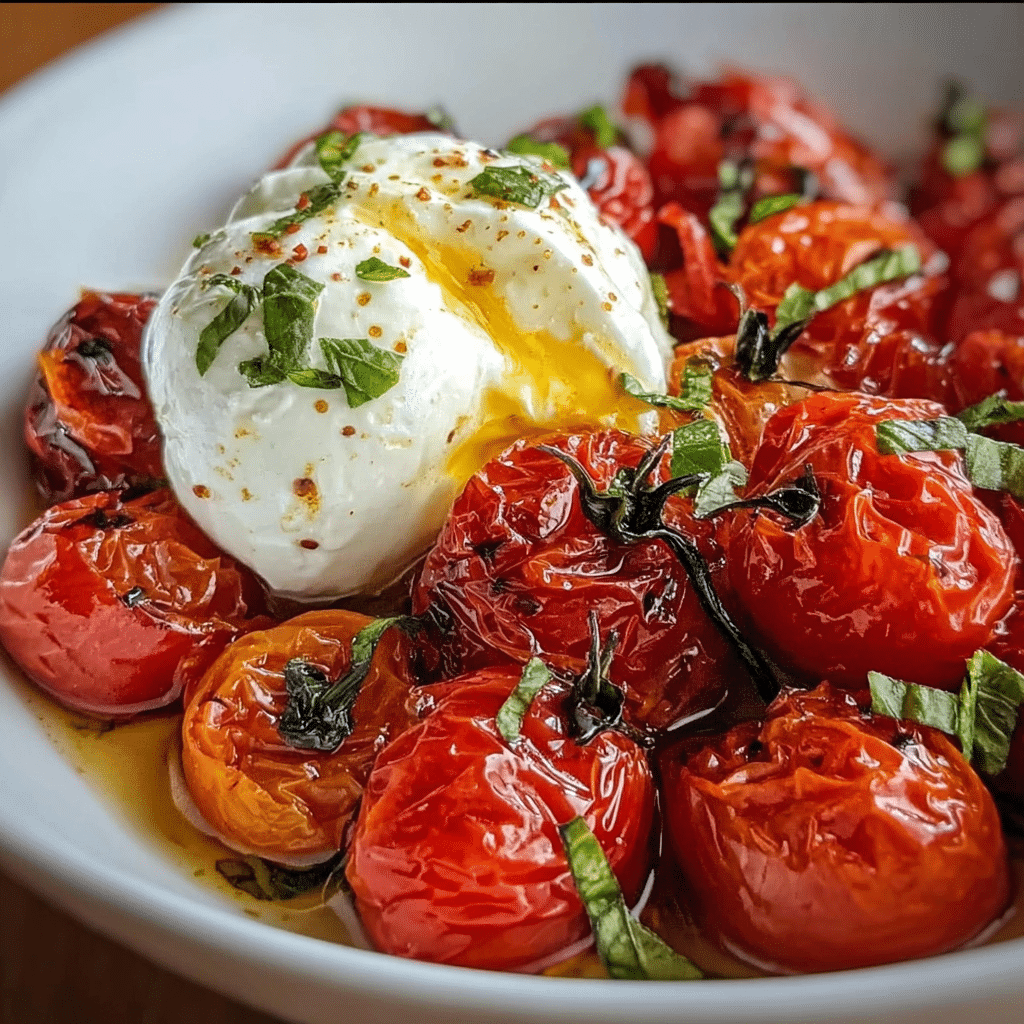
Best roasted tomatoes have become a staple in my kitchen, a dish that not only brightens up my meals but also rekindles fond memories of summer days spent in my grandmother’s garden. I remember the first time I took a bite of those sun-kissed, juicy tomatoes, lovingly roasted until they were tender and bursting with flavor. They were served fresh from the oven, paired with creamy burrata, and drizzled with a sprinkle of balsamic glaze. It was a simple dish, yet the way the flavors danced together felt nothing short of magical. That experience was transformative; it was the moment I realized that the best roasted tomatoes could elevate any meal, turning the ordinary into something extraordinary.
As I delved deeper into the world of cooking, I discovered that the origins of roasted tomatoes stretch far beyond my grandmother’s kitchen. This dish has roots in Mediterranean cuisine, particularly Italian, where tomatoes are revered for their versatility and flavor. Roasting tomatoes is a technique that not only intensifies their natural sweetness but also brings out their rich umami characteristics. Italians have been enjoying roasted tomatoes for generations, often using them in sauces, salads, and various antipasti dishes. This humble ingredient has traveled through time and across borders, becoming a beloved component in countless culinary traditions.
The Story Behind This Recipe
What makes my version of the best roasted tomatoes special is the combination of simplicity and adaptability. In a busy household, it’s essential to find recipes that not only taste fantastic but also don’t require hours of preparation. This dish ticks all the boxes. With just a handful of ingredients and minimal effort, you can create a vibrant side dish or a delightful main course that the entire family will adore. When I first introduced these roasted tomatoes to my family, they were an instant hit. The kids loved the sweetness of the tomatoes, while my partner and I savored the creamy burrata that added a touch of indulgence. It’s a recipe that brings us together, and on hectic weeknights, it has become our go-to solution.
Seasonal relevance plays a significant role in why this dish is so cherished. Summer is the prime time to whip up the best roasted tomatoes, as that’s when tomatoes are at their peak. I often find myself at the local farmer’s market, selecting plump, ripe tomatoes, their vibrant colors promising a burst of flavor. The excitement of transforming these fresh ingredients into a comforting dish brings me joy. It’s a reminder of the sun-soaked days of summer and the bounty that nature provides.
Beyond its taste and convenience, there’s an emotional connection to this dish that runs deep. Every time I prepare it, I’m reminded of my grandmother’s love for cooking and her ability to make simple ingredients shine. It’s a reflection of the idea that good food doesn’t have to be complicated; it often stems from love, patience, and a few quality ingredients. This recipe is a testament to that philosophy, and I can’t wait to share it with you.
In this comprehensive guide, you will learn how to make the best roasted tomatoes with burrata, the techniques to enhance their flavor, and tips on how to incorporate them into various meals. Whether you’re looking for a quick weeknight dinner or something to impress your guests, this dish has you covered. Prepare to embark on a culinary journey that celebrates the beauty of roasted tomatoes and the joy they can bring to your table!
The Rich History and Cultural Significance of best roasted tomatoes
The best roasted tomatoes are more than just a delightful dish; they carry a rich history that intertwines with the cultural significance of tomatoes themselves. Tomatoes originated in western South America and were first domesticated in Mexico. They arrived in Europe in the 16th century, primarily through Spanish explorers returning from their conquests in the Americas. Initially met with skepticism, tomatoes began to gain popularity, especially in Italy, where they eventually became a cornerstone of Mediterranean cuisine. Roasting tomatoes is a method that highlights their natural sweetness and flavor, a technique that has been passed down through generations.
Origins and History
In Italy, the practice of roasting tomatoes has roots in the rustic cooking traditions of the countryside. Families would grow their own tomatoes in home gardens, and during the harvest season, they would roast the surplus to preserve their flavors for the winter months. This technique allowed cooks to enjoy the taste of summer long after the season had ended. The best roasted tomatoes often feature a drizzle of olive oil, a sprinkle of sea salt, and a touch of fresh herbs like basil or oregano, enhancing their natural flavors and creating a dish that is both simple and satisfying.
Over the years, various regional variations have emerged, with each area of Italy contributing its unique spin on roasted tomatoes. In the south, you might find them paired with capers and olives, while northern regions may lean towards sweet balsamic reductions or creamy cheeses. This adaptability has allowed the dish to evolve over time, making it a versatile component in many different culinary contexts. For example, in modern American cooking, roasted tomatoes have become a popular addition to salads, pasta, and even sandwiches, reflecting the globalization of flavors and techniques.
Cultural Significance
Roasted tomatoes are often served during special occasions and family gatherings, embodying the spirit of togetherness and celebration. In Italian culture, meals are a time for family and friends to come together, and the presence of a dish like roasted tomatoes on the table symbolizes warmth and hospitality. This dish is not only a celebration of flavor but also a reminder of the importance of community and shared experiences around the dinner table.
Famous chefs and restaurants have embraced the beauty of roasted tomatoes, oftentimes elevating the dish with gourmet twists. For instance, renowned Italian chef Massimo Bottura has featured roasted tomatoes in various forms at his Michelin-starred restaurant, Osteria Francescana, showcasing their versatility and importance in fine dining. Their simplicity makes them accessible to home cooks, while their potential for sophistication allows them to shine in high-end culinary settings.
Nutritional Benefits
Beyond their delicious taste and cultural significance, best roasted tomatoes also offer several nutritional benefits. Tomatoes are a fantastic source of vitamins A and C, potassium, and antioxidants like lycopene, which is known for its heart health benefits. When roasted, the concentration of these nutrients increases, making them even more beneficial. The process of roasting also enhances the bioavailability of lycopene, allowing your body to absorb it more effectively.
Additionally, pairing roasted tomatoes with burrata introduces a creamy, rich element that balances the acidity of the tomatoes. Burrata is a fresh Italian cheese made from mozzarella and cream, and it adds a luxurious texture to the dish. Together, these ingredients create a harmonious balance of flavors that not only tantalizes the taste buds but also provides a nutritious meal option for families.
In conclusion, the best roasted tomatoes are a dish steeped in history, culture, and nutritional value. They are a celebration of simple ingredients transformed into something extraordinary. As you explore this culinary gem, you’ll not only be creating a delicious dish but also connecting with a rich culinary heritage that spans generations.
Essential Ingredients for Perfect best roasted tomatoes
When it comes to creating the best roasted tomatoes, the ingredients you choose can truly make a world of difference. Each component not only contributes to the flavor but also enhances the overall experience of the dish. Let’s dive into the essential ingredients that will help you achieve that perfect balance of sweetness, acidity, and creaminess!
Essential Ingredients
- 3 cups cherry tomatoes, a variety of colors and shapes
- 1 tablespoon balsamic vinegar
- 2 tablespoons olive oil, plus extra for drizzling
- 1 clove garlic, minced
- 1/2 teaspoon dried oregano
- 1/2 teaspoon dried basil
- 8 oz burrata cheese ball
- 8 fresh basil leaves
- Salt, to taste
- Pepper, to taste
- Crusty bread, optional
Best Roasted Tomatoes with Burrata
Ingredients
- 3 cups cherry tomatoes (variety of colors and shapes)
- 1 tablespoon balsamic vinegar
- 2 tablespoons olive oil plus extra for drizzling
- 1 clove garlic, minced
- ½ teaspoon dried oregano
- ½ teaspoon dried basil
- 8 oz burrata cheese ball
- 8 fresh basil leaves
- salt
- pepper
- crusty bread, optional
Instructions
- Preheat oven to 400°
- In a medium bowl combine the tomatoes, olive oil, vinegar, garlic, dried basil, dried oregano and S&P
- Gently toss and place on a rimmed cookie sheet
- Bake for about 20-25 minutes until soft and blistered
- Let cool to room temperature
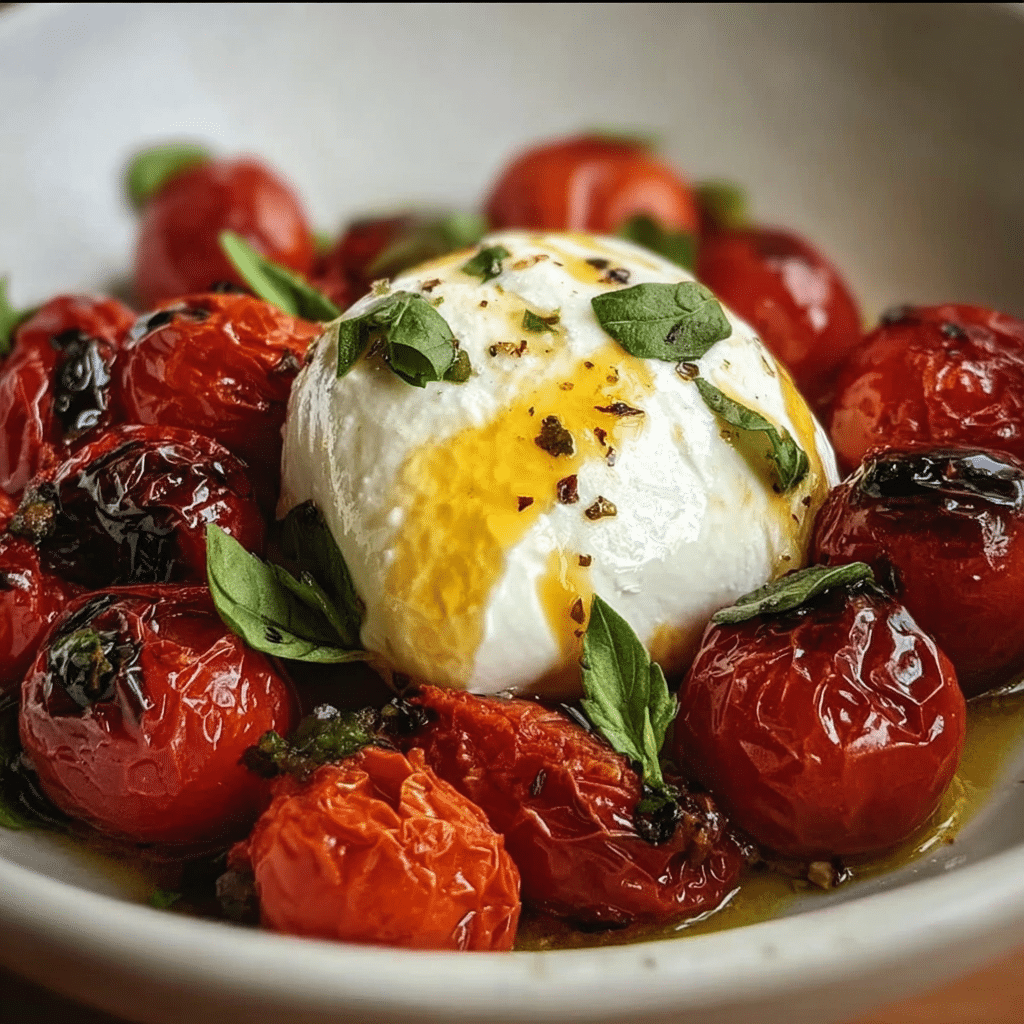
- Place burrata on a plate for shallow bowl; place roasted tomatoes around it and top with fresh basil
- Drizzle with additional olive oil
- Serve with crusty bread if desired
Each of these ingredients plays a crucial role in developing the layered flavors of your best roasted tomatoes. For instance, the cherry tomatoes are the star of the show. Their natural sweetness and juiciness are intensified when roasted, creating a delightful contrast to the creamy burrata.
The balsamic vinegar adds a tangy complexity that cuts through the richness of the cheese. Be sure to select a high-quality balsamic for the best results; the taste difference is notable. A good balsamic vinegar should be thick, syrupy, and rich in flavor.
Olive oil is another key ingredient that not only helps in roasting but also contributes to the luscious mouthfeel of the dish. Opt for a fruity extra virgin olive oil; it should have a peppery finish, which can elevate the flavor profile of your roasted tomatoes.
The garlic provides a fragrant aroma and a slight bite that beautifully complements the sweetness of the tomatoes. Freshly minced garlic is ideal, but if you’re in a pinch, you can use garlic powder—just adjust the quantity to taste.
Dried oregano and dried basil are essential herbs that enhance the Italian essence of the dish. While fresh herbs are always preferred, dried versions work well, especially in a roasting scenario where their flavors become concentrated.
The burrata cheese is what makes this dish indulgent. Its creamy interior contrasts perfectly with the roasted tomatoes. When shopping for burrata, look for a fresh ball that feels soft and yields to the touch. The best burrata comes from Italy, but many local producers also create fantastic versions.
Fresh basil leaves add a burst of freshness and color to the finished dish. They should be vibrant green and aromatic. Adding them just before serving preserves their flavor and brightens the overall presentation.
Don’t forget salt and pepper; these basic seasonings are crucial for enhancing all the flavors in your dish. Use kosher salt for its ease of use and flavor, and freshly ground black pepper to add a little heat.
Lastly, consider including some crusty bread to serve alongside the roasted tomatoes. It’s perfect for soaking up all the delicious juices and creamy burrata. A good sourdough or baguette works beautifully.
Shopping Tips
When it comes to sourcing your ingredients for the best roasted tomatoes, quality is key. For tomatoes, visit your local farmers’ market if possible. Look for tomatoes that are firm yet slightly yielding; they should have a bright, vibrant color with no blemishes. The flavor is often best in the summer months when tomatoes are in season, but many varieties are available year-round.
For oils and vinegars, specialty stores often have a more diverse selection. Choose organic options when possible, as they tend to have a more robust flavor and are free from pesticides.
Substitutions and Alternatives
If you have dietary restrictions or simply prefer alternatives, here are some substitutions that work well in this recipe:
- Instead of burrata cheese, you could use fresh mozzarella or a vegan cheese alternative to keep the dish dairy-free.
- If you’re avoiding gluten, serve the roasted tomatoes with vegetable sticks or gluten-free crackers instead of crusty bread.
- For a lower-calorie option, you can use less olive oil and replace it with vegetable broth for roasting.
When it comes to storage, keep any leftover roasted tomatoes in an airtight container in the fridge for up to a week. The flavors only get better as they sit! Fresh basil can be stored in a glass of water at room temperature, covered loosely with a plastic bag to retain moisture.
By understanding the role each ingredient plays in your dish and selecting high-quality options, you’ll be well on your way to creating the best roasted tomatoes that will impress everyone at your table.
Detailed Step-by-Step best roasted tomatoes Cooking Instructions
Creating the best roasted tomatoes is not just about the ingredients; it’s also about the method. This step-by-step guide will walk you through the process, ensuring that you not only achieve flavorful, beautifully roasted tomatoes but also learn a few kitchen techniques along the way.
Preparation Steps
- Start by preheating your oven to 400°F (200°C). This temperature is ideal for roasting as it allows the tomatoes to caramelize beautifully without burning.
- Next, wash the 3 cups of cherry tomatoes thoroughly under cold water. Pat them dry with a clean kitchen towel. This step is crucial because excess moisture can prevent proper roasting.
- Once dry, slice the tomatoes in half. This not only allows the flesh to caramelize but also helps them cook evenly. If you prefer a different texture, you can roast them whole, but you’ll need to adjust your cooking time.
- In a large mixing bowl, add the halved tomatoes and drizzle with 2 tablespoons of olive oil. Sprinkle 1 clove of minced garlic, 1 tablespoon of balsamic vinegar, 1/2 teaspoon of dried oregano, and 1/2 teaspoon of dried basil over the top. Season generously with salt and pepper to taste.
- Using your hands, gently toss the tomatoes until they are evenly coated with the oil and seasonings. Be careful not to bruise them too much; you want them to maintain their shape.
Cooking Process
- Spread the seasoned tomatoes in a single layer on a baking sheet lined with parchment paper. Make sure they are not overcrowded; this allows them to roast rather than steam.
- Place the baking sheet in your preheated oven and roast for about 30 minutes. Keep an eye on them towards the end; you’ll know they’re done when they start to blister and caramelize, becoming soft and juicy.
- While the tomatoes are roasting, prepare your burrata cheese. If it’s in a liquid, gently drain it and let it sit at room temperature to soften. This will enhance its creamy texture when served.
Final Assembly
- Once the tomatoes are beautifully roasted, remove them from the oven and let them cool for a few minutes. The aroma will be intoxicating, filling your kitchen with a warm, sweet scent!
- To serve, place the roasted tomatoes on a platter. Tear the burrata cheese into pieces and nestle them among the tomatoes. Drizzle a little extra olive oil over the top for added richness.
- Garnish with 8 fresh basil leaves, torn or whole, for a pop of color and fresh flavor. You can also add a sprinkle of flaky sea salt to enhance the overall experience.
- If you’re serving with crusty bread, slice it and toast it lightly in the oven or on a grill until golden. This is perfect for scooping up the roasted tomatoes and creamy burrata.
And there you have it! By following these detailed instructions, you’ll create the best roasted tomatoes that are not only visually stunning but also packed with flavor. Remember, cooking is all about experimenting and finding what works best for your palate. Don’t be afraid to adjust seasonings or try different types of tomatoes based on what’s available in your area.
Enjoy your culinary creation, and don’t forget to savor each bite!
Professional Tips and Techniques for best roasted tomatoes
When it comes to creating the best roasted tomatoes, there’s an art and science that intertwines to produce a dish that is not only visually appealing but also packed with flavor. As someone who has spent countless hours in the kitchen experimenting with tomatoes, I can share some professional tips and techniques that will elevate your roasted tomato game.
Professional Techniques
To achieve the best roasted tomatoes, start by selecting the right variety of tomatoes. Heirloom, Roma, and cherry tomatoes are great choices, as they have a higher sugar content and thus caramelize beautifully when roasted. Always opt for ripe, in-season tomatoes; they are more flavorful and juicy. Before roasting, consider cutting them in half or quartering them, depending on their size, to expose more surface area. This allows for better caramelization and enhances the overall flavor.
Next, season your tomatoes generously. A simple combination of extra virgin olive oil, salt, and freshly cracked black pepper works wonders. For those who want to take it a step further, adding herbs like thyme or rosemary can infuse the dish with aromatic depth. A hint of balsamic vinegar or a sprinkle of sugar can also help balance acidity and enhance sweetness.
When it comes to roasting, the temperature plays a crucial role. Preheat your oven to 400°F (200°C). If you roast at a higher temperature, be cautious; while it can enhance caramelization, it can also lead to burning if left unattended. For a slow roast, consider lowering the temperature to around 325°F (163°C) for a longer period, which will yield a more concentrated flavor.
Using a baking sheet lined with parchment paper or a silicone mat can help prevent sticking and make cleanup easier. Spread the tomatoes in a single layer, ensuring they are not overcrowded; this allows them to roast evenly. For an extra touch, toss in some garlic cloves, whole or sliced, for a fragrant addition that pairs beautifully with the tomatoes.
Troubleshooting Guide
Even the most experienced cooks can run into problems when roasting tomatoes. One common issue is sogginess. If your tomatoes are too watery, try using a variety with less moisture, like Roma tomatoes, or remove the seeds before roasting. Another issue could be uneven cooking; this can often be resolved by ensuring an even layer on your baking sheet. If you find that your tomatoes are burning before they’re fully cooked, try covering them loosely with aluminum foil for the first half of the roasting time.
For those who might find their tomatoes lacking in flavor after roasting, consider adjusting their seasoning. A touch of salt can elevate their taste dramatically. If you desire a smokier flavor, roasting them alongside some smoked paprika or chili powder can add that depth you’re looking for.
Presentation Tips
Once you’ve mastered the best roasted tomatoes, it’s time to think about presentation. These vibrant jewels deserve to be showcased! Serve them on a large platter drizzled with a little more olive oil and a sprinkle of flaky sea salt just before serving. For a stunning visual effect, consider layering them with creamy burrata cheese, which complements the tomatoes’ acidity and adds a luxurious touch.
Garnishing is key; fresh basil or microgreens can add a pop of color and freshness. If you’re feeling adventurous, a drizzle of balsamic reduction can not only enhance the flavors but also create an attractive presentation. Pair your roasted tomatoes with a glass of red wine, like a Chianti or a Sangiovese, which complement the natural sweetness of the tomatoes beautifully. The acidity of the wine balances with the richness of the dish, making for an exquisite dining experience.
In conclusion, the journey to the best roasted tomatoes is filled with experimentation and personal flair. With the right techniques, troubleshooting strategies, and a keen eye for presentation, you can create a dish that not only satisfies the palate but also delights the eyes.
Creative Variations and Adaptations of best roasted tomatoes
When you think of the best roasted tomatoes, it’s easy to imagine a classic dish bursting with flavor. However, the beauty of this ingredient lies in its versatility. Let’s explore some creative variations and adaptations that can take your roasted tomato experience to new heights.
Seasonal Variations
One of the joys of cooking with tomatoes is their seasonality. Summer tomatoes are juicy and sweet, perfect for a fresh caprese salad or simply roasted with herbs. As the seasons change, consider incorporating winter vegetables with your roasted tomatoes for a hearty dish. Root vegetables like carrots or parsnips can be roasted alongside tomatoes for added sweetness and texture.
In the fall, think about adding spices like cinnamon and nutmeg to your roasted tomatoes, creating a warm, comforting dish that feels seasonal. You can also mix in seasonal squashes or pumpkin, which pairs beautifully with the sweetness of roasted tomatoes. For spring, consider adding fresh asparagus or peas to the mix, creating a vibrant and colorful plate that captures the essence of the season.
Dietary Adaptations
For those with dietary restrictions, the best roasted tomatoes can easily be adapted. If you’re following a vegan diet, simply ensure that you don’t add any dairy-based toppings. Instead, enhance the flavor with vegan cheeses or nutritional yeast. For gluten-free eaters, roasted tomatoes are naturally gluten-free and can be served with gluten-free grains like quinoa or brown rice.
For keto followers, the natural low-carb aspect of tomatoes makes them an excellent choice. Pair your roasted tomatoes with protein-rich foods like grilled chicken or tofu to create a well-rounded meal. Additionally, if you want a spicy kick, consider adding red pepper flakes or jalapeños to your roasting pan. This adjustment can turn basic roasted tomatoes into a fiery delight that appeals to heat lovers.
Creative Twists
Why not take a trip around the world with your roasted tomatoes? In Mediterranean cuisine, you can incorporate olives and feta cheese, creating a dish that’s bursting with flavor. If you’re in the mood for something Asian-inspired, consider adding soy sauce and sesame oil to your roasted tomatoes, then serve them over rice for a delightful fusion dish. The combination of sweet and umami in this variation will have everyone at your table asking for seconds.
Leftovers can also be a creative playground. If you have extra roasted tomatoes, consider blending them into a sauce for pasta or as a topping for bruschetta. They can also be mixed into soups for an added depth of flavor. Another fun idea is to use them as a filling for omelets or frittatas, which can be a delicious way to start your day.
Moreover, you can experiment with different cooking methods. While roasting is the classic approach, you can also try grilling your tomatoes for a smoky flavor or using a slow cooker for ease. Each method brings out different characteristics in the tomatoes, allowing you to enjoy them in various forms.
In conclusion, the best roasted tomatoes are not just a one-dimensional dish. They can be seasoned, adapted, and transformed in myriad ways. Whether you explore seasonal variations, dietary adaptations, or creative twists, the versatility of roasted tomatoes can keep your culinary adventures exciting and delicious.
Storage, Reheating, and Meal Prep for best roasted tomatoes
When it comes to enjoying the best roasted tomatoes, proper storage, reheating, and meal prep strategies can enhance your culinary experience immensely. Whether you’re preparing a batch for a special occasion or just for your weekly meals, understanding how to store and reheat your roasted tomatoes can make a significant difference in taste and texture. Let’s delve deep into the world of storage techniques for these delicious gems.
Short-term Storage
Once you’ve roasted your tomatoes to perfection, you might wonder how to store them efficiently for short-term use. The first step is to let them cool down to room temperature. Storing hot food can create condensation within your storage container, leading to mushiness and undesirable flavors. After cooling, consider using airtight containers made of glass or BPA-free plastic. These not only preserve the flavor but also prevent any unwanted odors from seeping into your tomatoes.
In the refrigerator, your best roasted tomatoes can last for about 5 to 7 days. If you plan to use them within this time frame, simply place them in your container, ensuring they are tightly sealed. A good tip is to layer parchment paper between the tomatoes if you’ve added herbs or garlic to the mix – this helps avoid any soggy surprises when you open the container. You can also drizzle a little extra olive oil on top before sealing to keep them moist.
Freezing and Long-term Storage
If you find yourself with an abundance of roasted tomatoes, freezing is a fantastic option for long-term storage. The key to freezing roasted tomatoes is to ensure they are well-prepared beforehand. Start by letting your tomatoes cool completely, then portion them into freezer-safe bags or containers. It’s often helpful to separate them into single servings or small batches, so you can easily thaw just what you need later. Use a straw to remove excess air from the bags before sealing, as this will help prevent freezer burn, which can affect the quality of your best roasted tomatoes.
Frozen roasted tomatoes can last up to 6 months in your freezer. When you’re ready to use them, transfer them from the freezer to the refrigerator the night before to allow for a gradual thaw. If you’re in a hurry, you can also reheat them directly from frozen, but be aware that this might change the texture slightly. If you’ve prepared a sauce with your tomatoes, consider freezing it in ice cube trays for convenient portion control.
Reheating Best Practices
Reheating your best roasted tomatoes properly can help maintain their delicious flavor and texture. One of the best methods is to use the oven. Preheat your oven to 350°F (175°C), and spread the roasted tomatoes on a baking sheet lined with parchment paper. Cover them with foil to prevent them from drying out, and heat for about 10-15 minutes, or until warmed through.
If you’re looking for a quicker method, you can also reheat them in a skillet over medium heat. Add a splash of olive oil and gently warm the tomatoes, stirring occasionally. This method not only reheats them but also helps to refresh their flavor. Microwaving is another option, but it can often lead to uneven heating or a soggy texture. If you do choose the microwave, use a microwave-safe dish and cover it to trap steam, heating in short intervals until warm.
Meal prep is an excellent way to incorporate best roasted tomatoes into your weekly cooking routine. Consider preparing a large batch at the start of the week to use in various dishes such as salads, pastas, or even as a topping for grilled meats. By having them ready to go, you can save time and enhance your meals effortlessly.
Lastly, always keep food safety in mind. If your roasted tomatoes develop an off smell or any signs of mold, it’s best to err on the side of caution and discard them. Properly stored, your roasted tomatoes can be a delightful addition to many meals, making them an essential part of your culinary toolkit.
Nutritional Benefits and Health Information
When indulging in the best roasted tomatoes, it’s essential to consider not just how delightful they are but also the nutritional benefits they bring. Roasted tomatoes are more than just a tasty side dish; they are packed with vitamins, minerals, and antioxidants that can contribute positively to your health. Let’s explore the nutritional breakdown and health benefits of these vibrant fruits.
Nutritional Profile
Roasted tomatoes are an excellent source of several key nutrients. A one-cup serving of roasted tomatoes typically contains about 45 calories with minimal fat. They are rich in carbohydrates, primarily from natural sugars, and provide dietary fiber which is essential for digestive health. The macronutrient distribution is generally favorable for those looking to maintain a balanced diet. With approximately 2 grams of protein per serving, tomatoes can complement protein-rich foods like burrata or grilled chicken.
Additionally, roasted tomatoes are a fantastic source of vitamins A, C, and K, as well as several B vitamins. Vitamin C is known for its immune-boosting properties, while vitamin A contributes to healthy vision and skin. Vitamin K plays a critical role in blood clotting and bone health, making roasted tomatoes not just delicious but also a smart addition to your meals.
Health Benefits
The health benefits of roasted tomatoes extend beyond their vitamin content. One of the standout components of tomatoes is lycopene, a powerful antioxidant linked to a reduced risk of chronic diseases, including heart disease and some cancers. Cooking tomatoes enhances the availability of lycopene, making roasted tomatoes a particularly beneficial choice. Studies suggest that a diet rich in lycopene can lower the risk of prostate cancer and may also improve heart health by reducing LDL cholesterol levels.
Moreover, the fiber content in tomatoes can aid in digestion, promoting a healthy gut. Fiber helps to maintain bowel regularity and can also help with weight management by providing a feeling of fullness. With their rich flavor, roasted tomatoes can enhance the satisfaction of meals without adding excessive calories, making them a great choice for those looking to maintain a healthy weight.
Dietary Considerations
When considering dietary restrictions, roasted tomatoes are naturally gluten-free and vegetarian, making them accessible to a wide range of diets. They can easily fit into vegan and Mediterranean diets, which emphasize whole foods, healthy fats, and plant-based ingredients. For those who are watching their sodium intake, it’s wise to prepare roasted tomatoes without added salt or to use low-sodium options for any accompanying ingredients.
The calorie content in roasted tomatoes is low, which can be beneficial for those on calorie-restricted diets. For example, a serving of roasted tomatoes can easily complement a variety of dishes without significantly increasing the overall calorie count. If you’re looking to add more nutrients to your meals, consider pairing roasted tomatoes with other nutrient-dense foods like whole grains, lean proteins, and healthy fats.
For those wanting to make healthy modifications, consider drizzling your roasted tomatoes with balsamic vinegar or fresh herbs like basil and oregano for added flavor without added calories. This can elevate the dish while keeping it nutritious. You can also experiment with spices such as oregano or garlic to enhance the flavor profile.
In comparison to similar dishes, such as sun-dried tomatoes, roasted tomatoes retain more moisture and a fresher taste, making them versatile. Sun-dried tomatoes, while high in flavor, often pack more concentrated calories and sodium, making roasted tomatoes a lighter and fresher option for those looking to enjoy the taste of tomatoes without the extra heaviness.
In conclusion, the best roasted tomatoes not only dazzle the palate but also offer numerous nutritional benefits that can contribute to a balanced diet. Their vibrant flavors and health properties make them an excellent addition to any meal, bringing both enjoyment and health to your table.
Frequently Asked Questions About Best Roasted Tomatoes
Best roasted tomatoes with burrata and garlic
To create the best roasted tomatoes with burrata and garlic, start by selecting ripe, juicy tomatoes, such as heirloom or vine-ripened varieties. Preheat your oven to 400°F (200°C) and cut the tomatoes in half, placing them cut-side up on a baking sheet. Drizzle with olive oil, sprinkle with salt, pepper, and minced garlic, then roast for about 25-30 minutes until they are softened and slightly caramelized. Once out of the oven, let them cool slightly before serving on a plate topped with creamy burrata. The combination of sweet roasted tomatoes, aromatic garlic, and luxurious burrata creates a delightful appetizer that is bursting with flavor.
Roasted tomatoes with burrata and balsamic
For a delicious twist on roasted tomatoes, pair them with burrata and a drizzle of balsamic reduction. Begin by roasting halved tomatoes with olive oil, salt, and pepper at 400°F (200°C) for 25-30 minutes. Once roasted, arrange them on a serving platter and tear the burrata into pieces, placing it on top of the tomatoes. Finish with a generous drizzle of balsamic reduction, which adds a tangy sweetness that beautifully complements the savory flavors. This dish not only looks stunning but also delivers a perfect balance of tastes and textures.
Tomato and burrata appetizer
Creating a tomato and burrata appetizer is simple yet elegant. Start with fresh, ripe tomatoes and slice them into rounds. Layer the sliced tomatoes on a platter, then tear or slice fresh burrata and place it on top. To elevate the dish, drizzle with high-quality extra virgin olive oil, sprinkle with sea salt, and garnish with fresh basil leaves. This refreshing appetizer is perfect for summer gatherings and pairs beautifully with crusty bread for a more substantial bite.
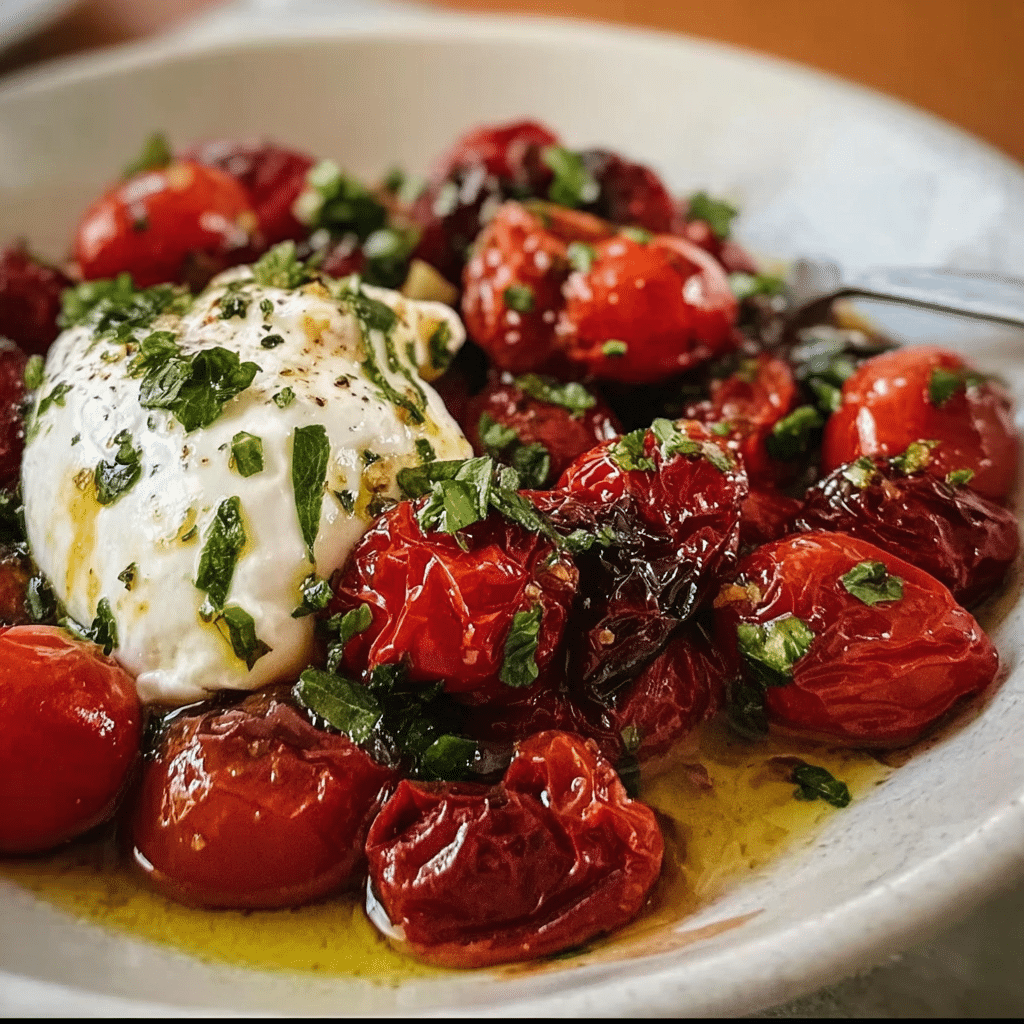
Burrata with roasted tomatoes and garlic
Burrata with roasted tomatoes and garlic is a heavenly combination that is easy to prepare. Roast your tomatoes with minced garlic, olive oil, salt, and pepper at 400°F (200°C) for about 25-30 minutes until they are caramelized. Once roasted, let them cool slightly and serve alongside torn pieces of burrata. The creamy texture of the burrata combined with the sweet, roasted garlic-infused tomatoes creates a dish that is perfect for sharing as a starter or as part of a charcuterie board.
Burrata with roasted tomatoes and olives
To make a delightful burrata dish with roasted tomatoes and olives, roast your tomatoes as usual, seasoned with olive oil, salt, and pepper at 400°F (200°C) for 25-30 minutes. While the tomatoes are roasting, prepare a mix of pitted olives, such as Kalamata and green olives, to add brininess to the dish. Once the tomatoes are done, let them cool slightly and arrange them on a plate with the burrata and scattered olives. This combination brings together creamy, sweet, and salty flavors, making it an irresistible appetizer.
Roasted cherry tomatoes with burrata
Roasted cherry tomatoes with burrata are a delightful and visually appealing dish. Start by tossing the cherry tomatoes with olive oil, salt, and pepper, then roast them at 400°F (200°C) for about 20 minutes until they burst and caramelize. Once roasted, let the tomatoes cool slightly, then serve them on a platter with fresh burrata, allowing the creamy cheese to meld with the sweet tomatoes. This dish is great as a standalone appetizer or alongside toasted baguette slices for a complete experience.
Roasted tomatoes and burrata on bread
For a delicious roasted tomatoes and burrata on bread dish, begin by selecting a crusty bread like ciabatta or sourdough. Roast your tomatoes with olive oil, salt, and pepper at 400°F (200°C) for 25-30 minutes until they are caramelized. While the tomatoes are roasting, toast your bread until golden brown. Once everything is ready, spread a layer of the warm roasted tomatoes on top of the toasted bread, add generous pieces of burrata, and finish with a drizzle of balsamic glaze or a sprinkle of fresh herbs for extra flavor. This makes for a fantastic appetizer or light meal.
Roasted tomato and burrata dip
To make a roasted tomato and burrata dip, start by roasting halved tomatoes with garlic, olive oil, salt, and pepper at 400°F (200°C) for about 30 minutes until they are soft and slightly charred. Allow the mixture to cool, then blend it together with the burrata until smooth and creamy. For added flavor, consider mixing in fresh herbs like basil or oregano. Serve this dip warm with crispy pita chips or vegetable sticks for a delicious appetizer that will impress your guests.