Best shepherd’s pie—the very mention of it conjures up warm memories of family gatherings and cozy evenings by the fireplace. My journey with this iconic dish began on a chilly autumn evening, the kind where the air is crisp, and the scent of fallen leaves lingers. I recall making my first shepherd’s pie with my grandmother, a culinary virtuoso who could whip up magic in the kitchen with just a handful of ingredients. As she guided my inexperienced hands, I learned not just how to layer meat and potatoes, but also the stories behind each ingredient, the significance of each step, and most importantly, the love that goes into every single bite. This was not just a recipe; it was a cherished family tradition, passed down through generations.
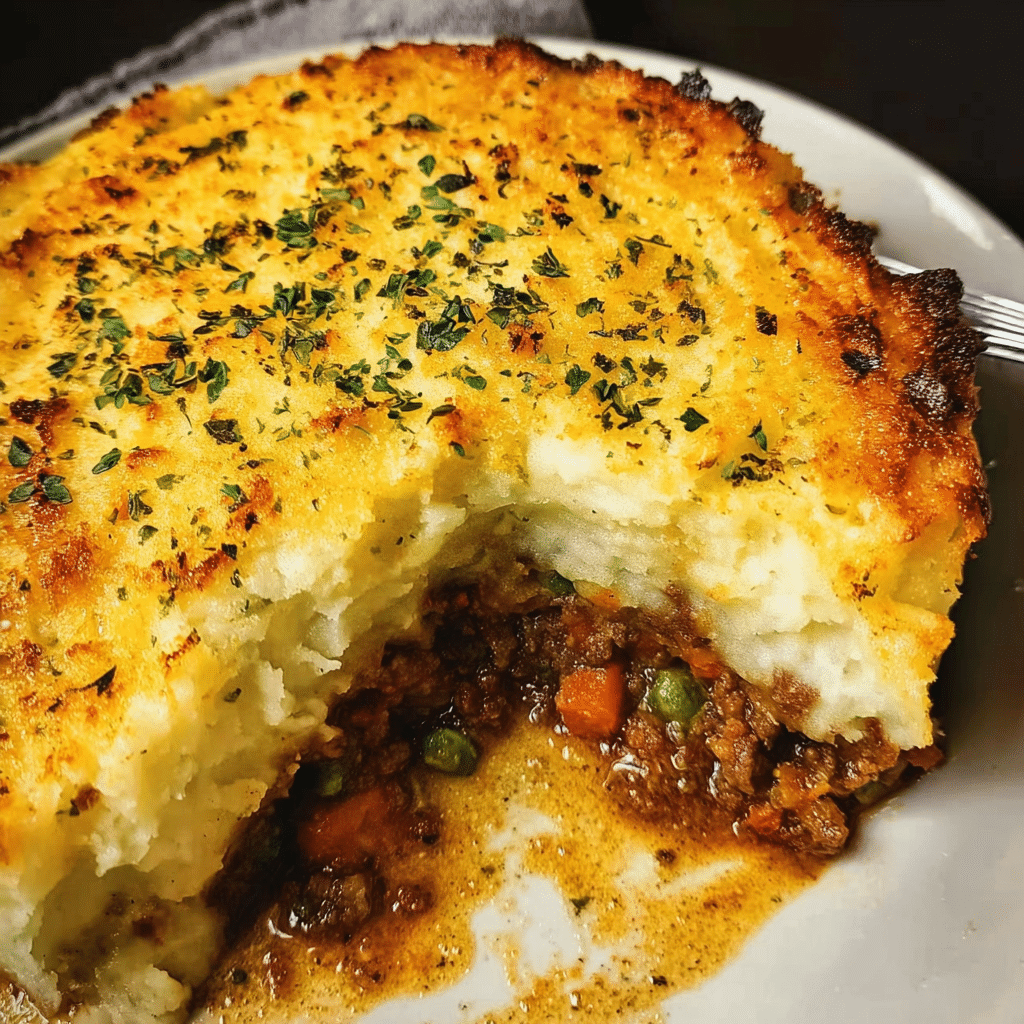
The best shepherd’s pie is more than just a simple meal; it is a canvas for personal expression and creativity. Traditionally, the dish hails from the British Isles, where shepherds would take the leftover meat from their flocks and combine it with vegetables, topped with creamy mashed potatoes. The origins of shepherd’s pie can be traced back to the late 18th century, when it was a practical way to use up leftover cooked meat, particularly lamb, as the dish’s name suggests. However, many people often refer to any meat pie topped with mashed potatoes as shepherd’s pie, regardless of the meat used, but the best versions stick to the original lamb and make sure to use high-quality, fresh ingredients.
The Story Behind This Recipe
What truly makes my version of the best shepherd’s pie special is the blend of nostalgia and innovation. I’ve taken my grandmother’s time-honored recipe and infused it with modern twists: a splash of red wine for depth, fresh herbs to brighten the filling, and a touch of cheese for that golden, crispy top. These adjustments not only elevate the dish but also reflect my personal taste and the evolving nature of cooking. It is a beautiful fusion of the old and the new, making it perfect for contemporary families who crave hearty, comforting meals without sacrificing flavor.
This dish is particularly perfect for busy families looking for quick dinner solutions. With its one-dish nature, shepherd’s pie can be prepared in advance and stored in the fridge or freezer. Just pop it in the oven when it’s time for dinner, and you’ll have a wholesome meal ready in about an hour. It’s a lifesaver on hectic weeknights when everyone is racing home from school or work. There’s something incredibly satisfying about pulling a bubbling pie from the oven, the aroma wafting through the house, promising that comfort is just a forkful away.
Seasonal relevance also plays a vital role in why I adore shepherd’s pie. Autumn and winter are the ideal times to indulge in this dish, as it warms you from the inside out. Picture a rainy day, the sound of raindrops against the window, and the coziness of your home filled with the rich scent of meat and herbs—this is when shepherd’s pie truly shines. It’s a dish that invites you to gather around the table, share stories, and create memories, making it an indispensable part of any family’s culinary repertoire during the colder months.
Every time I make shepherd’s pie, I feel a deep emotional connection to my roots. It’s not just about the food; it’s about the love and the memories that it brings back. I hope to pass on this experience to my children, sharing with them not just a recipe, but a way of life that celebrates family, tradition, and the joys of simple cooking. In this guide, you will learn how to make the best shepherd’s pie that will become your family’s go-to meal, filled with history, flavor, and love.
The Rich History and Cultural Significance of best shepherd’s pie
The best shepherd’s pie is steeped in rich history and cultural significance, reflective of the agricultural practices of its time. The origins of this dish can be traced back to the late 1700s in the British Isles. It was originally created as a way to use up leftover roasted lamb or mutton, which was abundant in rural areas where shepherds tended their flocks. The term “shepherd’s pie” was coined in the 19th century, but prior to that, the dish was simply referred to as “meat pie” or “cottage pie” when made with beef. The distinction between shepherd’s pie and cottage pie lies primarily in the type of meat used—shepherd’s pie traditionally uses lamb, while cottage pie employs beef.
Origins and History
Over the years, shepherd’s pie evolved into a staple comfort food across the United Kingdom, with regional variations emerging. In Ireland, for example, it often features a topping of fluffy mashed potatoes mixed with butter and cream, while in Scotland, some may add a layer of cheese on top for a crispy finish. The beauty of this dish lies in its adaptability; home cooks can use whatever vegetables and meats they have on hand, making it a versatile option for families. During the Great Depression, shepherd’s pie gained further popularity as households sought to stretch their food budgets while still providing hearty meals.
As the years went on, shepherd’s pie made its way across the ocean to America, where it took on new life. In the United States, you might find variations that incorporate corn or other vegetables, reflecting the local tastes and available ingredients. Even today, many famous chefs have put their own spin on this classic dish, from gourmet versions with truffle oil to vegan adaptations that replace meat with hearty lentils and mushrooms. Yet, despite these changes, the essence of shepherd’s pie remains the same: a comforting, filling meal that brings people together.
Cultural Significance
The cultural significance of shepherd’s pie cannot be overstated. It is often served in homes during gatherings and celebrations, especially in colder months when its warmth is most appreciated. In pubs and restaurants across the UK and Ireland, it is a staple of the menu, often paired with a pint of stout or a glass of red wine. Shepherd’s pie has earned its place in the hearts and homes of many, symbolizing comfort, tradition, and family. It is a dish that transcends generations, sparking conversations and creating new memories each time it is served.
Furthermore, shepherd’s pie is often associated with the idea of “making do” and using what you have—an ethos that resonates deeply in today’s world of sustainable cooking and minimizing food waste. Many families cherish the way this dish allows them to transform leftovers into something entirely new and satisfying. It embodies the spirit of resourcefulness, a trait that is particularly valued in cooking.
Nutritional Benefits
When it comes to nutrition, the best shepherd’s pie can be surprisingly healthy, especially when made with fresh, wholesome ingredients. Lean lamb is a good source of protein, providing essential amino acids needed for muscle repair and growth. It also contains important nutrients such as iron, zinc, and B vitamins, which are crucial for energy production and immune function. The addition of vegetables like carrots, peas, and onions not only enhances flavor but also boosts the nutritional profile, adding fiber, vitamins, and antioxidants to the mix.
For those concerned about calorie intake, shepherd’s pie can be easily modified to suit various dietary needs. Using sweet potatoes instead of regular potatoes for the topping can add a touch of sweetness and extra vitamins, while using lean ground meat or a plant-based alternative can create a lighter version of this classic dish. These adaptations ensure that everyone can enjoy the comforting flavors of shepherd’s pie while still adhering to their dietary preferences.
In conclusion, the best shepherd’s pie is not just a meal; it is a celebration of history, culture, and family. It is a dish that nourishes the body and soul, inviting everyone to gather around the table and share in the warmth and love that it represents. Whether you’re making it for a family dinner, a cozy night in, or a special occasion, shepherd’s pie is sure to satisfy and delight, proving that comfort food can be both delicious and meaningful.
Essential Ingredients for Perfect best shepherd’s pie
When it comes to creating the best shepherd’s pie, the ingredients you select play a vital role in achieving that rich, comforting flavor that makes this dish a timeless favorite. Each component serves its purpose, not only adding to the overall taste but also elevating the dish into something truly special. Let’s explore the essential ingredients that will help you craft the ultimate shepherd’s pie.
Essential Ingredients
- 2 lb. russet potatoes, peeled, sliced 1/2″ thick
- Kosher salt
- 2/3 cup half-and-half
- 4 Tbsp. unsalted butter
- 2 Tbsp. chopped fresh parsley, divided
- Freshly ground black pepper
- 1 Tbsp. canola oil
- 2 lb. lean ground beef
- 1 medium yellow onion, chopped
- 2 medium carrots, peeled, chopped
- 3 cloves garlic, chopped
- 2 tsp. chopped fresh rosemary
- 2 tsp. chopped fresh thyme
- 3 Tbsp. tomato paste
- 1/2 cup dry red wine, such as Cabernet Sauvignon
- 1 cup low-sodium beef broth
- 3 Tbsp. Worcestershire sauce
- Cooking spray
- 3 Tbsp. all-purpose flour
- 1 cup frozen corn
- 1 cup frozen peas
- 3 Tbsp. grated Parmesan

Best Shepherd’s Pie
Ingredients
- 2 lb.russet potatoes, peeled, sliced 1/2″ thick
- Kosher salt
- 2/3 cuphalf-and-half
- 4 Tbsp.unsalted butter
- 2 Tbsp.chopped fresh parsley, divided
- Freshly ground black pepper
- 1 Tbsp.canola oil
- 2 lb.lean ground beef
- 1medium yellow onion, chopped
- 2 medium carrots, peeled, chopped
- 3 cloves garlic, chopped
- 2 tsp. chopped fresh rosemary
- 2 tsp. chopped fresh thyme
- 3 Tbsp. tomato paste
- 1/2 cup dry red wine, such as Cabernet Sauvignon
- 1 cup low-sodium beef broth
- 3 Tbsp. Worcestershire sauce
- Cooking spray
- 3 Tbsp. all-purpose flour
- 1 cup frozen corn
- 1 cup frozen peas
- 3 Tbsp. grated Parmesan
Instructions
- Preheat oven to 400°. In a medium saucepan, cover potatoes with water by 1/2″; season with 1 tablespoon salt. Bring to a boil over high heat. Cook until potatoes are fork-tender, 12 to 15 minutes. Drain potatoes; set aside in colander.
- In same pot over medium-low heat, cook half-and-half and butter, stirring until butter is melted. Return potatoes to pot. Mash potatoes with a potato masher or a fork. Stir in 1 tablespoon parsley; season with salt and pepper. Remove from heat.
- Meanwhile, in a large skillet over medium-high heat, heat oil. Add beef; season with 2 teaspoons salt and 1/2 teaspoon pepper. Break up beef with a wooden spoon and cook until crumbled and no longer pink, 6 to 8 minutes. Using a slotted spoon, transfer beef to a plate. Pour off all but 2 tablespoons beef drippings.
- In same skillet over medium heat, cook onion and carrots, stirring, until onions begin to soften, 5 to 6 minutes. Add garlic, rosemary, and thyme and cook, stirring, until fragrant, about 2 minutes more. Return beef and accumulated juices to skillet; stir in tomato paste. Cook, stirring, until tomato paste turns dark red, 3 to 4 minutes. Add wine and cook, stirring, until almost completely evaporated, 2 to 3 minutes. Stir in broth and Worcestershire and bring to a simmer. Sprinkle with flour and cook, stirring occasionally, until sauce is thickened, about 5 minutes. Stir in corn and peas.
- Pour beef mixture into a 13″ x 9″ pan and dollop mashed potatoes on top. Lightly spray a rubber spatula with cooking spray and spread potatoes over beef mixture. Sprinkle with Parmesan; season with a pinch of pepper.
- Bake shepherd’s pie until beef mixture is bubbling, about 25 minutes. Remove from oven. Place a rack in upper third of oven and turn broiler to high. Broil until top begins to brown, 1 to 2 minutes.
- Sprinkle with remaining 1 tablespoon parsley. Let cool 10 minutes before serving.
Now, let’s delve deeper into the role of each ingredient. The russet potatoes form the hearty topping of your shepherd’s pie. Their starchy nature helps create a fluffy yet creamy mash that contrasts beautifully with the rich filling beneath. When selecting potatoes, look for those that are firm and without blemishes; organic options are often more flavorful.
Kosher salt is essential for seasoning throughout the cooking process. It not only enhances the flavor but also helps in drawing out moisture from the vegetables, allowing for a more concentrated flavor profile. When cooking, always taste as you go, adjusting the salt to your preference.
Half-and-half adds a creamy texture to the potato topping, making it rich and indulgent. If you’re watching your calorie intake, you can substitute it with milk or a lower-fat cream. However, the half-and-half brings a luxurious mouthfeel that is hard to replicate.
Next, the unsalted butter is a must for adding richness to both the mashed potatoes and the filling. Unsalted allows you to control the salt content more precisely. A good-quality butter, ideally from grass-fed cows, will enhance the overall flavor of your dish.
Fresh herbs like parsley, rosemary, and thyme introduce aromatic notes that make the dish feel vibrant. When choosing herbs, opt for fresh over dried whenever possible, as they have more intense flavors. Look for bright green leaves with no wilting or browning.
The addition of lean ground beef serves as the protein base, providing that hearty satisfaction you expect from the best shepherd’s pie. If you prefer, you could use ground lamb, which is traditional in many recipes, or even a plant-based alternative like lentils for a vegetarian version.
Other ingredients like yellow onion, carrots, and garlic are essential for building the flavor base. They should be fresh, firm, and aromatic, particularly the garlic; avoid any bulbs that are sprouting. The sweetness of the carrots combined with the savory onion creates a lovely depth of flavor.
Using red wine not only adds acidity, which balances the richness of the beef and potatoes, but it also contributes complexity. A robust wine like Cabernet Sauvignon is ideal, but you can substitute with a splash of balsamic vinegar if you prefer.
The beef broth provides moisture and depth to the filling. Opt for low-sodium versions, as you can always add more seasoning later. Worcestershire sauce introduces umami, enhancing all the flavors in your filling.
To thicken the mixture, all-purpose flour is used, creating that luscious consistency that keeps everything intact when serving. If you’re gluten-free, cornstarch can be used as a substitute.
Finally, frozen corn and peas add a pop of color and sweetness, making the dish visually appealing and adding a nutritional boost. They’re convenient ingredients that require no prep work and are available year-round.
Shopping Tips
When shopping for these ingredients, local farmers’ markets can be a goldmine for fresh produce, particularly for potatoes, onions, and herbs. Seasonal availability is vital—spring is a great time for fresh herbs, while potatoes are typically harvested in late summer to early fall.
For meat, consider visiting a butcher shop where you can often find higher quality options and have a chance to ask questions about sourcing and preparation. If you’re buying packaged ingredients, always check the sell-by dates and choose items that are fresh with minimal preservatives.
Substitutions and Alternatives
If you have dietary restrictions, the good news is many of the ingredients in the best shepherd’s pie can be substituted. For a dairy-free version, consider using almond milk or coconut cream in place of half-and-half and use dairy-free butter. For the meat, as mentioned earlier, lentils or plant-based ground meat can replace beef for a vegetarian or vegan alternative.
Storage tips are also essential; potatoes should be stored in a cool, dark place, while the herbs can be kept fresh longer if wrapped in a damp paper towel and placed in a plastic bag in the fridge. Carrots and onions love the fridge, while garlic should be kept in a ventilated area. For frozen ingredients, keep them in the freezer until you are ready to use them, as they retain their nutrients and flavors well.
Lastly, consider the cost. Buying in bulk can sometimes save you money, especially with pantry staples like flour and Worcestershire sauce. When it comes to choosing organic versus conventional, prioritize organic for items like potatoes which are often treated with pesticides. Ultimately, your choice of ingredients will significantly impact the quality and flavor of your shepherd’s pie, so choose wisely!
Detailed Step-by-Step best shepherd’s pie Cooking Instructions
Now that we’ve gathered all the necessary ingredients, it’s time to dive into the cooking process of the best shepherd’s pie. This step-by-step guide will walk you through each phase, ensuring you create a delicious dish that’s bursting with flavor and comfort. Let’s get started!
Preparation Steps
- Prepping the Potatoes: Begin by peeling and slicing the russet potatoes into 1/2-inch thick rounds. This thickness ensures they cook evenly. Place the sliced potatoes in a large pot and cover them with cold water, adding a generous pinch of kosher salt. This helps to flavor the potatoes as they cook.
- Chopping Vegetables: While the potatoes are boiling, take this time to chop your onions, carrots, and garlic. Aim for uniform size to ensure even cooking. Having everything prepped and ready to go will streamline your cooking process. This technique is often referred to as mise en place, which means “everything in its place.”
- Gathering the Herbs: Chop your fresh parsley, rosemary, and thyme. Set aside a tablespoon of parsley for garnish later. Fresh herbs not only add flavor but also elevate the dish visually.
Cooking Process
- Boiling the Potatoes: Bring the pot of salted water to a boil over high heat. Once boiling, reduce the heat to medium and let them simmer for about 15-20 minutes, or until fork-tender. Be careful not to overcook them, or they will become mushy.
- Cooking the Meat: In a large skillet, heat the canola oil over medium-high heat. Add the chopped onions and carrots, sautéing for about 5 minutes until softened. Then, add the garlic, fresh rosemary, and thyme, cooking for an additional minute until fragrant.
- Browning the Beef: Add the lean ground beef to the skillet, breaking it up with a wooden spoon. Cook until browned, about 8-10 minutes. Drain excess fat if necessary. Here’s a chef’s tip: browning the meat well adds depth to the flavor through the Maillard reaction.
- Building the Flavor Base: Stir in the tomato paste, cooking for 2 minutes to deepen the flavor. Next, pour in the dry red wine, scraping the bottom of the skillet to deglaze and lift any delicious bits stuck to the pan. Let it simmer for 2-3 minutes until slightly reduced.
- Adding Broth and Seasoning: Pour in the low-sodium beef broth and Worcestershire sauce, stirring to combine. Bring to a simmer, then sprinkle the flour over the mixture, stirring to thicken. Let it simmer for another 5-7 minutes, allowing the flavors to meld. If you find the mixture too thick, add a little more broth.
Final Assembly
- Mashing the Potatoes: Once the potatoes are tender, drain them and return them to the pot. Add the half-and-half, unsalted butter, and season with salt and freshly ground black pepper. Mash until smooth and creamy. For an extra touch, use a potato ricer for an ultra-smooth texture.
- Combining Ingredients: Stir in the frozen corn and peas into the beef mixture, then remove from heat. Transfer the beef filling to a 9×13 inch baking dish, spreading it evenly across the bottom.
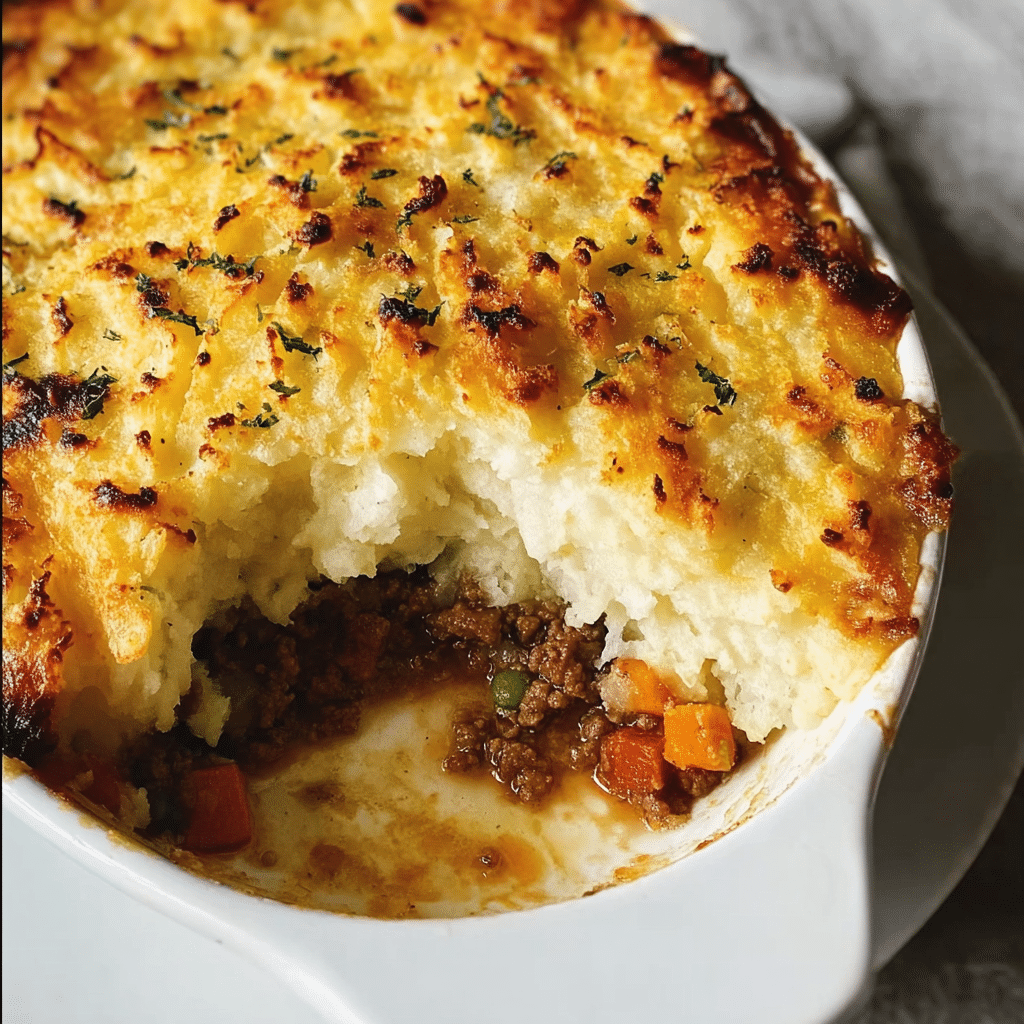
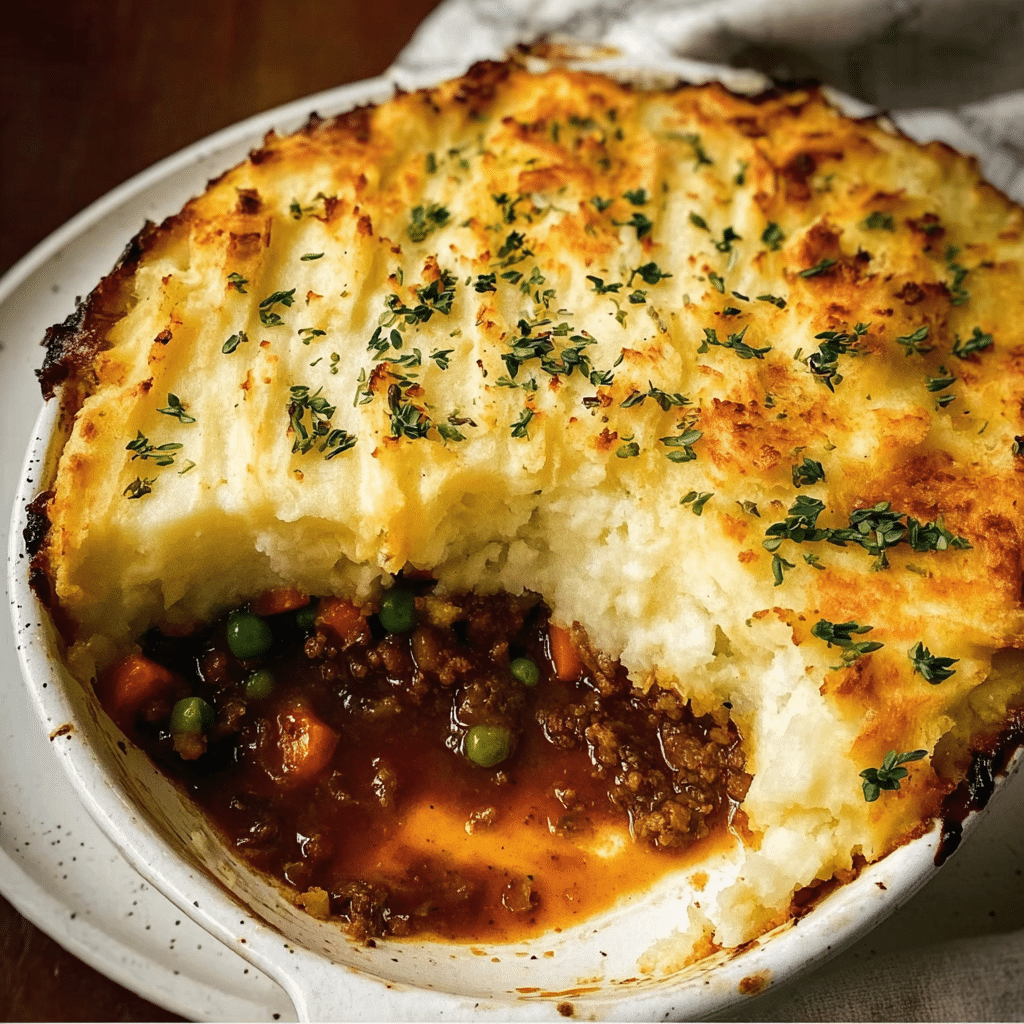
- Top with Potatoes: Spoon the creamy mashed potatoes over the beef mixture, spreading evenly to cover. Use a fork to create texture on the surface, which will crisp up beautifully in the oven.
- Adding Cheese: Sprinkle the grated Parmesan cheese over the top of the mashed potatoes for an extra layer of flavor and a delightful golden crust.
- Baking: Preheat your oven to 400°F (200°C). Bake the shepherd’s pie for about 25-30 minutes, or until the top is golden brown and the filling is bubbling. Keep an eye on it to avoid burning!
- Resting Before Serving: Once baked, allow the shepherd’s pie to rest for 10-15 minutes before serving. This resting period lets the flavors settle and makes serving easier.
Throughout this process, remember to engage your senses—smell the aromatic herbs, feel the textures of the ingredients, and watch as the colors transform. The journey to the best shepherd’s pie is as rewarding as the final product itself. Whether you’re preparing this for a cozy family meal or a gathering with friends, the love and care you put into this dish will surely shine through in every bite.
Professional Tips and Techniques for best shepherd’s pie
When it comes to creating the best shepherd’s pie, there are a plethora of tips and techniques that can elevate your dish from good to outstanding. Shepherd’s pie, a comforting classic that has warmed hearts for generations, is more than just a mix of meat and potatoes; it’s an experience. Through my years of cooking and experimenting with this beloved dish, I’ve discovered some professional tips that can help you achieve perfection in your kitchen.
Professional Techniques
To start, let’s talk about the foundation of shepherd’s pie: the filling. The best shepherd’s pie usually showcases a rich, flavorful filling made from ground meat, traditionally lamb, but beef is used in cottage pie. The secret to a delicious filling is to use a combination of aromatics. Onions, garlic, and carrots should be finely chopped and sautéed until they are tender and aromatic. This step is crucial, as it lays the groundwork for the flavor profile of your dish. Don’t rush this process—allow the vegetables to caramelize slightly to enhance their sweetness.
Another technique is to deglaze your pan after browning the meat. Once your meat is cooked, add a splash of red wine or broth to the pan and scrape up the flavorful bits stuck to the bottom. This step adds depth to your filling. After deglazing, add in peas for sweetness and a bit of fresh thyme or rosemary for that herbaceous hint that complements the meat beautifully.
For the mashed potato topping, the texture is key. Use starchy potatoes like Russets or Yukon Golds for the fluffiest mash. Boil them until fork-tender, then drain and let them steam dry for a few minutes. This ensures that your mash is light and fluffy. When mashing, add in room temperature butter and warm milk or cream. This helps to maintain the fluffy texture. For a touch of luxury, consider folding in some grated cheese or sour cream for additional creaminess and flavor.
Troubleshooting Guide
Even the best shepherd’s pie can run into issues, so here are some common problems and how to fix them. If your filling is too dry, add a splash of broth or a dollop of tomato paste to enhance moisture. If your mashed potatoes are too runny, consider adding a little more butter and allowing them to sit on the heat for a moment to evaporate some moisture. On the other hand, if they’re too thick, a splash of milk can smooth them out.
It’s essential to bake your shepherd’s pie until it’s golden brown on top. If the top is browning too quickly while the filling is still cold, cover it loosely with foil to prevent burning while allowing the insides to heat through. Another common issue is the crust cracking. To avoid this, ensure that your potato topping is spread evenly and not too thick in certain areas.
Presentation Tips
Presentation can turn a comforting dish into a showstopper. For the best shepherd’s pie, consider using individual ramekins for personal servings. This not only looks charming but also creates a rustic feel. When serving, sprinkle fresh herbs like parsley or chives on top for a pop of color. If you want to impress, you can use a fork to create a pattern in the mashed potatoes before baking, which will crisp up beautifully in the oven.
As for wine pairings, a robust red like a Cabernet Sauvignon or a Merlot complements the richness of the meat and the creaminess of the potatoes. If you’re looking for a non-alcoholic option, a sparkling apple cider pairs wonderfully, balancing the savory flavors with a touch of sweetness.
In terms of meal prep, shepherd’s pie is a fantastic dish to make ahead. You can prepare the filling and potato topping separately, then assemble and bake when you’re ready to eat. It keeps well in the fridge for up to three days, and it also freezes beautifully—just make sure to cool it completely before wrapping it tightly for freezing.
Finally, if you ever want to scale your recipe up or down, this dish is incredibly versatile. You can easily adjust the quantities depending on whether you’re feeding a crowd or just yourself. Simply maintain the ratio of meat to vegetables and potatoes, and you’ll be set for the best shepherd’s pie experience every time.
Creative Variations and Adaptations of best shepherd’s pie
While the classic shepherd’s pie is beloved for its hearty filling and creamy topping, creativity in the kitchen can lead to some delightful variations. Whether you want to adapt the recipe for dietary restrictions or simply explore new flavors, here are some creative adaptations that will help you craft the best shepherd’s pie for any occasion.
Seasonal Variations
One of the easiest ways to switch up your shepherd’s pie is by incorporating seasonal ingredients. In the spring, consider adding fresh asparagus or peas to your filling for a vibrant touch. In the fall, swap traditional vegetables for root vegetables like parsnips and sweet potatoes, which will provide a unique sweetness to your dish. During winter months, consider adding in hearty vegetables like butternut squash or even kale for an extra nutrient boost.
Additionally, for a summer shepherd’s pie, you can use ground turkey or chicken and swap out the heavy potatoes for a lighter cauliflower mash. The key is to let the seasons guide your ingredient choices, making your dish feel fresh and relevant throughout the year.
Dietary Adaptations
In today’s culinary landscape, the best shepherd’s pie can cater to a range of dietary preferences. For those following a keto diet, you can replace the potatoes with a creamy cauliflower mash. Simply steam cauliflower florets until tender, then blend them with cream cheese, butter, and a pinch of garlic powder for a rich, low-carb topping.
If you’re cooking for vegans, create a filling using lentils or chickpeas mixed with a variety of vegetables like mushrooms, carrots, and peas. For the topping, you can use mashed sweet potatoes or a blend of potatoes and plant-based milk and butter alternatives. Make sure to season well, as the flavors need to shine through.
For those with gluten sensitivities, ensure that any sauces or broths you use are gluten-free. You can still enjoy the classic flavors without compromising on your dietary needs.
Creative Twists
International flavors can also inspire unique shepherd’s pie variations. Consider a Mexican shepherd’s pie by incorporating black beans, corn, and spices like cumin and chili powder into your filling. Top it off with a jalapeño-infused mashed potato for a real kick.
Another idea is to create an Italian-inspired shepherd’s pie with ground beef mixed with marinara sauce and Italian herbs, topped with a creamy polenta instead of traditional mashed potatoes. The result is an exciting fusion of flavors that will surprise and delight your guests.
Don’t forget about leftovers! Shepherd’s pie is perfect for repurposing. If you have leftover filling, you can use it in stuffed bell peppers or as a topping for nachos. Alternatively, mix leftover mashed potatoes with some cheese and herbs to create delicious potato cakes for brunch.
Lastly, experiment with different cooking methods. While traditional baking is classic, you could try cooking your shepherd’s pie in a slow cooker for a hands-off approach. Layer the ingredients in the cooker, and let it simmer all day for a cozy meal waiting for you when you get home. Or consider a stovetop version, where you can cook everything in one pan and then finish the potatoes under the broiler for a crispy top.
In conclusion, the best shepherd’s pie is not just about following a traditional recipe; it’s about embracing creativity and adaptability. Whether you’re making a classic dish or experimenting with new flavors and ingredients, the joy of cooking lies in the ability to make it your own!
Storage, Reheating, and Meal Prep for best shepherd’s pie
When it comes to enjoying the best shepherd’s pie, understanding how to store and reheat it is crucial for maintaining its deliciousness and quality. Whether you’re making a large batch for a family gathering or just for yourself, proper storage can make all the difference. Let’s dive into the nitty-gritty of storing your shepherd’s pie so that you can enjoy its hearty goodness even days later.
Short-term Storage
After you’ve prepared your best shepherd’s pie, it’s essential to let it cool down to room temperature before storing it. This helps prevent condensation, which can lead to a soggy pie. Once cooled, transfer your shepherd’s pie into airtight containers. If you’ve made it in a baking dish, you can cover it tightly with plastic wrap or aluminum foil. Another option is to portion out individual servings into smaller containers for easy access during the week.
In the refrigerator, your shepherd’s pie can last for about 3 to 5 days. Just remember to check for any signs of spoilage, such as an off smell or discoloration. Keeping it at a consistent temperature below 40°F is crucial for food safety. If you’re unsure about how quickly you’ll finish it, consider freezing it instead.
Freezing and Long-term Storage
If you’re looking to store your best shepherd’s pie for a longer duration, freezing is an excellent option. You can freeze it either before or after baking. If freezing before baking, simply assemble the shepherd’s pie and wrap it tightly with plastic wrap, followed by aluminum foil to prevent freezer burn. This allows you to bake it fresh later, preserving its flavors and textures.
If you’ve already baked the pie, let it cool completely, then slice it into portions. Individual servings are easier to thaw and reheat. Place each portion in a freezer-safe container or wrap it tightly in plastic wrap and then foil. Make sure to label each container with the date and contents. In the freezer, your shepherd’s pie can last for about 2 to 3 months without losing its quality.
When you’re ready to enjoy your frozen shepherd’s pie, it’s best to thaw it in the refrigerator overnight. This slow thawing process helps retain the texture and flavor. For those in a hurry, you can reheat it directly from frozen, but you’ll need to adjust the cooking time accordingly.
Reheating Best Practices
Reheating your best shepherd’s pie properly is key to keeping it delicious. The microwave is convenient, but it can lead to uneven heating and a soggy crust. Instead, I recommend using the oven for the best results. Preheat your oven to 350°F (175°C) and cover the pie with aluminum foil to keep it moist. Reheat for about 20-30 minutes if thawed, or 45-60 minutes if frozen, until it’s heated through.
Another option is to reheat individual portions in a skillet. This method gives you a crispy bottom crust while warming the filling thoroughly. Simply heat a little oil or butter in the pan, add your portion, and cover it with a lid to help it heat evenly.
Food safety is paramount when reheating. Ensure that your shepherd’s pie reaches an internal temperature of 165°F (74°C) before consuming. Using a food thermometer can help you confirm this.
Meal Prep and Batch Cooking Strategies
Making the best shepherd’s pie can be a fantastic meal prep strategy. Since it’s a dish that freezes well, you can easily double or triple your recipe and make several pies at once. This not only saves time but also ensures you have a wholesome meal ready to go on busy days.
Consider prepping the filling and mashed potatoes separately. You can store them in the fridge for a few days or freeze them individually. This way, when you’re ready to assemble, you can have a fresh pie without the hassle of starting from scratch.
Portioning is also a great strategy for meal prep. By using smaller baking dishes or ramekins, you can create individual servings, making it easier to grab a quick meal or lunch. Plus, smaller portions tend to reheat more evenly!
In conclusion, mastering the storage, reheating, and meal prep strategies for your best shepherd’s pie will ensure that you can enjoy this comforting dish at its best, whether it’s the day after preparation or weeks later from the freezer. With these tips, you’ll be well on your way to savoring every bite, no matter when you decide to indulge!
Nutritional Benefits and Health Information
As we delve into the nutritional benefits of the best shepherd’s pie, it’s important to appreciate not just the flavors but also the health aspects of this beloved dish. Shepherd’s pie is traditionally made with a rich filling of ground meat and vegetables topped with creamy mashed potatoes. This hearty meal is not only comforting but also packed with nutrients that can contribute positively to your diet.
Nutritional Profile
The nutritional profile of shepherd’s pie can vary based on the ingredients you choose, but generally, it is a well-rounded meal. A typical serving contains approximately 300-400 calories, depending on portion size and specific ingredients. The macronutrient distribution is balanced, typically offering around 15-20 grams of protein, 20-30 grams of carbohydrates, and 10-15 grams of fat.
Ground meat is often the star of the filling, and it can be made with beef, lamb, or even plant-based alternatives. Each type of meat has its unique nutrient profile. For instance, ground beef is rich in iron and vitamin B12, while lamb offers omega-3 fatty acids. If you opt for leaner cuts or plant-based proteins, you can reduce the fat content while still enjoying a satisfying meal.
Vegetables like carrots, peas, and corn add not only flavor but also fiber, vitamins, and minerals. Carrots are high in beta-carotene and antioxidants, while peas contribute protein and a good amount of vitamin K. The mashed potato topping, especially if made with skin-on potatoes, provides potassium and vitamin C.
Health Benefits
The best shepherd’s pie can offer numerous health benefits, particularly if you focus on wholesome ingredients. One of the most significant advantages is its ability to provide a complete meal in one dish. This can help with portion control and ensure you’re getting a variety of nutrients in each serving.
The fiber from the vegetables and potatoes can aid in digestion and contribute to feelings of fullness, which is beneficial for weight management. Moreover, the protein from the meat helps repair tissues and supports muscle health. If you’re preparing a version with lentils or chickpeas, you’re also adding plant-based protein and fiber, making it an excellent option for vegetarians.
Using fresh, seasonal vegetables can enhance the nutritional value and flavor of your shepherd’s pie. In addition, if you choose to make your own mashed potatoes, you can control the amount of butter and cream, making it healthier without sacrificing taste.
Dietary Considerations
When it comes to dietary considerations, the best shepherd’s pie can be quite versatile. For those who are gluten-sensitive or have celiac disease, using gluten-free flour or alternatives for the topping can make this dish accessible. Additionally, there are many ways to modify the recipe to fit various diets.
For those following a low-carb or ketogenic diet, substituting potatoes with cauliflower mash can still give you that creamy texture while significantly reducing carbs. Similarly, for those who are watching their calorie intake, using lean ground meat or even substituting with mushrooms can lower the fat content while adding flavor and texture.
When it comes to allergens, be mindful of the ingredients you include. If dairy is a concern, you can use dairy-free milk and butter alternatives in the mashed potatoes without losing the creamy quality. This adaptability makes shepherd’s pie not only delicious but also accommodating for various dietary needs.
In conclusion, the best shepherd’s pie is not just a warming, comforting dish; it’s also packed with nutrients that can contribute to a balanced diet. With the right ingredients and modifications, you can enjoy this classic meal while catering to your health and dietary preferences. So, whether you’re digging into a traditional version or a health-conscious twist, you can feel good about savoring every bite!