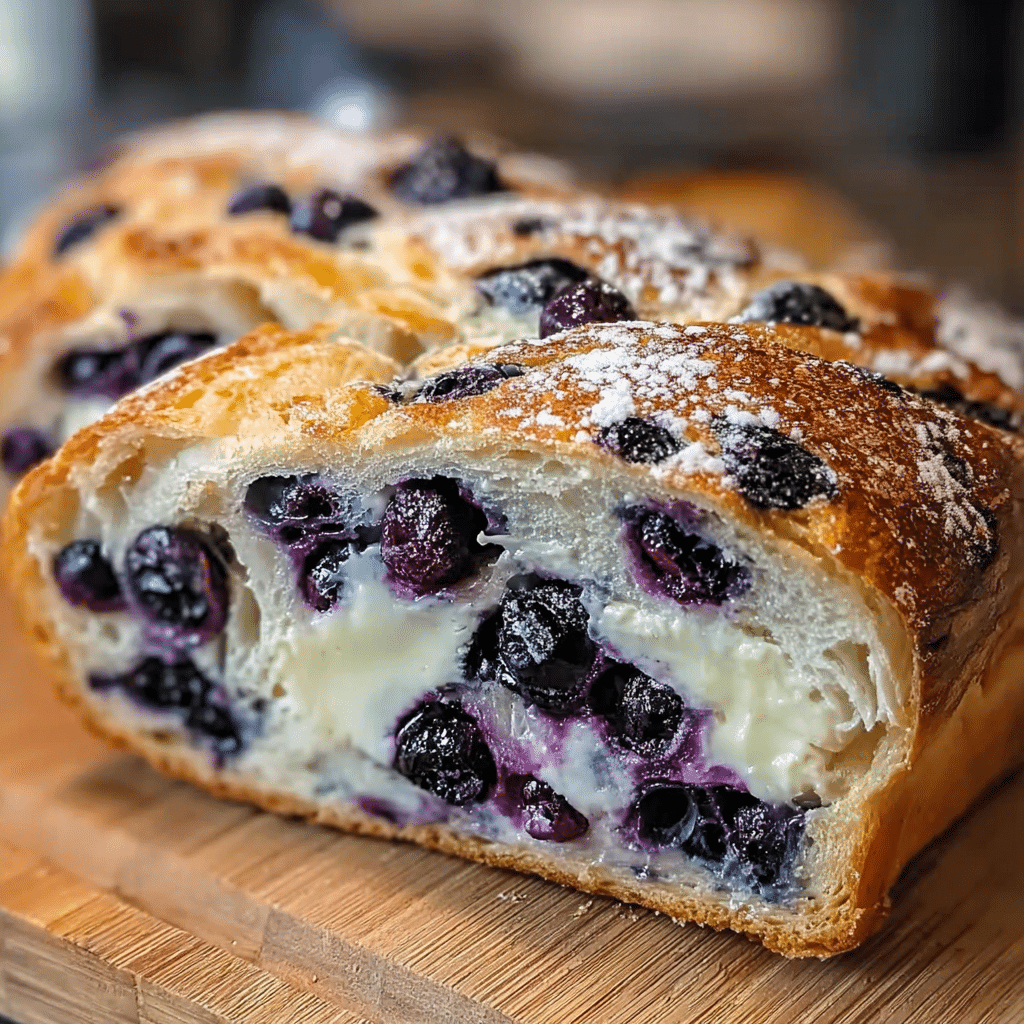
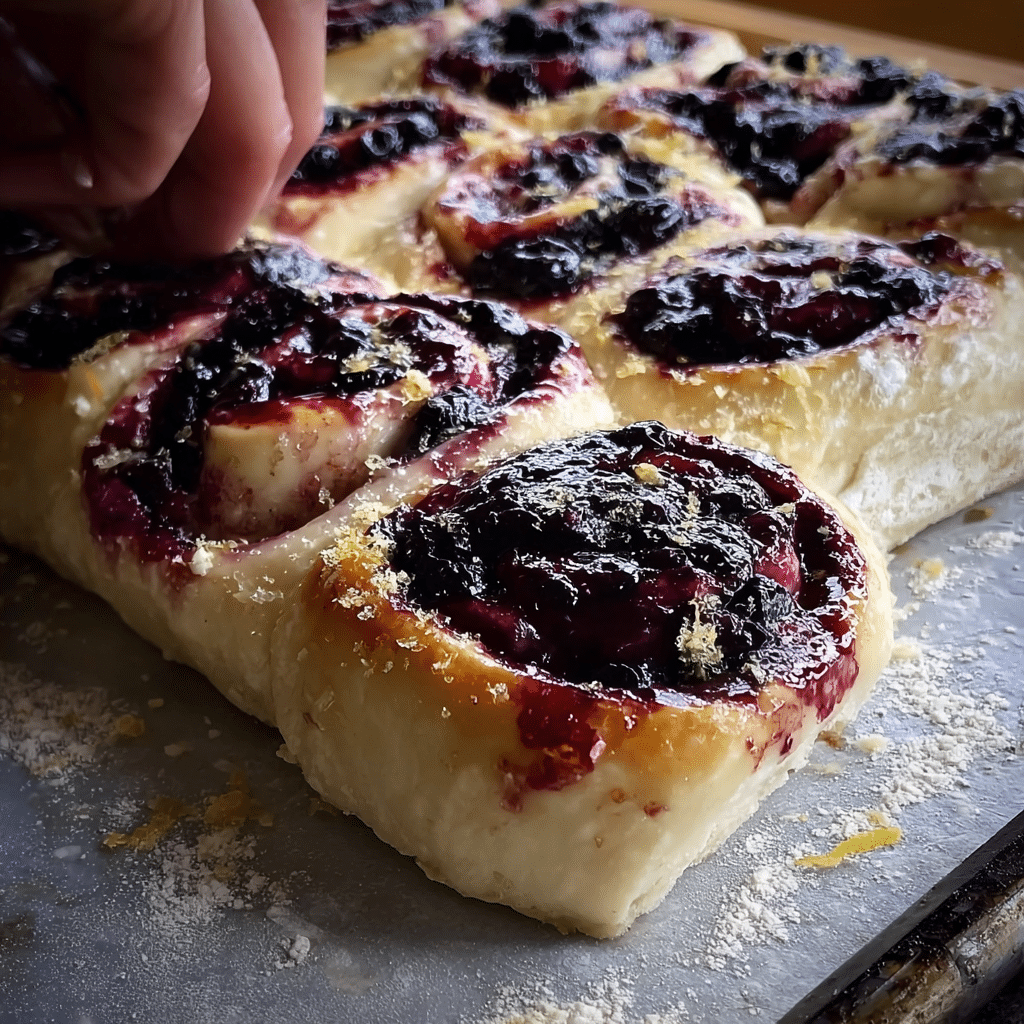
Blueberry lemon sourdough has a magical way of transforming an ordinary day into a delightful occasion. I remember the first time I stumbled upon this unique recipe during a lazy summer afternoon. The sun was streaming through my kitchen window, casting playful shadows on my countertop as I rummaged through my pantry. I had some leftover sourdough starter, a handful of blueberries, and a bright, zesty lemon that was begging to be used. Curiosity piqued, I decided to experiment, and thus began my love affair with this extraordinary pastry.
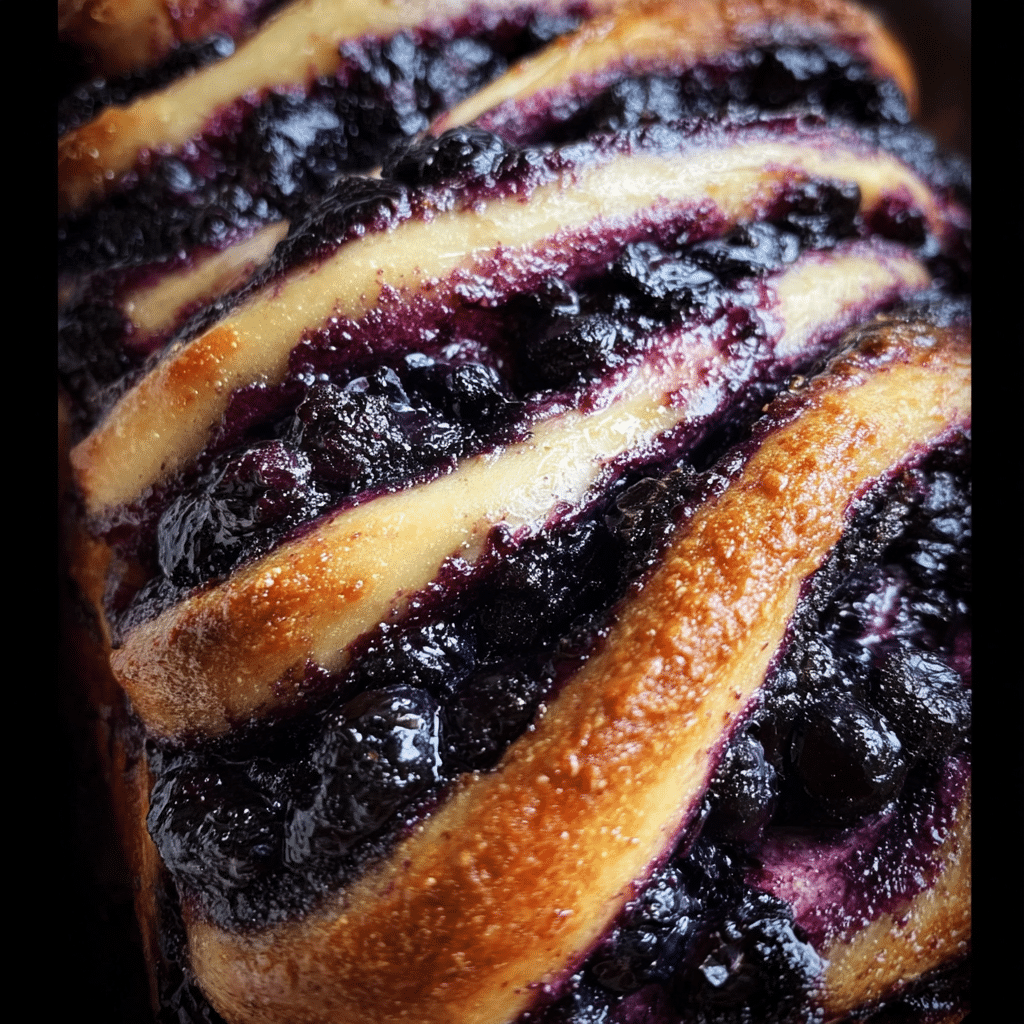
The aroma that filled my kitchen as the blueberry lemon sourdough baked was nothing short of enchanting. The sweet and tangy notes harmonized beautifully, creating a scent that danced in the air, wrapping around me like a warm hug. It was a moment of serendipity that quickly turned into a cherished family tradition. My children, who usually turned their noses up at anything that wasn’t a chocolate chip cookie, were instantly captivated. “Can we have this for breakfast every day?” they asked, their eyes wide with wonder. From that day on, this recipe became a staple in our home, a symbol of our shared love for cooking and creating memories together.
The Story Behind This Recipe
The origins of blueberry lemon sourdough are as rich and vibrant as the flavors it encompasses. Sourdough bread itself has a long history, dating back thousands of years to ancient Egypt when it was first discovered that wild yeast could be used for fermentation. This ancient technique gradually spread across the globe, evolving into various regional breads that reflect local ingredients and cultures.
As for the addition of blueberries and lemon, these ingredients have a more modern twist. Blueberries, native to North America, have been celebrated for their sweetness and vibrant color, while lemons, with their bright acidity, have been used in culinary traditions worldwide. The combination of these two ingredients in a sourdough recipe showcases a beautiful marriage of cultures—melding the hearty, rustic qualities of sourdough with the refreshing brightness of summer fruits.
This recipe is special because it strikes a balance between a traditional sourdough loaf and a sweet pastry. Many families, especially those with busy schedules, often find it challenging to prepare meals that are both nutritious and appealing to children. The blueberry lemon sourdough serves as a perfect solution; it’s easy to prepare, incorporates wholesome ingredients, and is versatile enough to be enjoyed for breakfast, dessert, or as a lovely addition to a brunch spread.
Why You’ll Love This Dish
Seasonal relevance is another compelling reason to embrace this dish. While blueberries are typically in their prime during the summer months, the bright flavor of lemon can be enjoyed year-round. This makes the blueberry lemon sourdough an ideal recipe for any time of the year, especially during family gatherings and festive occasions. Imagine serving this gorgeous loaf at a summer picnic or a cozy winter brunch by the fireplace—it’s a recipe that evokes warmth and togetherness.
Beyond the taste and convenience, there’s an emotional connection to the blueberry lemon sourdough that goes beyond just its deliciousness. It is a recipe that brings family members together, whether it’s baking with your children, sharing a slice with a neighbor, or enjoying a quiet moment with a cup of tea. Each bite carries memories, laughter, and love, making it a timeless addition to your culinary repertoire.
In this guide, you will not only discover how to make the perfect blueberry lemon sourdough, but you will also delve into its rich history, cultural significance, and the unique variations that different regions bring to this delightful dish. So grab your apron and let’s embark on this delicious journey together!
The Rich History and Cultural Significance of blueberry lemon sourdough
The blueberry lemon sourdough is not merely a delightful treat but a recipe steeped in history and cultural significance. Understanding its origins allows us to appreciate the deep-rooted traditions and innovations that have shaped this dish over time. Sourdough itself is one of the oldest forms of leavened bread, with evidence suggesting its existence as early as 1500 BC in ancient Egypt. The process of capturing wild yeast and bacteria to create a starter is an art that has been passed down through generations, evolving into various forms across different cultures.
Origins and History
While sourdough bread became a staple in many cultures, the addition of fruits like blueberries and the brightness of lemon reflects a more contemporary evolution in baking. Blueberries were first cultivated in North America in the early 20th century, and their sweet-tart flavor made them a favorite among bakers and home cooks alike. The zesty lemon, on the other hand, has been an essential ingredient in Mediterranean cuisine for centuries, known for its ability to brighten and enhance flavors.
Combining these ingredients into a sourdough recipe signifies a blend of old-world techniques with new-world flavors. Over time, bakers began experimenting, adding fruits, nuts, and spices to their sourdough, leading to the creation of various regional specialties. The blueberry lemon sourdough is a perfect representation of this trend, merging the rustic charm of sourdough with the vibrant freshness of seasonal produce.
Cultural Significance
The cultural significance of blueberry lemon sourdough extends beyond its ingredients. In many families, baking bread is a time-honored tradition, often associated with special occasions, gatherings, and celebrations. It’s not uncommon for families to have their own cherished recipes passed down through generations, each with its own unique twist, often reflecting the tastes and preferences of the family members.
In the United States, summertime often sees an abundance of blueberries, making this the perfect time for families to come together and bake. Farmers’ markets across the country brim with fresh produce, and the community spirit is palpable as families pick their own fruits. Baking with children not only teaches them valuable culinary skills but also fosters a sense of togetherness and appreciation for homemade food. The blueberry lemon sourdough becomes more than just a recipe—it transforms into a vessel for memories and bonding, a symbol of love, care, and shared experiences.
Nutritional Benefits
Besides its cultural importance, the blueberry lemon sourdough also offers numerous nutritional benefits. Sourdough bread, in general, is easier to digest due to the fermentation process, which breaks down gluten and phytic acid, making nutrients more bioavailable. The addition of blueberries brings a wealth of antioxidants, vitamins, and minerals, particularly vitamin C and fiber, which can support a healthy immune system and digestion.
Lemons, rich in vitamin C and citric acid, not only enhance the flavor but also provide health benefits, including improved skin health and potential weight management properties. By incorporating these ingredients into a sourdough recipe, you not only create a delicious treat but also a nutritious option that can fit seamlessly into a balanced diet. The blueberry lemon sourdough thus serves as a perfect example of how baking can be both a joyful activity and a healthy choice for families.
As we continue to explore this delightful recipe, remember that each loaf represents a fusion of history, culture, and nutrition. The blueberry lemon sourdough is not just a dish—it’s a celebration of life’s simple pleasures, and its story is one that deserves to be told and tasted.
Essential Ingredients for Perfect blueberry lemon sourdough
When it comes to creating the perfect blueberry lemon sourdough, the ingredients play an essential role in not only the flavor but also the texture and overall success of the dish. Each component contributes uniquely to the final product, and understanding their importance will elevate your baking experience. Below, I’ve outlined the essential ingredients along with their roles, tips for selection, and helpful storage advice.
Essential Ingredients
- 40 grams Bread Flour – This is the foundation of your dough. Bread flour has a higher protein content than all-purpose flour, which provides structure and chewiness to your blueberry lemon sourdough.
- 40 grams Water – Water is crucial for hydrating the flour and activating the gluten. It also helps in the fermentation process, which is essential for sourdough.
- 40 grams Sourdough Starter – This is the wild yeast that will ferment your dough and give it that characteristic tangy flavor. A healthy starter is key to a successful bake.
- 330 grams Bread Flour – The bulk of your dough will come from this bread flour, providing the necessary structure to hold the blueberry lemon filling in place.
- 35 grams Granulated Sugar – Sugar not only sweetens the babka but also feeds yeast, helping it rise beautifully. It adds moisture to the dough, resulting in a tender crumb.
- 7 grams Kosher Salt – Salt enhances the flavor and controls yeast activity, preventing it from rising too quickly. It’s an essential ingredient for balance.
- 100 grams Whole Milk, room temperature – Whole milk adds richness and moisture. Using room temperature milk helps with the activation of the yeast.
- 2 Eggs, plus one more for the egg wash – Eggs provide structure, moisture, and richness. The egg wash gives the crust a beautiful golden-brown finish.
- Levain, see above, or 120g of sourdough starter – This refers to a portion of your sourdough starter that is fed and ready to use, contributing to the overall flavor and leavening of your babka.
- 85 grams Unsalted Butter, softened – Butter enriches the dough and adds flavor. Softening it beforehand ensures it incorporates seamlessly.
- 255 grams Fruit Jam, use your favorite fruit jam, spread, or preserves – This is where the blueberry lemon flavor shines! Choose a quality jam that complements the tang of the sourdough.
- Pearl Sugar, optional topping – This is a decorative sugar that adds a lovely crunch and aesthetic appeal to your finished babka.
- 50 grams Granulated Sugar – This sugar is used for the syrup that gives your babka a sweet finish after baking.
- 50 grams Water – Water is used to create the syrup that will soak into the top of the babka, enhancing its flavor and moisture.
Blueberry Lemon Sourdough Babka
Ingredients
Levain
- 40 grams Bread Flour
- 40 grams Water
- 40 grams Sourdough Starter
Sourdough Babka
- 330 grams Bread Flour
- 35 grams Granulated Sugar
- 7 grams Kosher Salt
- 100 grams Whole Milk, room temperature
- 2 Eggs, plus one more for the egg wash
- Levain, see above, or 120g of sourdough starter
- 85 grams Unsalted Butter, 6 TBS, softened
- 255 grams Fruit Jam, use your favorite fruit jam, spread, or preserves
- Pearl Sugar, optional topping
Simple Syrup
- 50 grams Granulated Sugar
- 50 grams Water
Instructions
-
Mix the levain ingredients together in a jar. Cover and set in a warm location (75-80ºF) for about five hours until doubled and bubbly.
If you’d prefer to skip making a levain, use 120g of sourdough starter instead.
40 grams Bread Flour,40 grams Water,40 grams Sourdough Starter -
Set aside the butter to come to room temperature.
Once the levain is ready, add the bread flour, granulated sugar, salt, whole milk, eggs, and all of the levain to the bowl of a stand mixer fitted with the bread hook attachment.
Mix the dough on low speed for a couple of minutes until the flour hydrates and the dough comes together. Increase the speed to medium and mix for about five minutes.
Then, add one pat of butter at a time until it’s fully incorporated into the dough. It should take about 30 seconds between each addition.
Continue mixing for another 5-7 minutes until the dough is smooth, tacky (not sticky), and passes the windowpane test (see guide above for photos).
330 grams Bread Flour,35 grams Granulated Sugar,7 grams Kosher Salt,100 grams Whole Milk,2 Eggs,Levain,85 grams Unsalted Butter - Transfer the dough to a mixing bowl, cover, and place it in a warm location to proof for about five hours. At the end of bulk fermentation, the dough will double in size and feel full of air.
This dough may be a little sluggish, so extend bulk fermentation as necessary.
- Refrigerate the dough overnight and up to 48 hours.
-
On the baking day, remove the cold dough from the refrigerator and turn it out onto a floured surface. Flour the top of the dough and use a rolling pin to roll it out into a ¼” thick rectangle, about 12×13″ (the exact dimensions aren’t that important).
Use an offset spatula or butter knife to spread any fruit jam of your choosing onto the dough. Leave a ½” border on the sides.
Starting at one of the shorter sides, roll up the dough like you’re making cinnamon rolls into a spiraled log and rest it seam-side down. Seal the ends to prevent jam from leaking out.
Place the log onto a baking sheet or cutting board seam-side down and freeze for 15 minutes to make braiding easier.
255 grams Fruit Jam - Meanwhile, butter and line your bread loaf pan with parchment paper, keeping a slight overhang on the sides.
Set the chilled babka log onto the floured surface and use a sharp knife to slice the babka in half lengthwise. The chilling should prevent the jam from leaking too much, but it’s okay if it’s a little messy.
Rotate the logs cut-side up. Place one halfway on top of the other to create an X. Next, wrap the logs around each other a few times to twist and braid it.
Pinch and tuck the ends in slightly and transfer the babka to the prepared bread loaf pan.
- Cover the pan and place it in a warm location for its final proof, about five hours. Proofing is complete when the dough doubles in size, feels poofy, and rises just below the height of the pan.
-
Preheat the oven to 350ºF (177ºC).
When the oven is ready, brush a light egg wash on top of the exposed dough areas of the babka. Then, top with a few sprinkles of optional pearl sugar for added crunch.
Bake the babka for 40-45 minutes. Check it periodically to make sure the top isn’t browning too quickly. If so, tent with aluminum foil.
At the end of baking, the dough should read 195-200ºF (90-93ºC) with an instant-read thermometer and the top should be golden brown.
Pearl Sugar -
As the babka is baking, make a simple syrup.
Combine the sugar and water in a small saucepan over medium heat. Stir to dissolve the sugar. Set the simple syrup aside to let it cool while the babka bakes.
At the end of baking, use a pastry brush to brush the simple syrup on top of the babka. Use most of it! It might seem like a lot, but the simple syrup will soak into the bread and lock in the moisture.
Let the babka cool for 10-15 minutes before removing it from the pan. This way, the babka won’t stick in the pan.
50 grams Granulated Sugar,50 grams Water
Shopping Tips
When shopping for the ingredients for your blueberry lemon sourdough, quality is key. Look for organic ingredients when possible, especially for flour and dairy products, as they often have a better flavor and fewer additives. For your bread flour, check for a higher protein content, ideally around 12-14%, which is perfect for creating a chewy texture in your babka.
As for the fruit jam, consider local artisanal brands, which can provide unique flavors and better quality than mass-produced options. Seasonal berries can also be used to make fresh jam if you’re feeling adventurous, and this can elevate your babka to new heights. Always opt for fresh, whole milk that’s free from hormones and antibiotics for the best results.
Substitutions and Alternatives
For those with dietary restrictions, there are many substitutions available. If you’re looking for a gluten-free version, gluten-free bread flour can be used, but ensure you follow the package instructions for hydration as gluten-free flours behave differently. For a dairy-free option, replace whole milk with almond milk or oat milk, and use coconut oil in place of butter.
If you need to avoid sugar, consider using honey or maple syrup, but be aware that these liquids will change the hydration levels in your dough, so adjustments may be necessary. For eggs, a common substitute is a flaxseed meal mixed with water, which works well in baked goods.
Finally, if pearl sugar isn’t available, you can use regular granulated sugar sprinkled on top before baking for a sweet finish. Just keep in mind that it won’t have the same aesthetic appeal as the pearl sugar.
Understanding the role of each ingredient not only helps in executing the recipe successfully but also allows you to make informed choices based on what you have available or your dietary preferences. Now that we’ve covered the essential ingredients for blueberry lemon sourdough, let’s dive into the preparation and cooking instructions.
Detailed Step-by-Step blueberry lemon sourdough Cooking Instructions
Making blueberry lemon sourdough babka is a rewarding experience, and following the right steps will ensure your creation is both delicious and beautiful. Below, I’ll guide you through each step, providing insights and tips to help you navigate the process with ease.
Preparation Steps
- Gather Your Ingredients: Ensure all your ingredients are measured and ready. This includes your bread flour, water, sourdough starter, sugar, salt, whole milk, eggs, butter, and fruit jam. Having everything prepped is known as mise en place, which is crucial for a smooth cooking process.
- Activate Your Sourdough Starter: If you’re using a sourdough starter that’s been in the fridge, make sure to feed it at least 4-6 hours prior to using it. This will ensure it’s bubbly and active, which is vital for your babka to rise properly.
- Make the Levain: Combine 40 grams of your active sourdough starter with 40 grams of water and 40 grams of bread flour in a bowl. Mix until smooth and let it sit at room temperature for about 4-6 hours until it’s bubbly and has doubled in size.
- Prepare the Dough: In a large mixing bowl, combine the 330 grams of bread flour, 35 grams of granulated sugar, and 7 grams of kosher salt. Mix these dry ingredients well to ensure even distribution of the salt and sugar.
- Add Wet Ingredients: Create a well in the center of the dry ingredients and add your 100 grams of room temperature whole milk, the levain you prepared, and 2 beaten eggs. Mix until a rough dough begins to form.
- Knead the Dough: Transfer the dough onto a lightly floured surface. Knead for about 10-15 minutes until it becomes smooth and elastic. If the dough is too sticky, you can sprinkle a bit more bread flour, but be careful not to over-flour.
- Incorporate the Butter: Once the dough is smooth, gradually add the softened unsalted butter, kneading until fully incorporated. This can be a bit messy, but the warmth of your hands will help the butter blend in. The dough should be soft and slightly tacky, but not overly sticky.
- First Rise: Place the dough in a lightly greased bowl, cover it with a damp cloth or plastic wrap, and allow it to rise at room temperature for about 2 hours or until it has doubled in size. This is where the magic happens as the wild yeast works its wonders.
Cooking Process
- Prepare the Jam Filling: While your dough is rising, you can prepare your jam filling. If you’re using store-bought jam, ensure it’s at room temperature for easy spreading. If you’re making your own, simply cook down fresh blueberries with sugar and lemon juice until thickened.
- Shape the Dough: Once the dough has risen, punch it down gently to release the gas. Transfer it onto a lightly floured surface and roll it out into a rectangle, about 1/4 inch thick. Spread the fruit jam evenly over the surface, leaving a small border around the edges.
- Roll It Up: Starting from one long edge, carefully roll the dough into a log. Pinch the seams to seal it tightly. This rolling technique creates those gorgeous swirls in your babka.
- Cut the Log: Using a sharp knife, cut the log in half lengthwise, exposing the jam-filled layers. Twist the two halves together, being careful not to lose any filling. Transfer the twisted log into a greased loaf pan.
- Second Rise: Cover the loaf pan with a damp cloth and let it rise again for about 1 hour, or until it has puffed up significantly. This second rise is crucial for achieving that light, airy texture.
Final Assembly
- Preheat the Oven: About 30 minutes before baking, preheat your oven to 375°F (190°C). This ensures that your babka starts baking in a hot environment, which is vital for a good oven spring.
- Egg Wash: Beat the additional egg and brush it over the top of the babka. This will create a beautiful golden crust as it bakes.
- Bake the Babka: Place the babka in your preheated oven and bake for about 30 minutes or until it’s golden brown and sounds hollow when tapped on the bottom. The internal temperature should be around 190°F (88°C) for a perfectly cooked loaf.
- Prepare the Syrup: While the babka bakes, combine 50 grams of granulated sugar and 50 grams of water in a small saucepan. Bring it to a boil, then simmer until the sugar dissolves to create a simple syrup.
- Glaze the Babka: Once the babka is out of the oven, brush the warm syrup generously over the top. This adds sweetness and moisture to your babka, enhancing its flavor.
- Cool and Serve: Allow the babka to cool in the pan for about 10 minutes before transferring it to a wire rack. Let it cool completely before slicing. The patience will pay off as the flavors meld beautifully as it cools.
Making blueberry lemon sourdough babka may seem like a labor of love, but each step brings you closer to a delightful treat that’s perfect for breakfast, brunch, or dessert. With a little practice, you’ll master the technique and soon be sharing this stunning loaf with friends and family. Enjoy the process, and remember that baking is as much about the journey as it is about the destination!
Professional Tips and Techniques for blueberry lemon sourdough
When it comes to baking, especially with something as delightful as blueberry lemon sourdough, the art is all in the details. The combination of tart blueberries and zesty lemons, woven into the chewy, tangy texture of sourdough, creates a masterpiece that can elevate any breakfast or dessert table. But to truly excel in crafting this delicious treat, there are some professional tips and techniques that can make all the difference.
Professional Techniques
First things first, understanding sourdough is essential. The fermentation process that gives sourdough its signature tanginess is magical, and it requires time and patience. When preparing blueberry lemon sourdough, ensure your starter is active and bubbly. A healthy starter will create a light and airy loaf, while a sluggish one might lead to a dense result.
One insider secret is to incorporate the blueberries gently into the dough. If you’re using fresh blueberries, they can burst during mixing. To prevent this, consider tossing them in a little flour before adding them to the dough. This not only helps keep them intact but also prevents them from sinking to the bottom as the dough rises.
Another technique to enhance the flavor is to incorporate lemon zest into the dough. The natural oils in the zest add a fragrant aroma that complements the blueberries beautifully. Use a microplane for finely grating the zest, ensuring you avoid the bitter white pith underneath the skin.
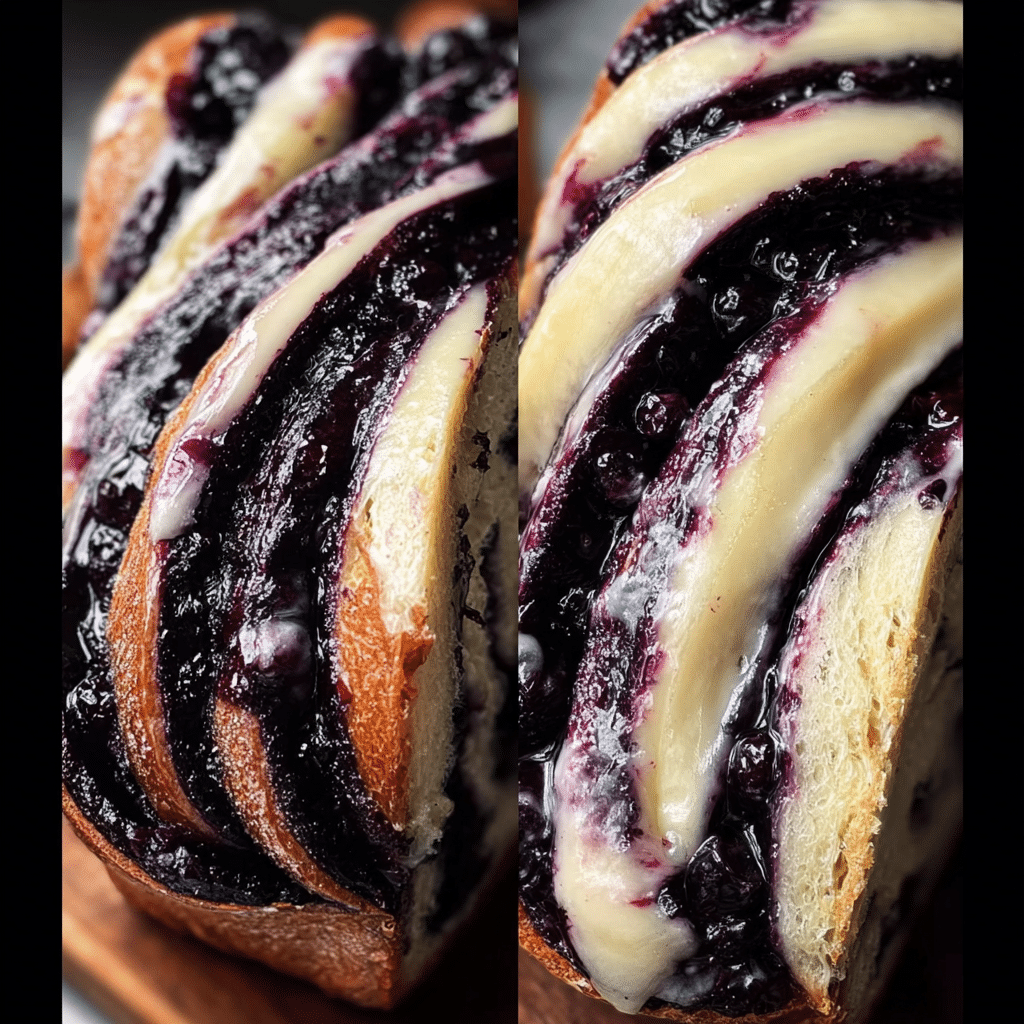
For shaping your babka, use the “coil” method. After rolling out your dough, spread the filling evenly, then roll it tightly into a log. Once you’ve formed a log, twist it several times to create beautiful swirls. Remember, the goal here is to create layers that will hold the blueberry lemon filling while providing a stunning visual when sliced.
Troubleshooting Guide
Baking is often about trial and error, and with blueberry lemon sourdough, you might encounter a few common issues. If your loaf doesn’t rise as expected, check the temperature of your kitchen. Sourdough thrives in warmth; aim for a cozy environment around 75°F to 80°F (24°C to 27°C). If it’s too cold, your dough may not rise sufficiently. Conversely, if the environment is too hot, your dough could overproof, leading to a flat loaf.
Another problem baker often face is a soggy bottom crust. This can occur if you add too many blueberries or don’t bake the bread long enough. To remedy this, consider reducing the quantity of blueberries or pre-baking your filling slightly to eliminate excess moisture. Also, always preheat your oven thoroughly before placing the dough inside.
For those who find the sourdough too tangy, you can adjust the fermentation time. A shorter rise will yield a milder flavor, while a longer fermentation will enhance the sour notes. However, be cautious not to rush the fermentation, as it can also affect the texture.
Presentation Tips
When it comes to serving your blueberry lemon sourdough, presentation is key. Once baked, allow your babka to cool on a wire rack to prevent it from becoming soggy. For an elegant touch, consider dusting the top with powdered sugar before slicing. This not only adds a visual appeal but also a slight sweetness that enhances the flavor profile.
For serving suggestions, slice the babka into thick pieces and arrange them on a rustic wooden board. Consider garnishing with fresh blueberries and lemon slices for a pop of color. Additionally, a dollop of whipped cream or a drizzle of lemon glaze can take your blueberry lemon sourdough to the next level. Pair it with a refreshing iced tea or a glass of sparkling prosecco for a delightful afternoon treat.
When preparing for guests or a special occasion, consider creating a beautiful bread basket with your blueberry lemon sourdough alongside other baked goods. This not only showcases your culinary skills but also offers your guests a variety of flavors and textures.
Lastly, don’t forget about wine and beverage pairings. A crisp Sauvignon Blanc or a sparkling wine complements the tangy notes of the lemon and the sweetness of the blueberries beautifully. For a non-alcoholic option, a lemonade infused with fresh herbs can provide a refreshing contrast.
Creative Variations and Adaptations of blueberry lemon sourdough
While blueberry lemon sourdough is a delightful treat on its own, there’s a world of creative possibilities waiting to be explored. This versatile recipe can be adapted in numerous ways to cater to different tastes, dietary restrictions, and seasonal ingredients, making it a staple in any home baker’s repertoire.
Seasonal Variations
One of the joys of baking is adapting recipes to reflect the seasons. In the spring and summer months, you can swap blueberries for other berries like raspberries, strawberries, or blackberries. Each berry brings its unique flavor profile; for instance, strawberries lend a sweetness that pairs beautifully with lemon zest, while raspberries introduce a tartness that can balance the richness of the sourdough.
In the fall, consider adding spiced elements such as cinnamon or nutmeg to the dough, creating a cozy flavor experience that resonates with the season. You can also incorporate pumpkin puree for a seasonal twist, blending it with the blueberry and lemon to create a unique babka that’s perfect for autumn gatherings.
Winter months allow for a more festive approach. Consider adding candied citrus peel or even dried fruits like cranberries or figs that could complement the lemon and blueberries beautifully. These adaptations not only celebrate the season but also keep your baking exciting.
Dietary Adaptations
For those with dietary restrictions, blueberry lemon sourdough can easily be modified. If you’re looking for a gluten-free version, substitute traditional flour with a gluten-free blend. Keep in mind that the texture will differ, so be sure to add an extra binding agent, such as xanthan gum, to maintain the structure of the dough.
If you’re following a vegan diet, you can replace dairy ingredients with plant-based alternatives. For instance, use almond milk instead of regular milk or coconut oil in place of butter. Also, honey can be swapped with agave syrup or maple syrup to maintain the sweet flavor profile without using animal products.
For those interested in a lower-carb option, consider exploring almond flour or coconut flour as substitutes. These flours tend to absorb moisture differently, so you may need to adjust the liquid ratios in your recipe accordingly.
Creative Twists
One of the most exciting aspects of baking is the ability to experiment and create unique twists on classic recipes. For a more indulgent take on blueberry lemon sourdough, consider adding a cream cheese filling swirled with lemon curd. The rich creaminess contrasts beautifully with the tangy blueberries, providing a luscious mouthfeel that’s simply irresistible.
Another fun idea is to incorporate a streusel topping made from oats, brown sugar, and butter. This adds a crunchy texture that complements the soft, pillowy bread beneath. You could even sprinkle some chopped nuts, like pecans or walnuts, for added flavor and a delightful crunch.
Lastly, explore different cooking methods. While baking is the traditional approach, you could experiment with a slow cooker to create a moist, cake-like version of blueberry lemon sourdough. Simply shape the dough, place it in the slow cooker, and let it cook on low for several hours. The result is a soft, tender loaf that’s perfect for those who prefer a less crusty texture.
And don’t forget about leftover transformations! If you have any slices left, consider turning them into a French toast casserole. Just soak the slices in a custard mixture and bake them for a delightful brunch dish that everyone will love. Alternatively, you can create a delicious bread pudding using the leftover babka, combining it with eggs, cream, and your choice of spices for a comforting dessert.
Storage, Reheating, and Meal Prep for blueberry lemon sourdough
When it comes to enjoying your delicious blueberry lemon sourdough, understanding how to properly store, reheat, and meal prep this delightful treat is essential. After all, who wouldn’t want to savor that burst of blueberry and the tangy zest of lemon, even days after baking? With the right storage techniques, you can maintain the freshness and flavor of your blueberry lemon sourdough, ensuring it remains a delightful experience every time you indulge.
Short-term Storage
After you’ve baked your blueberry lemon sourdough, the immediate step is to let it cool completely on a wire rack. This cooling process is crucial as it allows the steam to escape, preventing your bread from becoming soggy. Once cooled, you can store it at room temperature. However, the way you package it can make all the difference. For short-term storage, wrap your babka tightly in plastic wrap or aluminum foil. This protects it from air exposure and helps retain moisture—two critical factors that keep your blueberry lemon sourdough fresh.
Additionally, if you have a bread box, that can provide an ideal environment for your babka. It’s important to note that the shelf life at room temperature can vary based on humidity and temperature in your kitchen, but generally, you can expect your blueberry lemon sourdough to stay fresh for about 3-5 days. If you notice any signs of mold or an off smell, it’s best to err on the side of caution and discard it.
Freezing and Long-term Storage
If you find yourself with leftover blueberry lemon sourdough or want to prepare ahead for future enjoyment, freezing is an excellent option. To freeze your babka, slice it first. Slicing it into portions not only makes it easier to thaw but also allows you to enjoy just the right amount at any given time. Wrap each slice individually in plastic wrap, ensuring that every piece is airtight. After wrapping, place the slices in a freezer-safe bag or container, removing as much air as possible to prevent freezer burn. Don’t forget to label the bag with the date—your blueberry lemon sourdough can last in the freezer for up to three months.
When you’re ready to enjoy your frozen blueberry lemon sourdough, simply remove the desired number of slices from the freezer and allow them to thaw in the refrigerator overnight. You can also take them out and let them sit at room temperature for a quicker thaw. If you’re short on time, a quick blast in the microwave for about 20-30 seconds on low power can also work, but be careful not to overheat them, or you risk losing that delightful texture.
Reheating Best Practices
Reheating your blueberry lemon sourdough properly is crucial to restoring its original flavor and texture. The best method is to use the oven, as it can help revive the crustiness while keeping the inside soft and fluffy. Preheat your oven to 350°F (175°C), then place the babka on a baking sheet. Heat it for about 10-15 minutes, depending on the size of the portion. If you’re reheating a whole loaf, it might take a bit longer, so keep an eye on it. Alternatively, you can use a toaster oven, which is perfect for single slices.
If you’re in a hurry, the microwave is an option, but remember to use a microwave-safe plate and cover it with a damp paper towel to avoid drying it out. Heat in short intervals to ensure it warms up evenly. Regardless of the method you choose, the goal is to bring back the wonderful aroma and taste of your blueberry lemon sourdough.
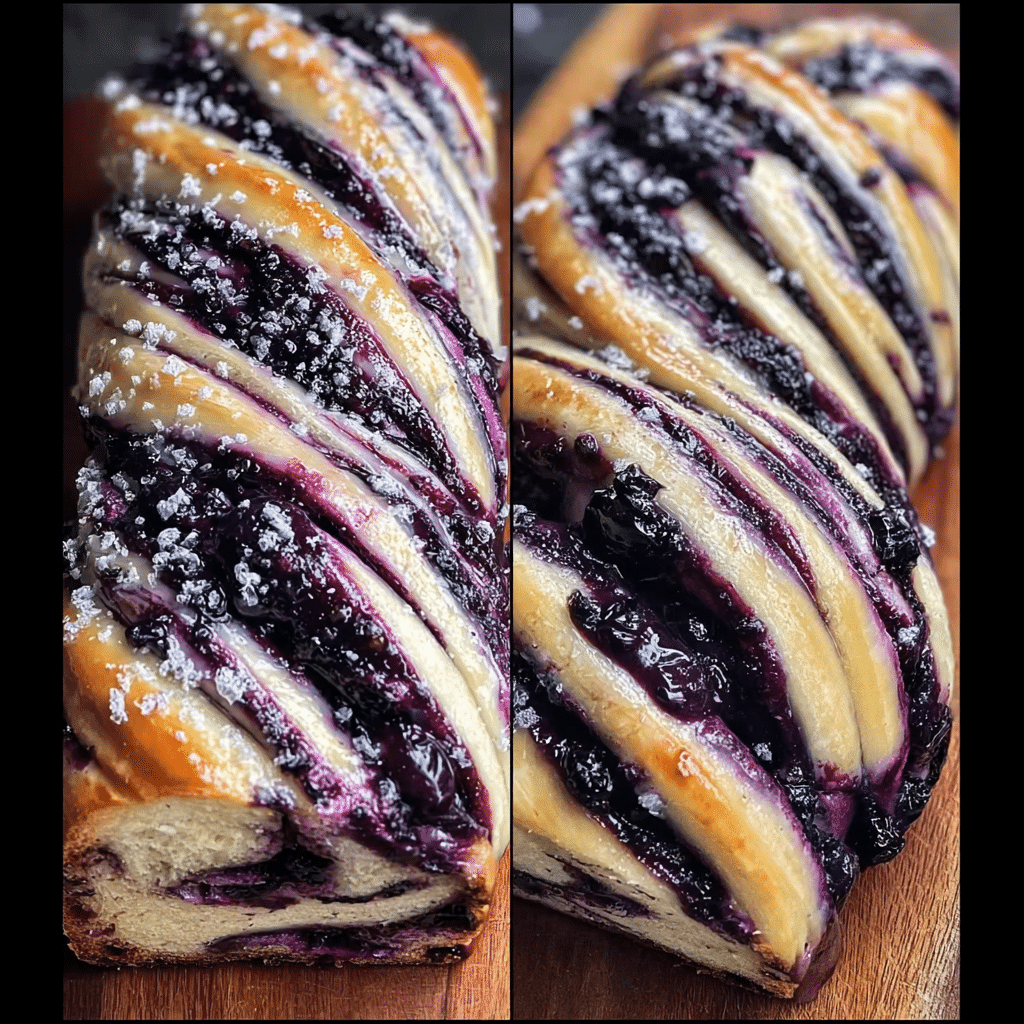
Meal prep is another fantastic way to enjoy this delectable treat throughout the week without the hassle of baking every day. Consider dedicating a day for baking and then slicing and storing your babka in the aforementioned ways. You can even pair it with various spreads like cream cheese or lemon curd for a delightful breakfast or snack option throughout the week.
When it comes to food safety, always remember to wash your hands before handling food and keep your storage containers clean. If you notice any changes in smell, color, or texture, it’s better to discard any questionable food. Following these guidelines will ensure that every bite of your blueberry lemon sourdough is just as enjoyable as the day it was baked.
By taking the time to properly store, freeze, and reheat your blueberry lemon sourdough, you can ensure that this delightful baked good remains a staple in your home. Whether you’re enjoying a slice fresh out of the oven or savoring a piece pulled from the freezer, these tips will help you maintain the quality and flavor of your beloved babka.
Nutritional Benefits and Health Information
As we delve into the world of blueberry lemon sourdough, it’s essential to consider not just its delightful flavors but also its nutritional benefits. This scrumptious treat is not only a feast for the senses but also a source of healthful ingredients that can fit into various dietary plans. Understanding the nutritional profile can help you appreciate your homemade babka even more.
Nutritional Profile
To begin with, let’s break down the key ingredients of blueberry lemon sourdough and their nutritional contributions. The primary components include flour, water, salt, sourdough starter, blueberries, and lemon zest. Typically, one slice (about 60 grams) of blueberry lemon sourdough contains approximately 200 calories. This caloric content can vary depending on the exact recipe and specific ingredients used.
In terms of macronutrients, a slice generally offers around 3 grams of protein, 38 grams of carbohydrates, and 5 grams of fat. The carbohydrates come mainly from the flour, while the fat content is often derived from butter or oil used in the dough. Blueberries, known for their antioxidant properties, contribute some natural sugars and fiber, making this treat a bit more wholesome.
Health Benefits
Blueberries, often hailed as a superfood, bring a wealth of health benefits to the table. They are rich in antioxidants, particularly anthocyanins, which help combat oxidative stress in the body. These tiny berries support heart health, improve cognitive function, and may even help in managing blood sugar levels. When combined with the zesty brightness of lemons, you get a fantastic flavor explosion that also delivers vitamin C—important for immune support and skin health.
Lemon zest not only enhances the flavor but also packs a nutritional punch. It contains essential oils that have antimicrobial properties and can aid in digestion. While the amount of lemon zest in each slice might be small, its impact on flavor and health is significant. Together, blueberries and lemons create a symphony of flavors that also contribute to a balanced diet.
Dietary Considerations
When it comes to dietary considerations, blueberry lemon sourdough can be enjoyed by many, but it’s essential to be mindful of allergens. The primary allergen in this baked good is gluten, found in wheat flour. For those with gluten intolerance or celiac disease, substituting with a gluten-free flour blend can create a delicious alternative, although the texture may vary slightly.
For those watching their sugar intake, it’s worth noting that while the recipe may call for added sugars, you can easily modify it to use less sugar or natural sweeteners. Incorporating whole wheat flour instead of all-purpose flour can also increase the fiber content, making it a more nutritious option.
Comparing blueberry lemon sourdough to similar baked goods reveals its relative healthfulness. For instance, traditional sweet breads or pastries often contain higher levels of sugar and fat, while the use of sourdough fermentation in this recipe can enhance digestibility and flavor complexity, making it a more beneficial choice overall. This fermentation process not only adds to the taste but also helps in breaking down the gluten, making it easier on the digestive system.
In conclusion, understanding the nutritional benefits of blueberry lemon sourdough elevates your appreciation for this delightful treat. With its rich flavors and healthful ingredients, it fits well into a balanced diet. Whether enjoyed as part of breakfast, a snack, or dessert, this delicious babka provides a nourishing experience that delights the palate and supports overall well-being, making it a fantastic addition to any baking repertoire.