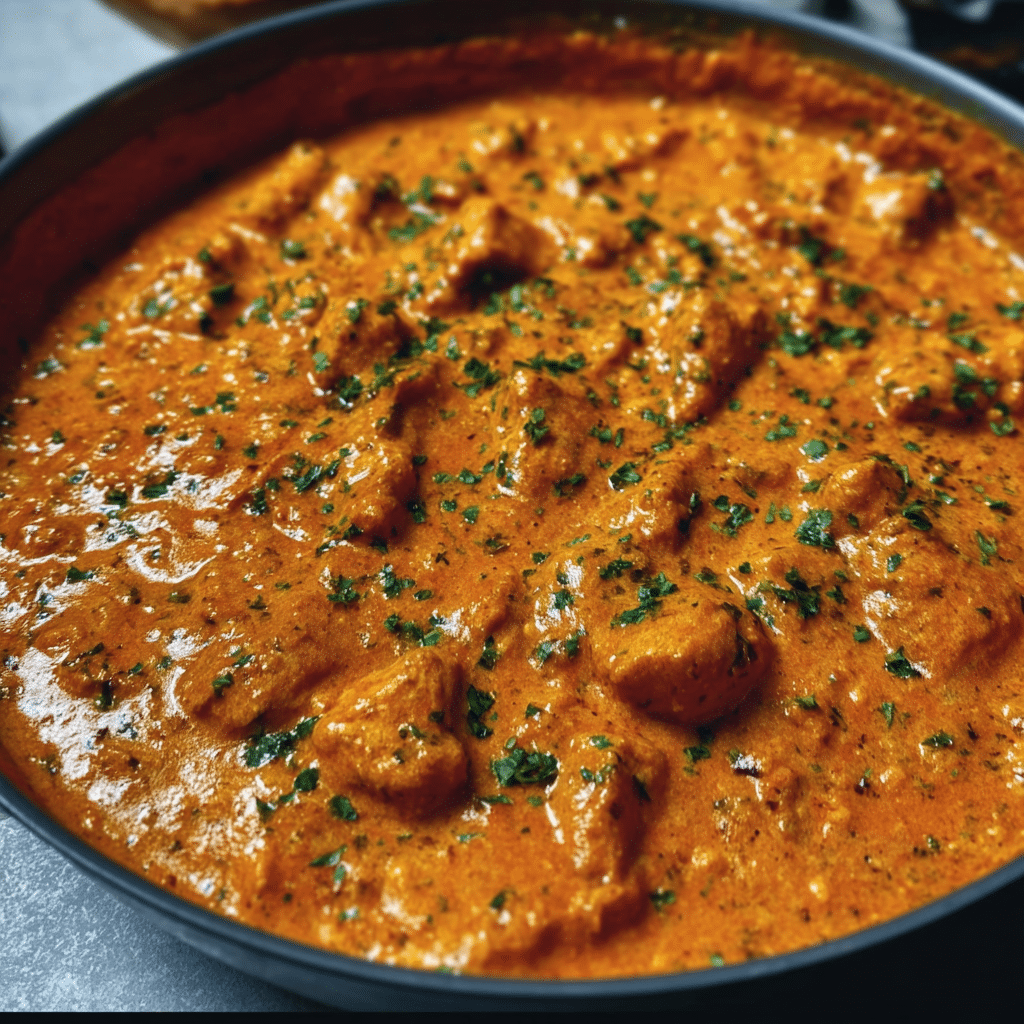
brazilian coconut chicken is not just a dish; it’s a celebration of flavors, culture, and comfort. It was during a summer trip to Brazil that I first experienced the magic of this dish. I was wandering through the vibrant streets of Rio de Janeiro, the air filled with the sweet scent of tropical fruits and the rich aroma of spices from local eateries. As I entered a small, unassuming restaurant, the welcoming atmosphere enveloped me, and I found myself drawn to the sound of laughter and the sizzling of food being prepared. It was there that I tasted the most exquisite coconut chicken, and I knew I had stumbled upon something special.
In that moment, I was hooked. The tender chicken, simmered to perfection in creamy coconut milk, infused with spices that danced on my palate, was unlike anything I had ever tasted. It was a dish that captured the essence of Brazilian cuisine, showcasing the tropical bounty of the region. As I savored each bite, I couldn’t help but feel a sense of connection to the culture and the people who had lovingly prepared this meal. It was a culinary hug, a reminder of how food can bring people together and create lasting memories.
The Story Behind This Recipe
As I began to recreate this dish at home, I delved deeper into its roots. Brazilian coconut chicken, or “frango com coco,” is a dish that embodies the fusion of indigenous ingredients and culinary techniques brought to Brazil by African and European influences. The use of coconut milk, a staple in many Brazilian households, reflects the country’s tropical climate and rich agricultural heritage. It is a dish steeped in tradition, often enjoyed during family gatherings and festive occasions.
What sets brazilian coconut chicken apart from other chicken recipes is its unique combination of flavors. The use of fresh coconut milk, combined with spices such as cumin, coriander, and sometimes even a touch of lime, creates a symphony of tastes that is both comforting and exciting. Unlike many traditional chicken dishes that rely heavily on heavy sauces or marinades, this recipe embraces the natural flavors of the chicken while allowing the coconut to shine through.
This recipe is particularly special for busy families. Not only is it a one-pot wonder that significantly cuts down on cleanup time, but it also cooks quickly, allowing you to have a flavorful dinner on the table in under 30 minutes. The simplicity of the ingredients means you can often make it with items you already have in your pantry, making it a perfect solution for those weeknights when you need something delicious yet quick.
Seasonal relevance also plays a role in the appeal of brazilian coconut chicken. While it can be enjoyed year-round, it feels especially comforting during the cooler months when you crave something warm and satisfying. However, the lightness of the coconut milk also makes it suitable for summer dining, particularly when paired with fresh, vibrant sides like a mango salad or steamed vegetables. It’s a versatile dish that adapts beautifully to the season.
There’s an emotional connection tied to brazilian coconut chicken that goes beyond just its delightful taste. Each time I prepare it, I am transported back to that lively restaurant in Rio, surrounded by the laughter of friends and family. It reminds me of the importance of sharing meals and creating memories around the dinner table. Each time I serve it to my loved ones, I can see the joy on their faces, a reflection of how food can bridge cultures and create a sense of belonging.
In this guide, you will learn everything you need to know about preparing the perfect brazilian coconut chicken, from ingredient selection to cooking techniques. I promise to share my tips and tricks that will elevate your dish, ensuring it becomes a family favorite, just as it has in my home. Get ready to embark on a culinary journey that will not only fill your stomach but also warm your heart.
The Rich History and Cultural Significance of brazilian coconut chicken
The rich history and cultural significance of brazilian coconut chicken can be traced back through the vibrant tapestry of Brazil’s culinary heritage. This dish showcases the beauty of Brazil’s diverse influences, combining elements from indigenous, African, and Portuguese cuisines. Each of these cultures has left an indelible mark on the country’s food landscape, with brazilian coconut chicken serving as a delicious example of this fusion.
Origins and History
The origins of brazilian coconut chicken can be linked to the tropical climate of Brazil, where coconut palms thrive, and coconuts have been a staple ingredient for centuries. The indigenous peoples of Brazil utilized coconuts in many of their dishes, and as the country evolved, so too did its culinary practices. With the arrival of Portuguese colonizers in the 16th century, new ingredients and cooking techniques were introduced that further enriched Brazilian cuisine.
The African influence came with the transatlantic slave trade, which brought many culinary traditions to Brazil. Ingredients such as palm oil and spices were incorporated into local cooking, creating a unique blend of flavors. Brazilian coconut chicken, with its creamy coconut base and aromatic spices, embodies this intricate history. Over time, regional variations of the dish emerged, with each area of Brazil adding its twist based on local ingredients and preferences.
In the northeastern region of Brazil, for instance, you might find a spicier version of coconut chicken that incorporates the local pimenta malagueta, a small but fiery chili pepper. In contrast, the southern regions may lean towards milder preparations, focusing more on the coconut’s natural sweetness. This adaptability has allowed brazilian coconut chicken to remain a beloved dish across the country, evolving while still paying homage to its roots.
Cultural Significance
brazilian coconut chicken holds a special place in Brazilian culture, often served during family gatherings, celebrations, and festive occasions. It’s a dish that brings people together, making it a popular choice for holidays like Christmas and New Year’s celebrations. In many Brazilian households, sharing a meal is considered a sacred act, a way to connect with family and friends and strengthen bonds.
Famous chefs and restaurants have also played a role in popularizing this dish beyond its regional origins. Chefs like Alex Atala and Helena Rizzo have brought traditional Brazilian recipes to the forefront of the culinary world, showcasing the depth and complexity of the country’s food culture. Their interpretations of brazilian coconut chicken often highlight the dish’s versatility, presenting it in innovative ways while respecting its traditional roots.
Nutritional Benefits
Beyond its delightful taste and cultural significance, brazilian coconut chicken offers several nutritional benefits. The use of coconut milk provides healthy fats, particularly medium-chain triglycerides (MCTs), which are believed to support metabolism and promote heart health. Additionally, chicken is a lean source of protein that helps build and repair body tissues.
When paired with fresh vegetables, which are often included in the dish, you create a well-rounded meal that is both satisfying and nourishing. Ingredients like bell peppers, onions, and spinach add vitamins, minerals, and antioxidants, making brazilian coconut chicken a wholesome choice for any dinner table. It’s a dish that not only pleases the palate but also nourishes the body, making it a perfect option for families looking to enjoy delicious and healthy meals.
In conclusion, brazilian coconut chicken is more than just a recipe; it’s a reflection of Brazil’s rich culinary history and cultural heritage. With its diverse influences, regional variations, and nutritional benefits, this dish deserves a place in your kitchen. As you prepare and share it with loved ones, you’ll not only enjoy its delightful flavors but also connect with the rich traditions that have shaped this beloved Brazilian classic.
Essential Ingredients for Perfect brazilian coconut chicken
When it comes to cooking Brazilian Coconut Chicken, the selection of ingredients is paramount. Each component not only adds its unique flavor but also contributes significantly to the authenticity and richness of the dish. Let’s break down the essential ingredients you’ll need to create this delightful culinary experience.
Essential Ingredients
- Chicken: 1.5 pounds of skinless, boneless chicken thighs or breasts.
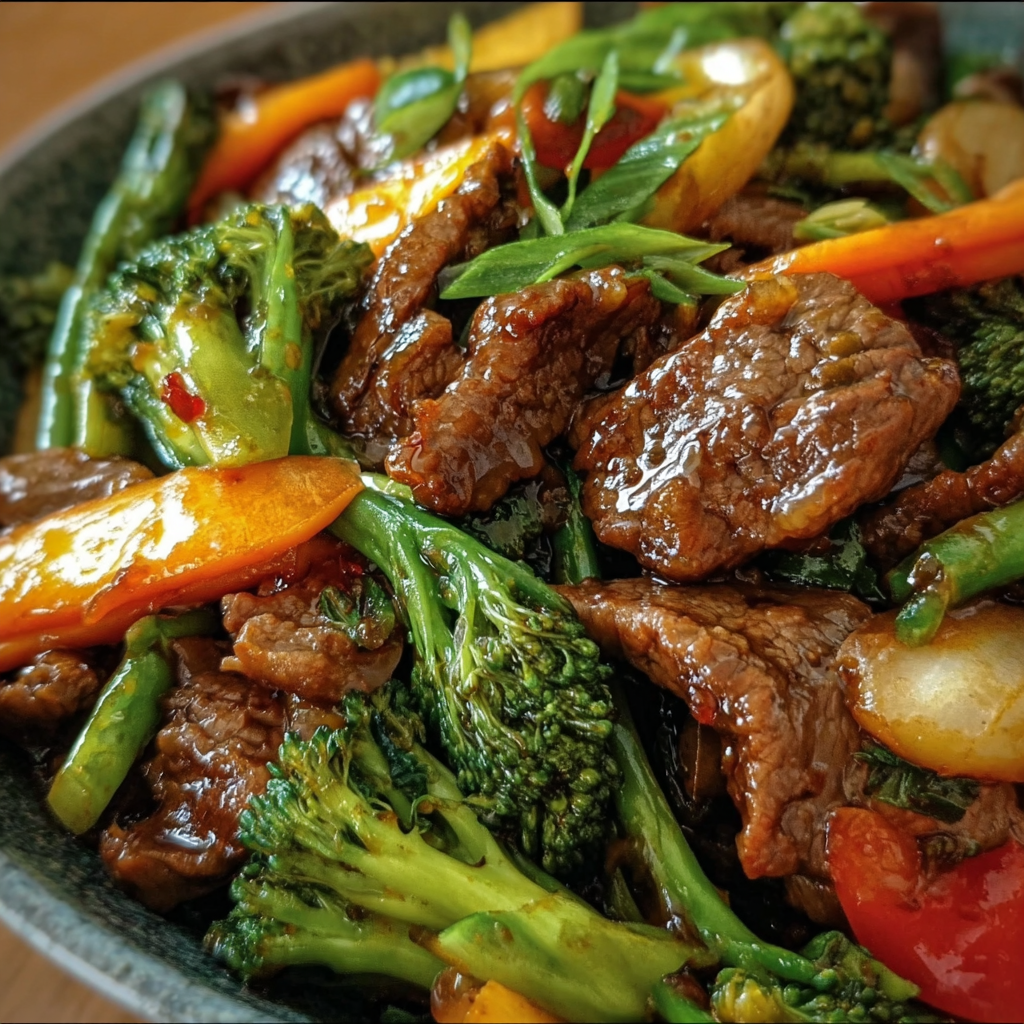
- Beef: Optional, for those who enjoy a mixed meat approach; 1 pound of flank steak can be added for extra richness.
- Pork: Another optional choice; 1 pound of pork tenderloin can be included if you like a variety of meats.
- Seafood: 1 pound of shrimp or fish, providing a delightful ocean-fresh flavor profile.
- Pasta: 8 ounces of spaghetti or fettuccine, as a base to serve the coconut chicken atop.
- Fruits: 1 cup of fresh mango or pineapple chunks, adding a sweet and tangy contrast to the savory flavors.
- Vegetables: 1 cup of diced bell peppers and 1 cup of chopped onions, which give depth and vibrancy to the dish.

Brazilian Coconut Chicken
Ingredients
- 1 teaspoon ground cumin
- 1 teaspoon ground cayenne pepper
- 1 teaspoon ground turmeric
- 1 teaspoon ground coriander
- 4 skinless, boneless chicken breast halves
- salt and pepper to taste
- 2 tablespoons olive oil, divided
- 1 onion, chopped
- 2 jalapeño peppers, seeded and chopped
- 1 tablespoon minced fresh ginger
- 2 cloves garlic, minced
- 3 tomatoes, seeded and chopped
- 1 (14 ounce) can light coconut milk
- 1 bunch chopped fresh parsley, for garnish
Instructions
- Mix together cumin, cayenne pepper, turmeric, and coriander in a large bowl. Add chicken and season with salt and pepper; rub spices into chicken.
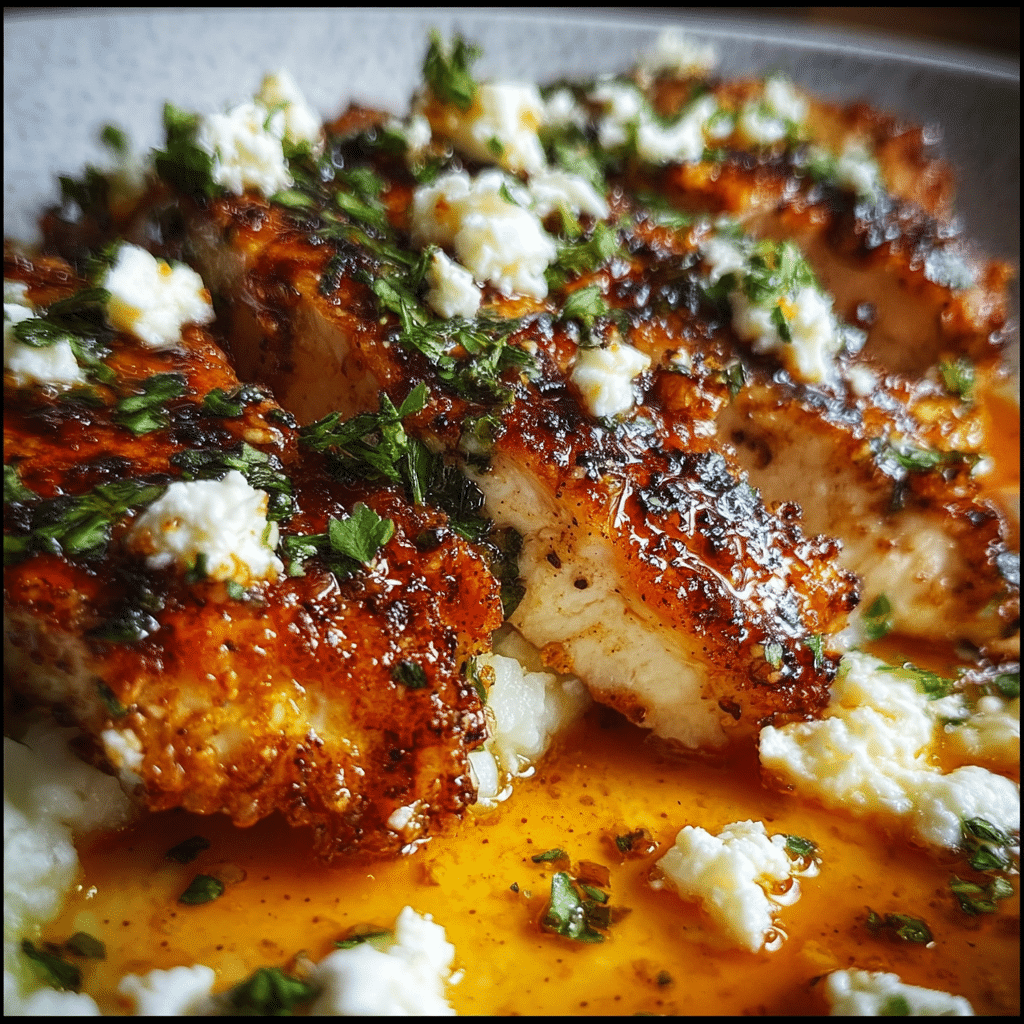
- Heat 1 tablespoon olive oil in a large skillet over medium heat. Cook chicken in hot oil until no longer pink in the center and the juices run clear, 10 to 15 minutes per side. An instant-read thermometer inserted into the center should read at least 165 degrees F (74 degrees C). Remove chicken to a serving dish and set aside.
- Heat remaining 1 tablespoon olive oil in the same skillet. Cook and stir onion, jalapeño peppers, ginger, and garlic in hot oil until onion is tender, about 5 minutes. Mix in tomatoes and cook until tomatoes are softened, 5 to 8 minutes. Stir in coconut milk and cook until sauce is warmed through.
- Spoon sauce over chicken and garnish with parsley.
The star of the show is, of course, the chicken. Choosing between thighs or breasts depends on your preference; thighs will offer a more succulent and flavorful experience, while breasts are leaner. When selecting your chicken, look for pieces that are plump with a pink hue, and avoid those that appear dull or have an off smell.
As for the optional meats, incorporating beef or pork can elevate the dish, giving it a hearty quality, especially if you’re serving a crowd. However, if you’re looking to keep the recipe lighter, feel free to omit them entirely.

Seafood is another glorious addition that can take your Brazilian Coconut Chicken to the next level. Fresh shrimp or fish adds a lovely texture and briny flavor that pairs beautifully with the coconut milk’s creaminess. Always choose fresh seafood with a mild scent and firm texture.
For the pasta, use whatever you have on hand! Spaghetti or fettuccine works beautifully, but feel free to experiment with other varieties. Just make sure to cook it al dente for the best texture.
Fruits such as mango or pineapple not only provide a burst of sweetness but also balance the dish’s richness. Choose ripe fruits that yield slightly when pressed, indicating they are ready to eat. The vegetables contribute necessary crunch and color; vibrant bell peppers and sweet onions are excellent choices. Opt for organic vegetables when possible, as they tend to have better flavor and nutritional content.
Shopping Tips
When shopping for your ingredients, consider visiting local farmers’ markets for the freshest produce. Seasonal fruits and vegetables will not only be tastier but also more budget-friendly. For meats, look for local butchers who can provide high-quality options, and don’t hesitate to ask about the source of their products.
For coconut milk, choose brands that list coconut as the first ingredient without added preservatives for the best flavor. If you’re on a budget, store brands often offer competitive quality at a lower price. Remember to check the expiration dates on all products, especially canned goods like coconut milk.
Substitutions and Alternatives
Dietary restrictions can easily be accommodated in this recipe. If you’re vegetarian or vegan, consider replacing chicken with tofu or tempeh, which can absorb the delicious coconut flavors beautifully. For those who are gluten-free, substitute regular pasta with gluten-free options made from rice or quinoa.
For a lighter version of the dish, use light coconut milk or substitute with almond milk mixed with a bit of coconut extract. And if you’re looking for a low-carb option, serve the chicken over zoodles (zucchini noodles) instead of pasta.
Storage tips are also essential to keep in mind. Fresh meats should be used within two days of purchase or frozen for later use. Cooked chicken can be stored in an airtight container in the fridge for up to four days, and it reheats beautifully in the microwave or on the stovetop with a splash of water to maintain moisture.
In conclusion, the key to a successful Brazilian Coconut Chicken lies in the quality and selection of your ingredients. By choosing fresh, seasonal items and considering substitutions where necessary, you can create a dish that is not only delicious but also tailored to your personal dietary needs. Happy cooking!
Detailed Step-by-Step brazilian coconut chicken Cooking Instructions
Detailed Step-by-Step Brazilian Coconut Chicken Cooking Instructions
Now that you have all your ingredients prepped and ready, let’s dive into the cooking process of Brazilian Coconut Chicken. This dish is not only packed with flavor but is also surprisingly straightforward to make. With a cooking time of just 30 minutes, you’ll have a delicious meal ready in no time!
Preparation Steps
- Mise en Place: Start by gathering all your ingredients. This step is crucial for smooth cooking. Chop your vegetables—diced bell peppers and onions—and set them aside. If you’re using seafood, ensure it’s peeled and deveined if necessary. Cut the chicken into bite-sized pieces for quick cooking.
- Marinating the Chicken: Place the chicken in a bowl and season it with salt, pepper, and a splash of lime juice. This not only adds flavor but also helps tenderize the meat. Let it marinate for about 15 minutes while you prepare the other components.
- Preparing the Pasta: In a pot of salted boiling water, cook the pasta according to the package instructions until al dente. Drain and toss with a little olive oil to prevent sticking.
Cooking Process
- Sautéing the Vegetables: In a large skillet, heat a couple of tablespoons of olive oil over medium heat. Add the chopped onions and bell peppers, sautéing them until they are soft and fragrant, about 4-5 minutes. The vibrant colors and aromas will fill your kitchen!
- Cooking the Chicken: Push the vegetables to the side of the skillet and add the marinated chicken. Cook until browned on all sides, approximately 7-10 minutes. Ensure the chicken is cooked through and no longer pink in the middle. If you’re using optional beef or pork, add it at this stage, cooking until browned.
- Adding Coconut Milk: Pour in the coconut milk and stir to combine. This is where the magic happens! The coconut milk will create a luscious sauce that envelops the chicken and vegetables. Bring to a gentle simmer, allowing the flavors to meld for about 5 minutes. If you prefer a thicker sauce, let it simmer a bit longer.
- Incorporating Seafood: If you’re adding shrimp or fish, do so now. Allow the seafood to cook for about 3-4 minutes, or until it’s opaque and flaky. The seafood will absorb the coconut flavor, enhancing the entire dish.
Final Assembly
- Combining with Pasta: Gently toss the cooked pasta into the skillet, ensuring that each strand is coated in the delicious coconut sauce. This step helps to marry all the flavors together.
- Garnishing: To finish, add fresh herbs such as chopped cilantro or parsley for brightness. A squeeze of fresh lime juice over the top just before serving will elevate the dish with a zingy freshness.
- Serving: Serve the Brazilian Coconut Chicken hot, garnished with extra herbs and a side of your choice. This dish pairs beautifully with a simple green salad or crusty bread to soak up the sauce.
- Common Mistakes to Avoid: One common mistake is overcooking the chicken or seafood. Keep an eye on your proteins, as they can quickly become tough. Also, make sure not to rush the sautéing process—allowing your vegetables to caramelize adds a depth of flavor that you won’t want to miss!
- Chef Secrets: For an extra layer of flavor, consider adding spices such as cumin or paprika to the coconut milk. This will give your Brazilian Coconut Chicken a subtle warmth that is simply irresistible.
Cooking this dish can be a joyous experience, especially when you take the time to savor each step. The vibrant colors, aromatic spices, and creamy coconut milk create a delightful medley that transports you right to the heart of Brazil. Enjoy your culinary adventure!
Professional Tips and Techniques for brazilian coconut chicken
When I first stumbled upon the recipe for Brazilian coconut chicken, I was enchanted by the idea of infusing the rich, creamy flavors of coconut milk with tender chicken. This dish is a staple in Brazilian cuisine, often enjoyed for its vibrant flavors and delightful aroma. As I embarked on my culinary journey to perfect this dish, I discovered that there are numerous tips and techniques that can elevate your Brazilian coconut chicken from good to unforgettable.
Professional Techniques
To create an authentic Brazilian coconut chicken, one of the key techniques is marinating the chicken. A marinade of lime juice, garlic, and spices not only enhances the flavor but also tenderizes the meat. I recommend marinating for at least an hour, but if time permits, let it sit overnight in the refrigerator. This allows the flavors to penetrate deeply into the chicken.
When it comes to cooking, consider using a cast-iron skillet. This versatile piece of equipment retains heat exceptionally well, allowing for a beautiful sear on the chicken. Start by searing the chicken pieces in a hot skillet, then remove them and sauté onions, garlic, and bell peppers until softened. The aromatic base will infuse the dish with depth and warmth.
Another technique worth mastering is the art of simmering. After adding the coconut milk to the sautéed vegetables, return the chicken to the skillet and let it simmer gently. This not only cooks the chicken through but also melds the flavors beautifully. Remember, slow and low is the way to go for a tender and juicy result.
Troubleshooting Guide
Even the most seasoned cooks encounter hiccups in the kitchen. One common issue with Brazilian coconut chicken is the risk of the coconut milk curdling. To prevent this, add the coconut milk slowly and ensure the heat is on low. If you find that your sauce is too thin, don’t despair! You can thicken it by letting it simmer uncovered for a few minutes or by stirring in a cornstarch slurry.
Another common challenge is achieving the right balance of flavors. If your dish tastes a bit bland, consider adding a pinch of salt, a squeeze of lime, or even a dash of hot sauce to brighten it up. Taste as you go; cooking is an iterative process, and adjusting flavors is part of the fun!
Advanced Techniques
For those looking to take their Brazilian coconut chicken to the next level, consider incorporating sous-vide cooking. This technique involves vacuum-sealing the chicken in a bag and cooking it in a water bath at a precise temperature. This method guarantees perfectly cooked chicken every time, ensuring it remains juicy and flavorful. After sous-vide cooking, you can quickly sear the chicken in a hot skillet for that coveted crispy exterior.
Equipment Recommendations and Kitchen Tools
Aside from a cast-iron skillet, there are a few other kitchen tools that can enhance your cooking experience. A sharp chef’s knife is essential for chopping vegetables and mincing garlic. A good cutting board is also important; I prefer a sturdy wooden one that can withstand the wear and tear of daily cooking.
Investing in a high-quality food processor can also make preparing your ingredients a breeze. It can quickly chop onions and garlic, saving you time and ensuring uniform pieces that cook evenly. Lastly, a meat thermometer is invaluable for ensuring your chicken reaches the perfect internal temperature.
Make-Ahead and Meal Prep Strategies
Brazilian coconut chicken is an excellent candidate for meal prep. You can marinate the chicken the night before and store it in the refrigerator. On busy weeknights, all you need to do is sauté the vegetables and cook the chicken. This can cut down on cooking time significantly!
You can also make a large batch and freeze portions for later. Allow the chicken to cool completely before transferring it to airtight containers. When you’re ready to enjoy it again, simply thaw in the refrigerator overnight and reheat gently on the stovetop.
Scaling the Recipe Up or Down
This dish is incredibly versatile when it comes to serving sizes. If you’re hosting a gathering, simply double or triple the recipe. Just be mindful of your cooking vessel size; you may need to use multiple skillets or a large Dutch oven to accommodate all the chicken and sauce.
Conversely, if you’re cooking for one or two, the recipe can easily be halved. The beauty of Brazilian coconut chicken is that it maintains its flavor and integrity, regardless of how much you make.
Presentation Tips
We eat with our eyes first, so presentation matters! When serving your Brazilian coconut chicken, consider garnishing with fresh cilantro or parsley for a pop of color. A sprinkle of lime zest also adds vibrancy and brightness to the dish.
Serve the chicken over a bed of fluffy rice or alongside some crusty bread to soak up the delicious sauce. For a rustic touch, consider using a wooden serving board or a colorful plate that reflects the vibrancy of Brazilian culture.
Wine and Beverage Pairings
Pairing the right beverage with your Brazilian coconut chicken can enhance the dining experience. A crisp, chilled white wine such as Sauvignon Blanc or a light-bodied Chardonnay complements the richness of the coconut milk beautifully. If you prefer beer, look for a refreshing lager or a Brazilian beer like Skol or Brahma.
For non-alcoholic options, a fresh coconut water or an iced limeade would be delightful. These beverages not only add to the tropical theme but also balance the richness of the dish.
In conclusion, mastering Brazilian coconut chicken involves a blend of techniques, understanding flavor profiles, and embracing the cultural context of this beloved dish. With these tips and tricks, you’ll not only create a meal that’s bursting with flavor but also one that tells a story of Brazil’s vibrant culinary heritage.
Creative Variations and Adaptations of brazilian coconut chicken
Brazilian coconut chicken is a delicious dish rooted in the vibrant culinary traditions of Brazil. However, the beauty of this dish lies in its versatility. Over the years, I’ve experimented with various creative variations and adaptations, each one telling a different story through the flavors and ingredients used. Let’s explore some exciting ways to reinvent this classic dish while keeping the essence of Brazilian coconut chicken intact.
Seasonal Variations
One of the most enjoyable aspects of cooking is adapting recipes to reflect the seasons. In the spring, consider adding fresh asparagus or peas to your Brazilian coconut chicken. These bright green vegetables not only add a pop of color but also a delightful crunch. In summer, tomatoes and bell peppers can be added for a refreshing sweetness that pairs beautifully with the coconut milk.
As autumn approaches, I love incorporating root vegetables like carrots and sweet potatoes. They add a natural sweetness and heartiness to the dish, making it perfect for a cozy dinner. During winter, think about using seasonal greens, like kale or collard greens, to add depth and nutrition. No matter the season, Brazilian coconut chicken can be transformed to reflect the bounty of nature!
Dietary Adaptations
In our increasingly diverse culinary landscape, accommodating various dietary preferences and restrictions is essential. For those following a keto diet, you can easily modify the Brazilian coconut chicken recipe by using bone-in, skin-on chicken thighs, which are higher in fat. Replace the traditional rice side with cauliflower rice to keep it low-carb, while still enjoying that creamy coconut sauce.
If you’re looking to create a vegan version, replace the chicken with firm tofu or jackfruit. Both options absorb flavors well and provide a satisfying texture. Use coconut milk as usual, but be sure to enrich the dish with additional spices like smoked paprika to mimic the savory notes of chicken.
For gluten-free adaptations, this dish is inherently gluten-free, so you can enjoy it as is. However, if you’re serving it alongside bread, be sure to use gluten-free bread to accommodate all your guests.
Creative Twists
For those who love to experiment in the kitchen, consider adding international flavors to your Brazilian coconut chicken. For instance, try incorporating Thai-inspired ingredients like lemongrass, ginger, and kaffir lime leaves. These additions can give your dish a delightful twist while still honoring its Brazilian roots.
Another fun variation is to add a touch of Caribbean flair by including jerk seasoning or mango salsa as a topping. The combination of spices and sweetness will elevate your Brazilian coconut chicken to a whole new level!
If you’re feeling adventurous, you can also experiment with different cooking methods. While the traditional stovetop method produces a comforting dish, consider using a slow cooker for a hands-off approach. Simply combine all the ingredients in the slow cooker and let it work its magic while you go about your day. The result is a tender, flavorful meal waiting for you at the end of the day.
Leftover Transformation Ideas
One of the joys of cooking is enjoying leftovers, and Brazilian coconut chicken is no exception. If you find yourself with extra servings, consider transforming them into a delicious soup. Simply add the leftover chicken and sauce to a pot, along with some vegetable or chicken broth, and bring it to a simmer. Toss in some extra vegetables or noodles for a hearty meal.
Another fun idea is to make Brazilian coconut chicken tacos. Shred the leftover chicken and serve it in corn tortillas with fresh cilantro, diced onions, and a squeeze of lime. The combination of flavors will transport you to a tropical paradise!
As you can see, there are countless ways to enjoy Brazilian coconut chicken beyond the classic recipe. Whether you’re adapting it for dietary needs, experimenting with seasonal ingredients, or transforming leftovers into new meals, this dish is a canvas for creativity. Allow your taste buds to guide you, and don’t be afraid to put your unique spin on this beloved Brazilian classic.
Storage, Reheating, and Meal Prep for brazilian coconut chicken
When it comes to enjoying the exquisite flavors of brazilian coconut chicken, understanding how to properly store, reheat, and even meal prep this delightful dish can enhance your culinary experience. This tropical-inspired recipe combines tender chicken with the creamy richness of coconut milk, making it a fantastic option for both weeknight dinners and special occasions. However, knowing how to handle leftovers or prepare meals in advance can make all the difference in maintaining its deliciousness. Let’s dive into the best practices for storing this dish, ensuring it stays as vibrant and tasty as the day it was cooked.
Short-term Storage
After you’ve whipped up a batch of brazilian coconut chicken, you might find yourself with some leftovers. Proper short-term storage is crucial to keep the dish fresh and safe to eat. Ideally, you should allow the chicken to cool down to room temperature before transferring it to an airtight container. This step prevents condensation from forming, which can lead to sogginess.
Using glass containers is a fantastic option as they are non-reactive and can help retain the flavors. If you’re using plastic, ensure that it’s BPA-free and sturdy enough to withstand refrigeration without warping. Once sealed, store the container in the refrigerator, where your brazilian coconut chicken can safely sit for up to three to four days. Always remember to label your containers with the date they were prepared to avoid any confusion later on.
Freezing and Long-term Storage
If you’ve prepared a large batch of brazilian coconut chicken or want to enjoy it later, freezing is a fantastic option. However, you want to ensure that you do it correctly to preserve the flavor and texture. Start by letting the dish cool completely. Once cooled, portion it into freezer-safe containers or heavy-duty freezer bags. If using bags, try to remove as much air as possible before sealing to prevent freezer burn.
For best results, aim to consume frozen brazilian coconut chicken within three months. While it can technically last longer, the quality may diminish over time. When you’re ready to enjoy your frozen meal, transfer it to the refrigerator to thaw overnight. This gradual thawing helps maintain the dish’s integrity. Never refreeze thawed food, as this can compromise taste and safety.
Reheating Best Practices
Reheating your brazilian coconut chicken correctly ensures that you don’t sacrifice flavor or texture. There are several methods to do this, each with its own merits. For stovetop reheating, place the chicken in a skillet over medium heat, adding a splash of coconut milk or broth to keep it moist. Stir occasionally, and within 5-10 minutes, your dish should be heated through.
If you prefer microwave reheating, transfer the chicken to a microwave-safe dish, cover it with a damp paper towel, and heat it in short intervals, stirring in between. This method helps distribute the heat evenly while preventing the chicken from drying out.
Regardless of the method you choose, always check the internal temperature to ensure it reaches 165°F (74°C) before serving. This is a critical food safety guideline, ensuring your meal is safe to eat.
Meal Prep and Batch Cooking Strategies
Meal prepping is an excellent way to incorporate brazilian coconut chicken into your weekly routine. You can prepare a large batch over the weekend, portion it out into individual servings, and store them in the fridge or freezer for convenient meals throughout the week. Consider pairing the chicken with rice or quinoa in your meal prep containers, adding a side of vegetables to create a balanced meal. This not only saves time during busy weekdays but also ensures you have nutritious food ready to go.
When batch cooking, be mindful of cooking times. If you’re preparing a large quantity, you may need to adjust the cooking time slightly. Additionally, keep in mind that the flavors often develop more robustly over time, making leftovers even more delightful!
Food Safety Considerations and Guidelines
Food safety is paramount when it comes to storing brazilian coconut chicken. Always store your leftovers promptly after your meal, ideally within two hours, to prevent bacterial growth. If the chicken has been left out at room temperature for longer than two hours, it’s best to err on the side of caution and discard it.
Be aware of cross-contamination, especially if you’re using the same utensils for raw chicken and cooked dishes. Always use separate cutting boards and utensils for raw and cooked foods to minimize the risk of foodborne illnesses.
Shelf Life Expectations
In terms of shelf life, your homemade brazilian coconut chicken can last in the refrigerator for 3-4 days and in the freezer for up to three months. To keep track of how long it’s been stored, consider using a meal planner or food inventory app. This can help you stay organized and ensure you use your meals while they’re still at their best quality.
Portioning and Packaging Tips
When portioning your brazilian coconut chicken for storage, consider how you plan to use it later. If you want to have it for lunch, portion it into single-serve containers. If you’re planning on serving it for dinner, consider larger portions. Using a scale or measuring cups can help you achieve consistent portion sizes. Proper packaging not only keeps your food safe but also makes meal times more convenient.
By adhering to these storage, reheating, and meal prep strategies, you can ensure that your brazilian coconut chicken remains delicious and safe to enjoy over time. With just a little planning, you can savor the tropical flavors of this dish long after it’s been cooked!
Nutritional Benefits and Health Information
When we think of comfort food, brazilian coconut chicken undoubtedly fits the bill. It’s rich, flavorful, and incredibly satisfying. But beyond its deliciousness, this dish also brings a wealth of nutritional benefits that can enhance your overall health. Understanding the nutritional aspects of brazilian coconut chicken not only helps you appreciate the dish more but also aids in making informed dietary choices. Let’s take a closer look at the nutritional profile, health benefits of the ingredients, and how this dish fits into various dietary considerations.
Nutritional Profile
A typical serving of brazilian coconut chicken is packed with protein, healthy fats, and essential vitamins and minerals. The primary ingredients—chicken, coconut milk, and spices—come together to create a dish that is not only hearty but also nourishing. A standard serving can contain approximately 400-500 calories, depending on the portion size and specific ingredients used.
The protein content in chicken is significant, with about 30 grams of protein per serving, making it an excellent choice for muscle repair and growth. Coconut milk adds a unique twist, contributing healthy fats, particularly medium-chain triglycerides (MCTs), which are known for their quick absorption and energy-boosting properties.
Furthermore, spices such as garlic, ginger, and turmeric not only enhance the flavor but also offer various health benefits. Garlic is known for its immune-boosting properties, while turmeric contains curcumin, a powerful anti-inflammatory compound. Incorporating these ingredients into your brazilian coconut chicken not only elevates the taste but also enriches its nutritional value.
Health Benefits
The health benefits of brazilian coconut chicken are numerous. First and foremost, it provides a balanced source of macronutrients. The protein from chicken supports muscle health and can help in weight management by promoting satiety. Healthy fats from coconut milk are essential for brain health and can even aid in weight loss by increasing feelings of fullness.
Moreover, the inclusion of vegetables, such as bell peppers or spinach, can boost the fiber content of the dish, promoting digestive health. Fiber is crucial for maintaining a healthy gut and can help regulate blood sugar levels, making this dish a great option for those managing diabetes.
Additionally, the antioxidants found in spices used in brazilian coconut chicken can provide anti-inflammatory benefits, reducing the risk of chronic diseases. Regular consumption of these ingredients may also improve immune function, keeping you healthier overall.
Dietary Considerations
When it comes to dietary considerations, brazilian coconut chicken can be quite versatile. For those following gluten-free diets, this dish is naturally gluten-free, making it a safe option. Similarly, for individuals following a paleo or keto diet, the use of coconut milk and chicken aligns well with the principles of these eating plans, offering healthy fats and proteins without the inclusion of processed carbohydrates.
However, if you’re watching your caloric intake, consider portion sizes and the amount of coconut milk used. While it’s healthy, coconut milk is calorie-dense, so moderation is key. You can also lighten the dish by using a reduced-fat coconut milk or by increasing the vegetable content to maintain volume without adding too many calories.
For those with allergens, be mindful of any specific ingredients you might include. While coconut is considered a tree nut, it is generally safe for those with nut allergies. However, always consult with a healthcare professional if you have concerns about allergens.
Healthy Modification Suggestions
One of the best aspects of brazilian coconut chicken is its flexibility. If you’re looking to make healthier modifications, consider the following tips:

- Add More Veggies: Integrating a variety of colorful vegetables not only enhances the flavor but also increases the nutrients and fiber content. Consider adding zucchini, carrots, or snap peas.
- Use Leaner Cuts of Chicken: Opting for skinless chicken breast instead of thighs can reduce the fat content while still providing ample protein.
- Reduce Coconut Milk: If you’re concerned about calories, you can cut back on the amount of coconut milk used and supplement with vegetable broth for a lighter version.
- Spice It Up: Experiment with different spices to enhance flavor without adding calories. Fresh herbs like cilantro or parsley can brighten the dish beautifully.
Comparison with Similar Dishes
When comparing brazilian coconut chicken to other chicken dishes, it stands out for its unique use of coconut milk, which adds a creamy texture that’s hard to replicate. Dishes like chicken curry or coq au vin may be rich and flavorful but tend to rely on heavier sauces or creams. In contrast, brazilian coconut chicken offers a lighter yet satisfying option. The addition of tropical flavors sets it apart, making it not only a meal but a culinary journey to Brazil.
In conclusion, brazilian coconut chicken is more than just a delicious dish; it’s a nutritious powerhouse that can fit various dietary needs while still satisfying your taste buds. Whether you’re enjoying it fresh or savoring leftovers, knowing the health benefits and nutritional profile can make every bite even more enjoyable!
Conclusion: Mastering the Perfect brazilian coconut chicken
Creating the perfect brazilian coconut chicken is more than just following a recipe—it’s about understanding the techniques, ingredients, and cultural significance behind this beloved dish. Throughout this comprehensive guide, we’ve explored everything from the historical origins to modern variations, ensuring you have all the knowledge needed to make this recipe your own.
Whether you’re a beginner cook or an experienced chef, the techniques and tips we’ve shared will help you create a brazilian coconut chicken that’s not only delicious but also meaningful. Remember that cooking is a journey of discovery, and each time you make this dish, you’ll learn something new.
We encourage you to experiment with the variations we’ve discussed, adapt the recipe to your dietary needs, and most importantly, share it with the people you love. Food has the incredible power to bring people together, and Brazilian Coconut Chicken is the perfect dish to create lasting memories around your dinner table.
Don’t forget to share your cooking adventures with us on social media, and feel free to ask questions in the comments below. Happy cooking!
Share this recipe and let us know how it turned out! Tag us on social media for a chance to be featured.