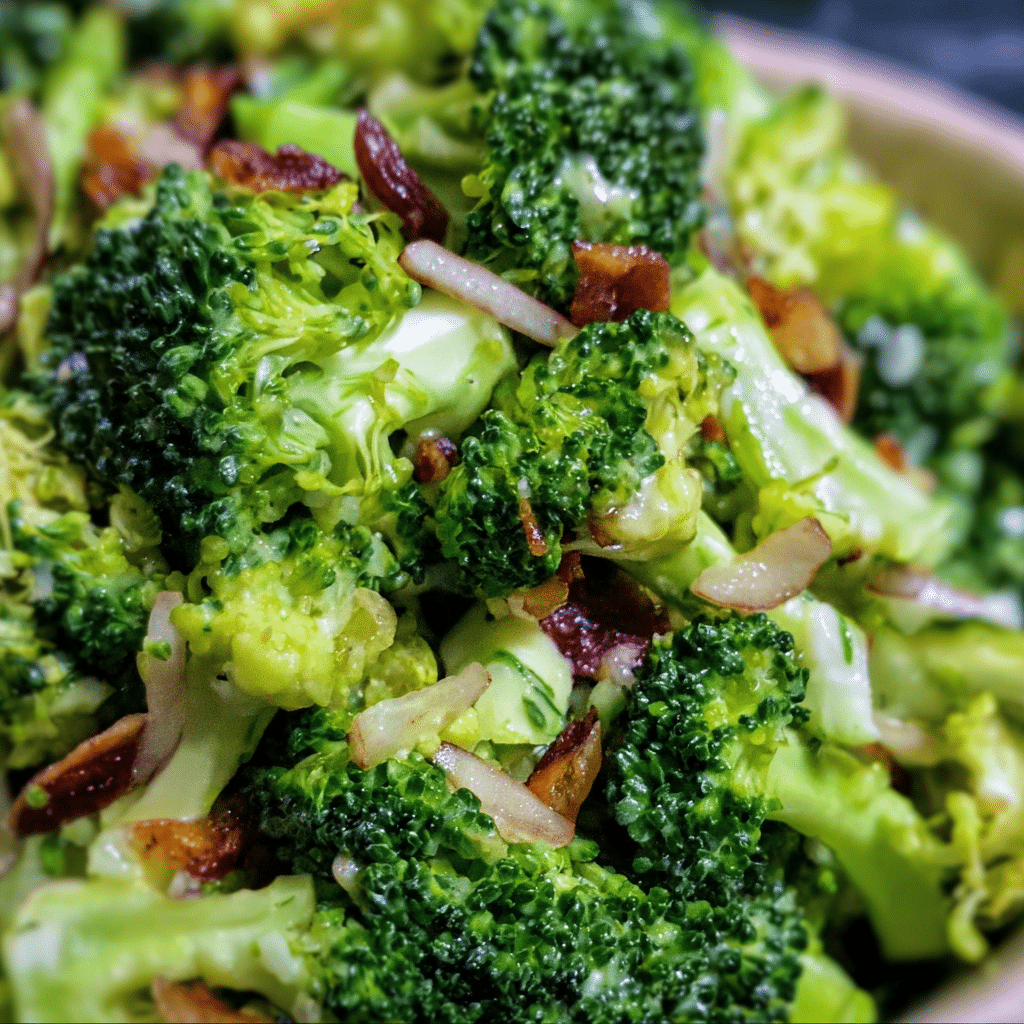
Broccoli salad is not just a dish; it’s a vibrant celebration of flavors and textures that has become a favorite in my kitchen. My journey with this delightful salad began on a warm summer evening, standing in my kitchen, a world of fresh produce before me. I had a bunch of bright green broccoli, crisp and inviting, and as I pondered what to create, memories of family gatherings flooded my mind. Broccoli salad was always present during those joyful occasions, a colorful side dish that complemented our BBQ feasts and potlucks perfectly. That evening, I decided to recreate the version my aunt used to make, a recipe that had traveled through generations, each tweak adding its own character. Little did I know, this simple dish would not only become a staple in my home but would also be a source of cherished memories.
The Story Behind This Recipe
As I chopped the broccoli, its vibrant green color reminded me of my childhood, where every bite of this salad evoked laughter and stories shared around the table. My aunt’s broccoli salad was always a hit, with its crunchy texture and sweet-tangy dressing. It was a recipe she modified from her mother, who would mix in whatever was fresh from the garden. This adaptability is the magic of broccoli salad; it can be personalized to fit your taste and whatever you have on hand. That night, as I mixed together the components, I realized that this dish isn’t just food; it’s a connection to family, culture, and nostalgia.
Broccoli salad has its roots deeply embedded in American culinary traditions, particularly popularized in potluck culture during the 1970s and 1980s. However, its history stretches beyond that, with origins tracing back to various Mediterranean dishes where cooked greens were often served with a dressing. The beauty of broccoli salad lies in its versatility—there are countless variations, each one showcasing different ingredients, from dried cranberries to bacon bits, making it a dish that can be enjoyed year-round. In my experience, it has always been a go-to for quick dinner solutions, especially for busy families. You can prepare it ahead of time, and it only gets better as the flavors meld together in the fridge.
Why You’ll Love This Dish
This dish is not only a feast for the eyes, but it also provides a wealth of benefits that make it perfect for any family meal. It is rich in nutrients, packed with vitamins K and C, and offers dietary fiber, making it a healthy addition to your table. The blend of crisp broccoli, crunchy nuts, and sweet dressing creates a symphony of flavors that everyone will enjoy, from the youngest to the oldest family members. The emotional connection I have to broccoli salad is deeply rooted in the memories of laughter and love shared around the dinner table. It’s more than just a salad; it’s a vessel for connection, a way to honor family traditions while creating new memories.
As we dive deeper into the world of broccoli salad, you will learn about its rich history, discover various regional variations, and uncover how you can adapt this dish to suit your personal taste. Whether you are looking for a side for your next cookout, a light lunch, or a main course, the possibilities are endless. This guide will help you navigate through the essentials of creating the perfect broccoli salad, ensuring that it becomes a beloved dish in your home just as it has in mine.
The Rich History and Cultural Significance of broccoli salad
The history and cultural significance of broccoli salad is as rich and diverse as the ingredients that make up this beloved dish. While broccoli itself is a vegetable that traces its roots back to the Roman Empire, the specific salad we know today has a more recent history. The concept of mixing raw vegetables with dressings and toppings can be seen in various cultures, but broccoli salad as we recognize it today gained prominence in the United States during the mid-20th century.
Origins and History
Broccoli was first cultivated in the Mediterranean region, particularly in Italy, where it was a staple in the diet. It wasn’t until the 1920s that broccoli made its way to the United States, and by the 1980s, it had become widely popular. The rise of broccoli salad coincided with the health food movement, where people began to embrace raw vegetables as part of a healthy lifestyle. Recipes began to emerge, often featuring broccoli paired with ingredients like mayonnaise, cheese, and other crunchy vegetables, making it a favorite for potlucks and family gatherings. Each family seemed to have their own twist on the classic recipe, leading to an array of variations that celebrated regional tastes.
In terms of preparation, the dish has evolved significantly. Initially, many recipes were simple, involving just a few ingredients like broccoli, cheese, and dressing. Over time, people started adding diverse elements such as nuts, seeds, fruits, and even grains, creating a more complex flavor profile that is now characteristic of modern broccoli salad recipes. This evolution showcases the adaptability of the dish, as it continues to be reimagined in kitchens across the world.
Cultural Significance
Broccoli salad holds a special place in American culture, particularly in the context of gatherings and celebrations. It is often served at summer picnics, holiday potlucks, and family reunions, symbolizing hospitality and togetherness. The communal nature of sharing food is deeply ingrained in many cultures, and broccoli salad has become a testament to this tradition. It brings people together, fostering connections over the shared enjoyment of a delicious meal.
In various regions, broccoli salad may take on different forms. For example, in the Midwest, it is common to see it paired with bacon and sunflower seeds, while on the West Coast, you might find versions that incorporate avocado and citrus dressing. This regional diversity not only highlights the versatility of the dish but also reflects the local ingredients available, showcasing the importance of seasonal cooking.
Nutritional Benefits
One of the most appealing aspects of broccoli salad is its nutritional value. Broccoli is a powerhouse of vitamins and minerals; it is particularly high in vitamin C, vitamin K, and fiber. The incorporation of other ingredients, such as nuts and dried fruits, enhances its health benefits further. Nuts add healthy fats and proteins, while fruits can provide natural sweetness and additional vitamins. A broccoli salad can truly be a complete meal in itself, offering a balanced array of nutrients that support overall health and well-being.
In conclusion, the rich history and cultural significance of broccoli salad make it much more than a simple dish. It is a reflection of community, tradition, and the joy of sharing food with loved ones. As we continue to explore this delicious salad, you will not only learn how to prepare it but also appreciate the stories and flavors that have shaped its journey through time.
Essential Ingredients for Perfect broccoli salad
When it comes to creating the perfect broccoli salad, the choice of ingredients is crucial. Each component not only contributes to the flavor but also affects the texture and visual appeal of the dish. Below, I’ll break down the essential ingredients for a delightful broccoli salad, providing insights on their roles, quality indicators, and even some personal anecdotes from my kitchen adventures.
Essential Ingredients
Gathering the right ingredients can make all the difference in elevating a simple salad into a stunning dish that delights at any gathering. Here’s a complete list of what you’ll need:
- 8 cups bite-size broccoli florets (about 3 heads of broccoli, rinsed and dried well)
- 1 (3.5-ounce) package real chopped bacon (about 1 cup or 14 to 16 slices of bacon, cooked and crumbled)
- 1/2 cup dry roasted sunflower kernels
- 1 cup dried cranberries
- 1/2 cup red onion (about 1/4 medium red onion finely diced)
- 1 cup thick cut shredded sharp cheddar cheese
- 1 cup mayonnaise
- 2 tablespoons white wine vinegar or apple cider vinegar
- 2 tablespoons sugar
Broccoli Salad
Ingredients
- 8 cups bite-size broccoli florets (about 3 heads of broccoli, rinsed and dried well)
- 1 (3.5-ounce) package real chopped bacon (about 1 cup or 14 to 16 slices of bacon, cooked and crumbled)
- 1/2 cup dry roasted sunflower kernels
- 1 cup dried cranberries
- 1/2 cup red onion (about 1/4 medium red onion finely diced)
- 1 cup thick cut shredded sharp cheddar cheese
- 1 cup mayonnaise
- 2 tablespoons white wine vinegar or apple cider vinegar
- 2 tablespoons sugar
Instructions
- In a very large bowl, combine the broccoli, bacon, sunflower kernels, cranberries, onion, and cheese. Set aside.
- In a small bowl, make the dressing by whisking together the mayonnaise, vinegar, and sugar.
- Pour the dressing over the broccoli mixture and toss to combine. Cover and refrigerate for about 1 hour. Toss again before serving.
Ingredient Breakdown
Let’s dive into each ingredient’s importance:
- Broccoli Florets: The star of the show! Fresh broccoli provides a crunchy texture and vibrant green color. When selecting broccoli, look for firm, tightly closed florets. Avoid any yellowing or wilting leaves. Fresh broccoli is typically available year-round but is at its peak in cooler months.
- Chopped Bacon: This ingredient adds a savory, smoky flavor that complements the sweetness of the cranberries. Opt for real bacon over imitation varieties for the best flavor. If you’re looking for a shortcut, precooked bacon can save time while still providing that beloved crunch.
- Sunflower Kernels: These add a delightful nutty crunch. When shopping, choose unsalted dry roasted sunflower kernels for an even flavor profile. They’re usually available in bulk sections of grocery stores.
- Dried Cranberries: The sweet and tangy flavor of cranberries balances the richness of the mayo and bacon. Look for unsweetened varieties if you prefer less sugar. They should be plump and moist, not hard or dried out.
- Red Onion: Adds a sharp, tangy bite. When dicing, try soaking the chopped onions in cold water for a few minutes to mellow their flavor if they’re too strong.
- Sharp Cheddar Cheese: This cheese delivers a robust flavor that pairs beautifully with the other ingredients. Purchase blocks of cheese and shred it yourself for the best texture and flavor.
- Mayonnaise: This is the creamy base that ties all the flavors together. For a lighter version, you can opt for Greek yogurt or a mix of both.
- Vinegar: White wine vinegar or apple cider vinegar adds a necessary acidity. This cuts through the richness of the mayo and balances the sweetness of the cranberries.
- Sugar: Just a touch of sugar enhances the flavors without making the salad overly sweet. Adjust according to your taste preference.
Shopping Tips
When shopping for your broccoli salad ingredients, aim for quality. For broccoli, local farmers’ markets often have the freshest produce, but grocery stores typically stock a good selection too. Look for vibrant, firm broccoli heads and avoid any signs of yellowing.
For bacon, consider artisanal brands that use higher-quality pork and fewer preservatives. Similarly, when buying cheese, look for options that are made from whole milk for a richer taste. As for dried cranberries, aim for those without added sugars for a healthier choice. Always read labels and opt for organic when possible, especially for items like mayonnaise and vinegar.
Don’t forget to check for seasonal sales as some ingredients may be cheaper during peak harvest times!
Substitutions and Alternatives
Dietary restrictions shouldn’t stop anyone from enjoying a delicious broccoli salad. Here are some great substitutions:
- Vegan Option: Substitute bacon with smoked tempeh or coconut bacon for a plant-based alternative. Use vegan mayonnaise and nutritional yeast to replace the cheese.
- Gluten-Free: This recipe is naturally gluten-free, so just ensure any added ingredients, like bacon or cheese, are labeled gluten-free.
- Nut-Free: If you have nut allergies, sunflower kernels can be replaced with pumpkin seeds or omitted entirely.
- Low-Carb: For a low-carb version, you could replace the dried cranberries with fresh berries or omit them and reduce the sugar.
With these substitutions, everyone can enjoy this delightful salad!
Storage Tips
Once you’ve made your broccoli salad, you may wonder about storage. It’s best enjoyed fresh, but if you have leftovers, store them in an airtight container in the refrigerator for up to 3 days. The flavors will meld beautifully, but the broccoli may lose its crunch. To keep it fresh, consider storing the dressing separately and mixing it in just before serving.
In my experience, this salad is always a hit at potlucks and family gatherings. I often make it the night before to allow the flavors to develop, but I always keep the dressing on the side until just before serving to maintain that lovely crunch of the broccoli. The vibrant colors and textures never fail to impress!
Detailed Step-by-Step broccoli salad Cooking Instructions
Now that we have our ingredients ready, it’s time to prepare the broccoli salad! This part of the process is where the magic happens. Making a salad might seem simple, but there are techniques that can elevate your dish from good to exceptional. Let’s explore the step-by-step cooking instructions in detail.
Preparation Steps
- Wash and Prepare the Broccoli: Start by rinsing the broccoli thoroughly under cold running water. This helps remove any dirt or pesticides. After washing, dry the florets well with a clean kitchen towel or paper towels to prevent excess moisture in your salad.
- Chop the Broccoli: Cut the broccoli into bite-sized florets. Each piece should be uniform in size for even mixing and presentation. I recommend using a sharp chef’s knife for clean cuts and a sturdy cutting board to ensure safety and stability.
- Cook the Bacon: If you’re using raw bacon, chop it into small pieces before cooking. Heat a large skillet over medium heat, add the bacon, and cook until crispy. This usually takes about 8-10 minutes. Keep an eye on it to avoid burning! Once cooked, transfer the bacon to a paper towel-lined plate to drain excess grease.
- Prep the Onion: While the bacon cooks, finely dice the red onion. If you’re sensitive to the sharpness of raw onion, consider soaking the diced onion in cold water for about 10 minutes. This will mellow the flavor significantly.
- Measure the Remaining Ingredients: While everything is cooking, take this time to measure out the sunflower kernels, dried cranberries, and shredded cheese. Having everything prepped and ready to go will make the assembly process much smoother.
Cooking Process
Once all your ingredients are prepped, it’s time to combine them into a delicious broccoli salad.
- Combine the Broccoli and Other Ingredients: In a large mixing bowl, add the bite-sized broccoli florets, cooked bacon, sunflower kernels, dried cranberries, diced red onion, and shredded cheddar cheese. Use a large spoon or spatula to gently mix these ingredients together without bruising the broccoli.
- Make the Dressing: In a separate bowl, whisk together the mayonnaise, vinegar, and sugar. Taste the dressing and adjust the sweetness or acidity as needed. This is the secret sauce that binds everything together, so don’t skip this step!
- Mix the Dressing with the Salad: Pour the dressing over the broccoli mixture and gently toss everything together until the broccoli is well-coated. I like to use my hands for this part, as it allows for a more even distribution of the dressing.
- Chill Before Serving: If time allows, let the salad chill in the refrigerator for at least 30 minutes before serving. This resting period allows the flavors to meld beautifully. If you’re in a hurry, you can serve it right away, but trust me, it’s worth the wait!
Final Assembly
When you’re ready to serve your broccoli salad, give it a final toss to ensure everything is well mixed. You can garnish it with a sprinkle of extra sunflower kernels or cheese on top for a beautiful presentation. If you want to make it even more special, consider adding a few fresh herbs like parsley or chives for an added layer of flavor.
As you plate this salad, consider the serving options. It makes a fantastic side dish for barbecues, potlucks, and family dinners. I’ve often served it alongside grilled meats or as part of a buffet spread, and it’s always one of the first dishes to disappear. The colorful presentation and vibrant flavors are sure to impress your guests!
In conclusion, making a broccoli salad is not only a straightforward process but also a rewarding one. The combination of textures and flavors creates a delightful dish that can be enjoyed in many settings. Remember, the key is in the quality of your ingredients and the love you pour into your cooking. Happy salad making!
Professional Tips and Techniques for broccoli salad
When it comes to making the perfect broccoli salad, mastering a few professional tips and techniques can elevate your dish from standard to spectacular. Whether you’re serving it at a family gathering or a fancy dinner party, these insights will help you create a vibrant and flavorful salad that is sure to impress.
Professional Techniques
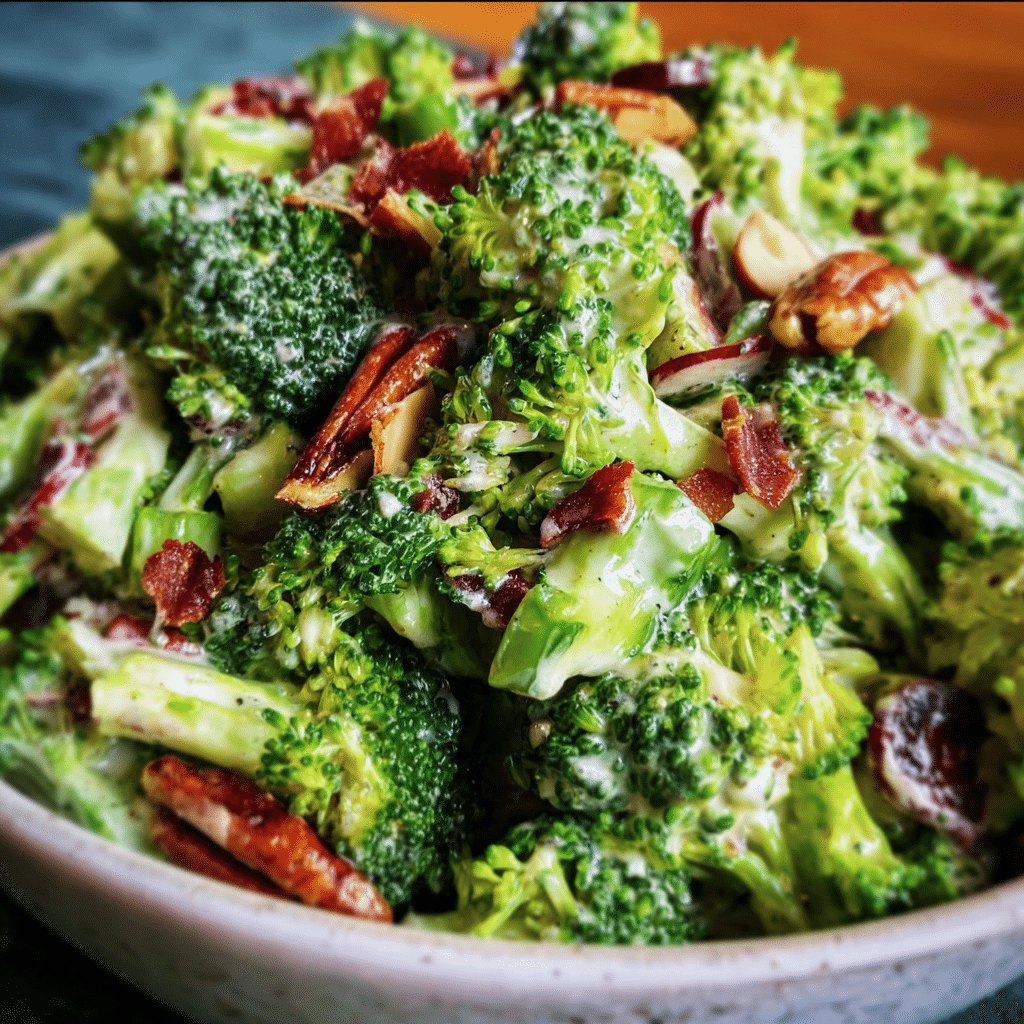
Start with the freshest broccoli you can find. Look for vibrant green florets that are firm and tightly packed. If you can, try to buy organic broccoli; the flavor and texture will be noticeably better. To prepare the broccoli, it’s essential to blanch it properly. This technique brightens the color while retaining a crisp texture. Bring a large pot of salted water to a boil, and prepare a bowl of ice water. Add the broccoli florets to the boiling water for about two minutes, then immediately transfer them to the ice water. This quick process stops the cooking and locks in that beautiful green color.
Once blanched, consider cutting the broccoli into smaller, bite-sized pieces. This not only makes it easier to eat but also allows for a better distribution of flavors when mixed with the dressing and other ingredients. For added texture, you can also use the broccoli stalks. Just peel the tough outer layer, slice them thinly, and they’ll add a wonderful crunch to your broccoli salad.
Troubleshooting Guide
Even the best cooks encounter issues from time to time. One common problem is soggy broccoli. If you find your broccoli salad is losing its crispness, revisit your blanching technique. Ensure that you are not overcooking the broccoli; it should remain bright green and slightly firm. Additionally, make sure to drain the broccoli well after blanching and to dry it on a paper towel before mixing it with the other ingredients.
Another issue could be an overly acidic dressing. If you find that your salad tastes too tangy, balance it out by adding a touch of sweetness. A sprinkle of sugar or a drizzle of honey can work wonders. Remember, it’s all about balance in flavors, so taste as you go.
Presentation Tips
Presentation is key in making your broccoli salad stand out. Use a large, shallow serving bowl to allow your colorful ingredients to shine. Consider layering your salad rather than mixing it all together. Start with a layer of blanched broccoli, then add a layer of diced red bell pepper, followed by shredded carrots, and top it off with toasted nuts for a beautiful presentation.
Garnish with fresh herbs like parsley or cilantro for a pop of color and freshness. A sprinkle of feta or goat cheese can also add an elegant touch. When it comes to serving, pairing your broccoli salad with a glass of crisp white wine, such as Sauvignon Blanc or a light rosé, can enhance the meal experience. The acidity in the wine complements the flavors in the salad beautifully.
For a make-ahead option, consider preparing the dressing in advance and storing it separately. This ensures your salad stays fresh and the broccoli retains its crunch. When you’re ready to serve, just toss everything together, and you’ll have a delicious dish that tastes freshly made.
Scaling your recipe is simple; just adjust the quantities of each ingredient while keeping the ratios similar. This flexibility makes the broccoli salad perfect for any occasion, whether it’s a picnic for two or a banquet for twenty.
Creative Variations and Adaptations of broccoli salad
The beauty of broccoli salad lies in its versatility. You can easily adapt this dish to suit your tastes or dietary needs, making it a staple in any home cook’s repertoire. Let’s dive into some creative variations that will keep your taste buds excited and your guests satisfied.
Seasonal Variations
One of the easiest ways to keep your broccoli salad fresh and exciting is to incorporate seasonal ingredients. In the spring, toss in some fresh peas and radishes for a burst of color and sweetness. As summer approaches, consider adding diced tomatoes, corn, or even some grilled zucchini for a smoky flavor. During the fall, roasted butternut squash or sweet potatoes can lend a warm, comforting touch. For winter, dried cranberries or apples add a lovely sweetness that contrasts beautifully with the savory broccoli.
Don’t forget to adjust your dressing too! A light vinaigrette works great in warmer months, while a creamy dressing can be more soothing during the colder months. This adaptability not only keeps your broccoli salad interesting but also allows you to make the most of what’s available at your local market.
Dietary Adaptations
With the rise of various dietary preferences, it’s essential to offer variations that cater to different needs. For those following a keto lifestyle, consider swapping the traditional dressing for a low-carb alternative made from olive oil, vinegar, and a dash of mustard. You can also replace sweet elements, like raisins or honey, with avocado or nuts to maintain a satisfying texture without the extra carbs.
For vegans, simply replace any dairy products with plant-based alternatives. Nutritional yeast can add a cheesy flavor without the dairy, while vegan mayonnaise can substitute for traditional mayo in dressings. If gluten is a concern, all ingredients are naturally gluten-free, but always double-check labels when using pre-packaged items.
Creative Twists
Don’t shy away from experimenting with different flavors! Why not incorporate Mediterranean elements by adding olives, sun-dried tomatoes, and a sprinkle of feta cheese? Or go Asian-inspired with sesame oil in your dressing, along with mandarin oranges and toasted sesame seeds. The world is your oyster when it comes to variations of broccoli salad.
If you love a bit of heat, consider adding diced jalapeños or a pinch of red pepper flakes to your dressing. The spiciness can create an exciting contrast to the cool, crunchy broccoli. Additionally, using different cooking methods can also change the flavor profile. Grilling the broccoli for a smoky taste or roasting it to bring out its sweetness can provide a new twist on the classic salad.
Lastly, think about transforming any leftovers you might have. Leftover broccoli salad can be turned into a hearty wrap with some whole-grain tortillas or added to a frittata for a quick breakfast option. The possibilities are endless, making this salad not just a side dish, but a versatile component of your meal planning.
Storage, Reheating, and Meal Prep for broccoli salad
When it comes to enjoying a delicious broccoli salad, one of the most essential aspects is knowing how to store it properly. Whether you’re preparing it for a picnic, a family gathering, or simply meal prepping for the week, understanding the best storage methods can make a significant difference in taste, texture, and overall quality. In this section, we’ll delve deep into the world of broccoli salad storage, covering everything from short-term techniques to long-term freezing options, as well as how to reheat it without sacrificing flavor.
Short-term Storage
After whipping up a vibrant and crunchy broccoli salad, the first thing you’ll want to consider is how to store it in the short term. If you plan on enjoying your broccoli salad within a few days, refrigeration is your best bet. The ideal way to store broccoli salad is in an airtight container, which helps to keep moisture out and maintain its crispness. Glass containers with tight-fitting lids are excellent for this purpose, as they prevent any odors from permeating the salad and keep it fresh for longer.
Before placing your broccoli salad in the refrigerator, it’s a good idea to let it cool to room temperature if you’ve just made it. This prevents condensation from forming inside the container, which can lead to sogginess. Once cooled, transfer it into your chosen container and ensure that it’s sealed tightly. In general, properly stored broccoli salad can last in the refrigerator for about 3 to 5 days. However, it’s always wise to check for any signs of spoilage, such as off smells or changes in color, before digging in.
If your broccoli salad contains ingredients like mayonnaise or yogurt, those components can affect the shelf life, as dairy tends to spoil faster. In those cases, it’s advisable to consume the salad within the first 2 to 3 days to ensure the best quality and safety.
Freezing and Long-term Storage
Now, let’s talk about freezing broccoli salad for those who want to prepare it in advance. Freezing is a fantastic way to extend the life of your salad, but it requires a few special considerations. First, it’s important to note that not all ingredients in your broccoli salad will freeze well. For instance, fresh vegetables like broccoli can retain their quality, but ingredients like mayonnaise or yogurt do not freeze well and can separate upon thawing, resulting in an unappetizing texture.
If you plan to freeze your broccoli salad, consider preparing the salad without the dressing. You can freeze the broccoli and any other vegetables, such as bell peppers or onions, in an airtight freezer bag or container for up to 3 months. Make sure to remove as much air as possible to prevent freezer burn. When you’re ready to enjoy it, simply thaw the vegetables in the refrigerator overnight, and then mix in your dressing just before serving. This method helps maintain the fresh taste and texture of your broccoli salad.
For long-term storage, it’s also wise to portion out your broccoli salad into meal-sized servings. This not only makes it easier to thaw only what you need but also helps in managing portion control. Use freezer-safe containers or bags, and label them with the date and contents for easy reference.
Reheating Best Practices
Reheating broccoli salad can be a bit tricky, especially if you want to retain its fresh crunch. Generally, broccoli salad is best enjoyed cold or at room temperature, and reheating isn’t advisable if you’ve added dressing. However, if you prefer your salad warm, or if it’s been frozen and you want to heat it up, here are some best practices.
First, consider sautéing the broccoli briefly in a skillet over medium heat. This method allows you to warm the broccoli without overcooking it. Aim for just a few minutes until it’s heated through, then let it cool slightly before combining it with your dressing. Remember to use a light hand with seasonings, as the flavors in the salad should remain fresh and vibrant.
Food safety is paramount when it comes to reheating. Always ensure that your broccoli salad is heated to at least 165°F (74°C) to kill any potential bacteria. Using a food thermometer can help you achieve this safely. Also, be mindful of the shelf life; if your salad has been stored for more than a few days, it’s best to err on the side of caution and discard it.
In conclusion, knowing how to store, freeze, and reheat your broccoli salad can enhance your culinary experience and minimize food waste. By following these guidelines, you can enjoy your delicious, nutritious salad for days to come, ensuring that every bite remains as tasty as the first. Whether you’re meal prepping for your busy week or planning for a gathering, mastering these storage techniques will allow you to savor the delightful crunch and flavor of broccoli salad anytime you wish.
Nutritional Benefits and Health Information
Broccoli salad is not only a colorful addition to any meal, but it also packs a nutritional punch that can benefit your health in numerous ways. As we dive into the nutritional benefits and health information concerning broccoli salad, we’ll explore the individual components that make it a wholesome choice, along with practical tips for incorporating it into various dietary lifestyles.
Nutritional Profile
To begin with, let’s break down the nutritional profile of a typical broccoli salad. While recipes may vary, most versions include fresh broccoli florets, other vegetables (like bell peppers and carrots), and often a dressing made from yogurt or mayonnaise. A standard serving of broccoli salad (about 1 cup) contains approximately 150 to 200 calories, depending on the dressing used.
The macronutrient distribution is generally favorable, with roughly 5 grams of protein, 10 grams of carbohydrates, and 7 to 15 grams of fats—largely influenced by the dressing. Broccoli itself is an excellent source of fiber, contributing about 2 to 3 grams per serving, which aids in digestion and promotes a feeling of fullness.
In terms of vitamins and minerals, broccoli is a superstar. A serving of broccoli salad can provide significant amounts of vitamin C, vitamin K, folate, and potassium. Vitamin C is crucial for immune function and skin health, while vitamin K plays a vital role in bone health and blood clotting. Folate is essential for cell division and is particularly important for pregnant women.
Health Benefits
Beyond its nutritional makeup, broccoli salad offers several health benefits that make it a worthwhile addition to your diet. One of the most notable advantages of consuming broccoli is its high antioxidant content. Antioxidants help combat oxidative stress in the body, which can lead to chronic diseases such as heart disease and cancer. The presence of sulforaphane in broccoli is particularly exciting, as research suggests it may have anti-cancer properties.
Additionally, the fiber found in broccoli salad promotes digestive health, helping to maintain regularity and prevent constipation. Fiber also plays a role in heart health by helping to lower cholesterol levels and control blood sugar levels, making it beneficial for individuals with diabetes or those managing their weight.
Moreover, the variety of colors in a broccoli salad—thanks to other ingredients like red bell peppers and carrots—indicates a broader range of nutrients. Eating a rainbow of vegetables ensures that you’re getting a mix of vitamins, minerals, and phytonutrients that support overall health.
Dietary Considerations
When it comes to dietary considerations, broccoli salad can easily be adapted to fit various dietary needs. For those following a vegetarian or vegan diet, substituting yogurt or mayonnaise with plant-based alternatives, such as avocado or cashew cream, can create a deliciously creamy dressing. Gluten-free eaters can enjoy this salad without worry, as the base ingredients are naturally gluten-free.
For individuals with specific food allergies, it’s essential to customize the salad according to personal needs. For example, if someone is allergic to nuts, avoid adding nuts like walnuts or almonds that are often included in some variations of broccoli salad. Careful ingredient selection allows everyone to enjoy this nutritious dish safely.
In conclusion, broccoli salad is not just a side dish; it’s a powerhouse of nutrition that supports various health goals and dietary preferences. With its vibrant colors, delightful crunch, and numerous health benefits, it serves as a versatile addition to any meal. Embrace the deliciousness of broccoli salad and reap the rewards of its wholesome ingredients as you incorporate it into your daily diet—your body will thank you!
Conclusion: Mastering the Perfect broccoli salad
Creating the perfect broccoli salad is more than just following a recipe—it’s about understanding the techniques, ingredients, and cultural significance behind this beloved dish. Throughout this comprehensive guide, we’ve explored everything from the historical origins to modern variations, ensuring you have all the knowledge needed to make this recipe your own.
Whether you’re a beginner cook or an experienced chef, the techniques and tips we’ve shared will help you create a broccoli salad that’s not only delicious but also meaningful. Remember that cooking is a journey of discovery, and each time you make this dish, you’ll learn something new.
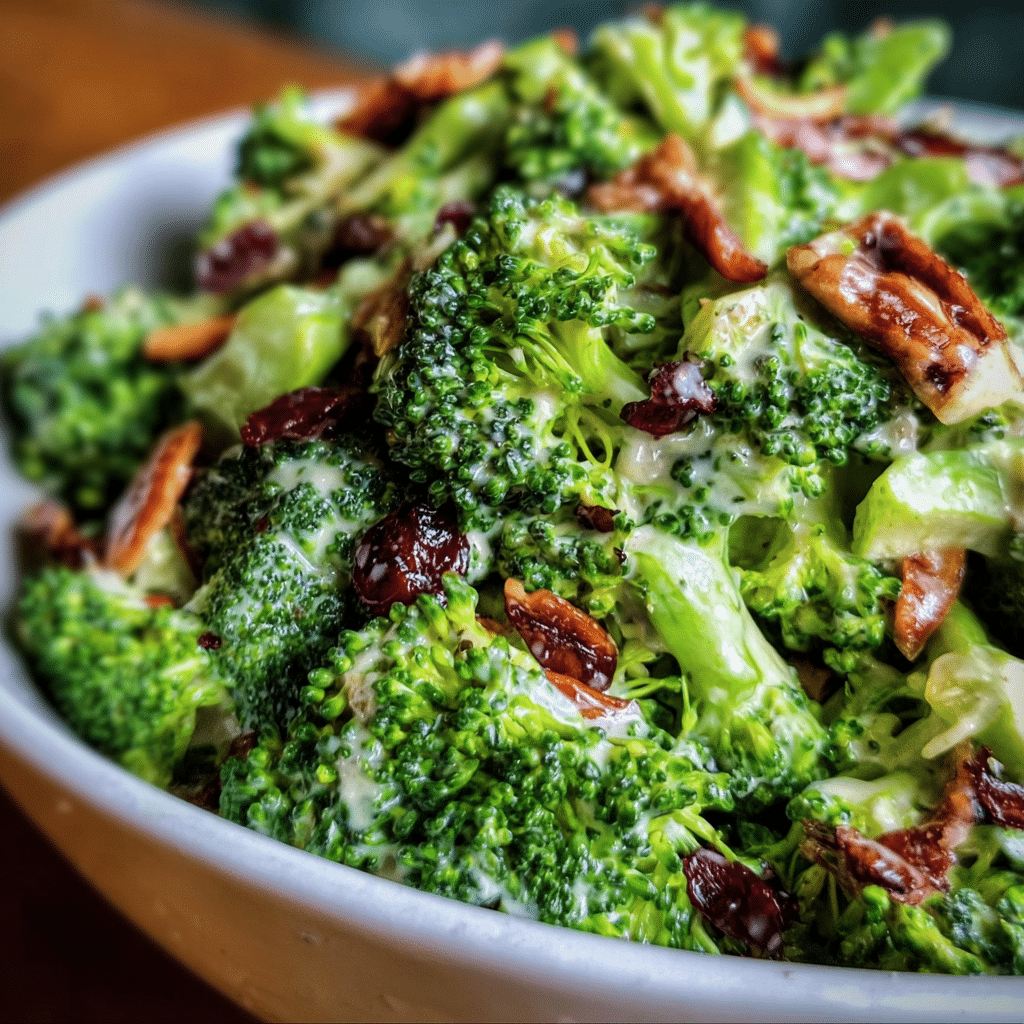
We encourage you to experiment with the variations we’ve discussed, adapt the recipe to your dietary needs, and most importantly, share it with the people you love. Food has the incredible power to bring people together, and Broccoli Salad is the perfect dish to create lasting memories around your dinner table.
Don’t forget to share your cooking adventures with us on social media, and feel free to ask questions in the comments below. Happy cooking!
Share this recipe and let us know how it turned out! Tag us on social media for a chance to be featured.