brown butter carrot cake is a delightful treat that brings warmth and comfort, much like the memories it conjures for me. I still remember the first time I tasted it, at a quaint little café tucked away in a bustling neighborhood. The aroma of freshly baked goods wafted through the air, drawing me in like a moth to a flame. As I took my first bite, the nutty flavor of the brown butter mingled with the sweetness of the carrots, creating a harmonious blend that danced across my palate. It was love at first bite, and I knew I had to recreate this magical dish in my own kitchen.
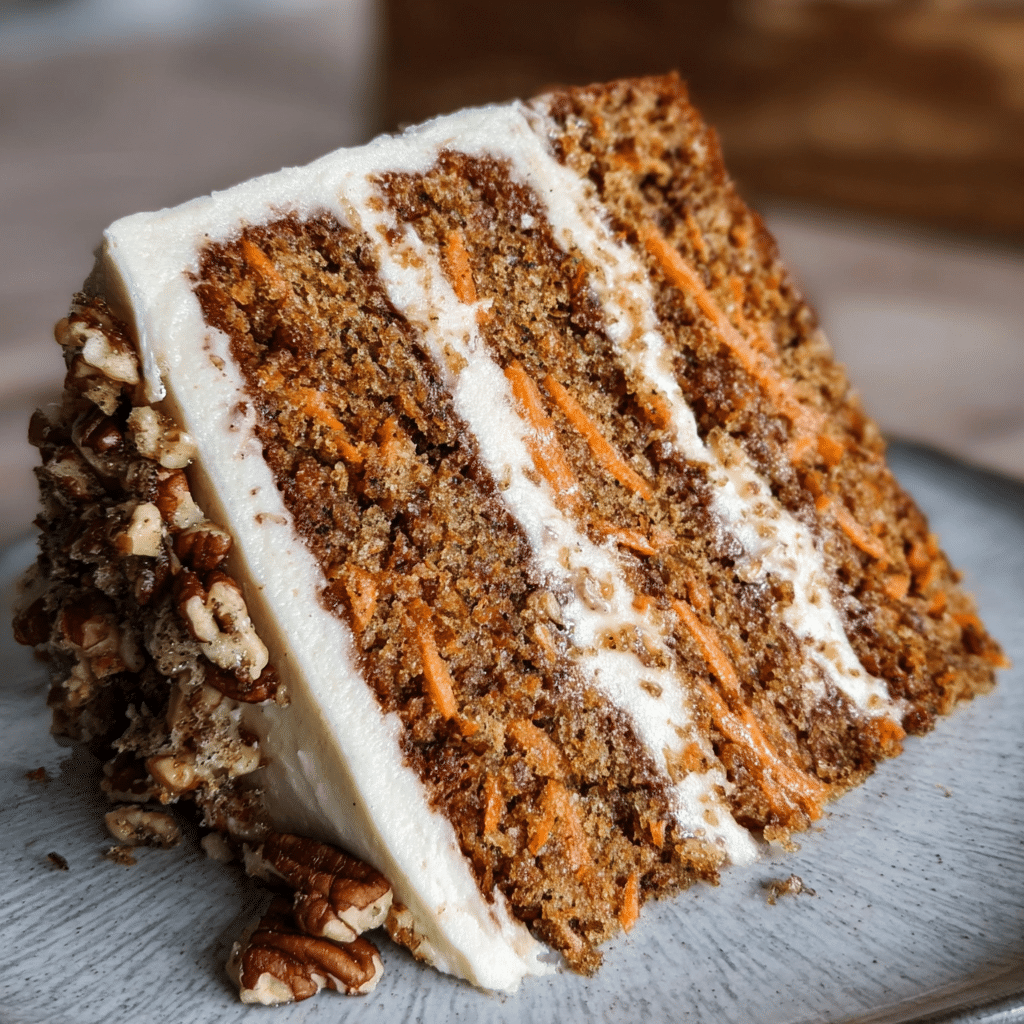
As I delved deeper into the world of baking, the brown butter carrot cake became a staple in my repertoire. My kitchen transformed into a sanctuary where I could experiment with flavors and textures, and this cake was my canvas. It’s fascinating how a simple dish can evoke such strong emotions and memories—baking it became a ritual that connected me to my family. Every time I made it, I was reminded of my grandmother, who used to bake carrot cakes with a pinch of cinnamon and a whole lot of love. She often said that food is a way to express care and affection, and this cake is a testament to that belief.
The Story Behind This Recipe
The origins of carrot cake can be traced back to medieval times when carrots were often used as a sweetener in desserts due to their natural sugars. However, the brown butter carrot cake elevates this classic recipe by incorporating the rich, nutty flavor of brown butter—a technique that has roots in French cooking. Browning butter involves cooking it until the milk solids turn golden brown, resulting in a deep, complex flavor that enhances the overall taste of the cake. This technique adds a gourmet touch to a homey dessert, making it perfect for any occasion.
What makes this recipe particularly special is its versatility. It can easily be adapted to suit various dietary preferences, whether you’re looking for a gluten-free option or want to incorporate healthier ingredients. With its moist texture and fragrant spices, this cake is not just a dessert; it can also serve as a quick breakfast or snack for busy families. Imagine slicing into a warm piece of brown butter carrot cake in the morning, paired with a cup of coffee or tea—it’s an experience that transforms an ordinary day into something extraordinary.
This cake is perfect for the spring and fall seasons when fresh carrots are abundant. However, thanks to year-round availability, you can enjoy its delightful flavors any time of the year. The spices used—cinnamon, nutmeg, and sometimes even ginger—add warmth and comfort, making it a go-to dessert for family gatherings, potlucks, and holiday festivities. Each slice is not just a treat; it is a slice of tradition, love, and connection.
As you embark on this journey to create your own brown butter carrot cake, I promise you will learn not just the recipe but also the techniques and tips that will elevate your baking skills. From mastering the art of browning butter to understanding the importance of fresh ingredients, this guide will equip you with everything you need to create a cake that is not only delicious but also a source of joy and comfort for you and your loved ones.
Why You’ll Love This Dish
There’s something incredibly satisfying about pulling a warm cake from the oven, the sweet aroma enveloping your kitchen. The brown butter carrot cake is more than just a dessert; it’s an experience that brings people together. Whether you’re celebrating a milestone or simply enjoying a quiet evening at home, this cake has the power to evoke smiles and spark conversations. Each bite tells a story of its own, a blend of flavors that reflects the love and effort put into making it. So, let’s dive into this delightful recipe together, and I promise you won’t regret it!
The Rich History and Cultural Significance of brown butter carrot
The brown butter carrot cake has a rich history that intertwines with various cultural traditions and culinary practices. Carrots have been cultivated for thousands of years, initially in Persia and later spreading throughout Europe. The use of carrots in sweet dishes dates back to medieval times when sugar was scarce and expensive. People began to utilize the natural sweetness of carrots to create desserts, paving the way for what we now recognize as carrot cake.
Origins and History
In the 19th century, carrot cake as we know it started to gain popularity, particularly in the United States. The cake was often made with grated carrots, flour, sugar, and eggs, and sometimes included nuts and spices. However, the introduction of brown butter into this classic recipe adds an exquisite depth of flavor that sets it apart from traditional versions. The browning process transforms the butter, resulting in a nutty, caramel-like essence that beautifully complements the sweetness of the carrots.
Over the years, many bakers and chefs have put their own spin on carrot cake, experimenting with various ingredients and techniques. The popularity of the brown butter carrot cake has surged in recent years, partly due to the growing interest in gourmet baking and the desire for unique flavor combinations. It’s a cake that not only represents tradition but also embraces creativity, allowing bakers to express themselves through their culinary choices.
Cultural Significance
The cultural significance of the brown butter carrot cake extends beyond its delicious taste. In many cultures, carrot cake is a staple at celebrations, marking important occasions such as birthdays, weddings, and holidays. Families often have their own cherished recipes passed down through generations, each carrying its unique story and memories. The act of baking this cake can be a bonding experience, as families come together to share their love for food and create lasting memories.
In certain regions, carrot cake is also associated with springtime festivities, symbolizing rebirth and renewal. As carrots are among the first vegetables to emerge in the spring, they represent the bounty of the season and the joy of fresh produce. The brown butter carrot cake serves as a reminder to celebrate the changing seasons and the abundance that nature provides.
Nutritional Benefits
One of the remarkable aspects of the brown butter carrot cake is its nutritional profile. Carrots are packed with vitamins, particularly vitamin A, which is essential for eye health. They also contain antioxidants that can help protect the body from various diseases. The inclusion of carrots in this cake not only adds natural sweetness but also contributes to its moisture and texture.
Additionally, by using whole ingredients like eggs, nuts, and possibly whole wheat flour, the cake can be made more nutritious without sacrificing flavor. It’s a wonderful way to sneak in some healthy elements while indulging in a delicious dessert. The balance of sweet and savory, combined with the nutty brown butter, creates a cake that is as nourishing as it is satisfying.
In summary, the brown butter carrot cake is not just a dessert; it is a celebration of history, culture, and the joy of cooking. Whether you’re a seasoned baker or a novice in the kitchen, this recipe invites you to explore and enjoy the process of creating something truly special. So gather your ingredients, invite family or friends to join you, and let the baking adventure begin!
Essential Ingredients for Perfect brown butter carrot
When it comes to creating an unforgettable brown butter carrot cake, the ingredients you choose are just as important as the technique you employ. Each component plays a critical role in ensuring that your cake is not only delicious but also has the right texture and flavor profile. Let’s dive into the essential ingredients for this delightful dessert.
Essential Ingredients
- 10 tablespoons (142 grams) unsalted butter – This is the star of our show. Unsalted butter allows you to control the sodium level of your cake while providing a rich flavor. When browned, it adds a nutty, caramelized taste that elevates the cake.
- 2 1/2 cups (318 grams) all-purpose flour – The backbone of any cake, all-purpose flour gives structure. Make sure to measure it correctly; too much flour can lead to a dry cake. I prefer to spoon the flour into the measuring cup and level it off with a knife.
- 2 teaspoons baking soda – This is our leavening agent, helping the cake rise and creating a light texture. Be sure it’s fresh; old baking soda can lose its potency.
- 1/2 teaspoon fine sea salt – Salt enhances flavor and balances sweetness. Using fine sea salt ensures it dissolves quickly, making for a uniform taste throughout the cake.
- 1 teaspoon ground cinnamon – A warm spice that pairs perfectly with carrots. It adds depth and complexity to the flavor, making the cake feel cozy and inviting.
- 1/2 teaspoon ground nutmeg – This spice adds a slightly sweet, warm, and nutty flavor that complements the cinnamon beautifully.
- 1/2 teaspoon ground ginger – Ginger brings a bit of zing and warmth, balancing out the sweetness of the carrots and sugar.
- 2 cups (400 grams) firmly packed light brown sugar – Brown sugar provides moisture and a rich, caramel-like flavor. The molasses in brown sugar helps keep the cake moist and tender.
- 3 large eggs, at room temperature – Eggs contribute to the cake’s structure and moisture. Room temperature eggs mix more easily into the batter, providing a smoother texture.
- 1 cup (250 grams) unsweetened applesauce – This is a fantastic ingredient that adds moisture without extra fat. It also complements the sweetness of the carrots perfectly.
- 1 teaspoon vanilla – Vanilla extract adds depth of flavor and enhances the sweetness. Opt for pure vanilla extract for the best results.
- 3 cups (296 grams) finely shredded carrots (about 4 medium carrots) – Freshly grated carrots provide moisture and natural sweetness. Make sure to finely shred them for even distribution in the batter.
- 3/4 cup (84 grams) finely chopped walnuts or pecans – Nuts add texture and a lovely crunch. They also contribute healthy fats. You can choose your favorite type or omit them altogether if you prefer a nut-free cake.
- 24 ounces (680 grams) cream cheese, completely softened to room temperature – Cream cheese is key for a luscious frosting that’s tangy and sweet, perfectly contrasting the rich cake.
- 2 sticks (227 grams) unsalted butter, completely softened to room temperature – This butter is for the frosting. It adds richness and helps achieve a creamy texture.
- 1 tablespoon vanilla paste or extract – This enhances the flavor of the frosting and adds a beautiful speckled appearance if you use vanilla paste.
- 1 teaspoon ground cinnamon – Just like in the cake, a hint of cinnamon in the frosting ties everything together.
- 1/4 teaspoon fine sea salt – A pinch of salt in frosting balances the sweetness, making it more palatable.
- 5 cups (625 grams) powdered sugar, sifted – Powdered sugar is crucial for achieving the sweetness and smooth texture of the frosting. Sifting ensures there are no lumps.
Brown Butter Carrot Cake
Ingredients
For the cake:
- 10 tablespoons (142 grams) unsalted butter
- 2 1/2 cups (318 grams) all-purpose flour
- 2 teaspoons baking soda
- 1/2 teaspoon fine sea salt
- 1 teaspoon ground cinnamon
- 1/2 teaspoon ground nutmeg
- 1/2 teaspoon ground ginger
- 2 cups (400 grams) firmly packed light brown sugar
- 3 large eggs, at room temperature
- 1 cup (250 grams) unsweetened applesauce
- 1 teaspoon vanilla
- 3 cups (296 grams) finely shredded carrots* (about 4 medium carrots)
- 3/4 cup (84 grams) finely chopped walnuts or pecans
For the cream cheese frosting:
- 24 ounces (680 grams) cream cheese, completely softened to room temperature
- 2 sticks (227 grams) unsalted butter, completely softened to room temperature
- 1 tablespoon vanilla paste or extract
- 1 teaspoon ground cinnamon
- 1/4 teaspoon fine sea salt
- 5 cups (625 grams) powdered sugar, sifted
Instructions
Make the cake:
- Preheat the oven to 350°F. Thoroughly grease two 8-inch round cake pans and line the bottom with parchment paper.
- In a medium skillet set over medium heat, melt the butter. Swirling the pan occasionally, continue to cook the butter. It should become foamy with audible cracking and popping noises. Once the crackling stops, continue to swirl the pan until the butter develops a nutty aroma and brown bits start to form at the bottom. Once the bits are amber in color, about 2 to 3 minutes after the popping stops, remove from heat and pour into a mixing bowl. Let cool completely.
- In a medium bowl, whisk together the flour, baking soda, salt, cinnamon, nutmeg, and ginger. Set aside.
- To the browned butter, whisk in the brown sugar, then the eggs. Stir in the applesauce, vanilla, and carrots. Add the dry ingredients and mix until just combined. Stir in the nuts.
- Divide the batter evenly among the prepared cake pans. Bake until a cake tester inserted comes out clean, about 30 minutes. Let cool completely before transferring to wire racks.
- Slice each cake layer in half for four layers using a cake leveler or serrated knife. Place layers in the fridge while you make the frosting.
Make the frosting:
- In the bowl of a stand mixer fitted with the paddle attachment, beat the cream cheese, butter, vanilla, cinnamon, and salt on medium-high speed until very light, creamy, and smooth. Scrape down the sides and bottom of the bowl as needed. On low speed, gradually add in the sugar and beat until creamy.
Assemble the cake:
- Place one cake layer cut side up on a cake stand or platter. Spread about 1/4 of the frosting all over the cake layer, pushing it out over the edge just slightly. Repeat with the remaining layers. With an offset spatula, spread the remaining frosting evenly all over the cake, smoothing the edges.
- Serve or store in an airtight container in the fridge for up to 3 days.
Shopping Tips
When shopping for the ingredients for your brown butter carrot cake, quality matters immensely. For the butter, look for unsalted varieties with a high fat content for the best flavor and texture. Fresh spices can make a significant difference in taste, so try to buy whole spices and grind them yourself if possible. For the carrots, choose firm, vibrant ones, as they will yield the best flavor. If possible, opt for organic ingredients, particularly for the fruits and vegetables, to avoid pesticides and enhance flavor.
Substitutions and Alternatives
For those with dietary restrictions, there are numerous substitutions you can make without sacrificing flavor. If you’re looking for a gluten-free option, consider using a 1:1 gluten-free flour blend. For a dairy-free version, you can substitute the butter with coconut oil and the cream cheese with a dairy-free alternative. If you want to reduce sugar, you could use a sugar substitute that measures cup for cup, but be cautious about the aftertaste some can impart. Lastly, if you or someone you know has nut allergies, simply omit the nuts entirely, or use seeds like sunflower seeds for a similar crunch.
In summary, creating the perfect brown butter carrot cake begins with selecting the right ingredients. The flavor and texture of your cake depend heavily on the quality and freshness of these components. Take your time to shop wisely, and don’t hesitate to make substitutions that suit your dietary needs or personal preferences. With the right ingredients on hand, you’ll be well on your way to baking a cake that’s not just good, but great!
Detailed Step-by-Step brown butter carrot Cooking Instructions
Now that we have gathered all the essential ingredients for our brown butter carrot cake, let’s delve into the detailed step-by-step cooking instructions. This process not only involves mixing and baking but also requires a bit of love and attention to detail to ensure your cake turns out perfectly.
Preparation Steps
- Preheat the Oven: Start by preheating your oven to 350°F (175°C). This step is crucial as it ensures that your cake bakes evenly. A preheated oven helps create a nice rise and a beautifully golden crust.
- Prepare Your Pans: While the oven is heating, grease two 9-inch round cake pans with butter or cooking spray and line the bottoms with parchment paper. This will prevent the cake from sticking and make for easier removal once baked.
- Brown the Butter: In a medium saucepan, melt the 10 tablespoons of unsalted butter over medium heat. Keep stirring as it melts until it begins to foam and turn a golden brown color, which should take about 5-7 minutes. Watch closely, as it can go from beautifully browned to burnt quickly. The nutty aroma that fills your kitchen is a sure sign you’re on the right track!
- Cool the Butter: Once browned, remove the saucepan from heat and transfer the butter to a mixing bowl to cool slightly. You want it to be warm, not hot, when you mix it with other ingredients.
- Mise en Place: While the butter cools, gather and measure all remaining ingredients. This not only saves time but ensures you won’t forget anything. It’s also a great opportunity to double-check your ingredient list!
Cooking Process
- Mix Dry Ingredients: In a large bowl, whisk together the all-purpose flour, baking soda, fine sea salt, ground cinnamon, ground nutmeg, and ground ginger. This step helps to evenly distribute the leavening agent and spices throughout the flour, ensuring every bite is bursting with flavor.
- Combine Wet Ingredients: In another bowl, combine the cooled brown butter, light brown sugar, and eggs. Use an electric mixer on medium speed to mix until the mixture is smooth and well combined. The sugar should dissolve, and the mixture should lighten in color.
- Add Applesauce and Vanilla: Incorporate the unsweetened applesauce and vanilla into the wet mixture. Mix until combined, then gradually add the flour mixture, mixing just until combined. Be careful not to overmix; a few lumps are perfectly fine.
- Add Shredded Carrots and Nuts: Gently fold in the finely shredded carrots and chopped nuts using a spatula. This is the moment when your cake starts to take shape! The bright orange of the carrots adds a beautiful color and will infuse the batter with moisture.
- Fill the Pans: Divide the batter evenly between the prepared cake pans. You can use a kitchen scale for precision or simply eyeball it. Smooth the tops with a spatula to ensure even baking.
- Bake: Place the pans in the preheated oven and bake for 30 minutes, or until a toothpick inserted into the center comes out clean. The cakes should also spring back when lightly pressed.
Final Assembly
- Cool the Cakes: Once baked, remove the pans from the oven and let them cool in the pans for about 10 minutes. Then, carefully turn them out onto wire racks to cool completely. This step is crucial for preventing a soggy cake.
- Prepare the Frosting: While the cakes are cooling, make the cream cheese frosting. In a mixing bowl, combine the softened cream cheese and unsalted butter. Beat until creamy and smooth, then add the vanilla paste, ground cinnamon, and sea salt. Gradually add the sifted powdered sugar until you achieve a smooth and spreadable consistency.
- Assemble the Cake: Once the cakes are completely cooled, place one layer on a serving plate. Spread a generous amount of frosting on top, then place the second layer on top and frost the top and sides of the entire cake. Don’t worry about making it perfect; a rustic look can be charming!
- Decorate: If desired, sprinkle some additional chopped nuts on top of the frosting for an added crunch and a decorative touch. You can also pipe some frosting around the edges for a beautiful finish.
- Slice and Serve: Let the cake set for about 30 minutes to allow the frosting to firm up slightly, making it easier to slice. Then, cut yourself a generous slice of this delectable brown butter carrot cake. Enjoy with a cup of tea or coffee, and don’t forget to share with family and friends!
By following these detailed steps, you’ll be well on your way to baking a stunning brown butter carrot cake that will impress anyone lucky enough to taste it. Remember, baking is as much about the experience as it is about the result. Enjoy every moment, from the enticing aromas wafting through your kitchen to the joy of sharing this delicious cake with loved ones!
Professional Tips and Techniques for brown butter carrot
When it comes to baking a brown butter carrot cake, the journey to creating the perfect dessert starts with understanding a few professional tips and techniques that can elevate your baking game. Whether you are a novice in the kitchen or a seasoned baker, these insights will help you master the art of making this delectable cake that combines the rich, nutty flavors of brown butter with the natural sweetness of carrots.
Professional Techniques
To begin with, let’s talk about the star of this recipe: brown butter. Brown butter is simply butter that has been cooked until the milk solids caramelize, giving it a deep, nutty flavor that can transform any cake. To achieve the perfect brown butter, melt unsalted butter in a saucepan over medium heat. Stir it occasionally until it foams, then watch closely as it turns a golden brown. Be careful not to let it burn! This process usually takes about 5-7 minutes. Once it reaches that beautiful amber color, remove it from the heat and let it cool before incorporating it into your brown butter carrot cake batter.
Another professional technique is to finely grate your carrots. Using a food processor can save time, but nothing beats the texture achieved by hand-grating them for a brown butter carrot cake. The goal is to release the moisture and sweetness from the carrots, which contributes to the cake’s overall flavor and texture. Aim for about two cups of grated carrots for a standard cake, and don’t be afraid to add a little more if you want an extra moist result.
When it comes to mixing your ingredients, be sure to cream your sugar and brown butter together until light and fluffy. This process incorporates air into the batter, leading to a lighter cake. Use room temperature eggs, as they blend more smoothly into the batter. Remember to mix the eggs in one at a time, which helps maintain that fluffy texture.
Troubleshooting Guide
Even the most experienced bakers can run into issues when preparing a brown butter carrot cake. One common problem is a dry cake. This can happen if you overmix the batter or if your oven temperature is too high. To avoid this, mix the batter just until the dry ingredients are incorporated and invest in an oven thermometer to ensure your baking environment is accurate.
Another issue may arise from the cake sticking to the pan. Make sure to grease your cake pans thoroughly and consider using parchment paper for an additional layer of protection. Allow the cake to cool in the pan for about 10 minutes before transferring it to a wire rack; this will help it release more easily.
Presentation Tips
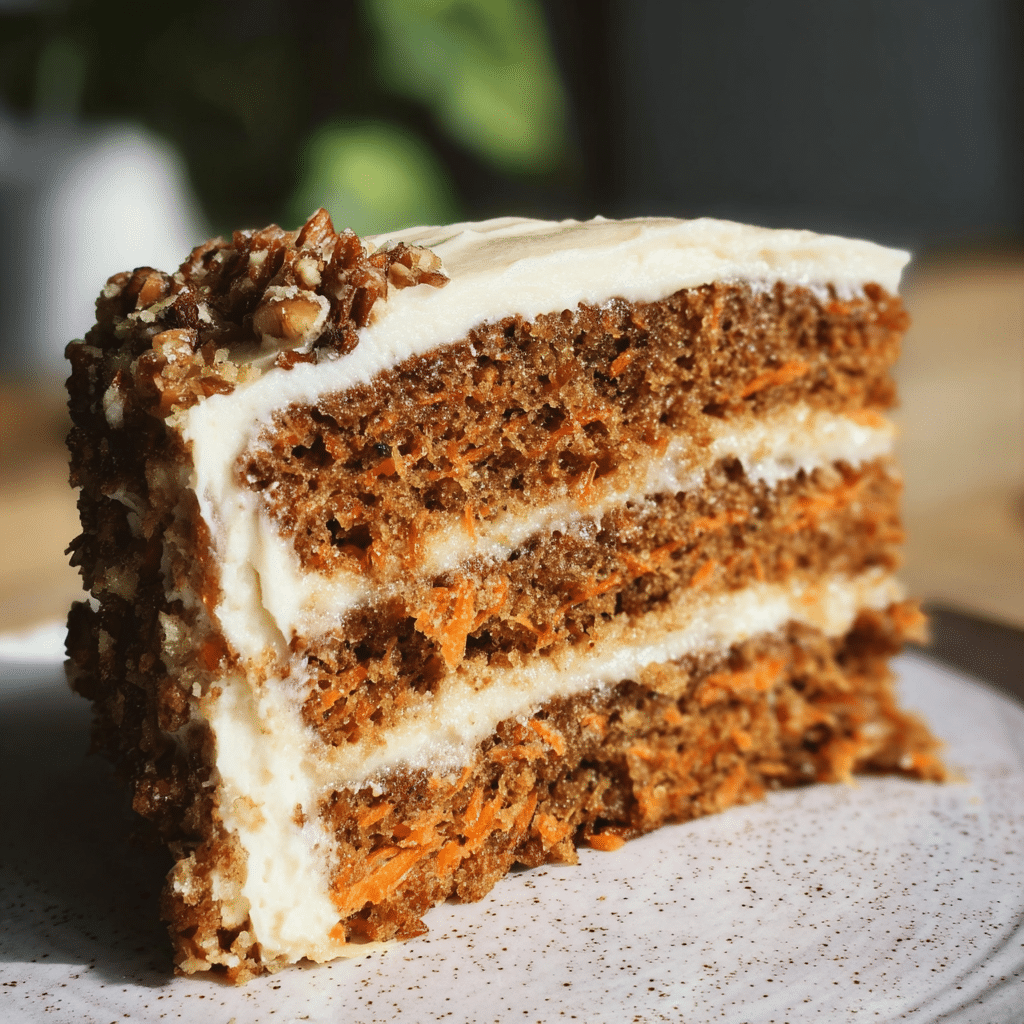
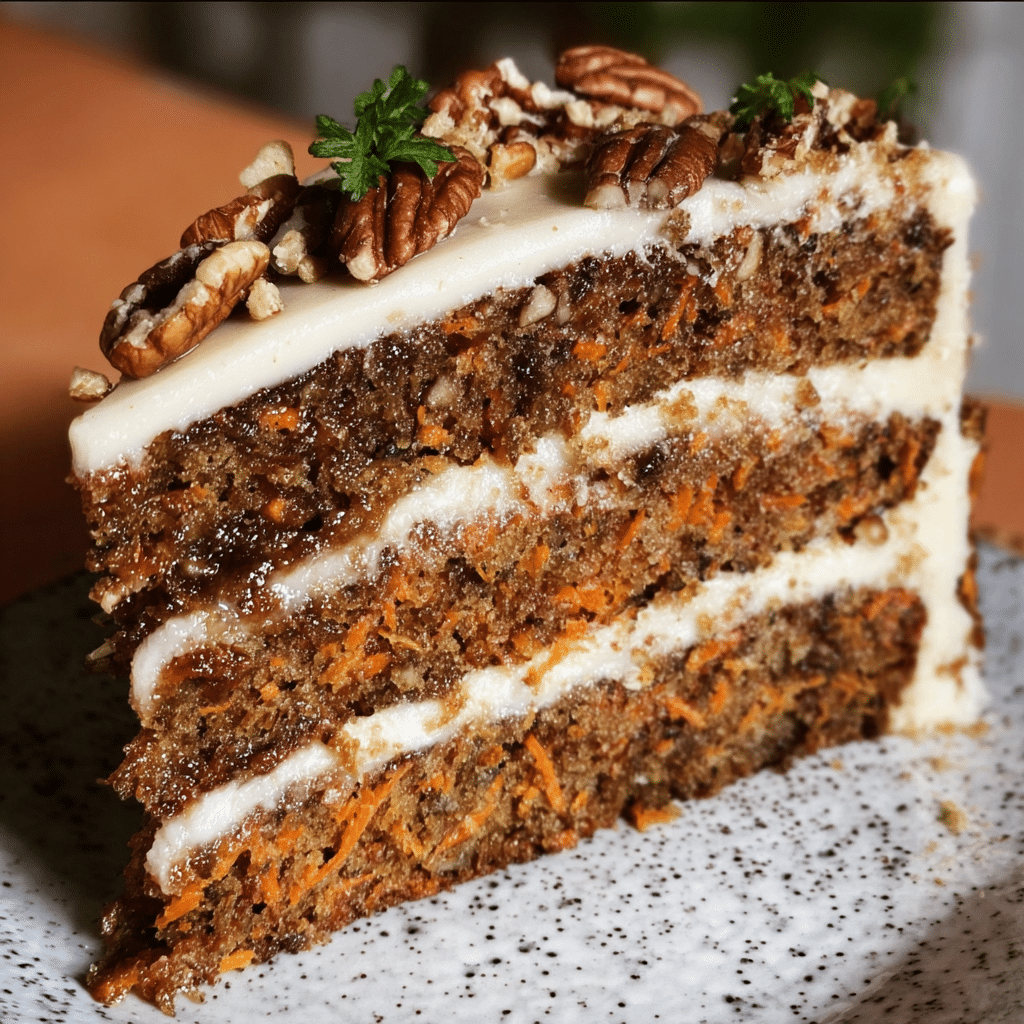
Presentation is key when it comes to showcasing your brown butter carrot cake. Consider layering your cake with a cream cheese frosting that complements the sweetness of the carrots and the richness of the brown butter. For an elegant touch, sprinkle some toasted walnuts or pecans on top for added crunch and flavor.
To elevate the visual appeal, you can use edible flowers or fresh herbs like mint for garnishing. A simple dusting of powdered sugar can also serve as an attractive finishing touch. Remember, a well-presented cake not only pleases the eye but also sets the stage for a delightful dining experience.
If you’re planning to serve your brown butter carrot cake at a gathering, consider pairing it with a delightful beverage. A sweet dessert wine, such as a late harvest Riesling, can complement the flavors beautifully. Alternatively, a robust cup of coffee or a spiced chai tea can balance the sweetness and enhance the overall experience.
Lastly, if you want to prepare ahead of time, the brown butter carrot cake can be made a day in advance. Just store it in an airtight container at room temperature and frost it right before serving to ensure freshness. For those looking to scale the recipe, simply multiply the ingredients proportionally, and adjust baking times as needed. Happy baking!
Creative Variations and Adaptations of brown butter carrot
As versatile as it is delicious, the brown butter carrot cake lends itself to numerous creative variations and adaptations. Whether you’re looking to switch up the flavors, accommodate dietary restrictions, or just use up some seasonal ingredients, this cake can be customized to suit your needs and preferences.
Seasonal Variations
The beauty of a brown butter carrot cake lies in its adaptability to seasonal ingredients. In the spring, consider adding crushed pineapple or shredded coconut to the batter for a tropical twist. In the fall, integrate spices like nutmeg and ginger to enhance the warm flavors of the cake. You can even add pureed pumpkin for a pumpkin-carrot hybrid cake that’s perfect for Thanksgiving!
In the summer months, try incorporating fresh fruits, such as shredded zucchini or apples, to add moisture and flavor. Each season brings a unique opportunity to experiment, and you can easily transform the classic brown butter carrot cake into something new and exciting.
Dietary Adaptations
For those with dietary restrictions, fear not! The brown butter carrot cake can be modified to fit various needs. If you’re following a keto diet, substitute the sugar with a keto-friendly sweetener, like erythritol or monk fruit sweetener. You can also use almond flour instead of all-purpose flour to reduce the carb count. Just be aware that the texture may vary slightly, so it may take a few experiments to get it just right.
If you’re in need of a vegan option, replace the eggs with flaxseed meal or unsweetened applesauce. Use coconut oil or a vegan butter substitute in place of the brown butter. The process of browning coconut oil is similar to that of butter, and it can add a unique flavor to your brown butter carrot cake.
Creative Twists
For those who love to experiment, consider infusing your brown butter carrot cake with unique flavors. Adding spices like cardamom or a pinch of cayenne pepper can elevate the flavor profile and give your cake an unexpected kick. You could also incorporate chocolate chips or a cream cheese swirl for an indulgent twist.
Another exciting idea is to change up the cooking method! While the traditional method involves baking in the oven, you can try making a slow-cooker version of the brown butter carrot cake. This will create a more moist texture, almost akin to a pudding cake, while also offering a hands-off cooking experience.
Lastly, if you ever find yourself with leftover cake (a rare occurrence, I know!), consider transforming it into cake pops or a trifle. Crumble the cake and mix it with a little frosting, then roll it into balls, dip in chocolate, and voilà! You have a delightful treat that’s perfect for parties or snacking.
In conclusion, the brown butter carrot cake is a canvas for creativity. With its rich flavors and moist texture, it can be tailored to suit any occasion or dietary need. So don’t be afraid to experiment and make it your own; after all, baking should be as much about enjoyment as it is about following a recipe!
Storage, Reheating, and Meal Prep for brown butter carrot
When it comes to baking, one of the most rewarding aspects is not just the delicious results, but also how to effectively store your creations. With a delightful brown butter carrot cake, understanding storage, reheating, and meal prep techniques can prolong its life and maintain its delightful flavors and textures.
Short-term Storage
After you have baked your brown butter carrot cake, the first thing you should consider is how to store it for short-term use. If you’re planning to enjoy the cake within a few days, storing it at room temperature is perfectly acceptable. Just make sure to cover it properly to prevent it from drying out. A cake dome or a cake box works well, but if those aren’t available, a simple layer of plastic wrap will do the trick.
For cakes with cream cheese frosting, which pairs beautifully with brown butter carrot, refrigeration is advisable. Simply place the cake in a container that has a tight seal to prevent it from absorbing any odors from the fridge. It’s important to note that while refrigeration can extend the cake’s shelf life, it may slightly alter the texture, making it a bit denser. So if you prefer a fluffier slice, allow it to come to room temperature before serving.
Freezing and Long-term Storage
If you find yourself with leftover cake or want to prepare it in advance, freezing is an excellent option. To freeze your brown butter carrot cake, first ensure it is completely cooled. Wrap individual slices or the entire cake tightly in plastic wrap, followed by a layer of aluminum foil. This double protection helps prevent freezer burn and preserves the flavors of your cake. Make sure to label and date your packages; generally, a well-wrapped cake can be frozen for up to three months.
When you’re ready to indulge in your frozen treat, remove it from the freezer and let it thaw in the refrigerator for several hours or overnight. If time is of the essence, you can also let it thaw at room temperature for about two hours, but be sure to keep it covered to avoid drying out. If you’ve frozen slices, they can often be reheated in the microwave for a quick dessert fix!
Reheating Best Practices
Reheating cake can be a bit tricky; you want to warm it without drying it out. One of the best methods for reheating your brown butter carrot cake is to use the oven. Preheat your oven to 350°F (175°C), place your cake slice on a baking sheet, and cover it loosely with aluminum foil. Heat for about 10-15 minutes, or until warmed through. This method helps to retain moisture while providing a lovely texture. If you’re in a hurry, a microwave can work as well, but be careful not to overheat it. Start with 15 seconds and check if it’s warm enough to your liking.
Meal prep can also be a fun and efficient way to enjoy your brown butter carrot cake. Consider baking multiple cakes at once and freezing them in portions, as mentioned earlier. This way, you can have a delicious slice ready for any occasion, whether it’s an impromptu gathering or a quiet night in. Portioning out individual slices and placing them in separate airtight containers can help with portion control and convenience.
Another great meal prep strategy is to convert your cake into a more portable treat, like cake bars or cupcakes. This way, you can individually wrap them for easy grab-and-go snacks that still carry that delectable brown butter carrot flavor. Just ensure that whatever method you choose for meal prep, the cake is stored in a way that maintains its moist texture and rich flavor.
When it comes to food safety, remember that any baked goods have a shelf life. Typically, a well-stored brown butter carrot cake will last about 5 days in the refrigerator. If you notice any signs of spoilage, such as an off smell or mold, it’s best to err on the side of caution and discard it. Always trust your senses when it comes to food safety!
In summary, effective storage, reheating, and meal prep techniques for brown butter carrot cake can enhance your baking experience and ensure that you enjoy every bite of this decadent dessert. Whether you’re savoring a slice on a leisurely afternoon or sharing it with friends, knowing how to keep it fresh will only add to your culinary adventures.
Nutritional Benefits and Health Information
As we dive into the world of brown butter carrot cake, it’s essential to take a moment to appreciate not just its delightful flavor, but also its nutritional profile. This cake, with its rich ingredients and comforting spices, brings with it a host of health benefits that make it somewhat more than just an indulgent treat.
Nutritional Profile
A standard slice of brown butter carrot cake can vary in calories based on the specific recipe and portion size, but on average, you can expect it to contain around 350-400 calories. The macronutrient breakdown typically includes approximately 15-20 grams of fat, 50-60 grams of carbohydrates, and about 3-5 grams of protein. The use of carrots not only adds moisture but also brings in dietary fiber, which is beneficial for digestive health.
When it comes to vitamins and minerals, carrots are a standout ingredient. They are particularly high in beta-carotene, which the body converts into vitamin A, essential for maintaining healthy vision, skin, and immune function. Additionally, the brown butter contributes to the cake’s rich flavor while providing some healthy fats, which are vital for nutrient absorption and overall body function.
Health Benefits
The key ingredients in brown butter carrot cake offer not just taste but also nutritional advantages. Carrots are known for their high antioxidant content, which can help combat free radicals in the body. Moreover, the spices commonly used in carrot cake, such as cinnamon and nutmeg, have been linked to various health benefits, including anti-inflammatory properties and improved metabolic health.
The use of whole grains, should you choose to substitute some of the all-purpose flour with whole wheat flour, can enhance the fiber content further, making this cake a more wholesome option. Incorporating nuts like walnuts or pecans not only adds a delightful crunch but also contributes healthy fats, protein, and additional vitamins and minerals.
Dietary Considerations
While brown butter carrot cake is a delicious dessert, it’s essential to consider dietary restrictions and preferences. For those with gluten intolerance, gluten-free flour can be used as a substitute, allowing everyone to partake in the joy of this cake. Additionally, if one is looking to reduce sugar intake, natural sweeteners like maple syrup or honey can be alternatives, though they may alter the texture slightly.
For individuals watching their calorie intake, consider making smaller portions or cupcakes instead of a full cake. This method allows you to enjoy the flavors of brown butter carrot without overindulging. Furthermore, if you’re looking for a healthier version, you can reduce the amount of sugar in the recipe or use unsweetened applesauce to add moisture and sweetness without extra calories.
When comparing brown butter carrot cake to similar desserts, it stands out due to its inclusion of vegetables, which is a unique characteristic among many traditional cakes. Unlike chocolate or vanilla cakes that primarily focus on sugar and fat, brown butter carrot cake offers a more balanced approach by integrating wholesome ingredients that provide essential nutrients.
In summary, the nutritional benefits and health information surrounding brown butter carrot cake illustrate that it can be enjoyed as a treat that also brings some health advantages. With its rich flavor profile and potential for healthier adaptations, this cake can certainly have a place in a balanced diet. Whether you’re indulging for a special occasion or just craving a sweet treat, knowing the nutritional aspects can make your dessert experience all the more fulfilling.
Conclusion: Mastering the Perfect brown butter carrot
Creating the perfect brown butter carrot is more than just following a recipe—it’s about understanding the techniques, ingredients, and cultural significance behind this beloved dish. Throughout this comprehensive guide, we’ve explored everything from the historical origins to modern variations, ensuring you have all the knowledge needed to make this recipe your own.

Whether you’re a beginner cook or an experienced chef, the techniques and tips we’ve shared will help you create a brown butter carrot that’s not only delicious but also meaningful. Remember that cooking is a journey of discovery, and each time you make this dish, you’ll learn something new.
We encourage you to experiment with the variations we’ve discussed, adapt the recipe to your dietary needs, and most importantly, share it with the people you love. Food has the incredible power to bring people together, and Brown Butter Carrot Cake is the perfect dish to create lasting memories around your dinner table.
Don’t forget to share your cooking adventures with us on social media, and feel free to ask questions in the comments below. Happy cooking!
Share this recipe and let us know how it turned out! Tag us on social media for a chance to be featured.