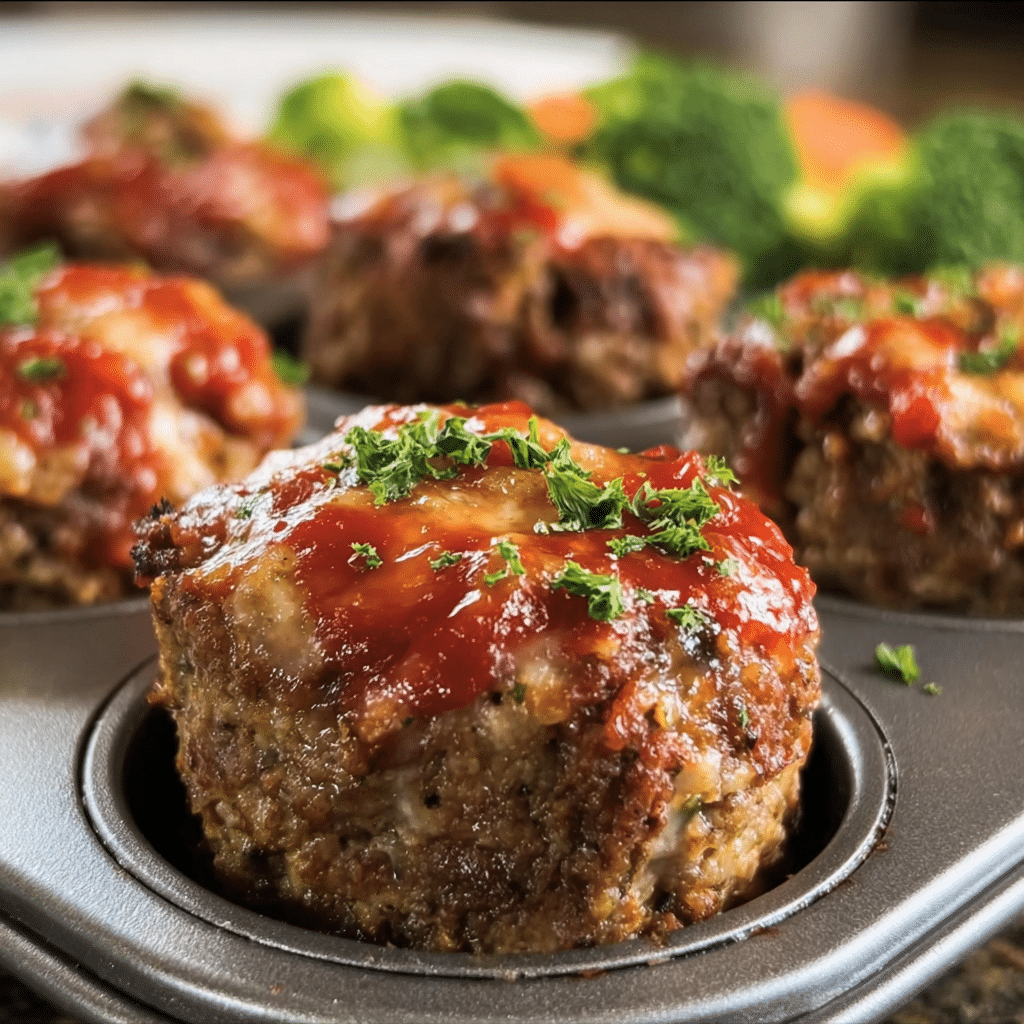
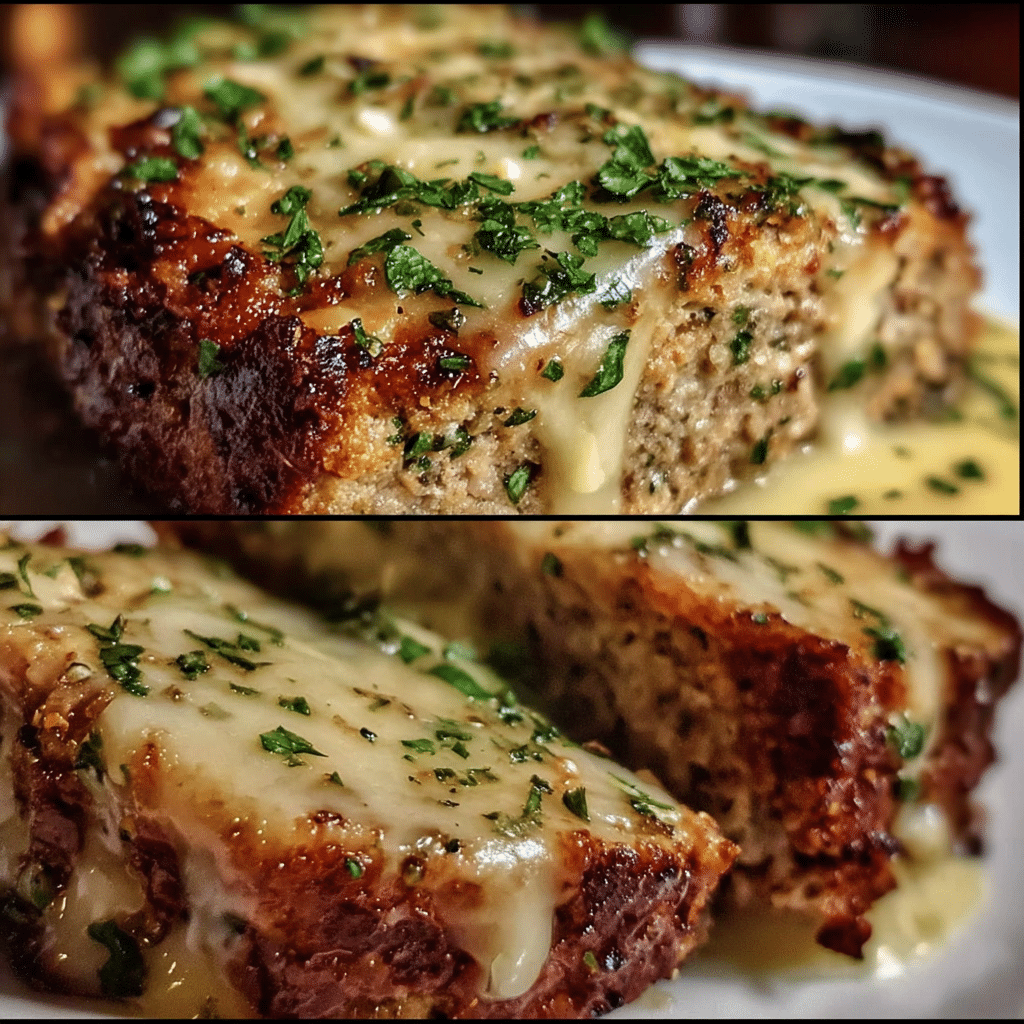
Brown sugar meatloaf is more than just a dinner option; it’s a nostalgic journey through family kitchens and cozy evenings. My first encounter with this delightful dish was during a chilly autumn evening, where the aroma of seasoned ground meat mingling with the sweetness of brown sugar wafted through the house, creating an irresistible invitation to gather around the dinner table. I was just a child then, but the memory of that warm, hearty meatloaf has stayed with me. It was the kind of meal that made you feel safe, loved, and utterly satisfied after each bite.
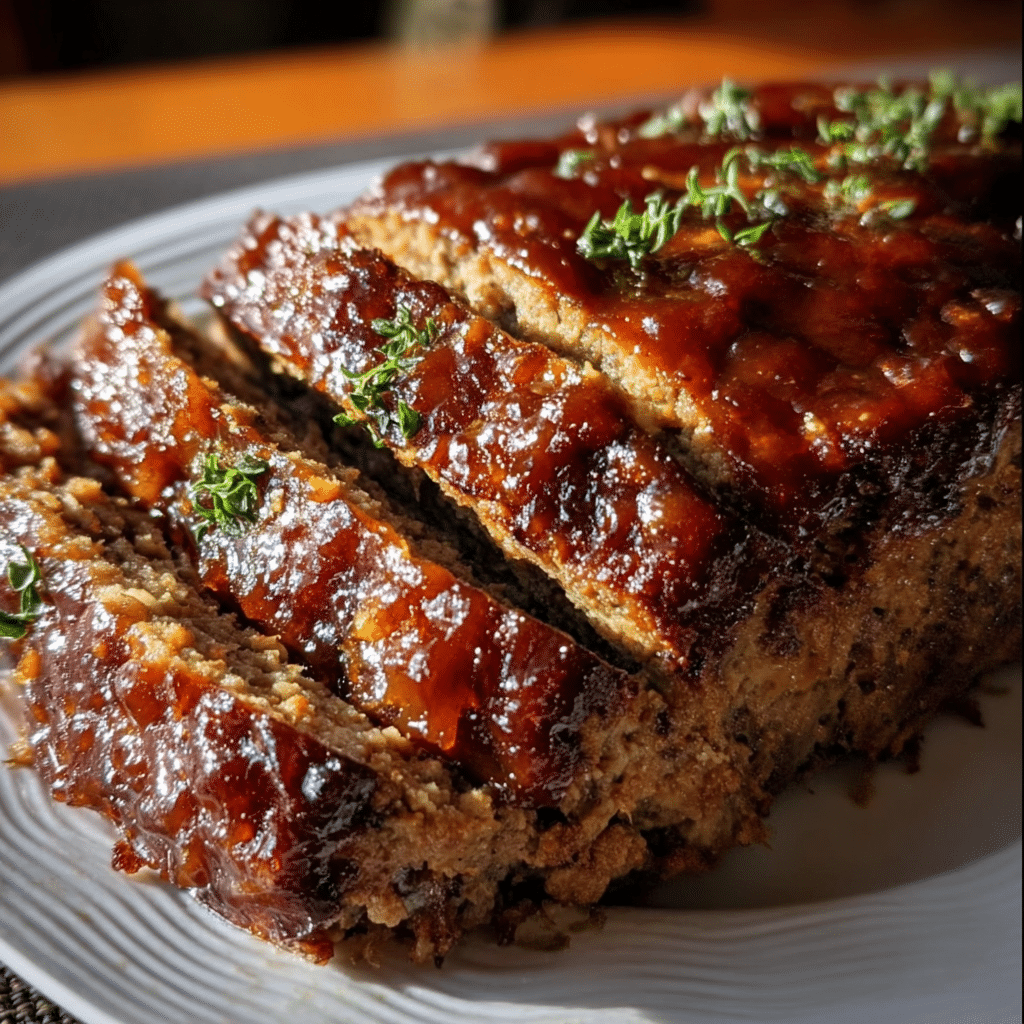
As I ventured into adulthood and began experimenting in my own kitchen, I stumbled upon a recipe for brown sugar meatloaf tucked away in a family cookbook. It sparked an immediate sense of nostalgia, and I knew I had to recreate that comforting meal. What I discovered was that this meatloaf was not just any ordinary dish; it was a meld of flavors that offered a perfect balance of savory and sweet, thanks to the brown sugar glaze that encased it. This wasn’t just a recipe; it was a reflection of my childhood and the love that went into every meal prepared by my family.
The Story Behind This Recipe
The history of brown sugar meatloaf is as rich as the dish itself. Meatloaf, in general, has its roots deeply embedded in many cultures, with its origins tracing back to ancient times when meat was combined with various fillers to stretch meals further. However, the American version of meatloaf, which many of us know today, became popular during the Great Depression when families sought ways to make their meals economical yet satisfying. Adjustments were made over the years, and the incorporation of brown sugar into meatloaf became a charming twist that added a touch of sweetness to a traditionally savory dish.
For busy families today, brown sugar meatloaf serves as a perfect solution. It’s an easy one-dish meal that can be prepped in advance, making it a fantastic choice for weeknight dinners. You can make it on Sunday and enjoy leftovers throughout the week or freeze portions for later use. Brown sugar meatloaf stands as a beacon of comfort food, providing not just nourishment but also a sense of togetherness, especially on those hectic nights when everyone is running in different directions.
This dish is particularly relevant during the cooler months when the desire for hearty, warm meals increases. Fall and winter are prime seasons for enjoying a slice of brown sugar meatloaf, paired perfectly with mashed potatoes or a side of roasted vegetables. The emotional connection to this dish is undeniable; it’s a reminder of family gatherings, laughter, and shared stories. Each time I prepare it, I’m whisked back to those autumn evenings, enveloped in the warmth of home.
In this ultimate guide to brown sugar meatloaf, you will learn everything you need to know to create this delectable dish in your own kitchen. From the essential ingredients and methods to personal tips and tricks that can elevate your meatloaf game, you’ll find that making brown sugar meatloaf is not just an act of cooking—it’s a way to create memories and share love with those around you.
Why You’ll Love This Dish
What sets brown sugar meatloaf apart from other meatloaf recipes is its unique blend of flavors and textures. The brown sugar caramelizes as it bakes, creating a glaze that adds depth and richness to the meat, resulting in a dish that is moist, tender, and bursting with flavor. The addition of various seasonings and vegetables enhances the overall experience, making every bite a delightful surprise. It’s versatile, too; you can easily adapt the recipe to suit your family’s preferences, whether that’s adding more spices for heat or incorporating vegetables for an extra nutritional boost.
Whether you’re revisiting this dish from your childhood or discovering it for the first time, brown sugar meatloaf promises to deliver comfort and satisfaction that will resonate with everyone at the table. So, roll up your sleeves, gather your ingredients, and prepare to embark on a culinary journey that will not only fill bellies but also warm hearts.
The Rich History and Cultural Significance of brown sugar meatloaf
The rich history and cultural significance of brown sugar meatloaf are woven into the fabric of American culinary traditions. Understanding the origins of this dish will not only enhance your appreciation for it but also allow you to celebrate its place in our food culture. The concept of mixing ground meat with fillers dates back to ancient civilizations, where meat was often combined with grains and herbs to create nourishing meals. However, the meatloaf we recognize today took shape in the United States during the late 19th and early 20th centuries.
Origins and History
Meatloaf gained popularity in the U.S. during the Great Depression as a way to stretch limited resources. Families discovered that by mixing inexpensive ground meats with breadcrumbs, oats, or rice, they could create a filling and satisfying meal. This frugal approach not only made meatloaf a staple in American homes but also allowed for creative variations, with each family adding their unique twist to the dish. The introduction of brown sugar into meatloaf recipes came as families began to experiment with flavors, seeking to counterbalance the savory notes of the meat with a hint of sweetness.
The rise of convenience cooking in the 1950s, alongside the popularity of casseroles, further solidified meatloaf’s place in American cuisine. Cookbooks and advertisements began to showcase meatloaf recipes, often highlighting the use of brown sugar as a glaze that not only added flavor but also made the dish visually appealing. This combination of practicality and flavor has allowed brown sugar meatloaf to endure through the decades, evolving with the times while remaining a beloved comfort food.
Cultural Significance
Brown sugar meatloaf is often associated with family gatherings and home-cooked meals, symbolizing the warmth of home and the love that goes into preparing food. It’s a dish that transcends generations, with many families passing down their own recipes that reflect personal memories and traditions. In various regional adaptations, you’ll find different spices, sauces, and even stuffing options that make each version unique while retaining the core essence of meatloaf.
Traditionally, meatloaf is served during family dinners, holiday gatherings, and potlucks, making it a communal dish that brings people together. It’s not uncommon to see meatloaf making an appearance on dinner tables during colder months, providing a sense of comfort and warmth. For many, it’s a nostalgic reminder of childhood meals shared with loved ones, a dish that evokes cherished memories of family time.
Nutritional Benefits
Alongside its cultural significance, brown sugar meatloaf offers various nutritional benefits, making it a practical choice for busy families. Ground meats provide essential proteins, which are crucial for muscle growth and overall health. By incorporating vegetables like onions, bell peppers, or carrots into the mix, you can boost the nutritional value even further, adding fiber, vitamins, and minerals that benefit overall wellbeing.
The use of brown sugar, while it does add sweetness, also contains trace minerals such as calcium, potassium, and iron, making it a slightly healthier alternative to white sugar. When paired with whole grain breadcrumbs or oats, brown sugar meatloaf can transform into a balanced meal that nourishes both the body and the soul.
In conclusion, brown sugar meatloaf is more than just a recipe; it’s a culinary tradition rich in history, cultural significance, and comfort. Whether you’re enjoying it for the first time or revisiting it as an old favorite, this dish represents the love and care that goes into home cooking. As you prepare to make your own brown sugar meatloaf, remember that you’re not just creating a meal; you’re participating in a long-standing tradition that connects generations and brings families together around the dinner table.
Essential Ingredients for Perfect brown sugar meatloaf
Creating the perfect brown sugar meatloaf begins with understanding the essential ingredients that come together to create that comforting, flavorful dish we all love. Each component plays a vital role in the texture, flavor, and overall success of the meatloaf. Below, I’ve detailed each ingredient, along with tips on how to choose the best quality, storage advice, and even substitutions for dietary needs.
Essential Ingredients
- Chicken: 1 pound, ground
- Beef: 1 pound, ground
- Pork: 1 pound, ground
- Seafood: Optional, finely chopped or ground (for a unique twist)
- Pasta: 1 cup, cooked (to add moisture and texture)
- Fruits: 1/2 cup, finely diced (like apples or pears for sweetness)
- Vegetables: 1 cup, finely chopped (like onions, bell peppers, or carrots)
Brown Sugar Meatloaf
Ingredients
- cooking spray
- ½ cup packed brown sugar
- ½ cup ketchup
- 1 ½ pounds lean ground beef
- 2 large eggs
- 1 small onion, chopped
- ¾ cup milk
- ¾ cup finely crushed saltine cracker crumbs
- 1 ½ teaspoons salt
- ¼ teaspoon ground black pepper
- ¼ teaspoon ground ginger
Instructions
- cooking spray
- ½ cup packed brown sugar
- ½ cup ketchup
- 1 ½ pounds lean ground beef
- 2 large eggs
- 1 small onion, chopped
- ¾ cup milk
- ¾ cup finely crushed saltine cracker crumbs
- 1 ½ teaspoons salt
- ¼ teaspoon ground black pepper
- ¼ teaspoon ground ginger
Each of these ingredients contributes to the overall profile of the brown sugar meatloaf. The combination of chicken, beef, and pork provides a rich blend of flavors and textures. Ground chicken is lean, while beef adds depth, and pork brings in a certain juiciness that elevates the dish. The addition of seafood is optional, but if you’re feeling adventurous, it can give your meatloaf a delightful seafood twist. When it comes to pasta, it not only helps bind the mixture but also keeps the meatloaf moist.
Fruits like apples or pears can be finely diced and mixed into the meatloaf for an unexpected sweetness that pairs beautifully with the brown sugar glaze. Vegetables are crucial, as they enhance the flavor while adding nutrients and moisture. Onions and bell peppers are classic choices, but don’t hesitate to incorporate other favorites like finely shredded zucchini or carrots.
Shopping Tips
When it comes to sourcing your ingredients, quality is key. I always recommend visiting your local butcher for the freshest ground meats. Look for ground meats with a good fat ratio; around 80% lean to 20% fat is ideal for a juicy meatloaf. For chicken, choose free-range or organic options whenever possible, as they tend to have better flavor and texture.
For the seafood, if you decide to add it, opt for sustainably sourced varieties. Fresh vegetables and fruits should be chosen based on their seasonality. In the summer, you might find fresher and tastier bell peppers and zucchini, while fall brings apples that are perfect for inclusion in your meatloaf.
Remember to look for organic vegetables when you can, especially for the ones you plan to eat raw or with minimal cooking. Organic options often have fewer pesticides, and the flavor can be superior.
Substitutions and Alternatives
Dietary restrictions can often pose challenges, but there are several substitutions you can make without sacrificing flavor. If you’re looking for a gluten-free option, consider substituting the pasta with gluten-free pasta or even quinoa. For a vegetarian or vegan version of brown sugar meatloaf, you can replace the meat with lentils or chickpeas blended with a mix of vegetables and spices.
For those who are dairy-free, simply omit any cheese that may be suggested or used as a topping. Instead, opt for a dairy-free glaze made with coconut sugar and balsamic vinegar, which can provide a sweet-tart balance similar to that of brown sugar.
Storage is also an essential consideration. Ground meats should be used within one to two days of purchase or can be frozen for up to three months. Cooked meatloaf can be stored in the refrigerator for up to four days, making it a great make-ahead meal. If you have leftovers, they also freeze well, allowing you to enjoy the comforting flavors of brown sugar meatloaf on a busy night. Just ensure you wrap it tightly in plastic wrap or foil before freezing.
In terms of cost-saving tips, consider buying in bulk if you find meats on sale, and store them in portion sizes suitable for your recipes. This not only saves money but also ensures you have quality ingredients on hand for your next culinary adventure.
In summary, when you gather the right ingredients for your brown sugar meatloaf, you set the stage for a dish that is not only delicious but also filled with personal touches and flavors that resonate with your culinary journey.
Detailed Step-by-Step brown sugar meatloaf Cooking Instructions
Detailed Step-by-Step brown sugar meatloaf Cooking Instructions
Cooking a brown sugar meatloaf can be a straightforward process, but understanding each step in detail can elevate your dish from good to great. Let’s dive into the preparation techniques, cooking methods, and some insider tips that will help you along the way.
Preparation Steps
- Gather Your Ingredients: Start by collecting all your ingredients. This not only helps with organization but allows you to ensure you have everything you need before diving into the cooking process.
- Preheat Your Oven: Preheat your oven to 350°F (175°C). This is a crucial step, as starting with a preheated oven ensures even cooking.
- Mise en Place: Prepare your vegetables by finely chopping them. Dice your onions, bell peppers, and any other vegetables you’re including. If you’re adding fruits like apples or pears, chop them into small pieces as well.
- Cook the Pasta: If you’re using pasta in your brown sugar meatloaf, cook it according to package instructions until al dente. Drain and let it cool.
- Mix the Ground Meats: In a large mixing bowl, combine the ground chicken, beef, and pork. Use your hands or a spatula to mix them gently until just combined; overmixing can lead to a dense meatloaf.
- Add the Vegetables and Fruits: Fold in the chopped vegetables and fruits into the meat mixture. This is where the flavors start to come together, so be sure to distribute them evenly.
- Incorporate the Pasta: Add the cooked pasta into the mixture and combine gently. This will help with moisture and texture.
- Seasoning: Now it’s time to season! Add salt, pepper, and any additional spices you prefer. I often add garlic powder, onion powder, and a dash of Worcestershire sauce to enhance the umami flavor.
- Prepare the Loaf Pan: Lightly grease a loaf pan or line it with parchment paper for easy removal. If you prefer a crispy exterior, shaping the meatloaf by hand and placing it on a baking sheet can also work well.
- Form the Meatloaf: Transfer the mixture into the loaf pan and shape it into a loaf, ensuring it’s compact but not overly squished.
Cooking Process
- Glaze the Top: For the signature brown sugar glaze, mix brown sugar, ketchup, and a splash of apple cider vinegar. Spread this glaze evenly over the top of the meatloaf. This not only adds flavor but also creates a beautiful caramelized crust during baking.
- Bake: Place the meatloaf in the preheated oven and bake for about 30 minutes. During this time, you can prepare side dishes or clean up your workspace. The internal temperature should reach 160°F (70°C) for safe consumption.
- Check for Doneness: After 30 minutes, use a meat thermometer to verify the internal temperature. If it hasn’t reached the desired temperature, continue to bake, checking every five minutes.
- Rest the Meatloaf: Once done, remove the meatloaf from the oven and let it rest for at least 10 minutes. This resting period allows the juices to redistribute, making for a moist and flavorful slice.
- Slice and Serve: Carefully slice the meatloaf using a sharp knife. Serve it with your favorite sides, such as mashed potatoes or a fresh salad.
Final Assembly
When serving your brown sugar meatloaf, presentation can elevate the meal. Place the slices on a beautiful platter and drizzle some extra glaze over the top for a gourmet touch. You can garnish with fresh herbs like parsley or chives to add a pop of color.
Common mistakes to avoid include not letting the meatloaf rest, which can lead to a crumbly texture, or overmixing the meat, which can make it tough. Remember, a little patience goes a long way in achieving the best results.
As you get comfortable with the technique, feel free to experiment with flavors, spices, and even different types of meat. The world of brown sugar meatloaf is vast and welcoming, and each loaf can tell a different story based on the ingredients and techniques you choose.
Happy cooking, and enjoy the comforting embrace of a delicious homemade meatloaf!
Professional Tips and Techniques for brown sugar meatloaf
When it comes to crafting the perfect brown sugar meatloaf, there’s a blend of artistry and science involved. This dish, often associated with homey comfort and nostalgia, deserves attention to detail. Whether you’re a novice in the kitchen or a seasoned pro, these tips and techniques will help elevate your meatloaf game to new heights.
Professional Techniques
Let’s start with the foundation: the meat. For a traditional brown sugar meatloaf, a mixture of ground beef and pork is often used. The beef provides a rich, hearty flavor, while the pork adds a touch of fat, keeping the meatloaf moist and tender. If you prefer a leaner option, consider using ground turkey or chicken, but be mindful that this could result in a drier loaf. Always aim for a meat blend that has a fat content of around 20% for optimal flavor and moisture.
Another key technique is to avoid overmixing your meatloaf. When combining the ingredients, think of it as a gentle embrace rather than a vigorous workout. Overmixing can lead to a denser texture, which isn’t what we want in our brown sugar meatloaf. Mix just until everything is combined and you can still see some of the ingredients distinctly.
One of my favorite insider secrets is to use a combination of wet and dry ingredients. This not only adds flavor but also helps achieve the right texture. For example, adding breadcrumbs soaked in milk or broth keeps the meatloaf moist while also acting as a binder. Additionally, incorporating finely chopped vegetables like onions, bell peppers, or even carrots can introduce natural sweetness and moisture, enhancing the overall taste profile of your brown sugar meatloaf.
Troubleshooting Guide
Even the best cooks encounter challenges from time to time. If your brown sugar meatloaf comes out dry, it could be due to overcooking or using lean meat. Always use a meat thermometer to check for doneness; the internal temperature should reach 160°F. If you find your loaf too greasy, consider using leaner meat and adjusting the amount of added fats like eggs or oils.
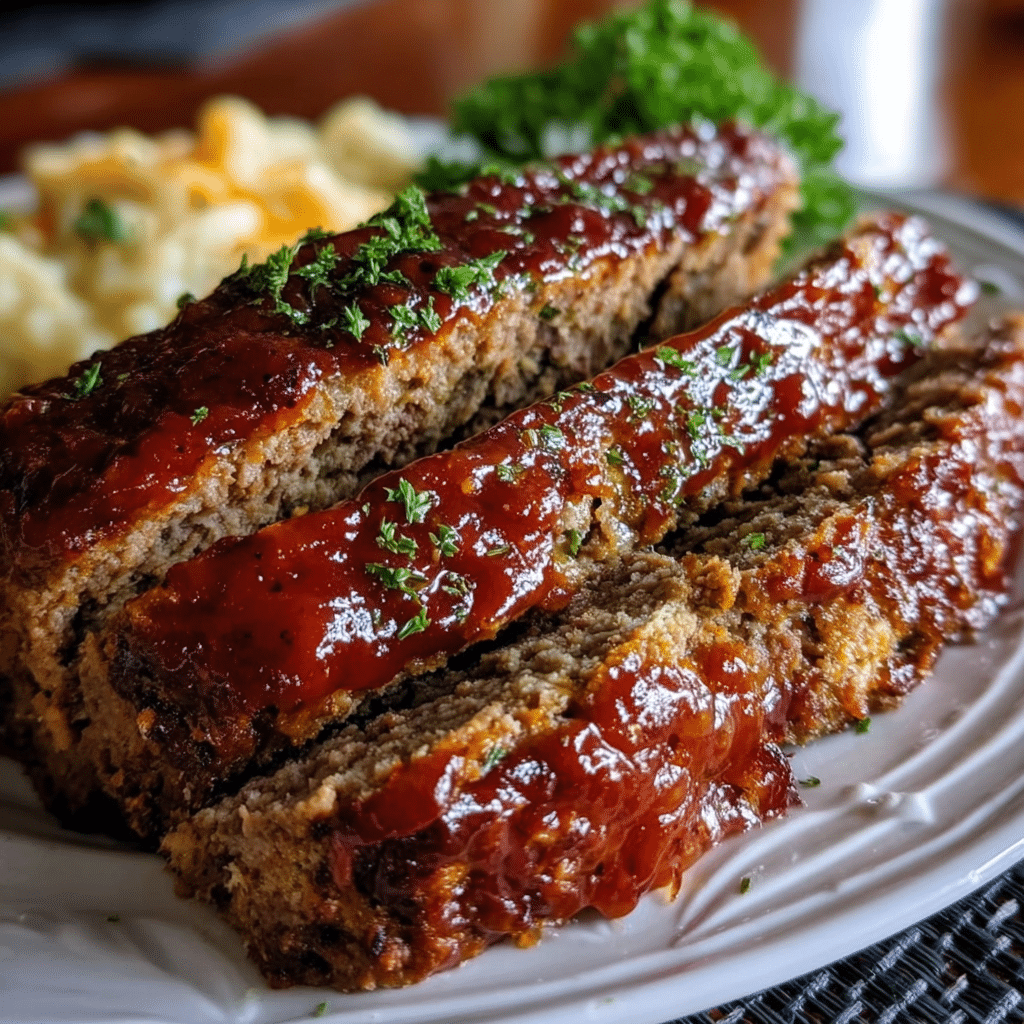
If the meatloaf crumbles when slicing, it might be lacking in binders. Ensure you have enough breadcrumbs or oats, along with a sufficient amount of liquid. Another common issue is a flat or dense loaf. This often happens when the mixture is overworked, so remember to handle it gently. If you want a more structured loaf, consider forming it in a loaf pan instead of free-form on a baking sheet.
Presentation Tips
Presentation plays a crucial role in how we enjoy our food. For your brown sugar meatloaf, consider glazing it with a mix of ketchup, brown sugar, and Worcestershire sauce during the last 15 minutes of baking. This not only enhances the flavor but also gives your meatloaf a beautiful caramelized finish.
When it comes time to slice, use a serrated knife to create clean cuts without squishing the meatloaf. Serve it on a rustic wooden board or a simple white plate, garnished with fresh herbs like parsley or chives for a pop of color. Pairing your meatloaf with sides like creamy mashed potatoes or a fresh green salad will create a well-rounded meal that’s as pleasing to the eye as it is to the palate.
Wine and Beverage Pairings
A meal is often incomplete without the perfect drink to accompany it. For brown sugar meatloaf, I recommend a bold red wine, such as a Cabernet Sauvignon or a Merlot. These wines have the depth to complement the rich flavors of the meatloaf while balancing the sweetness of the brown sugar glaze. If you prefer white wine, a Chardonnay with oaky notes can also work well.
For those who enjoy a non-alcoholic beverage, consider serving a fizzy ginger ale or a homemade lemonade. The effervescence will cleanse the palate, making each bite of the meatloaf just as delightful as the last.
In summary, crafting a delicious brown sugar meatloaf is all about technique, attention to detail, and a little bit of love. By applying these professional tips, you can troubleshoot common issues, present your dish beautifully, and pair it with the perfect drink for a delightful dining experience.
Creative Variations and Adaptations of brown sugar meatloaf
Brown sugar meatloaf is a versatile dish that can be adapted to suit various tastes and dietary preferences. While the classic recipe holds a special place in many hearts, there’s plenty of room for creativity! Here are some creative variations and adaptations that will keep your cooking exciting.
Seasonal Variations
One of the best things about brown sugar meatloaf is that it can be modified to incorporate seasonal ingredients. In the fall, consider adding finely chopped apples or pears to the mixture for a subtle sweetness that complements the brown sugar beautifully. You can also swap out traditional breadcrumbs for crushed pecans or walnuts to add a nutty flavor that pairs well with autumn spices.
As spring blooms, fresh herbs like basil or parsley can be incorporated into the meatloaf mixture. Adding zucchini or grated carrots not only enhances the flavor but brings a vibrant color to the dish. In summer, a hint of diced tomatoes and fresh bell peppers can give your meatloaf a refreshing twist, perfect for a backyard barbecue.
Dietary Adaptations
For those on special diets, brown sugar meatloaf can easily be made to fit various dietary needs. If you’re following a keto diet, substitute breadcrumbs with almond flour or crushed pork rinds. You can also use ground turkey or chicken for a leaner option that still tastes incredible. To make it gluten-free, simply use gluten-free breadcrumbs or oats as a binder.
Vegans can enjoy a plant-based version by replacing meat with lentils or chickpeas, combined with oats and vegetables. A flaxseed or chia seed mixture can serve as an egg substitute to bind the ingredients together. Season with your favorite herbs and spices to create a flavorful loaf that everyone can enjoy.
Creative Twists
If you’re feeling adventurous, why not try some international twists on your brown sugar meatloaf? A Mexican-inspired version could include adding taco seasoning, black beans, and diced jalapeños for a spicy kick. Topped with a zesty avocado crema, it becomes a fun and unique dish that will impress your guests.
For an Italian flair, mix in some Italian herbs like oregano and basil, along with finely chopped sun-dried tomatoes and mozzarella cheese. This combination can be served with a side of marinara sauce for dipping, creating a meatloaf that feels like a hearty lasagna.
Additionally, consider experimenting with cooking methods. While the traditional oven-baked method is a classic, you can also make brown sugar meatloaf in a slow cooker for a convenient and hands-off approach. Simply shape your meatloaf, place it in the slow cooker, and let it cook on low for 6-8 hours. The result is a tender, flavorful loaf that’s virtually effortless.
Transforming leftovers is another great way to keep things interesting. Cubes of leftover meatloaf can be tossed into a hearty soup or chopped up and incorporated into a savory meatloaf sandwich. The possibilities are endless!
In conclusion, brown sugar meatloaf is more than just a simple dish; it’s a canvas for creativity and flavor. By exploring seasonal ingredients, accommodating dietary restrictions, and trying out different cooking methods, you can make this classic meal your own while delighting your family and friends.
Storage, Reheating, and Meal Prep for brown sugar meatloaf
When it comes to making a delicious brown sugar meatloaf, one of the best things about this dish is its versatility—not just in flavor but also in how you can store, reheat, and meal prep it. Having a clear understanding of how to properly store your brown sugar meatloaf can greatly enhance your cooking experience, ensuring that you enjoy those rich flavors even days after the initial bake. Whether you’re cooking for a family gathering or just for yourself, let’s delve into the best practices for storage, reheating, and meal prepping your brown sugar meatloaf.
Short-term Storage
After you’ve made your brown sugar meatloaf, it’s essential to store it correctly if you plan to enjoy it over the next few days. The first step is to allow the meatloaf to cool down to room temperature. This is crucial because placing a hot meatloaf directly into the refrigerator can raise the temperature inside, potentially leading to food safety issues.
Once cooled, wrap your brown sugar meatloaf tightly in plastic wrap or aluminum foil. Alternatively, you can place it in an airtight container. The goal here is to minimize exposure to air, which can dry out the meatloaf and affect its taste. Stored this way, your meatloaf can last in the refrigerator for about 3 to 4 days.
For those who love to meal prep, consider slicing the meatloaf into individual portions before storing. This makes it easier to grab a slice and reheat it when the craving strikes. You can use glass containers or even freezer bags for this purpose. Just remember to label your containers with the date to keep track of freshness!
Freezing and Long-term Storage
If you have made a larger batch of brown sugar meatloaf, or if you simply want to prepare for future meals, freezing is an excellent option. To freeze your meatloaf, let it cool completely, then wrap it tightly in plastic wrap. For added protection against freezer burn, consider wrapping it in aluminum foil as well or placing it in a freezer-safe airtight container. Properly stored, brown sugar meatloaf can stay good in the freezer for up to 3 months.
When you’re ready to enjoy your frozen meatloaf, the best method is to thaw it in the refrigerator overnight. This gradual thawing helps maintain the meat’s texture and flavor. If you’re short on time, you can also use the microwave’s defrost function, but be cautious; this can sometimes lead to uneven thawing.
After thawing, reheat your meatloaf in the oven at 350°F (175°C) until it is heated through. This method keeps the meatloaf moist and flavorful, as opposed to reheating it in a microwave, which can dry it out. Always ensure that the internal temperature reaches 165°F (74°C) for safe consumption.
Reheating Best Practices
Reheating your brown sugar meatloaf can be just as important as how you initially cook it. It’s vital to maintain the flavor and texture that made your meatloaf so delightful in the first place. When reheating, the oven method is preferred. Preheat your oven to 350°F (175°C) and place the meatloaf in an oven-safe dish. Cover it with foil to help retain moisture during reheating. Depending on the size of your portions, it typically takes about 20-30 minutes to heat through.
If you ever find yourself in a pinch, reheating in the microwave can work as well. Place a slice of meatloaf on a microwave-safe plate and cover it with a damp paper towel to prevent it from drying out. Heat in 30-second intervals until warmed through.
For those who enjoy a little extra flavor, consider adding a drizzle of brown sugar glaze or a homemade sauce on top before reheating. This not only adds moisture but can enhance the flavor profile, making your reheated meal feel like a fresh dish all over again.
Lastly, always remember food safety considerations. If you’ve reheated your meatloaf once, avoid reheating it again. Instead, only reheat what you plan to consume, as repeated temperature changes can lead to bacterial growth.
In conclusion, mastering the storage and reheating of your brown sugar meatloaf not only allows you to enjoy this classic dish at your convenience but also preserves its delightful flavors and textures. From short-term refrigerator storage to long-term freezing techniques, these practices will ensure that every bite of your meatloaf is as delicious as the first.
Nutritional Benefits and Health Information
When indulging in a hearty slice of brown sugar meatloaf, you might wonder about the nutritional benefits it offers. Meatloaf is often seen as a comfort food, but that doesn’t mean it lacks nutritional value. In this section, we will explore the nutritional profile of brown sugar meatloaf, highlight the health benefits of its key ingredients, and discuss how it can fit into various dietary plans.
Nutritional Profile
The primary components of brown sugar meatloaf typically include ground beef or turkey, breadcrumbs, eggs, and various seasonings, coupled with a sweet brown sugar glaze. A standard serving of brown sugar meatloaf (approximately 1/8 of a loaf) can provide around 250-300 calories. This will vary based on the meat used and the specific recipe, but let’s break down the key macronutrients.
In a typical serving, you can expect about:
- Protein: 20-25 grams, depending on the meat used. Protein is essential for muscle repair and growth.
- Carbohydrates: 20-30 grams, mostly from the breadcrumbs. Carbohydrates are a primary energy source for the body.
- Fats: 15-20 grams, which may include healthy fats if using lean meats or adding ingredients like olive oil.
This balance of macronutrients makes brown sugar meatloaf a satisfying meal that can keep you full and energized.
Health Benefits
Each ingredient in brown sugar meatloaf brings its own unique health benefits. For instance, the ground meat provides a rich source of complete protein, which is essential for repairing tissues and supporting immune function. If you opt for lean ground turkey instead of beef, you’ll reduce the saturated fat content while still receiving a hefty dose of protein.
Additionally, the breadcrumbs used in the recipe can provide fiber, especially if you choose whole grain options. Fiber is crucial for digestive health, helping to maintain a healthy gut and regulate blood sugar levels. The inclusion of eggs adds not only protein but also important vitamins such as B12 and D, which are vital for energy production and calcium absorption.
Let’s not forget the star of the show: brown sugar. While it is still a form of sugar, using it in moderation can enhance the flavor profile of the meatloaf without overwhelming it with sweetness. Brown sugar contains trace minerals such as calcium, potassium, and iron, which can contribute to your overall nutrient intake.
Dietary Considerations
When it comes to dietary considerations, brown sugar meatloaf can be tailored to suit various needs. For those on a gluten-free diet, substitute traditional breadcrumbs with gluten-free options, such as almond flour or ground oats. This adaptation maintains the integrity of the dish while making it accessible for those with gluten sensitivities.
Vegetarians and vegans can still enjoy the meatloaf experience by using plant-based meat substitutes or lentils combined with oats and spices. This version not only provides protein but also packs in fiber and essential nutrients without animal products.
As for calorie content, if you’re monitoring your intake, consider using leaner cuts of meat and reducing the amount of added sugar in the glaze. The beauty of brown sugar meatloaf lies in its flexibility to accommodate various dietary preferences without sacrificing flavor.
Comparatively, when set against similar dishes like traditional meatballs or stuffed peppers, brown sugar meatloaf stands out due to its unique flavor profile and ease of preparation. While meatballs may require more hands-on cooking, meatloaf allows for a set-it-and-forget-it approach, making it a family-friendly option for busy weeknights.
In summary, brown sugar meatloaf is not only a delicious comfort food but also a dish that can provide nutritional benefits when prepared mindfully. From its protein-rich ingredients to its versatility in accommodating dietary needs, this dish is a fantastic addition to any meal plan. So the next time you enjoy a slice of this savory treat, you can feel good about the nutrients it brings to your table.
Conclusion: Mastering the Perfect brown sugar meatloaf
Creating the perfect brown sugar meatloaf is more than just following a recipe—it’s about understanding the techniques, ingredients, and cultural significance behind this beloved dish. Throughout this comprehensive guide, we’ve explored everything from the historical origins to modern variations, ensuring you have all the knowledge needed to make this recipe your own.
Whether you’re a beginner cook or an experienced chef, the techniques and tips we’ve shared will help you create a brown sugar meatloaf that’s not only delicious but also meaningful. Remember that cooking is a journey of discovery, and each time you make this dish, you’ll learn something new.
We encourage you to experiment with the variations we’ve discussed, adapt the recipe to your dietary needs, and most importantly, share it with the people you love. Food has the incredible power to bring people together, and Brown Sugar Meatloaf is the perfect dish to create lasting memories around your dinner table.
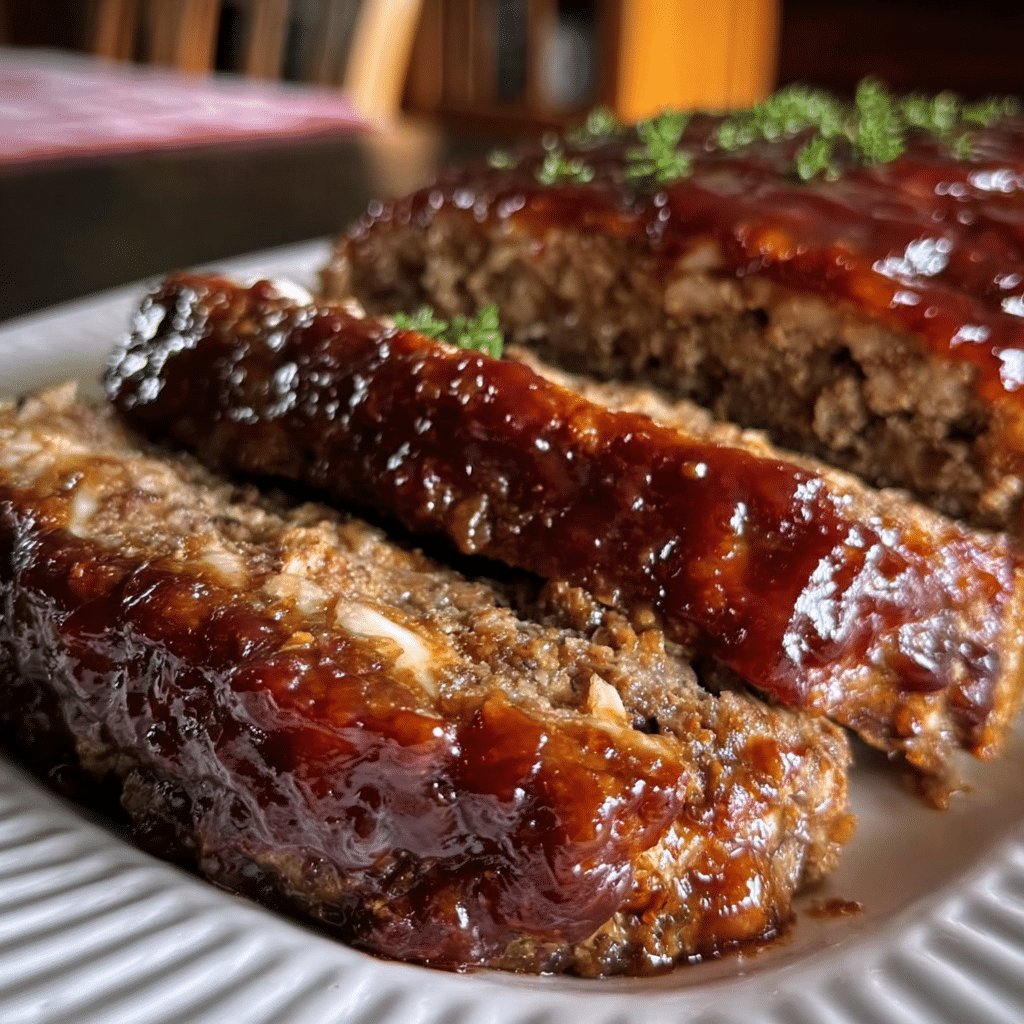
Don’t forget to share your cooking adventures with us on social media, and feel free to ask questions in the comments below. Happy cooking!
Share this recipe and let us know how it turned out! Tag us on social media for a chance to be featured.