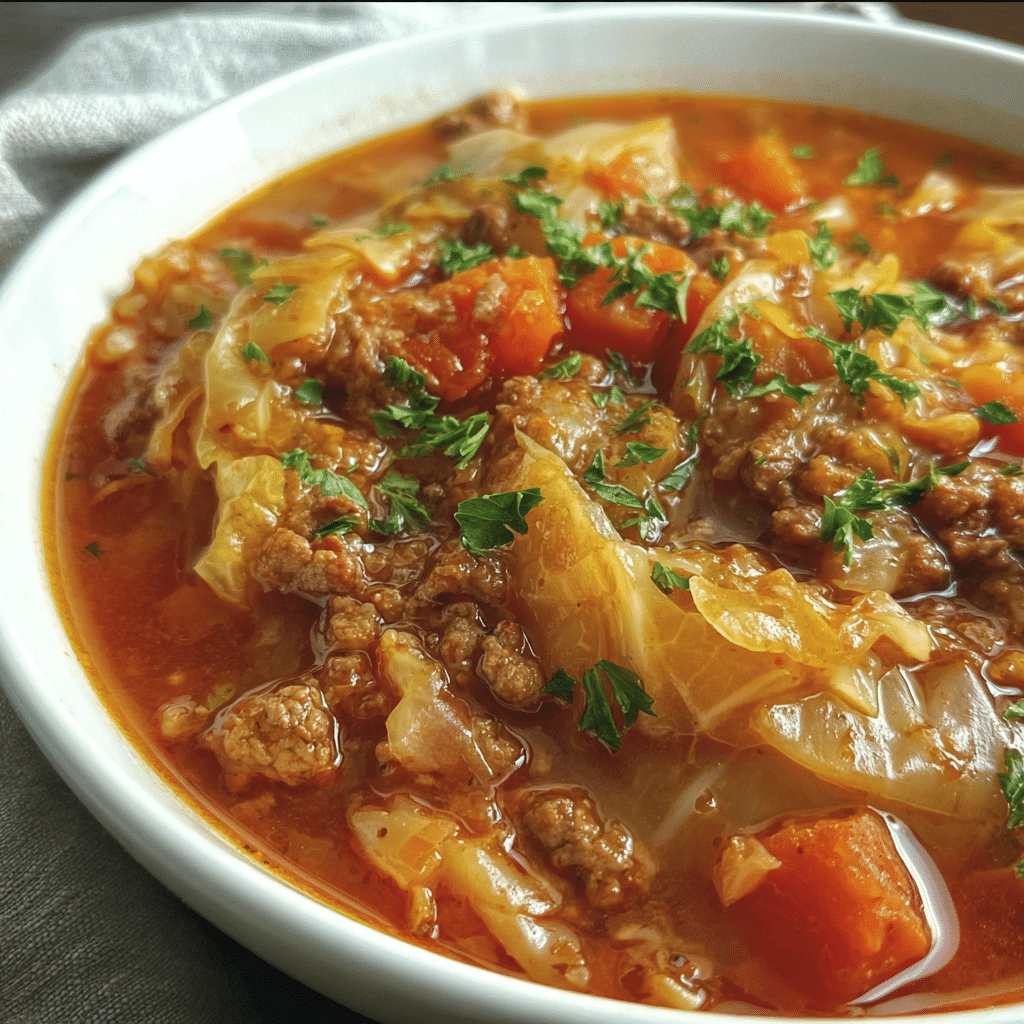
Cabbage roll soup is a delightful, hearty dish that combines the beloved flavors of traditional cabbage rolls into a comforting bowl of soup. My first encounter with this dish was during a chilly winter evening at my grandmother’s home. I vividly remember the warm scent of simmering vegetables and meat wafting through the air, beckoning me to the kitchen. That evening, she handed me a steaming bowl, and as I took my first spoonful, I was transported to a world of savory goodness that was both nostalgic and new. The cabbage roll soup, with its tender cabbage leaves, rich tomato base, and savory meat, quickly became a staple in my household, especially during the colder months.
The origins of cabbage roll soup can be traced back to Eastern European cuisines, where stuffed cabbage rolls are a traditional dish. Countries such as Poland, Ukraine, and Hungary boast their unique versions, often filled with a mixture of meats and rice, then rolled up in cabbage leaves and cooked slowly to perfection. However, the idea of transforming this classic dish into a soup is a relatively modern adaptation that caters to the fast-paced lives many of us lead today. This soup captures the essence of those flavorful rolls while allowing for a quicker preparation time, making it an ideal solution for busy families.
The Story Behind This Recipe
As a child, I remember my grandmother meticulously preparing cabbage rolls, a labor of love that took hours. She’d carefully select the cabbage, blanch the leaves, and prepare the filling, often enlisting my help to roll them tightly. While the result was always rewarding, I found myself yearning for a quicker way to enjoy those same comforting flavors. That’s when I stumbled upon cabbage roll soup. The simplicity of throwing everything into a pot and letting it simmer was a game changer for me. It meant I could enjoy the same comforting flavors without all the fuss.
As I began experimenting in my own kitchen, I discovered that cabbage roll soup could be customized to fit a variety of tastes and dietary preferences. I could swap out the meats, add different vegetables, or even adjust the spices to suit my family’s palate. This adaptability is what makes cabbage roll soup truly special. It’s not just a recipe; it’s a canvas for creativity, allowing each cook to leave their mark while still honoring the flavors of the original dish.
Why You’ll Love This Dish
This recipe is particularly special for families seeking quick dinner solutions. With its one-pot nature, cabbage roll soup saves time on both preparation and clean-up. On busy weeknights, when schedules are tight, this dish can be thrown together in under an hour, providing a nutritious and satisfying meal without the stress of complicated cooking techniques. Plus, it makes for excellent leftovers, which means you can enjoy the comforting flavors again the next day with minimal effort.
Seasonal relevance also plays a significant role in why I cherish cabbage roll soup. As the leaves begin to change and the air turns crisp in autumn, there’s nothing more comforting than a warm bowl of soup. It’s the perfect dish to welcome the fall season, as cabbage is typically at its best during this time. I often find myself making large batches, perfect for sharing with friends and family or enjoying on a cozy evening at home.
For me, cabbage roll soup is more than just a meal; it evokes fond memories of family gatherings, laughter, and warmth. It’s a dish that brings people together, whether it’s around the dinner table or during a potluck with friends. It’s a recipe that has been passed down through generations, and each bowl holds a story, a connection to the past, and a promise of comfort. Throughout this guide, you’ll learn not only how to make the perfect cabbage roll soup but also the nuances that make it a beloved dish across cultures. You’ll discover tips for personalizing the recipe, ensuring it suits your taste while still holding true to its roots.
The Rich History and Cultural Significance of cabbage roll soup
The rich history and cultural significance of cabbage roll soup can be traced back through generations, revealing a tapestry of culinary traditions that span across various regions. Cabbage rolls, the dish from which this soup derives its essence, have been a staple in Eastern European households for centuries. The origins of stuffed cabbage can be linked to ancient practices of preserving meat and grains, making use of what was readily available in their environments. In countries like Poland, Ukraine, and Hungary, cabbage rolls were traditionally served during festive occasions and family gatherings, symbolizing unity and togetherness.
Origins and History
The earliest known recipes for stuffed cabbage can be found in medieval cookbooks, where they were often prepared as a means to stretch ingredients during times of scarcity. The concept of wrapping meat in cabbage leaves served both a practical purpose and a culinary one, as the cabbage not only added flavor but also helped to keep the meat moist during cooking. Over time, these rolls evolved, with various regions adopting their unique spins. For instance, in Poland, you’ll find “gołąbki,” typically filled with pork and rice, while in Hungary, they might incorporate paprika, giving the dish a distinctive flavor profile.
As culinary traditions began to meld due to migration and cultural exchanges, the concept of cabbage roll soup emerged. This adaptation allowed families to enjoy the beloved flavors of cabbage rolls without the labor-intensive process of rolling and baking them. By transforming the dish into a soup, cooks could create a nourishing meal in a fraction of the time, making it accessible to a wider audience.
Cultural Significance
The cultural significance of cabbage roll soup runs deep. In many Eastern European cultures, it is associated with family gatherings, holidays, and special occasions. It is often served during Christmas or New Year celebrations as a symbol of prosperity and good fortune. The act of gathering around a pot of steaming soup not only nourishes the body but also fosters connections and creates lasting memories among family and friends. It’s a dish that transcends generations, with each family adding their unique touches, making it a personal heirloom that tells a story.
Cabbage roll soup often finds its way into community events and potlucks, where it brings people together to share in the warmth of homemade cooking. It is a dish that celebrates heritage and showcases the importance of sharing food as a form of love and hospitality. The communal aspect of serving and enjoying cabbage roll soup reinforces the idea that food is not just sustenance; it is an experience meant to be savored and shared.
Nutritional Benefits
Aside from its cultural importance, cabbage roll soup is also packed with nutritional benefits. Cabbage itself is a powerhouse of vitamins C and K, and it is a great source of fiber, which promotes digestive health. The inclusion of meats, whether it be beef, pork, or turkey, adds protein, while the combination of vegetables contributes essential nutrients and antioxidants. This makes cabbage roll soup not only a comfort food but also a wholesome meal that can be enjoyed guilt-free.
Moreover, the soup can be easily adapted to fit various dietary needs. For those seeking a vegetarian option, simply omit the meat and increase the amount of beans or lentils for added protein. Additionally, using low-sodium broth and fresh ingredients can elevate the dish’s health factor while still retaining the rich flavors that make it so beloved. This versatility ensures that cabbage roll soup can fit into any lifestyle while still being an emotionally satisfying meal.
In conclusion, cabbage roll soup is more than just a recipe; it is a reflection of history, culture, and personal connection. As we explore the intricacies of this dish, you will gain a deeper understanding of its origins and the love that goes into making it. Whether you are a seasoned cook or a beginner in the kitchen, the journey of creating cabbage roll soup will undoubtedly enrich your culinary experience and bring warmth to your table.
Essential Ingredients for Perfect cabbage roll soup
When it comes to creating a hearty and comforting dish like cabbage roll soup, having the right ingredients is key to achieving that perfect balance of flavors and textures. This soup is a warm hug in a bowl, reminiscent of family gatherings and cozy winter nights. Let’s dive into the essential ingredients that will make your cabbage roll soup a memorable meal.
Essential Ingredients
- 2 teaspoons olive oil
- Salt and pepper to taste
- 1 pound ground beef (I use 90% lean)
- 1 onion, finely diced
- 2 teaspoons minced garlic
- 4 cups coarsely chopped green cabbage
- 2 carrots, peeled, quartered, and sliced
- 4 cups beef broth
- 3 (8 ounce) cans tomato sauce
- 1/2 cup uncooked long grain rice
- 1 bay leaf
- 3 tablespoons brown sugar
- 2 tablespoons parsley
Cabbage Roll Soup
Ingredients
- 2 teaspoons olive oil
- salt and pepper to taste
- 1 pound ground beef I use 90% lean
- 1 onion finely diced
- 2 teaspoons minced garlic
- 4 cups coarsely chopped green cabbage
- 2 carrots peeled, quartered and sliced
- 4 cups beef broth
- 3 8 ounce cans tomato sauce
- 1/2 cup uncooked long grain rice
- 1 bay leaf
- 3 tablespoons brown sugar
- 2 tablespoons parsley
Instructions
- Heat the olive oil in a large pot over medium high heat. Add the ground beef and season with salt and pepper to taste.
- Cook, breaking up the meat with a spatula, until beef is browned, approximately 4-5 minutes. Add the onion and garlic cook for 2-3 minutes.
- Add the cabbage, carrots, beef broth, tomato sauce, rice, bay leaf and brown sugar to the pot. Season with salt and pepper to taste.
- Bring to a simmer and cook for 25 minutes or until rice is tender. Remove bay leaf and discard.
- Sprinkle with parsley and serve.
Each of these ingredients plays a vital role in the overall flavor profile of the cabbage roll soup. Let’s explore them in more detail.
Olive Oil: This healthy fat is essential for sautéing your aromatics. It adds depth to the flavor while helping to release the natural sweetness of the onion and garlic.
Salt and Pepper: Don’t underestimate the power of seasoning! Salt enhances the flavors of the other ingredients, while freshly cracked black pepper adds a delightful kick. Adjust these to your personal taste preference.
Ground Beef: The star protein of this dish, ground beef, provides a rich, savory base. I recommend using 90% lean beef for the perfect balance of flavor and health. It’s hearty enough to hold up to the cabbage and other ingredients without being greasy.
Onion and Garlic: These aromatics are the backbone of many dishes, and they add a wonderful depth of flavor to your cabbage roll soup. The onion adds sweetness while the garlic gives it a fragrant kick.
Cabbage: Coarsely chopped green cabbage is the soul of this soup. It softens beautifully during cooking, releasing its natural sweetness and adding a lovely texture to each bite.
Carrots: The carrots bring a touch of sweetness and color to the soup. Their slight crunch offers a nice contrast to the tender cabbage and meat.
Beef Broth: A rich broth is essential for a flavorful soup. It adds depth and complexity, making each spoonful comforting and satisfying. You can opt for homemade or store-bought, just ensure it’s of good quality.
Tomato Sauce: The tomato sauce adds a rich, tangy flavor that complements the beef and cabbage beautifully. It creates a luscious base for the soup, giving it that classic “cabbage roll” taste.
Uncooked Long Grain Rice: This ingredient helps to thicken the soup and adds substance. As it cooks, it absorbs the flavors of the broth and the other ingredients, making each bite incredibly flavorful.
Bay Leaf: This aromatic leaf adds a subtle depth of flavor that enhances the overall taste of the soup. Just remember to remove it before serving, as it’s not edible!
Brown Sugar: The sweetness of brown sugar balances out the acidity of the tomato sauce. It’s a simple trick that rounds out the flavors, making your cabbage roll soup irresistibly delicious.
Parsley: Fresh parsley adds a pop of color and freshness to the dish. It’s the perfect garnish to brighten up the rich flavors of the soup.
Shopping Tips
When shopping for the ingredients to make your cabbage roll soup, it’s important to choose high-quality items that will enhance the flavor of your dish. For produce, look for fresh, firm vegetables. The cabbage should be crisp with no signs of wilting. For ground beef, opt for a reputable butcher or brand to ensure quality. If you can, visit local farmers’ markets for fresh veggies, or choose organic when possible for better flavor and fewer pesticides.
Substitutions and Alternatives
Dietary restrictions or preferences can easily be accommodated with a few simple substitutions. For a healthier option, consider using ground turkey or chicken instead of beef. If you’re looking for a vegetarian version, swap the meat for lentils or mushrooms for a hearty texture, and use vegetable broth instead of beef broth. For a gluten-free option, simply ensure that the broth and any tomato products you choose are gluten-free. As for the rice, quinoa can be a great substitute, adding a nutty flavor and protein boost.
In terms of storage, fresh cabbage can last up to two weeks in the fridge, while carrots can last even longer. Ground beef should be used or frozen within a couple of days of purchase to ensure freshness. Tomato sauce can usually be stored in the pantry until opened, and leftovers from your soup can be refrigerated for three to four days.
Cost-saving tips include buying in bulk when possible, especially for staples like rice and canned goods. Additionally, purchasing seasonal vegetables can often be cheaper and fresher than out-of-season produce. Organic vs. conventional produce is a personal choice; however, if you’re concerned about pesticides, organic options may be worth considering.
With all your ingredients lined up, you’re well on your way to making a delicious cabbage roll soup that captures the essence of comfort food. Let’s move on to the cooking instructions!
Detailed Step-by-Step cabbage roll soup Cooking Instructions
Cooking cabbage roll soup is a rewarding experience that brings warmth and comfort to your kitchen. This dish is not only delicious but also relatively easy to prepare, making it a perfect choice for a cozy family dinner or a meal prep staple. With the right approach, you’ll have a pot of delicious soup ready in about 30 minutes. Let’s break it down step-by-step.
Preparation Steps
- Gather Your Ingredients: Start by assembling all your ingredients on the counter. This not only makes the cooking process smoother but also ensures that you don’t forget anything. Having everything ready is what chefs call “mise en place.”
- Chop and Dice: Finely dice the onion and mince the garlic. For the carrots, peel them and cut them into quarters before slicing. Coarsely chop the green cabbage. Take a moment to appreciate the fresh colors and aromas of your ingredients!
- Measure Out Ingredients: Measure out the beef broth, tomato sauce, uncooked rice, brown sugar, and parsley. This step will save you time later and help you avoid any last-minute rushing.
Cooking Process
- Heat the Olive Oil: In a large pot over medium heat, add the olive oil. Allow it to heat up for about a minute. You’ll know it’s ready when it shimmers slightly.
- Sauté the Aromatics: Add the diced onion and cook for about 3-4 minutes until it’s translucent. Then add the minced garlic and cook for an additional 1-2 minutes. Stir frequently to prevent the garlic from burning, which can impart a bitter taste.
- Brown the Ground Beef: Increase the heat to medium-high and add the ground beef to the pot. Use a wooden spoon to break it up as it cooks. Season with salt and pepper. Cook until the beef is browned and no longer pink, about 5-7 minutes. Drain excess fat if necessary.
- Add Vegetables and Broth: Once the beef is browned, add the chopped cabbage, sliced carrots, and beef broth. Stir everything together, bringing the mixture to a gentle boil.
- Incorporate Tomato Sauce and Rice: Stir in the tomato sauce, uncooked rice, bay leaf, and brown sugar. This is where the flavors begin to meld together. Bring the soup back to a boil, then reduce the heat to low.
- Simmer: Cover the pot and let the soup simmer for about 20 minutes. This allows the rice to cook and the flavors to develop. Stir occasionally, checking to ensure that the rice is cooking evenly. You want a nice, thick consistency without any burning at the bottom.
- Taste and Adjust Seasoning: After about 20 minutes, carefully taste your soup. Adjust the seasoning with more salt, pepper, or a pinch of sugar if it’s too acidic. Remove the bay leaf before serving!
Final Assembly
- Add Fresh Parsley: Stir in the chopped parsley right at the end for a burst of freshness. It adds a lovely color and flavor that elevates the soup.
- Serve Hot: Ladle the soup into bowls and serve warm. You can garnish with additional parsley or even a dollop of sour cream if desired.
- Storage: If you have leftovers, store them in an airtight container in the fridge. This soup tastes even better the next day as the flavors continue to meld. It can last for about 3-4 days in the refrigerator, or you can freeze it for up to 3 months.
Cooking cabbage roll soup is a delightful process that fills your kitchen with amazing aromas and brings family and friends together around the table. Remember, cooking is about experimenting and making the recipe your own, so feel free to adjust the ingredients to suit your taste. Enjoy your delicious, homemade cabbage roll soup!
Professional Tips and Techniques for cabbage roll soup
When it comes to crafting the ultimate cabbage roll soup, mastering a few professional tips and techniques can elevate your dish from simply good to downright spectacular. This beloved comfort food, which marries the hearty flavors of stuffed cabbage rolls with the convenience of a soup, can be adapted and personalized in numerous ways. Let’s delve into some insider secrets that will help you perfect your cabbage roll soup.
Professional Techniques
Beginning with the foundation of any great soup, the broth is key. A rich, homemade broth can significantly enhance the flavor profile of your cabbage roll soup. Start by sautéing onions and garlic in a bit of olive oil until they are translucent; this will add a sweet and savory depth to your soup. You can also consider adding a splash of white wine to deglaze the pan, which will bring out more complex flavors. For the broth, using low-sodium chicken or vegetable stock will allow you to control the saltiness of your dish. If you have time, simmering bones or vegetable scraps can create a nourishing and flavorful broth that becomes the heart of your soup.
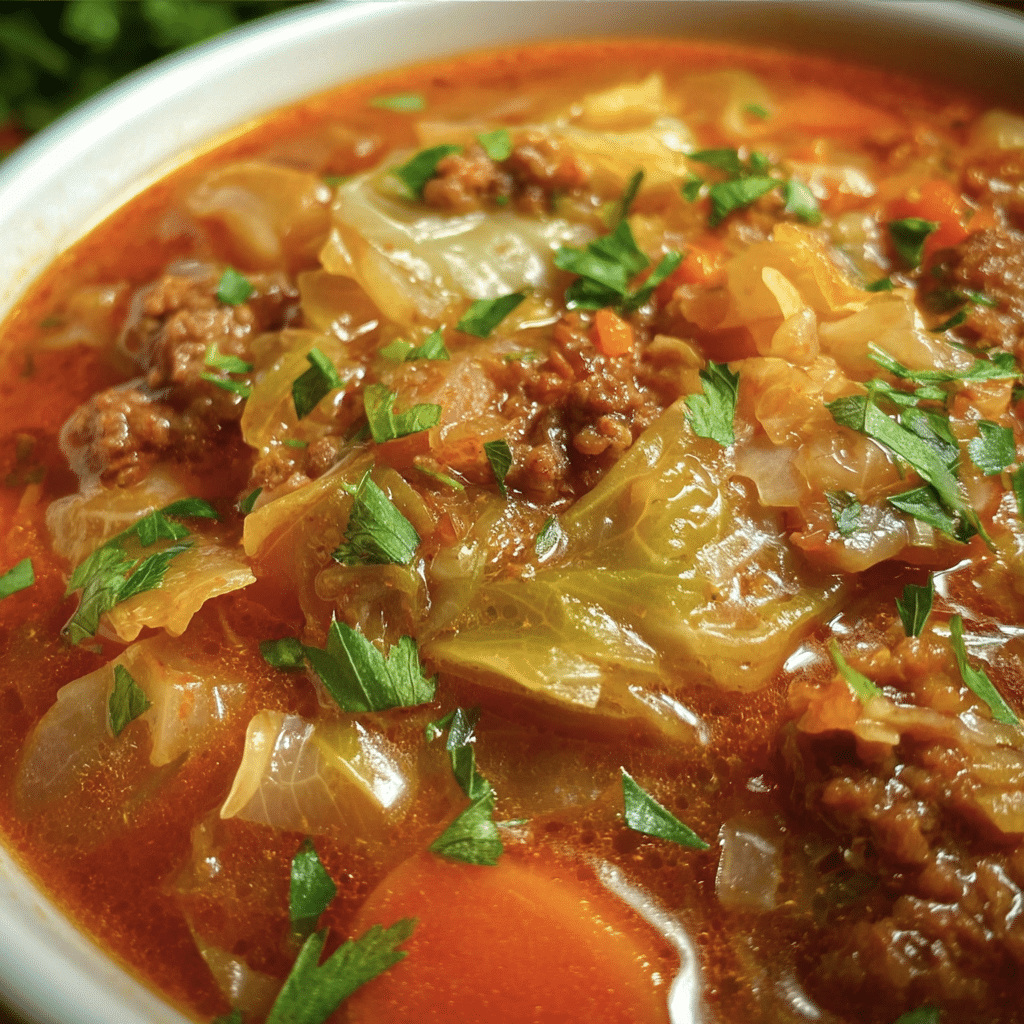
Another technique involves the cabbage itself. Instead of merely chopping it, consider blanching the cabbage leaves briefly in boiling water. This softens them and helps to release their natural sweetness, which can be particularly beneficial in balancing the acidity of the tomatoes often used in the soup. After blanching, you can either chop the cabbage for a more rustic feel in your soup or leave the leaves intact for a more elegant presentation.
For the meat component, using a blend of ground beef and pork can provide a richer flavor compared to using just one type. The fat content from the pork will enhance the overall mouthfeel of the soup. Season the meat mixture with fresh herbs like dill and parsley to echo the flavors found in traditional cabbage rolls.
Troubleshooting Guide
Even experienced cooks can run into hiccups while preparing cabbage roll soup. One common issue is that the soup can turn out too acidic, especially if you’re using canned tomatoes. To counteract this, add a pinch of sugar or a splash of balsamic vinegar to balance the acidity. If your soup appears too watery, consider adding a cornstarch slurry or some uncooked rice or barley to absorb excess liquid and thicken the broth.
Another problem cooks may face is a lack of flavor depth. If you find that your soup is a bit bland, don’t be shy about seasoning generously. Taste as you go—adding salt, pepper, or even a splash of hot sauce can bring your soup to life. For an added layer of complexity, consider incorporating smoked paprika or a dash of Worcestershire sauce, which can deepen the umami flavor.
Presentation Tips
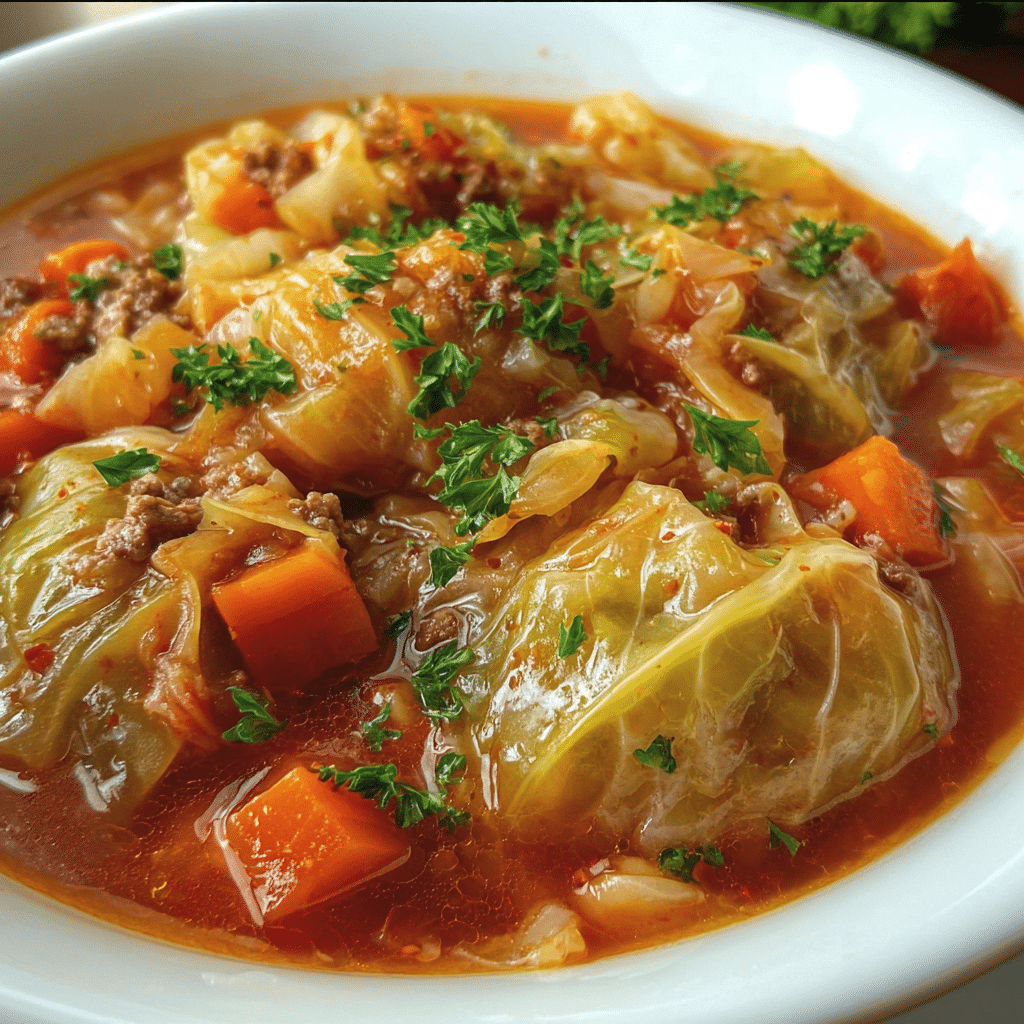
When it comes to presentation, cabbage roll soup can be as beautiful as it is delicious. Serve it in rustic bowls with a sprinkle of chopped fresh herbs on top for a pop of color. A dollop of sour cream or Greek yogurt can add a creamy texture that complements the soup perfectly. For a fun twist, consider serving your soup with a side of crusty bread or homemade cornbread to soak up every last drop.
As for beverage pairings, a glass of crisp white wine, like a Sauvignon Blanc, can beautifully contrast the rich flavors of your cabbage roll soup. If you prefer a non-alcoholic option, a sparkling water with lemon can cleanse the palate and enhance the meal experience.
With these professional tips and techniques at your disposal, you’re well on your way to creating a comforting, flavorful cabbage roll soup that can impress even the toughest critics. Remember, cooking should be enjoyable, so don’t hesitate to experiment with flavors and techniques until you find your perfect balance!
Creative Variations and Adaptations of cabbage roll soup
Cabbage roll soup is a versatile dish that lends itself beautifully to creativity and personalization. Whether you’re looking to switch up the flavors based on seasonal ingredients or cater to specific dietary preferences, there are countless ways to adapt this comforting bowl of goodness. Let’s explore some exciting variations and adaptations of cabbage roll soup.
Seasonal Variations
One of the most delightful aspects of cabbage roll soup is its ability to embrace seasonal produce. In the spring, consider adding fresh asparagus or peas for a touch of sweetness and color. In the summer, ripe tomatoes can shine as the star ingredient; try swapping out canned tomatoes for fresh, diced ones for a lighter, fresher taste. Fall brings a perfect opportunity to introduce roasted butternut squash or sweet potatoes, which can add a velvety texture and natural sweetness to your soup. Lastly, in winter, root vegetables like carrots and parsnips can be wonderful additions, providing additional layers of flavor and heartiness.
By incorporating seasonal vegetables, not only do you enhance the flavor profile of your cabbage roll soup, but you also celebrate the vibrant bounty of nature throughout the year.
Dietary Adaptations
As dietary preferences evolve, so too can your cabbage roll soup. For those following a keto diet, consider substituting rice with cauliflower rice; it will keep the soup low-carb without sacrificing texture. If you’re catering to a vegan or vegetarian crowd, replace the meat with a plant-based protein such as lentils or chickpeas, and use vegetable broth instead of meat stock. Additionally, you can add beans or quinoa to make the soup heartier.
Gluten-free eaters can enjoy this dish by simply ensuring that any added ingredients, such as broth and spices, are gluten-free. With these adaptations, everyone can savor the comforting flavors of cabbage roll soup without compromising their dietary needs.
Creative Twists
Don’t be afraid to experiment with different cuisines to give your cabbage roll soup an international flair. For example, why not infuse it with Mexican flavors by adding black beans, corn, and a pinch of cumin? Alternatively, for an Italian twist, incorporate Italian sausage, oregano, and a sprinkle of Parmesan cheese on top before serving. You could even make it a Thai-inspired dish by adding coconut milk, lime juice, and a touch of ginger for a fragrant soup that still honors the core ingredients.
Different cooking methods can also yield delicious results. While stovetop is the traditional method, consider using a slow cooker for a hands-off approach, allowing the flavors to meld beautifully over several hours. If you’re short on time, an Instant Pot can make quick work of this recipe, providing the same depth of flavor in a fraction of the time.
Finally, let’s not forget about leftovers! If you find yourself with extra cabbage roll soup, consider transforming it into a casserole. Simply layer the soup with cooked pasta or rice, top it with cheese, and bake until bubbly for a comforting new dish that still retains the essence of the original.
With these creative variations and adaptations, your cabbage roll soup will never feel stale or boring. It allows you to celebrate your culinary creativity while enjoying a dish that is as comforting as it is versatile. So grab your apron and get ready to explore the endless possibilities this beloved soup has to offer!
Storage, Reheating, and Meal Prep for cabbage roll soup
When it comes to enjoying a hearty bowl of cabbage roll soup, the experience doesn’t have to end with your initial serving. Understanding how to properly store, reheat, and meal prep this delightful dish can enhance its flavors and extend its shelf life, making it a perfect meal choice for busy days. In this section, we’ll explore all the ins and outs of storage, ensuring you can savor every spoonful of your cabbage roll soup.
Short-term Storage
Once you’ve prepared your cabbage roll soup and indulged in its comforting warmth, you may wonder how to store leftovers safely and effectively. The first step is to let the soup cool down to room temperature. Avoid leaving it out for more than two hours, as this can lead to bacterial growth. Once cooled, transfer the soup into airtight containers. Glass containers are a fantastic choice as they are non-reactive, easy to clean, and can go from the refrigerator to the microwave without any issues.
For short-term storage, cabbage roll soup can last in the refrigerator for about 3 to 4 days. However, to maintain its best quality, aim to consume it within 2 to 3 days. Always label your containers with the date you stored them so you can keep track of freshness. If you find yourself with an abundance of leftovers, you might want to consider portioning the soup into smaller containers. This not only helps with quick meals but also cools the soup faster, reducing the time it spends in the temperature danger zone.
Freezing and Long-term Storage
For longer-term storage, freezing your cabbage roll soup is an excellent option. To freeze, follow the same initial steps: allow the soup to cool to room temperature before transferring it to freezer-safe containers. It’s crucial to leave some space at the top of the container as the soup will expand when frozen. Alternatively, you can use heavy-duty freezer bags, pressing out as much air as possible before sealing to prevent freezer burn.
When properly stored, cabbage roll soup can last in the freezer for up to 3 months. However, for optimal taste and texture, try to consume it within 1 to 2 months. It’s a good idea to label your bags or containers with the date and contents, so you know exactly what you’re reaching for when you’re ready to enjoy that comforting bowl again.
Thawing the soup can be done in a couple of ways. The safest method is to transfer it from the freezer to the refrigerator and let it thaw overnight. If you’re in a hurry, you can place the sealed bag of soup in a bowl of cold water for a faster thaw. Avoid thawing in the microwave, as this can lead to uneven heating and alter the soup’s texture.
Reheating Best Practices
Reheating cabbage roll soup requires a little care to ensure that it retains the flavors and texture you love. The best method is to heat it slowly on the stovetop. Pour the soup into a pot and heat over medium-low heat, stirring occasionally. This gentle reheating will help prevent the ingredients from breaking down too much and preserve that homemade taste.
If you prefer using the microwave, transfer the soup to a microwave-safe bowl, cover it with a microwave-safe lid or wrap, and heat in short intervals of 1-2 minutes, stirring in between. This method is quick but can sometimes lead to uneven heating, so keep an eye on it to avoid hot spots.
When reheating, always check that the soup reaches an internal temperature of at least 165°F (74°C) to ensure it’s safe to eat. If the soup has thickened during storage, you can add a splash of broth or water while reheating to restore its desired consistency. This addition not only helps with texture but also revives the flavors that may have mellowed during storage.
For those who love meal prepping, cabbage roll soup is an ideal candidate. You can prepare a large batch at the beginning of the week, portion it out into individual servings, and store them in the refrigerator or freezer. This strategy not only saves time during busy weekdays but also allows you to enjoy a nutritious homemade meal whenever the craving strikes.
Food safety is paramount when storing and reheating your cabbage roll soup. Always ensure that your storage containers are clean and dry before use. Avoid leaving the soup out at room temperature for extended periods, and remember the two-hour rule for perishables. If you ever notice an off smell or strange appearance when you go to reheat your soup, it’s best to err on the side of caution and discard it. Your health is worth far more than a few leftover bites!
In summary, mastering the storage, freezing, and reheating techniques for cabbage roll soup not only enhances your meal experience but also allows you to enjoy this delicious dish in various ways. Whether you’re savoring it fresh on a cozy evening or pulling out a frozen portion for a quick lunch, knowing how to handle your soup properly ensures that every bowl is as delightful as the first.
Nutritional Benefits and Health Information
Cabbage roll soup is more than just a comforting meal; it’s a dish packed with nutritional benefits that can fit seamlessly into a variety of diets. As you savor this hearty concoction, you might find yourself wondering just what kind of nutritional power is packed into each bowl. In this section, we’ll break down the nutritional benefits, health implications, and dietary considerations of cabbage roll soup, revealing why it’s not only a delicious choice but a wholesome one as well.
Nutritional Profile
The foundation of cabbage roll soup typically includes ground meat, rice, cabbage, tomatoes, and various spices. Each of these ingredients contributes to a well-rounded nutritional profile. A standard serving might contain approximately 250-350 calories, depending on the specific ingredients and portion sizes used. The macronutrient breakdown is generally well-balanced, offering a good mix of protein, carbohydrates, and fats.
Ground meat, often beef or turkey, is a primary source of protein, essential for muscle repair and immune function. A serving can provide around 15-20 grams of protein, making it a satisfying choice for those looking to maintain or build muscle mass. The rice adds complex carbohydrates, providing energy for daily activities, while cabbage is low in calories but high in fiber, promoting digestive health.
In terms of vitamins and minerals, cabbage roll soup is a powerhouse. Cabbage is rich in vitamin K, which is crucial for blood clotting and bone health. It also provides a good amount of vitamin C, an antioxidant that supports the immune system and skin health. The tomatoes in the soup deliver lycopene, another antioxidant linked to various health benefits, including heart health. Additionally, the inclusion of spices like garlic and onion can enhance the soup’s flavor while also providing anti-inflammatory properties.
Health Benefits
The health benefits of cabbage roll soup are numerous, primarily due to its wholesome ingredients. The high fiber content from the cabbage and rice aids in digestion and can help maintain stable blood sugar levels. Fiber is known to promote a feeling of fullness, which can be beneficial for those managing their weight or looking to reduce snacking between meals.
Moreover, the protein from the meat helps to keep you satiated and can prevent cravings later on. This makes cabbage roll soup an excellent option for a main dish during lunch or dinner. The combination of protein and fiber can make your meals more satisfying and prevent overeating.
Research has shown that diets rich in vegetables, like cabbage, are associated with a lower risk of chronic diseases such as heart disease and certain cancers. The antioxidants found in the tomatoes and spices in the soup further bolster its health benefits, providing anti-inflammatory and immune-boosting properties.
Dietary Considerations
When it comes to dietary considerations, cabbage roll soup can be highly adaptable. For those following a gluten-free diet, you can easily substitute the rice with quinoa, cauliflower rice, or even lentils to maintain the heartiness of the dish without the gluten. Vegetarians can swap the ground meat for plant-based alternatives, such as lentils or chickpeas, while still enjoying a protein-rich meal. This flexibility makes cabbage roll soup a versatile option for various dietary needs.
For those watching their sodium intake, consider using low-sodium broth and fresh tomatoes instead of canned varieties, which often have added salt. Additionally, you can adjust the seasoning to fit your personal preferences or health requirements.
In terms of calorie content, cabbage roll soup can fit into many diet plans, including Mediterranean, Whole30, and balanced diets. Its wholesome ingredients make it a nutrient-dense option that can support a variety of health goals.
In conclusion, cabbage roll soup is not just a comforting dish; it’s a nutritional treasure trove that can fit seamlessly into various dietary lifestyles. With its balanced macronutrients, rich vitamins and minerals, and health benefits, this soup is a delicious way to nourish your body while enjoying a timeless family recipe. So, whether you’re making it for a family gathering or prepping it for a week of lunches, you can feel good about the nutritional goodness packed into each bowl of cabbage roll soup.
Conclusion: Mastering the Perfect cabbage roll soup
Creating the perfect cabbage roll soup is more than just following a recipe—it’s about understanding the techniques, ingredients, and cultural significance behind this beloved dish. Throughout this comprehensive guide, we’ve explored everything from the historical origins to modern variations, ensuring you have all the knowledge needed to make this recipe your own.
Whether you’re a beginner cook or an experienced chef, the techniques and tips we’ve shared will help you create a cabbage roll soup that’s not only delicious but also meaningful. Remember that cooking is a journey of discovery, and each time you make this dish, you’ll learn something new.
We encourage you to experiment with the variations we’ve discussed, adapt the recipe to your dietary needs, and most importantly, share it with the people you love. Food has the incredible power to bring people together, and Cabbage Roll Soup is the perfect dish to create lasting memories around your dinner table.
Don’t forget to share your cooking adventures with us on social media, and feel free to ask questions in the comments below. Happy cooking!
Share this recipe and let us know how it turned out! Tag us on social media for a chance to be featured.