Caprese pasta salad is a delightful fusion of flavors that brings together the freshness of a classic Caprese salad with the heartiness of pasta. The first time I encountered this dish was during a summer family gathering at my aunt’s house. As the sun dipped below the horizon, casting an orange glow over the backyard, I caught a whiff of something tantalizing wafting from the kitchen. My aunt, a culinary wizard, was tossing together what would become my new favorite summer recipe. The vibrant colors of tomatoes, basil, and mozzarella combined with perfectly cooked pasta immediately captured my attention. I remember watching her drizzle balsamic glaze over the dish, and that moment ignited a passion for creating my own variations of this flavorful delight.
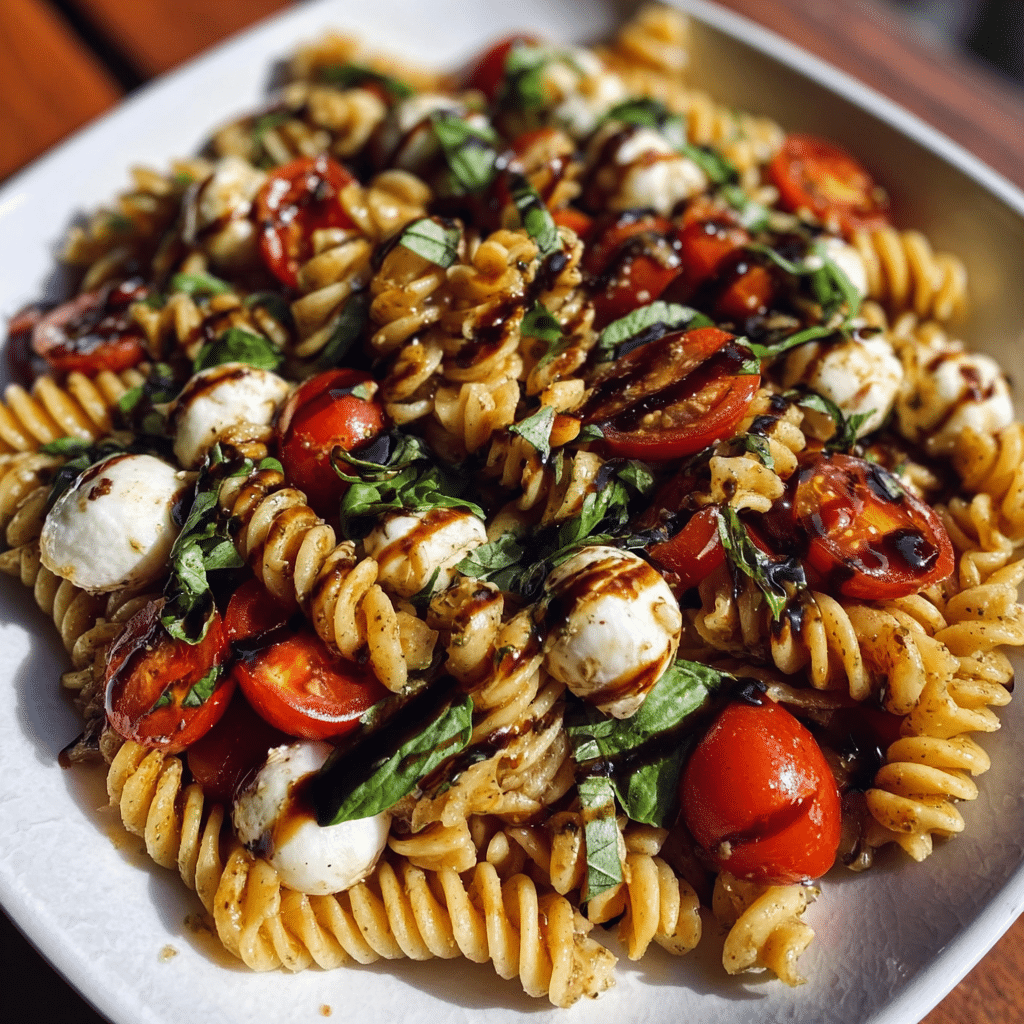
As I began to explore the culinary world, I learned that the origins of the Caprese salad date back to the island of Capri, Italy. This simple yet elegant dish was born from the rich agricultural traditions of the region, where tomatoes, mozzarella di bufala, fresh basil, and olive oil are staples. The combination of these ingredients not only offers an explosion of vibrant flavors but also reflects the Mediterranean lifestyle that emphasizes fresh, local produce. Over time, the Caprese salad evolved, inspiring many variations, including the beloved caprese pasta salad. This dish takes the essence of the traditional Caprese salad and elevates it by incorporating pasta, making it a satisfying meal.
The Story Behind This Recipe
What makes caprese pasta salad special is its adaptability. Unlike many traditional pasta salads that rely heavily on mayonnaise or creamy dressings, this dish leans into the fresh flavors of its ingredients. The balsamic glaze adds a rich sweetness that perfectly balances the acidity of the tomatoes, the creaminess of the mozzarella, and the aromatic notes of fresh basil. I often find myself preparing this dish when I have a busy week ahead. It’s perfect for busy families looking for quick dinner solutions. Not only can it be made in advance, but it also tastes even better after the flavors have melded together in the fridge overnight.
Seasonally, caprese pasta salad shines in the summer months when tomatoes are at their peak—ripe, juicy, and bursting with flavor. However, the beauty of this dish lies in its versatility; it can be adapted to include seasonal ingredients throughout the year. During the fall, I love adding roasted butternut squash, and in the winter, I might throw in some arugula for a peppery bite. Each season offers a chance to customize the dish, making it a staple in my kitchen all year round.
Emotionally, caprese pasta salad connects me to my family and the joy of sharing meals together. Each time I prepare it, I’m reminded of those warm summer evenings spent laughing and talking over a table filled with food. It’s more than just a recipe; it’s a way to bring loved ones together, creating lasting memories. In this guide, you will learn not just how to make the best caprese pasta salad but also how to adapt it to your own tastes and occasions. I’ll share tips, tricks, and personal anecdotes that will inspire you to create your own variations at home.
The Rich History and Cultural Significance of caprese pasta salad
The rich history and cultural significance of caprese pasta salad is as vibrant as the dish itself. This beloved salad has its roots deeply embedded in the Italian culinary tradition, specifically originating from the island of Capri in the Campania region. The classic Caprese salad, which consists of fresh mozzarella, ripe tomatoes, basil, olive oil, and a pinch of salt, was first documented in the early 20th century. The dish is said to have been created as a tribute to the Italian flag, with its green basil, white mozzarella, and red tomatoes symbolizing national pride.
Origins and History
As Italian immigrants began to settle across the globe, the simple yet elegant Caprese salad made its way into the hearts (and stomachs) of many, evolving into various forms. The introduction of pasta into the mix was a natural progression, as pasta is a staple in Italian cuisine. The first documented recipes for caprese pasta salad began to appear in the late 20th century, showcasing the dish’s adaptability while retaining its core flavors. It has since become a beloved dish at summer picnics, potlucks, and family gatherings. The beauty of caprese pasta salad lies in its simplicity and the ability to use fresh, seasonal ingredients, ensuring that each bite is brimming with flavor.
Cultural Significance
Caprese pasta salad is more than just food; it’s a representation of the Italian culture’s emphasis on fresh ingredients and communal dining. Italians believe that food should be shared and enjoyed together, and caprese pasta salad perfectly embodies this philosophy. It’s often served during summer festivals, family reunions, or holiday gatherings, where people come together to celebrate life, love, and culinary traditions. In regions like Campania, where produce is abundant and thriving, this dish serves as a reminder of the importance of honoring local flavors and seasonal cooking.
Famous chefs and restaurants have also embraced the caprese pasta salad, adding their unique twist to the classic recipe. Renowned Italian chefs, like Lidia Bastianich and Mario Batali, have featured variations on their menus, elevating this humble dish into gourmet territory. Each chef brings their own flair to the table, whether it’s through the use of artisanal pasta, heirloom tomatoes, or a house-made balsamic reduction.
Nutritional Benefits
Aside from its delightful taste and cultural significance, caprese pasta salad also boasts numerous nutritional benefits. The dish is packed with vitamins and minerals, mainly due to the fresh ingredients used. Tomatoes are an excellent source of vitamin C and antioxidants, while basil provides anti-inflammatory properties and essential oils. Mozzarella is a good source of protein and calcium, making the dish satisfying and nourishing. When paired with whole grain or legume-based pasta, you can increase the fiber content, making it a wholesome option for a balanced meal.
In conclusion, the caprese pasta salad is a dish steeped in history, culture, and flavor. It reflects a way of life that values fresh produce, communal dining, and culinary creativity. Whether you’re enjoying it at a summer barbecue or preparing it for a cozy family dinner, this dish will always be a reminder of Italy’s rich culinary heritage and the joy of sharing a meal with loved ones.
Essential Ingredients for Perfect caprese pasta salad
When it comes to creating a delicious caprese pasta salad, the choice of ingredients can make all the difference. Each component plays a pivotal role in contributing to the overall flavor, texture, and aesthetic appeal of this dish. Below, I’ve outlined the essential ingredients you need to assemble for a perfect caprese pasta salad, along with insights on their importance, how to select the best quality, and tips for substitutions and storage.
Essential Ingredients
- 8 oz mini penne pasta – cooked, drained, and cooled
- 16 oz teardrop tomatoes – sliced lengthwise
- 16 oz mozzarella balls
- 1/2 cup fresh basil leaves – torn
- 1 cup black olives – drained
- 1/4 cup parmesan cheese
- 1/4 cup olive oil
- balsamic reduction
- Salt and pepper – to taste
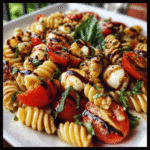
Caprese Pasta Salad with Balsamic Glaze
Ingredients
- 8 oz mini penne pasta cooked, drained and cooled
- 16 oz teardrop tomatoes sliced lengthwise
- 16 oz mozzarella balls
- 1/2 cup fresh basil leaves torn
- 1 cup black olives drained
- 1/4 cup parmesan cheese
- 1/4 cup olive oil
- balsamic reduction
- salt and pepper to taste
Instructions
- Cook pasta per package directions. Drain and place in a large salad bowl to cool.
- Add tomatoes, mozzarella cheese, olives, cheese, olive oil, and season with salt and pepper. Toss to coat.
- Spoon salad onto a platter and scatter with torn basil leaves and balsamic reduction on top. Cover and refrigerate or serve immediately.
Let’s dive deeper into each of these ingredients and explore their unique contributions to your caprese pasta salad.
Mini Penne Pasta: This small, tubular pasta is ideal for holding onto the salad dressing and pairing beautifully with the other ingredients. When cooked, it should be al dente, providing a firm bite that complements the freshness of the vegetables. Always opt for high-quality pasta made from durum wheat for the best texture. You can find mini penne year-round in most grocery stores.
Teardrop Tomatoes: These sweet tomatoes not only add a burst of flavor but also bring a vibrant color to your salad. The elongated shape of teardrop tomatoes makes them easy to slice and perfect for salads. Look for firm, shiny tomatoes without blemishes. If teardrop tomatoes are unavailable, grape or cherry tomatoes can be great substitutes.
Mozzarella Balls: Fresh mozzarella balls, or bocconcini, are soft and creamy, providing a rich texture that balances the acidity of the tomatoes. Choose mozzarella packed in water for the freshest flavor. If you’re looking for a lower-fat option, part-skim mozzarella can be used, though it may lose some creaminess.
Fresh Basil Leaves: Basil is a quintessential herb in Italian cuisine, and its aromatic qualities elevate the caprese pasta salad to new heights. Use fresh basil for the best flavor—avoid dried basil as it lacks the vibrant taste. When selecting basil, look for bright green leaves without brown spots. Fresh basil is usually available in the summer months, but you can often find it year-round in grocery stores.
Black Olives: Black olives add a briny depth to your salad. They can be sliced or left whole, depending on your preference. Kalamata olives are a popular choice, but any variety will work. When shopping, look for pitted olives to save time, and always check for quality—avoid cans with excessive brine or an off smell.
Parmesan Cheese: Grated or shaved parmesan adds a salty nuttiness that enhances the overall flavor profile. Aged parmesan is ideal as it has a deeper flavor. For the best taste, consider purchasing a block of parmesan and grating it yourself, as pre-grated cheeses often contain anti-caking agents that can affect flavor.
Olive Oil: Extra virgin olive oil is a must for drizzling over your caprese pasta salad. It adds a fruity richness and silky mouthfeel. Look for a high-quality olive oil with a harvest date on the bottle—an oil that is dark and stored in a glass bottle is usually of better quality.
Balsamic Reduction: This adds a sweet tanginess that ties all the ingredients together. You can purchase balsamic reduction or make your own by simmering balsamic vinegar until it thickens. The homemade version often has a fresher taste and allows you to control the sweetness.
Salt and Pepper: These are essential for seasoning your salad. Freshly cracked black pepper and fine sea salt enhance the flavors of all the ingredients, so don’t skip this step!
Shopping Tips
When shopping for ingredients for your caprese pasta salad, consider visiting local farmers’ markets for the freshest produce. This is particularly important for tomatoes and basil, as locally sourced ingredients often have superior flavor compared to those that have traveled long distances. Additionally, buying in-season produce ensures better taste and often lower prices.
Substitutions and Alternatives
If you have dietary restrictions or preferences, there are plenty of substitutions you can make without sacrificing flavor. For example, if you’re gluten-free, you can use gluten-free pasta, such as brown rice or quinoa pasta. If you’re vegan, consider using a plant-based cheese alternative in place of mozzarella and parmesan.
For those who dislike olives, you can substitute them with artichoke hearts for a similar briny flavor. If fresh basil isn’t available, pesto can be a delightful alternative, adding depth and richness to your caprese pasta salad.
Lastly, proper storage of your ingredients can help extend their freshness. Keep your basil in water, like a bouquet, and store your pasta in an airtight container. Fresh mozzarella should be kept in its liquid until ready to use. By following these tips, you’ll ensure that each ingredient maintains its quality, leading to a more delicious dish.
Now that you have a comprehensive understanding of the essential ingredients for your caprese pasta salad, you’re ready to embark on the cooking journey!
Detailed Step-by-Step caprese pasta salad Cooking Instructions
Creating a stunning caprese pasta salad is not only about the ingredients; it’s also about the techniques and steps you take to bring everything together harmoniously. This section will guide you through detailed step-by-step instructions, ensuring that your salad is not only delicious but also visually appealing.
Preparation Steps
Before you dive into the cooking process, it’s essential to prepare your workspace and gather all your ingredients. This is called mise en place, a French culinary term meaning “everything in its place.” Here’s how to get started:
- Gather Your Ingredients: Make sure you have all the ingredients listed in the previous section ready to go. This includes your cooked mini penne pasta, sliced teardrop tomatoes, mozzarella balls, torn basil leaves, drained black olives, grated parmesan cheese, olive oil, balsamic reduction, and salt and pepper.
- Cook the Pasta: Bring a large pot of salted water to a boil. Add the mini penne pasta and cook according to the package instructions until al dente. This typically takes around 8-10 minutes. Remember to stir occasionally to prevent sticking. Once cooked, drain the pasta in a colander and rinse it under cold water to stop the cooking process. Set it aside to cool.
- Prep the Vegetables: While the pasta is cooking, slice your teardrop tomatoes lengthwise. This allows the juices to mingle more with the other ingredients, enhancing the flavor of your caprese pasta salad. Set them aside in a bowl.
- Tear the Basil: Fresh basil is best when torn rather than chopped, as this preserves its aromatic oils. Take your fresh basil leaves and gently tear them into smaller pieces, adding them to the bowl with the tomatoes.
- Drain the Olives: Open your can or jar of black olives and drain them well. If they are whole, slice them in half for better distribution throughout the salad. Add the olives to the mixing bowl with the tomatoes and basil.
- Grate the Parmesan: If you have a block of parmesan, use a microplane or a box grater to grate about 1/4 cup. This will ensure it mixes well with the other ingredients. Add the grated parmesan to the bowl.
Cooking Process
Now that your ingredients are prepped, let’s move on to the assembly of your caprese pasta salad. This is where all the magic happens!
- Combine the Ingredients: In a large mixing bowl, combine the cooled mini penne pasta, sliced teardrop tomatoes, torn basil leaves, drained black olives, and grated parmesan. Use a spatula or wooden spoon to gently toss the ingredients together. Be careful not to crush the tomatoes, as you want them to retain their shape.
- Add Olive Oil: Drizzle 1/4 cup of high-quality extra virgin olive oil over the pasta and vegetable mix. This adds flavor and helps to coat everything evenly. Toss the salad again to ensure that the oil is evenly distributed.
- Season to Taste: Sprinkle salt and freshly cracked black pepper over the salad. Start with a small amount and adjust according to your preference. Remember, the olives and parmesan are already salty, so you might not need as much seasoning as you think!
- Incorporate Balsamic Reduction: Now, take your balsamic reduction and drizzle it over the salad. This will add sweetness and acidity, balancing out the richness of the cheese and olives. Toss the salad gently once more to ensure the balsamic reduction coats everything.
Final Assembly
Presentation is key when it comes to any dish, especially when you want to impress your guests with your caprese pasta salad. Here’s how to serve it:
- Transfer to Serving Dish: Use a slotted spoon to carefully transfer your salad into a large serving bowl or platter. This helps to keep the liquid from the salad at bay, ensuring it doesn’t become too soggy.
- Garnish: For an elegant touch, consider adding a few whole basil leaves on top of the salad. You can also sprinkle a bit more grated parmesan for a finishing touch.
- Serve: Your caprese pasta salad can be served immediately, or you can let it sit for about 15-30 minutes to allow the flavors to meld together. It’s a fantastic dish for picnics, barbecues, or potlucks!
As you create your caprese pasta salad, keep in mind that practice makes perfect. Don’t be afraid to experiment with ingredient ratios or add different elements that you love. The beauty of salads is their versatility, allowing you to make it your own. Enjoy the process and relish the delightful flavors of this classic dish!
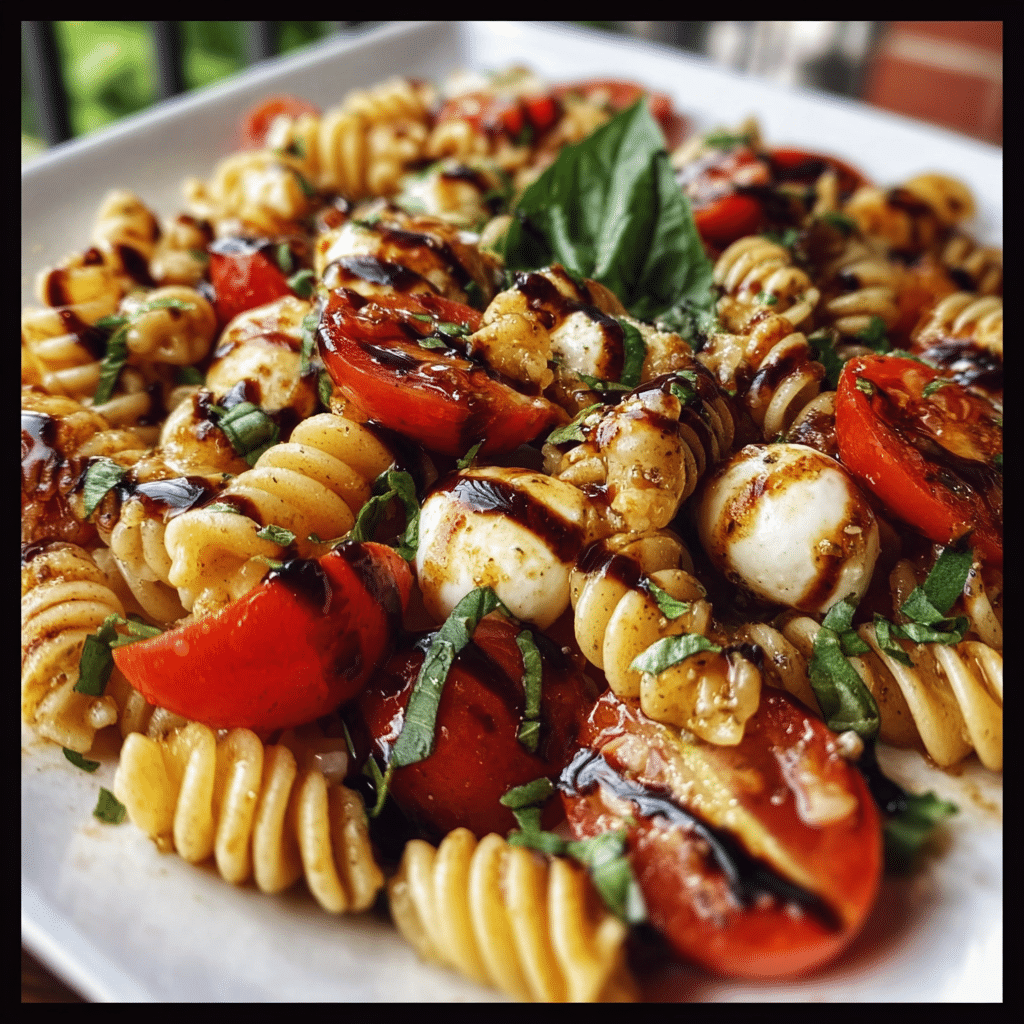
Professional Tips and Techniques for caprese pasta salad
When it comes to crafting the perfect caprese pasta salad, there are a multitude of professional tips and techniques that can elevate your dish from ordinary to extraordinary. This dish, celebrated for its vibrant colors and fresh flavors, can be a staple at summer picnics, BBQs, or even a simple weeknight dinner. Let’s dive into some insider secrets that will ensure your salad shines!
Professional Techniques
One of the most crucial aspects of a caprese pasta salad is the quality of the ingredients. Opt for fresh, ripe tomatoes; heirloom varieties bring a lovely depth of flavor. When selecting mozzarella, look for fresh, soft balls packed in water instead of the pre-shredded kind. Not only does this ensure a creamier texture, but it also enhances the salad’s overall flavor.
Cooking the pasta is another vital step. Use a generous amount of salted water to boil the pasta; this infuses the pasta with flavor. Always undercook it slightly, aiming for ‘al dente’, as it will continue to cook when mixed with warm ingredients or dressing. After draining the pasta, rinse it under cold water to stop the cooking process and to prevent it from becoming gummy. A splash of olive oil at this stage can also help keep the pasta from clumping together.
Incorporating a homemade balsamic glaze can take your caprese pasta salad to the next level. To make it, simply simmer balsamic vinegar over medium heat until it thickens and becomes syrupy. This reduction adds a sweet tang that beautifully complements the freshness of the tomatoes and basil.
Troubleshooting Guide
Sometimes, despite our best efforts, things don’t go as planned in the kitchen. If your caprese pasta salad turns out too watery, it might be because the tomatoes released too much juice. To combat this, consider deseeding your tomatoes before adding them to the salad. This simple step can significantly reduce excess moisture.
If you find that your pasta has become overly sticky or mushy, it may have been overcooked. Ensure you follow the cooking times on the pasta package, but also taste as you go. Remember, practice makes perfect!
Another common issue is not achieving the right balance of flavors. If the salad tastes flat, a pinch of salt or a squeeze of fresh lemon juice can brighten it up instantly. A sprinkle of freshly cracked black pepper also adds depth to the dish.
Presentation Tips
Presentation can significantly impact the dining experience. For a stunning caprese pasta salad, consider serving it in a large, shallow bowl or a wooden platter. Layer the ingredients visually instead of simply tossing them together. Start with a base of pasta, followed by a colorful arrangement of tomatoes, mozzarella, and basil. Drizzle with balsamic glaze just before serving for that wow factor.
Garnishing with fresh basil leaves or even edible flowers can add an artistic touch. If you’re feeling adventurous, consider adding a sprinkle of toasted pine nuts or walnuts for crunch.
Wine and Beverage Pairings
When it comes to pairing beverages with your caprese pasta salad, you want something that complements the fresh ingredients without overpowering them. A crisp white wine, such as a Sauvignon Blanc or a Pinot Grigio, pairs beautifully, as their acidity cuts through the creaminess of the mozzarella.
If you prefer non-alcoholic options, consider sparkling water infused with lemon or a refreshing iced herbal tea. These beverages cleanse the palate and enhance the overall experience.
Ultimately, the key to a successful caprese pasta salad lies in using high-quality ingredients and taking the time to perfect your technique. With these tips, you’re well on your way to impressing your guests and creating a dish that not only looks beautiful but tastes divine.
Creative Variations and Adaptations of caprese pasta salad
While the classic caprese pasta salad is undeniably delicious, exploring creative variations and adaptations can add excitement and variety to your meal planning. Whether you’re looking to customize the dish to fit a specific dietary need or simply want to experiment with different flavors, there are countless ways to twist this beloved recipe.
Seasonal Variations
One of the joys of cooking is adapting recipes to match the seasons. In the summer, use sun-ripened tomatoes and fresh basil, but as the seasons change, consider swapping in roasted butternut squash and sage in the fall for an earthy flavor profile. You can also add roasted Brussels sprouts and a sprinkle of feta cheese for a winter twist.
In the spring, asparagus and peas can add a delightful crunch and a pop of color. Simply blanch the asparagus and toss it in with the pasta for a fresh, green addition. As you can see, the caprese pasta salad is a versatile dish that can be transformed with seasonal ingredients.
Dietary Adaptations
As dietary preferences become more varied, it’s essential to have options. For those following a keto diet, you can substitute traditional pasta with zucchini noodles or spaghetti squash. This modification retains the spirit of the caprese pasta salad while keeping it low in carbs.
If you’re catering to a vegan crowd, replace mozzarella with a vegan cheese alternative or try marinated tofu cubes to maintain that creamy texture. You can also enhance the flavor with nutritional yeast, which adds a cheesy flavor without dairy.
For gluten-free variations, opt for gluten-free pasta or quinoa. Quinoa not only adds a nutty flavor but also a protein boost, making your salad more filling. With these adaptations, everyone can enjoy a version of the classic caprese pasta salad.
Creative Twists
Now, let’s dive into some more creative twists on the traditional recipe. Adding grilled chicken or shrimp can turn your caprese pasta salad into a hearty meal, perfect for lunch or dinner. The smoky flavor of grilled proteins complements the fresh ingredients beautifully.
For an international flair, consider adding ingredients like roasted red peppers or olives for a Mediterranean touch. Alternatively, a hint of pesto can add a herby richness that transforms the flavor profile of the salad.
Another exciting idea is to play with the dressing. Instead of a balsamic glaze, try a lemon vinaigrette or a creamy avocado dressing for a different spin on the classic flavors. This can make your caprese pasta salad feel new and innovative each time you prepare it.
Lastly, don’t forget about leftovers! If you find yourself with extra salad, consider turning it into a frittata or a savory omelet the next morning. Simply blend your leftover pasta salad with beaten eggs and cook it in a skillet for a delightful breakfast that minimizes waste.
In conclusion, the caprese pasta salad is a canvas for culinary creativity. With seasonal swaps, dietary modifications, and unique twists, you can make this versatile dish your own while keeping it fresh and exciting. Embrace the flavors of the season and enjoy the process of experimentation in your kitchen!
Storage, Reheating, and Meal Prep for caprese pasta salad
When it comes to enjoying a delightful dish like caprese pasta salad, knowing how to store, reheat, and prepare this delicious meal in advance is crucial for maintaining its freshness and flavor. Whether you’re making it for a picnic, a family gathering, or simply prepping for a week of lunches, understanding the nuances of storage can make all the difference. So, let’s delve into the best practices for storing your caprese pasta salad, ensuring it remains a treat for your palate!
Short-term Storage
After whipping up a hearty batch of caprese pasta salad, you’ll want to store it properly to keep those vibrant flavors intact. The first step in short-term storage is choosing the right container. Glass containers with airtight lids are an excellent choice because they prevent moisture loss and odor absorption, which can occur in plastic containers. If you’re using plastic, ensure it is BPA-free and has a tight-sealing lid.
Once your caprese pasta salad has cooled to room temperature, transfer it into the container. Make sure to leave a little space at the top to allow for any expansion if you decide to mix in dressing later. If you’ve added the balsamic glaze already, it’s best to store the salad in a separate container to prevent the pasta from getting soggy. When stored in the refrigerator, your caprese pasta salad can last for about 3 to 5 days. However, keep in mind that the quality may start to decline after the first couple of days, especially if tomatoes and mozzarella have been mixed in.
For optimal freshness, I recommend checking the salad daily. If you notice any excess moisture or wilted greens, don’t hesitate to toss those parts out. This not only helps maintain quality but also ensures you’re enjoying the freshest bites of your caprese pasta salad each time. Remember, freshness is key to enjoying this delightful dish!
Freezing and Long-term Storage
If you find yourself with an abundance of caprese pasta salad, you might be tempted to store some for later. However, freezing this dish can be a bit tricky due to its ingredients. While pasta can be frozen, the fresh vegetables and mozzarella cheese may not hold up well to freezing due to their high moisture content, which can lead to a mushy texture upon thawing.
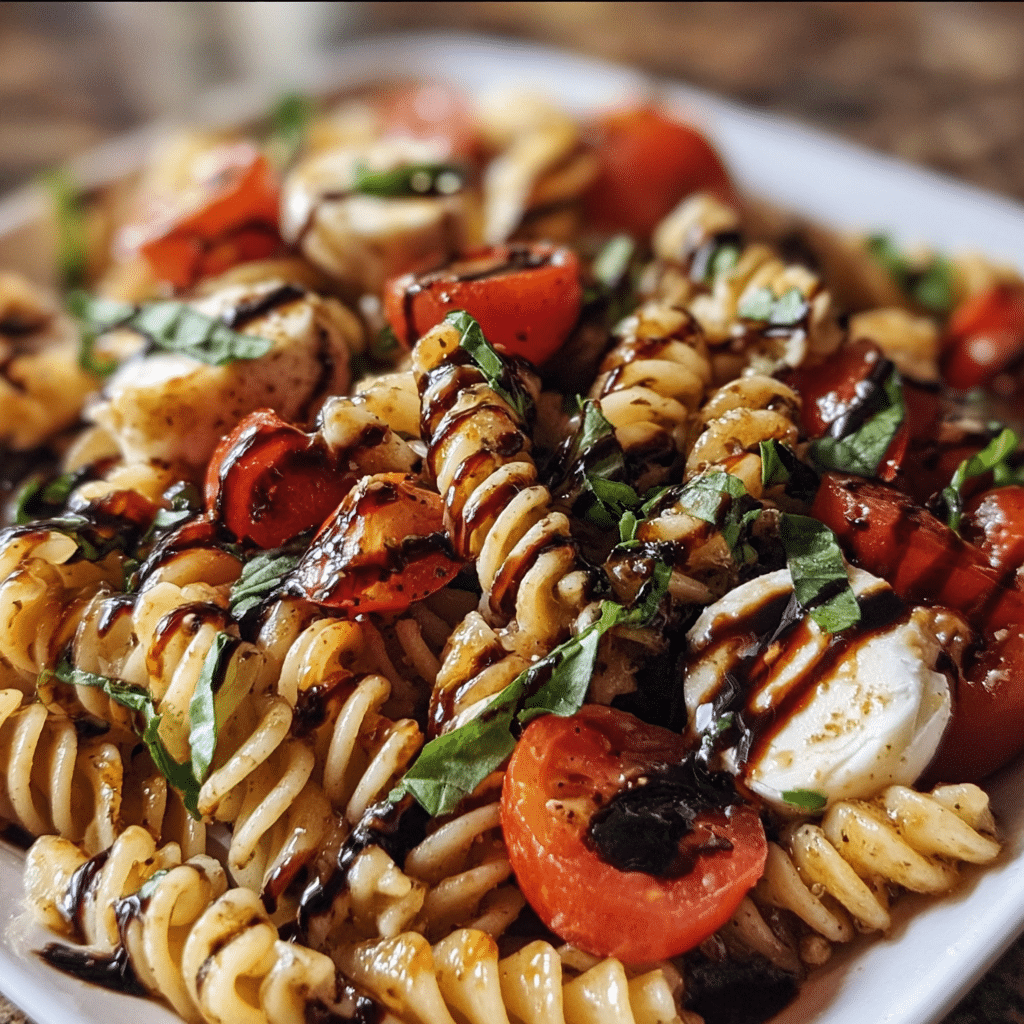
That said, if you want to try freezing your caprese pasta salad, consider separating the components. You can freeze the pasta itself and the dressing separately. Cook and cool the pasta, then place it in an airtight freezer bag, removing as much air as possible to prevent freezer burn. For the dressing, mix up your balsamic glaze and store it in a small, airtight container. When you’re ready to enjoy your meal again, thaw the pasta overnight in the refrigerator and mix it with fresh ingredients and dressing before serving.
In terms of long-term storage, keep in mind that fresh ingredients like basil and tomatoes are best enjoyed fresh. If you do choose to freeze any component, aim to consume it within 1-2 months for the best quality. Remember, the texture and flavor may not be the same as when fresh, but it can still be a convenient option.
Reheating Best Practices
When it comes to reheating caprese pasta salad, the goal is to preserve the integrity of the ingredients while enhancing the flavors. If you’ve stored your salad in the refrigerator with the dressing added, consider enjoying it cold as a refreshing dish. However, if you prefer a warm variation, gently reheating the pasta can be an option. Simply place it in a microwave-safe dish and heat on low power, stirring occasionally to ensure even warming. Avoid overheating, as this can cause the mozzarella to become rubbery and the tomatoes to lose their fresh appeal.
Another method for reheating is to use a stovetop. Place the pasta in a skillet over low heat, adding a splash of olive oil or a bit of the balsamic glaze to help revive the flavors. Stir gently for a few minutes until heated through.
Food safety is essential when it comes to reheating. Always ensure that your caprese pasta salad reaches an internal temperature of at least 165°F (74°C) if it has been refrigerated for a long time. This helps eliminate any potential bacteria that may have developed during storage.
Lastly, always remember to portion your meals wisely. If you’re meal prepping, consider dividing your caprese pasta salad into single-serving containers. This not only makes it easier to grab-and-go but also helps prevent repeated reheating, which can affect the quality of the salad.
In summary, short-term storage for your caprese pasta salad is straightforward, requiring a good airtight container in the fridge. When it comes to freezing, separate the ingredients for the best results, and be cautious with reheating to maintain that delightful flavor and texture. With these guidelines in mind, you can enjoy your caprese pasta salad over several days or even weeks, making it a versatile addition to your meal planning!
Nutritional Benefits and Health Information
As we embark on a culinary journey exploring the nutritional benefits of caprese pasta salad, it’s essential to appreciate not just the delightful taste but also the wholesome ingredients that make this dish a fantastic choice for various diets. With fresh tomatoes, basil, mozzarella, and pasta, this salad offers a delightful balance of flavors and nutrients. Let’s break down the nutritional profile, health benefits, and dietary considerations of this vibrant dish!
Nutritional Profile
At its core, caprese pasta salad is a fusion of fresh ingredients that not only tantalize the taste buds but also contribute to a well-rounded diet. A typical serving of caprese pasta salad (about 1 cup) can vary based on the specific ingredients and quantities used, but generally, you’re looking at a range of:
- Calories: Approximately 300-400 calories, depending on the amount of cheese and dressing.
- Carbohydrates: Around 40-50 grams, primarily from the pasta.
- Proteins: Approximately 12-15 grams, mainly from the mozzarella.
- Fats: About 15-20 grams, largely contributed by olive oil and cheese.
This mix of macronutrients provides a balanced meal that can fuel your day while keeping you satisfied. The carbohydrates from the pasta provide energy, while the protein from mozzarella helps in muscle repair and growth. Additionally, the healthy fats from olive oil support heart health and overall well-being.
Health Benefits
The ingredients in caprese pasta salad are not just there for flavor; they also pack a punch of health benefits. Let’s take a closer look at some of the star components:
- Tomatoes: Rich in antioxidants, particularly lycopene, tomatoes are known for their heart health benefits and may even reduce the risk of certain cancers.
- Basil: This aromatic herb isn’t just for flavor; it contains essential oils that have anti-inflammatory and antibacterial properties.
- Olive Oil: A staple in Mediterranean diets, olive oil is celebrated for its heart-healthy monounsaturated fats and anti-inflammatory benefits.
- Mozzarella: Besides being a delicious addition, mozzarella provides calcium and protein, which are essential for bone health.
When combined, these ingredients create a medley that not only satisfies your hunger but also supports your health. The fresh, unprocessed nature of these items means you’re consuming a dish full of vitamins, minerals, and antioxidants.
Dietary Considerations
Caprese pasta salad can be a versatile dish that fits into various dietary lifestyles. Here are some considerations:
- Vegetarian and Gluten-Free: The salad is naturally vegetarian, but for those needing gluten-free options, simply swap regular pasta for gluten-free pasta alternatives made from rice, quinoa, or legumes.
- Low-Carb/Keto: For those following a low-carb or ketogenic diet, consider using spiralized vegetables like zucchini or shirataki noodles in place of traditional pasta. This maintains the essence of the salad while reducing carbohydrate intake.
- Allergen Information: If you’re allergic to dairy, you can replace mozzarella with a dairy-free cheese option or simply enhance the salad with more nuts or seeds for added texture and flavor.
Calorie-conscious individuals can also make adjustments. Try reducing the amount of olive oil in the dressing or using a vinegar-based dressing to lower calorie intake without sacrificing flavor.
In conclusion, caprese pasta salad is not just a delicious meal; it’s a powerhouse of nutrients that can be tailored to fit various dietary needs. With its vibrant colors and fresh ingredients, it’s a dish that not only looks appealing but also aligns with health-conscious choices. So next time you prepare this delightful salad, appreciate the wholesome benefits it brings to your table!