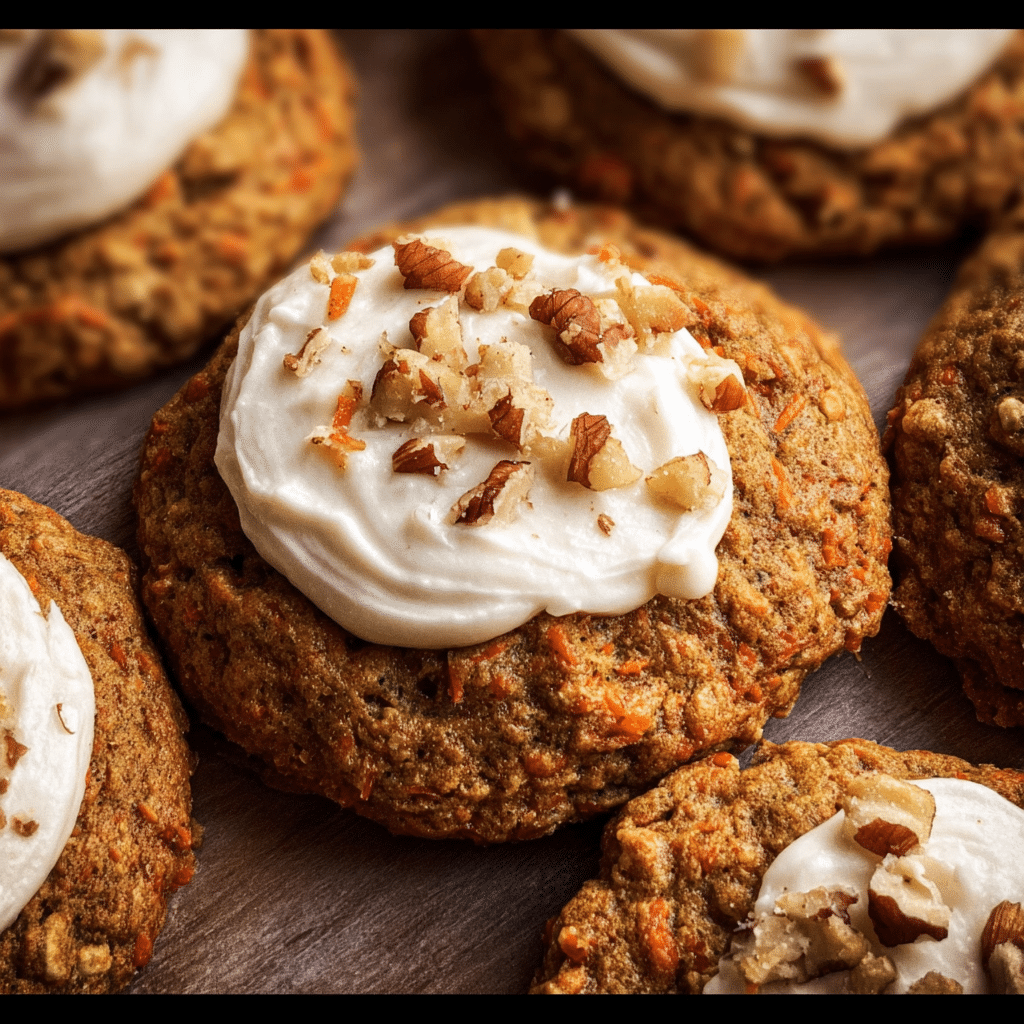
Carrot cake cookies are a delightful twist on a classic dessert that perfectly blends the rich, spiced flavors of traditional carrot cake with the comforting, chewy texture of cookies. My journey into the world of carrot cake cookies began on a bustling Saturday afternoon. I had just returned from the farmer’s market, arms laden with fresh produce, including a beautiful bunch of organic carrots. As I rummaged through my collection of recipes, I stumbled upon a carrot cake cookie recipe that promised to be both simple and delicious. I was immediately intrigued. Could these cookies really capture the essence of my beloved carrot cake? As I mixed, baked, and finally tasted, I was transported back to my childhood kitchen, where the scent of spices and sweetness filled the air. It was a triumphant moment, indeed!
The Story Behind This Recipe
The moment I took my first bite of those carrot cake cookies, I was enveloped in a wave of nostalgia. The warm spices, the hint of sweetness, and the chewy texture reminded me of my grandmother’s famous carrot cake, which was always the centerpiece of our family gatherings. She had a way of bringing everyone together, and her carrot cakes were legendary. I realized then that these cookies weren’t just a recipe; they were a connection to my past, a way to share love and warmth with my family and friends.
What makes carrot cake cookies special is that they combine the best elements of carrot cake in a convenient, bite-sized form. Unlike traditional carrot cake, which often requires layers of cream cheese frosting and considerable preparation time, carrot cake cookies are straightforward to make and perfect for busy families. They can be whipped up quickly, making them an ideal treat for a spontaneous gathering or a comforting snack after a long day. Plus, who doesn’t love cookies? They’re inherently shareable and portable, making them perfect for lunchboxes, picnics, or simply enjoying at home with a cup of tea.
Seasonal relevance plays a significant role in the appeal of carrot cake cookies. While they are wonderful any time of year, they shine particularly bright during the spring months when carrots are at their freshest. There’s something about the arrival of spring that invites us to embrace lighter flavors and fresh ingredients, and these cookies do just that. They encapsulate the essence of renewal, making them a perfect addition to Easter celebrations or springtime brunches.
Emotionally, carrot cake cookies represent comfort and connection. They remind me of family traditions and the joy of baking together. Whenever I make them, I can almost hear my grandmother’s laughter echoing in the kitchen, and I can feel the warmth of family gatherings. It’s about more than just the ingredients; it’s about the memories we create and the love we share through food. This emotional connection is something I believe every cook strives for, whether they’re baking for themselves or for loved ones.
In this ultimate guide to carrot cake cookies, you’ll learn everything you need to know to create your own batch of these delightful treats. From the ingredient list and preparation tips to variations and storage advice, I’ll walk you through the entire process. We’ll explore how to infuse your cookies with unique flavors and textures, making them your own. Whether you’re a seasoned baker or a kitchen novice, you’re sure to find valuable insights and inspiration within these pages. So, roll up your sleeves and get ready to embark on a delicious journey with carrot cake cookies!
The Rich History and Cultural Significance of carrot cake cookies
The rich history and cultural significance of carrot cake cookies are as layered as the flavors within each bite. Understanding where these delightful treats come from provides a deeper appreciation for their unique taste and texture. Carrot cake itself has a storied past, believed to have originated in medieval Europe, where sweeteners were scarce. Instead of sugar, cooks would use grated carrots to add natural sweetness to their cakes. This clever substitution gave rise to what we now know as carrot cake, a beloved dessert that has evolved over centuries.
Origins and History
As we trace the history of carrot cake, we find that its roots are entwined with the development of sugar substitutes in culinary practices. During World War II, rationing led to a resurgence of carrot cake popularity, as people sought alternative ways to enjoy sweetness without refined sugar. The incorporation of carrots into baked goods was not just a creative solution; it was a testament to resourcefulness during challenging times. It wasn’t until the 1960s and 1970s, with the rise of health food trends and home baking culture, that carrot cake truly gained its status as a classic dessert, often associated with celebrations and special occasions.
Carrot cake cookies, as a derivative of this classic dessert, began to emerge as bakers sought more accessible and convenient ways to enjoy the rich flavors of carrot cake. The beauty of these cookies lies in their adaptability; they can be made chewy or cakey, iced or plain, depending on personal preference. Over time, numerous variations have surfaced, incorporating ingredients like nuts, raisins, and coconut, each adding a unique twist to the basic recipe.
Cultural Significance
Carrot cake cookies are celebrated across various cultures, often appearing at family gatherings, potlucks, and holiday festivities. In the United States, they are particularly popular during springtime events like Easter, where their vibrant color and delightful flavor make them a festive addition to any dessert table. In other cultures, such as in the UK, carrot cake remains a staple at tea time, enjoyed with a warm cup of tea. This adaptability speaks to the universal appeal of carrot cake flavors, transcending borders and becoming a beloved treat worldwide.
Famous chefs and bakeries have also embraced carrot cake cookies, elevating them to gourmet status. Renowned pastry chefs have experimented with flavors, incorporating spices like cardamom and ginger, or adding unexpected ingredients like orange zest. These creative twists keep the tradition alive while also pushing the boundaries of what carrot cake cookies can be. As culinary trends continue to evolve, so too does the humble carrot cake cookie, remaining relevant and cherished by dessert lovers everywhere.
Nutritional Benefits
Beyond their delightful taste, carrot cake cookies offer certain nutritional benefits that make them stand out. Carrots are packed with vitamins, particularly vitamin A, which is essential for eye health. They also provide dietary fiber, which aids in digestion and contributes to a feeling of fullness. When you bake cookies with fresh carrots, you’re not just indulging your sweet tooth; you’re also incorporating nutritious ingredients into your diet.
Moreover, many recipes for carrot cake cookies can be easily adapted to be healthier, using whole grain flours, reducing sugar content, or adding nuts for healthy fats. This makes them a great option for those looking to enjoy a treat without compromising on nutrition. It’s this blend of flavor and health that truly makes carrot cake cookies a versatile choice for families and individuals alike.
In summary, the journey of carrot cake cookies is rich and vibrant, woven into the fabric of culinary history. From their origins in medieval Europe to their place as a staple in modern baking, these cookies not only satisfy a sweet craving but also connect us to our past and our loved ones. Understanding their background and cultural significance enhances the experience of baking and enjoying these delightful treats, making them all the more special.
Essential Ingredients for Perfect carrot cake cookies
When it comes to baking, the right ingredients can make all the difference. For our delicious carrot cake cookies, each component plays a vital role in creating the perfect texture and flavor. Embracing the essence of traditional carrot cake, these cookies merge the warm spices and sweet, moist goodness into a handheld treat that’s irresistible. Let’s dive into the essential ingredients for perfect carrot cake cookies!
Essential Ingredients
- 2 ¾ cups flour – The backbone of our cookies, all-purpose flour provides the structure and stability needed. For a chewier texture, you can experiment with bread flour, but all-purpose is your best bet for classic cookies.
- 1 teaspoon baking soda – This leavening agent is crucial for giving your carrot cake cookies a light and fluffy texture. It reacts with the acid in the brown sugar and the moisture from the carrots, helping the cookies rise perfectly.
- ¾ teaspoon salt – A small but mighty component, salt enhances the flavors of the other ingredients. It balances the sweetness of the sugars and brings out the natural flavors of the carrots and spices.
- 2 teaspoons cinnamon – Cinnamon adds warmth and a hint of spice, evoking the comfort of traditional carrot cake. Freshly ground cinnamon will provide a more robust flavor than pre-ground.
- 1 cup butter, room temperature – Butter is key for richness and flavor. Make sure it’s at room temperature (not melted) to achieve the perfect creamy consistency when mixed with sugars. It should still be slightly firm to the touch.
- ¾ cup sugar – Granulated sugar contributes to sweetness and helps create a crisp edge on your cookies.
- ¾ cup brown sugar – The molasses in brown sugar not only adds moisture but also a deeper flavor profile. This is essential for that classic carrot cake taste.
- 2 teaspoons vanilla – Vanilla extract is a flavor enhancer that rounds out the sweetness and adds complexity. Opt for pure vanilla extract for the best results.
- 2 large eggs – Eggs act as a binding agent, helping the ingredients hold together while adding moisture and richness. Room temperature eggs blend more easily into the batter.
- 1 ½ cups finely grated carrots – Freshly grated carrots are the star of this recipe! They provide natural sweetness, moisture, and a beautiful color. About four medium carrots should yield the right amount.
- 4 tablespoons butter – Used for the cream cheese frosting, this additional butter helps to create a velvety texture that complements the sweetness.
- 2 ounces cream cheese, softened – Cream cheese gives the frosting a unique tanginess and creaminess that’s quintessentially carrot cake. Make sure it’s softened to ensure smooth mixing.
- 3 cups powdered sugar – This ingredient sweetens the frosting and gives it that classic icing texture. Sift it before using to avoid any lumps.
- 1 teaspoon vanilla – Just like in the cookie batter, vanilla in the frosting enhances the flavor and ties everything together.
- 4-6 tablespoons milk – Used as needed to adjust the frosting’s consistency. Start with less and add more until you reach the desired spreadability.
Carrot Cake Cookies
Ingredients
- 2 ¾ cup flour
- 1 teaspoon baking soda
- ¾ teaspoon salt
- 2 teaspoons cinnamon
- 1 cup butter, room temperature (should still be slightly firm)
- ¾ cup sugar
- ¾ cup brown sugar
- 2 teaspoons vanilla
- 2 large eggs
- 1 ½ cups finely grated carrots, about 4 medium carrots
Cream Cheese Frosting
-
- 4 tablespoons butter
- 2 ounces cream cheese, softened
- 3 cups powdered sugar
- 1 teaspoon vanilla
- 4–6 tablespoons milk, as needed
Instructions
The Cookies
-
-
Preheat oven to 350 degrees. Very lightly grease a baking sheet or (better yet) line with a nonstick baking mat.
-
In a medium bowl whisk together flour, baking soda, salt, and cinnamon.
-
In a large bowl combine butter and sugars and mix for 2-3 minutes until light and fluffy.
-
Mix in vanilla and eggs, then stir in grated carrots.
-
Stir dry ingredients into wet ingredients until just incorporated and there are no more streaks of flour) don’t over-mix.
-
Drop spoonfuls of cookie batter (I used a large cookie scoop, about 2 tablespoons) onto prepared baking sheet at least 2-3 inches apart.
-
-
Bake in preheated oven for 10-12 minutes until edges begin to brown and tops look dry. Allow to cool on baking sheet for about 5 minutes before transferring to a cooling rack to cool completely.
The Frosting
-
While cookies are cooling, prepare the frosting. In a small sauce pan melt the butter over medium-low heat. Once melted, stir over the heat for 2-4 minutes longer until color changes from pale yellow to deep golden-brown. Remove from heat.
-
In a large bowl combine cream cheese and browned butter and mix well.
-
Gradually mix in the powdered sugar 1 cup at a time until completely incorporated. Mix in vanilla and milk 1 tablespoon at a time until desired consistency is reached (should be fluffy and easily spreadable).
-
Frost completely cooled cookies. Store in airtight container at room temperature up to 5 days.
Shopping Tips
When shopping for your ingredients, consider quality over quantity. For flour, choosing a brand that’s known for consistent quality can lead to better results. Store brands might be economical, but sometimes they lack the protein content needed for the best cookie structure. When it comes to spices, buy whole and grind them fresh if you can for the most potent flavor.
For butter, a high-fat content is key, so opt for European-style butters if you want an extra rich flavor. Meanwhile, for brown sugar, make sure it’s soft and moist; if it’s hard, it may not incorporate well into your mix. Fresh carrots are best sourced from local farmers’ markets during the spring and summer months, ensuring optimal flavor and texture.
Substitutions and Alternatives
Don’t have all the ingredients on hand? No problem! Here are a few substitutions you can consider:
- Gluten-Free Flour: If you’re looking to make gluten-free carrot cake cookies, substitute the all-purpose flour with a quality gluten-free flour blend.
- Applesauce for Butter: For a lower-fat version, you can replace half of the butter with unsweetened applesauce. This will make your cookies more cake-like.
- Dairy-Free Options: Use coconut oil or a dairy-free butter substitute to make these cookies dairy-free. For the frosting, a non-dairy cream cheese works wonders.
- Egg Alternatives: For vegan options, flax eggs (1 tablespoon flaxseed meal mixed with 3 tablespoons water per egg) can work well.
Lastly, when it comes to storage, keep your flour in an airtight container in a cool, dark place to prolong its shelf life, while butter can be frozen for longer storage. Carrots should be kept in the fridge to keep them fresh and crunchy. And once your cookies are baked, store them in an airtight container at room temperature for soft cookies or in the fridge for a firmer bite.
By understanding each ingredient’s role and knowing how to source and substitute them, you’ll be well on your way to baking the best carrot cake cookies imaginable!
Detailed Step-by-Step carrot cake cookies Cooking Instructions
Baking carrot cake cookies is an adventure that combines the warmth of home baking with the joy of indulging in something sweet and spiced. The process is straightforward, but there are nuances that will elevate your cookies from good to exceptional. Let’s break down the step-by-step instructions for creating these delightful treats!
Preparation Steps
- Gather Your Ingredients: Before you start, make sure all your ingredients are measured and ready to go. This practice, known as mise en place, is essential for a smooth baking experience. Take a moment to appreciate the vibrant colors and aromas of your ingredients—fresh carrots, warm spices, and the rich scent of butter.
- Preheat the Oven: Preheat your oven to 350°F (175°C). This allows your cookies to bake evenly. A properly preheated oven is crucial for achieving that perfect rise and golden color.
- Prepare Your Baking Sheet: Line your baking sheets with parchment paper. This not only prevents sticking but also makes for easy cleanup. If you want a crispier bottom, consider lightly greasing the parchment with a bit of butter.
- Mix the Dry Ingredients: In a large bowl, whisk together the flour, baking soda, salt, and cinnamon. This ensures that the leavening agent is evenly distributed throughout the flour, preventing any lumps in your cookies.
- Cream the Butter and Sugars: In a separate bowl, beat the room temperature butter, granulated sugar, and brown sugar together until light and fluffy. This process usually takes about 3-5 minutes. The mixture should be pale in color and have a creamy texture. The air incorporated during this step is crucial for a light cookie.
- Add the Eggs and Vanilla: Beat in the eggs one at a time, making sure each is fully incorporated before adding the next. Follow this with the vanilla extract. The mixture should be smooth and creamy.
- Incorporate the Grated Carrots: Gently fold in the finely grated carrots. This step not only adds moisture but also gives your cookies that signature carrot cake flavor. The vibrant orange of the carrots will brighten up your batter!
- Combine Dry and Wet Ingredients: Gradually add the dry mixture to the wet mixture, stirring gently until just combined. Be careful not to overmix; you want to maintain that tender texture. It’s okay if there are a few small lumps!
- Scoop the Dough: Using a cookie scoop or two spoons, drop rounded tablespoons of dough onto your prepared baking sheets, leaving space between each cookie for spreading. You can also shape them into balls for a more uniform look.
- Bake the Cookies: Place the baking sheets in the preheated oven and bake for about 10-12 minutes, or until the edges are lightly golden. The centers may look slightly underbaked, but they will continue to cook as they cool on the baking sheet.
- Cool and Prepare the Frosting: Once baked, remove the cookies from the oven and let them cool on the sheets for 5 minutes before transferring them to wire racks. While they cool, prepare the cream cheese frosting. In a mixing bowl, beat the softened cream cheese and butter until smooth, then gradually add the powdered sugar and vanilla. Adjust the consistency with milk as needed.
- Frost the Cookies: Once the cookies are completely cooled, generously spread the cream cheese frosting on top. You can even get creative here—use a piping bag for intricate designs or a spatula for a rustic look!
- Enjoy! These carrot cake cookies are best enjoyed fresh but can be stored in an airtight container for a few days. They may also be frozen for up to three months, making them perfect for make-ahead treats!
Cooking Process
As you embark on this baking journey, pay attention to visual cues and sensory indicators. The batter should be thick yet scoopable, and when baking, a lovely aroma will fill your kitchen, signaling that something delicious is on its way. Trust your instincts—if something seems off, it’s okay to adjust!
Final Assembly
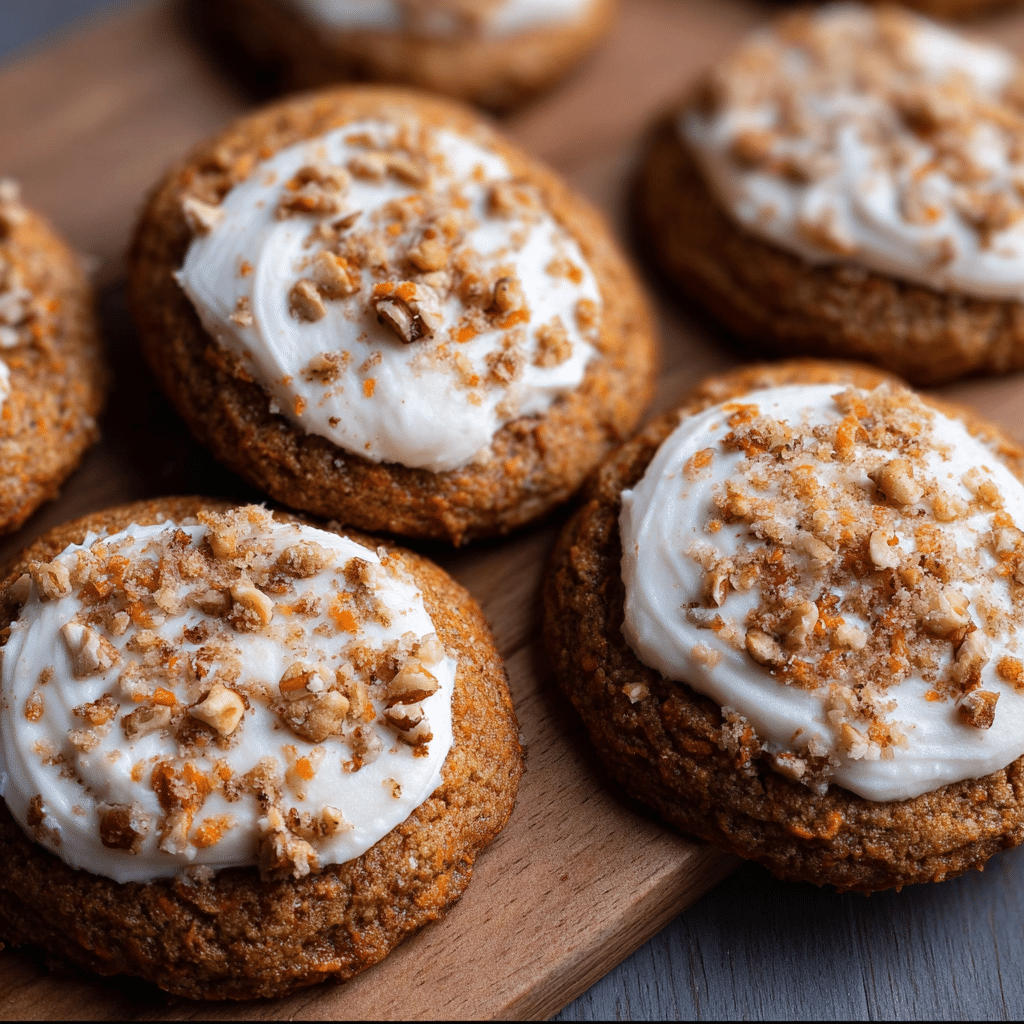
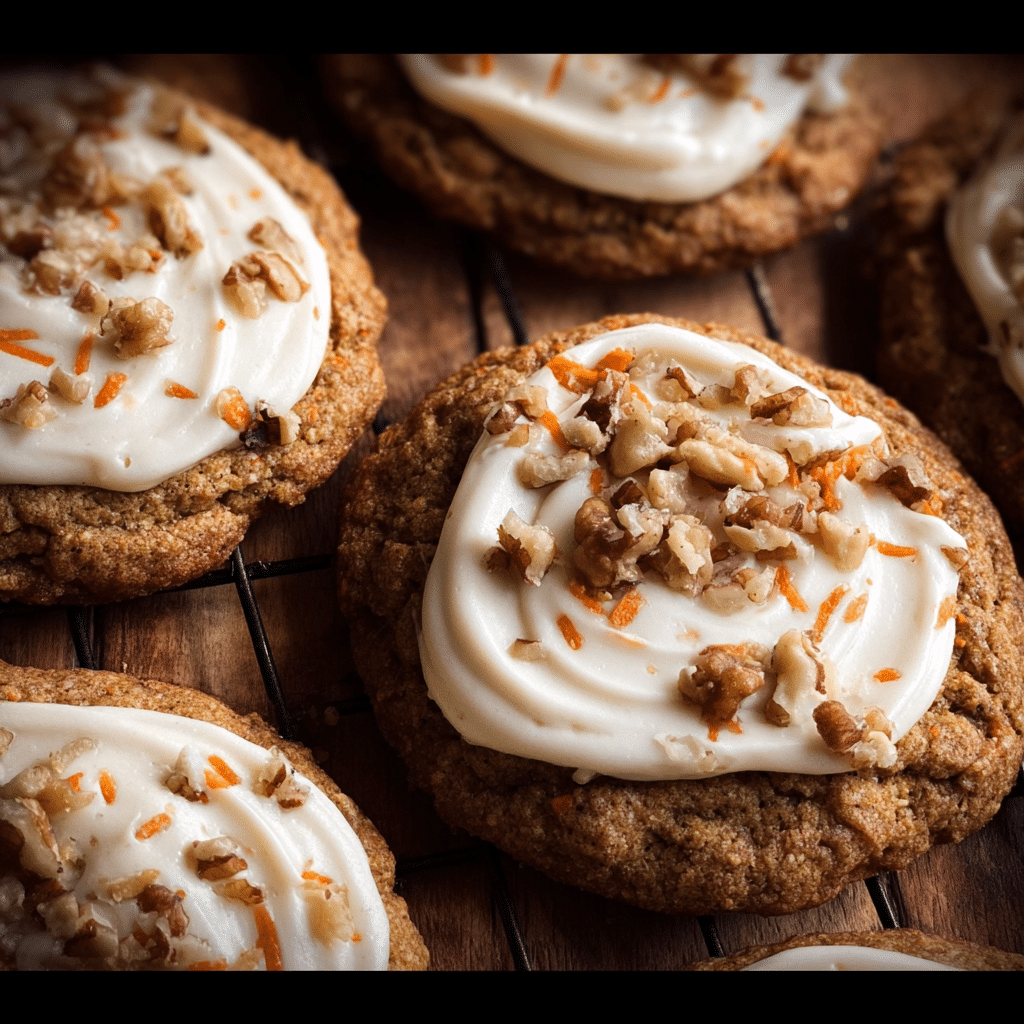
After the cookies cool, the frosting transforms your treats into a delightful masterpiece. The contrast between the moist, spiced cookie and the tangy cream cheese frosting is what makes these carrot cake cookies truly special. Garnish with a sprinkle of cinnamon or a few chopped walnuts for an extra touch!
Incorporating these steps into your baking routine not only ensures success but also creates lasting memories in the kitchen. Whether it’s a quiet afternoon baking solo or a lively gathering with friends, carrot cake cookies are sure to bring joy to everyone.
Professional Tips and Techniques for carrot cake cookies
When it comes to baking carrot cake cookies, there’s an art to achieving that perfect blend of flavors and textures. As a food blogger with years of experience in the kitchen, I’ve learned a few professional tips and techniques that can elevate your cookie game. Whether you’re a novice baker or a seasoned pro, these insights will help you achieve irresistible carrot cake cookies that your friends and family will rave about.
Professional Techniques
One of the most significant aspects of making carrot cake cookies is understanding the ingredients and how they interact. Start with fresh, high-quality carrots; they’re the star of the show! Grating your own carrots instead of using pre-packaged shredded carrots makes a notable difference in texture and flavor. I recommend using a box grater or a food processor for a fine grate. This helps the carrots integrate into the dough, allowing for that delightful moistness characteristic of carrot cake.
Another tip is to cream your butter and sugars thoroughly. This step is crucial as it incorporates air into the mixture, resulting in a light, fluffy cookie. Remember, the color should change to a pale yellow as you beat the mixture. This process typically takes about 3-5 minutes on medium speed with an electric mixer.
Adding spices is where the magic happens! Traditional carrot cake often includes cinnamon and nutmeg, but feel free to explore. A pinch of ginger or allspice can enhance the flavor profile beautifully. But be careful—too much spice can overwhelm the delicate flavors of the carrots and the sweetness of the cookies.
Don’t forget about the flour! A blend of all-purpose flour and a little bit of whole wheat flour can add a nutty flavor and a slight health boost without compromising the texture. If you’re looking for a more tender cookie, try using cake flour instead of all-purpose flour; it will yield a softer, more delicate cookie.
Troubleshooting Guide
Even the most experienced bakers encounter challenges when making carrot cake cookies. Here are some common problems and how to fix them:
- Too dry or crumbly cookies: If your cookies turn out dry, you may have over-measured the flour. Always spoon the flour into your measuring cup and level it off with a knife for accuracy. Additionally, consider adding a tablespoon of milk or another wet ingredient to the dough.
- Flat cookies: If your cookies spread too much, ensure that your butter is at room temperature and not melted. Also, chilling the dough for at least 30 minutes can help retain their shape during baking.
- Uneven baking: If your cookies bake unevenly, make sure to rotate the baking sheet halfway through the baking time. Every oven has a hot spot, and this simple trick can make a significant difference.
Presentation Tips
Presentation is key when it comes to impressing your guests with carrot cake cookies. Consider using a cookie scoop for uniformity in size and shape; this ensures even baking and a polished look. Once baked, allow the cookies to cool on a wire rack before adding a drizzle of cream cheese icing. This not only enhances the flavor but also gives your cookies a beautiful finish.
To elevate your plating, consider stacking a few cookies on a decorative plate and garnishing with crushed walnuts and a sprinkle of cinnamon. This adds a touch of elegance and a hint of rustic charm. You can also serve them alongside a dollop of whipped cream or a scoop of vanilla ice cream for a delightful dessert experience.
As for beverage pairings, I recommend serving your carrot cake cookies with a warm cup of chai tea or a glass of spiced cider. The warmth of the spices in both the cookies and the beverages harmonizes beautifully, creating a cozy atmosphere perfect for any gathering.
With these tips and techniques, you’ll be well on your way to baking the most delicious carrot cake cookies that will impress even the most discerning palates. Happy baking!
Creative Variations and Adaptations of carrot cake cookies
When it comes to carrot cake cookies, creativity knows no bounds! These cookies are incredibly versatile, allowing you to explore a multitude of variations and adaptations to suit any palate or occasion. From seasonal ingredient swaps to dietary modifications, there’s a variation for everyone to enjoy. Let’s dive into some inspiring ideas to make your carrot cake cookies uniquely yours.
Seasonal Variations
One of the joys of baking carrot cake cookies is that you can adapt the recipe to incorporate seasonal ingredients. In the spring, try adding some crushed pineapple for a tropical touch that pairs wonderfully with carrots. The sweetness and moisture from the pineapple will elevate the flavor and texture of your cookies.
As summer rolls around, consider infusing your cookies with fresh herbs like mint or basil. A subtle hint of mint can provide a refreshing twist that complements the warm spices in the cookies. Just chop the herbs finely and mix them into the dough before baking.
In autumn, why not incorporate some pumpkin puree into your cookie dough? This not only enhances the flavor but also adds an extra layer of moisture. You can create a delightful pumpkin-carrot fusion that’s perfect for the fall season. Don’t forget to adjust the flour to account for the additional liquid from the puree!
Finally, in winter, consider using dried cranberries or chopped dates for a chewy texture and a burst of sweetness. These additions can give your carrot cake cookies a festive flair, making them a perfect treat for holiday gatherings.
Dietary Adaptations
With the growing awareness of dietary restrictions, it’s essential to have options for everyone. If you’re looking to make gluten-free carrot cake cookies, simply substitute the regular flour with a gluten-free all-purpose blend. Most blends are designed to mimic the texture of wheat flour, so you won’t lose out on the cookie’s delightful qualities.
For vegan adaptations, replace the eggs with flax eggs (1 tablespoon of ground flaxseed mixed with 2.5 tablespoons of water per egg, let it sit until it thickens) and use plant-based butter or coconut oil. This way, you can enjoy the rich flavors of carrot cake cookies without any animal products.
If you’re watching your sugar intake, consider using natural sweeteners like maple syrup or coconut sugar. These alternatives not only provide sweetness but also add a different flavor profile that complements the spices beautifully. Just be mindful of the moisture content; you may need to tweak the other liquid ingredients accordingly.
Creative Twists
Don’t shy away from getting adventurous with your carrot cake cookies! How about adding a bit of heat? A dash of cayenne pepper or crushed red pepper flakes can add a surprising kick that contrasts beautifully with the sweetness of the cookies. It’s a bold move, but one that can leave your guests pleasantly surprised.
Another fun twist is to play with the mix-ins. Instead of the traditional walnuts or pecans, try using macadamia nuts for a buttery flavor, or dark chocolate chunks for a decadent touch. You can even incorporate unexpected ingredients like coconut flakes or oats to add texture and depth to your cookies.
If you’re looking for a unique cooking method, consider using a stovetop griddle to make your carrot cake cookies. This method creates a nice golden crust while keeping the inside soft and chewy. Just be sure to monitor the heat closely to avoid burning.
Finally, don’t forget about what to do with leftovers! Crumble any leftover cookies over yogurt or ice cream for a delightful dessert parfait. You could also blend them into a milkshake for a delicious and indulgent treat. The possibilities are endless!
With these creative variations and adaptations, your carrot cake cookies will always be a hit, no matter the occasion or dietary preference. So, get inspired and start experimenting!
Storage, Reheating, and Meal Prep for carrot cake cookies
When it comes to baking, one of the most important aspects that often gets overlooked is how to properly store your delicious creations. This is especially true for carrot cake cookies, which can be a delightful treat that you want to enjoy over multiple days or even weeks. Understanding the best practices for storage, reheating, and meal prep can ensure that your cookies remain fresh and flavorful, ready to satisfy your cravings at any time.
Short-term Storage
After baking a batch of carrot cake cookies, the first step in storage is to allow them to cool completely. This is crucial; if you place warm cookies in a container, the steam can create moisture, leading to sogginess. Once cooled, you can store your cookies in an airtight container at room temperature. A simple cookie jar or a plastic container with a tight-fitting lid works perfectly. For added freshness, consider placing a slice of bread in the container. This may sound odd, but the bread will absorb excess moisture, helping to keep your cookies soft and chewy.
In terms of duration, properly stored carrot cake cookies can last about 3-5 days at room temperature. If you want to extend their life a bit longer, refrigeration is an option. However, keep in mind that this may change the texture slightly, making them a bit firmer. When storing in the fridge, stack your cookies with parchment paper between layers to prevent sticking, and use an airtight container to minimize exposure to air.
Freezing and Long-term Storage
If you’ve made a large batch of carrot cake cookies, freezing is a fantastic option for long-term storage. To freeze your cookies, start by letting them cool completely. Once cooled, you can flash freeze them by placing them in a single layer on a baking sheet and putting them in the freezer for about an hour. This will prevent them from sticking together. After they are frozen solid, transfer the cookies to a freezer-safe container or a resealable plastic bag. Be sure to label the bag with the date to keep track of their freshness.
When stored properly, carrot cake cookies can last for up to three months in the freezer. Just remember that the longer they stay frozen, the more their texture and flavor may begin to change. When you’re ready to enjoy them, simply remove the desired number of cookies from the freezer and let them thaw at room temperature or pop them in the microwave for a quick reheat.
Reheating Best Practices
Reheating your carrot cake cookies can be an art in itself. You want to bring back that fresh-baked taste without drying them out. If you’re reheating from the refrigerator, the best method is to use an oven. Preheat your oven to 350°F (175°C) and place the cookies on a baking sheet lined with parchment paper. Heat them for about 5-7 minutes until they’re warmed through. If you’re reheating from frozen, you can bake them directly from the freezer. Just add a couple of extra minutes to the reheating time.
Alternatively, you can use the microwave for a quick fix. Place the cookie on a microwave-safe plate and cover it with a damp paper towel to retain moisture. Heat in 10-15 second intervals until warm. Be cautious not to overdo it, as microwaving for too long can make your cookies tough.
Meal Prep and Batch Cooking Strategies
When it comes to meal prepping with carrot cake cookies, it’s all about efficiency. If you know you’ll be busy during the week, consider dedicating a day to baking and storing your cookies. You can make a double batch and freeze half for later, ensuring you have a stash of delicious treats ready to go.
Another strategy involves portioning out your cookie dough before freezing. You can scoop the dough into individual cookie-sized balls and freeze them on a baking sheet before transferring them to a freezer-safe bag. This way, you can bake just a few cookies at a time, ensuring you have fresh cookies whenever you crave them without having to bake an entire batch.
Food Safety Considerations
It’s essential to keep food safety at the forefront of your storage practices. Always ensure that your carrot cake cookies are completely cooled before storing them. This helps to prevent bacterial growth that thrives in warm, moist environments. When storing in the fridge or freezer, make sure that your containers are clean and dry. Also, be mindful of cross-contamination; if you’re storing cookies with other foods, ensure they are well-sealed to prevent any unwanted flavors or odors.
Shelf Life Expectations
The shelf life of your carrot cake cookies can vary based on the ingredients used and how they are stored. Generally, when kept at room temperature in an airtight container, they can last 3-5 days, while refrigerated cookies can last up to a week. If frozen properly, they can last up to three months. Remember that the fresher the ingredients, the longer your cookies will last, so always opt for high-quality, fresh components.
Portioning and Packaging Tips
When it comes to portioning and packaging your carrot cake cookies, think about how you plan to use them. If you’re gifting cookies or bringing them to an event, consider wrapping them individually in clear cellophane bags tied with a ribbon. This not only makes for a beautiful presentation but also keeps them fresh. For personal storage, use airtight containers and separate layers with parchment paper to avoid sticking. If you’re meal prepping, labeling and dating your packages can help you keep track of their freshness.
In conclusion, mastering the art of storing carrot cake cookies can significantly enhance your cookie experience. Whether you’re savoring them fresh out of the oven or enjoying them weeks later from the freezer, proper storage techniques will help maintain their delightful flavors and textures. Happy baking!
Nutritional Benefits and Health Information
When indulging in delicious carrot cake cookies, it’s tempting to overlook the nutritional side of things. However, with a little knowledge about their ingredients and health benefits, you can enjoy these treats with a better understanding of how they fit into your overall diet. In this section, we’ll delve into the nutritional breakdown, health benefits, and dietary considerations that make carrot cake cookies a delightful addition to your dessert repertoire.
Nutritional Profile
The nutritional profile of carrot cake cookies can vary based on the specific recipe and ingredients used, but let’s take a general look at what you can expect per cookie if made with standard ingredients.
On average, one cookie may contain around 120-150 calories. The macronutrient distribution typically looks like this:
- Carbohydrates: 18-20 grams
- Protein: 1-2 grams
- Fat: 6-8 grams
These cookies are often rich in dietary fiber due to the inclusion of carrots and sometimes oats or nuts. Carrots themselves are a great source of beta-carotene, which is converted to vitamin A in the body, contributing to healthy vision and immune function.
Health Benefits
One of the standout ingredients in carrot cake cookies is, of course, the carrot itself. Beyond their natural sweetness, carrots are packed with vitamins and minerals. They are particularly high in antioxidants, which can help combat oxidative stress in the body. The fiber content in carrots can support digestive health, making them a beneficial addition to a balanced diet.
Additionally, many recipes incorporate nuts, such as walnuts or pecans, which add healthy fats and protein. Nuts are rich in omega-3 fatty acids and can support heart health. If you use whole grains like oats in your cookies, you’re also adding more fiber and essential nutrients.
Dietary Considerations
When considering dietary restrictions, carrot cake cookies can be quite versatile. Traditional recipes often include gluten through all-purpose flour; however, you can easily substitute with gluten-free flour blends if necessary. For those with nut allergies, you can omit nuts or use seeds like sunflower seeds as an alternative.
In terms of sweetness, many recipes call for refined sugar, but there are several healthier alternatives you can use. Honey, maple syrup, or even coconut sugar can provide a more natural sweetness without the blood sugar spike associated with refined sugars.
If you are watching calorie intake, consider modifying portions or making smaller cookies. You can also reduce the amount of sugar in the recipe, as the carrots add natural sweetness. Another tip is to incorporate unsweetened applesauce or mashed bananas, which can also help reduce the fat content while keeping the cookies moist.
Comparison with Similar Dishes
When comparing carrot cake cookies to other dessert options, they often come out on the healthier side. For instance, traditional carrot cake is typically denser and higher in calories due to cream cheese frosting and larger portion sizes. Cookies, being smaller, allow for portion control without sacrificing flavor. Furthermore, the incorporation of vegetables in cookie form can make them feel less indulgent while still satisfying a sweet tooth.
In conclusion, carrot cake cookies are not just a delightful treat; they can also be a nutritious snack when made with wholesome ingredients. By understanding their nutritional benefits and making mindful ingredient choices, you can enjoy these cookies guilt-free. So, the next time you pull a batch out of the oven, you can feel good knowing you’re treating yourself to something delicious and beneficial!
Conclusion: Mastering the Perfect carrot cake cookies
Creating the perfect carrot cake cookies is more than just following a recipe—it’s about understanding the techniques, ingredients, and cultural significance behind this beloved dish. Throughout this comprehensive guide, we’ve explored everything from the historical origins to modern variations, ensuring you have all the knowledge needed to make this recipe your own.
Whether you’re a beginner cook or an experienced chef, the techniques and tips we’ve shared will help you create a carrot cake cookies that’s not only delicious but also meaningful. Remember that cooking is a journey of discovery, and each time you make this dish, you’ll learn something new.
We encourage you to experiment with the variations we’ve discussed, adapt the recipe to your dietary needs, and most importantly, share it with the people you love. Food has the incredible power to bring people together, and Carrot Cake Cookies is the perfect dish to create lasting memories around your dinner table.
Don’t forget to share your cooking adventures with us on social media, and feel free to ask questions in the comments below. Happy cooking!
Share this recipe and let us know how it turned out! Tag us on social media for a chance to be featured.