Cheeseburger meatloaf is not just a dish; it’s an experience, a delightful fusion of flavors that brings together the comforting elements of two all-time favorites: the cheeseburger and the classic meatloaf. My journey with this recipe began on a particularly busy weeknight when I found myself scrambling for a quick dinner solution that would satisfy my family’s cravings for something hearty yet simple. As I rifled through my recipe box, a handwritten note caught my eye—a recipe for cheeseburger meatloaf, scribbled in my mother’s elegant cursive. I felt an immediate wave of nostalgia wash over me, transporting me back to my childhood kitchen filled with the rich aroma of meatloaf baking in the oven. That evening, I decided to give the recipe a whirl, and the result was nothing short of magical.
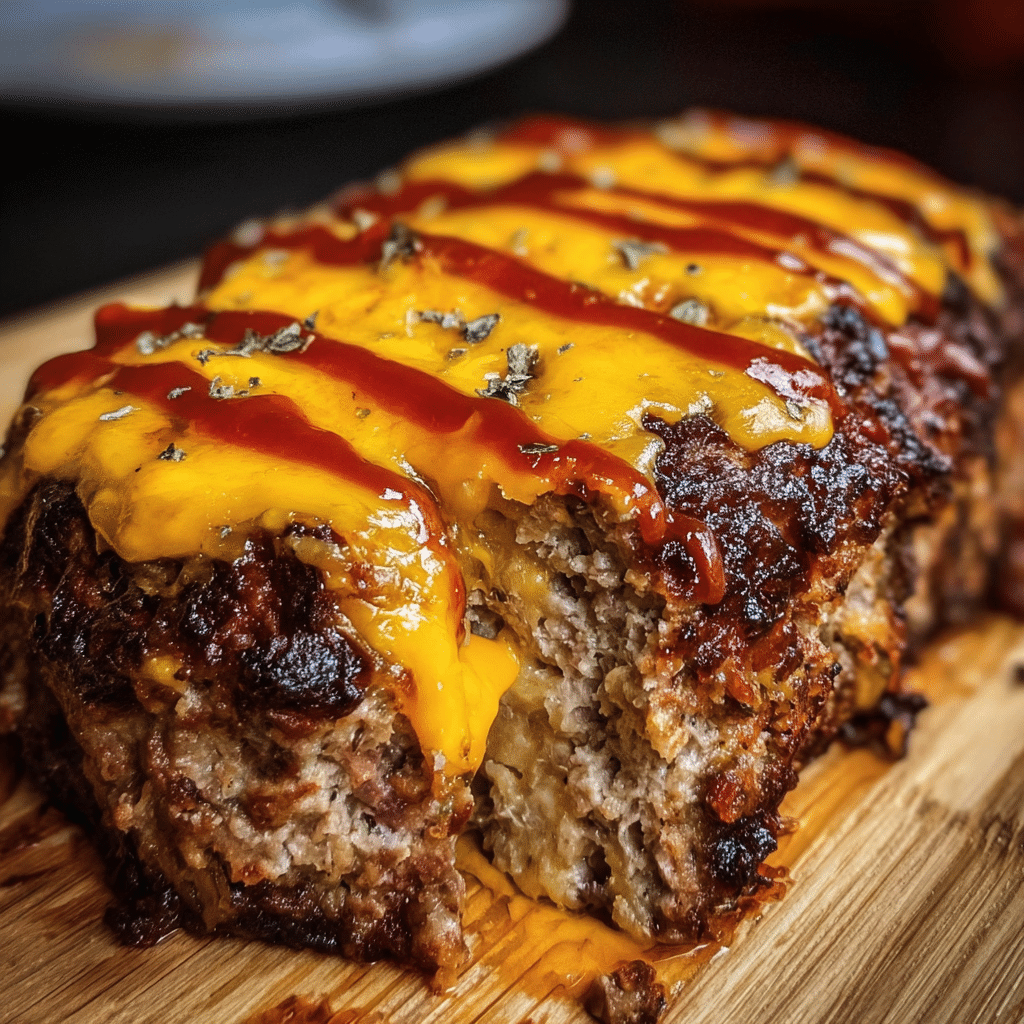
The cheeseburger meatloaf I created that night was a revelation. It was everything I loved about a cheeseburger—succulent beef, gooey cheese, and a tangy ketchup glaze—packed into a comforting loaf that was perfect for slicing and serving. As my family gathered around the table, the smiles on their faces and the sounds of their satisfied sighs reaffirmed that this dish was destined to become a staple in our household. The ease of preparation and the delightful flavors made it a win-win, and I couldn’t help but cherish the memories it brought back, as well as the new ones we were creating together.
The Story Behind This Recipe
The origins of cheeseburger meatloaf are a testament to the American spirit of culinary innovation. Traditional meatloaf, with its roots tracing back to the late 19th century, has long been a favorite in households across the country. It was a dish that symbolized frugality and resourcefulness, allowing families to stretch their ingredients while still enjoying a hearty meal. The cheeseburger, on the other hand, emerged in the early 20th century, quickly becoming an iconic American fast-food staple. The melding of these two beloved dishes into the cheeseburger meatloaf is a perfect example of how food evolves with cultural influences and changing lifestyles.
This recipe stands out not just for its delicious taste but also for its ability to adapt to individual preferences. Whether you’re a fan of sharp cheddar, gooey mozzarella, or even a spicy pepper jack, the cheeseburger meatloaf welcomes customization, allowing home cooks to get creative. It’s a dish that feels at once classic and contemporary, making it a perfect fit for busy families looking for quick dinner solutions. With the right ingredients and a dash of love, you can create a meal that is not only satisfying but also brings everyone together around the dinner table.
As the seasons change, this dish holds special relevance. During the cooler months, the heartiness of cheeseburger meatloaf warms the soul and fills the home with inviting aromas. In the summer, it can be adapted for grilling, offering a fun twist on a backyard barbecue. Regardless of the season, this dish serves as a reminder of family, tradition, and the simple joys of sharing a meal together.
On an emotional level, cheeseburger meatloaf resonates deeply with me. It embodies the essence of comfort food—the kind of dish that wraps you up in warmth and familiarity. The thought of serving it brings back memories of laughter, love, and connection, making it much more than just a meal; it’s an experience worth savoring.
In this guide, readers will learn the ins and outs of making the perfect cheeseburger meatloaf, including tips on ingredient selection, customization options, and even a few tricks to elevate the dish to new heights. Whether you’re a novice cook or a seasoned chef, this recipe promises to deliver satisfaction and delight. So, roll up your sleeves, grab your apron, and let’s embark on this culinary adventure together!
The Rich History and Cultural Significance of cheeseburger meatloaf
Understanding the cultural significance and history of cheeseburger meatloaf is like peeling back the layers of a sweetly glazed onion; it reveals a blend of culinary traditions that reflect the American experience. The origins of this dish can be traced back to the early 1900s, when meatloaf became a staple in American households. This was a time when resourcefulness in the kitchen was essential, especially during the Great Depression. Meatloaf offered an economical way to use leftover meats and stretch ingredients while providing a hearty meal for families.
Origins and History
The traditional meatloaf was shaped by various European influences, particularly from German and British cuisine. As immigrants arrived in America, they brought with them their culinary practices, which blended with local ingredients and tastes. However, the cheeseburger didn’t make its debut until the 1920s, with claims of its invention arising from various parts of the country. What we know today as the cheeseburger—a grilled hamburger patty topped with cheese—quickly became a cultural icon representing the fast-food movement.
It wasn’t long before the concept of combining these two beloved foods took root. The cheeseburger meatloaf emerged as a creative answer to the question of how to innovate traditional meals while still honoring their roots. Combining the elements of a cheeseburger—ground beef, cheese, and condiments—into the hearty format of a meatloaf was a stroke of genius. It allowed home cooks to enjoy the flavors they loved in a new and unique presentation.
Cultural Significance
Cheeseburger meatloaf has since solidified its place in American comfort food culture. It’s often served during family gatherings, potlucks, and even as a go-to dish for busy weeknights. The dish symbolizes togetherness and comfort, making it a favorite among home cooks looking to bring a sense of nostalgia and family tradition to their dinner tables. Additionally, the recipe has seen adaptations across various regions in the United States, with some incorporating local flavors or seasonal ingredients, showcasing the versatility of the dish.
Throughout the years, numerous chefs and restaurants have embraced cheeseburger meatloaf, elevating it to gourmet status. Many have added their unique twists, such as incorporating different types of cheese, mixing in vegetables, or even topping it with special sauces. This adaptability has allowed the dish to remain relevant and exciting to food lovers across generations.
Nutritional Benefits
In addition to its cultural significance, cheeseburger meatloaf also boasts nutritional benefits. Made with lean ground beef, it provides a substantial source of protein, which is essential for muscle growth and repair. When paired with vegetables, such as bell peppers or onions, the nutritional profile improves even further, adding essential vitamins and minerals. Furthermore, the incorporation of oats or breadcrumbs can provide fiber, promoting digestive health.
As more people become conscious of their dietary choices, cheeseburger meatloaf can easily be adapted to cater to various dietary preferences. For instance, you can use ground turkey or plant-based meat alternatives to create a lighter version of the dish. Substituting cheese with low-fat options or adding more vegetables can also enhance its health benefits while maintaining flavor.
Ultimately, the rich history and cultural significance of cheeseburger meatloaf serve as a reminder of how food evolves. It reflects the American way of life—a blend of practicality, creativity, and tradition that brings families together. Whether you’re enjoying it at a family gathering or savoring a slice on a quiet weeknight, cheeseburger meatloaf is more than just a meal; it’s a celebration of food, family, and the memories we create around the dinner table.
Essential Ingredients for Perfect cheeseburger meatloaf
When it comes to crafting the perfect cheeseburger meatloaf, selecting the right ingredients is key. Each component plays a vital role in not just the flavor, but also the texture and overall satisfaction of the dish. So let’s dive into the essential ingredients that will help you create a mouthwatering cheeseburger meatloaf that your family will love.
Essential Ingredients
- Chicken: While traditionally meatloaf is made with beef or pork, ground chicken can be a lighter alternative. It provides moisture without overwhelming the dish with fat. Look for fresh, organic chicken that is free-range for the best flavor.
- Beef: Ground beef is the backbone of our cheeseburger meatloaf. Aim for a blend with about 80% lean meat to 20% fat for that juicy texture. Always choose higher-grade beef, as it can significantly improve the dish’s richness. Make sure to check the color; it should be bright red with a slightly firm texture.
- Pork: Adding some ground pork into the mix not only elevates the flavor but also enhances the moisture content. It complements the beef beautifully. Opt for pork that is sustainably sourced to ensure quality.
- Seafood: For a twist, consider using ground seafood, like shrimp or crab, in place of some of the meats. Seafood adds a unique flavor and can lighten up the dish. Fresh seafood is best, but frozen can work as long as it’s properly thawed.
- Pasta: While not a traditional ingredient in meatloaf, incorporating finely chopped or cooked pasta can add a unique texture and flavor. It’s a great way to stretch your meal a bit further. Use whole grain pasta for added nutrition.
- Fruits: Diced apples or pears can add a hint of sweetness to your cheeseburger meatloaf. They pair surprisingly well with the savory elements and can help keep the meatloaf juicy. Fresh fruits are ideal, but dried fruits like cranberries or raisins can work in a pinch.
- Vegetables: Onions, bell peppers, and even shredded carrots can be incorporated for flavor and moisture. Always use fresh vegetables, as they contribute not only to the taste but also to the nutrition of the dish.
Cheeseburger Meatloaf
Ingredients
- 2 pounds ground beef
- ¾ cup fresh bread crumbs
- ½ cup minced onion
- 2 large eggs, beaten
- 1 ½ teaspoons salt
- 1 ½ teaspoons ground black pepper
- 3 cups shredded Cheddar cheese
Instructions
-
Preheat the oven to 350 degrees F (175 degrees C).
-
Combine beef, bread crumbs, onion, eggs, salt, and pepper in a large bowl; mix well. Pat out meat mixture into a 14×18-inch rectangle on a piece of wax paper.
-
Spread cheese over meat, leaving a 3/4 inch border along the edges. Roll up jelly-roll fashion to enclose the filling and form a pinwheel loaf. Press meat in on both ends to enclose cheese. Place meatloaf in a 10×15-inch baking dish.
-
Bake in the preheated oven until cooked through, about 1 hour. An instant-read thermometer inserted into the center of meatloaf should read at least 160 degrees F (70 degrees C).
Shopping Tips
When shopping for ingredients for your cheeseburger meatloaf, consider the quality first. Fresh and high-quality ingredients lead to a superior dish. Visit local farmers’ markets for meats and produce, as this can often guarantee freshness and support local farmers. If you’re purchasing pre-packaged items, always check the expiration dates and choose organic when possible, especially for meats and vegetables. Organic ingredients can sometimes be pricier but are often more flavorful and free from harmful chemicals.
Substitutions and Alternatives
Not everyone can enjoy traditional meatloaf due to dietary restrictions. If you’re looking for alternatives, consider using ground turkey as a leaner substitute for beef and pork. For a vegetarian option, you can blend lentils or black beans with breadcrumbs and spices to mimic the texture of meat. If you’re avoiding gluten, opt for gluten-free breadcrumbs made from corn or rice. Additionally, you can replace dairy products with plant-based alternatives, such as almond milk or coconut yogurt, making this dish more inclusive for everyone.
Each ingredient in your cheeseburger meatloaf has its own unique role, so understanding how they interact will help you craft a dish that is not only tasty but also tailored to your dietary needs. Remember to store your ingredients properly; keep meat in the coldest part of your fridge and use it within a couple of days for the best results. Fresh vegetables should be stored in a crisper drawer, while fruits can be left out at room temperature until ripe. With these tips in hand, you’re well on your way to whipping up a fantastic cheeseburger meatloaf!
Detailed Step-by-Step cheeseburger meatloaf Cooking Instructions
Cooking a cheeseburger meatloaf is not just about throwing ingredients together; it’s a process that involves preparation, technique, and a bit of love. This dish is perfect for those cozy family dinners or when you want to impress your friends with a comforting homemade meal. Let’s break down the cooking process step by step.
Preparation Steps
- Gather Your Ingredients: Before you start cooking, ensure all ingredients are ready. Measure out your chicken, beef, pork, and any vegetables or seasonings you’ll be using. Having everything on hand will streamline the process.
- Preheat Your Oven: Preheat your oven to 350°F (175°C). This ensures that your cheeseburger meatloaf will cook evenly and thoroughly.
- Mise en Place: Chop your vegetables finely; this ensures they cook evenly and blend well into the meat. If you’re adding fruits like apples, chop them into small pieces. Setting everything up before cooking is a professional chef’s secret to efficiency.
- Combine Meat Mixture: In a large mixing bowl, combine your ground chicken, beef, and pork. Use your hands (clean, of course!) to mix the meats gently without overworking them, which can lead to a tough texture.
- Add Vegetables and Spices: Fold in the chopped vegetables, fruits, and any seasonings like salt, pepper, garlic powder, or Worcestershire sauce. The goal is to create a balanced mixture that has flavor in every bite.
- Bind the Mixture: Add breadcrumbs and an egg to help bind the mixture together. The egg acts as a glue, while breadcrumbs absorb moisture and maintain the loaf’s shape.
Cooking Process
- Shape the Loaf: Transfer your mixture to a baking dish or a lined loaf pan. Shape it into a loaf, making sure it’s even on all sides. This ensures the meatloaf cooks evenly.
- Prepare Topping: If you want that classic cheeseburger flavor, spread ketchup or a mixture of ketchup and mustard on top of the loaf. You can also sprinkle shredded cheese on top during the last 10 minutes of cooking for a cheesy finish.
- Bake: Place the meatloaf in the preheated oven and bake for about 30 minutes, or until the internal temperature reaches 160°F (70°C). Use a meat thermometer to check for doneness, ensuring your loaf is safe to eat.
- Rest the Meatloaf: Once cooked, let the loaf rest for 10 minutes before slicing. This allows the juices to redistribute, ensuring a moist slice every time.
Final Assembly
- Slice and Serve: Slice your cheeseburger meatloaf carefully with a sharp knife. Serve it on a plate with your favorite sides, such as mashed potatoes or a fresh salad.
- Storage Tips: If you have leftovers, store them in an airtight container in the fridge for up to three days. Reheat in the oven or microwave, but be cautious, as reheating can dry out the meatloaf.
As you can see, making a cheeseburger meatloaf can be a straightforward yet enjoyable process. With attention to detail and a little bit of patience, you can create a dish that not only satisfies but also brings everyone together around the dinner table. Enjoy every bite!
Professional Tips and Techniques for cheeseburger meatloaf
When it comes to making a delicious cheeseburger meatloaf, there are several professional tips and techniques that can elevate your dish from good to great. This dish combines the comforting familiarity of meatloaf with the unmistakable flavors of a cheeseburger, making it a family favorite. Here, we’ll delve into some insider secrets, troubleshooting techniques, and advanced methods to ensure your cheeseburger meatloaf turns out perfectly every time.
Professional Techniques
Let’s start with the basics—selecting the right ingredients. The foundation of any great cheeseburger meatloaf is the meat. A blend of ground beef and ground pork usually yields the best results, offering a balance of flavor and moisture. Aim for an 80/20 ratio of meat to fat; this ensures that the meatloaf remains juicy while also holding together well during cooking.
Next, consider the binding agents. Traditional recipes call for breadcrumbs or oats, but for an elevated approach, try using crushed crackers or even panko for a lighter texture. They not only absorb moisture but also help create a more tender meatloaf.
Another pro tip is to create a flavor base by sautéing minced onions and garlic in a bit of oil before mixing them into the meat. This step adds a depth of flavor that raw onions cannot provide. Additionally, incorporating Worcestershire sauce and mustard into the mixture enhances the umami profile, making your cheeseburger meatloaf irresistible.
To ensure even cooking, shape your meatloaf into a freeform loaf on a baking sheet rather than using a loaf pan. This method allows for better air circulation, resulting in a beautifully browned exterior and a moist interior. Don’t forget to create a small well in the center of your meatloaf; this will help it cook evenly and prevent the middle from being undercooked.
Troubleshooting Guide
Even the most experienced cooks encounter issues from time to time. If your cheeseburger meatloaf is falling apart, check the ratio of binding agents. If it’s too dry, consider adding a bit more moisture, perhaps in the form of ketchup or barbecue sauce. If it’s too dense, try reducing the amount of breadcrumbs or oats.
Another common problem is overcooking. To prevent this, invest in a reliable meat thermometer. The internal temperature of your cheeseburger meatloaf should reach 160°F (71°C) for optimal safety and flavor. Once it reaches this temperature, let it rest for at least 10 minutes before slicing. This resting period allows the juices to redistribute, ensuring each slice is juicy and flavorful.
Presentation Tips
Once your cheeseburger meatloaf is cooked to perfection, it’s time to think about presentation. Slice the meatloaf into thick pieces and arrange them on a rustic wooden platter or a white ceramic dish to allow the colors to pop. Garnish with fresh parsley or chives for a splash of color.
Consider creating a “burger bar” effect with toppings on the side—think shredded lettuce, diced tomatoes, pickles, and various sauces. This interactive approach not only adds visual interest but also allows guests to customize their servings according to their tastes.
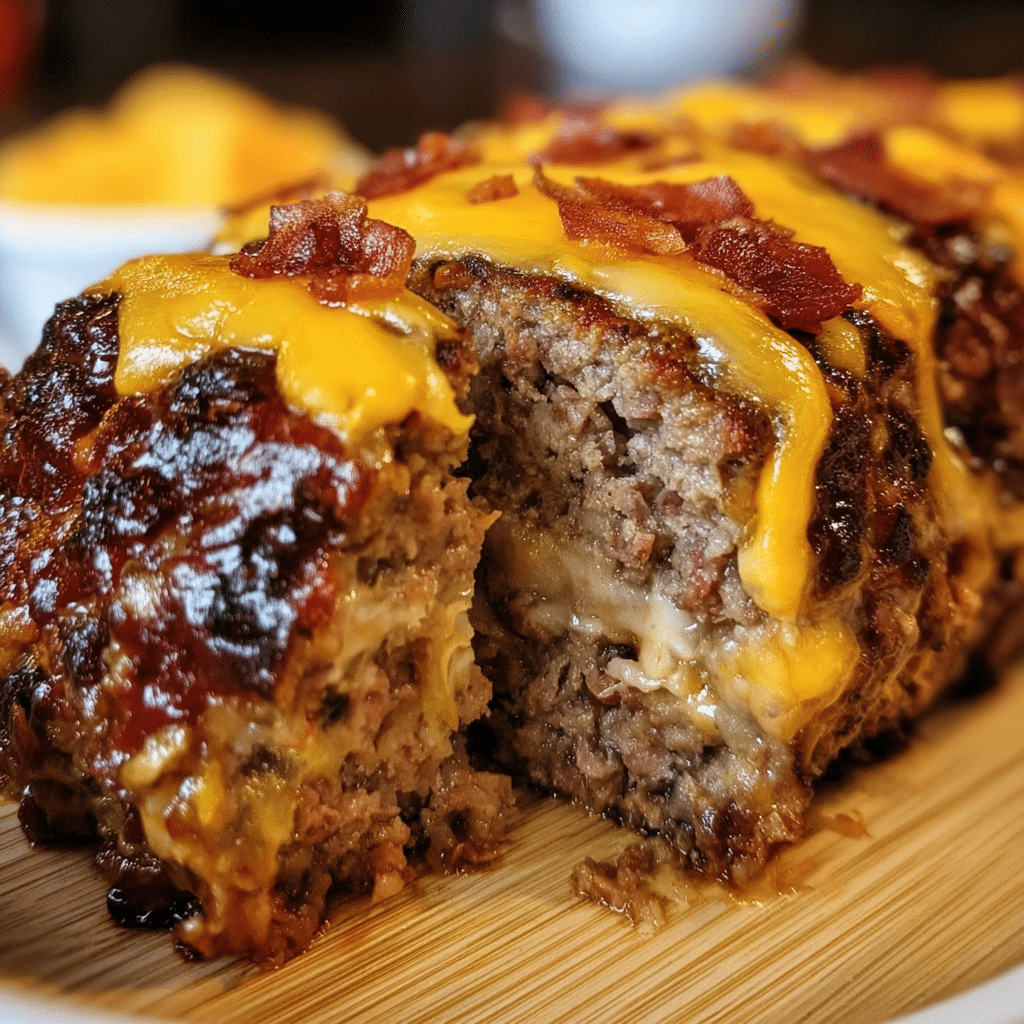
For a beverage pairing, a medium-bodied red wine like Merlot or even a light lager can complement the flavors of the cheeseburger meatloaf beautifully. The wine’s acidity helps cut through the richness of the meat, enhancing your overall dining experience.
Meal prep is another savvy strategy. You can prepare the meat mixture a day in advance and store it in the fridge. This can help meld the flavors together, making for a more delicious meal when you’re ready to bake. Additionally, if you want to scale the recipe, simply adjust the quantities of each ingredient proportionately. Cheeseburger meatloaf freezes beautifully, so consider making two and freezing one for a future meal.
With these professional tips and techniques in hand, you’re well-prepared to create a cheeseburger meatloaf that not only tastes great but also impresses your family and friends. Whether you’re a novice cook or an experienced chef, following these guidelines will help you navigate the meatloaf-making process with confidence.
Creative Variations and Adaptations of cheeseburger meatloaf
Cheeseburger meatloaf is a versatile dish that lends itself beautifully to creative variations and adaptations. Whether you’re looking to change up the flavors, accommodate dietary preferences, or just have fun with the recipe, there’s a world of possibilities waiting for you. Let’s explore some exciting ways to customize your cheeseburger meatloaf.
Seasonal Variations
One of the joys of cooking is embracing seasonal ingredients. In the summer, consider adding finely chopped bell peppers or zucchini to the meat mixture for a burst of freshness. These vegetables not only add flavor but also increase the moisture content, making your cheeseburger meatloaf even juicier.
As fall approaches, think about incorporating spices like sage or even pumpkin puree for a warm, comforting twist. You can also mix in some shredded cheddar cheese and top the meatloaf with a sweet and tangy BBQ sauce for a delightful autumn flair.
During the winter months, think hearty. Incorporate mushrooms sautéed with thyme for a rich, earthy flavor, or try a blend of ground beef and turkey for a lighter option. The addition of cranberry sauce as a glaze can also give a festive touch to your cheeseburger meatloaf.
Dietary Adaptations
With the growing diversity in dietary preferences, it’s essential to have options that cater to various needs. For those following a keto diet, you can substitute breadcrumbs with almond flour or crushed pork rinds to keep it low-carb while still retaining structure and flavor. Adding cheese into the mixture, like mozzarella or cheddar, can also enhance the cheeseburger experience without the extra carbs.
If you’re cooking for vegans, consider using lentils or chickpeas as a base. Combine these with finely chopped vegetables and spices to create a flavorful, plant-based version of cheeseburger meatloaf. You can also bind the mixture with ground flaxseeds mixed with water, which acts as an excellent egg replacement.
For gluten-free adaptations, simply swap out traditional breadcrumbs for gluten-free alternatives, such as gluten-free oats or crushed gluten-free crackers. This way, everyone can enjoy a slice of cheeseburger meatloaf without worry.
Creative Twists
Why not take your cheeseburger meatloaf on an international journey? Try incorporating taco seasoning for a Tex-Mex flavor, adding black beans and corn to the mixture, and topping it with avocado slices and salsa. Alternatively, for a Mediterranean twist, mix in feta cheese, sun-dried tomatoes, and spinach, and serve it with a yogurt sauce.
Different cooking methods can also offer unique textures and flavors. If you have a slow cooker, consider preparing your cheeseburger meatloaf in it for a hands-off approach. Cooking it slowly allows the flavors to deepen and meld together beautifully. Grilling is another exciting option—shape the meat into patties and grill them for a burger-style experience.
Lastly, let’s talk leftovers! If you find yourself with extra cheeseburger meatloaf, consider transforming it into a hearty meatloaf sandwich the next day. Layer it with your favorite toppings between two slices of bread or use it as a filling for tacos. The possibilities are endless!
In conclusion, cheeseburger meatloaf is a canvas ready for your culinary creativity. By experimenting with seasonal ingredients, accommodating dietary needs, and trying various cooking methods, you can make this dish your own. So, roll up your sleeves and get ready to whip up a cheeseburger meatloaf that reflects your personal taste and style!
Storage, Reheating, and Meal Prep for cheeseburger meatloaf
When it comes to preparing a delicious cheeseburger meatloaf, one of the most appealing aspects is its versatility, especially concerning storage and leftovers. This hearty dish not only satisfies your cravings but also has a great shelf life when stored correctly. In this section, we will explore the best practices for storing, reheating, and meal prepping your cheeseburger meatloaf, ensuring that you can enjoy it to the fullest, whether it’s the day you make it or weeks later.
Short-term Storage
After you’ve whipped up a delectable cheeseburger meatloaf, you might find yourself with leftovers (or you may have purposely made extra for meal prep). First things first, if you plan to consume your leftovers within the next few days, refrigeration is your best option. Proper storage in the refrigerator can keep your meatloaf fresh for about 3 to 4 days.
To store your cheeseburger meatloaf in the fridge, allow it to cool to room temperature. This step is crucial as placing hot food directly into the refrigerator can elevate the internal temperature of your fridge, potentially jeopardizing the safety of other stored food. Once cooled, you can slice the meatloaf into individual portions, which not only helps in reheating later but also makes it easy to grab a quick meal. Use airtight containers or wrap the slices tightly in plastic wrap. If you have a whole meatloaf left, cover it well with aluminum foil or transfer it to an airtight container.
Freezing and Long-term Storage
If you want to preserve your cheeseburger meatloaf for longer than a few days, freezing is the way to go. A well-stored meatloaf can last in the freezer for up to 3 months. The key to successful freezing is ensuring that the meatloaf is well-sealed to prevent freezer burn, which can negatively affect flavor and texture.
For freezing, you have a couple of options. You can either freeze the entire meatloaf or individual slices. If you choose to freeze the whole meatloaf, allow it to cool completely, then wrap it tightly in plastic wrap followed by aluminum foil, or place it in a freezer-safe bag. If freezing slices, wrap each slice in plastic wrap and place them in a labeled freezer-safe bag. This way, you can easily pull out just the amount you need without defrosting the entire loaf.
When it comes to thawing, the best method is to transfer the frozen cheeseburger meatloaf to the refrigerator the night before you plan to eat it. This slow thawing process helps maintain the meatloaf’s moisture and prevents any texture changes. If you’re short on time, you can also use the microwave’s defrost setting, but be cautious not to start cooking the meatloaf.
Reheating Best Practices
Reheating your cheeseburger meatloaf properly is essential to enjoying it as much as the first time around. The goal is to heat it through without drying it out or making it rubbery. The oven is the best method for reheating, as it allows for even heating. Preheat your oven to 350°F (175°C), place the meatloaf in an oven-safe dish, and cover it with aluminum foil to retain moisture. Heat for about 20-30 minutes, checking occasionally until it reaches an internal temperature of 165°F (74°C).
If you’re in a hurry, the microwave is a quick option, but it can dry out the meatloaf if not done correctly. Slice the meatloaf and place it on a microwave-safe plate. Cover it with a damp paper towel to help retain moisture. Heat in short intervals, about 1 minute at a time, checking for doneness and flipping the slices for even heating.
Meal prepping with cheeseburger meatloaf is a fantastic strategy for busy weeks. You can make a large batch, portion it out into individual servings, and store them in the refrigerator or freezer, creating a range of meals that are quick to heat and serve. Pair your meatloaf with different sides each day, such as mashed potatoes, steamed vegetables, or a fresh salad, to keep your weekly meals varied and exciting.
Lastly, when considering food safety, always ensure that your meatloaf is cooked to an internal temperature of 160°F (71°C) to kill any harmful bacteria. Use food-safe containers and label your leftovers with dates to keep track of freshness. Remember, when in doubt, it’s better to be safe than sorry, and proper storage and reheating practices will ensure your cheeseburger meatloaf remains delicious and safe to eat.
Nutritional Benefits and Health Information
As we dive into the nutritional benefits of cheeseburger meatloaf, it’s important to recognize that this comfort food can offer more than just a delightful taste. Packed with essential nutrients, this dish can be a balanced meal when made with thoughtful ingredients. In this section, we will break down the nutritional profile of cheeseburger meatloaf, discuss the health benefits of its key components, and explore ways to make this dish fit into various dietary needs.
Nutritional Profile
The traditional cheeseburger meatloaf recipe typically includes ground beef, breadcrumbs, eggs, cheese, and various seasonings. This combination results in a dish that is rich in protein, fats, and carbohydrates. A standard serving (about 1 slice or 1/8 of a loaf) can contain approximately:
- Calories: 300-400 kcal
- Protein: 20-25 g
- Fat: 15-20 g
- Carbohydrates: 20-30 g
- Sodium: 500-700 mg
These values can vary significantly depending on the specific ingredients used, such as the fat content of the ground beef or the type of cheese. For a healthier twist, lean ground turkey or chicken can be substituted for beef, and whole-grain breadcrumbs can be used to increase fiber content.
Health Benefits
One of the standout benefits of cheeseburger meatloaf is its high protein content, which is essential for muscle repair and growth. A protein-rich diet can also help with weight management by promoting feelings of fullness. Additionally, the inclusion of beef provides vital nutrients such as iron, zinc, and B vitamins, which are crucial for energy production and immune function.
The cheese in the meatloaf adds calcium and phosphorus, which are important for maintaining strong bones and teeth. While cheese can be high in saturated fat, opting for lower-fat varieties or using it in moderation can balance out the dish’s overall health profile. Furthermore, adding vegetables to your meatloaf, such as finely chopped onions, peppers, or even grated carrots, can enhance the nutritional value by increasing fiber and vitamin content.
Dietary Considerations
When it comes to dietary restrictions, cheeseburger meatloaf can be easily adapted. For those who are gluten-free, using gluten-free breadcrumbs or oats can make the dish accessible. Vegetarians can experiment with lentils or black beans as a base, incorporating flavors and textures similar to meat.
For those watching their sodium intake, using low-sodium sauces and seasonings can help reduce salt without compromising flavor. Additionally, using lean meats and controlling added fats can assist in managing saturated fat levels, making this dish heart-healthier overall. If calorie count is a concern, portion control is key; enjoying a smaller serving paired with a hearty salad can create a satisfying meal without overindulgence.
In terms of dietary plans, cheeseburger meatloaf can fit well into balanced diets, such as the Mediterranean diet, when made with lean meats, healthy fats, and whole grains. It also provides a satisfying option for those following a high-protein diet, as its robust content can help meet daily protein goals.
Lastly, if you’re looking to modify the recipe for health reasons, consider swapping out half of the meat for vegetables or grains, as this can lower calories and fat while increasing fiber. You can also experiment with spices and herbs to enhance flavor without adding excess sodium or calories.
In conclusion, cheeseburger meatloaf is more than just comfort food; it can be a nutritious meal that caters to various dietary preferences. With a few smart ingredient swaps and mindful preparation, this dish can remain a staple in your kitchen while supporting your health goals.
Conclusion: Mastering the Perfect cheeseburger meatloaf
Creating the perfect cheeseburger meatloaf is more than just following a recipe—it’s about understanding the techniques, ingredients, and cultural significance behind this beloved dish. Throughout this comprehensive guide, we’ve explored everything from the historical origins to modern variations, ensuring you have all the knowledge needed to make this recipe your own.
Whether you’re a beginner cook or an experienced chef, the techniques and tips we’ve shared will help you create a cheeseburger meatloaf that’s not only delicious but also meaningful. Remember that cooking is a journey of discovery, and each time you make this dish, you’ll learn something new.
We encourage you to experiment with the variations we’ve discussed, adapt the recipe to your dietary needs, and most importantly, share it with the people you love. Food has the incredible power to bring people together, and Cheeseburger Meatloaf is the perfect dish to create lasting memories around your dinner table.
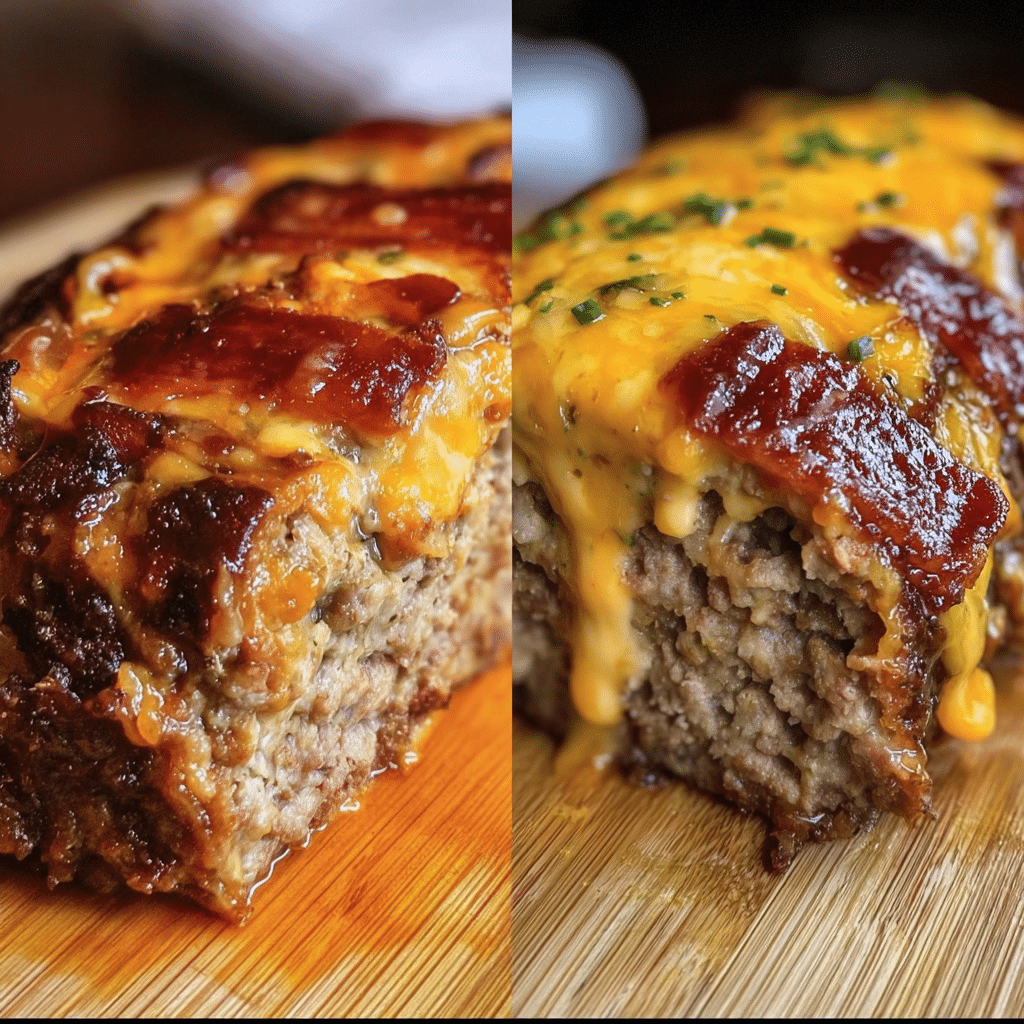
Don’t forget to share your cooking adventures with us on social media, and feel free to ask questions in the comments below. Happy cooking!
Share this recipe and let us know how it turned out! Tag us on social media for a chance to be featured.