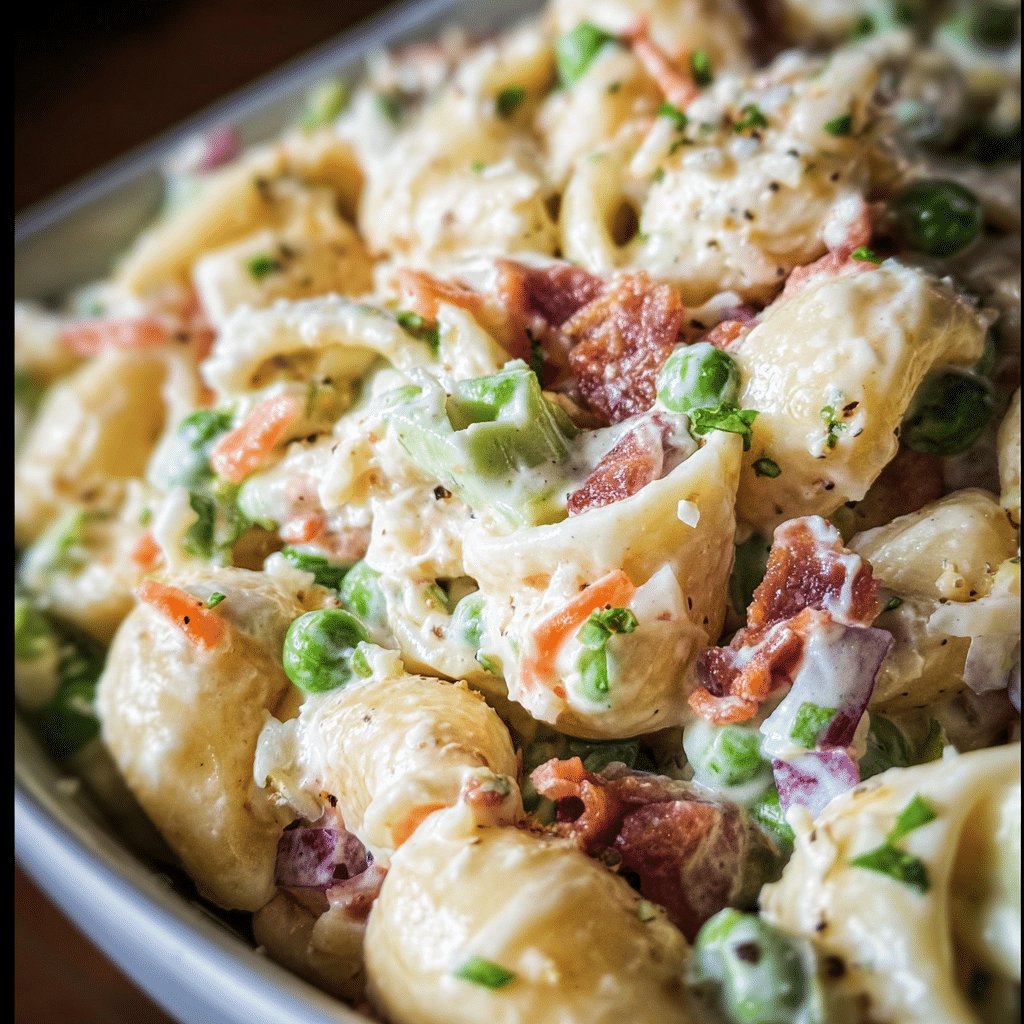
Chicken caesar pasta is not just a meal; it’s a delightful embrace of flavors that brings together the best of both worlds—savory chicken and creamy Caesar dressing wrapped around perfectly cooked pasta. My journey with this dish began on a particularly busy weeknight when I found myself exhausted after a long day at work. I craved something satisfying yet quick to prepare. That’s when I stumbled upon a recipe for chicken caesar pasta online, and the rest is history. The idea of merging two beloved dishes into one tantalizing bowl sparked my culinary creativity, and I was hooked from the first bite.
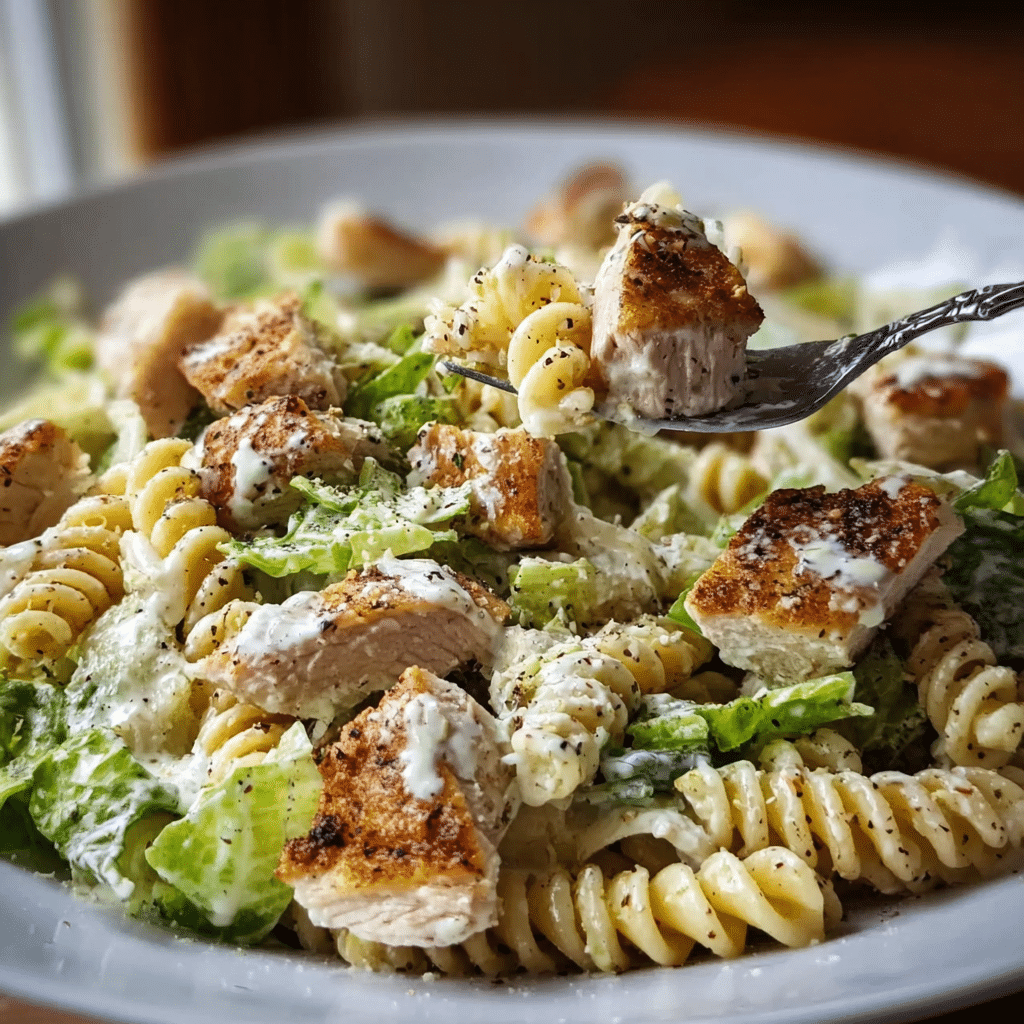
As I prepared the chicken caesar pasta, I couldn’t help but reminisce about family dinners where my mother would whip up classic Caesar salads, her secret dressing recipe hidden in a handwritten notebook that only a few were privileged to see. I remember how we would gather around the table, sharing stories and laughter, the tangy aroma of garlic and anchovies wafting through the air. This dish evokes those memories, blending the nostalgic flavors of Caesar salad with the comforting heartiness of pasta. It’s a dish that feels like home, no matter where you are.
The Story Behind This Recipe
The origins of chicken caesar pasta are somewhat nebulous, but it seems to trace back to the classic Caesar salad, which was reportedly created in the 1920s by Italian immigrant Caesar Cardini in Tijuana, Mexico. Over time, the salad gained immense popularity, and chefs began experimenting with its components, leading to the birth of various adaptations, including the chicken caesar pasta we know today. This evolution speaks to the dish’s versatility; it can be a light summer meal or a hearty winter comfort food.
This recipe stands out because it combines the crunchy elements of a salad with the comforting texture of pasta. While many traditional pasta salads tend to lean towards the vinaigrette side of dressings, chicken caesar pasta embraces the rich creaminess of Caesar dressing, making it a filling meal that doesn’t compromise on flavor. For busy families, it’s a godsend. You can have it on the table in about 30 minutes, using leftover chicken or rotisserie chicken to save even more time. It’s a meal that satisfies both adults and kids alike, making it a go-to recipe for weeknight dinners.
Why You’ll Love This Dish
Another reason chicken caesar pasta has earned a special place in my heart is its seasonal relevance. In the spring, it’s perfect for lightening up after the heavy winter meals, and in the summer, it’s a refreshing dish to enjoy on a warm evening. You can easily adapt it by adding seasonal vegetables like cherry tomatoes or asparagus, making it a versatile dish that changes with the seasons. Imagine a sun-drenched summer evening, with the aroma of garlic and herbs wafting from your kitchen as you serve this delightful dish al fresco, surrounded by family and friends.
This dish is more than just food; it’s a canvas for connection. It invites conversation and encourages shared experiences around the dining table. When I serve chicken caesar pasta to my loved ones, I’m not just feeding them; I’m creating memories, building bonds, and sharing a part of my culinary journey with them. Whether it’s a casual weeknight dinner or a more festive gathering, chicken caesar pasta brings people together, and that’s what makes it so special.
In this article, you will learn how to make chicken caesar pasta from scratch, along with tips and tricks to customize it to your taste. We’ll explore variations, ingredient swaps, and even how to make it healthier without sacrificing flavor. So grab your apron and let’s dive into the wonderful world of chicken caesar pasta!
The Rich History and Cultural Significance of chicken caesar pasta
The rich history and cultural significance of chicken caesar pasta can be traced back to its roots in the classic Caesar salad. The Caesar salad itself is a culinary masterpiece that has evolved over the last century, adapting to various tastes and preferences while maintaining its original charm. It is believed that Caesar Cardini invented the salad in 1924, using ingredients he had on hand, including romaine lettuce, garlic, olive oil, croutons, and a few other staples. The dressing, made with egg, Worcestershire sauce, and Parmesan cheese, was revolutionary and became a central element of the dish.
Chicken caesar pasta, as a derivative, emerged as cooks began to experiment with this iconic salad. The addition of pasta transformed it into a more substantial meal, allowing it to be served as a main course rather than a side. This twist on the classic salad not only satisfied hunger but also provided a new way to enjoy the familiar flavors of Caesar dressing and chicken. It’s a beautiful fusion of Italian and American culinary traditions, showcasing how food can evolve and adapt over time.
Origins and History
Over the years, chicken caesar pasta has seen numerous adaptations, with variations incorporating different types of pasta, dressings, and even protein sources such as shrimp or tofu for a vegetarian option. Chefs across the globe have added their flair, introducing ingredients like sun-dried tomatoes, olives, or even spicy jalapeños to give the dish a unique twist. Such variations demonstrate the dish’s adaptability and its ability to cater to diverse palates.
Cultural Significance
Chicken caesar pasta has become synonymous with casual dining and comfort food. It’s often served during gatherings, family dinners, and events where people come together to share a meal. The dish’s ease of preparation and ability to please a crowd make it a popular choice for celebrations or simple weeknight dinners. In many households, it embodies a sense of togetherness and tradition, as families gather around the table to enjoy a comforting meal after a long day.
In terms of cultural significance, chicken caesar pasta has transcended its origins, becoming a symbol of the fusion of culinary traditions. It showcases how food can bring together elements from different cultures, resulting in a dish that speaks to the heart of many. It’s a testament to the evolving nature of cuisine, where boundaries blur, and flavors blend, creating something entirely new yet familiar.
Nutritional Benefits
Beyond its delicious flavor profile and comforting nature, chicken caesar pasta also offers several nutritional benefits. The primary ingredients—chicken, romaine lettuce, and pasta—provide a balanced mix of protein, carbohydrates, and essential vitamins. Chicken is a fantastic source of lean protein, which is vital for muscle repair and overall health. Romaine lettuce adds a refreshing crunch and is packed with vitamins A and K, which are important for maintaining healthy skin and bones.
While traditional Caesar dressing may be rich in calories, there are numerous ways to lighten it up without compromising on taste. You can use Greek yogurt as a base for the dressing, which adds creaminess while providing probiotics and reducing fat content. Additionally, choosing whole-grain or legume-based pasta can enhance the fiber content of the dish, making it more filling and beneficial for digestive health.
In conclusion, chicken caesar pasta is a dish that not only satisfies the palate but also carries a rich history and cultural significance. It represents an evolution of flavors and ingredients, making it a beloved staple across various dining settings. Whether you’re enjoying it at home with family or serving it at a gathering, chicken caesar pasta brings joy, nourishment, and connection to the table.
Essential Ingredients for Perfect chicken caesar pasta
When it comes to creating a delightful chicken caesar pasta, the ingredients you choose can make all the difference. Each element plays a critical role in building layers of flavor, texture, and a well-rounded dish that pleases everyone’s palate. Let’s dive into the essential ingredients that will give your chicken caesar pasta its signature taste and texture.
Essential Ingredients
- Kosher salt, for the pasta water and to taste – Salt is crucial for enhancing the flavors of your dish. When cooking pasta, adding kosher salt to the water is a crucial step, as it helps to season the pasta itself. This not only enhances the overall flavor but also ensures that each bite of your chicken caesar pasta is well-seasoned.
- 1 tablespoon extra-virgin olive oil – This oil not only adds richness to the dish but also helps to toast the panko breadcrumbs, giving them a delightful crunch. Extra-virgin olive oil is a staple in Mediterranean cooking and is known for its health benefits, including heart-healthy fats and antioxidants.
- 1 clove garlic, minced – Garlic is a flavor powerhouse. Its aromatic qualities elevate the dish and provide that signature savory note that complements the chicken and the Caesar dressing beautifully. Fresh garlic is always recommended for the best flavor, so try to avoid pre-minced varieties.
- 1/2 cup panko breadcrumbs – Panko breadcrumbs are light and crispy, making them perfect for adding texture to your chicken caesar pasta. They can be toasted in olive oil for an extra crunch. This ingredient provides a delightful contrast to the tender pasta and juicy chicken.
- Freshly ground black pepper, to taste – Black pepper adds warmth and a slight kick to your dish. It’s the perfect seasoning to balance the richness of the dressing and the creaminess of the cheese. Freshly ground pepper is always more flavorful than pre-ground, so invest in a quality grinder.
- 1 pound short pasta, such as penne, fusilli, or cavatappi – Short pasta shapes are ideal for this dish as they hold onto the dressing and mix well with the chicken and greens. Fusilli, with its spirals, or penne, with its tubes, both catch bits of chicken and dressing, making every bite delicious.
- 1 pound (about 3 packed cups) shredded cooked chicken – The chicken is the star of the show! Whether you’ve grilled, roasted, or poached it, shredded chicken adds protein and heartiness to the dish. You can use leftover chicken from a previous meal, making this a fantastic way to repurpose your leftovers.
- 1 to 2 large romaine hearts (about 10 ounces), chopped or torn – The romaine lettuce provides a crisp texture and freshness that lightens up the dish. It’s essential not just for its crunchy bite but also for its classic association with Caesar salads, making it a key player in your chicken caesar pasta.
- 1 cup Caesar salad dressing, store-bought or homemade – The dressing is what ties all the flavors together and gives your pasta that unmistakable Caesar taste. You can opt for a creamy dressing or a vinaigrette style one depending on your preference. Homemade dressings are typically more flavorful and can be customized to your liking.
- Shaved Parmesan cheese, for serving – No Caesar dish is complete without Parmesan! Shaving the cheese adds a touch of elegance and a salty, nutty flavor that enhances the dish perfectly. Freshly shaved cheese will always be creamier and more flavorful than pre-packaged shredded cheese.
Chicken Caesar Pasta Salad
Ingredients
- Kosher salt, for the pasta water and to taste
- 1 tablespoon extra-virgin olive oil
- 1 clove garlic, minced
- 1/2 cup panko breadcrumbs
- Freshly ground black pepper, to taste
- 1 pound short pasta, such as penne, fusilli, or cavatappi
- 1 pound (about 3 packed cups) shredded cooked chicken
- 1 to 2 large romaine hearts (about 10 ounces), chopped or torn
- 1 cup Caesar salad dressing, store-bought or homemade, plus more as needed
- Shaved Parmesan cheese, for serving
Instructions
-
Boil the water:
Bring a large pot of salted water to a boil over high heat.
-
Toast the breadcrumbs:
Meanwhile, heat the olive oil in a small skillet over medium-low heat. Add the garlic and cook, stirring occasionally, until fragrant, 1 to 2 minutes. Add the breadcrumbs and cook, stirring frequently, until golden-brown and toasted, 1 to 2 minutes more. Transfer to a small bowl, season with salt and pepper, and set aside.
-
Cook the pasta:
When the water comes to a boil, cook the pasta until al dente according to the package instructions. Drain and run briefly under cool water to cool the pasta down. Drain well again.
-
Toss and serve:
Add the pasta, chicken, and lettuce to a large serving bowl, pour in the dressing, and toss well to combine. Taste and season with an additional drizzle of dressing as well as salt and pepper as needed. Add half of the garlic breadcrumbs and toss to combine. Garnish with the remaining garlic breadcrumbs and shaved Parmesan and serve.
Leftovers don’t keep well. The breadcrumbs can be stored separately as well as the chicken, lettuce, and pasta for up to a day. Combine and add the dressing just before serving.
Shopping Tips
When shopping for ingredients for your chicken caesar pasta, quality matters. Here are some tips to ensure you select the best ingredients:
- For the olive oil, look for extra-virgin varieties that are cold-pressed for the best flavor. Check for a harvest date on the label to ensure freshness.
- Choose fresh garlic that is firm and free of blemishes. Avoid garlic that has started to sprout, as it can be bitter.
- For pasta, opt for high-quality brands made from durum wheat, as they hold up better during cooking. Check the packaging for the cooking time; it should be around 8-12 minutes.
- When selecting chicken, look for organic or free-range options for better taste and quality. If you’re using pre-cooked chicken, make sure it’s from a reputable source.
- For romaine lettuce, choose heads that are crisp and free of brown spots. Organic options are often more flavorful and pesticide-free.
- Invest in a good-quality Caesar dressing if you’re going store-bought. Check the ingredients for authenticity; the best dressings will have real anchovies, garlic, and Parmesan.
- Finally, for the Parmesan cheese, always go for a block of cheese that you can shave yourself for the best flavor and texture.
Substitutions and Alternatives
Dietary restrictions shouldn’t prevent you from enjoying this delicious chicken caesar pasta. Here are some substitutions you can consider:
- If you are gluten-free, swap out the short pasta for gluten-free pasta alternatives made from rice or quinoa.
- For a lower-carb option, try using spiralized zucchini or spaghetti squash instead of pasta.
- If you’re avoiding dairy, consider nutritional yeast as a substitute for Parmesan cheese, which will provide a similar umami flavor.
- For a vegetarian option, you can replace the chicken with chickpeas or grilled vegetables. Tofu or tempeh can also provide the protein you need.
- If you prefer a lighter dressing, you can make a yogurt-based Caesar dressing using Greek yogurt in place of mayonnaise.
In conclusion, the ingredients you choose for your chicken caesar pasta are fundamental in crafting a dish that is not only delicious but also satisfying. By selecting high-quality items and being mindful of substitutions, you can create a meal that caters to your personal taste and dietary needs while enjoying the timeless flavors of this beloved dish.
Detailed Step-by-Step chicken caesar pasta Cooking Instructions
Cooking chicken caesar pasta is not just about throwing ingredients together; it’s an art that requires a bit of finesse, timing, and attention to detail. With a straightforward process, you can create a dish that is both satisfying and impressive. Let’s break down the step-by-step cooking instructions to ensure your chicken caesar pasta comes out perfect every time.
Preparation Steps
- Gather Your Ingredients: Before you start cooking, make sure you have all your ingredients ready. Having everything at hand will simplify the cooking process and ensure that you’re not scrambling for items mid-recipe.
- Cook the Pasta: Begin by bringing a large pot of salted water to a boil. This is where your kosher salt comes into play; add a generous amount to the water. Once boiling, add 1 pound of your chosen short pasta—penne, fusilli, or cavatappi work beautifully. Cook according to package instructions until al dente, usually around 8-10 minutes. Remember to stir occasionally to prevent sticking.
- Prepare the Chicken: If you haven’t already prepped your chicken, now is the time. Use about 1 pound of shredded cooked chicken, which can be leftover from a previous meal or rotisserie chicken from the store. If you’re starting with raw chicken, it’s best to grill or bake it until fully cooked, then shred it. This might take an additional 30 minutes, so plan accordingly.
- Toast the Breadcrumbs: While the pasta is cooking, heat 1 tablespoon of extra-virgin olive oil in a skillet over medium heat. Add 1/2 cup of panko breadcrumbs to the skillet and stir frequently until they turn golden brown. This usually takes about 3-5 minutes. Keep an eye on them, as they can burn quickly.
- Prep the Garlic: Mince 1 clove of garlic finely. This will infuse a lovely aroma into your dish once cooked. You can add it to the breadcrumbs during the last minute of toasting for a stronger garlic flavor.
- Chop the Romaine: While the pasta is cooking and the breadcrumbs are toasting, wash and chop or tear your romaine hearts into bite-sized pieces. Aim for about 3 packed cups. This fresh component will add a wonderful crunch to your chicken caesar pasta.
- Drain the Pasta: Once your pasta is cooked to al dente, reserve about a cup of the pasta water, then drain the rest. Do not rinse the pasta, as you want the starches to help the sauce adhere to it.
Cooking Process
- Combine Ingredients: In a large mixing bowl, combine the drained pasta, shredded chicken, and chopped romaine lettuce. This is where texture starts to build, with the tender pasta complementing the crunch of the lettuce.
- Add Caesar Dressing: Pour in 1 cup of Caesar salad dressing. If you’re using homemade dressing, you can adjust the amount to your preference. Mix everything together gently, ensuring that the pasta and chicken are well coated.
- Adjust Consistency: If the mixture seems dry, use the reserved pasta water, adding it a little at a time until you reach your desired creaminess. This step is crucial as it helps to bind the flavors together without making the dish too soggy.
- Season to Taste: Now is the time to add freshly ground black pepper and additional kosher salt if necessary. Taste your dish; it should be well-balanced, with no single ingredient overpowering the others.
- Final Touches: Gently fold in the toasted panko breadcrumbs, which add that much-desired crunch. This is also the moment to sprinkle in some freshly shaved Parmesan cheese, reserving a bit for serving.
Final Assembly
- Plating: For an impressive presentation, serve your chicken caesar pasta in large bowls or on individual plates. A sprinkle of additional shaved Parmesan on top adds a nice finishing touch.
- Garnish: If you want to elevate your dish even more, consider garnishing with a sprinkle of freshly cracked black pepper or a drizzle of extra-virgin olive oil for added richness.
- Serve Immediately: Chicken caesar pasta is best served fresh. The combination of textures and flavors is at its peak right after preparation. If you need to store leftovers, keep the components separate to maintain the freshness of the romaine and the crunch of the breadcrumbs.
- Storage Tips: If you have leftovers, store them in an airtight container in the refrigerator for up to 3 days. When reheating, consider adding a splash of water or additional Caesar dressing to revitalize the dish.
- Avoid Common Mistakes: One common mistake is overcooking the pasta; always aim for al dente. Also, be cautious with salt; it’s easier to add more than to take it away. Finally, when mixing everything, be gentle to prevent breaking the pasta or wilting the romaine.
- Enjoy Your Creation: Sit down and relish in the satisfaction of creating a delicious meal. Share it with family or friends, and bask in the compliments that will surely come your way. Your chicken caesar pasta is not just a dish; it’s a labor of love, a testament to your cooking skills, and a delightful meal that brings everyone together.
In just about 30 minutes, you can have a beautiful, hearty chicken caesar pasta that’s both satisfying and delicious. With this detailed guide, you’ll not only master the recipe but also enhance your culinary skills along the way. Enjoy your cooking journey!
Professional Tips and Techniques for chicken caesar pasta
When it comes to preparing a delicious Chicken Caesar Pasta Salad, having the right tips and techniques can make all the difference. This dish is not only a feast for the eyes but also a delightful combination of flavors and textures that can elevate any meal. Whether you’re preparing a simple family dinner or a potluck dish, mastering the art of chicken caesar pasta will surely impress your guests. Here are some professional tips and techniques to ensure your dish comes out perfectly every time.
Professional Techniques
One of the first steps to creating an unforgettable chicken caesar pasta is to select the right pasta. I often recommend using fusilli or rotini for this dish, as their spirals hold onto the dressing beautifully, ensuring every bite is packed with flavor. When cooking your pasta, be sure to follow the package instructions for al dente texture. Overcooked pasta can become mushy and detract from the overall experience.
Another insider tip is to marinate your chicken. A simple marinade of olive oil, garlic, lemon juice, and a sprinkle of Italian herbs can infuse your chicken with flavor. Allow it to sit for at least 30 minutes, or even overnight, if you can. This not only enhances the taste but also helps keep the chicken moist during cooking.
When it comes to cooking the chicken, consider using a grill or a cast-iron skillet for a nice sear. The caramelization that occurs during grilling or pan-searing adds a depth of flavor that you simply can’t replicate with boiling. Additionally, using a meat thermometer to check for doneness ensures perfectly cooked chicken every time.
Troubleshooting Guide
Even the best cooks encounter challenges in the kitchen. If your chicken caesar pasta is too dry, it may be due to insufficient dressing. Don’t hesitate to add an extra drizzle of Caesar dressing or even a splash of chicken broth to moisten things up. Conversely, if the dish is too wet, consider adding more pasta or vegetables to balance it out.
Another common issue is the dressing separating. This can happen if the ingredients are not emulsified properly. To avoid this, whisk the dressing ingredients together vigorously, or use a food processor to blend until smooth. If separation occurs, a quick whisk just before serving can help bring it back together.
Presentation Tips
Presentation is key when serving chicken caesar pasta. A vibrant serving dish can enhance the visual appeal. I love to garnish my salad with freshly grated Parmesan cheese and a sprinkle of chopped parsley or chives. Additionally, serving it in a large, clear bowl allows the colorful ingredients to shine through, inviting guests to dig in.
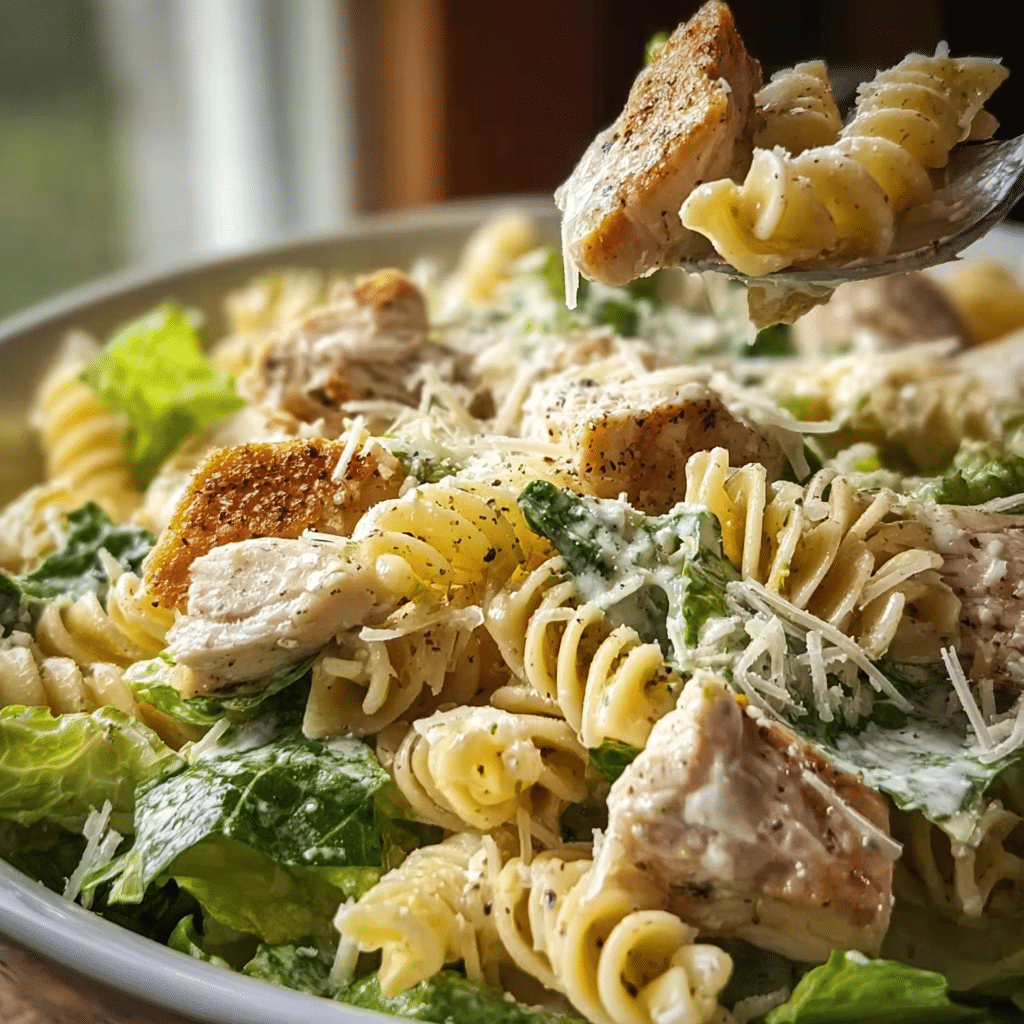
Consider creating a layered presentation by placing the pasta at the bottom, followed by the chicken, and then topping it with the romaine lettuce and other toppings. This not only looks beautiful but also allows guests to mix it up on their plates. For a touch of elegance, you can serve individual portions in mason jars, which also makes for easy transport if you’re taking it to a gathering.
Make-Ahead and Meal Prep Strategies
One of the best things about chicken caesar pasta is that it can be made ahead of time. In fact, the flavors meld beautifully after sitting for a few hours in the fridge. If you’re meal prepping, consider preparing the pasta and chicken in advance, but keep the dressing separate until you’re ready to serve. This keeps everything fresh and prevents the pasta from becoming soggy.
When scaling the recipe up or down, remember that the dressing is often the most critical component. A good rule of thumb is to start with a base amount and adjust to taste, as preferences can vary. If you’re feeding a crowd, consider doubling the chicken and pasta but keep the dressing ratios consistent to avoid overwhelming the dish.
Wine and Beverage Pairings
Pairing the right beverage with your chicken caesar pasta can elevate the dining experience. A chilled Sauvignon Blanc or a light Pinot Grigio complements the flavors beautifully, offering a refreshing contrast to the richness of the dressing. If you prefer red wine, a light-bodied Pinot Noir can also work well.
If you’re looking for non-alcoholic options, consider serving sparkling water with a wedge of lemon or a refreshing iced tea. These choices can cleanse the palate and enhance the overall meal experience.
In conclusion, mastering chicken caesar pasta involves a combination of the right techniques, thoughtful presentation, and attention to flavor balance. With these tips in your back pocket, you’ll be well-equipped to impress family and friends with this delightful dish.
Creative Variations and Adaptations of chicken caesar pasta
Chicken Caesar Pasta Salad is a versatile dish that can be adapted in numerous ways to suit different tastes and dietary requirements. While the classic version is undeniably delicious, exploring creative variations can provide exciting twists that keep this dish fresh and appealing. Here are some ideas to inspire your culinary creativity!
Seasonal Variations
As seasons change, so do the ingredients available to us. In the spring, try adding fresh asparagus or peas for a vibrant pop of color and a delightful crunch. Both ingredients pair beautifully with the creamy dressing and can elevate the dish to a whole new level.
In the summer, consider incorporating ripe cherry tomatoes and sweet corn for a burst of sweetness. These ingredients not only enhance the flavor but also add a refreshing quality that’s perfect for warmer weather. For a fall twist, roasted butternut squash can add a unique sweetness and depth to your chicken caesar pasta.
Winter variations may include adding roasted root vegetables like carrots or beets, which bring earthiness and warmth to the dish. Don’t be afraid to experiment with different vegetables based on what’s available or in season at your local market.
Dietary Adaptations
For those with dietary restrictions, the chicken caesar pasta can be easily modified. If you’re aiming for a keto-friendly version, swap the regular pasta for zucchini noodles or spaghetti squash. These alternatives are low in carbs and provide a similar texture to traditional pasta while keeping the dish light and healthy.
If you’re catering to a vegan audience, you can replace the chicken with grilled tempeh or chickpeas for added protein. Using a vegan Caesar dressing, which often features cashews or tahini, can keep the creamy texture intact without any animal products. Additionally, nutritional yeast can provide that cheesy flavor without dairy.
For gluten-free options, many brands offer gluten-free pasta made from rice, quinoa, or chickpeas. These can be used seamlessly in your chicken caesar pasta without sacrificing flavor or texture.
Creative Twists
Don’t hesitate to get adventurous with your chicken caesar pasta! One fun twist is to add a spicy kick by incorporating red pepper flakes or jalapeños. This can create a delightful contrast with the creamy dressing, adding a layer of complexity to the dish.
Another creative idea is to use different protein sources. Instead of chicken, try shrimp or cooked bacon for a smoky flavor. Both options can provide a new dimension to the classic dish, making it feel entirely different and exciting.
For a Mediterranean flair, consider adding olives, artichokes, or sun-dried tomatoes. These ingredients can bring a burst of flavor and a touch of sophistication, transforming your chicken caesar pasta into a gourmet experience.
If you have leftovers, think about transforming them into a baked pasta dish. Combine the pasta with additional cheese and breadcrumbs, then bake until bubbly and golden for a comforting casserole that will delight your family.
In summary, chicken caesar pasta is a canvas that can be painted with a variety of flavors and textures. By experimenting with seasonal ingredients, dietary adaptations, and creative twists, you can keep this beloved dish exciting and relevant for every occasion. So roll up your sleeves, get in the kitchen, and let your culinary imagination run wild!
Storage, Reheating, and Meal Prep for chicken caesar pasta
When it comes to enjoying a delicious plate of chicken caesar pasta, knowing how to properly store, reheat, and prepare meals in advance can greatly enhance your culinary experience. Whether you’ve prepared a big batch for a family gathering or just want to save some for lunch the next day, understanding the nuances of storage can help you maintain the dish’s freshness and flavor. Let’s dive into the various methods of storing your chicken caesar pasta, ensuring that it remains delightful every time you serve it.
Short-term Storage
For short-term storage, your best bet is to refrigerate your chicken caesar pasta. Once you’ve finished enjoying your meal, it’s important to allow the pasta to cool down to room temperature before storing it. This helps to prevent condensation from forming inside the container, which can lead to sogginess.
Use airtight containers or resealable plastic bags to store your pasta salad. I personally prefer glass containers because they are not only eco-friendly but also allow me to see what’s inside without opening them. If you’re using a plastic bag, make sure to squeeze out as much air as possible before sealing it. This simple step can help prolong the freshness of your pasta salad.
In the refrigerator, your chicken caesar pasta can last about 3 to 5 days. However, always check for signs of spoilage before consuming leftovers. If you notice any off-putting odors or changes in texture, it’s best to err on the side of caution and discard the food.
Freezing and Long-term Storage
If you find yourself with a larger quantity of chicken caesar pasta than you can consume in a few days, freezing is a fantastic option. Freezing can extend the lifespan of your dish significantly—up to 2-3 months, in fact. To freeze your pasta salad, first, ensure that it is adequately cooled. Then, use a freezer-safe container or a heavy-duty freezer bag for storage.
When freezing, consider portioning your pasta salad into individual servings. This not only makes it easier to thaw only what you need but also helps prevent waste. Label each container or bag with the date of freezing, so you can easily keep track of how long it’s been stored.
It’s important to note that freezing may slightly alter the texture of certain ingredients in your chicken caesar pasta, particularly lettuce or other fresh components. To combat this, you might consider freezing just the pasta and chicken, and preparing a fresh caesar dressing and lettuce when you’re ready to serve. This ensures that your salad retains its vibrant crunch and fresh flavors.
Reheating Best Practices
When it comes time to enjoy your stored chicken caesar pasta, reheating it properly is key to maintaining quality. For refrigerated pasta, you can enjoy it cold as a refreshing salad or gently reheat it. If you prefer warm pasta, the microwave is a convenient option. Place the salad in a microwave-safe bowl, cover it loosely with a microwave-safe lid or plastic wrap (vented), and heat on medium power for 1-2 minutes, stirring halfway through to ensure even warming.
If you’ve frozen your pasta, the best method for reheating is to let it thaw in the refrigerator overnight before reheating. This gradual thawing helps retain the texture of the pasta. Once thawed, follow the same microwave instructions as you would for refrigerated pasta. Alternatively, you can reheat on the stovetop over low heat, adding a splash of water or olive oil to prevent sticking.
As you prepare for meal prep, keep in mind that food safety is paramount. Always store your chicken caesar pasta in the refrigerator within two hours of cooking to prevent bacterial growth. Additionally, when reheating, ensure that the internal temperature reaches at least 165°F (74°C) to ensure it’s safe to eat.
In conclusion, whether you’re enjoying chicken caesar pasta as a quick lunch or as part of a larger meal prep strategy, understanding the best practices for storage, freezing, and reheating can make all the difference. Enjoy your culinary creation with confidence, knowing that you can store it effectively and safely, ready to be relished time and time again!
Nutritional Benefits and Health Information
As we dive into the nutritional benefits of chicken caesar pasta, let’s first take a moment to appreciate the wholesome ingredients that make this dish not only delicious but also nourishing. With a balance of protein, carbohydrates, and fats, this pasta salad can be a great addition to your meal plans, whether you’re a health enthusiast or just someone who wants to enjoy a tasty dish.
Nutritional Profile
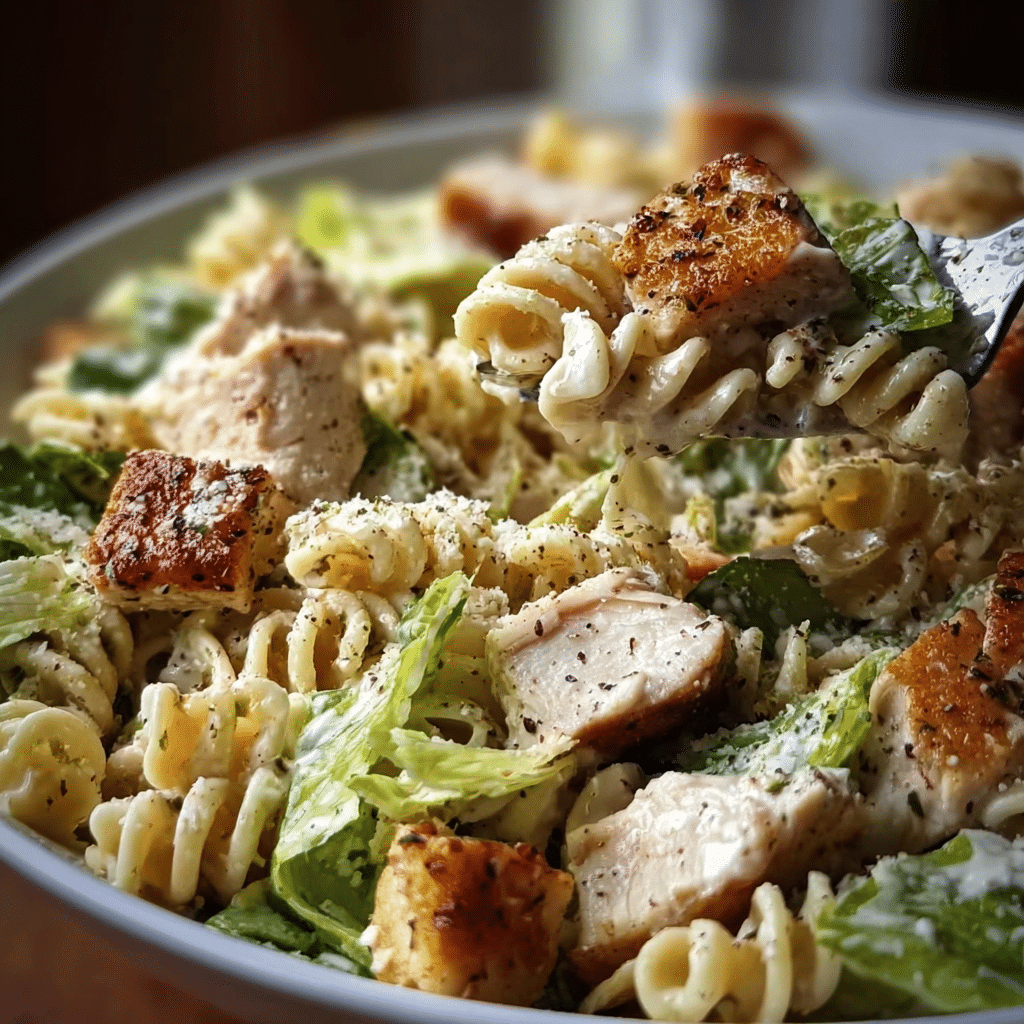
A standard serving of chicken caesar pasta typically consists of grilled chicken breast, pasta, romaine lettuce, parmesan cheese, croutons, and a creamy caesar dressing. The macronutrient breakdown can vary based on the specific ingredients and portions used, but generally, you can expect around 400-600 calories per serving. This includes approximately 30-40 grams of protein, 50-70 grams of carbohydrates, and 15-25 grams of fat, making it a well-rounded meal.
The chicken provides a lean source of protein, which is essential for muscle repair and growth, while the pasta offers carbohydrates that serve as the primary energy source for our bodies. The healthy fats from the dressing and cheese contribute to satiety and help in the absorption of fat-soluble vitamins.
Health Benefits
Let’s explore some specific health benefits of key ingredients found in your chicken caesar pasta. Grilled chicken breast is not only a fantastic source of protein but also contains essential vitamins and minerals such as B vitamins, iron, and zinc. These nutrients play vital roles in energy metabolism and immune function.
Romaine lettuce, a staple in caesar salads, is low in calories but high in fiber, which can help with digestion and maintaining a healthy weight. Additionally, it’s rich in vitamins A and K, both of which are important for maintaining healthy skin and proper blood clotting.
Parmesan cheese, while adding a delightful flavor, also contributes calcium and phosphorus, essential for bone health. The croutons, while often seen as an indulgence, can provide a satisfying crunch. Opting for whole-grain croutons can add extra fiber and nutrients to your meal.
Dietary Considerations
When it comes to dietary considerations, chicken caesar pasta can be easily modified to fit various dietary needs. For those following a gluten-free diet, using gluten-free pasta is a simple swap that allows everyone to enjoy this dish. Additionally, vegetarians can replace chicken with chickpeas or grilled tofu for a protein boost without meat.
If you’re conscious of calories or looking to lighten up your meal, consider using a lighter caesar dressing or making your own with Greek yogurt as a base. This not only reduces the calorie content but also adds additional protein to your dish.
In terms of allergen information, be mindful of potential allergens in your chicken caesar pasta. Common allergens include dairy from the cheese and dressing, gluten from the pasta, and eggs, which may be present in some commercial dressings. Always read labels carefully if you’re using store-bought ingredients.
In comparison to similar dishes, chicken caesar pasta stands out for its unique flavor profile and texture. While traditional pasta salads may be heavier on mayonnaise or vinaigrettes, the caesar dressing offers a creamy, tangy experience that is both satisfying and refreshing.
In summary, chicken caesar pasta is not only a delightful dish but also packs a nutritional punch. With a balanced macronutrient profile and the potential for various modifications, it can easily fit into many diet plans. So, enjoy your delicious bowl of pasta salad, knowing that you’re treating your body to wholesome ingredients and flavors!