Cilantro lime pasta is one of those dishes that instantly transports me back to sun-drenched summer days, where the warmth of the sun melds with the vibrant flavors of fresh ingredients. I still remember the first time I stumbled upon this recipe, tucked away in a colorful food magazine at a friend’s house. Intrigued by the bright, zesty flavors and the promise of a quick, satisfying meal, I decided to give it a try. Little did I know, this would become a staple in my kitchen—a dish that not only delighted my taste buds but also became a family favorite.
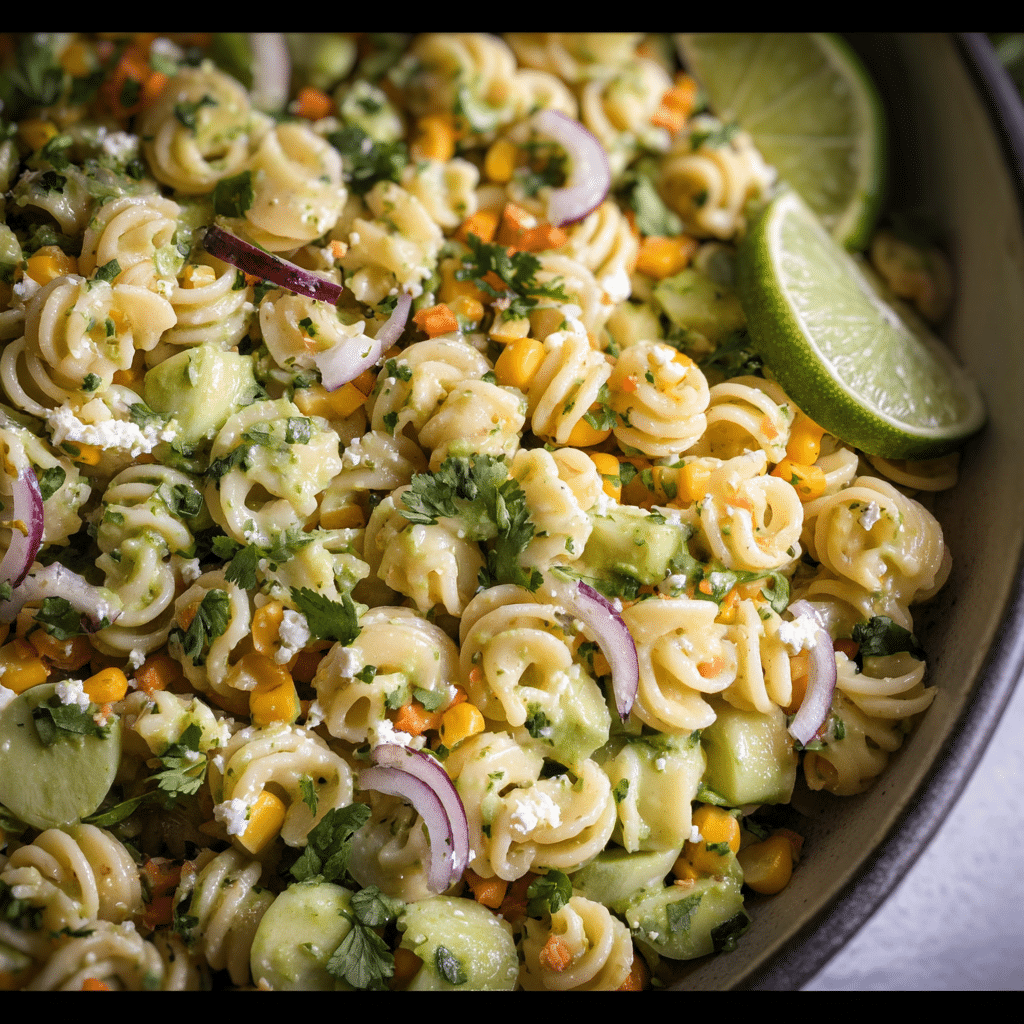
As I cooked my inaugural batch of cilantro lime pasta, the intoxicating aroma of garlic and cilantro filled the air. The vibrant green of the cilantro danced against the golden pasta, creating a dish that was as pleasing to the eye as it was to the palate. It was a refreshing take on pasta, unlike anything I had ever made before. The zesty lime juice added a brightness that perfectly complemented the earthiness of the cilantro, and that’s when I knew I had discovered something special.
The Story Behind This Recipe
The beauty of cilantro lime pasta lies not just in its delightful flavors but also in its cultural roots. Drawing inspiration from Mexican cuisine, where cilantro and lime are staple ingredients, this dish has evolved to fit the American palate. It’s a dish that celebrates simplicity and freshness, making it perfect for busy families. As a mother of three, I often find myself racing against the clock to prepare meals that are both nutritious and quick. This cilantro lime pasta ticks all the boxes—it’s easy to prepare, requires minimal ingredients, and can be served warm or cold, making it versatile enough for any occasion.
This pasta salad is particularly special because it embodies the spirit of summer. It’s the kind of meal that beckons you to gather around the table with loved ones, sharing stories and laughter while enjoying the vibrant flavors. Whether served as a main dish or a side, cilantro lime pasta is perfect for everything from backyard barbecues to casual picnics. The best part? You can whip it up in under 30 minutes, giving you more time to enjoy the company of family and friends.
Why You’ll Love This Dish
What makes cilantro lime pasta stand out from other pasta salads is its unique flavor profile and the way it embraces the seasonality of ingredients. The dish is at its best during warmer months when fresh cilantro is abundant, and limes are at their peak. It’s a celebration of summer produce—vibrant, fresh, and full of life. Imagine sitting outside on a warm evening, the sun setting, and enjoying a bowlful of this refreshing pasta salad. It’s the perfect dish for warm weather, light yet satisfying.
On an emotional level, cilantro lime pasta resonates with me because it reminds me of family gatherings and the joy of sharing meals together. I remember one summer evening, I prepared this dish for a small gathering with friends. As we sat on the patio, the laughter echoed around us, and the flavors of the pasta complemented the warm breeze. It’s moments like these that make cooking worthwhile—the ability to create something that brings people together.
As you dive into this ultimate guide to cilantro lime pasta, I promise you’ll learn not just how to make this dish but also how to make it your own. I’ll share tips for customizing the recipe, variations that highlight seasonal ingredients, and the best ways to serve it. Whether you’re looking for a quick dinner solution for your busy weeknights or a crowd-pleaser for your next gathering, you’re in the right place. Let’s embark on this culinary journey and discover all that cilantro lime pasta has to offer!
The Rich History and Cultural Significance of cilantro lime pasta
The origins of cilantro lime pasta can be traced back to the rich and diverse tapestry of Latin American and Mediterranean cuisines, where both cilantro and lime play pivotal roles. The use of cilantro, with its fresh, herbaceous flavor, is prevalent in Mexican cooking, while lime is a staple in many tropical and subtropical regions. Together, they form a classic combination that brightens up a variety of dishes, pasta included. This dish seamlessly marries these flavors into a delightful pasta salad that is both refreshing and satisfying.
Origins and History
Cilantro lime pasta is a modern twist on traditional pasta salads, incorporating elements from various culinary traditions. The concept of combining pasta with fresh herbs and zesty citrus can be seen in Mediterranean cuisine, particularly in Italian dishes that utilize fresh basil or parsley, along with lemon or vinegar to brighten the flavors. As culinary borders blurred and global influences merged, cilantro lime pasta emerged as a unique fusion dish, embodying the essence of simplicity and freshness that defines summertime cooking.
Historically, the use of cilantro in cooking goes back thousands of years, with evidence of its use dating back to ancient civilizations. The herb is believed to have originated in the Mediterranean region and has since spread across the globe, becoming a key ingredient in many cuisines. Lime, on the other hand, has roots in Southeast Asia and was brought to the Americas by Spanish explorers. The combination of these two flavors in pasta is a testament to the evolving nature of culinary traditions, showcasing how ingredients can transcend their origins to create something new and exciting.
Cultural Significance
Cilantro lime pasta holds a special place in contemporary cuisine, particularly during the warmer months when fresh flavors are celebrated. It’s a dish often served at gatherings, barbecues, and picnics, symbolizing the joy of communal dining and the spirit of summer. In many cultures, food plays a crucial role in bringing people together, and this pasta salad embodies that ethos. It’s not just a meal; it’s an experience, a way to connect with loved ones over delicious food.
In American culinary culture, the rise of fusion cuisine has paved the way for dishes like cilantro lime pasta to gain popularity. Chefs and home cooks alike are experimenting with flavors from different cultures, creating innovative dishes that reflect their personal tastes and experiences. The versatility of cilantro lime pasta allows for endless customization—add grilled chicken for protein, toss in seasonal vegetables for added crunch, or even incorporate avocado for creaminess. Each variation tells a story, reflecting the cook’s preferences and the ingredients available.
Nutritional Benefits
Not only is cilantro lime pasta a culinary delight, but it also offers several nutritional benefits. Cilantro, a herb rich in antioxidants, vitamins, and minerals, provides a fresh burst of flavor while contributing to overall health. It’s known for its anti-inflammatory properties and has been linked to various health benefits, including improved digestion and detoxification. Lime, on the other hand, is packed with vitamin C, which is essential for a robust immune system and skin health. Together, these ingredients make cilantro lime pasta not only a delicious choice but also a nutritious one.
When paired with whole grain or legume-based pasta, the dish becomes even more wholesome. Whole grain pasta adds fiber, aiding in digestion and providing a longer-lasting source of energy. By choosing fresh vegetables and lean proteins, you can elevate this pasta salad into a complete meal that is both satisfying and health-conscious.
In summary, cilantro lime pasta is much more than just another pasta dish. It’s a fusion of cultures, a celebration of fresh ingredients, and an embodiment of summer’s vibrancy. As it continues to evolve in kitchens around the world, it remains a beloved recipe that speaks to the heart of home cooking—simple, delicious, and made with love.
Essential Ingredients for Perfect cilantro lime pasta
When it comes to crafting the perfect cilantro lime pasta salad, the ingredients you choose play a pivotal role in determining not just the flavor, but also the overall enjoyment of the dish. This vibrant salad is not only a feast for the eyes but also a delightful blend of textures and tastes that can brighten any meal. Let’s dive into each ingredient that makes up this refreshing dish.
Essential Ingredients
- 16 oz. bow tie pasta, cooked and cooled (or your favorite pasta) – The base of our salad, bow tie pasta, also known as farfalle, adds a fun shape and texture. Opt for whole grain or gluten-free pasta if you prefer a healthier twist.
- 1½ cups corn kernels (about 2 ears of corn) – Fresh corn adds sweetness and crunch. Look for corn that is bright yellow and firm; it should snap easily when you bend it.
- 1½ cups cherry tomatoes, halved – These provide a burst of juiciness and vibrant color. Choose tomatoes that are plump and fragrant, ideally in season for the best flavor.
- ½ of a small red onion, chopped or thinly sliced – Red onion adds a mild sharpness and beautiful color contrast. Select onions that feel firm and are free from blemishes.
- 2 Tbsp cilantro, finely chopped – Fresh cilantro brings a bright, herbal note that complements the lime perfectly. Choose cilantro with vibrant, green leaves; avoid any that look wilted or yellowed.
- 1-2 avocados, diced – Avocados add creaminess and healthy fats to the salad. Look for avocados that yield slightly to pressure, indicating they are ripe.
- Cotija cheese, crumbled (optional) – This crumbly, salty cheese adds depth and a savory kick. If you can’t find Cotija, feta or even a sprinkle of Parmesan can work as a substitute.
- ½ cup plain Greek yogurt – This acts as a creamy dressing base, offering tanginess and protein. Choose a full-fat version for a richer texture.
- ¼ cup fresh lime juice – Freshly squeezed lime juice brightens the salad with its zesty acidity. Use limes that are firm and heavy for their size, which indicates juiciness.
- ¼ cup cilantro, roughly chopped (leaves & stems are ok) – The stems add flavor too, so don’t be shy about including them!
- 2 garlic cloves – Fresh garlic adds aromatic depth. Look for bulbs that are firm and free of sprouts.
- ½ tsp salt – Essential for enhancing all the flavors in the salad. Adjust according to your taste preferences.
- ⅛ tsp cayenne – A pinch of cayenne adds a subtle heat, which balances the sweetness of the corn and tomatoes.
Cilantro Lime Pasta Salad
Ingredients
For the pasta salad:
- 16 oz. bow tie pasta, cooked and cooled (or your favorite pasta)
- 1½ cups corn kernels (about 2 ears of corn)*
- 1½ cups cherry tomatoes, halved
- ½ of a small red onion, chopped or thinly sliced
- 2 Tbsp cilantro, finely chopped
- 1–2 avocados, diced
- Cotija cheese, crumbled (optional)
For the dressing: (see the Notes section for variations)
- ½ cup plain Greek yogurt
- ¼ cup fresh lime juice
- ¼ cup cilantro, roughly chopped (leaves & stems are ok)
- 2 garlic cloves
- ½ tsp salt
- ⅛ tsp cayenne
Instructions
- Make the dressing. Add your dressing ingredients to a food processor and blend until smooth. Then cover and keep it stored in the refrigerator.
- Toss the pasta salad. Add the cooled pasta, corn kernels, tomatoes, onion and cilantro to a large bowl and pour your desired amount of dressing over the top. Toss the salad until it’s fully coated.
- Serve. Top each individual portion with avocado and cotija cheese (if using) and serve immediately.
Each ingredient in this cilantro lime pasta salad serves its purpose, contributing not only to the flavor profile but also to the overall texture and nutritional value. When preparing this dish, it’s essential to focus on the quality of the ingredients. Fresh, seasonal produce will elevate the dish and make it truly special.
Shopping Tips
When shopping for ingredients, consider visiting local farmers’ markets or grocery stores that prioritize fresh, organic produce. During peak summer months, corn and tomatoes are at their best, bursting with flavor. If you can’t find fresh corn, frozen corn is a great alternative. Just be sure to thaw it before adding to the salad.
For avocados, check for ripeness by gently squeezing them. If they yield slightly, they’re ready to use. If you buy them hard, you can speed up the ripening process by placing them in a brown paper bag at room temperature with an apple or banana.
Substitutions and Alternatives
Dietary restrictions? No problem! There are numerous substitutions you can make without sacrificing flavor. For a vegan option, replace Greek yogurt with a plant-based yogurt or avocado dressing to keep the creamy texture. If you’re avoiding dairy altogether, skip the Cotija cheese or opt for nutritional yeast for a cheesy flavor without the dairy.
For those sensitive to gluten, using gluten-free pasta is a straightforward substitution. You can also switch up the pasta shape; any short pasta will work well, like fusilli or rotini, which will hold on to the dressing beautifully.
In terms of storage, keep your ingredients separate until you’re ready to serve. This will ensure that the pasta remains firm and the vegetables stay fresh and vibrant. Avocados should be consumed shortly after cutting to prevent browning; however, a squeeze of lime juice can help slow this process.
In conclusion, the ingredients for your cilantro lime pasta salad are not just a list of items; they are the building blocks of a dish that is both nutritious and delightful. Take your time selecting the best quality ingredients, and your salad will not only taste better but also be a joy to prepare and serve.
Detailed Step-by-Step cilantro lime pasta Cooking Instructions
Creating a delicious cilantro lime pasta salad is not just about combining ingredients; it’s about understanding the cooking techniques that bring out the best flavors and textures. This section will guide you through the entire process, ensuring that your salad is not only tasty but also visually appealing. With a cooking time of just 30 minutes, you’ll have a delightful dish ready in no time.
Preparation Steps
- Gather Your Ingredients: Before you start cooking, gather all your ingredients on a clean countertop. This is known as mise en place, which means “everything in its place.” It makes the cooking process smoother and more efficient.
- Cook the Pasta: Bring a large pot of salted water to a boil. Add the bow tie pasta and cook according to package instructions until al dente. This usually takes about 8-10 minutes. Stir occasionally to prevent sticking. The pasta should have a slight bite to it; overcooked pasta will turn mushy.
- Drain and Cool: Once cooked, drain the pasta in a colander and rinse under cold water to stop the cooking process. This also helps cool the pasta quickly, which is essential for a salad. Allow it to drain thoroughly to avoid a watery salad.
- Prepare the Vegetables: While the pasta cooks, you can chop the vegetables. Slice the cherry tomatoes in half, finely chop the red onion, and dice the avocados. Remember to coat the diced avocados with a little lime juice to prevent browning.
- Cook the Corn: If using fresh corn, you can either boil the ears for about 5 minutes and then cut the kernels off or grill them for a smoky flavor. If you’re using frozen corn, simply thaw it and add it to the salad.
- Make the Dressing: In a mixing bowl, combine the Greek yogurt, lime juice, minced garlic, salt, and cayenne. Whisk until smooth. This creamy dressing will bind all the ingredients together and add a tangy flavor.
Cooking Process
- Combine Ingredients: In a large mixing bowl, add the cooled pasta, corn kernels, cherry tomatoes, red onion, and cilantro. Drizzle the dressing over the top and gently toss everything together. Be careful not to mash the avocados.
- Adjust Seasoning: Taste your salad and adjust the seasoning as needed. You might want to add more salt, lime juice, or even a sprinkle of cayenne for extra kick. Remember, every ingredient has its own flavor profile, and adjusting them to your liking is key.
- Chill (Optional): If you have time, let the salad chill in the refrigerator for about 30 minutes. This allows the flavors to meld beautifully. However, if you’re short on time, it’s perfectly fine to serve it immediately.
Final Assembly
- Garnish: Just before serving, add the diced avocado and Cotija cheese (if using) for an added layer of flavor and texture. Gently fold them into the salad to keep the avocado intact.
- Serve: Transfer the salad to a large serving bowl or individual plates. A sprinkle of extra cilantro on top makes for a beautiful presentation.
- Enjoy: Your cilantro lime pasta salad is ready to be enjoyed! This dish is perfect for picnics, barbecues, or as a light lunch. The combination of flavors and textures will have everyone coming back for seconds!
Throughout this cooking process, remember that cooking is a personal experience. Feel free to adjust the recipe to suit your taste. Perhaps you want to add some grilled chicken for protein or substitute different vegetables based on what’s in season. The key is to have fun and enjoy the process. With these detailed steps, you’ll create a salad that not only tastes amazing but also looks stunning on the plate.
Professional Tips and Techniques for cilantro lime pasta
When delving into the world of cilantro lime pasta, there’s so much more to it than just tossing some pasta with cilantro and lime juice. This dish is a delightful blend of flavors that requires a bit of finesse to perfect. So, let’s explore some professional tips and techniques that will help elevate your cilantro lime pasta to restaurant-quality status.
Professional Techniques
Understanding the basics of pasta cooking is crucial when making cilantro lime pasta. Always start with high-quality pasta—opt for durum wheat pasta if you can, as it holds its shape and texture beautifully. Bring a large pot of salted water to a rolling boil before adding your pasta. This is not just for flavor; it helps the pasta cook evenly. A good rule of thumb is to use about 1 tablespoon of salt for every 4-6 quarts of water.
Cook the pasta until it’s al dente—firm to the bite. Remember that the pasta will continue to cook slightly after draining, especially if you plan to mix it with hot ingredients like sautéed vegetables or proteins. Once cooked, reserve a cup of the starchy pasta water before draining. This water is liquid gold and can be used to adjust the consistency of your final dish.
Incorporating the cilantro and lime can be approached in several ways. For a more intense flavor, consider making a cilantro-lime pesto by blending fresh cilantro, lime juice, garlic, nuts (like pine nuts or walnuts), and olive oil. This not only adds depth to the flavor but also creates a vibrant green sauce that clings to the pasta beautifully.
Troubleshooting Guide
Even the most experienced cooks encounter hiccups. If your cilantro lime pasta ends up too dry, you can add a splash of reserved pasta water or a drizzle of olive oil to bring moisture back into the dish. If the flavors seem muted, a touch of salt or more lime juice can brighten things up dramatically. Be careful with the acid—too much lime can overpower the delicate flavors of the cilantro.
For those who may struggle with the fresh cilantro flavor, if it’s too strong for your palate, consider adding it gradually to taste. You can also balance the flavor with a bit of honey or agave syrup, which can soften the sharpness of the lime while enhancing the overall flavor profile.
Presentation Tips
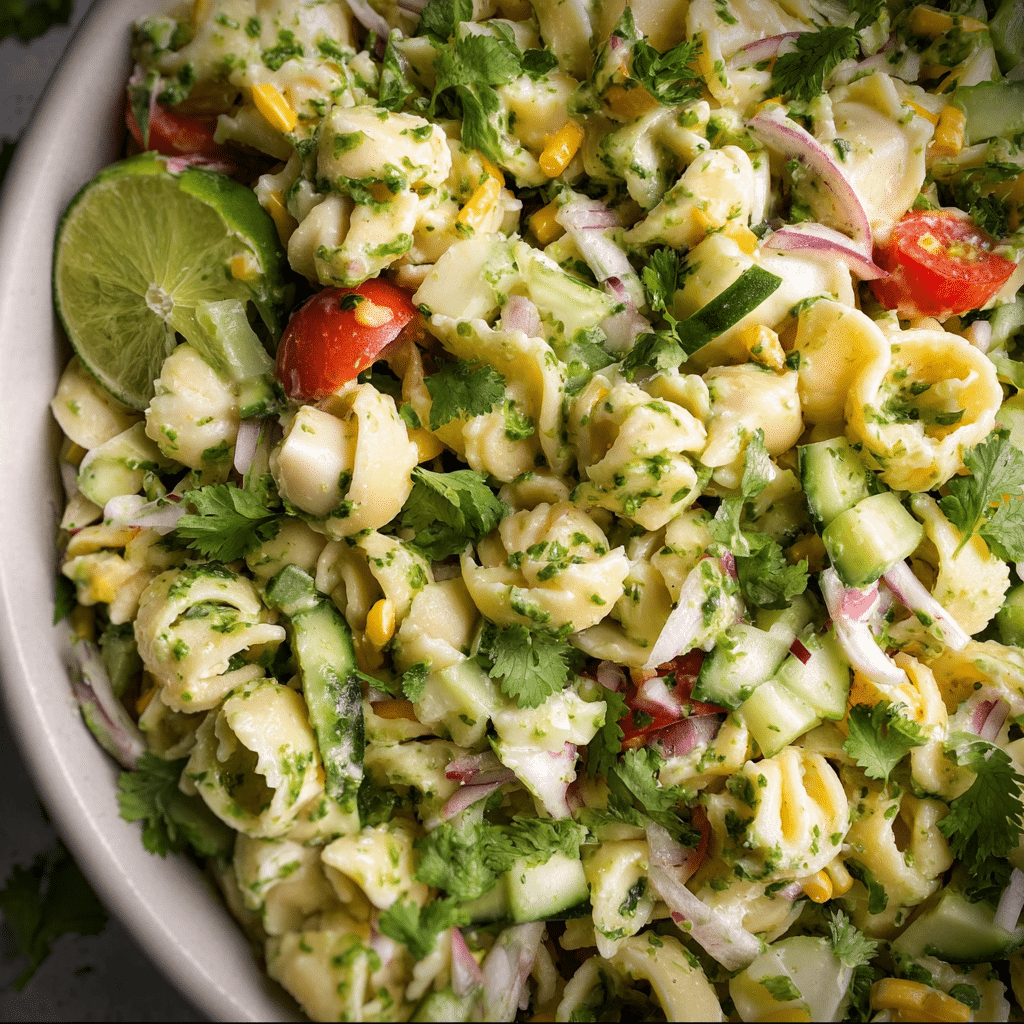
When it comes to serving cilantro lime pasta, presentation is key. A beautiful dish starts with the right serving bowl; a wide, shallow bowl allows the pasta to be spread out, showcasing its vibrant colors. Once plated, consider garnishing with additional fresh cilantro, a sprinkle of lime zest, or even some crumbled queso fresco for a touch of creaminess and added texture.
To elevate your presentation further, add a squeeze of lime over the top just before serving. It not only enhances the flavor but also adds a fresh, zesty aroma that will entice your guests. If you’re serving this dish for a gathering, consider family-style serving on a large platter, allowing guests to help themselves while admiring the colorful display.
Wine and Beverage Pairings
Pairing wine with cilantro lime pasta can enhance the dining experience significantly. A crisp, zesty white wine, like a Sauvignon Blanc or a Pinot Grigio, complements the acidity of the lime beautifully. If you prefer a red, opt for something light-bodied, such as a Grenache or a Pinot Noir, which won’t overwhelm the dish’s flavors. For non-alcoholic options, consider serving a refreshing sparkling water with lime wedges or a light iced tea infused with mint or hibiscus to match the vibrant flavors of the pasta.
In conclusion, mastering the art of cilantro lime pasta involves understanding the fundamental techniques of cooking pasta, flavor balancing, and presentation skills. With these professional tips in mind, you’ll be well on your way to creating a dish that not only tastes delicious but looks stunning on the plate!
Creative Variations and Adaptations of cilantro lime pasta
The versatility of cilantro lime pasta is one of its most charming aspects. As you become more comfortable with the basic recipe, you can explore creative variations and adaptations that allow you to tailor the dish to your personal taste, dietary needs, and seasonal ingredients. Let’s dive into some exciting possibilities!
Seasonal Variations
One of the most enjoyable aspects of cooking with fresh ingredients is the ability to adapt recipes based on what’s in season. In the spring, consider adding fresh asparagus or peas to your cilantro lime pasta. These vegetables pair beautifully with the bright cilantro and lime, creating a light and refreshing dish perfect for warm weather. In the summer, cherry tomatoes, corn, and bell peppers can add a sweet crunch, while in the fall, roasted butternut squash or sweet potatoes can lend an earthy sweetness that complements the zesty flavors.
As the seasons change, so does the opportunity to incorporate different herbs and spices. In winter, you might consider adding a hint of warmth with chili flakes or smoked paprika to create a cozy twist on the classic dish. The idea is to keep the flavor profile bright and fresh while adapting to the ingredients available to you.
Dietary Adaptations
As we all become more health-conscious, it’s essential to adapt recipes to accommodate various dietary preferences. For a keto-friendly version of cilantro lime pasta, you can swap traditional pasta for zucchini noodles or spaghetti squash. These alternatives provide a similar texture while drastically reducing carbohydrates. Just be sure to sauté these alternatives lightly to avoid excess moisture in your dish.
If you’re cooking for a vegan crowd, replace cheese with nutritional yeast for a cheesy flavor without the dairy. Additionally, you can incorporate protein-rich ingredients like chickpeas or black beans to make the dish heartier. For gluten-free variations, there are plenty of gluten-free pasta options available today that can mimic traditional pasta without sacrificing taste.
Creative Twists
Feeling adventurous? Why not try an international twist on your cilantro lime pasta? For a Thai-inspired version, add some sautéed shrimp or chicken, toss in some peanuts for crunch, and use Thai basil alongside cilantro for an aromatic kick. You can also drizzle some sriracha or sweet chili sauce to incorporate a hint of spice.
Another fun variation is to turn your pasta salad into a burrito bowl. Replace traditional pasta with quinoa or brown rice, and add black beans, corn, avocado, and a sprinkle of tortilla chips for crunch. This fusion not only keeps the essence of the cilantro and lime but also allows for a hearty, filling meal.
Leftover transformations are another brilliant way to breathe new life into your cilantro lime pasta. If you find yourself with excess pasta, consider turning it into a cold pasta salad by adding diced vegetables and a splash more lime juice, or use it as a filling for baked burritos or enchiladas. The possibilities are endless!
In conclusion, exploring variations and adaptations of cilantro lime pasta opens up a world of culinary creativity. By playing with seasonal ingredients, accommodating dietary needs, and experimenting with international flavors, you can ensure that this vibrant dish remains a staple in your kitchen, no matter the occasion!
Storage, Reheating, and Meal Prep for cilantro lime pasta
When it comes to enjoying cilantro lime pasta, knowing how to store it properly can significantly enhance your dining experience. Whether you’re making a big batch for meal prep or just have some leftovers from a family gathering, understanding the nuances of storage, reheating, and meal prep can save you time and ensure that your pasta salad remains fresh and delicious.
Short-term Storage
After preparing your cilantro lime pasta, if you find yourself with leftovers, the first step is to store it correctly to maintain its vibrant flavors and textures. The best way to store your pasta salad is in an airtight container. This helps prevent moisture and air from degrading the quality of the ingredients. I often use glass containers because they are non-reactive, easy to clean, and allow me to see the contents without opening them. Make sure to let the pasta cool to room temperature before sealing it up; this prevents condensation, which can lead to sogginess.
In the refrigerator, your cilantro lime pasta can generally last for about 3 to 5 days. However, this time frame can vary based on the freshness of the ingredients you used. If you added ingredients like avocados or tomatoes, which have a shorter shelf life, you might want to consume the salad sooner, ideally within three days. It’s also a good practice to check for any signs of spoilage, such as off odors or changes in texture, before indulging in those leftovers.
Freezing and Long-term Storage
If you want to extend the life of your cilantro lime pasta beyond a few days, freezing is a viable option. However, keep in mind that certain ingredients may not freeze well. For instance, fresh herbs like cilantro can lose their texture and flavor when frozen, so it’s best to add them fresh after thawing. To freeze your pasta salad, portion it into freezer-safe bags or containers, making sure to remove as much air as possible to prevent freezer burn. I often use a vacuum sealer for optimal results.
When frozen correctly, your cilantro lime pasta can last for up to 3 months. To thaw, simply transfer the container to the refrigerator the night before you plan to eat it. This slow thawing method helps maintain the integrity of the pasta and other ingredients. Once thawed, give it a good stir and taste; you might want to add a touch more lime juice or fresh cilantro to brighten up the flavors again.
Reheating Best Practices
Reheating cilantro lime pasta requires a gentle approach to ensure you don’t overcook the pasta or wilt the fresh ingredients. The microwave is a quick option, but I prefer reheating on the stovetop. Simply add a splash of water or additional dressing to a pan and heat it over low to medium heat, stirring gently until warmed through. This method helps maintain the texture of the pasta and keeps the flavors intact.
If you’re using the microwave, do so in short intervals, stirring in between to distribute the heat evenly. Avoid overheating, as this can lead to mushy pasta and sad, wilted veggies. Let’s not forget about food safety! Always ensure that any reheated pasta salad reaches an internal temperature of 165°F (74°C) to eliminate any potential foodborne pathogens.
For those who love meal prepping, cilantro lime pasta is a fantastic option that can be made in bulk and stored for the week ahead. I often make a double batch on Sundays, keeping it in portions for quick lunches or dinners throughout the week. When preparing for meal prep, consider omitting delicate ingredients like cilantro or avocado until it’s time to serve. This keeps everything fresh and flavorful.
In terms of portioning, I recommend using containers that are sized for your needs. If you’re prepping for lunch, a medium-sized container works well, while larger portions can be set aside for dinner. Labeling each container with the date prepared helps keep track of freshness, ensuring that you enjoy your cilantro lime pasta at its best.
Finally, let’s talk about food safety. Always follow the guideline of the “two-hour rule” — don’t leave your pasta salad out at room temperature for more than two hours. If the temperature is above 90°F (32°C), this time reduces to just one hour. By adhering to these practices, you can enjoy your cilantro lime pasta safely and deliciously, whether it’s a quick weeknight dinner or a meal prepped for busy days ahead.
Nutritional Benefits and Health Information
As we dive into the nutritional benefits of cilantro lime pasta, it’s essential to recognize that this dish is not just a flavorful meal but also a powerhouse of health-promoting ingredients. The combination of fresh herbs, vibrant vegetables, and whole grains can create a well-rounded dish that aligns with various dietary preferences and lifestyles.
Nutritional Profile
The primary ingredients in cilantro lime pasta typically include pasta (often whole grain or gluten-free), fresh cilantro, lime juice, and a variety of vegetables such as bell peppers, corn, and avocado. A standard serving of this pasta salad can provide around 300-400 calories, depending on the specific ingredients and portion sizes used.
In terms of macronutrients, you can expect a healthy balance of carbohydrates, protein, and fats. Whole grain pasta serves as a complex carbohydrate source, providing energy and fiber that aids in digestion. A serving might offer around 60-70 grams of carbohydrates, 8-12 grams of protein (especially if you add beans or chicken), and 10-15 grams of healthy fats if you include avocado or olive oil. This balance makes it an excellent option for maintaining energy levels throughout the day.
Health Benefits
The key ingredients in cilantro lime pasta come with a host of health benefits. Cilantro, for instance, is rich in antioxidants and has been linked to various health benefits, including reducing inflammation and supporting heart health. The lime juice not only adds zesty flavor but also provides vitamin C, which is essential for immune function and skin health.
Fresh vegetables, such as bell peppers and corn, contribute additional vitamins and minerals. Bell peppers are an excellent source of vitamin A and vitamin C, while corn offers B vitamins and fiber. Avocado, packed with heart-healthy monounsaturated fats, also contributes potassium and folate, making it a nutritious addition to this dish.
Dietary Considerations
Cilantro lime pasta can be easily adapted to fit various dietary needs. For those following a gluten-free diet, simply use gluten-free pasta made from rice, quinoa, or legumes. If you’re looking to cut down on carbs, spiralized vegetables like zucchini or carrots can serve as a delightful substitute.
Additionally, this dish can easily accommodate plant-based diets. By using chickpeas or black beans instead of animal protein, you can create a protein-rich vegan version of cilantro lime pasta. For those with nut allergies, be cautious with added toppings or dressings that may contain nuts.
In terms of calorie count, if you’re watching your intake, you can make healthy modifications, such as reducing the amount of oil in the dressing or serving it with a side of leafy greens instead of larger portions of pasta. This flexibility allows you to enjoy this dish while adhering to your nutritional goals.
When compared to similar dishes, such as traditional pasta salads that may rely heavily on creamy dressings, cilantro lime pasta stands out as a lighter, fresher alternative. It celebrates wholesome ingredients, making it not just a meal but a celebration of flavors and nutrition.
In conclusion, cilantro lime pasta is more than just a delightful dish; it’s a nutritious option that fits seamlessly into a variety of dietary plans. Whether you’re meal prepping for the week or enjoying it at a summer barbecue, this pasta salad offers a refreshing, health-conscious choice that leaves you feeling satisfied and nourished. So the next time you whip up a batch, take a moment to appreciate the vibrant ingredients and the numerous health benefits they bring to your plate.
Conclusion: Mastering the Perfect cilantro lime pasta
Creating the perfect cilantro lime pasta is more than just following a recipe—it’s about understanding the techniques, ingredients, and cultural significance behind this beloved dish. Throughout this comprehensive guide, we’ve explored everything from the historical origins to modern variations, ensuring you have all the knowledge needed to make this recipe your own.
Whether you’re a beginner cook or an experienced chef, the techniques and tips we’ve shared will help you create a cilantro lime pasta that’s not only delicious but also meaningful. Remember that cooking is a journey of discovery, and each time you make this dish, you’ll learn something new.
We encourage you to experiment with the variations we’ve discussed, adapt the recipe to your dietary needs, and most importantly, share it with the people you love. Food has the incredible power to bring people together, and Cilantro Lime Pasta Salad is the perfect dish to create lasting memories around your dinner table.
Don’t forget to share your cooking adventures with us on social media, and feel free to ask questions in the comments below. Happy cooking!
Share this recipe and let us know how it turned out! Tag us on social media for a chance to be featured.