Cinnamon rolls biscoff are not just your average sweet treat; they’re a delightful fusion that combines the beloved cinnamon roll with the rich, caramelized flavor of Biscoff cookie butter. It was on a chilly autumn afternoon when I first discovered this heavenly recipe. I was rummaging through my pantry, trying to find a way to bring some warmth and sweetness into my home. That’s when I stumbled upon a jar of Biscoff cookie butter nestled between the flour and sugar. I had heard whispers of its magical flavor but had yet to try it. With a spontaneous spark of creativity, I decided to incorporate it into my traditional cinnamon roll recipe. The result was nothing short of incredible—fluffy, gooey cinnamon rolls with a luscious Biscoff swirl that made my heart sing.
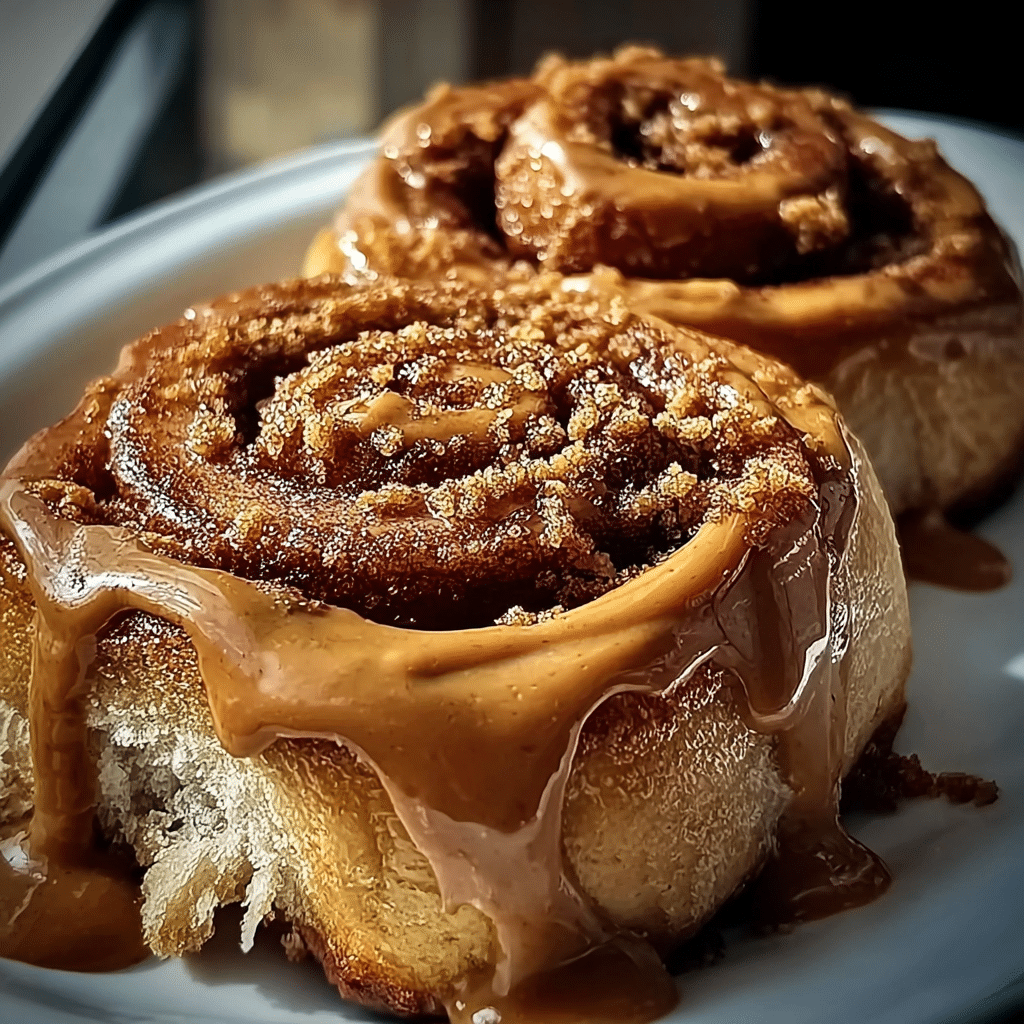
As I pulled the warm rolls from the oven, the aroma wafting through my kitchen felt like a warm hug. My family gathered around, and we couldn’t resist the temptation to dive in. One bite was all it took for me to realize that this combination was destined to become a favorite in our household. The sweet, spiced scent of cinnamon mingled perfectly with the buttery notes of Biscoff, creating a dessert that was not only delicious but also deeply comforting. This recipe has since become a staple, especially during the holiday season when we host family gatherings and cozy dinners.
The Story Behind This Recipe
The history of cinnamon rolls is rich and varied, dating back to ancient times. The concept of sweetened rolls filled with spices can be traced back to the Nordic countries, where kanelbullar, or cinnamon buns, have been a cherished treat for centuries. Each culture has its own twist on this classic, but the essence remains the same: a warm, sweet indulgence that brings people together. The introduction of Biscoff cookie butter into this equation is relatively recent, stemming from the rise of the cookie itself, which originated in Belgium in the early 1900s. The cookies were known for their unique caramelized flavor, and when the spreadable version hit the shelves, it took the culinary world by storm.
Incorporating Biscoff into cinnamon rolls elevates the traditional recipe, making it not just a dessert but an experience. This dish is special because it merges the comforting familiarity of cinnamon rolls with the modern twist of cookie butter, creating a treat that speaks to both nostalgia and innovation. For busy families, this recipe is a lifesaver. It can be prepared ahead of time and baked fresh when needed, making it perfect for brunches, special occasions, or even a quick weeknight dessert. The ease of preparation allows for quality family time, as this dish can be made collaboratively, bringing joy and laughter into the kitchen.
Why You’ll Love This Dish
Seasonally, cinnamon rolls biscoff are perfect for autumn and winter, evoking feelings of warmth and coziness. However, they can be enjoyed year-round, bringing a little sunshine to any dreary day. The emotional connection to this dish runs deep; it’s not just about the flavors but the memories created around the table. Every time I bake these rolls, I am transported back to that first afternoon, surrounded by loved ones, laughter, and the comforting smell of cinnamon and Biscoff filling the air.
In this guide, you will learn everything there is to know about making your own cinnamon rolls biscoff, from the perfect dough recipe to tips on achieving the ideal swirl of cookie butter. I will share my favorite techniques for ensuring your rolls are fluffy and decadent, as well as creative variations to suit any palate. Whether you’re a seasoned baker or a novice in the kitchen, this guide promises to turn cinnamon rolls biscoff into a beloved family tradition.
The Rich History and Cultural Significance of cinnamon rolls biscoff
The rich history and cultural significance of cinnamon rolls biscoff are as layered as the rolls themselves. To fully appreciate this delightful treat, we must delve into the origins of cinnamon rolls and how they have transformed over time, culminating in the delicious hybrid we enjoy today. The cinnamon roll, or kanelbullar as it is known in Sweden, has a history that dates back to the 16th century. The Swedish custom of baking with cinnamon was influenced by the spice trade, which brought exotic flavors to Europe. These rolls were originally made for special occasions and holidays, symbolizing celebration and togetherness.
Origins and History
As we trace the journey of cinnamon rolls around the globe, we find that they have been embraced by various cultures, each adding their own unique spin. In Germany, for example, the schnecken is a beloved variant, featuring a nutty filling and often served during festive seasons. The allure of cinnamon rolls spread beyond Europe to America, where they became a breakfast staple, often enjoyed with a generous drizzle of icing. The introduction of Biscoff cookie butter into the mix is a relatively recent phenomenon, emerging in the early 2000s when the spread gained popularity in the U.S. after its launch by Lotus Bakeries.
The marriage of Biscoff with cinnamon rolls feels almost serendipitous, as both embody the essence of comfort food. The buttery, caramel flavor of Biscoff enhances the sweetness of cinnamon, creating a uniquely indulgent experience. This evolution reflects a broader trend in the culinary world where traditional recipes are reimagined with modern ingredients, allowing for endless creativity in the kitchen.
Cultural Significance
Cinnamon rolls biscoff have become more than just a delicious dessert; they are a symbol of comfort, warmth, and family gatherings. In many cultures, cinnamon rolls are served during holidays and celebrations, bringing people together to share moments of joy and togetherness. In my own family, these rolls have become a staple at our holiday brunches, where we gather around the table, sharing stories and laughter while savoring each warm bite. The ritual of baking these rolls has created cherished memories, connecting generations through the simple act of cooking.
Famous chefs and bakeries have also embraced the trend, offering their unique takes on cinnamon rolls biscoff. Some have introduced gourmet versions at upscale brunch spots, while others have made them accessible through bakeries and cafes, allowing a wider audience to experience this delicious fusion. Each bite of these rolls tells a story, a blend of cultural heritage and modern innovation that resonates with food enthusiasts everywhere.
Nutritional Benefits
While cinnamon rolls biscoff are undeniably a treat, they also offer some nutritional benefits worth noting. Cinnamon itself is known for its anti-inflammatory properties and potential to help regulate blood sugar levels. When paired with whole wheat flour or alternative flours, these rolls can be made even healthier. Additionally, Biscoff cookie butter, while indulgent, is made from natural ingredients, including ground cookies and a blend of oils, providing a rich flavor without artificial additives.
By incorporating some healthier alternatives into the recipe, such as using less sugar or adding nuts and fruits, you can enjoy cinnamon rolls biscoff guilt-free. It’s all about balance—indulging in these sweet treats while being mindful of the ingredients can lead to a more satisfying and nourishing experience. As we continue to explore the world of cinnamon rolls biscoff, we will find that they are not just a dessert but a celebration of flavors, history, and the joy of sharing food with those we love.
Essential Ingredients for Perfect cinnamon rolls biscoff
When it comes to baking, especially for something as delightful as cinnamon rolls biscoff, the quality and selection of ingredients can truly make or break the final product. Each ingredient plays a vital role, contributing to the texture, flavor, and overall experience of these sweet rolls. Below, you’ll find a comprehensive list of ingredients you’ll need, along with detailed explanations of their significance, how to choose the best options, and tips for substitutions and storage.
Essential Ingredients
- Biscoff Cinnamon Roll Filling
- 1 cup packed dark brown sugar (200g)
- 2 Tbsp ground cinnamon (16g)
- 1/4 tsp fine salt (2g)
- 1/2 cup unsalted butter, softened (113g)
- 1/3 cup cookie butter, melted (66g)
- Overnight Cinnamon Roll Dough
- 4 1/4 cups all-purpose flour + about 1/2 cup (550g-615g)
- 4 1/2 tsp or 2 packets instant dry yeast (14g, 1/2 oz.)
- 1 tsp fine salt (6g)
- 1 cup whole milk (240ml)
- 1/2 cup unsalted butter, room temperature (113g)
- 1/2 cup granulated sugar (100g)
- 2 large eggs, room temperature (112g)
- Biscoff Cinnamon Roll Frosting
- 1/2 cup unsalted butter, room temperature (113g)
- 2 tsp vanilla extract or vanilla bean paste (8ml)
- 1/4 tsp fine salt (1g)
- 1 1/2 cups powdered sugar (190g)
- 3 Tbsp heavy whipping cream, room temperature (45ml)
- 1/4 cup cookie butter, melted (50g)
- 1/2 cup chopped Biscoff cookies – to be added in later (50g)
Cinnamon Rolls with Biscoff Cookie Butter
Ingredients
Biscoff Cinnamon Roll Filling
- 1 cup packed dark brown sugar 200g
- 2 Tbsp ground cinnamon 16g
- 1/4 tsp fine salt 2g
- 1/2 cup unsalted butter, softened 113g
- 1/3 cup cookie butter, melted 66g
Overnight Cinnamon Roll Dough
- 4 1/4 cups all-purpose flour + about 1/2 cup 550g-615g
- 4 1/2 tsp or 2 packets instant dry yeast 14g, 1/2 oz.
- 1 tsp fine salt 6g
- 1 cup whole milk 240ml
- 1/2 cup unsalted butter, room temperature 113g
- 1/2 cup granulated sugar 100g
- 2 large eggs, room temperature 112g
Biscoff Cinnamon Roll Frosting
-
- 1/2 cup unsalted butter, room temperature 113g
- 2 tsp vanilla extract or vanilla bean paste 8ml
- 1/4 tsp fine salt 1g
- 1 1/2 cups powdered sugar 190g
- 3 Tbsp heavy whipping cream, room temperature 45ml
- 1/4 cup cookie butter, melted 50g
- 1/2 cup chopped Biscoff cookies – to be added in later 50g
Instructions
Biscoff Cinnamon Roll Filling
- In a medium sized bowl, mix 1 cup packed brown sugar, 2 Tbsp ground cinnamon and 1/4 tsp salt together and set aside. Cover and set aside.
Cinnamon Roll Dough
- In a large bowl or the bowl of a stand mixer, combine 4 1/4 cups of flour, 2 packets of instant dry yeast, and 1 tsp salt.
- In a separate bowl, combine 1 cup milk, 1/2 cup softened butter, and 1/2 cup granulated sugar. Heat for 45-60 seconds in the microwave and stir to combine the ingredients.
- Slowly pour the warm milk mixture into the flour mixture and mix on medium speed with a dough hook or by hand.
- Add 2 large eggs, one at a time. Mix on a medium speed until a sticky dough ball forms.
- Continue to mix the dough on a medium-low speed for 2-3 minutes until the dough becomes more elastic. Remove the dough from the stand mixer and finish kneading by hand for this step.
- Continue to knead the dough and add additional flour 1 Tbsp at a time until the dough is tacky but no longer sticky.
- Cover your bowl with plastic wrap and set aside to allow the dough to rest for 10-20 minutes to let the gluten relax.
- Place the dough on a lightly floured surface and roll it into a large rectangle that’s 14 in. x 18 in. It should be about 1/2 cm thick.
- Spread 1/2 cup of softened butter evenly across the dough, leaving 1/2 inch of dough on the long side of the rectangle uncovered (this will help you seal off the roll and keep it tight).
- Sprinkle the filling over the buttered section and pat down with the back of a spoon. Drizzle 1/3 cup of warmed cookie butter over the brown sugar filling.
- Tightly roll the dough horizontally, toward the uncovered strip. Brush a bit of water on the uncovered strip with your fingers, then finish rolling the cinnamon roll log.
- Cut 12 equal pieces with dental floss and place in a greased 9 in x 13 in pan.
- If you are making these cinnamon rolls the night before, cover the cinnamon rolls with plastic wrap and place in the fridge overnight.
- If you make these the morning of, at this stage you can let them proof in a warm place for about 30 minutes. I like to preheat my oven to 200 F, turn it off, and then place my cinnamon rolls into the oven to proof because my apartment is always cold.
- If you make these cinnamon rolls the night before, take them out of the fridge 1-2 hours before you want to bake them. Place the rolls in a warm place to thaw and proof.
- Once they have risen, preheat your oven to 360 F / 180 C. Bake for 26-30 minutes or until rolls are golden brown.
Biscoff Cinnamon Roll Glaze
- While the cinnamon rolls bake and cool, make the frosting. Mix 1/2 cup of butter, 2 tsp vanilla extract, and 1/4 tsp salt together with a spoon or electric mixer.
- Add in 1 1/2 cups of powdered sugar and 3 Tbsp of heavy cream. Stir until the glaze is smooth.
- Let the Biscoff cinnamon rolls cool for 10 minutes, then spoon the glaze over the cinnamon rolls.
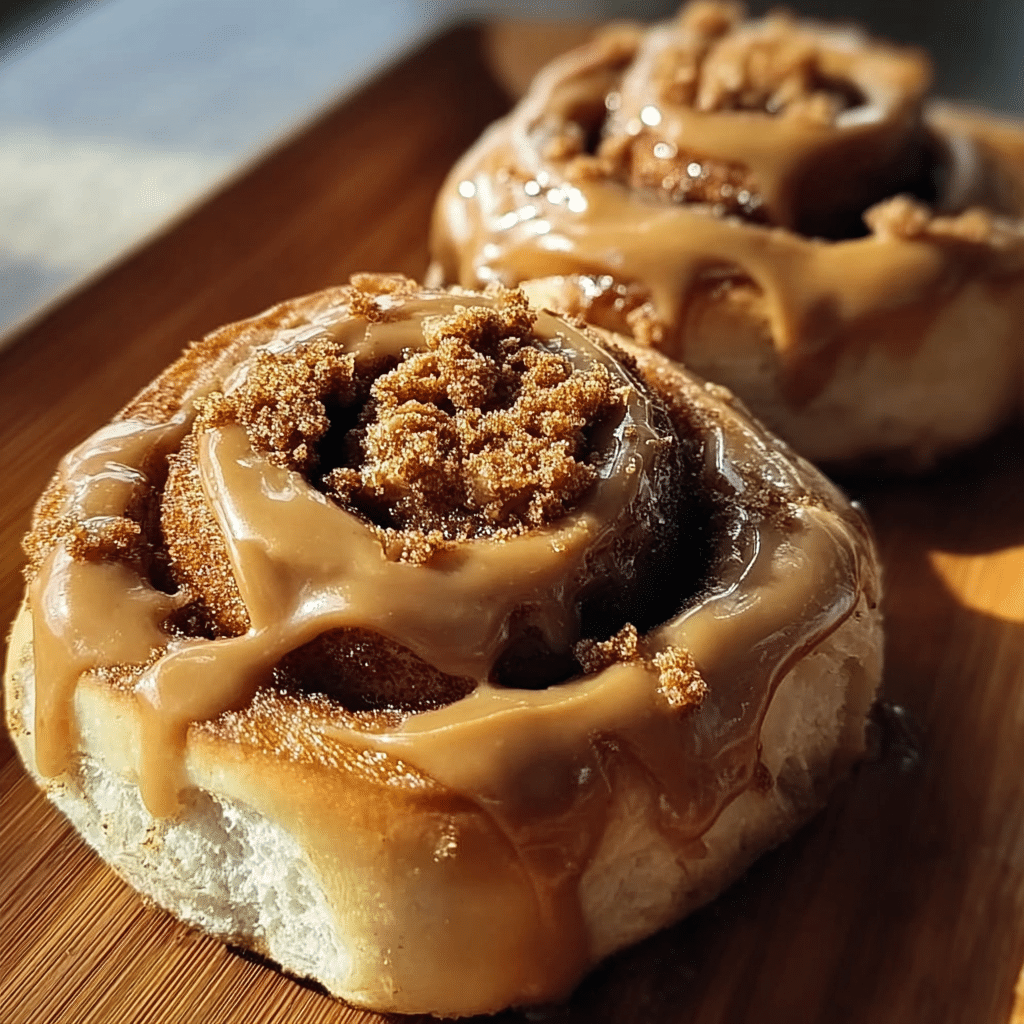
- Drizzle warm cookie butter over the top of the cinnamon rolls and sprinkle with crushed Biscoff cookies.
Ingredient Roles and Importance
Understanding the role of each ingredient is crucial for achieving the best results in your cinnamon rolls biscoff. For example, dark brown sugar not only provides sweetness but also moisture and a rich flavor profile due to its molasses content. The ground cinnamon is essential for that classic cinnamon roll flavor, while the unsalted butter adds richness without the risk of overly salty rolls.
The cookie butter is what truly elevates these cinnamon rolls. It adds a unique flavor that complements the cinnamon and sugar beautifully, making these rolls irresistible. The yeast is the magic ingredient that makes the dough rise, resulting in those fluffy, airy rolls that we all love. The eggs contribute to the dough’s structure and richness, while the milk helps create a tender crumb.
Shopping Tips
When shopping for ingredients, look for high-quality options. For example, choose unsalted butter with a creamy texture and a fresh smell. If you’re able, opt for organic ingredients, particularly for the dairy and eggs, as they can significantly impact the flavor. When it comes to flour, a high-protein all-purpose flour will yield better results for your dough. If you’re unsure about the yeast, check the expiration date on the package to ensure it’s fresh and vigorous.
Substitutions and Alternatives
Dietary restrictions can sometimes complicate ingredient selection, but there are many substitutions available. For example, if you’re looking for a dairy-free option, you can replace unsalted butter with coconut oil or a dairy-free butter alternative. Instead of whole milk, almond milk or oat milk can be used, although they may slightly alter the flavor and texture. If you’re avoiding gluten, you can experiment with gluten-free all-purpose flour, but be sure to check the packaging for specific instructions as gluten-free flours behave differently in baking.
Storage Tips
Proper storage of your ingredients is just as important as their quality. Keep your all-purpose flour in an airtight container in a cool, dry place to prevent it from going stale. Brown sugar should also be stored in an airtight container to maintain its moisture. For unsalted butter, if you’re not using it within a week, consider freezing it in portions to keep it fresh longer. The same goes for cookie butter, which can be stored in the pantry but should be tightly sealed after opening.
Cost-Saving Tips
Baking can become expensive, especially with high-quality ingredients. To save costs, consider buying in bulk where possible. Items like all-purpose flour and granulated sugar are often cheaper when bought in larger quantities. Additionally, generic brands can often provide a good alternative to name brands without sacrificing quality. Make sure to check for sales on baking essentials, especially around the holiday season when baking is at its peak.
In conclusion, gathering the right ingredients is the first step towards creating delicious cinnamon rolls biscoff. With the proper knowledge about each ingredient’s role, quality indicators, and sourcing tips, you’re well on your way to baking something truly special. So, roll up your sleeves, and let’s get ready to bake!
Detailed Step-by-Step cinnamon rolls biscoff Cooking Instructions
Detailed Step-by-Step cinnamon rolls biscoff Cooking Instructions
Now that you’re equipped with the essential ingredients for your cinnamon rolls biscoff, let’s dive into the exciting part: the cooking instructions! Making these sweet rolls is a delightful process filled with sensory experiences, from the aroma of cinnamon and sugar wafting through your kitchen to the satisfying sight of golden-brown rolls emerging from the oven. Below, I’ve outlined a step-by-step guide to ensure your baking adventure is successful and enjoyable.
Preparation Steps
- Gather Your Ingredients: Before you start baking, make sure you have all the ingredients ready. This is known as mise en place, a French term meaning “everything in its place.” It’s important because it helps streamline the cooking process and ensures you don’t forget any key components.
- Activate the Yeast: In a small bowl, combine the whole milk (warm but not hot, around 110°F or 43°C) with the instant dry yeast and a teaspoon of sugar from the granulated sugar you’ll be using. Let this sit for about 5-10 minutes until it becomes frothy. This step is crucial as it ensures that your yeast is active and will help your dough rise.
- Mix the Dough Ingredients: In a large mixing bowl, combine the all-purpose flour (4 1/4 cups) and fine salt (1 tsp). In another bowl, cream together the softened unsalted butter (1/2 cup) and the remaining granulated sugar (1/2 cup) until light and fluffy. This should take about 2-3 minutes with a hand mixer.
- Add Eggs and Milk: Add the eggs (2 large) one at a time to the butter-sugar mixture, mixing well after each addition. Then, pour in the activated yeast mixture and combine thoroughly.
- Combine Wet and Dry Ingredients: Gradually add the dry flour mixture into the wet ingredients, stirring until a sticky dough forms. You may need to use your hands towards the end to bring the dough together.
- Knead the Dough: Transfer the dough to a floured surface and knead for about 8-10 minutes until it becomes smooth and elastic. This step is essential for developing gluten, which gives the dough its structure.
Cooking Process
- First Rise: Place the kneaded dough in a lightly greased bowl, cover it with a damp cloth or plastic wrap, and let it rise in a warm place for about 1-2 hours or until doubled in size. This is where the magic happens as the yeast works its wonders.
- Prepare the Cinnamon Filling: While the dough is rising, mix together the dark brown sugar (1 cup), ground cinnamon (2 Tbsp), and fine salt (1/4 tsp) in a bowl. In another bowl, combine the softened unsalted butter (1/2 cup) and melted cookie butter (1/3 cup) until smooth. You will use this mixture to spread over the dough later.
- Roll Out the Dough: Once the dough has risen, punch it down to release the air. Turn it out onto a floured surface and roll it into a rectangular shape, roughly 15×20 inches. The dough should be about 1/4 inch thick.
- Spread the Filling: Using a spatula, spread the butter and cookie butter mixture evenly across the rolled dough. Then sprinkle the cinnamon-sugar mixture on top, ensuring it covers the entire surface.
- Roll the Dough: Starting from one edge, carefully roll the dough tightly into a log. Pinch the seam to seal it. This step is important for maintaining the shape of your cinnamon rolls biscoff.
- Slice the Rolls: Using a sharp knife or a bench scraper, slice the log into 12-15 equal pieces. Place the rolls cut-side up in a greased baking dish, ensuring they are close but not touching.
- Second Rise: Cover the baking dish with a damp cloth and let the rolls rise for another 30-45 minutes, or until they puff up. This final rise will result in soft, fluffy rolls.
Final Assembly
- Preheat the Oven: About 20 minutes before baking, preheat your oven to 350°F (175°C). This ensures that your cinnamon rolls biscoff will bake evenly and thoroughly.
- Bake the Rolls: Once the rolls have completed their second rise, bake in the preheated oven for about 25-30 minutes, or until they are golden brown. Keep an eye on them as they bake, and rotate the pan halfway through for even cooking.
- Prepare the Frosting: While the rolls are baking, prepare the frosting by mixing together the unsalted butter (1/2 cup), vanilla extract (2 tsp), fine salt (1/4 tsp), and powdered sugar (1 1/2 cups). Gradually add the heavy whipping cream (3 Tbsp) and melted cookie butter (1/4 cup) until smooth and creamy. You want a spreadable consistency, so adjust with more cream if necessary.
- Frost the Rolls: Once the cinnamon rolls biscoff are out of the oven, allow them to cool slightly before generously spreading the frosting over the top. The warmth of the rolls will help the frosting melt into all the nooks and crannies.
- Garnish: Finally, sprinkle the chopped Biscoff cookies (1/2 cup) over the frosted rolls for that extra crunch and flavor. This step not only enhances the aesthetic appeal but also adds a delightful texture.
- Serve and Enjoy: Serve your cinnamon rolls biscoff warm, and watch as they disappear! These rolls are perfect for breakfast, brunch, or even as a sweet treat any time of the day. Pair them with your favorite coffee or tea and enjoy the comforting flavors that come with every bite.
Baking cinnamon rolls biscoff is not just about following a recipe; it’s about the joy of creating something delicious from scratch. With each step, you’re not only making a treat but also crafting memories that you’ll cherish. Happy baking!
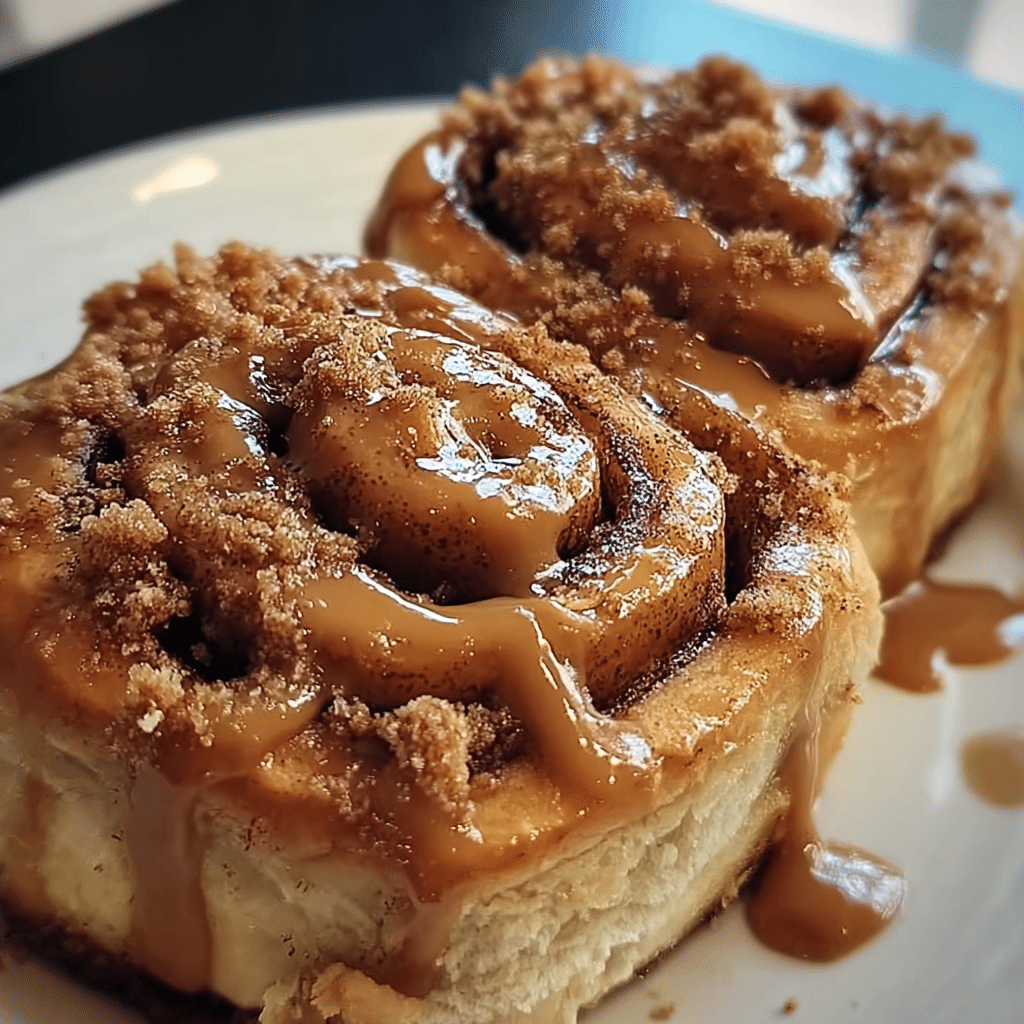
Professional Tips and Techniques for cinnamon rolls biscoff
When it comes to baking, few things can compare to the joy of pulling a warm batch of cinnamon rolls from the oven. Now, imagine infusing that classic delight with the rich, caramelized goodness of Biscoff cookie butter. The combination of cinnamon rolls Biscoff is not only a treat for the taste buds but also an excellent opportunity to hone your baking skills. Here, I’ll share some professional tips and techniques that will elevate your cinnamon roll game to new heights.
Professional Techniques
To achieve the perfect cinnamon rolls Biscoff, mastering the dough is crucial. Start with high-quality ingredients. Use bread flour for its higher protein content, which creates a chewy, airy texture. When measuring your flour, spoon it into the measuring cup and level it off with a knife rather than scooping directly from the bag, which can compact the flour and lead to dense rolls.
Next, the importance of proper kneading cannot be overstated. Knead your dough for about 5-10 minutes until it is smooth and elastic. This step develops gluten, which gives your rolls structure. A tip from my kitchen: when kneading, if you find the dough sticky, add flour sparingly. Over-flouring can lead to tough rolls.
For the filling, the combination of cinnamon and Biscoff cookie butter is divine. Spread a generous layer of the Biscoff butter on the rolled-out dough, then sprinkle with brown sugar and cinnamon. The key here is to use a good amount of filling—don’t be shy! The more, the better.
Once you’ve rolled your dough into a log, it’s time for slicing. Use a sharp knife or, for the cleanest cut, dental floss! Simply slide it under the log and pull tightly to create perfect rolls without squishing them.
Troubleshooting Guide
Baking can sometimes feel like a science experiment, and it’s not unusual to run into a few hiccups along the way. One common issue is rolls that don’t rise properly. This could be due to your yeast being expired or not activating. Always proof your yeast first by mixing it with warm water (not hot!) and a bit of sugar; it should foam up within minutes.
If your rolls come out too dry, it may be a sign that they were overbaked. Keep an eye on them during the last few minutes of baking. They should be lightly golden and spring back when touched. On the flip side, if they are underbaked, they will remain doughy in the middle. Consider investing in an instant-read thermometer; the internal temperature should reach about 190°F for perfectly baked rolls.
Presentation Tips
The allure of cinnamon rolls Biscoff doesn’t just stop at flavor; it goes hand-in-hand with presentation. A simple, rustic approach can go a long way. When serving, drizzle a Biscoff glaze (mixing powdered sugar with a touch of milk and Biscoff) over the top for an extra touch of sweetness. Consider garnishing with crushed Biscoff cookies for texture and visual appeal.
For a cozy breakfast presentation, serve your rolls in a cast-iron skillet or a vintage pie dish. This not only keeps them warm but adds a nostalgic touch that enhances the eating experience. Pair your cinnamon rolls with a hot cup of coffee or tea; the spiced notes of the drink will complement the sweet warmth of the rolls beautifully.
Make-Ahead and Meal Prep Strategies
If you’re planning a brunch or want to enjoy these delightful cinnamon rolls Biscoff throughout the week, consider making them ahead of time. After slicing the rolls, you can place them in a greased baking dish and cover tightly with plastic wrap. They can be refrigerated overnight and baked fresh in the morning—just allow extra time for the rolls to rise before baking.
You can also freeze the unbaked rolls. Arrange them in a single layer on a baking sheet until frozen solid, then transfer them to a zip-top bag. When you’re ready to bake, place them in the fridge overnight to thaw and rise, then bake as usual. This method ensures you have freshly baked rolls whenever the craving strikes!
Scaling the Recipe Up or Down
Scaling your cinnamon rolls Biscoff recipe is easy. If you want to make a larger batch for a gathering, simply double the ingredients. For smaller cravings, halve the recipe. Just be mindful of your baking time; smaller rolls may cook faster, while larger ones may need additional time to bake through.
In conclusion, the journey of creating the perfect cinnamon rolls Biscoff is filled with both challenges and rewards. With the right techniques, a little patience, and a lot of love, you can master this delightful treat that is sure to impress your family and friends.
Creative Variations and Adaptations of cinnamon rolls biscoff
Now that you’ve mastered the classic cinnamon rolls Biscoff, let’s explore the creative variations and adaptations that can take your baking to a whole new level. The great thing about cinnamon rolls is their versatility—there’s always room for innovation! Whether you’re looking to incorporate seasonal flavors, cater to dietary restrictions, or simply mix things up, I’ve got you covered.
Seasonal Variations
Seasonal ingredients can elevate your cinnamon rolls Biscoff experience. For example, during the fall, consider adding pumpkin puree to your dough for a rich, spiced flavor. Mix in some nutmeg and ginger to complement the cinnamon and Biscoff. Top these rolls with a cream cheese frosting that has a hint of maple syrup for an autumnal twist.
Winter is the perfect time for peppermint! Crushed candy canes can be added to your filling along with Biscoff for an unexpected holiday treat. After baking, drizzle a peppermint glaze over the top for a festive finish. And when spring rolls around, consider using fresh berries in the filling. A mix of mashed strawberries and Biscoff creates a delightful berry-biscoff blend that shouts springtime.
Dietary Adaptations
If you or your loved ones have dietary restrictions, don’t fret! There are plenty of ways to make cinnamon rolls Biscoff that cater to various needs. For a gluten-free version, use a gluten-free all-purpose flour blend. Just be sure to add a bit more moisture, as gluten-free flours can sometimes lead to a drier end product.
If you’re looking for a vegan alternative, replace dairy milk with almond or oat milk, and use a vegan butter substitute in your dough. Instead of regular Biscoff cookie butter, you can find vegan versions available. This way, everyone can enjoy the warm, gooey goodness without compromising their dietary choices!
Creative Twists
The beauty of cinnamon rolls Biscoff lies in their adaptability. Why not try a savory twist? Experiment with a filling that includes cheese and herbs for a unique breakfast option. Using a sharp cheddar and fresh rosemary can create a delightful savory roll that pairs wonderfully with a side of eggs.
Another creative idea is to turn your cinnamon rolls into a pull-apart bread. Instead of rolling out the dough and slicing it, cut it into strips and layer them in a bundt pan. This method creates a shareable dish that’s perfect for gatherings. Serve it with a side of warm Biscoff dipping sauce for an interactive dessert experience!
Different Cooking Methods
While the traditional oven method is fantastic, don’t be afraid to explore other cooking methods for your cinnamon rolls Biscoff. A slow cooker can produce incredibly moist rolls—just layer the rolls in the slow cooker, set it on low, and let them cook for a few hours. This method is excellent for busy mornings when you want to wake up to the smell of freshly baked rolls.
If you’re short on time, consider making skillet cinnamon rolls. Using a cast-iron skillet allows you to bake your rolls on the stovetop, reducing cooking time. Just be cautious with the heat, as you don’t want to scorch the bottom while the rolls bake through.
Leftover Transformation Ideas
Leftover cinnamon rolls Biscoff can be transformed into a delightful bread pudding! Tear the rolls into pieces and soak them in a mixture of eggs, milk, and vanilla. Bake until set, and you’ll have a decadent dessert that feels entirely new. You can even drizzle it with a Biscoff sauce for an extra touch.
Another idea is to repurpose them into breakfast parfaits. Layer pieces of the cinnamon rolls with yogurt and fresh fruit for a delicious and visually appealing morning meal. The flavor of the Biscoff will complement the yogurt beautifully, creating a delightful fusion of textures and tastes.
In summary, the world of cinnamon rolls Biscoff is vast and filled with endless possibilities. By experimenting with variations, you can keep this beloved treat fresh and exciting, making it an all-season favorite in your kitchen!
Storage, Reheating, and Meal Prep for cinnamon rolls biscoff
When it comes to indulging in a warm, gooey cinnamon roll, especially one filled with the irresistible flavor of cinnamon rolls biscoff, it’s hard to think about anything other than that first bite. But what happens when you’ve baked a batch and want to save some for later? Proper storage can keep those delightful rolls fresh and delicious, allowing you to enjoy them over several days or even weeks. Let’s dive into the best practices for storing, reheating, and meal prepping your cinnamon rolls biscoff.
Short-term Storage
For short-term storage, your cinnamon rolls biscoff can be kept at room temperature for a day or two. However, to maintain their soft texture and flavor, it’s best to store them in an airtight container. You can use a plastic or glass container equipped with a lid, or wrap them tightly in plastic wrap. This will help prevent them from drying out or absorbing any unwanted odors from your kitchen.
Make sure to let the cinnamon rolls cool completely before sealing them in an airtight container. If you store them while they’re still warm, condensation can form inside the container, leading to soggy rolls. If you plan to enjoy them within a couple of days, you can keep them on the kitchen counter. However, if you anticipate a longer wait, it’s time to consider freezing them.
Freezing and Long-term Storage
Freezing is an excellent option for preserving the freshness of your cinnamon rolls biscoff. The key to successful freezing is to ensure they are well-wrapped to protect them from freezer burn. Start by allowing your cinnamon rolls to cool completely. Once cooled, you can either freeze them individually or as a whole batch.
If freezing individually, place each roll in its own piece of plastic wrap and then place them in a freezer-safe bag or container. This method allows you to take out only what you need. If you prefer to freeze them as a batch, wrap the entire batch tightly in plastic wrap and then place it in a freezer-safe container or bag. For added protection, consider double-wrapping them.
Cinnamon rolls biscoff can be stored in the freezer for up to three months. After that, while they may still be safe to eat, the quality might decline. When you’re ready to enjoy them, simply remove the rolls from the freezer and let them thaw in the refrigerator overnight. Alternatively, you can reheat them directly from frozen, but they will take longer to warm up.
Reheating Best Practices
Reheating your cinnamon rolls biscoff properly is crucial to retaining their delightful texture and flavor. If you’ve stored them in the refrigerator, preheat your oven to 350°F (175°C). Place the rolls on a baking sheet, and if you want to add extra moisture, consider covering them loosely with aluminum foil. This will help trap steam, keeping the rolls soft. Bake for about 10-15 minutes, or until warmed through.
If you’re reheating from frozen, you can follow the same method, but allow for an additional 5-10 minutes of baking time. Alternatively, you can use a microwave, which is quicker but may not produce the same soft texture. To microwave, place the cinnamon roll on a microwave-safe plate and cover it with a damp paper towel. Heat in 15-30 second intervals until warmed, being careful not to overdo it, as the rolls can become tough.
Another option is to reheat them in a skillet on the stovetop. Add a splash of water to the pan, cover it, and heat on low. This method steams the rolls, keeping them moist and delicious.
Meal Prep and Batch Cooking Strategies
If you’re a fan of meal prepping or batch cooking, cinnamon rolls biscoff can fit beautifully into your routine. Consider dedicating a day to bake a large batch. Once cooled, follow the freezing guidelines to ensure you have a stash ready for those moments when you crave a sweet treat. You can even prepare the dough ahead of time, refrigerating it overnight before baking the next day. This way, you can enjoy fresh rolls without the wait.
When meal prepping, you might also want to portion out the rolls. This helps with controlling portions and makes it easy to grab a roll for a quick breakfast or snack. You can also consider preparing the icing separately, storing it in a small container, and adding it just before serving to keep the rolls from becoming soggy.
Food Safety Considerations and Guidelines
As with any baked goods, food safety is paramount. Always ensure your cinnamon rolls biscoff are fully cooled before storage to prevent moisture buildup. When reheating, make sure the rolls reach an internal temperature of at least 165°F (74°C) to ensure they are safe to eat. If you notice any signs of spoilage, such as off smells or mold, it’s best to err on the side of caution and discard them.
Lastly, while these rolls can last a while when stored properly, it’s important to keep track of how long they’ve been in the refrigerator or freezer. Stick to the shelf life guidelines: generally, cinnamon rolls can be kept in the fridge for 3-5 days and frozen for up to three months.
In conclusion, with the right storage, reheating, and meal prep strategies, your delicious cinnamon rolls biscoff can be enjoyed at their best for days or even weeks after baking. There’s nothing quite like the aroma of freshly baked cinnamon rolls wafting through your home, and with these tips, you can ensure that the joy of those warm, gooey treats lasts as long as possible.
Nutritional Benefits and Health Information
Cinnamon rolls biscoff aren’t just a delightful treat; they also come with a unique nutritional profile that can fit into various dietary preferences. As we dive into the nutritional benefits and health information surrounding these sweet rolls, it’s essential to understand their ingredients and how they contribute to your overall well-being.
Nutritional Profile
Let’s break down the key ingredients of cinnamon rolls biscoff to understand their nutritional contributions. The main players typically include flour, sugar, butter, cinnamon, and of course, biscoff cookie butter. Each ingredient adds to the flavor and texture while also contributing to the overall nutritional value.
On average, a single cinnamon roll biscoff can contain about 300-400 calories, depending on the size and the amount of icing used. The macronutrient breakdown usually consists of approximately 45-50 grams of carbohydrates, 10-15 grams of fat, and 4-6 grams of protein. This can vary based on how you modify the recipe or the specific ingredients used.
Cinnamon, a key ingredient in these rolls, is known for its potential health benefits. It has antioxidant properties and may help regulate blood sugar levels. Meanwhile, the biscoff cookie butter adds a unique flavor profile, offering a creamy texture that many find irresistible. However, it’s important to note that cookie butter is also high in sugar and fat, so moderation is key.
Health Benefits
While cinnamon rolls biscoff are definitely a treat, they can also offer some health benefits when enjoyed in moderation. Cinnamon itself is a powerhouse spice that has been linked to various health perks. Some research suggests that cinnamon may help reduce inflammation and has anti-diabetic properties, making it a good addition to your diet.
Moreover, the inclusion of whole grains in your cinnamon roll recipe, such as whole wheat flour, can enhance the fiber content, which is important for digestive health. Fiber helps keep you feeling full longer and can assist in regulating blood sugar levels, making it a beneficial component of your diet.
It’s also worth mentioning that the joy of baking and enjoying cinnamon rolls can contribute to mental well-being. The act of creating something from scratch can be a wonderful stress reliever, and sharing these treats with loved ones can foster connections and create joyful memories.
Dietary Considerations
When it comes to dietary considerations, cinnamon rolls biscoff can be tailored to fit various dietary needs. For those who are gluten-sensitive or have celiac disease, consider using gluten-free flour alternatives. There are numerous gluten-free baking blends available that can create equally delicious results.
If you are concerned about sugar intake, there are ways to modify the recipe to accommodate this. You can substitute traditional sugar with alternatives like coconut sugar or stevia, which can lower the overall glycemic index of the rolls. Additionally, using unsweetened applesauce can help reduce sugar while still providing moisture.
For those following a vegan lifestyle, you can easily make cinnamon rolls biscoff vegan by replacing milk and butter with plant-based alternatives. Almond milk or oat milk can work wonderfully, and coconut oil or vegan butter can replace dairy butter effectively.
In conclusion, while cinnamon rolls biscoff are undoubtedly a decadent treat, they can be enjoyed as part of a balanced diet. By understanding their nutritional profile and making mindful modifications, you can indulge in these sweet rolls without the guilt. After all, food is not just about nutrition; it’s also about enjoyment, connection, and the little moments that make life sweeter.
Frequently Asked Questions About Cinnamon Rolls Biscoff
Easy cinnamon rolls with biscoff cookie butter
Making easy cinnamon rolls with Biscoff cookie butter is a delightful twist on the classic recipe. Start by using pre-made dough, such as crescent roll dough or pizza dough, for convenience. Roll out the dough and spread a generous layer of Biscoff cookie butter on top, followed by a sprinkle of cinnamon and sugar. After rolling the dough tightly, slice it into equal portions and bake until golden brown. For an extra touch, drizzle a simple icing made of powdered sugar and milk over the warm rolls for a delicious finish.
Pillsbury cinnamon rolls with biscoff cookie butter
To make Pillsbury cinnamon rolls with Biscoff cookie butter, start by preparing the Pillsbury cinnamon roll kit as directed on the package. Before baking, carefully unroll each cinnamon roll and spread a thin layer of Biscoff cookie butter on the dough, then re-roll it. This will infuse the rolls with a rich, caramelized flavor as they bake. Follow the baking instructions, and don’t forget to drizzle the included icing over the warm rolls once they come out of the oven for an indulgent treat!
Biscoff cinnamon rolls cinnabon
To create Biscoff cinnamon rolls inspired by Cinnabon, start by using a sweet yeast dough recipe that mimics the texture of Cinnabon’s signature rolls. Incorporate Biscoff cookie butter into the filling along with brown sugar and cinnamon for a unique flavor profile. Once baked, let the rolls cool slightly, then drizzle them with a cream cheese frosting mixed with a bit of Biscoff for a decadent finish. This combination will give you the perfect balance of sweetness and spice, reminiscent of a Cinnabon treat.
Biscoff cinnamon rolls Calories
The calorie content of Biscoff cinnamon rolls can vary depending on the recipe and ingredients used. On average, a typical homemade roll made with Biscoff cookie butter can contain anywhere from 250 to 350 calories per serving, especially if you add frosting. To reduce calories, consider using a lighter dough or reducing the amount of Biscoff in the filling. Additionally, portion control can help manage calorie intake while still allowing you to enjoy this delicious treat.
Biscoff cinnamon rolls near me
Finding Biscoff cinnamon rolls near you can be a fun culinary adventure! Start by checking local bakeries or specialty dessert shops, as many may offer unique twists on classic cinnamon rolls. You can also look for cafes that serve Biscoff-flavored pastries or check online platforms like Yelp or Google Maps for reviews. If you can’t find them locally, consider making them at home using easy recipes with Biscoff cookie butter for a fresh and satisfying experience.
Biscoff cinnamon rolls puff pastry
Using puff pastry to make Biscoff cinnamon rolls is a creative and flaky alternative to traditional dough. Simply roll out the puff pastry and spread a layer of Biscoff cookie butter evenly across the surface. Sprinkle with cinnamon and sugar, then roll it up tightly before slicing into individual rolls. Bake until golden and flaky, and consider glazing with a light icing for added sweetness. These rolls will offer a delightful texture that’s both crispy and gooey!
Biscoff rolls
Biscoff rolls are a delightful treat that combines the rich flavors of Biscoff cookie butter with the comforting texture of cinnamon rolls. To make them, you can use any sweet dough recipe or pre-made dough and generously fill it with Biscoff cookie butter mixed with cinnamon and sugar. After baking, these rolls can be topped with a creamy glaze made from powdered sugar and a splash of milk or cream. They make for a perfect breakfast or dessert option, delivering a unique flavor that’s sure to please anyone who loves Biscoff.
Easy Biscoff cinnamon rolls
For easy Biscoff cinnamon rolls, opt for premade dough like crescent rolls or puff pastry to save time. Simply roll out the dough, spread a generous layer of Biscoff cookie butter, and sprinkle with cinnamon and brown sugar before rolling it back up. Slice into rolls, place them in a baking dish, and bake until golden brown. For an extra touch, mix some Biscoff cookie butter into a cream cheese icing for drizzling over the warm rolls, creating a deliciously sweet and creamy finish.