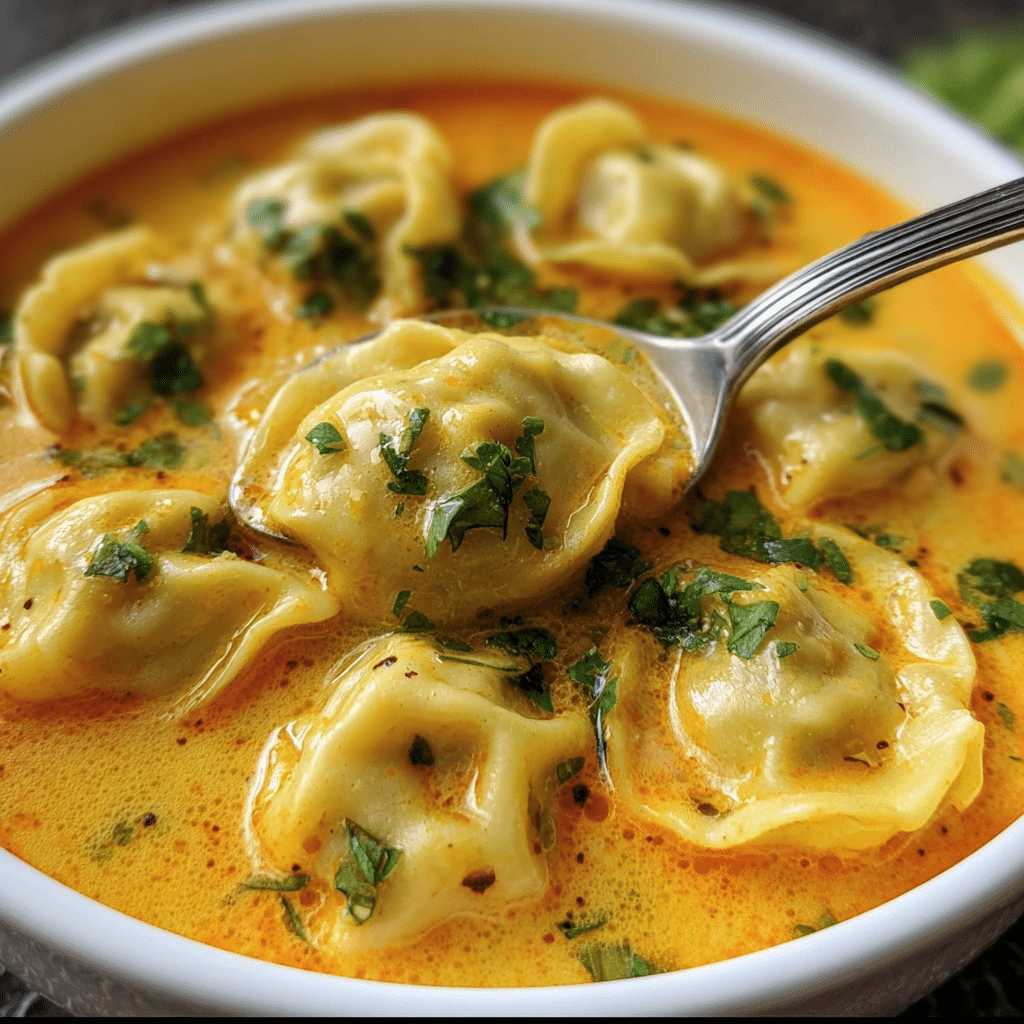
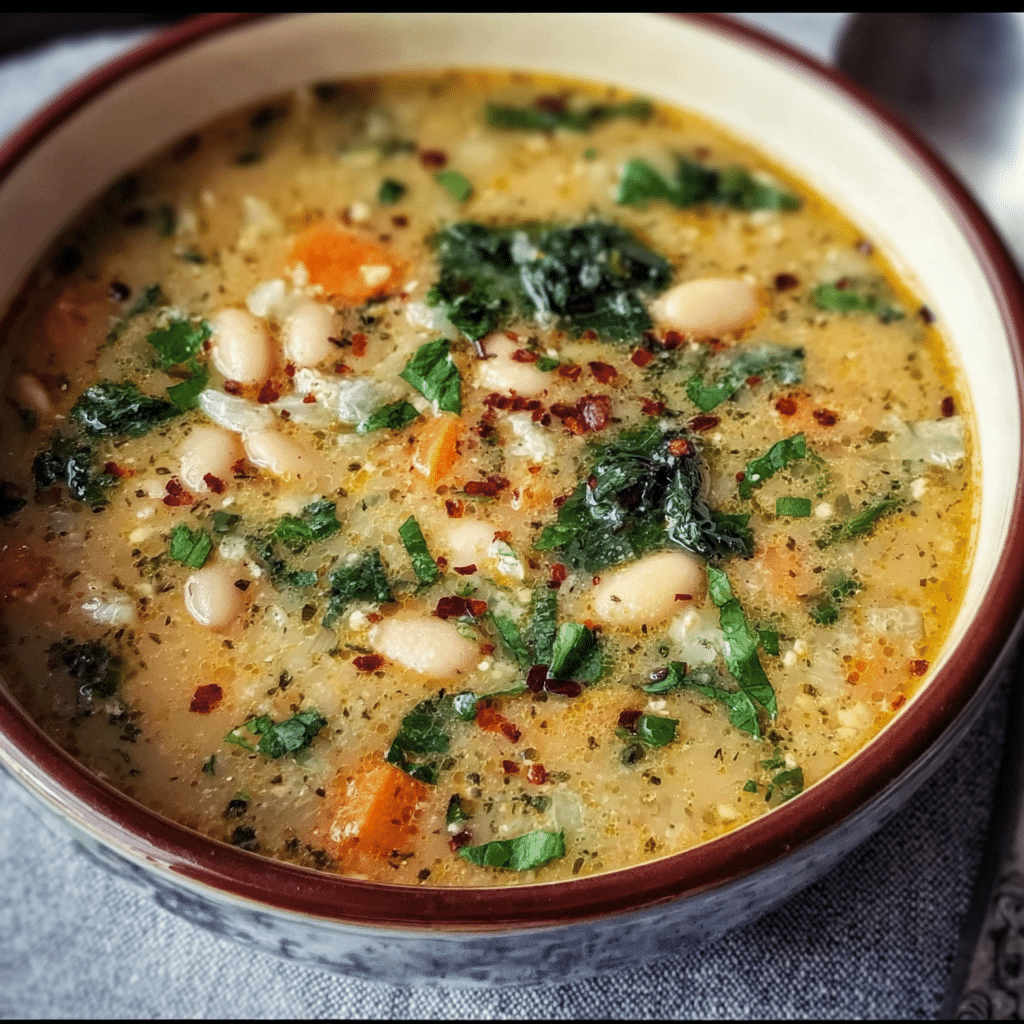
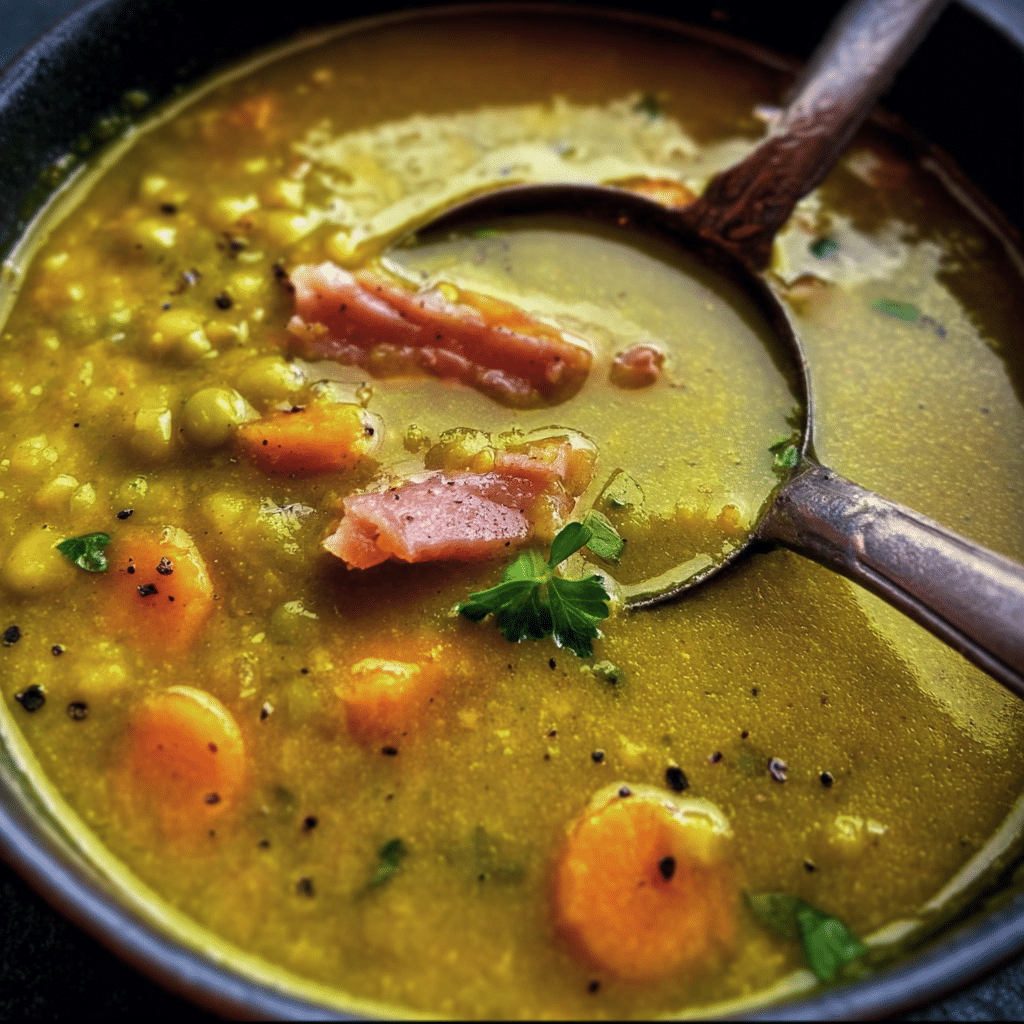
Coconut lime fish has a unique ability to whisk you away to sun-drenched beaches with just one taste. I remember the first time I encountered this dish at a local seaside restaurant, where the salty ocean breeze mingled with the tantalizing aroma of coconut and lime wafting from the kitchen. As I sat down with my family, the vibrant colors of the soup caught my eye, and I knew I was in for a treat. That first spoonful was like a tropical vacation in my mouth, with the tender fish swimming in a creamy coconut broth, brightened by the zesty lime. From that moment, I was hooked.
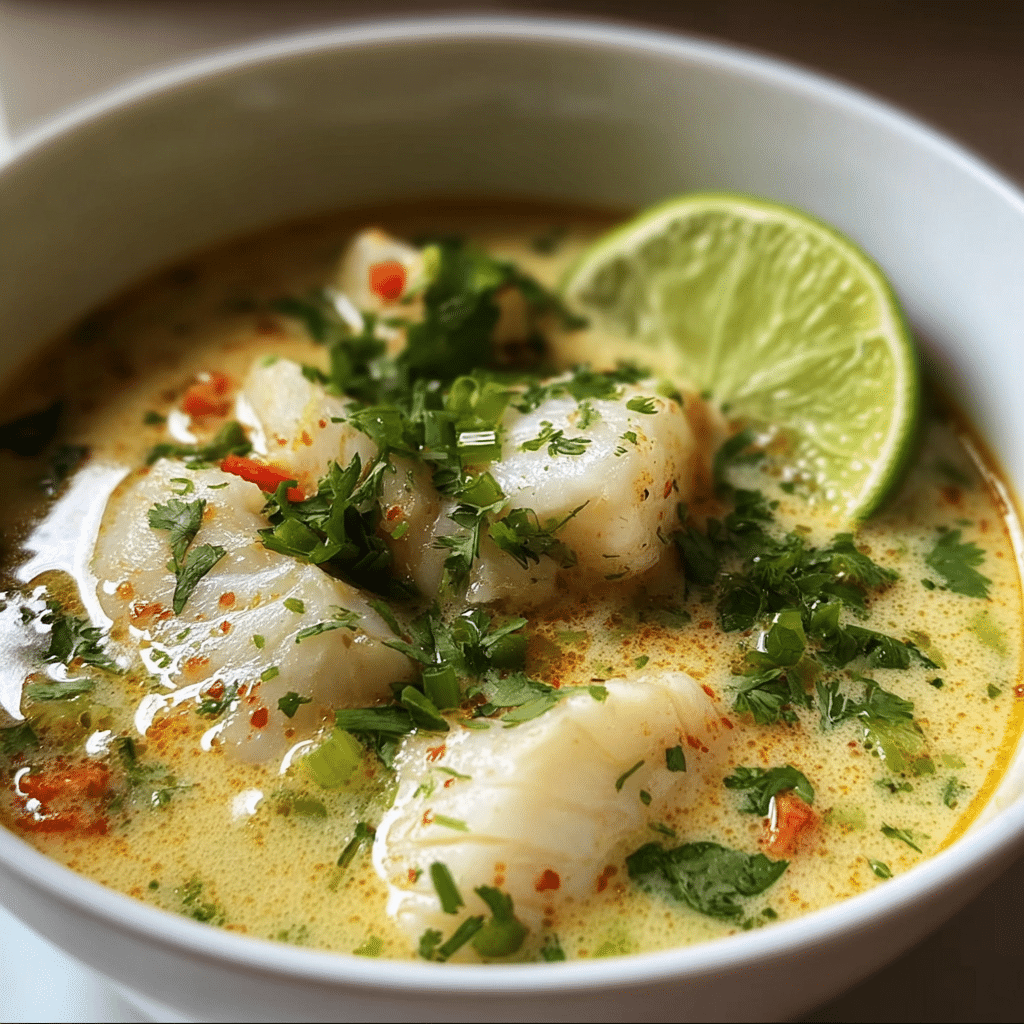
As the years went by, I realized that this dish was not just a delicious meal but a representation of the culinary heritage of coastal cultures around the world. Originating from regions abundant in fish and coconuts, coconut lime fish is a reflection of the local ingredients and traditions. In many tropical countries, this dish is served as a warmth-filled gathering meal, often prepared during family celebrations or beach outings. The harmonious balance of flavors and the simplicity of preparation make it a staple in my kitchen, especially for busy weeknights when I crave something quick yet rewarding.
The Story Behind This Recipe
Over the years, I have experimented with numerous versions of coconut lime fish, each time adding my personal touch. Whether it was a handful of fresh herbs from my garden or a splash of hot sauce for an extra kick, each rendition brought me closer to the heart of this dish. I love to gather my kids around the kitchen as we prepare it together, each of us taking turns adding ingredients while sharing stories and laughter. The aroma that fills our home as the soup simmers on the stove is enough to make anyone’s mouth water.
This recipe is special because it marries the creaminess of coconut milk with the tartness of lime, creating a symphony of flavors that dance on your palate. Unlike other fish soups that can be heavy or overly complex, coconut lime fish is light yet satisfying, making it an ideal choice for families looking for quick dinner solutions. The ease of preparation, combined with the delicious finish, means that you can have a wholesome meal ready in under 30 minutes. This dish shines particularly in the warmer months when fresh fish and vibrant limes are in abundance, but it has become a year-round favorite in my household.
Why You’ll Love This Dish
The emotional connection I feel with coconut lime fish runs deep. It’s not just a recipe; it’s a memory, a connection to my family, and a celebration of culture. Each time I prepare it, I’m reminded of those sunny days at the beach, the laughter of loved ones, and the simple joys of life. The dish has a way of bringing people together, and I often find my friends asking for the recipe after just one taste. I promise that as you dive into this article, you will discover not only how to make coconut lime fish but also the rich tapestry of its history and significance.
By the end of this guide, you will learn various techniques to perfect this dish, explore its cultural roots, and perhaps even create your own memories around it. So, let’s embark on this culinary journey together and bring the flavors of coconut lime fish into your home!
The Rich History and Cultural Significance of coconut lime fish
The rich history and cultural significance of coconut lime fish can be traced back to the coastal regions of Southeast Asia, the Caribbean, and the Pacific Islands. Each region has its unique interpretation of this delightful dish, shaped by local ingredients and cultural practices. The use of coconut in cooking dates back centuries, as it is a staple food source in many tropical climates, providing both sustenance and flavor. Fish, being readily available in these regions, naturally became a central ingredient in many local dishes.
Origins and History
Coconut lime fish, in its various forms, can be found across many cultures. In Thailand, for instance, coconut milk is often used in soups like Tom Kha, which features fresh fish and aromatic herbs, creating a soothing and fragrant dish. In the Caribbean, the use of fresh lime and coconut is prevalent in many seafood preparations, reflecting the region’s reliance on its ocean bounty. Traditional recipes often include spices and herbs unique to each area, from lemongrass in Southeast Asia to cilantro and thyme in Caribbean versions.
Throughout history, coconut lime fish has evolved, adapting to the preferences and available ingredients of different cultures. The basic premise remains the same—combining fresh fish with a creamy coconut base and a splash of zesty lime—but the specific ingredients and cooking methods vary widely. For example, in some regions, the fish might be grilled before being added to the soup, while in others, it is poached directly in the broth. This adaptability is a testament to the dish’s enduring popularity and relevance in various culinary traditions.
Cultural Significance
Coconut lime fish is often associated with gatherings and celebrations, serving as a comforting dish that brings people together. In many coastal communities, it is common to see families sharing a bowl of this soup after a long day spent fishing or playing by the sea. The dish is not just a meal; it symbolizes community, warmth, and the joy of sharing food with loved ones. It is often served during festive occasions, beach picnics, or family reunions, making it a staple in many households.
Famous chefs and restaurants have also embraced coconut lime fish, elevating it to gourmet status while preserving its traditional roots. Renowned chefs often add their unique twists, incorporating local flavors or innovative techniques to create distinct versions that still respect the original spirit of the dish. This blending of tradition and modernity has helped keep the dish alive and relevant in contemporary culinary scenes.
Nutritional Benefits
Beyond its cultural significance, coconut lime fish is also packed with nutritional benefits. Fish is an excellent source of lean protein and omega-3 fatty acids, which are essential for heart health and brain function. Coconut milk, while rich in flavor, also provides healthy fats that can help keep you satisfied. Lime juice adds a boost of vitamin C, enhancing the dish’s nutritional profile and giving it a refreshing tang that balances the richness of the coconut.
Moreover, many variations of coconut lime fish incorporate an array of vegetables, such as bell peppers, carrots, and spinach, further enhancing its health benefits. This combination makes it an ideal option for families looking to enjoy a nutritious and satisfying meal without compromising flavor or enjoyment. As we delve deeper into the art of making coconut lime fish, you will discover how to harness these flavors and benefits, creating a dish that nourishes both the body and the soul.
Essential Ingredients for Perfect coconut lime fish
When it comes to crafting the perfect coconut lime fish soup, the magic truly lies in the freshness and quality of your ingredients. The right combination not only enhances the flavors but also creates a dish that is vibrant, aromatic, and downright delicious. Below, I’ll guide you through an essential ingredients list, detailing each one’s role, quality indicators, and some helpful tips to ensure your coconut lime fish soup turns out exceptional every time.
Essential Ingredients
- Chicken: 1 cup, cooked and shredded
- Beef: 1 cup, cooked and shredded (optional)
- Pork: 1 cup, cooked and shredded (optional)
- Seafood: 1 pound (such as shrimp, fish, or a mix of both)
- Pasta: 1 cup, cooked (such as rice noodles or spaghetti)
- Fruits: 1 lime, juiced, and zested
- Vegetables: 1 cup mixed (like bell peppers, carrots, and green onions)
Coconut Lime Fish Soup
Ingredients
- 1 1/2 pounds cod filets, or other firm white fish
- 1 teaspoon salt
- 1 teaspoon freshly ground black pepper
- 1 lime, cut into wedges, or more as needed
- 2 tablespoons palm oil or olive oil
- 1 yellow onion, chopped
- 1/2 red bell pepper, cut into bite-sized pieces
- 1/2 green bell pepper, cut into bite-sized pieces
- 1/2 yellow bell pepper, cut into bite-sized pieces
- 1 stalk celery, chopped
- 3 cloves garlic, minced
- 2 tablespoons minced fresh ginger
- 1 tablespoon seafood seasoning, such as Old Bay®
- 1 (14.5-ounce) can roasted tomatoes
- 1/4 cup chopped green onions, green part only
- 1 (14-ounce) can coconut milk
Instructions
-
Pat fish dry with a paper towel. Season fish with salt and pepper, squeeze lime juice over each fillet, and gently rub in. Set aside.
-
Heat oil in a Dutch oven over medium heat. Add onions, red pepper, green pepper, yellow pepper, and celery; cook for 1 to 2 minutes.
-
Add garlic, ginger, and Old Bay seasoning. Cook until bell peppers begin to soften, 3 to 5 minutes.
-
Add tomatoes and green onions, bring to a simmer, and cook, uncovered, for 3 to 5 minutes. Place fish pieces on top of the vegetables and pour coconut milk over the mixture.
-
Bring soup to a simmer, reduce heat to low, cover, and simmer for 15 minutes. Taste; adjust seasoning with salt and lime juice to taste.
Each of these ingredients plays a crucial role in the overall flavor and texture of your coconut lime fish soup. The chicken, beef, and pork are great for those who want a heartier soup, while seafood adds a lovely marine essence and complements the coconut and lime beautifully.
When selecting chicken, look for organic, free-range options if possible. This ensures that the meat is not only fresher but also free from harmful additives. Fresh chicken should feel moist but not slimy, and the color should be a rich pink. For seafood, choose fish that smells fresh and not overly fishy. The flesh should be firm and shiny, and if you’re opting for shrimp, ensure they are bright and not opaque.
As for vegetables, seasonal produce is always the best choice. Bell peppers and carrots should be crisp and vibrant in color. When purchasing limes, look for those that feel heavy for their size, indicating juiciness, and have a smooth skin.
Shopping Tips
Shopping for the ingredients of your coconut lime fish soup can turn into a delightful experience. Visiting local farmers’ markets can yield fresher produce, often at a better price than grocery stores. Additionally, many farmers offer organic options that are not only better for the environment but also for your health.
For seafood, local fish markets are usually a treasure trove of fresh options. Ask the fishmonger about the catch of the day; they can often recommend the best, freshest options available. If you’re not near a coastal area, consider frozen seafood as a viable alternative; just ensure it’s labeled as sustainably sourced.
When it comes to pasta, look for varieties made from whole grains or alternative flours if you’re looking for healthier options. It’s often less expensive to buy in bulk, especially if you frequently cook pasta dishes.
Substitutions and Alternatives
Understanding how to adapt your coconut lime fish recipe based on dietary restrictions or preferences is vital. If you’re looking to make the soup vegetarian, you can omit the meats and replace them with tofu or tempeh, giving a lovely texture and protein boost. If you’re avoiding gluten, ensure your pasta is gluten-free, or simply omit it altogether.
For those who need to avoid seafood, consider using a vegetable stock as the base and load up on vegetables for heartiness. You can also incorporate lentils or beans for protein. Coconut milk can be a fantastic way to maintain the creamy texture of the soup, and its natural sweetness complements the lime beautifully.
Storage of the ingredients is also essential. Fresh chicken can be stored in the fridge for up to two days, while seafood should ideally be cooked the day of purchase for optimal freshness. Cooked pasta can be stored in the fridge for about three to five days, while vegetables vary; most can last a week if kept in a cool, dry place. If you have leftover coconut lime fish soup, it stores well in the refrigerator for up to three days but can also be frozen for longer preservation.
In terms of cost-saving tips, buying in bulk or planning your meals around seasonal produce can greatly reduce your grocery bill. Look for sales on meats and fish, and consider meal prepping to avoid waste. Organic ingredients can be pricier, but sometimes local farmers’ markets offer organic produce at competitive rates compared to supermarkets.
In conclusion, the ingredients for your coconut lime fish soup are not just a list of items; they are the heart and soul of the dish. By choosing high-quality, fresh components and understanding their roles, you can create a flavorful, comforting soup that warms the heart and delights the palate.
Detailed Step-by-Step coconut lime fish Cooking Instructions
Now that you’ve gathered all your ingredients, it’s time to dive into the cooking process for your coconut lime fish soup. This dish is not only delicious but can also be prepared in about 30 minutes, making it a perfect option for busy weeknights or a cozy weekend dinner.
Preparation Steps
- Mise en Place: Begin by prepping all your ingredients. This means chopping your vegetables, shredding your meats if using, and measuring out your coconut milk and lime juice. Having everything ready to go will streamline your cooking process.
- Cook the Pasta: If using pasta, cook it according to the package instructions until al dente. Drain and set aside. This can be done in advance to save time during cooking.
- Prepare the Broth: In a large pot, pour in 4 cups of water (or vegetable broth for a vegetarian version) and bring it to a simmer. Add your coconut milk to the pot, stirring gently to combine. This creates the base of your coconut lime fish soup.
Cooking Process
- Add Aromatics: Once the broth is simmering, add finely chopped onions, garlic, and ginger. These aromatics will add depth of flavor. Stir occasionally and let them sauté for about 3-5 minutes until fragrant.
- Incorporate Vegetables: Next, toss in your chopped bell peppers and carrots. These vegetables add a beautiful crunch and color to your soup. Allow them to cook for another 5-7 minutes until they soften.
- Add Proteins: If you’re using chicken, beef, or pork, now is the time to add them to the pot. Stir them in and allow them to heat through, about 5 minutes. If you are using seafood, it’s better to add it later to prevent overcooking.
- Introduce Seafood: Once the other proteins are heated through, gently add your seafood. This could be shrimp, fish, or a combination. Allow them to simmer for about 3-5 minutes until they are opaque and cooked through. Seafood cooks quickly, so keep an eye on it!
- Seasoning: Now comes the exciting part! Add the lime juice and zest, along with salt and pepper to taste. The acidity of the lime will enhance the flavors of the coconut and seafood, creating a wonderfully balanced soup.
- Final Touches: If you’re using cooked pasta, add it to the pot and stir to combine. Let the soup simmer for an additional minute to heat everything through.
Final Assembly
As you approach the end of your cooking, it’s important to taste the soup one last time. Adjust the seasoning with more lime juice, salt, or even a touch of chili for heat if desired. Once satisfied, turn off the heat and let it rest for a couple of minutes. This allows the flavors to meld beautifully.
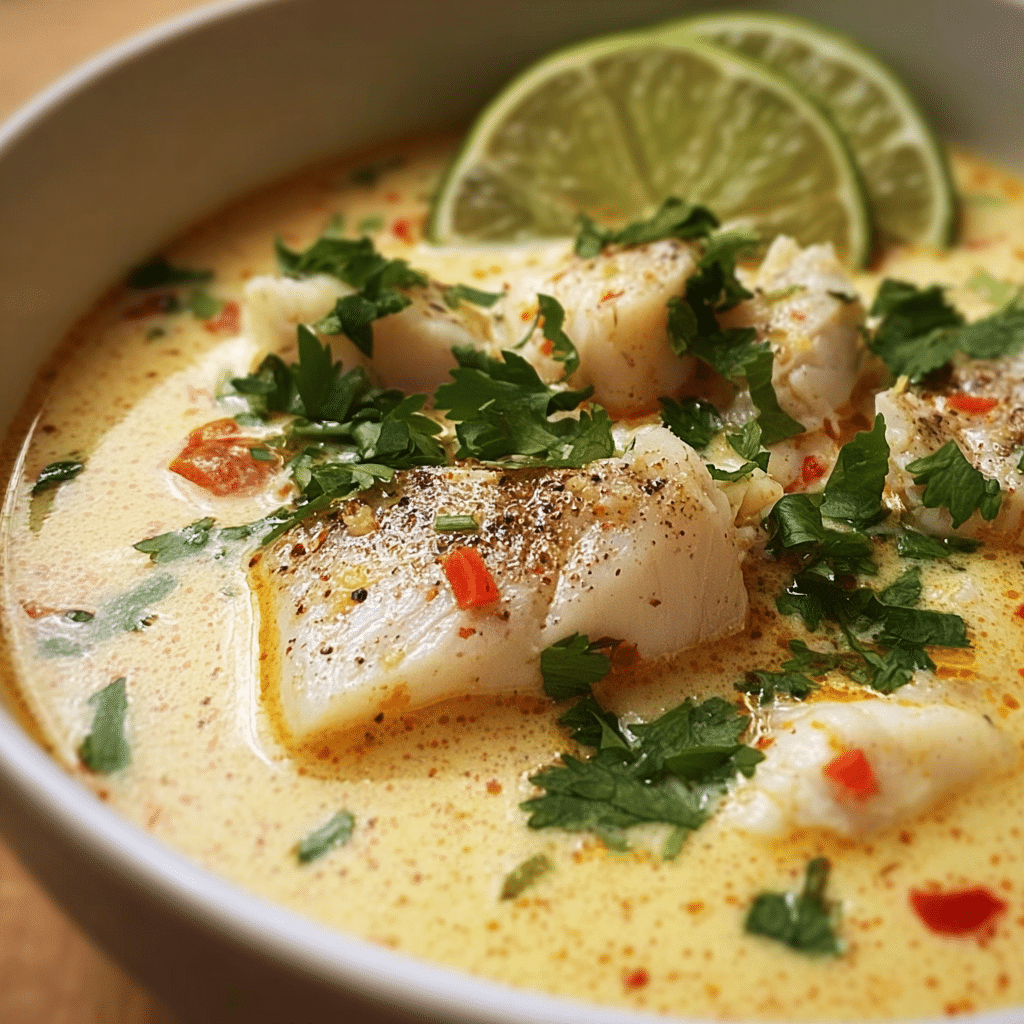
For serving, ladle the soup into bowls and garnish with fresh cilantro or green onions for an extra pop of color and flavor. The vibrant green against the creamy coconut broth is not only visually appealing but also adds a herby freshness that elevates the dish.
Common mistakes to avoid include overcooking the seafood, which can lead to a rubbery texture, and not tasting the broth as you cook. Tasting allows you to adjust flavors as needed, ensuring your final dish is perfect.
In terms of equipment, a large pot or Dutch oven is ideal for this soup, as it allows for even cooking and sufficient space for all the ingredients. A wooden spoon is perfect for stirring, and a ladle will help in serving. If you’re a fan of kitchen gadgets, an immersion blender can be used to puree a portion of the soup for a creamier texture, but this is entirely optional.
By following these detailed steps, you’ll master the art of making coconut lime fish soup, ensuring every bowl is packed with flavor and warmth, perfect for any occasion. Enjoy the process, and don’t forget to share your creations with friends and family!
Professional Tips and Techniques for coconut lime fish
When it comes to making a delightful bowl of coconut lime fish soup, mastering some essential tips and techniques can elevate your dish from good to spectacular. This soup, infused with the tropical flavors of coconut and lime, not only warms the heart but also tantalizes the taste buds. Let’s explore some professional tips that can help you create the perfect coconut lime fish soup.
Professional Techniques
One of the most important aspects of cooking is understanding the ingredients you’re working with. For coconut lime fish soup, selecting the right type of fish is crucial. Opt for firm, white fish like cod, snapper, or mahi-mahi, as they hold up well in soups and absorb the flavors beautifully. If you’re unsure, ask your fishmonger for recommendations based on what’s fresh that day.
Another technique to enhance your soup is to sauté your aromatics—onions, garlic, and ginger—before adding liquids. This step releases their natural oils and intensifies their flavors. I remember the first time I tried this; the fragrance wafting through my kitchen was nothing short of magical. It’s essential to take your time during this step; a little patience goes a long way in depth of flavor.
Additionally, when adding coconut milk, be sure to use full-fat coconut milk for a richer, creamier texture. Light coconut milk, while lower in calories, can dilute the flavor and creaminess you want in a good coconut lime fish soup. If you’re feeling adventurous, consider making homemade coconut milk by blending shredded coconut with water and straining it through a cheesecloth. The freshness is incomparable!
Troubleshooting Guide
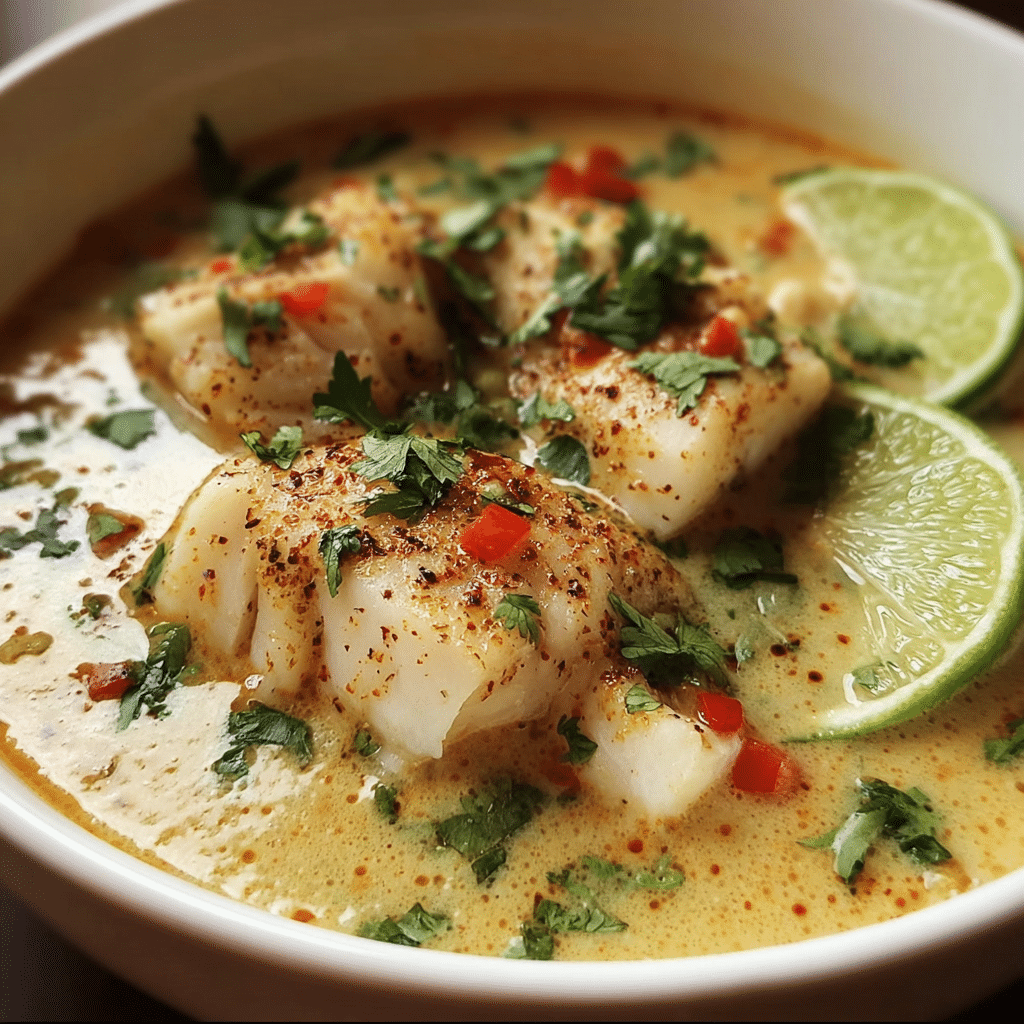
Even seasoned cooks encounter hiccups along the way. One common issue with coconut lime fish soup is curdling of the coconut milk. This can happen if the soup is boiled vigorously after adding the coconut milk. To prevent this, always add the coconut milk at the end of cooking and keep the heat low. If curdling happens, don’t panic! You can blend the soup to create a smoother texture.
Another problem could be if your soup tastes flat or lacks depth. This is often a result of not seasoning adequately. Taste as you go and adjust with salt, lime juice, or even a touch of fish sauce for umami. I’ve learned that adding a pinch of sugar can also help balance out the acidity of the lime, enhancing the overall flavor profile.
Presentation Tips
A beautiful presentation can make your coconut lime fish soup even more enticing. Serve it in a shallow bowl to showcase the vibrant colors of the soup and its garnishes. A sprinkle of fresh cilantro, a slice of lime, or a few chili flakes can add a pop of color and an extra layer of flavor. Consider drizzling a bit of coconut cream on top for an elegant touch.
For a fun twist, serve the soup alongside a small bowl of jasmine rice or quinoa to soak up the delicious broth. I love using coconut shells as bowls for a rustic, beachy vibe during summer gatherings. It’s a conversation starter and adds an element of fun to the dining experience!
Wine and Beverage Pairings
When it comes to pairing beverages with coconut lime fish soup, think refreshing and light. A crisp Sauvignon Blanc or a dry Riesling complements the soup’s tropical flavors beautifully. If you prefer something non-alcoholic, a sparkling water with a splash of lime or a tropical iced tea can provide a refreshing accompaniment. I always enjoy sipping on a coconut water while indulging in this dish; it’s like a mini-vacation in a glass!
Remember, cooking is an art, and with these professional tips and techniques, you can create a coconut lime fish soup that not only tastes great but also looks stunning. The key is to have fun, experiment, and let your creativity shine through in every bowl!
Creative Variations and Adaptations of coconut lime fish
Coconut lime fish soup is a delightful canvas for creativity, allowing you to explore various adaptations while still highlighting the main flavors of coconut and lime. Whether you’re looking to switch things up with seasonal ingredients or adapt the recipe for specific dietary preferences, there are countless ways to make this dish your own.
Seasonal Variations
One of the joys of cooking is adapting recipes to the season. In the summer, consider adding fresh corn or diced tomatoes to your coconut lime fish soup for a burst of sweetness and color. These ingredients are at their peak during the warmer months, and they complement the tropical flavors beautifully. In the fall, replace the fish with hearty chunks of pumpkin or sweet potatoes, creating a comforting, creamy soup that retains the coconut-lime essence.
During winter, try incorporating root vegetables like carrots or parsnips for added texture and warmth. Personally, I love adding diced bell peppers for a pop of color and a slight crunch, especially during the cooler months when I crave something hearty yet refreshing.
Dietary Adaptations
Making coconut lime fish soup suited for different dietary needs is easier than you might think! For those following a ketogenic diet, you can easily swap out the fish for shrimp or crab, which are low in carbs yet high in flavor. Additionally, substituting regular coconut milk with unsweetened coconut cream can provide the richness you desire without the added sugars.
If you’re vegan or vegetarian, a fantastic adaptation involves replacing the fish with tofu or chickpeas. Use vegetable broth instead of fish stock and add a medley of vegetables like zucchini, bell peppers, and spinach to create a nutrient-packed meal. When I first experimented with this version for my vegetarian friends, they were amazed at how flavorful and satisfying it turned out to be!
Creative Twists
Feeling adventurous? Try infusing your coconut lime fish soup with international flavors. For a Thai twist, add lemongrass, kaffir lime leaves, and Thai basil for an aromatic experience. Alternatively, for a Caribbean flair, include diced pineapple or mango for a sweet contrast to the savory soup.
Experimenting with different cooking methods can also create unique versions of this dish. Using a slow cooker allows the flavors to meld beautifully over several hours, resulting in an incredibly rich broth. If you’re short on time, a pressure cooker can speed up the process while still delivering tender fish and flavorful soup.
And let’s not forget about leftovers! Transform any remaining soup into a delicious stir-fry by sautéing it with some rice noodles, adding a splash of soy sauce, and tossing in extra veggies. This not only reduces waste but also gives you a new meal with minimal effort.
As you explore these variations of coconut lime fish soup, remember that the essence of this dish lies in its versatility. Whether you’re changing up the ingredients, adapting for dietary needs, or experimenting with cooking methods, each bowl can tell a new story while still celebrating the vibrant flavors of coconut and lime. Enjoy the journey of creativity!
Storage, Reheating, and Meal Prep for coconut lime fish
When it comes to enjoying a delightful bowl of coconut lime fish soup, knowing how to store and reheat your leftovers can make all the difference. Whether you’ve made a big batch for a family gathering or just want to savor that tropical taste for days to come, proper storage techniques will help maintain the flavor and quality of your dish. Let’s dive into the various aspects of storing and reheating your coconut lime fish soup, ensuring that each bowl remains as delightful as the first.
Short-term Storage
Once you’ve prepared your delicious coconut lime fish soup, proper short-term storage is essential for maintaining its flavor and safety. If you plan to enjoy your soup within the next few days, the refrigerator is your best bet. To store your soup, allow it to cool completely before transferring it into airtight containers. Glass containers are a fantastic choice as they prevent any unwanted odors from permeating your soup. Plastic containers with tight-fitting lids work well too, but always ensure they are food-grade and BPA-free.
When storing in the refrigerator, your coconut lime fish soup can last about 3 to 4 days. Always remember to label your containers with the date they were made, so you can keep track of freshness. Additionally, if you’ve added any fresh herbs or garnishes, it might be best to store those separately to retain their vibrant flavors.
Freezing and Long-term Storage
If you’re planning to keep your coconut lime fish soup for an extended period, freezing is the way to go. Freezing not only extends the shelf life of your soup but also allows you to enjoy that tropical flavor anytime you crave it! To freeze your soup, follow the same cooling procedure as before, then portion it into freezer-safe containers or heavy-duty freezer bags. Be sure to leave some space at the top of the container because liquids expand when they freeze.
When properly stored in the freezer, your coconut lime fish soup can last up to 3 months. However, for the best quality, I recommend consuming it within 1 to 2 months. To make meal prep easier, consider freezing your soup in single-serving sizes. This way, you can easily grab a portion whenever you’re in the mood for a quick, healthy meal.
Before freezing, it’s important to note that certain ingredients may not freeze well. For instance, the texture of fresh fish can change after being frozen, which may affect the overall experience when you reheat it. If you’re making a large batch, consider freezing the soup without the fish and then adding freshly cooked fish when you’re ready to serve.
Reheating Best Practices
To enjoy your coconut lime fish soup again, reheating it properly is crucial. The goal is to bring it back to its flavorful best without overcooking the fish or compromising its creamy texture. For stovetop reheating, pour the soup into a saucepan and heat over medium-low, stirring occasionally. This gentle heat will help maintain the soup’s consistency while warming it through. If you find the soup too thick after freezing, feel free to add a splash of coconut milk or fish stock to loosen it up.
Alternatively, you can reheat individual portions in the microwave. Place the desired amount into a microwave-safe bowl, cover it with a microwave-safe lid or plate to prevent splatter, and heat for 1-2 minutes. Stir halfway through to ensure even heating. Just be careful not to overheat, as this can lead to rubbery fish and a less enjoyable dining experience.
Food safety is an important consideration when reheating. Always ensure the soup reaches an internal temperature of 165°F (74°C) to eliminate any potential bacteria that may have developed during storage. If you’re ever unsure about the soup’s freshness, it’s better to err on the side of caution and discard it.
As a tip for meal prep enthusiasts, consider cooking a large batch of coconut lime fish soup on the weekend and portioning it out for meals throughout the week. This can save time during busy weekdays and ensure you have a nutritious, satisfying meal ready to go.
In summary, proper storage, freezing, and reheating techniques are vital for enjoying your coconut lime fish soup at its best. With the right containers, attention to food safety, and gentle reheating methods, you can savor that delightful tropical flavor time and again. Happy cooking!
Nutritional Benefits and Health Information
When it comes to enjoying a bowl of coconut lime fish soup, it’s not just about the taste; it’s also about the nutrition packed within each comforting spoonful. This soup is not only a delightful tropical dish but also a powerhouse of health benefits, making it an excellent addition to any meal plan. Let’s delve into the nutritional aspects of this delicious soup, highlighting its health benefits and how it fits into various dietary considerations.
Nutritional Profile
The main ingredients of coconut lime fish soup typically include fresh fish, coconut milk, lime juice, and an array of vegetables. This combination creates a rich nutritional profile that is both satisfying and beneficial to your health. On average, a serving of coconut lime fish soup contains approximately:
- Calories: 300-400 calories, depending on the proportion of coconut milk and fish used.
- Protein: 20-25 grams, primarily from the fish.
- Fat: 15-25 grams, mostly from coconut milk.
- Carbohydrates: 10-15 grams, primarily from vegetables.
This nutritional breakdown shows that coconut lime fish soup is well-balanced, providing a good amount of protein and healthy fats while keeping carbohydrates relatively low, making it suitable for various dietary preferences.
Health Benefits
The health benefits of coconut lime fish soup can be attributed to its key ingredients. Fish, especially varieties like salmon or cod, is an excellent source of omega-3 fatty acids, which are essential for heart health. Omega-3s are known to reduce inflammation, lower blood pressure, and improve overall cardiovascular function. Moreover, fish is a high-quality protein source that supports muscle growth and repair.
Coconut milk, another star ingredient, is rich in medium-chain triglycerides (MCTs). MCTs are quickly absorbed by the body and can be used as an immediate energy source. They also have been linked to weight management, as they may help reduce appetite and promote fat loss. Additionally, coconut milk contains lauric acid, which possesses antimicrobial properties that can boost your immune system.
Don’t forget about the lime! This citrus fruit is not only a flavor enhancer but also a great source of vitamin C and antioxidants. Vitamin C is crucial for maintaining a healthy immune system, and it supports skin health and helps the body absorb iron from plant-based foods.
Dietary Considerations
Coconut lime fish soup is a versatile dish that can fit into various dietary plans. For those following a low-carb or ketogenic diet, the low carbohydrate content makes it an ideal choice. The healthy fats from coconut milk also align well with the principles of these diets. If you’re following a paleo or whole30 diet, this soup is compliant as it relies on whole, unprocessed ingredients.
Vegetarians and vegans, however, may want to explore plant-based alternatives. Tofu or chickpeas can be used instead of fish, while keeping the coconut milk and lime to maintain the soup’s signature flavors. For those with lactose intolerance, coconut milk serves as a fantastic dairy-free alternative, allowing everyone to enjoy this delicious dish without discomfort.
As for allergens, it’s essential to consider the type of fish used in the soup. If you’re cooking for someone with a fish allergy, substituting with seafood alternatives or plant-based proteins is advisable. Additionally, the recipe can be easily adapted to exclude any particular vegetable or ingredient that may cause allergic reactions.
In conclusion, coconut lime fish soup is not just a delightful dish to savor; it’s also packed with nutritional benefits. With its well-rounded profile of protein, healthy fats, and essential vitamins and minerals, this soup can fit into various dietary preferences and promote overall health. Whether you’re enjoying it on a cozy night in or serving it at a gathering, this soup is sure to be a hit!
Conclusion: Mastering the Perfect coconut lime fish
Creating the perfect coconut lime fish is more than just following a recipe—it’s about understanding the techniques, ingredients, and cultural significance behind this beloved dish. Throughout this comprehensive guide, we’ve explored everything from the historical origins to modern variations, ensuring you have all the knowledge needed to make this recipe your own.
Whether you’re a beginner cook or an experienced chef, the techniques and tips we’ve shared will help you create a coconut lime fish that’s not only delicious but also meaningful. Remember that cooking is a journey of discovery, and each time you make this dish, you’ll learn something new.
We encourage you to experiment with the variations we’ve discussed, adapt the recipe to your dietary needs, and most importantly, share it with the people you love. Food has the incredible power to bring people together, and Coconut Lime Fish Soup is the perfect dish to create lasting memories around your dinner table.
Don’t forget to share your cooking adventures with us on social media, and feel free to ask questions in the comments below. Happy cooking!
Share this recipe and let us know how it turned out! Tag us on social media for a chance to be featured.