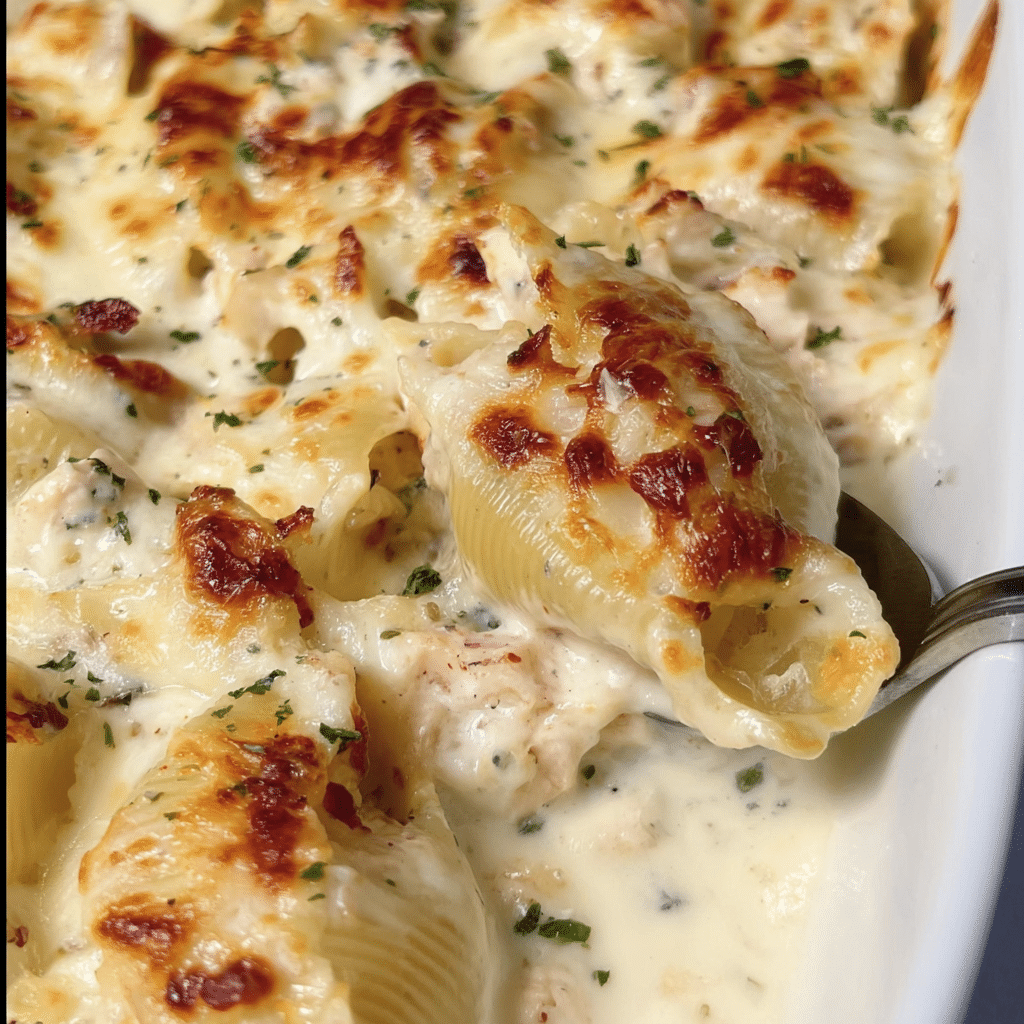
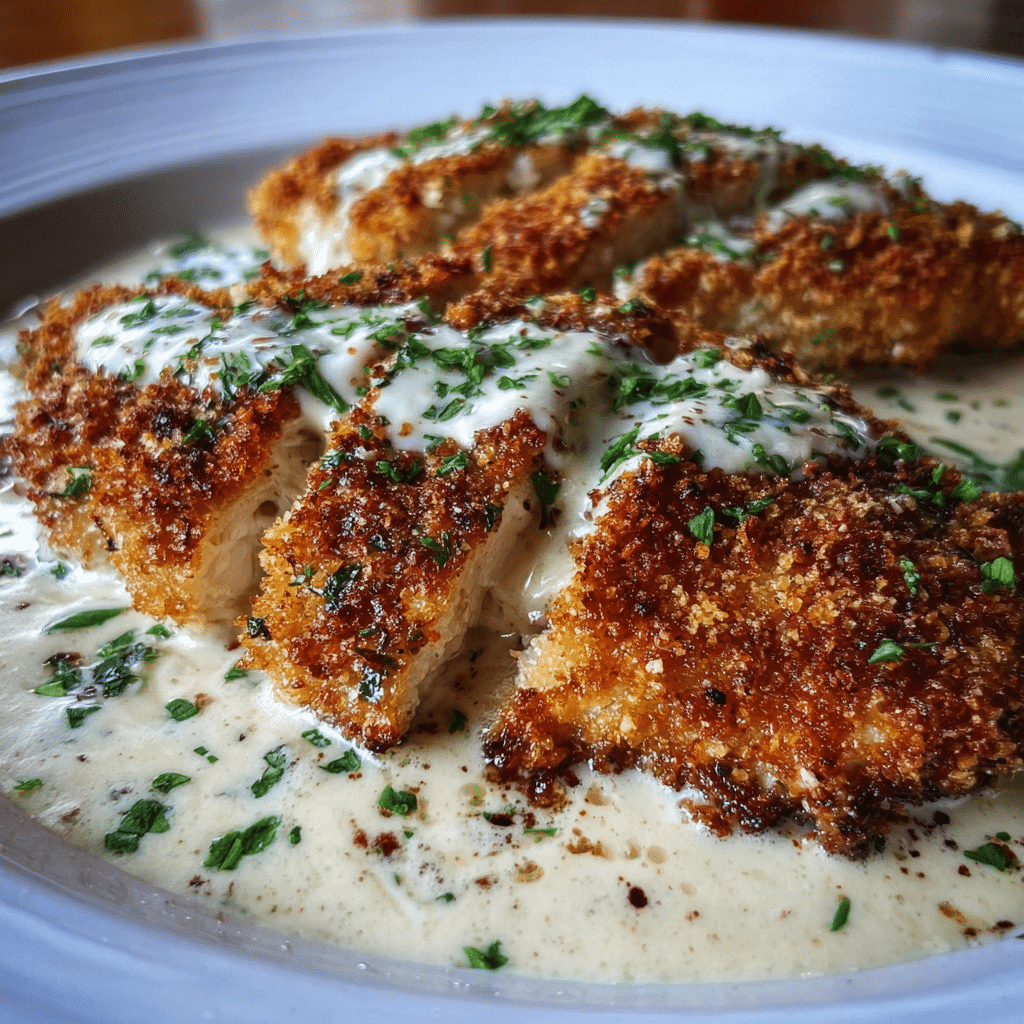
Cowboy butter chicken—a name that dances off the tongue just as delightfully as the dish itself tantalizes the taste buds. My love affair with this remarkable recipe began on a rainy afternoon in my kitchen, where the smell of garlic, herbs, and spices filled the air, wrapping me in a warm embrace. It was one of those days when the skies were gray, and I longed for comfort food that wouldn’t take hours to prepare. I stumbled upon the concept of cowboy butter chicken while scrolling through a food blog, and as soon as I read the ingredients list, I was hooked. It promised bold flavors, a medley of textures, and the kind of heartiness that makes you feel at home, even when you’re miles away. Little did I know, this dish would soon become a staple in my family’s dinner rotation, a recipe that would be passed down through the generations.
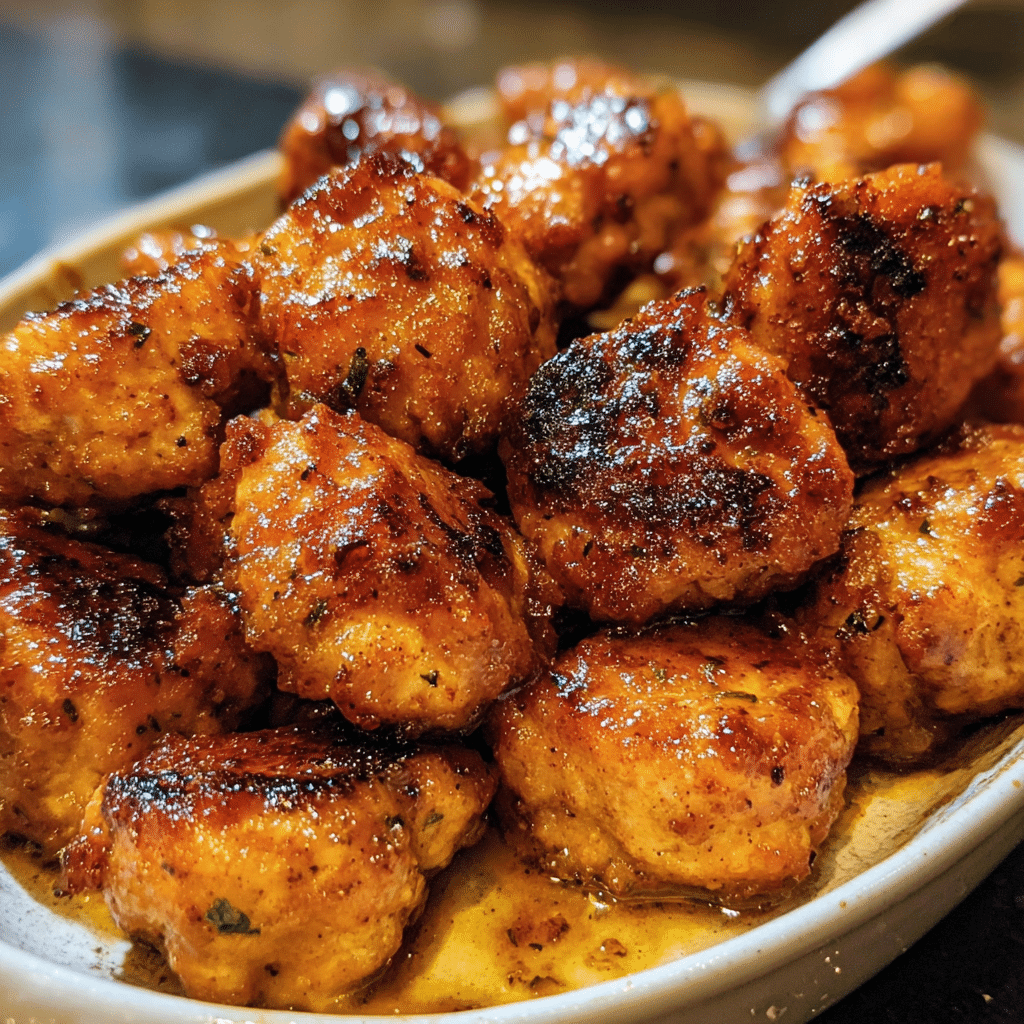
The Story Behind This Recipe
The origins of cowboy butter chicken are as rich and layered as the flavors in the dish itself. This culinary gem is inspired by traditional Southern and Western American flavors, infused with the vibrant spices commonly found in Indian cuisine. The term “cowboy butter” refers to a compound butter typically made with garlic, herbs, and spices, which adds an exceptional depth of flavor to the chicken. The concept of using butter as a flavor enhancer is not new, but the marriage of these distinct culinary traditions is what sets this dish apart.
As I began to experiment with the recipe, I found it to be not just a meal, but an experience. Whether it was cooking alongside my children, who would fight over who got to mix the butter, or sharing the dish with friends during a cozy gathering, the joy that cowboy butter chicken brings is palpable. It’s a dish that feels like a warm hug on a plate, embodying the spirit of togetherness and love.
Why You’ll Love This Dish
What makes cowboy butter chicken especially appealing is its simplicity and versatility. For busy families seeking quick dinner solutions, this recipe is a godsend. It requires minimal prep time, and most of the ingredients are pantry staples. You can whip it up on a weeknight, and by the time the family gathers around the table, the aroma will have everyone eagerly anticipating the first bite. The buttery, garlicky goodness seeps into the chicken, creating a dish that is not only satisfying but also bursting with flavor.
Seasonal relevance is another facet of this dish that I appreciate. Whether it’s a summer barbecue, a fall gathering, or a cozy winter dinner, cowboy butter chicken fits the occasion perfectly. It pairs beautifully with seasonal vegetables or can be served over a bed of fluffy rice or mashed potatoes, making it adaptable to whatever ingredients you have on hand. This adaptability is what makes it a go-to recipe throughout the year.
The emotional connection I have with cowboy butter chicken runs deep. It’s more than just a meal; it’s a celebration of family, friendship, and the joy of cooking. I remember the first time I served it to my extended family. The laughter, the compliments, and the requests for seconds made my heart swell with pride. It reminded me of the importance of gathering around the table and sharing not just food, but stories and memories.
In this guide to cowboy butter chicken, you will learn not just how to prepare this delicious dish, but also the nuances that can elevate it to perfection. From selecting the right spices to mastering the art of the cowboy butter itself, we’ll explore every step of the process. So roll up your sleeves, grab your apron, and let’s embark on this flavorful journey together!
The Rich History and Cultural Significance of cowboy butter chicken
The rich history and cultural significance of cowboy butter chicken are as fascinating as the dish itself. This recipe encapsulates a unique blend of culinary traditions, reflecting the diverse flavors and cooking techniques that have evolved over time. Understanding the origins of cowboy butter chicken offers insight into why it resonates so deeply with food lovers across the globe.
Origins and History
Cowboy butter chicken is said to have emerged from the confluence of Southern American cooking and the bold spices of Indian cuisine. The roots of this dish can be traced back to the cowboy culture of the American West, where hearty meals were essential for sustaining energy during long days on the ranch. Cowboys would often utilize whatever ingredients they had on hand, leading to the development of simple yet flavorful dishes.
Meanwhile, the influence of Indian cuisine cannot be overstated. The introduction of spices such as cumin, coriander, and turmeric brought a new dimension to American cooking, merging with the traditional techniques of grilling and roasting used by cowboys. The concept of compound butter—mixing butter with herbs and spices—has been a staple in various cultures, but the cowboy twist gives it a distinctive flair that has captured the hearts of many.
Cultural Significance
Cowboy butter chicken is more than just a meal; it represents a melding of cultures and traditions. It’s often served during family gatherings, barbecues, and festive occasions, making it a cherished dish in many households. The communal aspect of sharing food is deeply ingrained in both American cowboy culture and Indian hospitality, creating a sense of unity and connection.
Famous chefs have also embraced this dish, showcasing it in their restaurants and elevating it to gourmet status. The blend of flavors and the creative presentation have made cowboy butter chicken a favorite on many menus, whether in a rustic diner or an upscale eatery. This recognition speaks to the dish’s versatility and its ability to adapt to various culinary contexts.
Nutritional Benefits
Beyond its rich flavors and cultural significance, cowboy butter chicken offers several nutritional benefits. Chicken is a great source of lean protein, essential for muscle building and overall health. When paired with fresh herbs and spices, it not only enhances the flavor but also contributes to various health benefits. Garlic, for instance, is known for its immune-boosting properties, while herbs like parsley and cilantro provide essential vitamins and minerals.
Additionally, the use of butter in moderation can be part of a balanced diet, as it contains healthy fats that aid in the absorption of fat-soluble vitamins. The key is to enjoy cowboy butter chicken as part of a varied diet, accompanied by a range of colorful vegetables or whole grains. This dish not only satisfies the palate but also nourishes the body, making it a well-rounded choice for any meal.
In conclusion, cowboy butter chicken is a delightful fusion of flavors, history, and cultural significance. It brings together the hearty, rugged spirit of cowboy cooking with the vibrant spices of Indian cuisine, creating a dish that is not only delicious but also meaningful. As you delve deeper into the world of cowboy butter chicken, you’ll discover the stories behind each ingredient and the joy of sharing this remarkable dish with others.
Essential Ingredients for Perfect cowboy butter chicken
When it comes to crafting the perfect cowboy butter chicken, the foundation lies in selecting the best ingredients. Each component plays a pivotal role in creating the rich, savory flavor that has become a beloved staple in many households. Let’s dive into the essential ingredients that you will need, along with tips on how to choose and handle them for the best results.
Essential Ingredients
- 1 ½ pounds boneless, skinless chicken breasts, cut into vertical strips (about ½ -¾ inch thick): The chicken is the star of our cowboy butter chicken. Opt for high-quality, fresh chicken breasts. When selecting chicken, look for a pinkish hue with no discoloration. Ideally, purchase from a trusted butcher or a local farm to ensure the chicken is hormone-free and raised in humane conditions.
- ¼ cup (64 g) soy sauce: This ingredient adds umami and depth to the marinade. Look for low-sodium soy sauce to control the saltiness of your dish. If you’re gluten-sensitive, tamari is a great alternative that offers a similar flavor profile.
- ¼ cup (54 g) extra virgin olive oil, divided: Olive oil is essential for marinating the chicken and cooking it to a perfect golden brown. Choose a high-quality extra virgin olive oil for its robust flavor and health benefits. It’s best to store olive oil in a cool, dark place to maintain its quality.
- ½ teaspoon kosher salt: Salt enhances all the flavors in your dish. Kosher salt is preferred for its coarse texture, which allows for even seasoning. Make sure to taste your dish as you go to avoid overseasoning.
- ¼ teaspoon black pepper: Freshly cracked black pepper adds a subtle heat and complexity to the dish. Always opt for whole peppercorns and grind them just before use for the freshest taste.
- 1 ½ pounds baby potatoes, halved or quartered (depending on size of potatoes): Baby potatoes provide a hearty, comforting element to your cowboy butter chicken. When selecting potatoes, look for firm, smooth skins without any blemishes. Organic varieties are preferable as they tend to have a better flavor.
- 6 tablespoons cowboy butter: This is where the flavor magic happens! Cowboy butter is a garlic and herb-infused butter that elevates your dish with its richness. If you don’t have cowboy butter handy, you can make your own by mixing softened butter with minced garlic, parsley, and a hint of lemon juice.
- Salt and pepper, to taste: Adjusting the seasoning at the end of cooking is crucial to achieving the perfect balance of flavors in your cowboy butter chicken.
- Parsley, chopped for garnish: Fresh herbs not only add a pop of color but also brighten the flavors of your dish. When using herbs, look for vibrant green leaves without wilting or browning.

Cowboy Butter Chicken
Ingredients
- 1 ½ pounds boneless, skinless chicken breasts, cut into vertical strips (about ½ –¾ inch thick)
- ¼ cup (64 g) soy sauce
- ¼ cup (54 g) extra virgin olive oil, divided
- ½ teaspoon kosher salt
- ¼ teaspoon black pepper
- 1 ½ pounds baby potatoes, halved or quartered (depending on size of potatoes)
- 6 tablespoons cowboy butter
- salt and pepper, to taste
- parsley, chopped for garnish
Instructions
- In a large bowl, combine the chicken, soy sauce, 1 tablespoon olive oil, salt, and pepper. Set aside to marinate while preparing the potatoes.
- Bring a large pot of salted water to a boil. Add potatoes and boil for 8-10 minutes, or until the potatoes are slightly tender. Depending on the size of the potatoes, boiling times may vary. Drain water and set aside.
- To a large skillet over medium-high heat, add 1 tablespoon of olive oil. Once hot, add the boiled potatoes and cook for 4-5 minutes, flipping halfway through, until golden and fork-tender. Transfer the potatoes to a plate and tent with aluminum foil to keep warm. Set aside.
- To the same skillet over medium-high heat, add the remaining olive oil. Once hot, add the marinated chicken strips in a single layer. (Do not overcrowd the pan; work in batches if needed.) Reserve the marinade and set aside. Cook chicken for 1-2 minutes on each side, or until nicely browned and cooked to an internal temperature of 165°F.
- Pour in the reserved marinade. Cook with the chicken until the liquid is reduced by half, about 1-2 minutes.
- Add the sauteed potatoes and cowboy butter to the skillet. Toss to combine with the chicken and sauce. Cook for an additional 2-3 minutes, or until everything is heated through and the butter is melted. Season to taste with salt and pepper.
- Remove from heat. Serve immediately, garnished with chopped parsley.
Shopping Tips
When shopping for ingredients, consider visiting local farmers’ markets where you can often find fresh produce and meats. This not only supports local agriculture but can also result in better flavor. For the chicken, consider organic options if your budget allows, as they are typically raised without antibiotics or hormones.
For the olive oil and soy sauce, purchasing in bulk can often save you money in the long run, especially if you cook frequently. Additionally, keep an eye out for sales on staple items like spices and condiments, as these can often be found at discounted prices.
Substitutions and Alternatives
If you have dietary restrictions or preferences, there are numerous substitutions you can make without compromising the essence of the cowboy butter chicken. For instance:
- If you are avoiding soy, coconut aminos can be a delightful alternative to soy sauce.
- For those who are lactose intolerant, substitute regular butter with a plant-based butter or olive oil.
- If you cannot find baby potatoes, feel free to use other varieties, such as Yukon gold or red potatoes, cut into smaller pieces.
- Fresh herbs can be swapped with dried herbs, though you should reduce the quantity as dried herbs are more concentrated.
By understanding the roles and importance of each ingredient in cowboy butter chicken, you’ll set yourself up for success in the kitchen. The next time you prepare this delightful dish, you’ll have confidence in your ingredient choices, ensuring a meal that’s not just delicious but also a reflection of your culinary skills.
Detailed Step-by-Step cowboy butter chicken Cooking Instructions
Cooking cowboy butter chicken is an experience that combines ease with incredible flavor, making it a perfect dish for both novice cooks and seasoned chefs. The beauty of this recipe lies in its straightforward process, which doesn’t skimp on taste or presentation. Let’s break down the steps you need to take to create this mouthwatering dish.
Preparation Steps
Before diving into cooking, it’s essential to prepare your ingredients. This not only makes the cooking process smoother but also ensures that you don’t miss any crucial steps. Here’s how to get started:
- Gather all ingredients: Lay out all your ingredients on the counter. This mise en place approach will help you visualize what you need and streamline your cooking process.
- Prepare the chicken: Cut the boneless, skinless chicken breasts into vertical strips, about ½ to ¾ inch thick. This allows for even cooking and better absorption of flavors. Set aside in a mixing bowl.
- Mix the marinade: In a separate bowl, combine the soy sauce, 2 tablespoons of extra virgin olive oil, kosher salt, and black pepper. Whisk together until well blended. Pour the marinade over the chicken, ensuring every piece is coated. Marinate for at least 15-20 minutes to allow the flavors to meld.
- Prepare the potatoes: While the chicken marinates, wash and cut the baby potatoes in half or quarters, depending on their size. Aim for uniform pieces to ensure even cooking.
Cooking Process
Once your ingredients are prepped, it’s time to bring everything together. The cooking process for cowboy butter chicken is fairly quick, making it perfect for weeknight dinners.
- Heat a skillet: In a large skillet, heat the remaining 2 tablespoons of olive oil over medium-high heat. You’ll know it’s ready when the oil shimmers and you can see tiny wisps of smoke.
- Cook the chicken: Carefully add the marinated chicken strips to the skillet in a single layer. Avoid overcrowding the pan; you may need to cook in batches. Sear the chicken for about 3-4 minutes on each side until golden brown and cooked through. The internal temperature should reach 165°F (75°C) for safe consumption.
- Add the potatoes: Once the chicken is cooked, remove it from the skillet and set it aside on a plate. In the same skillet, add the halved baby potatoes. Season with a pinch of salt and pepper. Sauté them for about 10-12 minutes, stirring occasionally, until they are tender and golden brown.
- Incorporate cowboy butter: Once the potatoes are cooked, reduce the heat to low and add the cowboy butter. Stir until the butter melts and coats the potatoes evenly. This step infuses the dish with rich flavors and ensures the potatoes are luscious.
Final Assembly
As you wrap up the cooking process, it’s time to bring everything together for that final presentation. The last steps are crucial for a well-executed cowboy butter chicken dish.
- Combine chicken and potatoes: Gently fold the cooked chicken back into the skillet with the potatoes, stirring to combine everything. Heat through for an additional 2-3 minutes, allowing the flavors to meld.
- Garnish: Once everything is heated through, remove the skillet from the heat. Sprinkle chopped parsley over the top for a fresh, vibrant finish. This not only adds a pop of color but also a burst of flavor.
- Serve: Plate your cowboy butter chicken and potatoes on a serving dish or individual plates. This dish pairs beautifully with a side of steamed vegetables or a fresh salad to balance the richness of the chicken and potatoes.
- Enjoy: Finally, dig in and savor every bite of your homemade cowboy butter chicken. The combination of tender chicken, creamy potatoes, and savory cowboy butter will transport you to flavor town!
Cooking cowboy butter chicken is not just about following a recipe; it’s about embracing the process and enjoying the aromatic experience that fills your kitchen. With these detailed instructions, you’re well on your way to impressing family and friends with this delightful dish. Happy cooking!
Professional Tips and Techniques for cowboy butter chicken
When it comes to cooking, especially a dish as vibrant and flavorful as cowboy butter chicken, having the right techniques and insider secrets can make all the difference. Cowboy butter chicken is not just another chicken recipe; it’s a culinary experience that combines the richness of butter with a medley of spices, creating a dish that is both comforting and adventurous. In this section, I’ll walk you through professional tips and techniques that will elevate your cowboy butter chicken game, ensuring that each bite is a taste of perfection.
Professional Techniques
To start, let’s discuss some essential cooking techniques that will help you master the art of cowboy butter chicken. The first and foremost technique is marinating. Allowing the chicken to marinate in a blend of spices, butter, and perhaps a splash of lemon juice for a few hours, or even overnight, enhances the flavors exponentially. This step not only tenderizes the chicken but also infuses it with a depth of flavor that is simply irresistible.
Next, let’s talk about searing. A professional cook knows the importance of browning the chicken before it’s cooked through. This step locks in moisture and creates a beautiful caramelization on the outside of the meat, adding a rich, complex flavor. Use a cast-iron skillet or a heavy-bottomed pan to achieve the best results. Make sure the pan is hot before adding the chicken; this prevents sticking and promotes even cooking.
Another technique to consider is basting. Once the chicken is seared, you can add your cowboy butter sauce to the pan, allowing the butter to melt and mingle with the chicken juices. As you cook, keep spooning this delicious mixture over the chicken. This not only helps keep the chicken moist but also amplifies the buttery flavor of the dish.
Troubleshooting Guide
Even the best chefs run into problems from time to time, so it’s essential to have a troubleshooting guide handy. One common issue with cowboy butter chicken is dryness. If your chicken turns out dry, it could be due to overcooking. Always use a meat thermometer to check for doneness; the internal temperature should reach 165°F (75°C). Another tip is to let the chicken rest for a few minutes after cooking. This helps redistribute the juices, making for a juicier bite.
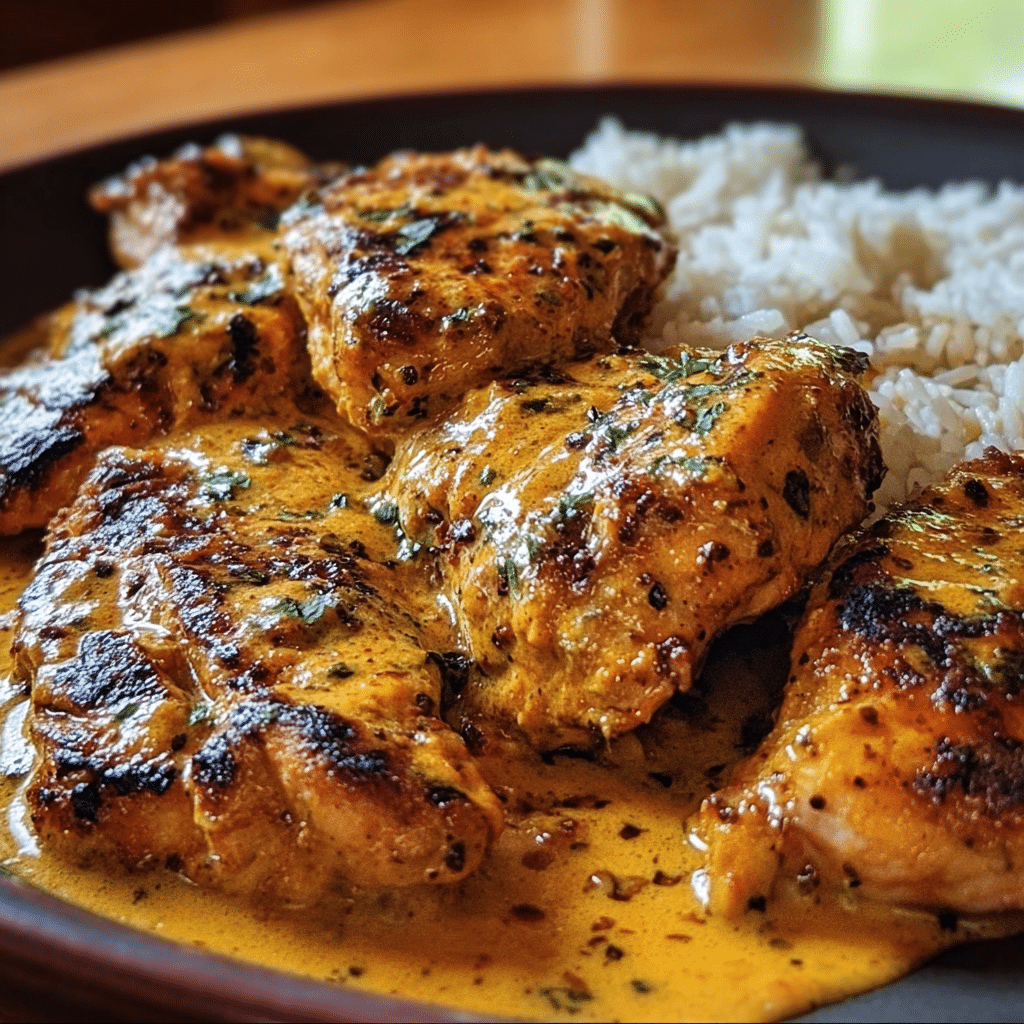
Another potential pitfall is a lack of flavor. If your cowboy butter chicken tastes bland, you may not have used enough seasoning or the right balance of spices. Don’t be shy with your spices—cumin, paprika, garlic powder, and a touch of cayenne can elevate the dish. Always taste and adjust seasonings as you go along!
Presentation Tips
Now that you have the cooking techniques down, let’s talk about presentation. A well-plated dish can make all the difference in how it’s perceived. Start with a base of fluffy rice or a vibrant salad to contrast the rich color of the cowboy butter chicken. Place the chicken on top and drizzle the buttery sauce over it, allowing it to cascade down the sides. Garnish with freshly chopped herbs, like parsley or cilantro, for a pop of color and freshness.
To enhance the experience, consider serving the dish with grilled vegetables or a side of cornbread, which complements the flavors beautifully. And let’s not forget about pairing drinks! Cowboy butter chicken pairs wonderfully with a chilled white wine like Sauvignon Blanc or a light-bodied red such as Pinot Noir. The acidity of the wine cuts through the richness of the butter, balancing the dish perfectly.
For those preparing the dish for a gathering, meal prep strategies can be a game-changer. You can marinate the chicken the night before and prepare your sauce in advance. When you’re ready to serve, just sear the chicken and finish cooking it with the sauce. This approach not only saves time but also allows the flavors to meld beautifully.
Lastly, if you need to scale your cowboy butter chicken recipe up or down, simply adjust the amounts of the ingredients based on the number of servings you need. This flexibility makes it an excellent choice for both intimate family dinners and larger gatherings.
Creative Variations and Adaptations of cowboy butter chicken
As with any beloved recipe, there are numerous ways to put a fresh twist on cowboy butter chicken. This dish is incredibly versatile, allowing for creative variations and adaptations that can cater to different tastes and dietary needs. In this section, we’ll explore some exciting ways to spice up your cowboy butter chicken and make it your own.
Seasonal Variations
Let’s start with seasonal ingredient swaps. In the summer, consider adding fresh corn and diced tomatoes to your cowboy butter chicken. These ingredients not only add a burst of color but also enhance the dish’s sweetness and freshness. Conversely, in the fall, you could incorporate butternut squash or sweet potatoes for a heartier, autumnal twist. Roasting these vegetables ahead of time and adding them at the end creates a beautiful blend of textures and flavors.
In winter, a sprinkle of smoked paprika or chipotle powder can give your dish a comforting, warming kick, while spring might inspire you to add in some peas or asparagus for a fresh, vibrant touch. The key is to let the seasonality of ingredients guide your adaptations, creating a cowboy butter chicken that reflects the time of year.
Dietary Adaptations
Dietary restrictions shouldn’t limit your culinary creativity! For those following a keto diet, you can replace the butter with ghee or a full-fat coconut milk-based sauce to keep the richness while eliminating carbs. For a vegan version, use plant-based chicken substitutes and replace butter with a vegan alternative or olive oil. You can also add nutritional yeast to mimic the cheesy flavor of butter while keeping it plant-based.
If gluten is a concern, simply ensure that your spices and any additional ingredients are gluten-free. Most spices are naturally gluten-free, but it’s always best to double-check labels. The beauty of cowboy butter chicken is that it can adapt to a broad range of dietary needs without sacrificing flavor.
Creative Twists
Now, let’s talk about some creative twists that can take your cowboy butter chicken to new heights. For an international fusion, consider adding a touch of Thai inspiration by incorporating coconut milk and lime juice into the butter sauce, topped with fresh basil instead of traditional herbs. The result is a tropical, zesty variation that still honors the original concept of cowboy butter chicken.
Another fun adaptation is to turn this dish into a cowboy butter chicken pasta. After cooking your chicken, toss it with cooked pasta and the buttery sauce, adding in some spinach or arugula for a fresh contrast. This dish becomes a comforting, hearty meal that’s perfect for a cozy night in.
When it comes to cooking methods, don’t feel limited to the stovetop. Cowboy butter chicken can be cooked in a slow cooker or instant pot for added convenience. In a slow cooker, simply combine all the ingredients and let it cook on low for several hours. This method allows the flavors to meld beautifully while keeping the chicken incredibly tender. Alternatively, if you’re short on time, the instant pot can significantly reduce cooking time while still delivering a delicious result.
Finally, let’s not forget about leftovers! If you find yourself with extra cowboy butter chicken, there are countless ways to reinvent it. Shred the chicken and toss it into tacos with fresh toppings for a quick lunch or mix it into a salad for a satisfying dinner. You can even create a cowboy butter chicken casserole by layering it with veggies and cheese before baking. The possibilities are endless!
In conclusion, the variations and adaptations for cowboy butter chicken are as expansive as your creativity allows. From seasonal swaps to dietary modifications, there’s something for everyone to enjoy. So don’t hesitate—get into the kitchen, experiment, and make this dish your own!
Storage, Reheating, and Meal Prep for cowboy butter chicken
When it comes to cooking, one of the most important aspects often overlooked is how to properly store your meals. Cowboy butter chicken, a dish that embodies the rich, hearty flavors of the American West, deserves the best treatment not only during cooking but also after. Whether you’re preparing for a busy week ahead or just want to enjoy your creations later, understanding how to store, reheat, and meal prep cowboy butter chicken is essential.
Short-term Storage
After you’ve cooked up a storm and the delicious aroma of cowboy butter chicken fills your kitchen, it’s tempting to dive right in. However, if you have leftovers, storing them correctly is key to maintaining their savory flavor. Once the cowboy butter chicken has cooled down, transfer it into airtight containers. Glass containers are preferable as they don’t retain odors like plastic and can be easily reheated. Make sure to seal them tightly to avoid any moisture loss or contamination.
In the refrigerator, your cowboy butter chicken can last for about 3 to 4 days. Make a habit of labeling your containers with the date you made the dish. This not only helps you keep track but can also be a fun reminder of your culinary adventures! If you’re like me, there’s nothing better than opening the fridge and seeing a delicious meal ready to go.
Freezing and Long-term Storage
If you find yourself with a generous batch of cowboy butter chicken, freezing is an excellent option. Cowboy butter chicken freezes beautifully, allowing you to savor that delightful flavor even weeks after you’ve made it. Portion your dish into smaller, freezer-safe containers or heavy-duty freezer bags. This not only makes for easy thawing but also helps with portion control. Aim to remove as much air as possible from the bags to prevent freezer burn, which can detract from the dish’s taste.
When properly stored, your cowboy butter chicken can last in the freezer for about 3 months. Always remember to label your containers with the date, so you know when it’s time to eat or toss. When ready to enjoy, simply move the container to the refrigerator the night before to allow it to thaw slowly and safely. This method helps preserve the texture and flavors of your cowboy butter chicken.
Reheating Best Practices
Reheating cowboy butter chicken can be a bit tricky if you want to maintain its quality. The best methods for reheating involve low and slow techniques, which prevent the chicken from drying out and keep the buttery sauce luscious. If you’re using the microwave, place your cowboy butter chicken in a microwave-safe bowl, add a splash of chicken broth or water to keep it moist, and cover with a microwave-safe lid or wrap. Heat on medium power, stirring occasionally, until warmed through. This helps to evenly distribute heat and retain moisture.
If you have the luxury of time, reheating on the stovetop is a fantastic option. Simply place your cowboy butter chicken in a skillet over low heat. Stir occasionally and add a bit of chicken broth or butter to help rejuvenate the sauce. This method not only warms the dish but also allows the flavors to meld beautifully, just like when it was first made.
For those who prefer their cowboy butter chicken with a crispy edge, consider reheating it in the oven. Preheat your oven to 350°F (175°C) and place the dish in an oven-safe dish, covered with foil to prevent drying. Heat for about 20 minutes or until heated through. The result will be a comforting meal that almost tastes freshly made!
Meal Prep and Batch Cooking Strategies
As someone who often juggles a busy schedule, meal prepping has become a lifesaver. Cowboy butter chicken is perfect for batch cooking. When preparing this dish, consider doubling the recipe. Not only will you have enough for multiple meals, but you can also experiment with different sides and accompaniments throughout the week, keeping your dining experience exciting.
When meal prepping, portion out the cowboy butter chicken into individual servings, making it easy to grab and go. Pair it with rice, quinoa, or a fresh salad to create a balanced meal. The versatility of cowboy butter chicken means it can complement a variety of sides, so feel free to get creative!
Food Safety Considerations and Guidelines
Food safety is paramount when storing and reheating meals. Always ensure that your cowboy butter chicken is cooled to room temperature before placing it in the refrigerator or freezer. Bacteria thrive in the ‘danger zone’ between 40°F and 140°F, so aim to refrigerate or freeze leftovers within two hours of cooking.
When thawing, never leave your cowboy butter chicken out at room temperature for extended periods. Instead, opt for the refrigerator thaw method or use the microwave if you’re in a hurry. Always reheat to an internal temperature of 165°F (74°C) to ensure that any bacteria are killed and your meal is safe to eat.
In terms of shelf life, be mindful that while cowboy butter chicken can last in the fridge for up to 4 days and in the freezer for up to 3 months, the quality might start to decline after a certain point. Always trust your senses—if it smells off or looks questionable, it’s best to err on the side of caution and discard it.
By following these storage, reheating, and meal prep strategies, you can enjoy your cowboy butter chicken at its best, whether it’s the day after cooking or weeks later. Not only will you save time and reduce waste, but you’ll also have the satisfaction of knowing that you’ve mastered the art of keeping your meals delicious and safe!
Nutritional Benefits and Health Information
When we talk about cowboy butter chicken, we often get lost in the rich flavors and the comforting quality of this dish, but it’s essential to consider its nutritional profile too. Packed with protein, healthy fats, and a variety of vitamins and minerals, cowboy butter chicken can be an excellent addition to your diet, especially when made with wholesome ingredients.

Nutritional Profile
At its core, cowboy butter chicken features chicken breast, butter, and a medley of spices and herbs. A typical serving of cowboy butter chicken (about 1 cup) contains approximately 350-400 calories, depending on the amount of butter and additional ingredients used. The macronutrient distribution is generally around 25-30 grams of protein, 20-25 grams of fat, and 5-10 grams of carbohydrates. This balance makes it a satisfying meal that can keep you full for hours.
The chicken breast serves as a fantastic source of lean protein, which is crucial for muscle repair and growth, especially for those who lead an active lifestyle. The butter, while often seen as a guilty pleasure, provides healthy fats that can help with the absorption of fat-soluble vitamins and add richness to the dish.
Health Benefits
One of the significant health benefits of cowboy butter chicken lies in its key ingredients. Chicken is not only high in protein but also contains essential vitamins such as B6 and B12, which play vital roles in energy production and brain health. The butter, particularly if sourced from grass-fed cows, contains omega-3 fatty acids and conjugated linoleic acid (CLA), which are associated with various health benefits, including improved heart health.
The spices typically used in cowboy butter chicken, such as garlic, paprika, and cayenne pepper, also contribute to its health benefits. Garlic is known for its immune-boosting properties, while paprika is rich in antioxidants. Cayenne pepper can aid in metabolism, making this dish not only delicious but also beneficial for your body.
Dietary Considerations
While cowboy butter chicken is a hearty dish, those with dietary restrictions can still enjoy it with a few modifications. For gluten-free individuals, it’s important to ensure that any seasonings or additional ingredients used are certified gluten-free. You can also substitute butter with ghee or a plant-based butter alternative for those on a dairy-free diet.
For those watching their calorie intake or looking for lower-fat options, consider using skinless chicken breast and reducing the amount of butter used in the recipe. You can also add more vegetables to the dish, such as bell peppers or zucchini, to increase the fiber content while keeping the calorie count low.
For individuals following a ketogenic or low-carb diet, cowboy butter chicken can be an excellent fit. The healthy fats from butter and the protein from chicken make it a satisfying option that aligns well with these dietary plans. Just ensure to keep an eye on any added carbs from side dishes or sauces.
Another consideration is allergen information. People with allergies to dairy or those who are lactose intolerant should be cautious with the butter used in the recipe. As mentioned earlier, substituting with ghee or non-dairy butter can make this dish more accessible.
When comparing cowboy butter chicken with similar dishes, it stands out due to its unique blend of flavors and the richness of the butter. While traditional chicken dishes may rely heavily on cream or sauces, cowboy butter chicken emphasizes the flavor of the chicken and the spices, making it a lighter yet satisfying option.
In conclusion, cowboy butter chicken not only tantalizes the taste buds but also serves as a nutritious meal option packed with protein, healthy fats, and essential vitamins and minerals. Whether enjoyed as a part of a balanced diet or modified to meet specific dietary needs, this dish brings both comfort and health benefits to the table. So next time you whip up a batch, know that you’re not only indulging in a delicious meal, but you’re also providing your body with nourishment it craves!