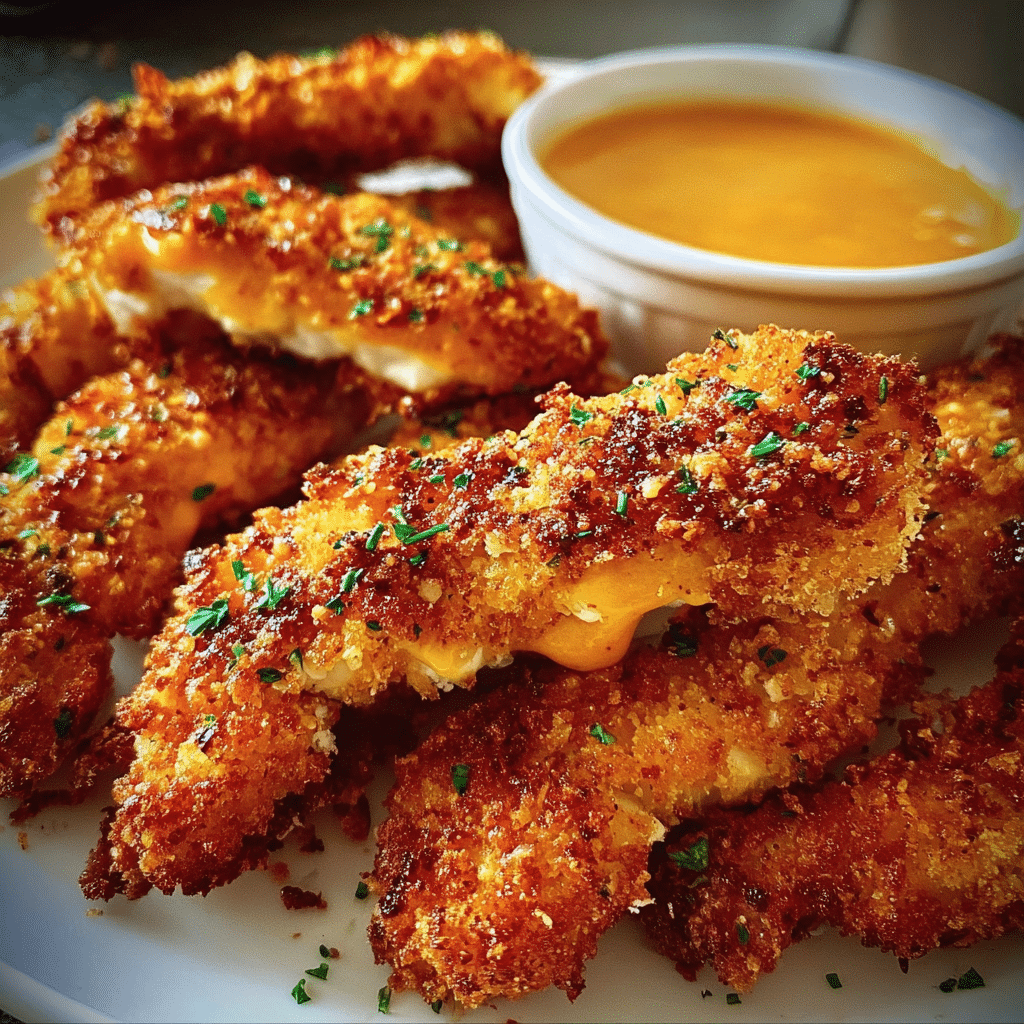
Crack chicken tenders are more than just a dish; they represent a culinary experience that has captured the hearts and taste buds of many. I remember the first time I stumbled upon this recipe while scrolling through social media on a lazy Sunday afternoon. The vibrant pictures of crispy, golden tenders coated in a creamy, flavorful sauce immediately caught my eye. Intrigued, I clicked on the link and was whisked away into a world where chicken tenders were transformed into an indulgent delight. What began as a casual exploration soon turned into a passion for recreating this dish in my own kitchen.

As I delved deeper into the recipe, I learned that crack chicken tenders are not just your ordinary chicken strips; they are layered with flavors that celebrate comfort food at its finest. This dish often features a creamy mixture of ranch seasoning, cream cheese, and cheese, which, when combined with tender chicken, creates an explosion of taste that is hard to resist. I was instantly hooked, and my family couldn’t get enough of it. We made it a weekly staple, adapting and experimenting with different ingredients to suit our preferences, ultimately making it our own.
The Story Behind This Recipe
The cultural background of crack chicken tenders is fascinating, as it draws inspiration from various culinary traditions. While the dish itself might have modern roots, it embodies the essence of Southern comfort food. The idea of chicken tenders is familiar to many, but the twist of incorporating a creamy, flavorful sauce elevates it to a new level. It is reminiscent of the Southern love for rich, hearty meals that bring families together around the dinner table.
This recipe is special for several reasons. First and foremost, it is incredibly versatile. You can whip it up in no time, making it an ideal choice for busy families looking for quick dinner solutions without sacrificing flavor. Whether you’re juggling work, school, or other commitments, crack chicken tenders can be prepared effortlessly. Additionally, they are perfect for meal prep, allowing you to enjoy the deliciousness throughout the week. Picture this: a bustling weekday evening, and instead of scrambling for takeout, you have these mouthwatering tenders ready to go, paired with your favorite sides.
Seasonal relevance plays a crucial role in when to make this dish. While crack chicken tenders are perfect for any month of the year, they shine during gatherings and special occasions. Picture a summer barbecue where you serve these tenders alongside fresh coleslaw and cornbread, or a cozy winter evening where they become the star of a comforting family dinner. The emotional connection to this dish runs deep, as it represents not just a meal but a way to bring loved ones together, share stories, and create lasting memories.
In this article, I promise you’ll learn everything there is to know about crack chicken tenders. From the origins and variations of the dish to practical tips for making it a family favorite, you’ll be equipped with all the knowledge you need to create this succulent dish in your own kitchen. So, let’s dive into the rich world of crack chicken tenders and discover why they deserve a place on your dining table!
The Rich History and Cultural Significance of crack chicken tenders
The rich history and cultural significance of crack chicken tenders can be traced back to the heart of American cooking, particularly in the South. This dish is a testament to the region’s culinary creativity, where home cooks have long embraced the art of transforming simple ingredients into beloved comfort foods. The term “crack” in the name refers to the addictive quality of the dish, as people often find it hard to stop at just one serving. The combination of flavors creates an irresistible allure that keeps families coming back for more.
Origins and History
As the recipe evolved over time, it began to incorporate various ingredients based on regional preferences. For instance, some families might add jalapeños for a spicy kick, while others might include herbs and spices to enhance the flavor profile. The adaptability of crack chicken tenders is one of the reasons they have become a household favorite across the nation. Each cook adds their personal touch, making it a dish that feels unique to every family table.
Cultural Significance
Crack chicken tenders hold a special place in the hearts of many, serving as a symbol of comfort and togetherness. They are often prepared for family gatherings, potlucks, and celebrations, where people come together to enjoy hearty meal options that leave everyone feeling satisfied. This dish is not just about nourishment; it represents the love and effort put into cooking for those you care about.
In recent years, crack chicken tenders have gained immense popularity on social media platforms, where food bloggers and home cooks showcase their versions of the dish. This digital age has helped the recipe reach a broader audience, inspiring new generations to try their hand at making it. The influence of online cooking communities has also led to various adaptations and spin-offs, ensuring that crack chicken tenders remain relevant in the ever-evolving culinary landscape.
Nutritional Benefits
While crack chicken tenders are undeniably indulgent, they can also be made with health-conscious ingredients to suit different dietary preferences. For instance, opting for whole-grain breadcrumbs or air-frying the tenders instead of deep-frying can help reduce calorie content without sacrificing flavor. Additionally, the use of lean chicken breast ensures that the dish remains a good source of protein, which is essential for a balanced diet.
Moreover, you can customize the dish to include vegetables or whole grains as sides, enhancing its nutritional profile. Pairing crack chicken tenders with a fresh salad or roasted vegetables can create a well-rounded meal that satisfies both the taste buds and the body’s nutritional needs. This versatility not only makes the dish appealing to various dietary lifestyles but also encourages creativity in the kitchen.
In conclusion, understanding the rich history and cultural significance of crack chicken tenders can deepen your appreciation for this beloved dish. From its humble origins to its status as a modern comfort food favorite, crack chicken tenders are a celebration of culinary tradition and family togetherness. So, whether you’re preparing them for a casual weeknight dinner or a festive gathering, you can feel confident knowing that you are serving a dish that is not only delicious but also steeped in history and love.
Essential Ingredients for Perfect Crack Chicken Tenders
Creating the perfect crack chicken tenders requires not only passion but also the right ingredients. Each component plays a crucial role in crafting a dish that is not only flavorful but also texturally satisfying. Let’s dive into the essential ingredients that will make your crack chicken tenders a hit, whether for a family dinner or a gathering with friends.
Essential Ingredients
- 1 lb. chicken tenders: The star of the show! Chicken tenders are cut from the breast and are known for their tenderness and juiciness. When selecting chicken tenders, look for fresh, plump pieces with a pinkish hue and no signs of discoloration. Organic options are often preferred as they are raised without antibiotics and hormones, ensuring a cleaner taste.
- ½ cup mayonnaise: This creamy condiment adds moisture and richness to the chicken tenders. Mayonnaise acts as an adhesive for the breadcrumbs, ensuring they stick during cooking. For a healthier option, consider using Greek yogurt or avocado mayo, which can provide similar creaminess with added nutritional benefits.
- ½ cup Parmesan cheese (grated): Parmesan cheese adds a salty, nutty flavor which elevates the overall taste of the dish. Always opt for freshly grated Parmesan when possible, as pre-grated varieties can contain anti-caking agents that affect flavor and texture.
- 1 packet Ranch seasoning mix: This is the secret ingredient that gives crack chicken tenders their name and addictive flavor. The combination of herbs and spices in ranch seasoning adds depth and complexity. If you prefer homemade, mix together dried parsley, dill, garlic powder, onion powder, and a pinch of salt.
- ½ tsp garlic powder: Garlic powder enhances the dish with a subtle, aromatic flavor that pairs beautifully with the chicken. Fresh garlic can also be used, but adjust the quantity to avoid overpowering the dish.
- ½ tsp onion powder: Similar to garlic powder, onion powder provides a mellow sweetness and savory flavor that complements the chicken. Fresh onions can be substituted, but will alter the texture slightly.
- 1 cup Ritz crackers (crushed): These buttery crackers create a delightful and crispy coating for the tenders. Their rich flavor and texture make them a perfect choice. If you prefer a gluten-free option, crushed gluten-free crackers can be used instead.

Crack Chicken Tenders
Ingredients
- 1 lb. chicken tenders
- ½ cup mayonnaise
- ½ cup Parmesan cheese grated
- 1 packet Ranch seasoning mix
- ½ tsp garlic powder
- ½ tsp onion powder
- 1 cup Ritz crackers crushed
Instructions
- Preheat oven to 375°F (190°C).
- Line a baking sheet with parchment paper or lightly grease it.
- In a mixing bowl, combine mayonnaise, Parmesan cheese, Ranch seasoning mix, garlic powder, and onion powder until smooth.
- Coat each chicken tender in the mayo mixture, then dredge in crushed Ritz crackers, pressing to ensure coating sticks.
- Arrange chicken tenders on the prepared baking sheet, spacing them out for even cooking.
- Bake for 20-25 minutes, or until golden and cooked through (internal temperature of 165°F).
- Allow to cool slightly before serving. Enjoy with your favorite dipping sauce!
Shopping Tips
When shopping for the ingredients for crack chicken tenders, freshness is key. Visit local farmers’ markets for fresh chicken, and look for brands that prioritize ethical farming practices. For pantry staples like mayonnaise and seasonings, consider bulk buying to save money, and always check expiration dates to ensure quality. In the case of cheese, opt for blocks that you can grate yourself for the best flavor and texture.
Substitutions and Alternatives
Dietary restrictions should never hinder your culinary creativity! Here are some substitutions you can consider:
- For a low-fat version, swap mayonnaise for Greek yogurt.
- To make it dairy-free, use nutritional yeast instead of Parmesan or look for vegan cheese alternatives.
- If you’re avoiding gluten, use gluten-free breadcrumbs or crushed gluten-free crackers.
- For a spicy kick, add a dash of cayenne pepper or paprika to the seasoning mix.
Storing your ingredients properly can also contribute to their longevity. Chicken tenders should be kept in the coldest part of your refrigerator and used within a couple of days. Crackers can be stored in an airtight container to maintain their crispness, while dairy products should be kept tightly sealed to prevent spoilage. Buying in bulk can save money, but ensure you have the storage capacity to prevent waste. Remember, using quality ingredients is the foundation of any great dish, and with these essentials, your crack chicken tenders will surely shine!
Detailed Step-by-Step crack chicken tenders Cooking Instructions
Detailed Step-by-Step Crack Chicken Tenders Cooking Instructions
Now that we have gathered our essential ingredients, it’s time to roll up our sleeves and dive into the cooking process. Making crack chicken tenders is not only straightforward, but it’s also an enjoyable culinary experience that can be shared with family or friends. So let’s get started!
Preparation Steps
- Mise en Place: Before you begin cooking, gather all your ingredients and tools. This includes chicken tenders, mayonnaise, Parmesan cheese, ranch seasoning, garlic powder, onion powder, and Ritz crackers. Preheat your oven to 400°F (204°C) so it’s ready when your tenders are coated.
- Prep the Chicken: Rinse the chicken tenders under cold water and pat them dry with paper towels. This step is crucial as it ensures that the coating adheres well. Trim any excess fat to ensure even cooking.
- Mix the Coating: In a large mixing bowl, combine mayonnaise, grated Parmesan cheese, ranch seasoning mix, garlic powder, and onion powder. Stir until the mixture is smooth and well combined. This creamy mixture will act as a flavorful binder for the chicken.
- Crush the Crackers: In a zip-top bag, crush the Ritz crackers into fine crumbs. You can use a rolling pin or your hands. This step not only makes for a crunchy exterior but also adds a distinctive buttery flavor. Pour the crushed crackers into a shallow dish for easy dredging.
Cooking Process
- Coat the Chicken: Dip each chicken tender into the mayonnaise mixture, ensuring it is fully coated. Allow any excess to drip off before transferring to the dish with crushed crackers. Press the tenders into the cracker crumbs to ensure they are well coated. This is where the magic happens—each tender should have a thick, crispy layer.
- Arrange for Baking: Place the coated chicken tenders on a parchment-lined baking sheet. Make sure they are spaced out to allow air to circulate, which helps achieve a crispy finish. If you have any leftover cracker crumbs, sprinkle them on top of the tenders for extra crunch.
- Bake the Tenders: Place the baking sheet in the preheated oven and bake for about 20-25 minutes, or until the tenders are golden brown and cooked through. You can check the doneness by using a meat thermometer—the internal temperature should reach 165°F (74°C).
- Visual Cues: Look for a golden-brown color on the outside, and the tenders should feel firm to the touch. If you have an air fryer, these can also be cooked there for a healthier option that still provides a delightful crunch.
Final Assembly
- Rest and Serve: Once cooked, remove the tenders from the oven and let them rest for a few minutes. This resting period allows the juices to redistribute, ensuring each bite is tender and juicy.
- Serving Suggestions: Crack chicken tenders can be served with a variety of dipping sauces. Ranch dressing, BBQ sauce, or even hot sauce can elevate the dish further. Pair with a fresh side salad or some roasted vegetables for a complete meal.
- Storage Tips: If you have any leftovers (which is unlikely, given how delicious they are!), store them in an airtight container in the fridge for up to three days. They can be reheated in the oven to maintain their crunch.
- Common Mistakes: One common mistake is overcrowding the baking sheet, which can lead to steaming instead of crisping. Always give your tenders room to breathe. Another tip is not letting the chicken rest before serving—this step is vital to ensure juiciness.
- Chef Secrets: For an extra layer of flavor, consider marinating the chicken in the mayonnaise mixture for a few hours before coating. This will enhance the taste and tenderness even more.
In just about 30 minutes, you’ll have a plate of irresistible crack chicken tenders that are perfect for any occasion. Remember, cooking is all about experimenting and having fun, so feel free to tweak the recipe to suit your taste. Enjoy every delightful bite!
Professional Tips and Techniques for crack chicken tenders
When it comes to preparing crack chicken tenders, mastering the art of cooking is essential. Not only does it elevate the taste, but it also ensures that you achieve that perfect texture, making your tenders irresistible. Drawing from my own kitchen experiences, I’ve gathered some professional tips and techniques to help you create the most delicious crack chicken tenders imaginable.
Professional Techniques
First and foremost, one of the secrets to achieving tender chicken is the method of marination. Marinating your chicken tenders in a mixture that includes buttermilk or yogurt can make a world of difference. The acids in these ingredients tenderize the meat, breaking down proteins and resulting in juicy tenders. Aim for at least two hours of marination, but letting it sit overnight will yield even better results.
Next, let’s talk about the breading process. For the ultimate crack chicken tenders, consider a double-breading technique. After dipping your tenders in your seasoned flour, dip them back into the buttermilk and then into the flour again. This extra layer not only adds crunch but helps the breading adhere better during cooking. I remember the first time I tried this method; my tenders turned out so crispy that they were gone before I could even plate them!
Cooking temperature and timing are also crucial. Whether you’re frying, baking, or air frying, always preheat your cooking surface. If frying, the oil should be hot enough to sizzle but not so hot that it burns the breading. A good rule of thumb is to cook the tenders for about 4-5 minutes on each side until golden brown. If you’re baking, aim for a temperature of 400°F and bake for about 20-25 minutes, flipping halfway through.
Troubleshooting Guide
Even the best cooks run into problems occasionally. One common issue is undercooked chicken. To avoid this, always use a meat thermometer. Chicken tenders should reach an internal temperature of 165°F. If they aren’t cooked through, simply pop them back into the oven or oil for a few more minutes.
If your breading is falling off, it might be due to insufficient moisture on the chicken before breading. Make sure the tenders are well-coated in the buttermilk mixture before dredging them in flour. Another tip is to let the breaded tenders rest for about 10-15 minutes before cooking. This allows the coating to set and adhere better.

Presentation Tips
Let’s face it, we eat with our eyes first! Presentation can turn a simple meal into a gourmet experience. For your crack chicken tenders, consider a beautiful platter lined with parchment paper, sprinkled with fresh herbs like parsley or cilantro for color. You can also serve them with a vibrant dipping sauce in the center—think spicy ranch or tangy buffalo sauce.
For a restaurant-style touch, use a squeeze bottle to drizzle sauces artistically over the tenders. And don’t forget garnishing! A few slices of lime or lemon on the side can brighten up the plate. Pairing these tenders with colorful sides, like a fresh coleslaw or roasted vegetables, will enhance not only the flavor but also the visual appeal.
Make-Ahead and Meal Prep Strategies
One of the best things about crack chicken tenders is that they can be prepped ahead of time. You can marinate the chicken the night before and store it in the fridge until you’re ready to cook. If you want to freeze them, bread the tenders and place them on a baking sheet in the freezer for a few hours. Once solid, transfer them to a freezer bag—this prevents them from sticking together. When you’re ready to enjoy, you can cook them straight from frozen; just add a few extra minutes to your cooking time.
Scaling the recipe is also easy. If you’re hosting a gathering, simply double or triple the ingredients. Just remember to adjust your cooking times, as larger batches may require longer in the oven or oil. Keep in mind that the tenders should not be overcrowded in the cooking vessel, as that can lower the temperature of the oil and lead to soggy breading.
Wine and Beverage Pairings
To elevate your meal even further, consider pairing your crack chicken tenders with the right beverage. A chilled white wine like Sauvignon Blanc complements the crispy, savory flavors beautifully. If you prefer something non-alcoholic, a sparkling lemonade or a refreshing iced tea with lemon would be delightful. The acidity in these beverages balances the richness of the chicken, making for a harmonious dining experience.
Creative Variations and Adaptations of crack chicken tenders
As much as I adore classic crack chicken tenders, there’s an entire world of creativity waiting to be explored. From seasonal ingredients to dietary adaptations, these variations can make your cooking experience fresh and exciting. Let’s dive into some inventive twists on this beloved dish!
Seasonal Variations
One of the joys of cooking is adapting recipes to the seasons. In spring, consider adding fresh herbs like dill or tarragon to your breading mixture for a bright flavor. In summer, you can incorporate finely grated zucchini or summer squash into the breading for a hint of sweetness and moisture. Autumn calls for the warmth of spices; think pumpkin spice breading or adding a touch of cinnamon to your flour mix. In winter, try dipping your tenders in a mixture of crushed gingerbread cookies before frying for a holiday twist!
Another seasonal delight is to serve your crack chicken tenders with a side of seasonal salsa. In summer, a fresh mango salsa with cilantro and lime brightens the dish, while in fall, a spicy apple chutney can add a sweet and savory element.
Dietary Adaptations
It’s essential to cater to different dietary needs while still enjoying delicious food. For those on a keto diet, you can create a low-carb version of crack chicken tenders by substituting traditional breadcrumbs with crushed pork rinds or almond flour. Both options will provide that satisfying crunch without the carbs.
If you’re looking for a vegan option, try using tempeh or tofu as a base. Marinating the tofu in the same buttermilk mixture (using a plant-based alternative) and then breading it will yield flavorful, crispy tenders. For gluten-free eaters, you can replace regular flour with gluten-free all-purpose flour or even chickpea flour, which adds a nutty flavor and a lovely crunch.
Creative Twists
Why not take your crack chicken tenders on an international journey? A Mediterranean twist could include adding feta cheese and herbs like oregano and thyme to your breading, serving the tenders with a side of tzatziki sauce. Alternatively, a spicy Asian variation could involve coating the tenders in panko breadcrumbs and seasoning them with sesame seeds and green onions, pairing them with a sweet chili dipping sauce.
For an unexpected flavor explosion, consider experimenting with spice levels. If you enjoy heat, adding cayenne pepper or chili powder to your breading can transform the dish. You could even create a two-tiered dipping station—one set up with a spicy sauce and another with a cooling ranch or yogurt-based dip, appealing to both spicy lovers and those who prefer milder flavors.
Lastly, don’t forget about leftovers! If you have any tenders left, they can be transformed into delicious chicken sandwiches or salads. Chop them up and toss them into a fresh green salad, or layer them in a sandwich with avocado and spicy mayo for a quick and satisfying meal the next day.
Storage, Reheating, and Meal Prep for crack chicken tenders
When it comes to enjoying crack chicken tenders, understanding how to store, reheat, and meal prep them is essential for maintaining their delicious flavor and textures. I’ve learned a thing or two about keeping these tender, flavorful bites fresh and ready for the next meal. So, let’s delve into the best practices for storage, reheating, and meal prep strategies that ensure every bite of crack chicken tenders remains as delightful as the first.
Short-term Storage
Once you’ve whipped up a batch of crack chicken tenders, the next question is—how do you store them? If you plan to enjoy them within a few days, the refrigerator is your best friend. To store your crack chicken tenders, allow them to cool completely at room temperature. This is crucial because placing hot food directly into the refrigerator can increase the overall temperature inside, potentially leading to food safety issues.
Once cooled, transfer the tenders into an airtight container. Glass containers are fantastic for this purpose as they don’t absorb odors and are easy to clean, but plastic containers also work well. If you’re using plastic, make sure it’s BPA-free to avoid any unwanted chemicals leaching into your food. Aim to consume your crack chicken tenders within 3 to 4 days for optimal flavor and safety. Don’t forget to label your container with the date to keep track of freshness!
Freezing and Long-term Storage
If you have made a large batch of crack chicken tenders or simply want to prepare ahead for busy weeknights, freezing is a great option. Freezing can extend the life of your tenders for up to three months, but it’s important to do it right to maintain their quality.
To freeze crack chicken tenders, first, allow them to cool completely as mentioned earlier. Then, portion them out into freezer-safe bags or airtight containers. I like to use vacuum-sealed bags if I have them, as they remove air and help prevent freezer burn, which can alter the texture and flavor of your chicken. If using freezer bags, try to press out as much air as possible before sealing. Label each bag with the date so you can keep track of how long they’ve been stored.
When you’re ready to enjoy your frozen crack chicken tenders, simply transfer them from the freezer to the refrigerator the night before to thaw. This slow thaw allows the tenders to retain moisture and flavor. If you’re in a pinch and need to reheat them straight from the freezer, you can use an oven or air fryer to cook them from frozen, adjusting the cooking time as necessary.
Reheating Best Practices
When it comes to reheating crack chicken tenders, maintaining their crunchy exterior and juicy interior is key. The microwave is a quick option, but it often results in soggy skin. Instead, I recommend using the oven or an air fryer for the best results. Preheat your oven to 375°F (190°C), place the tenders on a baking sheet, and heat for about 10-15 minutes, or until warmed through. If you’re using an air fryer, set it to 375°F (190°C) and cook for about 8-10 minutes. This method helps revive the crispiness that makes crack chicken tenders so addictive!
For those who prefer the microwave, place the tenders on a microwave-safe plate and cover them with a damp paper towel. This helps retain moisture while heating. Microwave in 30-second intervals until heated through, but be cautious not to overcook to avoid rubbery chicken.
As you navigate the world of storage and reheating, remember to consider food safety. Always check for signs of spoilage before consuming any leftovers, including off-smells, discoloration, or an unusual texture. When in doubt, throw it out!
Finally, if you’re looking to meal prep crack chicken tenders, consider making a larger batch during the weekend. Portion them out into single servings for easy lunches or dinners throughout the week. You can pair them with various sides like salads, rice, or steamed vegetables for balanced meals. Not only does this save time, but it also allows you to enjoy the deliciousness of homemade crack chicken tenders without the daily cooking hassle!
Nutritional Benefits and Health Information
Crack chicken tenders are not only a delicious treat but can also fit into various dietary lifestyles when prepared mindfully. Understanding their nutritional profile can help you enjoy them guilt-free, so let’s dive into the details of what makes these tenders a flavorful yet satisfying dish.
Nutritional Profile
At the heart of crack chicken tenders is lean chicken breast, which serves as a fantastic source of protein. A typical serving of cooked chicken can provide approximately 26 grams of protein, making it an excellent option for muscle repair and growth. The breading, typically made from breadcrumbs or crushed crackers, contributes additional carbs, but also helps create that delightful crunch we all love.
In terms of calories, a serving of crack chicken tenders can range from 300 to 500 calories, depending on how they are prepared and the specific ingredients used for the breading and coating. For instance, if you opt for a lighter breading or bake them instead of frying, you can significantly reduce the calorie count while still enjoying the same flavor. It’s all about balance and making choices that suit your dietary goals.
Health Benefits
One of the standout benefits of crack chicken tenders is their high protein content. Incorporating protein into your meals can help you feel fuller for longer, which is beneficial for weight management. Additionally, chicken breast is rich in B vitamins, particularly niacin and vitamin B6, which play crucial roles in energy metabolism and maintaining healthy skin.
Another beneficial ingredient often found in crack chicken tenders is spices and herbs used for seasoning. For example, garlic powder and onion powder not only add flavor but also offer antioxidant properties and may contribute to heart health. Moreover, using whole-grain breading instead of traditional breadcrumbs can enhance the fiber content, which is beneficial for digestion.
Dietary Considerations
When it comes to dietary restrictions, crack chicken tenders can be quite versatile. For those who are gluten-free, substituting traditional breadcrumbs with gluten-free alternatives like almond flour or crushed gluten-free crackers can make this dish accessible. Additionally, individuals watching their sodium intake can control the amount of salt used in the breading and seasoning, allowing for a healthier twist on this classic dish.
For those on low-carb or ketogenic diets, you can modify your crack chicken tenders by using crushed pork rinds or Parmesan cheese as a breading substitute. This not only adds flavor but also keeps the carb count significantly lower, making it a great option for keto lovers.
In terms of allergens, the primary concerns are typically wheat (from the breading), eggs (if used in the batter), and any dairy ingredients. Always be sure to check labels if you’re using pre-packaged ingredients or to substitute them accordingly for those with allergies.
In conclusion, crack chicken tenders can be a nutritious addition to a well-balanced diet when prepared mindfully. Their protein-packed nature, coupled with the option for healthy modifications, makes them a versatile choice for many dietary needs. Whether enjoyed as a quick dinner or as part of a meal prep strategy, these tenders can satisfy cravings while still aligning with your health goals.