Creamy beef shells have become a beloved dish in my household, and I can vividly remember the first time I stumbled upon this recipe. It was a chilly evening, and I was rummaging through my grandmother’s old recipe box, searching for something comforting to whip up for dinner. As I flipped through the faded index cards, one particular recipe caught my eye: creamy beef shells. The combination of tender pasta shells filled with a savory beef mixture and enveloped in a rich cream sauce was too tempting to resist. I decided to give it a try, and that evening, as my family gathered around the dinner table, the warmth and love that emanated from that dish created a memory that I cherish to this day.
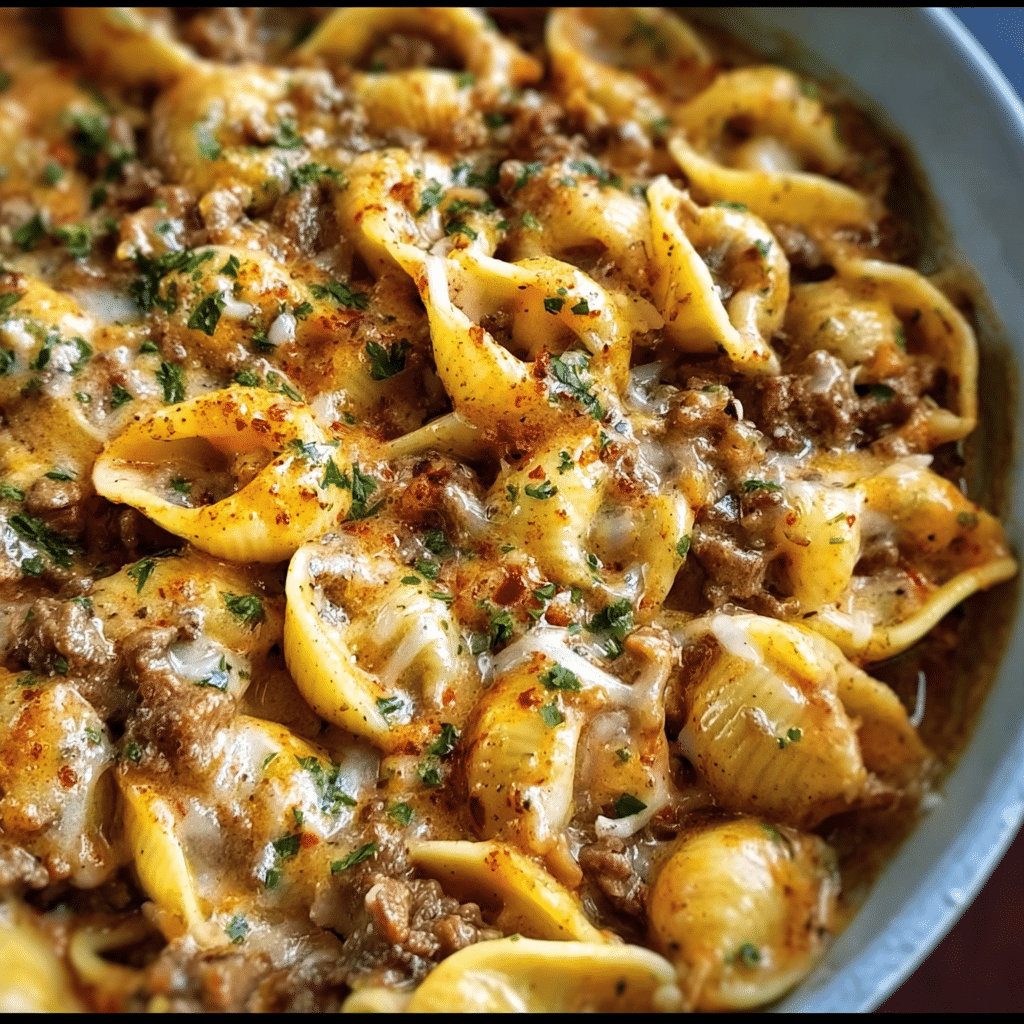
The story of my discovery is not unique; creamy beef shells have a way of bringing families together. This dish is a wonderful fusion of textures and flavors, blending the hearty taste of beef with the velvety smoothness of cream, all encased in the delightful embrace of pasta shells. While I may have first encountered it in my grandmother’s box, the roots of creamy beef shells extend far deeper, tracing back to the mid-20th century when quick, satisfying meals became a staple in American households. This dish embodies the spirit of home-cooked comfort food, making it a favorite among busy families looking for quick dinner solutions.
The Story Behind This Recipe
As I began to cook creamy beef shells regularly, I learned that this dish has transcended generations. It’s the kind of recipe that families pass down, often with personal touches added along the way. Some may use cream of mushroom soup as a base, while others might prefer a homemade béchamel sauce for an extra layer of flavor. Each version tells a story about the family that prepares it, making creamy beef shells not just a meal, but a tradition.
What makes creamy beef shells truly special is their adaptability. Whether you’re trying to impress guests at a dinner party or simply satisfying the appetites of your children after a long day, this dish can fit the bill. The combination of rich beef and creamy sauce harmonizes beautifully with the pasta, creating a dish that is both elegant and comforting. It’s the kind of meal that feels like a warm hug, perfect for any season, yet particularly delightful during the cooler months when you crave something hearty and filling.
Why You’ll Love This Dish
Creamy beef shells are not just a meal; they are a solution for busy families. In today’s fast-paced world, finding time to prepare dinner can be a challenge. This recipe allows you to create a homemade meal that can be on the table in under an hour. With just a handful of ingredients, you can whip up a dish that feels indulgent but is surprisingly simple to prepare. The beauty of creamy beef shells lies in their ability to please even the pickiest of eaters, making them a go-to for weeknight dinners or special occasions alike.
Furthermore, this dish can be made ahead of time and even frozen for later use, making it an excellent choice for meal prep. Imagine coming home after a long day to a warm, inviting casserole dish of creamy beef shells waiting for you in the oven. It’s this convenience, paired with the rich flavors and satisfying textures, that makes creamy beef shells a staple in my home, and I’m sure in many others as well.
As we dive deeper into the world of creamy beef shells, you will discover not only how to prepare this delightful dish but also tips to personalize it to suit your tastes. From exploring different variations to understanding the cultural significance and nutritional benefits, this guide is designed to equip you with everything you need to know about creamy beef shells. So, grab your apron and let’s embark on this delicious journey together!
The Rich History and Cultural Significance of creamy beef shells
The history of creamy beef shells is a fascinating journey through culinary evolution, showcasing how a simple dish can become a comfort food icon in different households. To understand the origins of this dish, we must look back to the post-World War II era, a time when American families began to embrace convenience in cooking. The rise of processed foods and quick meal solutions led to the creation of countless recipes that prioritized flavor while minimizing preparation time. Creamy beef shells, in many ways, are a product of this culinary revolution.
Origins and History
The concept of filling pasta shells can be traced back to various Mediterranean cuisines, where stuffed pastas have been a culinary tradition for centuries. However, the creamy beef variant we know today likely emerged in American kitchens as families sought to create hearty meals that could be prepared quickly, without sacrificing taste. The 1960s saw a surge in popularity for dishes that combined pasta with rich sauces, often influenced by Italian-American cuisine.
Over the decades, creamy beef shells have evolved, with home cooks adding their personal twists. Some may incorporate cheese or vegetables, while others might experiment with different types of meat, such as turkey or chicken. The versatility of this dish has allowed it to adapt to regional tastes and dietary preferences, ensuring its place on dinner tables across the nation.
Cultural Significance
Creamy beef shells have become more than just a recipe; they represent family gatherings, celebrations, and the comfort of home-cooked meals. In many households, this dish is served during special occasions, such as birthdays or holidays, where families come together to share not only food but also stories and laughter. It’s a dish that evokes nostalgia, reminding us of the love and care that goes into cooking for those we cherish.
Moreover, creamy beef shells can often be found in potluck gatherings and community events, symbolizing togetherness. The ease of preparation makes it a hit among hosts, allowing them to focus on enjoying the company of their guests rather than spending hours in the kitchen. As the dish is shared among friends and neighbors, it fosters connections and creates lasting memories.
Nutritional Benefits
While creamy beef shells are undoubtedly indulgent, they also offer several nutritional benefits. Ground beef is a great source of protein, essential for muscle repair and overall health. When combined with pasta, this dish provides a balanced meal that can keep you feeling satisfied and energized. Additionally, by incorporating vegetables such as spinach or bell peppers, you can enhance the nutritional profile, adding vitamins and minerals to the mix.
For those who are health-conscious, there are ways to lighten up creamy beef shells without sacrificing flavor. Using lean ground beef or substituting with ground turkey can reduce fat content, while alternatives like whole wheat pasta or low-fat cream can make the dish more wholesome. This flexibility allows you to enjoy creamy beef shells guilt-free, ensuring that it can be a part of your family’s meals without compromising health.
In conclusion, the rich history and cultural significance of creamy beef shells make it a dish worthy of a place in your culinary repertoire. Its evolution over time reflects changing tastes and cooking methods, while its comforting nature continues to resonate with families today. As we explore how to prepare this delightful dish, remember that every bite is infused with the love and tradition that has been passed down through generations.
Essential Ingredients for Perfect creamy beef shells
When it comes to creating a comforting dish like creamy beef shells, the ingredients you choose are paramount to the overall flavor and texture of the meal. Each component plays a vital role, contributing to the deliciousness that makes this dish a family favorite. Below, I’ll break down the essential ingredients for creamy beef shells, providing insights into their importance, quality indicators, and even some savvy shopping tips.
Essential Ingredients
- 8 ounces medium uncooked shells: The star of the dish, these pasta shells are perfect for holding onto the creamy sauce. Opt for high-quality pasta made from durum wheat for the best texture and flavor.
- 1 tablespoon olive oil: A staple in many kitchens, olive oil is used here to sauté the onions and garlic, adding a rich, savory base to the dish. Look for extra virgin olive oil for its robust flavor and health benefits.
- 1/2 medium onion (chopped): Onions are the backbone of many recipes. They bring sweetness and depth to creamy beef shells. Choose firm onions with a dry outer skin, avoiding any that feel soft or have blemishes.
- 1 pound lean ground beef: Ground beef is the protein component of this recipe, lending heartiness and flavor. Look for 80/20 or 90/10 ground beef for a balance of flavor and leanness. Grass-fed beef can offer a richer taste and is often considered a healthier option.
- 3 cloves garlic (minced): Garlic adds a punch of flavor and aroma that elevates the dish. Fresh garlic is always best; avoid pre-minced varieties which can lack the vibrant taste.
- 1 teaspoon chili powder: This spice adds warmth and complexity to the creamy beef shells. Choose a high-quality chili powder without fillers for the best flavor.
- 1 (14 ounce) can tomato sauce or crushed tomatoes: This ingredient adds acidity and moisture. Look for brands that use real tomatoes without added sugars or preservatives for a fresher taste. If using crushed tomatoes, they can lend a chunkier texture to the sauce.
- 1/3 cup beef broth: Beef broth enhances the savory flavor and adds moisture to the dish. Opt for low-sodium varieties to control the salt content, or consider homemade broth for a richer flavor.
- 1/4 cup heavy/whipping cream: The key to the creaminess in creamy beef shells, heavy cream adds richness and a velvety texture. For a lighter option, you can use half-and-half, but it won’t be as decadent.
- Salt & pepper to taste: Essential seasonings that enhance the flavor of every ingredient. Always use quality sea salt and freshly ground pepper for the best taste.
Creamy Beef and Shells
Ingredients
- 8 ounces medium uncooked shells
- 1 tablespoon olive oil
- 1/2 medium onion chopped
- 1 pound lean ground beef
- 3 cloves garlic minced
- 1 teaspoon chili powder
- 1 (14 ounce) can tomato sauce or crushed tomatoes
- 1/3 cup beef broth
- 1/4 cup heavy/whipping cream
- Salt & pepper to taste
Instructions
- Boil water for your pasta and cook it al dente according to package directions.
- Meanwhile, in a skillet, sauté the onion in the olive oil for 5 minutes over medium heat (ok if it browns a little).
- Add the beef to the pan and cook it until it’s browned, breaking it up with your spoon as you go along (about 5 minutes). If there’s a lot of excess fat, spoon most of it out.
- Stir in the garlic and chili powder, then add the tomato sauce and beef broth. Give it a good stir and cook it for 4-5 minutes or so (reduce the heat so it’s gently simmering). The sauce should reduce a bit, but don’t let it go dry.
- Stir in the cream and season with salt & pepper as needed. Let the cream warm through and then toss with the drained pasta shells. Serve immediately.
Shopping Tips
When shopping for these ingredients, freshness is key, especially for the produce. Look for onions that are firm and free from soft spots, and select garlic bulbs that are intact with dry skins. For the pasta, check the expiration date to ensure it’s fresh. If you’re opting for ground beef, don’t hesitate to ask your butcher for recommendations on the best cuts. It’s also wise to inspect the cream and broth for their expiration dates as well. Lastly, when purchasing canned goods like tomato sauce, consider checking the labels for organic options to avoid added preservatives and sugars.
Substitutions and Alternatives
For those with dietary restrictions or preferences, there are plenty of alternatives to consider. If you prefer a meatless version, you can substitute the ground beef with lentils or a plant-based ground meat alternative, which has become increasingly popular. For the creamy element, you could use coconut cream or a blend of cashews and water for a non-dairy version. If you’re avoiding gluten, look for gluten-free pasta shells that still provide that delightful texture. Additionally, if you’re watching your calorie intake, you can reduce the amount of heavy cream or substitute it with a lower-fat option like Greek yogurt, although this may change the flavor profile slightly. Always remember to adjust the seasoning as needed when making substitutions.
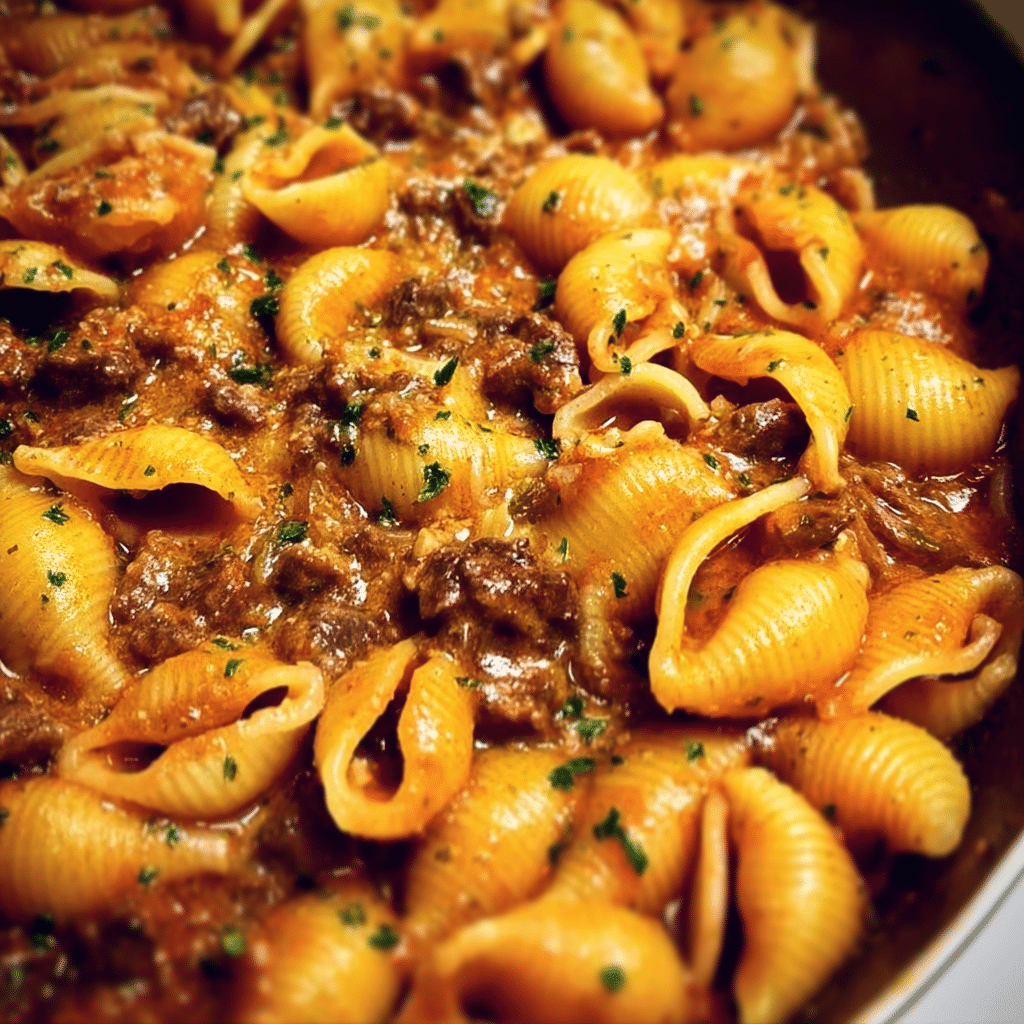
In summary, each ingredient in creamy beef shells contributes to a delightful balance of flavors and textures. By selecting high-quality, fresh components and considering alternatives that fit your dietary needs, you can elevate this comforting dish to new heights. Whether you’re cooking for a busy weeknight or a special occasion, the right ingredients will ensure that your creamy beef shells are a hit every time.
Detailed Step-by-Step creamy beef shells Cooking Instructions
Creating creamy beef shells is not just about following a recipe; it’s an experience that combines the joy of cooking with the pleasure of sharing a delicious meal with loved ones. With that in mind, let’s dive into the detailed step-by-step instructions that will guide you through this culinary journey. From preparation to final assembly, I’ll share tips and tricks to help you achieve the perfect outcome.
Preparation Steps
- Gather Your Ingredients: Before you start cooking, it’s essential to have all your ingredients ready. This not only makes the cooking process smoother but also enhances your cooking experience. Take a few moments to measure out your pasta, chop your onions, and mince the garlic.
- Cook the Shells: Fill a large pot with water and bring it to a boil. Add a pinch of salt to the water to enhance the flavor of the pasta as it cooks. Once boiling, add the 8 ounces of medium uncooked shells. Cook according to package instructions until al dente, usually around 8-10 minutes. Drain and set aside, reserving a cup of pasta water for later use if needed.
- Prep Your Vegetables: While the pasta is cooking, chop your 1/2 medium onion and mince the 3 cloves of garlic. Having your vegetables prepped and ready will make cooking more efficient and enjoyable.
Cooking Process
- Heat the Oil: In a large skillet, heat 1 tablespoon of olive oil over medium heat. Wait until the oil shimmers slightly, indicating it’s hot enough to cook the onions. This step is crucial; if the oil isn’t hot enough, the onions will steam instead of sauté, which can lead to a less flavorful base.
- Sauté the Onions and Garlic: Add the chopped onions to the skillet and sauté for about 3-4 minutes, until they become translucent. Then, add the minced garlic and sauté for an additional minute. Be careful not to burn the garlic, as it can turn bitter.
- Brown the Ground Beef: Add the 1 pound of lean ground beef to the skillet, breaking it up with a wooden spoon. Cook until the beef is browned and cooked through, about 5-7 minutes. Drain any excess fat if necessary, but keep a little for flavor.
- Add the Seasonings: Stir in 1 teaspoon of chili powder, allowing the spices to bloom and infuse the beef mixture with flavor. This step is often overlooked, but it’s essential for maximizing the taste.
- Incorporate the Tomato Sauce: Pour in the 14-ounce can of tomato sauce or crushed tomatoes, followed by 1/3 cup of beef broth. Stir well to combine, ensuring the beef is coated in the sauce. Bring the mixture to a gentle simmer, allowing the flavors to meld for about 5 minutes.
Final Assembly
- Stir in the Cream: Reduce the heat to low and stir in 1/4 cup of heavy cream, allowing it to meld with the sauce. This will create that luscious, creamy texture characteristic of creamy beef shells.
- Combine with Pasta: Add the cooked pasta shells to the skillet, tossing them gently to coat them in the creamy sauce. If the mixture seems too thick, add a bit of the reserved pasta water to loosen it up.
- Season to Taste: Taste your creamy beef shells and adjust the seasoning with salt and pepper as desired. This is a crucial step to ensure every bite is flavorful!
- Serve and Enjoy: Plate your creamy beef shells and garnish with freshly chopped parsley or grated parmesan cheese, if desired. Serve hot and enjoy the smiles around the table as everyone digs into this comforting dish.
Cooking creamy beef shells can be completed in approximately 30 minutes, making it perfect for a weeknight dinner. However, the key is to remain organized and multitask effectively. While the pasta cooks, you can prepare the beef mixture, saving time and ensuring everything comes together seamlessly. Remember, the joy of cooking lies not only in the final dish but in the process itself. Embrace the aromas, the sizzle of the pan, and the anticipation of sharing a meal that’s sure to please. Happy cooking!
Professional Tips and Techniques for creamy beef shells
When it comes to creating the perfect dish of creamy beef shells, there are several professional tips and techniques that can elevate your experience in the kitchen. Whether you’re a novice or an experienced cook, understanding these nuances can make a significant difference in flavor, texture, and presentation. Let’s dive into some insider secrets that will help you master this comforting dish.
Professional Techniques
To achieve the ultimate creamy beef shells, start with the right ingredients. Fresh, high-quality ground beef is essential. Aim for a blend that includes some fat; an 80/20 ratio of meat to fat offers the best flavor and prevents the dish from becoming too dry. When browning the beef, make sure your pan is hot enough. This helps to develop a rich, caramelized flavor. Don’t overcrowd the pan; cook in batches if necessary to ensure a nice sear.
Once the beef is browned, deglaze the pan with a splash of beef broth or wine, scraping up any browned bits stuck to the bottom. This not only adds depth of flavor but also enriches the sauce. After deglazing, you can add aromatics like finely chopped onions and garlic, cooking them until soft and fragrant.
Now, let’s talk about the creamy component. A combination of cream cheese and sour cream creates a luscious texture that clings beautifully to the pasta shells. For a bit of a tangy kick, consider adding a splash of Worcestershire sauce or a dash of mustard. These ingredients enhance the overall flavor profile and give your creamy beef shells a unique twist.
Troubleshooting Guide
Even the most seasoned cooks encounter challenges sometimes. If your sauce is too thick, add a bit more beef broth or a splash of milk to loosen it up. Conversely, if it’s too thin, let it simmer longer to reduce and thicken. If you find that your beef has released too much fat, skim off the excess before adding your creamy ingredients.
Another common issue is overcooked or mushy pasta shells. To prevent this, cook your shells just shy of al dente since they will continue to cook when mixed with the sauce. If you’re making this dish ahead of time, it’s advisable to undercook the pasta slightly as it will absorb some of the sauce when baked later.
Presentation Tips
Presentation is key, especially when you want to impress your family or guests. Serve your creamy beef shells in a large shallow dish, sprinkling freshly chopped herbs like parsley or chives on top for a pop of color. You can also add a sprinkle of grated parmesan cheese, which not only enhances flavor but also gives a gourmet touch.
Consider using a unique serving dish, like a rustic cast-iron skillet or a large wooden platter, to make the dish visually appealing. Pair it with a simple side salad dressed with a light vinaigrette to balance the richness of the creamy beef shells.
Wine and Beverage Pairings
When it comes to pairing beverages with creamy beef shells, a rich red wine can be a delightful choice. A Merlot or a Cabernet Sauvignon complements the hearty nature of the beef and the creaminess of the dish. If you prefer white wine, opt for a full-bodied Chardonnay that can stand up to the dish’s richness.
For a non-alcoholic option, a sparkling water with a slice of lemon can cleanse the palate beautifully between bites. Alternatively, a homemade iced tea infused with fresh herbs can also complement the flavors of creamy beef shells wonderfully.
In summary, mastering creamy beef shells involves understanding the right techniques, troubleshooting common issues, and enhancing the presentation. With these professional tips, you’ll create a dish that not only tastes delicious but also looks stunning on the table.
Creative Variations and Adaptations of creamy beef shells
One of the most exciting aspects of cooking is the ability to adapt and experiment with recipes. Creamy beef shells are incredibly versatile, allowing you to infuse your personal touch or cater to seasonal ingredients. Let’s explore some creative variations and adaptations that can take your dish to the next level.
Seasonal Variations
When crafting your creamy beef shells, consider swapping in seasonal ingredients to enhance flavor and freshness. In the fall, add roasted butternut squash or sautéed mushrooms for an earthy touch. In spring, fresh peas or asparagus can bring a delightful pop of color and crunch. Summer is the perfect time to incorporate fresh herbs like basil or dill for a bright, aromatic kick.
During winter, think about adding some chopped kale or spinach to the mix. These greens not only add vibrancy but also pack a nutritional punch. You can either fold them into the creamy sauce or serve them as a bed for your creamy beef shells.
Dietary Adaptations
For those with dietary restrictions or preferences, creamy beef shells can easily be modified. For a keto-friendly version, substitute traditional pasta shells with zucchini or spaghetti squash. You can still create that creamy sauce using cream cheese and sour cream, while the zucchini adds a lovely texture without the carbs.
If you’re catering to a vegan audience, consider using plant-based ground beef and coconut cream. Nutritional yeast can mimic the cheesy flavor, and adding a touch of lemon juice can elevate the sauce’s brightness. For gluten-free options, look for gluten-free pasta shells, which are widely available in stores today.
Creative Twists
Adding international flair to your creamy beef shells can transform this classic dish into something entirely new. For a Mexican twist, include taco seasoning in your beef mixture and top it with sliced jalapeños and cilantro. You can even mix in black beans for an extra layer of flavor and protein.
If you’re feeling adventurous, try an Italian-inspired version by incorporating sun-dried tomatoes and spinach into the mix, then finish with a sprinkle of mozzarella cheese before baking. This will create a bubbly, cheesy topping that is utterly irresistible.
Another fun transformation is to turn your creamy beef shells into a casserole. Layer the beef and creamy mixture with shells in a baking dish, top with breadcrumbs and cheese, and bake until golden and bubbly. This makes for an excellent make-ahead meal, perfect for gatherings or weeknight dinners.
In conclusion, the possibilities for variations of creamy beef shells are endless. By incorporating seasonal ingredients, making dietary adaptations, and experimenting with creative twists, you can create a dish that is uniquely yours. Enjoy the process of exploring these variations, and remember that cooking should always be a reflection of your personal taste and ingenuity.
Storage, Reheating, and Meal Prep for creamy beef shells
When it comes to making a comforting dish like creamy beef shells, one of the most appealing aspects is not just the delicious flavors but also the convenience of storage and meal prep. After a long day, knowing that you have a hearty meal waiting for you in the fridge or freezer can make all the difference. Let’s dive into the various methods of storing creamy beef shells, whether you’re planning for a busy week ahead or just want to enjoy leftovers without worry.
Short-term Storage
Once you’ve whipped up a delightful batch of creamy beef shells, the first step is to think about how to store that tasty goodness. If you plan to eat your dish within a few days, the refrigerator is your best ally. Allow the creamy beef shells to cool to room temperature before transferring them to an airtight container. This step is crucial; putting hot food directly into the fridge can raise the internal temperature, leading to bacterial growth. Aim to store your creamy beef shells in a container that’s not overly full – this allows for some air circulation, which helps maintain freshness.
For optimal storage, consider using glass containers with tight-sealing lids. Not only do they keep your food fresh, but they also allow you to see what’s inside without opening them. Plus, they’re microwave-safe, which is a significant advantage for reheating. Alternatively, BPA-free plastic containers can work well; just ensure they’re labeled microwave-safe if you plan to use them for reheating.
In the refrigerator, creamy beef shells can last for about 3 to 4 days. It’s always a good idea to label your containers with the date they were made. This way, you’ll know exactly how long they’ve been stored. If you notice any off-smells or changes in texture or color, it’s better to err on the side of caution and discard them.
Freezing and Long-term Storage
If you want to make a larger batch of creamy beef shells and save some for later, freezing is an excellent option. To freeze, follow the same cooling method as with short-term storage. Once cooled, portion the creamy beef shells into freezer-safe containers or heavy-duty freezer bags. If using bags, remove as much air as possible before sealing to prevent freezer burn, which can compromise the dish’s texture and flavor.
When freezing, be mindful of portion sizes. It’s often helpful to store individual servings, making it easy to grab just what you need for a quick meal. You can use muffin tins to freeze smaller portions of creamy beef shells, then transfer those frozen portions into bags for long-term storage. This method allows you to defrost just the right amount of food without wasting any.
For the best quality, aim to consume frozen creamy beef shells within three months. Though they may technically last longer, the flavor and texture can deteriorate over time. When you’re ready to enjoy your frozen stash, simply transfer the container or bag to the fridge to thaw overnight, or use the defrost setting on your microwave for a quicker option.
Reheating Best Practices
Reheating creamy beef shells is where things can get a bit tricky, as you want to maintain that rich, creamy texture without drying it out. The best way to reheat your creamy beef shells is on the stovetop. Pour the desired amount into a saucepan over low heat, stirring occasionally. Add a splash of milk or cream to help bring back the dish’s original creaminess. This little trick works wonders, reviving the flavors as if it were just made.
If you’re in a rush, the microwave is also a viable option. Place your creamy beef shells in a microwave-safe dish, cover it with a microwave-safe lid or a damp paper towel to retain moisture, and reheat in short bursts, stirring in between, until heated through.
As with any food storage, food safety is paramount. Always make sure to reheat your creamy beef shells to an internal temperature of 165°F (74°C) to ensure any potentially harmful bacteria are killed. If you’re unsure about the safety of your leftovers, trust your instincts. If it looks or smells off, it’s best not to take any chances.
In summary, with proper storage methods, creamy beef shells can be a versatile and convenient meal to have on hand. From short-term refrigeration to long-term freezing, understanding how to store this dish will ensure that you can enjoy its deliciousness whenever the craving strikes. Remember to label your containers, practice good food safety, and don’t hesitate to get creative with portioning and reheating. With these tips, you’ll always have a tasty meal waiting for you, ready to be enjoyed!
Nutritional Benefits and Health Information
As we dive into the nutritional benefits of creamy beef shells, it’s essential to appreciate not only the satisfying flavors but also the health aspects that come with this hearty dish. When I first started making creamy beef shells for my family, I was pleasantly surprised to find that, with a few tweaks, it could be both delicious and nutritious. Let’s explore the nutritional breakdown, health benefits, and dietary considerations of this comforting meal.
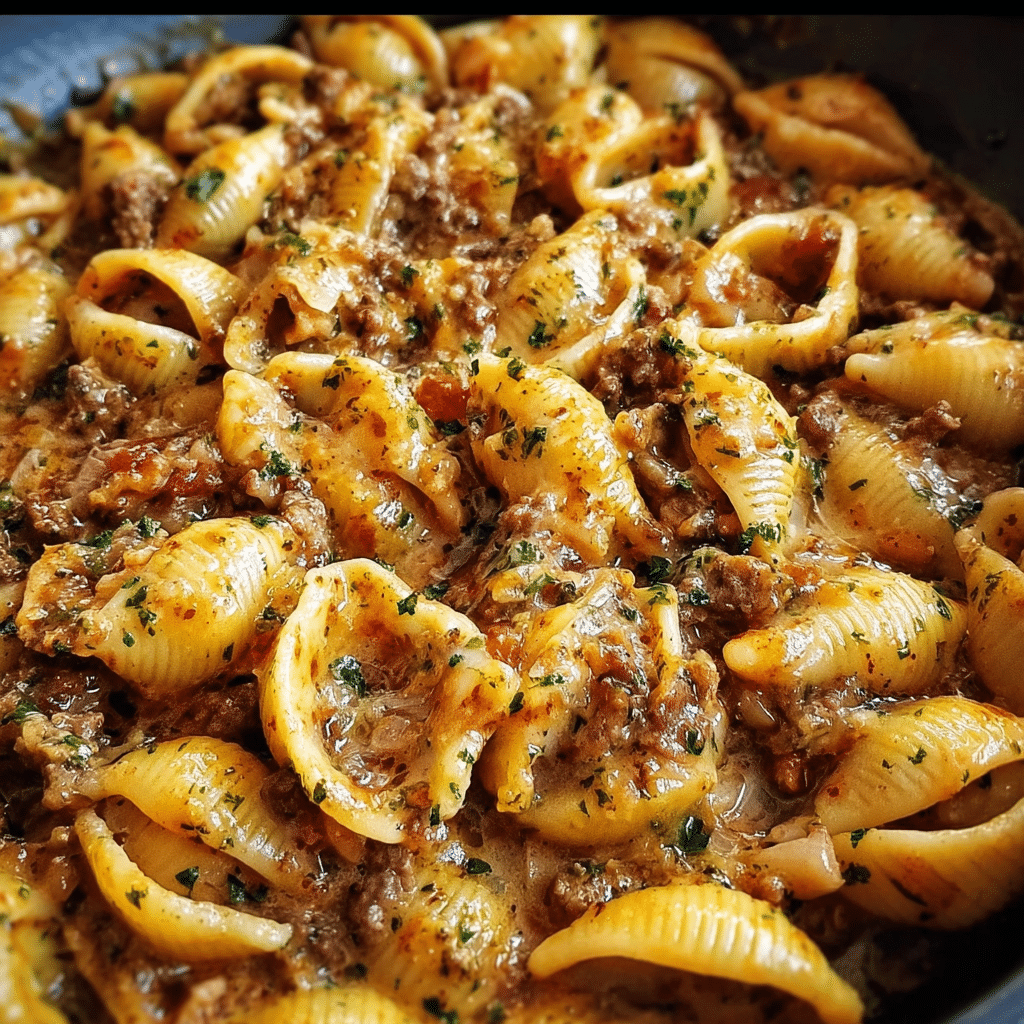
Nutritional Profile
At its core, creamy beef shells are made with a few key ingredients: pasta shells, ground beef, cream, and seasonings. Each component brings its unique nutritional value to the table. A typical serving of creamy beef shells (about one cup) can contain approximately 400-500 calories, depending on the specific ingredients and portion sizes used.
In terms of macronutrient distribution, you can expect around 20-25 grams of protein from the ground beef, which is a significant contributor to your daily protein needs. Carbohydrates from the pasta shells usually range from 40-50 grams, offering energy for your daily activities. The cream contributes to the fat content, providing about 15-20 grams of fat, which includes both saturated and unsaturated fats.
While this dish is certainly rich and filling, it’s essential to consider how it fits into your overall dietary needs. If you’re keeping track of your macronutrients, creamy beef shells can be a satisfying option that fulfills your protein and carb requirements, especially after a long day.
Health Benefits
The health benefits of creamy beef shells largely depend on the quality of ingredients used. Opting for lean ground beef can reduce the overall fat content while still providing a hearty protein source. Ground beef is an excellent source of essential nutrients, including iron, zinc, and B vitamins, which are crucial for energy production and overall health.
Incorporating whole grain pasta shells can enhance the nutritional value further. Whole grains provide more fiber, which is beneficial for digestive health and can keep you feeling full longer. Additionally, adding vegetables like spinach, bell peppers, or mushrooms can elevate the dish’s nutritional profile, providing vitamins, minerals, and antioxidants.
Another health aspect to consider is the use of dairy. If you choose to use low-fat or non-dairy alternatives for the cream, you can reduce calories and saturated fat while still achieving a creamy texture. There are fantastic options available, such as cashew cream or almond milk, which can enhance the dish’s richness without compromising health.
Dietary Considerations
When it comes to dietary considerations, creamy beef shells can be quite versatile. For those following a gluten-free diet, consider substituting traditional pasta shells with gluten-free alternatives made from rice, quinoa, or lentils. This way, you can enjoy the same comforting flavors without the gluten.
For individuals concerned about calorie intake or those pursuing weight loss, creamy beef shells can be made lighter by using less cream and incorporating more vegetables. You can also substitute ground turkey or chicken for beef to lower the calorie count without sacrificing flavor. Remember, moderation is key – enjoying creamy beef shells as an occasional treat while balancing it with lighter meals can lead to a healthy dietary approach.
In comparison to similar dishes like lasagna or beef stroganoff, creamy beef shells often contain fewer carbs and can be customized more easily to suit a variety of dietary preferences. This flexibility makes creamy beef shells a fantastic option for families with diverse dietary needs, allowing everyone to enjoy a comforting meal that feels indulgent yet can be tailored to be wholesome.
In conclusion, creamy beef shells offer not only a hearty and satisfying meal but also a range of nutritional benefits. By selecting quality ingredients and making thoughtful modifications, you can enjoy this dish as part of a balanced diet. Whether you’re feeding a family or just indulging in a comforting bowl of creamy goodness, understanding the nutritional aspects will help you appreciate this dish even more.