Creamy rotisserie chicken has quickly become one of my go-to recipes, especially during the chaotic weeknights that often accompany family life. I remember the first time I discovered this delightful dish; it was a chilly autumn evening, and I had just returned home from a long day at work. The scent of warm spices wafted through the air as I opened the door, and my family was already gathered around the dining table, eagerly awaiting dinner. With a rotisserie chicken nestled in the center of the table, I knew I had a canvas for something truly scrumptious. As I reached for some broccoli and pasta, my mind raced with ideas. The creamy sauce came together so effortlessly, transforming what could have been a simple meal into something exquisite.
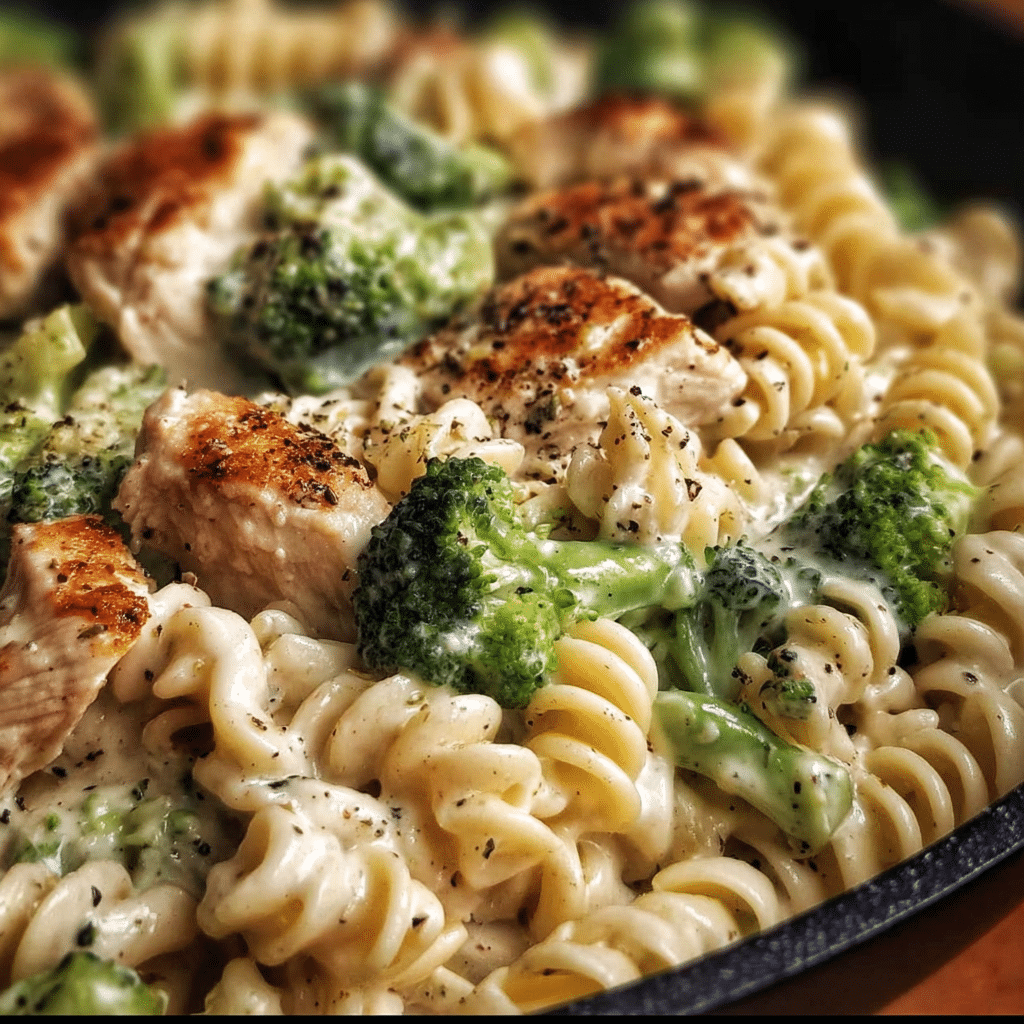
Growing up, I was always surrounded by home-cooked meals that brought my family together. My grandmother often pulled off similar feats with leftover roasted meats, and she taught me the magic of creating something new from what you already have. The moment I combined the tender meat of the rotisserie chicken with fresh, vibrant broccoli and smooth pasta, I felt a sense of nostalgia wash over me. It was like I was channeling my grandmother’s spirit, creating a dish that was not only comforting but also rich in flavor and nutrients.
The Story Behind This Recipe
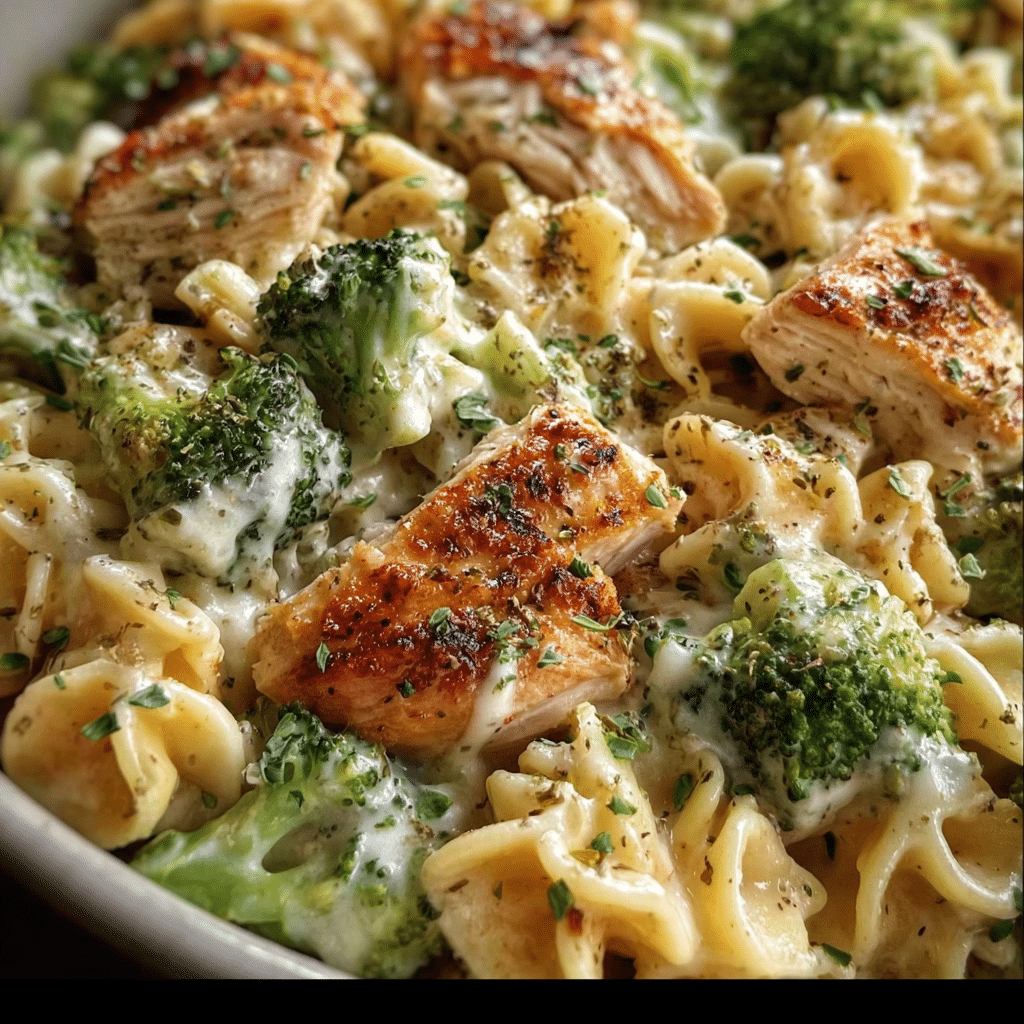
The roots of creamy rotisserie chicken blend seamlessly with the essence of family cooking. It’s a dish that speaks to the heart of home-cooked meals, where love is poured into every ingredient. The beauty of this recipe lies in its versatility; rotisserie chicken can be found in almost every grocery store, making it an accessible and convenient option for busy families. This dish is perfect for those evenings when time is short but the need for a hearty, satisfying meal is paramount. The creamy sauce envelops the chicken, broccoli, and pasta, creating a delightful harmony of textures and flavors.
One of the most significant aspects of this dish is its adaptability. You can easily modify it to fit the season or your family’s preferences. In the spring, fresh peas or asparagus can be added for a burst of color and freshness, while in the winter, you might choose to incorporate hearty root vegetables. No matter the season, creamy rotisserie chicken is a dish that resonates with comfort and warmth.
Why You’ll Love This Dish
What makes creamy rotisserie chicken particularly special is its ability to turn a few simple ingredients into a meal that feels extravagant. This dish is not just about cooking; it’s about creating memories around the dinner table. It fosters conversation, laughter, and connection, making it a staple for family gatherings and weeknight dinners alike.
As we dive deeper into this guide, you’ll learn the best techniques for preparing creamy rotisserie chicken, tips for elevating the flavors, and ideas for customizing it to suit your family’s tastes. I’ll share my favorite shortcuts for busy nights and how to make it a little healthier without sacrificing the creamy goodness that everyone loves.
So, as we embark on this culinary journey, prepare to be inspired by the possibilities that creamy rotisserie chicken can offer. This dish is not just a recipe; it’s a canvas for creativity, a comfort food that evokes memories, and a solution for those hectic evenings when you want to nourish your family without spending hours in the kitchen.
The Rich History and Cultural Significance of creamy rotisserie chicken
Understanding the rich history and cultural significance of creamy rotisserie chicken adds depth to this beloved dish. While it may seem like a modern creation, its roots stretch back to traditional cooking practices that have been passed down through generations. The concept of using leftover roasted meats to create new meals is ancient and exists in various forms across many cultures. Rotisserie chicken itself has a storied past, originating from the art of roasting meats over an open flame, which has been a cooking method for centuries in cultures worldwide.
Origins and History
The history of rotisserie chicken can be traced back to ancient civilizations, where cooking meat over a fire was a common practice. The French popularized the technique in the 18th century, establishing rotisserie restaurants that specialized in this method. These establishments became known for their perfectly roasted birds, often served with a rich gravy or sauce. The idea of incorporating a creamy sauce into a chicken dish likely stems from French culinary traditions, where sauces play a critical role in enhancing flavors.
As time went on, rotisserie chicken became accessible to the masses, especially with the rise of grocery stores and fast-food chains offering pre-cooked options. The convenience of purchasing a ready-to-eat rotisserie chicken has made it a staple in many households, particularly for families looking for quick dinner solutions. The creamy sauce that accompanies the chicken in this recipe is a modern twist, allowing home cooks to elevate the dish while keeping it simple.
Cultural Significance
Creamy rotisserie chicken has become more than just a meal; it represents a gathering point for family and friends. In many cultures, sharing a meal signifies love, community, and togetherness. Whether it’s a casual weeknight dinner or a festive gathering, this dish has a way of bringing people together. It’s often seen at potlucks, family reunions, and holiday celebrations, where the comforting flavors create an atmosphere of warmth and joy.
Different regions have their own interpretations of creamy chicken dishes, often influenced by local ingredients and cooking styles. For instance, in Italy, a creamy chicken pasta dish might be infused with garlic and parmesan, while in the southern United States, it might be paired with a rich, creamy sauce made with local spices and herbs. Each variation showcases the versatility of creamy rotisserie chicken, allowing it to adapt to various palates while maintaining its essence.
Nutritional Benefits
Alongside its cultural and historical significance, creamy rotisserie chicken also offers several nutritional benefits. Rotisserie chicken is an excellent source of protein, which is essential for maintaining muscle mass and overall health. The addition of broccoli not only adds vibrant color but also packs a punch of vitamins and minerals. Broccoli is rich in vitamin C, vitamin K, and dietary fiber, making it a nutritious companion to the protein-rich chicken.
While the creamy sauce may seem indulgent, it can be made healthier by using lighter ingredients such as Greek yogurt or low-fat milk in place of heavy cream. This way, you can enjoy the rich flavors without compromising your health goals. Incorporating whole-grain pasta can also increase the fiber content, making it a well-rounded meal that nourishes the body and satisfies the soul.
As we explore the world of creamy rotisserie chicken, remember that this dish is more than just a recipe; it’s a cultural phenomenon that connects us to our roots, evokes cherished memories, and provides nourishment for the body and spirit. So, let’s embrace the history, flavor, and love that go into every bite of this beloved dish.
Essential Ingredients for Perfect creamy rotisserie chicken
When preparing a dish as delightful and comforting as creamy rotisserie chicken broccoli pasta, understanding the role of each ingredient is crucial. This recipe marries the convenience of rotisserie chicken with the freshness of broccoli and the richness of creamy sauce, creating a meal that is not only delicious but also satisfying. Below, we delve into the essential ingredients that make this dish so wonderful, along with tips on how to select the best quality items, storage recommendations, and possible substitutions for dietary needs.
Essential Ingredients
- 250 g pasta (I used spiral pasta; see my notes for substitutions)
- 300 g fresh broccoli florets (from 1 large head of broccoli)
- 2 teaspoons butter
- 300 ml thickened cream (heavy cream)
- 3/4 teaspoon garlic powder
- 1/4 teaspoon onion powder
- 1 tablespoon Dijon mustard
- 1/2 teaspoon salt
- 300 g cooked chicken (shredded; I used rotisserie chicken)
- 50 g parmesan cheese (finely grated)
- 1 teaspoon fresh thyme leaves
- 40 g mozzarella cheese (grated)
Creamy Rotisserie Chicken Broccoli Pasta
Ingredients
- 250 g pasta I used spiral pasta (see my notes for substitutions)
- 300 g fresh broccoli florets from 1 large head of broccoli
- 2 teaspoons butter
- 300 ml thickened cream heavy cream
- ¾ teaspoon garlic powder
- ¼ teaspoon onion powder
- 1 tablespoon Dijon mustard
- ½ teaspoon salt
- 300 g cooked chicken shredded (I used rotisserie chicken)
- 50 g parmesan cheese finely grated
- 1 teaspoon fresh thyme leaves
- 40 g mozzarella cheese grated
Instructions
- Preheat oven to 180c.
- Cook the pasta in a large pot of salted water according to the package directions (less 1 minute), adding in broccoli for the last 2 minutes
-
250 g pasta300 g fresh broccoli florets
- Drain and return to the pot, then stir through the butter allowing it to melt then set aside.
-
2 teaspoons butter
- While the pasta cooks, in a jug or small bowl whisk together cream, garlic powder, onion powder, mustard and salt.
-
300 ml thickened cream¾ teaspoon garlic powder¼ teaspoon onion powder1 tablespoon Dijon mustard
-
½ teaspoon salt
- Add chicken, parmesan, thyme and cream mixture to pasta and broccoli, stirring well to coat.
-
300 g cooked chicken 50 g parmesan cheese 1 teaspoon fresh thyme leaves
-
Transfer the pasta mixture into a large baking dish (20 x 30cm/8 x 12″), sprinkle mozzarella cheese over the top and bake for 20 – 25 minutes until brown on top and heated through.40 g mozzarella cheese
Each ingredient plays a unique role in elevating the overall flavor and texture of the creamy rotisserie chicken broccoli pasta. Let’s explore each one in detail.
Pasta: The foundation of this dish, pasta serves as the vehicle for all the other flavors. Spiral pasta is particularly great because its shape holds onto the creamy sauce beautifully. When shopping for pasta, opt for high-quality brands made with durum wheat for the best texture. If gluten-free is a concern, there are excellent alternatives made from brown rice or quinoa.
Broccoli: Fresh broccoli florets not only add a pop of color but also bring a nutritious crunch. When selecting broccoli, look for firm stalks and vibrant green florets. Avoid any with yellowing or wilting, as these indicators suggest age. Fresh broccoli is typically available year-round, but it’s at its peak in the cooler months. If you can’t find fresh, frozen broccoli works too, although it may not have the same crispness.
Butter: Just a couple of teaspoons of butter adds a rich flavor to the dish. When choosing butter, look for unsalted options so that you can control the amount of salt in your recipe. Organic butter or grass-fed varieties often offer a more robust flavor.
Thickened Cream: The star of the show is the thickened cream, which provides the dish with its creamy texture. Make sure to choose heavy cream with a fat content of at least 36% for the best results. This cream is usually available throughout the year, but always check the expiration date before purchasing.
Garlic Powder and Onion Powder: These spices add depth to the flavor profile without overwhelming the dish. For the freshest flavor, opt for high-quality spices and check their expiration dates. You can also use fresh garlic and onions if you prefer a more intense taste, but adjust the quantities accordingly.
Dijon Mustard: This ingredient adds a tangy kick that beautifully contrasts with the richness of the cream. When shopping, look for Dijon mustard that is made with quality ingredients, as this will elevate your dish. If you don’t have Dijon, yellow mustard can be a substitute, albeit with a different flavor profile.
Salt: A crucial seasoning that enhances all flavors, salt should be used judiciously. Opt for kosher salt or sea salt for a cleaner taste. Remember, you can always add more, but you can’t take it out once it’s in!
Cooked Chicken: Shredded rotisserie chicken is a fantastic time-saver. It brings a smoky flavor and tender texture to the dish. When selecting rotisserie chicken, look for one that appears juicy and fragrant. If you prefer, you can also use leftover roasted chicken or poach your chicken breast for a healthier option.
Parmesan and Mozzarella Cheese: These cheeses add richness and a delightful creaminess to the pasta. Parmesan should be finely grated for better incorporation into the sauce, while mozzarella adds a lovely stretchiness. Always opt for block cheese that you can grate yourself, as pre-grated varieties often contain anti-caking agents that can affect texture.
Shopping Tips
When shopping for ingredients, it’s wise to plan ahead. Make a list of what you need to avoid impulse buys and ensure you purchase the freshest items. Local markets can be a treasure trove of fresh produce, while grocery stores typically carry a wide variety of pantry staples. Don’t hesitate to ask staff for recommendations on the best quality items, especially when it comes to meats and dairy products.
Substitutions and Alternatives
Dietary restrictions can often pose a challenge when cooking, but many of the ingredients in creamy rotisserie chicken broccoli pasta can be easily substituted. If you are lactose intolerant, consider using lactose-free cream or a plant-based alternative like cashew cream. For those avoiding gluten, gluten-free pasta options are now plentiful. You can also make this dish vegetarian by replacing the chicken with chickpeas or sautéed mushrooms, which provide protein and a hearty texture.
Finally, storage plays a vital role in maintaining the freshness of your ingredients. Store unused vegetables in a cool, dark place or in the refrigerator to prolong their life. Leftover cooked pasta can be stored in an airtight container in the fridge for up to three days, while cooked chicken should also be consumed within a similar timeframe to ensure safety and quality. Remember, a little planning goes a long way in creating delicious meals!
Detailed Step-by-Step creamy rotisserie chicken Cooking Instructions
Cooking creamy rotisserie chicken broccoli pasta is not only simple but also a rewarding experience that brings together a delightful array of flavors in a comforting dish. The preparation and cooking process can be broken down into several key steps, each designed to ensure that your meal is perfectly executed. In this section, we’ll take a closer look at each step, providing you with detailed instructions, tips, and insights into making your cooking experience as smooth and enjoyable as possible.
Preparation Steps
- Gather Your Ingredients: Before you start cooking, make sure you have all your ingredients ready. This not only saves time but also makes the cooking process more enjoyable. Lay everything out on your kitchen counter for easy access.
- Cook the Pasta: Bring a large pot of salted water to a rolling boil. Add the 250 g of spiral pasta and cook according to the package instructions until al dente, usually about 8-10 minutes. Stir occasionally to prevent sticking. Once cooked, reserve about a cup of the pasta water, then drain the pasta and set it aside.
- Prepare the Broccoli: While the pasta is cooking, wash and cut the 300 g of broccoli into small florets. If you prefer, you can steam the broccoli for about 3-4 minutes until bright green and tender-crisp. This method retains more nutrients compared to boiling. Add the steamed broccoli to the drained pasta and set aside.
- Shred the Chicken: If you’re using rotisserie chicken, take the time to shred it into bite-sized pieces. This ensures even distribution throughout the dish. If you’re using leftover chicken, this is the perfect opportunity to give it new life in a delicious creamy sauce.
Cooking Process
- Make the Sauce: In a large skillet, melt 2 teaspoons of butter over medium heat. Once melted, add the 300 ml of thickened cream, stirring gently to combine. As the cream begins to simmer, sprinkle in the 3/4 teaspoon of garlic powder and 1/4 teaspoon of onion powder. These spices will infuse the cream with flavor, so stir continuously to prevent sticking and ensure even cooking.
- Add Mustard and Seasoning: After a couple of minutes, add 1 tablespoon of Dijon mustard and 1/2 teaspoon of salt to the cream mixture. The mustard will add a delightful tanginess, balancing the richness of the cream. Taste the sauce and adjust the seasoning as necessary. If you prefer a bit more acidity, a squeeze of lemon can brighten the dish.
- Incorporate the Chicken: Now, add the 300 g of shredded rotisserie chicken to the sauce. Stir well, ensuring that every piece of chicken is coated in the creamy goodness. This step is crucial, as the chicken will absorb some of the flavors from the sauce.
- Mix in Cheese: Sprinkle in the 50 g of finely grated parmesan cheese and 40 g of grated mozzarella cheese. The cheese will melt into the sauce, creating an irresistibly creamy texture. Stir until fully combined.
Final Assembly
- Combine Pasta and Sauce: Now it’s time to bring it all together! Add the drained pasta and broccoli mixture to the skillet. Toss everything together to ensure the pasta and broccoli are coated in the creamy sauce. If the sauce is too thick, gradually add some of the reserved pasta water until you reach the desired consistency.
- Garnish and Serve: Finally, sprinkle the dish with 1 teaspoon of fresh thyme leaves for a hint of freshness. Plate the creamy rotisserie chicken broccoli pasta in bowls and serve immediately. This dish is best enjoyed fresh but can be stored in an airtight container in the refrigerator for up to three days.
Cooking time for this creamy rotisserie chicken broccoli pasta is approximately 30 minutes from start to finish. This makes it an ideal weeknight dinner option. Remember, as with any dish, the key to success lies in not rushing through the process. Take your time to savor the cooking experience, and you’ll be rewarded with a meal that is both comforting and satisfying.
Common mistakes to avoid include overcooking the pasta, which can lead to a mushy texture, and skimping on the seasoning. Don’t be afraid to taste your sauce as you go along; this is how you’ll learn to balance flavors to your liking. Additionally, ensure that your skillet is properly heated before adding the cream to prevent curdling.
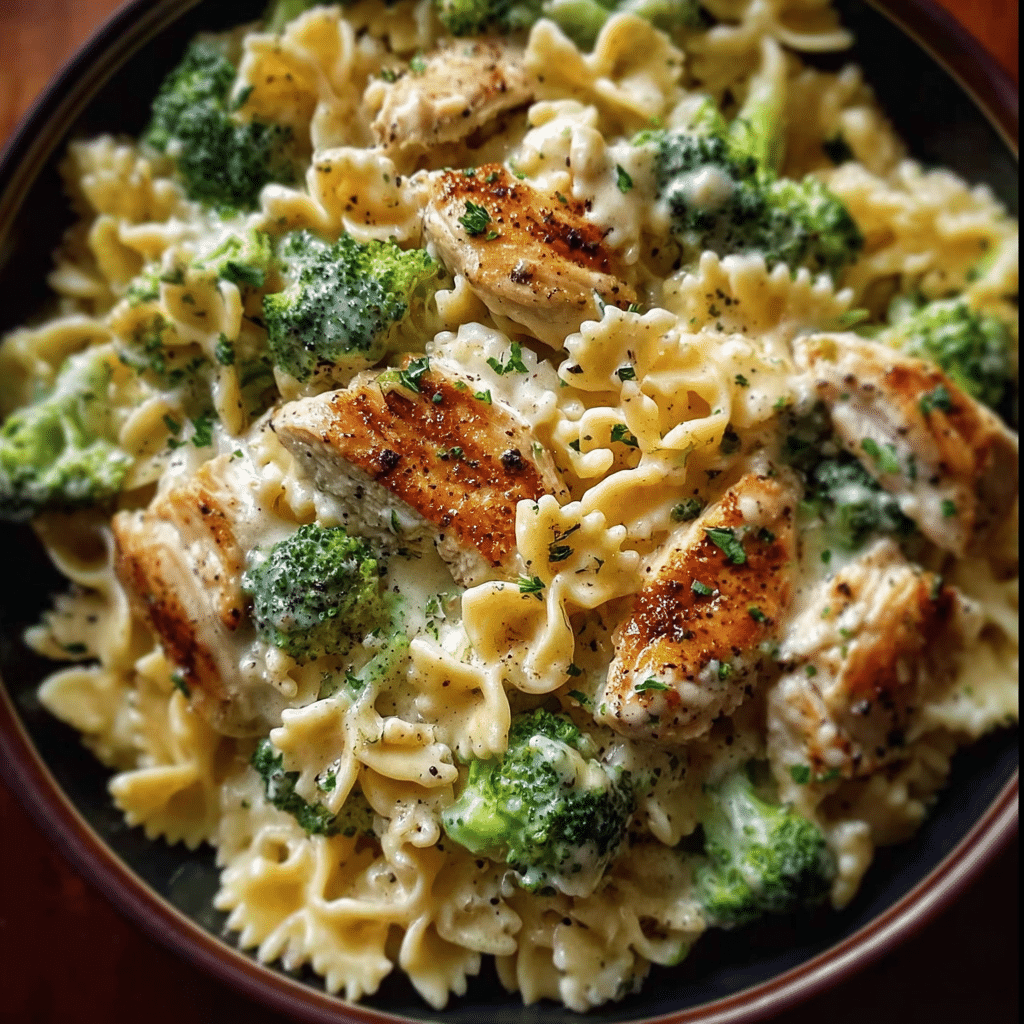
With these detailed steps and professional tips, you’re well on your way to creating a memorable creamy rotisserie chicken broccoli pasta that will impress family and friends alike. Happy cooking!
Professional Tips and Techniques for creamy rotisserie chicken
Cooking can often feel like an art form, especially when you’re preparing a dish as comforting and delightful as creamy rotisserie chicken broccoli pasta. To help you master this dish, I’m excited to share some professional tips and techniques that will elevate your culinary skills and ensure your pasta stands out. Whether you’re a novice or a seasoned chef, these insights will guide you through the process with ease and confidence.
Professional Techniques
When it comes to making creamy rotisserie chicken, the key lies in understanding the ingredients and their interactions. Always begin with high-quality rotisserie chicken; the flavor and moisture it brings are unbeatable. Shred the chicken into bite-sized pieces, ensuring that you include both the white and dark meat for a richer taste profile.
Next, let’s talk about your pasta. Opt for a pasta shape that holds onto the sauce well, such as fusilli or penne. Cooking the pasta al dente is crucial; it should be firm to the bite since it will continue to cook slightly when mixed with the sauce. To achieve this, refer to the package instructions, but start checking for doneness a couple of minutes early.
For the creamy sauce, a combination of heavy cream and a touch of chicken broth provides a luscious texture. Add grated Parmesan cheese for depth and a hint of nutty flavor. A secret technique to enhance the sauce is to sauté minced garlic and shallots in butter before adding the cream, as this will infuse the sauce with a beautiful aroma.
Don’t forget to season your dish as you go. A pinch of salt and pepper in the pasta water and seasoning the chicken while shredding can make a significant difference in flavor. Fresh herbs like parsley or basil can be added at the end for a pop of color and freshness. This simple step adds a layer of complexity that will have your guests asking for seconds.
Troubleshooting Guide
Even the most experienced cooks face challenges in the kitchen. If your creamy rotisserie chicken sauce is too thick, simply whisk in a splash of chicken broth or pasta water until it reaches your desired consistency. Conversely, if it’s too thin, let it simmer on low heat to reduce and thicken. Remember, patience is key!
Another common issue is the pasta sticking together. To prevent this, make sure to stir the pasta during the first few minutes of cooking and ensure it’s well-coated in sauce right after draining. If you find yourself with leftovers, store the pasta and the sauce separately to maintain the texture.
Presentation Tips
The way you present your creamy rotisserie chicken dish can elevate it from a simple meal to a stunning centerpiece for any table. Use a large, shallow bowl to serve the pasta, making it easy for guests to help themselves. Garnish with freshly chopped herbs, a sprinkle of cheese, and a drizzle of olive oil for a glossy finish. You might also consider adding a few lemon wedges on the side; not only does it look appealing, but a squeeze of lemon brightens the flavors beautifully.
Pairing your creamy rotisserie chicken pasta with the right beverage can enhance the dining experience. A crisp white wine like a Sauvignon Blanc complements the creaminess of the dish, while a light-bodied red, such as Pinot Noir, can also work nicely. For a non-alcoholic option, consider sparkling water with a slice of lemon or a refreshing iced tea.
In terms of meal prep, this dish can easily be made ahead of time. You can prepare the chicken and sauce a day in advance and simply cook the pasta when you’re ready to serve. This not only saves time but also allows the flavors to meld together beautifully.
Whether you’re preparing a weeknight dinner or a gathering with friends, these tips will help you create a delicious and visually appealing creamy rotisserie chicken broccoli pasta dish. Embrace your creativity, experiment with flavors, and most importantly, enjoy the process of cooking!
Creative Variations and Adaptations of creamy rotisserie chicken
One of the most exciting aspects of cooking is the ability to adapt and create variations of a beloved recipe. When it comes to creamy rotisserie chicken, the possibilities are endless. This section will explore creative variations and adaptations, seasonal ingredient swaps, and dietary modifications to make this dish work for everyone at your table.
Seasonal Variations
Embrace the changing seasons by incorporating seasonal ingredients into your creamy rotisserie chicken pasta. In the spring, consider adding asparagus and peas for a burst of freshness and color. In the summer, sun-dried tomatoes and fresh basil can add a delightful Mediterranean twist. When fall arrives, roasted butternut squash and a pinch of nutmeg can transform the dish into a cozy autumn delight. In winter, think of adding kale or spinach for a nutrient boost that pairs wonderfully with the creamy sauce.
Don’t be afraid to experiment with different vegetables based on what’s available at your local market. The beauty of this dish is that it serves as a blank canvas, ready for your personal touch.
Dietary Adaptations
In today’s culinary landscape, dietary needs are incredibly diverse, and the creamy rotisserie chicken dish can be adapted to fit various preferences. For those following a keto diet, consider using zucchini noodles instead of traditional pasta. This low-carb option still provides a satisfying texture while allowing you to enjoy the creamy sauce without the carbs.
If you’re catering to vegan diets, swap out the rotisserie chicken for plant-based proteins such as chickpeas or tofu. Use coconut milk or cashew cream in place of heavy cream and nutritional yeast to mimic the cheesy flavor. You can achieve a similar texture and taste that even non-vegans will love!
For gluten-free options, simply use gluten-free pasta. There are many excellent varieties available that maintain a wonderful texture and flavor. Always ensure that your other ingredients, such as broth and seasonings, are gluten-free as well.
Creative Twists
One of the most enjoyable aspects of cooking is putting your own spin on traditional recipes. For a spicy kick, consider adding red pepper flakes or diced jalapeños into the sauce. If you enjoy a bit of tanginess, a splash of white wine or a tablespoon of Dijon mustard can enhance the overall flavor profile of your dish.
Different cooking methods can also bring forth new flavors. If you prefer a smoky taste, try roasting the chicken before shredding it. Alternatively, using a slow cooker can infuse your creamy rotisserie chicken with the flavors of herbs and spices over time, creating a depth of flavor that is hard to beat.
Don’t forget about transforming leftovers! If you find yourself with extra creamy rotisserie chicken, use it as a filling for enchiladas or mix it into a savory casserole. The possibilities are truly endless.
In summary, the versatility of creamy rotisserie chicken allows for countless variations that can cater to any season, dietary need, or personal preference. By embracing creativity and experimenting with flavors, you can create a dish that is not only delicious but also uniquely your own. So gather your ingredients, unleash your culinary imagination, and enjoy the delightful journey of cooking!
Storage, Reheating, and Meal Prep for creamy rotisserie chicken
When it comes to cooking with creamy rotisserie chicken, one of the most important aspects to consider is how to properly store, reheat, and meal prep this delicious dish. Whether you’re making it for a busy weeknight dinner or meal prepping for the week ahead, understanding the right storage techniques can help maintain the flavor and texture of your creamy rotisserie chicken pasta. Let’s dive into the nitty-gritty of storage, reheating, and meal prep strategies that work best for this creamy delight.
Short-term Storage
Once you’ve whipped up a batch of your creamy rotisserie chicken broccoli pasta, you may find yourself with leftovers. Storing your dish correctly in the refrigerator can ensure it remains fresh and flavorful for a few days. To store your creamy rotisserie chicken pasta, allow it to cool down to room temperature first. This step is crucial because placing hot food directly into the refrigerator can raise the overall temperature inside and potentially lead to food safety concerns.
Once cooled, transfer the pasta to an airtight container. Glass containers are typically preferred as they do not absorb odors or stain like plastic can. If you opt for plastic, make sure it’s BPA-free. Portioning the pasta into single-serving containers can be beneficial for quick access during the week. Label each container with the date it was made; this will help you keep track of freshness, ensuring that you consume it within the recommended time frame.
In the refrigerator, creamy rotisserie chicken pasta can last up to 3 to 4 days. Be sure to keep it stored in the coldest part of your fridge, often the back, where temperatures remain more stable. Always check for any signs of spoilage, such as an off smell or changes in texture before consuming.
Freezing and Long-term Storage
If you find yourself with more creamy rotisserie chicken pasta than you can eat within a few days, freezing is an excellent option for long-term storage. Freezing can significantly extend the shelf life of your dish, allowing you to enjoy it even weeks later. To freeze, start by portioning the pasta into individual servings, as this allows for easier reheating later on. Use freezer-safe containers or heavy-duty freezer bags, ensuring that you remove as much air as possible to prevent freezer burn.
For the best results, consider flash freezing your pasta. Spread the individual portions on a baking sheet and place them in the freezer for about an hour. Once they are frozen solid, you can transfer them to your freezer bags or containers. This method helps to keep the pasta from clumping together and makes it easier to grab a single serving when you’re ready to eat.
When properly stored, creamy rotisserie chicken pasta can last in the freezer for up to 2-3 months. However, for optimal flavor and texture, try to consume it within the first month. Always label your containers with the date and contents before storing them away. When you’re ready to enjoy your frozen pasta, simply transfer it to the refrigerator to thaw overnight, or use the microwave for a quicker option, though this might affect the texture slightly.
Reheating Best Practices
Reheating creamy rotisserie chicken pasta can be a bit tricky, as you want to ensure that it retains its creamy texture and does not dry out. The microwave is a convenient option, but it can lead to uneven heating if not done properly. To reheat in the microwave, place your portion in a microwave-safe bowl, add a splash of milk or cream to help restore the creamy consistency, and cover it with a microwave-safe lid or wrap. Heat in short bursts, stirring in between to evenly distribute the heat, until warmed through.
For those who prefer the stove, reheating on low heat in a saucepan works well, too. Add a little milk or cream to the pasta as you heat it, stirring constantly to help bring back the creaminess. This method may take a bit longer, but it allows for more control over the temperature and prevents the dish from becoming too hot too quickly, which can cause the cream to separate.
Lastly, always remember to check the internal temperature when reheating. The USDA recommends reheating leftovers to an internal temperature of 165°F to ensure food safety. Following these reheating tips will help you enjoy creamy rotisserie chicken pasta just as much as the first time you made it!
Whether you’re storing, freezing, or reheating your creamy rotisserie chicken pasta, keeping these tips in mind can help you enjoy this comforting dish over and over again, preserving its delightful flavor and creamy texture.
Nutritional Benefits and Health Information
As we dig into the nutritional benefits and health information surrounding creamy rotisserie chicken pasta, it’s essential to recognize that this dish is not only delicious but also offers a variety of nutrients that can support a balanced diet. Let’s explore the nutritional breakdown of the key ingredients and how this dish can fit into various dietary plans.
Nutritional Profile
Creamy rotisserie chicken pasta typically includes several core ingredients: rotisserie chicken, pasta, broccoli, and a creamy sauce, often made with ingredients like heavy cream or a base of cheese. The exact nutritional content can vary based on the recipe and portion sizes, but on average, a serving of creamy rotisserie chicken pasta can provide a hearty balance of macronutrients.
For example, a standard serving (about 1 cup) of creamy rotisserie chicken pasta can contain approximately:
- Calories: 400-600 calories, depending on the portion size and sauce ingredients.
- Protein: 25-35 grams from the chicken and any cheese included, making it a great source of lean protein.
- Carbohydrates: 50-70 grams, primarily from the pasta, which provides energy.
- Fat: 15-25 grams, depending on the creaminess of the sauce used, with a mix of saturated and unsaturated fats.
Additionally, the inclusion of broccoli adds fiber, vitamins, and minerals, making this dish not just satisfying but also nutritionally robust.
Health Benefits
The health benefits of creamy rotisserie chicken pasta are tied closely to its ingredients. Rotisserie chicken is a fantastic source of lean protein, which is essential for muscle repair and growth. It’s also convenient, offering a quick way to add protein to your meals without the hassle of cooking chicken from scratch.
Broccoli, often dubbed a superfood, is packed with vitamins K and C, fiber, and a host of antioxidants. These nutrients contribute to overall health, including supporting the immune system, improving digestion, and even helping to reduce inflammation in the body.
Moreover, the creamy sauce, while indulgent, can be made healthier by using alternatives like Greek yogurt or low-fat cream cheese, which can cut down on calories and fat while still providing a creamy texture. This allows you to enjoy a satisfying dish without compromising too much on health.
Dietary Considerations
When it comes to dietary considerations, creamy rotisserie chicken pasta can be quite versatile. For those following a gluten-free diet, swapping out traditional pasta for gluten-free alternatives, such as quinoa or brown rice pasta, can make this dish suitable. Additionally, using whole grain pasta can increase the fiber content, which is beneficial for digestive health.
If you’re watching your calorie intake, consider adjusting the portion sizes or using less cream in your sauce. You can also add more vegetables to increase volume without significantly increasing calorie content, making the dish more filling and nutritious.
For individuals with lactose intolerance, using lactose-free cream or a plant-based milk alternative can ensure that everyone can enjoy creamy rotisserie chicken pasta without any adverse effects.
In terms of allergen information, creamy rotisserie chicken could be a concern for those with chicken allergies, while the creamy sauce may contain dairy, which can be problematic for those with dairy allergies. Always be sure to read labels and adjust recipes accordingly to accommodate dietary needs.
In conclusion, creamy rotisserie chicken pasta not only offers a comforting and delicious meal option but also provides essential nutrients that can enhance your overall health. With a few modifications, it can fit into various diet plans, making it a versatile dish for any home cook. Enjoy the rich flavors and creamy goodness, knowing that you’re also nourishing your body with each bite!
Frequently Asked Questions About Creamy Rotisserie Chicken
Creamy rotisserie chicken broccoli pasta with cream cheese
To make a delicious creamy rotisserie chicken broccoli pasta with cream cheese, start by cooking your pasta according to package instructions. In a separate pan, combine cooked rotisserie chicken, steamed broccoli, and a block of cream cheese over medium heat. Stir until the cream cheese melts and coats the chicken and broccoli, creating a rich sauce. For added flavor, consider mixing in garlic powder, onion powder, or a splash of chicken broth for a smoother consistency. Finally, toss the cooked pasta in the creamy mixture and serve it hot for a comforting meal.
Creamy rotisserie chicken broccoli pasta healthy
To create a healthier version of creamy rotisserie chicken broccoli pasta, consider using whole wheat or chickpea pasta for added fiber and protein. You can substitute cream cheese with Greek yogurt or cottage cheese for a lighter, healthier sauce that still offers creaminess. Incorporating fresh vegetables like spinach or bell peppers can enhance the nutritional value and add more color to your dish. Additionally, limit the amount of cheese and use a sprinkle of nutritional yeast for a cheesy flavor without the calories. This way, you can enjoy a creamy pasta dish while maintaining a balanced diet.
Chicken broccoli pasta bake Jamie Oliver
Jamie Oliver’s chicken broccoli pasta bake is a comforting dish that combines rotisserie chicken, tender broccoli, and pasta in a creamy sauce, topped with cheese and baked to perfection. To follow his style, start by cooking your pasta al dente and mixing it with cooked chicken and blanched broccoli. Prepare a white sauce using flour, milk, and cheese, and pour it over the pasta mixture. Transfer everything to a baking dish, sprinkle with additional cheese, and bake until bubbly and golden brown. This dish not only offers great flavor but also provides a satisfying meal that the whole family will love.
Chicken and broccoli pasta with Philadelphia
For a creamy chicken and broccoli pasta using Philadelphia cream cheese, begin by cooking your pasta until al dente. In a large skillet, combine shredded rotisserie chicken and broccoli florets, then add in a generous amount of Philadelphia cream cheese. The cream cheese will melt and create a smooth sauce, so you may want to add a little pasta water to achieve your desired consistency. Season with garlic, salt, and pepper to taste. This dish is quick to prepare, making it perfect for busy weeknights while delivering a rich and satisfying flavor.
Chicken broccoli pasta no cream
If you’re looking for a chicken broccoli pasta recipe without cream, you can utilize chicken broth and olive oil for a lighter sauce. Start by sautéing garlic in olive oil, then add cooked rotisserie chicken and broccoli until heated through. Toss in your cooked pasta and add a splash of chicken broth to help combine the ingredients. You can also incorporate lemon juice or zest for a fresh flavor, and finish with grated Parmesan cheese for a savory touch. This method keeps your dish light while still being flavorful and satisfying.
Chicken broccoli pasta creamy
To achieve a creamy chicken broccoli pasta, begin by selecting a base of your choice, such as fettuccine or penne. Cook the pasta according to package instructions and reserve some pasta water for later use. In a separate pan, melt butter and sauté garlic before adding cooked rotisserie chicken and broccoli. Stir in heavy cream or a combination of cream cheese and milk, allowing it to thicken, then mix in the cooked pasta. The reserved pasta water can be added as needed to adjust the creaminess, ensuring every bite is rich and flavorful.
Easy chicken and broccoli pasta
For an easy chicken and broccoli pasta, start with pre-cooked rotisserie chicken to save time. Cook your pasta and, in the last few minutes, add broccoli florets to the boiling water to cook them together. In a large skillet, melt some butter and sauté garlic before adding the chicken and the drained pasta with broccoli. For a quick sauce, you can mix in store-bought Alfredo sauce or a simple combination of olive oil, lemon juice, and Parmesan cheese. This method ensures that dinner is ready in under 30 minutes without sacrificing flavor.
Easy chicken and broccoli pasta bake
To make an easy chicken and broccoli pasta bake, start by preheating your oven to 350°F (175°C). Cook your pasta until slightly undercooked, then mix it with shredded rotisserie chicken and steamed broccoli in a large bowl. Prepare a simple cheese sauce by melting cheese and mixing it with milk or chicken broth to create a creamy consistency. Combine everything in a baking dish, sprinkle with more cheese on top, and bake until bubbly and golden brown, which should take about 20-25 minutes. This dish is not only easy to prepare but also a crowd-pleaser for family meals.