Creamy steak pasta has a way of bringing comfort and joy to the dinner table, a dish that encapsulates the essence of hearty Italian cuisine with a unique twist. My journey with this delightful recipe began on a rainy evening when I was stuck at home, craving something warm and indulgent. I rummaged through my pantry, finding a few key ingredients: a tender steak, some pasta, and a splash of cream. Little did I know, this simple fusion would lead to a culinary adventure that I would cherish forever.
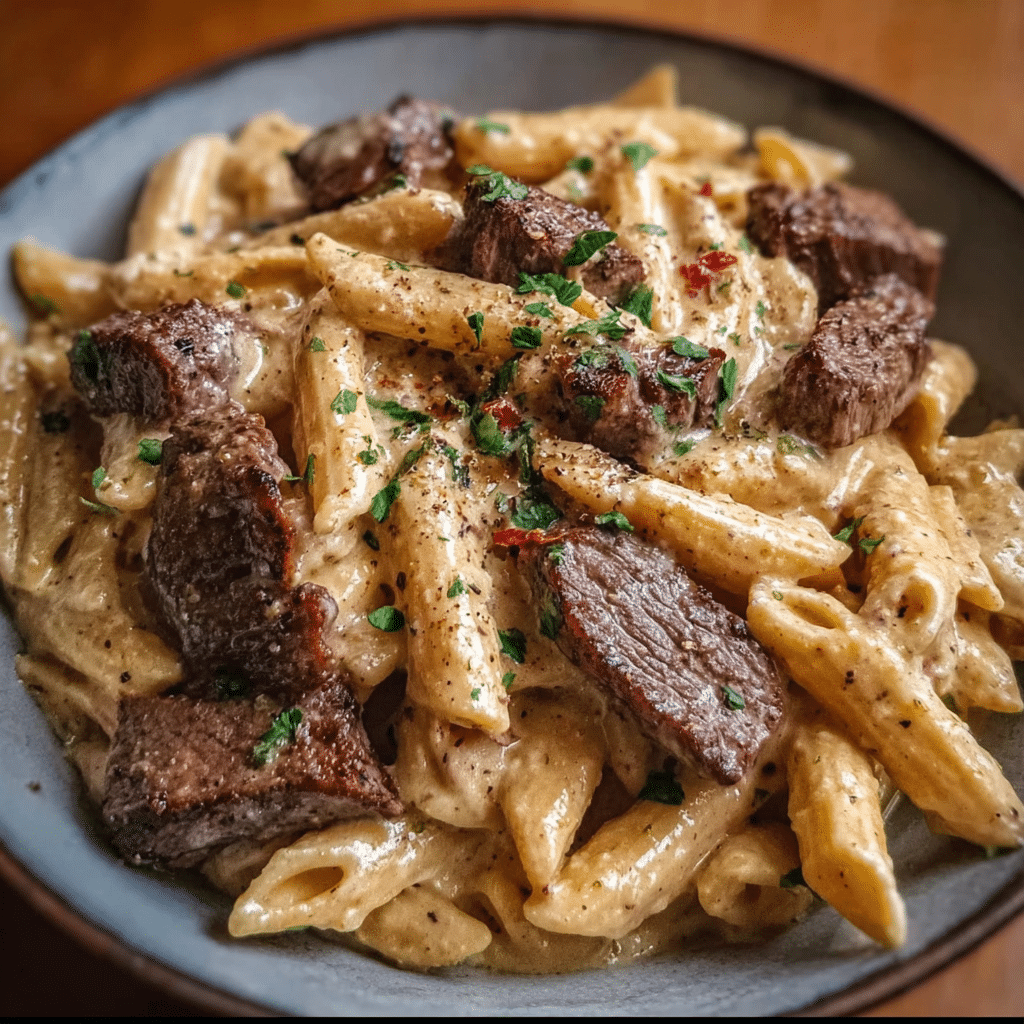
It was one of those nights when the world outside felt dreary, and the aroma of something delicious simmering in the kitchen felt like a warm hug. As I sautéed the steak, the rich, savory smell filled the air, transporting me back to my grandmother’s kitchen. She always had a knack for making the ordinary feel extraordinary, and I found myself channeling her spirit as I crafted my version of creamy steak pasta. The first bite was a revelation; the creamy sauce enveloped the tender pasta and steak, creating a flavor profile that was comforting yet sophisticated. This dish quickly became a staple in my household, a go-to for busy weeknights and special occasions alike.
The Story Behind This Recipe
The origins of creamy steak pasta are deeply rooted in the culinary traditions of Italy, where pasta serves as a canvas for a variety of flavors and textures. While the exact origins of this dish are difficult to pinpoint, it’s clear that the combination of pasta and meat in a creamy sauce is a beloved concept across many cultures. Italian cuisine often emphasizes the use of fresh, high-quality ingredients, and creamy steak pasta is no exception—its simplicity allows each component to shine.
In many Italian households, pasta is a staple, often paired with whatever ingredients are on hand. This adaptability is what makes creamy steak pasta so special; it can be customized to fit the seasons and personal preferences. Whether you’re using ribeye, sirloin, or even a more budget-friendly cut, the idea remains the same: create a comforting dish that satisfies the soul.
Why You’ll Love This Dish
Why is creamy steak pasta a favorite among families, you ask? Well, aside from its rich flavors and creamy texture, it’s a quick and easy dish that can be prepared in under 30 minutes, making it perfect for busy weeknights. As a parent, I understand the struggle of juggling work, family, and dinner prep. This dish allows you to whip up something delicious without spending hours in the kitchen, giving you more time to spend with your loved ones.
Moreover, creamy steak pasta is versatile. You can add seasonal vegetables, such as asparagus in the spring or butternut squash in the fall, making it a dish that evolves with the seasons. It’s not just a meal; it’s an experience. The warmth of the creamy sauce, the tenderness of the steak, and the satisfying bite of pasta create a comforting symphony that resonates with anyone who enjoys good food.
There’s an emotional connection to this dish that transcends mere satisfaction. It evokes memories of family gatherings and cozy dinners, of laughter shared around the table. When I serve creamy steak pasta, it’s not just about feeding my family; it’s about creating an atmosphere of love and togetherness. I promise that as you delve into this guide, you will discover not only how to make the perfect creamy steak pasta but also the stories behind it that make it meaningful.
Join me on this culinary journey, and let’s explore the world of creamy steak pasta together. You’ll learn tips, tricks, and variations that can elevate your dish to new heights, ensuring every bite is as memorable as the last. So grab your apron, and let’s get cooking!
The Rich History and Cultural Significance of creamy steak pasta
The creamy steak pasta that we adore today has a fascinating history that reflects cultural exchanges and culinary innovations over time. This dish, with its Italian roots, has transcended geographic boundaries, evolving into an international favorite. The combination of pasta and a rich, creamy sauce is not only comforting but also showcases the versatility of both ingredients.
Origins and History
While pasta has been a staple of Italian cuisine for centuries, the introduction of creamy sauces is a relatively modern phenomenon. Traditionally, pasta was paired with olive oil, tomatoes, and various meats, but as culinary techniques evolved, so did the sauces. The use of cream in pasta dishes became popular in the 19th century, particularly in Northern Italy, where the cooler climate made cream a more accessible ingredient. Dishes like Fettuccine Alfredo and Carbonara emerged during this time, showcasing the delightful pairing of pasta with rich, creamy sauces.
Creamy steak pasta likely arose as home cooks began to experiment with combining their favorite elements into a single dish. The concept of pairing tender steak with pasta and a creamy sauce is a testament to the Italian culinary philosophy of “cucina povera,” or “poor kitchen,” which emphasizes using what one has on hand to create something delicious. Over the years, variations of creamy steak pasta have popped up in different regions, incorporating local ingredients and flavors, making it a dish that reflects the diversity of Italian cooking.
Cultural Significance
Creamy steak pasta is more than just a meal; it holds cultural significance in various contexts. In Italy, pasta is often associated with family gatherings and celebrations. It is a dish that brings people together, symbolizing hospitality and warmth. Whether it’s a Sunday dinner or a festive occasion, creamy steak pasta is a welcomed addition to the table, embodying the spirit of togetherness.
In the United States and other parts of the world, creamy steak pasta has gained popularity as a comfort food, often served in restaurants and homes alike. It represents a blend of cultures, where Italian traditions meet American tastes, creating a unique culinary experience. This dish can be found in various forms, from gourmet restaurants to casual family dinners, each version reflecting the cook’s personal touch.
Nutritional Benefits
While creamy steak pasta is undeniably indulgent, it also offers nutritional benefits that should not be overlooked. Steak, particularly cuts like sirloin or ribeye, is an excellent source of protein, iron, and essential vitamins. When paired with pasta, it provides a balanced meal that can fuel your body and satisfy your cravings. By incorporating vegetables like spinach or bell peppers into the dish, you can enhance its nutritional profile, adding fiber and essential nutrients.
Moreover, the use of cream, while rich, can be balanced by opting for lighter versions or even substituting with alternatives like Greek yogurt or low-fat milk without sacrificing flavor. This adaptability makes creamy steak pasta not only a delicious choice but also a versatile one that can fit into various dietary preferences.
As we explore the rich history and cultural significance of creamy steak pasta, it becomes clear that this dish is more than just a meal—it’s a celebration of flavors, traditions, and shared experiences. So, whether you’re preparing it for a family dinner or a special occasion, remember that each plate tells a story, connecting us to our culinary heritage while creating new memories around the table.
Essential Ingredients for Perfect creamy steak pasta
When it comes to crafting the ultimate creamy steak pasta, the ingredients play a pivotal role. Each component not only adds to the flavor but also contributes to the overall texture and experience of the dish. Here, we will break down the essential ingredients that make your creamy steak pasta a showstopper.
Essential Ingredients
- 1 tablespoon olive oil: Olive oil is a staple in many kitchens, renowned for its health benefits and rich flavor. When selecting olive oil, look for extra virgin varieties, as they are less processed and provide a more robust taste. The oil acts as a base for sautéing the steak and garlic, ensuring a golden crust forms on the meat, which is essential for building flavor.
- 2 rump steaks (about 1 lb / 450 g total): Rump steaks are not only economical but also incredibly flavorful. Look for steaks that are well-marbled, as the fat enhances the overall taste and tenderness. When sourcing your steak, choose cuts with a bright red color and minimal browning. If you’re feeling adventurous, consider using flank or sirloin steak as alternatives.
- Salt and pepper: These basic seasonings are essential for elevating the flavors of your creamy steak pasta. Always opt for kosher salt or sea salt for seasoning, as they are less processed and have a brighter flavor. Freshly ground black pepper will add a robust kick, enhancing the richness of the cream.
- 2 tablespoons butter: Butter adds a rich, creamy texture to your sauce. Look for high-quality, unsalted butter to control the salt levels in your dish. Butter is crucial for creating a luscious sauce that clings beautifully to the pasta.
- 2 garlic cloves, finely chopped: Garlic is a flavor powerhouse that infuses the dish with aromatic depth. Fresh garlic is always preferable to powdered versions. When chopping garlic, aim for uniform pieces to ensure even cooking and avoid any burnt bits that can turn bitter.
- 1 sprig rosemary: Rosemary provides an earthy aroma that complements the steak. Fresh rosemary is ideal, but if unavailable, dried rosemary can be used. Just be cautious with the quantity, as dried herbs are more potent. The herb adds a layer of complexity to the dish.
- 8 oz (250 g) pasta: The type of pasta you choose can influence the dish’s texture. Fettuccine or pappardelle works wonderfully with creamy sauces, as their wider surface area allows for more sauce to adhere. Opt for high-quality, semolina pasta for the best texture.
- 1 teaspoon Italian seasoning: This blend of herbs typically includes basil, oregano, and thyme, adding a classic Italian flavor to your creamy steak pasta. If you have fresh herbs on hand, feel free to substitute them for a more vibrant taste.
- ½ cup (125 ml) low-sodium chicken stock: Chicken stock adds depth to your sauce without overpowering it. Choosing a low-sodium version allows you to control the saltiness of your dish. Homemade stock is always best, but store-bought options can save time.
- 1 cup (250 ml) heavy cream: The star of the show in creamy pasta, heavy cream creates a velvety sauce. Look for heavy whipping cream, which has a higher fat content, ensuring a rich consistency. If you’re watching your calories, consider half-and-half as a lighter alternative, though it may not be as luxurious.
- ⅓ cup Parmesan, grated: Freshly grated Parmesan adds a salty, nutty flavor that enhances the creaminess of the sauce. Always opt for block cheese and grate it yourself, as pre-grated options often contain anti-caking agents that can affect texture.
- A handful of fresh parsley, roughly chopped: Fresh parsley adds a pop of color and freshness to your creamy steak pasta. It brightens the dish and balances the richness of the cream. Look for vibrant green parsley, avoiding any wilted or discolored leaves.
- Salt and freshly ground black pepper to taste: These will be your finishing touches, allowing you to adjust the seasoning to your liking.
Creamy Steak Pasta
Ingredients
For the steak
- 1 tablespoon olive oil
- 2 rump steaks (about 1 lb / 450 g total)
- Salt and pepper
- 2 tablespoons butter
- 2 garlic cloves, finely chopped
- 1 sprig rosemary
For the pasta
- 8 oz (250 g) pasta
- 2 tablespoons butter
- 2 garlic cloves, finely chopped
- 1 teaspoon Italian seasoning
- ½ cup (125 ml) low-sodium chicken stock
- 1 cup (250 ml) heavy cream
- ⅓ cup Parmesan, grated
- A handful of fresh parsley, roughly chopped
- Salt and freshly ground black pepper to taste
Instructions
- Season your rump steaks generously with salt and pepper. Heat olive oil in a large skillet over high heat. Add the steaks and cook for 3-4 minutes per side until you see a brown crust.
- Add the butter, garlic and rosemary sprig to the pan with the steaks and spoon the melted butter over the steaks. Cook until they’re done to your liking. Remove the steaks and let rest for 5 minutes before slicing thinly.
- Bring a large pot of salted water to a boil, then cook your pasta according to package directions until al dente. Reserve 1-2 cups of pasta water before draining the pasta.
- Start making the pasta sauce. Melt the butter in a skillet (it can be the same one you cooked the steak in if it’s big enough).
- Add the chopped garlic and cook for 1 minute over medium-low heat. Stir in the Italian seasoning, then the chicken stock.
- Simmer for 1-2 minutes, then add the heavy cream and continue to simmer for a couple of minutes until the sauce starts to thicken.
- Add the cooked pasta to the pan together with the sliced steak, then stir in the grated Parmesan. Add a bit of the reserved pasta water if the pasta looks too dry.
- Add the chopped parsley and season with salt and pepper to taste.
- Serve the creamy steak pasta immediately, with a bit of extra freshly grated Parmesan on top if you like.
Shopping Tips
When shopping for ingredients for your creamy steak pasta, it’s essential to prioritize quality. Fresh ingredients will significantly impact the flavor of your dish. Buy your steak from a reputable butcher who can provide you with high-quality cuts, and don’t hesitate to ask about the source of their meat. For produce, local farmers’ markets often have the freshest options available, so consider visiting one if you have the chance.
In terms of storage, ensure your steak is refrigerated and used within a couple of days of purchase for optimal freshness. Fresh herbs should be kept in the refrigerator, wrapped in a damp paper towel to extend their shelf life. Pasta should be stored in a cool, dry place, while cheese can be kept in the fridge, preferably in an airtight container to prevent it from drying out.
Substitutions and Alternatives
For those with dietary restrictions, there are several substitutions you can make without sacrificing flavor. If you’re looking to lighten the dish, consider using a combination of low-fat cream cheese and milk instead of heavy cream. For a gluten-free option, substitute regular pasta with gluten-free pasta made from rice or quinoa.
If you’re vegetarian, you can replace the steak with mushrooms, such as portobello or shiitake, which provide a meaty texture and flavor. Additionally, vegetable broth can be used in place of chicken stock, and nutritional yeast can substitute for Parmesan to give a cheesy flavor without dairy.
Ultimately, the key to a delightful creamy steak pasta lies in selecting high-quality ingredients that resonate with your personal taste and dietary needs. Embrace the cooking process, and don’t be afraid to experiment with flavors and textures!
Detailed Step-by-Step creamy steak pasta Cooking Instructions
Creating creamy steak pasta is not just about following a recipe; it’s an experience that combines technique with creativity. In this section, we’ll break down the cooking process step by step, ensuring that you master the art of making this creamy delight.
Preparation Steps
- Gather your ingredients: Before you begin cooking, ensure all your ingredients are prepped and ready to go. This includes chopping the garlic, measuring out the cream and stock, and grating the Parmesan. Having everything in place will streamline the cooking process and help prevent any mishaps.
- Cook the pasta: Begin by boiling a large pot of salted water. Once the water is at a rolling boil, add the pasta and cook according to package instructions until al dente. This typically ranges from 8 to 12 minutes, depending on the type of pasta. Stir occasionally to prevent sticking. Once done, reserve about a cup of pasta water and then drain the pasta.
- Prepare the steak: While the pasta cooks, take your rump steaks out of the fridge and let them come to room temperature for about 15-20 minutes. This ensures even cooking. Pat the steaks dry with paper towels and season both sides generously with salt and freshly ground black pepper.
- Heat the olive oil: In a large skillet or frying pan, heat 1 tablespoon of olive oil over medium-high heat. The oil should shimmer but not smoke. This is the perfect time to add your steaks.
Cooking Process
- Sear the steaks: Add the seasoned steaks to the hot skillet and sear for about 4-5 minutes on each side for medium-rare, flipping only once to develop a nice crust. Use tongs to press down gently on the steaks for even cooking. You should hear a satisfying sizzle – a good sign that you’re on the right track!
- Add aromatics: Once the steaks are cooked to your liking, remove them from the pan and let them rest on a cutting board for about 5 minutes. In the same skillet, lower the heat and add 2 tablespoons of butter, followed by the finely chopped garlic and rosemary. Sauté for about 1-2 minutes until fragrant, but be careful not to burn the garlic as it can turn bitter.
- Make the sauce: Pour in the low-sodium chicken stock and scrape the bottom of the pan to deglaze, incorporating all the flavorful bits stuck to the bottom. Allow the stock to reduce by half, which should take about 3-4 minutes. Then, add the heavy cream, stirring well to combine.
- Incorporate seasonings: Add the Italian seasoning, and season the sauce with salt and pepper to taste. Allow the sauce to simmer gently for another 3-4 minutes until it thickens slightly. Stir in the grated Parmesan, letting it melt into the sauce and enhance its creaminess.
Final Assembly
- Combine pasta and sauce: Add the drained pasta to the skillet, tossing to coat it thoroughly in the creamy sauce. If the sauce seems too thick, add a splash of the reserved pasta water to loosen it up. This starchy water will help the sauce adhere to the pasta beautifully.
- Slice the steak: While the pasta is absorbing the sauce, slice the rested steaks against the grain into thin strips. This technique ensures tenderness, making each bite melt in your mouth.
- Plate your dish: Serve the creamy steak pasta in bowls, topping each portion with the sliced steak. Garnish with a generous sprinkle of freshly chopped parsley and additional grated Parmesan if desired. The vibrant green of the parsley adds a beautiful contrast to the creamy sauce.
- Enjoy: Take a moment to enjoy the aroma before diving in. This creamy steak pasta is meant to be savored, so sit down, relax, and relish the fruits of your labor!
Cooking this creamy steak pasta can be a delightful journey, and with these detailed instructions, you’ll be well-equipped to create a dish that impresses not just your palate but also the hearts of those you share it with. Remember, practice makes perfect, and don’t hesitate to make the dish your own by experimenting with flavors and ingredients that speak to you!
Professional Tips and Techniques for creamy steak pasta
When it comes to crafting the perfect creamy steak pasta, there are a myriad of professional tips and techniques that can elevate your dish from ordinary to extraordinary. The beauty of this meal lies not just in its rich flavors, but also in how you can manipulate various elements to create a dish that speaks to your culinary prowess.
Professional Techniques
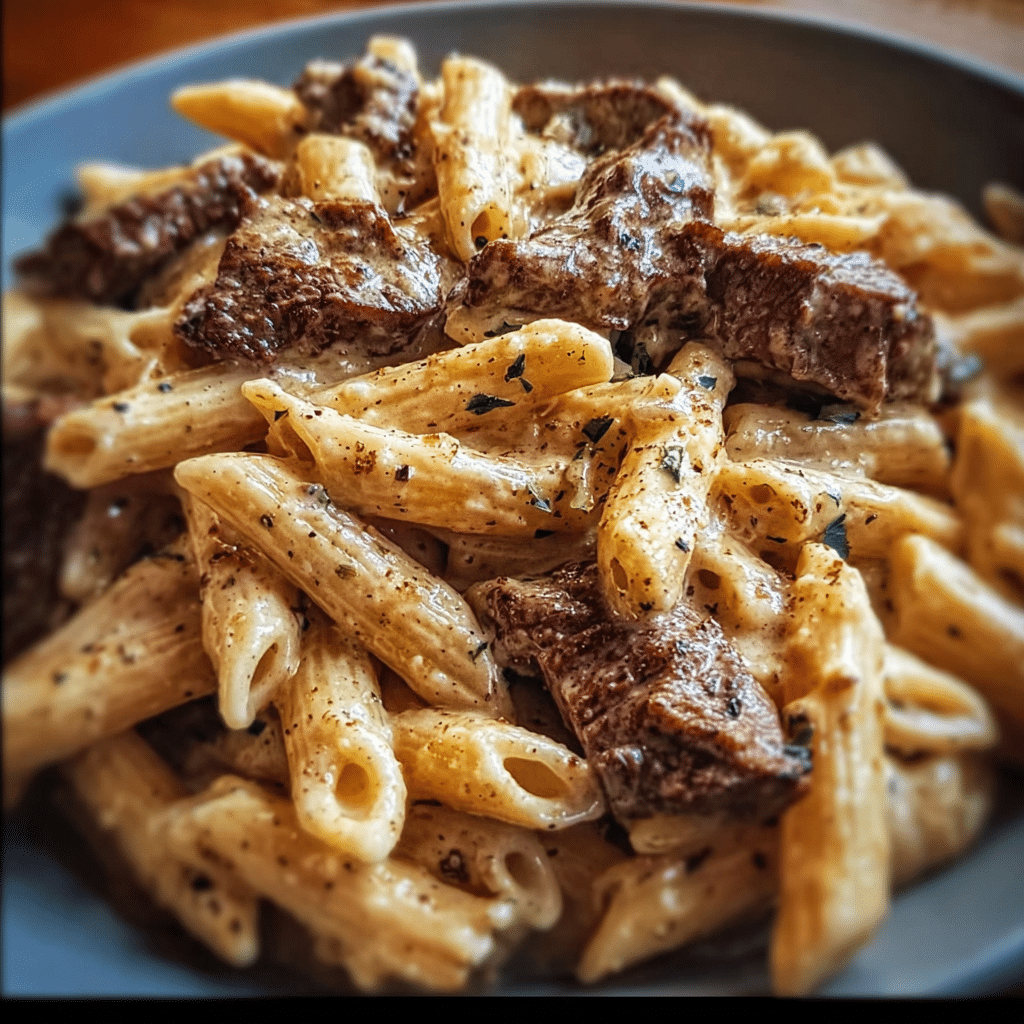
Cooking is as much about technique as it is about ingredients. One of the first steps in creating a truly delicious creamy steak pasta is to select the right cut of beef. For a dish this rich, consider using tender cuts such as ribeye or sirloin. These cuts not only provide a great depth of flavor but also remain juicy and tender when cooked. When cooking the steak, ensure it reaches the perfect medium-rare by using a meat thermometer; aim for an internal temperature of around 135°F (57°C). This ensures that your steak will melt in your mouth amidst the creamy sauce.
Another essential technique is to deglaze your pan after searing the steak. After cooking, remove the steak and let it rest. In the same pan, add a splash of broth or wine to lift those delicious browned bits stuck to the bottom. This process not only infuses the sauce with flavor but also adds complexity to your creamy steak pasta.
Once you’ve created your base sauce, incorporating dairy requires finesse. Use high-quality heavy cream or even a combination of cream and a bit of crème fraîche for added tang and richness. Whisk these into your sauce over low heat to avoid curdling, and consider adding a sprinkle of parmesan cheese for a nutty finish. This combination will ensure your sauce adheres beautifully to the pasta, creating that desired creamy texture.
Troubleshooting Guide
Even seasoned cooks can run into hiccups while preparing creamy steak pasta. One common issue is the sauce becoming too thick. If this happens, simply stir in a bit of reserved pasta cooking water. The starchy water will not only loosen the sauce but also help it cling better to the pasta. Conversely, if your sauce is too thin, allow it to simmer a bit longer to reduce and thicken.
Another common problem is the steak being overcooked. If this occurs, slice the steak thinly against the grain and mix it into the pasta. This technique helps to distribute the meat evenly throughout the dish and makes it easier to chew, even if it’s not the ideal texture.
For those cooking in larger batches, scaling the recipe can be tricky. A general rule of thumb is to maintain the same proportions of pasta to sauce, which is typically around 1 pound of pasta to 2 cups of sauce. However, if you’re cooking for a crowd, consider cooking the pasta and sauce separately and combining them just before serving to retain the best texture.
Presentation Tips
Presentation can make or break your creamy steak pasta experience. For an elegant touch, serve the pasta in deep bowls, twirling the noodles into a nest-like shape. Garnish with freshly chopped parsley or basil for a pop of color, and don’t shy away from adding a few shavings of parmesan on top. A light drizzle of high-quality olive oil can also enhance the visual appeal and flavor profile.
Pairing your creamy steak pasta with the right beverage is crucial. A robust red wine like a Cabernet Sauvignon or a smooth Merlot complements the rich flavors of the dish beautifully. If you prefer something lighter, a crisp Chardonnay can balance the creaminess perfectly. For non-alcoholic options, consider a sparkling water with a slice of lemon to cleanse the palate.
By incorporating these professional tips into your cooking process, you can master the art of creamy steak pasta. Each step, from selecting the right ingredients to perfecting your techniques and presentation, contributes to creating a dish that not only pleases the palate but also impresses your guests.
Creative Variations and Adaptations of creamy steak pasta
The beauty of creamy steak pasta lies in its versatility. With a few creative twists, you can transform this classic dish into an array of delectable variations that cater to different seasons, dietary needs, and personal tastes. Let’s explore some exciting adaptations that you can try in your own kitchen.
Seasonal Variations
Incorporating seasonal ingredients can elevate your creamy steak pasta and keep it fresh throughout the year. During spring, consider adding asparagus or peas for a pop of color and texture. The slight sweetness of these vegetables pairs wonderfully with the rich cream sauce. In summer, zucchini noodles can be a fun addition, providing a light and refreshing twist. You could even grill the zucchini for added flavor before mixing it into the pasta.
As fall approaches, mushrooms become a fantastic addition. Sautéing a mix of shiitake, cremini, and portobello mushrooms in the same pan after searing the steak creates an earthy depth to your sauce. Finally, during winter, root vegetables like roasted butternut squash or sweet potatoes can add a subtle sweetness and hearty texture to your creamy steak pasta, making it a perfect comforting dish for colder months.
Dietary Adaptations
In today’s culinary landscape, accommodating various dietary needs has become essential. If you’re looking to create a keto-friendly creamy steak pasta, substitute traditional pasta with zucchini noodles or spaghetti squash, keeping the dish low in carbohydrates while still satisfying your cravings. For a gluten-free option, there are numerous gluten-free pasta brands available that can hold up beautifully in a creamy sauce.
If you want to prepare a vegan version, consider using mushrooms or jackfruit in place of steak, along with a cashew cream sauce blended with garlic and nutritional yeast for a cheesy flavor without dairy. You can still enjoy a creamy texture by blending soaked cashews with a little bit of vegetable broth. This not only ensures your dish is plant-based but also adds a unique twist that can impress even non-vegans!
Creative Twists
Exploring international flavors can lead to exciting variations of creamy steak pasta. For a Mexican twist, try seasoning your steak with taco spices and adding roasted corn and diced tomatoes to the cream sauce. Top it off with cilantro and avocado for a fresh finish. Alternatively, for an Italian flair, incorporate sun-dried tomatoes and spinach, and finish with a touch of pesto for added complexity.
Adjusting the spice level can also create a whole new experience. If you enjoy heat, consider adding crushed red pepper flakes to your sauce, or even using a spicy sausage in place of steak. The addition of jalapeños or a drizzle of sriracha can add a kick that pairs surprisingly well with the creaminess of the dish.
Lastly, think about different cooking methods. While the traditional stovetop method is tried and true, you can also experiment with your slow cooker for a set-it-and-forget-it approach. Simply sear your steak first, then transfer it to the slow cooker with the sauce ingredients and let it simmer for several hours. This method creates a tender steak that falls apart effortlessly, blending beautifully with the creamy sauce.
Leftovers from your creamy steak pasta don’t have to go to waste either. Consider transforming them into a pasta bake. Mix the leftover pasta with some shredded cheese, pour into a baking dish, and top with breadcrumbs before baking until bubbly and golden. This repurposing ensures that every bite of your creamy steak pasta is enjoyed long after the initial meal.
In conclusion, creamy steak pasta is a dish that invites creativity and personalization. By trying out seasonal ingredients, dietary adaptations, and international twists, you can keep this classic meal exciting and new, making it a favorite among family and friends.
Storage, Reheating, and Meal Prep for creamy steak pasta
When it comes to enjoying a delicious plate of creamy steak pasta, knowing how to store and reheat it properly can make all the difference between a delightful meal and a soggy disaster. Whether you’re preparing ahead of time or saving leftovers for later, understanding storage techniques is essential for maintaining that rich flavor and creamy texture. Let’s dive into the storage, reheating, and meal prep strategies for your creamy steak pasta.
Short-term Storage
Once you’ve prepared your creamy steak pasta, it’s important to store any leftovers correctly to ensure they remain fresh and flavorful. First things first, allow the pasta to cool at room temperature for no more than two hours after cooking. This step is crucial; if you leave it out too long, you risk creating an environment for bacteria to thrive.
For short-term storage, transfer your creamy steak pasta into an airtight container. Glass containers are a great option because they don’t absorb odors and are often microwave-safe. If you’re using plastic, make sure it’s BPA-free and designed for food storage. Portioning your pasta into smaller containers can also be helpful, allowing you to take out just what you need without having to reheat the entire batch each time.
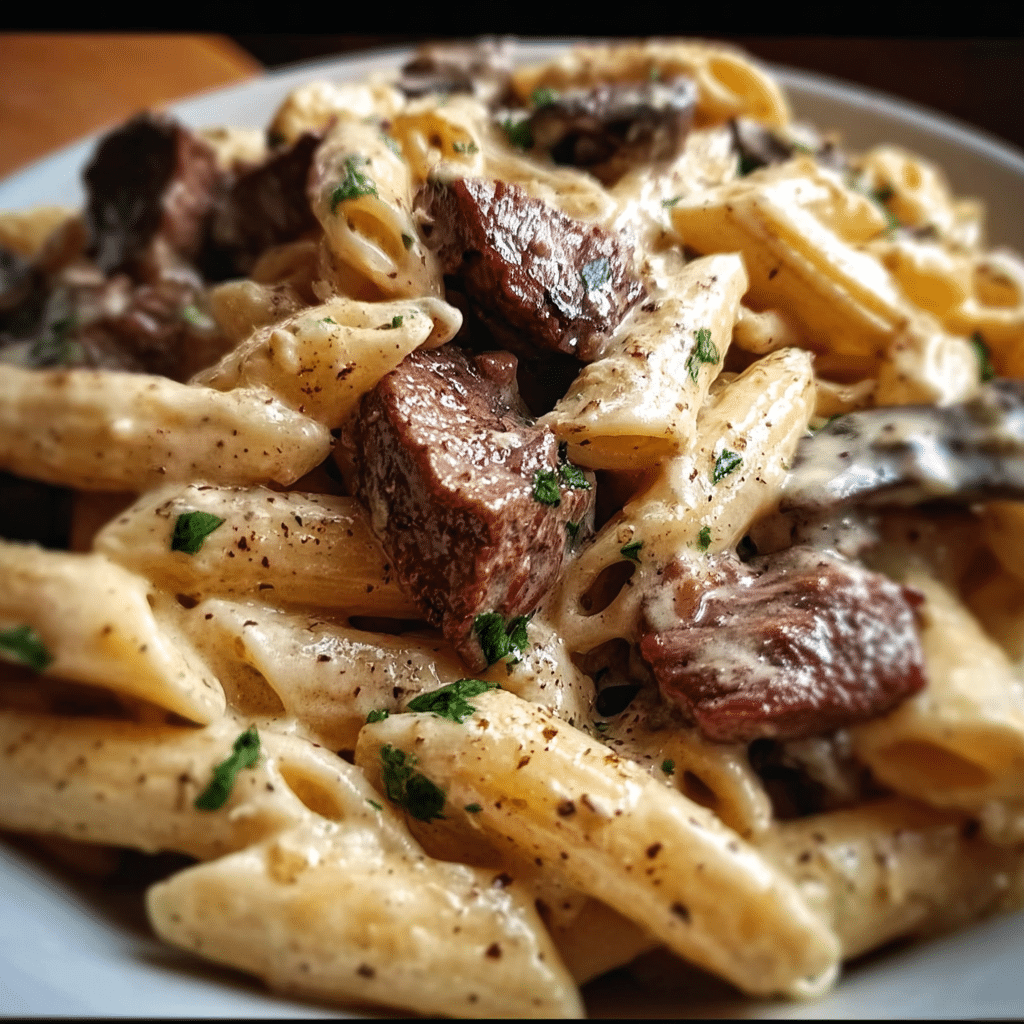
In the refrigerator, creamy steak pasta can typically last for about 3 to 4 days. Be sure to label your containers with the date you prepared the dish so that you can easily keep track of freshness. When you’re ready to enjoy your leftovers, a quick visual inspection will ensure that the pasta still looks appetizing and hasn’t developed any off smells.
Freezing and Long-term Storage
If you want to keep your creamy steak pasta for a longer period, freezing is an excellent option. However, not all pasta dishes freeze equally well. The creamy sauce can separate when thawed, so a few adjustments can help maintain texture and flavor. First, consider freezing the pasta and sauce separately. Cook the pasta until just al dente; it will continue to cook when reheated. Allow both the pasta and sauce to cool completely before transferring them into freezer-safe containers or heavy-duty freezer bags. Squeeze out as much air as possible to prevent freezer burn—this is key to maintaining quality.
When properly stored, creamy steak pasta can last in the freezer for up to 3 months. It’s a good idea to label your containers with the contents and date, just like with the refrigerator storage. To thaw, move the pasta from the freezer to the refrigerator the night before you plan to enjoy it. This slow thawing helps maintain the integrity of the sauce. If you need it sooner, you can use the defrost setting on your microwave, but be cautious not to heat it too much.
Reheating Best Practices
Reheating creamy steak pasta can be tricky, especially if you want to preserve its creamy texture. The best method is to use the stovetop. Start by adding a splash of milk or cream to a skillet over low heat. This extra liquid helps revive the sauce’s creaminess. Add your pasta to the skillet and stir gently, allowing it to warm through while the sauce re-emulsifies. This method takes a little longer but yields the best results.
If you’re short on time, the microwave can be used, but it requires some care. Place your creamy steak pasta in a microwave-safe bowl and add a tablespoon of milk or broth. Cover the bowl with a microwave-safe lid or plate to keep moisture in. Heat in short bursts of 30 seconds, stirring in between, until heated through. This approach prevents the pasta from drying out or becoming rubbery.
For those who love meal prep, creamy steak pasta can be a fantastic option. Batch cooking allows you to prepare several servings in advance. When preparing for meal prep, consider making the sauce in bulk and storing it separately from the pasta. This way, you can enjoy freshly cooked pasta throughout the week without compromising the quality of the sauce. Portioning out meals in advance also saves time during busy weekdays while ensuring you have a delicious dish ready to go.
Lastly, always keep food safety in mind. If you notice any signs of spoilage, such as an off smell, discoloration, or mold, it’s best to throw it out rather than risk foodborne illness. When in doubt, throw it out!
By following these storage and reheating guidelines, you can enjoy your creamy steak pasta at its best, whether freshly made or reheated from leftovers. With a little care, every bite will remind you of the joy of cooking and the comforting flavors that this dish brings to the table.
Nutritional Benefits and Health Information
As we dive into the world of creamy steak pasta, it’s essential to recognize not just how delicious it is but also its nutritional value. This dish, a delightful combination of tender steak, creamy sauce, and perfectly cooked pasta, can be both satisfying and nutritious when prepared thoughtfully. Let’s explore the nutritional benefits and health information surrounding creamy steak pasta, breaking down its ingredients and how they contribute to your overall well-being.
Nutritional Profile
To understand the nutritional value of creamy steak pasta, we need to take a closer look at its primary components: the pasta, the steak, and the creamy sauce. A typical serving of creamy steak pasta (about 1 cup) contains approximately 600-800 calories, largely depending on the specific ingredients used and portion sizes.
The pasta itself is a source of carbohydrates, providing energy for your body. Depending on the type of pasta you choose, such as whole wheat or gluten-free options, you can also increase the fiber content, which is crucial for digestive health. A serving may offer around 30-40 grams of carbohydrates, with varying amounts of fiber.
The steak adds protein, which is essential for muscle repair and growth. A typical serving of steak can provide about 20-30 grams of high-quality protein, depending on the cut and lean-to-fat ratio. Additionally, steak is a good source of iron, zinc, and B vitamins, which play vital roles in energy production and immune function.
The creamy sauce, often made with ingredients like heavy cream, cheese, and butter, contributes to the dish’s richness and flavor. While these ingredients do add saturated fats, they also provide essential fat-soluble vitamins like A and D, which are important for maintaining good health. However, moderation is key, as these components can also raise the calorie count considerably.
Health Benefits
When prepared with fresh ingredients and balanced portions, creamy steak pasta can offer several health benefits. The protein from the steak helps in muscle building and satiety, keeping you full for longer periods. The carbohydrates from the pasta provide the energy needed for daily activities, making this dish a great option for an energizing lunch or dinner.
Moreover, if you incorporate vegetables like spinach, mushrooms, or bell peppers into the dish, you can enhance its nutritional profile significantly. These vegetables not only add color and texture but also provide essential vitamins and minerals, further boosting your meal’s health benefits.
Additionally, the creamy sauce can be modified to be lighter by using alternatives such as Greek yogurt or low-fat cream. This way, you can enjoy the luscious texture of the sauce while reducing calories and saturated fat intake. It’s all about balance and making mindful choices when preparing your creamy steak pasta.
Dietary Considerations
When it comes to dietary restrictions and preferences, creamy steak pasta can be adjusted to fit various needs. For those with gluten sensitivities, using gluten-free pasta is an easy swap that allows everyone to enjoy the meal without discomfort. Additionally, for individuals following a low-carb or ketogenic diet, substituting traditional pasta with zucchini noodles or spaghetti squash can provide a great alternative while maintaining flavor and satisfaction.
Allergen considerations are also important; creamy sauces often contain dairy. If you’re cooking for someone who is lactose intolerant or allergic to dairy, consider using plant-based alternatives like coconut milk or cashew cream, which can still provide that desirable creaminess without the lactose.
For those watching their calorie intake, it’s beneficial to be mindful of portion sizes. While creamy steak pasta is undeniably delicious, being conscious of your serving size can help maintain a balanced diet. Pairing the dish with a fresh salad or steamed vegetables can also increase volume without significantly increasing calories, allowing for a more filling meal.
In summary, creamy steak pasta can be a nourishing and satisfying dish when prepared with attention to its nutritional content. With proper ingredient choices and mindful cooking techniques, you can enjoy this comforting meal while reaping its health benefits. So, go ahead and indulge in creamy steak pasta, knowing you’re treating yourself to something delicious and nutritious!