Creme brûlée cookies have a unique charm, blending the classic flavors of the beloved French dessert with the comforting familiarity of homemade cookies. My first encounter with this delightful treat was during a family gathering. My aunt, always the adventurous baker, decided to surprise us with her latest creation. As I took my first bite, the creamy vanilla flavor burst in my mouth, followed by the satisfying crunch of the caramelized sugar topping. It was a moment of pure bliss, and I knew I had to learn how to make these enchanting cookies myself.
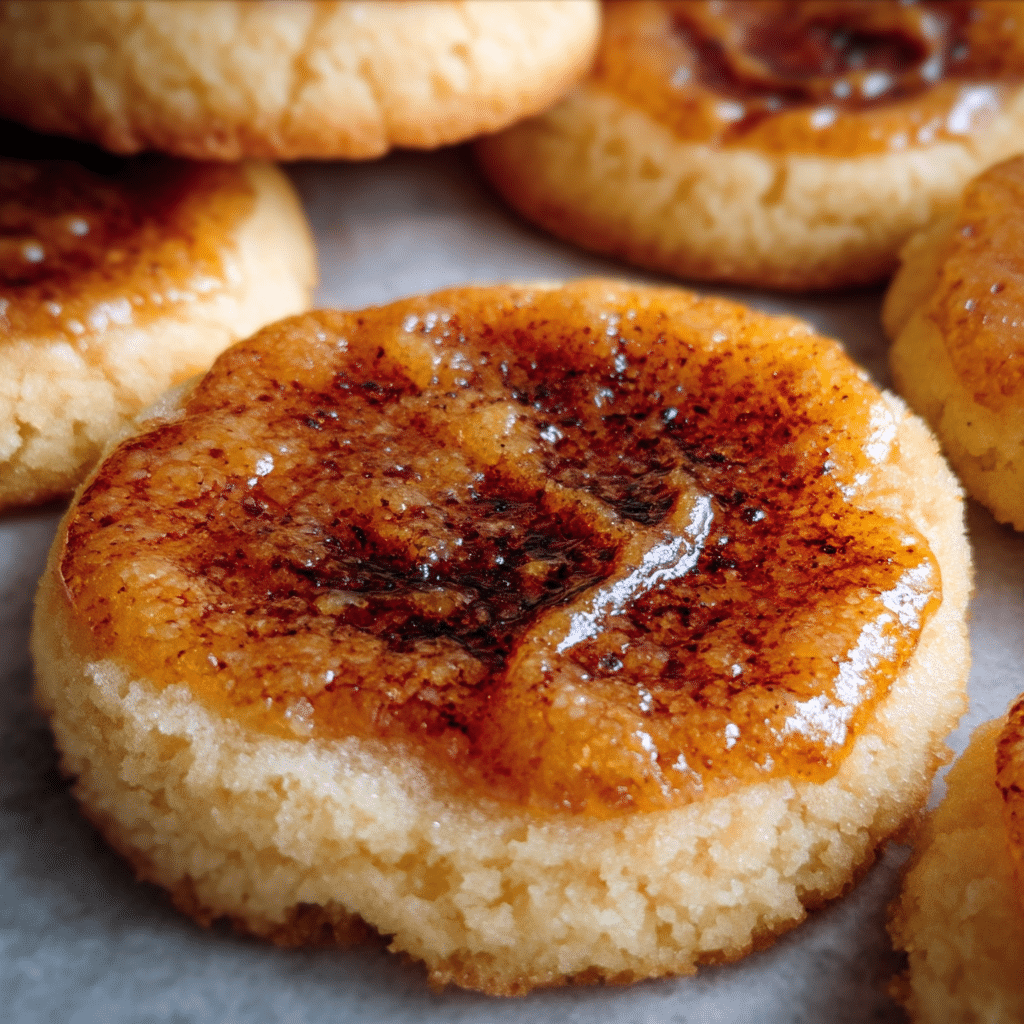
Over the years, I’ve experimented with various recipes, each time adding my own twist. The idea of transforming a sophisticated dessert into a simple, approachable cookie resonated deeply with me. It embodies the spirit of sharing and togetherness, which is at the heart of family gatherings. The recipe quickly became a staple in my home, especially during the holiday season when the aroma of vanilla and sugar would fill the air, drawing family and friends into the kitchen. The best part? These creme brûlée cookies are not just delicious; they are incredibly easy to whip up, making them perfect for busy families looking for quick dinner solutions.
The Story Behind This Recipe
The origins of creme brûlée are steeped in rich culinary history, with its roots tracing back to the 17th century. Although the exact birthplace of this delightful dessert is debated, it is widely believed to have originated in France, where it was known as “crème brûlée” or “burnt cream.” The classic dessert features a rich custard base topped with a layer of hard caramelized sugar, achieved by using a torch or broiler. The transformation of this elegant dessert into cookies is a brilliant way to make it accessible for everyone, including those who might feel intimidated by the traditional preparation methods. The versatility of creme brûlée cookies allows bakers to explore flavors while maintaining the essence of the original dessert.
What makes this recipe so special is its ability to evoke nostalgia while being adaptable for modern tastes. The cookies are not only a delicious treat but also a canvas for creativity. You can experiment with different flavors such as chocolate, coffee, or even seasonal spices like pumpkin or peppermint. The balance of soft, chewy cookie dough and the crunchy sugar topping captures the essence of creme brûlée in a new and exciting way. Plus, the simplicity of the cookie format makes it perfect for busy families who want to enjoy a gourmet dessert without spending hours in the kitchen.
Why You’ll Love This Dish
One of the most appealing aspects of creme brûlée cookies is their seasonal relevance. They are a delightful addition to holiday cookie trays, summer picnics, or cozy winter gatherings. The ease of preparation means that you can whip up a batch in no time, allowing you to spend more moments with your loved ones rather than being stuck in the kitchen. The emotional connection to these cookies is strong; they remind us of family, warmth, and the joy of sharing food with those we care about.
In this article, you will learn everything you need to know to create your own batch of creme brûlée cookies, from selecting the right ingredients to mastering the caramelization process. I will share my personal tips and tricks that have been passed down through generations and offer variations that cater to different tastes and preferences. Whether you’re a seasoned baker or a novice in the kitchen, this guide will empower you to recreate this delightful treat. Get ready to impress your family and friends with these scrumptious creme brûlée cookies that are sure to become a cherished favorite!
The Rich History and Cultural Significance of creme brûlée cookies
The rich history and cultural significance of creme brûlée cookies is a journey through time, showcasing the evolution of a classic French dessert into a beloved cookie iteration. The earliest references to crème brûlée date back to the late 1600s, with variations appearing in English and Spanish culinary texts. The French claim ownership of this creamy delight, and its name translates to “burnt cream,” highlighting the signature caramelized sugar layer that defines the dessert. As the culinary world evolved, so did the interpretations of this classic dish, eventually leading to delightful variations like creme brûlée cookies.
Origins and History
Creme brûlée’s history is rich with culinary experimentation. It is believed that the earliest form of the dessert was made with a simple custard base and a sugar topping, achieved by placing it under a broiler or using a hot iron implement to caramelize the sugar. Over time, the dish gained popularity across Europe, with each region adding its own twist. In England, for example, a similar dessert known as “trinity cream” was served at Trinity College, Cambridge, while in Spain, a version called “crema catalana” became a staple at festive occasions.
As the 20th century progressed, the dessert became a staple in fine dining restaurants, eventually making its way into home kitchens. The introduction of the creme brûlée cookie came as bakers sought to create a more portable and accessible version of the traditional dessert. The cookie form captures the essence of the original dish while offering a unique texture and flavor experience. The transformation of this classic dessert into cookies is a testament to the creativity of home bakers and the desire to share the joy of food with others.
Cultural Significance
Creme brûlée cookies have become a symbol of celebration and indulgence. They are often served at special occasions such as birthdays, weddings, and holiday gatherings, where the sharing of food is central to the festivities. The cookies are not just a sweet treat; they represent a connection to tradition, family, and the joy of cooking together. Many families have adopted their own recipes, often passed down through generations, making each batch a unique representation of their culinary heritage.
In recent years, renowned chefs have put their spin on creme brûlée cookies, elevating them to gourmet status in upscale bakeries and restaurants. You may find variations that include gourmet ingredients like sea salt, chocolate ganache, or even flavored sugars that add a modern twist to the classic recipe. This evolution reflects the broader trend in the culinary world, where traditional recipes are being reimagined to suit contemporary palates while honoring their origins.
Nutritional Benefits
While creme brûlée cookies are undoubtedly a treat, they do offer some nutritional benefits worth noting. They typically contain eggs, which are a good source of protein and essential vitamins. The use of real vanilla extract not only enhances the flavor but also provides antioxidants. Additionally, if you opt for whole grain flours or substitute some of the sugar with natural sweeteners, you can create a healthier version of these delectable cookies without sacrificing taste.
Moreover, the joy of baking and sharing these cookies can contribute positively to mental health. The act of creating something delicious can be therapeutic, offering a sense of accomplishment and joy. Whether you’re baking them for a family gathering or simply enjoying them with a cup of coffee, creme brûlée cookies are more than just a dessert; they are a way to connect, celebrate, and create lasting memories.
Essential Ingredients for Perfect creme brûlée cookies
Essential Ingredients for Perfect creme brûlée cookies
Creating the perfect batch of creme brûlée cookies begins with selecting the right ingredients. Each element plays a crucial role in achieving that delightful balance of flavors and textures that make these cookies irresistible. Let’s dive into the essential ingredients that you’ll need, along with a comprehensive understanding of their importance, quality indicators, and tips for sourcing the best options available.
Essential Ingredients
- ¾ cup Butter (soft, unsalted) – The foundation of any great cookie, butter adds richness, flavor, and moisture. Unsalted butter is preferred as it gives you control over the saltiness of your dough.
- ½ cup Granulated sugar – This sugar not only sweetens the cookies but also contributes to their chewy texture. It helps create a crisp exterior while maintaining a soft interior.
- ⅓ cup Brown sugar (light brown sugar) – Brown sugar enhances the flavor profile with its molasses content, adding depth and moisture to the cookies.
- 2 teaspoons Vanilla extract – Vanilla is a key flavoring agent in creme brûlée cookies, bringing warmth and sweetness that complements the other ingredients beautifully.
- ½ teaspoon Kosher salt – Salt is essential in balancing sweetness and enhancing flavors, making the cookies taste more complex.
- 1 Egg – Eggs act as a binder, providing structure and moisture while also contributing to the overall flavor.
- 1 Egg yolk – The additional yolk enriches the cookies and helps achieve that soft, chewy texture that we crave in desserts.
- 2 ¼ cups All-Purpose Flour – Flour provides the structure of the cookies. The right amount is critical; too much flour can lead to dry cookies.
- 1 teaspoon Baking soda – This leavening agent helps the cookies rise slightly, giving them that perfect texture.
- 1 ½ cups Milk – Milk adds moisture and enhances the creaminess of the cookies, making them melt in your mouth.
- 2 teaspoons Vanilla extract (for the filling) – A second dose of vanilla for the filling ensures that every bite is bursting with flavor.
- ⅔ cup Granulated sugar (for the filling) – This sugar sweetens the creamy filling that mimics the custard base of traditional creme brûlée.
- 3 tablespoons Cornstarch – Cornstarch helps to thicken the filling, giving it that smooth, custard-like consistency.
- 5 Egg yolks – These yolks enrich the filling, providing a luxurious texture and deep flavor.
- 2 tablespoons Butter (unsalted) – This final touch of butter in the filling adds richness and gloss, making it truly decadent.
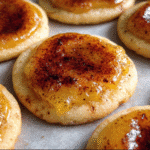
Creme Brulee Cookies
Ingredients
For the cookies
- ¾ cup Butter soft, unsalted
- ½ cup Granulated sugar
- ⅓ cup Brown sugar light brown sugar
- 2 teaspoon Vanilla extract
- ½ teaspoon Kosher salt
- 1 Egg
- 1 Egg yolk
- 2 ¼ cups Flour AP
- 1 teaspoon Baking soda
For the pastry cream
- 1 ½ cups Milk
- 2 teaspoon Vanilla extract
- ⅔ cup Granulated sugar
- 3 tablespoon Cornstarch
- 5 Egg yolks
- 2 tablespoon Butter unsalted
Instructions
- Make the pastry cream
- Place a saucepan over medium-high heat and add the milk and vanilla extract. Bring to a gentle simmer, then remove from the heat. Scoop out ¼ cup of the hot milk and set it aside.
- In a small mixing bowl, whisk together the sugar and cornstarch until well combined.
- Add the egg yolks and whisk until smooth, then slowly pour in the reserved ¼ cup of milk while whisking constantly.
- Return the saucepan to the stovetop over low heat and slowly pour the egg yolk mixture into the warm milk, whisking the entire time.
- Continue whisking constantly until the mixture thickens—don’t turn up the heat; patience is key to getting a smooth, lump-free pastry cream.
- Once thickened, remove from heat and add the butter. Mix until the butter melts and the mixture is silky.
- Transfer the pastry cream to a bowl, press plastic wrap directly onto the surface, and refrigerate for a few hours until fully cooled and set.
- Make the cookie dough
- In a large mixing bowl, add the softened butter, granulated sugar, brown sugar, vanilla extract, and kosher salt. Beat with an electric hand mixer until creamy and well combined.
- Add the egg and egg yolk, and mix until smooth.
- Add the flour and baking soda, and mix just until the dough comes together and no flour streaks remain—don’t overmix.
- Use a large cookie scoop (or scoop about 1½ tablespoons of dough) and roll into smooth balls. Place the dough balls on a parchment-lined baking sheet.
- Bake in a preheated 180°C (350°F) oven for 9–11 minutes, or until the edges are lightly golden. Don’t overbake—these cookies should stay soft and chewy.
- Let the cookies cool on the tray for 5 minutes, then transfer them to a wire rack to cool completely.
- Once cooled, transfer the pastry cream to a piping bag fitted with a round tip and pipe a generous swirl onto each cookie.
- Sprinkle with granulated or caster sugar, then use a kitchen torch to caramelize the sugar until it melts and turns golden brown, creating a thin, crisp crème brûlée layer.
Shopping Tips
When shopping for the ingredients of your creme brûlée cookies, quality is key. Always opt for unsalted butter to have better control over the saltiness of your cookies. Look for high-fat content in your butter, ideally around 80%, as it will yield the best results. When selecting sugars, choose pure granulated sugar and light brown sugar without additives. For the vanilla, pure extract is always a better choice than imitation vanilla, as it provides a more robust flavor.
Flour should be all-purpose and preferably unbleached for a more natural flavor. If you’re looking for a health-conscious choice, consider using organic flour. Eggs should be fresh, and free-range or organic options are often richer in flavor. For dairy, whole milk is recommended for the best creamy texture in your cookies.
Substitutions and Alternatives
For those with dietary restrictions, there are some substitutions you can consider. If you’re lactose intolerant, vegan butter or coconut oil can be used in place of butter, and almond milk or oat milk can substitute for regular milk, though they may alter the flavor slightly. For a gluten-free version of creme brûlée cookies, you might experiment with gluten-free flour blends, as long as it includes xanthan gum for structure. If you’re looking to reduce sugar, you can use natural sweeteners like agave syrup or stevia, but be aware that this might change the texture and flavor profile of the final product.
When it comes to storage, keep your ingredients in a cool, dry place. Flour can be stored in an airtight container for several months, while sugar has an indefinite shelf life if kept dry. Butter can be frozen for longer storage, while eggs should be used within the expiration date on the carton.
Making smart choices at the grocery store not only ensures that your creme brûlée cookies will taste amazing, but it can also save you money in the long run. Look for bulk options for flour and sugar, and consider buying seasonal ingredients when they are at their peak freshness and lowest price.
Detailed Step-by-Step creme brûlée cookies Cooking Instructions
Detailed Step-by-Step creme brûlée cookies Cooking Instructions
Now that you have gathered all the essential ingredients, it’s time to embark on the delicious journey of making creme brûlée cookies. This step-by-step guide will walk you through the process, ensuring that your cookies turn out perfectly every time. With an emphasis on preparation techniques, cooking methods, and important culinary tips, you’ll be well-equipped to create a stunning dessert that will impress anyone lucky enough to taste them.
Preparation Steps
- Gather your ingredients. Before you start, it’s crucial to have everything ready. This is called mise en place, which means “everything in its place.” Measure out all your ingredients to ensure a smooth cooking process.
- Preheat your oven to 350°F (175°C). Preheating is essential for achieving the right texture in your cookies. A hot oven will help them spread and rise perfectly.
- Soften the butter. If your butter is not already soft, you can cut it into smaller pieces and let it sit at room temperature for about 20-30 minutes. Alternatively, you can microwave it in short bursts (5 seconds at a time) until just soft, not melted.
- Mix the sugars and butter. In a large mixing bowl, combine the softened unsalted butter, granulated sugar, and brown sugar. Using a hand mixer or a stand mixer, cream them together until the mixture is light and fluffy. This process incorporates air into the batter, which is crucial for light, airy cookies.
Cooking Process
- Add the eggs and vanilla. Beat in the whole egg, egg yolk, and vanilla extract until fully combined. The eggs will help bind the ingredients and add richness to your cookies.
- Combine dry ingredients. In a separate bowl, whisk together the flour, baking soda, and kosher salt. This helps distribute the leavening agent evenly. Gradually add the dry ingredients to the wet mixture, mixing until just combined. Be careful not to overmix, as this can lead to tough cookies.
- Prepare the filling. In another bowl, whisk together the milk, granulated sugar, cornstarch, and egg yolks for the filling. The cornstarch will help thicken the mixture, giving it that creamy custard-like texture.
- Cook the filling mixture. Transfer the filling mixture to a saucepan over medium heat. Stir constantly until it thickens, which usually takes about 5-7 minutes. The filling should coat the back of a spoon and be smooth and glossy.
- Incorporate the butter. Once thickened, remove from heat and stir in the unsalted butter until fully melted and combined. Allow the filling to cool slightly while you prepare the cookies.
Final Assembly
- Shape the cookies. Using a cookie scoop or tablespoon, drop spoonfuls of the cookie dough onto a lined baking sheet, spacing them about 2 inches apart. The cookies will spread as they bake, so don’t crowd them.
- Make an indentation. Once all the cookie dough is placed on the baking sheet, use your thumb or the back of a spoon to create a small well in the center of each cookie. This will hold the creamy filling.
- Bake the cookies. Place the baking sheet in the preheated oven and bake for 10-12 minutes, or until the edges are golden brown. The centers will look slightly underbaked, which is perfect for a chewy texture.
- Cool the cookies. Allow the cookies to cool on the baking sheet for about 5 minutes before transferring them to a wire rack to cool completely. This step is crucial, as the cookies will firm up as they cool.
- Fill the cookies. Once the cookies are cool, spoon the prepared filling into the indentations you made earlier. Don’t be shy; a generous amount will make each bite decadent and satisfying.
- Chill the cookies. For the best texture, place the filled cookies in the refrigerator for at least 30 minutes before serving. This allows the filling to set slightly, making them easier to eat.
Throughout this process, keep an eye on the cookies as they bake. A common mistake is overbaking, which can lead to dry cookies. Aim for a golden edge and a soft center for that perfect chewy texture. Remember, practice makes perfect! With time, you’ll find your rhythm, and these creme brûlée cookies will become a delightful go-to recipe in your baking repertoire.
Professional Tips and Techniques for creme brûlée cookies
When it comes to baking, especially something as delightful as creme brûlée cookies, having a few professional tips and techniques under your belt can make all the difference between a good cookie and a truly outstanding one. I’ve spent countless hours in the kitchen experimenting with various recipes, and I’d love to share some insider secrets that will elevate your cookie game.
Professional Techniques
First off, let’s talk about the importance of mise en place, which means having all your ingredients prepped and measured before you start baking. This is particularly crucial for creme brûlée cookies because the process involves several steps, including making a custard-like base, chilling it, and then baking the cookies. By having everything ready, you’ll ensure a smooth workflow and avoid any last-minute panics.
One technique that I find essential is using high-quality vanilla. Since vanilla is the star flavor in creme brûlée cookies, it’s worth investing in pure vanilla extract or, even better, vanilla beans. You can scrape the seeds from the pod and add them directly to your dough for an intense flavor. Trust me, the difference is palpable!
Another professional tip is to chill your dough before baking. This helps the cookies maintain their shape and prevents them from spreading too much in the oven. After mixing your dough, wrap it in plastic wrap and refrigerate for at least an hour. If you want to prepare in advance, you can even freeze the dough for up to a month. Just make sure to let it thaw in the fridge before you bake.
Troubleshooting Guide
Even with the best techniques, things can go awry in the kitchen. Here are some common problems you might encounter while making creme brûlée cookies and how to fix them:
- Cookies are too dry: This can happen if you overbake them. Keep a close eye on your cookies as they bake, and take them out when the edges are golden but the center is still slightly soft. They will continue to cook on the baking sheet after being removed from the oven.
- Cookies spread too much: If your cookies spread beyond recognition, it’s likely that your butter was too warm or you didn’t chill the dough long enough. Ensure your butter is softened but not melted, and give that dough a good hour in the fridge.
- Flavor is lacking: If your cookies taste bland, consider adjusting the amount of salt or sugar. A touch of salt can heighten the flavors and balance the sweetness, making your creme brûlée cookies even more delicious.
Presentation Tips
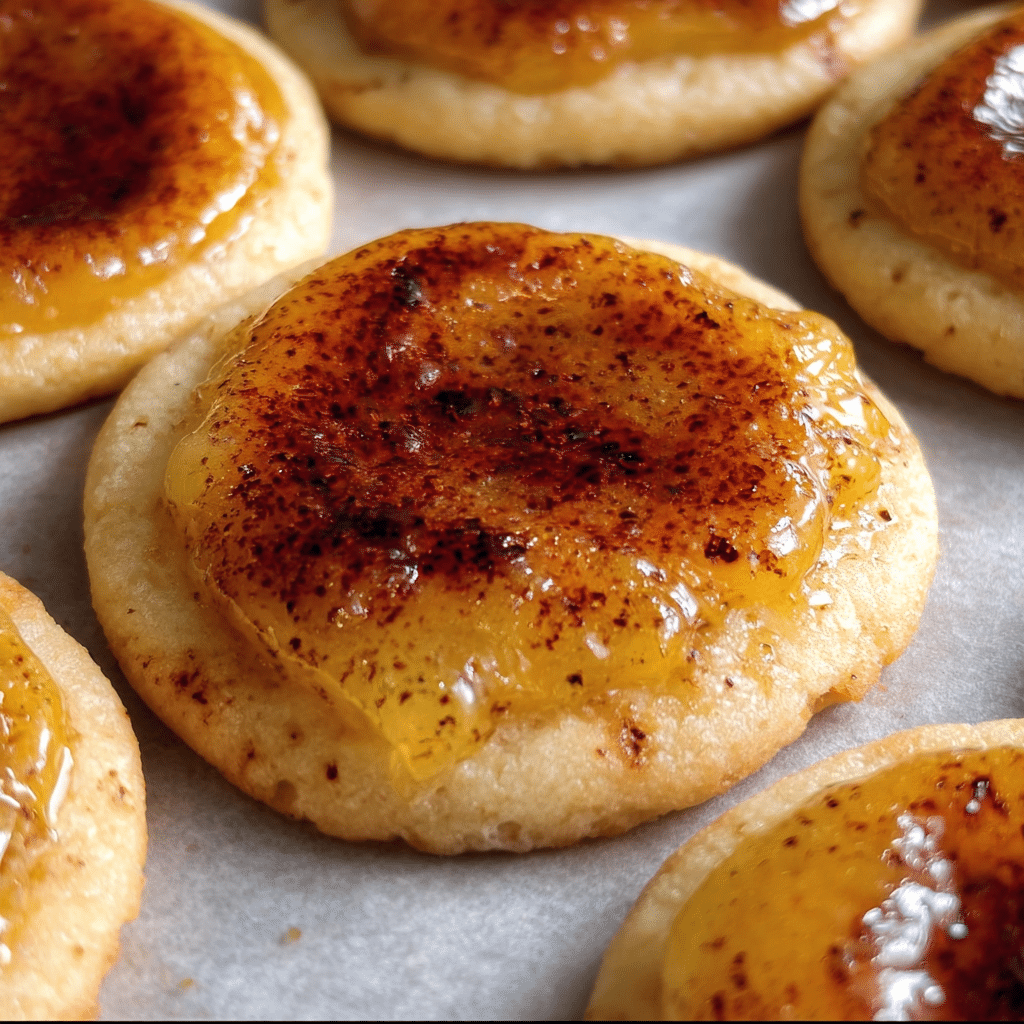
Once your cookies are baked to perfection, presentation becomes key, especially if you’re planning to impress guests. A simple yet elegant way to present creme brûlée cookies is to dust them lightly with powdered sugar and serve them alongside a small ramekin of caramel sauce or chocolate ganache. This not only looks appealing but also allows for an interactive dessert experience.
For a touch of sophistication, consider using a kitchen torch to add a crispy, caramelized sugar topping right before serving. This traditional creme brûlée finish will give your cookies that authentic touch. Just remember to sprinkle a thin layer of sugar on top and melt it until it forms a beautiful, glossy crust.
Pairing your creme brûlée cookies with the right beverages can also elevate the experience. A rich glass of dessert wine, such as a Sauternes or a late harvest Riesling, complements the creamy notes of the cookies beautifully. For a non-alcoholic option, a creamy chai latte or a rich hot chocolate can create a cozy pairing.
Lastly, don’t forget to consider the serving environment. Whether it’s a dinner party or a cozy night in, the setting can enhance the overall experience. A beautifully set table with candles and fresh flowers can transform your homemade creme brûlée cookies into a memorable event.
Creative Variations and Adaptations of creme brûlée cookies
As a passionate baker, I love experimenting with recipes and pushing the boundaries of classic treats. When it comes to creme brûlée cookies, the possibilities for creative variations are endless! Let’s dive into some exciting adaptations that will make your cookies not only unique but also suitable for different occasions and dietary needs.
Seasonal Variations
Seasonal ingredients can really elevate your creme brûlée cookies and make them feel fresh and innovative. For example, in the fall, consider adding a hint of pumpkin spice to your dough. You can mix in some pumpkin puree for a delightful twist that evokes the flavors of fall. Top these cookies with a sprinkle of cinnamon sugar to enhance that warm, cozy feeling.
In the summer, fresh berries like raspberries or blueberries can be folded into the cookie dough, providing a burst of flavor and a vibrant color contrast. The tartness of the berries pairs wonderfully with the rich, creamy essence of the cookies. You can even make a berry coulis to drizzle over the top for an extra touch of elegance.
Dietary Adaptations
With the increase in dietary preferences and restrictions, it’s important to consider modifications for your creme brûlée cookies. If you’re looking for a keto-friendly version, you can substitute traditional flour with almond flour and use a sugar alternative like erythritol. This variation will still satisfy your sweet tooth while keeping the carb count low.
For those following a vegan lifestyle, it’s surprisingly easy to adapt this recipe. Replace the butter with coconut oil or vegan butter, and use a flaxseed egg (1 tablespoon of ground flaxseed mixed with 2.5 tablespoons of water) as a substitute for the egg. You can also use coconut cream in place of heavy cream for that rich, custard-like flavor.
Creative Twists
If you’re feeling adventurous, why not try some international fusion variations? For instance, you could incorporate matcha green tea powder into your creme brûlée cookies for a Japanese-inspired twist. The earthy notes of matcha complement the sweet and creamy flavors beautifully, creating a delightful contrast.
Another fun twist could be to infuse your cookies with spices from around the world. Think chai spices like cardamom, cloves, and ginger for an Indian-inspired flavor profile, or even a hint of chili powder for a Mexican kick. Just be careful not to overpower the delicate flavor of the cookies; a little goes a long way!
For those who love to experiment with cooking methods, consider making your creme brûlée cookies in a slow cooker. While this may sound unconventional, it can produce a unique texture that’s soft and chewy—perfect for a different take on a classic cookie. Just line your slow cooker with parchment paper for easy removal and keep an eye on the cooking time.
Lastly, if you find yourself with leftover cookies (which is rare, but it can happen!), consider transforming them into a delightful trifle. Layer crumbled cookies with whipped cream and fresh fruit for a delicious dessert that showcases the fantastic flavors of your creme brûlée cookies in a whole new way!
In conclusion, the world of creme brûlée cookies is vast and full of potential. Whether you’re looking to stick with a classic recipe or explore new variations, there’s always a way to make this delightful treat your own. Happy baking!
Storage, Reheating, and Meal Prep for creme brûlée cookies
When it comes to enjoying delicious creme brûlée cookies, knowing how to store, reheat, and prepare them in advance can make all the difference in maintaining their delightful flavor and texture. Whether you have a batch left over from a dinner party or you’re planning to make these cookies for a special occasion, understanding the best practices for storage is essential. Let’s dive into the details!
Short-term Storage
For short-term storage of your freshly baked creme brûlée cookies, you’ll want to ensure they remain soft and flavorful. The best way to do this is by placing them in an airtight container. If you have a cookie jar that seals tightly, that will work wonderfully; however, a plastic container with a secure lid is equally effective.
Before storing, allow the cookies to cool completely on a wire rack. This step is crucial because if you store them while they are still warm, the steam will create moisture inside the container, leading to soggy cookies. Once cooled, you can layer the cookies with parchment paper in between to prevent them from sticking together. Properly stored, these delicious treats can last for about 4-5 days at room temperature.
If you live in a particularly humid environment, it’s best to store them in the refrigerator. While the cookies may last a little longer this way, the cool temperature can alter the texture slightly. If you choose this method, ensure you use a container that seals tightly to avoid moisture absorption and the resulting sticky cookies.
Freezing and Long-term Storage
Now, if you want to keep your creme brûlée cookies for an extended period, freezing is the way to go. Freezing helps maintain the quality and freshness of the cookies for up to three months. The key to successful freezing is proper packaging. Start by cooling the cookies completely, then wrap each one individually in plastic wrap. This step ensures that they don’t stick together and helps to prevent freezer burn.
After wrapping, place the cookies in a freezer-safe bag or airtight container. Make sure to label the bag or container with the date to keep track of freshness. When you’re ready to enjoy your frozen cookies, simply remove the desired number from the freezer and let them thaw at room temperature for about an hour.
Another option is to freeze the cookie dough itself. If you want fresh-baked creme brûlée cookies at a moment’s notice, scoop your cookie dough onto a baking sheet lined with parchment paper and freeze until solid. Once frozen, transfer the dough balls to a freezer-safe bag. When you’re ready to bake, no need to thaw—just add a couple of extra minutes to the baking time!
Reheating Best Practices
Reheating your creme brûlée cookies can be a delightful experience if done correctly. The goal is to warm them up while keeping their soft and gooey inside intact. The best method is to use an oven. Preheat your oven to 350°F (175°C). Place the cookies on a baking sheet lined with parchment paper, and heat them for about 5-7 minutes. If you want to enhance the texture, consider covering the cookies with aluminum foil during the first part of the heating process to prevent them from getting too hard. Remove the foil for the last minute to allow the tops to crisp up a little.
For those who prefer the microwave, use it carefully. Place the cookie on a microwave-safe plate, and heat it for about 10-15 seconds. Keep in mind that microwaves can quickly turn soft cookies into hard ones, so monitor the process closely. The key to a successful reheat is just warming the cookie through, not cooking it again.
Meal prep is an excellent strategy when it comes to creme brûlée cookies. You can make the dough ahead of time and keep it in the fridge for up to three days before baking, or freeze it for longer storage. This method allows you to whip up a batch of cookies whenever the craving strikes, making them a convenient treat for any occasion.
Finally, always consider food safety when storing your cookies. Avoid leaving them out in warm environments for extended periods, as this can cause bacteria to thrive. Following these storage and reheating guidelines will ensure that your creme brûlée cookies remain as delightful as they were on the day they were baked.
Nutritional Benefits and Health Information
As delicious as creme brûlée cookies are, it’s also essential to consider their nutritional value. Understanding what’s in these delightful treats can help you enjoy them mindfully. Let’s explore the nutritional aspects, health benefits, and dietary considerations of these cookies.
Nutritional Profile
The basic ingredients in creme brûlée cookies include flour, sugar, butter, eggs, and cream. Each of these ingredients brings a unique nutritional component to the table. For a standard cookie (about 40 grams), you can expect approximately:
- Calories: 150-200, depending on the size and specific ingredients used.
- Carbohydrates: 20-25 grams, mainly from sugar and flour.
- Fat: 7-10 grams, primarily from butter and cream.
- Protein: 2-3 grams, mostly from the eggs and flour.
The cookies also provide a small amount of vitamins and minerals, including calcium from the cream and some B vitamins from the flour and eggs.
Health Benefits
While creme brûlée cookies are certainly a treat, they do contain ingredients that can offer some health benefits when consumed in moderation. For instance, eggs are a good source of protein and contain essential amino acids that our bodies need for repair and growth. The butter used in these cookies also provides fat-soluble vitamins, such as A, D, E, and K. However, it’s essential to remember that these cookies are still a dessert and should be enjoyed as an occasional indulgence.
Moreover, if you use high-quality vanilla extract or even fresh vanilla beans, you not only enhance the flavor but also add a bit of antioxidant properties to your cookies. Antioxidants are known to combat oxidative stress in the body, which can lead to various health issues.
Dietary Considerations
When it comes to dietary considerations, creme brûlée cookies may not suit everyone. For those with gluten intolerance or celiac disease, traditional flour can pose a problem. However, there are excellent gluten-free flour blends available that can be used as substitutes, allowing everyone to partake in the delightful experience of these cookies. Similarly, for those who are lactose intolerant, using lactose-free cream and butter can make these cookies more accessible.
If you’re concerned about the caloric content, there are ways to modify the recipe for a lighter version. You could reduce the amount of sugar, substitute some of the butter with applesauce, or even use egg whites instead of whole eggs to lower the fat content. Additionally, consider adding whole grains to the flour mix, which can increase fiber content and support digestive health.
In comparison to other popular desserts, such as brownies or traditional chocolate chip cookies, creme brûlée cookies can be slightly lower in calories but still rich in flavor and texture. This makes them a fantastic option if you’re looking to satisfy your sweet tooth without going overboard.
Ultimately, understanding the nutritional profile of creme brûlée cookies can help you enjoy them as part of a balanced diet. Remember that treats are best enjoyed in moderation, and by being mindful of the ingredients and portions, you can savor every bite of these delightful cookies while keeping your health in check.
Conclusion: Mastering the Perfect creme brûlée cookies
Creating the perfect creme brûlée cookies is more than just following a recipe—it’s about understanding the techniques, ingredients, and cultural significance behind this beloved dish. Throughout this comprehensive guide, we’ve explored everything from the historical origins to modern variations, ensuring you have all the knowledge needed to make this recipe your own.
Whether you’re a beginner cook or an experienced chef, the techniques and tips we’ve shared will help you create a creme brûlée cookies that’s not only delicious but also meaningful. Remember that cooking is a journey of discovery, and each time you make this dish, you’ll learn something new.
We encourage you to experiment with the variations we’ve discussed, adapt the recipe to your dietary needs, and most importantly, share it with the people you love. Food has the incredible power to bring people together, and Creme Brûlée Cookies is the perfect dish to create lasting memories around your dinner table.
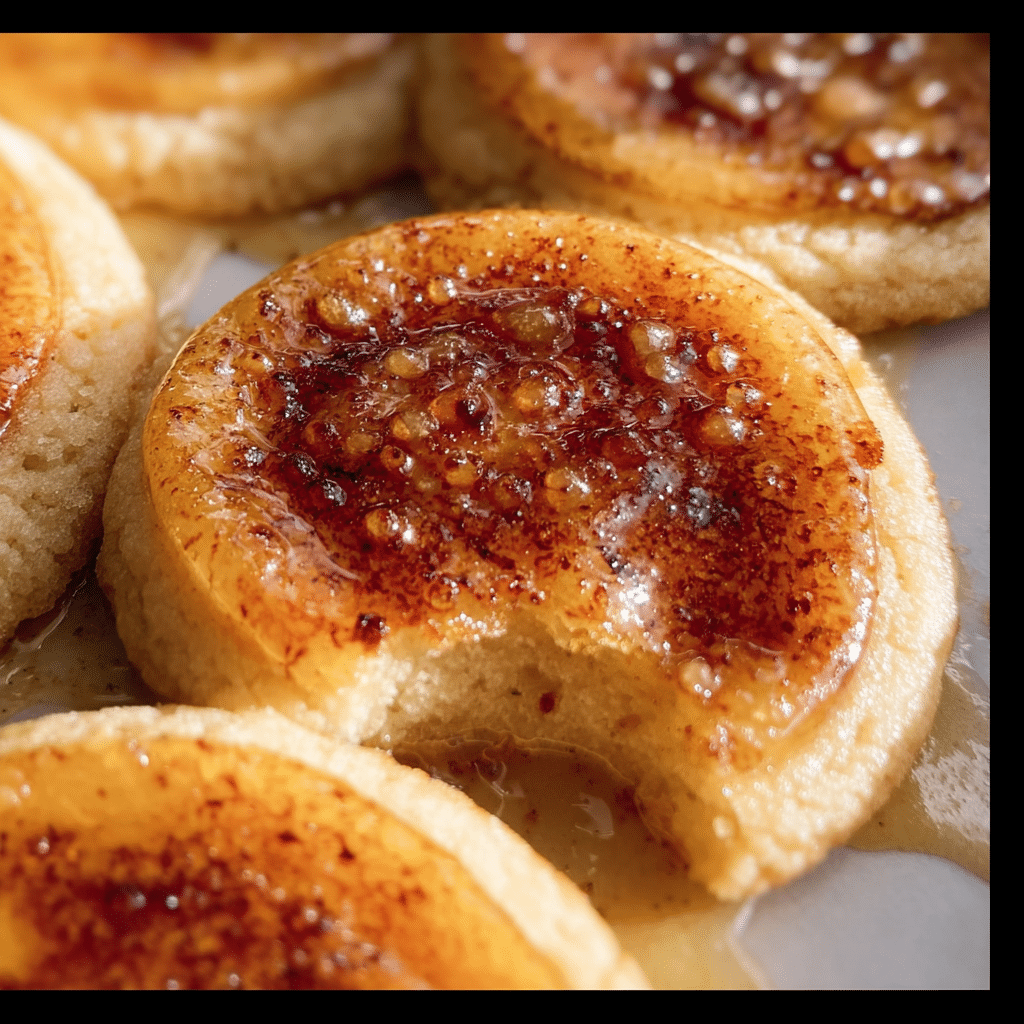
Don’t forget to share your cooking adventures with us on social media, and feel free to ask questions in the comments below. Happy cooking!
Share this recipe and let us know how it turned out! Tag us on social media for a chance to be featured.