Delicious bruschetta pasta is not just a meal; it’s an experience that brings together the freshness of summer tomatoes, the aromatic embrace of basil, and the comforting richness of pasta. My first encounter with this delightful dish was during a sunny afternoon in a quaint Italian bistro tucked away in a bustling market. I was drawn to the colorful display of fresh ingredients, and after one bite of their bruschetta pasta, I was hooked. The vibrant flavors danced on my palate, and I knew I had to recreate it at home.
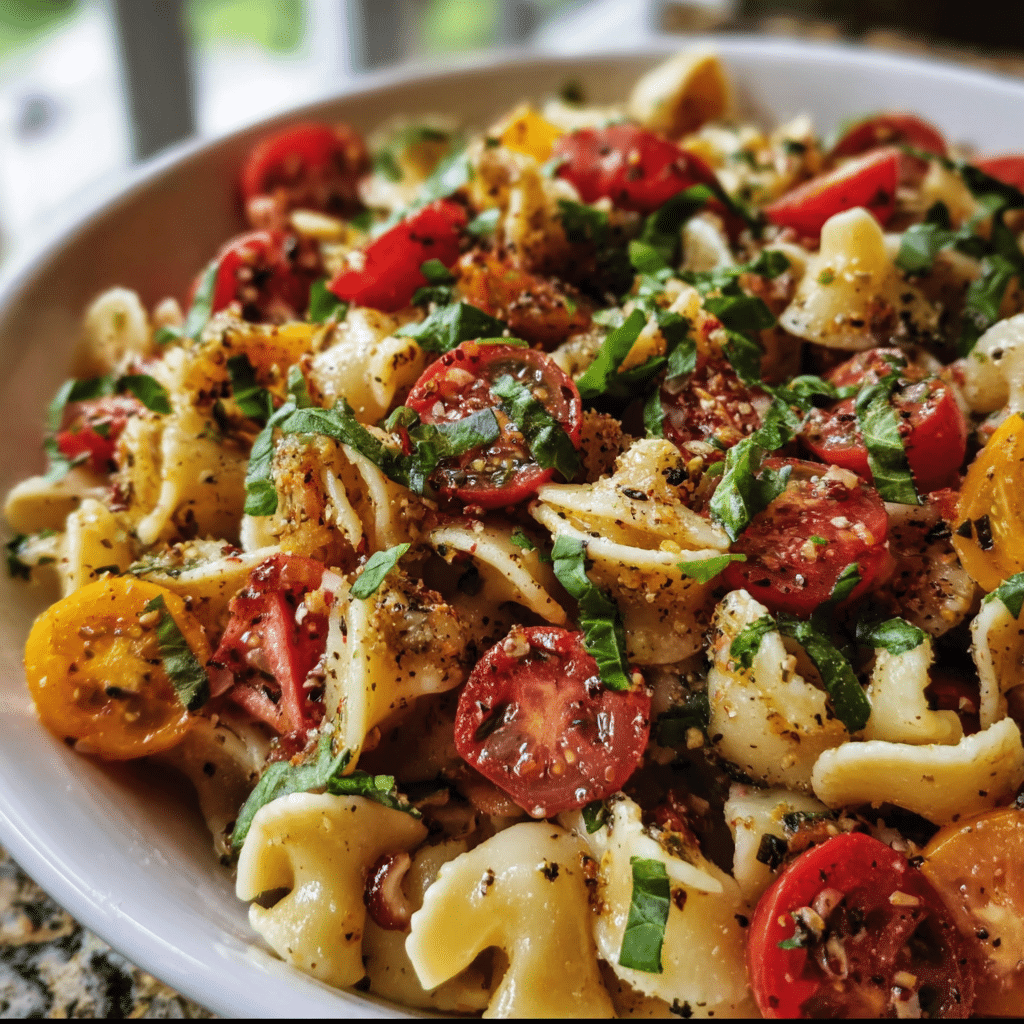
As I began to experiment with my own version of delicious bruschetta pasta, I discovered the beauty of simplicity in cooking. The dish was a reflection of Italian cuisine, which celebrates fresh, high-quality ingredients. It was a revelation to me that a dish could be both easy to prepare and bursting with flavor. I often think about that sunny day when I first tasted it, as it reminds me of the joy that food can bring, especially when shared with loved ones.
The Story Behind This Recipe
The roots of bruschetta can be traced back to central Italy, particularly the regions of Tuscany and Umbria. Traditionally, bruschetta refers to grilled bread topped with a mixture of tomatoes, garlic, olive oil, and basil. As pasta became a staple in Italian households, the notion of combining these beloved ingredients into a pasta salad emerged. This was particularly popular in the warmer months when tomatoes are at their peak, making delicious bruschetta pasta a summer favorite.
What distinguishes this recipe from other pasta salads is its emphasis on fresh, seasonal ingredients. While many pasta salads may rely on heavy dressings or processed components, delicious bruschetta pasta embraces the natural flavors of ripe tomatoes and fragrant basil. The dish embodies the Italian philosophy of “less is more,” allowing each ingredient to shine. It’s perfect for busy families, as it can be prepared in under 30 minutes, making it an ideal weeknight dinner solution.
In the summer, when gardens overflow with ripe tomatoes and basil, this dish is a delightful way to celebrate the season’s bounty. The vibrant colors and fresh flavors evoke the essence of summer, making it not just a meal but a joyful occasion. The emotional connection I have with this dish stems from the laughter-filled dinners on our patio, where we gather to enjoy its refreshing taste while the sun sets. It’s a dish that fosters connection, conversation, and memories.
In the following sections, readers will learn how to create their own delicious bruschetta pasta at home, explore variations to suit different tastes, and understand the cultural significance behind this beloved dish. Whether you’re looking to impress guests or find a quick, satisfying meal for your family, this recipe will become a staple in your kitchen.
The Rich History and Cultural Significance of delicious bruschetta pasta
The rich history and cultural significance of delicious bruschetta pasta are deeply intertwined with the Italian culinary tradition. The term “bruschetta” itself originates from the Roman dialect, where “bruscare” means “to roast over coals.” Initially, bruschetta involved toasted bread topped with various ingredients, primarily tomatoes, garlic, and olive oil. Over the years, as pasta became a beloved staple across Italy, it was only natural for the two culinary delights to converge into what we now know as delicious bruschetta pasta.
Origins and History
While the specific origins of bruschetta are debated, it is commonly accepted that the dish dates back to the 15th century in Central Italy. It was a peasant food, utilizing stale bread that was toasted and topped with whatever fresh ingredients were available. This practice of using up leftovers is a hallmark of Italian cooking, emphasizing resourcefulness and respect for ingredients.
Delicious bruschetta pasta began to emerge as Italians sought to combine the freshness of bruschetta with the heartiness of pasta. It was particularly popularized in the late 20th century as Italian cuisine experienced a renaissance in global culinary circles. Today, you can find various interpretations of bruschetta pasta, from classic versions that stick closely to the original ingredients to more modern takes that incorporate different seasonal vegetables or proteins.
Cultural Significance
Bruschetta pasta is often associated with summer gatherings and family barbecues. In Italy, it is common to serve this dish during festive occasions, as it embodies the spirit of conviviality and enjoying the season’s harvest. The dish is not only a staple in Italian homes but has also found its way into restaurants around the world, becoming a signature dish in many Italian eateries.
Famous chefs and restaurants have put their spin on delicious bruschetta pasta, elevating it to a gourmet experience. Chefs often use artisanal pasta and heirloom tomatoes, showcasing the dish’s versatility and allowing for creative expression in the kitchen. Some chefs have even incorporated elements like grilled vegetables or burrata cheese, enhancing the dish while respecting its traditional roots.
Nutritional Benefits
Beyond its delightful taste and cultural significance, delicious bruschetta pasta also offers numerous nutritional benefits. The primary ingredients—tomatoes, basil, and olive oil—are rich in vitamins, antioxidants, and healthy fats. Tomatoes are packed with vitamin C, potassium, and lycopene, which is known for its heart-health benefits. Basil adds not only flavor but also essential oils that can support digestive health.
Furthermore, when made with whole-grain or legume-based pasta, this dish can provide fiber and protein, making it a satisfying meal option. It’s versatile enough to accommodate various dietary preferences, whether you’re gluten-free, vegetarian, or looking to add protein through grilled chicken or shrimp.
In conclusion, delicious bruschetta pasta is a dish steeped in history and cultural significance. Its evolution from a simple topping on toasted bread to a beloved pasta dish mirrors the adaptability and creativity of Italian cuisine. This dish not only brings people together around the table but also nourishes the body and soul, making it a perfect addition to any culinary repertoire.
Essential Ingredients for Perfect delicious bruschetta pasta
When it comes to creating a dish that bursts with flavor, the delicious bruschetta pasta stands out as a vibrant and satisfying option. Before we dive into the culinary adventure of making this delightful salad, let’s explore the essential ingredients that bring this dish to life. Each component plays a crucial role in achieving the perfect balance of taste and texture, so let’s break them down in detail.
Essential Ingredients
- 500g/1 lb penne, ziti or other short pasta: The choice of pasta is foundational. Short pasta shapes like penne or ziti hold onto the sauce and ingredients beautifully, ensuring each bite is packed with flavor. When selecting your pasta, look for high-quality durum wheat pasta, which has a firm texture and a rich flavor.
- 2 tsp cooking salt / kosher salt: Salt is essential for cooking pasta, enhancing its natural flavor. Use kosher salt for its purity and ease of measurement. A good rule of thumb is to add enough salt to make the water taste like the sea.
- 1 kg / 2 lb tomatoes: Fresh, ripe tomatoes are the star of the show in this delicious bruschetta pasta. Choose tomatoes that are firm yet slightly yielding to the touch, with a rich red color. Varieties like Roma or on-the-vine tomatoes offer great flavor and juiciness. Keep the juices from the tomatoes; they add a wonderful depth to the dish.
- 1/2 tsp cooking salt / kosher salt: This additional salt is used to season the tomato mixture, enhancing their flavor. Be mindful not to over-salt, as the final dish will have other salty components.
- 3/4 cup tightly packed basil leaves: Fresh basil brings a fragrant, aromatic quality to the salad. Look for vibrant green leaves with no browning. If you can, opt for organic basil, as it often has a more intense flavor. For the best results, slice the leaves finely just before using them to retain their freshness.
- 1/2 cup (tightly packed) finely shredded parmesan: Parmesan cheese adds a nutty and savory depth to the dish. Choose a block of Parmigiano-Reggiano and grate it yourself for optimal flavor. Freshly grated cheese melts beautifully into the pasta, enhancing the overall creaminess of the salad.
- 1/2 cup extra virgin olive oil: The quality of olive oil can make or break your dish. Go for a high-quality extra virgin olive oil for a fruity, rich flavor. This ingredient not only helps to dress the salad but also adds a healthy fat component that balances the acidity of the tomatoes.
- 1/4 cup balsamic vinegar: Balsamic vinegar contributes a sweet tanginess that perfectly complements the fresh ingredients. Look for aged balsamic vinegar for a richer flavor. This ingredient adds complexity and depth to the salad.
- 2 garlic cloves: Minced garlic provides a robust flavor. Use fresh garlic for the best taste, and if you’re sensitive to raw garlic’s intensity, consider roasting it first to mellow its flavor.
- 3/4 tsp cooking salt / kosher salt: This salt will be used in the final mixing of the ingredients, ensuring even seasoning throughout the salad.
- 1/4 tsp black pepper: Freshly ground black pepper adds a subtle heat and depth. Always use freshly ground pepper for the best flavor.
- 1/4 cup pine nuts: Toasted pine nuts introduce a delightful crunch and a buttery flavor. Be sure to toast them lightly in a dry skillet to enhance their nuttiness.
- Balsamic glaze: For drizzling, a balsamic glaze adds a finishing touch and a beautiful presentation. You can find pre-made versions in stores, or you can make your own by reducing balsamic vinegar until it thickens.
Delicious Bruschetta Pasta Salad
Ingredients
- 500g/1 lb penne , ziti or other short pasta
- 2 tsp cooking salt / kosher salt , for cooking pasta
Bruschetta
- 1 kg / 2 lb tomatoes , chopped into 1.25cm / 1/2” pieces, keep all juices
- 1/2 tsp cooking salt / kosher salt
- 3/4 cup tightly packed basil leaves , finely sliced
- 1/2 cup (tightly packed) finely shredded parmesan
Dressing:
- 1/2 cup extra virgin olive oil (good time to break out the good stuff)
- 1/4 cup balsamic vinegar
- 2 garlic cloves , minced using garlic press or very finely minced using knife
- 3/4 tsp cooking salt / kosher salt
- 1/4 tsp black pepper
Optional extra finishes
- 1/4 cup pinenuts , toasted
- Balsamic glaze , for drizzling
Instructions
Short directions
- Cook pasta in salted water until extra soft, toss with 2/3 Dressing, cool. Toss tomato with remaining Dressing, leave 10 min. Pour off juices into pasta, toss. Add 1/2 tsp salt into tomato, toss. Add into pasta with basil, parmesan. Finish with balsamic glaze and pine nuts. Enjoy!
Full directions
- Dressing – Shake the ingredients in a jar (or whisk in a jug).
- Soft cooked pasta – Bring a large pot of water to the boil with the 2 teaspoons of salt. Cook the pasta per the packet time plus 2 minutes, until the pasta is overcooked and soft. (Note 5) Drain in a colander, then return the pasta into the same pot.
- Flavour the pasta – Give the dressing a good shake then pour 2/3 of it over the pasta. Stir (enjoy the smell!). Set aside to cool for 15 minutes and let the pasta absorb the dressing flavour.
- Bruschetta – Put chopped tomato and all watery juices into a bowl. Pour over remaining Dressing, gently toss. Set aside for 10 minutes or until the pasta is cool to let the flavours meld.
- Finishing (the order matters!) – Pour the juices accumulated in the tomato bowl into the pasta then toss to disperse. Add the salt into the tomato, gently toss, then add the tomato into the pasta. Add the basil, parmesan, gently toss.
- Serve – Pour into a big bowl and serve! If using extra finishes, drizzle with a swish of balsamic glaze (not too much, it’s strong!) and sprinkle with pine nuts. Eat!
Shopping Tips
When shopping for the ingredients for your delicious bruschetta pasta, consider visiting local farmers’ markets for the freshest produce, particularly the tomatoes and basil. Seasonal ingredients not only taste better but also support local agriculture. For pasta, many grocery stores carry brands that use high-quality durum wheat, which is essential for the best texture and flavor.
Substitutions and Alternatives
Dietary restrictions and preferences can often lead to questions about substitutions. Here are a few ideas:
- If you’re gluten-free, opt for gluten-free pasta made from rice or corn, which can work beautifully in this recipe.
- For a vegan version, omit the parmesan or substitute with a nutritional yeast mixture to maintain a cheesy flavor.
- Fresh tomatoes can be substituted with high-quality canned tomatoes in a pinch, though fresh is always preferred for flavor.
- In place of pine nuts, consider using walnuts or sunflower seeds for a different texture and taste.
In conclusion, the ingredients for your delicious bruschetta pasta are not just components; they are the essence of the dish. Each ingredient brings its unique flair, ensuring that your final salad is a vibrant celebration of flavors that reflect the beauty of Italian cuisine. Remember to choose quality ingredients, keep them fresh, and feel free to adapt as necessary. Happy cooking!
Detailed Step-by-Step delicious bruschetta pasta Cooking Instructions
Now that we’ve covered the essential ingredients for our delicious bruschetta pasta, it’s time to roll up our sleeves and get cooking! This dish is not only bursting with flavor but is also relatively simple to prepare, making it perfect for both casual weeknight dinners and impressive gatherings. Let’s break down the cooking process into digestible steps to ensure your success.
Preparation Steps
- Mise en place: Start by gathering all your ingredients and tools. This includes a large pot for cooking the pasta, a large mixing bowl for the salad, a cutting board, and a sharp knife. Having everything organized will streamline the cooking process.
- Prep the tomatoes: Wash and chop the tomatoes into 1.25cm (1/2”) pieces, making sure to keep all the juices. This is crucial as the juice adds a burst of flavor to the pasta. Place the chopped tomatoes in a mixing bowl and sprinkle them with 1/2 tsp of salt. Allow them to sit for about 10 minutes, which helps to draw out their natural juices.
- Prep the basil: While the tomatoes are resting, wash and finely slice your basil leaves. It’s best to stack the leaves and roll them like a cigar before slicing to achieve thin ribbons, known as chiffonade. Set aside.
- Grate the parmesan: If you haven’t already, grate your block of Parmigiano-Reggiano into fine shreds. Freshly grated cheese has a stronger flavor and melts better than pre-packaged versions.
- Toast the pine nuts: In a dry skillet over medium heat, toast the pine nuts until they are golden brown and fragrant, usually about 3-5 minutes. Keep a close eye on them, as they can burn quickly. Once done, set aside to cool.
- Mince the garlic: Using a garlic press or finely chopping with a knife, mince your garlic cloves. If you’re sensitive to raw garlic, consider sautéing them briefly in olive oil to soften their flavor.
Cooking Process
- Cook the pasta: Fill a large pot with water, add 2 tsp of kosher salt, and bring it to a boil. Once boiling, add your chosen pasta (penne or ziti) and cook according to package instructions until al dente. This usually takes around 8-10 minutes. Remember to stir occasionally to prevent sticking. Al dente pasta will have a slight bite to it, which is ideal for salads.
- Drain and rinse: Once the pasta is cooked, reserve a cup of pasta water, then drain the rest and rinse the pasta under cold water to stop the cooking process. This helps to cool it down quickly, which is crucial for a salad.
- Mix the dressing: In the bowl with the prepared tomatoes, add the minced garlic, 1/2 cup of extra virgin olive oil, 1/4 cup of balsamic vinegar, 3/4 tsp of kosher salt, and 1/4 tsp of black pepper. Stir well to combine. This mixture will create a delicious dressing that complements the pasta and tomatoes.
- Combine: Add the cooled pasta to the bowl with the tomato dressing. Toss gently to ensure that every piece of pasta is coated in the flavorful mixture. You can add some reserved pasta water if you find the dressing too thick; it helps to loosen it up.
- Add the finishing touches: Fold in the sliced basil, shredded parmesan, and toasted pine nuts. Toss gently once again, being careful not to break the pasta. This step is where the magic happens; the flavors meld together beautifully.
Final Assembly
- Taste and adjust: Before serving, take a moment to taste your delicious bruschetta pasta. Adjust the seasoning if necessary, adding more salt, pepper, or balsamic vinegar to suit your taste.
- Plate and garnish: Transfer the pasta salad to a serving dish or individual bowls. Drizzle with balsamic glaze for an elegant touch and a pop of sweetness. This not only enhances the visual appeal but also adds another layer of flavor.
- Serve: This pasta salad can be enjoyed immediately or chilled in the refrigerator for about 30 minutes to allow the flavors to develop further. It’s a great make-ahead dish for picnics, barbecues, or meal prep.
- Storage: Store any leftovers in an airtight container in the fridge for up to 3 days. The flavors will continue to meld, making it even tastier the next day. However, the pasta may absorb some of the dressing, so you may want to add a splash of olive oil or balsamic vinegar before serving again.
With these detailed instructions, you’re well on your way to creating a stunning and flavorful delicious bruschetta pasta. This dish is not just a salad; it’s a celebration of summer flavors, a testament to the beauty of simple ingredients, and a reminder of the joy that cooking can bring. Enjoy every moment of the process, and savor the delicious results!
Professional Tips and Techniques for delicious bruschetta pasta
Creating a delicious bruschetta pasta dish is not just about following a recipe; it’s about mastering the techniques that elevate the dish to a new level. Whether you are a novice cook or an experienced chef, there are always tips and tricks to refine your technique and enhance the flavors of this vibrant dish. Below, I’ll share some professional tips, troubleshooting strategies, and presentation ideas that will help you create a stunning delicious bruschetta pasta that will impress your family and friends.
Professional Techniques
To achieve the perfect delicious bruschetta pasta, start with the pasta. Opt for high-quality pasta, preferably made from durum wheat, which holds its shape well during cooking. Cook the pasta until it is al dente, as it will continue to cook slightly when mixed with the other ingredients. Always remember to reserve a cup of the pasta cooking water before draining; this starchy water can help bind your dish together and add creaminess without additional fat.
When it comes to the bruschetta topping, the key lies in the freshness of your ingredients. Use ripe, juicy tomatoes; heirloom varieties are particularly flavorful and add a lovely color to your dish. Dice them uniformly, and don’t forget to sprinkle a generous amount of salt to help draw out their natural juices. Letting the tomatoes sit for a while with the salt enhances their flavor, making the end result even more scrumptious.
Another professional tip is to infuse your olive oil with garlic and fresh herbs. Gently heat the olive oil over low heat with smashed garlic cloves and a sprig of rosemary or basil. This technique not only adds depth to the oil but also ensures that every bite of your delicious bruschetta pasta is bursting with flavor. Drizzle this aromatic oil over your pasta just before serving for an extra punch of taste.
Troubleshooting Guide
Even experienced cooks encounter challenges in the kitchen. One common issue with delicious bruschetta pasta is a soggy texture, often caused by overcooked pasta or insufficient drainage of the tomato juices. To avoid this, follow the cooking times carefully and ensure you drain the pasta thoroughly. If you’ve accidentally made your pasta too wet, consider adding a handful of grated Parmesan or breadcrumbs to absorb excess moisture.
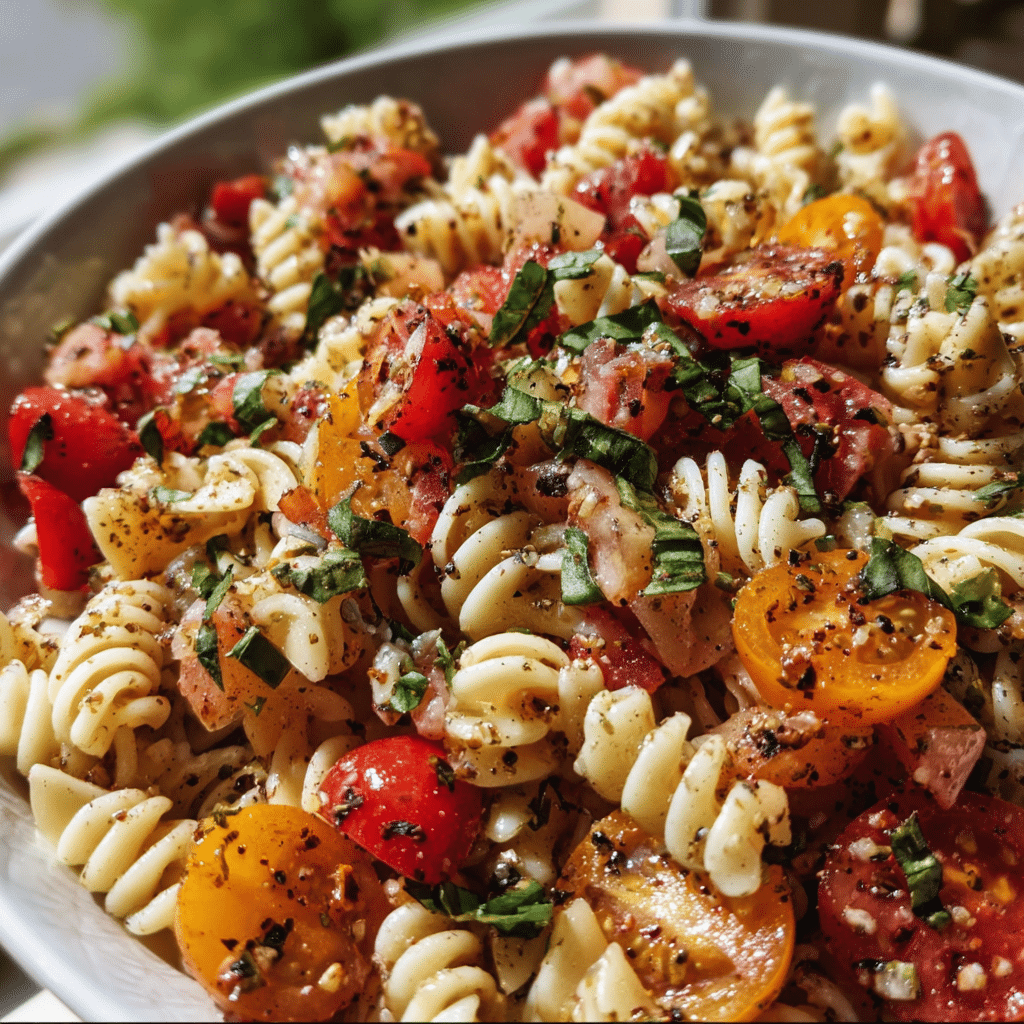
If your bruschetta topping lacks flavor, revisit your seasoning. A splash of balsamic vinegar or a sprinkle of red pepper flakes can elevate the entire dish. Additionally, fresh herbs should be added near the end of cooking to preserve their flavor. If you find your dish is too acidic from the tomatoes, balance it out with a pinch of sugar or add creamy ingredients like burrata or ricotta.
Presentation Tips
Food is not just about taste; it’s also about how it looks. For your delicious bruschetta pasta, consider plating it in a large serving bowl to create an inviting centerpiece. Toss the pasta with the bruschetta topping just before serving to ensure the pasta is coated evenly. Garnish with fresh basil leaves or edible flowers for a pop of color, and a drizzle of the infused olive oil adds a touch of elegance.
For a more refined presentation, serve individual portions in shallow bowls. Create a nest of pasta in the center and artfully arrange the bruschetta topping on top, allowing the juices to cascade down the sides. A sprinkle of toasted pine nuts or walnuts can add texture, while a dusting of fresh Parmesan lends a gourmet touch.
Pairing your delicious bruschetta pasta with the right beverage is essential. A crisp white wine, like a Pinot Grigio or Sauvignon Blanc, complements the fresh flavors beautifully. For non-alcoholic options, consider an herbal iced tea or sparkling water with a twist of lemon. Regardless of your choice, the right pairing enhances the overall dining experience.
Finally, meal prep can save you time in the kitchen. Prepare the bruschetta topping a day in advance, allowing the flavors to meld overnight in the refrigerator. Just remember to add fresh herbs right before serving, as they lose their vibrancy when stored. When it comes to scaling your recipe, doubling the ingredients is straightforward, but keep in mind that cooking times may vary, especially for pasta. Adjust accordingly to ensure that each batch is perfectly cooked.
Creative Variations and Adaptations of delicious bruschetta pasta
The beauty of delicious bruschetta pasta lies in its versatility. While the classic version is undeniably delightful, exploring variations can lead to exciting new flavors and textures. In this section, we’ll delve into creative twists, seasonal swaps, and dietary adaptations that will make this dish your own.
Seasonal Variations
Embracing seasonal ingredients can add a delightful twist to your delicious bruschetta pasta. In the summer, when tomatoes are at their peak, consider adding diced peaches or nectarines for a sweet contrast to the savory tomatoes. The juiciness of these fruits enhances the overall freshness of the dish and adds a unique flavor profile that will leave your guests raving.
As autumn rolls in, swap out the classic tomatoes for roasted butternut squash or pumpkin. Toss these with sage and a sprinkle of nutmeg, creating a warm, inviting dish perfect for fall gatherings. The creamy texture of the squash pairs beautifully with a hint of garlic, making each bite comforting and flavorful.
Winter brings its own bounty, so consider using hearty greens like kale or Swiss chard. Sauté these greens with garlic and olive oil, then mix them into your pasta for a robust flavor. Complement this with sun-dried tomatoes for added depth and a burst of color that brightens up those dreary winter days.
Dietary Adaptations
One of the most appealing aspects of delicious bruschetta pasta is its adaptability to various dietary needs. For those following a keto diet, substitute regular pasta with zucchini noodles or spaghetti squash. This not only lowers the carb count but also adds a fresh, crunchy element to the dish. Toss the zoodles in olive oil and lightly sauté them to maintain their texture before adding the bruschetta topping.
For a vegan twist, simply omit the cheese or use a plant-based alternative. Nutritional yeast can provide a cheesy flavor without the dairy, and you can enhance the dish with ingredients like avocado or cashew cream for creaminess. If gluten is a concern, opt for gluten-free pasta made from rice, corn, or lentils that will still allow you to enjoy this delectable dish without compromise.
Creative Twists
Why not explore international flavors with your delicious bruschetta pasta? A Mediterranean-inspired version could feature olives, capers, and feta cheese, creating a tangy, briny flavor profile. Add some artichoke hearts for an extra layer of complexity, and finish with a sprinkle of fresh oregano.
If you’re feeling adventurous, try a Thai-inspired twist by incorporating fresh basil and a drizzle of peanut sauce. Toss in some cooked shrimp or tofu for protein, and you’ll have a fusion dish that surprises and delights with every bite. These creative adaptations not only diversify your meals but also keep the dish exciting and fresh.
Another fun idea is to transform leftovers from your delicious bruschetta pasta into new meals. Use the pasta as a filling for stuffed peppers, or mix it with eggs and bake it as a frittata for breakfast the next day. The possibilities are endless, and you’ll find yourself looking forward to these creative leftovers!
In conclusion, crafting a delicious bruschetta pasta opens a world of culinary exploration. With tips on techniques, troubleshooting, and presentation alongside variations that embrace the seasons and dietary needs, you can make a dish that is not only satisfying but also uniquely yours. So gather your ingredients, unleash your creativity, and enjoy the delightful journey of cooking!
Storage, Reheating, and Meal Prep for delicious bruschetta pasta
When it comes to enjoying your delicious bruschetta pasta, understanding how to properly store, reheat, and meal prep this dish can significantly enhance your culinary experience. Not only does proper storage ensure that your pasta remains fresh and flavorful, but it also allows for easy meal planning throughout the week. In this section, we will delve into the best practices for storing your delicious bruschetta pasta, including tips for short-term and long-term storage, reheating methods, and meal prep strategies.
Short-term Storage
After making your delicious bruschetta pasta, it’s essential to cool it down to room temperature before storing. This is crucial to prevent condensation from forming in your storage container, which can lead to sogginess. For short-term storage, you should place your pasta in an airtight container. Glass containers with tight-fitting lids are ideal, as they do not retain odors and allow you to see the contents easily. If you’re using plastic containers, make sure they are BPA-free and suitable for food storage.
Your delicious bruschetta pasta can be stored in the refrigerator for up to three to five days. To maximize freshness, consider portioning your pasta into single servings. This not only makes reheating easier but also helps you control your portion sizes. If you find yourself with a large batch, try dividing it into smaller containers to minimize exposure to air each time you open the main container.
Additionally, when storing your pasta salad, keep the dressing separate if possible. This helps maintain the texture of the pasta and prevents it from becoming mushy. You can prepare a small jar of dressing and pour it over the pasta just before serving.
Freezing and Long-term Storage
If you anticipate that your delicious bruschetta pasta won’t be consumed within a few days, freezing is a great option for long-term storage. However, some precautions need to be taken to ensure the best quality upon reheating. Start by allowing the pasta to cool completely. Then, transfer it to freezer-safe containers or heavy-duty freezer bags. If using bags, try to remove as much air as possible before sealing to prevent freezer burn.
Your delicious bruschetta pasta can typically be frozen for up to three months. When you’re ready to enjoy it again, simply transfer it to the refrigerator to thaw overnight. For quicker thawing, you can place the container in a bowl of cold water. Avoid using the microwave for thawing, as it can lead to uneven heating.
It’s important to note that freezing may alter the texture of some ingredients, particularly fresh tomatoes and basil. However, the flavors will still be present, and you can always freshen up the dish with new herbs or toppings after reheating.
Reheating Best Practices
When it comes to reheating your delicious bruschetta pasta, the goal is to restore its original flavor and texture as much as possible. If you’ve stored your pasta in the refrigerator, simply add it to a skillet over medium heat. You may want to add a splash of olive oil or a bit of broth to help revive the dish and prevent it from drying out. Stir frequently to ensure even heating.
For frozen pasta, allow it to thaw in the refrigerator overnight before reheating. You can also reheat it directly from frozen by placing it in a skillet with a lid over low heat. Add a little liquid to help steam the pasta, covering it with a lid to trap the moisture. Stir occasionally and keep an eye on it to avoid burning.
For those who prefer the oven, preheat it to 350°F (175°C), place your pasta in an oven-safe dish, cover it with foil, and heat for about 20-30 minutes, or until hot throughout. Just like with the stovetop method, adding a splash of liquid before covering will help keep the pasta moist.
Food safety is crucial when it comes to storing and reheating your delicious bruschetta pasta. Always ensure that the pasta is heated to an internal temperature of 165°F (74°C) before consuming. And remember, if you notice any off smells or unusual textures, it’s best to err on the side of caution and dispose of the dish.
With these storage, freezing, and reheating strategies in mind, you can enjoy your delicious bruschetta pasta throughout the week with ease. Meal prepping your pasta salad not only saves time but also ensures that you have a tasty, healthy option ready to go whenever hunger strikes.
Nutritional Benefits and Health Information
When indulging in a bowl of delicious bruschetta pasta, it’s easy to focus on the delicious flavors and textures without considering the nutritional benefits that come with it. Understanding the ingredients that make up this dish can enlighten you about its health benefits and how it fits into various dietary lifestyles. In this section, we will explore the nutritional profile of delicious bruschetta pasta, its key health benefits, and dietary considerations to keep in mind.
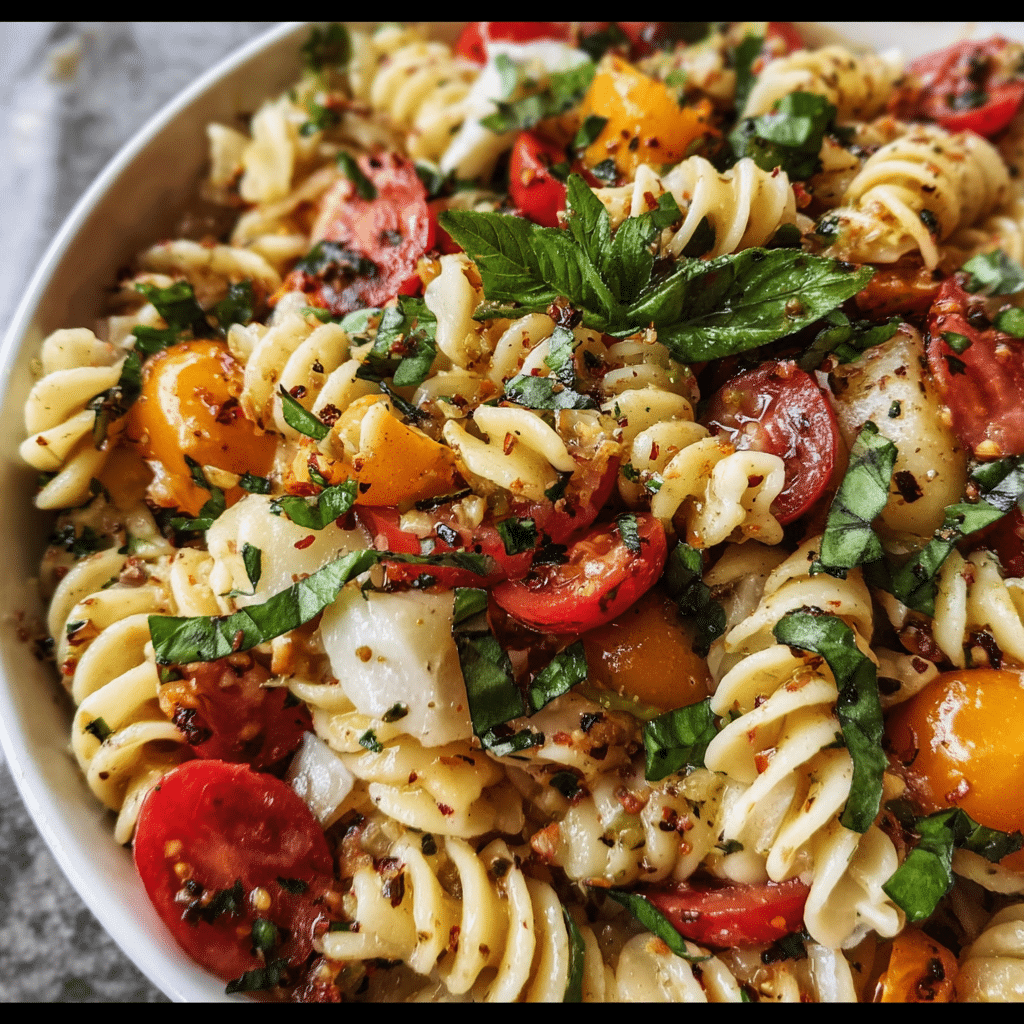
Nutritional Profile
The nutritional makeup of delicious bruschetta pasta can vary depending on the specific ingredients used, but generally, it is a vibrant and healthful dish. A standard serving contains a balanced mix of carbohydrates, proteins, and fats, making it a well-rounded choice for a meal or side dish. Typically, a serving will include:
- Calories: Approximately 300-400 depending on portion size and ingredients.
- Carbohydrates: 45-60 grams, primarily from the pasta and any added vegetables.
- Protein: 10-15 grams from the pasta and any added proteins like chicken or beans.
- Fat: 10-20 grams, largely from olive oil and any cheese used.
In addition to the macronutrients, delicious bruschetta pasta is rich in vitamins and minerals. The tomatoes provide a healthy dose of vitamin C, while fresh basil is a source of vitamin K and antioxidants. Moreover, any vegetables added, such as bell peppers or spinach, contribute additional vitamins and fiber.
Health Benefits
The health benefits of delicious bruschetta pasta largely stem from its fresh, wholesome ingredients. Tomatoes, the star of the bruschetta, are known for their high content of lycopene, an antioxidant linked to reduced risk of chronic diseases. They are also low in calories and high in water content, making them a great addition to a balanced diet.
Fresh basil not only adds flavor but also provides anti-inflammatory properties and essential oils that may help with digestion. Olive oil, a primary ingredient in the dressing, is rich in monounsaturated fats which are beneficial for heart health. It can help lower bad cholesterol levels while raising good cholesterol.
Whole grain or legume-based pasta can increase fiber content in your delicious bruschetta pasta, which is vital for digestive health. Fiber promotes a feeling of fullness and can aid in weight management, making this dish a satisfying option without excessive calories.
Dietary Considerations
When it comes to dietary considerations, delicious bruschetta pasta can easily be adapted to fit various lifestyles. For those following a vegetarian or vegan diet, simply omit cheese or replace it with a dairy-free alternative. Gluten-free pasta options are also widely available, allowing those with gluten sensitivities to enjoy this dish without worry.
For individuals monitoring their caloric intake, consider using whole grain or veggie-based pasta, which typically offers more nutrients and fiber than traditional pasta. Additionally, you can control portion sizes by measuring out servings and being mindful of added fats from dressings or oils.
As for allergens, always be cautious of ingredients like cheese and nuts if you’re preparing delicious bruschetta pasta for others, as these are common allergens. Providing clear labeling for those with dietary restrictions is always a good practice.
In comparison to similar dishes, delicious bruschetta pasta stands out due to its fresh ingredients and the ability to customize it to your liking. Unlike heavier creamy pasta salads, this dish is light and refreshing, making it an ideal choice for summer gatherings and picnics.
In summary, delicious bruschetta pasta is not just a flavorful dish but also a nutritious one that can fit into a variety of dietary plans. With its blend of fresh ingredients, it brings together taste and health benefits, making it a wonderful addition to your culinary repertoire. Whether you’re meal prepping for the week or serving it at a gathering, this pasta salad offers both satisfaction and nourishment.